
The Link Between Kitten Nutrition and Coat Health

Welcome to PetCareWorld, your ultimate guide to a happier, healthier life for your beloved pets! Are you noticing a lack of that vibrant shine in your kitten's coat? Discover the surprising connection between kitten food and a shiny coat in our insightful article, "The Link Between Kitten Nutrition and Coat Health," and unlock the secrets to a luxuriously healthy feline companion. Learn how the right nutrition can transform your kitten's appearance and overall well-being. Dive in and explore the world of expert pet care advice!
- Understanding Kitten Nutritional Needs for a Shiny Coat
- Kitten Food for a Shiny Coat: Choosing the Right Diet
- Recognizing Signs of Nutritional Deficiencies in Kitten Coat
- Boosting Your Kitten's Coat Health Through Diet
- Maintaining a Shiny Coat Beyond Nutrition
- Frequently Asked Questions
- Final Reflection: Unlocking Radiant Health Through Kitten Nutrition
- Unleash Your Kitten's Inner Shine: A Purrfect Coat Awaits!
Understanding Kitten Nutritional Needs for a Shiny Coat
A kitten's coat is more than just aesthetically pleasing; it's a reflection of their overall health and well-being. A dull, lackluster coat can be a sign of underlying nutritional deficiencies, while a vibrant, shiny coat often indicates a healthy and thriving kitten.
This article delves into the crucial link between kitten nutrition and coat health, providing pet owners with the knowledge to ensure their feline friends boast a beautiful, healthy coat. We'll explore the essential nutrients that contribute to a shiny coat, focusing on the specific needs of growing kittens, and offering practical advice on selecting the right food to support optimal fur health.
Understanding these nutritional requirements will empower you to make informed decisions about your kitten's diet, leading to a happier, healthier, and more radiant pet. Choosing the right kitten food for a shiny coat is easier than you think once you understand the key ingredients and their impact.
Essential Nutrients for Healthy Kitten Fur: Proteins, Fats, and Vitamins
A kitten's coat, like all bodily tissues, requires a balanced intake of essential nutrients for proper growth and maintenance. Proteins are the building blocks of fur, providing the amino acids necessary for the production of keratin, the main protein component of hair. High-quality protein sources, such as chicken, fish, and turkey, should form a significant part of your kitten's diet. Insufficient protein intake can lead to a dull, dry coat and even hair loss.
Fats are equally crucial, providing energy and facilitating the absorption of fat-soluble vitamins like A, D, E, and K. These vitamins play vital roles in skin and coat health. Healthy fats, such as those found in fish oil and certain vegetable oils, contribute to a shiny, supple coat. However, it's crucial to balance fat intake to avoid obesity.
Vitamins and minerals act as co-factors in various metabolic processes related to hair growth and shine. Specific vitamins, such as vitamin A, which promotes cell growth and skin health, and biotin, which plays a crucial role in keratin production, are particularly important for a healthy coat. A deficiency in any of these essential nutrients can negatively impact your kitten's fur quality. Therefore, selecting a complete and balanced kitten food is vital. The correct balance of these nutrients is key to achieving that sought-after "kitten food shiny coat."
The Role of Omega-3 and Omega-6 Fatty Acids in Kitten Coat Health
Omega-3 and omega-6 fatty acids are essential fatty acids that the body cannot produce on its own. These polyunsaturated fats are crucial for maintaining healthy skin and a glossy coat. Omega-3 fatty acids, often found in fish oil, have anti-inflammatory properties that can help reduce skin irritation and improve coat condition. Omega-6 fatty acids, found in sources like vegetable oils, are also important for skin barrier function and maintaining healthy fur.
The ideal ratio of omega-3 to omega-6 fatty acids is crucial; an imbalance can lead to skin problems and a dull coat. Many high-quality kitten foods are formulated with optimal ratios of these essential fatty acids to promote healthy skin and a radiant coat. Look for products that clearly state the inclusion of these beneficial fats.
Impact of Vitamin A, E, and Biotin on Kitten Fur Growth and Shine
Vitamin A plays a vital role in cell growth and differentiation, directly impacting the health of skin and hair follicles. A deficiency can lead to dry, rough fur and even skin problems. Vitamin E, a powerful antioxidant, protects cells from damage caused by free radicals, contributing to overall skin and coat health and preventing premature aging of the fur. Biotin, also known as vitamin B7, is a crucial co-factor in keratin production.
Keratin is the primary structural protein of hair, and adequate biotin levels are essential for strong, healthy fur growth and shine. A deficiency in biotin can result in brittle, dull hair. Ensuring your kitten receives sufficient amounts of vitamins A, E, and biotin through a balanced diet is essential for maintaining a healthy, shiny coat. Consider consulting with a veterinarian to determine the appropriate supplementation if needed, especially in cases of suspected deficiencies.
Kitten Food for a Shiny Coat: Choosing the Right Diet
A kitten's diet plays a pivotal role in the health and appearance of its coat. A dull, dry, or patchy coat can often be a sign of nutritional deficiencies. Providing your kitten with the right food is crucial for achieving that sought-after, glossy shine. The key lies in understanding the nutritional building blocks essential for a healthy coat and selecting a diet that provides them in abundance.
This means focusing on specific nutrients and choosing food sources rich in these components. This section will explore the dietary elements that directly impact coat health and guide you in selecting the optimal diet for your kitten's radiant fur. Remember, consulting your veterinarian is always recommended before making significant dietary changes, especially for kittens with pre-existing health conditions.
Selecting High-Quality Kitten Food: Key Ingredients to Look For
The foundation of a shiny coat for your kitten starts with selecting high-quality kitten food. Look for kibble or wet food that lists specific ingredients known to promote healthy skin and coat. These include:
- High-quality animal protein: Chicken, turkey, fish (like salmon or tuna), and lamb are excellent sources. Avoid foods with vague terms like "meat by-products." The higher the protein percentage, the better, especially for growing kittens. Aim for protein sources to be listed prominently at the beginning of the ingredient list.
- Healthy fats: Fats are crucial for skin health and coat luster. Look for sources like salmon oil, chicken fat, and flaxseed oil. These provide essential fatty acids like omega-3 and omega-6, which are vital for a shiny coat and healthy skin. The balance of these fatty acids is critical; an imbalance can lead to skin issues.
- Essential vitamins and minerals: Vitamins A, E, and the B vitamins are particularly important for skin and coat health. Zinc and biotin also play significant roles. Check the nutritional panel to ensure the food meets or exceeds the Association of American Feed Control Officials (AAFCO) nutrient profiles for growing kittens.
- Avoid fillers: Ingredients like corn, wheat, and soy can be less digestible and may not provide the same nutritional benefits as high-quality protein and fat sources. These often act as cheap fillers and can lead to digestive upset and potentially impact coat quality. Look for foods with minimal fillers and prioritize whole food ingredients.
Choosing a kitten food that prioritizes these key ingredients will significantly contribute to your kitten's coat health and overall well-being. Remember to always check the AAFCO statement to ensure the food is formulated to meet the nutritional needs of growing kittens.
Dry vs. Wet Food: Which is Best for a Shiny Coat in Kittens?
The debate between dry and wet food for kittens is ongoing, and the "best" option depends on several factors. Both can contribute to a shiny coat, but they differ in their nutritional profiles and potential benefits.
Dry food (kibble) is generally more convenient and often more affordable. It can also help with dental health by promoting chewing. However, dry food typically contains less moisture, which can potentially impact hydration levels and, consequently, skin and coat health.
Wet food, on the other hand, is highly palatable and contains a higher moisture content, which is beneficial for hydration. This increased hydration can contribute to healthier skin and a shinier coat. However, wet food can be more expensive and less convenient to store.
Ultimately, a balanced approach might be best. A combination of dry and wet food can provide the best of both worlds – convenience, dental benefits, and optimal hydration. Always ensure that the total daily intake meets your kitten's caloric needs and provides a balanced nutrient profile. Observe your kitten's coat condition and adjust the ratio of wet to dry food accordingly. If you notice a dullness in their coat, consider increasing the proportion of wet food.
Homemade Kitten Food Recipes for a Healthy and Shiny Coat (Considerations and Cautions)
While homemade kitten food can be tempting, it requires careful planning and expertise to ensure nutritional completeness. Improperly balanced homemade diets can lead to serious health problems. It's crucial to consult with a veterinary nutritionist before attempting to create a homemade diet for your kitten.
Warning: Homemade diets should never be attempted without professional guidance. Nutritional imbalances can cause severe health issues in kittens.
A veterinary nutritionist can help you formulate a recipe that meets all your kitten's nutritional needs, including those specific to coat health. They will consider factors such as your kitten's age, breed, activity level, and any pre-existing health conditions.
Even with expert guidance, preparing homemade kitten food requires significant time and effort. It's also important to ensure food safety and prevent bacterial contamination. You'll need to be meticulous about food handling, storage, and preparation techniques. The cost of high-quality ingredients might also be higher than commercial kitten food.
Unless you have a strong understanding of feline nutrition and are willing to commit to the time and effort, it's generally safer and more convenient to rely on commercially available, high-quality kitten food specifically formulated for optimal health, including a shiny and healthy coat. The convenience and nutritional balance of commercial options significantly outweigh the potential risks associated with homemade diets for most pet owners.
Recognizing Signs of Nutritional Deficiencies in Kitten Coat
A kitten's coat is a fantastic indicator of its overall health, and specifically, its nutritional intake. A vibrant, shiny coat is a hallmark of a well-nourished kitten, while a dull, lackluster coat can signal underlying nutritional deficiencies. Understanding these signs is crucial for pet owners aiming for optimal kitten development and well-being.
Paying close attention to your kitten's fur can be the first step in identifying potential problems and ensuring they receive the proper nutrition for a healthy, shiny coat. This section will delve into the specific signs to look for and their relation to "kitten food shiny coat" concerns.
Dull Coat, Hair Loss, and Dry Skin: Indicators of Poor Nutrition
A dull, lackluster coat is often the first visible sign of nutritional deficiencies in kittens. Instead of the glossy, vibrant fur expected in a healthy kitten, a deficient diet can lead to a coat that appears lifeless and dull. This dullness is often accompanied by dryness, making the fur feel brittle and easily broken.
Furthermore, hair loss or thinning fur can also indicate nutritional imbalances. These issues are frequently linked to deficiencies in essential fatty acids, like omega-3 and omega-6, which are crucial for maintaining a healthy skin barrier and promoting healthy hair growth. A deficiency in protein, a vital building block for hair, can also contribute to these problems.
Consider this example: A kitten fed a diet primarily consisting of carbohydrates with limited protein and essential fatty acids might exhibit a dull, dry coat with noticeable hair loss, especially around the tail and flanks. This is a clear indication that the diet needs immediate adjustment to include higher-quality protein sources and a balanced ratio of omega-3 and omega-6 fatty acids. The aim is to provide the kitten with "kitten food shiny coat" promoting nutrients. Regular brushing can help remove dead hair and improve coat appearance, but addressing the underlying nutritional deficiency is crucial for long-term improvement.
While a dull coat, hair loss, and dry skin are prominent indicators, other symptoms can accompany nutritional deficiencies in kittens and further indicate the need for dietary changes to achieve a "kitten food shiny coat." These symptoms might include:
- Skin irritations and inflammation: Deficiencies in certain vitamins and minerals can weaken the skin's protective barrier, leading to increased susceptibility to infections and irritations. You might observe redness, scaling, or excessive itching.
- Slow growth and development: A poor diet directly impacts a kitten's growth rate. If a kitten is not growing at the expected rate for its age, a nutritional deficiency should be considered.
- Increased susceptibility to illness: A well-nourished kitten has a stronger immune system, better equipped to fight off infections. Frequent illnesses could indicate nutritional deficiencies compromising its immune response.
- Changes in appetite and behavior: While not directly related to coat health, changes in eating habits or behavior can be subtle indicators of underlying nutritional problems. A kitten that suddenly becomes very picky or loses interest in food might have a nutritional deficiency.
Understanding these additional symptoms, in conjunction with the visible signs in the coat, provides a comprehensive picture of the kitten's nutritional status. Addressing these issues promptly, through a balanced and complete diet, is crucial for the kitten's overall health and well-being, resulting in a healthy, shiny coat. Remember, a healthy diet is the foundation for a healthy, happy kitten. 😻
Boosting Your Kitten's Coat Health Through Diet
A kitten's coat is a reflection of its overall health, and proper nutrition plays a crucial role in achieving that enviable glossy shine. A diet lacking essential nutrients can lead to a dull, dry, and potentially unhealthy coat, making the selection of the right kitten food paramount. Focusing on "kitten food shiny coat" solutions requires understanding the specific nutritional needs of a growing feline. This section delves into the dietary components vital for a healthy, radiant coat.
Dietary Supplements for Improved Coat Condition in Kittens
While a balanced commercial kitten food often provides sufficient nutrients, certain dietary supplements can further enhance coat health. These supplements should be introduced gradually and only after consulting with a veterinarian. Improper supplementation can lead to imbalances and potential health issues.
Some beneficial supplements include:
- Omega-3 and Omega-6 Fatty Acids: These essential fatty acids are crucial for skin and coat health. They reduce inflammation, improve skin barrier function, and promote a glossy coat. Sources include fish oil (ensure it's high-quality and specifically formulated for cats), flaxseed oil, and certain commercially available kitten foods enriched with these fatty acids. Always check the label for the correct dosage and ensure the product is specifically designed for cats.
- Vitamin E: A powerful antioxidant, Vitamin E protects cells from damage and supports healthy skin and coat. It's often found in commercial kitten food, but supplementing may be beneficial in some cases, especially if the kitten's diet lacks sufficient amounts. Again, consult your vet before adding any supplements.
- Biotin: This B vitamin plays a vital role in keratin production, the protein that makes up the hair shaft. Biotin deficiency can lead to dry, brittle fur. While many kitten foods contain sufficient biotin, a deficiency can be addressed through targeted supplementation after veterinary consultation.
It's crucial to remember that over-supplementation can be harmful. Always follow the recommended dosages on the product label and seek professional veterinary guidance before introducing any supplements to your kitten's diet. A balanced approach, combining a high-quality kitten food with carefully considered supplementation under veterinary supervision, offers the best chance of achieving a stunningly healthy and shiny coat. The goal is a naturally shiny coat, not an artificially enhanced one.
Gradual Dietary Changes to Avoid Digestive Upsets
Introducing new foods or supplements to a kitten's diet requires a gradual approach to prevent digestive upset. Sudden changes can lead to diarrhea, vomiting, and other gastrointestinal problems. The transition should be a slow and steady process, allowing the kitten's digestive system to adapt.
A common method involves a gradual mixing of the new food with the old food over a period of 7-10 days. Start by mixing a small amount (25%) of the new food with 75% of the old food. Gradually increase the proportion of the new food over the next week, until the kitten is eating 100% of the new food. This allows the kitten's gut microbiome to adjust to the new ingredients without causing significant distress.
Monitor your kitten closely during this transition period. Look out for signs of digestive upset, such as loose stools, vomiting, or lethargy. If you notice any issues, slow down the transition or consult your veterinarian immediately. Remember, a healthy digestive system is essential for nutrient absorption and overall health, directly impacting the quality of your kitten's coat.
Patience and careful monitoring are key to a successful dietary change, leading to a healthy, shiny coat and a happy, healthy kitten. The key is a gradual transition to ensure optimal digestion and nutrient absorption, maximizing the benefits of the "kitten food shiny coat" approach.
Maintaining a Shiny Coat Beyond Nutrition
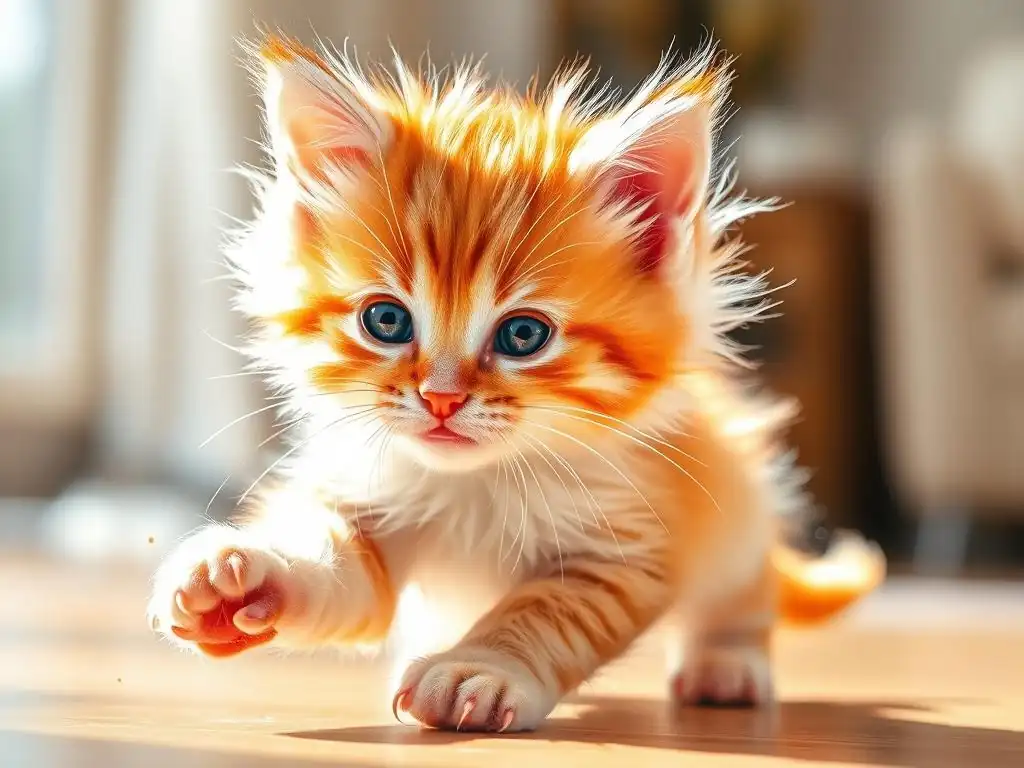
A dazzling, shiny coat is a hallmark of a healthy kitten. While proper nutrition plays a crucial role (as discussed in previous sections), achieving that enviable sheen requires a holistic approach. Focusing solely on "kitten food shiny coat" overlooks other essential factors contributing to a kitten's overall coat health. This section delves into additional practices that, when combined with a balanced diet, will help your kitten boast a beautiful, lustrous coat.
Regular Grooming for Healthy Kitten Fur
Regular grooming is not merely about aesthetics; it's a vital aspect of maintaining a healthy coat and preventing various skin issues. Brushing removes loose fur, preventing matting and the accumulation of dirt and debris that can irritate the skin. This process also stimulates the skin's natural oil production, contributing to a healthier, shinier coat. The frequency of grooming depends on your kitten's breed and coat type. Long-haired breeds require more frequent brushing, perhaps daily, while short-haired breeds might need brushing only a few times a week.
The type of brush you use is also crucial. For kittens, a soft-bristled brush or a grooming mitt is ideal. Avoid using harsh brushes that can damage the delicate skin and coat of a young cat. During brushing, gently check for any signs of skin irritation, fleas, or ticks.
Early detection and treatment are key to preventing more significant problems. Regular grooming also fosters a strong bond between you and your kitten, making it a positive and enjoyable experience for both of you. Consider adding a gentle detangling spray for long-haired kittens to make the process smoother and less stressful.
The Importance of Hydration for a Healthy and Shiny Coat
Just as proper nutrition contributes to a shiny coat, adequate hydration is equally vital. Dehydration can negatively impact skin elasticity and overall coat health, leading to dullness and dryness. Kittens, being highly active and prone to dehydration, need constant access to fresh, clean water.
Ensure your kitten's water bowl is always full and consider offering various water sources, such as a water fountain, to encourage higher water intake. Observe your kitten's water consumption; reduced intake might indicate an underlying health issue requiring veterinary attention. The quality of the water is also important; filter your tap water or provide bottled water to eliminate potential contaminants.
Dehydrated kittens often exhibit symptoms such as lethargy, dry gums, and decreased skin elasticity. Paying close attention to your kitten's hydration levels is crucial for maintaining a healthy and shiny coat, alongside a well-balanced diet rich in essential fatty acids and nutrients. A well-hydrated kitten will display a more vibrant, healthier coat than a dehydrated one, reflecting the importance of consistent water access.
Frequently Asked Questions
What is the most important nutrient for a kitten's shiny coat?
A healthy, shiny coat starts with a balanced diet. Essential fatty acids, like omega-3 and omega-6, are crucial. Supplementing with fish oil can also be beneficial.
My kitten's coat is dull. What could be the cause?
Dullness can indicate nutritional deficiencies, parasites, or underlying health problems. Consult your veterinarian to rule out medical issues and adjust the diet accordingly.
Can I give my kitten human food to improve its coat?
No, human food is not suitable for kittens and can be harmful. Their nutritional needs are different. Stick to high-quality kitten food formulated for their age and breed.
How often should I brush my kitten to maintain a shiny coat?
Regular brushing helps remove dead hair and distributes natural oils, leading to a healthier coat. Aim for daily or every other day brushing, depending on the kitten's breed and hair length.
What are the signs of a healthy kitten coat?
A healthy coat is shiny, smooth, and free from mats or excessive shedding. If you notice any changes, consult your veterinarian.
Final Reflection: Unlocking Radiant Health Through Kitten Nutrition
The health of a kitten's coat is not merely aesthetic; it's a direct reflection of their overall well-being, a vibrant indicator of proper nutrition. A shiny, healthy coat speaks volumes about a kitten's internal health, highlighting the crucial role of balanced nutrition in their development and future. Ignoring this connection can lead to significant health issues down the line, impacting their quality of life.
The impact of proper kitten nutrition extends far beyond a beautiful coat; it's about fostering a strong immune system, promoting healthy growth, and ensuring a long, happy life for our feline companions. A healthy outside starts from the inside.
This simple truth applies profoundly to our kittens, reminding us that the food we provide is the foundation upon which their health is built. The choices we make today directly influence their vitality tomorrow, shaping their overall well-being in profound ways.
Now, consider your own kitten. What steps can you take to ensure they receive the optimal nutrition needed for a radiant coat and robust health? Are you providing a balanced diet rich in essential fatty acids and nutrients? Take a moment to review your kitten's food, and if necessary, make adjustments to support their growth and development. Remember, a shiny coat is a testament to a happy, healthy kitten – a reward for your dedication to their well-being. Invest in their future, one nutritious meal at a time.
Unleash Your Kitten's Inner Shine: A Purrfect Coat Awaits!
Thank you for learning about the vital connection between nutrition and your kitten's beautiful coat! We hope you feel confident making informed decisions about their diet. Ready to put this knowledge into practice?
- Choose high-quality kitten food: This is the most important step. Look for foods with high-quality ingredients such as real meat and essential fatty acids to promote a healthy coat.
- Consider adding a salmon oil supplement to their diet for an extra boost of shine and healthy skin.
- Share your kitten's coat transformation with other PetCareWorld members in the comments below – let's build a supportive community of cat lovers!
What small dietary change will you make today to improve your kitten's coat health?