
Litter Box Training: A Guide to Using Different Types of Litter Boxes

Welcome to PetCareWorld, your ultimate resource for everything pet-related! Are you ready to conquer the sometimes-challenging world of litter box training? We've got you covered. Our comprehensive guide on best litter box training will help you navigate different litter box types and find the perfect solution for your feline friend, ensuring a happy and healthy home for both of you. Discover the secrets to successful litter box training and unlock a cleaner, more harmonious life with your cat – read on to learn more!
- Understanding the Best Litter Box Training Guide for Your Cat
- Effective Litter Box Training Techniques for Kittens and Adult Cats
- Different Types of Cat Litter and Their Impact on Litter Box Training Success
- Maintaining a Clean and Appealing Litter Box Environment
- Advanced Litter Box Training Strategies for Problem Solvers
- Troubleshooting Common Litter Box Problems: A Comprehensive Guide
- Resources for Further Assistance with Cat Litter Box Training
- Frequently Asked Questions
- Final Reflection: The Journey to a Cleaner Home, a Happier Cat
- Unleash Your Cat's Inner Clean Freak!
Understanding the Best Litter Box Training Guide for Your Cat
Successfully litter box training your cat is crucial for a harmonious home environment. This comprehensive guide will walk you through the process, helping you understand the various factors involved in choosing and using the best litter box for your feline friend. From selecting the appropriate size and type of litter box to considering the material and placement, we'll cover all the essential aspects to ensure your cat develops healthy litter box habits.
This guide aims to be your ultimate resource, providing practical advice and solutions to common litter box training challenges, ultimately earning its place as the best litter box training guide you'll find. We'll explore different approaches, addressing the needs of kittens and adult cats alike, empowering you to make informed decisions that contribute to a happy and healthy cat.
This guide isn't just about eliminating accidents; it's about building a positive relationship with your cat based on understanding their needs and preferences. 😼
Choosing the Right Litter Box Size and Type for Your Cat's Needs
Selecting the right litter box is paramount for successful litter box training. A poorly chosen box can lead to accidents and frustration for both you and your cat. The size and type of litter box should be carefully considered based on your cat's age, size, and personality. A cat that feels cramped or uncomfortable in its litter box is more likely to avoid using it. Let's delve into the specifics:
Litter Box Size Considerations for Kittens vs. Adult Cats
Kittens require smaller litter boxes than adult cats. A box that's too large can be overwhelming for a tiny kitten, making them feel insecure and less likely to use it. Aim for a litter box that allows your kitten to easily turn around and comfortably eliminate without feeling confined. As your kitten grows, you'll need to upgrade to a larger box to accommodate their increasing size.
Adult cats, on the other hand, need ample space to comfortably move around and eliminate without feeling crowded. A good rule of thumb is to ensure the litter box is large enough for your cat to comfortably stretch out fully. Failure to provide adequate space can lead to litter box avoidance and accidents outside the designated area. Consider measuring your cat's length and choosing a box that provides at least that much space.
Types of Litter Boxes: Open, Covered, Self-Cleaning, and Corner Boxes
The market offers a variety of litter box types, each with its own advantages and disadvantages. Understanding these differences is crucial in finding the best fit for your cat.
- Open Litter Boxes: These are the most basic and widely used type. They offer easy access and are simple to clean. However, they may not provide the privacy some cats prefer.
- Covered Litter Boxes: These boxes offer privacy and can help contain odors. However, some cats may feel trapped or claustrophobic inside a covered box. Ensure adequate ventilation to prevent ammonia buildup.
- Self-Cleaning Litter Boxes: These automated boxes make cleaning easier, but they can be expensive and may frighten some cats. Always supervise your cat's initial interaction with a self-cleaning box.
- Corner Litter Boxes: These boxes are designed to fit snugly into a corner, saving space. They are available in both open and covered styles.
Choosing the right type often involves observing your cat's preferences and adjusting accordingly.
Material Matters: Plastic, Metal, and Other Litter Box Materials
The material of the litter box can also impact your cat's willingness to use it. Different materials offer varying levels of durability, ease of cleaning, and aesthetic appeal.
| Material | Advantages | Disadvantages |
|---|---|---|
| Plastic | Lightweight, inexpensive, readily available | Can scratch easily, may harbor odors over time |
| Metal | Durable, easy to clean, resists scratching | Can be heavy, more expensive |
| Other Materials | Some offer unique features (e.g., antimicrobial properties) | May require specialized cleaning or maintenance |
Remember, the "best" litter box is the one your cat readily accepts and uses consistently. Observe your cat's behavior and adjust your choices as needed. Regular cleaning and proper placement are equally important for successful litter box training.
Effective Litter Box Training Techniques for Kittens and Adult Cats
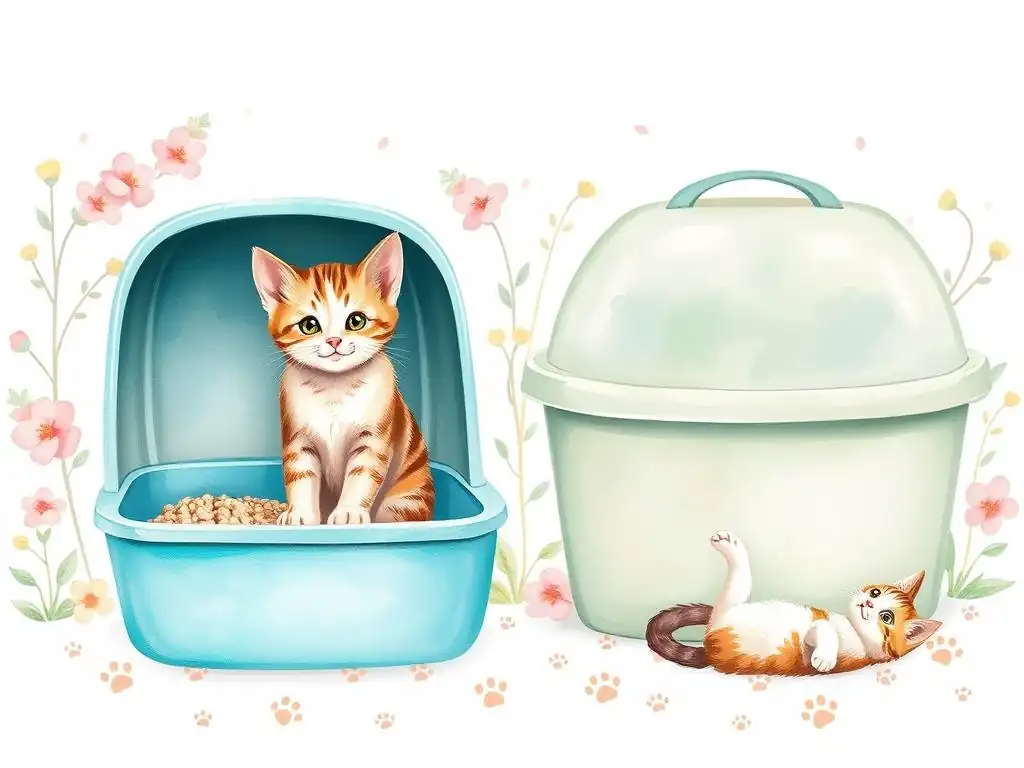
This section delves into proven techniques for successful litter box training, catering to both kittens and adult cats. Remember, patience and consistency are key to achieving positive results. The best litter box training guide emphasizes a gradual, positive reinforcement approach, minimizing stress for your feline companion.
Introducing Your Cat to the Litter Box: A Step-by-Step Approach
Successfully introducing your cat to the litter box involves a carefully planned, step-by-step process. For kittens, ideally, this begins shortly after they arrive in their new home. Adult cats may require a slightly different approach, depending on their prior experiences.
First, select a quiet, easily accessible location for the litter box. Avoid placing it near food or water bowls. A low-traffic area minimizes potential disruptions during the crucial initial training phase.
Next, choose the right type of litter. Many options exist, including clay, clumping clay, silica gel, and even recycled paper litter. Observe your cat's preferences and adjust accordingly. Some cats are sensitive to certain litter textures or scents. Start with a small amount of litter to avoid overwhelming your cat.
Now, gently place your cat near the litter box. Many cats instinctively understand its purpose, but some may require gentle encouragement. If your cat hesitates, try placing a small amount of their urine or feces (if available) in the box to help them recognize it as a restroom. Avoid harsh punishments; instead, offer positive reinforcement with praise and treats when they use the box successfully. This positive reinforcement is crucial for establishing a positive association with the litter box.
Finally, monitor your cat's behavior closely. Observe their elimination habits and address any potential issues promptly. If accidents occur, clean them thoroughly using an enzymatic cleaner to eliminate odors that may attract future accidents. Remember, consistency is crucial, and patience will yield the best results in litter box training.
Establishing a Consistent Litter Box Routine
A consistent routine is crucial for successful litter box training. This includes regular cleaning and maintenance of the litter box, ensuring it remains a pleasant and inviting space for your cat. A dirty litter box is a major cause of litter box avoidance.
Here’s a suggested schedule:
- Daily: Scoop solid waste and clumps from the litter box. This prevents unpleasant odors and keeps the box hygienic.
- Weekly: Completely change the litter. Thoroughly wash the litter box with warm soapy water (avoid harsh chemicals). Rinse thoroughly and allow it to dry completely before adding fresh litter.
Consistency extends beyond just cleaning. Maintain the litter box’s location whenever possible. Moving it can confuse your cat and lead to accidents. Also, ensure you have enough litter boxes. A general rule of thumb is to have one litter box per cat, plus one extra. This allows for multiple access points and prevents territorial disputes.
Proper hygiene is not just about cleaning; it's also about maintaining a suitable environment around the litter box. Use air fresheners sparingly, as strong scents can deter cats. Cats have sensitive noses, and overpowering smells can make them reluctant to use the box. Furthermore, ensure easy access to the box. Avoid placing it in cramped spaces or areas difficult for your cat to reach.
Dealing with Accidents and Troubleshooting Common Litter Box Issues
Even with careful training, accidents can happen. The key is to identify the underlying cause and address it promptly. Common issues include:
| Problem | Possible Cause | Solution |
|---|---|---|
| Cat avoids the litter box | Dirty litter box, unpleasant odor, unsuitable litter | Clean the box, try different litter, ensure easy access, consult a veterinarian |
| Cat urinates outside the box | Medical issues (UTI, kidney disease), stress, marking | Veterinary checkup, address stress factors, pheromone diffusers, Feliway |
| Cat defecates outside the box | Medical issues (constipation, parasites), pain | Veterinary checkup, address underlying pain, adjust diet |
If accidents persist despite your efforts, consult a veterinarian. Underlying medical conditions can often contribute to litter box problems. A vet can rule out any health issues and provide tailored advice. Remember, patience and a systematic approach are crucial. Don't give up; with persistence, you'll achieve successful litter box training for your feline friend. This comprehensive approach will position your cat for a happy, healthy life, making your home a cleaner and more harmonious environment for both you and your pet. 😻
Positive Reinforcement and Rewards for Successful Litter Box Use
Positive reinforcement is the cornerstone of successful litter box training. Instead of punishing accidents, which can create fear and anxiety, focus on rewarding appropriate behavior. This positive approach builds a strong association between the litter box and positive experiences, making your cat more likely to use it consistently. The key is to be consistent and immediate with your rewards.
For kittens, especially, immediate positive reinforcement is crucial. If you see your kitten using the litter box, praise them enthusiastically with a happy tone of voice and offer a small, tasty treat immediately afterward. This creates a powerful positive association. Avoid delaying the reward, as the connection between the action and the reward will be weakened. A simple "Good kitty!" combined with a small piece of cooked chicken or a specialized cat treat works wonders.
Adult cats can also benefit significantly from this method, especially if they're experiencing litter box issues. If your adult cat has suddenly started eliminating outside the litter box, a return to positive reinforcement can be incredibly helpful in retraining them. It’s important to identify and address any underlying medical or behavioral issues that may be contributing to the problem, but positive reinforcement can significantly accelerate the retraining process. Consistent praise and a favorite treat after each successful litter box visit can help rebuild the positive association.
The type of reward should be tailored to your cat's preferences. Some cats respond better to verbal praise and petting, while others are motivated primarily by food rewards. Experiment to find what works best for your feline friend. Remember, the goal is to make using the litter box a pleasurable experience.
This positive reinforcement strategy, when implemented consistently, will dramatically improve your chances of achieving successful litter box training and maintaining good litter box habits throughout your cat's life. Even a simple pat on the head and a soft "Good girl/boy" can be highly effective. The key is consistency and immediate positive feedback. 🎉
Different Types of Cat Litter and Their Impact on Litter Box Training Success
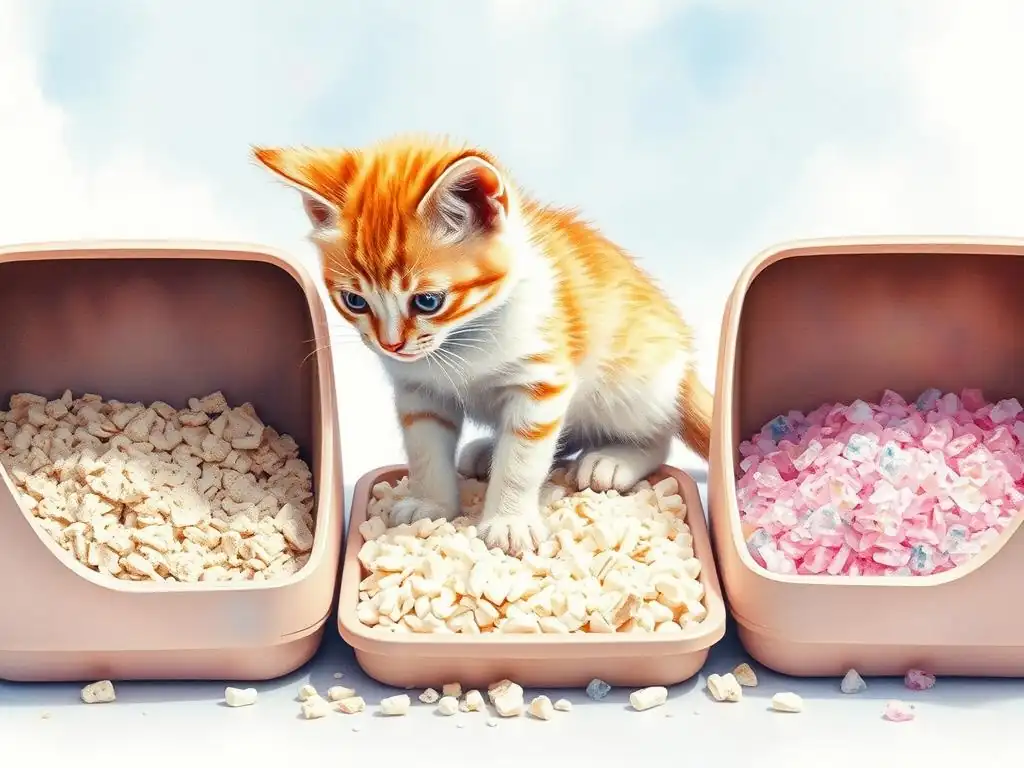
Choosing the right cat litter is crucial for successful litter box training. The texture, scent, and absorbency of the litter can significantly influence your cat's willingness to use the box. A negative experience with the litter can lead to accidents outside the litter box, setting back your training efforts. This section explores various litter types and their impact on litter box training. Finding the best litter for your cat often involves a process of trial and error, paying close attention to your cat's preferences and reactions.
Clumping vs. Non-Clumping Litter: Pros and Cons for Litter Box Training
The choice between clumping and non-clumping litter is often the first hurdle in litter box training. Clumping litter forms solid clumps when wet, making scooping easier and keeping the litter box cleaner. This cleanliness is generally preferred by cats, as they dislike soiled litter. However, some cats are sensitive to the dust produced by clumping litters, particularly those made from clay.
Non-clumping litter, usually made from clay, is generally less expensive but requires more frequent complete changes, as it doesn't form clumps. The constant need for full litter changes can disrupt your cat's routine and might cause them to avoid the litter box if the change is too drastic or frequent.
| Litter Type | Pros | Cons | Ideal for Litter Box Training? |
|---|---|---|---|
| Clumping | Easy scooping, cleaner box, less odor | Can be dusty, potentially more expensive | Generally Yes, with careful consideration of dust |
| Non-Clumping | Less expensive | Requires more frequent complete changes, more odor | Generally No, unless cat is highly sensitive to dust |
Choosing a low-dust clumping litter is often recommended for kittens and cats undergoing litter box training, as it minimizes potential irritants. Remember to always introduce new litters gradually to avoid startling your cat.
Clay, Silica Gel, and Other Litter Materials: Choosing the Right One
The market offers a wide array of litter materials beyond the basic clumping and non-clumping clay options. Silica gel litter, for example, is known for its excellent odor control and absorbency. However, it can be more expensive and some cats dislike its texture, which can feel different under their paws. Other options include plant-based litters (e.g., wheat, corn, paper), which are often marketed as eco-friendly and dust-free. However, their absorbency might be less effective than clay or silica gel, potentially leading to more frequent cleaning.
Consider these factors when selecting a litter material:
- Dust Level: Low-dust options are crucial for sensitive cats.
- Absorbency: High absorbency reduces odor and keeps the litter box cleaner.
- Texture: Choose a texture that your cat finds comfortable and appealing.
- Scent: Unscented litter is generally best; strong scents can deter cats.
- Cost: Balance cost with the litter's effectiveness and your cat's preferences.
Experimentation is key. If your cat avoids the litter box, changing the litter type might be the solution. Keep detailed records of your attempts, noting the type of litter used, your cat's reaction, and any observed changes in litter box usage.
Litter Depth and its Influence on Litter Box Acceptance
The depth of litter in the box also plays a role in litter box acceptance. Cats generally prefer a litter depth that allows them to comfortably bury their waste. Too little litter might leave them feeling exposed, while too much can make digging difficult.
A good rule of thumb is to aim for a depth of about 2-3 inches. However, this can vary depending on the type of litter used and your cat's size and preferences. Observe your cat's behavior while using the litter box. If they seem to struggle digging or avoid burying their waste, adjust the litter depth accordingly.
Regularly check and adjust the litter depth, especially during the initial litter box training phase. This seemingly small detail can significantly impact your cat's comfort and willingness to use the litter box consistently. Monitoring this aspect closely will improve your chances of success in achieving the best litter box training results. 😻
Maintaining a Clean and Appealing Litter Box Environment
Maintaining a pristine litter box environment is crucial for successful litter box training and your cat's overall well-being. A dirty litter box is a major deterrent, leading to accidents outside the designated area. This section focuses on the practical aspects of keeping your cat's toilet a welcoming and hygienic space. Think of it as creating a five-star feline restroom!
Regular Litter Box Cleaning: Frequency and Best Practices
The frequency of litter box cleaning directly impacts your cat's willingness to use it. For a single cat, scooping solid waste and clumps daily is non-negotiable. This prevents the build-up of ammonia, a pungent odor cats find highly offensive. A complete litter box change, including replacing all the litter, should occur at least once a week, or more frequently if needed.
Consider these best practices:
- Use a scoop designed for easy clump removal: Investing in a good quality litter scoop will make the process significantly easier and more efficient.
- Dispose of waste properly: Always seal waste in a plastic bag before discarding it to prevent odors and attract unwanted pests.
- Wash the litter box thoroughly: Use warm, soapy water and a disinfectant (pet-safe!) to clean the box after emptying it. Rinse thoroughly and allow it to dry completely before adding fresh litter. Avoid using harsh chemicals that could harm your cat.
- Monitor litter depth: Maintain the recommended litter depth as specified on your chosen litter's packaging. Too little litter can result in misses, while too much can make scooping difficult.
Failing to maintain a clean litter box can lead to several issues, including:
- Inappropriate urination or defecation: Your cat may start eliminating outside the litter box if it finds the current box unpleasant.
- Health problems: Bacteria and parasites can thrive in a dirty litter box, potentially affecting your cat's health.
- Unpleasant odors: A dirty litter box will smell bad, impacting both you and your cat's living environment.
Preventing Litter Box Odors: Tips and Tricks
Even with regular cleaning, some odor can persist. Here are some strategies for minimizing unpleasant smells and creating a more appealing environment for your cat:
- Choose the right litter: Different types of litter offer varying levels of odor control. Experiment with different brands and types (clay, clumping, crystal, etc.) to find what works best for you and your cat. Consider unscented litters to avoid masking odors with potentially irritating fragrances.
- Baking soda: Sprinkling a thin layer of baking soda at the bottom of the litter box before adding fresh litter can help absorb odors.
- Air fresheners (with caution): Avoid strong, artificial air fresheners, as these can be harmful to cats. If you must use an air freshener, choose one specifically designed for pet-safe use and use it sparingly. Natural options, such as open windows or a bowl of baking soda, are often preferable.
- Litter box liners: Disposable litter box liners can make cleaning easier and help contain odors. Ensure that the liner is compatible with your litter box and litter type.
- Regularly clean surrounding areas: The area around the litter box can also accumulate odors. Clean the floor and surrounding surfaces regularly to prevent odor build-up.
Placement of the Litter Box: Optimal Location in Your Home
The location of your cat's litter box significantly influences its usage. Cats prefer private, quiet, and easily accessible locations. Avoid placing the litter box:
- Near food and water bowls: Cats instinctively avoid eliminating near their food sources.
- In high-traffic areas: A quiet, less-disturbed spot will make your cat feel more comfortable and secure.
- In confined spaces: Ensure there is enough space around the litter box for your cat to comfortably enter and exit.
- In areas with loud noises: Loud noises can stress your cat and make it hesitant to use the litter box.
Consider these optimal placement tips for the best litter box training guide results:
- Multiple litter boxes: For multi-cat households, provide one litter box per cat, plus one extra.
- Easy access: The litter box should be easily accessible to your cat at all times.
- Privacy: Cats appreciate privacy when using the litter box. Consider placing it in a quiet corner or behind a piece of furniture.
Following these guidelines will significantly improve your chances of successful litter box training and contribute to a happy and healthy cat. Remember, patience and consistency are key!
Advanced Litter Box Training Strategies for Problem Solvers
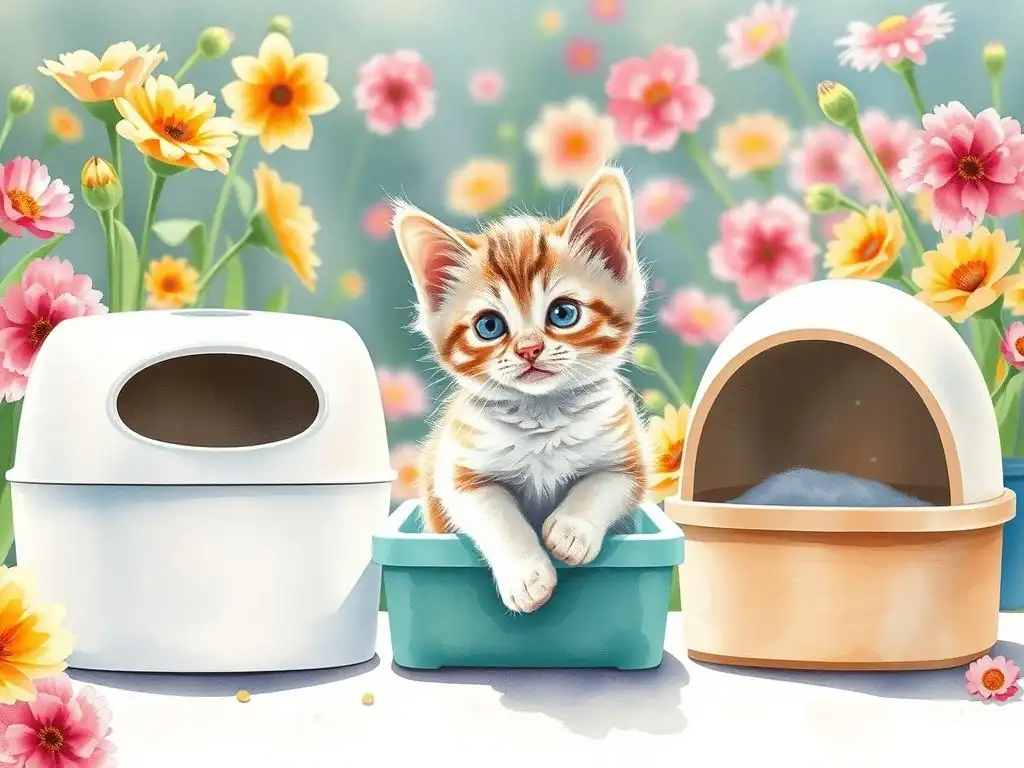
This section delves into more complex scenarios and advanced techniques for litter box training, moving beyond the basics. We'll explore strategies for successfully managing multiple cats, addressing potential medical issues, and resolving behavioral problems that can impact litter box usage. Remember, patience and consistency are key to success in all aspects of litter box training. This guide aims to equip you with the knowledge to become a true litter box training expert.
Dealing with Multiple Cats and Litter Box Sharing
Multi-cat households present unique challenges when it comes to litter box training. The general rule of thumb is to have one more litter box than the number of cats you own. For example, three cats should have at least four litter boxes. This helps reduce competition and territorial disputes, common causes of inappropriate elimination.
Proper placement is crucial. Avoid placing litter boxes in high-traffic areas or near food and water bowls. Cats prefer privacy when eliminating. Consider distributing the boxes throughout the house, offering a variety of locations and types of boxes to cater to individual cat preferences. Some cats prefer enclosed boxes, while others prefer open ones. Offering a range of options increases the likelihood of each cat finding a suitable spot.
Observe your cats' litter box habits carefully. Note which cats use which boxes and at what times of day. This information can help you identify potential conflicts or preferences. If a cat consistently avoids a particular box, try moving it to a different location or replacing it with a different type of box.
Regular cleaning is also paramount. Cats are fastidious and will avoid dirty litter boxes. Scoop the litter at least once a day, and completely change the litter regularly, according to the manufacturer's instructions. This diligent approach significantly increases the chances of successful litter box sharing amongst your feline family members.
Addressing Medical Issues that May Affect Litter Box Habits
Changes in litter box habits, such as increased frequency, straining, or accidents outside the box, can often indicate underlying medical problems. These are not necessarily behavioral issues; instead, they may stem from urinary tract infections (UTIs), kidney disease, arthritis, or other health conditions. A cat experiencing discomfort or pain during urination may avoid the litter box or have difficulty using it properly.
If you notice any changes in your cat's litter box behavior, it's crucial to consult a veterinarian. A thorough veterinary examination can help identify any medical issues. The vet may perform a urinalysis, blood tests, or other diagnostic procedures to determine the cause of the problem. Early detection and treatment of medical conditions are crucial for preventing long-term health issues and restoring normal litter box habits. Don't dismiss changes in litter box usage as simply "bad behavior" – it could be a sign of a serious health concern requiring professional veterinary attention.
Identifying and Resolving Underlying Behavioral Problems
Even with proper litter box placement and maintenance, some cats may still exhibit inappropriate elimination behaviors. These behaviors often stem from underlying behavioral problems, such as stress, anxiety, or fear. Changes in the household, such as a new pet, a move, or a change in family routine, can trigger these behavioral issues. Similarly, a cat's personality and temperament can also play a significant role.
Identifying the underlying cause requires careful observation and analysis of your cat's behavior. Look for signs of stress or anxiety, such as excessive grooming, hiding, changes in appetite, or aggression. Consider environmental factors that might be causing stress, such as loud noises, unfamiliar smells, or lack of privacy. Once you've identified a potential cause, you can implement strategies to address it.
This might involve providing more hiding places, using pheromone diffusers to reduce anxiety, or making changes to the household environment to reduce stress. In some cases, behavioral modification techniques or consultation with a veterinary behaviorist may be necessary to help your cat overcome these behavioral challenges and return to proper litter box use. Remember, consistent patience and a thorough understanding of your cat's needs are essential for successful resolution.
Troubleshooting Common Litter Box Problems: A Comprehensive Guide
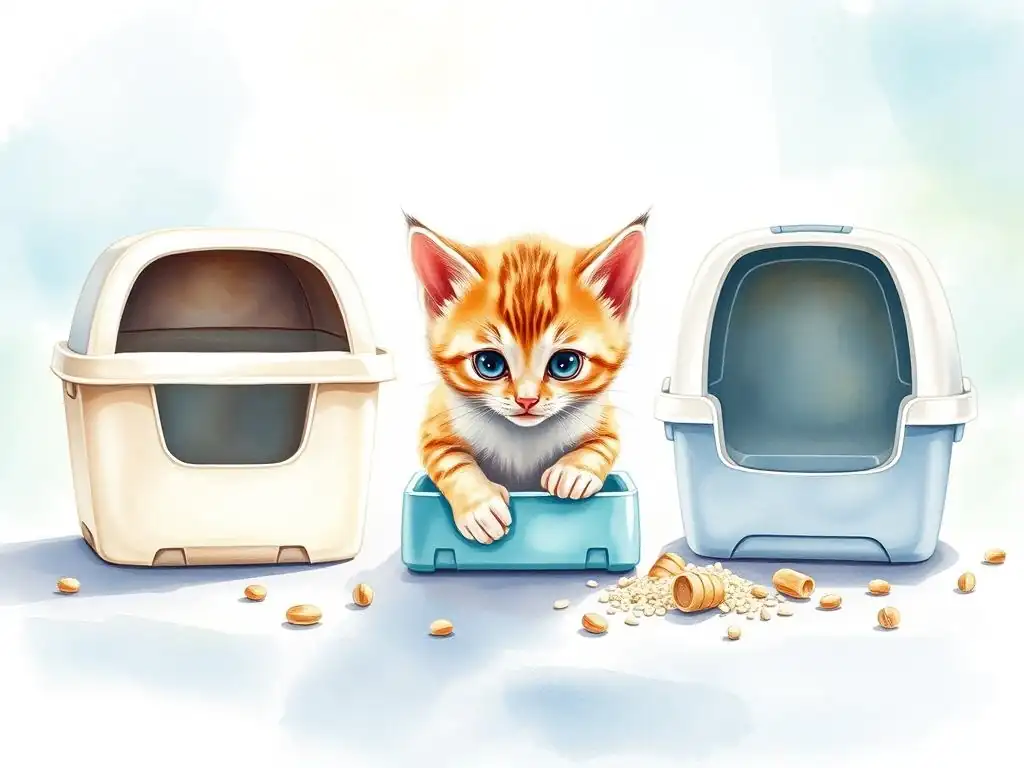
Even with the best litter box training guide, occasional setbacks can occur. Understanding the underlying reasons for litter box issues is crucial for effective resolution. This section delves into common problems and offers practical solutions to help you and your feline friend achieve a harmonious co-existence. Remember, patience and consistent effort are key to success in litter box training. This is often the most challenging aspect of cat ownership, but with persistence, you can overcome these hurdles.
Why is My Cat Urinating Outside the Litter Box?
Urinating outside the litter box is a common problem with multiple potential causes. It's rarely a sign of spite, but rather a communication of underlying issues. Let's explore some of the most frequent culprits:
- Medical Conditions: Urinary tract infections (UTIs), kidney disease, diabetes, and even arthritis can make urination painful or difficult, leading cats to seek alternative locations. A veterinary checkup is essential to rule out any medical problems. Early detection is crucial for effective treatment. This is often overlooked in the early stages of litter box issues.
- Litter Box Issues: The type of litter, the cleanliness of the box, the location of the box, and even the box itself can all contribute to inappropriate urination. Cats are fastidious creatures; they prefer clean, spacious litter boxes with litter they find comfortable. Consider switching to a different type of litter, increasing the number of litter boxes, or changing the box's location to a quieter, more private spot. A soiled litter box can be immensely off-putting to a cat, so regular cleaning is paramount.
- Stress and Anxiety: Changes in the household, new pets, or even loud noises can stress a cat, leading to inappropriate urination as a stress response. Identifying and addressing the source of stress is vital. Providing safe spaces, such as cat trees or hiding places, can help reduce anxiety. Feliway diffusers, which release cat pheromones, can also be beneficial in creating a more calming environment.
- Territorial Marking: Intact male cats, in particular, may urinate outside the litter box as a way of marking their territory. Neutering can significantly reduce this behavior. Even neutered cats might engage in this behavior if they feel insecure or threatened.
- Competition: Multiple cats in a household might compete for resources, including litter boxes. Ensure you have enough litter boxes for all cats, ideally one per cat plus one extra. This minimizes competition and ensures each cat has access to a clean, private space.
Why is My Cat Defecating Outside the Litter Box?
Similar to inappropriate urination, defecating outside the litter box often stems from underlying issues rather than deliberate defiance. Here's a closer look at some common causes:
- Painful Defecation: Constipation, anal gland problems, or other gastrointestinal issues can make defecation painful, causing cats to avoid the litter box. A veterinary examination is crucial to identify and treat any underlying medical conditions. This is often a critical step that many pet owners miss.
- Litter Box Aversion: Cats can become averse to their litter boxes due to various factors, including the type of litter, the cleanliness of the box, or its location. Experiment with different types of litter to find one your cat prefers. Regularly scoop the litter box (ideally daily) and completely change the litter at least once a week.
- Medical Conditions: Gastrointestinal problems, such as inflammatory bowel disease (IBD), can lead to changes in bowel habits and cause cats to defecate outside the litter box. Diagnosis and treatment by a veterinarian are essential. Early identification is key for successful management of the condition.
- Stress and Anxiety: Stress and anxiety can also manifest as changes in bowel habits. Addressing the source of stress is crucial for resolving this issue.
- Cognitive Dysfunction: In older cats, cognitive dysfunction syndrome (CDS) can lead to changes in litter box habits. While there is no cure, management strategies can help improve the cat's quality of life.
How to Prevent and Address Litter Box Avoidance Behavior
Preventing litter box problems is significantly easier than addressing them after they arise. Proactive measures can save you a lot of frustration. Here are some key strategies:
- Provide Multiple Litter Boxes: The general rule is one litter box per cat, plus one extra. This ensures that every cat has access to a clean and readily available litter box. Space them out across your house.
- Choose the Right Litter: Different cats have different preferences. Experiment with different types of litter (clay, clumping, silica gel, etc.) to find one your cat prefers. Avoid scented litters, as many cats find them offensive.
- Maintain Litter Box Cleanliness: Scoop the litter box daily and completely change the litter at least once a week. Regular cleaning is essential for maintaining a hygienic and inviting environment for your cat.
- Location, Location, Location: Place the litter box in a quiet, private, and easily accessible location away from food and water bowls. Avoid placing it in high-traffic areas or places where your cat might feel vulnerable.
- Regular Veterinary Checkups: Regular veterinary checkups are essential for early detection and treatment of any underlying medical conditions that might contribute to litter box problems. This is a preventative measure that should be part of your routine cat care.
- Address Stress and Anxiety: Identify and address any sources of stress or anxiety in your cat's environment. Provide safe spaces, such as cat trees or hiding places, and consider using Feliway diffusers to create a calming atmosphere.
By implementing these strategies and understanding the potential causes of litter box problems, you can significantly improve your chances of success in litter box training and maintain a happy and healthy relationship with your feline companion. Remember, patience and persistence are key to resolving these issues.
Resources for Further Assistance with Cat Litter Box Training
Successfully litter box training your cat often requires patience and a multifaceted approach. While this guide provides a strong foundation, additional resources can offer valuable support and specialized insights. Understanding your cat's behavior and accessing professional expertise are crucial components of successful litter box training, especially when dealing with persistent issues. This section highlights resources to help you navigate challenges and ensure your feline friend's well-being.
Recommended Books and Online Resources on Cat Behavior and Litter Box Training
Navigating the complexities of cat behavior can sometimes feel overwhelming. Fortunately, numerous books and online resources offer expert guidance on understanding feline psychology and addressing litter box issues. These resources provide in-depth analysis, practical tips, and troubleshooting strategies to help you identify the root cause of any litter box problems and implement effective solutions.
For instance, books focusing on feline behavior often delve into the reasons behind inappropriate urination or defecation, such as stress, medical conditions, or territorial issues. They offer detailed explanations of cat communication, helping owners better understand their pet's cues and needs. Similarly, online resources, such as reputable veterinary websites and behaviorist blogs, offer valuable information on litter box training techniques, troubleshooting common problems, and understanding the nuances of cat behavior.
These resources often include case studies, Q&A sections, and forums where owners can connect with experts and other cat owners facing similar challenges. Remember to always prioritize reliable sources when seeking information online, verifying credentials and focusing on evidence-based advice. A well-rounded approach combining books and online resources can significantly enhance your ability to understand and address your cat’s litter box training needs.
Veterinary Resources for Diagnosing and Treating Litter Box Problems
While many litter box problems stem from behavioral issues, underlying medical conditions can also play a significant role. A thorough veterinary examination is crucial for ruling out any potential health problems that might be contributing to inappropriate elimination. Several veterinary resources can assist in diagnosing and treating these conditions, ensuring your cat receives the best possible care.
Veterinarians are equipped to conduct physical examinations, run diagnostic tests (such as urinalysis and blood work), and identify potential medical causes for litter box issues. Conditions like urinary tract infections (UTIs), kidney disease, diabetes, and arthritis can all affect a cat's ability to use the litter box appropriately. Early diagnosis and treatment are vital for managing these conditions and improving your cat's comfort and overall health.
Additionally, many veterinary clinics offer specialized services, such as consultations with veterinary behaviorists, who can provide expert guidance on addressing behavioral issues related to litter box training. These specialists can help determine if the problem is purely behavioral or if a combination of behavioral and medical factors is at play. Don't hesitate to seek professional veterinary assistance if you suspect a medical condition might be contributing to your cat's litter box problems.
Early intervention can significantly improve the outcome and ensure your cat's well-being. Remember, a proactive approach involving both behavioral and medical considerations is key to successful litter box training.
Frequently Asked Questions
What is the best type of litter box for a kitten?
For kittens, a smaller, low-sided litter box is ideal. This allows for easy access and reduces anxiety. Consider a covered box only if your kitten is already comfortable using an uncovered one.
How often should I clean my cat's litter box?
You should scoop solid and liquid waste daily, and completely change the litter at least once a week, or more frequently depending on the number of cats and the type of litter used.
My cat is peeing outside the litter box; what should I do?
Several factors can cause this, including medical issues, stress, or an unclean litter box. Consult your vet to rule out medical problems, and consider changing the litter type or box location.
What kind of litter is best for my cat?
The best litter depends on your cat's preferences and your budget. Experiment with different types – clay, clumping, crystal, or even natural litters – to find what your cat prefers. Observe for any allergies or sensitivities.
What are the signs of successful litter box training?
Successful training means your cat consistently uses the litter box only to urinate and defecate, without accidents. This typically involves appropriate elimination behavior and a lack of inappropriate urination or defecation outside the box.
Final Reflection: The Journey to a Cleaner Home, a Happier Cat
Successfully litter box training your feline companion is not just about cleanliness; it's about building a strong, trusting bond based on understanding and mutual respect. The right litter box, the right placement, and the right approach can transform a frustrating experience into a rewarding journey for both you and your cat. This seemingly simple act of training holds the key to a harmonious home environment.
The impact of proper litter box training extends far beyond the immediate benefit of a clean home. It speaks to our responsibility as pet owners to understand and cater to our animals' needs. A happy, healthy cat is a cat that feels secure and comfortable in its environment. This understanding fosters a deeper connection, enriching the human-animal bond in ways we often overlook. The bond with a pet is one of the purest loves in the world.
This quote speaks to the heart of the matter; proper training isn't just about hygiene, it's about love and care.
Now, consider your own cat's unique personality and preferences. Reflect on the information presented in this guide and identify the strategies that resonate most with your feline friend. Don't be afraid to experiment and adapt your approach. Remember, patience and consistency are key. By understanding your cat's needs and providing them with the right tools and environment, you can create a happy, healthy home for both of you, a sanctuary free from accidents and filled with purrs. Embrace the journey, and enjoy the rewarding experience of a perfectly trained cat.
Unleash Your Cat's Inner Clean Freak!
Thank you for learning about litter box training with us! You now have the knowledge to help your feline friend achieve ultimate bathroom bliss. Ready to put your expertise into action?
- Transform your cat's toilet experience: A simple change, such as trying a different litter box or type of litter, could significantly improve their potty habits.
- Share your success (or challenges!): Let's build a supportive community! Share your experiences—whether a triumphant tale of litter box mastery or a humorous anecdote—in the comments below.
- Explore more resources: For further information, explore our collection of cat care articles on PetCareWorld.org. However, we hope you find this guide helpful!
Ready to make your cat's bathroom a happier, cleaner place? What will you try first?