
The Truth About Puppy Mills: Why Adoption Is a Kinder Alternative


Welcome to PetCareWorld, your ultimate guide to a happier, healthier life for your beloved companion! Are you considering bringing a furry friend into your home? Then discover the heartwarming truth behind Puppy Mill Adoption Alternatives. We delve into the ethical dilemmas surrounding puppy mills and explore the rewarding journey of adopting a deserving pet. Learn how you can make a real difference and find the perfect match for your family. Continue reading to uncover the compassionate choice and embark on a journey filled with unconditional love.
- Understanding Puppy Mills: The Cruel Reality Behind Cheap Puppies
- Ethical Considerations: Why Buying from a Puppy Mill is Harmful
- Puppy Mill Adoption Alternatives: Choosing Compassion Over Convenience
-
The Benefits of Adopting a Dog from a Shelter or Rescue
- Giving a Neglected Dog a Second Chance: Offering Love and a Safe Home
- Saving Money: The Cost of Adoption vs. Buying from a Breeder
- Health Benefits: Many Shelters Provide Veterinary Care and Vaccinations
- Avoiding Puppy Mill Practices: Supporting Ethical Breeding Practices
- The Healthier Choice: Minimizing Health Risks
- Saving a Life: Giving a Deserving Dog a Second Chance
-
Making the Right Choice: How to Choose a Responsible Breeder (if adoption isn't an option)
- Researching Reputable Breeders: Verifying Their Practices and Facilities
- Meeting the Parents: Assessing the Health and Temperament of Breeding Dogs
- Asking the Right Questions: Understanding Breeding Practices and Health History
- Choosing a Puppy That's Right for You: Considering Breed, Age, and Temperament
- Conclusion: Embrace Adoption, Reject Puppy Mills for a Better Future for Dogs
- Frequently Asked Questions
- Final Reflection: A Pawsitive Future: Choosing Compassion Over Commerce
- Unleash Your Heart: Give a Shelter Dog a Loving Home
Understanding Puppy Mills: The Cruel Reality Behind Cheap Puppies
The seemingly innocent act of buying a “cheap” puppy can have devastating consequences, often hidden behind the adorable faces and playful antics of young dogs. This article delves into the dark reality of puppy mills – large-scale commercial dog breeding facilities that prioritize profit over the well-being of the animals. Understanding the horrific conditions and unethical practices within these operations is crucial for making informed decisions about pet ownership and choosing responsible alternatives like adoption.
Choosing to adopt a dog, instead of purchasing one from a potentially unethical breeder, directly combats the cruel practices of puppy mills and promotes responsible pet ownership. We'll explore the grim realities of puppy mills, highlighting the suffering of the animals and the long-term implications for the puppies themselves and the pet ownership experience.
This information will empower you to make ethical choices when bringing a canine companion into your home and contribute to reducing the demand that fuels the inhumane puppy mill industry. Let's examine the stark contrast between the allure of a cheap puppy and the harsh truth behind its origin.
The Horrific Conditions in Puppy Mills: Overcrowding, Neglect, and Disease
Puppy mills are characterized by deplorable conditions that prioritize profit over animal welfare. Imagine hundreds of dogs crammed into small cages, often without adequate food, water, or veterinary care. 😞 These facilities are frequently unsanitary, leading to the rapid spread of disease. Dogs often suffer from malnutrition, parasites, and untreated injuries.
Overcrowding exacerbates stress and aggression, leading to further suffering. Many dogs live their entire lives in these cramped, filthy cages, never experiencing the love, care, and attention they deserve. The sheer scale of neglect is staggering, with many mills operating with minimal oversight and lacking basic sanitation.
Reports from animal welfare organizations consistently reveal shocking findings of widespread disease, injuries, and inhumane treatment within these facilities. The lack of proper veterinary care means that even minor ailments can quickly escalate into life-threatening conditions. This neglect directly impacts the health and well-being of the dogs, leading to a higher mortality rate and significant suffering.
The Breeding Cycle: Endless Breeding and Lack of Veterinary Care
The breeding cycle in puppy mills is relentless and inhumane. Female dogs, often referred to as "breeding mothers," are repeatedly bred until they are no longer physically capable, frequently suffering from reproductive complications and uterine infections. They receive minimal, if any, veterinary care, leading to a cascade of health problems.
These dogs are often kept in barren cages, denied adequate exercise, socialization, and enrichment. Their lives are defined by an endless cycle of pregnancy, birthing, and weaning, with little respite from the physical and emotional toll. The lack of proper veterinary care results in untreated illnesses and injuries, further compounding their suffering.
The focus on profit over animal welfare means that the well-being of the breeding dogs is consistently disregarded. This cycle of continuous breeding significantly shortens the lifespan of these animals and inflicts immense physical and psychological trauma. The ethical implications of this practice are profound, highlighting the cruelty inherent in the puppy mill industry.
The Impact on Puppy Health: Genetic Defects and Behavioral Issues
Puppies born in puppy mills often inherit a legacy of poor health and behavioral problems. The lack of genetic testing and responsible breeding practices leads to an increased incidence of genetic defects and inherited diseases. These puppies may suffer from various health issues, requiring extensive and costly veterinary care.
Furthermore, the absence of proper socialization during their crucial early development often results in behavioral problems, such as aggression, anxiety, and fear. These behavioral issues can make it challenging to integrate these puppies into homes, requiring specialized training and potentially impacting their long-term well-being. The lack of early socialization and exposure to positive human interaction leaves puppies unprepared for life in a typical home environment.
The cumulative effect of these factors often leads to a lower quality of life for the puppies and increased stress for their adoptive families. Choosing adoption from a reputable shelter or rescue organization significantly reduces the risk of these health and behavioral problems.
Identifying Puppy Mill Puppies: Warning Signs to Look For
Identifying puppies from puppy mills requires careful observation and a discerning eye. These facilities prioritize profit over animal welfare, resulting in puppies often exhibiting signs of neglect and poor health. Several key indicators can help you distinguish a puppy mill puppy from one raised in a responsible environment.
One of the most noticeable signs is the puppy's overall appearance. Puppy mill puppies are frequently underweight or malnourished, exhibiting a gaunt or thin physique. Their coats may be dull, matted, or infested with fleas or other parasites. Lack of proper grooming and hygiene is common. Look closely at their eyes and ears – signs of infection, such as discharge or redness, are frequent in puppies from substandard breeding environments.
Furthermore, observe their behavior. Puppies raised in healthy environments are generally playful and curious. In contrast, puppies from puppy mills may exhibit signs of fear, anxiety, or aggression due to lack of socialization and early stress. They might be overly timid or withdrawn, showing a reluctance to interact.
Beyond the physical appearance and behavior, consider the breeder's practices. Reputable breeders are transparent about their breeding program and readily share information about the puppy's parents and health history. Puppy mills, however, often avoid transparency. They may be reluctant to answer questions about the puppy's lineage, health records, or living conditions. They might also pressure you into making a quick purchase, discouraging you from further investigation.
The environment where you meet the puppy is also crucial. A responsible breeder will maintain a clean and sanitary environment for their animals, while puppy mills often operate in overcrowded and unsanitary conditions. The presence of numerous dogs in cramped quarters, with little attention to cleanliness, is a clear red flag. Finally, the price can be an indicator. While not always definitive, exceptionally low prices, significantly below the average cost for a particular breed, should raise concerns.
This low price often reflects the lack of care and the prioritization of profit over animal welfare inherent in puppy mill operations. A healthy puppy from a responsible breeder comes with a price that reflects the care and attention given to both the parents and offspring. Remember, adopting a puppy is a significant commitment; careful consideration of these warning signs is crucial for ensuring you are not supporting cruel and unethical breeding practices. The well-being of the puppy and the fight against puppy mills depend on informed choices.
Ethical Considerations: Why Buying from a Puppy Mill is Harmful
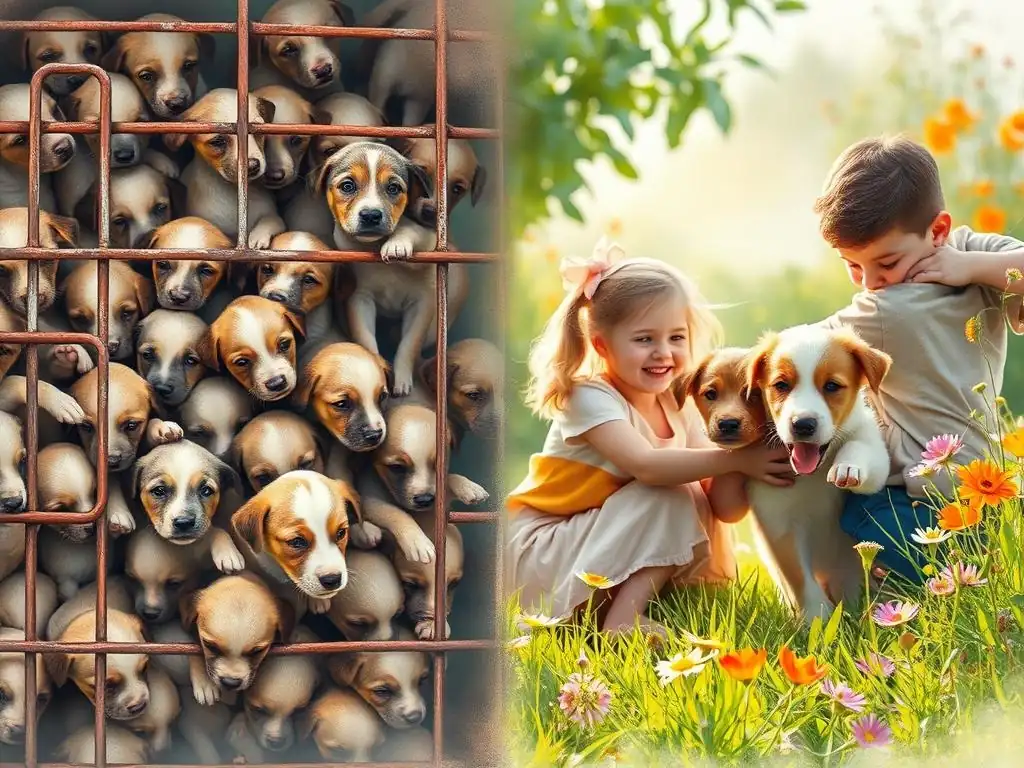
Purchasing a puppy from a puppy mill has profound ethical implications, far exceeding the simple act of buying a pet. It directly supports a system built on animal cruelty and neglect, perpetuating a cycle of suffering for countless animals. Understanding these ethical ramifications is crucial for making informed decisions about pet ownership and promoting responsible pet practices. The term "Puppy mill adoption alternatives" highlights the ethical imperative to choose adoption over supporting these harmful businesses.
Supporting Cruel Practices: The Economic Incentive of Puppy Mills
The primary driver behind the existence of puppy mills is profit. These facilities prioritize maximizing breeding output over the well-being of the animals. Dogs are often kept in cramped, unsanitary conditions, denied proper veterinary care, and subjected to continuous breeding cycles without respite. This relentless breeding leads to numerous health problems, including genetic defects, infections, and behavioral issues. By purchasing a puppy from a puppy mill, you directly contribute to the financial success of these operations, incentivizing the continuation of their cruel practices.
The money you spend fuels the cycle of abuse. Choosing adoption, rather than buying from a puppy mill, directly undermines this economic model. Data from [Specific data on puppy mill profits pending] would further illustrate the substantial financial incentive behind these operations and the impact of consumer choices. Every purchase strengthens the industry. Every adoption weakens it.
The Impact on Shelter Animals: Overcrowding and Euthanasia Rates
The influx of puppies from puppy mills significantly impacts animal shelters. Shelters are already struggling to cope with the overwhelming number of abandoned and surrendered animals. The continuous supply of cheap puppies from puppy mills exacerbates this problem, leading to overcrowding and increased euthanasia rates. Shelters often lack the resources to provide adequate care for all the animals in their care, and the influx of mill puppies often pushes vulnerable animals further down the priority list.
Choosing to adopt a dog from a shelter directly helps alleviate overcrowding and reduces the number of animals facing euthanasia. This is a critical aspect of responsible pet ownership and a powerful argument for "Puppy mill adoption alternatives." Studies showing the correlation between puppy mill activity and shelter euthanasia rates are needed [Specific study data pending].
The Emotional Toll: The Suffering of Breeding Dogs and Their Puppies
The emotional suffering inflicted on breeding dogs in puppy mills is immense. These dogs live their entire lives in cages, deprived of socialization, exercise, and affection. They experience constant breeding cycles, leading to physical and psychological trauma. The puppies born in these conditions often suffer from health problems and behavioral issues due to the neglect and lack of proper care. They lack socialization and may exhibit fear or aggression as a result.
Choosing adoption offers a chance for a dog to escape this cycle of suffering and experience a loving home. The emotional toll on the animals in these mills is immeasurable, but choosing adoption is a tangible step towards mitigating this suffering. The narrative of "Puppy mill adoption alternatives" is ultimately a story of compassion and the prioritization of animal welfare. [Anecdotal evidence from animal welfare organizations regarding the emotional state of dogs rescued from puppy mills pending].
Choosing adoption is not just a kinder alternative; it's a morally responsible choice. It directly combats the cruel practices of puppy mills and supports the well-being of animals in need. By choosing adoption, you are actively contributing to a more ethical and compassionate pet ownership landscape.
Puppy Mill Adoption Alternatives: Choosing Compassion Over Convenience

This section explores viable alternatives to purchasing puppies from puppy mills, focusing on the ethical and practical advantages of adoption and rescue. Understanding the horrors of puppy mills – facilities prioritizing profit over animal welfare, resulting in sick, traumatized animals – makes choosing a responsible path crucial. By opting for adoption, you directly combat the cruel practices of puppy mills and provide a loving home to a deserving dog.
This section details several avenues for finding your new best friend, emphasizing the rewarding experience of providing a second chance. The benefits extend beyond the individual animal; you contribute to a larger movement against animal cruelty, promoting responsible pet ownership and reducing the demand that fuels puppy mills. Let's explore the compassionate alternatives available.
Adopting a Dog from a Shelter: A Life-Saving Choice
Shelters are overflowing with dogs of all breeds, ages, and temperaments, many of whom are victims of neglect or abandonment. Adopting from a shelter is a profoundly life-saving act. These organizations provide essential care, including vaccinations, spaying/neutering, and often basic training. The adoption process typically involves an application, interview, and home visit to ensure a suitable match. While some shelters may have waiting lists, the reward of giving a deserving dog a loving home far outweighs any inconvenience. Many shelters offer resources and support to new adopters, further easing the transition. Consider the following advantages:
- Saving a life: Directly contributes to reducing euthanasia rates in overburdened shelters.
- Cost-effective: Adoption fees are significantly lower than purchasing from breeders, often including initial veterinary care.
- Variety of breeds and ages: Shelters house a diverse population, increasing your chances of finding your perfect companion.
- Community support: Many shelters provide ongoing support and resources for adopters.
Remember to be patient and realistic about your expectations. Some dogs may require additional training or patience due to past trauma. Choosing a shelter dog is a commitment to understanding and supporting a dog's unique needs and history. It's a truly rewarding experience, offering a unique bond built on mutual respect and understanding.
Fostering a Dog: Providing Temporary Care and Finding a Forever Home
Fostering is a fantastic way to help dogs in need while determining if you're ready for the long-term commitment of adoption. Fostering involves temporarily caring for a dog from a shelter or rescue organization until a permanent home is found. This provides much-needed relief to overcrowded shelters and gives dogs a chance to de-stress and socialize in a home environment. Foster parents provide basic care, including food, shelter, and socialization, while the rescue organization handles veterinary care and adoption procedures. The experience offers invaluable insights into dog ownership before making a permanent commitment.
- Reduced shelter overcrowding: Fostering directly alleviates the strain on shelter resources.
- Improved dog socialization: Dogs thrive in home environments, improving their chances of successful adoption.
- Gaining experience: Provides valuable insight into dog ownership before committing to a long-term adoption.
- Rewarding experience: Knowing you've played a vital role in finding a dog a loving home is incredibly fulfilling.
While fostering is temporary, the impact is significant. You'll experience the joy of providing care and support while contributing to a life-saving effort. It's a rewarding experience for both you and the dog, paving the way for a potential forever home or helping you determine if permanent adoption is the right choice for you.
Rescuing a Dog from a Breed-Specific Rescue: Finding Your Perfect Match
Breed-specific rescues focus on dogs of a particular breed, often those at risk of euthanasia due to breed-related misconceptions or high shelter populations. These organizations typically have extensive knowledge of the breed's temperament, health concerns, and specific needs. This specialized care ensures dogs receive appropriate attention and increases their chances of finding a suitable home. Adopting from a breed-specific rescue offers several advantages:
- Breed-specific expertise: Rescuers possess in-depth knowledge of the breed's characteristics and requirements.
- Targeted support: Provides resources and community specific to the breed you choose.
- Reduced risk of behavioral issues: Careful screening and matching processes minimize potential behavioral challenges.
- Contributing to breed preservation: Supports the welfare and responsible breeding practices for specific breeds.
Choosing a breed-specific rescue allows you to find a dog that aligns perfectly with your lifestyle and preferences, while supporting a rescue dedicated to the well-being of that particular breed. It's a specialized approach to responsible pet ownership, combining the benefits of rescue with breed-specific knowledge and support.
Remember that responsible pet ownership extends beyond initial adoption; ongoing care, training, and veterinary attention are crucial for a happy and healthy life together. By choosing adoption over purchasing from a puppy mill, you're making a profound difference in the lives of animals and contributing to a more ethical and compassionate world for pets.
Working with Local Animal Shelters and Rescue Organizations: Finding Your Perfect Dog
Finding a dog through a local animal shelter or rescue organization offers a powerful alternative to puppy mills, prioritizing compassion and responsible pet ownership. These organizations are dedicated to finding loving homes for dogs in need, often those rescued from less-than-ideal situations, including some who may have previously been victims of puppy mill practices. The process, while sometimes requiring more patience, ultimately leads to a deeply rewarding experience.
One of the key advantages of working with shelters and rescues is the wealth of information they provide. Unlike pet stores or breeders who may downplay potential health or behavioral issues, shelters and rescues are generally upfront about a dog's history, known medical conditions, and any behavioral quirks. They often have detailed records, including vaccination history and any previous veterinary care.
This transparency allows potential adopters to make informed decisions, ensuring a good match between the dog and the prospective owner's lifestyle and capabilities. For example, a shelter might highlight a dog's energy level, suitability for children, or preference for quiet environments, helping you choose a dog whose needs align with your own.
Many shelters and rescues conduct thorough behavioral assessments of the dogs in their care. This involves observing their interactions with other dogs, their response to various stimuli, and their overall temperament. This information is invaluable in helping potential adopters find a dog that will thrive in their home environment.
A well-conducted assessment can prevent potential problems down the line and ensure a smooth transition for both the dog and the new family. This process often involves a meet-and-greet, allowing potential adopters to spend time with the dog to see if they are a good fit. This is a far cry from the impersonal transactions often associated with puppy mills.
Beyond the individual dog profiles, shelters and rescues offer a supportive network. They often provide post-adoption support, answering questions, offering advice, and even connecting adopters with training resources or veterinary care if needed. This ongoing support is crucial, especially for first-time dog owners or those adopting a dog with specific needs. This commitment to the well-being of both the dog and the adopter sets them apart from the purely transactional nature of puppy mills.
The sense of community and shared responsibility fosters a more ethical and sustainable approach to pet ownership. Choosing adoption from a reputable shelter or rescue is a vote for responsible breeding practices and a commitment to giving a deserving dog a second chance at a happy life. It's a decision that benefits not only the dog but also the adopter, building a stronger, more meaningful bond based on mutual respect and understanding.
The Benefits of Adopting a Dog from a Shelter or Rescue
Adopting a dog from a shelter or rescue organization offers numerous advantages over purchasing a puppy from a breeder, especially when considering the ethical concerns surrounding puppy mills. Choosing adoption is a decision that benefits both you and the dog, contributing to a more compassionate and responsible pet ownership landscape. This section will delve into the key advantages of adopting, focusing specifically on the positive impact on the dog's well-being, your financial situation, and the health of your future canine companion.
Understanding these benefits can empower you to make an informed decision aligned with responsible pet ownership and the fight against puppy mills. The term "Puppy mill adoption alternatives" accurately reflects this crucial choice.
Giving a Neglected Dog a Second Chance: Offering Love and a Safe Home
Many dogs residing in shelters and rescues have heartbreaking stories. They may have been abandoned, neglected, or even abused. Adopting one of these animals means giving them a second chance at a happy and healthy life. You're not just gaining a pet; you're providing a loving home, a stable environment, and the essential care they may have lacked.
This act of compassion directly combats the cruelty inherent in puppy mills, where dogs are often kept in deplorable conditions and treated solely as commodities. By choosing adoption, you actively contribute to reducing the demand that fuels these inhumane operations. The joy and fulfillment derived from witnessing a rescued dog thrive in a loving home are immeasurable. Consider the countless tails wagging with gratitude – that's the real reward of choosing adoption as a "Puppy mill adoption alternative."
Saving Money: The Cost of Adoption vs. Buying from a Breeder
The financial aspect is another significant advantage of adopting. Adoption fees are typically much lower than the cost of purchasing a puppy from a breeder, especially reputable breeders. These fees often cover vaccinations, spaying/neutering, and sometimes even microchipping. Reputable breeders, while providing healthy puppies, often charge thousands of dollars, a cost that can be prohibitive for many potential pet owners.
This substantial difference in cost is particularly relevant when considering the ethical implications; your adoption fee directly supports the shelter or rescue, helping them continue their vital work in rescuing and caring for animals. By choosing adoption, you're not only saving money but also supporting a cause that actively works against the inhumane practices of puppy mills. This makes adoption a fiscally responsible and ethically sound "Puppy mill adoption alternative."
Health Benefits: Many Shelters Provide Veterinary Care and Vaccinations
Many shelters and rescues provide basic veterinary care, including vaccinations and preventative treatments, before making dogs available for adoption. This proactive approach minimizes the risk of health issues and reduces the potential for future veterinary expenses. This contrasts sharply with the potential health problems associated with puppies from puppy mills, where breeding practices often prioritize quantity over quality, leading to a higher incidence of genetic defects and health problems.
The upfront veterinary care provided by shelters significantly lowers the risk of inheriting costly health issues later on. This makes adoption not just an ethical choice but also a financially prudent "Puppy mill adoption alternative," offering peace of mind alongside a healthy and happy companion. Choosing a shelter or rescue often means receiving a healthier, better-cared-for pet at a fraction of the cost.
Avoiding Puppy Mill Practices: Supporting Ethical Breeding Practices

Adopting a dog from a shelter or rescue organization is a direct way to combat the cruel realities of puppy mills. Puppy mills prioritize profit over the well-being of animals, often resulting in overcrowded, unsanitary conditions and severely neglected dogs. These facilities rarely provide proper veterinary care, leading to widespread disease and suffering. By choosing adoption, you actively refuse to support these inhumane operations and their devastating impact on countless animals.
Your decision sends a powerful message to breeders and the market that ethical treatment and responsible breeding are paramount. This shift in consumer demand is crucial in driving change within the industry and ultimately reducing the number of puppy mills in operation. Supporting reputable breeders who prioritize the health and temperament of their dogs, while adhering to strict ethical guidelines, is another way to avoid contributing to the puppy mill problem. These breeders often have waiting lists and carefully screen potential owners, ensuring their dogs go to loving homes.
However, the sheer scale of the problem often means that shelters and rescues remain overwhelmed with dogs in need, highlighting the critical role adoption plays in alleviating the suffering caused by puppy mills. The demand for puppies from ethical sources can help incentivize responsible breeding practices, further contributing to a reduction in the number of animals suffering in puppy mills. Ultimately, a combination of informed consumer choices and stricter regulations are needed to effectively combat the cruelty inherent in puppy mill operations. Choosing adoption is a powerful first step in this process.
The Healthier Choice: Minimizing Health Risks
Dogs from puppy mills often suffer from various health problems due to poor breeding practices, lack of veterinary care, and unsanitary living conditions. These can include genetic defects, infectious diseases, and developmental issues. These health problems not only cause immense suffering for the dogs themselves but can also translate into significant financial burdens for unsuspecting adopters. Veterinary bills for treating these conditions can quickly mount, potentially costing thousands of dollars.
In contrast, many shelters and rescues provide initial veterinary care, including vaccinations and parasite treatment, before making dogs available for adoption. This proactive approach minimizes the risk of inheriting costly health problems. While adopted dogs might still require veterinary attention, the likelihood of encountering serious, pre-existing conditions is significantly reduced compared to puppies from puppy mills.
Furthermore, shelters and rescues often work with veterinary professionals to ensure the health and well-being of their animals, providing a higher level of assurance regarding their health status compared to the often-opaque operations of puppy mills. This proactive approach to health care contributes to the overall well-being of adopted dogs and offers potential adopters greater peace of mind. Choosing adoption means making a healthier and more financially responsible choice for both yourself and your future canine companion.
Saving a Life: Giving a Deserving Dog a Second Chance
The most profound benefit of adopting a dog is the opportunity to save a life. Countless dogs in shelters and rescues desperately need loving homes. These dogs, often victims of neglect, abuse, or abandonment, are given a second chance at a happy life through adoption. Many of these dogs are perfectly healthy and well-behaved, possessing unique personalities and endearing qualities.
By adopting, you are directly contributing to reducing the euthanasia rates in shelters, which sadly remain a grim reality for many animals without homes. Each adoption creates space for another dog in need, offering a lifeline to those facing uncertain futures. The bond you create with an adopted dog is often described as particularly strong, as both parties recognize the profound significance of their connection.
It's a rewarding experience filled with mutual love and loyalty, built on a foundation of shared resilience and a second chance at life. Choosing adoption is not just about getting a pet; it's about saving a life and making a profound difference in the life of a deserving animal. The emotional rewards of giving a dog a loving home far surpass any other benefit.
Making the Right Choice: How to Choose a Responsible Breeder (if adoption isn't an option)

Choosing to buy a puppy instead of adopting is a significant decision, and it carries a responsibility to ensure the puppy comes from an ethical source. While adoption is always the preferred option for "Puppy mill adoption alternatives", if you're determined to purchase a puppy, choosing a responsible breeder is paramount. Irresponsible breeding practices contribute to the horrific conditions found in puppy mills, perpetuating the cycle of animal suffering.
Therefore, if adoption isn't feasible, rigorous research and careful consideration are crucial. This section outlines the steps to take to find a truly responsible breeder, minimizing the risk of supporting unethical breeding practices and maximizing the chances of welcoming a healthy, well-adjusted puppy into your home. Remember, even the best-intentioned breeders can sometimes fall short, so thorough due diligence is essential.
Researching Reputable Breeders: Verifying Their Practices and Facilities
Before even contacting a breeder, thorough online research is vital. Look beyond flashy websites; dig deeper. Search for reviews and testimonials from previous buyers. Are there consistent positive comments about the health and temperament of the puppies? Or are there recurring concerns about health issues or breeder responsiveness?
Social media can also provide valuable insights; look for breeders who are transparent and openly share information about their breeding program. Check for breeder associations or registries. Many reputable breeders are members of organizations like the American Kennel Club (AKC) or similar breed-specific clubs. Membership often indicates a commitment to ethical breeding practices. However, membership alone isn't a guarantee of ethical practices; always conduct further investigation.
A responsible breeder will gladly allow you to visit their facilities. During your visit, observe the cleanliness and overall condition of the premises. Are the dogs housed in clean, spacious, and appropriately climate-controlled environments? Do the dogs appear healthy, well-socialized, and appropriately cared for?
The presence of numerous dogs in cramped, unsanitary conditions is a major red flag, indicating potential puppy mill connections. Responsible breeders prioritize the well-being of their breeding dogs above profit, a crucial distinction from puppy mills prioritizing quantity over quality. Note the dogs' body condition scores – are they appropriately lean or overweight? This is a subtle yet important indicator of overall health management.
Meeting the Parents: Assessing the Health and Temperament of Breeding Dogs
Meeting the parents is non-negotiable when choosing a responsible breeder. This allows you to assess their health and temperament firsthand. Observe their interactions with each other and with humans. Are they calm, friendly, and approachable? Or are they anxious, aggressive, or withdrawn?
The parents' temperament often reflects the temperament of their offspring. Ask the breeder about the dogs' health history, including any genetic testing conducted. Responsible breeders routinely screen their breeding dogs for common hereditary conditions specific to the breed. Look for evidence of health clearances from veterinary professionals – these documents should be readily available. A responsible breeder will be open and transparent about the health status of their breeding dogs, readily providing relevant documentation.
Asking the Right Questions: Understanding Breeding Practices and Health History
Prepare a list of questions before meeting with the breeder. Don't be afraid to ask probing questions about their breeding practices. Ask about the number of litters per year, the culling practices (if any), and how puppies are socialized. A responsible breeder will limit the number of litters to prevent overbreeding and health problems. They should also actively socialize their puppies from an early age, exposing them to various sights, sounds, and experiences to promote healthy development.
Further, inquire about the puppy's health history. Have the puppies received necessary vaccinations and deworming treatments? Has a vet examined them? A responsible breeder will provide comprehensive health records for each puppy, detailing veterinary care received.
Finally, ask about the breeder's return policy. A responsible breeder will have a clear and reasonable return policy in place, demonstrating a genuine commitment to the well-being of the puppies even after they've left their care. This comprehensive approach helps ensure you are choosing a truly responsible breeder and not inadvertently supporting unethical practices. Remember, responsible breeding is crucial for the health and well-being of both parent dogs and puppies, a stark contrast to the cruelty inherent in puppy mills.
Choosing a Puppy That's Right for You: Considering Breed, Age, and Temperament
Choosing the right puppy is a deeply personal decision, and it's crucial to approach it with careful consideration. The perfect puppy isn't just about cuteness; it's about finding a compatible companion whose needs align with your lifestyle and living situation. This involves thinking carefully about breed, age, and temperament.
Breed selection is paramount. Different breeds possess unique characteristics, energy levels, and predispositions to certain health issues. For example, a high-energy Border Collie requires significantly more exercise than a laid-back Greyhound. Researching breeds thoroughly is essential to ensure a good match.
Consider factors like grooming needs (some breeds require extensive brushing), potential for shedding, and typical lifespan. Don't solely focus on aesthetics; functionality and temperament should be your primary concerns. A thorough understanding of breed-specific traits will prevent future behavioral problems and ensure a harmonious relationship. Consider consulting breed-specific rescue organizations for insights into the common challenges and rewards associated with particular breeds.
The puppy's age also plays a significant role. Very young puppies (under 8 weeks) require intensive care and socialization. While adorable, they demand considerable time and commitment for potty training, basic obedience, and consistent interaction to prevent behavioral issues later in life. Slightly older puppies (8-12 weeks) may already have some basic training and socialization, making the transition into a new home smoother. However, it's vital to observe their interactions with other animals and people to assess their social skills and temperament. Remember, even older puppies may require additional training and patience.
Finally, temperament is key. A puppy's personality should be compatible with your family's lifestyle and living situation. Observe the puppy's interactions with others – is it playful but not overly aggressive? Is it curious and engaging, or withdrawn and shy? A reputable breeder will provide ample opportunity to interact with the puppy and its parents, offering valuable insights into the puppy's potential temperament.
Don't hesitate to ask questions about the puppy's personality and behavior. A responsible breeder will be transparent and honest, providing a clear picture of the puppy's disposition. Finding a puppy with a temperament that complements your family dynamic will contribute to a long and happy relationship for both you and your new furry friend. Remember, a well-matched puppy is more likely to thrive and become a beloved member of your household.
Conclusion: Embrace Adoption, Reject Puppy Mills for a Better Future for Dogs
This exploration of puppy mills and the compelling advantages of adoption highlights a critical choice facing prospective dog owners. The stark realities of puppy mill operations – cramped cages, inadequate veterinary care, and the inherent suffering inflicted on breeding dogs – paint a grim picture. Conversely, embracing adoption offers a path toward responsible pet ownership, fostering a healthier, happier life for both the dog and the owner. Choosing adoption isn't merely a trend; it's a moral imperative, a commitment to a kinder, more ethical approach to pet ownership.
By actively choosing adoption, we collectively diminish the demand fueling the cruel industry of puppy mills, ultimately contributing to a future where all dogs are treated with respect and compassion. Remember, every dog deserves a loving home and a chance at a life free from suffering. Let's make that future a reality.
Choosing Compassion: Making Ethical Choices for Pet Ownership
Ethical pet ownership transcends the simple act of providing food and shelter. It encompasses a deep understanding of the animal's needs, a commitment to their well-being, and a conscious effort to avoid supporting practices that inflict harm. Choosing to adopt a dog from a shelter or rescue organization is a powerful statement against the cruelty inherent in puppy mills.
It signifies a dedication to providing a loving home to a deserving animal, often one who has faced hardship and neglect. This conscious decision demonstrates a commitment to responsible pet ownership, prioritizing the animal's welfare over convenience or superficial aesthetics. Furthermore, adopting a dog from a shelter often involves a thorough vetting process, ensuring the animal's health and temperament are assessed, minimizing potential future issues.
This responsible approach stands in stark contrast to the often-opaque practices of puppy mills, where the health and well-being of the dogs are secondary to profit. By making ethical choices like adoption, we not only improve the lives of individual animals but also contribute to a larger movement advocating for animal welfare. This ripple effect extends beyond the individual dog, impacting the entire ecosystem of animal care and ethical consumerism.
The Long-Term Benefits of Adoption: A Rewarding Experience for You and Your Dog
The rewards of adopting a dog extend far beyond the immediate act of bringing a new companion home. Adopting a dog from a shelter or rescue often reveals a deeper bond, forged through shared experiences and mutual resilience. Many adopted dogs, having overcome adversity, display exceptional loyalty and affection, demonstrating a profound appreciation for their newfound home. Moreover, adopting a dog can be a surprisingly cost-effective choice.
Many shelters and rescue organizations provide initial vaccinations and health checks, reducing the immediate financial burden associated with pet ownership. Beyond the financial advantages, adopting a dog offers immeasurable emotional rewards. The joy of witnessing a once-neglected animal thrive in a loving environment is deeply fulfilling. The unconditional love and companionship a rescued dog provides can enrich your life in countless ways.
Studies have shown that owning a pet can reduce stress, improve cardiovascular health, and even increase social interaction. Adopting a dog isn't just about saving a life; it's about enriching your own. The long-term benefits – emotional, physical, and financial – make adoption a truly rewarding experience.
Spreading Awareness: Educating Others about Puppy Mills and Adoption
Combating the cruelty of puppy mills requires a multifaceted approach, and spreading awareness is a crucial component. Educating friends, family, and the wider community about the realities of puppy mills and the advantages of adoption is vital to reducing demand for these inhumane breeding facilities. Sharing information about reputable shelters and rescue organizations empowers others to make informed choices and contribute to a more ethical pet ownership landscape.
This can involve sharing articles, social media posts, or simply engaging in conversations about responsible pet ownership. Participating in or organizing local adoption events provides a hands-on opportunity to connect potential adopters with deserving dogs. Supporting organizations dedicated to rescuing and rehabilitating dogs from puppy mills further contributes to the fight against this cruel industry.
By actively spreading awareness and promoting adoption, we can collectively create a future where the suffering inflicted by puppy mills becomes a relic of the past, replaced by a compassionate and responsible approach to pet ownership. The power of collective action cannot be underestimated; together, we can make a significant difference.
Frequently Asked Questions
What is a puppy mill?
A puppy mill is a large-scale commercial dog breeding facility that prioritizes profit over the health and well-being of the dogs. They often house dogs in cramped, unsanitary conditions, leading to disease and suffering. Avoid supporting puppy mills at all costs.
Why should I avoid buying from a puppy mill?
Purchasing from a puppy mill perpetuates the cycle of animal cruelty. These facilities prioritize profit, leading to unhealthy, poorly socialized puppies. Adopting instead helps save lives and reduce demand.
What are the alternatives to buying a puppy from a puppy mill?
The best alternatives are adopting a dog from a reputable shelter or rescue organization. Many wonderful dogs of all breeds and ages need loving homes. Consider fostering a dog if you are unsure about long-term commitment.
How can I identify a puppy mill?
Be wary of breeders who are unwilling to show you their facilities, have many litters simultaneously, or sell puppies online without meeting you. Research breeders thoroughly and look for transparent practices prioritizing animal welfare.
What are the benefits of adopting a puppy mill survivor?
Adopting a puppy mill survivor offers a chance to give a deserving dog a loving home and a second chance at life. While they may need extra patience and care, the rewards of helping them recover are immeasurable. You'll be making a meaningful difference in their life and combating the cruelty of puppy mills.
Final Reflection: A Pawsitive Future: Choosing Compassion Over Commerce
The heartbreaking reality of puppy mills continues to cast a long shadow over the pet adoption landscape, demanding a conscious shift towards ethical pet ownership. The sheer scale of animal suffering within these facilities, coupled with the readily available alternatives, makes the continued existence of puppy mills a stark indictment of our collective responsibility towards animals.
The pervasive influence of puppy mills extends far beyond the confines of their grim facilities; it shapes our understanding of animal welfare, impacting everything from consumer choices to legislative action. The emotional toll on these animals is immeasurable, a silent scream echoing in the hearts of those who understand the cruelty. The greatness of a nation and its moral progress can be judged by the way its animals are treated.
- Mahatma Gandhi. This quote serves as a powerful reminder of the ethical implications of our choices as consumers and citizens. We must actively challenge the normalization of puppy mills and advocate for stronger legislation to protect vulnerable animals.
You now hold the power to make a difference. Consider the impact of your next pet acquisition. Will you perpetuate a cycle of suffering by supporting commercial breeders, or will you choose to embrace the joy and fulfillment of adopting a deserving animal from a shelter or rescue organization? The choice is yours, and it is a choice that speaks volumes about your compassion and your commitment to a kinder, more ethical future for all animals. Let's build a world where every tail wags freely, and every pet knows the warmth of a loving home.
Unleash Your Heart: Give a Shelter Dog a Loving Home
Thank you for learning about the heartbreaking realities of puppy mills and the incredible rewards of pet adoption! You're now equipped to make a truly impactful decision. Ready to take the next step?
- Find your perfect companion: Start exploring local animal shelters and rescue organizations today. Consider a dog's breed, energy level, and personality to find the best fit for your lifestyle. Remember, every dog deserves a loving home.
- Spread the word: Share this article and help others make informed decisions about pet ownership. Together, we can combat the cruelty of puppy mills.
- Volunteer: Many shelters desperately need volunteers to walk dogs, clean kennels, or simply provide companionship. It's a deeply rewarding experience.
What kind of dog are you hoping to welcome into your family? Let's discuss it in the comments!