
Pekingese Pampering: Grooming and Care for Your LionHearted Companion


Welcome to PetCareWorld, your ultimate guide to a happier, healthier life for your beloved pet! Are you ready to unlock the secrets to perfectly pampering your furry friend? Then dive into our comprehensive Pekingese dog grooming guide, packed with expert tips and tricks to keep your Lionhearted companion looking and feeling their best. Discover the art of Pekingese care and embark on a journey of blissful bonding with your canine companion. Let's get started!
- Understanding Your Pekingese's Unique Grooming Needs
- Bathing Your Pekingese: A Step-by-Step Guide
- Pekingese Coat Care: Brushing, Combing, and Detangling
- Pekingese Eye and Ear Care: Essential Hygiene Practices
- Nail Trimming and Dental Care for Your Pekingese
- Pekingese Grooming: Professional Grooming vs. Home Care
- Maintaining Your Pekingese's Overall Health Through Grooming
- Frequently Asked Questions
- Final Reflection: The Enduring Majesty of the Pekingese
- Unleash Your Pekingese's Inner Majesty!
Understanding Your Pekingese's Unique Grooming Needs
The Pekingese, with its majestic lion-like mane and charmingly stubborn personality, is a breed that demands a specific approach to grooming. This comprehensive guide will delve into the intricacies of Pekingese grooming, providing you with the knowledge and tools to keep your furry companion looking and feeling their best. We'll cover everything from understanding the unique characteristics of their coat to establishing a regular grooming schedule that will prevent matting, tangles, and other common grooming problems.
Proper Pekingese grooming isn't just about aesthetics; it's crucial for maintaining their skin health, preventing infections, and strengthening the bond between you and your beloved pet. This guide will help you become a proficient Pekingese groomer, ensuring your lion-hearted companion remains healthy, happy, and looking their regal best.
This guide will be your ultimate resource for mastering the art of Pekingese dog grooming, helping you achieve a shiny, healthy coat and a happy, well-groomed pup. Remember, consistent and proper grooming is key to preventing many potential health issues and ensuring your Pekingese lives a long and comfortable life.
The Pekingese Coat: Types and Characteristics
The Pekingese boasts a luxurious double coat that requires dedicated care. The undercoat is soft and dense, providing insulation, while the outer coat is long, straight, and often slightly coarser. This combination makes the coat prone to matting and tangling if not regularly brushed. There are slight variations in coat length and texture between individual dogs, but understanding the general characteristics is vital for choosing the right grooming tools and techniques.
The coat's density also varies depending on the season; you might find it thicker during colder months and slightly less dense in warmer weather. Regular brushing helps to remove dead hair, preventing matting and distributing natural oils for a healthy, shiny coat. Neglecting this crucial step can lead to skin irritation and discomfort for your Pekingese. Furthermore, the long hair around the face requires extra attention to prevent it from getting into their eyes and causing irritation.
Essential Pekingese Grooming Tools: A Complete Guide
To effectively groom your Pekingese, you'll need a collection of specialized tools. These tools will help you navigate the challenges of their dense double coat and keep them comfortable and looking their best. Here's a list of essential items:
- Undercoat Rake: This tool is crucial for removing loose undercoat hair, preventing matting and keeping the coat healthy.
- Slicker Brush: A slicker brush is excellent for removing tangles and mats from the outer coat, ensuring a smooth and even finish.
- Comb: A fine-toothed comb is essential for detangling smaller knots and ensuring a thorough grooming session.
- Pekingese-Specific Scissors: These are designed to precisely trim around the face, paws, and sanitary areas without causing injury.
- Pet Shampoo and Conditioner: Opt for a high-quality shampoo and conditioner specifically formulated for a dog's sensitive skin. Avoid human products, as they can disrupt the pH balance of their skin.
- Soft Towels: Several soft towels are necessary for thorough drying after bathing.
Frequency of Grooming: A Schedule for Healthy Coat Maintenance
A regular grooming schedule is paramount for maintaining the health and beauty of your Pekingese's coat. While the exact frequency may vary slightly based on individual factors, a general guideline is as follows:
- Daily Brushing: Daily brushing is recommended to prevent matting and tangles, especially in the areas around the face and legs. This is the single most important step in Pekingese grooming.
- Weekly Bath: Weekly baths are usually sufficient, unless your dog gets particularly dirty. Use a gentle, dog-specific shampoo and conditioner.
- Monthly Professional Grooming: Consider a monthly professional grooming session for tasks such as nail trimming, ear cleaning, and more thorough coat maintenance. This is especially helpful for those new to Pekingese grooming.
- Trimming: Trimming around the face, paws, and sanitary areas should be done as needed, usually every few weeks. Use specialized scissors to avoid accidental injury.
Remember, consistent grooming is key to a happy and healthy Pekingese. By following this guide, you'll be well-equipped to provide your lion-hearted companion with the pampering they deserve. 🐶👑
Bathing Your Pekingese: A Step-by-Step Guide
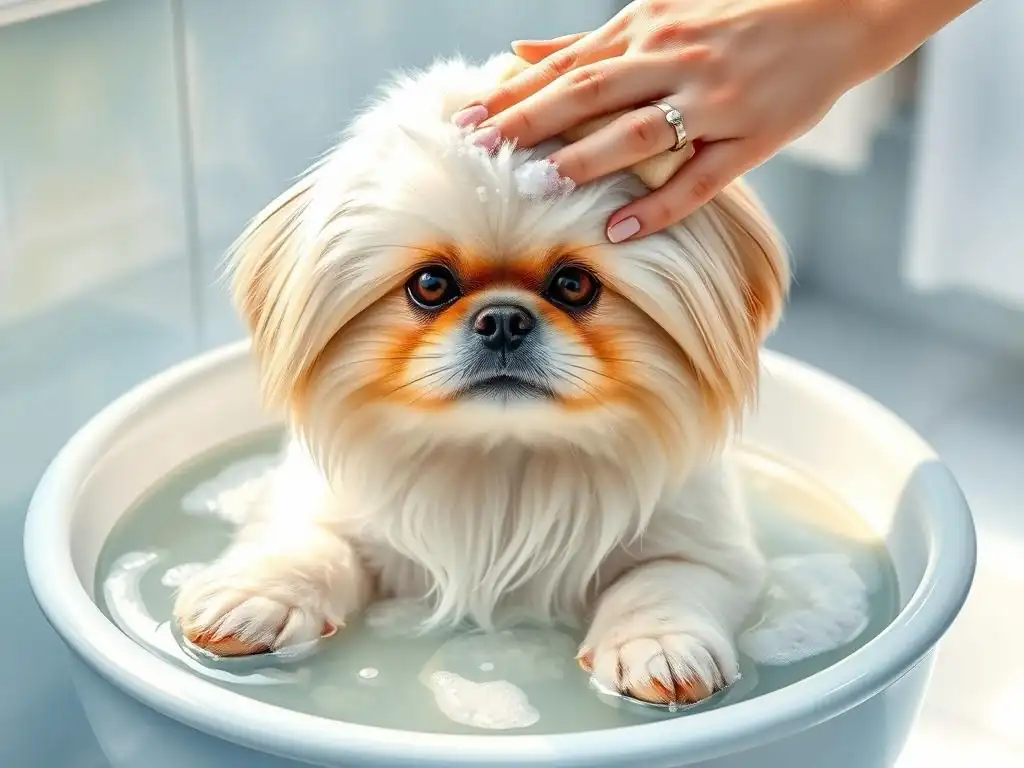
This section provides a comprehensive guide on bathing your Pekingese, a crucial aspect of Pekingese dog grooming. Proper bathing techniques are essential for maintaining your lion-dog's luxurious coat and preventing skin problems. Remember, consistency is key to keeping your Pekingese clean and healthy. This detailed Pekingese dog grooming guide will ensure a stress-free experience for both you and your furry friend.
Preparing for the Bath: Gathering Supplies and Setting the Stage
Before you even think about getting your Pekingese wet, preparation is paramount. A well-organized approach minimizes stress and maximizes efficiency. You'll need the following:
- High-quality, pH-balanced dog shampoo: Avoid human shampoos, as they can disrupt your dog's skin's natural pH balance. Look for shampoos specifically formulated for small breeds or those with long coats.
- Dog-specific conditioner: This helps detangle the coat and adds shine, especially beneficial for a Pekingese's long, flowing mane.
- Several soft towels: You'll need plenty to thoroughly dry your Pekingese. Microfiber towels are excellent for their absorbency.
- A non-slip mat: Place this in the bottom of your tub or sink to prevent your dog from slipping and injuring themselves.
- A pitcher or cup: This is for rinsing, providing gentler water flow than a shower head.
- Cotton balls or a soft cloth: Useful for cleaning your Pekingese's eyes and ears.
- Treats: Positive reinforcement is key! Reward your Pekingese throughout the process.
Set the stage for a relaxing bath. Choose a warm, quiet location. Ensure the water temperature is lukewarm—never hot—to avoid scalding your pet. Have all your supplies within easy reach to avoid interruptions during the bathing process. Consider using a grooming table if your Pekingese is particularly resistant to bathing. The goal is to create a calm and comfortable environment to minimize anxiety.
The Bathing Process: Techniques for a Stress-Free Experience
With everything prepared, it's time for the bath itself. Remember, patience and gentleness are key. Start by wetting your Pekingese's coat thoroughly with lukewarm water, avoiding the face. Apply the shampoo, gently massaging it into the coat, paying particular attention to areas prone to matting, such as behind the ears and under the legs. Rinse thoroughly to remove all traces of shampoo. Follow with the conditioner, again massaging it in gently before rinsing completely. Avoid getting water in your Pekingese's eyes and ears. If you accidentally do, gently wipe the area with a soft cloth or cotton ball.
Throughout the process, use a calming and reassuring tone of voice. Speak to your Pekingese in a gentle manner, offering praise and treats for good behavior. If your Pekingese becomes anxious or stressed, take a break and try again later. Never force your Pekingese into the bath; a stressful experience will only make future baths more challenging. Remember, a positive and rewarding experience will make grooming easier in the long run. This careful approach is a critical element of any good Pekingese dog grooming guide.
Drying Your Pekingese: Preventing Skin Irritation and Matting
Thorough drying is just as important as the bath itself. Leaving your Pekingese damp can lead to skin irritation and matting. Start by gently squeezing out excess water from the coat. Then, use your towels to dry your Pekingese as much as possible.
For a long-haired Pekingese, you may need to use a hairdryer set on a low, cool setting, keeping it at a safe distance from your dog's skin to avoid burning. Never use a hot setting. Pay close attention to areas prone to matting, ensuring they are completely dry. Regular brushing after the bath will further prevent matting and keep your Pekingese's coat looking its best.
This contributes significantly to the overall success of your Pekingese dog grooming. Using a specialized grooming brush designed for long-haired breeds will assist in this final step, effectively completing your Pekingese's bath routine. This detailed drying process is a vital part of any comprehensive Pekingese dog grooming guide.
Pekingese Coat Care: Brushing, Combing, and Detangling
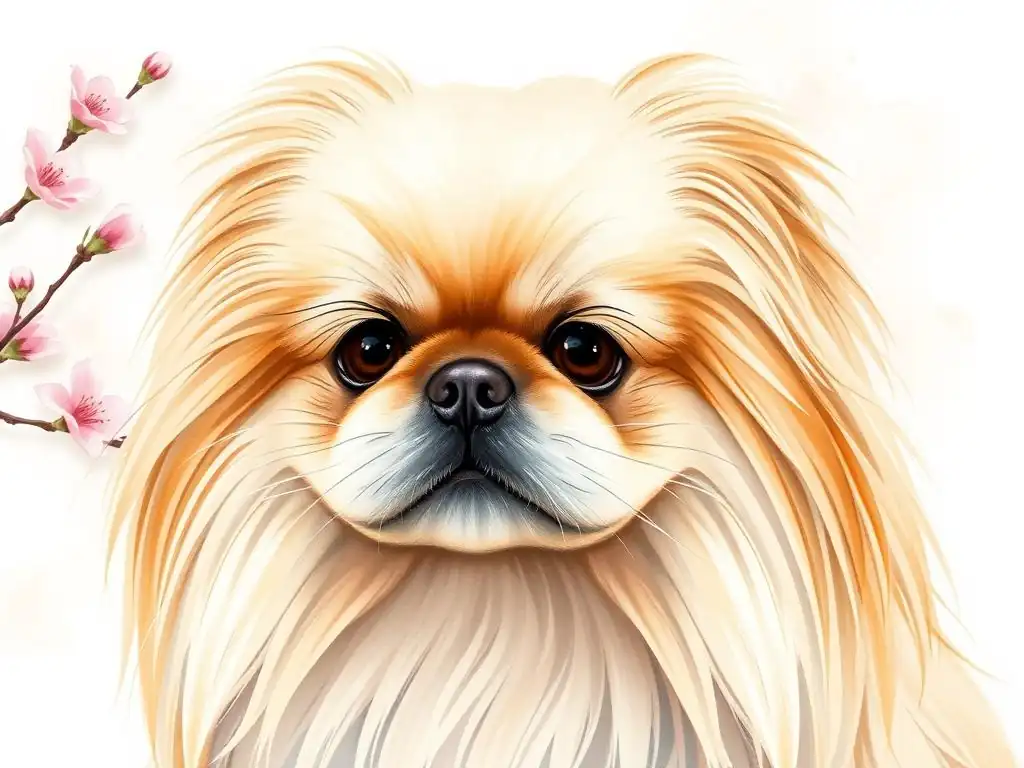
The Pekingese, with its luxurious double coat, requires diligent grooming to prevent matting and maintain its healthy shine. Regular brushing is crucial, not just for aesthetics, but for the overall well-being of your lion-hearted companion. Neglecting this aspect can lead to skin irritations, discomfort, and even potential health problems. This section details the best brushing techniques for different coat types and provides practical tips for keeping your Pekingese's coat in top condition.
Brushing Techniques for Different Coat Types
Pekingese coats vary slightly in texture, even within the breed. Some have a softer, fluffier undercoat, while others have a coarser, straighter outer coat. Understanding these variations is key to choosing the right tools and techniques.
- For softer coats: A soft-bristled brush, such as a slicker brush or a pin brush with rounded tips, is ideal for gently removing loose undercoat and preventing matting. Begin brushing at the roots, working your way towards the tips of the hair to avoid pulling or causing discomfort. Use gentle, sweeping strokes, paying particular attention to areas prone to matting, such as the legs, armpits, and behind the ears. Remember to be patient and gentle, especially with sensitive areas. A final comb through with a wide-tooth comb will help to remove any remaining tangles.
- For coarser coats: While a slicker brush can still be used, a bristle brush might be more effective for removing loose hair and preventing matting in coarser coats. The firmer bristles will help to penetrate the thicker hair, while still being gentle enough for sensitive skin. Again, start at the roots and work your way down, using short, gentle strokes. Regular brushing, ideally daily, will prevent the build-up of mats and tangles. A de-shedding tool can also be beneficial for removing excess loose hair during shedding seasons.
The frequency of brushing depends on the coat type and the time of year. During shedding seasons (typically spring and fall), daily brushing is recommended. Otherwise, every other day or at least three times a week should suffice for most Pekingese. Remember to always check your dog for any skin irritations, cuts, or lumps while brushing.
Dealing with Mats and Tangles: Prevention and Removal
Prevention is always better than cure when it comes to matting in a Pekingese's coat. Regular brushing is the best way to prevent mats from forming in the first place. However, even with diligent grooming, mats can sometimes occur, especially in areas where the hair is longer or denser.
Here's how to deal with mats and tangles:
- Small Mats: Try to gently work out small mats with your fingers. You can use a detangling spray to help loosen the hair. Work slowly and patiently, avoiding pulling or yanking.
- Larger Mats: For larger, more stubborn mats, you may need to use a mat splitter or a de-matting comb. These tools are designed to carefully separate the matted hair without pulling or damaging the skin. If you're unsure how to use these tools, it's best to seek professional help from a groomer. Never attempt to cut out mats yourself, as you could accidentally injure your dog.
- Severe Matting: In cases of severe matting, professional grooming is essential. A groomer will have the expertise and tools to safely remove the mats without causing your dog any distress. Regular grooming appointments can significantly reduce the risk of severe matting and other coat-related issues.
Maintaining a Healthy Coat: Nutrition and Supplements
A healthy diet plays a vital role in maintaining a beautiful and healthy coat for your Pekingese. Just like humans, dogs need a balanced diet that provides all the necessary nutrients for optimal health. This includes essential fatty acids, proteins, and vitamins. A high-quality dog food formulated for small breeds is a good starting point. Consider a diet that incorporates ingredients known to promote healthy skin and coat, such as salmon oil, flaxseed oil, or coconut oil. These oils are rich in omega-3 and omega-6 fatty acids, which are essential for maintaining a healthy coat.
While a balanced diet is crucial, sometimes additional support is needed. Consult your veterinarian before giving your dog any supplements. They can assess your dog's individual needs and recommend appropriate supplements if necessary. Some supplements, such as fish oil or biotin, are known to promote healthy skin and coat, but it’s important to ensure they are safe and appropriate for your dog.
Always follow the recommended dosage and monitor your dog for any adverse reactions. Remember, a healthy diet and regular grooming are the cornerstones of a beautiful and healthy Pekingese coat. A well-groomed Pekingese is a happy Pekingese! 🐶
Pekingese Eye and Ear Care: Essential Hygiene Practices
The Pekingese, with its endearingly flat face, requires extra attention to eye and ear hygiene. Their brachycephalic (short-nosed) structure predisposes them to certain health issues, making regular cleaning crucial for their overall well-being. Neglecting these areas can lead to infections and discomfort, impacting your beloved pet's quality of life. This section provides a detailed guide on how to safely and effectively clean your Pekingese's eyes and ears, helping you maintain their health and prevent potential problems. This is a vital part of any comprehensive Pekingese dog grooming guide.
Cleaning Your Pekingese's Eyes: A Gentle Approach
Cleaning your Pekingese's eyes should be a gentle and regular practice. Use a soft, damp cloth or cotton pad specifically designed for pet eye care. Never use harsh chemicals or human-grade eye cleaners. Avoid rubbing vigorously; instead, gently wipe away any discharge from the inner corner of the eye outwards.
Pay close attention to the presence of any unusual discharge. Normal eye discharge is usually clear or slightly cloudy. However, thick, yellow-green, or bloody discharge is a sign of potential infection and warrants immediate veterinary attention. Frequency of cleaning depends on your dog's individual needs; some Pekingese may require daily cleaning, while others may only need it a few times a week. Always prioritize gentleness to avoid causing irritation or injury.
Remember, consistent eye care is a crucial component of a thorough Pekingese dog grooming guide, ensuring your furry friend maintains healthy, clear vision. A proactive approach to eye hygiene can prevent more serious problems down the line.
Ear Cleaning for Pekingese: Preventing Infections
The Pekingese's folded ears create a warm, humid environment that is ideal for yeast and bacterial growth. Regular ear cleaning is essential to prevent infections. Use a veterinarian-recommended ear cleaner specifically formulated for dogs. Never use cotton swabs, as these can push debris further into the ear canal and potentially damage the eardrum.
Instead, apply the ear cleaner according to the product instructions, gently massaging the base of the ear to loosen any wax or debris. Then, allow your Pekingese to shake their head to remove excess fluid. You can gently wipe the outer ear with a clean, soft cloth.
If you notice a strong odor, excessive wax buildup, redness, swelling, or your dog is shaking its head excessively or scratching its ears, consult your veterinarian immediately. These are signs that may indicate an ear infection. Regular ear cleaning is a key aspect of responsible Pekingese dog grooming, helping prevent discomfort and health complications.
Recognizing Eye and Ear Problems: When to See a Vet
While regular cleaning is preventive, knowing when to seek professional veterinary care is crucial. Here are some warning signs indicating a potential problem requiring veterinary attention:
| Symptom | Eye Issue | Ear Issue |
|---|---|---|
| Excessive tearing | Conjunctivitis, corneal ulcers | Ear mites, infection |
| Cloudy or discolored eyes | Cataracts, glaucoma | Ear infection, foreign body |
| Redness, swelling, or pain | Infection, injury | Infection, inflammation, polyp |
| Thick, yellow-green discharge | Bacterial or fungal infection | Ear infection, foreign body |
| Squinting or pawing at eyes | Irritation, discomfort, foreign body | Intense itching, pain, hearing impairment |
| Frequent head shaking | (Less common in eye issues, but possible) | Ear mites, infection, foreign body, polyp |
| Foul odor from ears | (Less common in eye issues, but possible) | Ear infection, foreign body, impacted wax |
If you observe any of these symptoms, schedule an appointment with your veterinarian immediately. Early intervention is key to managing eye and ear problems effectively and preventing more serious complications. Ignoring these signs could lead to more significant health issues for your beloved Pekingese. This concludes this section of our comprehensive Pekingese dog grooming guide. 🐶
Nail Trimming and Dental Care for Your Pekingese
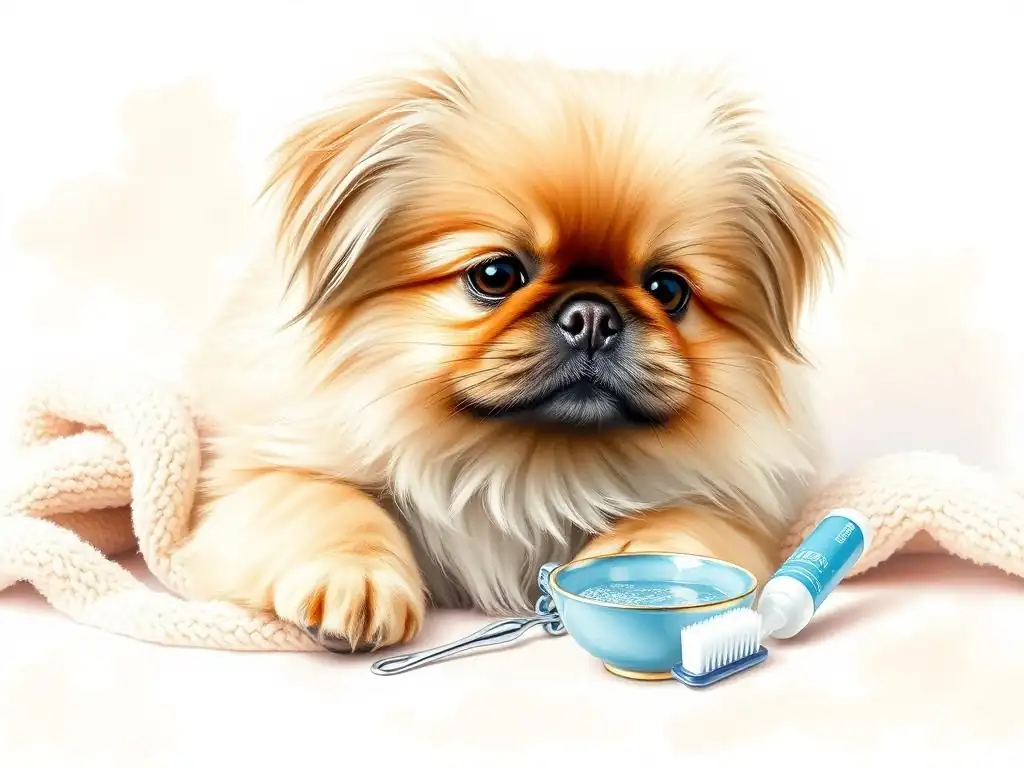
Maintaining your Pekingese's health involves more than just regular brushing. Proper nail trimming and dental hygiene are crucial aspects of responsible Pekingese dog grooming, contributing significantly to their overall well-being and preventing potential health problems. This section provides a detailed guide to ensure you're equipped to handle these essential tasks safely and effectively.
Trimming Your Pekingese's Nails: Safety and Technique
Regular nail trimming for your Pekingese is vital to prevent overgrown nails, which can cause discomfort, affect their gait, and even lead to more serious issues like ingrown nails or joint problems. However, improper trimming can be painful and even dangerous. Here's a step-by-step guide to ensure a safe and successful nail trim:
First, familiarize yourself with your Pekingese's nails. Identify the quick, the pink part containing blood vessels and nerves. Cutting into the quick is extremely painful and will cause bleeding. To avoid this, it's best to trim only the clear, hard part of the nail.
- Gather your supplies: You'll need sharp, small animal nail clippers (guillotine or scissor type), styptic powder (to stop bleeding if you accidentally cut the quick), and a treat to reward your dog for good behavior.
- Get your Pekingese comfortable: Find a quiet, well-lit area. Have someone help you hold your dog securely but gently, if needed. Speak in a soothing voice to calm them.
- Trim in small increments: Start by trimming just the very tip of the nail. It's better to do multiple small trims than one large cut.
- Check the quick: After each trim, examine the nail to make sure you haven't cut into the quick. If you see any blood, apply styptic powder immediately to stop the bleeding.
- Reward your dog: Praise and reward your Pekingese generously throughout the process. This positive reinforcement will make future nail trims easier.
Remember, if you're uncomfortable trimming your Pekingese's nails yourself, consult a professional groomer. Regular professional grooming is a valuable investment in your pet's health and happiness. The frequency of nail trimming depends on your dog's activity level and how quickly their nails grow, but generally, it should be done every 2-4 weeks.
Dental Hygiene for Pekingese: Preventing Tooth Decay
Dental disease is a common problem in dogs, including Pekingese. Neglecting dental hygiene can lead to periodontal disease, tooth loss, and even systemic health problems. Establishing a good dental care routine from a young age is crucial.
Regular brushing is the cornerstone of good dental hygiene. Use a toothbrush specifically designed for dogs (smaller head) and a pet-safe toothpaste (never use human toothpaste). Start slowly, gradually getting your Pekingese accustomed to the process. Begin with a few seconds of brushing each day and gradually increase the duration. Many Pekingese enjoy the taste of pet toothpaste, making the experience more pleasant.
Beyond brushing, you can supplement with dental chews and toys designed to help clean teeth. These can help remove plaque and tartar buildup, but they shouldn't replace regular brushing. Consider incorporating dental wipes into your routine as well, particularly on days when you don't have time for a full brushing. Always supervise your Pekingese when they are chewing on dental toys to prevent choking or ingestion of small pieces.
Regular veterinary checkups are also essential. Your vet can perform a professional dental cleaning and assess your Pekingese's oral health. They can identify any problems early on, allowing for prompt treatment. Early detection is key to preventing more serious and costly dental issues down the line.
Choosing the Right Dental Products for Your Pekingese
The market offers a wide variety of dental products for dogs. Selecting the right ones for your Pekingese is crucial for effective dental care. Here's a guide to help you navigate the options:
| Product Type | Considerations | Examples |
|---|---|---|
| Toothbrushes | Soft bristles, small head, angled neck for easy access to back teeth. | Small-headed dog toothbrushes, finger brushes |
| Toothpaste | Enzyme-based, pet-safe, palatable flavor (chicken, beef, etc.). Avoid human toothpaste. | Veterinary-approved dog toothpaste |
| Dental Chews | Durable, appropriate size for your Pekingese, designed to clean teeth. | Nylabones, Greenies, other veterinary-recommended chews |
| Dental Wipes | Soft, moist wipes with enzymatic cleaners. | Various brands available at pet stores |
Remember, always check the product labels to ensure they are specifically designed for dogs and safe for your Pekingese. Consult your veterinarian for recommendations on the best dental products for your pet's specific needs and age. Don't hesitate to ask your vet for guidance on the best approach for your Pekingese's dental health routine. A healthy mouth contributes significantly to a happy and healthy Pekingese. 🐶
Pekingese Grooming: Professional Grooming vs. Home Care

The majestic Pekingese, with its flowing mane and charmingly stubborn personality, requires a grooming routine that caters to its unique needs. This section explores the critical decision of whether to entrust your lion-dog's grooming to a professional or tackle it at home. Understanding the advantages and disadvantages of each approach is key to ensuring your Pekingese maintains a healthy, beautiful coat and a happy disposition.
A well-groomed Pekingese not only looks its best but also enjoys improved skin health and reduced risk of matting. This guide will help you make an informed choice based on your lifestyle, budget, and your Pekingese's specific needs.
Benefits of Professional Grooming for Pekingese
Professional groomers possess the expertise and tools to handle the Pekingese's distinctive double coat effectively. Their skills extend beyond a simple bath and brush; they understand the intricacies of maintaining the breed's characteristically long, luxurious fur. Here's what a professional grooming session typically entails and its benefits:
- Expert Handling: Pekingese can be sensitive during grooming. Professionals are trained to handle them gently, minimizing stress and ensuring a positive experience. This is especially crucial for anxious or skittish dogs.
- Thorough Coat Care: Professional groomers use specialized tools to detangle mats, remove dead undercoat, and prevent skin irritations. They are adept at identifying potential skin problems early on, such as allergies or infections.
- Precision Styling: From a basic trim to a show-ready cut, professional groomers can tailor the style to your preferences and your dog's coat type. They can expertly shape the facial furnishings, keeping the eyes clear and the coat neatly presented.
- Nail Trimming and Ear Cleaning: These essential tasks are often included in a professional grooming session, ensuring your Pekingese's overall hygiene and comfort. Improper nail trimming can be painful and lead to injury; professional groomers are well-versed in this delicate procedure.
- Time Savings: Professional grooming saves you valuable time and effort, freeing you up to focus on other aspects of your Pekingese's care. Grooming a Pekingese at home can be a time-consuming process, especially for beginners.
Cost Comparison: Professional vs. DIY Grooming
The financial aspect is a significant factor in deciding between professional and at-home grooming. The cost of professional grooming for a Pekingese varies depending on location, the groomer's experience, and the services included. Expect to pay anywhere from [specific price range pending] per session.
DIY grooming, on the other hand, requires an upfront investment in essential tools:
| Item | Estimated Cost |
|---|---|
| Grooming Brush | $[5-20] |
| Detangling Comb | $[10-30] |
| Shampoo & Conditioner (Pekingese-specific) | $[15-30] |
| Nail Clippers | $[10-20] |
| Ear Cleaning Solution | $[8-15] |
While the initial cost of supplies might seem lower, consider the ongoing expenses of replacing tools and purchasing grooming products. Furthermore, the time investment for DIY grooming can be considerable, potentially exceeding the cost of professional services if you factor in your hourly rate. Remember, improper grooming techniques can lead to skin problems or injuries, requiring veterinary attention, adding significant unexpected costs.
Deciding What's Best for Your Pekingese: A Balanced Approach
Ultimately, the best grooming approach depends on your individual circumstances. If you have the time, patience, and inclination to learn proper grooming techniques, DIY grooming can be a rewarding experience, strengthening the bond with your Pekingese. However, if you prioritize convenience, expertise, and a guaranteed professional finish, professional grooming is a worthwhile investment.
A balanced approach might involve a combination of both. You could handle basic tasks like brushing at home daily, while reserving professional grooming for more intensive services like de-shedding and styling every [Frequency pending] months. Regular brushing at home is crucial for preventing matting and keeping your Pekingese's coat healthy, regardless of whether you opt for professional grooming sessions.
This proactive approach minimizes the risk of costly veterinary visits due to neglected grooming. Regular monitoring of your dog's coat and skin will help you determine the optimal frequency of professional grooming appointments. Remember, a happy, healthy Pekingese is a well-groomed Pekingese!
Maintaining Your Pekingese's Overall Health Through Grooming
Regular grooming isn't just about making your Pekingese look their best; it's a crucial component of maintaining their overall health and well-being. A thorough grooming session allows for early detection of potential health problems, contributing significantly to their longevity and quality of life. This proactive approach to pet care is essential for responsible Pekingese ownership. Think of grooming as a preventative health measure, much like regular check-ups at the vet.
Grooming and Early Detection of Health Issues
Careful grooming provides a fantastic opportunity to identify potential health issues early. By regularly examining your Pekingese's skin and coat, you can spot signs of parasites like fleas or ticks, skin irritations, infections, or even early stages of cancerous growths. The long, luxurious coat of the Pekingese can easily conceal these problems, making regular grooming all the more important. For instance, a persistent scratching or excessive licking could indicate allergies or a skin infection.
Similarly, lumps or bumps that weren't there before require immediate veterinary attention. Regular brushing helps to remove mats and tangles, preventing skin irritation and potential infections. A systematic approach to grooming, paying close attention to detail, can be instrumental in early detection and prompt treatment.
The Importance of Regular Veterinary Checkups
While diligent grooming plays a vital role in early health detection, it's crucial to remember that it's not a replacement for regular veterinary checkups. Even with careful grooming, some health problems might not be visible to the naked eye. A veterinarian can perform thorough examinations, run diagnostic tests, and provide necessary vaccinations and preventative care. Schedule regular check-ups, typically every six months or annually, depending on your dog's age and health status.
These appointments allow for early detection of internal health issues like heart problems, dental disease, or other conditions that might not be apparent during grooming. Combine the benefits of at-home grooming with professional veterinary care for a comprehensive approach to your Pekingese's health management. Consider it a team effort to ensure your beloved companion thrives.
Creating a Grooming Routine for a Happy and Healthy Pekingese
Establishing a consistent grooming routine is key to maintaining your Pekingese's health and happiness. This routine should ideally be incorporated into your weekly schedule to prevent mats and tangles from forming. A typical grooming session should include:
- Brushing: Daily brushing is recommended for the Pekingese's long coat, using a slicker brush and a comb to remove loose hair, mats, and debris. This prevents matting, which can be painful and lead to skin problems.
- Bathing: Bathing should be done as needed, typically every 4-6 weeks, using a mild, dog-specific shampoo. Over-bathing can dry out their skin.
- Nail Trimming: Regularly trim your Pekingese's nails to prevent overgrowth, which can cause discomfort and gait issues.
- Ear Cleaning: Gently clean your Pekingese's ears with a veterinarian-recommended ear cleaner to remove wax buildup and prevent infections.
- Teeth Brushing: Regular teeth brushing helps to prevent dental disease, a common problem in small breeds.
Remember to create a positive and calm environment during grooming. Use treats and praise to make the experience enjoyable for your dog. With patience and consistency, you can establish a grooming routine that will keep your Pekingese looking and feeling their best. A happy Pekingese is a healthy Pekingese, and grooming plays a significant role in achieving this goal. This dedication to regular grooming will be rewarded with a thriving companion, full of life and love.
Frequently Asked Questions
How often should I brush my Pekingese's long coat?
You should brush your Pekingese's coat daily to prevent matting and tangles. This is crucial for maintaining their long, luxurious fur. Regular brushing also helps distribute natural oils.
What special tools do I need for grooming my Pekingese?
You'll need a slicker brush, a comb, and pet-safe scissors. A de-shedding tool can also be beneficial. Always use high-quality, pet-specific grooming tools.
How often should I bathe my Pekingese?
Bathing your Pekingese should be done every 4-6 weeks, or as needed. Over-bathing can dry out their skin. Use a gentle, pH-balanced shampoo specifically formulated for dogs.
How do I care for my Pekingese's facial folds?
Clean your Pekingese's facial folds daily with a damp cloth to prevent infections. Gently wipe away any debris or discharge. Be careful not to pull or irritate the skin.
My Pekingese has matted fur. How can I deal with this?
For minor mats, carefully work them out with your fingers and a comb. For severe matting, consult a professional groomer. Attempting to cut out severe mats yourself can hurt your pet.
Final Reflection: The Enduring Majesty of the Pekingese
The meticulous care detailed in this guide isn't just about aesthetics; it's about fostering a deep bond with your lion-hearted companion and ensuring their well-being for years to come. The Pekingese, with their regal bearing and independent spirit, demand a level of attention that reflects their unique personality. This isn't simply a grooming guide; it's a roadmap to a richer, more fulfilling relationship with your furry friend.
The enduring appeal of the Pekingese lies not only in their captivating appearance but also in the unwavering loyalty and playful charm they bring to our lives. Their history, steeped in imperial Chinese tradition, adds another layer to their mystique. A Pekingese is not a dog; it is a work of art.
This sentiment, though perhaps slightly exaggerated, captures the essence of the devotion many owners feel towards these captivating creatures. Their grooming needs, while demanding, are a testament to their delicate nature and a crucial part of maintaining their health and happiness.
Consider the lessons learned within these pages. Think about the gentle touch required during brushing, the patience needed for nail trimming, and the understanding necessary to recognize subtle signs of discomfort. You, the devoted owner, hold the key to unlocking your Pekingese's full potential, ensuring a life filled with joy, health, and unwavering companionship. Embrace the responsibility, cherish the moments, and revel in the unique bond you share with your majestic Pekingese.
Unleash Your Pekingese's Inner Majesty!
Thank you for joining us on this journey into the world of Pekingese care! We hope you've gained valuable insights into keeping your beloved companion happy and healthy. Now it's time to put that knowledge into practice.
- Master the Art of Pekingese Grooming: Refine the grooming techniques we discussed—from gentle face washes to perfectly trimming their paw pads—and watch your Pekingese shine! This is a wonderful opportunity to strengthen the bond with your furry friend.
- Share Your Grooming Triumphs: Post a picture of your perfectly groomed Pekingese on social media using #PekingesePampering and #PetCareWorld – let's celebrate these majestic dogs together!
- Become a Pekingese Expert: Explore our other articles on breed-specific health concerns and enrichment activities to provide your Pekingese with the best possible life.
So, tell us: What's your biggest grooming success so far, and which new technique are you most excited to try?