
Bird Cage Environment: Understanding the Impact of Air Quality

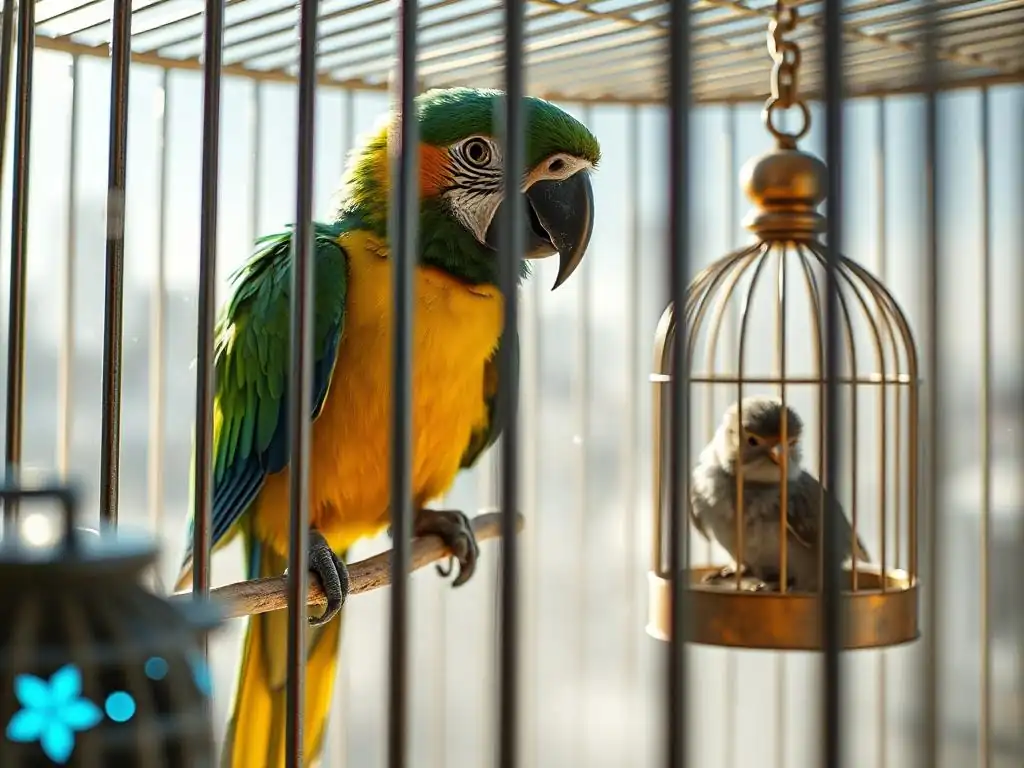
Welcome to PetCareWorld, your ultimate guide to a happier, healthier life for your beloved animal companions! Are you ready to unlock the secrets to a thriving bird sanctuary? We delve into the crucial role of air quality in your bird's well-being, exploring how improving bird cage air quality directly impacts their health and longevity. Discover practical tips and expert advice to create the perfect environment for your feathered friend – your journey to a healthier, happier bird begins here!
- The Importance of Clean Air for Bird Health
- Improving Bird Cage Air Quality: Practical Solutions
- Maintaining Optimal Air Quality: Ongoing Care
- Specific Air Quality Concerns for Different Bird Species
- Frequently Asked Questions
- Final Reflection: Breathing Easy: A Future for Cleaner Avian Air
- Breathe Easy: Enhance Your Feathered Friend's World!
The Importance of Clean Air for Bird Health
Maintaining a healthy environment for your feathered friend is paramount, and a crucial, often overlooked, aspect is air quality. A bird's respiratory system is incredibly sensitive, making them highly susceptible to airborne pollutants and poor ventilation. This article delves into the critical impact of air quality within a bird cage, exploring common pollutants, their effects on avian health and behavior, and practical steps you can take to improve bird cage air quality.
Understanding these factors is key to ensuring your bird thrives and enjoys a long, healthy life. We will examine the symptoms of respiratory issues, identify common household culprits impacting air quality, and discuss how poor air quality can negatively affect your bird's behavior and longevity. Ultimately, creating a clean and safe air environment is an investment in your bird's well-being and strengthens the bond you share.
Respiratory Problems in Birds: Identifying Symptoms and Causes
Birds, with their efficient respiratory systems, are particularly vulnerable to respiratory illnesses. Recognizing the signs of respiratory distress is crucial for prompt veterinary intervention. Symptoms can vary depending on the severity and underlying cause, but common indicators include:
- Lethargy and decreased activity: A noticeable reduction in your bird's usual playful behavior.
- Sneezing and coughing: Frequent sneezing or a rattling cough are clear signs of irritation.
- Difficulty breathing: Noticeable labored breathing, gasping, or open-mouthed breathing.
- Wheezing: A whistling sound during breathing, indicating airway constriction.
- Discharge from the nostrils: A clear, white, or yellowish discharge can signal infection.
- Abnormal vocalizations: Changes in your bird's calls or chirps.
These symptoms can stem from various causes, including infections (bacterial, viral, fungal), allergies, exposure to toxins, and poor air quality. Early detection and veterinary care are essential for successful treatment and improving your bird's chances of recovery. Remember, prevention is always better than cure; maintaining good air quality in your bird's cage is a proactive measure to minimize the risk of respiratory problems. Ignoring these symptoms can lead to serious complications and even death.
Common Air Pollutants Affecting Birds in Cages
Many common household items and substances can negatively impact the air quality within a bird cage, leading to respiratory issues and other health problems. These pollutants can be broadly categorized as:
- Household cleaning products: The fumes from sprays, cleaners, and disinfectants can be extremely irritating to a bird's sensitive respiratory system.
- Cooked foods and fumes: The smoke and fumes from cooking, especially greasy or smoky foods, can be harmful.
- Non-stick cookware: Overheated non-stick surfaces release toxic fumes.
- Aerosol sprays: Hairspray, air fresheners, and other aerosol products release particles that can irritate the lungs.
- Cigarette smoke: A significant risk factor, second-hand smoke is highly toxic to birds.
- Dust mites and pollen: These allergens can trigger respiratory allergies and inflammation.
- Volatile organic compounds (VOCs): Found in many household products, VOCs can cause a range of health problems.
- Mold and mildew: These fungi release spores that can cause respiratory infections.
It is crucial to minimize or eliminate exposure to these pollutants. Proper ventilation, regular cage cleaning, and using bird-safe cleaning products are essential steps in maintaining a healthy air environment. Remember, even small amounts of these pollutants can accumulate over time and have a significant impact on your bird's health. A clean and well-ventilated cage is the first line of defense against these hazards.
How Poor Air Quality Impacts Bird Behavior and Lifespan
The effects of poor air quality extend beyond respiratory problems. Birds exposed to contaminated air may exhibit behavioral changes, including:
- Increased lethargy and inactivity: A reduction in normal playful behavior and interaction.
- Changes in appetite: Loss of appetite or changes in eating habits.
- Feather plucking: A sign of stress and discomfort, often linked to poor environmental conditions.
- Aggression or fearfulness: Unexpected changes in temperament.
- Difficulty sleeping: Restlessness and disrupted sleep patterns.
These behavioral changes can significantly impact your bird's overall well-being and quality of life. Prolonged exposure to poor air quality can also lead to a decreased lifespan, potentially shortening your bird's life considerably. By prioritizing a clean and healthy air environment, you are not only mitigating the risk of respiratory diseases but also contributing to your bird's happiness, mental health, and longevity. A happy bird is a healthy bird, and clean air is a cornerstone of their well-being.
Improving Bird Cage Air Quality: Practical Solutions
This section focuses on practical steps you can take to significantly improve the air quality within your bird's cage, contributing to their overall health and well-being. Poor air quality can lead to respiratory problems, weakened immune systems, and a reduced lifespan for your feathered friend. By implementing these strategies, you can create a healthier and happier environment for your bird. Remember, even small improvements can make a big difference in your bird's quality of life. Let's explore some key areas for improvement.
Choosing the Right Location for Your Bird's Cage
The placement of your bird's cage plays a crucial role in maintaining good air quality. Avoid placing the cage in areas with:
- High traffic: Constant movement and dust stirred up by people walking by can negatively impact air quality.
- Direct sunlight: Prolonged exposure to direct sunlight can overheat the cage and increase humidity levels, creating a breeding ground for bacteria and mold. This can exacerbate respiratory issues in your bird.
- Kitchen or bathroom: These areas often have fluctuating temperatures and humidity levels, as well as exposure to cooking fumes, cleaning chemicals, and other airborne pollutants. These are all detrimental to your bird's respiratory health.
- Near fireplaces or heating/cooling vents: These can cause drastic temperature fluctuations and expose your bird to harmful fumes or dust particles.
Ideally, place your bird's cage in a well-ventilated room away from these potential hazards. A quiet, moderately lit area with consistent temperatures is best. Consider the air circulation in the room – a gentle breeze is beneficial, but avoid drafts. Regular cleaning of the surrounding area is also crucial to minimize dust and allergens. Remember, a clean environment is a healthy environment for your bird.
Effective Ventilation Strategies for Bird Cages
Adequate ventilation is paramount for maintaining good air quality within the bird cage. Poor ventilation can lead to a build-up of harmful gases, such as ammonia from droppings, and increase humidity, fostering the growth of mold and bacteria. Here are some effective ventilation strategies:
- Cage design: Choose a cage with ample spacing between bars to allow for good airflow. Avoid cages that are completely enclosed.
- Strategic placement: Ensure the cage isn't blocked by furniture or other objects that could impede airflow.
- Air circulation: Create gentle airflow within the cage using a small, bird-safe fan (placed at a safe distance and securely attached to prevent accidents). Avoid strong drafts that could chill your bird.
- Regular cleaning: Thoroughly clean the cage regularly, including the bottom tray and perches, to minimize the build-up of droppings and waste. This will significantly reduce ammonia levels and improve overall air quality. A clean cage is a happy cage, and a happy bird is a healthy bird! 🐦
Remember, even with good ventilation, regular cleaning remains crucial. Aim to thoroughly clean your bird's cage at least once a week, or more frequently if needed.
Air Purifiers and Filters for Bird Cage Environments
While proper cage placement and ventilation are crucial, air purifiers and filters can provide an extra layer of protection, especially in environments with pre-existing air quality issues (e.g., high levels of dust or pollen). However, it's crucial to choose the right type of air purifier:
- HEPA filters: High-Efficiency Particulate Air (HEPA) filters are highly effective at removing airborne particles, including dust, pollen, and mold spores. Ensure the purifier is specifically designed for use around pets, as some models may release ozone, which is harmful to birds.
- Activated carbon filters: These filters are effective at removing gases and odors, such as ammonia from bird droppings. They can be used in conjunction with HEPA filters for optimal results.
| Filter Type | Removes | Bird Safety Considerations |
|---|---|---|
| HEPA Filter | Dust, pollen, mold spores | Ensure it's pet-safe and doesn't release ozone. |
| Activated Carbon | Gases, odors (ammonia) | Check for bird-safe materials; avoid strong fragrances. |
Important Note: Always place the air purifier at a safe distance from the cage to prevent your bird from getting too close to the fan or filter. Regularly check and replace filters according to the manufacturer's instructions to maintain their effectiveness. Remember, the goal is to improve air quality, not to create an overly sterile environment. A natural, clean environment is best for your bird's health. Always prioritize a clean cage and good ventilation as the primary methods for improving air quality.
Natural Ways to Improve Air Quality in Your Bird's Cage
Maintaining a clean and healthy environment for your feathered friend is paramount to their well-being. While technological solutions exist to improve bird cage air quality, incorporating natural methods can significantly enhance your bird's living space and contribute to their overall health. These methods often work in conjunction with other air purification techniques, creating a synergistic effect.
One highly effective natural method is proper ventilation. Ensuring adequate airflow within the cage prevents the buildup of stale air and harmful gases. This can be achieved by strategically positioning the cage near an open window (avoiding direct drafts), using a cage with ample spacing between bars for air circulation, or employing a small, quiet fan to gently circulate the air. Remember to avoid placing the cage in direct sunlight or near sources of heat, which can quickly dehydrate the air and negatively impact your bird's respiratory system. Proper ventilation is a cornerstone of improving air quality naturally.
Another crucial aspect is regular cleaning. A clean cage is a healthy cage. Bird droppings, uneaten food, and shed feathers can release harmful gases and allergens into the air. Daily spot cleaning, removing fresh droppings and soiled food, is essential.
A thorough cage cleaning, including disinfecting with bird-safe solutions, should be done at least once a week, depending on the size of the cage and the number of birds. This minimizes the build-up of organic matter that can degrade air quality. Regular cleaning is not just about aesthetics; it’s a vital component of improving air quality naturally and preventing respiratory issues in your bird.
Beyond cleaning, introducing air-purifying plants can be surprisingly beneficial. Certain plants are known to naturally filter toxins from the air. However, it's crucial to research thoroughly and ensure any plant you introduce is non-toxic to birds. Some commonly suggested (but always double-check their safety for your specific bird species!)
options include spider plants and snake plants. These plants shouldn't replace proper ventilation and cleaning but can contribute to a cleaner, fresher atmosphere within the bird's environment. Remember to always supervise your bird's interaction with any plants to prevent ingestion. The use of air-purifying plants provides a natural and aesthetically pleasing way to contribute to a healthier air environment.
Finally, consider the materials used in and around the cage. Avoid using harsh chemicals or heavily scented products near the cage, as these can release volatile organic compounds (VOCs) that are harmful to birds. Opt for natural, bird-safe cleaning products and avoid using air fresheners or other scented products in the room where the bird's cage is located. This commitment to using natural materials and products reduces the introduction of harmful airborne chemicals that can compromise your bird's respiratory health and overall well-being.
The impact of material choices on air quality is often overlooked but is a significant factor in creating a healthy environment for your bird. Careful consideration of these natural solutions can significantly improve the air quality within your bird's cage, promoting a healthier and happier life for your feathered companion. 🐦
Maintaining Optimal Air Quality: Ongoing Care
Maintaining pristine air quality within your bird's cage is not a one-time task; it's an ongoing commitment crucial for your feathered friend's health and longevity. Neglecting regular maintenance can lead to respiratory issues, infections, and a diminished quality of life for your bird. This section details the proactive steps you can take to ensure your bird breathes clean, healthy air. Remember, even small improvements in air quality can significantly improve bird cage air quality and contribute to a happier, healthier pet.
Regularly Cleaning and Disinfecting the Bird Cage
Regular cleaning is paramount for improving bird cage air quality. Bird droppings, uneaten food, and spilled water can quickly accumulate, creating a breeding ground for bacteria, fungi, and dust mites. These airborne contaminants directly impact your bird's respiratory system. A thorough cleaning should be performed at least once a week, but more frequently for smaller cages or birds that are particularly messy eaters.
Here's a step-by-step guide:
- Remove everything: Take out all perches, toys, food and water dishes, and any other items inside the cage.
- Soak and scrub: Wash all removable parts with warm, soapy water. Use a pet-safe disinfectant (avoid harsh chemicals) to kill bacteria and viruses. Rinse thoroughly and allow to air dry completely before returning to the cage.
- Cage cleaning: Clean the cage itself with warm, soapy water and the pet-safe disinfectant. Pay close attention to corners and crevices where debris tends to accumulate. Again, rinse thoroughly and dry completely.
- Replace items: Once everything is dry, replace the perches, toys, and other items. Consider rotating toys to prevent boredom and encourage exploration.
- Spot cleaning: Perform spot cleaning daily to remove fresh droppings and spilled food. This helps prevent the buildup of contaminants and reduces the frequency of deep cleaning.
Remember to always use pet-safe products. Check labels carefully and avoid anything containing strong chemicals that could harm your bird. Thorough drying is essential to prevent the growth of mold and mildew.
Preventing Mold and Mildew in Bird Cages
Mold and mildew thrive in damp, dark environments, making bird cages particularly susceptible. These fungi release spores that can trigger respiratory problems and allergies in birds. Preventing mold and mildew requires consistent vigilance and proactive measures.
- Proper ventilation: Ensure your bird's cage is well-ventilated. Avoid placing it in areas with poor air circulation, such as corners or near damp areas.
- Immediate cleanup: Address spills and droppings promptly. The quicker you clean up messes, the less chance mold and mildew have to take root.
- Sunlight: Sunlight is a natural disinfectant. Position the cage in a location that receives some direct sunlight each day (avoid excessive heat).
- Air purifiers: Consider using a small, pet-safe air purifier near the cage to help filter out airborne particles, including mold spores. However, ensure the purifier is not positioned too close to the cage and does not create a direct draft.
- Regular inspections: Inspect the cage regularly for signs of mold or mildew, such as discoloration, musty odors, or fuzzy patches. Address any issues immediately.
Monitoring Your Bird's Health and Behavior
Regularly observing your bird's health and behavior is crucial for early detection of problems related to air quality. Changes in behavior or physical symptoms can indicate respiratory issues or other health concerns.
Here are some key signs to watch for:
- Respiratory distress: Rapid breathing, wheezing, coughing, or gasping for air.
- Lethargy: Unusual sleepiness or lack of energy.
- Changes in appetite: Loss of appetite or increased thirst.
- Discharge from nostrils or eyes: Any discharge should be considered a cause for concern.
- Feather ruffling: Birds often ruffle their feathers when they are cold, stressed, or unwell.
If you notice any of these symptoms, contact your avian veterinarian immediately. Early intervention is key to addressing respiratory issues and other health problems caused by poor air quality. Remember, proactive monitoring and prompt veterinary care are essential for ensuring your bird's well-being and improving bird cage air quality. A healthy bird is a happy bird! 🐦
Signs Your Bird Needs Veterinary Attention Due to Air Quality Issues
Poor air quality can significantly impact a bird's respiratory system, leading to various health problems. Recognizing the subtle signs of respiratory distress is crucial for timely veterinary intervention. Many symptoms might initially be overlooked, mimicking other common avian ailments. Therefore, vigilance is key to ensuring your feathered friend receives the appropriate care.
One of the most common indicators is a change in your bird's breathing pattern. Instead of the usual quiet, even breathing, you might notice labored breathing, gasping, or wheezing. This could manifest as open-mouthed breathing, an unusual stretching of the neck, or an increased respiratory rate. These changes are often accompanied by a noticeable effort to breathe, with the bird's chest visibly moving more forcefully than usual. Observe your bird closely for these subtle alterations in their breathing rhythm. Remember, even a slight change from their normal breathing pattern warrants a check-up with an avian veterinarian.
Beyond breathing difficulties, changes in your bird's behavior can also signal underlying respiratory issues. Lethargy, a decreased appetite, or a drop in activity levels are common symptoms. Your bird might spend more time resting or appear less interested in interacting with you or its surroundings. A significant weight loss despite maintaining a consistent diet could also indicate a serious health problem linked to compromised lung function due to poor air quality. These behavioral changes are often subtle at first, and pet owners need to be familiar with their bird's normal behavior to identify deviations.
Furthermore, you should be alert to changes in your bird's vocalizations. A bird that is usually vocal might become quieter or change the tone or quality of its calls. They may exhibit a raspy or weaker chirp than usual. Similarly, an increase in coughing or sneezing, particularly if accompanied by nasal discharge, could indicate an infection exacerbated by poor air quality. These vocal changes are often overlooked but can be crucial indicators of respiratory problems. Documenting any such changes, including the frequency and intensity, can be valuable information for your avian veterinarian.
Finally, observe your bird's droppings. Changes in the consistency, color, or frequency of droppings can reflect underlying health issues. While not a direct indicator of air quality problems in isolation, altered droppings in conjunction with other symptoms mentioned above should prompt immediate veterinary consultation. This comprehensive approach, encompassing behavioral changes, respiratory patterns, vocalizations, and droppings, allows for a holistic assessment of your bird's health and can help determine if the underlying cause is related to air quality problems within its cage environment. Prompt veterinary attention is vital for optimal treatment and recovery.
Specific Air Quality Concerns for Different Bird Species
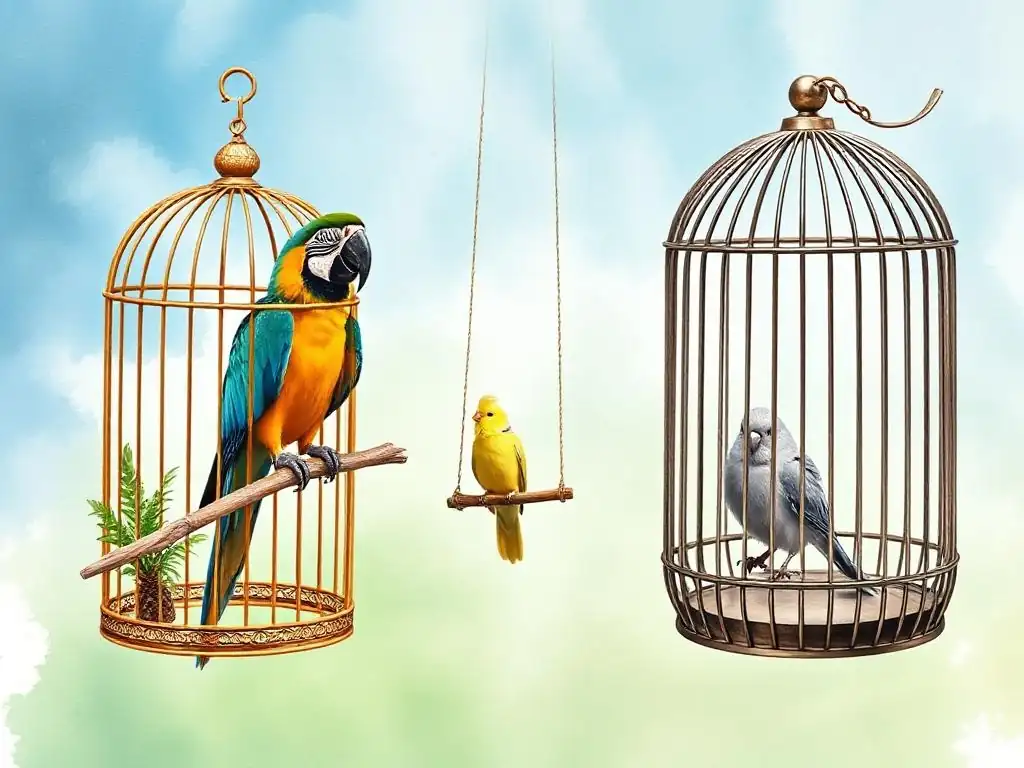
Different bird species have varying sensitivities to air quality, necessitating tailored approaches to maintaining a healthy cage environment. While the overarching principle of clean air applies to all birds, the specific pollutants and their impact can differ significantly. Understanding these nuances is crucial for improving bird cage air quality and ensuring the well-being of your feathered friend. Ignoring these species-specific needs can lead to respiratory issues, decreased lifespan, and a generally lower quality of life for your pet. Let's delve into the specific needs of some common pet birds.
Specific Needs of Parrots and their Air Quality
Parrots, particularly larger species like macaws and amazons, are known for their sensitive respiratory systems. They are highly susceptible to airborne particulate matter, such as dust, pollen, and mold spores. These particles can trigger respiratory infections and allergies, leading to sneezing, wheezing, and difficulty breathing. Improving air quality for parrots requires meticulous attention to detail.
- Minimizing Dust: Regularly cleaning the cage with a damp cloth is essential. Avoid using harsh chemicals, opting instead for bird-safe cleaning solutions. Consider using HEPA filters in the room to trap airborne dust particles.
- Controlling Humidity: Maintaining appropriate humidity levels is crucial. Too dry an environment can irritate the respiratory system, while excessive humidity can promote mold growth. A hygrometer can help monitor humidity levels, allowing for adjustments through misting or the use of a humidifier.
- Ventilation: Proper ventilation is key to preventing the buildup of stale air and harmful gases. Ensure the cage is positioned in a well-ventilated area, away from sources of fumes and strong scents. Avoid using air fresheners or scented candles near the cage.
- Non-Toxic Materials: Ensure all cage components, toys, and perches are made of non-toxic materials. Certain woods and paints can release harmful fumes.
Parrots also demonstrate a higher sensitivity to volatile organic compounds (VOCs) often found in household cleaners, paints, and furniture polish. These VOCs can cause severe respiratory problems. Therefore, maintaining a clean and chemical-free environment is paramount for their health. Regular air quality monitoring using a VOC detector can be beneficial, particularly in homes undergoing renovations or experiencing high levels of air pollution.
Specific Needs of Canaries and their Air Quality
Canaries, with their delicate respiratory systems, are particularly vulnerable to poor air quality. They are highly susceptible to respiratory infections, and maintaining a clean air environment is vital for their health and longevity.
- Fresh Air Circulation: Ensure proper ventilation in the canary's environment. A small, well-ventilated cage is preferable to a large, poorly ventilated one. Regularly open windows to allow fresh air to circulate, but avoid drafts.
- Smoke and Fumes Avoidance: Canaries are extremely sensitive to smoke, fumes from cooking, and other airborne pollutants. Keep them away from kitchens and areas where smoking occurs.
- Temperature Control: Extreme temperatures can stress canaries, weakening their immune systems and making them more susceptible to respiratory illnesses. Maintain a consistent temperature within their ideal range.
- Air Filters: While not always necessary, a small air purifier with a HEPA filter can be beneficial in removing small airborne particles and improving overall air quality. This is especially helpful during seasons with high pollen counts or increased air pollution.
Their small size and high metabolic rate make canaries more susceptible to the effects of poor air quality. Even seemingly minor pollutants can have a significant impact on their health. Therefore, proactive measures are essential to ensure a clean and healthy environment.
Specific Needs of Finches and their Air Quality
Finches, like canaries, are small birds with sensitive respiratory systems. Their susceptibility to respiratory infections necessitates a clean and well-ventilated environment. Their smaller size means that even a small concentration of pollutants can have a significant impact on their health.
- Cleanliness is Paramount: Regular cage cleaning is crucial for finches. Remove droppings daily and perform a thorough cage cleaning at least weekly. Use bird-safe cleaning products and avoid harsh chemicals.
- Airflow Management: Ensure good airflow within and around the cage, but avoid direct drafts which can chill the birds. Strategically placing the cage can improve natural ventilation.
- Avoiding Chemical Exposure: Keep finches away from sources of strong fumes such as cleaning products, air fresheners, and cooking fumes. These chemicals can irritate their respiratory systems and lead to health issues.
- Monitoring for Respiratory Symptoms: Regularly observe your finches for any signs of respiratory distress, such as labored breathing, sneezing, or wheezing. Consult a veterinarian immediately if you notice any such symptoms.
Maintaining optimal air quality for finches requires diligence and attention to detail. A clean environment, free from pollutants and with adequate ventilation, is vital for preventing respiratory problems and ensuring their well-being. This proactive approach will contribute significantly to improving their health and longevity.
Frequently Asked Questions
How does poor air quality affect my bird's health?
Poor air quality can lead to various respiratory issues in birds, including pneumonia and other infections. It can also cause eye and skin irritation, impacting their overall well-being. Regular cleaning is crucial.
What are the common sources of poor air quality in a bird cage?
Dust, mold, mildew, and strong fumes from cleaning products or cooking are common culprits. Unclean food and water dishes can also contribute to poor air quality. Improper ventilation is a major factor.
How can I improve the air quality in my bird's cage?
Regularly clean the cage thoroughly, using bird-safe cleaning products. Ensure adequate ventilation, and consider using an air purifier designed for pet use. Change food and water daily.
What type of air purifier is best for a bird cage?
Look for an air purifier with a HEPA filter and low noise levels to avoid stressing your bird. Ensure it's placed safely away from the cage to prevent accidental contact. Avoid ozone-generating purifiers.
How often should I clean my bird's cage to maintain good air quality?
A thorough cleaning should be done at least once a week, with daily spot cleaning of food and water dishes. More frequent cleaning may be necessary depending on the size of the cage and the number of birds. Regular cage disinfection is vital.
Final Reflection: Breathing Easy: A Future for Cleaner Avian Air
The air we breathe, whether human or avian, is fundamental to life. The quality of that air directly impacts health, longevity, and overall well-being—a truth profoundly relevant to our feathered friends. Ignoring this simple fact condemns our beloved birds to a compromised existence, impacting their respiratory systems and potentially shortening their lives. This article has highlighted the often-overlooked importance of maintaining pristine air quality within bird cages, emphasizing the detrimental effects of pollutants and offering practical solutions for improvement.
The pervasive nature of air pollution, even within the seemingly controlled environment of a bird cage, underscores the interconnectedness of our world. The air is a common good, belonging to all and shared by all, and it is essential to the health and well-being of all.
This quote speaks not only to the human experience but also to the silent suffering of birds confined to spaces where air quality is neglected. The responsibility we bear for the health of our avian companions extends beyond providing food and water; it encompasses creating an environment that truly supports their flourishing.
Consider the impact of your actions. Are you actively monitoring and improving the air quality within your bird's cage? Are you choosing safe materials, ensuring adequate ventilation, and minimizing exposure to harmful chemicals? You have the power to transform your bird's life, one breath at a time. By taking proactive steps to improve the air quality in your bird's environment, you are not only enhancing their physical health but also enriching their lives and strengthening the bond you share. Let us all strive to create a cleaner, healthier world for our feathered friends.
Breathe Easy: Enhance Your Feathered Friend's World!
Thank you for learning about the importance of clean air for your beloved birds! You've gained valuable insights into creating a healthier, happier home for your feathered companion. Now let's put that knowledge into action!
- Prioritize air purification: Investing in a high-quality air purifier designed for pet homes is the most impactful step you can take to improve the air your bird breathes.
- Share your knowledge: Discuss the importance of clean air with other bird owners – you might inspire them to improve their birds' environments too!
- Explore natural alternatives: Research safe, bird-friendly ways to freshen the air, creating a naturally clean and vibrant home for your pet.
Ready to make a real difference in your bird's life? What simple change will you make today to improve their air quality?