
Advanced Bearded Dragon Care: Tips for Experienced Owners


Welcome to PetCareWorld, your ultimate guide to a happier, healthier life for your beloved companions! Are you ready to elevate your bearded dragon's care to the next level? Our Advanced Bearded Dragon Care Guide delves into expert tips and techniques, ensuring your scaly friend thrives. Discover the secrets to optimal health, enrichment, and a long, fulfilling life for your amazing reptile. Prepare to unlock a deeper understanding of your bearded dragon's unique needs – let's begin!
- Understanding Bearded Dragon Behavior Beyond the Basics
- Optimizing Bearded Dragon Nutrition for Peak Health
- Creating the Ideal Bearded Dragon Habitat: Advanced Setup and Maintenance
- Breeding Bearded Dragons: A Comprehensive Guide for Experienced Owners
- Preventing and Treating Common Bearded Dragon Illnesses
- Advanced Bearded Dragon Health Monitoring and Record Keeping
- Troubleshooting Common Problems in Advanced Bearded Dragon Care
- Resources for Advanced Bearded Dragon Keepers
- Frequently Asked Questions
- Final Reflection: Nurturing the Timeless Bond with Your Bearded Dragon
- Unlock Your Bearded Dragon's Full Potential!
Understanding Bearded Dragon Behavior Beyond the Basics
Bearded dragons, while relatively low-maintenance reptiles, require a deeper understanding than simply providing food, water, and a basking spot for truly thriving. This advanced care guide delves into the nuances of bearded dragon behavior, offering experienced owners insights to elevate their pet's quality of life and address potential health concerns proactively.
We'll explore subtle behavioral cues indicating illness or stress, discuss enriching activities to stimulate their minds, and refine handling techniques to foster confident and comfortable interactions. This guide focuses on the crucial aspects of advanced bearded dragon care, equipping you with the knowledge to provide optimal care for your scaly companion and address potential problems before they escalate.
Remember, even experienced owners can benefit from a refresher on best practices and learn new techniques to strengthen the bond with their beloved bearded dragon. This detailed approach aims to solidify your understanding of advanced bearded dragon care, transforming you from a caregiver to a true companion for your reptile friend.
Advanced Behavioral Cues: Recognizing Subtle Signs of Illness or Stress
Beyond the obvious signs of illness (lethargy, lack of appetite, visible injuries), subtle behavioral changes often precede more serious issues. A bearded dragon exhibiting unusual behavior, such as a significant change in basking habits (avoiding the basking spot altogether or spending excessively long periods there), requires immediate attention. Similarly, changes in appetite (overeating or refusing food entirely), unusual defecation patterns (frequency, consistency, color), and respiratory issues (wheezing, gaping mouth) are crucial indicators needing veterinary assessment. Furthermore, observe their posture – a hunched posture, reluctance to move, or excessive hiding can signal stress or discomfort.
Keeping a detailed behavioral log can be invaluable in identifying subtle changes and enabling early intervention. Consider noting daily observations such as appetite, activity levels, defecation, and any unusual behaviors. This proactive approach can significantly impact your dragon's health and longevity. Early detection is key to effective treatment and improved outcomes.
| Behavioral Cue | Possible Indication | Action to Take |
|---|---|---|
| Reduced basking time | Illness, stress, thermal imbalance | Check basking temperatures, observe for other symptoms |
| Excessive hiding | Stress, illness, inadequate environment | Evaluate enclosure setup, observe for other symptoms |
| Changes in appetite | Illness, stress, parasites | Consult a veterinarian |
| Unusual defecation patterns | Parasites, dietary issues, underlying health problems | Consult a veterinarian |
| Lethargy | Illness, dehydration, low temperatures | Check temperature gradient, consult a veterinarian |
| Respiratory issues | Respiratory infection, environmental problems | Consult a veterinarian immediately |
Enrichment Activities for Stimulating Bearded Dragon Minds
Enrichment is crucial for preventing boredom and promoting a healthy mental state in bearded dragons. Beyond providing a spacious enclosure with appropriate hides and climbing structures, consider incorporating interactive elements. This might include introducing safe, reptile-safe plants for exploration, offering varied food items (within dietary guidelines), or creating a foraging environment by scattering food items throughout the enclosure. Puzzle feeders can also provide mental stimulation and encourage natural foraging behaviors.
Remember to rotate enrichment items regularly to prevent habituation and maintain interest. Consider adding different textures and materials within the enclosure, such as smooth rocks, rough bark, or even safe, shallow water dishes for exploration. Regular interaction with the owner, through gentle handling and supervised interaction, also contributes to their overall well-being.
Handling Techniques for Confident and Comfortable Interactions
Proper handling techniques are essential for building trust and minimizing stress in your bearded dragon. Always support their body gently, using both hands to provide stability. Avoid sudden movements or loud noises, which can easily frighten them. Before handling, wash your hands thoroughly to prevent the transmission of bacteria or other pathogens. Let your dragon approach you at its own pace; forcing interaction can create fear and distrust.
Gentle, consistent handling sessions, even if short, help them become accustomed to your presence and build a stronger bond. Observe your dragon's body language carefully. If it shows signs of stress (e.g., gaping mouth, puffing its beard), cease handling immediately and allow it to return to its enclosure. Remember, patience and respect for your dragon's comfort levels are paramount. Regular, positive interactions build trust and create a happier, healthier reptile companion.
Optimizing Bearded Dragon Nutrition for Peak Health

This section delves into advanced nutritional strategies for your bearded dragon, going beyond the typical beginner advice. Proper nutrition is paramount for a healthy and long-lived reptile, impacting everything from bone density and growth to immune function and overall vitality. We'll explore key aspects of creating a truly optimized diet for your mature bearded dragon. This guide focuses on providing a comprehensive understanding of bearded dragon advanced care, specifically addressing nutritional needs often overlooked by less experienced keepers.
Beyond the Basics: Dietary Variety and Supplement Strategies
A solely insect-based diet, while seemingly simple, can lack essential nutrients over time. Adult bearded dragons benefit from a diverse diet that includes both live insects and leafy greens. The ratio should generally lean towards insects, particularly for younger, growing dragons, but a healthy balance is crucial.
- Insect Variety: Avoid relying solely on crickets. Offer a rotation of insects such as dubia roaches (higher in nutritional value), mealworms (occasionally, as they are higher in fat), and even black soldier fly larvae. The variety ensures a broader spectrum of vitamins and minerals.
- Leafy Greens: Dark, leafy greens are essential for providing vitamins A, K, and calcium. Collard greens, mustard greens, and dandelion greens are excellent choices. Introduce new greens gradually to monitor your dragon's tolerance. Avoid spinach and kale, as they contain oxalates that can hinder calcium absorption.
- Supplementation: While a diverse diet should provide most necessary nutrients, supplementation is often necessary, especially with calcium and Vitamin D3. Dusting insects with a high-quality calcium and vitamin D3 powder is crucial, but the frequency should be adjusted based on the dragon's age and overall health. Over-supplementation can be just as harmful as under-supplementation. Consult a veterinarian specializing in reptiles for personalized recommendations. Remember, proper supplementation is a crucial element of bearded dragon advanced care.
Calcium and Phosphorus Ratios: A Deeper Dive for Experienced Keepers
Maintaining the correct calcium-to-phosphorus (Ca:P) ratio is vital for bone health and preventing metabolic bone disease (MBD). The ideal ratio is generally considered to be 2:1 or even higher, meaning there should be twice as much calcium as phosphorus in the diet.
This ratio is particularly important for growing dragons and breeding females. Incorrect ratios can lead to skeletal deformities, weakness, and other serious health issues. Understanding the Ca:P ratio of the insects and greens you feed is crucial. Many commercially available insect foods contain detailed nutritional information that will help you maintain the correct balance. However, it is essential to remember that the overall dietary balance is key, and individual needs may vary. Monitoring your dragon's behavior and posture can provide valuable clues of potential issues.
Recognizing and Addressing Nutritional Deficiencies
Recognizing early signs of nutritional deficiencies is essential for timely intervention. While subtle deficiencies might go unnoticed initially, more significant ones can manifest as:
- Metabolic Bone Disease (MBD): Characterized by skeletal deformities, weakness, and lethargy. Often linked to inadequate calcium and Vitamin D3.
- Vitamin A Deficiency: Can lead to eye problems, respiratory issues, and skin abnormalities.
- Calcium Deficiency: Besides MBD, it can present as tremors, muscle weakness, and poor appetite.
Early detection is key. Regular vet checkups are vital, especially for adult dragons. Providing a balanced diet, proper supplementation, and regular monitoring of your dragon's behavior and physical condition are all crucial aspects of bearded dragon advanced care. If you notice any unusual symptoms, immediately consult a reptile veterinarian for diagnosis and treatment. Remember, prevention is always better than cure. A proactive approach to nutrition helps ensure a happy and healthy bearded dragon for many years to come.
Creating the Ideal Bearded Dragon Habitat: Advanced Setup and Maintenance
This section delves into the nuances of creating a truly optimal habitat for your bearded dragon, going beyond the basics often covered in introductory guides. A well-maintained enclosure is paramount for a thriving reptile, contributing significantly to its overall health and longevity. This advanced guide focuses on temperature control, substrate selection, and humidity management – crucial factors often overlooked by less experienced keepers. Successfully mastering these aspects will dramatically improve your bearded dragon's quality of life and reduce the risk of common health problems.
Advanced Basking Spot Temperature and Gradient Control
Maintaining the correct temperature gradient within your bearded dragon's enclosure is crucial. It's not simply about achieving a single basking spot temperature; it's about creating a range of temperatures that allows your dragon to thermoregulate effectively. This means providing a basking spot that reaches 105-110°F (40-43°C), measured using an accurate digital thermometer. This should be complemented by a cooler side of the enclosure, maintaining a temperature of approximately 75-85°F (24-29°C).
Accurate temperature monitoring is essential. Using multiple thermometers placed at various points within the enclosure – including the basking spot, the cool side, and the middle – provides a comprehensive understanding of the temperature gradient. Avoid relying solely on a single thermometer; discrepancies between readings can indicate inconsistencies in heating, potentially harming your dragon.
Consider utilizing thermostat-controlled heating devices, such as ceramic heat emitters (CHEs) or under-tank heaters (UTHs), for precise and consistent temperature regulation. These devices allow for programmable settings, ensuring the temperature remains within the optimal range, even during fluctuations in ambient temperature. Regular calibration of your thermometers is also vital to ensure accuracy.
Substrate Selection: Beyond the Basics
Substrate choice significantly impacts your bearded dragon's health and well-being. While paper towels or reptile carpet are often recommended for beginners due to their ease of cleaning, more advanced keepers can explore other options, provided they understand the potential risks and benefits. Avoid substrates that can be ingested and cause impaction, a life-threatening condition.
Some more advanced options include:
- Tile: Offers excellent hygiene and prevents impaction. However, it can be cold and may require additional heating elements to maintain the correct temperature gradient.
- Reptile-Specific Sand: Certain brands offer finer sands that are less likely to cause impaction than coarser sands. However, careful monitoring and observation are essential. Always research the brand thoroughly before selecting it.
- Specific blends: Some specialty blends of sand and other materials are designed to mimic natural habitats, but again, thorough research and careful selection are vital.
Regardless of the substrate you choose, regular cleaning is paramount. Spot cleaning should be performed daily, removing any feces or uneaten food. A complete substrate change should be undertaken at least once a month, or more frequently depending on the substrate type and the cleanliness of your bearded dragon. Failure to maintain a clean enclosure can lead to bacterial or parasitic infections. Hygiene is crucial in preventing health issues.
Maintaining Optimal Humidity Levels in the Vivarium
Bearded dragons are desert-dwelling reptiles and require a relatively low humidity level. However, maintaining a slightly humid environment, particularly during shedding, is important for preventing complications. Excessive humidity can lead to respiratory infections, while overly dry conditions can hinder shedding. The ideal humidity level is generally between 30-40%, measured using a reliable digital hygrometer.
Several methods can be used to control humidity:
- Proper Ventilation: Ensure adequate ventilation within the enclosure to prevent the buildup of moisture. Poor ventilation can lead to a rapid increase in humidity, creating an unhealthy environment.
- Misting: Lightly misting the enclosure once or twice a day, particularly during shedding periods, can help maintain appropriate humidity levels. Avoid over-misting, as this can quickly raise humidity to unhealthy levels.
- Water Bowl: A large, shallow water bowl provides a source of drinking water and helps increase humidity levels slightly through evaporation.
Regular monitoring of humidity levels using a digital hygrometer is crucial. This allows you to adjust your approach accordingly, maintaining the optimal balance between dryness and sufficient moisture to support healthy shedding and overall well-being. Remember, maintaining the correct humidity is a delicate balance; consistent monitoring and adjustment are key to success.
Breeding Bearded Dragons: A Comprehensive Guide for Experienced Owners
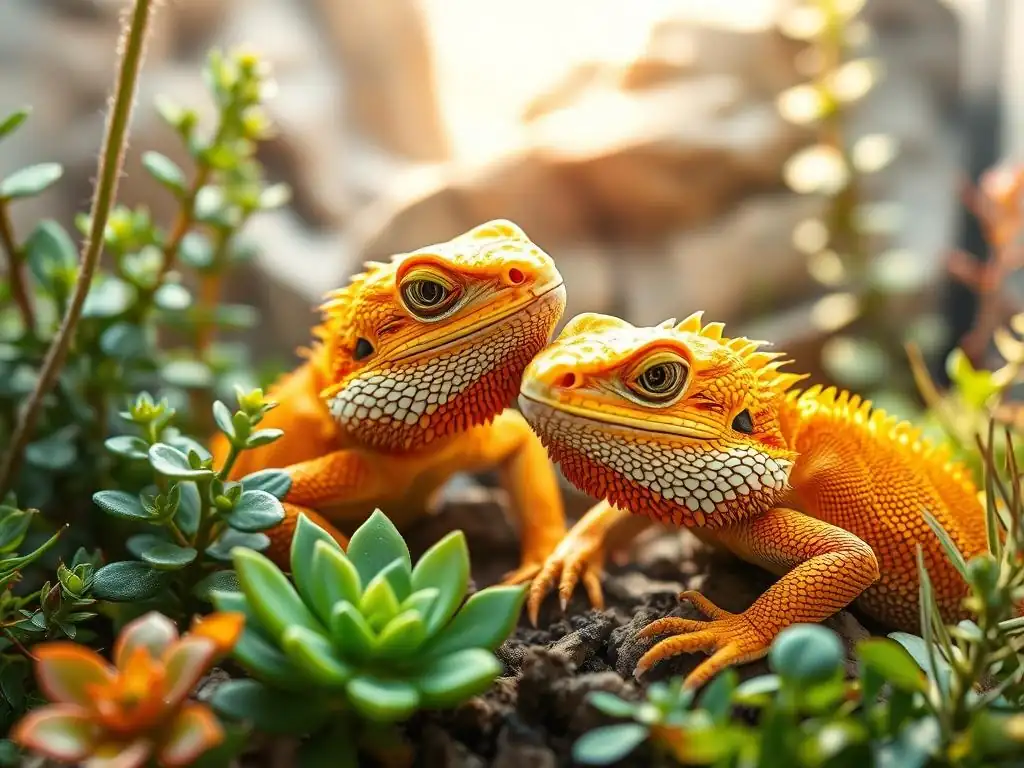
Breeding bearded dragons is a significant undertaking, demanding a deep understanding of their biology, nutritional needs, and environmental requirements. This section provides experienced owners with an advanced guide to successfully breeding these fascinating reptiles, encompassing selecting breeding pairs, creating the ideal breeding environment, and nurturing hatchlings. Remember, responsible breeding practices are paramount to prevent overpopulation and ensure the well-being of these animals. This advanced bearded dragon care guide will equip you with the knowledge to navigate this complex process effectively.
Selecting Healthy Breeding Pairs
Choosing the right breeding pair is crucial for successful bearded dragon breeding. Avoid breeding closely related individuals to minimize the risk of genetic defects. Both the male and female should exhibit excellent health, vibrant coloration, and robust body condition. Signs of poor health, such as lethargy, weight loss, or skin abnormalities, should disqualify a potential breeder. A thorough veterinary examination before breeding is highly recommended to identify any underlying health issues that could impact reproduction or the health of offspring.
Furthermore, consider the temperament of each dragon. Aggressive or overly timid individuals are not ideal candidates for breeding, as they may stress each other or neglect their eggs. Observe their behavior for several weeks before pairing them to assess compatibility. Documenting the lineage and health history of your dragons is also vital for tracking genetic traits and preventing inbreeding in future generations. This meticulous approach to selecting breeding pairs is a cornerstone of responsible bearded dragon breeding. This contributes to the overall health and genetic diversity within the bearded dragon population.
Setting Up a Breeding Enclosure
The breeding enclosure should be significantly larger than a standard enclosure, providing ample space for the pair to interact and the female to lay her eggs without stress. A minimum size of 6 feet by 4 feet by 2 feet is recommended. The substrate should be a safe, diggable material such as a mix of topsoil and play sand, allowing the female to easily excavate a nesting burrow. Avoid using materials like calcium sand, which can pose a health risk if ingested.
Temperature and humidity are critical factors. Maintain a basking spot temperature of 100-110°F (38-43°C) and a cool side temperature of 75-85°F (24-29°C). Humidity should be moderately elevated during egg laying, around 50-60%, but avoid excessive moisture which can lead to fungal infections. Providing multiple hiding places, including a humid hide, will reduce stress and provide safe havens for the dragons. The enclosure should also be equipped with UVB and UVA lighting to ensure proper calcium absorption and overall health.
Incubation and Hatchling Care
Once the eggs are laid, carefully transfer them to an incubator. A forced-air incubator is ideal for maintaining consistent temperature and humidity. Maintain a temperature of 84-86°F (29-30°C) and a humidity of 50-60%. Incubation time is typically 50-70 days, but can vary. Regularly check the eggs for signs of development without disturbing them excessively.
Once the hatchlings emerge, they require specialized care. A smaller enclosure, approximately 2 feet by 2 feet by 1 foot, is suitable. Provide a similar temperature gradient to adults, but with a slightly lower basking spot temperature. Feed the hatchlings small insects, such as pinhead crickets and mealworms, multiple times a day. Supplement their diet with calcium and vitamin D3 powders to ensure proper bone development. Monitor their growth and health closely, addressing any issues promptly. Consistent monitoring and proper care are key to raising healthy and thriving bearded dragon hatchlings, ensuring a successful breeding cycle.
Preventing and Treating Common Bearded Dragon Illnesses
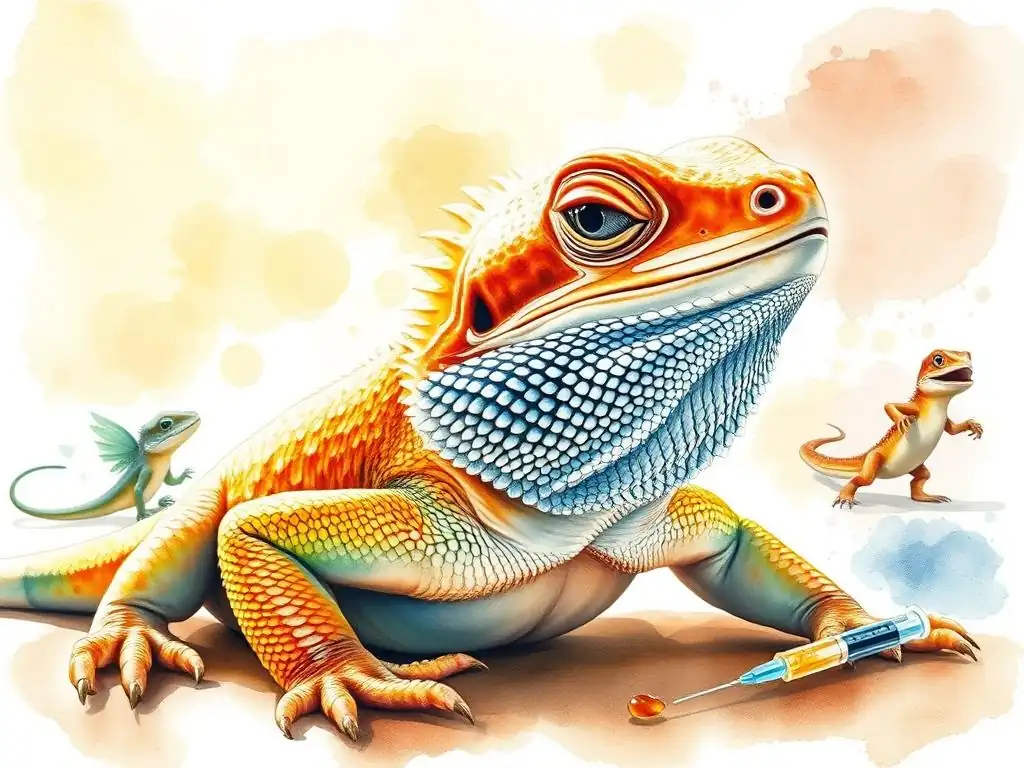
This section delves into advanced strategies for preventing and managing common health issues in bearded dragons, going beyond the basics often covered in introductory care guides. A proactive approach to bearded dragon health is crucial for ensuring a long and happy life for your reptile companion. Understanding the nuances of disease prevention and treatment is key for experienced owners. This guide will equip you with the knowledge to identify potential problems early and take appropriate action. Remember, early intervention is often the key to successful treatment.
Advanced Diagnosis and Treatment of Metabolic Bone Disease (MBD)
Metabolic Bone Disease (MBD) is a serious condition stemming from nutritional deficiencies, specifically insufficient calcium and/or vitamin D3. While basic care guides emphasize proper UVB and calcium supplementation, advanced care involves nuanced understanding and proactive monitoring. Early detection is paramount. Symptoms beyond the typical lethargy and skeletal deformities can include subtle changes in behavior, such as decreased appetite or reluctance to bask.
Experienced owners should regularly assess their dragon's posture and gait. A subtle limp or stiffness can be an early indicator. Regular vet check-ups, including bloodwork to analyze calcium and phosphorus levels, are essential. Advanced treatment might involve specialized calcium and vitamin D3 supplements, tailored to the specific needs of the individual dragon, based on bloodwork results. In severe cases, veterinary intervention may include fluid therapy and medication to manage pain and secondary infections.
Furthermore, adjusting the UVB and basking setup to optimize vitamin D3 synthesis is crucial. The intensity and duration of UVB exposure should be carefully monitored and potentially adjusted based on the dragon's age and condition. This might require specialized UVB lighting and careful monitoring of basking spot temperatures. Remember, preventing MBD through meticulous attention to diet and environmental factors is far superior to treating it.
Recognizing and Addressing Parasite Infections
Parasite infections are a common concern in bearded dragons. While basic care covers general hygiene, advanced care focuses on early detection and targeted treatment. Beyond the obvious signs like weight loss and lethargy, advanced owners should be aware of subtle indicators such as changes in stool consistency, color, and frequency. Microscopic examination of fecal samples is crucial for accurate diagnosis. This may require collaboration with a reptile-specialized veterinarian who can identify the specific parasite and prescribe appropriate medication.
Different parasites require different treatments. Some require broad-spectrum medications, while others necessitate more targeted approaches. The treatment plan should be carefully followed, and regular fecal examinations are crucial to monitor the effectiveness of treatment and ensure complete parasite eradication.
Prophylactic measures, such as regular cleaning and disinfection of the enclosure and careful selection of live food, are also vital in preventing future infections. A meticulous approach to hygiene minimizes the risk of reinfection and promotes the overall well-being of your bearded dragon. Consider using a UV-C light to sanitize the enclosure periodically, as this can effectively eliminate many parasites and bacteria.
Proactive Health Management for Longevity
Proactive health management is the cornerstone of advanced bearded dragon care. It's about anticipating potential problems and taking steps to mitigate risks before they manifest. This involves meticulous attention to several key areas: consistent monitoring of weight, appetite, and behavior; regular fecal examinations; and annual veterinary check-ups, including bloodwork. These checks allow for early detection of any abnormalities, enabling timely intervention and improving the chances of a positive outcome.
Maintaining optimal environmental conditions is also crucial. This includes providing a properly sized enclosure with appropriate temperature gradients, adequate UVB and UVA lighting, and a substrate suitable for your dragon. A balanced and varied diet is paramount. Supplementing with calcium and other essential vitamins and minerals is vital, but the amounts and frequency should be adjusted based on the dragon's age and health status.
A well-structured diet, combined with regular monitoring and prompt veterinary care, significantly contributes to the longevity and overall well-being of your bearded dragon. Regularly cleaning and disinfecting the enclosure is also critical for maintaining hygiene and preventing bacterial and parasitic infections. Remember, a healthy bearded dragon is a happy bearded dragon, and proactive care is the key to ensuring a long and fulfilling life for your scaly companion.
Advanced Bearded Dragon Health Monitoring and Record Keeping
This section delves into the crucial aspects of advanced bearded dragon care focusing on proactive health monitoring and meticulous record-keeping. For experienced owners, moving beyond basic care involves a deeper understanding of your dragon's subtle cues and the ability to detect potential health issues early. This proactive approach significantly improves the chances of successful treatment and extends your dragon's lifespan. This guide will equip you with the knowledge and tools to become a vigilant and informed caregiver.
Regular Weight Monitoring and Growth Charts
Regular weighing is paramount for detecting subtle changes in your bearded dragon's health. Weight loss, even a few grams, can signal underlying issues like parasites, metabolic bone disease (MBD), or digestive problems. Consistent monitoring allows you to identify these problems before they become critical.
To effectively track weight, use a digital gram scale accurate to at least 0.1 grams. Weigh your dragon weekly, ideally at the same time of day, and record the weight in a dedicated notebook or spreadsheet. Creating a growth chart visually represents your dragon's weight trends over time. This allows for easy identification of any sudden drops or plateaus in weight gain, acting as an early warning system.
Consider these factors when weighing your dragon:
- Time of day: Weighing after feeding can skew results. Consistent timing minimizes variability.
- Substrate: Weigh your dragon without the substrate to avoid inaccurate readings.
- Handling: Handle your dragon gently to minimize stress, which can affect weight.
Below is an example of a simple weight tracking table you can adapt:
| Date | Weight (grams) | Notes |
|---|---|---|
| 2024-10-26 | 450 | Ate well today, active and alert |
| 2024-11-02 | 452 | Slight weight gain, normal behavior |
| 2024-11-09 | 448 | Slight weight loss, check for illness |
Significant weight fluctuations warrant a veterinary check-up. Don't hesitate to consult a reptile veterinarian if you observe concerning trends.
Detailed Observation and Record Keeping of Behavior and Appetite
Beyond weight, observing your bearded dragon's behavior and appetite provides invaluable insights into their overall health. Changes in activity levels, appetite, basking habits, or defecation patterns can be early indicators of illness. Keeping detailed records allows you to identify patterns and trends, aiding in early diagnosis.
Consider these behavioral and appetite observations:
- Activity levels: Is your dragon less active than usual? Are they hiding more? Reduced activity can signify illness or discomfort.
- Appetite changes: Are they eating less than usual? Are they refusing certain foods? Changes in appetite can be a sign of illness or stress.
- Basking habits: Are they spending less time basking? This could indicate a temperature issue or a lack of appetite.
- Defecation: Note the frequency, consistency, and color of your dragon's feces. Changes can indicate digestive problems or parasites. Keep a record of both urination and defecation.
Maintain a detailed log of these observations. Include specific details, such as the type and amount of food consumed, the duration and intensity of basking, and any unusual behaviors observed. A simple daily log can significantly improve your ability to detect early warning signs. Use emojis to quickly denote positive or negative observations 🟢 (good) 🔴 (concerning).
Understanding Fecal Exams and Parasite Screening
Regular fecal exams are crucial for early detection of internal parasites, a common problem in bearded dragons. Parasites can cause weight loss, lethargy, and digestive issues. Early detection and treatment are essential for preventing serious complications.
A fecal exam involves collecting a fresh fecal sample and having it analyzed by a veterinarian or a qualified laboratory. The analysis identifies the presence of parasites and determines the appropriate treatment. Regular screening, ideally every 6 months or annually, is recommended, especially for dragons sourced from breeders or pet stores.
Consider the following:
- Sample collection: Collect a fresh fecal sample, avoiding contamination with substrate or urine.
- Storage: Store the sample in a clean, sealed container and refrigerate it until it can be analyzed. Do not freeze the sample.
- Veterinary consultation: Discuss the frequency of fecal exams with your veterinarian, considering your dragon's age, history, and overall health.
Proactive parasite screening is a cornerstone of responsible bearded dragon ownership. It allows for timely intervention, minimizing the risk of severe health complications and ensuring your dragon's well-being. Regular fecal exams, combined with diligent observation and record-keeping, constitute a robust approach to advanced bearded dragon care.
Troubleshooting Common Problems in Advanced Bearded Dragon Care

Even experienced bearded dragon owners can encounter challenges. This section focuses on troubleshooting some common, more advanced problems that may arise, providing you with the knowledge to effectively address them and ensure your dragon thrives. This guide will help you become a truly expert bearded dragon caretaker, building upon your existing knowledge. Remember, early intervention is key in most cases.
Addressing Impaction and Digestive Issues
Impaction, a blockage in the digestive tract, is a serious concern for bearded dragons. While often associated with improper diet in younger dragons, advanced cases can stem from dietary imbalances, insufficient hydration, or underlying health conditions. Symptoms include lethargy, loss of appetite, straining to defecate, and a swollen abdomen.
Several factors contribute to impaction in adult dragons. For example, an overabundance of calcium-rich insects without sufficient leafy greens can lead to mineral imbalances and impacted waste. Similarly, feeding too many large insects at once can overwhelm the digestive system.
Effective management involves a multifaceted approach:
- Hydration: Immediately increase hydration efforts. Soaking your dragon in lukewarm water for 15-20 minutes several times a day can help soften stool and facilitate passage. Offer fresh water daily, and consider using a hydration supplement as advised by a veterinarian.
- Dietary Adjustments: Transition to a diet higher in fiber-rich vegetables and lower in insects. Consider adding pumpkin puree (plain, no spices) to their diet temporarily to help with bowel movements. Completely avoid sticky or difficult-to-digest foods.
- Veterinary Care: If symptoms persist or worsen, seek immediate veterinary attention. Your veterinarian might recommend enemas, laxatives (only under professional guidance), or other interventions. In severe cases, surgery may be necessary. Early intervention significantly improves the chances of a successful outcome. Accurate diagnosis and treatment are crucial.
Remember, preventing impaction is far easier than treating it. Maintain a balanced diet, provide consistent hydration, and monitor your dragon's bowel movements regularly. Any changes in frequency or consistency should be carefully observed.
Managing Skin Problems and Shedding Difficulties
Skin problems, including shedding difficulties (dysecdysis) and metabolic bone disease (MBD), are common in bearded dragons, especially if husbandry practices aren't optimal. While proper UVB and calcium supplementation usually prevent these issues, advanced cases require careful management.
Dysecdysis, or incomplete shedding, can manifest as stuck shed on the toes, tail, or other body parts. This can restrict movement and lead to secondary infections. Factors contributing to dysecdysis include insufficient humidity, dehydration, and underlying health problems.
Effective management strategies include:
- Humidity Increase: Increase environmental humidity through misting or a humid hide. A properly humidified environment is essential for successful shedding.
- Soaking: Regular soaks in lukewarm water can help loosen stuck shed. Gentle rubbing with a damp, soft cloth can aid in removing the shed, but only if it is already mostly loose. Never forcefully peel off stuck shed.
- Veterinary Consultation: If shedding problems persist, or if you notice signs of infection (redness, swelling, pus), consult a reptile veterinarian immediately. They can assess the situation and recommend appropriate treatment, potentially including topical medications.
MBD, resulting from calcium and vitamin D3 deficiencies, causes skeletal deformities and weakness. Early detection and treatment are essential. Signs include wobbly gait, swollen joints, and soft or deformed bones. Prevention through proper diet and supplementation is crucial.
Dealing with Aggression and Territorial Behavior
Bearded dragons, particularly males, can exhibit aggressive behaviors, especially during breeding season or when feeling threatened. While some level of territoriality is normal, excessive aggression requires intervention.
Signs of aggression include gaping, hissing, biting, tail whipping, and chasing. These behaviors can be triggered by several factors:
- Stress: Overcrowding, inadequate hiding places, or disturbances can increase stress levels and aggression.
- Territoriality: Introducing a new dragon or handling too frequently can trigger territorial defense mechanisms.
- Hormonal Influences: Males, especially during breeding season, tend to be more aggressive.
Effective management involves:
- Environmental Enrichment: Provide ample space, multiple hiding places, and basking spots to reduce stress and competition. Ensuring a secure and enriching environment is paramount.
- Controlled Handling: Handle your dragon gently and calmly, avoiding sudden movements or loud noises. Respect its personal space and allow it to retreat when needed.
- Separate Housing: If aggression persists, consider separating the dragons to prevent injury. Separate enclosures are often the most practical solution.
- Veterinary Examination: Underlying health issues can also contribute to aggressive behavior. If you suspect an underlying medical condition, consult a veterinarian. They can rule out any medical reasons for the behavior. Early diagnosis and treatment are critical.
By understanding these common challenges and implementing appropriate management strategies, you can significantly improve the health, well-being, and longevity of your bearded dragon. Remember that careful observation and prompt veterinary care are crucial for successful advanced bearded dragon care.
Resources for Advanced Bearded Dragon Keepers
This section delves into the essential resources available to experienced bearded dragon owners seeking to deepen their knowledge and refine their care practices. We'll explore where to find specialized veterinary care, connect with fellow enthusiasts, and access cutting-edge research on bearded dragon health and well-being. This information is crucial for ensuring your scaled companion thrives under your expert care. Remember, even experienced keepers can benefit from ongoing learning and community support.
Recommended Veterinarians Specializing in Reptiles
Finding a veterinarian experienced in reptile care is paramount for advanced bearded dragon keeping. A general practitioner may not possess the specialized knowledge needed to diagnose and treat complex conditions specific to reptiles. These specialists understand the unique physiological needs of bearded dragons, including their dietary requirements, thermoregulation needs, and common ailments. They can provide crucial diagnostic testing, administer appropriate medications, and offer expert advice on preventative care.
Locating a reptile specialist may require some research. Start by contacting your local veterinary associations or searching online directories specifically designed for exotic pet veterinarians. Look for veterinarians who actively participate in reptile-focused conferences and have documented experience with bearded dragons. Consider factors such as location, availability, and their stated expertise in diagnosing and treating conditions like metabolic bone disease (MBD), parasitic infections, and respiratory illnesses.
Don't hesitate to schedule a consultation even if your dragon currently appears healthy; preventative care is a cornerstone of advanced bearded dragon care. A proactive approach can save you significant stress and expense in the long run. The investment in finding a qualified reptile vet is invaluable for the well-being of your bearded dragon.
Online Communities and Forums for Experienced Owners
Engaging with online communities and forums dedicated to bearded dragon care can be incredibly beneficial for advanced keepers. These platforms offer a unique opportunity to connect with other passionate owners, share experiences, and access a wealth of collective knowledge. These communities often feature experienced breeders and keepers who can provide valuable insights into advanced husbandry techniques, breeding programs, and the nuances of bearded dragon behavior.
Look for forums and groups that emphasize evidence-based care and discourage unsubstantiated claims or anecdotal advice. Active participation, thoughtful engagement, and a willingness to contribute your own knowledge can enhance the value of these communities for everyone involved. Remember to always critically evaluate the information you find online and cross-reference it with reputable sources to ensure accuracy.
Participation in these online spaces allows for the exchange of information on complex topics such as breeding strategies, addressing specific health concerns, and optimizing environmental enrichment. The collective expertise available within these communities is a powerful resource for advanced bearded dragon care. Remember to be respectful and contribute positively to the community.
Advanced Literature and Research on Bearded Dragon Care
Staying current with the latest research and advancements in bearded dragon care is crucial for advanced keepers. The field of herpetology is constantly evolving, and new discoveries regarding nutrition, disease prevention, and husbandry techniques are regularly published. Access to this information is essential for maintaining the highest standards of care for your bearded dragon.
Seek out peer-reviewed scientific journals and reputable publications specializing in herpetology and reptile medicine. These resources provide in-depth analyses of bearded dragon biology, health, and behavior, often based on rigorous scientific studies. Online databases and university libraries can provide access to these publications. Additionally, look for books and educational materials written by leading herpetologists and veterinarians specializing in reptiles.
These resources can offer a comprehensive understanding of bearded dragon care, going beyond basic husbandry guides to explore more advanced topics. Remember to discern between reliable sources and less credible information, prioritizing research and expert opinions. A comprehensive approach to researching and applying new knowledge is a hallmark of advanced bearded dragon care.
Frequently Asked Questions
What are some advanced husbandry techniques for bearded dragons?
Advanced techniques include precise temperature and humidity control using sophisticated equipment, creating a naturalistic bioactive enclosure, and implementing a species-appropriate diet with varied insects and vegetables, supplemented with calcium and vitamins. This ensures optimal health and longevity.
How can I prevent common health problems in my bearded dragon?
Regular veterinary check-ups are crucial. Maintain optimal environmental conditions and provide a diverse and nutritious diet to prevent metabolic bone disease, parasites, and other illnesses. Early detection is key to successful treatment.
What are the signs of stress in a bearded dragon?
Stress can manifest as lethargy, loss of appetite, changes in coloration, and unusual behaviors like excessive hiding or aggression. Addressing environmental factors like temperature, lighting, and enclosure size is paramount.
How can I breed bearded dragons responsibly?
Responsible breeding requires extensive knowledge of genetics, nutrition, and husbandry. It's crucial to have sufficient space and resources for the parents and offspring and to have a plan for rehoming any baby dragons. Consult with experienced breeders.
What specialized enrichment can I provide for my bearded dragon?
Beyond basking spots and hides, consider adding climbing branches, digging substrates, and interactive feeding methods. Rotating enrichment items keeps your bearded dragon mentally stimulated and prevents boredom, which can lead to health problems.
Final Reflection: Nurturing the Timeless Bond with Your Bearded Dragon
The intricate dance of advanced bearded dragon care extends far beyond the basics; it's a testament to our commitment to these fascinating creatures and a reflection of our evolving understanding of their needs. Providing optimal care isn't just about survival; it's about fostering a thriving, enriching life for your scaled companion, ensuring their well-being and longevity.
The journey of advanced bearded dragon care is a continuous learning process, a testament to the enduring power of the human-animal bond. It's about recognizing the subtle nuances in their behavior, anticipating potential health concerns, and adapting our care strategies to meet their ever-changing needs. This dedication resonates deeply with me, reminding me of the responsibility we bear as keepers. The greatness of a nation and its moral progress can be judged by the way its animals are treated.
- Mahatma Gandhi. This quote, while broad, speaks to the ethical considerations inherent in responsible pet ownership, a responsibility magnified when caring for a creature as unique and captivating as a bearded dragon.
Now, I invite you to reflect on your own journey with your bearded dragon. Consider the ways you can further enhance their environment, deepen your understanding of their individual needs, and strengthen the bond you share. Are there new enrichment activities you could introduce?
Is there a specific aspect of their health you could monitor more closely? Embrace the ongoing learning process, for the reward is a deeper connection with your remarkable reptile and the satisfaction of knowing you're providing the best possible care. The journey of advanced bearded dragon care is a testament to your dedication and a celebration of the unique relationship you share.
Unlock Your Bearded Dragon's Full Potential!
Congratulations on taking the next step in providing exceptional care for your bearded dragon! We hope you've found our advanced care guide insightful and helpful. Now, let's put that knowledge into practice.
- Focus on one enrichment activity this week: Consider adding a new basking spot, a stimulating hide, or creating a foraging challenge. Concentrate on implementing just one to observe its immediate effect on your dragon's behavior and well-being.
- Share your dragon's favorite enrichment activity! Post a photo on our social media pages – we'd love to see what brings joy to your scaly companion.
- Continue learning with our extensive library of resources. You'll find articles covering a wide range of topics, from responsible breeding practices to specialized dietary needs.
What exciting new enrichment strategies are you planning to introduce to your bearded dragon's environment?