
Herding Dog Lifespan and Health Considerations: Planning for the Long Term

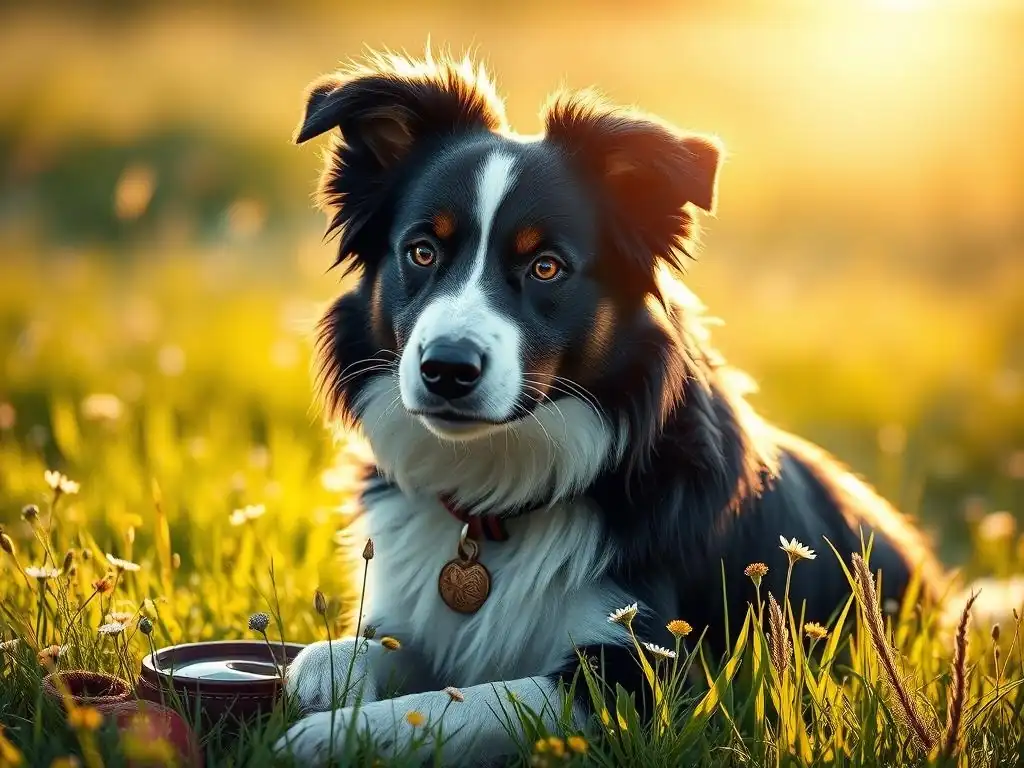
Welcome to PetCareWorld, your ultimate guide to a happier, healthier life for your beloved companion! Are you ready to unlock the secrets to a long and fulfilling life for your herding dog? Our comprehensive Herding Dog Lifespan Health Guide dives deep into the specific needs of these intelligent and energetic breeds, offering invaluable insights into breed-specific health concerns and proactive strategies for a longer, healthier lifespan. Discover how to maximize your dog's well-being and prepare for every stage of their journey – explore the guide now and embark on a path to many happy years together!
- Understanding the Average Herding Dog Lifespan
- Common Health Concerns in Herding Dogs
- Maintaining Your Herding Dog's Health: A Proactive Approach
- Senior Herding Dog Care: Addressing the Needs of Aging Dogs
- Planning for the Future: End-of-Life Care for Herding Dogs
-
Frequently Asked Questions
- What is the average lifespan of a herding dog?
- What are some common health problems in herding dogs?
- How can I ensure my herding dog lives a long and healthy life?
- What kind of exercise does a herding dog need?
- Where can I find more information on specific herding dog breeds and their health concerns?
- Final Reflection: A Legacy of Loyalty: Planning for a Longer, Healthier Life with Your Herding Dog
- Unlock Your Dog's Longest, Happiest Life!
Understanding the Average Herding Dog Lifespan
Herding dogs, known for their intelligence, agility, and unwavering loyalty, bring immeasurable joy to their owners. However, responsible pet ownership extends beyond providing love and attention; it necessitates understanding the breed's specific needs, including their lifespan and potential health concerns. This comprehensive guide delves into the average lifespan of herding dogs, exploring the factors that influence longevity and offering insights into recognizing early signs of aging.
We'll equip you with the knowledge to proactively plan for your herding dog's long-term health and well-being, ensuring a fulfilling life together. This guide aims to be your ultimate resource for understanding "herding dog lifespan health guide" concerns, empowering you to make informed decisions throughout your dog's life.
Factors Influencing Lifespan: Breed, Genetics, and Environment
Several interconnected factors significantly impact a herding dog's lifespan. Breed plays a crucial role; certain breeds are predisposed to specific genetic conditions that can shorten their lifespan. For example, some breeds might have a higher incidence of hip dysplasia or eye problems. Genetics, inherited from parents, also contribute significantly to a dog's overall health and longevity. A dog with a strong genetic background is more likely to live a longer, healthier life.
Beyond breed and genetics, environmental factors are equally important. A dog's diet, exercise regime, and access to quality veterinary care all influence their lifespan. A balanced, nutritious diet provides the essential nutrients for healthy growth and development, while regular exercise helps maintain a healthy weight and cardiovascular system. Regular veterinary check-ups allow for early detection and treatment of potential health issues, significantly extending lifespan.
Furthermore, a stimulating and enriching environment, including mental stimulation through training and play, contributes to a happier, healthier, and potentially longer life. Neglecting any of these factors can negatively affect a herding dog's lifespan and overall quality of life. Providing a holistic approach to your dog's care is key.
Common Lifespan Ranges for Popular Herding Breeds
While the average lifespan for herding dogs generally falls within a specific range, variations exist between breeds. It's crucial to understand the typical lifespan of your specific breed to better anticipate potential health challenges. The following table provides a general overview of lifespan ranges for some popular herding breeds. Remember, these are averages, and individual dogs may live longer or shorter lives depending on the factors discussed above.
| Breed | Average Lifespan (Years) | Notes |
|---|---|---|
| Border Collie | 10-13 | Prone to hip and elbow dysplasia |
| German Shepherd Dog | 9-13 | Susceptible to hip and elbow dysplasia, degenerative myelopathy |
| Australian Shepherd | 12-15 | Can be prone to eye problems and certain types of cancer |
| Shetland Sheepdog | 12-14 | May experience epilepsy or other neurological disorders |
| Pembroke Welsh Corgi | 12-14 | Prone to back problems due to their body structure |
This table is not exhaustive, and further research into your specific breed is recommended. Always consult with a veterinarian for breed-specific health concerns.
Early Signs of Aging in Herding Dogs
Recognizing early signs of aging in your herding dog is crucial for proactive management of their health. While aging is a natural process, early intervention can significantly improve your dog's quality of life. These signs can manifest differently depending on the individual dog and breed but generally include:
- Changes in Coat: A dull, dry, or thinning coat can be an early indicator of aging.
- Decreased Energy Levels: A noticeable reduction in enthusiasm for activities they once enjoyed.
- Joint Stiffness: Difficulty getting up, climbing stairs, or jumping.
- Cognitive Decline: Confusion, disorientation, or changes in behavior.
- Changes in Appetite or Thirst: Increased or decreased food or water intake.
- Incontinence: Accidental urination or defecation.
If you observe any of these signs, consult your veterinarian immediately. Early diagnosis and treatment can help manage these age-related changes and ensure your herding dog enjoys their golden years comfortably and happily. Remember, proactive care is essential for ensuring a long and healthy life for your beloved companion. Early detection and intervention can make all the difference.
Common Health Concerns in Herding Dogs
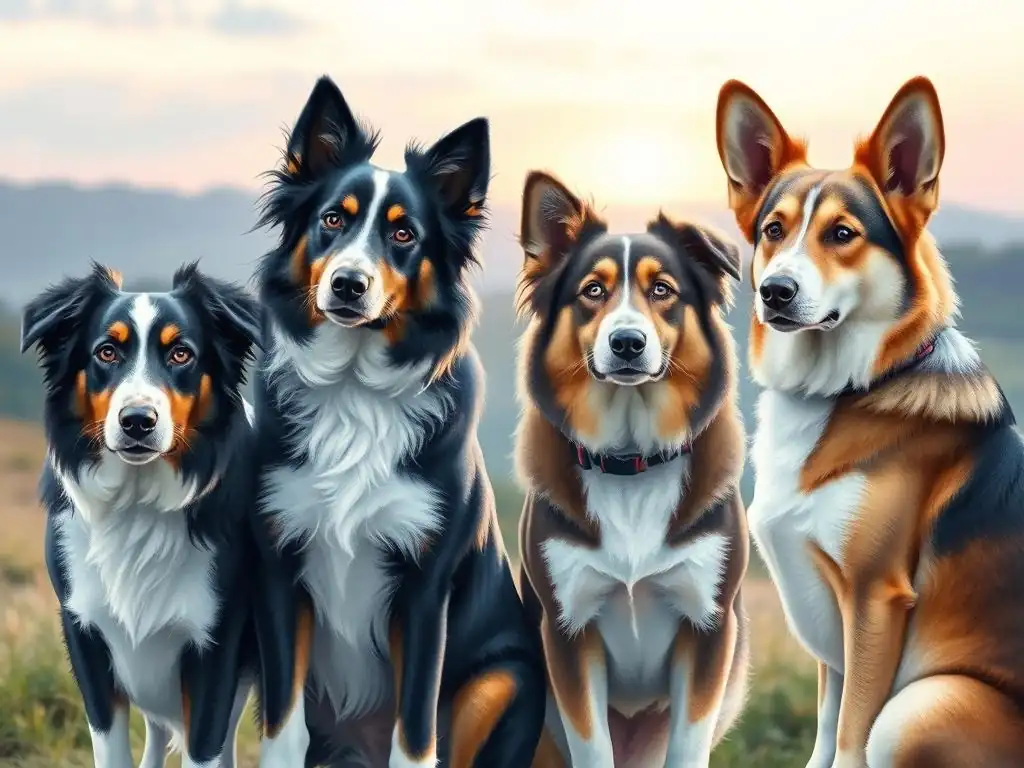
Herding dogs, renowned for their intelligence, energy, and loyalty, are also prone to certain health issues. Understanding these potential problems is crucial for responsible ownership and allows for proactive health management, extending the lifespan and improving the quality of life for your herding companion. This section delves into some of the most prevalent health concerns affecting these active and working breeds, offering insights into prevention and management strategies.
A proactive approach to herding dog health is key to maximizing their lifespan and ensuring a happy, healthy life together. This guide provides valuable information for owners seeking a comprehensive understanding of herding dog lifespan health.
Hip and Elbow Dysplasia in Herding Breeds
Hip and elbow dysplasia are common orthopedic conditions affecting many large and giant breeds, including several herding dogs. These conditions involve the abnormal development of the hip or elbow joints, leading to pain, lameness, and osteoarthritis. Larger herding breeds, such as German Shepherds and Border Collies, appear to be particularly susceptible. The underlying causes are complex and involve a combination of genetic predisposition, rapid growth, and environmental factors.
Several factors contribute to the development of hip and elbow dysplasia. Genetic inheritance plays a significant role, with certain bloodlines exhibiting a higher incidence. Rapid growth during puppyhood puts extra stress on developing joints, increasing the risk. Nutritional imbalances, particularly excessive calorie intake leading to obesity, can also exacerbate the problem. Finally, excessive exercise or strenuous activity before the joints are fully mature can contribute to joint damage.
Early detection is vital. Signs can include lameness, stiffness, difficulty jumping or climbing stairs, and a characteristic "bunny hop" gait. Veterinary examination, including radiographic evaluation, is necessary for diagnosis. Treatment options range from conservative management, such as weight control, physical therapy, and anti-inflammatory medication, to surgical intervention in severe cases. Careful breeding practices, selecting parents with healthy hips and elbows, are crucial in reducing the incidence of hip and elbow dysplasia in future generations. Responsible breeders often utilize hip and elbow scoring to identify and eliminate affected dogs from breeding programs.
Eye Problems: Progressive Retinal Atrophy and More
Herding dogs are also susceptible to various eye conditions, with progressive retinal atrophy (PRA) being a particularly significant concern in several breeds. PRA is a degenerative eye disease that gradually leads to blindness. It's a genetic condition, meaning it's inherited from parents carrying the faulty gene. Early detection is difficult as symptoms often appear subtly, but as the disease progresses, night blindness, reduced vision in low light, and eventual complete blindness can occur.
Beyond PRA, other eye problems can affect herding dogs. These include cataracts (clouding of the eye lens), glaucoma (increased pressure within the eye), and various forms of corneal dystrophy. Regular veterinary eye examinations are crucial for early detection and management of these conditions. Breed-specific predispositions should also be considered.
For example, certain herding breeds may have a higher incidence of specific eye diseases compared to others. Early identification allows for timely intervention, which can help slow the progression of the disease and improve the dog's quality of life. Supportive measures such as adjustments to the home environment can also improve the dog's ability to navigate its surroundings safely even with impaired vision.
Herding Dog Specific Genetic Predispositions
Many herding breeds share some common genetic predispositions to specific health issues beyond hip and elbow dysplasia and eye problems. These genetic factors influence their susceptibility to various diseases throughout their lifespan. Understanding these predispositions is crucial for responsible breeding practices and for pet owners to be aware of potential health challenges. This knowledge allows for proactive monitoring and management, ultimately improving the well-being of these intelligent and hardworking canines.
Some examples include: [Specific genetic conditions and their prevalence in specific herding breeds pending]. Further research is required to fully understand the complex interplay between genetics and environment in determining the health outcomes for these breeds. Detailed information on breed-specific genetic predispositions is often available through breed clubs and veterinary genetic resources.
This information is crucial for informed decision-making regarding breeding practices and for owners to be aware of potential health risks for their herding dog. Working closely with a veterinarian and a reputable breeder can provide invaluable support in managing these health concerns and ensuring a long and healthy life for your herding dog. Regular veterinary checkups, especially in young dogs, are essential for early detection of potential problems.
Digestive Issues and Allergies in Herding Dogs
Herding dogs, with their energetic natures and often-rushed eating habits, are prone to various digestive problems. One common issue is bloat, also known as gastric dilatation-volvulus (GDV). This life-threatening condition involves the stomach twisting on itself, trapping gas and cutting off blood supply. Large, deep-chested breeds are particularly at risk. Symptoms can include restlessness, pacing, unproductive retching, and a swollen abdomen.
Immediate veterinary attention is crucial for bloat; it's often a surgical emergency. Prevention strategies include feeding smaller, more frequent meals, avoiding strenuous exercise immediately before or after eating, and using elevated food bowls. Some owners also find success with slow-feeder bowls designed to slow down eating. Careful monitoring of your dog's eating habits and prompt veterinary care are key to managing this potentially fatal condition.
Beyond bloat, herding dogs can experience other digestive upsets, such as pancreatitis, an inflammation of the pancreas. This can manifest as vomiting, diarrhea, lethargy, and abdominal pain. Obesity, high-fat diets, and certain medications can increase the risk. Treatment often involves hospitalization, fluid therapy, and pain management. A careful and balanced diet, under veterinary guidance, is crucial for long-term management. Early detection is critical for a better prognosis.
Allergies are another prevalent concern in this breed group. Food allergies, manifesting as skin issues (itching, redness, hot spots), digestive problems (vomiting, diarrhea), and ear infections, are relatively common. Identifying the allergen through an elimination diet, often guided by a veterinarian, is key to effective management. Environmental allergies, triggered by pollen, dust mites, or other airborne allergens, can also cause similar symptoms.
Treatment options can range from dietary changes and medicated shampoos to allergy injections or medications to manage inflammation. Regular grooming can help alleviate some symptoms associated with environmental allergies. A holistic approach involving diet, environment, and veterinary care is often necessary to effectively manage canine allergies. The impact of allergies on a herding dog's quality of life can be significant, so proactive management is essential for their well-being.
Maintaining Your Herding Dog's Health: A Proactive Approach
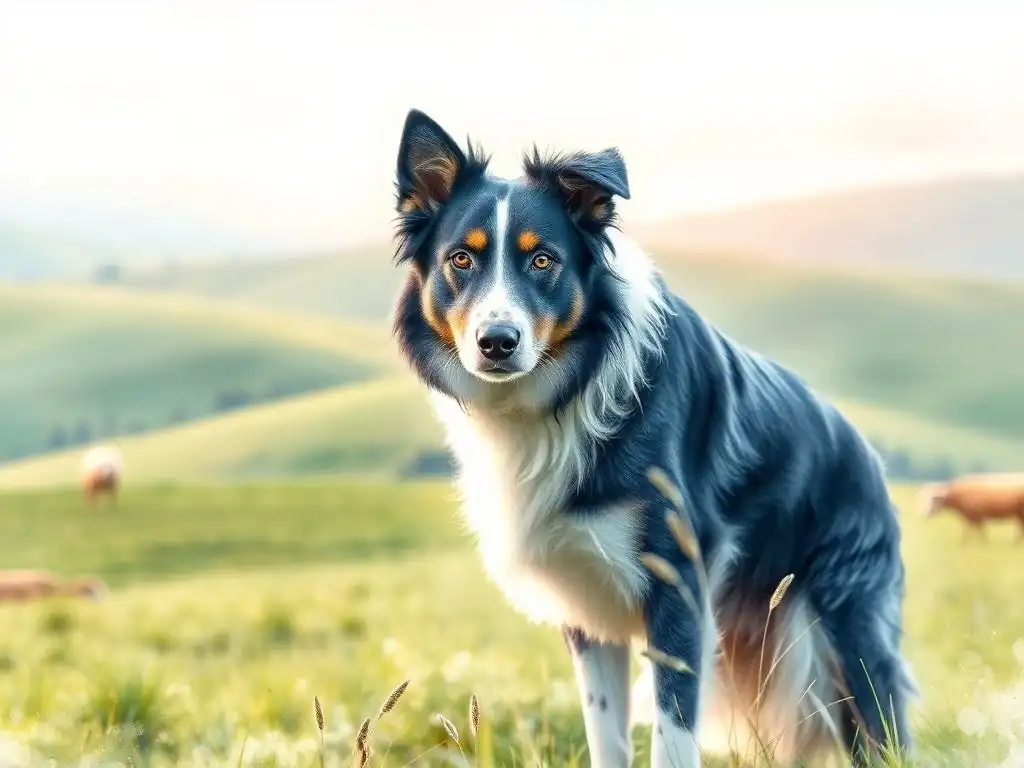
This section delves into proactive strategies for maximizing the lifespan and well-being of your herding dog. A herding dog's lifespan, while generally robust, is significantly impacted by genetics, lifestyle, and preventative care. Understanding these factors and implementing a proactive health plan is crucial for ensuring your canine companion enjoys a long and happy life. This guide offers practical advice and recommendations to help you achieve this goal. Remember, consistent effort in maintaining their health is key to extending their lifespan.
Nutrition for a Long and Healthy Life: Diet Recommendations for Herding Dogs
Optimal nutrition plays a pivotal role in a herding dog's overall health and longevity. Herding breeds, known for their high energy levels and active lifestyles, require a diet rich in high-quality protein, essential fats, and complex carbohydrates. The specific nutritional needs will vary depending on the dog's age, size, activity level, and any underlying health conditions.
Choosing a high-quality commercial dog food specifically formulated for active breeds is a good starting point. Look for ingredients like real meat (chicken, beef, lamb) listed prominently, and avoid fillers such as corn, wheat, and soy. The food should also contain balanced levels of essential vitamins and minerals. For example, a diet deficient in glucosamine and chondroitin can contribute to joint problems later in life, a common issue in larger herding breeds.
Consider your dog's individual needs. A highly active working dog will require a higher caloric intake than a retired herding dog. Regularly monitor your dog's weight and body condition score. Adjust food portions as needed to maintain a healthy weight, preventing obesity which can lead to a variety of health problems, shortening their lifespan. Always consult with your veterinarian to determine the best dietary plan for your individual herding dog. They can help you assess your dog's specific nutritional requirements and recommend appropriate food choices. Providing fresh water at all times is also crucial for hydration and overall health.
Exercise and Activity Levels for Herding Breeds: Tailoring to Age and Condition
Herding dogs are bred for work, possessing high energy levels and an innate drive to herd. Providing adequate exercise is not just about physical fitness; it's essential for their mental well-being and overall health. Failing to meet their energetic needs can lead to behavioral problems, such as destructive chewing, excessive barking, and anxiety.
The type and intensity of exercise should be tailored to the dog's age and physical condition. Puppies require controlled exercise to avoid injury to their developing joints. Adult dogs need regular, vigorous exercise – this could include long walks, runs, fetch, agility training, or even participation in herding activities. Senior dogs may require less intense exercise, focusing on shorter walks and gentle activities to maintain mobility and prevent further joint deterioration. Remember to always monitor your dog for signs of fatigue or discomfort during exercise.
Consider the weather conditions. Avoid strenuous exercise during extreme heat or cold. Always provide access to fresh water, especially during periods of intense activity. A balanced exercise routine, adjusted to your dog's age and capabilities, is vital for maintaining their physical and mental health, contributing to a longer, healthier life. Ignoring their innate need for activity can significantly impact their overall well-being and potentially shorten their lifespan.
Regular Veterinary Checkups and Preventative Care
Regular veterinary checkups are paramount to maintaining your herding dog's health and catching potential problems early. Preventative care is far more effective and less costly than treating advanced conditions. Schedule regular wellness exams, typically once a year for adult dogs, and more frequently for puppies and senior dogs.
These checkups involve a thorough physical examination, including weight monitoring, assessment of vital signs, and screening for potential health issues. Your veterinarian will also recommend appropriate vaccinations and parasite prevention programs, tailored to your dog's age and lifestyle. Early detection of diseases, such as hip dysplasia (common in many herding breeds), can allow for early intervention and management, improving the dog's quality of life and extending its lifespan.
Furthermore, consider dental hygiene. Regular teeth brushing and professional dental cleanings can prevent periodontal disease, a common problem in dogs that can lead to other health complications. Discuss any specific concerns or breed-related predispositions with your veterinarian. They can provide personalized advice and recommendations based on your dog's breed, age, and health history. Proactive veterinary care is an investment in your herding dog's long-term health and happiness, significantly contributing to a longer and healthier life.
Identifying and Addressing Early Warning Signs of Illness
Early detection is crucial in managing your herding dog's health. Herding breeds, with their energetic nature, can sometimes mask illness until it becomes quite advanced. Therefore, vigilant observation is paramount. Pay close attention to subtle changes in their behavior and physical condition.
These changes might be easily overlooked if you're not paying careful attention. For example, a slight limp that initially seems insignificant could indicate the onset of hip dysplasia, a common issue in larger herding breeds. Similarly, a decrease in appetite, even for just a meal or two, warrants investigation. It could signal a gastrointestinal issue or something more serious.
Beyond changes in appetite and mobility, monitor your dog's energy levels. A sudden decrease in their usual playful exuberance could indicate underlying pain, fatigue, or infection. Similarly, unusual lethargy or excessive sleeping should not be dismissed. These could be symptoms of various health problems, ranging from minor infections to more serious conditions like kidney disease or cancer. Changes in their coat, such as excessive shedding, dullness, or patches of hair loss, can also be indicators of underlying health problems, nutritional deficiencies, or even parasitic infestations. Regular grooming sessions allow for early identification of such changes.
Respiratory issues often manifest as coughing, sneezing, or difficulty breathing. While occasional coughing can be normal, persistent or worsening respiratory symptoms require immediate veterinary attention. Changes in bowel movements, such as diarrhea, constipation, or changes in stool consistency and color, can also be critical warning signs. These could be related to dietary issues, parasites, or even more serious conditions affecting the digestive system. Finally, pay attention to your dog's drinking and urination habits. Increased thirst and urination could signal kidney problems or diabetes. Conversely, decreased water intake could be a sign of dehydration, which can be life-threatening.
Remember, early intervention significantly improves the chances of successful treatment and recovery. If you notice any of these subtle changes, don't hesitate to consult your veterinarian. Regular veterinary checkups, even when your dog seems perfectly healthy, are essential for proactive health management and early detection of potential problems.
A proactive approach to your herding dog's health is the best way to ensure a long and happy life together. Early detection is key to managing the lifespan and health of your herding dog effectively, making this a crucial part of your "herding dog lifespan health guide." Don't underestimate the power of observation and prompt veterinary care.
Senior Herding Dog Care: Addressing the Needs of Aging Dogs
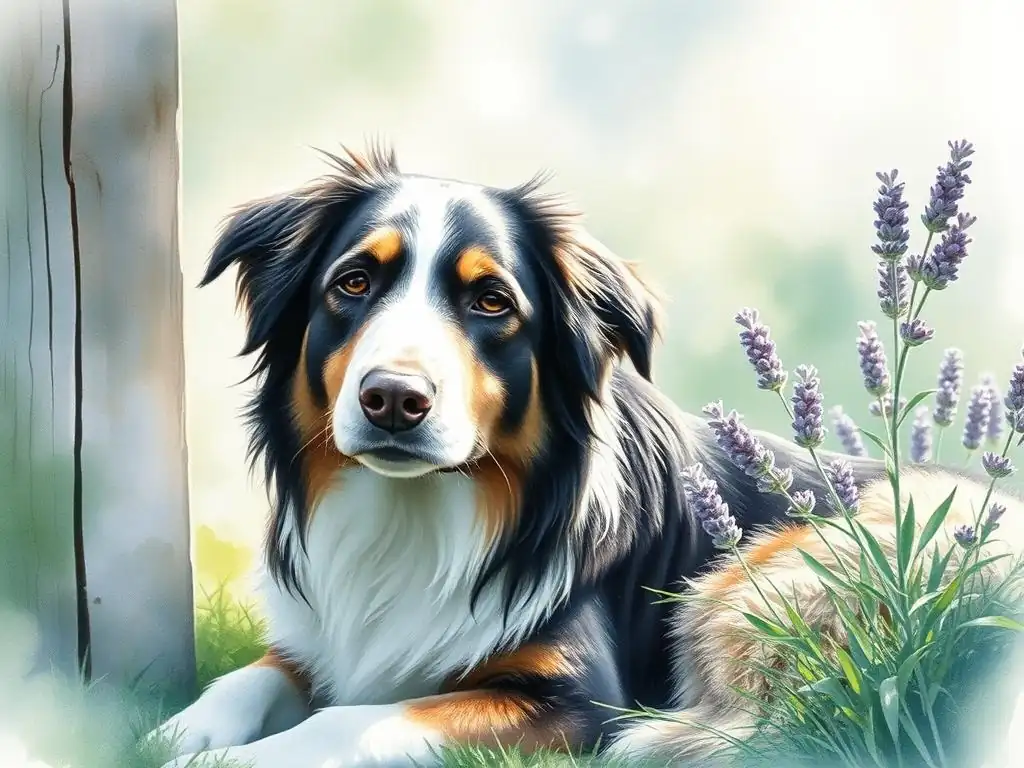
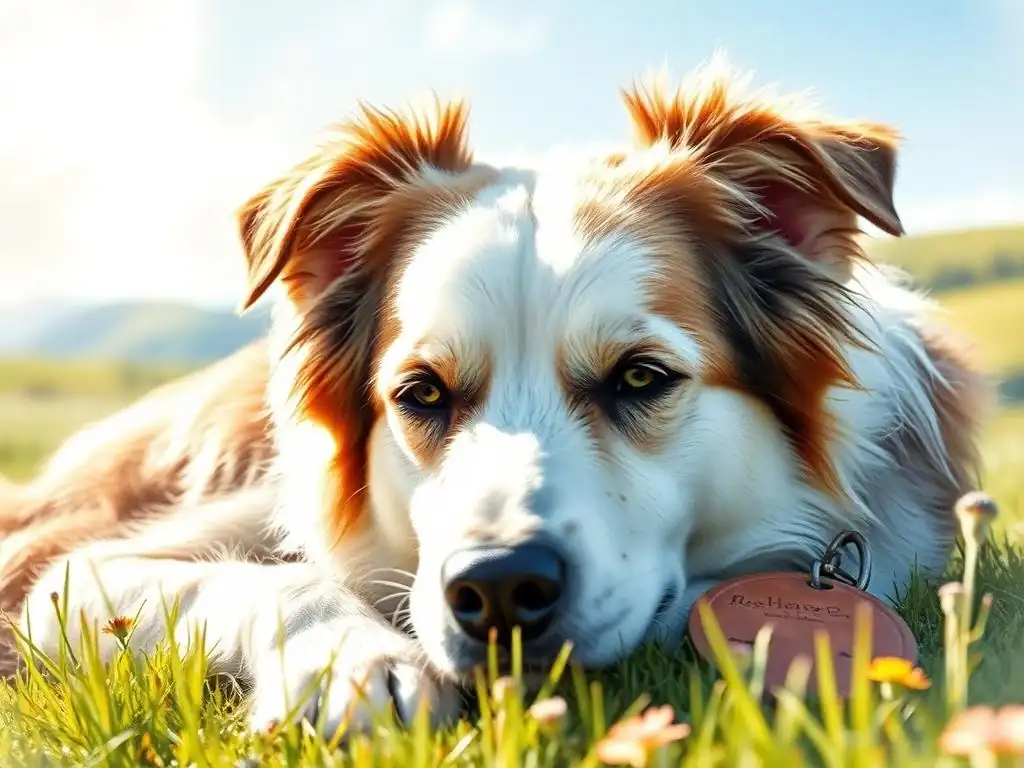
As your herding dog enters its senior years – typically around 7-10 years old, depending on breed and size – its needs will shift significantly. Understanding these changes and adapting your care routine is crucial for ensuring your canine companion enjoys a comfortable and fulfilling twilight. This section focuses on the specific health considerations and care adjustments necessary for senior herding dogs, providing a comprehensive guide to navigating this important life stage. We'll explore how to tailor exercise, diet, and health management to support the unique needs of aging herding breeds.
This guide will help you provide the best possible care for your loyal friend, extending their quality of life and strengthening your bond. Remember, proactive care is key to mitigating age-related issues and maximizing your senior herding dog's happiness. This "Herding dog lifespan health guide" will help you understand the specific challenges and solutions.
Adapting Exercise Routines for Older Herding Dogs
Senior herding dogs, while still possessing a spirited nature, require a modified exercise regime. Their bodies are less resilient to strenuous activity than in their younger years. Instead of long, high-intensity runs, opt for shorter, more frequent walks at a gentler pace. Consider incorporating activities like swimming – a low-impact exercise that's gentle on their joints – or leisurely strolls in a quiet, enclosed area.
Avoid activities that put excessive stress on their joints, such as jumping or running up and down stairs. Observe your dog closely during exercise; signs of fatigue, such as panting excessively, slowing down significantly, or exhibiting stiffness, should signal a need to rest. Remember, the goal is to maintain physical fitness without causing injury or undue strain. A gradual reduction in activity levels is often well-tolerated and helps prevent injuries.
Regular veterinary check-ups are crucial to monitor joint health and ensure early intervention if problems arise. This tailored approach to exercise is critical for maintaining your senior herding dog's mobility and overall well-being. Maintaining a healthy weight is also key to alleviating stress on joints.
Dietary Changes for Senior Herding Dogs: Senior Specific Diets
Nutrition plays a vital role in maintaining the health of a senior herding dog. As dogs age, their metabolic rate slows down, and their nutritional needs change. Senior-specific dog food formulas are designed to address these changes. These diets often feature:
- Higher levels of protein: To maintain muscle mass and support a healthy immune system.
- Increased amounts of omega-3 fatty acids: To reduce inflammation and support joint health.
- Reduced fat content: To help manage weight and prevent obesity.
- Added glucosamine and chondroitin: These are naturally occurring substances that support joint health and cartilage function.
Switching to a senior dog food should be gradual to avoid digestive upset. Consult your veterinarian to determine the most appropriate diet for your dog's specific needs and health conditions. Consider factors like breed, weight, activity level, and any pre-existing health issues when making this crucial dietary transition. Monitoring your dog's weight and adjusting food portions accordingly is essential to prevent both obesity and malnutrition. Providing fresh water at all times is also crucial for hydration and overall health. Remember, a well-balanced diet is fundamental to supporting your senior herding dog's vitality and longevity.
Senior herding dogs are prone to several age-related health conditions, including:
| Condition | Symptoms | Management |
|---|---|---|
| Arthritis | Stiffness, lameness, difficulty getting up | Pain management (medication, supplements), physiotherapy, weight management |
| Cognitive Dysfunction | Confusion, disorientation, changes in sleep | Environmental enrichment, medication, supportive care |
| Kidney Disease | Increased thirst, urination, weight loss | Dietary changes, medication, fluid therapy |
| Cancer | Lumps, bumps, weight loss, lethargy | Veterinary care, surgery, chemotherapy, radiation therapy |
Early detection and management are crucial to improving the quality of life for your senior herding dog. Regular veterinary check-ups, including blood work and urinalysis, are essential for identifying potential health problems early. Be vigilant in observing your dog for any changes in behavior, appetite, or elimination habits. Don't hesitate to seek veterinary attention if you notice any concerning symptoms.
Proactive healthcare, coupled with a loving and supportive environment, can significantly extend your senior herding dog's comfortable and happy years. This proactive approach is essential for managing the challenges of aging and ensuring your companion thrives in their senior years. Remember, this "Herding dog lifespan health guide" is a valuable resource for navigating this stage of your dog's life.
Providing Comfort and Support for Aging Herding Dogs
As herding dogs gracefully enter their senior years, their physical capabilities inevitably decline. This necessitates a shift in care, focusing on providing comfort and support to ensure their remaining years are filled with dignity and minimal discomfort. This involves a multifaceted approach, encompassing adjustments to their living environment, dietary modifications, and attentive monitoring of their overall well-being.
One crucial aspect is modifying their living space to accommodate their age-related limitations. For example, ramps or steps can replace stairs to prevent falls and injuries, particularly beneficial for breeds prone to hip dysplasia, a common ailment in senior herding dogs. Providing comfortable, supportive bedding in easily accessible locations is also key.
Think plush, orthopedic beds placed in warm, draft-free areas, away from busy household traffic. This minimizes stress and promotes restful sleep, vital for maintaining their overall health. Regular grooming becomes even more important; matted fur can cause discomfort and skin irritations, so brushing should be a gentle, frequent ritual.
Dietary adjustments are equally crucial. Senior herding dogs often experience decreased metabolism and may require a senior-specific dog food formulated to address these changes. These foods typically contain higher levels of glucosamine and chondroitin, beneficial for joint health, and reduced calorie content to prevent weight gain, which can exacerbate joint problems. Smaller, more frequent meal portions might be necessary, especially if they experience digestive issues.
Always consult with your veterinarian to determine the most appropriate diet for your dog's specific needs and health condition. Freshwater should always be readily available, and monitoring their water intake can be a valuable indicator of their overall health. The addition of supplements, such as omega-3 fatty acids for joint and coat health, should only be done under veterinary guidance.
Finally, regular veterinary checkups become paramount. Senior dogs are more susceptible to various health problems, such as arthritis, kidney disease, and cancer. Early detection through routine examinations, blood tests, and potentially imaging studies, allows for timely intervention and management of these conditions. Closely monitoring their behavior for any changes – lethargy, decreased appetite, changes in urination or defecation patterns, or unusual vocalizations – is also crucial. Any noticeable change warrants immediate veterinary attention.
The goal is to ensure prompt diagnosis and treatment, maximizing their comfort and quality of life during their golden years. Remember, proactive care and attentive monitoring are essential for providing the best possible support to your aging herding dog. Their well-being and happiness are directly linked to the care and attention you provide. A little extra love and understanding can make a world of difference in their twilight years.
Planning for the Future: End-of-Life Care for Herding Dogs
Herding dogs, with their energetic and loyal natures, enrich our lives immensely. However, understanding their lifespan and potential health challenges is crucial for responsible pet ownership. This section focuses on preparing for the later stages of your herding dog's life, ensuring a comfortable and dignified passing. Proactive planning minimizes stress during a difficult time and allows you to focus on providing the best possible care for your beloved companion. This herding dog lifespan health guide will help you navigate these sensitive issues.
Recognizing the Signs of Approaching End-of-Life
Recognizing the subtle signs of aging and declining health in your herding dog is paramount. These signs often manifest gradually, and early identification allows for timely intervention and palliative care. While every dog is different, some common indicators include:
- Decreased Activity Levels: A significant reduction in energy levels, reluctance to play, and increased sleeping are common indicators. Your usually energetic herding dog might show less interest in their favorite activities, like fetching or herding.
- Changes in Appetite and Weight: Loss of appetite, weight loss, or increased thirst can be signs of underlying health issues. Monitor your dog's food and water intake closely. Note any significant changes from their normal routine.
- Cognitive Decline: Senior dogs may exhibit confusion, disorientation, or changes in their behavior. This can manifest as increased anxiety, restlessness, or housetraining accidents, even in well-trained dogs. This is sometimes referred to as Canine Cognitive Dysfunction (CCD).
- Physical Changes: Arthritis, stiffness, difficulty climbing stairs, or limping are common in older herding dogs. Observe their gait and posture for any abnormalities. Other physical changes can include dull coat, poor muscle tone, and changes in vision or hearing.
- Incontinence: Loss of bladder or bowel control can be distressing for both the dog and the owner. This can be managed with medication or other supportive care.
It's crucial to consult your veterinarian regularly for senior health checks. These check-ups allow for early detection of potential problems and allow you to proactively address any concerns. Early intervention can often significantly improve your dog's quality of life in their senior years. Regular blood work can also help identify age-related health issues before they become severe.
Making Difficult Decisions: Euthanasia and Palliative Care
As your herding dog ages, you may face the difficult decision of euthanasia. This is a deeply personal choice, and there's no right or wrong answer. The goal is to ensure your dog's comfort and dignity, even at the end of their life. Palliative care focuses on managing pain and providing comfort, improving your dog’s quality of life. This may include medication to manage pain, arthritis, or other conditions.
Several factors should be considered when making this decision:
- Quality of Life: Is your dog experiencing significant pain or discomfort? Are they still enjoying activities they once loved? A significant decline in quality of life is a key indicator.
- Prognosis: What is the veterinarian's assessment of your dog's prognosis? Is there a reasonable expectation of improvement, or is the condition progressive and incurable?
- Financial Resources: Euthanasia and related costs should be considered. It is vital to make a plan that is both humane and financially feasible for you.
- Emotional Well-being: This is a deeply personal decision. Consider what feels right for you and your dog. Talking to your veterinarian, a trusted friend, or a grief counselor can help you navigate your emotions and make an informed choice.
Euthanasia is a peaceful and humane way to end your dog's suffering. It's often performed by a veterinarian in a familiar and comfortable environment, allowing you to be present and say goodbye. Remember, choosing euthanasia is an act of love and compassion, ensuring your dog's final moments are peaceful and free from pain.
Finding Support During Difficult Times: Resources for Pet Owners
Losing a beloved pet is incredibly difficult. It's essential to seek support during this challenging time. Many resources are available to help pet owners cope with grief and loss:
- Veterinarians: Your veterinarian can provide emotional support and guidance during this process, offering advice and answering any questions you may have.
- Pet Loss Support Groups: Connecting with others who have experienced similar losses can provide comfort and a sense of community. Online forums and support groups can be particularly helpful.
- Grief Counselors: Grief counselors specializing in pet loss can provide professional support and guidance to help you through the grieving process.
- Animal Shelters and Rescues: Some organizations offer pet loss support services or resources for grieving pet owners.
Remember, grieving is a personal journey, and there is no right or wrong way to feel. Allow yourself time to mourn and heal. Seeking support from friends, family, or professional resources can help you navigate this difficult time and find peace. The bond you shared with your herding dog will always be cherished.
Frequently Asked Questions
What is the average lifespan of a herding dog?
The average lifespan varies greatly depending on the breed, ranging from 10 to 15 years. Larger breeds tend to have shorter lifespans than smaller breeds. Factors like genetics and lifestyle also play a significant role.
What are some common health problems in herding dogs?
Herding dogs are prone to issues like hip and elbow dysplasia, eye problems, and certain types of cancers. Regular veterinary checkups and a healthy lifestyle can help mitigate these risks.
How can I ensure my herding dog lives a long and healthy life?
Proper nutrition, regular exercise, preventative veterinary care, and genetic testing (where available) are crucial. A balanced diet and appropriate activity levels tailored to the breed are essential.
What kind of exercise does a herding dog need?
Herding dogs are highly energetic and require significant daily exercise. This could include long walks, runs, herding activities (if trained), or engaging in dog sports like agility. Mental stimulation is also vital.
Where can I find more information on specific herding dog breeds and their health concerns?
PetCareWorld offers breed-specific guides and articles detailing common health concerns for various herding breeds. Consult your veterinarian for personalized advice and breed-specific recommendations.
Final Reflection: A Legacy of Loyalty: Planning for a Longer, Healthier Life with Your Herding Dog
The unwavering loyalty and boundless energy of herding dogs enrich our lives immeasurably, but understanding their unique health needs is crucial to ensuring a long and happy partnership. Their inherent drive and working nature often mean a higher susceptibility to certain conditions, making proactive planning essential for responsible ownership.
The journey of sharing life with a herding dog is a profound one, filled with moments of exhilarating teamwork and quiet companionship. Their dedication is unparalleled, a testament to the deep bond we forge. The best mirror is an old friend.
This saying rings true for the relationship we build with these remarkable animals; they reflect back to us our own capacity for love, commitment, and understanding. Understanding their health needs isn't just about extending their lifespan, it's about enriching the quality of every year spent together.
Now, consider the legacy you want to leave for your herding companion. It's not just about providing food and shelter; it's about proactive health management, mindful breeding practices (if applicable), and a deep understanding of their breed-specific predispositions. Take the time to research, to connect with your veterinarian, and to build a strong support network of fellow herding dog owners.
By doing so, you'll not only extend the life of your beloved friend, but also contribute to the overall health and well-being of the breed for generations to come. Embrace the responsibility, and reap the immeasurable rewards of a truly fulfilling partnership.
Unlock Your Dog's Longest, Happiest Life!
Thank you for learning how to maximize your herding dog's lifespan and well-being. You're now equipped to make informed decisions about their health. Let's put that knowledge into action!
- Prioritize preventative care: Schedule a comprehensive checkup with your veterinarian to create a personalized health plan, including vaccinations, parasite prevention, and early detection of potential problems. This is crucial for a long and healthy life for your canine companion.
- Tailor their diet: Choose a high-quality, balanced diet appropriate for their breed and activity level. A veterinary nutritionist can provide personalized dietary recommendations.
- Share your knowledge: Spread the word! Talk to other herding dog owners—you might help someone else improve their dog's health.
What small step will you take today to improve your herding dog's health and happiness?