
Clicker Training and Consistency: The Key to LongTerm Success

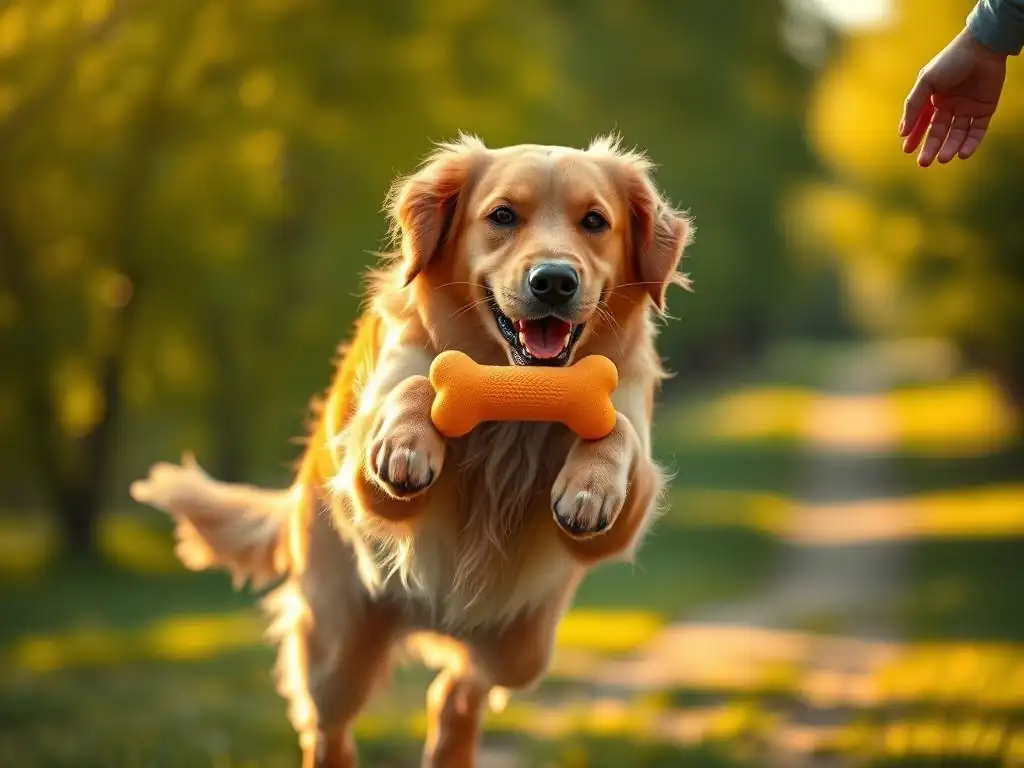
Welcome to PetCareWorld, your ultimate guide to a happier, healthier life with your beloved pets! Are you ready to unlock the secrets to truly effective dog training? Our in-depth guide on "Clicker Training and Consistency: The Key to Long-Term Success" reveals the proven methods for building a strong bond with your canine companion and achieving lasting behavioral improvements. Discover how consistent clicker training can transform your relationship and create a well-behaved, confident dog. Dive in and explore the techniques that will change your dog training journey forever!
- Understanding Clicker Training for Dogs: Building a Strong Foundation
- Consistency: The Cornerstone of Effective Clicker Training for Dogs
- Advanced Clicker Training Techniques for Long-Term Success
- Clicker Training and Long-Term Behavioral Improvement in Dogs
- Resources and Further Learning on Clicker Training for Dogs
- Frequently Asked Questions
- Final Reflection: The Enduring Power of Consistent Clicker Training
- Unlock Your Pet's Potential: Start Clicker Training Today!
Understanding Clicker Training for Dogs: Building a Strong Foundation
Clicker training, a widely popular and effective method for dog training, relies on positive reinforcement to teach desired behaviors. This technique leverages the power of association, using a distinct sound (the clicker) to mark the precise moment a dog performs a desired action. This immediate positive reinforcement, often followed by a tasty treat, strengthens the connection between the behavior and the reward, leading to faster learning and a more positive training experience for both you and your canine companion.
This article delves into the core principles of clicker training, exploring the tools, techniques, and unwavering consistency needed to achieve long-term success in training your dog and building a strong, trusting bond. We'll examine the science behind this method, providing you with the knowledge and practical steps to effectively implement clicker training and reap the rewards of a well-behaved and happy dog for years to come.
The key to long-term success lies not just in understanding the mechanics but in consistent application and patience. Let's begin!
Introducing the Clicker: A Powerful Communication Tool
The clicker itself is a small, handheld device that emits a sharp, distinct clicking sound. This sound acts as a bridge between the desired behavior and the reward. It's crucial that the clicker always signals precisely the moment your dog performs the correct action. Think of it as a verbal "yes," but instantaneous and unambiguous.
The sound should be consistent every time; avoid varying the intensity or the timing, as this can confuse your dog. The beauty of the clicker lies in its speed and accuracy: it eliminates any delay between the behavior and the reward, maximizing the learning process. Before you start training, it's essential to pair the clicker with something positive, such as a high-value treat.
This process, known as "charging the clicker," involves clicking the clicker immediately before giving your dog a treat, repeatedly, until they associate the click with positive reinforcement. This initial step is fundamental to the success of your entire clicker training journey. The consistent pairing of sound and reward forms a strong, reliable association in your dog's mind.
Classical and Operant Conditioning in Clicker Training
Clicker training effectively utilizes both classical and operant conditioning principles. Classical conditioning involves associating a neutral stimulus (the clicker) with an unconditioned stimulus (the treat), creating a conditioned response (positive anticipation). When your dog hears the click, they anticipate the rewarding treat. Operant conditioning, on the other hand, involves shaping behavior through reinforcement. By clicking immediately after a desired behavior and following up with a reward, you positively reinforce that behavior, increasing the likelihood of its repetition.
The combination of these two learning processes makes clicker training incredibly effective. Think of it as a sophisticated, yet simple, method for teaching your dog what you want them to do, using clear communication and positive reinforcement. Understanding these underlying principles allows for a more nuanced and effective approach to training, optimizing the learning experience for your dog. This understanding empowers you to troubleshoot issues and adjust your training strategy as needed.
Choosing the Right Clicker and Treats for Your Dog
Selecting the appropriate clicker and treats is paramount for successful clicker training. The clicker itself should be easy to use, lightweight, and produce a clear, consistent sound. Some clickers have wrist straps for convenience. The most important aspect is consistency in the sound produced.
Avoid clickers that make a faint or inconsistent sound. Regarding treats, choose high-value rewards that your dog finds irresistible. This might vary from dog to dog; some might prefer small pieces of cooked chicken or cheese, while others may go crazy for tiny bits of sausage or even kibble if it's a special type they rarely get. Experiment to find out what motivates your dog most.
The treats should be small enough to administer quickly and easily during training sessions. The size and consistency of the reward should be uniform across sessions to prevent confusion or inconsistency in reinforcement. Remember, the reward is not just about the food; it's about the positive interaction and the building of trust between you and your dog. The right combination of clicker and treat will significantly enhance your training effectiveness and create a positive and rewarding experience for both of you.
Initial Clicker Training Sessions: Establishing Positive Associations
The initial clicker training sessions are crucial for building a strong, positive association between the clicker sound and a reward. This foundation is the cornerstone of successful long-term clicker training for your dog. Think of it as teaching your dog the language of clicker training. Without a solid understanding of what the click means, all subsequent training will be significantly hampered.
The first few sessions should be short, sweet, and intensely rewarding. Aim for sessions lasting no more than 5-10 minutes, especially in the beginning. A tired or frustrated dog will not learn effectively. Start by simply clicking the clicker and immediately following it with a high-value treat. This should be something your dog absolutely loves – a small piece of cooked chicken, a bit of cheese, or a tiny piece of sausage often works wonders. Repeat this process several times, ensuring the timing is precise: the click immediately precedes the treat.
The goal is to create a Pavlovian response, where the dog associates the click with the imminent arrival of a delicious reward. You’ll notice a change in your dog's behavior as they begin to anticipate the treat after hearing the click. They might start exhibiting behaviors like increased attentiveness or even a slight wag of the tail upon hearing the clicker. This is a positive sign indicating that the association is forming.
Avoid overwhelming your dog with too many repetitions in a single session. Keep it fun and engaging. If your dog seems disinterested or distracted, end the session and try again later. Consistency is key, but forcing your dog to participate will only create a negative association with the clicker and hinder your progress towards long-term clicker training success.
Remember, patience and positive reinforcement are essential elements in building this crucial foundation. A well-established positive association with the clicker will make all future training much smoother and more enjoyable for both you and your canine companion. This initial phase sets the stage for more complex commands and behaviors to be learned effectively and efficiently.
Consistency: The Cornerstone of Effective Clicker Training for Dogs

Consistency is paramount in clicker training, significantly impacting a dog's understanding and long-term success. Without consistent application of the clicker and reward system, your dog will become confused, leading to frustration for both you and your canine companion. Think of it like this: if you sometimes reward a behavior and sometimes don't, your dog won't learn to reliably associate the desired action with the reward. This inconsistency undermines the entire process, hindering progress and potentially creating behavioral issues. The key to achieving long-term success with clicker training lies in unwavering consistency across all training sessions.
Maintaining Consistent Timing and Reinforcement
Precise timing is crucial in clicker training. The click must sound immediately after the desired behavior is performed. A delay of even a fraction of a second can confuse your dog, weakening the association between the action and the reward. Similarly, the reward – be it a treat, praise, or a favorite toy – should follow the click without delay. This immediate reinforcement strengthens the learning process.
Consider this scenario: you're teaching your dog to sit. If the dog sits and you wait a second before clicking and rewarding, the dog might not understand what it did correctly. However, if you click instantly as the dog's rear touches the ground, followed immediately by a tasty treat, the connection is clear and powerful. This precise timing is essential for building a strong, reliable association.
Practicing with a metronome can help you develop this crucial timing skill. Aim for a consistent, near-instantaneous response – this precision is the bedrock of effective clicker training for long-term success. Consistency in both timing and reward delivery is key to developing strong, reliable behaviors.
Handling Inconsistent Behavior and Setbacks
Even with consistent training, setbacks and inconsistent behavior can occur. Perhaps your dog is distracted, tired, or simply having an "off" day. These instances shouldn't be met with frustration or punishment. Instead, they present opportunities to adjust your approach. Remember that dogs, like people, have good days and bad days.
If your dog isn't responding consistently, try adjusting the training environment. Reduce distractions, shorten training sessions, or switch to easier commands. Positive reinforcement remains paramount; continue offering encouragement and rewarding even small successes. Breaking down complex commands into smaller, more manageable steps can also be beneficial. Don't be discouraged by occasional regressions; view them as learning opportunities. Remember the importance of patience and persistence. A consistent, positive approach will eventually lead to success. Analyze why the inconsistency is happening. Is it a distraction? Is your dog tired? Addressing the root cause will improve future training sessions.
The Importance of Patience and Positive Reinforcement
Clicker training requires patience and understanding. Dogs learn at different paces, and progress isn't always linear. Celebrate small victories and avoid getting discouraged by slow progress. Positive reinforcement—rewarding desired behaviors—is far more effective than punishment. Punishment creates fear and anxiety, hindering learning and damaging the bond between you and your dog.
Patience is crucial, especially during challenging moments. It is important to remember that training is a journey, not a race. Consistent, positive reinforcement builds trust and strengthens the dog-owner bond, making the training process more enjoyable for both of you. Remember, your dog is learning a new language; it takes time and repetition for them to fully grasp the concepts.
Celebrate every milestone, no matter how small, and maintain a positive, encouraging attitude. This patience and positive approach are essential for achieving long-term success in clicker training. The positive reinforcement paired with consistency will build a strong foundation for a well-behaved and happy dog.
Avoiding Common Mistakes in Clicker Training Consistency
Inconsistency is the silent killer of effective clicker training. Even the most enthusiastic dog owner can unintentionally undermine their progress by making common mistakes that disrupt the learning process. Understanding these pitfalls and actively working to avoid them is crucial for achieving long-term success in clicker training your dog.
One frequent error is inconsistent timing of the click. The click should mark the precise moment the dog performs the desired behavior. A delay, even a fraction of a second, can confuse your dog, leading to uncertainty and frustration. Imagine trying to learn a new skill where the feedback is always slightly off – you wouldn't make much progress! Similarly, your dog needs that immediate, clear signal to understand what they did right. Practice clicking at the exact instant the behavior is completed to ensure accurate association.
Another common mistake is inconsistent reward delivery. The reward, whether it's a treat, a toy, or praise, should immediately follow the click. Again, timing is key. A delayed reward weakens the connection between the behavior and the positive reinforcement. The dog may start to associate the reward with something other than the desired behavior, making the training process less effective. Maintain a consistent, rapid reward delivery to solidify the learning.
Furthermore, many trainers fall into the trap of inconsistent criteria. The standards for a successful behavior should remain consistent throughout the training session. Gradually increasing the difficulty is essential, but abruptly changing the expectations mid-session can derail your dog's understanding. For example, if you're teaching your dog to sit, don't suddenly require a perfect, motionless sit after initially rewarding any attempt at lowering their rear. Instead, gradually increase the duration of the sit before demanding perfection.
Finally, inconsistent training environments can also hinder progress. While it's beneficial to eventually generalize the training to various settings, initially, maintaining a consistent environment minimizes distractions and allows your dog to focus on the task at hand. Switching between noisy, busy places and quiet, controlled spaces repeatedly can confuse your dog and slow down the learning process. Establish a consistent training space before introducing new environments. A consistent, predictable environment helps build your dog's confidence and understanding. Remember, patience and consistent effort are the cornerstones of successful clicker training.
Advanced Clicker Training Techniques for Long-Term Success

This section delves into more sophisticated clicker training methods to solidify your dog's understanding and achieve lasting results. We'll move beyond basic commands and explore techniques that build a strong foundation for complex behaviors. Remember, consistency is paramount for long-term success with clicker training. Even small, regular training sessions are more effective than infrequent, lengthy ones.
Shaping Complex Behaviors Through Clicker Training
Shaping is a powerful technique that allows you to teach your dog behaviors they don't already know. Instead of directly rewarding the finished behavior, you reward successive approximations – smaller steps that gradually lead to the desired outcome. For example, let's say you want to teach your dog to "fetch." You wouldn't expect immediate success. Instead, you'd break it down:
- Step 1: Looking at the toy.: Click and reward your dog for simply looking at the toy.
- Step 2: Touching the toy.: Click and reward for touching the toy with their nose.
- Step 3: Picking up the toy.: Click and reward for picking up the toy.
- Step 4: Carrying the toy a short distance.: Click and reward for carrying the toy a few steps.
- Step 5: Bringing the toy back to you.: Click and reward for returning the toy to you.
Each step requires patience and consistent positive reinforcement. Remember to keep your clicker's timing precise – click immediately following the desired behavior. Avoid clicking too late, as this can confuse your dog. The process might seem slow, but shaping allows you to build complex behaviors from simple actions, leading to better long-term retention and a more positive training experience. This method fosters a strong bond between you and your canine companion, making the training process enjoyable for both of you. The key is to celebrate the small victories along the way! 🐕
Troubleshooting Common Challenges in Clicker Training
Even with diligent effort, you might encounter hurdles in clicker training. Here's how to address some common issues:
- Inconsistent Clicking: Inconsistent clicking is a major obstacle. Your dog needs to understand the clear association between the click and the reward. Practice clicking consistently and precisely. If you're unsure, record your training sessions to analyze your clicking timing.
- Over-Reliance on Treats: While treats are essential, avoid over-reliance. Gradually phase out high-value treats, replacing them with praise and occasional treats. This prevents your dog from becoming solely treat-motivated, fostering a more balanced response to your cues. This is crucial for long-term success, as your dog should respond to your commands even without immediate food rewards.
- Distractions: Training in a quiet environment initially is crucial. Gradually introduce mild distractions, increasing the difficulty as your dog progresses. This builds resilience and generalizes the learned behavior to various contexts.
- Lack of Progress: If you're not seeing progress, re-evaluate your training plan. Are the steps too large? Are you providing clear and consistent cues? Consider breaking down the behavior into smaller, more manageable steps. Sometimes, a fresh perspective or consulting a professional dog trainer can provide valuable insights.
Integrating Clicker Training with Other Training Methods
Clicker training isn't a standalone method; it complements other training approaches. You can successfully integrate it with:
- Positive Reinforcement: Clicker training is inherently a positive reinforcement method. Combining it with other positive reinforcement techniques like praise and petting strengthens the positive association with learning.
- Lure and Reward: Using a lure (like a treat) to guide your dog into the desired position, followed by a click and reward, combines the visual cue with the clicker's immediate feedback. This is especially useful for teaching precise movements or positions.
- Capturing Behaviors: This involves clicking and rewarding behaviors your dog already exhibits spontaneously. For example, if your dog sits quietly, click and reward that behavior. This strengthens existing positive behaviors. This method is particularly effective for shaping behaviors that are naturally occurring.
Remember, patience and consistency are key to long-term success in clicker training. By addressing challenges proactively and integrating clicker training with other positive reinforcement methods, you'll build a strong foundation for a happy and well-trained canine companion. The journey may have its ups and downs, but the rewards of a well-trained dog are immeasurable. Enjoy the process! 🎉
Maintaining Clicker Training Momentum Over Time
Maintaining momentum in clicker training is crucial for long-term success. Consistency is key, but life happens. Even the most dedicated dog owners face interruptions – vacations, illness, busy work schedules – that can disrupt training routines. The key is to minimize these disruptions and develop strategies to get back on track quickly when they inevitably occur.
One effective method is to incorporate short, frequent training sessions into your daily routine. Instead of one long, intensive session once a week, aim for several shorter sessions (5-10 minutes each) throughout the day. This approach keeps your dog engaged and prevents training from feeling like a chore. Short bursts of focused training are easier to fit into a busy schedule and are less likely to lead to boredom or frustration for both you and your dog. Think of it like interval training for your dog's brain!
Another important aspect is to vary your training exercises. Repeating the same commands and tricks repeatedly can lead to boredom and decreased motivation. Introduce new commands gradually, building upon previously learned skills. This keeps the training process exciting and challenging for your dog, preventing them from becoming complacent. For example, if your dog has mastered "sit," you could move on to "sit-stay," then incorporate it into more complex routines, such as a short obedience course.
Positive reinforcement remains paramount. Even when progress seems slow, continue to praise and reward your dog's efforts, no matter how small. A simple "Good dog!" coupled with a treat or a favorite toy can go a long way in maintaining their enthusiasm. Remember that setbacks are a normal part of the learning process.
Don't get discouraged if your dog doesn't grasp a new command immediately. Instead, adjust your training approach, try different methods, and remain patient and positive. Celebrate even the smallest successes to reinforce positive behavior and keep your dog motivated. This positive reinforcement strategy is crucial for building a strong bond and maintaining a positive learning environment. A happy dog is a motivated dog!
Finally, remember to take breaks. Both you and your dog need time to rest and recharge. If you notice signs of frustration or fatigue in either of you, it's time to call it a day and resume training later. Regular breaks prevent burnout and help maintain a positive and productive training environment. The goal is long-term success, not immediate perfection. Consistent, positive engagement over time will yield the best results.
Clicker Training and Long-Term Behavioral Improvement in Dogs
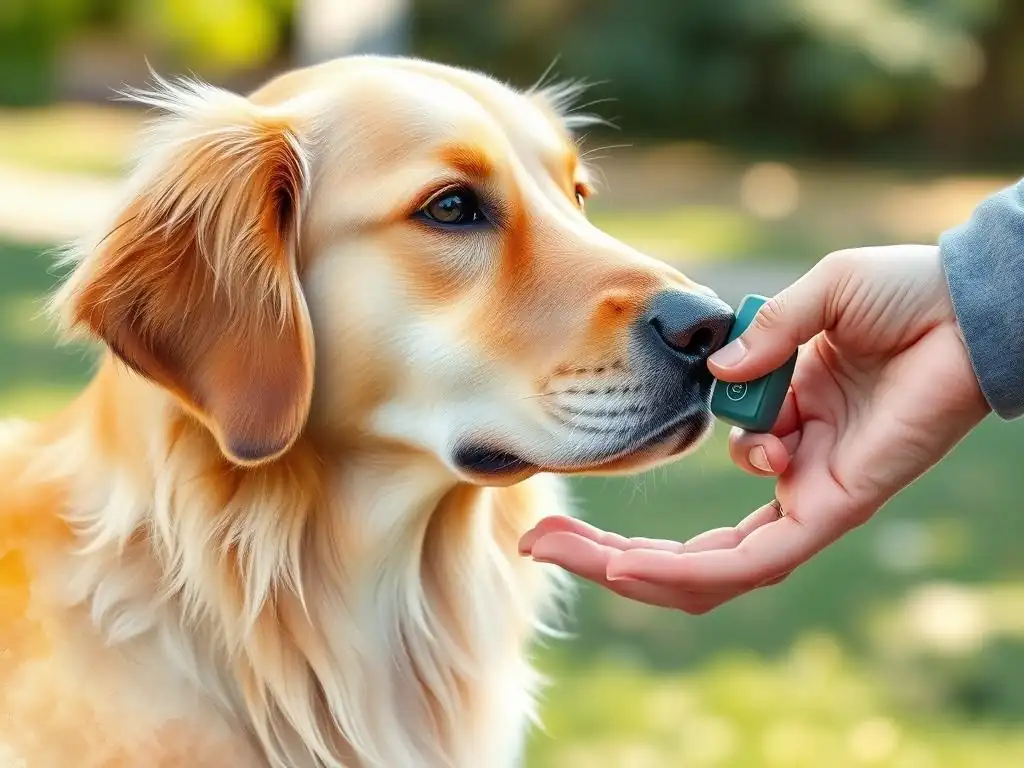
Clicker training, when implemented consistently, offers profound long-term behavioral improvements in dogs. It's not just about teaching tricks; it's about fostering a positive relationship built on clear communication and mutual understanding. This method leverages the dog's natural desire to please and learn, resulting in a more well-adjusted, confident, and obedient canine companion. The key to unlocking this potential lies in understanding the principles of positive reinforcement and maintaining a consistent training regimen.
Unlike punishment-based methods, clicker training avoids creating fear or anxiety, fostering a bond based on trust and cooperation. This positive approach significantly contributes to a dog's overall well-being, leading to reduced stress and improved mental health. The long-term effects extend beyond basic obedience, influencing the dog's ability to adapt to new situations and handle challenges with greater ease and confidence.
Addressing Problem Behaviors with Clicker Training
Many problematic behaviors in dogs, such as excessive barking, jumping, or aggression, stem from a lack of clear communication and appropriate training. Clicker training provides a structured framework to address these issues effectively. By breaking down complex behaviors into smaller, manageable steps, and rewarding approximations of the desired behavior, we can gently redirect the dog's actions.
For example, a dog who jumps on guests can be taught to sit calmly instead. Instead of punishing the jump, we reward the dog for sitting quietly when a person approaches. This positive reinforcement approach is far more effective than punishment in the long run, as it replaces undesirable behaviors with desirable ones.
The process requires patience and consistency. It’s crucial to remain calm and positive throughout the training sessions. Negative reinforcement often backfires, causing fear and confusion. Positive reinforcement, on the other hand, motivates the dog and strengthens the bond between dog and owner. Detailed records of training sessions can be beneficial, allowing owners to track progress and identify areas needing further attention. For instance, a daily log noting the number of successful repetitions of a command, along with any challenges encountered, can be invaluable.
Consider this example: A dog exhibiting separation anxiety might be gradually desensitized to being left alone using clicker training. Initially, the clicker is paired with rewarding treats when the owner is near. Gradually, the owner's absence is introduced in short intervals, with the dog receiving positive reinforcement for remaining calm. The duration of absence is increased incrementally, eventually leading to the dog's ability to tolerate being alone without exhibiting anxiety. This showcases the power of clicker training in addressing complex behavioral problems effectively and humanely.
Long-Term Benefits of Clicker Training for Dogs and Owners
The benefits of clicker training extend far beyond immediate obedience. It fosters a deeper understanding between dog and owner, enhancing communication and building trust. This improved bond translates into a more harmonious relationship, enriching the lives of both the dog and the owner.
The long-term impact on the dog's emotional well-being is significant, leading to a more confident, relaxed, and adaptable pet. Moreover, consistent clicker training helps prevent many behavioral problems from developing in the first place. By establishing clear expectations and rewarding desired behaviors early on, owners can lay a solid foundation for a well-behaved dog throughout its life.
The positive reinforcement approach also makes training a more enjoyable experience for both parties. The use of games and rewards transforms training from a chore into a fun activity, strengthening the bond between dog and owner. This positive association with training can prevent future behavioral issues, as the dog actively seeks out opportunities to learn and please its owner.
This proactive approach to training is a significant investment in the long-term well-being of the dog. Furthermore, the skills learned through clicker training can be readily applied to various situations, making the dog better equipped to handle unexpected challenges or changes in its environment.
Maintaining a Positive Training Relationship
Maintaining a positive training relationship requires ongoing effort and commitment. Even after mastering basic commands, regular training sessions are essential to reinforce learning and address any emerging behavioral issues. Consistency is paramount; sporadic training sessions are less effective than regular, shorter ones. This doesn't necessarily mean formal sessions; incorporating short, fun training exercises into daily routines can significantly improve long-term results. For example, incorporating the clicker and treats during walks to reinforce good leash manners can be highly beneficial.
It's also crucial to adapt training methods to the dog's individual personality and learning style. Some dogs may require more repetition than others, while some may respond better to visual cues than verbal commands. Observing the dog's reactions and adjusting the training approach accordingly is essential to maintain motivation and prevent frustration. Remember, the goal is to create a positive and enjoyable experience for both the dog and the owner.
A relaxed and patient approach is key to maintaining a strong and positive training relationship that will yield long-term success. If challenges arise, seeking guidance from a certified professional dog trainer can provide valuable support and personalized advice. The investment in ongoing training is an investment in the long-term well-being and happiness of your canine companion.
Advanced Applications of Clicker Training
Clicker training, while seemingly simple in its foundational principles, offers a surprisingly versatile toolkit for addressing complex canine behaviors. Beyond the basics of teaching sit, stay, and come, advanced applications allow for nuanced shaping of behaviors and tackling challenging issues. This involves a deeper understanding of operant conditioning and the ability to creatively apply the clicker's power.
One significant advanced application is target training. Instead of directly rewarding a behavior (like a sit), you reward the dog for touching a specific target, such as a hand, a stick, or even a specific spot on the floor. This allows for incredibly precise shaping of movements, ideal for activities like agility training or even assisting with physical therapy exercises for dogs with mobility issues.
For example, a dog recovering from an injury might be rewarded for carefully placing its paw on a designated platform, gradually increasing the difficulty and distance. The clicker provides immediate feedback, making the process both effective and encouraging for the dog.
Another powerful advanced technique is the use of capturing. This involves identifying and rewarding naturally occurring behaviors. Instead of actively prompting a behavior, you wait for the dog to exhibit the desired action spontaneously—perhaps a relaxed posture, a quiet moment, or a specific position—and then immediately click and reward.
This is especially helpful in addressing anxiety or hyperactivity. By capturing and rewarding calm behavior, you reinforce these desirable states, gradually increasing the dog's ability to self-regulate. For instance, a highly anxious dog might be captured and rewarded for lying quietly in its bed, building a positive association with this resting space.
Furthermore, clicker training excels in addressing problem behaviors. Instead of punishment-based methods, which can often worsen anxiety and aggression, clicker training focuses on replacing undesirable behaviors with desirable ones. For example, a dog that jumps on people can be trained to sit politely instead. By rewarding the sit each time the dog approaches someone, you gradually extinguish the jumping behavior and replace it with a more appropriate alternative.
This requires careful observation, patience, and a consistent application of the clicker and rewards to reinforce the desired behavior. The process is often broken down into small, manageable steps, incrementally building towards the final desired outcome. This method is highly effective and significantly improves the dog-owner relationship by fostering trust and understanding. The key is to identify the root cause of the problem behavior and address it through positive reinforcement rather than suppression.
Finally, the versatility of clicker training extends to interspecies communication. While primarily known for dog training, the principles can be adapted to other animals, fostering a deeper understanding and bond between owner and pet. The clicker serves as a universal signal, bridging communication gaps and enhancing training effectiveness across different species. This requires careful observation of individual animal responses and adapting the training methods accordingly, but the fundamental principles remain consistent.
Resources and Further Learning on Clicker Training for Dogs

This section provides valuable resources to further your understanding and application of clicker training for your canine companion. Consistent effort and the right resources are key to achieving long-term success with clicker training. Remember, patience and positive reinforcement are paramount.
Recommended Books and Online Resources on Dog Clicker Training
Investing in quality resources can significantly enhance your clicker training journey. Many excellent books and online platforms offer detailed guides and practical exercises. Here are a few examples, categorized for your convenience:
Books:
- Beginner Level: Consider books focusing on the fundamentals of positive reinforcement and operant conditioning. Look for titles that clearly explain the mechanics of clicker training, shaping behaviors, and troubleshooting common issues. These often include step-by-step instructions and visual aids.
- Intermediate Level: Once you've grasped the basics, explore books that delve into more advanced techniques, such as targeting, chaining behaviors, and addressing specific behavioral problems using clicker training methods. These often feature case studies and more complex training scenarios.
- Advanced Level: For experienced trainers, books focusing on nuanced aspects of clicker training – like understanding canine communication, addressing complex behavioral issues, and fine-tuning training protocols – are invaluable. These might explore specialized training for specific dog breeds or behavioral challenges.
Online Resources:
- Online Courses: Numerous online platforms offer comprehensive clicker training courses for dogs. Look for those with video demonstrations, downloadable materials, and opportunities for interaction with instructors and fellow learners.
- Articles and Blogs: Reputable websites and blogs dedicated to dog training often feature articles on various aspects of clicker training. Look for sites with a focus on positive reinforcement methods and evidence-based training practices. Be discerning – not all online information is accurate or reliable.
- Videos: YouTube channels dedicated to dog training can provide valuable visual demonstrations of clicker training techniques. However, always critically evaluate the source and ensure the methods align with positive reinforcement principles. Avoid channels promoting harsh or aversive training methods.
Remember to choose resources that align with your dog's age, breed, and temperament, as well as your own experience level.
Finding Qualified Clicker Training Instructors Near You
Finding a qualified instructor can significantly accelerate your progress and help you avoid common pitfalls. A good instructor will:
- Utilize positive reinforcement methods exclusively: Avoid instructors who advocate for punishment-based training.
- Provide personalized guidance: They should tailor their instruction to your dog's specific needs and your training goals.
- Offer ongoing support: A good instructor will be available to answer your questions and provide support even after the formal training sessions are complete.
To find qualified instructors, consider the following:
- Online Directories: Search online for certified dog trainers in your area. Many professional organizations maintain directories of their members.
- Local Pet Stores and Veterinarians: Ask for recommendations from your local pet store or veterinarian. They often have relationships with reputable trainers.
- Word-of-Mouth: Ask other dog owners in your community for recommendations. Personal referrals can be invaluable.
Thoroughly research any potential instructor before committing to their services. Read reviews, check their credentials, and, if possible, observe a training session before enrolling.
Finding Online Dog Training Communities
Connecting with other dog owners and trainers online can provide invaluable support and encouragement. These communities offer opportunities to:
- Share experiences and challenges: Learn from others' successes and mistakes.
- Get advice and feedback: Receive personalized guidance from experienced clicker trainers.
- Stay motivated: Being part of a supportive community can help you stay motivated and consistent in your training efforts.
Look for online forums, Facebook groups, and other social media communities dedicated to dog training and specifically to clicker training. Engage actively, ask questions, and share your experiences. Remember to be respectful and contribute positively to the community. Long-term success in clicker training often hinges on consistent effort and the support of others. 🐶
Frequently Asked Questions
What is clicker training?
Clicker training is a positive reinforcement method using a clicker to mark the exact moment a dog performs a desired behavior. This is followed by a reward, such as a treat, creating a positive association. This builds a strong bond and facilitates learning.
How does consistency impact clicker training success?
Consistency is crucial. Regular, short training sessions are more effective than infrequent, long ones. Maintaining a consistent click-and-reward system builds reliable responses and prevents confusion.
What are some common mistakes to avoid in clicker training?
Avoid inconsistent clicking, using the clicker for things other than marking desired behaviors, and delaying rewards. Also, be patient and avoid punishing your dog during training.
Is clicker training suitable for all dogs?
Yes, most dogs respond well to clicker training. It's particularly beneficial for dogs who are food-motivated and enjoy interactive learning. However, some dogs may require more patience and adjustments.
How can I maintain long-term success with clicker training?
Continued practice and reinforcement are key to long-term success. Keep training sessions fun and engaging. Gradually increase the difficulty of commands and incorporate them into everyday life. Remember positive reinforcement is the foundation.
Final Reflection: The Enduring Power of Consistent Clicker Training
The consistent application of clicker training isn't just a method; it's a philosophy of communication and relationship-building that profoundly impacts the long-term bond between humans and their canine companions. This approach, far from being a fleeting trend, offers a pathway to a deeper understanding and a more harmonious partnership that lasts a lifetime.
The impact of consistent positive reinforcement extends far beyond simple obedience. It fosters trust, reduces stress, and builds a foundation of mutual respect. This approach allows dogs to learn not just what to do, but why, leading to a more engaged and willing partner. As renowned dog trainer Karen Pryor so eloquently stated: Clicker training is not about tricks; it's about building a relationship based on trust and mutual understanding.
This resonates deeply with my own experiences, witnessing firsthand the transformative power of this method in fostering a truly collaborative relationship with my own dog.
Now, consider your own relationship with your dog. What small changes in your training approach could create a ripple effect of positive change? Embrace the power of consistency, celebrate every small victory, and remember that the journey of clicker training is as much about building a bond as it is about achieving specific behaviors. Invest the time, remain patient, and watch as your understanding of your dog deepens, creating a lasting legacy of love and understanding.
Unlock Your Pet's Potential: Start Clicker Training Today!
Thank you for learning about the power of clicker training! We hope you've gained valuable insights into strengthening your bond with your pet through consistent, positive reinforcement. Now let's put that knowledge into practice.
- Begin your clicker training journey today! A short, 15-minute training session can make a big difference. Even small steps lead to significant progress.
- Share your training experiences—both successes and challenges—with our community in the comments below. Let's learn from one another!
- Spend some time building on the techniques discussed, trying a new trick, or simply enjoying quality bonding time with your pet using positive reinforcement.
Ready to see the amazing results of consistent training? What will you work on with your pet today?