
LowMaintenance Cat Breeds: What Makes Them Easy to Care For?

Welcome to PetCareWorld, your ultimate guide to a happier, healthier life for your beloved companion! Are you dreaming of a feline friend but worried about the commitment? Discover the secrets to effortless cat ownership with our in-depth guide on Easy Care Cat Breeds. Uncover which breeds require less grooming, exhibit calmer temperaments, and are generally more adaptable – making them perfect for busy lifestyles or first-time cat owners. Dive in and find the purrfect match for you!
- Understanding "Easy Care" in Cat Breeds
- Top Low-Maintenance Cat Breeds for Busy Owners
- Beyond Grooming: Other Factors Affecting Cat Care Ease
- Choosing the Right Low-Maintenance Cat for Your Lifestyle
- Addressing Common Myths About Low-Maintenance Cats
- Frequently Asked Questions
- Final Reflection: Embracing the Purrfectly Low-Maintenance Companion
- Unleash Your Inner Cat Whisperer: Find Your Purrfect Match!
Understanding "Easy Care" in Cat Breeds
Choosing a feline companion is a significant decision, filled with excitement and the promise of years of companionship. However, the responsibility of pet ownership shouldn't be underestimated. This article delves into the world of low-maintenance cat breeds, helping you identify felines that align with your lifestyle and capabilities.
While no cat is truly entirely "maintenance-free," some breeds require significantly less attention than others in terms of grooming, training, and overall care. We'll explore what constitutes a "low-maintenance" cat, examining factors beyond just shedding, and highlighting breeds that consistently rank highly in ease of care. Understanding these factors will empower you to choose a cat breed that thrives within your lifestyle, ensuring a happy and healthy relationship for both of you.
This guide focuses on breeds known for their adaptability, low-shedding coats, and relatively independent natures, making them ideal for busy individuals or those new to cat ownership. Let's explore the world of easy-care cat breeds and find the purrfect match for you! 😻
Defining Low-Shedding Cat Breeds and Their Grooming Needs
The term "low-maintenance" often gets conflated with "low-shedding." While reduced shedding is a significant factor in ease of care, it's not the only one. Low-shedding cat breeds, such as the Cornish Rex and Devon Rex, are known for their fine, short coats that require less frequent brushing. However, even these breeds benefit from occasional grooming to prevent matting and remove dead hair.
The frequency of brushing will depend on the individual cat and its coat condition. A weekly brushing session is often sufficient for many low-shedding breeds, while others may only need it monthly. It’s crucial to note that even with low-shedding breeds, some shedding is inevitable. Regular grooming helps manage this, preventing excessive hair accumulation around your home.
Consider also the type of brush. A soft-bristled brush is gentler on the cat's skin and fur, preventing irritation. Regular nail trimming is also essential, regardless of breed, to prevent overgrown claws which can lead to discomfort and potential injuries.
Minimal Grooming Requirements: Breeds with Self-Cleaning Coats
Certain breeds possess naturally self-cleaning coats, significantly reducing the need for frequent brushing. These cats are often characterized by short, dense fur that sheds minimally. The Abyssinian, for example, is known for its short, ticked coat that requires minimal grooming. While occasional brushing is still recommended to remove dead hair and prevent matting, the grooming demands are significantly less compared to long-haired breeds.
Similarly, the Bengal cat, with its short, glossy coat, is relatively low-maintenance in terms of grooming. However, regular ear cleaning is recommended for all breeds, including those with self-cleaning coats, to prevent infections. It's important to remember that even with these self-cleaning breeds, individual cats may have varying grooming needs depending on their health, diet, and environment. Regular observation of your cat's coat and skin condition is vital to identifying any potential issues early on.
Low-Maintenance Cats: Beyond Just Grooming
The ease of caring for a cat extends far beyond grooming. Several breeds are known for their adaptable and independent personalities, contributing to their low-maintenance status. For instance, the Sphynx, despite its lack of fur, is often considered low-maintenance due to its playful and relatively independent nature.
While they require regular bathing, their minimal shedding and generally good temperament contribute to their overall ease of care. Similarly, the Russian Blue is known for its quiet and calm demeanor, requiring less attention and interaction than some more demanding breeds. These breeds are often content to spend time independently, making them suitable for individuals with busy schedules.
However, it's essential to remember that all cats require adequate socialization, enrichment, and attention, regardless of breed. Providing a stimulating environment, engaging in play sessions, and ensuring access to fresh food and water remain crucial aspects of responsible cat ownership. Choosing a breed that aligns with your lifestyle and providing the necessary care will ensure a harmonious and fulfilling relationship with your feline companion.
Top Low-Maintenance Cat Breeds for Busy Owners
Choosing a feline companion involves careful consideration of your lifestyle and available time. For busy individuals or those seeking a less demanding pet, selecting a low-maintenance breed is crucial. This section highlights some of the easiest-care cat breeds, focusing on their grooming needs and temperaments.
Finding the right fit ensures both you and your cat enjoy a happy and harmonious relationship. Many factors contribute to a cat's ease of care, and understanding these nuances is key to successful pet ownership. This guide focuses on breeds known for their minimal grooming requirements and adaptable personalities, making them ideal choices for busy owners seeking a fulfilling pet experience.
The Sphynx: A Unique and Independent Breed
The Sphynx cat, renowned for its lack of coat, is surprisingly low-maintenance despite its unusual appearance. Their lack of fur significantly reduces grooming needs, a major advantage for busy owners. While they might require more frequent bathing than furry counterparts, the process is relatively quick and straightforward. Their independence also contributes to their low-maintenance nature.
They are often content to entertain themselves, requiring less direct interaction than some more demanding breeds. This makes them suitable for owners with busy schedules who can still provide essential affection and care. Remember, even though they are "easy care", regular vet checkups are still crucial for their health and well-being.
Sphynx Cat Grooming: Minimal Effort, Maximum Reward
Sphynx cats, despite their hairless appearance, do require some grooming. Their skin produces oils that can build up, necessitating regular bathing. Aim for a bath every 1-2 weeks, using a mild, cat-specific shampoo. Regularly cleaning their ears with a veterinarian-approved ear cleaner is also essential to prevent infections. Additionally, their skin folds can accumulate dirt, requiring gentle cleaning with a damp cloth.
This minimal grooming routine ensures your Sphynx remains healthy and comfortable. The lack of extensive brushing makes this breed particularly suitable for those with limited time. The payoff is a clean, healthy cat and a significantly reduced grooming burden compared to long-haired breeds. Think of it as a trade-off: bathing instead of extensive brushing!
Sphynx Temperament: Adaptable and Affectionate Companions
Beyond their grooming needs, the Sphynx's temperament plays a significant role in their low-maintenance status. They are known for being intelligent, curious, and relatively independent cats. They are often content to spend time exploring their environment or engaging in solitary play. While they appreciate human interaction, they don’t demand constant attention, making them ideal for busy owners.
They form strong bonds with their owners, showing affection through purring, cuddling, and playful interactions. However, their independence translates to less demanding care compared to breeds that require constant engagement. This adaptability makes them excellent companions for various lifestyles. Their affectionate nature is a bonus, offering heartwarming moments without the need for excessive attention.
The Russian Blue: Elegant and Easy to Please
The Russian Blue, with its striking blue-gray coat and captivating green eyes, is another excellent choice for those seeking an easy-care cat. Their short, dense coat requires minimal grooming, making them a perfect fit for busy lifestyles. Their calm and quiet nature contributes to their low-maintenance status. They are generally content to relax and observe their surroundings, requiring less playtime and attention than more energetic breeds. Their elegant demeanor and quiet nature make them delightful companions for apartment living or smaller homes. The Russian Blue epitomizes elegance and ease of care.
Russian Blue Grooming: Simple Brushing Routine
The Russian Blue's short, dense coat requires minimal grooming. Weekly brushing with a soft-bristled brush is usually sufficient to remove loose hair and prevent matting. Regular nail trimming is also necessary, approximately every 2-3 weeks. Occasional ear cleaning with a cat-specific ear cleaner helps prevent infections. This simple grooming routine ensures that your Russian Blue maintains a healthy and well-groomed appearance without requiring extensive time or effort. Remember, consistent, even if minimal, grooming is key to maintaining their coat's healthy shine and avoiding potential health issues. Their coat is naturally resistant to matting, reducing the time commitment significantly.
Russian Blue Personality: Calm and Quiet Nature
Beyond their easy grooming, the Russian Blue's calm and quiet personality contributes to its low-maintenance nature. They are known for being gentle, affectionate, and relatively undemanding cats. They are often content to relax and observe their surroundings, making them suitable for both quiet and active households. While they appreciate human interaction, they don't require constant attention or playtime.
Their quiet nature makes them ideal for apartment living or for those seeking a peaceful feline companion. They are often described as "easygoing" and "laid-back," traits that make them a perfect choice for busy individuals. This calm demeanor is a significant factor in their classification as an easy-care breed. Their quiet and gentle nature complements their minimal grooming needs, solidifying their place among the best easy care cat breeds.
The Bengal: Active but Relatively Low-Maintenance
The Bengal cat, known for its striking coat resembling that of a leopard, is surprisingly low-maintenance despite its energetic nature. Their short coat requires minimal grooming, making them a good choice for busy owners. However, their playful and active personalities mean they need a stimulating environment to prevent boredom and potential behavioral issues. Providing interactive toys, climbing structures, and regular playtime is crucial for a happy and well-adjusted Bengal.
This breed's intelligence also means they can be trained to perform tricks, enriching both their lives and their owner's. Remember, an engaged Bengal is a happy Bengal, and this engagement doesn't necessarily require hours of dedicated attention. Strategic playtime and environmental enrichment can keep them satisfied. This is a key factor contributing to their relatively low-maintenance status, as a bored Bengal can become destructive or overly demanding.
Bengal Cat Grooming: Managing Their Short Coat
Bengals possess a short, dense coat that sheds moderately. Regular brushing, ideally once or twice a week, is sufficient to remove loose fur and prevent matting. This prevents hairballs, a common issue in cats, and keeps their coat looking healthy and shiny. A simple grooming mitt or a soft-bristled brush will suffice.
Occasional baths may be necessary, especially during shedding season, but generally, Bengals are quite clean cats and manage their own grooming effectively. Their short coat also minimizes the time commitment required for grooming, making them a practical choice for those with busy lifestyles. Investing in a good quality cat brush and making grooming a regular part of your routine will ensure your Bengal's coat remains healthy and beautiful.
Bengal Temperament: Playful but Independent
While Bengals are undeniably playful and energetic, they also possess a degree of independence that makes them relatively easy to care for. Unlike some breeds that demand constant attention, Bengals are content to entertain themselves for periods of time, especially if provided with an enriched environment. They are known for their intelligence and curiosity, which can be channeled into engaging activities like puzzle feeders or interactive toys.
This independence doesn't mean they are aloof; Bengals generally form strong bonds with their owners and enjoy cuddling and affection on their own terms. This balance of playful engagement and independent contentment contributes significantly to their low-maintenance nature. They are not clingy, making them suitable for individuals or families with busy schedules.
The Cornish Rex: Unique Coat, Easy Care
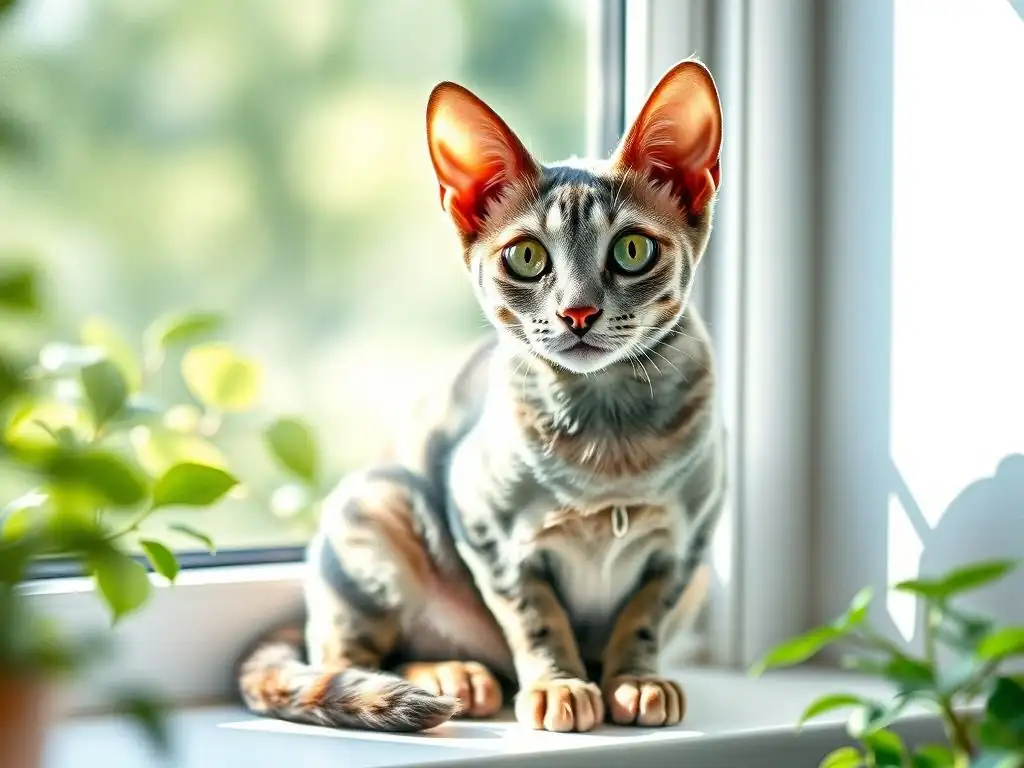
The Cornish Rex is immediately recognizable by its unique, wavy coat. This unusual coat texture, however, is one of the factors that contributes to this breed's low-maintenance nature. Their coat is surprisingly low-shedding and requires minimal grooming. Their playful and affectionate personalities make them delightful companions, but their grooming needs are surprisingly simple. This makes the Cornish Rex a fantastic choice for those seeking a low-maintenance cat breed without sacrificing a loving and engaging pet. Their distinctive appearance often overshadows their ease of care, but experienced owners will attest to their straightforward grooming requirements.
Cornish Rex Grooming: Minimal Brushing Needed
The Cornish Rex's curly coat is naturally self-cleaning, requiring only occasional brushing to remove loose hair and prevent mats. Weekly brushing is generally sufficient, and many owners find that even less frequent brushing is adequate. Because their coat doesn't shed excessively, the need for frequent grooming is significantly reduced compared to many other breeds. This makes them an excellent choice for individuals with allergies or those who prefer a less demanding grooming routine. Regular nail trimming and ear cleaning are, of course, still necessary, but the minimal brushing requirement significantly lowers overall grooming time.
Cornish Rex Personality: Affectionate and Playful
Cornish Rex cats are known for their affectionate and playful personalities. They are highly intelligent and enjoy interactive games and puzzles. While they appreciate attention and affection from their owners, they are not overly demanding and are content to entertain themselves. This balance of sociability and independence makes them a well-suited companion for busy individuals or families. Their playful nature ensures they won't become bored easily, provided they have access to toys and opportunities for interactive play. This independent streak, combined with their easy-care coat, makes them a truly low-maintenance breed that doesn't compromise on companionship.
The Abyssinian: Active but Adaptable
Abyssinians are known for their playful and energetic nature, making them wonderful companions for active individuals or families. However, their activity level doesn't translate to high-maintenance care. These cats are surprisingly adaptable to different lifestyles.
While they appreciate playtime and interactive sessions, they're also content to entertain themselves for periods of time, making them suitable for busy owners who may not always be available for extensive playtime. Their intelligence shines through in their problem-solving skills; they're often adept at opening cabinets or figuring out puzzles, adding an element of amusement to their independent nature. This independent streak, coupled with their adaptability, contributes significantly to their low-maintenance status.
They don't demand constant attention like some breeds, preferring bursts of interaction interspersed with periods of quiet solitude. This makes them ideal for apartment living, as their energy can be channeled into playful exploration within a smaller space. Many Abyssinian owners report that their cats are remarkably self-sufficient, requiring minimal intervention in their daily routines.
Abyssinian Grooming: A Quick Brush is Sufficient
One of the most appealing aspects of Abyssinian ownership is their grooming needs. Unlike long-haired breeds that require frequent brushing to prevent matting, Abyssinians have a short, sleek coat that requires minimal maintenance. A quick brush once or twice a week is usually sufficient to remove loose hair and keep their coat looking its best. Their short coat also means less shedding, a significant advantage for allergy-sufferers. Regular nail trimming is also important, as with all cats, and occasional ear cleaning can help prevent infections. However, these are routine tasks that take only a few minutes and don't represent a significant time commitment. This ease of grooming contributes heavily to their classification as an "easy care cat breed". In fact, many Abyssinian owners find their grooming routine to be a relaxing and enjoyable bonding experience. The overall low-maintenance grooming requirements make them a practical choice for busy individuals and families.
Abyssinian Temperament: Intelligent and Engaging Companions
Beyond their physical attributes, the Abyssinian's temperament further reinforces its low-maintenance appeal. They are known for their intelligence and engaging personalities. While they are playful and active, they are not demanding in their need for constant attention. Their independent nature means they can entertain themselves, reducing the need for constant interaction.
They are generally friendly and affectionate towards their owners, enjoying cuddling and playtime sessions, but they don't exhibit clinginess or excessive neediness. This balanced temperament makes them suitable for a variety of living situations and lifestyles. Their intelligence also means they are relatively easy to train, making it easier to establish positive behavioral patterns.
This independent yet affectionate nature is a key factor in their low-maintenance status, allowing them to thrive even in households with busy schedules. Many owners describe their Abyssinians as "easy-going" and "adaptable," highlighting their ability to adjust to different routines and environments without exhibiting undue stress or behavioral problems. This makes them excellent companions for both experienced and novice cat owners.
Beyond Grooming: Other Factors Affecting Cat Care Ease
Beyond the ease of grooming, several other factors contribute significantly to a cat breed's overall "easy care" status. These aspects are often overlooked but are equally, if not more, important than coat maintenance when assessing a cat's overall care requirements. Understanding these factors is crucial for prospective cat owners seeking a low-maintenance companion. We'll delve into specific examples to illustrate these points.
Litter Box Habits: Choosing the Right Litter and Box
Litter box habits are a cornerstone of cat ownership. Some breeds are naturally more fastidious about cleanliness than others. For example, the Bengal cat, while possessing a stunning coat, can be more prone to scattering litter outside the box if the box itself is too small or the litter isn't to their liking. Conversely, breeds like the Russian Blue are often known for their impeccable litter box manners.
The key is finding the right balance. Choosing the correct size and type of litter box is paramount. Larger cats may require larger boxes, while some cats prefer covered boxes for privacy, while others strongly prefer uncovered ones. Experimentation with different litters – clumping, non-clumping, scented, unscented – is often necessary to find the perfect match for your cat's preferences.
Regular cleaning is also crucial, regardless of breed, to prevent accidents and maintain a hygienic environment. Failure to address this can lead to significant issues, even in breeds generally considered low-maintenance. Ignoring litter box issues can create stress for both the cat and the owner, negating the benefits of choosing an "easy care" breed.
Dietary Needs: Simple Feeding Schedules and Food Choices
Dietary needs significantly impact the ease of cat care. Some breeds have specific dietary requirements that demand more attention and potentially higher costs. For example, certain breeds might be prone to specific allergies or sensitivities, requiring specialized diets.
However, many low-maintenance breeds are relatively adaptable. The American Shorthair, for instance, is known for its hardy constitution and adaptability to various food types. While a high-quality, balanced diet is crucial for all cats, the relative ease of feeding a low-maintenance breed stems from their less demanding digestive systems and fewer dietary restrictions.
A simple, twice-daily feeding schedule with a good quality commercial dry or wet food often suffices. However, always consult with a veterinarian to determine the best dietary plan for your individual cat, taking into account age, activity level, and any pre-existing health conditions. This proactive approach helps prevent future health problems and reduces the long-term effort required for pet care.
Health Considerations: Breed-Specific Health Concerns
Even within low-maintenance breeds, health considerations remain a factor. While some breeds are generally healthier than others, no breed is entirely immune to health issues. Understanding breed-specific predispositions is essential for proactive care.
For example, while the Scottish Fold is often considered low-maintenance in terms of grooming, they are prone to a genetic condition affecting their cartilage. Regular veterinary check-ups are crucial for early detection and management of such conditions. Similarly, some breeds may be predisposed to certain allergies or other health problems.
Therefore, while the initial care might seem low-maintenance, the potential for breed-specific health problems necessitates ongoing veterinary care and potentially specialized treatments, which can impact the overall ease of ownership. Proactive health management, including regular check-ups and preventative care, is vital for all cats, regardless of breed, minimizing potential health issues and keeping your feline companion happy and healthy. This preventative approach, although requiring some effort, greatly reduces the likelihood of significant health problems down the line.
Training and Behavior: Easy-to-Train Breeds
Some cat breeds are naturally more receptive to training than others. This doesn't mean some breeds are inherently untrainable, but rather that certain temperaments lend themselves better to learning tricks and commands. Breeds known for their intelligence and eagerness to please often excel in training.
For example, the Abyssinian cat is often cited as a highly intelligent breed that enjoys interactive games and puzzles, making them relatively easy to train using positive reinforcement methods. Their playful nature and desire for mental stimulation make them receptive to learning new behaviors. Conversely, a cat breed with a more independent and less interactive nature, like a Persian, might require more patience and a different training approach.
The key to successful cat training, regardless of breed, is consistency and positive reinforcement. Using treats, praise, and interactive toys can motivate even the most independent feline. Focus on short, rewarding training sessions to avoid overwhelming your cat.
Remember that cats learn at their own pace, and forcing them will likely lead to frustration for both you and your pet. It's crucial to understand your cat's individual personality and adjust your training techniques accordingly. A cat that is naturally shy or fearful might require a gentler, more gradual approach, whereas a more confident cat may thrive on more challenging tasks.
While some breeds might exhibit a natural predisposition towards specific behaviors, such as being more or less prone to scratching furniture, diligent training and environmental enrichment can significantly mitigate these issues. Providing appropriate scratching posts, interactive toys, and plenty of vertical space can help channel natural instincts in a positive way. This proactive approach can significantly reduce the time and effort needed to manage potential behavioral problems, making even less "easy-to-train" breeds more manageable.
Ultimately, the ease of training a cat is influenced by a combination of breed characteristics, the owner's training methods, and the cat's individual personality. Therefore, thorough research and patience are key to success.
Choosing the Right Low-Maintenance Cat for Your Lifestyle
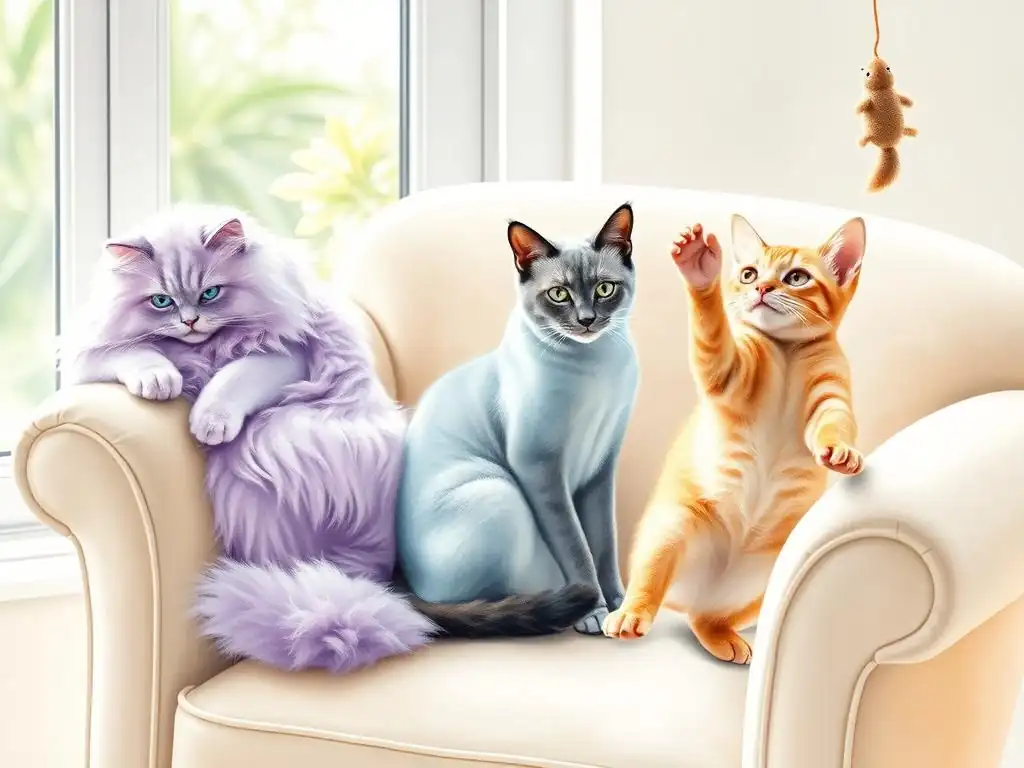
Finding the perfect feline companion involves careful consideration of your lifestyle and living situation. While many breeds are marketed as "easy care cat breeds," the reality is that even low-maintenance cats require attention, albeit less than some of their more demanding counterparts. The key is to match the cat's inherent needs with your capacity to provide for them.
This isn't just about minimizing grooming; it's about understanding their energy levels, social needs, and potential health concerns. For example, a highly active breed might not thrive in a small apartment, while a cat prone to certain health issues might require more frequent vet visits and specialized care. Therefore, choosing a breed that complements your lifestyle is crucial for a happy and healthy relationship.
Matching Your Lifestyle to a Breed
Your daily routine significantly impacts the type of cat you should consider. Are you a busy professional with limited time for playtime? Or do you have a more relaxed lifestyle with ample time for interactive games and cuddles?
- Busy Professionals: Breeds known for their independent nature, such as the Bengal or Russian Blue, are often suitable for busy individuals. These cats are generally content spending time alone and require less constant attention. They are self-sufficient and often happy to entertain themselves.
- Active Individuals: If you enjoy an active lifestyle and have plenty of time for playtime, a more energetic breed might be a better fit. While still considered low-maintenance in terms of grooming, breeds like the Abyssinian or Cornish Rex are playful and require interactive engagement.
- Families with Children: Certain breeds are known for their patience and tolerance towards children. However, even with patient breeds, proper supervision is always necessary to ensure a safe and positive interaction. Breeds with a calm temperament, such as the Ragdoll or Maine Coon (despite their size), can be excellent family pets.
Considering Your Living Space
Your living space directly influences your choice of "easy care cat breeds." A spacious home offers more opportunities for exploration and play, whereas a smaller apartment might necessitate a cat that's content with less space.
| Breed | Space Requirement | Activity Level | Grooming Needs |
|---|---|---|---|
| Scottish Fold | Medium | Low to Moderate | Low |
| Persian | Medium to Large | Low | High |
| American Shorthair | Small to Medium | Moderate | Low |
| Sphynx | Medium | Moderate | Low to Moderate |
Consider these points:
- Vertical Space: Cats love to climb! Even if you have a smaller apartment, providing vertical space with cat trees or shelves can significantly improve their quality of life.
- Outdoor Access: If you provide outdoor access, consider the breed's predisposition to escaping or its tolerance to various weather conditions. Some breeds are better suited to indoor-only lifestyles.
- Furniture Considerations: Some breeds are more prone to scratching than others. Providing ample scratching posts and understanding their natural scratching instincts is crucial, regardless of breed.
Adopting vs. Buying a Kitten
The decision to adopt or buy a kitten significantly impacts the "easy care" aspect. Adopting a cat from a shelter or rescue organization offers the opportunity to find a wonderful companion, potentially even a mature cat that's already adjusted to a home environment. However, you might have less information about their breed specifics and early life experiences. Buying a kitten from a breeder allows for more control over breed selection and often offers more detailed information about the kitten's lineage and health history. However, this can be a more expensive option.
Adopting an adult cat often means you already have a better understanding of their temperament and needs, leading to a potentially easier adjustment period. This can be particularly beneficial for those seeking a truly low-maintenance companion. However, remember that every cat, regardless of its origin, deserves patience, understanding, and consistent care. The key to finding the perfect "easy care cat breeds" is a careful assessment of your lifestyle, living situation, and the individual needs of the cat.
Addressing Common Myths About Low-Maintenance Cats
Choosing a "low-maintenance" cat breed doesn't mean selecting a pet that requires zero effort. It's crucial to understand that even breeds known for their ease of care still need attention, proper nutrition, and veterinary care. Many misconceptions surround the concept of low-maintenance cats, leading to unrealistic expectations. Let's debunk some common myths.
Myth: Low-Maintenance Means Less Affection
Contrary to popular belief, many easy-care cat breeds are incredibly affectionate and enjoy bonding with their owners. The "low-maintenance" label primarily refers to their grooming needs, activity levels, and potential for behavioral issues, not their need for companionship. Breeds like the British Shorthair, for instance, are known for their calm demeanor and cuddly nature, despite their relatively low-grooming requirements.
They may not demand constant attention, but they thrive on regular interaction and affection, enriching the bond between cat and owner. Think of it as a more relaxed, less demanding form of affection, not an absence of it. Failing to provide sufficient interaction can lead to behavioral problems, even in low-maintenance breeds.
Regular playtime, petting sessions, and simply spending quiet time together are crucial for their emotional well-being. A happy, well-adjusted cat, regardless of breed, will show its affection in its own unique way. The key is to understand your cat's individual personality and communication style.
Myth: All Low-Shedding Cats are Hypoallergenic
While some low-shedding breeds produce less dander (the primary allergen in cats), no cat is truly hypoallergenic. The amount of dander a cat produces varies greatly between individuals, even within the same breed. Cats like the Sphynx, known for their lack of coat, are often cited as hypoallergenic, but even they produce some dander. The reaction to a cat's allergens depends significantly on individual sensitivities. A person with severe allergies might still experience reactions to a low-shedding cat.
Therefore, before adopting any cat, it's crucial to spend time with the animal to assess your personal reaction. A trial period, if possible, can help determine compatibility. Ultimately, responsible pet ownership involves understanding your own limitations and the needs of the animal. Choosing a "hypoallergenic" cat based solely on breed is misleading; individual reactions vary widely.
Myth: Low-Maintenance Cats Require No Attention
The term "low-maintenance" is often misinterpreted as "requiring no attention." This is a dangerous misconception. Even the most independent cat breeds need regular veterinary checkups, a balanced diet, clean litter boxes, and mental stimulation. Neglecting these basic needs can lead to health problems, behavioral issues, and a diminished quality of life for the cat.
For example, even a cat like the Russian Blue, known for its independent nature, still needs playtime and enrichment to prevent boredom and destructive behaviors. Ignoring these needs, regardless of the breed's temperament, is irresponsible pet ownership. Regular grooming, even if minimal, is still necessary to prevent matting and skin problems.
Providing fresh water and high-quality food is essential for their health. In short, while low-maintenance breeds might require less intensive grooming or training, they still require consistent care and attention to thrive. Adopting a cat is a commitment, and understanding the nuances of even "low-maintenance" breeds is key to responsible pet ownership.
Frequently Asked Questions
What makes a cat breed "low-maintenance"?
Low-maintenance cat breeds generally require less grooming, are less prone to health problems, and have relatively undemanding temperaments. They are adaptable and content with less attention than some other breeds.
Are there any cat breeds that are completely independent?
While some breeds are more independent than others, no cat is truly completely independent. All cats require basic care, including food, water, and a clean litter box. Even low-maintenance breeds need interaction.
Do low-maintenance cats need less playtime?
Low-maintenance doesn't mean no playtime. While they may be less demanding of your time, all cats benefit from regular playtime and interaction to stay happy and healthy. Consider interactive toys for mental stimulation.
Which breeds are considered the easiest to care for?
Breeds often cited as easy to care for include the Bengal, Russian Blue, and Siamese. However, every cat is an individual, and personality can vary even within a breed.
Can I leave a low-maintenance cat alone for long periods?
While some breeds are more tolerant of solitude, leaving any cat alone for extended periods is not ideal. Consider cat sitters or pet boarding if you'll be away for a significant amount of time. Ensure they have enough food and water.
Final Reflection: Embracing the Purrfectly Low-Maintenance Companion
The search for the ideal pet often overlooks the simple truth: finding a cat breed that fits your lifestyle is key to a happy, harmonious relationship. Choosing a low-maintenance breed isn't about settling for less; it's about aligning your expectations with the reality of cat ownership, ensuring both you and your feline friend thrive. This understanding fosters a deeper, more fulfilling bond.
The impact of responsible pet ownership extends far beyond the individual cat; it shapes our understanding of animal welfare and our role in their lives. The increasing popularity of low-maintenance breeds reflects a growing awareness of the commitment involved in pet ownership, moving away from impulsive decisions towards more informed choices. The best thing one can do for a pet is to choose wisely, and then to provide a loving home.
This sentiment underscores the importance of selecting a breed that aligns with your capabilities and lifestyle, ensuring a mutually beneficial partnership.
Now, consider your own lifestyle. What are your priorities? What kind of commitment can you realistically offer a feline companion? Take the time to reflect on these questions, and let the insights gained guide your decision. Don't just search for an "easy" cat; search for a purrfectly compatible partner who will enrich your life for years to come. The journey to finding the right feline friend begins with self-awareness and responsible consideration – a journey that promises immeasurable rewards.
Unleash Your Inner Cat Whisperer: Find Your Purrfect Match!
Thanks for exploring the world of low-maintenance cats with us! You're now equipped to find a feline friend who complements your lifestyle. Ready to take the next step?
- Start your search: Browse local animal shelters and reputable breeders, keeping in mind your newfound knowledge of breeds that shed less and are more independent. Consider which cat personality would thrive in your home environment.
- Spread the word: Share your insights about the joys of owning a low-maintenance cat with friends and family—they might find their purrfect match, too!
- Consider adoption: Many wonderful cats are waiting for loving homes in local shelters. Adopting a low-maintenance breed is a rewarding option.
What specific qualities are you most hoping to find in your new feline companion?