
Scratching Mats for Small Spaces: Maximizing Functionality in Apartments

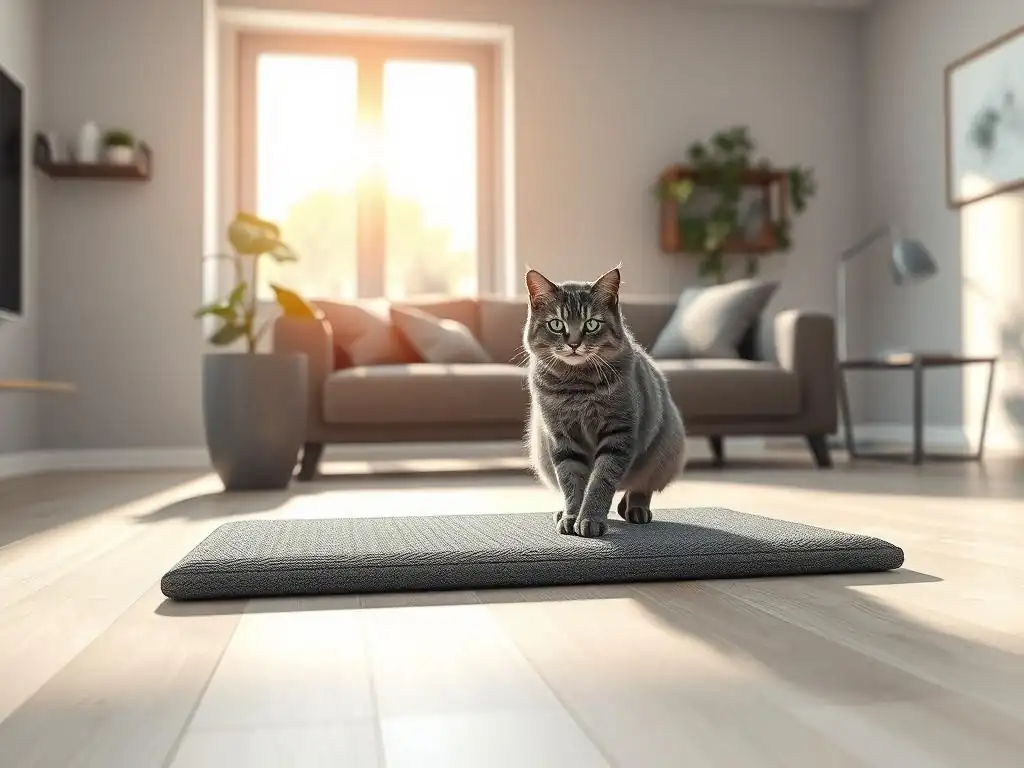
Welcome to PetCareWorld, your ultimate guide to a happier, healthier life for your beloved pet! Are you a cat owner struggling with limited space but still want to provide your feline friend with the crucial scratching satisfaction they need? Then you're in the right place. Discover our expert advice on Small space cat scratching mats, designed to maximize functionality even in the coziest apartments. Learn how to choose the perfect mat and keep your furniture safe – read on to unlock the secrets to a harmonious home life for both you and your cat!
- Understanding Your Cat's Scratching Needs in Limited Space
- Choosing the Right Small Space Cat Scratching Mat
- Maximizing Functionality in Small Spaces with Scratching Mats
- Maintaining Your Cat's Scratching Mat
- Beyond the Mat: Additional Tips for Small Space Cat Owners
-
Frequently Asked Questions
- What are the benefits of using a scratching mat for cats, especially in small spaces?
- How do I choose the right size scratching mat for my small apartment?
- What materials are best for small space cat scratching mats?
- Are there any specific features to look for in a small space scratching mat?
- How can I encourage my cat to use the scratching mat?
- Final Reflection: Reclaiming Space, Reclaiming Peace: A Purrfect Solution for Small-Space Living
- Unleash Your Pet's Playful Side: Maximize Your Space, Minimize the Mess!
Understanding Your Cat's Scratching Needs in Limited Space
Cats scratching is a natural, instinctive behavior, often misunderstood by pet owners. It's not just about sharpening their claws; scratching serves crucial purposes for feline well-being, impacting their physical and mental health. This article focuses on how to effectively manage this natural behavior, even within the confines of a small apartment, by utilizing space-saving scratching mats. We'll explore the reasons behind feline scratching, identify suitable alternatives for limited spaces, and guide you through strategically placing scratching mats to maximize their effectiveness and minimize furniture damage. Choosing the right scratching mat for your small apartment is key to keeping your cat happy and your furniture intact. This guide will equip you with the knowledge and strategies to create a harmonious living environment for both you and your feline companion. Let's delve into the world of small space cat scratching mats and unlock the secrets to a happy, healthy, and claw-friendly home.
Why Cats Scratch: Understanding the Instinct
Cats scratch for a variety of reasons, all stemming from deeply ingrained instincts. Understanding these motivations is crucial to selecting and implementing effective scratching solutions. These include:
- Claw Maintenance: Scratching helps cats shed the outer layers of their claws, keeping them sharp and healthy. Think of it as a natural manicure! 😼
- Scent Marking: Cats have scent glands in their paws. Scratching leaves their scent on surfaces, marking their territory and providing a sense of security.
- Stretching and Exercise: Scratching provides a full-body stretch, exercising their muscles and improving flexibility. It's a vital part of their physical well-being.
- Stress Relief: Scratching can be a self-soothing behavior, helping cats relieve stress and anxiety. A satisfying scratch can be incredibly therapeutic for a cat.
Ignoring this instinct can lead to destructive scratching on your furniture, walls, and other household items. Providing appropriate scratching posts or mats is essential for preventing this behavior and ensuring your cat's happiness. The key is to offer a suitable alternative that satisfies their natural urges.
Identifying Suitable Scratching Post Alternatives for Small Apartments
Traditional scratching posts can be bulky and unsuitable for small apartments. Fortunately, there are many space-saving alternatives designed to meet your cat's scratching needs without dominating your living space. Scratching mats, in particular, offer a compact and effective solution:
- Size and Shape: Look for mats that are appropriately sized for your cat and the available space. Rectangular, circular, or even corner mats can be strategically placed to maximize space utilization.
- Material: Sisal, cardboard, and carpet are popular choices. Each material offers a different texture and level of scratching resistance, so consider your cat's preferences. Some cats prefer a rougher texture, while others prefer a softer one.
- Durability: Opt for durable mats that can withstand regular scratching. A high-quality mat will last longer and provide better value for money.
- Placement: Consider placing the mat near your cat's favorite resting spots or in areas where they frequently scratch inappropriately. This encourages them to use the mat instead of your furniture.
Choosing the right material and placement is crucial for success. Experiment with different types of mats to find what your cat prefers.
Assessing Your Apartment's Layout for Optimal Mat Placement
Strategic placement of your scratching mat is paramount to its effectiveness. Consider these factors when deciding where to position it:
- High-Traffic Areas: Placing the mat in areas where your cat spends a lot of time can encourage its use. This could be near their food and water bowls, their favorite sleeping spot, or by a window.
- Vertical Space: Even in a small apartment, utilizing vertical space can be beneficial. Consider placing a smaller mat on a wall-mounted shelf or a sturdy piece of furniture.
- Avoid Obstructions: Ensure the mat isn't blocked by furniture or other obstacles that might deter your cat from using it.
- Experimentation: Don't be afraid to experiment with different locations until you find the spot your cat prefers. Observe your cat's behavior and adjust the mat's position accordingly.
Remember, the goal is to make the mat as appealing and accessible as possible to your cat. A thoughtfully placed mat can be the key to protecting your furniture and ensuring your cat's well-being in a small space.
Choosing the Right Small Space Cat Scratching Mat
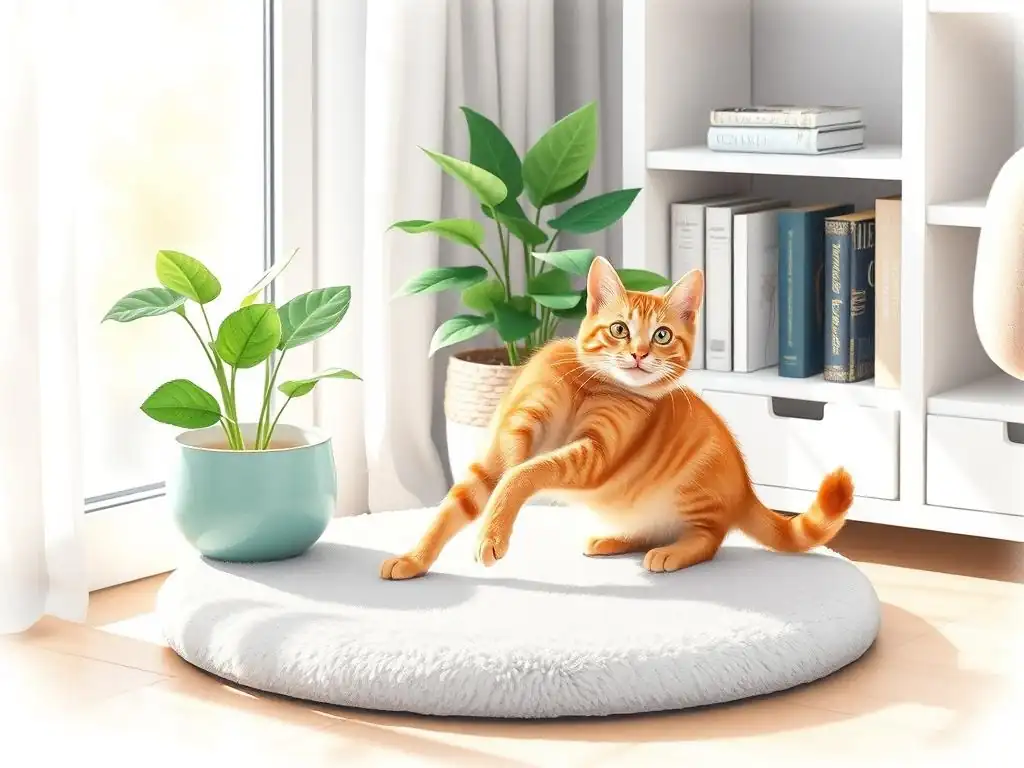
Selecting the ideal cat scratching mat for a small apartment requires careful consideration of several factors beyond just aesthetics. The right mat will not only satisfy your cat's scratching instincts but also seamlessly integrate into your limited living space. Ignoring these crucial aspects can lead to a frustrating experience for both you and your feline friend, potentially resulting in unwanted furniture damage.
This section will guide you through the key elements to ensure a successful purchase and a happy, scratch-free home. Remember, the goal is to find a small space cat scratching mat that effectively channels your cat's natural behavior without compromising your apartment's limited space.
Types of Scratching Mats for Small Apartments: Cardboard, Sisal, Carpet
Choosing the right material is paramount when selecting a scratching mat for a small space. Different materials cater to different scratching preferences and offer varying levels of durability.
- Cardboard Scratching Mats: These are often the most affordable and readily available option. They are lightweight and easily disposable once worn out. However, their lifespan is relatively short, especially with enthusiastic scratchers. They are best suited for cats who are light scratchers or as a temporary solution. Consider the thickness; thicker cardboard will generally last longer. Look for recycled cardboard options for environmental consciousness.
- Sisal Scratching Mats: Sisal is a natural fiber known for its durability and texture. Sisal mats tend to be more robust and long-lasting than cardboard, making them a worthwhile investment for the long term. The rough texture provides excellent scratching satisfaction for cats, and they often hold up well against even the most vigorous scratching. However, sisal mats can be slightly more expensive than cardboard alternatives.
- Carpet Scratching Mats: Carpet mats offer a softer scratching surface compared to sisal or cardboard. This can be appealing to cats who prefer a gentler scratching experience. The material is also relatively durable, though not as much as sisal. Consider the pile height; a shorter pile will generally wear better and be easier to clean. Look for mats made from durable, stain-resistant carpets.
The best material for your cat will depend on their individual preferences. Observe your cat's scratching behavior to determine their preferred texture. You might even consider offering a variety of textures to see which one they gravitate towards. Remember, a happy cat is a cat that scratches appropriately! 😻
Size and Shape Considerations for Compact Living
Space is at a premium in apartments, so choosing the right size and shape for your cat's scratching mat is crucial. Avoid oversized mats that will overwhelm the room; instead, opt for compact designs that fit seamlessly into your existing decor.
Consider these points:
- Placement: Think about where you'll place the mat. A corner is often a good choice, maximizing space and providing a sense of security for your cat. Alternatively, a narrow mat can be placed against a wall.
- Shape: Rectangular mats are ideal for fitting into corners or along walls. Circular or oval mats can be good for more open spaces, but be mindful of their footprint.
- Dimensions: Measure the area where you plan to place the mat before you buy it. A small mat might not provide enough scratching surface for some cats, leading to them seeking alternative scratching posts. A good rule of thumb is to choose a mat that is at least as long as your cat's body.
Remember, the goal is to find a mat that is both functional and aesthetically pleasing within the constraints of your small apartment. A well-placed, appropriately sized mat can be a stylish addition to your home, rather than an eyesore.
Durability and Material Selection for Long-Term Use
Investing in a durable scratching mat is essential to avoid frequent replacements and unnecessary expenses. The longevity of the mat depends largely on the material and construction.
- Construction: Look for mats with sturdy bases and reinforced stitching (where applicable). A well-constructed mat will withstand the daily wear and tear of a cat's scratching. Avoid mats with flimsy bases that might easily tear or bend.
- Material Resistance: Sisal is generally the most durable option, followed by carpet and then cardboard. Consider your cat's scratching intensity when selecting a material. A heavy scratcher will benefit from a more robust material like sisal.
- Cleaning: Easy cleaning is crucial for maintaining hygiene. Choose a mat that is easy to vacuum or wipe clean. Some mats are even machine washable, offering added convenience.
Ultimately, selecting a durable, long-lasting scratching mat will save you money and effort in the long run. A quality mat, even if it's slightly more expensive upfront, is a worthwhile investment in the well-being and happiness of your feline friend and the preservation of your furniture.
Maximizing Functionality in Small Spaces with Scratching Mats
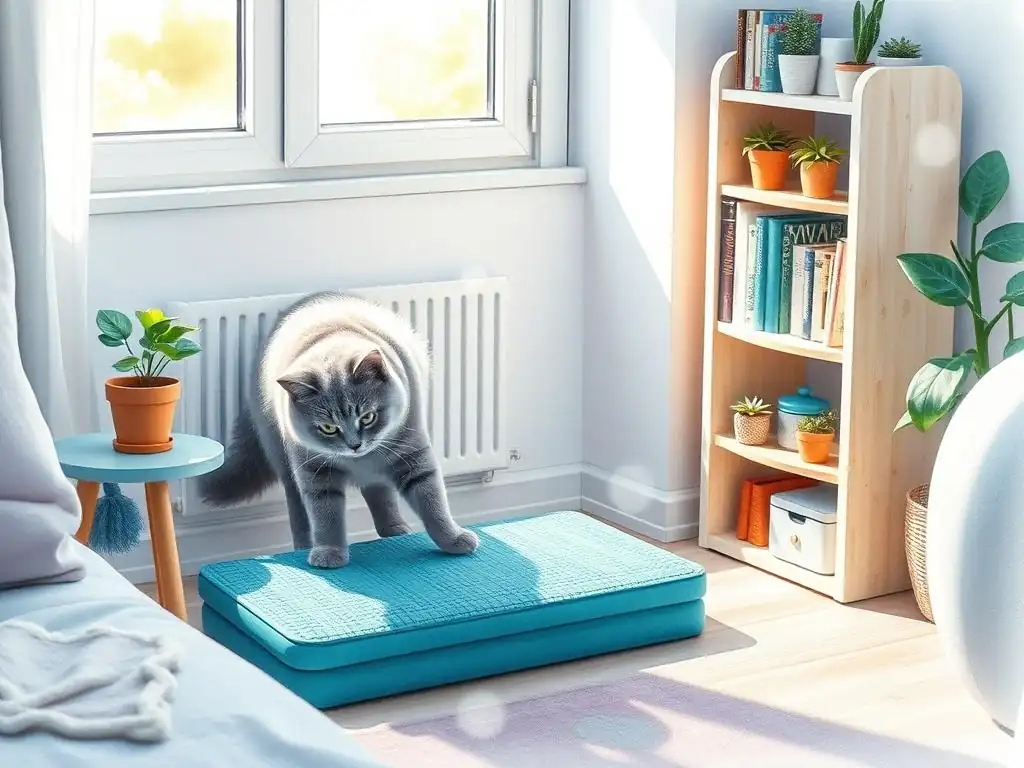
This section explores how to effectively utilize scratching mats in small apartments, maximizing their functionality and minimizing space constraints. We'll delve into strategic placement, creative combinations with other cat furniture, and solutions for multi-cat households. Remember, choosing the right scratching mat material—sisal, cardboard, carpet—is crucial for your cat's preference and the overall aesthetic of your space. The goal is to provide your feline friend with a satisfying scratching experience without sacrificing valuable living space. Small space living doesn't mean compromising on your cat's well-being!
Strategic Placement of Scratching Mats: Corners, Walls, Furniture
Strategic placement is key when dealing with limited space. Avoid placing scratching mats in high-traffic areas where they might become a tripping hazard for humans or a frustrating obstacle for your cat. Instead, consider these options:
- Corners: Corners are often underutilized spaces in apartments. A small, appropriately sized scratching mat tucked neatly into a corner maximizes space efficiency. This prevents the mat from encroaching on walkways. Consider a L-shaped mat to fully utilize the corner.
- Against Walls: Placing a scratching mat flat against a wall provides vertical scratching options for cats who enjoy stretching while they scratch. This is particularly beneficial for taller cats. The wall acts as a natural border, keeping the mat contained.
- Integrated with Furniture: Many cats enjoy scratching furniture. Instead of fighting this behavior, strategically place a scratching mat on or near the furniture your cat targets. This gives them an acceptable alternative to your sofa or armchair. A small, thin mat can be placed discreetly under a sofa leg, for example.
Combining Scratching Mats with Other Cat Furniture
Combining scratching mats with other cat furniture can enhance their functionality and create a more engaging space for your cat. Consider these ideas:
- Cat Trees: Incorporate a small scratching mat into a cat tree's design or place it at the base. This provides a natural transition between vertical and horizontal scratching activities. This helps direct scratching behavior away from other furniture.
- Window Perches: Many cats enjoy surveying their surroundings from a window perch. Placing a small scratching mat near the perch can create a relaxing scratching area. This encourages your cat to associate the window perch with positive activities.
- Modular Furniture: Think about integrating a scratching mat into modular furniture designs. This can create a cohesive and visually appealing space. This allows for customized arrangements that suit both your cat and your apartment's layout.
Creative Solutions for Multi-Cat Households in Small Apartments
Managing multiple cats in a small apartment requires clever strategies. Here's how to use scratching mats effectively:
| Cat | Scratching Mat Placement | Mat Type | Rationale |
|---|---|---|---|
| Mittens (Shy) | Corner near quiet area | Soft carpet mat | Provides a safe, less stimulating scratching zone |
| Whiskers (Dominant) | Wall-mounted sisal mat | Vertical sisal mat | Offers a prominent, vertical scratching option to satisfy dominance needs |
| Patches (Playful) | Small cardboard mat near toys | Cardboard mat | Encourages scratching during playtime, minimizing conflicts |
Remember, providing multiple scratching options, each tailored to individual cat preferences, is crucial for preventing inter-cat conflict over limited resources. Consider different textures and sizes to cater to diverse scratching styles. The key is to provide enough space and options so cats don't feel the need to compete for resources. This can significantly improve the overall harmony in your multi-cat household. 😻
Maintaining Your Cat's Scratching Mat
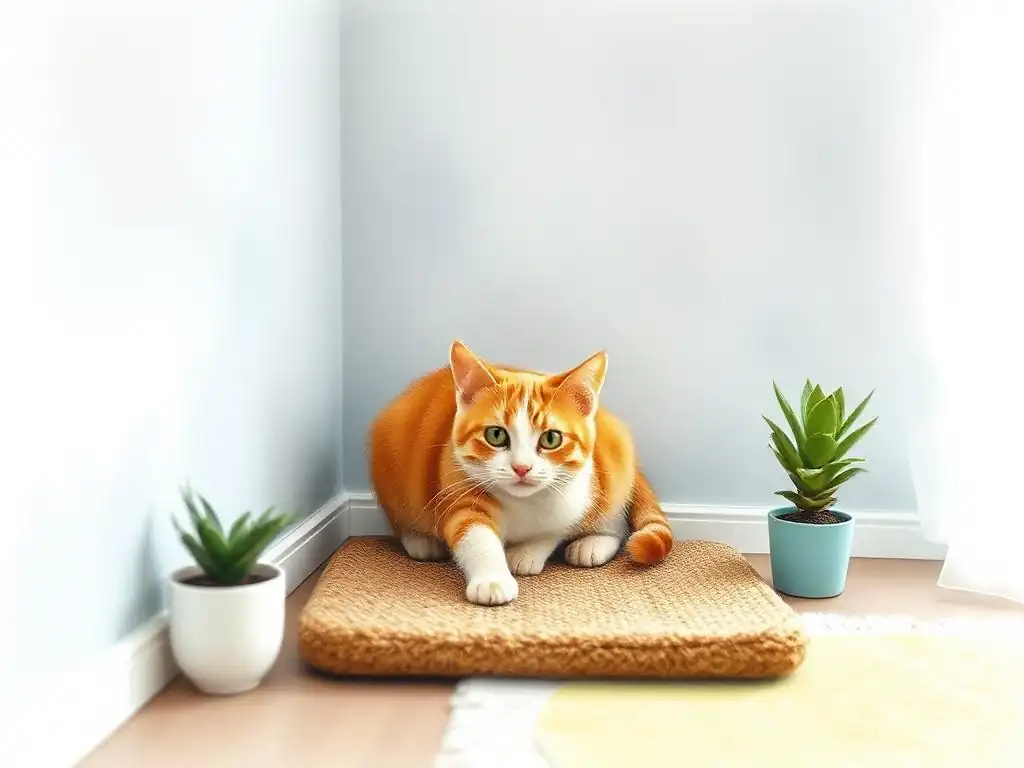
Maintaining your cat's scratching mat is crucial for its longevity and your cat's continued enjoyment. A well-maintained mat remains an attractive and functional scratching surface, preventing your cat from resorting to your furniture. Regular care also helps prevent the buildup of bacteria and unpleasant odors, contributing to a cleaner and healthier home environment for both you and your feline friend. This section will detail the best practices for keeping your small space cat scratching mat in optimal condition.
Cleaning and Maintaining Your Cat's Scratching Mat
Regular cleaning is key to keeping your small space cat scratching mat fresh and inviting. The frequency of cleaning depends on your cat's scratching habits and the material of the mat. For example, a sisal mat might require less frequent cleaning than a carpet-like mat.
Here's a step-by-step guide for cleaning different types of scratching mats:
- Sisal Mats: These are typically durable and easy to clean. Regular vacuuming is sufficient to remove loose fur and debris. For deeper cleaning, you can spot-clean with a damp cloth and mild detergent, ensuring the mat is thoroughly dried afterward. Avoid excessive moisture, which can damage the sisal fibers.
- Carpet-like Mats: These mats often collect more debris and are more susceptible to odor. Regular vacuuming is crucial. For spot cleaning, use a pet-safe stain remover and follow the product instructions carefully. Machine washing is often possible, depending on the mat's care instructions; always check the label before washing.
- Cardboard Mats: These are usually disposable. When the mat becomes significantly worn or soiled, simply replace it with a new one. However, you can extend their life by spot-cleaning minor stains with a damp cloth.
Remember to always allow the mat to dry completely before your cat uses it again. A damp mat can attract mold and mildew, and it's also uncomfortable for your cat. Consider using a pet-safe deodorizer to freshen the mat periodically. This is especially beneficial for small spaces where odors can linger. The frequency of cleaning should be tailored to your specific needs; some cats are messier than others! 😻
Replacing Worn-Out Mats: Recognizing the Signs
Even with proper care, your small space cat scratching mat will eventually wear out. Recognizing the signs of wear and tear is essential to ensure your cat continues to have a suitable scratching surface. This prevents them from finding alternative, potentially damaging, scratching posts.
Signs your mat needs replacing include:
- Significant fraying or tearing: If the mat is significantly damaged, it's no longer providing sufficient scratching satisfaction and may even pose a hazard to your cat.
- Excessive shedding: If the mat is shedding excessive fibers, it may be nearing the end of its lifespan.
- Persistent odor: Despite regular cleaning, a persistent unpleasant odor suggests the mat is retaining bacteria and needs replacing.
- Lack of interest: If your cat is consistently ignoring the mat in favor of other surfaces, it might be due to the mat's condition. Observe your cat's behavior; a change in scratching habits can indicate a problem.
Replacing a worn-out mat is a simple yet crucial step in maintaining a healthy and happy environment for your cat. Consider the mat's material and your cat's preferences when choosing a replacement.
Encouraging Your Cat to Use the Mat Consistently
Even with a brand-new, high-quality small space cat scratching mat, you might need to encourage your cat to use it consistently. Cats can be creatures of habit, and introducing a new scratching post requires patience and positive reinforcement.
Here are some tips to encourage consistent use:
- Placement is key: Place the mat in a location your cat frequents, such as near their favorite sleeping spot or play area. Avoid placing it in high-traffic areas or near loud noises.
- Catnip: Sprinkling a small amount of catnip on the mat can entice your cat to investigate and use it.
- Positive reinforcement: Reward your cat with treats or praise whenever they use the mat.
- Make it enticing: Consider adding a toy or two near the mat to make it more appealing.
- Consistency: Be patient and consistent with your efforts. It may take some time for your cat to fully adapt to the new scratching surface.
Remember, providing a suitable scratching mat is crucial for your cat's physical and mental well-being. By following these tips and maintaining your mat diligently, you can ensure your cat has a satisfying scratching experience, preserving your furniture from damage and fostering a harmonious relationship with your furry friend. 🎉
Beyond the Mat: Additional Tips for Small Space Cat Owners
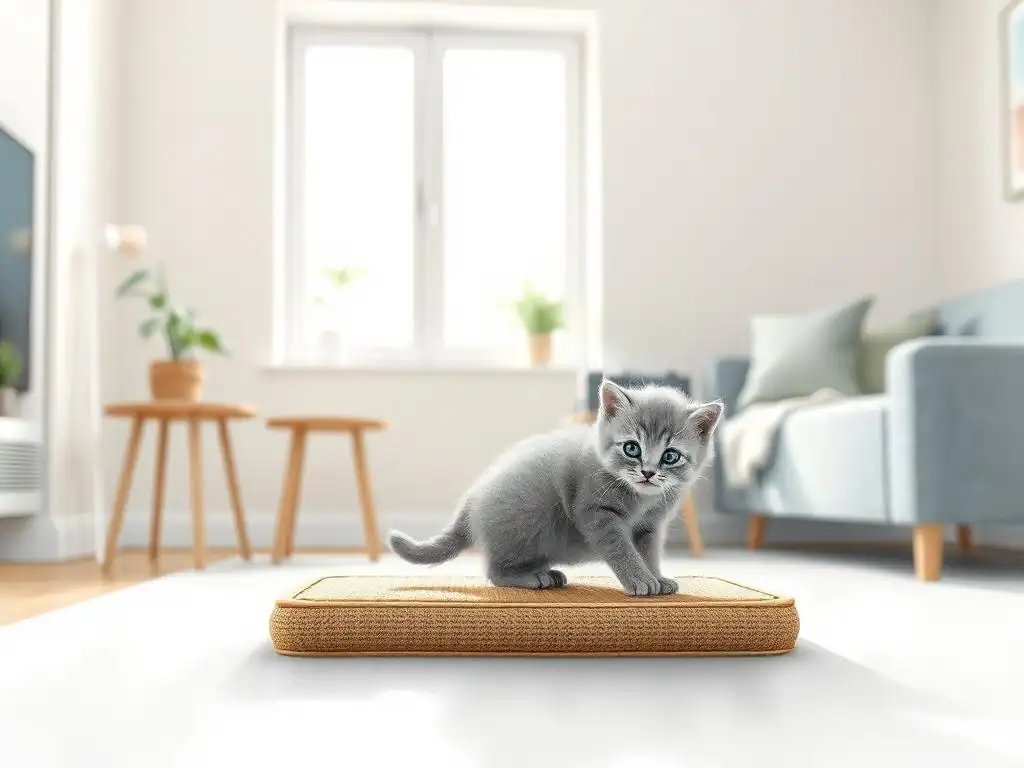
This section expands on optimizing your small space for your feline friend, going beyond simply selecting the right scratching mat. Remember, a happy cat is less likely to resort to destructive scratching. Providing alternatives and enriching their environment is key to preventing unwanted behaviors. We'll explore several strategies to ensure your cat's comfort and well-being, even in a compact living situation. Proper planning, thoughtful placement of furniture, and engaging activities are all crucial aspects of successful small-space cat ownership.
Enrichment Activities to Keep Cats Entertained Indoors
Indoor cats, especially those in small spaces, require significant mental and physical stimulation to avoid boredom and destructive behaviors. A scratching mat is only one piece of the puzzle. Consider these enrichment activities to keep your cat happy and engaged:
- Interactive toys: Puzzle feeders, toy mice, feather wands, and laser pointers (used responsibly) provide stimulating activities that mimic natural hunting behaviors. Rotate toys regularly to prevent boredom. A rotating selection keeps your cat engaged and prevents them from becoming fixated on one particular toy.
- Play sessions: Dedicate at least 15-20 minutes twice a day to interactive play sessions. This helps burn energy and strengthens your bond with your cat. This is crucial for cats living in confined spaces, as they may lack the opportunity for natural hunting activities.
- Window perches: Cats love observing the outside world. A window perch provides a stimulating vantage point and can significantly reduce stress and boredom. Consider a comfy, padded perch to maximize comfort.
Vertical Space Utilization: Shelves and Cat Trees
Cats are naturally arboreal creatures, preferring to spend time at height. In a small space, maximizing vertical space is crucial for providing your cat with a sense of security and exploration.
- Wall-mounted shelves: Strategically placed shelves provide excellent climbing opportunities and allow your cat to survey their territory from above. Choose sturdy shelves with a non-slip surface to ensure safety. Think about placing them near windows for optimal viewing opportunities.
- Cat trees: While a large cat tree might be impractical, a smaller, multi-level cat tree can offer valuable vertical space and climbing opportunities. Look for designs that fit the dimensions of your apartment, perhaps choosing a corner-model to maximize space efficiency. Consider the height of your ceilings when choosing a cat tree.
- Cat condos: These compact units combine perches, scratching posts, and hiding places in one small footprint, perfect for maximizing vertical space in small apartments. These provide a secure and comforting space for your cat to retreat to, vital for a cat's sense of security.
Creating a Stimulating Environment to Minimize Scratching on Furniture
A stimulating environment significantly reduces the likelihood of your cat scratching your furniture. By providing ample scratching surfaces and enriching their environment, you're addressing the root cause of the behavior, rather than just punishing the symptom.
- Strategic scratching post placement: Place scratching posts near areas where your cat currently scratches furniture. This makes the alternative more appealing. Consider different types of scratching posts (carpet, sisal, cardboard) to cater to your cat's preferences.
- Scent marking: Cats often scratch to leave their scent. Consider using catnip or other cat-friendly scents on the scratching mat and posts to attract your cat. This can significantly improve the appeal of the scratching post.
- Positive reinforcement: Reward your cat when they use their scratching mat or posts with treats, praise, or playtime. Positive reinforcement is far more effective than punishment in modifying behavior. Consistency is key, rewarding them every time they use the designated scratching area.
Remember, patience and consistency are vital when training your cat. It may take time for your cat to adjust to new scratching posts and activities. By providing a stimulating and enriching environment, you can create a happy and harmonious home for both you and your feline companion, even in a small space. The key is providing a variety of options and rewarding positive behavior, turning your small space into a cat-friendly paradise.
Frequently Asked Questions
What are the benefits of using a scratching mat for cats, especially in small spaces?
Scratching mats offer a convenient and space-saving solution for satisfying your cat's natural scratching instincts. They are flat and easily stored, unlike larger scratching posts, making them ideal for apartments. They also help protect your furniture from damage.
How do I choose the right size scratching mat for my small apartment?
Consider the available space and your cat's size. Measure the area where you plan to place the mat. Look for a mat that's large enough for your cat to comfortably stretch out while scratching but not so large it overwhelms the room.
What materials are best for small space cat scratching mats?
Durable materials like sisal, cardboard, or carpet are ideal. Sisal is tough and long-lasting, cardboard is easily replaceable, and carpet offers a softer texture. Choose a material your cat prefers.
Are there any specific features to look for in a small space scratching mat?
Look for mats with non-slip backing to prevent them from sliding around. Some mats are double-sided or have different textures to offer variety. Consider a foldable or easily storable design for maximum space efficiency.
How can I encourage my cat to use the scratching mat?
Positive reinforcement is key. Place the mat near your cat's favorite spots. Sprinkle catnip on it or use a cat attractant spray. Reward your cat with treats or praise when they use the mat. Consistency is important for training.
Final Reflection: Reclaiming Space, Reclaiming Peace: A Purrfect Solution for Small-Space Living
The need for practical, space-saving solutions in modern living is undeniable, and for cat owners, this extends to providing essential scratching posts without sacrificing precious square footage. The struggle is real: a happy, healthy cat requires a designated scratching area, but apartments often lack the space for bulky cat trees. This article has explored creative and effective ways to address this common challenge, highlighting the versatility and surprising benefits of small-space cat scratching mats.
The impact of thoughtfully designed pet products extends beyond mere convenience; it shapes the very fabric of our shared living spaces. It's about creating a harmonious environment where both humans and their feline companions thrive. The subtle shift from bulky, space-hogging furniture to sleek, functional alternatives reflects a broader cultural trend towards minimalism and mindful living. The details are not the details. They make the design.
– Charles Eames. This quote perfectly encapsulates the importance of considering even seemingly small aspects of our homes, like cat scratching solutions, in creating a truly functional and aesthetically pleasing space.
Consider the impact of a well-placed scratching mat. It's not just about protecting your furniture; it's about fostering a positive relationship with your pet, preventing destructive behaviors, and ultimately, enhancing your overall quality of life. You've learned about different materials, sizes, and placement strategies.
Now, take a moment to reflect on your own living space. What small changes can you implement to create a more harmonious home for both you and your furry friend? Choose a mat that fits your style and your cat's needs, and watch as your small space transforms into a haven of comfort and contentment for you both.
Unleash Your Pet's Playful Side: Maximize Your Space, Minimize the Mess!
Thank you for exploring our guide on scratching mats for small spaces! We hope you're now confident in choosing the perfect solution for your furry friend and your apartment. Ready to get started?
- Choose the perfect scratching mat: Browse our comprehensive reviews and find the ideal size, material, and style to suit your pet and your home. Consider a wall-mounted scratcher—it might be the perfect solution!
- Share your experience: Let us know in the comments which mat you chose and how well it's working. Your feedback could help other pet owners facing similar space constraints.
- Get creative with placement: Think outside the box! Consider unusual placement options that complement your interior design while satisfying your pet's scratching needs.
Ready to transform your small space into a happy haven for you and your pet? What creative solution will you try first?