
The Anxious Cat's Toolkit: MustHave Items for a Calm Environment

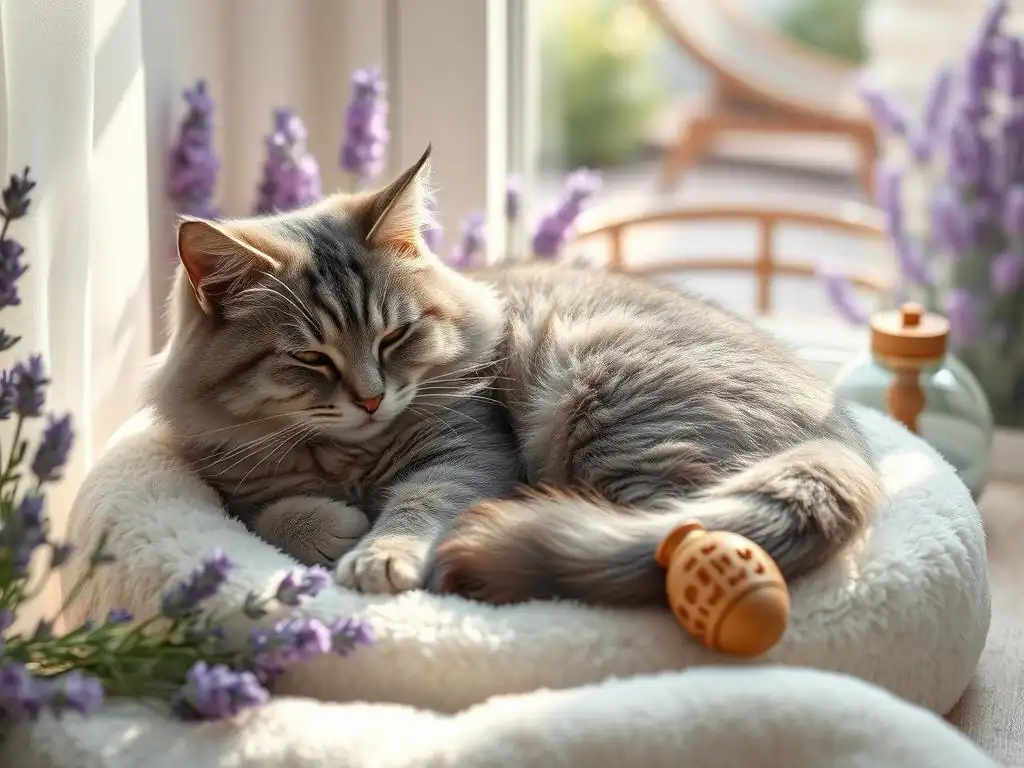
Welcome to PetCareWorld, your ultimate guide to a happier, healthier life for your beloved pet! Are you searching for effective ways to soothe your feline friend's anxieties? Then you've come to the right place. Discover calm cat anxiety solutions and learn how to create a haven of tranquility for your kitty in our latest article, "The Anxious Cat's Toolkit: Must-Have Items for a Calm Environment." Dive in and unlock the secrets to a more peaceful coexistence with your purrfect companion.
- Understanding Your Cat's Anxiety: Recognizing the Signs
- Creating a Calming Space for Your Anxious Cat: Designing a Safe Haven
- Essential Toolkit Items for Reducing Cat Anxiety: Products for a Peaceful Home
- Nutritional Support for Anxiety: Diet and Supplements for a Calm Cat
- Behavioral Modification Techniques for Anxiety: Training and Enrichment
- When to Seek Professional Help: Veterinarians and Cat Behaviorists
- Long-Term Strategies for Managing Cat Anxiety: Sustaining a Peaceful Environment
- Frequently Asked Questions
- Final Reflection: Finding Peace in the Purrs: A Path to Calmer Cats
- Unleash Your Cat's Inner Zen: Create a Purrfectly Peaceful Home
Understanding Your Cat's Anxiety: Recognizing the Signs
Feline anxiety is a significant concern for many cat owners, impacting both the pet's well-being and the owner's peace of mind. This comprehensive guide explores the multifaceted nature of cat anxiety, providing practical solutions and must-have items to create a calm and soothing environment for your anxious feline companion. We'll delve into recognizing the subtle and overt signs of anxiety, identifying potential causes, and differentiating anxiety from underlying medical conditions.
Ultimately, our aim is to empower you with the knowledge and tools to help your cat live a happier, less stressful life. Learning to identify and address your cat's anxiety is crucial for building a strong and loving bond, fostering a healthy relationship, and ensuring their overall well-being. This article will equip you with effective strategies and essential items to alleviate your cat's anxiety and create a haven of calm in your home.
Successfully managing your cat's anxiety requires understanding its roots, and implementing a multifaceted approach that combines environmental enrichment, behavioral modification, and, when necessary, veterinary intervention. Let's begin our journey towards a calmer, happier cat!
Identifying Anxiety Symptoms in Cats: Restlessness, Hiding, and More
Cats, masters of disguise, often subtly communicate their anxiety. Recognizing these signs is the first step towards effective management. While some cats exhibit overt symptoms, others mask their distress. Look for these key indicators:
- Restlessness and pacing: Excessive pacing, constant shifting, and an inability to settle down are common signs. This can manifest as frantic movements around the house or repetitive behaviors like tail chasing.
- Hiding: Cats may seek refuge in dark, secluded areas, avoiding interaction and becoming withdrawn. This could be under furniture, in closets, or even inside boxes.
- Changes in appetite: Anxiety can significantly affect a cat's appetite, leading to either overeating or complete loss of interest in food. Weight changes, both gain and loss, should be monitored closely.
- Inappropriate elimination: Urinating or defecating outside the litter box is a common sign of stress and anxiety. This isn't just about litter box cleanliness; it's a behavioral response to anxiety.
- Vocalization: Excessive meowing, yowling, or chattering can indicate distress. While some vocalization is normal, a sudden increase or change in vocal tone warrants attention.
- Aggression: Some anxious cats become aggressive, exhibiting hissing, growling, swatting, or biting. This is often a defensive mechanism stemming from fear and anxiety.
- Grooming changes: Excessive grooming can be a coping mechanism for anxiety, leading to hair loss or skin irritation. Conversely, neglecting grooming can also be a symptom.
Understanding the nuances of your cat's behavior is key. Keep a detailed log of any changes you observe, noting the time, duration, and context of each incident. This information will be invaluable when discussing your cat's condition with a veterinarian. Remember, early intervention is key to successful anxiety management.
Common Causes of Feline Anxiety: Stressors and Triggers
Several factors can contribute to feline anxiety. Identifying these triggers is crucial for developing an effective management plan. Common causes include:
- Environmental changes: Moving to a new home, rearranging furniture, introducing new pets or people, loud noises (thunderstorms, fireworks), or even a change in routine can trigger anxiety.
- Medical conditions: Underlying health problems, such as hyperthyroidism, kidney disease, or cognitive dysfunction, can mimic or exacerbate anxiety symptoms. A veterinary examination is essential to rule out medical causes.
- Separation anxiety: Some cats experience extreme distress when left alone, exhibiting destructive behaviors or excessive vocalization.
- Fear of specific stimuli: Certain sounds, sights, or smells can trigger anxiety in cats. This could be anything from vacuum cleaners to strangers.
- Lack of enrichment: A boring or unstimulating environment can lead to boredom and frustration, contributing to anxiety. Cats need mental and physical stimulation to thrive.
- Past trauma: A negative experience, such as abuse or neglect, can leave lasting effects, leading to chronic anxiety.
Addressing these underlying causes is paramount. Creating a safe and predictable environment, providing ample enrichment, and seeking veterinary care when necessary are crucial steps in managing feline anxiety.
Differentiating Anxiety from Medical Issues: When to See a Vet
It's crucial to distinguish between anxiety and underlying medical conditions, as some medical problems can manifest as anxiety-like symptoms. If you observe any of the following, it's imperative to consult a veterinarian:
- Sudden onset of symptoms: A sudden change in behavior, especially if accompanied by other physical symptoms, requires immediate veterinary attention.
- Persistent symptoms despite environmental modifications: If you've implemented changes to your cat's environment but the anxiety persists, a vet visit is necessary.
- Changes in appetite or elimination: Significant changes in eating habits or litter box use should be investigated by a vet.
- Lethargy or weakness: If your cat is unusually lethargic or weak, it could indicate a serious underlying medical condition.
- Unexplained weight loss or gain: Significant changes in body weight warrant a veterinary examination.
Don't hesitate to seek professional help. A veterinarian can perform a thorough physical examination, run necessary tests, and rule out any medical causes for your cat's anxiety. Early intervention can significantly improve your cat's quality of life and prevent further complications. 😻
Creating a Calming Space for Your Anxious Cat: Designing a Safe Haven
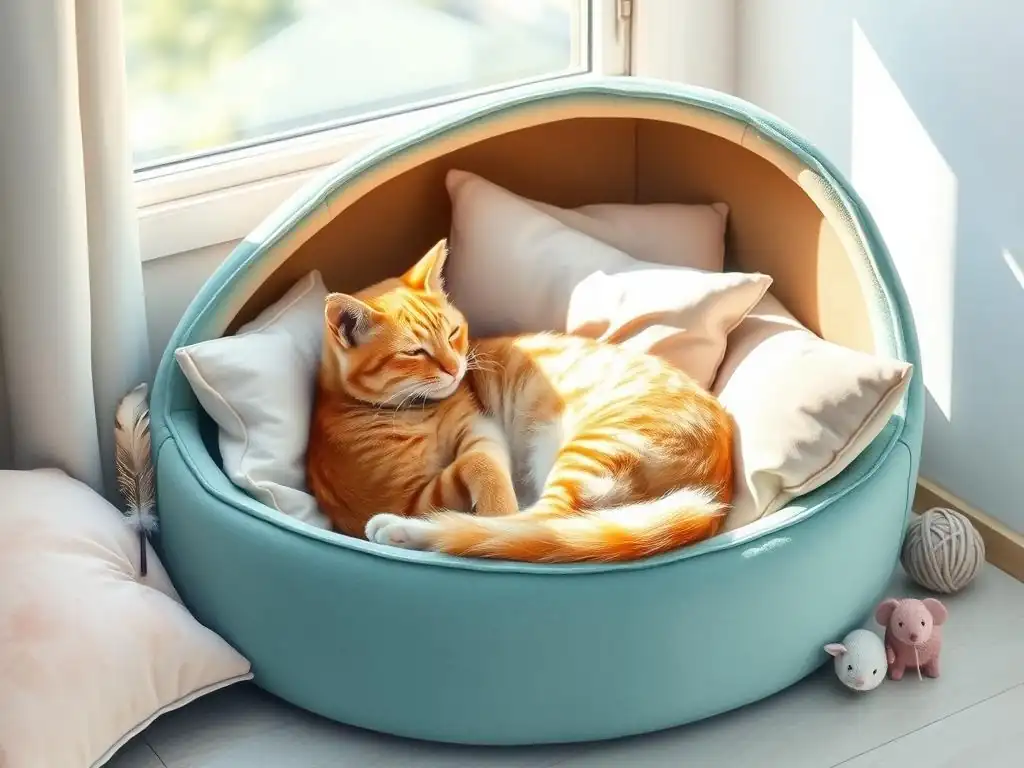
Creating a calm environment is crucial for managing cat anxiety. A safe, predictable space significantly reduces stress and promotes relaxation. This isn't just about providing a comfy bed; it's about designing a sanctuary tailored to your cat's specific needs and anxieties. Consider your cat's personality – is it shy and prefers dark, secluded spots, or more adventurous and comfortable in open areas?
Understanding this will guide your design choices. The goal is to create a haven where your feline friend feels secure and in control. The right environment can be a powerful tool in your arsenal of calm cat anxiety solutions.
Designing a Cat-Friendly Sanctuary: Safe Spaces and Hiding Places
Cats are naturally predisposed to seek out safe, enclosed spaces. Providing multiple hiding places throughout your home is essential, especially for anxious cats. These aren't just for naps; they offer a refuge when feeling overwhelmed. Consider these options:
- Cardboard boxes: A classic and inexpensive solution! Cats love the enclosed feeling and the ability to easily conceal themselves. Experiment with different sizes and shapes.
- Cat beds: Choose beds that are soft, comfortable, and offer a sense of enclosure. Tunnel beds are particularly popular with anxious cats.
- Cat tunnels: These provide a long, enclosed space for exploration and hiding. They can also be used to connect different parts of your home, providing safe passageways.
- Under-bed spaces: Many cats find the space under a bed reassuringly dark and secure. Ensure the space is clean and free of hazards.
- Shelves and high perches: While these might seem contradictory to hiding places, high vantage points provide a sense of security and control over their surroundings.
Consider the placement of these safe spaces. They should be easily accessible but also offer a sense of privacy and seclusion. Avoid placing them in high-traffic areas or near loud noises. The aim is to create several "escape routes" where your cat can retreat when feeling stressed. This is a core component of many calm cat anxiety solutions.
Reducing Environmental Stressors: Noise, Light, and Visual Stimulation
Environmental factors play a significant role in a cat's anxiety levels. Minimizing stressors within your home is crucial for creating a calm atmosphere. This involves managing noise, light, and visual stimulation.
- Noise reduction: Loud noises, such as sudden bangs, construction work, or even loud music, can trigger anxiety in cats. Consider using white noise machines or calming music to mask disruptive sounds. Keep the TV volume at a moderate level and try to minimize jarring noises within the house.
- Light control: Bright lights can be overwhelming for some cats, while sudden changes in lighting can also be stressful. Provide soft, diffused lighting and avoid harsh overhead lights. Consider using dimmers or blinds to control light levels throughout the day. Creating a calming, low-light area in your cat's safe space can be particularly beneficial.
- Visual stimulation: Too much visual stimulation can be overstimulating for anxious cats. Keep the environment relatively clutter-free, and avoid placing their safe spaces in areas with a lot of activity.
By carefully managing these environmental factors, you can significantly reduce the triggers that contribute to your cat's anxiety. Data from veterinary behaviorists shows a strong correlation between environmental enrichment and reduced anxiety levels in cats. Implementing these strategies is a key part of providing effective calm cat anxiety solutions.
The Importance of Vertical Space: Cat Trees and Shelves for Security
Cats are naturally arboreal creatures, meaning they feel most secure when they have access to high perches. Providing vertical space allows your cat to observe their surroundings from a safe distance, reducing their feelings of vulnerability.
- Cat trees: These offer multiple levels of perches, scratching posts, and hiding places, providing a fantastic combination of security and enrichment. Choose a cat tree that is sturdy and tall enough to allow your cat to climb to a significant height. The size should be appropriate for your cat's breed and size.
- Shelves: Installing shelves at various heights around the house allows your cat to explore and access different vantage points. This provides a sense of control and reduces their feeling of being trapped on the ground.
- Window perches: Cats love to observe the world outside. A window perch gives them a safe and elevated spot to do so.
Providing ample vertical space is a powerful way to reduce anxiety and boost your cat's confidence. It allows them to escape from perceived threats, providing a sense of security and control. This is an often-overlooked aspect of many calm cat anxiety solutions. Remember, a multi-faceted approach, encompassing environmental modifications and other anxiety management techniques, is often the most effective strategy.
Essential Toolkit Items for Reducing Cat Anxiety: Products for a Peaceful Home
This section details essential products that contribute to a calm and anxiety-free environment for your feline companion. Addressing cat anxiety requires a multifaceted approach, and these items, when used strategically, can significantly improve your cat's well-being and reduce stress. Remember, always consult your veterinarian before implementing any new strategy or product, especially if your cat's anxiety is severe or accompanied by other health concerns. Providing a safe and enriching environment is key to effective calm cat anxiety solutions.
Calming Diffusers and Sprays: Pheromones and Essential Oils for Relaxation
Synthetic feline pheromones, like those found in Feliway diffusers and sprays, mimic the natural calming scents cats produce. These products can help reduce stress and anxiety in various situations, such as vet visits, introductions to new pets, or during thunderstorms. The pheromones work by subtly altering the cat's hormonal balance, promoting a sense of security and relaxation. Many owners report significant improvements in their cat's behavior after introducing a pheromone diffuser.
However, it's crucial to understand that pheromones are not a magic bullet. They work best as part of a comprehensive anxiety management plan. Their effectiveness can vary depending on the individual cat and the severity of their anxiety. Some cats may respond better to sprays, which offer more targeted application, while others might benefit more from the continuous release of pheromones from a diffuser.
Consider also the use of essential oils, but only those specifically formulated for cats and used with extreme caution. Certain oils, like lavender, are often touted as calming, but they can be toxic to cats if ingested or absorbed through the skin. Always research thoroughly and choose products explicitly labeled as safe for feline use. Never use essential oils without consulting your veterinarian first. Remember that consistent use and patience are key for optimal results when using pheromones or essential oils as calm cat anxiety solutions.
Interactive Toys and Puzzles: Engaging Your Cat's Mind to Reduce Boredom
Boredom is a significant contributor to anxiety in cats. Engaging your cat's mind through interactive play and puzzle feeders provides mental stimulation and reduces stress. This is a crucial aspect of holistic calm cat anxiety solutions. Providing a variety of toys keeps your cat entertained and prevents them from focusing on anxiety-inducing behaviors.
Here's a breakdown of effective toy types:
- Puzzle Feeders: These toys require your cat to work for their food, mimicking natural hunting behaviors and providing both mental and physical stimulation. This can significantly reduce stress and prevent boredom-related anxiety. There are numerous options available, from simple treat balls to more complex puzzles.
- Interactive Wand Toys: These toys encourage active play, mimicking the chase and pounce instincts. This is particularly beneficial for cats with high energy levels, channeling their energy into positive behavior. Regular interactive play sessions strengthen your bond with your cat and provide much-needed exercise.
- Rotating Toys: Keeping a variety of toys available and rotating them regularly prevents your cat from becoming bored with the same old things. This novelty helps maintain their interest and prevents them from focusing on their anxiety.
Remember to supervise play sessions, especially with toys that contain small parts which could pose a choking hazard. The goal is to provide enriching activities that challenge your cat mentally and physically, leading to a more relaxed and content feline companion.
Comfortable Bedding and Scratching Posts: Providing Sensory Comfort and Outlets
Providing comfortable and safe spaces for your cat is essential for managing anxiety. This includes appropriate bedding and scratching posts that cater to their natural instincts. This forms a vital part of the calm cat anxiety solutions strategy.
| Item | Importance | Considerations |
|---|---|---|
| Bedding | Provides a safe, warm, and comfortable place to rest and retreat. | Choose soft, plush materials; offer various textures and locations. |
| Scratching Posts | Satisfies natural scratching instincts, preventing damage to furniture. | Offer various types (vertical, horizontal, cardboard) to cater to individual preferences. |
| Elevated Beds | Provide a sense of security and a vantage point to observe their surroundings. | Consider placing near a window for additional stimulation and comfort. |
Offering diverse and comfortable resting places allows your cat to choose the environment that best suits their mood and anxiety levels. A comfortable, safe space is essential for helping your cat relax and feel secure. This, combined with appropriate scratching posts, provides a holistic approach to reducing anxiety and promoting a calm and happy feline companion. Remember, a multi-pronged approach, addressing both physical and mental needs, is the most effective way to manage feline anxiety and provide calm cat anxiety solutions.
Nutritional Support for Anxiety: Diet and Supplements for a Calm Cat

Providing the right nutrition is a cornerstone of any effective calm cat anxiety solutions strategy. A balanced diet plays a crucial role in a cat's overall well-being, directly impacting their mood, behavior, and stress response. While diet alone may not completely eliminate anxiety, it can significantly contribute to a calmer, happier feline companion. This section explores the vital link between food and mood, and the potential benefits of specific supplements in managing feline anxiety.
Diet's Role in Cat Anxiety: The Link Between Food and Mood
The connection between a cat's diet and its emotional state is often underestimated. Just as a poor diet can lead to physical health problems, it can also exacerbate anxiety and behavioral issues. For instance, a diet lacking essential nutrients, such as omega-3 fatty acids, can negatively impact brain function and potentially increase anxiety levels. Conversely, a diet rich in these vital nutrients can contribute to improved cognitive function and emotional regulation. Think of it like this: a well-nourished brain is better equipped to handle stress.
Specific food ingredients can also play a role. Highly processed foods, often containing artificial colors, flavors, and preservatives, can trigger sensitivities and contribute to anxiety in some cats. Switching to a high-quality, grain-free diet with easily digestible proteins and plenty of natural ingredients can often lead to noticeable improvements in behavior.
Look for cat foods specifically formulated for sensitive stomachs, as digestive issues can also manifest as behavioral problems. Observing your cat's response to different food types is crucial; keeping a food diary can be immensely helpful in pinpointing potential triggers. Remember to introduce any dietary changes gradually to avoid digestive upset.
Supplements for Anxiety Relief: Natural Remedies and Their Benefits
While a balanced diet forms the foundation, certain supplements can offer additional support in managing cat anxiety. However, it's crucial to remember that supplements should be considered complementary therapies and not replacements for veterinary care. Always consult your veterinarian before introducing any new supplements to your cat's diet. Some commonly used supplements include:
- L-theanine: This amino acid is known for its calming effects and can help reduce stress and anxiety in cats. It’s often found in green tea, but is also available in supplement form specifically for pets.
- Calming herbs: Certain herbs, such as chamomile and valerian root, possess calming properties and may help reduce anxiety in some cats. However, it's essential to ensure that these are sourced from reputable suppliers and formulated for feline use. Dosage is crucial; too much can be counterproductive.
- Omega-3 fatty acids: These essential fatty acids are vital for brain health and can help regulate mood and reduce inflammation. They are found in fish oil and some plant-based sources. Adding a supplement rich in omega-3s can be particularly beneficial for cats exhibiting signs of anxiety.
Remember, the effectiveness of supplements can vary from cat to cat. What works wonders for one feline might have little to no effect on another. Patience and careful observation are key. Keep detailed records of any changes in your cat's behavior after introducing a supplement.
Consulting Your Vet: Dietary Changes and Supplement Safety
Before making any significant changes to your cat's diet or introducing supplements, a consultation with your veterinarian is paramount. They can assess your cat's individual needs, identify any underlying health issues that may be contributing to anxiety, and recommend appropriate dietary adjustments and supplements. Your vet can also help you determine the correct dosage and ensure that any supplements are safe and compatible with your cat's existing medications or health conditions. They can offer personalized calm cat anxiety solutions tailored to your cat's specific circumstances.
Don't hesitate to discuss any concerns or questions you may have about nutrition and supplementation for your anxious cat; your vet is your best resource in this process. Ignoring professional guidance can inadvertently harm your cat. Prioritize a proactive and informed approach to ensure your furry friend receives the best possible care.
Behavioral Modification Techniques for Anxiety: Training and Enrichment
Addressing cat anxiety often requires a multifaceted approach, and behavioral modification plays a crucial role alongside environmental adjustments and veterinary interventions. This section focuses on implementing training and enrichment strategies to help your feline friend feel safer and more secure, ultimately contributing to calm cat anxiety solutions. The key is to create positive associations and provide stimulating activities that redirect anxious energy.
Positive Reinforcement Training: Rewards and Positive Associations
Positive reinforcement training is a cornerstone of effective anxiety management in cats. Instead of punishment, which can exacerbate anxiety, this method focuses on rewarding desired behaviors. The goal is to build a positive association between specific actions and rewarding outcomes, gradually reducing anxious responses.
For example, if your cat displays anxious behaviors like excessive hiding or vocalization, you can try associating these triggers with positive experiences. If your cat hides under the bed when guests arrive, start by placing treats and toys near the bed before guests arrive. Gradually, move the treats closer to the entrance of the room as your cat shows more comfort. This creates a positive association with the presence of guests.
Consistency is key. Use high-value rewards your cat loves – perhaps tuna, cooked chicken, or a favorite catnip toy. Small, frequent rewards are more effective than large, infrequent ones. Remember to pair the reward with verbal praise, using a consistent and calming tone.
This helps your cat understand what behavior is being rewarded. For particularly anxious cats, a gradual desensitization process may be needed, slowly introducing the anxiety trigger at a distance and gradually decreasing the distance as your cat's comfort level increases. This approach requires patience and consistency, but the rewards are well worth the effort in achieving calm cat anxiety solutions.
Enrichment Activities: Stimulating Play and Mental Engagement
An enriched environment is vital for a cat's well-being, especially for those prone to anxiety. Boredom and lack of stimulation can exacerbate anxiety, so providing opportunities for play and mental engagement is crucial for achieving calm cat anxiety solutions.
This involves offering a variety of activities that cater to a cat's natural instincts. Consider providing:
- Interactive toys: Puzzle feeders that dispense treats, feather wands, laser pointers (used responsibly, avoiding frustration), and toy mice can provide physical and mental stimulation.
- Vertical space: Cats are natural climbers, so providing cat trees, shelves, or window perches allows them to survey their environment and feel more secure.
- Scratching posts: These are essential for satisfying a cat's natural scratching instinct, preventing them from damaging furniture and providing a sense of control.
- Sensory enrichment: Consider adding calming scents like catnip (in moderation) or pheromone diffusers to create a more relaxing atmosphere.
Remember to rotate toys regularly to prevent boredom and maintain engagement. Observe your cat's preferences and adjust the enrichment activities accordingly. The goal is to create a stimulating and engaging environment that redirects anxious energy into positive outlets, contributing greatly to calm cat anxiety solutions.
Creating a Predictable Routine: Consistency for a Calm Cat
Cats thrive on routine and predictability. A consistent daily schedule can significantly reduce anxiety by providing a sense of security and control. This means establishing regular feeding times, playtime sessions, and grooming routines.
Maintaining a consistent sleep-wake cycle is also essential. Ensure your cat has a quiet, comfortable place to sleep undisturbed. Avoid sudden changes to the household routine, as these can trigger anxiety. If unavoidable changes are necessary (e.g., house guests, renovations), introduce them gradually to allow your cat time to adapt.
A predictable environment minimizes surprises and uncertainty, fostering a sense of calm and security. This consistent approach, combined with the other techniques discussed, forms a powerful strategy for achieving calm cat anxiety solutions. By creating a safe and predictable environment, you can help your anxious cat feel more secure and confident, ultimately reducing anxiety levels and improving their overall well-being.
When to Seek Professional Help: Veterinarians and Cat Behaviorists
Addressing cat anxiety requires a multifaceted approach. While environmental enrichment and owner-administered calming techniques are often effective, some situations demand professional intervention. Understanding when to seek veterinary or behavioral assistance is crucial for your cat's well-being and can significantly improve the chances of successful anxiety management. Ignoring severe anxiety can lead to further behavioral problems and compromise your cat's overall health. This section will guide you through recognizing the need for professional help and finding qualified experts to assist you.
Recognizing When Professional Help is Needed: Severe Anxiety and Behavioral Issues
Many cats experience mild anxiety, manifesting as occasional hiding or nervousness. However, severe anxiety presents more significant challenges and requires professional intervention. These can include:
- Persistent hiding: A cat who consistently hides, even in safe and familiar areas, and refuses to interact, may be suffering from significant anxiety. This goes beyond occasional shyness and indicates a deeper problem.
- Destructive behaviors: Excessive scratching, chewing, or spraying urine outside the litter box, despite proper litter box maintenance, often signals underlying anxiety. These behaviors are self-soothing mechanisms and should not be ignored.
- Aggression: Unexplained aggression towards humans or other pets is a serious sign of anxiety. Fear-based aggression is a common manifestation of untreated anxiety.
- Self-harm: Over-grooming leading to hair loss or skin irritation, or other self-directed aggression, requires immediate veterinary attention. This indicates a high level of distress.
- Inability to cope with everyday stimuli: Simple occurrences like a doorbell ringing, vacuuming, or the presence of strangers may trigger extreme fear and panic. This extreme reaction is a red flag.
If your cat exhibits several of these behaviors, or displays one intensely, it’s time to consult a veterinarian or certified cat behaviorist. Early intervention is key to effective management of feline anxiety. Remember, you're not alone; many cat owners face similar challenges.
Finding a Qualified Cat Behaviorist: Resources and Recommendations
Finding a qualified cat behaviorist is crucial for navigating complex anxiety cases. Not all individuals claiming expertise possess the necessary qualifications and experience. Look for professionals certified by reputable organizations. Consider factors such as experience with feline anxiety specifically, and their approach to treatment. A holistic approach that considers environmental factors, alongside behavioral modification, is often the most effective.
A veterinarian can often provide initial guidance and referrals to qualified behaviorists. They can also rule out any underlying medical conditions that might contribute to your cat's anxiety. Online searches should be complemented by seeking recommendations from other pet owners or veterinary professionals. Thoroughly review the behaviorist's credentials and approach before making an appointment. Choosing the right professional is a vital step in your cat's journey to a calmer life.
Treatment Options for Severe Cat Anxiety: Medication and Therapy
For severe cases of cat anxiety, a veterinarian may recommend medication in conjunction with behavioral therapy. Medication does not solve the underlying problem but can help manage the symptoms, making the cat more receptive to behavioral modification techniques. Commonly prescribed medications include antidepressants and anxiolytics. The choice of medication and dosage will depend on the severity of the anxiety and your cat's individual characteristics. Medication is typically used as a short-term solution to help break the cycle of anxiety, allowing behavioral therapy to be more effective.
Behavioral therapy focuses on modifying the cat's environment and training techniques to reduce triggers and promote relaxation. This may involve desensitization and counter-conditioning, where the cat is gradually exposed to anxiety-provoking stimuli while simultaneously receiving positive reinforcement. It also includes creating a safe and enriching environment tailored to the cat's specific needs. Close collaboration between the owner, veterinarian, and behaviorist is essential for successful treatment. Remember, patience and consistency are key to achieving long-term results. The goal is not to eliminate all anxiety, but to help your cat develop coping mechanisms and live a more comfortable life.
Long-Term Strategies for Managing Cat Anxiety: Sustaining a Peaceful Environment

Creating a calm environment for your anxious cat isn't a one-time fix; it's an ongoing commitment to building a safe and predictable space. This section focuses on long-term strategies that, when implemented consistently, can significantly reduce your cat's anxiety levels and promote a more peaceful coexistence. Remember, patience and consistency are key when addressing feline anxiety; quick fixes are rarely effective in the long run.
Think of these strategies as investments in your cat's well-being, yielding significant returns in reduced stress and improved quality of life. Effective calm cat anxiety solutions are often built on a foundation of consistent care and understanding.
Maintaining a Consistent Routine: Long-Term Anxiety Management
Cats thrive on routine. A predictable schedule for feeding, playtime, and grooming significantly reduces uncertainty, a major trigger for anxiety. Aim for regular feeding times, consistent playtime sessions (at least twice a day), and a predictable bedtime routine. Even seemingly minor changes, like shifting furniture, can disrupt this routine and trigger anxiety.
Consider keeping a daily log to track your cat's eating habits, activity levels, and litter box usage – this data can be invaluable in identifying patterns and potential issues. For example, a sudden decrease in appetite or increased litter box accidents might signal a return of anxiety, prompting you to reassess your strategies. Consistency is the cornerstone of effective calm cat anxiety solutions.
Ongoing Enrichment and Play: Keeping Your Cat Engaged and Happy
A bored cat is often an anxious cat. Providing ample opportunities for play and mental stimulation is crucial for long-term anxiety management. This isn't just about chasing a toy; it's about engaging your cat's natural instincts. Puzzle feeders, scratching posts, climbing structures, and interactive toys can all help keep your cat mentally and physically engaged. Vary the types of toys and activities to prevent boredom.
Observe your cat's preferences and tailor your enrichment activities accordingly. Does your cat prefer chasing toys or solving puzzles? Does she enjoy climbing or exploring? Understanding these preferences allows you to create a more stimulating and enriching environment, contributing to a calmer and happier cat. Data suggests that cats who engage in regular play exhibit lower levels of stress hormones.
Monitoring Your Cat's Behavior: Recognizing Early Signs of Stress
Regular observation is crucial for effective long-term anxiety management. Learn to recognize your cat's subtle signs of stress. These can include changes in appetite, increased grooming (or decreased grooming), hiding behavior, changes in litter box habits, vocalization (meowing, hissing), and changes in sleeping patterns. Keep a detailed behavioral log, noting any changes in your cat's demeanor. This proactive monitoring allows for early intervention, preventing minor anxieties from escalating into major problems.
For instance, if you notice your cat suddenly starting to hide more often, it might be a sign that something in their environment has changed, prompting you to investigate and make adjustments. Early detection and intervention are vital components of successful calm cat anxiety solutions. A proactive approach can prevent smaller issues from escalating into bigger problems. Early intervention is key.
Frequently Asked Questions
What are some common signs of anxiety in cats?
Cats exhibiting anxiety may show changes in behavior such as increased vocalization, hiding, restlessness, changes in appetite, or excessive grooming. These are all indicators that something may be upsetting your cat.
How can I create a calm environment for my anxious cat?
Creating a safe space is key. Provide a quiet, secure area with comfortable bedding, scratching posts, and toys. Minimize stressful stimuli like loud noises or sudden movements.
What are some must-have items to reduce cat anxiety?
Consider a pheromone diffuser, calming treats or supplements, and interactive toys to redirect attention and energy. A comfortable, safe space is also paramount.
Are there any natural remedies to help calm an anxious cat?
Yes, catnip can be soothing for some cats, as can lavender (used cautiously). Consult your veterinarian before using any herbal remedies or supplements, especially if your cat is on medication.
When should I seek professional help for my cat's anxiety?
If your cat's anxiety is severe, interfering with their daily life, or doesn't improve with home remedies, consult a veterinarian or a certified cat behaviorist. They can help diagnose the underlying cause and develop a tailored treatment plan.
Final Reflection: Finding Peace in the Purrs: A Path to Calmer Cats
Creating a calm environment for our feline companions isn't just about providing comfort; it's about recognizing and addressing a significant welfare issue. The pervasive anxiety affecting so many cats today demands our attention and proactive solutions, impacting not only their well-being but also the strength of our human-animal bond.
The journey towards understanding and alleviating feline anxiety is a continuous one, deeply intertwined with our own understanding of empathy and responsible pet ownership. The tools and strategies discussed in this article – from pheromone diffusers to enriching play sessions – represent only a starting point. The greatness of a nation and its moral progress can be judged by the way its animals are treated.
- Mahatma Gandhi. This quote, while broad, speaks to the ethical responsibility we hold in ensuring the happiness and well-being of our animal companions. Our cats deserve our best efforts to understand and address their anxieties, creating a harmonious coexistence.
Now, consider your own cat. What small changes can you implement today to create a more peaceful space for them? Perhaps it's rearranging furniture to create safe havens, investing in a calming cat bed, or simply dedicating more time to interactive play.
Take a moment to reflect on your cat's behavior and identify potential stressors in their environment. By actively working towards a calmer home, you're not only improving your cat's quality of life, but also deepening the bond you share, fostering a relationship built on mutual trust and understanding. Let's work together to create a world where every cat can purr with contentment.
Unleash Your Cat's Inner Zen: Create a Purrfectly Peaceful Home
Thank you for exploring ways to create a calmer environment for your feline friend! We hope you found helpful advice to ease your cat's anxiety. Ready to put it into practice?
- Start with one calming item: Begin by implementing the cat-calming method that resonated most with you, whether it's a new bed, a pheromone diffuser, or a scratching post. Even small changes can make a significant difference!
- Share your success: Share your experiences and what works best for your cat in the comments below. This will help other cat owners find solutions for their anxious pets!
- Experiment and learn: Try various calming techniques and observe your cat's response. Sharing your findings can benefit the wider cat-owning community.
Ready to transform your home into a haven for your anxious cat? What's the first calming change you'll make today?