
The Benefits of Vertical Space: Why Cat Trees Are Essential for Indoor Cats

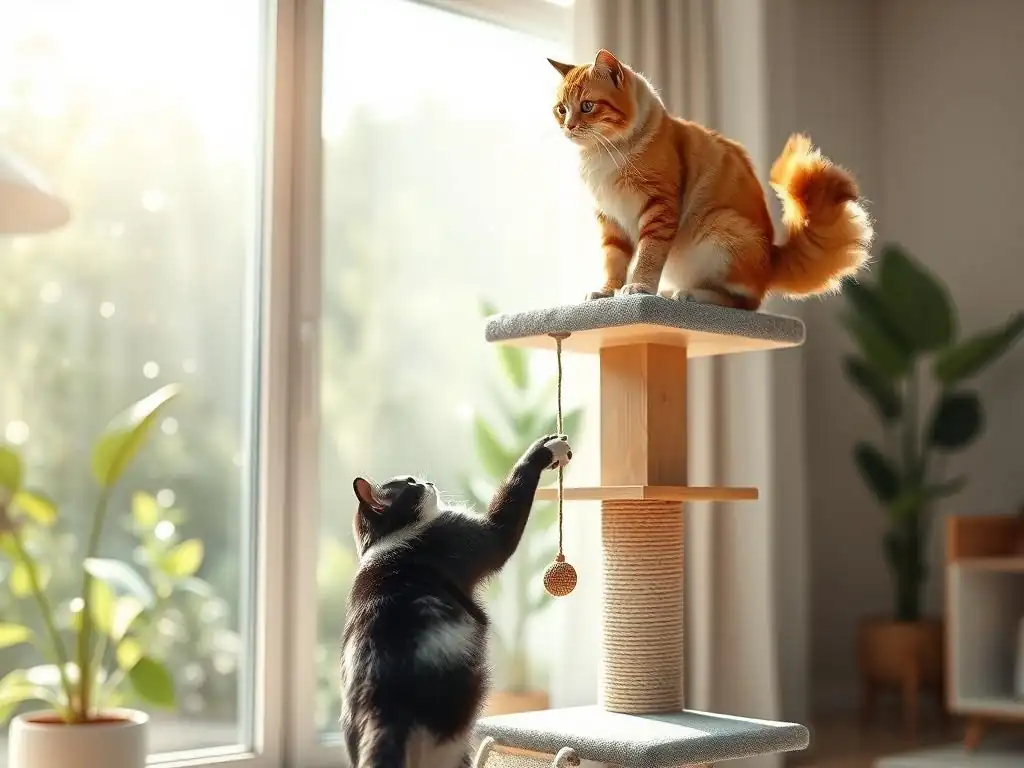
Welcome to PetCareWorld, your ultimate guide to a happier, healthier life for your beloved companion! Are you ready to unlock the secrets to a thriving indoor feline? Discover the surprising and significant Indoor Cat Tree Benefits – from alleviating stress and promoting natural instincts to boosting physical health and enriching their environment. Dive in and learn why a cat tree isn't just a piece of furniture, but an essential element for your cat's well-being. Let's explore the world of vertical enrichment together!
- Understanding the Importance of Enrichment for Indoor Cats
- Key Benefits of Cat Trees for Indoor Cats
-
Choosing the Right Cat Tree: Size, Features, and Materials
- Cat Tree Size and Space Considerations for Different Breeds
- Essential Features: Platforms, Scratching Posts, Hiding Places
- Durable Materials: Choosing Safe and Long-lasting Cat Trees
- Exploring Different Cat Tree Styles: Condo Cat Trees vs. Simple Scratching Posts
- Best Cat Trees for Kittens vs. Adult Cats
- GoPet Cat Tree Review: Features and Benefits
- Armarkat Cat Tree Review: Features and Benefits
- Addressing Common Concerns About Cat Trees
- Top Recommendations: Best Cat Trees for Indoor Cats in 2024
- Maximizing the Benefits of Your Cat Tree
- Conclusion: Enhancing Your Cat's Well-being with a Cat Tree
-
Frequently Asked Questions
- What are the main benefits of having a cat tree for an indoor cat?
- How does a cat tree help with my cat's scratching behavior?
- What size cat tree is right for my cat?
- Are all cat trees created equal? What should I look for when buying one?
- Can a cat tree help reduce stress and anxiety in my indoor cat?
- Final Reflection: Reaching New Heights: The Unseen Benefits of Cat Trees
- Unlock Your Cat's Joy: Design the Purrfect Climbing Paradise!
Understanding the Importance of Enrichment for Indoor Cats
Indoor cats, while undeniably beloved members of many families, face unique challenges compared to their outdoor counterparts. Confined to the domestic sphere, they often lack the opportunities for exploration, hunting, and social interaction that are crucial for their physical and mental well-being. This lack of environmental enrichment can lead to a range of behavioral problems, from destructive scratching and excessive vocalization to lethargy and even depression.
Providing a stimulating and engaging environment is therefore paramount to ensuring a happy and healthy indoor cat. This article will delve into the significant benefits of vertical space, specifically highlighting why cat trees are an essential component of a fulfilling indoor cat lifestyle and addressing the keyword "Indoor cat tree benefits."
We'll explore how these structures address common behavioral issues, cater to natural feline instincts, and ultimately contribute to a happier, healthier companion. The information provided will help you understand how a simple addition like a cat tree can dramatically improve your cat's quality of life.
The Impact of Limited Space on Cat Behavior
Limited space significantly impacts a cat's behavior. Cats are naturally curious and active creatures, possessing a strong predatory instinct. In a small indoor environment, this instinct is often stifled, leading to frustration and behavioral issues. Without the ability to explore, hunt, and climb, cats may exhibit signs of stress, such as excessive grooming, inappropriate elimination, or aggression. Studies have shown a direct correlation between environmental enrichment and reduced stress levels in indoor cats. 1 For example, a cat confined to a small apartment with limited vertical space may become restless, exhibiting increased scratching on furniture or excessive meowing. Providing vertical space, such as a cat tree, allows cats to satisfy their natural climbing instincts and reduces feelings of confinement. This, in turn, contributes to a calmer, more well-adjusted cat.
Further Research on Space and Cat Behavior
Providing more detailed information about the studies linking space and cat behavior is crucial. [Specific information pending]
Preventing Boredom and Stress in House Cats
Boredom and stress are common problems for indoor cats, often manifesting as destructive behaviors. A lack of stimulation can lead to excessive sleeping, overeating, or even self-mutilation in extreme cases. Cat trees offer a solution by providing multiple levels for exploration and play. The various platforms and scratching posts incorporated into most cat trees offer opportunities for climbing, jumping, and scratching—all activities that stimulate a cat's natural instincts and help alleviate boredom.
This multi-functional approach to enrichment helps prevent the development of behavioral problems associated with a lack of stimulation. The simple act of climbing and surveying their territory from a high vantage point can be incredibly rewarding for a cat, contributing significantly to their overall sense of security and well-being. Moreover, interactive toys can be strategically placed on different levels of the cat tree, further enhancing its role as an enrichment center.
Stimulating Natural Instincts Through Vertical Space
Cats are naturally arboreal creatures, meaning they instinctively seek out high places for safety, observation, and hunting. Providing vertical space through a cat tree allows them to satisfy this innate need. The ability to climb and perch provides a sense of security and control, reducing stress and anxiety. Additionally, cat trees often incorporate scratching posts, allowing cats to fulfill their natural scratching behaviors without damaging furniture.
This dual functionality makes cat trees a highly effective tool for stimulating natural instincts and preventing destructive behaviors. The design of a cat tree itself—with its various levels, hiding places, and perches—mimics the natural environment a cat would inhabit in the wild, providing a sense of familiarity and security. This contributes to a more relaxed and content feline companion.
The strategic placement of a cat tree in a home also allows cats to observe their surroundings from a safe distance, satisfying their innate curiosity and predatory instincts without endangering themselves or others. This provides a sense of control and reduces stress. This is why providing an enriching environment with vertical space is a key component of responsible indoor cat ownership.
1 [Citation needed: Specific study on environmental enrichment and stress levels in cats]
Key Benefits of Cat Trees for Indoor Cats
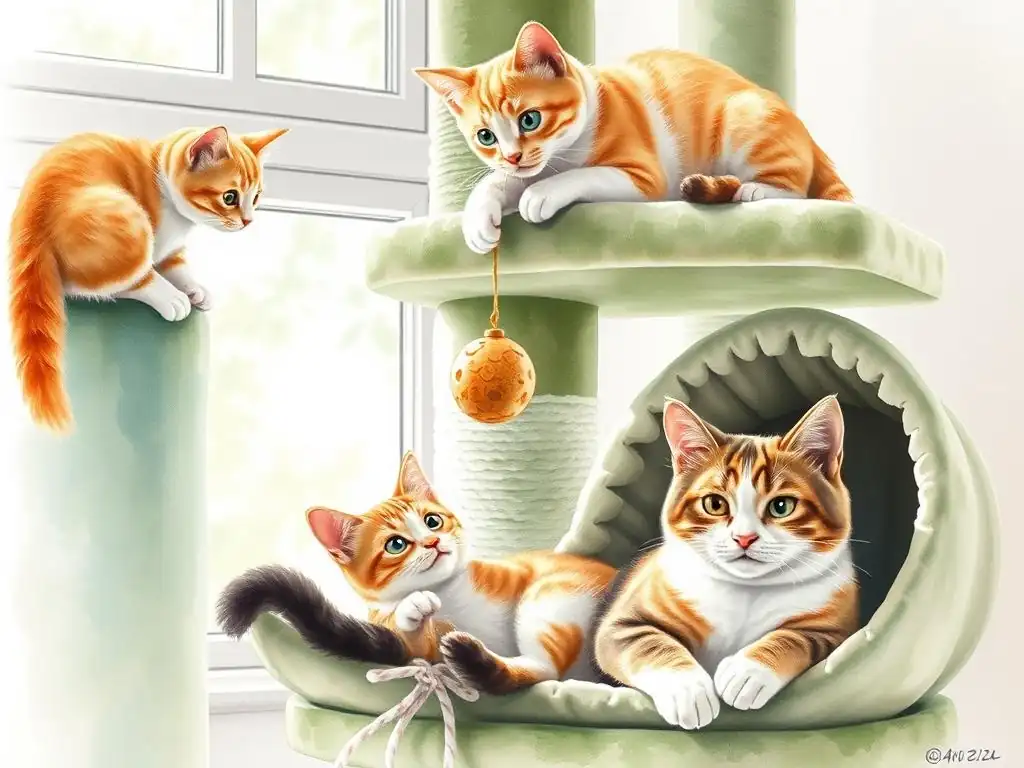
Indoor cats, while often enjoying a comfortable and safe life, can face challenges related to limited space and lack of natural hunting opportunities. Providing an indoor cat tree offers a multitude of benefits that significantly improve their physical and mental well-being, addressing these inherent limitations. Understanding these advantages is crucial for responsible cat ownership and contributes to a happier, healthier feline companion. This section will explore the key benefits of incorporating a cat tree into your indoor cat's environment, focusing specifically on how they contribute to physical fitness, mental stimulation, and the preservation of your household furniture.
Physical Exercise and Weight Management with Cat Trees
Obesity is a significant concern for many indoor cats. A sedentary lifestyle, coupled with easy access to food, can lead to weight gain and related health problems like diabetes and arthritis. Cat trees directly combat this by providing opportunities for physical activity. The act of climbing, jumping, and exploring the different levels of a cat tree burns calories and encourages movement throughout the day. This is especially important for cats who may not have access to outdoor spaces for hunting and exploring.
Consider this example: A cat weighing 10 pounds might burn approximately 5-10 calories per 10 minutes of climbing and jumping on a cat tree. 1 While this might seem insignificant, consistent daily use of the cat tree can contribute to a noticeable difference in calorie expenditure over time. This, combined with a balanced diet and regular veterinary check-ups, helps maintain a healthy weight and reduces the risk of obesity-related illnesses. Different cat tree designs offer varying degrees of challenge, allowing owners to tailor the activity level to suit their cat's age, breed, and fitness level. For instance, a multi-level cat tree with ramps and platforms provides more opportunities for movement than a simple scratching post.
Climbing and Jumping: Strengthening Muscles and Coordination
Beyond weight management, cat trees provide essential opportunities for physical development and maintenance. Climbing and jumping are natural behaviors for cats, crucial for strengthening muscles and improving coordination. The varied levels and platforms of a cat tree mimic the natural verticality of their environment, encouraging them to use their muscles in a way that a flat surface simply cannot replicate.
Regular use of a cat tree helps maintain muscle tone, flexibility, and balance. This is particularly important for senior cats who may experience age-related muscle loss and decreased mobility. The act of navigating the different levels, jumping between platforms, and using ramps strengthens leg muscles, core stability, and improves their overall agility.
This improved physical condition not only enhances their quality of life but also helps prevent injuries associated with falls or decreased mobility. Observation of your cat's interaction with the cat tree can reveal their physical capabilities and any potential limitations, allowing for adjustments to their environment or veterinary consultation if needed.
Scratching Posts: Protecting Furniture and Promoting Healthy Claws
Cat trees frequently incorporate scratching posts, which serve a dual purpose: protecting your furniture and promoting healthy claws. Scratching is an instinctive behavior for cats, necessary for shedding the outer layers of their claws, maintaining their sharpness, and marking their territory. Without adequate scratching opportunities, cats will often resort to scratching furniture, causing damage and potential conflict. By providing a dedicated scratching post as part of the cat tree, you redirect this natural behavior away from your valuable belongings.
The type of scratching material is crucial. Cats often prefer sisal, carpet, or cardboard scratching posts. The texture and durability of the post influences its appeal to the cat. A worn-out scratching post should be replaced promptly to maintain its effectiveness.
Regularly observing your cat’s scratching habits helps determine their preferences and ensures that the provided scratching post remains appealing and functional. A variety of scratching posts integrated within the cat tree, or positioned strategically near other resting areas, can further cater to individual preferences and encourage consistent use, resulting in a happy cat and undamaged furniture. This is a key aspect of responsible indoor cat ownership and contributes to a harmonious living environment for both cat and owner.
1 Note: Calorie expenditure is an approximation and can vary depending on the cat's individual metabolism and activity level. Consult your veterinarian for specific dietary and exercise recommendations.
Choosing the Right Cat Tree: Size, Features, and Materials
This section delves into the crucial aspects of selecting the perfect cat tree to maximize its benefits for your feline companion. Understanding your cat's breed, lifestyle, and personality is key to choosing a tree that meets their specific needs and provides optimal enrichment. The right indoor cat tree benefits your cat's physical and mental well-being significantly.
Cat Tree Size and Space Considerations for Different Breeds
The size of your cat tree should be carefully considered, especially given the varying sizes and activity levels of different cat breeds. A small, dainty cat like a Singapura will have different needs than a large Maine Coon.
- Small to Medium Breeds (e.g., Siamese, Abyssinian): A smaller cat tree with 2-3 platforms and a scratching post will suffice. However, even smaller breeds appreciate vertical space, so don't skimp on height. Aim for at least 4 feet tall.
- Large Breeds (e.g., Maine Coon, Ragdoll): These larger cats require a more substantial cat tree. Look for models with wider platforms, sturdier posts, and a taller overall height (at least 5-6 feet, ideally taller). Consider the weight capacity of the tree to ensure it can comfortably support your cat's weight.
- Active vs. Less Active Cats: Highly active cats will benefit from a multi-level cat tree with numerous climbing opportunities, while less active cats might prefer a simpler design with fewer levels but still providing vertical access.
Consider the available space in your home as well. Measure the area where you plan to place the cat tree to ensure a proper fit. A too-large tree can overwhelm a small room, while a too-small tree won't provide sufficient enrichment. Remember, the goal is to provide ample vertical space without compromising your home's aesthetic. Careful planning will ensure that your indoor cat tree benefits both your cat and your home.
Essential Features: Platforms, Scratching Posts, Hiding Places
Beyond size, several key features enhance a cat tree's functionality and appeal. These features directly contribute to the overall indoor cat tree benefits.
| Feature | Importance | Considerations |
|---|---|---|
| Platforms | Provide resting and observation points; crucial for satisfying natural instincts. | Number of platforms, size and stability of each platform are key. |
| Scratching Posts | Essential for satisfying scratching instincts, protecting furniture. | Material (sisal, carpet, cardboard), thickness, and angle of the post. |
| Hiding Places | Offer security and a sense of privacy; vital for stress reduction. | Enclosed spaces, tunnels, or even shelves can serve as hiding places. |
| Toys | Add extra stimulation and playtime opportunities. | Consider integrating dangling toys or shelves for placing interactive toys. |
Choosing a cat tree with a variety of textures on the scratching posts also caters to different preferences. Some cats prefer sisal, while others might favor carpet. A combination can be ideal. The inclusion of toys increases playtime and engagement, further maximizing the indoor cat tree benefits.
Durable Materials: Choosing Safe and Long-lasting Cat Trees
The materials used in constructing a cat tree directly impact its durability and safety. Opt for high-quality, non-toxic materials to ensure your cat's well-being and the longevity of the tree.
- Wood: Solid wood is a sturdy and aesthetically pleasing option, but it can be more expensive and requires regular maintenance. Ensure the wood is treated appropriately and free of harmful chemicals.
- Particleboard/MDF: These are more affordable, but less durable than solid wood. They can easily chip or break, especially under the strain of a larger or more active cat.
- Carpet: Carpet-covered scratching posts provide a familiar texture for cats, but the quality of the carpet is crucial. Look for durable, tightly woven carpet that won't easily fray or unravel.
- Sisal: A natural fiber known for its durability and ability to withstand scratching. Sisal posts are generally preferred for their strength and longevity.
Always check for certifications indicating the materials are non-toxic and safe for pets. Avoid cat trees with small, easily detachable parts that your cat could swallow. Investing in a high-quality, durable cat tree minimizes the need for frequent replacements, ultimately saving you money in the long run and ensuring consistent indoor cat tree benefits for your cat. A well-chosen cat tree is a worthwhile investment in your cat's happiness and well-being.
Exploring Different Cat Tree Styles: Condo Cat Trees vs. Simple Scratching Posts
Condo cat trees offer a multi-level haven for cats, providing ample space for climbing, playing, and resting. These structures typically include multiple platforms, enclosed sleeping areas ("condos"), and scratching posts, catering to a cat's natural instincts. The variety in condo cat trees is vast; some are towering structures reaching several feet high, while others are more compact and designed to fit into smaller spaces.
The size and features of a condo cat tree should be carefully considered based on the cat's size, age, and energy level. A larger, more active cat will benefit from a taller, more complex condo cat tree, whereas a smaller or less active cat might be perfectly content with a smaller, simpler model. Furthermore, the materials used in construction, such as sisal rope for scratching posts and plush carpeting for sleeping platforms, should be durable and easy to clean.
In contrast, simple scratching posts offer a more basic solution to a cat's scratching needs. While they lack the extensive climbing and resting features of condo cat trees, they are often more affordable and space-saving. These posts typically consist of a single upright post wrapped in sisal, carpet, or cardboard, providing a dedicated surface for scratching. Simple scratching posts are particularly useful for cats who primarily use scratching as a means of shedding their claws and marking their territory.
However, cats that enjoy climbing and exploring will likely find a simple scratching post less stimulating than a multi-level cat tree. The choice between a condo cat tree and a simple scratching post depends largely on the individual cat's preferences and the available space in the home. Owners should observe their cat's behavior to determine which type of scratching post best suits their needs.
Best Cat Trees for Kittens vs. Adult Cats
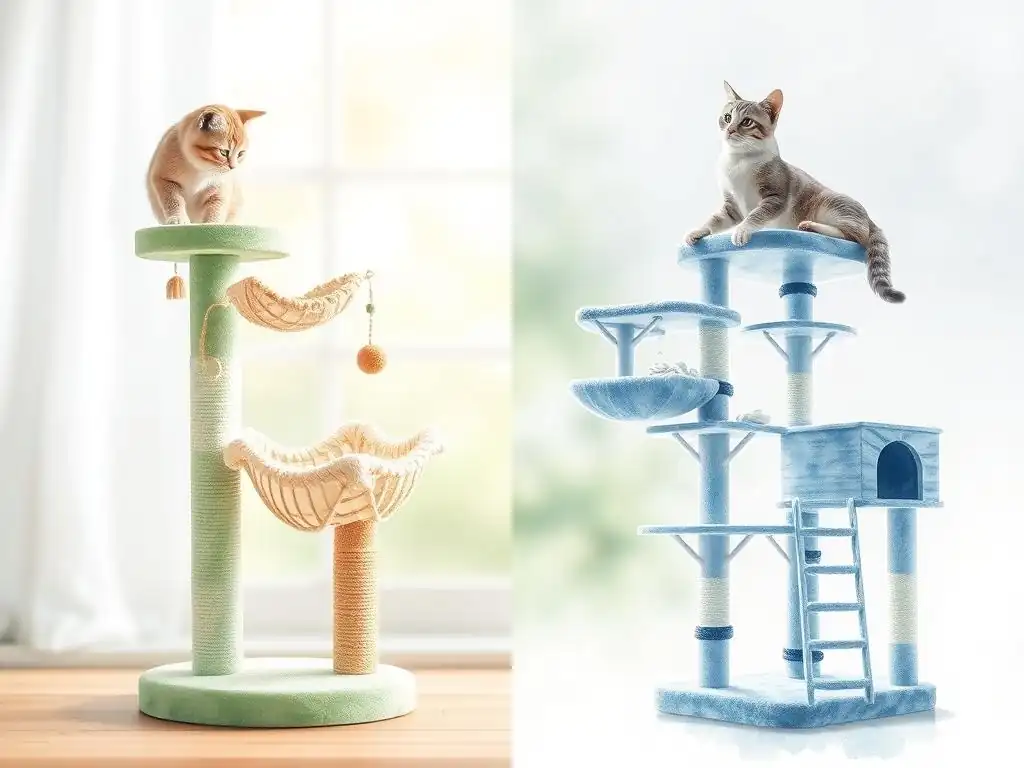
Selecting the right cat tree for a kitten differs significantly from choosing one for an adult cat. Kittens, being smaller and more playful, require cat trees that are appropriately sized and designed for their developmental stage. A cat tree for a kitten should be sturdy but not excessively tall or complex, as kittens can easily injure themselves if they fall from a great height.
The platforms should be wide enough to provide a stable base and the materials should be durable enough to withstand the rigors of kitten play. Consider cat trees with softer, more plush surfaces for kittens, as they are more likely to nap and play on the tree. Additionally, ensure the scratching posts are made of durable materials that can handle a kitten's enthusiastic scratching.
Adult cats, on the other hand, may require a larger and more complex cat tree. Adult cats often enjoy higher perches and enclosed spaces for resting and observing their surroundings. A taller cat tree with multiple platforms and condos provides ample space for an adult cat to climb, stretch, and relax.
The materials used should be durable and easy to clean, as adult cats may shed more fur and require more frequent cleaning. Consider the cat's weight and size when choosing a cat tree for an adult cat, ensuring the structure is robust enough to support its weight. The scratching posts should also be strong enough to withstand consistent use.
GoPet Cat Tree Review: Features and Benefits
The GoPet cat tree [Specific model number pending] is a popular choice among cat owners due to its combination of affordability, functionality, and design. While specific features and dimensions vary by model, GoPet cat trees typically offer a variety of platforms, scratching posts, and sometimes even hanging toys to keep cats entertained. Many models incorporate sisal-wrapped posts for scratching, providing a durable and natural surface for cats to maintain their claws.
The platforms are often covered in soft, plush material, providing comfortable resting spots for cats. One key benefit of GoPet cat trees is their relative affordability compared to other brands offering similar features. This makes them a great option for budget-conscious cat owners.
However, potential drawbacks include the durability of the materials used. Some owners have reported that certain components, such as the fabric coverings, may not withstand heavy use over extended periods. Therefore, it's crucial to assess the specific model and its construction before purchasing.
Furthermore, while many models are praised for their size and functionality, the overall sturdiness might not be as robust as some higher-priced competitors. Careful consideration should be given to the cat's size and weight to ensure the GoPet cat tree is capable of supporting it without compromising stability. Ultimately, the GoPet cat tree offers a good balance of price and features, making it a viable option for many cat owners, but thorough research is necessary to select the best model for individual needs.
Armarkat Cat Tree Review: Features and Benefits
Armarkat cat trees are frequently recommended by veterinarians and pet experts alike, and for good reason. Their popularity stems from a combination of robust design, thoughtful features, and a focus on providing cats with the enrichment they need to thrive indoors. Let's delve into what makes Armarkat cat trees stand out among the competition.
One of the key benefits of Armarkat cat trees is their durability. Unlike some cheaper alternatives that may topple easily or fall apart with regular use, Armarkat trees are constructed from high-quality materials, often using sturdy sisal posts for scratching and plush carpeting for lounging. This translates to a longer lifespan, offering excellent value for money in the long run. Many owners report their Armarkat cat trees lasting for several years, even with multiple cats using them daily. This longevity is a crucial factor for pet owners seeking a long-term investment in their cat's well-being.
Beyond durability, Armarkat cat trees often boast a variety of features designed to cater to feline instincts. Many models include multiple platforms at varying heights, satisfying a cat's natural urge to climb and survey their territory. The inclusion of scratching posts is essential for keeping cats' claws healthy and preventing damage to furniture. Some Armarkat models even incorporate enclosed condos or hammocks, offering cats a private and secure space to relax and nap. These features contribute significantly to a cat's overall happiness and reduce stress, especially for indoor cats who may otherwise lack environmental enrichment.
Furthermore, the range of sizes and styles available in the Armarkat line ensures there's an option to suit most homes and cats. From smaller, space-saving models ideal for apartments to larger, multi-level cat trees perfect for larger homes and multiple cats, Armarkat offers considerable variety. This flexibility ensures that pet owners can find a cat tree that fits seamlessly into their living space without compromising on quality or features.
Consider your cat's size, activity level, and your home's layout when choosing the right Armarkat model. Careful consideration of these factors ensures a positive experience for both your cat and yourself.
Finally, the positive customer reviews consistently highlight the satisfaction of Armarkat cat tree owners. Many praise the sturdiness of the construction, the attractive design, and the overall enjoyment their cats derive from using the tree. This positive feedback reinforces the reputation of Armarkat cat trees as a reliable and high-quality product, making them a worthwhile investment for any cat owner seeking to provide their feline companion with the best possible environment.
Reading reviews before purchasing can help you choose the best model to meet your specific needs and preferences. The abundance of positive feedback speaks volumes about the quality and value offered by Armarkat.
Addressing Common Concerns About Cat Trees
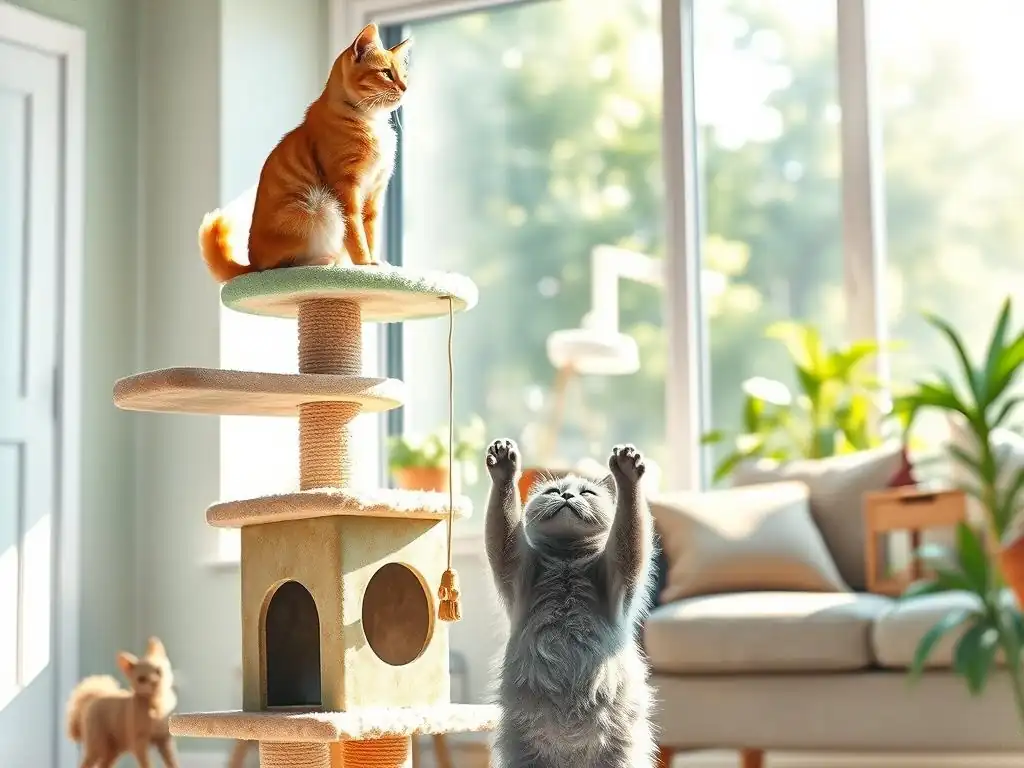
This section tackles frequently asked questions and concerns surrounding cat trees, dispelling myths and providing practical solutions to ensure a safe and enjoyable experience for both your feline friend and yourself. Many potential cat owners hesitate due to misconceptions about space, maintenance, and safety. Let's address these head-on. Understanding these aspects is crucial for maximizing the indoor cat tree benefits and ensuring a happy, healthy cat.
Cat Tree Safety: Preventing Accidents and Injuries
Safety is paramount when choosing and using a cat tree. A poorly constructed or incorrectly placed cat tree can lead to accidents and injuries. To mitigate risks, consider the following:
- Material Stability: Opt for cat trees made from sturdy, non-toxic materials. Avoid those with flimsy bases or wobbly platforms. Check weight limits carefully to ensure the tree can comfortably support your cat's weight. A heavier cat will need a more robust structure. Look for reviews mentioning stability and durability before purchasing.
- Secure Fasteners: All components should be securely fastened. Loose screws, wobbly platforms, or unstable posts can cause falls, resulting in injuries. Regularly check all fasteners for tightness.
- Sharp Edges and Corners: Ensure that the cat tree is free of sharp edges, splinters, or protruding nails that could injure your cat. Sand down any rough surfaces.
- Placement Considerations: Position the cat tree away from windows, doors, and other potentially hazardous areas. Avoid placing it near heat sources or in high-traffic zones where it could be easily knocked over.
- Supervision, Especially for Kittens: Young kittens require close supervision, especially when they are first introduced to a new cat tree. Their playful nature might lead them to engage in risky behavior. A gradual introduction and constant monitoring during their initial explorations are recommended.
Cleaning and Maintenance of Cat Trees for Hygiene
Maintaining a clean cat tree is essential for preventing the buildup of bacteria, parasites, and unpleasant odors. Regular cleaning helps improve your cat's hygiene and overall well-being. Here's a practical cleaning schedule and guidelines:
- Regular Grooming: Your cat's natural grooming habits will help keep the cat tree relatively clean. However, regular brushing of your cat will minimize hair shedding on the tree.
- Spot Cleaning: Address spills and accidents promptly. Use a pet-safe enzymatic cleaner to neutralize odors and eliminate stains.
- Deep Cleaning: Perform a deep clean at least once a month, or more frequently if necessary. Remove all covers and washable parts and wash them according to the manufacturer's instructions. Use a mild pet-safe detergent and thoroughly rinse. Allow to air dry completely before reassembling.
- Vacuuming: Use a vacuum cleaner with a brush attachment to remove loose hair and debris from the cat tree's surface. Pay close attention to crevices and hard-to-reach areas.
- Disinfecting: Occasionally, disinfect the cat tree using a pet-safe disinfectant spray. Ensure the disinfectant is thoroughly rinsed and the cat tree is completely dry before allowing your cat back on it. This helps prevent the spread of bacteria and parasites. Following these guidelines will ensure your cat tree remains a clean and safe haven for your beloved pet.
Placement of Cat Trees for Optimal Cat Engagement
Strategic placement of your cat tree is key to maximizing its indoor cat tree benefits and encouraging your cat to use it. Observe your cat's behavior to understand its preferences and tailor the placement accordingly.
- High Vantage Points: Cats love high places, offering a sense of security and a panoramic view of their surroundings. Place the cat tree near a window to allow your cat to enjoy the sights and sounds outside. This is often a preferred location for cats.
- Strategic Locations: Consider placing the cat tree near your cat's favorite sleeping spots or play areas. This encourages its use as a natural extension of their territory.
- Avoid Obstructions: Ensure the cat tree is easily accessible and not blocked by furniture or other obstacles. Cats need clear paths to reach their favorite spots.
- Multiple Levels: Cat trees with multiple levels offer various vantage points and scratching posts, catering to your cat's natural climbing and scratching instincts. This variety keeps them engaged and entertained.
- Experimentation: If your cat isn't immediately drawn to the cat tree, try moving it to different locations in your home to see what works best. Observe their preferences and adjust accordingly. Some cats prefer quiet corners, while others enjoy being near the activity of the household. The key is understanding your individual cat's personality. Remember, a little patience and observation can go a long way in helping your cat enjoy its new cat tree.
Top Recommendations: Best Cat Trees for Indoor Cats in 2024
This section provides a curated list of top-performing cat trees, categorized by price point and suitability for different household setups. Choosing the right indoor cat tree significantly impacts your feline friend's well-being and happiness. Offering vertical space caters to their natural instincts, promoting physical and mental stimulation.
Remember, the "best" cat tree depends heavily on your cat's personality, your home's space constraints, and your budget. Consider factors like size, materials, stability, and included features (like scratching posts, toys, or hiding places) when making your selection. Investing in a high-quality cat tree is an investment in your cat's health and happiness.
Premium cat trees are typically constructed from high-quality materials, offering superior durability and longevity. These models often boast enhanced stability, crucial for larger cats or multiple feline residents. They frequently include features such as plush carpeting, sturdy sisal scratching posts, and multiple levels with varied textures and platforms for climbing and lounging.
Expect to pay more for these models, but the investment translates to a longer-lasting, more robust product that can withstand the wear and tear of even the most energetic cat. Look for features like reinforced posts, heavy-duty bases, and durable fabrics that can resist scratching and tearing. Some premium models even incorporate unique design elements, such as built-in hiding places or interactive toys, further enhancing their appeal to cats and their owners.
The initial cost is higher, but the extended lifespan and superior quality often outweigh this. Consider this option if you are looking for a long-term solution that will provide your cat with years of enjoyment and enrichment.
Budget-Friendly Options: Affordable Cat Trees Without Compromising Quality
Finding a budget-friendly cat tree doesn't necessarily mean compromising on quality. Many excellent options are available at lower price points, offering sufficient vertical space and scratching opportunities for your cat. These might utilize slightly less expensive materials, such as less plush carpeting or slightly thinner sisal, but they still provide essential climbing and scratching functionalities. While they might not have as many features as premium models, budget-friendly cat trees effectively address the core needs of indoor cats: climbing, scratching, and resting. Look for simple, sturdy designs with a stable base and durable scratching posts. Before purchasing, carefully review customer reviews to gauge the product's overall durability and stability. A well-made, affordable cat tree can provide your cat with the enrichment they need without breaking the bank. Remember to check dimensions to ensure it fits comfortably in your home while still providing ample space for your cat to play and relax.
Cat Trees for Multi-Cat Households: Promoting Harmony and Reducing Competition for Space
Multi-cat households require careful consideration when selecting a cat tree. Competition for resources, including resting and scratching spaces, can lead to conflict. Choosing a cat tree with multiple levels, scratching posts, and different resting areas can significantly reduce tension and promote harmony among your feline companions. Larger, more elaborate cat trees with multiple platforms, hiding spaces, and diverse textures often prove ideal.
Consider a cat tree with several separate scratching posts to minimize territorial disputes over limited scratching surfaces. Each cat should have its own dedicated space, reducing the likelihood of conflict. Features like separate perches, enclosed condos, or even separate towers can help each cat establish its own territory within the cat tree, minimizing stress and competition.
This proactive approach can significantly contribute to a more peaceful and harmonious environment for all your cats. Investing in a larger, more feature-rich cat tree is often a worthwhile investment in the overall well-being and harmonious co-existence of your multi-cat household. The improved peace and reduced stress are invaluable benefits.
Maximizing the Benefits of Your Cat Tree
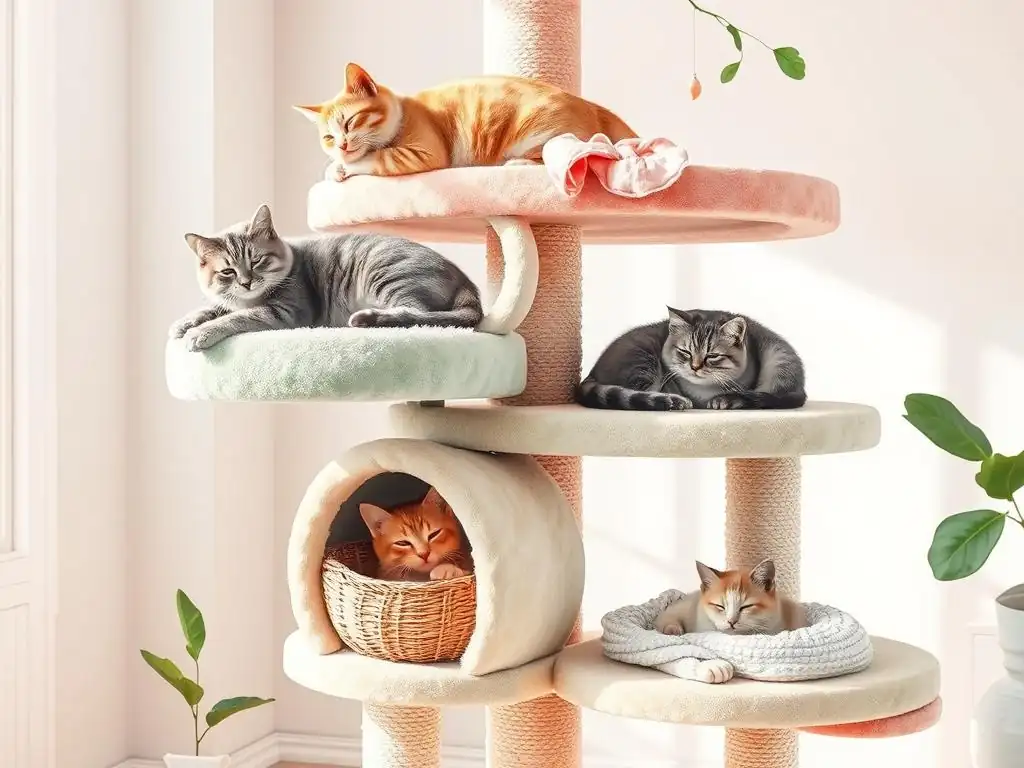
This section delves into practical strategies to ensure your cat fully utilizes and enjoys its new cat tree, reaping the maximum benefits for both its physical and mental well-being. We'll explore techniques to encourage playful interaction, seamlessly integrate the tree into your home's aesthetic, and create a stimulating environment that caters to your feline friend's natural instincts.
Remember, a happy cat is a healthy cat, and a well-utilized cat tree is a key component of a happy cat's life. This directly addresses the core benefits of an indoor cat tree for your feline companion, maximizing your investment and strengthening your bond.
Encouraging Cat Tree Use: Play and Reward Strategies
Getting your cat to use its new cat tree might require a little patience and positive reinforcement. Avoid forcing your cat onto the tree; instead, entice them with interactive play. Use enticing toys like feather wands or laser pointers to lure them up the different levels. Reward successful explorations with treats and praise. Consistency is key; repeat this process several times a day, especially during your cat's most active periods. Positive association is crucial; the cat tree should become synonymous with fun, rewards, and a sense of security.
Consider the placement of the cat tree. Initially, placing it near a window, where your cat can enjoy the view and sunlight, can be particularly effective. Some cats prefer higher vantage points, allowing them to survey their territory. Others might prefer a more secluded spot. Observe your cat's behaviour to determine their preferences and adjust the placement accordingly.
Here's a simple reward schedule you can try:
| Day | Activity | Reward | Notes |
|---|---|---|---|
| Day 1-3 | Lure cat onto the lowest level with a toy | Small treat | Positive verbal encouragement |
| Day 4-7 | Lure cat onto the middle level | Small treat + petting | Focus on positive reinforcement |
| Day 8-14 | Encourage exploration of all levels | Larger treat (or favorite toy) | Celebrate success! |
Remember, each cat is an individual, and what works for one might not work for another. Be patient and persistent, and your cat will eventually discover the joys of their new vertical playground. This process directly contributes to the overall positive impact of owning an indoor cat tree.
Integrating Cat Trees into Your Home Decor
Choosing a cat tree that complements your home's aesthetic is crucial for seamless integration. Modern cat trees come in a variety of styles, colors, and materials, offering options to suit any décor. Consider the overall style of your room: a minimalist design might benefit from a sleek, modern cat tree, while a more traditional setting might suit a tree with natural materials like sisal or wood.
Think about placement. Avoid placing the cat tree in high-traffic areas where it might be bumped or knocked over. Strategic placement can also enhance the look of your room. A tall, slender cat tree can serve as a stylish room divider, while a smaller, more compact tree can be tucked away in a corner without disrupting the flow of the space.
Remember, the cat tree shouldn't just be functional; it should enhance your home's aesthetic appeal. By carefully selecting a tree that complements your décor, you can create a harmonious living space where both you and your cat thrive. This enhances the overall value proposition of owning a cat tree, ensuring it's not just a functional item, but a stylish addition to your home.
Creating a Stimulating Environment with Multiple Levels and Textures
Cats are naturally curious and enjoy exploring different heights and textures. A multi-level cat tree provides this crucial vertical space, allowing your cat to climb, jump, and perch to their heart's content. This mimics their natural hunting and surveying behaviors. The various levels offer different perspectives and opportunities for observation, satisfying their innate need for security and control over their environment.
Different textures also play a vital role in stimulating your cat's senses. Cat trees often incorporate sisal scratching posts, carpet-covered platforms, and plush sleeping areas. This variety of textures provides opportunities for scratching, climbing, and resting, catering to your cat's diverse needs. The varied textures also help to keep your cat engaged and prevent boredom, contributing significantly to their overall well-being.
Consider adding toys to different levels to further enhance the stimulation. A well-designed cat tree, therefore, provides more than just a place to sleep; it's an enriching environment that promotes physical activity and mental stimulation, directly addressing many of the behavioral issues faced by indoor cats. This, in turn, contributes significantly to the long-term benefits of an indoor cat tree.
Conclusion: Enhancing Your Cat's Well-being with a Cat Tree
This exploration of indoor cat tree benefits highlights the crucial role these structures play in enriching the lives of our feline companions. Providing vertical space isn't just about convenience; it's a fundamental aspect of creating a stimulating and healthy environment for indoor cats. By understanding the multifaceted advantages, from physical exercise and stress reduction to instinctive behavior fulfillment and strengthened owner-pet bonds, we can make informed decisions to enhance our cat's overall well-being.
Choosing the right cat tree, tailored to your cat's size, personality, and your home's aesthetic, is an investment in a happier, healthier, and more fulfilled feline friend. Remember, a happy cat is a healthy cat, and a cat tree is a significant step towards achieving that goal. The positive impact on your cat's mental and physical health far outweighs the initial cost, making a cat tree an essential piece of furniture for any indoor cat owner.
The Long-Term Benefits of Providing Vertical Space for Indoor Cats
The benefits of providing vertical space extend far beyond the immediate gratification of a contented cat. Long-term, access to a cat tree contributes significantly to your cat's physical and mental health. Regular climbing and jumping help maintain muscle tone and improve cardiovascular health, especially important for less active indoor cats. This physical activity can help prevent obesity and associated health problems, such as diabetes and joint issues.
Furthermore, the mental stimulation provided by exploring different levels and vantage points helps prevent boredom and reduces the likelihood of behavioral problems stemming from stress and lack of enrichment. A cat tree can act as a safe haven, providing a sense of security and control, crucial for a cat's emotional well-being. Studies have shown a correlation between environmental enrichment and reduced stress in cats, leading to a healthier and longer lifespan.
Investing in a quality cat tree is therefore an investment in your cat's long-term health and happiness. Consider it preventative healthcare for your beloved feline. 😻
Investing in Your Cat's Happiness and Health
Choosing a cat tree is more than just selecting a piece of furniture; it's an investment in your cat's overall happiness and health. While the initial cost might seem significant, the long-term benefits far outweigh the expense. Think of it as preventative care: providing your cat with the tools they need to stay active, engaged, and emotionally balanced. A well-chosen cat tree can prevent costly vet bills associated with obesity, stress-related illnesses, or behavioral problems.
Moreover, a happy, healthy cat contributes to a happier household. The joy of watching your cat playfully navigate their cat tree, sharpening their claws, and enjoying a peaceful nap in a high perch is priceless. By prioritizing your cat's needs and providing them with a stimulating environment, you're not only enhancing their quality of life but also strengthening the bond you share.
Remember, a satisfied cat is a purrfect companion! 🐾 The improved quality of life for your indoor cat, resulting from the simple addition of a cat tree, is an investment that pays dividends in countless ways. Consider the long-term benefits to your feline companion and choose wisely.
Frequently Asked Questions
What are the main benefits of having a cat tree for an indoor cat?
Cat trees offer crucial vertical space, satisfying cats' natural climbing instincts. They provide scratching posts, protecting furniture, and safe elevated resting spots reducing stress and improving overall well-being. This contributes to a happier, healthier cat.
How does a cat tree help with my cat's scratching behavior?
Providing a cat tree with durable scratching posts diverts your cat's scratching away from your furniture. Satisfying their natural scratching instinct helps prevent destructive behavior and keeps your home intact. It's a win-win for both you and your feline friend!
What size cat tree is right for my cat?
The ideal size depends on your cat's size and energy level. A larger cat or a particularly active one might need a taller, more spacious tree. Consider the available space in your home when choosing a cat tree.
Are all cat trees created equal? What should I look for when buying one?
No, cat trees vary greatly in quality, materials, and features. Look for sturdy construction, natural sisal or carpet scratching posts, and safe, comfortable resting platforms. Consider your cat's preferences and your home's aesthetic.
Can a cat tree help reduce stress and anxiety in my indoor cat?
Yes, absolutely! Cat trees provide safe elevated perches where your cat can observe their surroundings from a distance, feeling secure and in control. This reduces stress and anxiety, promoting a more relaxed and confident cat.
Final Reflection: Reaching New Heights: The Unseen Benefits of Cat Trees
The well-being of our feline companions is inextricably linked to their environment, and providing vertical space is not a luxury, but a necessity for a happy and healthy indoor cat. Ignoring this crucial aspect of their care can lead to behavioral issues and a diminished quality of life. The simple act of installing a cat tree can profoundly impact the physical and mental health of your beloved pet.
The impact of cat trees extends far beyond scratching posts and napping spots; they are vital tools in enriching the lives of indoor cats. They provide a sense of security, a place to survey their kingdom, and opportunities for essential physical activity. As the renowned animal behaviorist, Jackson Galaxy, once said, Cats need vertical space. It's not a want, it's a need. It's part of their innate survival instincts.
This quote perfectly encapsulates the importance of understanding and catering to our cats' natural behaviors. The enrichment a cat tree provides is a powerful antidote to the boredom and frustration that can plague indoor cats, leading to healthier, happier, and more well-adjusted companions.
Now, consider your own cat. Do they have adequate opportunities to climb, explore, and observe their surroundings from a vantage point? Take a moment to reflect on their environment and identify areas for improvement. Perhaps a simple cat tree, or even a strategically placed shelf, could make a world of difference in their daily lives. By providing the vertical space they crave, you are not just offering a piece of furniture, but a gift of enrichment, security, and ultimately, a deeper connection with your beloved feline friend.
Unlock Your Cat's Joy: Design the Purrfect Climbing Paradise!
Thank you for exploring the importance of vertical space for your feline friend! We hope you've learned how cat trees contribute to a happier, healthier cat. Now, let's put that knowledge into action!
- Design your cat's dream climbing structure: Consider your cat's unique personality and preferences. Does your cat prefer high perches, enclosed spaces, or interactive dangling toys? Sketch a plan that incorporates these elements. Let your creativity shine!
- Share your cat tree creation journey! Post photos of your design process or the finished product on social media using #PetCareWorldCatTree.
- Learn more about cat enrichment by exploring PetCareWorld.org's other articles on feline well-being. You might discover new ways to keep your cat entertained and stimulated!
Ready to transform your cat's environment? What creative features will you include in your cat tree design to make it truly special?