
Stabilizing Your Pet: Essential First Aid Measures Before Vet Arrival


Welcome to PetCareWorld, your ultimate guide to a happier, healthier life for your beloved companion! Are you prepared for unexpected pet emergencies? Learn crucial pet first aid before vet arrival—techniques that could mean the difference between life and death. Discover essential steps to stabilize your pet until professional help arrives, empowering you to act swiftly and confidently in critical moments. Dive in and equip yourself with the knowledge to safeguard your furry, feathered, or scaled friend.
- Assessing Your Pet's Condition: Initial Steps in Pet First Aid Before Vet
-
Essential Pet First Aid Techniques Before Vet Arrival
- Controlling Bleeding: Techniques for Minor and Major Wounds
- Stabilizing Breathing: Addressing Respiratory Distress in Pets
- Treating Shock: Recognizing and Managing Shock Symptoms
- Immobilizing Injuries: Proper Techniques for Fractures and Sprains
- Managing Seizures: First Aid for Pet Seizures Before Vet Arrival
- Transporting Your Pet Safely to the Veterinary Clinic
- When to Seek Immediate Veterinary Attention: Recognizing Critical Situations
- Post-Emergency Care: Following Up After First Aid and Vet Visit
-
Frequently Asked Questions
- What are the most important steps to take when providing pet first aid before reaching the vet?
- My pet is bleeding heavily. What should I do before getting to the vet?
- How do I know if my pet is experiencing shock? What first aid can I provide?
- My pet has swallowed something they shouldn't have. What first aid steps should I take?
- My pet has been in an accident. What should I prioritize before the vet arrives?
- Final Reflection: Empowering Pet Owners Through Preparedness
- Empower Yourself: Take Charge of Pet Emergencies
Assessing Your Pet's Condition: Initial Steps in Pet First Aid Before Vet
Accidents and illnesses can happen unexpectedly, leaving pet owners scrambling to provide immediate care before veterinary assistance arrives. Knowing how to perform essential pet first aid before a vet visit can significantly impact your pet's outcome. This guide provides a step-by-step approach to stabilizing your pet, focusing on crucial actions to take in those critical moments before professional help is available. We'll cover assessing your pet's condition, identifying the problem, and prioritizing treatment to maximize their chances of recovery.
Remember, while these steps are designed to help, they are not a substitute for professional veterinary care. Always seek immediate veterinary attention for any pet emergency. This guide empowers you to act confidently and effectively in a crisis, increasing your pet's chances of survival and a speedier recovery. Effective pet first aid before the vet's arrival can literally be a lifesaver.
Checking for Immediate Threats: Breathing, Bleeding, and Consciousness
The first priority when facing a pet emergency is to assess the ABCs: Airway, Breathing, and Circulation. This involves checking for immediate life-threatening issues that require immediate attention.
- Airway: Is your pet able to breathe freely? Look for any obstructions in their mouth or throat, such as vomit, food, or foreign objects. If you find an obstruction, carefully attempt to remove it using a clean cloth or your fingers, but be cautious to avoid further injury. If your pet is struggling to breathe, gently tilt their head back to open their airway.
- Breathing: Is your pet breathing normally? Observe the rate and depth of their breaths. Rapid, shallow breathing or difficulty breathing (dyspnea) are serious signs requiring immediate attention. Count the breaths per minute (BPM). A normal resting BPM for a dog is typically 10-30, while for a cat it's 15-30. Significant deviations from these ranges should be noted.
- Circulation: Check for a pulse. Locate the femoral artery (inside the thigh) or the carotid artery (neck). A weak or absent pulse indicates a critical circulatory problem. Check for external bleeding. Apply direct pressure to any bleeding wounds using a clean cloth. Severe bleeding requires immediate attention. Note the severity and location of any bleeding.
| Condition | Observation | Action |
|---|---|---|
| Obstructed Airway | Difficulty breathing, gasping, blue gums | Gently attempt to remove obstruction; tilt head back to open airway. |
| Difficulty Breathing | Rapid, shallow breaths, labored breathing | Keep pet calm and warm; seek immediate veterinary care. |
| Severe Bleeding | Profuse bleeding from a wound | Apply direct pressure to the wound with a clean cloth; seek immediate care. |
| No Pulse | Absence of heartbeat | Begin CPR (if trained) and seek immediate veterinary care. |
Remember to remain calm and assess the situation systematically. Panicking will only hinder your ability to help your pet effectively. The emojis below represent the urgency of each step: ⚠️ 💨 🩸
Identifying the Injury or Illness: Gathering Information for the Veterinarian
Once you've addressed immediate threats, carefully assess your pet's condition to gather information for the veterinarian. This information will help them diagnose and treat your pet effectively.
- Observe your pet's behavior: Is your pet lethargic, restless, or showing signs of pain? Note any unusual behaviors such as vomiting, diarrhea, tremors, seizures, or changes in urination or defecation. Note the time of onset of any symptoms.
- Examine your pet for injuries: Look for any wounds, bruises, swelling, or deformities. Note the location, size, and severity of any injuries. Take note of any discharge (pus, blood, etc. ).
- Record relevant information: Before calling the veterinarian, write down the following information: your pet's species, breed, age, weight, any pre-existing conditions, the time of the incident, a description of the symptoms and injuries, and any medications your pet is currently taking. This information is crucial for effective treatment.
This detailed account will be invaluable to the veterinary team. The more information you can provide, the better equipped they will be to provide immediate and appropriate care. Accurate and concise information is paramount.
Prioritizing Treatment: Addressing Life-Threatening Issues First
After assessing your pet's condition and gathering information, prioritize treatment based on the severity of the issues. Life-threatening conditions, such as severe bleeding, respiratory distress, or unconsciousness, require immediate attention.
- Control bleeding: If your pet is bleeding profusely, apply direct pressure to the wound using a clean cloth. Elevate the injured limb if possible. Seek veterinary care immediately.
- Support breathing: If your pet is having difficulty breathing, ensure a clear airway and keep them calm and warm. Avoid giving them anything by mouth unless specifically instructed by a veterinarian.
- Maintain body temperature: Hypothermia (low body temperature) can worsen the situation, especially in shock. Keep your pet warm using blankets or towels.
- Transport safely: When transporting your pet to the veterinary clinic, use a secure carrier or crate. Avoid sudden movements or jarring. If your pet is in critical condition, call emergency services for assistance.
Remember, your calm and decisive actions can make a significant difference. Following these steps will help you stabilize your pet and give them the best chance of a positive outcome before veterinary intervention. Providing effective pet first aid before vet arrival is a crucial skill for any responsible pet owner.
Essential Pet First Aid Techniques Before Vet Arrival

This section details crucial first aid steps to stabilize your pet before veterinary arrival. Remember, these techniques are for temporary stabilization only; professional veterinary care is always necessary. Prompt action can significantly improve your pet's chances of recovery. This guide focuses on "pet first aid before vet" scenarios, providing practical, actionable steps.
Controlling Bleeding: Techniques for Minor and Major Wounds
Effective bleeding control is paramount in pet first aid. The severity of the bleeding dictates the approach. Minor wounds, characterized by slow oozing, often respond to direct pressure. For major wounds with profuse bleeding, however, more aggressive techniques are necessary.
Minor Wounds:
- Clean the wound: Gently clean the area with a clean cloth and lukewarm water, removing any visible debris. Avoid scrubbing, as this can worsen the injury.
- Apply direct pressure: Use a clean cloth or bandage to apply firm, continuous pressure directly to the wound for at least 5-10 minutes. This helps form a clot. If the cloth becomes soaked, add another layer on top without removing the first.
- Elevate the injured limb (if applicable): Raising the injured area above the heart can help reduce blood flow to the wound.
Major Wounds:
- Apply direct pressure: As with minor wounds, apply firm, continuous pressure directly to the wound. This is crucial to control blood loss.
- Consider a tourniquet (as a last resort): Only use a tourniquet if the bleeding is uncontrollable and life-threatening. Improper use can cause serious complications. If you must use one, place it above the wound, not directly on it, and only tighten until the bleeding stops. Note the time it was applied.
- Seek immediate veterinary attention: Major wounds necessitate immediate professional care. Time is critical in these situations.
The following table summarizes the approach to bleeding control:
| Wound Type | Bleeding Severity | Initial Action | Further Steps |
|---|---|---|---|
| Minor | Slow oozing | Clean, apply direct pressure, elevate (if possible) | Monitor for worsening, seek vet if needed |
| Major | Profuse bleeding | Apply direct pressure, consider tourniquet (last resort) | Immediate veterinary attention is crucial |
Stabilizing Breathing: Addressing Respiratory Distress in Pets
Respiratory distress manifests in various ways, including rapid breathing, labored breathing (visible effort), bluish gums (cyanosis), and collapse. The underlying cause can range from airway obstruction to heart failure, requiring immediate veterinary assessment.
Initial Actions:
- Assess the airway: Check for any obstructions in the mouth or throat. Carefully remove any visible debris, but avoid pushing anything further down.
- Provide a quiet, comfortable environment: Reduce stress and anxiety, as these can exacerbate respiratory distress.
- Keep the pet warm: Maintain body temperature to prevent further complications.
- Monitor breathing: Observe the rate, depth, and effort of breathing. Note any changes.
- Administer oxygen (if trained and equipped): Only administer oxygen if you have the proper training and equipment. Improper oxygen administration can be harmful.
Remember, "pet first aid before vet" for respiratory issues should focus on maintaining a clear airway and reducing stress until professional help arrives. Do not attempt to intubate or perform advanced respiratory maneuvers unless you are a trained veterinary professional.
Treating Shock: Recognizing and Managing Shock Symptoms
Shock is a life-threatening condition characterized by inadequate blood flow to vital organs. It can result from various causes, including trauma, blood loss, and infection. Recognizing and addressing shock symptoms is crucial.
Recognizing Shock:
- Pale gums: A pale pink or white color indicates poor blood circulation.
- Weak pulse: A rapid, weak, or thready pulse is a common sign.
- Rapid breathing: Increased respiratory rate signifies the body's attempt to compensate.
- Lethargy or collapse: Weakness, unresponsiveness, or collapse are serious indicators.
- Cold extremities: The pet's paws and ears may feel cold to the touch.
Managing Shock:
- Keep the pet warm: Use blankets or towels to gently warm the pet.
- Keep the pet still: Minimize movement to conserve energy.
- Elevate the hindquarters (if possible): This can help improve blood flow to vital organs.
- Do not give food or water: This can worsen the condition.
- Seek immediate veterinary attention: Shock is a medical emergency requiring prompt professional care.
Early recognition and appropriate management of shock, even as part of "pet first aid before vet" measures, can drastically improve your pet's prognosis. Remember, these steps are temporary measures until professional veterinary care is obtained. Always prioritize contacting a veterinarian as soon as possible.
Immobilizing Injuries: Proper Techniques for Fractures and Sprains
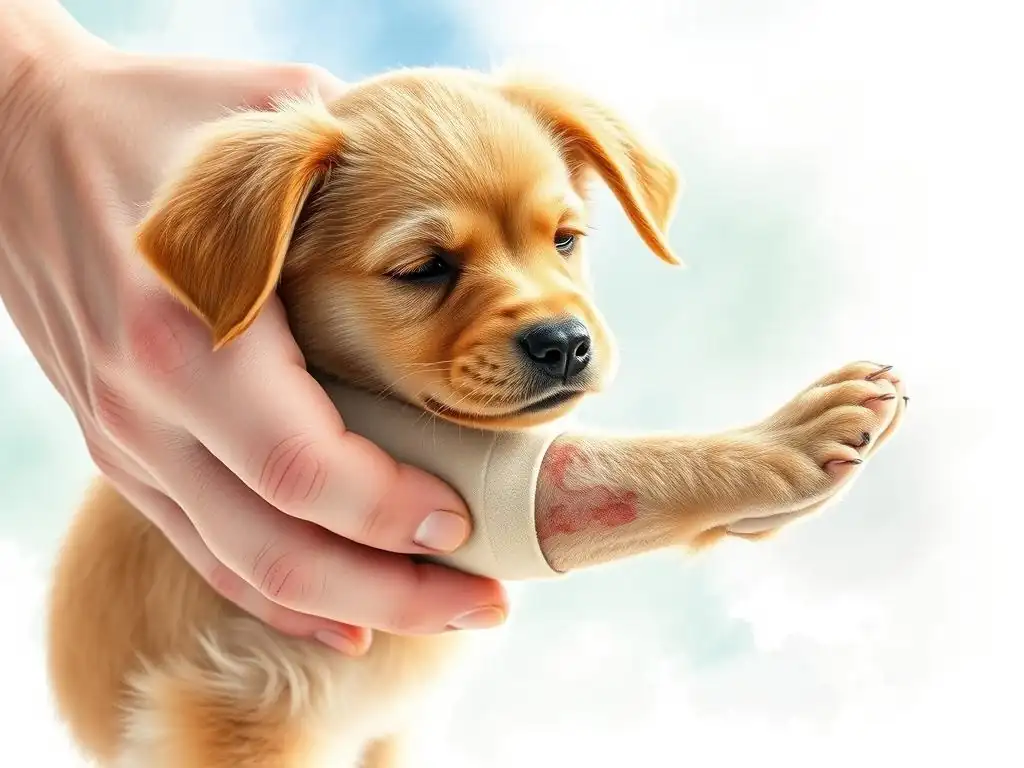
Immobilizing a pet with a suspected fracture or sprain is crucial to prevent further injury and pain before veterinary care. Improper handling can worsen the damage, leading to increased suffering and potentially more complex treatment. The primary goal is to keep the injured limb still and prevent movement. This requires a calm and gentle approach. Avoid any unnecessary force or sudden movements.
For suspected fractures, creating a splint is often necessary. You can improvise a splint using readily available materials like sturdy cardboard, rolled-up towels, or even wooden dowels. The splint should extend beyond the injury site, both above and below the joint, to provide adequate support. Secure the splint firmly but not too tightly, using soft cloth strips or bandages.
Ensure that the splint doesn't restrict blood flow; check for signs of swelling or discoloration distal to the splint. If you notice any signs of compromised circulation, loosen the bandage immediately. Remember, this is a temporary measure until professional veterinary care is received.
Sprains, while less severe than fractures, still require immobilization. Similar techniques can be applied, using a less rigid splint or simply supporting the injured limb with a soft bandage. The key is to minimize movement and support the affected joint. Elevation of the injured limb can also help to reduce swelling.
Keep your pet comfortable and quiet; excessive movement will only exacerbate the injury. Providing pain relief is not recommended without veterinary guidance, as incorrect medication can have adverse effects. Focus on gentle handling and swift transport to a veterinary professional. Accurate assessment and treatment can only be provided by qualified veterinarians.
Managing Seizures: First Aid for Pet Seizures Before Vet Arrival
Witnessing a pet having a seizure can be alarming, but swift and calm action is essential. The first priority is to ensure the pet's safety. Move any nearby objects that could cause injury during the seizure. This includes furniture, sharp objects, or anything that could pose a hazard. Do not attempt to restrain your pet; this could cause further harm. Instead, gently guide them away from potentially dangerous areas, protecting them from self-injury.
Time the seizure. Note the duration and intensity of the convulsive movements. Observe any unusual behaviors or changes in your pet's condition before, during, and after the seizure. This information will be invaluable to the veterinarian. Do not put anything in your pet's mouth during a seizure. This is a common misconception; doing so can cause injury to both the pet and the handler. Instead, focus on protecting them from harm. Once the seizure subsides, allow your pet to rest quietly.
After the seizure, your pet may be disoriented or lethargic. Provide a quiet and comfortable space for them to recover. Monitor their breathing and heart rate. If the seizure lasts longer than 5 minutes, or if your pet doesn't regain consciousness after the seizure, seek immediate veterinary attention. Multiple seizures in quick succession also warrant immediate veterinary care.
Keep a record of the seizure events, including duration, frequency, and any observed symptoms. This detailed information will assist the veterinarian in diagnosis and treatment. Remember, prompt veterinary attention is critical for managing seizures and determining the underlying cause. Early intervention can significantly improve your pet's prognosis and overall well-being.
Transporting Your Pet Safely to the Veterinary Clinic
Safe and efficient transport is crucial in providing effective pet first aid before vet arrival. A stressful journey can worsen your pet's condition, delaying recovery. This section focuses on minimizing risks and ensuring a smooth trip to the veterinary clinic. Remember, prioritizing your pet's safety and comfort is paramount during this critical time.
Preparing for Transport: Gathering Supplies and Securing Your Pet
Before you even think about moving your pet, gather essential supplies. This proactive step can significantly reduce stress for both you and your animal companion. A well-prepared transport kit should include:
- A secure carrier: Choose a carrier appropriate for your pet's size and species. Ensure it's well-ventilated and provides enough space for your pet to move slightly but not enough to be thrown around during transit. For larger animals, a sturdy crate might be necessary.
- Absorbent towels or bedding: Accidents happen, especially during stressful situations. Having absorbent materials on hand prevents messes and helps maintain a clean and comfortable environment.
- Water: Offer fresh water in a spill-proof container to keep your pet hydrated, especially during longer journeys.
- First-aid kit: A basic pet first-aid kit containing antiseptic wipes, gauze pads, and any medication your pet is currently taking.
- Leash or harness: Depending on your pet's size and temperament, a secure leash or harness might be needed to prevent escape or injury during transport.
- Pet's medical records: If possible, take a copy of your pet's vaccination records and any relevant medical history. This information is invaluable to the veterinarian.
- Emergency contact information: Have your veterinarian's number, emergency contact numbers, and your own contact information readily available.
Securing your pet within the carrier or crate is critical. Use straps or clips to prevent escape, ensuring the carrier is stable and won't shift during transportation. For anxious pets, consider covering part of the carrier to create a dark, quiet space. Remember, a secure pet is a safe pet.
Choosing the Right Transportation Method: Car vs. Carrier
The best transportation method depends on your pet's size, species, and condition. For smaller animals, a carrier placed securely in the car is ideal. Larger animals may require a crate in the back of an SUV or truck, or possibly a pet-friendly taxi service.
Car Transport Considerations:
- Secure the carrier: Use seatbelts or other restraints to prevent the carrier from moving during sudden stops or turns.
- Climate control: Maintain a comfortable temperature inside the vehicle, avoiding extreme heat or cold.
- Direct sunlight: Avoid parking in direct sunlight to prevent overheating.
Carrier Considerations:
- Proper ventilation: Ensure adequate ventilation to prevent overheating or suffocation.
- Sufficient space: The carrier should be large enough for your pet to stand, turn around, and lie down comfortably.
- Escape prevention: Secure all latches and doors to prevent escapes.
Choosing the right method minimizes stress and increases the safety of your pet during transport. Always prioritize your pet's well-being over convenience.
Minimizing Stress During Transport: Keeping Your Pet Calm and Comfortable
Transporting a distressed pet can exacerbate their injury or illness. Implementing stress-reducing strategies is vital. Here are some effective techniques:
- Familiar scent: Include a familiar blanket or toy with your pet's scent to provide comfort and security.
- Gentle handling: Avoid sudden movements or loud noises. Handle your pet gently and calmly.
- Calming pheromones: Consider using pet calming pheromones (available at pet stores) to reduce anxiety.
- Music: Soft music can have a soothing effect on some animals. Experiment to see what works best for your pet.
- Short breaks: For long journeys, plan short breaks to allow your pet to stretch and relieve themselves.
- Avoid overstimulation: Keep the car ride quiet and calm. Minimize interactions and avoid loud conversations.
Remember, your pet can sense your anxiety. Maintaining a calm and reassuring demeanor will help them feel more secure and comfortable throughout the journey. By carefully preparing and implementing these strategies, you can significantly improve your pet's experience and contribute to a successful outcome for their veterinary visit. This proactive approach to pet first aid before vet arrival is essential for a positive outcome.
When to Seek Immediate Veterinary Attention: Recognizing Critical Situations

Pet first aid before vet arrival is crucial, but knowing when to bypass those measures and seek immediate veterinary attention is equally important. Delaying professional care in critical situations can have severe consequences for your pet's health and even survival. This section outlines scenarios demanding immediate veterinary intervention.
Recognizing Life-Threatening Symptoms: When to Bypass First Aid
Some pet emergencies require immediate professional care, overriding the need for preliminary first aid. These life-threatening symptoms often indicate a critical condition that needs rapid intervention. Don't waste precious time administering first aid; instead, immediately contact your veterinarian or an emergency animal hospital.
Examples of life-threatening symptoms include:
- Severe bleeding: Uncontrolled bleeding, especially from a major artery or vein, is a critical emergency. While applying pressure to the wound can help temporarily, immediate veterinary attention is paramount.
- Difficulty breathing: Labored breathing, gasping, or blue-tinged gums suggest a serious respiratory problem, potentially requiring oxygen therapy or other advanced life support. Get to a vet immediately.
- Seizures: Prolonged or recurring seizures can indicate a serious neurological issue that needs immediate treatment. Note the duration and frequency of the seizure and provide this information to the veterinary professional.
- Unconsciousness: If your pet is unresponsive and unconscious, this is a critical emergency requiring immediate veterinary care. Check for a pulse and breathing, and begin CPR if necessary, but transport to the vet immediately.
- Severe trauma: Obvious signs of serious injury, such as broken bones, deep wounds, or internal injuries (indicated by lethargy, vomiting, or abdominal distension), require immediate veterinary attention.
- Poisoning: Suspected poisoning is another life-threatening emergency. Attempt to identify the poison if possible, and contact your vet or a poison control center for pets immediately. They will advise on the next steps. Note that time is of the essence in many poisoning cases.
Contacting Emergency Veterinary Services: Finding 24/7 Care Near You
Locating 24/7 emergency veterinary services is essential for pet owners. Knowing where to go before an emergency arises can save valuable time during a stressful situation. Several resources are available to help you find emergency veterinary care:
- Your regular veterinarian: Your primary vet's office may provide emergency contact information or have an established relationship with a nearby emergency clinic.
- Online search engines: Search for "emergency vet near me" or "24-hour veterinary hospital near me" to find options in your area. Check reviews to gauge the quality of care provided.
- Veterinary emergency networks: Some regions have networks of emergency veterinary hospitals that can provide immediate care.
- Pet insurance providers: Your pet insurance provider may have a list of affiliated emergency veterinary clinics.
Remember to have the address and phone number of at least one 24/7 emergency vet readily available. Time is of the essence during an emergency.
Preparing for the Vet Visit: Gathering Important Information
Before rushing your pet to the emergency vet, gathering key information can streamline the process and improve the chances of a swift diagnosis and treatment. Having this information readily available can significantly assist the veterinary professionals.
- Pet's medical history: This includes previous illnesses, allergies, current medications, and any recent vaccinations. Keep this information updated in a readily accessible place.
- Description of the emergency: Be prepared to provide a detailed account of the incident, including the time it occurred, the symptoms your pet is exhibiting, and any first aid you have already administered.
- Pet's identification: Ensure your pet has proper identification tags or a microchip. This is crucial in case your pet gets lost during transport to the veterinary hospital.
- Contact information: Have your contact information readily available, as well as the contact details of any other relevant individuals, such as family members or friends who can assist.
- Emergency fund: Having an emergency fund specifically designated for pet care can ease the financial burden of unexpected veterinary expenses. Unexpected pet emergencies can be costly; being prepared helps reduce stress during a difficult time.
Remember, prioritizing your pet's safety and well-being is paramount. By understanding when to seek immediate veterinary attention and being prepared for the visit, you can significantly increase the chances of a positive outcome. Always err on the side of caution when dealing with a pet emergency.
Post-Emergency Care: Following Up After First Aid and Vet Visit

Providing immediate first aid for your pet is crucial in emergency situations, but it's only the first step. Successfully navigating a pet emergency also requires diligent post-emergency care, ensuring your furry friend receives the continued support needed for a full recovery. This involves careful monitoring, consistent care, and adhering to your veterinarian's instructions. Ignoring this crucial phase can significantly impact your pet's healing process and overall well-being. This section details the essential steps to take after administering first aid and your vet visit.
Monitoring Your Pet's Recovery: Signs of Improvement and Complications
Following your pet's emergency treatment, vigilant monitoring is paramount. You should meticulously track their progress, looking for both positive signs of healing and potential complications. Positive indicators might include increased appetite, a return to normal energy levels, less panting or labored breathing (depending on the initial emergency), and a reduction in pain or discomfort. You might notice them interacting more normally with their surroundings and other pets. Keep a detailed record of these observations, noting the time and specifics of any changes. This detailed log will be invaluable for your vet during follow-up appointments.
Conversely, be aware of potential warning signs indicating complications. These might include persistent vomiting or diarrhea, continued lethargy, unusual discharge from wounds, swelling or redness around injuries, difficulty breathing, changes in urination or defecation habits, and a lack of appetite. Even subtle changes in behavior, such as increased aggression or withdrawal, should be reported to your veterinarian immediately. Early detection of complications is crucial for effective intervention and preventing further health issues.
Remember, even seemingly minor setbacks can escalate rapidly in pets. Don’t hesitate to contact your vet if you have any concerns. Early intervention is key to a positive outcome. The earlier you spot potential problems, the better the chances of resolving them quickly and effectively.
Providing Continued Support: Ensuring Your Pet's Comfort and Healing
Providing continued support extends beyond simply observing your pet. Active care is essential for their recovery. This includes administering any prescribed medications precisely as instructed by your veterinarian. This might involve oral medications, topical treatments, or injections. Follow the dosage and frequency meticulously – even slight deviations can impact effectiveness.
Furthermore, ensure your pet has access to fresh water at all times. Dehydration can hinder recovery, so maintaining adequate hydration is crucial. A comfortable, quiet, and safe environment is also vital. This might involve restricting access to stairs or other potentially hazardous areas, or providing a comfortable bed in a quiet room.
Depending on your pet's injuries, you might need to provide assistance with eating, drinking, or toileting. Gentle handling and reassurance are also essential to alleviate anxiety and promote healing. Remember, a calm and supportive environment will significantly aid your pet's recovery. Consider a comfortable, soft bed, and limit exposure to stress or overstimulation.
Understanding Follow-Up Appointments: Importance of Post-Treatment Care
Post-treatment veterinary care is not optional; it's an integral part of the healing process. Your veterinarian will schedule follow-up appointments to assess your pet's progress, monitor wound healing (if applicable), and ensure the treatment plan is effective. These appointments are crucial for early detection of any complications and for making necessary adjustments to the treatment plan. During these visits, your veterinarian will conduct a thorough physical examination, review your observations from home, and potentially order further tests, such as blood work or X-rays, if needed.
Active participation in these follow-up appointments demonstrates responsible pet ownership and significantly contributes to your pet's successful recovery. Don't miss these vital checkups. They are an investment in your pet's long-term health and well-being.
Be prepared to discuss any concerns you have with the vet, no matter how small they may seem. Remember, open communication is key to ensuring the best possible outcome for your beloved companion. The proactive approach of consistent monitoring and scheduled check-ups is essential for ensuring a successful recovery following a pet emergency, solidifying your role as a responsible and caring pet owner.
Frequently Asked Questions
What are the most important steps to take when providing pet first aid before reaching the vet?
First, ensure your safety and your pet's. Then, assess the situation, focusing on ABCs (Airway, Breathing, Circulation). Control bleeding, if any, and transport your pet carefully to the veterinary clinic.
My pet is bleeding heavily. What should I do before getting to the vet?
Apply direct pressure to the wound using a clean cloth. Elevate the injured limb if possible. Seek veterinary attention immediately, as heavy bleeding can be life-threatening.
How do I know if my pet is experiencing shock? What first aid can I provide?
Signs of shock include pale gums, rapid breathing, weakness, and collapse. Keep your pet warm, minimize movement, and get them to a vet as quickly as possible.
My pet has swallowed something they shouldn't have. What first aid steps should I take?
Do not induce vomiting unless specifically instructed by a veterinarian. Note what was ingested, and contact your vet or an animal poison control center immediately. Time is critical.
My pet has been in an accident. What should I prioritize before the vet arrives?
Carefully assess your pet for injuries. Control any bleeding, immobilize broken bones if possible (using makeshift splints), and keep them calm and warm. Transport them to the vet using a secure carrier.
Final Reflection: Empowering Pet Owners Through Preparedness
The ability to provide immediate, effective first aid to your pet before veterinary care can be the difference between life and death. This stark reality underscores the critical importance of understanding basic pet first aid techniques. The knowledge gained from this article empowers pet owners to act decisively and confidently during emergencies, significantly improving their pet's chances of survival and recovery.
The impact of pet first aid extends far beyond the immediate crisis; it fosters a deeper bond between owner and animal. It's a testament to our responsibility as caregivers to be prepared for the unexpected. This preparedness not only alleviates stress during emergencies but also promotes a proactive approach to pet health and well-being. The best way to find yourself is to lose yourself in the service of others.
– Mahatma Gandhi. This quote, while not directly about pet first aid, speaks to the profound connection we share with our pets and the responsibility we have to care for them. The knowledge of pet first aid is a service we provide to our beloved companions.
Now, consider the knowledge you've gained. Take a moment to reflect on the specific techniques discussed and how you might incorporate them into your own pet care routine. Practice these essential skills, perhaps even create a small first-aid kit specifically for your pet. Remember, being prepared isn't just about reacting to emergencies; it's about proactively safeguarding the health and happiness of your furry friend. Your preparedness is their lifeline.
Empower Yourself: Take Charge of Pet Emergencies
Thank you for taking the time to learn essential first aid for your beloved pet. Knowing these steps can be crucial in a crisis. Let's put that knowledge into action!
- Practice your new skills: Imagine your pet suffers a minor injury or sudden illness. Mentally review the steps outlined in this article. This mental rehearsal will build your confidence and preparedness.
- Assemble a pet first-aid kit: Gather the necessary supplies, ensuring they are easily accessible in an emergency. This proactive step will bring you peace of mind. Include items like gauze, antiseptic wipes, and a pet-safe thermometer.
- Share this vital information: Forward this article to other pet owners – you could save a life!
Ready to feel more confident handling unexpected pet emergencies? Take a small step today to improve your pet's safety, such as assembling a first-aid kit or practicing a few key first-aid techniques.