
Expert Tips for LongTerm Preventative Care in Exotic Pets


Welcome to PetCareWorld, your ultimate guide to a happier, healthier life for your beloved animal companions! Are you ready to unlock the secrets to thriving pet ownership? We delve into the often-overlooked world of exotic pet preventative care, offering expert tips and practical advice to ensure your unique pet enjoys a long and fulfilling life. Discover essential strategies in our comprehensive guide, "Expert Tips for LongTerm Preventative Care in Exotic Pets," and embark on a journey towards empowered pet ownership. Let's explore together!
- Understanding Preventative Care for Exotic Animals
- Nutritional Strategies for Exotic Pet Preventative Care
- Environmental Enrichment and Preventative Care
- Regular Veterinary Checkups and Preventative Measures
- Recognizing Early Warning Signs of Illness in Exotic Pets
- Advanced Preventative Care Techniques for Exotic Pets
- Resources and Further Information on Exotic Pet Preventative Care
-
Frequently Asked Questions
- What are some key preventative care measures for exotic pets?
- How often should I take my exotic pet to the vet for a checkup?
- What are some common health problems in exotic pets that preventative care can address?
- How important is diet in the preventative care of exotic pets?
- Where can I find a veterinarian experienced in exotic pet care?
- Final Reflection: The Enduring Bond: Protecting Our Exotic Companions
- Unlock Your Exotic Pet's Longest, Healthiest Life!
Understanding Preventative Care for Exotic Animals
Exotic pet ownership brings immense joy, but it also demands a higher level of commitment to their health and well-being. Unlike common household pets like cats and dogs, exotic animals often have unique dietary, environmental, and medical needs. This necessitates a proactive approach to preventative care, ensuring a longer, healthier life for your unique companion.
This article delves into the crucial aspects of preventative care for exotic pets, focusing on proactive health management, identifying common species-specific health issues, and establishing a strong relationship with a qualified exotic animal veterinarian. By understanding these key elements, you can significantly reduce the risk of illness and enhance the quality of life for your exotic pet. This guide will provide you with the essential "Exotic pet preventative care tips" to ensure your pet thrives.
The Importance of Proactive Health Management for Exotic Pets
Proactive health management is paramount for exotic pets. Their complex needs often mean early detection of problems is crucial for successful treatment. Ignoring subtle signs of illness can quickly lead to serious complications, sometimes with fatal consequences. Regular veterinary checkups, tailored to the specific species, form the cornerstone of this proactive approach. These checkups aren't just about treating existing illnesses; they're about preventing them. A thorough examination allows the veterinarian to identify potential problems early, often before they manifest clinically.
This preventative approach includes:
- Regular veterinary examinations: Frequency varies by species and age, but typically ranges from annual checkups to more frequent visits for younger or more vulnerable animals.
- Parasite prevention: Many exotic pets are susceptible to internal and external parasites. Regular preventative medications, tailored to your pet’s species, are vital.
- Nutritional assessment: Proper nutrition is fundamental. A veterinarian can help you develop a species-appropriate diet, ensuring your pet receives all the necessary nutrients. This includes monitoring for vitamin and mineral deficiencies, common in improperly fed exotic pets.
- Environmental enrichment: A stimulating and appropriate environment is crucial for both physical and mental health. A veterinarian can advise on suitable housing, temperature, humidity, and substrate. Lack of proper environmental conditions can lead to stress and illness.
- Behavioral monitoring: Changes in behavior, such as lethargy, appetite changes, or unusual vocalizations, can be early indicators of illness. Regular observation and prompt veterinary attention are essential.
Identifying Common Health Issues in Different Exotic Species
Exotic pets encompass a vast array of species, each with its own unique susceptibility to certain health problems. Understanding these common issues is crucial for early detection and intervention. For example:
| Species Category | Common Health Issues | Preventative Measures |
|---|---|---|
| Reptiles | Metabolic bone disease (MBD), respiratory infections, parasites | Proper diet (calcium and vitamin D3), appropriate temperature and humidity, parasite prevention |
| Birds | Feather plucking, bacterial infections, avian influenza | Enrichment, balanced diet, regular veterinary checkups, quarantine for new birds |
| Amphibians | Skin infections, bacterial infections, dehydration | Proper hygiene, appropriate humidity, clean water source |
| Small Mammals (e.g., rodents, rabbits) | Dental problems, respiratory infections, overgrown nails | Regular dental checks, proper diet, appropriate housing, nail trims |
This table provides a simplified overview; the specific health concerns vary significantly within each category depending on the exact species. Detailed species-specific information should be sought from a qualified exotic animal veterinarian. Remember that early intervention is key to successful treatment. Early signs of illness, even subtle ones, warrant immediate veterinary attention.
Building a Strong Relationship with Your Exotic Pet Veterinarian
Finding a veterinarian experienced with exotic animals is crucial. Not all veterinarians are equipped to handle the specific needs of exotic species. A strong veterinarian-owner relationship is vital for proactive health management. This involves:
- Selecting a specialist: Research veterinarians in your area who specialize in exotic animal care. Ask for recommendations from other exotic pet owners or breeders.
- Open communication: Maintain open and honest communication with your veterinarian. Don't hesitate to ask questions or express concerns, no matter how small they may seem.
- Regular communication: Schedule regular checkups and maintain contact between visits to monitor your pet's health. Promptly report any changes in your pet's behavior or appearance.
- Following instructions: Carefully follow your veterinarian's instructions regarding diet, medication, and environmental conditions. Compliance is essential for effective preventative care.
By actively engaging in preventative care and developing a strong partnership with a qualified veterinarian, you can significantly improve the health, happiness, and longevity of your exotic pet. Remember, proactive care is an investment in your pet's well-being and a rewarding experience for both you and your unique companion.
Nutritional Strategies for Exotic Pet Preventative Care

Providing optimal nutrition is a cornerstone of preventative care for exotic pets. Their diverse dietary needs, often vastly different from common household pets like cats and dogs, require careful planning and understanding. Neglecting these needs can lead to serious health problems, impacting their lifespan and overall well-being. This section focuses on key nutritional aspects of exotic pet preventative care, emphasizing the importance of a balanced diet tailored to the specific species.
Remember, always consult with an exotic animal veterinarian before making significant changes to your pet's diet. This ensures the plan aligns with your pet's individual health status and specific requirements. Ignoring this advice could be detrimental to your pet's health.
Dietary Needs of Various Exotic Pets: Specific Dietary Needs of Reptiles, Birds, and Small Mammals
Exotic pets encompass a vast array of species, each with unique dietary requirements. Failing to meet these needs can result in nutritional deficiencies, leading to weakened immune systems, metabolic bone disease (MBD) in reptiles, feather plucking in birds, or other serious health complications.
- Reptiles: Reptilian dietary needs vary significantly depending on the species. For instance, insectivorous reptiles require a diet rich in live insects, supplemented with calcium and vitamin D3 to prevent MBD. Herbivorous reptiles, on the other hand, need a diet consisting primarily of leafy greens, vegetables, and fruits. The frequency of feeding also varies widely; some species may require daily feeding, while others may only need to be fed several times a week. Providing a balanced diet is crucial, as deficiencies can quickly manifest in these animals.
- Birds: Avian diets are equally diverse. Seed-eating birds require a varied mix of seeds, supplemented with fruits, vegetables, and pellets formulated for their specific species. Nectar-feeding birds need specialized nectar solutions, while insectivorous birds require live or frozen insects. Providing fresh water and ensuring a varied diet are critical for maintaining their health and preventing nutritional deficiencies. A lack of variety can lead to feather problems, weakened immune systems, and behavioral issues.
- Small Mammals: Small mammals, such as rodents and rabbits, have different nutritional needs depending on their species and size. Rodents generally require a diet consisting of high-quality commercial pellets, supplemented with fresh vegetables, fruits, and occasional treats. Rabbits, on the other hand, require a diet primarily consisting of high-quality hay, supplemented with fresh vegetables and limited amounts of pellets. Providing unlimited access to fresh, clean water is essential for all small mammals. Insufficient fiber can lead to digestive problems and obesity, impacting their overall health.
Recognizing Signs of Malnutrition in Exotic Animals
Early detection of malnutrition is crucial for effective intervention. Recognizing the subtle signs can be challenging, as they can vary depending on the species and the severity of the deficiency. However, some common signs include:
- Weight loss: A significant drop in body weight is a clear indicator of malnutrition.
- Lethargy: A lack of energy and decreased activity levels can be a sign of nutritional deficiencies.
- Poor feather or skin condition: In birds and reptiles, dull feathers or scaly skin can indicate a lack of essential nutrients.
- Deformed bones: In reptiles, deformed bones are a telltale sign of metabolic bone disease (MBD) caused by calcium and vitamin D3 deficiencies.
- Poor appetite: A decrease in appetite can be a symptom of underlying nutritional issues.
- Behavioral changes: Changes in behavior, such as increased aggression or unusual lethargy, may indicate a nutritional imbalance.
Regular veterinary check-ups are essential for early detection. Your veterinarian can perform physical examinations, blood tests, and other diagnostic tests to assess your pet's nutritional status and identify any deficiencies. Early intervention is key to preventing serious health problems.
Supplementing Your Exotic Pet's Diet for Optimal Health
While a balanced diet forms the basis of preventative care, supplementation may be necessary in certain cases to ensure optimal health. However, it's crucial to consult your veterinarian before introducing any supplements, as incorrect supplementation can be harmful. They can help determine the appropriate type, dosage, and frequency of supplementation based on your pet's specific needs.
Some common supplements used for exotic pets include:
- Calcium and Vitamin D3: Essential for bone health, especially in reptiles.
- Vitamin A: Important for vision, immune function, and reproduction.
- Vitamin E: An antioxidant that supports immune function.
- Probiotics: Promote gut health and aid digestion.
Remember, supplements should be used to complement a healthy diet, not replace it. Over-supplementation can be just as harmful as under-supplementation. Always follow your veterinarian's recommendations carefully to ensure your exotic pet receives the appropriate nutrients without any negative consequences. Prioritizing a balanced diet and regular veterinary care is the best approach to exotic pet preventative care. Your veterinarian is your best resource for creating a personalized plan tailored to your pet's specific needs.
Environmental Enrichment and Preventative Care

Environmental enrichment is a cornerstone of preventative care for exotic pets. A stimulating and appropriate habitat significantly reduces stress, prevents boredom-induced behavioral problems, and ultimately improves overall health and longevity. Failing to provide adequate enrichment can lead to a cascade of health issues, including self-mutilation, lethargy, and suppressed immune function—all major risk factors for disease. This section focuses on practical steps pet owners can take to create an enriched environment tailored to their specific exotic pet's needs.
Creating a Safe and Stimulating Habitat for Your Exotic Pet
Creating a safe and stimulating habitat requires understanding your pet's natural behaviors and instincts. For example, a bioactive terrarium for a reptile should mimic its natural environment, including appropriate temperature gradients, humidity levels, and substrate. This goes beyond simply providing a cage; it's about creating a world for your pet.
Consider these key factors:
- Space: Sufficient space is crucial. Cramped living conditions increase stress and limit natural behaviors. Research the specific space requirements for your species.
- Substrate: The type of substrate (e.g., soil, bark, paper towels) must be appropriate for the species and prevent injury or ingestion hazards. Sand, for instance, is unsuitable for some reptiles prone to impaction.
- Hiding places: Provide ample hiding places to allow your pet to feel secure and escape perceived threats. This is especially important for shy or timid species.
- Climbing structures: For arboreal species (those that live in trees), providing branches, vines, and other climbing structures is essential for exercise and mental stimulation.
- Toys and enrichment items: Offer a variety of toys and enrichment items, rotated regularly, to prevent boredom. This might include puzzle feeders, foraging opportunities, or interactive toys tailored to the species. For example, a bird might enjoy different types of perches, swings, and foraging toys. A reptile might benefit from a rock to climb on or a log to hide under.
Stress is a major contributor to illness in exotic pets. Chronic stress weakens the immune system, making them more susceptible to infections and diseases. Recognizing and mitigating stress is vital for preventative care. Signs of stress can vary depending on the species but may include:
- Lethargy: A significant decrease in activity levels.
- Changes in appetite: Loss of appetite or overeating.
- Changes in behavior: Increased aggression, hiding, or self-mutilation.
- Respiratory issues: Increased breathing rate or wheezing.
- Skin problems: Scaling, shedding difficulties, or other skin abnormalities.
Implementing effective stress reduction strategies is crucial. This includes:
- Minimizing handling: Handle your pet only when necessary and in a gentle, calm manner. Excessive handling can be extremely stressful.
- Providing a predictable routine: Maintaining a consistent daily routine can help reduce anxiety and provide a sense of security.
- Avoiding sudden changes: Avoid sudden changes in the environment, such as moving the cage or introducing new pets. Introduce changes gradually.
- Proper socialization (when appropriate): Some species benefit from interaction with other individuals of their own kind, but this must be done carefully to avoid aggression or disease transmission.
The Role of Proper Hygiene in Preventing Disease
Maintaining impeccable hygiene is paramount in preventing the spread of disease in exotic pets. This involves several key aspects:
- Regular cleaning of the enclosure: Regular and thorough cleaning of the enclosure is essential to remove waste, prevent parasite buildup, and eliminate potential pathogens. The frequency of cleaning depends on the species and the type of enclosure.
- Handwashing: Always wash your hands thoroughly before and after handling your pet to avoid transferring bacteria or parasites.
- Quarantine new pets: New pets should always be quarantined for a period of time before introducing them to existing pets to prevent the spread of disease. The quarantine period should be species-specific and should ideally be guided by a veterinarian.
- Parasite prevention: Regular parasite checks and preventative treatments are crucial, especially for reptiles and amphibians. This often involves fecal examinations and preventative medications prescribed by a veterinarian.
- Proper food handling: Maintaining cleanliness around food and water dishes minimizes the risk of bacterial contamination. Discard uneaten food promptly.
By meticulously following these hygiene protocols, pet owners can significantly reduce the risk of infectious diseases and maintain the health and well-being of their exotic companions. Remember, proactive preventative care is far more effective and less costly than treating illnesses after they occur. 🐾
Regular Veterinary Checkups and Preventative Measures
Regular veterinary checkups are the cornerstone of exotic pet preventative care. Unlike dogs and cats, whose healthcare protocols are relatively standardized, exotic pet preventative care is highly species-specific. This means the frequency and type of preventative measures will vary significantly depending on your pet's species, age, and individual health status. Failing to account for these nuances can lead to serious health problems down the line. Therefore, establishing a strong relationship with an exotic animal veterinarian is paramount.
Scheduling Routine Examinations for Your Exotic Pet
Scheduling regular examinations is crucial for proactive exotic pet preventative care. The frequency of these visits depends heavily on your pet's species and age. For example, a young, healthy bearded dragon might only need checkups every six months, while an older, more susceptible gecko might require quarterly visits. Your veterinarian will help you create a personalized schedule based on your pet's specific needs. These visits aren't just about addressing immediate concerns; they're about early detection of potential issues. During these checkups, your veterinarian will:
- Conduct a thorough physical examination, assessing your pet's weight, posture, skin, and overall demeanor.
- Assess your pet's environment, ensuring proper temperature, humidity, and enrichment are maintained. A healthy environment is crucial to exotic pet preventative care.
- Discuss your pet's diet and answer any questions you may have about nutritional needs. Proper nutrition is a key component of exotic pet preventative care.
- Provide advice on preventative measures like parasite control and husbandry practices. These preventative measures can significantly reduce the risk of disease.
Remember, proactive scheduling is key. Don't wait until your pet shows signs of illness to seek veterinary attention. Early intervention significantly improves the chances of successful treatment and a better quality of life for your exotic companion. Consider setting reminders on your calendar or using a pet health app to ensure you don't miss scheduled appointments. The investment in time and resources is far outweighed by the peace of mind and improved health outcomes.
Preventative Medications and Vaccinations (Where Applicable)
While vaccinations aren't as common for exotic pets as they are for dogs and cats, some preventative medications are essential. The specific medications will vary drastically depending on the species. For example, preventative parasite treatments are crucial for many reptiles and amphibians, while certain birds might require specific medications to prevent bacterial or fungal infections. Your veterinarian will assess your pet's risk factors and recommend the appropriate preventative medications. These medications may include:
- Parasite preventatives: These can include topical treatments, oral medications, or even environmental treatments to control parasites such as mites, ticks, and internal parasites. Regular parasite control is a cornerstone of exotic pet preventative care.
- Antibiotics: In some cases, prophylactic antibiotics may be recommended to prevent bacterial infections, particularly in immunocompromised animals or those with a history of infections.
- Anti-fungal medications: Similar to antibiotics, preventative anti-fungal medications might be necessary for certain species prone to fungal infections.
It's crucial to understand that not all preventative medications are created equal. Some can have significant side effects if used incorrectly or on the wrong species. Always follow your veterinarian's instructions carefully and never administer any medications without their explicit recommendation. Improper medication use can severely harm your exotic pet. Always keep a detailed record of any medications administered, including dosage and date.
Early Detection of Disease Through Regular Monitoring
Early detection is critical in exotic pet preventative care. Many exotic pets are masters of masking illness, only showing obvious symptoms when the disease is advanced. Therefore, regular monitoring at home is essential, supplementing veterinary checkups. This involves paying close attention to your pet's behavior, appetite, and physical appearance. Signs to watch for include:
- Changes in appetite or eating habits: Reduced food intake, refusal to eat, or changes in preferred foods can indicate illness.
- Lethargy or inactivity: A significant decrease in activity level compared to normal is a major red flag.
- Changes in defecation or urination: Changes in the frequency, consistency, or color of your pet's waste can signal underlying health problems.
- Respiratory issues: Unusual breathing patterns, wheezing, or gasping for air should be addressed immediately.
- Skin changes: Changes in skin color, texture, or the presence of lesions or sores require veterinary attention.
Maintaining detailed records of your pet's daily observations can be invaluable. A simple logbook or a dedicated app can help you track changes in behavior or physical appearance over time. This information will assist your veterinarian in diagnosing any potential problems quickly and effectively. Early detection often leads to more successful treatment and better outcomes for your exotic pet. Remember, proactive monitoring is a critical aspect of exotic pet preventative care, working hand-in-hand with regular veterinary visits.
Recognizing Early Warning Signs of Illness in Exotic Pets

Exotic pet preventative care hinges on early detection of illness. Many exotic pets are masters of masking their discomfort, making proactive observation crucial. Subtle changes in behavior or physical appearance can signal underlying health issues, potentially allowing for timely intervention and improved outcomes. Early diagnosis significantly increases the chances of successful treatment and improves the overall quality of life for your exotic companion. Ignoring early warning signs can lead to more severe, and potentially irreversible, health problems.
Behavioral Changes Indicating Potential Health Problems
Behavioral shifts are often the first indicators of illness in exotic pets. These changes can be subtle and easily overlooked if you're not paying close attention. For example, a normally active reptile might become lethargic and spend more time hiding. A bird that usually sings cheerfully might become quiet and withdrawn. Mammals like sugar gliders might exhibit decreased interaction with their owners or cage mates. These changes aren't always immediately alarming, but they warrant further investigation. Keep detailed records of your pet's daily activities to help identify deviations from their normal behavior.
Changes in appetite are another significant behavioral red flag. A sudden decrease or increase in food intake, or a refusal to eat altogether, can signal illness. Similarly, changes in drinking habits, such as increased thirst or decreased water consumption, should be carefully monitored. Note any changes in defecation or urination patterns—frequency, consistency, and color can all provide valuable clues.
Even seemingly minor changes, like a shift in sleeping patterns, can be indicative of an underlying problem. Remember, consistent observation is key to early detection. Consider keeping a daily log of your pet's behavior, including feeding times, bowel movements, and overall activity levels.
Physical Signs of Illness in Exotic Pets
Beyond behavioral clues, certain physical signs should prompt immediate attention. These signs vary greatly depending on the species, but some common indicators include:
- Changes in skin or scales: Reptiles might exhibit dull, dry, or peeling scales, while amphibians may show changes in skin texture or color. These changes can indicate dehydration, parasites, or other health problems.
- Respiratory distress: Difficulty breathing, wheezing, or open-mouth breathing are serious signs requiring immediate veterinary care.
- Discharge from eyes or nose: Any discharge, regardless of color or consistency, warrants immediate veterinary attention.
- Lethargy and weakness: A noticeable decrease in energy levels, accompanied by difficulty moving or standing, is a clear sign that something is wrong.
- Weight loss or gain: Significant changes in weight, either loss or gain, can indicate underlying medical conditions.
- Abnormal droppings: Changes in the frequency, consistency, color, or odor of droppings are often indicative of digestive issues or other health problems.
Regularly handling your pet and performing gentle physical examinations can help you become familiar with their normal appearance and detect any abnormalities. A visual inspection of your pet's body, including their skin, eyes, and mouth, should be part of your routine care. Pay close attention to any unusual lumps, bumps, or swellings. Early detection of these physical signs can significantly improve the chances of successful treatment.
When to Seek Immediate Veterinary Attention for Your Exotic Pet
While some changes might seem minor, it's always better to err on the side of caution. Immediate veterinary attention is crucial if you observe:
- Lethargy combined with loss of appetite: This combination is a serious warning sign and often indicates a critical underlying condition.
- Respiratory distress: Difficulty breathing is a life-threatening emergency.
- Bleeding or trauma: Any visible injuries require immediate veterinary care.
- Seizures or convulsions: These are serious neurological events that need immediate attention.
- Sudden paralysis or weakness: Loss of motor function is a critical sign.
- Severe dehydration: Dehydration can quickly become life-threatening.
Remember, the health of your exotic pet is paramount. Proactive preventative care, combined with vigilant observation and prompt veterinary intervention, is essential for ensuring a long and healthy life for your unique companion. Don't hesitate to seek professional help if you're concerned about your pet's health, even if the symptoms seem minor. Early intervention is key to successful treatment and a better quality of life for your beloved exotic pet. The cost of preventative care is far outweighed by the potential cost of treating a serious illness. 🐾
Advanced Preventative Care Techniques for Exotic Pets
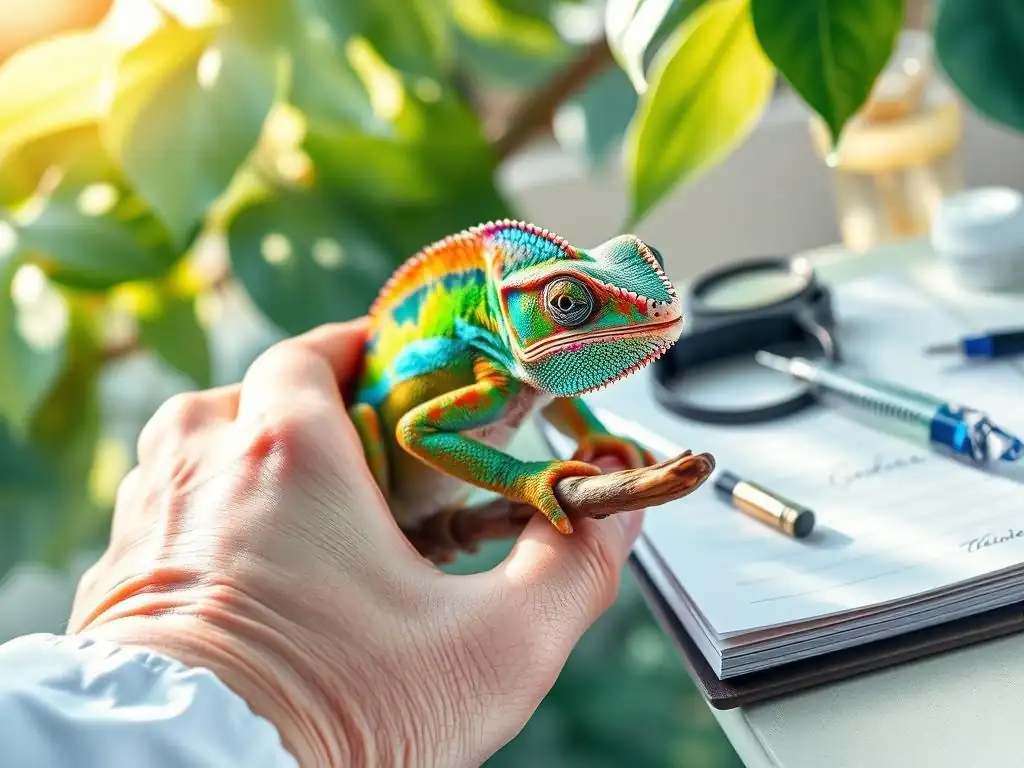
This section delves into sophisticated strategies beyond the basics for maintaining the long-term health of your exotic pet. Effective preventative care for exotic animals requires a proactive and comprehensive approach, going beyond simple annual check-ups. This involves understanding the unique needs of your specific species and implementing tailored strategies to mitigate potential health risks. Remember, early detection and intervention are key to successful exotic pet preventative care.
Specialized Diagnostic Testing for Exotic Animals
Traditional veterinary diagnostic tools may not always be suitable for exotic pets. Their unique physiology and susceptibility to specific diseases necessitate specialized testing methods. For example, radiographic imaging might need adjustments in technique and interpretation for reptiles due to their skeletal structure. Similarly, blood analysis often requires specialized reagents and protocols optimized for the specific species.
Consider these examples:
- Reptiles: Hematology and blood chemistry panels are crucial, but reference intervals differ significantly from mammals. Specialized fecal examinations are essential for detecting parasites specific to reptiles. Advanced imaging, such as CT scans or ultrasound, may be necessary for diagnosing internal organ issues.
- Birds: Avian-specific blood tests are crucial for assessing organ function and detecting diseases like psittacosis or avian influenza. Specialized radiographic techniques are needed due to the unique skeletal structure of birds. Feather and cloacal cultures can help identify bacterial or fungal infections.
- Amphibians: Skin swabs and cultures are vital for detecting fungal or bacterial infections, common in amphibians. Specialized blood testing can be challenging due to the small blood volume. Careful handling and specialized equipment are essential to minimize stress and ensure accurate results.
The availability and cost of these specialized tests vary widely depending on your geographic location and the expertise of your veterinarian. It's crucial to find a veterinarian experienced with exotic animals to ensure the appropriate diagnostic tests are performed. Proactive discussion with your vet about potential risks specific to your pet's breed and age is paramount for effective preventative care.
Utilizing Preventative Parasite Control Methods
Parasites pose a significant threat to exotic pets, potentially leading to serious illness or even death. Preventative parasite control is therefore a cornerstone of responsible exotic pet ownership. This goes beyond simple flea and tick treatments common for cats and dogs. Exotic animals are susceptible to a wide range of internal and external parasites, each requiring specific treatment strategies.
The approach to parasite control should be tailored to the specific species and its environment. For instance:
| Parasite Type | Exotic Pet Examples | Preventative Measures |
|---|---|---|
| Internal Parasites | Reptiles, Birds, Amphibians | Regular fecal examinations, preventative medication |
| External Parasites | Reptiles, Birds | Regular grooming, topical treatments, environmental control |
| Mites | Reptiles, Birds, Amphibians | Regular visual inspection, specialized treatments |
Regular veterinary check-ups are crucial for detecting early signs of parasitic infections. Early intervention is key to effective treatment and preventing severe complications. Remember to always consult your veterinarian before administering any medication to your exotic pet, as incorrect dosage or treatment can be harmful. The frequency of preventative treatments will depend on your pet's species, age, and overall health.
Long-Term Health Planning for Senior Exotic Pets
As exotic pets age, their susceptibility to various health problems increases. Proactive long-term health planning is essential to ensure their comfort and well-being during their senior years. This involves regular veterinary check-ups focusing on age-related changes and potential health concerns.
Consider these aspects of senior exotic pet care:
- Dietary Adjustments: Senior exotic pets often require dietary modifications to support their changing nutritional needs. This may involve adjusting the type and amount of food to accommodate decreased activity levels and potential digestive issues.
- Environmental Enrichment: Maintaining a stimulating and comfortable environment is crucial for senior exotic pets. This may include providing easier access to food and water, modifying the enclosure to minimize physical strain, and providing comfortable resting areas.
- Monitoring for Age-Related Diseases: Senior exotic pets are more prone to age-related diseases such as arthritis, kidney disease, and liver disease. Regular veterinary check-ups are crucial for early detection and management of these conditions.
- Pain Management: Senior exotic pets may experience pain due to arthritis or other age-related conditions. Pain management strategies should be implemented to ensure their comfort and quality of life. Your veterinarian can advise on appropriate pain relief options.
Planning for the later stages of your exotic pet's life is not just about addressing potential health problems; it's about ensuring their comfort and well-being. Open communication with your veterinarian is crucial for developing a comprehensive and effective long-term care plan for your beloved companion. Early detection and intervention are key to maintaining their quality of life during their senior years.
Resources and Further Information on Exotic Pet Preventative Care
This section provides crucial resources to support your exotic pet's preventative care journey. Finding the right information and professionals is key to ensuring your pet thrives. Remember, proactive care is far more effective and less costly than reactive treatment. Consistent preventative care significantly reduces the likelihood of serious health issues in your exotic companion.
Finding Qualified Exotic Pet Veterinarians Near You
Locating a veterinarian experienced with exotic pets is paramount. Many general practitioners lack the specialized knowledge needed to diagnose and treat the unique health concerns of exotic animals. A veterinarian specializing in exotic animal medicine will possess the expertise to provide thorough preventative care, including species-specific vaccinations, parasite control, and dietary guidance.
To find a qualified veterinarian, you can start by:
- Contacting your local animal shelters or rescue organizations: They often have a list of recommended veterinarians familiar with exotic animals.
- Searching online directories: Several websites specialize in listing veterinarians by species expertise. Look for those specifically mentioning your pet's species (e.g., avian veterinarian, reptile veterinarian).
- Asking for recommendations: Connect with other exotic pet owners in your area (through online forums or local groups) for personal recommendations. Word-of-mouth referrals can be invaluable.
Remember to always verify the veterinarian's credentials and experience before entrusting your pet's care to them. Ask about their experience with your specific species and inquire about their preventative care protocols. Don't hesitate to schedule a consultation to assess their suitability before committing to ongoing care. The investment in finding the right veterinarian will pay dividends in your pet's long-term health and well-being. A proactive approach, coupled with expert veterinary care, is the cornerstone of effective exotic pet preventative care.
Reputable Online Resources for Exotic Pet Health Information
While your veterinarian is your primary resource, supplementary information from reputable online sources can enhance your understanding of your exotic pet's specific needs. However, always remember to cross-reference information and prioritize your veterinarian's advice. The internet contains a vast amount of information, some accurate and some not, so critical evaluation is essential.
Here's what to consider when searching for online resources:
- Look for sources with veterinary oversight: Websites or articles authored or reviewed by licensed veterinarians are far more reliable than those written by unqualified individuals.
- Check the date of publication: Medical knowledge evolves constantly. Outdated information can be inaccurate or even dangerous.
- Be wary of anecdotal evidence: Personal experiences, while helpful in some ways, can't replace scientifically-backed information. Focus on studies and research papers.
- Avoid sites promoting unproven or potentially harmful treatments: Always consult your veterinarian before trying any new treatment or supplement.
Utilizing reputable online resources responsibly can empower you to become a more informed and proactive pet owner. This increased knowledge will allow you to better understand your pet's needs and work collaboratively with your veterinarian to provide optimal preventative care. Remember, responsible research complements, but never replaces, professional veterinary advice. A balanced approach to information gathering will contribute significantly to your exotic pet's health.
Community Support and Exotic Pet Owner Forums
Connecting with other exotic pet owners can provide invaluable support and practical advice. Online forums and local groups offer a platform to share experiences, ask questions, and learn from others' successes and challenges. The collective knowledge within these communities can be a powerful resource for navigating the complexities of exotic pet care.
When participating in online forums, remember to:
- Be discerning: Not all advice is created equal. Always verify information with your veterinarian.
- Contribute responsibly: Share your experiences and knowledge to help others.
- Respect different perspectives: Approaches to exotic pet care can vary; be open to different viewpoints.
- Report misinformation: If you encounter inaccurate or potentially harmful information, report it to the forum moderators.
Participating in these communities can foster a sense of connection and provide practical support. Sharing experiences and learning from others can significantly enhance your ability to provide optimal preventative care for your exotic pet. Remember, a strong support network, coupled with professional veterinary guidance, contributes significantly to the overall well-being of your exotic companion. 🐾
Frequently Asked Questions
What are some key preventative care measures for exotic pets?
Preventative care for exotic pets centers around regular veterinary checkups, a species-appropriate diet, and maintaining a clean and stimulating environment. Early detection of illness is crucial.
How often should I take my exotic pet to the vet for a checkup?
The frequency of veterinary visits varies greatly depending on the species and age of your pet. Some may need checkups every 6 months, while others might only require annual visits. Consult your exotics vet for a personalized schedule.
What are some common health problems in exotic pets that preventative care can address?
Preventative care can help mitigate issues like parasite infestations, nutritional deficiencies, and stress-related illnesses. Early detection through regular checkups is key to successful treatment.
How important is diet in the preventative care of exotic pets?
Diet is absolutely crucial. Providing a species-specific, balanced diet is essential for preventing nutritional deficiencies and maintaining overall health. Improper nutrition weakens the immune system, increasing susceptibility to disease.
Where can I find a veterinarian experienced in exotic pet care?
Finding a veterinarian specializing in exotic animals may require some research. Check online directories, contact local animal shelters, or ask other exotic pet owners for recommendations. Specialized care is crucial for these animals.
Final Reflection: The Enduring Bond: Protecting Our Exotic Companions
The health and well-being of our exotic pets are not merely a matter of responsible ownership; they are a testament to the profound connection we share with these unique creatures. The increasing popularity of exotic pets necessitates a deeper understanding of their specific needs, moving beyond basic care to proactive, preventative measures. Ignoring this responsibility risks jeopardizing the lives of these animals and undermines the very essence of compassionate companionship.
The journey of understanding and providing optimal care for exotic animals is a continuous learning process. It requires dedication, research, and a willingness to adapt to the unique challenges each species presents. This journey has profoundly shaped my own understanding of animal welfare, highlighting the interconnectedness of species and the ethical obligations we bear as caregivers. The greatness of a nation and its moral progress can be judged by the way its animals are treated.
- Mahatma Gandhi. This quote underscores the importance of extending our compassion and responsible care beyond the familiar to encompass all creatures under our care.
Now, consider your own exotic companion. What steps can you take today to enhance their preventative care? Are you actively engaging with your veterinarian to develop a tailored health plan? Are you consistently monitoring their behavior and environment for signs of illness or distress? Take this opportunity to reflect on your role as a caregiver and commit to providing the best possible life for your unique and beloved animal. The future of exotic pet welfare rests in our hands, and by embracing proactive care, we can ensure a healthier, happier future for these extraordinary creatures.
Unlock Your Exotic Pet's Longest, Healthiest Life!
Thank you for learning about preventative care for your unique companion! We hope this article has provided valuable knowledge to help your exotic pet thrive. Now, let's put that knowledge into action:
- Prioritize a Veterinary Checkup: Schedule a wellness visit for your exotic pet today – it's the most important step towards a long and happy life together. Early detection of potential health problems is crucial.
- Explore our extensive resource library on exotic pet care for more information tailored to your pet's specific needs.
- Share this article with other exotic pet owners – let's build a supportive community dedicated to the well-being of these amazing animals!
What preventative measure will you focus on for your exotic pet this week? Let's discuss!