
How to Introduce CleanUp Crew to Your Bioactive Reptile Terrarium: A Beginner's Guide

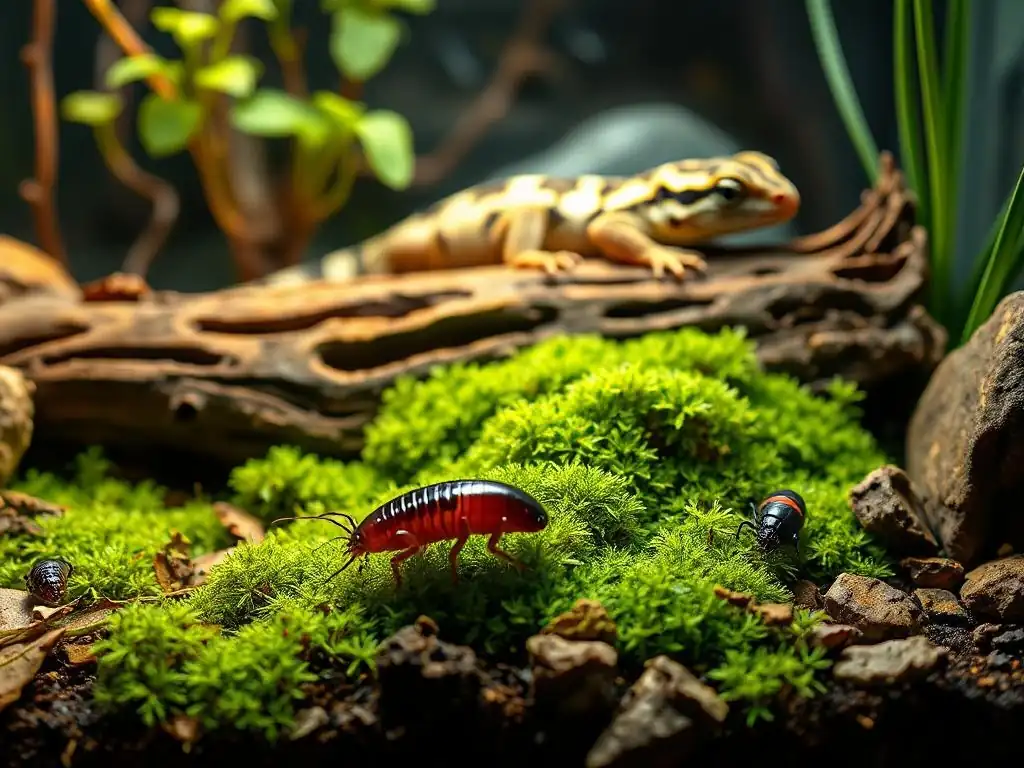
Welcome to PetCareWorld, your ultimate guide to the fascinating world of pet care! Are you ready to unlock the secrets to a thriving bioactive terrarium? Our comprehensive Bioactive Terrarium Cleanup Crew guide will equip you with the knowledge and confidence to create a self-sustaining ecosystem for your reptile, dramatically simplifying maintenance and enriching your pet's environment. Dive in and discover how to build a cleaner, healthier, and more natural habitat for your scaly friend!
- Understanding the Importance of a Bioactive Terrarium Cleanup Crew
- Selecting Your Bioactive Terrarium Cleanup Crew: Springtails vs. Isopods
- Preparing Your Bioactive Terrarium for the Cleanup Crew
- Introducing the Cleanup Crew to Your Bioactive Terrarium
- Maintaining a Thriving Cleanup Crew in Your Bioactive Terrarium
- Troubleshooting Common Issues with Your Bioactive Terrarium Cleanup Crew
- Resources for Further Learning About Bioactive Terrarium Cleanup Crews
- Frequently Asked Questions
- Final Reflection: Cultivating a Thriving Ecosystem: The Bioactive Terrarium Journey
- Unleash the Power of Nature: Boost Your Reptile's Habitat!
Understanding the Importance of a Bioactive Terrarium Cleanup Crew
Creating a thriving bioactive terrarium for your reptile isn't just about aesthetically pleasing plants and naturalistic décor; it's about mimicking a self-sustaining ecosystem. A crucial component of this self-regulation is the cleanup crew – a team of tiny but mighty invertebrates that work tirelessly to maintain the cleanliness and health of your reptile's habitat. This comprehensive guide will walk you through the process of introducing a cleanup crew to your bioactive terrarium, ensuring a healthy and enriching environment for your scaly companion.
We'll cover everything from understanding the why behind using a cleanup crew to selecting the perfect species for your specific reptile and terrarium setup. This guide is especially helpful for beginners venturing into the fascinating world of bioactive terrariums, offering a step-by-step approach to successfully integrating this vital element.
Successfully establishing a bioactive cleanup crew is key to minimizing manual maintenance, reducing odors, and ultimately providing a more natural and healthier environment for your reptile. Let's delve into the details!
Why a Cleanup Crew is Essential for a Healthy Bioactive Setup
A bioactive terrarium aims to replicate a natural environment, where waste is naturally processed. Unlike traditional setups requiring frequent manual cleaning, a bioactive system utilizes a carefully chosen cleanup crew to manage waste products. This crew, primarily consisting of springtails and isopods, efficiently breaks down organic matter such as uneaten food, reptile droppings, and decaying plant material. This process significantly reduces the buildup of ammonia, nitrites, and nitrates – harmful compounds that can negatively impact your reptile's health and overall terrarium environment.
The decomposition process also enriches the soil, providing essential nutrients for plant growth, creating a truly self-sustaining ecosystem. Without a cleanup crew, you'll find yourself constantly cleaning the terrarium, disrupting your reptile’s environment, and potentially introducing harmful bacteria or pathogens. Think of them as nature's little sanitation engineers, working 24/7 to maintain a clean and healthy habitat.
Benefits of Using Springtails and Isopods in Your Bioactive Terrarium
Springtails and isopods are the most popular and effective choices for bioactive terrarium cleanup crews. They offer a synergistic cleaning approach, with each species excelling in different aspects of waste management.
- Springtails: These tiny, jumping insects are incredibly efficient at consuming mold, fungi, and decaying organic matter. Their rapid reproduction rate ensures a consistent population to handle waste effectively. They are also a great source of food for some smaller reptiles and amphibians!
- Isopods: These crustaceans (often called "pill bugs" or "roly-polies") are larger and more robust than springtails. They tackle larger pieces of organic matter, such as larger fecal matter and leftover food scraps. Different isopod species have varying preferences, allowing for tailored cleanup based on your terrarium's needs. They also contribute to soil aeration.
The combined action of springtails and isopods creates a powerful and balanced cleaning system. Their presence not only minimizes manual cleaning but also enhances the overall health and stability of the bioactive environment. This creates a more enriching and stimulating habitat for your reptile, closer to its natural environment. The reduced need for manual intervention also minimizes stress for both you and your pet.
Choosing the Right Cleanup Crew for Your Reptile Species
The specific species of springtails and isopods you choose should depend on the size and climate requirements of your reptile. Some isopods, for instance, thrive in warmer, more humid environments, while others prefer cooler, drier conditions. Similarly, certain springtail species are better suited to specific humidity levels. Researching the ideal conditions for your reptile's species is crucial before selecting your cleanup crew.
It's vital to avoid introducing species that could be harmful to your reptile or that may not be able to thrive in your terrarium's specific parameters. Consider consulting with experienced keepers or researching reputable sources to ensure compatibility before making your purchase. Remember, the goal is to create a harmonious ecosystem where all inhabitants thrive!
Selecting Your Bioactive Terrarium Cleanup Crew: Springtails vs. Isopods
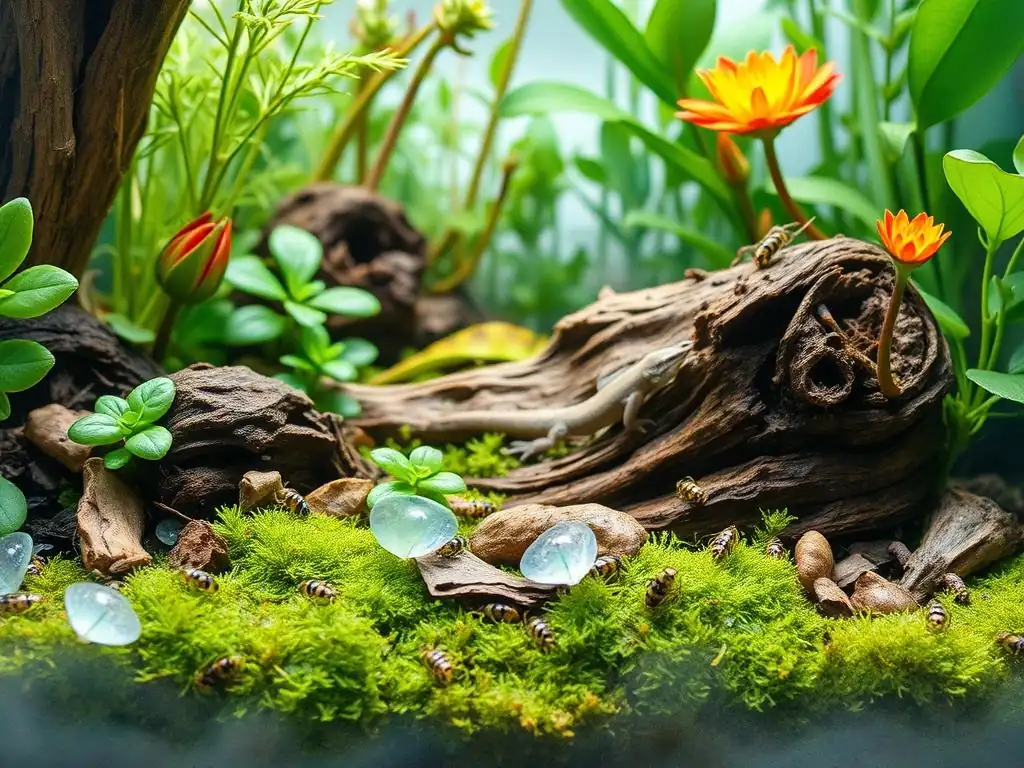
Choosing the right cleanup crew is crucial for a thriving bioactive terrarium. Two popular choices are springtails and isopods, each offering unique benefits and requiring slightly different management. This section will delve into the specifics of each, helping you make an informed decision for your reptile's habitat. Understanding the strengths and weaknesses of each will lead to a more successful and sustainable bioactive setup, optimizing waste breakdown and maintaining a healthy environment for your reptile. This guide focuses on the practical aspects of incorporating these crucial components into your bioactive terrarium cleanup strategy.
Springtails: A Tiny Army of Efficient Cleaners
Springtails (Collembola) are microscopic creatures that are incredibly effective at breaking down decaying organic matter, including uneaten food, reptile waste, and molted skin. Their small size allows them to access tight spaces, ensuring thorough cleaning. They are also excellent at controlling mold and fungi, preventing the growth of harmful microorganisms in your terrarium.
Their high reproductive rate means a small initial population can quickly expand to a size suitable for even a large terrarium. This makes them a low-maintenance and highly efficient part of your bioactive cleanup crew. Consider springtails as the "first responders" – tackling smaller, more readily available organic debris.
Sourcing Springtails
Sourcing springtails is relatively straightforward. Many online retailers specialize in selling cultures of springtails, often offering different strains optimized for specific terrarium environments. Look for reputable suppliers with positive reviews, ensuring a healthy and pest-free starter culture. Avoid collecting springtails from the wild, as this may introduce unwanted organisms or parasites into your carefully constructed ecosystem. A healthy culture will be visibly active, with numerous individuals moving around in their substrate. Inspect the culture carefully before purchasing to ensure its quality.
Setting Up a Springtail Culture
Once you've acquired your springtail culture, you'll need to establish a suitable environment for them to thrive. A small, separate container with a slightly moist substrate (e.g., a mixture of peat moss and coco coir) provides an ideal breeding ground. Ensure the substrate retains moisture but isn't waterlogged. Regularly mist the substrate to maintain humidity.
Overwatering can lead to mold growth, which can harm your springtails. A small amount of springtail food, such as fish flakes or decaying leaf litter, can be added to the culture to encourage growth. Regularly monitor the culture for signs of mold or excessive dryness.
Isopods: The Larger, More Visible Clean-Up Crew
Isopods (Isopoda), commonly known as woodlice or pillbugs, are larger than springtails and play a crucial role in breaking down larger organic matter. They are particularly effective at processing leaf litter and larger pieces of waste. Their larger size and stronger mandibles allow them to tackle more substantial debris, making them a valuable addition to your bioactive cleanup crew. Their presence is more readily noticeable than springtails, providing visual confirmation of a healthy and active system. They are an excellent complement to springtails, working together to ensure efficient waste management.
Different Isopod Species and Their Roles in a Bioactive Terrarium
Several isopod species are suitable for bioactive terrariums, each with unique characteristics. Porcellio laevis (Dairy Cow Isopods) are popular due to their hardiness and rapid reproduction. Cubaris species, known for their vibrant colors, are also commonly used, although they may require slightly more specific environmental conditions.
The choice of species depends on factors such as the terrarium's size, humidity, and temperature. Researching the specific needs of your chosen isopod species is essential for ensuring their survival and effectiveness within the bioactive environment. Consider the size of your terrarium and the amount of waste produced when selecting the appropriate number and species of isopods.
Introducing Isopods to Your Established Terrarium
Introducing isopods to your established terrarium requires careful consideration. Gently release them into the substrate, ensuring they have access to moisture and food sources. Avoid placing them directly onto the reptile's substrate. Monitor their activity and reproduction to gauge their success in adapting to the new environment.
Observe the terrarium for any signs of stress or illness in the isopods. If you notice a decline in their population, investigate potential issues such as humidity levels, temperature, or food availability. Adjust the terrarium's conditions accordingly to ensure the long-term success of your isopod cleanup crew. Remember, patience is key; the isopods will gradually establish themselves and become an integral part of your bioactive ecosystem.
Preparing Your Bioactive Terrarium for the Cleanup Crew
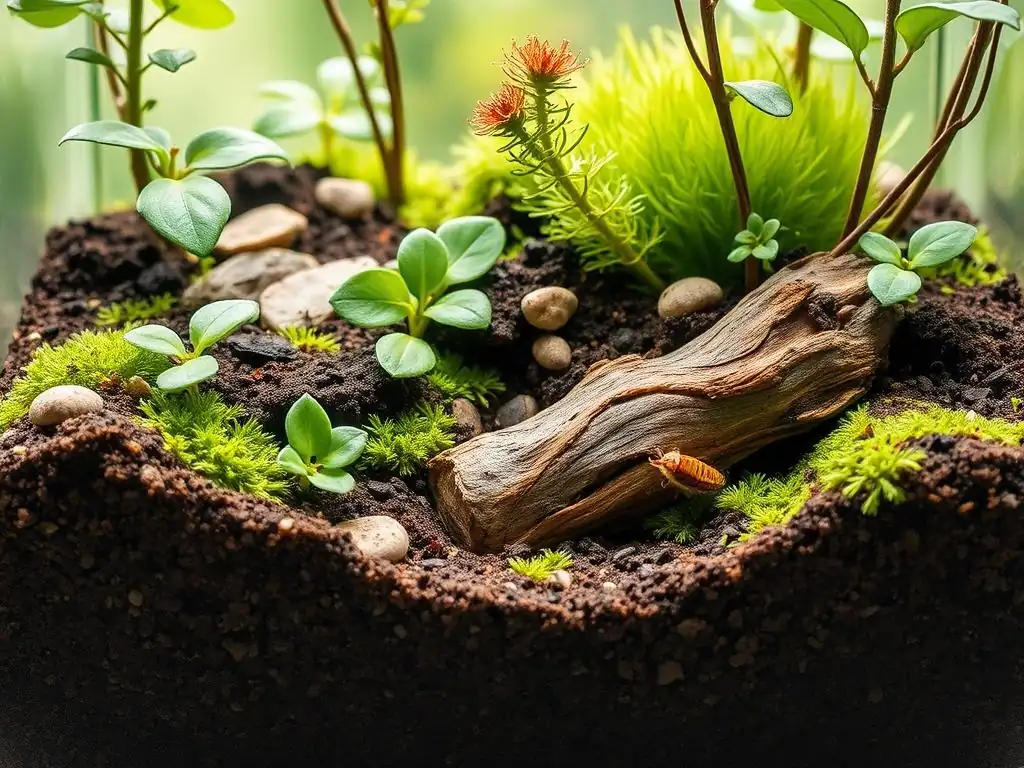
This section focuses on the crucial preparatory steps before introducing your bioactive terrarium's cleanup crew. Proper preparation ensures the successful integration of these beneficial insects and invertebrates, contributing to a thriving and self-sustaining ecosystem. Neglecting these steps can lead to unnecessary stress for your cleanup crew and potentially compromise the health of your reptile. A well-prepared bioactive terrarium is the foundation for a successful and thriving environment. This guide provides a detailed, step-by-step approach to ensure your cleanup crew thrives.
Acclimating Your Terrarium
Before introducing any cleanup crew, your terrarium needs a period of acclimation. This is especially important if you've recently set up the terrarium or made significant changes to its environment. A newly established terrarium needs time to stabilize its temperature, humidity, and substrate moisture levels. Rushing the process can shock the delicate ecosystem and negatively impact the survival of your cleanup crew. A stable environment is paramount for the well-being of your cleaner organisms.
Ideally, allow your terrarium to run for at least two to four weeks before introducing the cleanup crew. During this period, monitor the temperature and humidity levels regularly using accurate thermometers and hygrometers. Adjust ventilation as needed to maintain optimal conditions within the suggested range for your specific reptile species and chosen cleanup crew. Observe the substrate for any signs of mold or excessive moisture.
Addressing these issues before introducing the cleanup crew prevents potential problems later. Regular monitoring is key to a successful bioactive setup. Consider keeping a detailed log of your observations to track the acclimation process effectively.
Substrate Selection
Substrate selection significantly impacts the success of your bioactive terrarium and the well-being of your cleanup crew. The substrate must be appropriate for both your reptile and the chosen cleanup crew species. For instance, some springtails may struggle in very dry substrates, while certain isopods may require more moisture retention. Choosing the wrong substrate can lead to dehydration, stress, and even mortality among your cleanup crew.
Several substrates are suitable for bioactive terrariums, each with its own advantages and disadvantages. Consider the following factors when selecting a substrate: drainage, moisture retention, and overall suitability for both your reptile and cleanup crew. A blend of substrates, such as topsoil, coco coir, and leaf litter, is often preferred, providing a variety of microhabitats for your cleanup crew to thrive. Ensure the substrate is free from pesticides, herbicides, and other harmful chemicals. Always research the specific needs of your chosen cleanup crew species to ensure compatibility with your chosen substrate.
Avoiding Potential Hazards
Introducing a cleanup crew to a bioactive terrarium requires careful consideration of potential hazards. These hazards can significantly impact the survival and well-being of your cleanup crew. Identifying and mitigating these risks is crucial for maintaining a healthy and balanced ecosystem. Proactive measures are essential to ensure your cleanup crew thrives.
Potential hazards include: pesticides or herbicides in the substrate (as mentioned above), unsuitable temperature and humidity levels, the introduction of predatory insects or other invertebrates, and the presence of sharp objects or dangerous chemicals within the terrarium. Thoroughly inspect all components of your terrarium before introducing the cleanup crew to eliminate any potential dangers. Remember to quarantine any new plants or decorations before introducing them to the established ecosystem.
A careful and methodical approach is crucial for the success of your bioactive terrarium. The health and safety of your cleanup crew are paramount to the long-term success of your project.
Introducing the Cleanup Crew to Your Bioactive Terrarium
This section focuses on the crucial step of introducing your chosen cleanup crew to your meticulously prepared bioactive terrarium. Successfully integrating these beneficial insects and invertebrates is key to maintaining a thriving and healthy environment for your reptile. Remember, a balanced bioactive ecosystem requires careful planning and execution. This guide will help you navigate this process effectively, minimizing stress for both your cleanup crew and your reptile. Proper introduction is paramount for a successful bioactive terrarium cleanup crew.
Gradual Introduction
The key to a smooth introduction is gradual acclimation. Avoid simply dumping your cleanup crew into the terrarium. This can lead to immediate predation by your reptile or stress-induced mortality for the invertebrates. Instead, employ a phased approach:
- Initial Quarantine: Before introducing any new inhabitants, quarantine them in a separate, smaller container for at least 24-48 hours. This allows you to observe their health and behavior and ensures they aren't carrying any diseases or parasites.
- Controlled Release: Begin by introducing a small subset of your cleanup crew – perhaps 10-20% of the total planned population – into a designated area of the terrarium, ideally a section with ample hiding places and leaf litter. This allows them to acclimate to their new environment without being immediately overwhelmed.
- Gradual Expansion: Over several days, gradually increase the number of cleanup crew members. Monitor their activity and interactions closely. Observe your reptile's reaction. If they show excessive interest or hunting behavior, you may need to slow down the introduction process further, potentially using additional hiding places to protect the cleanup crew. Patience is vital at this stage.
- Food Source Introduction: Ensure that a sufficient food source is readily available from the start. This helps the cleanup crew establish themselves and reduces the likelihood of them becoming stressed or dying from starvation. The types of food will depend on the specific species you've chosen; readily decaying organic matter is usually a good start.
- Observe and Adjust: Continuously monitor the environment for signs of stress or mortality among the cleanup crew. If you notice unusually high mortality rates, reassess the environment and consider adjustments to temperature, humidity, or substrate type. A balanced environment is crucial for their survival and the overall success of your bioactive setup. This is an iterative process, requiring careful observation and adjustment.
Monitoring Your Cleanup Crew
Once your cleanup crew is established, consistent monitoring is essential. This involves regularly assessing their population size, activity levels, and overall health. This proactive approach allows for early detection of any potential problems and ensures the long-term success of your bioactive terrarium. Regular observation is key to a thriving cleanup crew.
- Population Counts: Conduct regular visual counts of your cleanup crew. This provides valuable data on their population growth and helps you identify potential issues early on. Keep a detailed log of your observations – this will help you track trends over time. For example, note the number of springtails, isopods, and any other species you've included.
- Activity Levels: Observe the activity levels of your cleanup crew. A healthy population will exhibit normal movement and feeding behavior. A decrease in activity could indicate a problem with the environment, such as insufficient food or unsuitable temperature and humidity levels.
- Waste Management: Monitor the level of waste breakdown. The cleanup crew should efficiently process waste materials, keeping the substrate clean and preventing the buildup of harmful bacteria or fungi. Slow waste breakdown could indicate a problem with the balance of your ecosystem.
- Predation: Observe your reptile's behavior toward the cleanup crew. Although some predation is expected, excessive hunting could indicate a problem with the balance of the system. Insufficient hiding places for the cleanup crew may exacerbate this issue.
Observing Population Growth
Understanding population growth patterns is crucial for maintaining a balanced bioactive terrarium. Overpopulation can lead to resource depletion and stress, while underpopulation can hinder waste breakdown and negatively impact the overall health of the environment. Monitoring population dynamics ensures the long-term sustainability of your bioactive ecosystem. Balanced growth ensures a healthy bioactive environment.
- Species-Specific Growth Rates: Different cleanup crew species exhibit different growth rates. Research the specific species you've chosen to understand their typical population dynamics. Some may multiply rapidly, while others may grow more slowly.
- Resource Availability: Population growth is directly tied to resource availability. Ensure sufficient food and suitable living conditions to support the population size. Overcrowding can occur if resources are limited.
- Regular Culling (If Necessary): In some cases, population control may be necessary to prevent overpopulation. This can involve carefully removing a portion of the cleanup crew. Research humane and effective methods for culling, if needed. This should only be done if absolutely necessary and should be approached with caution. Careful planning avoids the need for culling.
- Long-Term Monitoring: Continuously monitor population growth over the long term. This provides valuable data for adjusting management strategies and maintaining a healthy and sustainable bioactive ecosystem. Long-term data informs effective management.
Maintaining a Thriving Cleanup Crew in Your Bioactive Terrarium
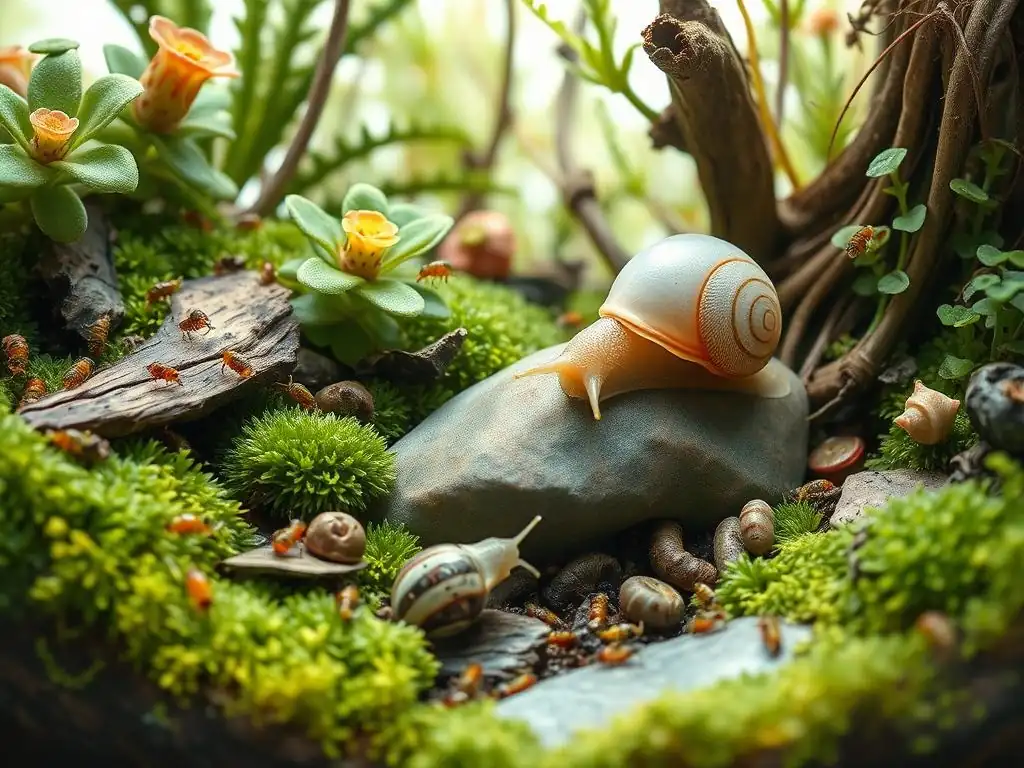
This section delves into the crucial aspects of maintaining a healthy and productive cleanup crew within your bioactive reptile terrarium. A thriving cleanup crew is the cornerstone of a successful bioactive setup, ensuring waste breakdown and preventing the buildup of harmful bacteria and ammonia. Neglecting their needs can lead to a decline in their population, impacting the overall health of your terrarium ecosystem.
This guide provides practical steps to ensure your cleanup crew thrives, contributing to a cleaner, healthier environment for your reptile. Remember, a successful bioactive terrarium is a balanced ecosystem, and the cleanup crew is a vital component.
Feeding Your Cleanup Crew
Providing adequate food for your cleanup crew is paramount to their survival and efficiency. Different species have different dietary needs. For instance, springtails primarily feed on decaying organic matter, fungi, and bacteria. Isopods, on the other hand, are more omnivorous, consuming decaying plant matter, fungi, and even some insect frass. Overfeeding can lead to mold and unwanted bacterial growth, while underfeeding can result in a dwindling cleanup crew population.
A balanced approach is key. Introduce small amounts of food regularly – think of it as a slow-release feeding system. You can supplement with small pieces of decaying fruits or vegetables (avoid citrus fruits), but rely primarily on the waste produced by your reptile. Regular observation is crucial. If you notice a significant decrease in the cleanup crew population, consider increasing the food supply, perhaps by adding a small amount of high-quality reptile food or specialized isopod/springtail food. Conversely, if you observe excessive mold or bacterial growth, reduce the amount of supplemental food.
Here's a sample feeding schedule, remember to adjust based on your terrarium size and cleanup crew population:
| Day of the Week | Feeding Type | Quantity | Notes |
|---|---|---|---|
| Monday | Reptile Waste | Natural | Observe for sufficient waste |
| Wednesday | Decaying Vegetable (e.g., small piece of carrot) | 1-2 small pieces | Avoid citrus |
| Friday | Reptile Waste | Natural | Observe for sufficient waste |
Remember, consistency is key! A regular, balanced feeding schedule will ensure a robust and effective cleanup crew. 🐛
Monitoring Moisture Levels
Maintaining the correct moisture levels is crucial for the survival and reproduction of your cleanup crew. Too much moisture can lead to fungal growth and drown your isopods and springtails. Too little moisture will dehydrate them and prevent them from thriving. The ideal moisture level varies slightly depending on the species of cleanup crew and the overall environment of your terrarium, but generally, you want to aim for a slightly damp, but not soaking wet substrate.
You can monitor moisture levels by observing the substrate itself. It should feel slightly damp to the touch, not soggy or dry. You can also use a moisture meter, if available, to get a more precise measurement. Regular misting of the substrate may be necessary, particularly in drier environments. The frequency of misting depends on the humidity levels in your terrarium and the type of substrate used.
Remember, monitoring moisture levels is an ongoing process. Observe your cleanup crew for signs of dehydration (lethargic movement, shriveled bodies) or overhydration (drowning). Adjust your misting schedule accordingly. Proper ventilation is also crucial to prevent excessive moisture buildup. Maintaining optimal moisture levels is a delicate balance, requiring consistent monitoring and adjustments. 💧
Addressing Potential Problems
Even with careful planning, you might encounter issues with your cleanup crew. Recognizing these problems early is crucial for maintaining a healthy ecosystem. Common problems include:
- Mite infestations: These tiny arachnids can infest your terrarium and prey on your cleanup crew. Regularly inspect your terrarium for signs of mites. If you find them, you may need to treat the terrarium with a mite-killing solution (research safe options for your reptiles and cleanup crew).
- Mold and fungus: Excessive moisture or overfeeding can lead to mold and fungus growth. Remove any visible mold and adjust your feeding and misting practices. Ensure adequate ventilation.
- Cleanup crew decline: If you notice a significant decrease in the population of your cleanup crew, investigate potential causes such as inadequate food, improper moisture levels, or mite infestations.
Addressing these problems proactively is essential for the long-term health of your bioactive terrarium. Regular observation and prompt action are key to preventing major disruptions to your ecosystem. Remember, a healthy cleanup crew is vital for a thriving bioactive terrarium, so don't hesitate to seek advice from experienced keepers if you encounter persistent problems. 🐢
Troubleshooting Common Issues with Your Bioactive Terrarium Cleanup Crew
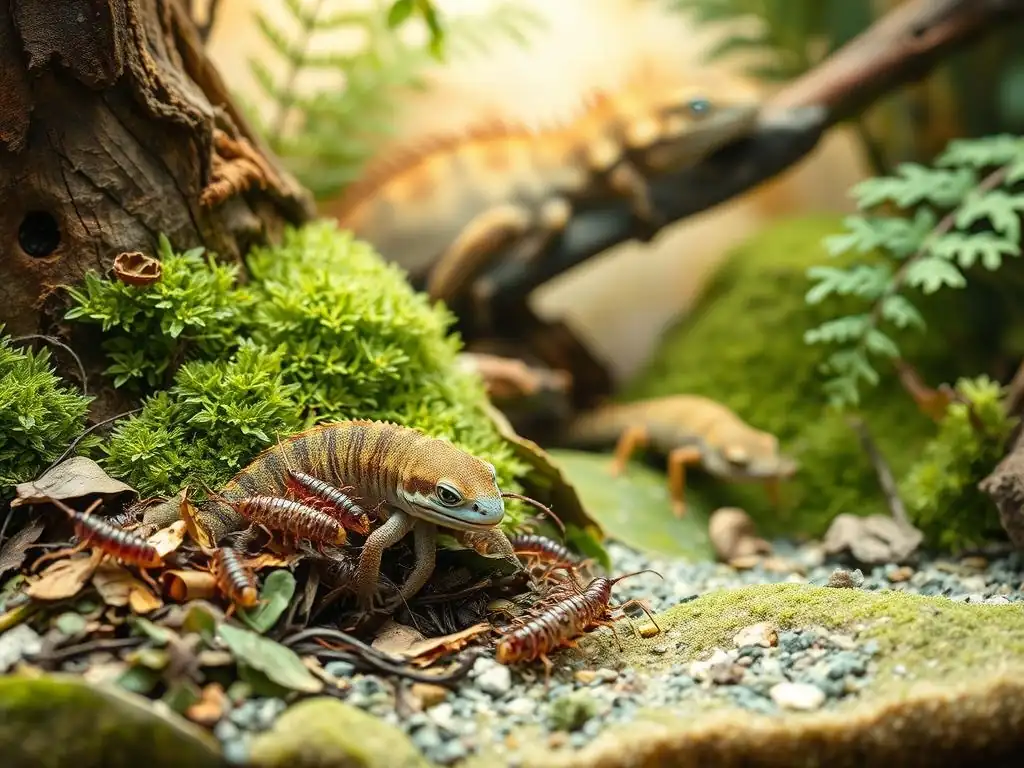
This section addresses common problems encountered when establishing and maintaining a thriving cleanup crew in your bioactive terrarium. Remember, a successful bioactive setup is a delicate ecosystem; understanding and addressing these issues proactively is crucial for the long-term health of your reptile and the cleanup crew itself. A healthy cleanup crew is key to a low-maintenance, thriving bioactive terrarium. Let's delve into some common challenges and their solutions.
Dealing with a Dying Cleanup Crew
Observing a dying cleanup crew member is disheartening, but it's often a sign of an underlying issue within the terrarium's environment. Several factors can contribute to this, including:
- Dehydration: Insufficient humidity levels are a primary culprit. Regular misting, a properly functioning water dish, and appropriate substrate moisture are essential. Consider using a hygrometer to monitor humidity levels accurately. Aim for the humidity range recommended for your specific reptile species and cleanup crew inhabitants. For instance, springtails often require higher humidity than isopods.
- Starvation: Insufficient food sources can lead to starvation. While decaying organic matter is a primary food source, supplementing with commercial reptile food, specifically formulated for cleanup crews, can be beneficial, especially during initial setup or periods of low waste production. Observe your crew regularly; if they appear underfed, consider increasing the frequency of food additions.
- Temperature Extremes: Extreme temperatures, both high and low, can significantly impact the survival of your cleanup crew. Maintain a consistent temperature range suitable for both your reptile and the chosen cleanup crew species. A thermometer placed inside the terrarium is crucial for monitoring temperature fluctuations.
- Chemical Imbalances: The introduction of harmful chemicals, such as pesticides or cleaning products, can be lethal. Always use pet-safe cleaning solutions and avoid using any chemicals near the terrarium. Ensure that any plants introduced to the terrarium are pesticide-free.
- Disease or Parasites: While less common, disease or parasites can decimate a cleanup crew. If you notice a significant decline in your crew's population despite addressing other factors, consider seeking advice from a reptile veterinarian or experienced bioactive terrarium keeper. Early detection is key to successful treatment. Careful observation is crucial—look for signs of lethargy, unusual behavior, or physical abnormalities.
Preventing Mites and Other Pests
Mites and other pests can be a major problem in bioactive terrariums, threatening both your reptile and cleanup crew. Prevention is key:
- Quarantine New Inhabitants: Before introducing any new cleanup crew members or plants, quarantine them in a separate container for at least two weeks. This allows you to observe for any signs of pests or diseases before they can contaminate your established terrarium.
- Regular Cleaning: While a bioactive terrarium is designed to be self-cleaning, occasional spot cleaning is necessary. Remove any large pieces of uneaten food or excessive waste to prevent pest buildup. This should be done carefully to avoid harming the cleanup crew.
- Substrate Selection: Choosing the right substrate is vital. Some substrates are more prone to pest infestations than others. Research the best substrate options for your specific setup and cleanup crew.
- Proper Ventilation: Good ventilation helps regulate humidity and discourages pest growth. Ensure your terrarium has adequate ventilation without compromising humidity levels.
- Monitor Regularly: Regularly inspect your terrarium for signs of mites or other pests. Early detection allows for prompt intervention and prevents a larger infestation. A magnifying glass can be helpful in identifying small pests.
Balancing the Ecosystem
Maintaining a balanced ecosystem is paramount for a thriving bioactive terrarium. This requires careful consideration of several factors:
- Species Selection: Choose cleanup crew species that are compatible with each other and your reptile. Research the specific needs of each species to ensure they coexist harmoniously. For example, some isopod species may outcompete others.
- Population Control: Monitor the population of your cleanup crew. If one species becomes dominant, consider adjusting the population to maintain balance. Overpopulation can lead to resource depletion and stress.
- Food Availability: Ensure there's a sufficient supply of food waste for your cleanup crew. If your reptile isn't producing enough waste, consider supplementing with small amounts of appropriate food scraps. Avoid adding too much at once, as this can lead to mold growth.
- Regular Observation: Regularly observe the interactions within your terrarium. Note any signs of imbalance, such as excessive mold growth, a declining cleanup crew population, or unusual behavior from your reptile. Addressing these issues promptly will prevent larger problems. A keen eye and proactive approach are essential for long-term success. Remember, a bioactive terrarium is a living ecosystem, and maintaining balance is an ongoing process.
Resources for Further Learning About Bioactive Terrarium Cleanup Crews
This section provides additional resources to deepen your understanding of bioactive terrarium cleanup crews and their crucial role in maintaining a healthy and thriving environment for your reptile. Remember, a successful bioactive setup relies heavily on a well-balanced and thriving cleanup crew. Choosing the right species and understanding their needs is paramount to success. Let's explore some avenues for continued learning.
Recommended Books and Websites on Bioactive Terrariums
Expanding your knowledge beyond this guide is highly recommended. Several excellent resources offer in-depth information on bioactive terrarium setups, including detailed discussions on selecting and managing cleanup crews. Many books provide stunning visuals alongside detailed explanations of the complex biological processes at play within a bioactive terrarium. This allows for a more comprehensive understanding of the symbiotic relationships between the various organisms involved. For example, some books delve into the specific dietary needs of different isopods and springtails, providing crucial details for maintaining a healthy and productive cleanup crew.
Websites dedicated to bioactive terrariums often feature detailed articles, forums, and expert advice. These online platforms frequently provide up-to-date information on the latest research and best practices in bioactive terrarium management. They also serve as a valuable resource for troubleshooting common problems and learning from the experiences of other enthusiasts. Look for websites with a strong emphasis on scientific accuracy and a commitment to responsible pet keeping. This will ensure you're receiving reliable and trustworthy information.
Online Forums and Communities for Bioactive Terrarium Enthusiasts
Connecting with other bioactive terrarium enthusiasts is invaluable. Online forums and communities provide a platform to ask questions, share experiences, and learn from the collective knowledge of experienced keepers. These communities often offer a wealth of practical advice, troubleshooting tips, and insights into managing different cleanup crew species. The shared experience and collective knowledge within these online groups can be incredibly helpful, especially when dealing with unexpected challenges or specific questions about your setup.
Participating in these forums allows you to access a wide range of perspectives and solutions, ensuring you receive well-rounded advice. Remember to always verify information from multiple sources and prioritize advice from reputable keepers with proven experience. Engaging in respectful discussions and contributing your own experiences will further enrich the community and help others on their bioactive terrarium journeys. Think of it as a collaborative learning environment where everyone benefits from the sharing of knowledge and experiences. This collective learning is a key aspect of successful bioactive terrarium keeping.
Frequently Asked Questions
What is a bioactive terrarium cleanup crew?
A bioactive terrarium cleanup crew consists of beneficial insects and invertebrates like springtails, isopods, and millipedes. These creatures break down waste and decaying matter, keeping the terrarium clean and reducing the need for manual cleaning. They're crucial for a thriving bioactive ecosystem.
How often should I clean my bioactive terrarium?
While a cleanup crew handles much of the waste, you'll still need to spot-clean uneaten food and large debris regularly. A full substrate change is usually needed every 6-12 months, depending on the size and inhabitants of your terrarium.
What are the best cleanup crew members for my reptile's terrarium?
The ideal cleanup crew depends on your specific terrarium setup and climate. Popular choices include springtails, isopods, and dwarf white isopods, but research the needs of your chosen reptile to ensure compatibility.
How do I introduce the cleanup crew to my bioactive terrarium?
Gently introduce the cleanup crew members to the damp substrate of your terrarium. Avoid releasing them directly onto your reptile. Start with a sufficient number to handle the waste load, but don't overcrowd the terrarium.
What if my cleanup crew isn't working effectively?
If your terrarium still has excessive waste buildup, consider increasing the size of your cleanup crew, improving substrate moisture, or ensuring sufficient food sources are available. You might also need to adjust the terrarium's temperature and humidity.
Final Reflection: Cultivating a Thriving Ecosystem: The Bioactive Terrarium Journey
The principles of a bioactive terrarium extend far beyond simply creating a beautiful habitat; they represent a miniature ecosystem mirroring the delicate balance of nature itself. Successfully introducing a cleanup crew is not just about maintaining cleanliness; it's about fostering a self-sustaining environment that benefits both the reptile and the environment. This understanding is increasingly crucial as we grapple with environmental concerns and seek more sustainable practices in all aspects of our lives.
Witnessing the intricate interplay of life within a bioactive terrarium is a truly humbling experience. The diligent work of the springtails, isopods, and other beneficial insects, quietly breaking down waste and enriching the soil, is a testament to the power of natural processes. Nature always wears the colors of the spirit.
– Ralph Waldo Emerson. This quote resonates deeply, as the vibrant health of a bioactive terrarium reflects the harmony achieved through careful observation and understanding of the natural world. The ongoing learning and adjustments needed to maintain this balance are a constant reminder of the interconnectedness of all living things.
You, the reader, now hold the key to creating a thriving, self-sustaining environment for your reptile companion. Don't just build a terrarium; cultivate a miniature world teeming with life. Observe, learn, and adapt your approach as you witness the magic unfold. Embrace the challenges, celebrate the successes, and remember that your journey into the world of bioactive terrariums is a continuous process of learning and growth, mirroring the ever-evolving ecosystem you've created. The rewards—a healthier reptile, a more sustainable habitat, and a deeper appreciation for the natural world—are immeasurable.
Unleash the Power of Nature: Boost Your Reptile's Habitat!
Congratulations on embarking on the journey of bioactive terrariums! You've mastered the art of creating a thriving, self-cleaning ecosystem for your reptile. Now it's time to bring your knowledge to life.
- Introduce your cleanup crew: This crucial step involves carefully adding springtails, isopods, and other beneficial insects to their new home. Monitor them closely for a few days to ensure a smooth transition.
- Share your success: Showcase your amazing bioactive terrarium on social media! Use #BioactiveReptile and tag us @PetCareWorld (fictional account) to inspire fellow reptile keepers.
- Track your progress: Maintain a detailed journal documenting your cleanup crew's development, noting any changes in waste decomposition or the overall health of your terrarium. This valuable information will be invaluable for future projects.
Ready to witness the transformative power of a self-sustaining reptile habitat? What exciting changes will unfold in your terrarium over the coming weeks?