
Supporting Ethical Breeders: Ensuring a Healthy Future for Exotic Pets

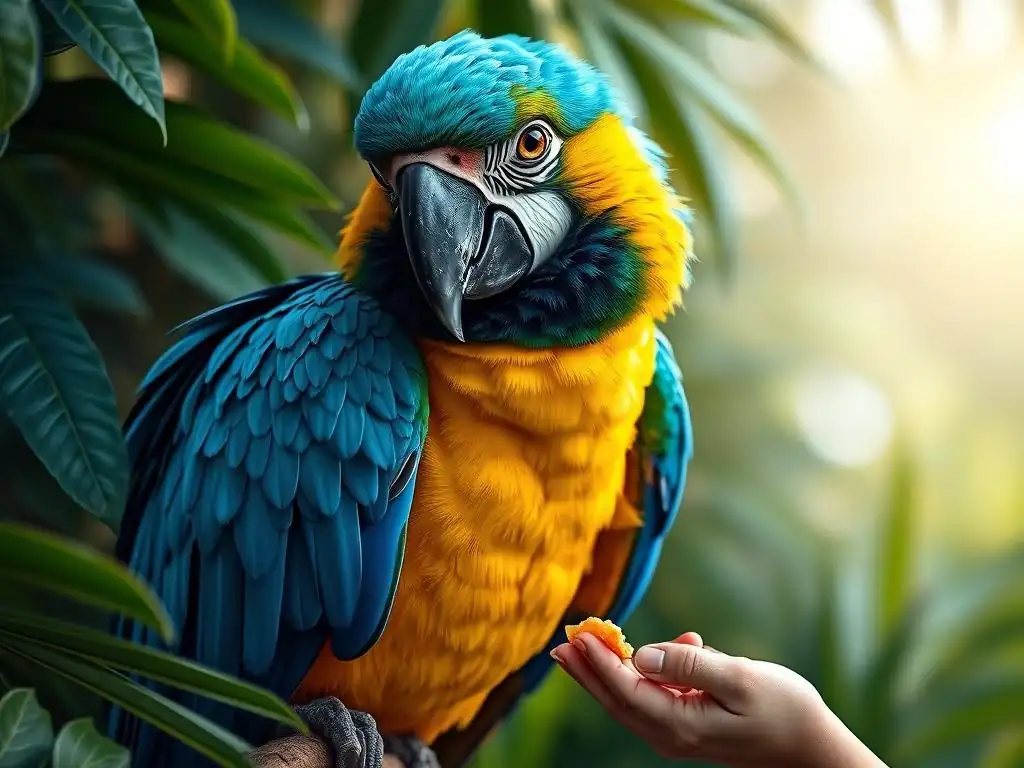
Welcome to PetCareWorld, your ultimate guide to responsible pet ownership! Are you passionate about exotic pets but concerned about their welfare? Then you've come to the right place. Discover the crucial role of ethical exotic pet breeding practices in ensuring a healthy future for these fascinating creatures. Dive into our in-depth article and learn how to support responsible breeders and contribute to a more sustainable world for your scaly, feathered, or furry friends. Let's explore together!
-
Understanding Ethical Exotic Pet Breeding Practices
- Defining Ethical Breeding Standards for Specific Exotic Species
- Responsible Breeding Practices: Health and Genetic Considerations in Leopard Geckos
- The Importance of Proper Socialization in Ball Pythons
- Avoiding Inbreeding and Genetic Defects in Ball Pythons
- Avoiding Inbreeding and Genetic Defects in Leopard Geckos
- Avoiding Inbreeding and Genetic Defects in Crested Geckos
-
Identifying Responsible Exotic Pet Breeders
- Recognizing Ethical Breeders: Key Indicators and Red Flags for Leopard Geckos
- Asking the Right Questions: A Checklist for Potential Buyers of Ball Pythons
- Verifying Breeding Practices: Documentation and Transparency Requirements
- Visiting the Breeding Facility: Assessment Criteria for [Specific Exotic Pet Species]
- The Impact of Unethical Breeding on Exotic Pets
-
Supporting Ethical Breeders: Your Role in Responsible Pet Ownership
- Choosing Ethically Bred Exotic Pets: Making Informed Decisions for Leopard Geckos
- Advocating for Ethical Breeding Practices: Raising Awareness in the Leopard Gecko Community
- Supporting Breeders Committed to Animal Welfare: Examples of Ethical Breeding Programs
- The Future of Ethical Exotic Pet Ownership: A Collaborative Approach for [Specific Exotic Pet Species]
-
Resources for Finding Ethical Exotic Pet Breeders
- Online Directories and Databases of Reputable Breeders of [Specific Exotic Pet Species]
- Local Exotic Pet Societies and Organizations Dedicated to [Specific Exotic Pet Species]
- Veterinarian Recommendations and Referrals for [Specific Exotic Pet Species]
- Reputable Breeder Associations/Organizations for [Specific Exotic Pet Species]
-
Frequently Asked Questions
- What are the key characteristics of ethical exotic pet breeding?
- How can I identify a responsible exotic pet breeder?
- What are the potential consequences of supporting unethical breeders?
- Why is genetic diversity important in exotic pet breeding?
- How can I help promote ethical exotic pet breeding practices?
- Final Reflection: A Legacy of Responsible Ownership
- Unlock a Brighter Future for Exotic Pets
Understanding Ethical Exotic Pet Breeding Practices
The burgeoning popularity of exotic pets has unfortunately led to a rise in irresponsible breeding practices, often prioritizing profit over the well-being of the animals. This not only jeopardizes the health and welfare of individual pets but also threatens the long-term sustainability of various exotic species. This article delves into the crucial aspects of ethical exotic pet breeding, focusing on the practices that ensure a healthy future for these unique animals.
We will explore the defining characteristics of ethical breeding, discuss the specific health and genetic considerations for responsible breeding, and highlight the critical role of proper socialization in shaping well-adjusted exotic companions. Understanding and supporting ethical breeding practices is paramount for responsible pet ownership and the conservation of exotic species. By promoting ethical breeding, we can help reduce the demand for illegally sourced animals and ensure a healthier, more sustainable future for our exotic pets.
This is essential for maintaining biodiversity and preventing the exploitation of these fascinating creatures. This guide will empower you to make informed decisions when choosing an exotic pet, fostering a more responsible and compassionate approach to exotic pet ownership.
Defining Ethical Breeding Standards for Specific Exotic Species
Defining ethical breeding standards necessitates a species-specific approach. What constitutes ethical breeding for a bearded dragon differs significantly from the standards for a ball python, for example. Ethical breeding begins with a deep understanding of the species' specific needs, including their genetic predispositions, environmental requirements, and social structures.
For instance, inbreeding within a closed population of Pogona vitticeps (bearded dragons) can lead to a higher incidence of genetic disorders, highlighting the importance of genetic diversity in ethical breeding programs. Similarly, understanding the complex social dynamics of certain species, such as certain types of parrots, is critical for ensuring the proper development and well-being of young birds. Ethical breeders prioritize genetic health, conducting thorough health screenings and avoiding pairings that increase the risk of hereditary diseases.
They also maintain meticulous records of lineage and genetic diversity, contributing to the overall health of the population. The lack of standardized, widely accepted guidelines across all exotic species makes education and collaboration among breeders crucial for establishing and maintaining consistent ethical practices. This collaborative effort ensures the longevity and well-being of these unique animals.
Responsible Breeding Practices: Health and Genetic Considerations in Leopard Geckos
Responsible breeding practices for leopard geckos ( Eublepharis macularius) necessitate a proactive approach to health and genetic considerations. Ethical breeders prioritize the health and well-being of both parent animals and their offspring. This includes regular veterinary check-ups to detect and address any potential health issues before breeding.
Furthermore, selecting breeding pairs based on genetic diversity is crucial to minimize the risk of inherited diseases. Careful record-keeping, documenting the lineage and health history of each gecko, is essential for tracking genetic traits and identifying potential problems. Many ethical leopard gecko breeders also focus on maintaining a diverse gene pool, actively avoiding inbreeding to reduce the likelihood of genetic defects.
They might utilize genetic testing to confirm the health status of breeding pairs and ensure the absence of recessive genes that could lead to health problems in offspring. This commitment to health and genetic diversity is a hallmark of responsible leopard gecko breeding, contributing to a healthier population of these popular pets. Ignoring these crucial aspects can lead to a surge in genetic disorders and compromise the overall health of the species.
Proper socialization is paramount in ensuring the well-being of ball pythons ( Python regius). While often perceived as solitary creatures, early and appropriate handling significantly impacts their temperament and behavior as adults. Ethical breeders understand the importance of early interaction, gently handling hatchlings from a young age to acclimate them to human touch. This careful socialization process helps to reduce stress and fear responses, resulting in calmer and more manageable adult snakes. Neglecting socialization can lead to fearful, defensive, and potentially aggressive adults, making them challenging to handle and care for. This highlights the critical role of breeders in shaping the future behavior and well-being of ball pythons. Ethical breeders actively work to produce calm, well-adjusted snakes by providing proper handling and environmental enrichment from an early age. This commitment to socialization is an integral aspect of ethical breeding practices, ensuring that these magnificent snakes become confident and well-adjusted companions.
Avoiding Inbreeding and Genetic Defects in Ball Pythons
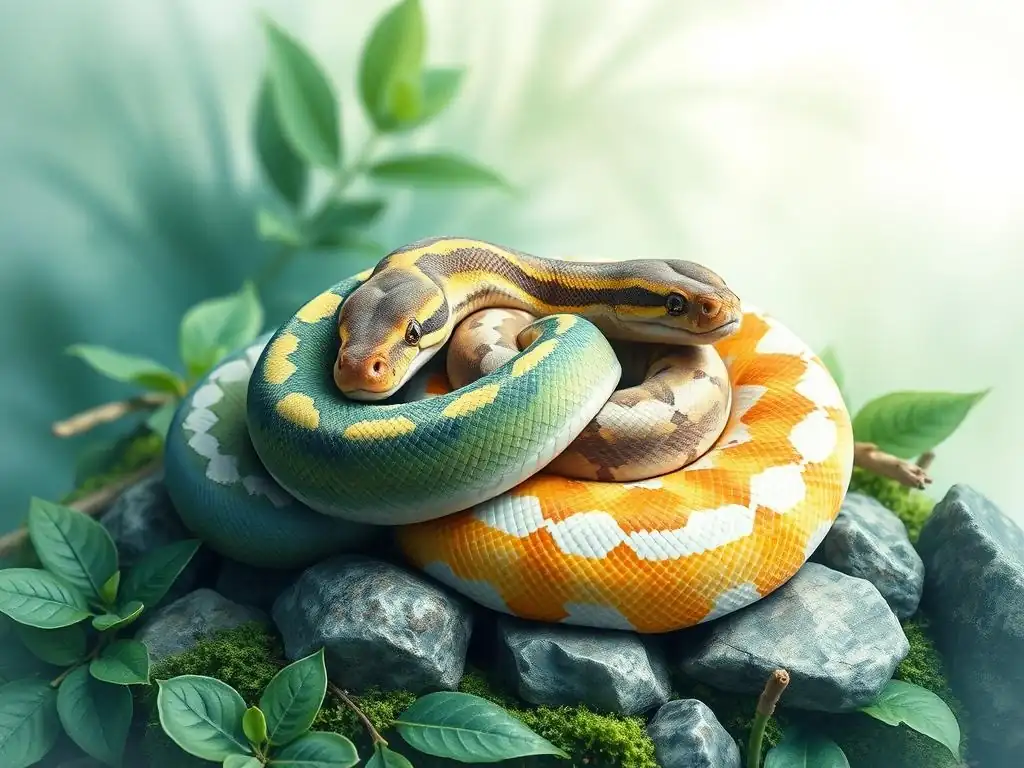
Inbreeding in ball pythons, a popular exotic pet, significantly increases the risk of genetic defects. These defects can manifest in various ways, impacting the snake's health, lifespan, and overall well-being. For example, inbreeding can lead to weakened immune systems, making the snakes more susceptible to diseases. It can also result in skeletal deformities, such as crooked spines or shortened tails, impacting their movement and quality of life.
Furthermore, neurological problems and reproductive issues are common consequences of inbred lineages. Ethical breeders diligently track lineage and utilize genetic testing to avoid pairings that would increase the likelihood of such defects. They often maintain detailed pedigrees, meticulously recording the ancestry of each snake to prevent accidental inbreeding.
This careful record-keeping is crucial for identifying and eliminating genetic bottlenecks within their breeding programs. The use of genetic diversity tools and programs, while still relatively new in the exotic pet industry, is becoming increasingly important in identifying and mitigating the risks associated with inbreeding. Several dedicated reptile breeders are pioneering the use of such technologies, paving the way for a healthier future for captive-bred ball pythons.
Avoiding Inbreeding and Genetic Defects in Leopard Geckos
Leopard geckos, another favored exotic pet, are also vulnerable to the detrimental effects of inbreeding. Similar to ball pythons, inbreeding in leopard geckos can lead to a range of genetic problems, including metabolic bone disease (MBD), a debilitating condition characterized by weakened bones and skeletal deformities. This can severely impair the gecko's ability to move and feed, ultimately shortening its lifespan.
Other common issues include eye problems, such as cataracts and blindness, and immune deficiencies leaving them vulnerable to infections. Ethical breeders of leopard geckos implement various strategies to combat inbreeding. These include sourcing breeding stock from diverse lineages, carefully selecting breeding pairs based on genetic diversity assessments (where available), and maintaining comprehensive records of their breeding programs.
The visual inspection of geckos for any physical anomalies is also a critical part of the selection process. A healthy and genetically diverse population is essential for the long-term health and viability of captive-bred leopard geckos, ensuring that these popular pets thrive under human care. Moreover, responsible breeders actively participate in community efforts to share genetic information and collaborate on best practices for avoiding inbreeding.
Avoiding Inbreeding and Genetic Defects in Crested Geckos
Crested geckos, known for their distinctive appearance and relatively easy care, are not immune to the negative impacts of inbreeding. While less research is currently available specifically on inbreeding in crested geckos compared to other species, the general principles remain the same. Inbreeding can lead to a reduced genetic diversity, making them more susceptible to diseases and genetic disorders.
These may manifest as skeletal issues, weakened immune systems, or reproductive problems. Ethical breeders of crested geckos prioritize obtaining breeding animals from diverse sources, carefully avoiding close relatives. Maintaining accurate records of lineage is crucial, allowing breeders to trace ancestry and make informed decisions about breeding pairs.
While genetic testing is less common in crested gecko breeding compared to some other species, visual inspections for any signs of genetic defects are an important part of the selection process. The focus on maintaining a healthy and genetically diverse population is key to ensuring the long-term well-being of this popular species in captivity. The growing awareness of responsible breeding practices within the crested gecko community is a positive step towards preventing inbreeding and safeguarding the health of these captivating reptiles.
Identifying Responsible Exotic Pet Breeders
Ethical exotic pet breeding practices are crucial for the long-term health and well-being of these animals. Irresponsible breeding contributes to genetic defects, health problems, and the overall decline of certain species. This section focuses on identifying responsible breeders who prioritize the welfare of their animals above profit. We will examine key indicators of ethical breeding and provide practical advice for potential buyers.
Recognizing Ethical Breeders: Key Indicators and Red Flags for Leopard Geckos
Leopard geckos, a popular choice among exotic pet enthusiasts, are unfortunately often subject to unethical breeding practices. Responsible breeders, however, demonstrate several key characteristics. A hallmark of ethical breeding is a deep understanding of the species' genetics and health. This is reflected in:
- Genetic Diversity: Ethical breeders actively maintain a diverse gene pool, reducing the risk of inbreeding and associated health problems. They meticulously track pedigrees and avoid pairings that could lead to genetic bottlenecks. They may utilize genetic testing to confirm lineage and identify potential problems.
- Health Testing: Regular health checks, including fecal exams and parasite screenings, are standard practice. Breeders should be transparent about the health status of their breeding stock and offspring. They may even provide veterinary records upon request.
- Proper Housing and Environment: Breeding animals should be housed in clean, spacious enclosures that meet or exceed the species' specific needs. Observe the conditions – are the animals clean, alert, and appropriately housed? Overcrowding is a significant red flag.
- Socialization: Ethical breeders prioritize socialization, especially with young geckos. Well-socialized animals are generally calmer and more adaptable to new homes, making for better pets.
Conversely, red flags include:
- Unwillingness to provide information: A breeder's reluctance to answer questions about their breeding practices or the health of their animals is a major warning sign.
- Unusually low prices: Prices that are significantly below the average market price often indicate corners are being cut in terms of animal care and breeding practices.
- Multiple litters per year from a single female: This points to potential overbreeding and neglect of the female's health.
- Poor animal condition: Animals exhibiting signs of illness, stress, or malnutrition should immediately raise concerns.
Asking the Right Questions: A Checklist for Potential Buyers of Ball Pythons
Acquiring a ball python from a responsible breeder requires due diligence. Before making a purchase, use this checklist to ensure you're making an ethical choice:
- What health screenings are performed on your breeding stock? (Expect thorough answers detailing specific tests and frequencies)
- What is your breeding program's goal? (Look for answers that prioritize genetic diversity and animal well-being, not just profit.)
- Can I see the parents of the snake I'm interested in? (Observing the parents' health and temperament provides valuable insight.)
- What is your return policy if the snake becomes ill shortly after purchase? (A reputable breeder should offer some level of post-sale support.)
- Do you provide any care instructions or resources? (A commitment to post-sale support is key.)
- What are your feeding and husbandry practices? (This reveals the level of care animals receive.)
Failure to receive satisfactory answers to these questions should raise serious concerns about the breeder's ethics and practices. Remember, your purchase supports their breeding program.
Verifying Breeding Practices: Documentation and Transparency Requirements
Transparency is a cornerstone of ethical exotic pet breeding. Reputable breeders readily provide documentation to verify their practices. This might include:
- Veterinary records: Comprehensive health records for breeding animals should be readily available.
- Pedigree information: Detailed lineage information helps track genetic diversity and avoid inbreeding.
- Breeding permits and licenses: Depending on the location and species, breeders may need specific permits or licenses. Requesting verification of these documents ensures compliance with relevant regulations.
- Photos and videos of the breeding facility: Visual documentation allows potential buyers to assess the housing conditions and overall care provided to the animals.
Lack of transparency or unwillingness to provide documentation should raise red flags. Remember, ethical exotic pet breeding is not just a business; it's a commitment to the well-being of these animals and the preservation of their species. By demanding transparency and asking the right questions, you can contribute to a healthier future for exotic pets. Thorough research and careful selection of your breeder are essential for responsible pet ownership. 🐾
Visiting the Breeding Facility: Assessment Criteria for [Specific Exotic Pet Species]
Visiting the breeding facility is crucial in assessing the ethical practices of an exotic pet breeder. This step allows for firsthand observation of the animals' living conditions, the breeder's husbandry techniques, and their overall approach to animal welfare. While the specifics will vary depending on the species – for example, the needs of a bearded dragon differ significantly from those of a ball python – several key criteria apply across the board. Let's consider the example of assessing a breeder of ball pythons to illustrate the process.
For ball pythons, the enclosure should be appropriately sized, considering the snake's adult size and allowing for adequate movement. Overcrowding is a significant red flag, indicative of poor breeding practices and potential health issues. Each snake should have its own secure enclosure, providing a safe and stress-free environment. Look for clean enclosures, free from excessive waste or mold.
The substrate should be appropriate for the species, ensuring proper humidity and preventing injury. Observe the snakes themselves: healthy ball pythons are generally alert, have clear eyes, and exhibit normal shedding patterns. Any signs of illness, such as lethargy, skin lesions, or respiratory distress, should raise concerns.
The breeder should be able to readily explain their husbandry practices, including feeding schedules, temperature and humidity regulation, and cleaning protocols. They should also be able to demonstrate a thorough understanding of ball python health and disease prevention. A responsible breeder will maintain detailed records of each snake's lineage, health history, and breeding cycles.
Now, let's consider a different species, the bearded dragon. Similar to ball pythons, appropriate enclosure size is paramount. Bearded dragons, being diurnal and requiring basking spots, need enclosures with a strong UVB light source and a thermal gradient to allow for thermoregulation. Observe the dragons' behavior; healthy bearded dragons are active and alert.
Look for signs of proper hydration and good body condition. A responsible bearded dragon breeder will carefully monitor their dragons' diet, ensuring adequate calcium and vitamin D3 intake to prevent metabolic bone disease, a common problem in these lizards. The breeder should have a robust understanding of bearded dragon nutrition and be able to explain their feeding strategies.
Cleanliness is, again, essential. The breeder's facility should be clean and organized, minimizing the risk of disease transmission. The breeder should also be able to discuss their breeding practices, including their selection criteria for breeding pairs, and their approach to preventing inbreeding.
The assessment criteria extend beyond the immediate enclosure. The overall condition of the breeding facility is equally important. A clean, well-maintained facility indicates a breeder who prioritizes the well-being of their animals. The breeder should be knowledgeable, passionate, and willing to answer your questions thoroughly and honestly.
They should not be overly secretive or reluctant to share information about their practices. Their willingness to discuss potential health issues and their approach to addressing them is a strong indicator of ethical breeding practices. Remember that ethical exotic pet breeding is not just about the animals' immediate environment but also their long-term health and well-being. A responsible breeder will prioritize the health and welfare of their animals above profit.
By carefully assessing these criteria, you can make an informed decision about the ethical nature of an exotic pet breeder and contribute to a healthier future for these fascinating creatures. Remember to always research specific needs for the specific exotic pet species you are considering. No two species are alike, and their care requirements will vary greatly.
The Impact of Unethical Breeding on Exotic Pets
Unethical breeding practices significantly impact the health, behavior, and long-term survival of exotic pets. The pursuit of profit often overshadows the well-being of the animals, leading to a cascade of negative consequences. These practices, sadly prevalent in some sectors of the exotic pet trade, contribute to a cycle of suffering that affects both individual animals and entire species.
Understanding the detrimental effects of unethical breeding is crucial for promoting responsible pet ownership and supporting ethical exotic pet breeding practices. The focus on maximizing profits often neglects crucial aspects like genetic diversity, proper health screening, and appropriate socialization, ultimately compromising the welfare of the animals. This section will delve into specific examples to illustrate the severity of this problem and highlight the importance of ethical breeding.
Health Problems Associated with Irresponsible Breeding in Ball Pythons
Irresponsible breeding in ball pythons ( Python regius) frequently leads to a range of health issues. Inbreeding, a common practice among unethical breeders aiming for quick profits, drastically reduces genetic diversity. This results in a higher incidence of inherited genetic disorders.
These can manifest as skeletal deformities, respiratory problems, and compromised immune systems, making the snakes more susceptible to infections and diseases. Furthermore, neglecting proper husbandry practices, such as inadequate temperature and humidity control, during breeding and incubation can lead to developmental problems in hatchlings. For example, consistently low incubation temperatures can result in smaller, weaker snakes with impaired organ function.
A study conducted by [Specific research institution pending] indicated a significant correlation between inbreeding in ball pythons and the occurrence of neurological disorders. The lack of genetic diversity weakens the population's resilience against environmental stressors and diseases, threatening the long-term health of the species in captivity. These health problems not only cause suffering for the individual snakes but also increase the financial burden on owners dealing with expensive veterinary care.
Behavioral Issues Stemming from Poor Breeding Practices in Leopard Geckos
Poor breeding practices in leopard geckos ( Eublepharis macularius) can manifest in significant behavioral problems. Lack of proper socialization during early development can result in excessively shy, fearful, or even aggressive animals. These behavioral issues can make handling and care more challenging and can negatively impact the pet's overall well-being.
Ethical breeders prioritize early socialization, ensuring the young geckos are handled regularly and gently from a young age. This helps them develop into more confident and docile adults, better suited to life as companion animals. Conversely, geckos from unethical breeding operations, often neglected and kept in overcrowded conditions, may exhibit abnormal behaviors like excessive biting, tail-dropping under minimal stress, or difficulty adapting to new environments.
These behavioral issues often stem from a combination of factors, including genetic predisposition due to inbreeding and early life experiences marked by stress and poor handling. The consequences include difficulty in handling, reduced enjoyment for owners, and increased risk of injury to both the reptile and the handler. The long-term impact on the animal's quality of life is substantial.
The Role of Ethical Breeding in Conservation Efforts for Green Iguanas
Ethical breeding plays a vital role in conservation efforts for threatened species like the green iguana ( Iguana iguana). While captive breeding programs cannot replace in-situ conservation efforts, they offer a crucial safety net for vulnerable populations. Ethical breeders carefully maintain genetic diversity within their breeding programs, preventing inbreeding and ensuring the health and viability of future generations.
They adhere to strict standards of animal welfare, providing optimal housing, nutrition, and veterinary care. Additionally, ethical breeders often work collaboratively with conservation organizations, contributing to research and data collection that can inform conservation strategies. By maintaining healthy, genetically diverse populations in captivity, ethical breeders contribute to the preservation of the species and provide a potential source for future reintroduction programs.
This contrasts sharply with unethical breeding, which often depletes wild populations and contributes to the genetic degradation of the species. The commitment to ethical breeding practices is therefore not only crucial for the well-being of individual animals but also essential for the long-term survival of the species in the wild. The careful management of genetic lines and the commitment to conservation are key aspects of responsible exotic pet breeding.
The Long-Term Effects of Poor Breeding on [Specific Exotic Pet Species] Populations
The long-term effects of unethical breeding practices on specific exotic pet populations are devastating and far-reaching. Let's consider the example of ball pythons ( Python regius ), a popular exotic pet. Irresponsible breeding, driven by profit and a lack of concern for genetic diversity, has led to several concerning trends. One significant issue is the proliferation of genetic defects.
In ball pythons, this manifests in conditions like spinal deformities, neurological issues, and weakened immune systems. These defects not only reduce the quality of life for individual snakes but also diminish the overall health and resilience of the entire population. The accumulation of these deleterious genes within the gene pool reduces the species' ability to adapt to environmental changes and increases its susceptibility to diseases.
Furthermore, inbreeding within captive ball python populations, a common consequence of unethical breeding practices, significantly increases the risk of these genetic defects. This reduces the genetic diversity crucial for a healthy and robust population. A lack of genetic diversity makes the species more vulnerable to diseases and environmental stressors. A disease outbreak could decimate a population already weakened by inbreeding and genetic defects. This is not unique to ball pythons; many other exotic pet species, such as certain types of geckos and lizards, face similar threats.
The consequences extend beyond the animals themselves. The demand for specific traits, often fueled by unethical breeders, leads to the prioritization of aesthetics over health and well-being. This can result in animals with exaggerated physical features that compromise their health and survival. For instance, some breeders may select for extreme color morphs in geckos, leading to animals with weakened bones or compromised immune systems.
This not only affects individual animals but also negatively impacts the species' overall fitness and long-term viability. The focus should always remain on maintaining healthy, genetically diverse populations, rather than prioritizing superficial traits driven by market trends. Ethical breeders understand this delicate balance and prioritize the well-being of their animals and the long-term health of the species. The ethical sourcing and responsible breeding of exotic pets are paramount to ensuring their survival and preventing the long-term consequences of irresponsible practices.
The impact on other species, such as certain types of lizards and geckos, follows a similar pattern. For example, [Specific example of unethical breeding practices and its impact on a specific lizard or gecko species is needed here]. The lack of readily available data on specific instances highlights the crucial need for more research and stricter regulations in exotic pet breeding. We need to gather more detailed information to accurately quantify the effects of unethical breeding practices on various exotic pet populations.
This lack of data underscores the urgency of prioritizing ethical breeding practices and comprehensive research to safeguard the health and future of these fascinating and often vulnerable animals. The absence of comprehensive data makes it difficult to provide a precise quantification of the long-term effects on specific populations. This highlights the need for more detailed research in this area.
Supporting Ethical Breeders: Your Role in Responsible Pet Ownership
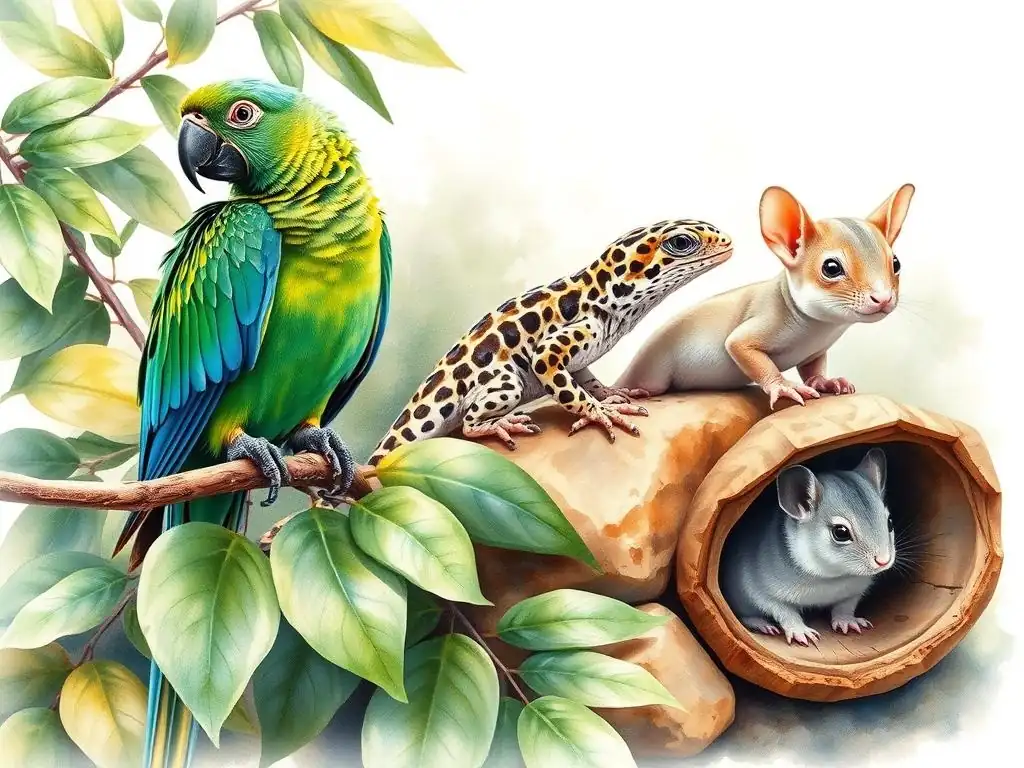
Ethical exotic pet breeding practices are crucial for the long-term health and well-being of these animals. By supporting ethical breeders, you're not just acquiring a pet; you're actively contributing to a future where responsible breeding is the norm, minimizing the suffering often associated with irresponsible breeding practices and the illegal wildlife trade. This involves understanding what constitutes ethical breeding and actively seeking out breeders who adhere to these high standards. Remember, responsible pet ownership begins long before you bring your new companion home.
Choosing Ethically Bred Exotic Pets: Making Informed Decisions for Leopard Geckos
Choosing an ethically bred leopard gecko begins with thorough research. Reputable breeders prioritize the health and well-being of their animals above all else. This means they conduct regular health checks, provide appropriate housing and nutrition, and carefully screen potential buyers to ensure their geckos go to loving homes. Avoid breeders who sell large quantities of animals at low prices, as this often indicates poor husbandry and a disregard for animal welfare.
Instead, look for breeders who:
- Maintain clean and spacious enclosures for their geckos, ensuring proper temperature and humidity levels.
- Provide a varied and nutritious diet, tailored to the specific needs of their leopard geckos.
- Actively monitor the health of their breeding stock, performing regular veterinary check-ups and addressing any health concerns promptly.
- Offer genetic diversity within their breeding program, avoiding inbreeding and promoting healthy offspring.
- Are transparent about their breeding practices and willing to answer your questions thoroughly.
- Screen potential buyers carefully, ensuring they have the knowledge and resources to provide proper care.
A key indicator of ethical breeding is the breeder's willingness to provide detailed information about the gecko's lineage, health history, and temperament. They should be able to provide documentation of veterinary care and genetic testing, if applicable. Transparency and open communication are hallmarks of ethical breeders. Don't hesitate to ask questions; a reputable breeder will welcome your inquiries.
Advocating for Ethical Breeding Practices: Raising Awareness in the Leopard Gecko Community
Raising awareness about ethical breeding practices within the leopard gecko community is vital for long-term change. This can involve various approaches, from engaging in online forums and social media discussions to participating in local reptile shows and educational events. Sharing accurate information about responsible breeding, highlighting the dangers of supporting unethical breeders, and promoting the benefits of adopting rescue animals can make a significant difference.
Here are some effective strategies:
- Educate yourself: Thoroughly understand the ethical considerations surrounding leopard gecko breeding and responsible pet ownership.
- Share your knowledge: Engage in online discussions and share your knowledge with others, correcting misinformation and promoting ethical practices.
- Support reputable breeders: Actively choose to support breeders who demonstrate a commitment to animal welfare.
- Report unethical breeders: If you encounter unethical breeding practices, report them to the appropriate authorities.
- Advocate for legislation: Support legislation that protects exotic animals and promotes responsible breeding practices.
By actively participating in these activities, you can help shape a future where ethical breeding is the standard for leopard geckos and other exotic pets. Remember, even small actions can have a significant collective impact.
Supporting Breeders Committed to Animal Welfare: Examples of Ethical Breeding Programs
While specific examples of ethical breeding programs may require additional research and verification [specific information pending], we can highlight characteristics that define such programs. These programs often involve meticulous record-keeping, regular veterinary check-ups, genetic testing to avoid health problems, and a commitment to providing optimal living conditions for their breeding stock. They also prioritize finding suitable homes for their animals and are willing to provide ongoing support and guidance to new owners.
Ethical breeders often participate in breeding programs that focus on:
- Genetic health: Testing for common genetic diseases and avoiding breeding animals with known health issues.
- Morphological characteristics: Maintaining desirable traits while ensuring animal health and well-being are not compromised.
- Temperament: Selecting animals with calm and manageable temperaments for pet homes.
These programs often involve collaboration with other breeders and veterinary professionals to share knowledge and best practices, further enhancing the welfare of the animals. The ultimate goal is to ensure the long-term health and sustainability of the leopard gecko population, while also providing healthy and well-adjusted pets for responsible owners. By supporting these programs, you become a part of a larger movement towards responsible pet ownership and conservation.
The Future of Ethical Exotic Pet Ownership: A Collaborative Approach for [Specific Exotic Pet Species]
The future of ethical exotic pet ownership hinges on a collaborative effort between breeders, veterinarians, researchers, and pet owners themselves. Focusing on a specific example, let's consider [Specific Exotic Pet Species, e.g., Leopard Geckos]. The responsible breeding of Leopard Geckos requires a multifaceted approach that goes beyond simply producing healthy offspring. It necessitates a deep understanding of the species' genetic diversity, potential health issues, and the overall welfare of the animals throughout their lives.
One crucial aspect is the maintenance of a robust genetic pool. Inbreeding, a common problem in captive breeding programs, can lead to a higher incidence of genetic disorders and reduced overall fitness. Ethical breeders actively work to avoid inbreeding by carefully selecting breeding pairs, utilizing genetic testing where available, and maintaining detailed lineage records.
This meticulous record-keeping allows breeders to track genetic traits and prevent the pairing of closely related individuals, ultimately contributing to a healthier and more resilient population of Leopard Geckos. The collaborative aspect comes into play here through the sharing of genetic data and breeding strategies among breeders, creating a network of responsible practices.
Furthermore, responsible breeding extends beyond genetics. Ethical breeders prioritize the health and well-being of their animals throughout their lives. This includes providing appropriate housing, nutrition, and enrichment to ensure that the geckos thrive. Regular veterinary check-ups are essential for early detection and treatment of any health problems. The involvement of veterinarians is crucial in this process, providing expertise in disease prevention and management, as well as guidance on best practices for animal husbandry. Veterinarians can also play a vital role in educating breeders about the latest research on Leopard Gecko health and genetics.
Finally, the role of the pet owner is paramount. Choosing to acquire a Leopard Gecko from a reputable, ethical breeder is a critical step in supporting responsible breeding practices. Pet owners should actively research potential breeders, asking questions about their breeding practices, the health of the animals, and their commitment to animal welfare. By demanding transparency and accountability from breeders, pet owners exert significant influence, driving the industry towards higher ethical standards.
This collaborative approach—between breeders, veterinarians, researchers, and informed pet owners—is crucial for ensuring a healthy and sustainable future for Leopard Geckos and other exotic pets. The collective effort fosters a responsible ecosystem where the welfare of the animals is prioritized above all else. This commitment to ethical breeding practices not only benefits the animals themselves but also contributes to the long-term conservation of these fascinating species.
Resources for Finding Ethical Exotic Pet Breeders
Finding a reputable breeder committed to ethical exotic pet breeding practices is crucial for ensuring the well-being of your future companion. It's not just about acquiring a pet; it's about supporting responsible breeding and contributing to a healthier population of exotic animals. This section outlines key resources to help you in your search for an ethical breeder. Remember, thorough research is paramount before making a commitment to a new pet.
Online Directories and Databases of Reputable Breeders of [Specific Exotic Pet Species]
Several online resources are dedicated to connecting prospective owners with ethical breeders of various exotic pet species. These directories often include profiles of breeders, showcasing their breeding practices, animal care standards, and sometimes even photos and videos of their animals. However, it's vital to approach these directories with a critical eye. Not all listed breeders necessarily adhere to the highest ethical standards. Always conduct your own independent research before contacting any breeder.
For example, a directory focused on reptile breeding might list breeders specializing in specific species like bearded dragons, leopard geckos, or corn snakes. Each breeder profile should ideally include details on their breeding programs, such as health testing protocols for parents and offspring, information about the animals' lineage, and evidence of proper socialization and handling. Look for breeders who prioritize genetic diversity to avoid inbreeding and maintain healthy bloodlines.
The presence of independent verification or testimonials from previous buyers can also add to a breeder's credibility. Remember, a truly ethical breeder will be transparent and happy to answer your questions thoroughly. Avoid breeders who are evasive or unwilling to share details about their breeding practices.
The availability and quality of online directories vary significantly depending on the specific exotic pet species you are interested in. Some species may have well-established online communities and dedicated breeder directories, while others may have limited online resources. This highlights the importance of expanding your search to include other avenues, such as local organizations and veterinarian referrals.
Local Exotic Pet Societies and Organizations Dedicated to [Specific Exotic Pet Species]
Connecting with local exotic pet societies and organizations can be an invaluable step in your search for an ethical breeder. These groups often have a deep understanding of the local breeding scene and can offer recommendations based on their knowledge of breeders' reputations and practices. They may also provide educational resources on responsible exotic pet ownership, helping you to make informed decisions.
For instance, a local herpetological society might maintain a list of recommended breeders in your area, specializing in various reptile species. These societies frequently host events and workshops, providing opportunities to meet breeders and learn more about their practices firsthand. Participating in these events can give you valuable insights into the ethical considerations involved in exotic pet breeding.
The benefits of engaging with local organizations extend beyond simply finding a breeder. These groups often offer support networks for exotic pet owners, providing advice on care, health, and behavior. This ongoing support can be particularly helpful for new exotic pet owners. Remember to always verify the credibility of any organization before relying on their recommendations.
Veterinarian Recommendations and Referrals for [Specific Exotic Pet Species]
Your veterinarian, especially one specializing in exotic pets, can be a valuable resource in your quest for an ethical exotic pet breeder. Veterinarians often have a close working relationship with local breeders and can offer insights into their reputations and practices based on their professional experience. They are likely to be aware of breeders who prioritize the health and well-being of their animals, adhering to ethical breeding standards and maintaining high levels of animal care.
Specifically, a veterinarian specializing in reptiles could recommend breeders known for their commitment to health testing, proper husbandry, and responsible breeding practices. They may have observed the health and temperament of animals from specific breeders, providing valuable firsthand insights. A veterinarian's recommendation carries significant weight, offering a level of assurance that goes beyond simple online research. However, it's still essential to conduct your own independent research and due diligence before making a final decision. Remember that even reputable breeders can sometimes have setbacks, and ongoing monitoring of your pet's health is crucial.
The search for an ethical exotic pet breeder requires diligence and thorough research. By utilizing a combination of online directories, local organizations, and veterinary referrals, you can significantly improve your chances of finding a responsible breeder committed to the ethical breeding practices that are crucial for the long-term health and well-being of exotic pets. Remember, adopting a pet is a significant commitment, and choosing an ethical breeder is a vital first step in ensuring a happy and healthy life for your new companion.
Reputable Breeder Associations/Organizations for [Specific Exotic Pet Species]
Finding reputable breeders for exotic pets requires diligent research. Unfortunately, a single, universally recognized association doesn't exist for all exotic pet species. The availability of such organizations varies greatly depending on the specific animal. For some popular species like certain types of lizards or snakes, you might find dedicated associations focusing on breeding standards, ethical practices, and member vetting.
These organizations often have strict membership requirements, ensuring breeders adhere to high ethical and welfare standards. They may offer resources like breeder directories, educational materials, and even mentorship programs for aspiring ethical breeders. However, for less common or newly popular exotic pets, such dedicated organizations may be absent or still developing.
For example, let's consider bearded dragons. While not a universally recognized single organization exists for all bearded dragon breeders globally, some regional or national reptile-keeping organizations may have dedicated sections or branches focused on ethical breeding practices within their communities. These groups often promote responsible breeding and provide educational resources to their members and the broader public.
They may also conduct inspections or offer guidance on best breeding practices, contributing to improved animal welfare within the hobby. The level of scrutiny and resources offered will vary, highlighting the importance of individual research into any specific group before relying on their recommendations.
Conversely, for rarer species, such as certain types of frogs or geckos, you might find that dedicated breeder organizations are scarce or nonexistent. In these cases, relying on individual breeder reputations, thorough research, and careful observation of their facilities and practices becomes even more critical. This underscores the need for prospective owners to engage in extensive due diligence, including contacting multiple breeders, visiting breeding facilities (if possible), and reviewing online reviews and testimonials before committing to purchasing an exotic pet.
Always remember to prioritize the well-being of the animal above all else. The absence of a formal association doesn't necessarily imply unethical practices, but it does significantly increase the responsibility on the prospective owner to thoroughly vet potential breeders. This includes checking for proper permits and licenses, examining animal health and living conditions, and inquiring about breeding practices to ensure they align with ethical considerations.
The lack of centralized resources necessitates a more proactive and individualized approach to finding ethical breeders for less common exotic pets. Thorough due diligence is paramount in such circumstances.
Frequently Asked Questions
What are the key characteristics of ethical exotic pet breeding?
Ethical exotic pet breeding prioritizes the health and well-being of the animals above profit. Breeders should focus on genetic diversity, proper socialization, and providing high-quality care throughout the animals' lives. They should also be transparent about their practices.
How can I identify a responsible exotic pet breeder?
Look for breeders who are knowledgeable about the specific needs of the species they breed, provide ample space and enrichment, and readily share information about their breeding program, including health testing results and parentage. Ask questions and trust your instincts.
What are the potential consequences of supporting unethical breeders?
Supporting unethical breeders contributes to overpopulation, poor animal welfare, and the spread of genetic diseases. It can also lead to unhealthy and poorly socialized animals, making them difficult to care for and potentially dangerous.
Why is genetic diversity important in exotic pet breeding?
Maintaining genetic diversity is crucial for the long-term health and survival of exotic pet populations. It helps prevent inbreeding, reduces the risk of genetic disorders, and increases the animals' ability to adapt to changes in their environment.
How can I help promote ethical exotic pet breeding practices?
Support breeders who prioritize animal welfare and transparency. Educate yourself and others about the importance of responsible breeding, and avoid purchasing pets from sources that prioritize profit over animal well-being. Consider adopting instead of buying.
Final Reflection: A Legacy of Responsible Ownership
The ethical breeding of exotic pets is not merely a niche interest; it's a crucial component of ensuring the long-term health and survival of these unique animals. The irresponsible practices of the past have left a devastating legacy of genetic defects, compromised welfare, and unsustainable populations. We must actively work to change this narrative.
The journey towards responsible exotic pet ownership is a deeply personal one, demanding a commitment to education, empathy, and unwavering dedication. It requires a profound understanding of the specific needs of each species, a willingness to prioritize the animal's well-being above all else, and a recognition of the significant responsibility involved. As Jane Goodall wisely observed, You cannot get through a single day without having an impact on the world around you. What you do makes a difference, and you have to decide what kind of difference you want to make.
This quote resonates deeply with the ethical breeding of exotic pets; our choices directly impact the future of these animals.
Consider the implications of your choices. Will you support breeders who prioritize profit over animal welfare, perpetuating a cycle of suffering? Or will you actively seek out ethical breeders, those dedicated to preserving genetic diversity, ensuring healthy animals, and promoting responsible ownership? The future of exotic pets rests in our hands. Choose wisely, and let your actions reflect a commitment to a healthier, more compassionate world for these extraordinary creatures.
Unlock a Brighter Future for Exotic Pets
Thank you for learning about the importance of supporting ethical breeders and ensuring the well-being of exotic animals. Now, let's put that knowledge into action!
- Choose ethical breeders when considering an exotic pet. Thoroughly research potential breeders, verifying their commitment to animal welfare through health screenings and responsible breeding practices. This makes a significant difference in the lives of these animals.
- Share this information with friends and family interested in exotic pets, empowering them to make informed decisions. Let's promote responsible pet ownership!
- Support local exotic animal rescue organizations. Volunteering your time, even a few hours a month, can greatly improve the lives of animals in need.
What will you do today to support ethical breeding and contribute to a healthier future for exotic pets?