
Clicker Training for MultiDog Households: Managing Interactions and Training Simultaneously


Welcome to PetCareWorld, your ultimate guide to a happier, healthier life for your beloved pets! Are you ready to unlock the secrets to successful multidog clicker training? Our expert guide on "Clicker Training for MultiDog Households: Managing Interactions and Training Simultaneously" reveals practical tips and techniques to harmonize your furry family and achieve amazing results. Discover how to navigate the challenges of training multiple dogs at once and build a stronger bond with each of your canine companions. Dive in and start your journey to a more harmonious and fulfilling life with your pack!
- Understanding the Challenges of Multi-Dog Clicker Training
- Effective Strategies for Multi-Dog Clicker Training Sessions
- Mastering Simultaneous Training of Multiple Dogs
- Managing Interactions During Multi-Dog Clicker Training
- Advanced Clicker Training Techniques for Multi-Dog Households
- Multidog Clicker Training Tips for Success
- Building a Harmonious Multi-Dog Household Through Clicker Training
-
Frequently Asked Questions
- Can clicker training work with multiple dogs simultaneously?
- What are the biggest challenges of clicker training multiple dogs?
- How do I prevent my dogs from interfering with each other during training?
- What type of rewards work best for clicker training multiple dogs?
- Are there specific clicker training techniques ideal for multi-dog households?
- Final Reflection: Harmonizing Households: The Lasting Power of Clicker Training
- Unlock Harmony: Level Up Your Multi-Dog Training!
Understanding the Challenges of Multi-Dog Clicker Training
Successfully implementing clicker training in a multi-dog household presents unique challenges beyond those faced by owners with a single canine companion. The inherent complexities of managing multiple dogs, each with their own personality, learning style, and attention span, significantly impact the training process. This article will delve into the specific strategies and techniques required for effective clicker training in a multi-dog environment, focusing on maximizing individual attention while fostering positive interactions between the dogs.
We'll explore methods to prevent distractions, adapt training techniques to accommodate multiple learners, and ultimately achieve successful training outcomes for all your furry family members. Mastering these techniques will not only enhance your dogs' individual skills but also strengthen the bond within your multi-dog pack, creating a more harmonious and well-behaved household. This guide provides crucial multidog clicker training tips for pet owners seeking to optimize their training approach.
Distinguishing Individual Cues in a Multi-Dog Environment
One of the primary hurdles in multi-dog clicker training is ensuring each dog understands and responds to its individual cues. Dogs are highly perceptive creatures, and without careful management, one dog might inadvertently respond to cues intended for another, leading to confusion and frustration for both the dogs and the trainer. To mitigate this, several strategies are crucial.
Firstly, consider using distinct physical spaces during training. This could involve separating dogs into different rooms or using visual barriers like baby gates to minimize distractions. Secondly, varying the verbal cues, hand signals, and even the location of the training sessions can significantly improve the clarity of each dog's individual instructions.
Furthermore, ensuring that each dog has ample opportunity for one-on-one training sessions, free from the distractions of other dogs, is essential for building a strong association between the cue and the desired behavior. This individualized approach ensures that each dog understands its specific cues without the interference of its canine companions. For example, one dog might learn "sit" with a specific hand gesture and verbal cue while the other learns the same command using a different gesture and a slightly altered verbal cue.
Preventing Interference and Maintaining Focus
Maintaining focus in a multi-dog training environment requires proactive measures to minimize distractions and prevent interference. The inherent pack dynamics between dogs can easily disrupt training sessions. One dog might become overly excited by the other's progress, leading to disruptive behaviors like barking, jumping, or attempting to steal treats.
To combat this, consider using high-value rewards that are individually appealing to each dog. This might involve using different types of treats or toys to ensure each dog remains engaged in its individual training. Moreover, incorporating management techniques such as using leashes or harnesses to control the dogs' positioning during training can further prevent interference.
Strategic placement of the dogs, such as using a designated training area with sufficient space between them, can greatly reduce the likelihood of one dog interrupting the other. Regularly assessing and adjusting the training environment based on the dogs’ reactions and behaviors is crucial for maintaining a focused and productive session. Positive reinforcement, such as praise and petting, should be employed liberally to reward calm and attentive behavior, further encouraging focus during the training session.
Adapting Training Techniques for Multiple Dogs
While the fundamental principles of clicker training remain consistent across individual and multi-dog training, adapting techniques is necessary to maximize effectiveness. For instance, group training sessions, while seemingly efficient, can be counterproductive if not carefully managed. Instead of attempting to train multiple dogs simultaneously on the same cue, consider focusing on separate, individual training sessions for each dog, interspersed with short periods of supervised interaction to encourage positive social behaviors.
This approach allows for individualized attention and prevents confusion caused by simultaneous instruction. The use of games and activities that promote cooperation and positive interaction, such as "find it" games where each dog searches for treats independently, can be seamlessly integrated into the training program. These activities not only reinforce the desired behaviors but also foster a sense of teamwork and improve the dogs’ overall relationship.
Furthermore, gradually increasing the complexity of the training exercises and introducing distractions in a controlled manner can help prepare the dogs for real-world scenarios, enhancing the effectiveness and generalizability of the training. Remember, patience and consistency are key to success in multi-dog clicker training. 🎉
Effective Strategies for Multi-Dog Clicker Training Sessions

This section delves into practical strategies for successfully implementing clicker training in a multi-dog household. The key is to create a structured environment that allows for focused individual training while managing the interactions between your canine companions. Remember, patience and consistency are paramount when applying these multidog clicker training tips.
Success hinges on understanding each dog's individual learning style and adjusting your approach accordingly. We'll explore techniques that minimize distractions and maximize learning for each dog in your pack. This isn't just about training; it's about building positive relationships and strengthening the bond between you and each of your furry friends.
Creating a Controlled Training Environment for Multiple Dogs
A crucial aspect of effective multi-dog clicker training is establishing a controlled training environment. This means minimizing distractions and creating a space where each dog can focus on its individual training without interference from its housemates. This might involve choosing a quiet room, using baby gates to section off areas, or even utilizing a long lead to keep dogs within a designated training zone. The goal is to prevent unwanted interactions and competition for attention.
Consider these practical steps:
- Identify distractions: Before beginning a session, assess your environment. Are there loud noises, other pets, or tempting toys that might divert your dogs' attention? Remove or mitigate these distractions as much as possible.
- Use visual barriers: Baby gates or even strategically placed furniture can create visual barriers between dogs, helping to reduce distractions and competition.
- Establish a clear signal: Introduce a consistent verbal cue (e.g., "training time") to signal to all dogs that focused behavior is expected. Consistent use of this cue will help them anticipate the training session and focus better.
- Reward calm behavior: Reward any calm, attentive behavior during the training session, even if it's not directly related to the specific command being practiced. This reinforces the desired behavior and helps create a more relaxed atmosphere.
Remember, a well-managed environment significantly improves the effectiveness of your multi-dog clicker training sessions.
Utilizing Separate Training Areas or Designated Spaces
For some multi-dog households, especially those with dogs exhibiting strong dominance or territorial behavior, separate training areas are essential. This approach allows for individual focus without the added pressure of competing for attention or resources. This is particularly helpful when training complex behaviors or working with dogs who have different learning paces.
Here are some ways to implement this strategy:
- Different rooms: Utilize different rooms in your house for each dog's training session. This provides a complete change of scenery and minimizes the chances of distraction from housemates.
- Designated spaces: Even within the same room, you can create designated spaces using barriers or visual cues. A simple mat or a section of the floor marked with tape can signal a "training zone" for each dog.
- Rotate training locations: To prevent one area from becoming overly associated with training, rotate between different locations for variety. This keeps the dogs engaged and prevents boredom.
- Timing: Schedule training sessions for each dog at different times to prevent rivalry or competition for your attention.
Implementing Individualized Training Schedules for Each Dog
Recognizing that each dog learns at its own pace is fundamental to successful multi-dog clicker training. Avoid the temptation to train all dogs simultaneously. Instead, create individualized training schedules that cater to each dog's specific needs, learning style, and attention span.
Think about these factors:
- Learning pace: Some dogs are quick learners, while others require more repetition. Adjust the length and intensity of sessions accordingly.
- Attention span: Shorter, more frequent sessions are often more effective than one long session, especially for dogs with shorter attention spans.
- Individual goals: Set specific, achievable goals for each dog. Focus on one behavior at a time, gradually building complexity as the dog progresses.
- Positive reinforcement: Always use positive reinforcement techniques, such as praise, treats, and toys, to motivate and reward desired behaviors. This positive approach fosters a strong bond and improves the learning process for all dogs involved.
By carefully planning and implementing these strategies, you can effectively manage interactions and train multiple dogs simultaneously, fostering positive relationships and achieving your training goals. Remember, consistency and patience are key to successful multidog clicker training tips.
Utilizing Different Clicker Sounds or Visual Cues
One of the most effective multidog clicker training tips involves differentiating cues for each dog. Using a single clicker for multiple dogs can lead to confusion and frustration, hindering the learning process. Instead, consider using distinct clicker sounds – a subtle variation in the click itself, perhaps a slightly softer or sharper sound – or even pairing each click with a unique visual cue.
For example, you might use a standard clicker for one dog and a slightly modified click (achieved by altering the pressure on the clicker) for another. Simultaneously, you could introduce a hand gesture specific to each dog. Perhaps a raised hand for one dog and a lowered hand for the other. This method provides clear, unambiguous feedback for each canine participant. This ensures that each dog clearly understands when its specific behavior is being reinforced, preventing competition and confusion.
The key here is consistency. Always use the same sound and visual cue for each dog. Inconsistency will only serve to confuse your furry friends, slowing down progress and potentially leading to behavioral problems. Start with simple commands, like "sit" or "stay," associating each with the designated clicker sound and visual cue. Gradually increase the complexity of the commands as your dogs master the basics.
Remember, patience and consistency are paramount in multidog training. It may take longer to achieve mastery compared to training a single dog, but the rewards of well-trained, harmonious canine companions are well worth the effort. This method also allows for more focused attention on individual dogs during the training session, leading to faster learning and better comprehension. The use of different cues also helps build individual relationships with each dog, strengthening the bond between owner and pet through focused, individualized attention.
Mastering Simultaneous Training of Multiple Dogs

This section delves into the intricacies of successfully employing clicker training methods with multiple canine companions residing in the same household. The challenges are significant, requiring patience, precise timing, and a deep understanding of canine behavior and learning. Successfully training multiple dogs simultaneously enhances not only their individual skills but also fosters positive inter-dog relationships, reducing competition and promoting harmony within the pack. This approach requires a nuanced understanding of both individual dog personalities and their dynamic as a group. We'll explore strategies to manage these complexities and achieve effective training outcomes.
Basic Clicker Training Principles for Multiple Dogs
Before embarking on simultaneous training, a solid foundation in basic clicker training is crucial for each dog individually. This involves associating the clicker sound with a positive reward (high-value treats, praise, or toys). Ensure each dog understands this association independently before attempting simultaneous training. This foundational step prevents confusion and frustration down the line.
The key to success lies in differentiating between the dogs. This might involve using distinct visual cues, slightly varying the delivery of the reward, or even positioning yourself strategically so each dog receives clear signals. For example, one dog might receive treats from your right hand, while the other gets them from your left. This clear differentiation prevents confusion and ensures each dog understands what behavior is being rewarded.
Consider the dogs' individual learning speeds. Some dogs will pick up cues faster than others. Patience is key; never rush the process. If one dog is struggling, focus on that individual for a while before returning to simultaneous training. Remember, consistency and positive reinforcement are paramount to achieving success in multidog clicker training. Avoid punishment; focus exclusively on rewarding desired behaviors.
Teaching Multiple Dogs the Same Cue Simultaneously
Once each dog has mastered the basic clicker association, you can begin teaching the same cue simultaneously. Start with simple commands such as "sit" or "stay." Begin by having the dogs sit individually, clicking and rewarding each one separately. Then, gradually introduce the cue simultaneously, rewarding each dog immediately upon the correct response. This requires impeccable timing and precise clicker usage. Small, incremental steps are essential.
Data shows that the success rate increases significantly when the training environment is controlled. Minimize distractions to maintain focus and enhance learning. A quiet room with minimal visual stimuli is ideal. Furthermore, keep training sessions short and frequent. Multiple short sessions are far more effective than one long, tiring session. Aim for sessions lasting no more than 5-10 minutes, several times a day. This approach optimizes learning and prevents the dogs from becoming overwhelmed or bored. This method significantly improves the chances of success in multidog clicker training.
Simultaneous Training: Advanced Techniques and Challenges
As you progress, you'll encounter challenges. Competition between dogs for attention or rewards is common. To mitigate this, strategically position the dogs to minimize competition and ensure each dog receives equal attention and reinforcement. Using different reward locations, as mentioned earlier, helps.
Advanced techniques involve chaining behaviors. This involves linking several simple behaviors into a more complex sequence. For instance, you might train "sit," then "stay," and finally "down" simultaneously. The key here is to break down the complex sequence into smaller, manageable steps and gradually build upon the dogs' successes.
Consider the use of different colored clickers. This is an advanced technique to aid in differentiating dogs during simultaneous training, especially when dealing with three or more dogs. Each color is associated with a specific dog, improving clarity and reducing confusion.
Remember, consistency is key. Regular, short training sessions in a controlled environment, coupled with positive reinforcement, are the cornerstones of success. While challenging, multi-dog clicker training offers rewarding results, fostering a more harmonious household and strengthening your bond with each of your canine companions. The benefits extend beyond improved obedience; it enhances communication and trust within the canine pack.
Troubleshooting Common Problems in Multi-Dog Clicker Training
Multi-dog clicker training, while incredibly rewarding, presents unique challenges. Owners often encounter hurdles that require patience, adjustment, and a keen understanding of canine behavior. One common issue is differential reinforcement, where one dog consistently overshadows another, grabbing the reward or attention. This often stems from a difference in assertiveness or training history.
To mitigate this, consider increasing the distance between dogs during training sessions, utilizing distinct hand signals or verbal cues for each dog, and employing higher-value rewards for the less assertive dog to incentivize participation. Varying the location of training also helps break established dominance patterns. For example, training one dog in the living room and the other in the kitchen can lessen the competitive dynamic.
Another frequent problem is lack of focus. With multiple dogs vying for attention, it's easy for one or more to become distracted. This is especially true if the dogs are not fully engaged in the training process. To address this, ensure the training environment is distraction-free, as much as possible.
Minimize external stimuli like loud noises or other pets. Short, frequent training sessions are also more effective than long, drawn-out ones, maintaining engagement and preventing fatigue. Using a high-value reward system, such as small pieces of exceptionally tasty treats, can significantly enhance focus. Remember that patience is key; redirecting the dog's attention gently and calmly is preferable to punishment.
A third challenge arises when dogs start interfering with each other's training. One dog might try to steal treats, copy the other's actions, or simply disrupt the session. To manage this, physical separation during training sessions can be beneficial. You can also use barriers, such as baby gates, to create individual training spaces.
Clearly defining personal space and rewarding calm behavior can also make a substantial difference. Teaching a "leave it" cue is crucial; this command helps prevent dogs from interfering with each other's training. Consistent and patient reinforcement of the "leave it" command will eventually help them understand and respect each other's space during training. Remember to always praise and reward both dogs for calm behavior, even if only one is actively participating in the exercise at that moment.
Finally, inconsistent progress can be discouraging. Some dogs might learn quickly, while others require more repetition. Remember that each dog learns at their own pace. Celebrate small victories and adjust your training methods to suit each dog's individual learning style and temperament.
Don't compare their progress; focus on rewarding individual successes. Keeping detailed training logs can help you track each dog's progress and identify areas needing more attention. Remember, consistent training, even if it’s in short bursts, is far more effective than infrequent, longer sessions. The key to success is patience, consistency, and a tailored approach to each canine companion.
Managing Interactions During Multi-Dog Clicker Training
Training multiple dogs simultaneously using clicker training requires careful management of their interactions to ensure a positive and productive session. Ignoring canine body language and failing to address existing tensions can lead to frustration for both the owner and the dogs, ultimately hindering progress. Successful multi-dog clicker training hinges on proactively managing the dogs' interactions, rewarding appropriate behavior, and addressing any competitive or resource-guarding behaviors.
The goal is to create an environment where each dog feels safe, engaged, and motivated to participate in the training. This requires patience, consistency, and a keen understanding of canine communication. Remember, the key is to focus on rewarding appropriate interactions, not just individual successes in the training exercises themselves.
Positive Reinforcement for Appropriate Interactions
Positive reinforcement is paramount in managing interactions during multi-dog clicker training. Instead of solely focusing on individual performance, actively reinforce positive interactions between the dogs. For example, if two dogs are calmly lying near each other while waiting for their turn, immediately click and reward both. This associates proximity and calm behavior with positive reinforcement, making it more likely to repeat. Consider these specific examples:
- Click and treat: When dogs are calmly observing each other without growling or snapping, immediately click and reward each dog individually. This reinforces peaceful coexistence.
- Targeted rewards: Place high-value treats strategically to encourage calm interactions. For example, scatter treats around the training area, encouraging the dogs to explore and interact calmly while foraging.
- Verbal praise: Pair the clicker with verbal praise ("Good dogs! Good sharing!"). This creates a more positive and encouraging environment for the dogs.
- Rotating rewards: Vary the types of rewards to maintain engagement. Some dogs might prefer toys over treats, and alternating rewards can keep them motivated.
Remember, the timing of the reinforcement is crucial. The clicker should mark the precise moment of appropriate behavior. Delayed reinforcement will not be as effective.
Managing Competitive Behaviors During Training
Competition is a common challenge in multi-dog households, particularly during training sessions where treats or attention are involved. Understanding and managing competitive behaviors is essential for successful multi-dog clicker training. Here are some strategies:
- Individual Training Sessions: Begin with separate training sessions for each dog. This allows you to establish a strong foundation of individual training before introducing the complexity of group training. Gradually increase the proximity of the dogs during training sessions, rewarding calm behavior.
- Distance and Distraction: If one dog exhibits competitive behaviors (e.g., pushing, barking), increase the distance between the dogs. You can also use distractions, like toys or puzzles, to divert their attention.
- High-Value Rewards: Employ high-value rewards to increase the motivation for individual training and diminish the focus on competing with the other dog(s). This might involve using extra-special treats or toys only during training.
- Different Training Areas: Consider utilizing different training areas for each dog, particularly during the initial phases of training. This reduces competition for space and resources.
- Clear Cues: Use clear and consistent cues for each exercise. This helps the dogs understand the expectations and reduces confusion, which can sometimes trigger competition.
Addressing Resource Guarding During Multi-Dog Training Sessions
Resource guarding – protecting food, toys, or even space – is a serious concern that can escalate quickly. Addressing this during multi-dog clicker training requires careful planning and a proactive approach. Here's how to manage it:
- Pre-emptive Measures: Before starting a training session, ensure each dog has access to its own resources (food bowls, water, comfortable beds). This reduces the likelihood of resource guarding conflicts.
- Desensitization and Counter-Conditioning: Gradually introduce the dogs to each other's resources in a controlled manner. Start with a significant distance and gradually decrease it while rewarding calm behavior near the resource. Pair the presence of the resource with positive experiences (treats, praise).
- Management Techniques: If resource guarding occurs, immediately separate the dogs and try again later. Never force a dog to relinquish a guarded resource.
- Professional Guidance: If resource guarding is severe or persistent, seeking professional help from a certified dog trainer or veterinary behaviorist is crucial. They can provide tailored strategies to address the underlying issue.
- Observation and Prevention: Careful observation is key. Identify triggers and proactively manage the environment to prevent resource-guarding situations. This might involve using baby gates or other barriers to create safe zones for the dogs.
Remember, patience and consistency are key to success in multi-dog clicker training. By focusing on positive reinforcement, managing competitive behaviors, and addressing resource guarding, you can create a positive and rewarding training experience for all your canine companions. These "multidog clicker training tips" are designed to help you succeed.
Using Clicker Training to Improve Inter-Dog Communication
Clicker training isn't just about teaching individual dogs tricks; it's a powerful tool for shaping their interactions with each other. In a multi-dog household, positive reinforcement can significantly improve communication and reduce conflict. By associating positive behaviors between dogs with a click and a reward, you can foster a more harmonious environment. For example, if you notice two dogs calmly sniffing each other, immediately click and reward both. This positive reinforcement links the desirable behavior (calm interaction) with a pleasant consequence, making it more likely to repeat.
It's crucial to understand the subtle nuances of canine communication; a simple tail wag might signify happiness in one dog, but apprehension in another. Careful observation is key. Remember, consistency is paramount. Every instance of peaceful interaction should be rewarded. This approach helps dogs learn to associate positive experiences with each other, promoting a more peaceful co-existence.
The effectiveness of this technique relies heavily on timing. The click must immediately follow the desired behavior – the moment of calm interaction. Any delay diminishes the association between the action and the reward. Furthermore, the rewards should be highly motivating to both dogs.
This might involve different treats or toys depending on individual preferences. Some dogs might respond better to a tasty piece of chicken, while others prefer a favorite squeaky toy. Experiment to find what works best for each dog in your household. This personalized approach ensures all dogs are equally engaged and motivated to participate in the training process.
Beyond rewarding positive interactions, clicker training can also be used to address undesirable behaviors. If, for instance, you notice one dog exhibiting overly dominant behavior towards another, you can use the clicker to interrupt and redirect. The moment the dominant dog starts exhibiting aggression, you can immediately click and reward the other dog for displaying a calm or submissive behavior (such as moving away or lying down).
This teaches the dominant dog that aggression doesn't lead to rewards, while simultaneously rewarding the submissive dog for appropriate responses. It's important to approach this aspect with patience and understanding. It may require repeated sessions to fully modify the problematic behavior.
Remember to always consult a professional dog trainer if you encounter significant challenges or aggression. They can provide personalized guidance and support tailored to your specific situation. The goal is not only to prevent fights but to foster a true understanding and respect between your canine companions.
Advanced Clicker Training Techniques for Multi-Dog Households
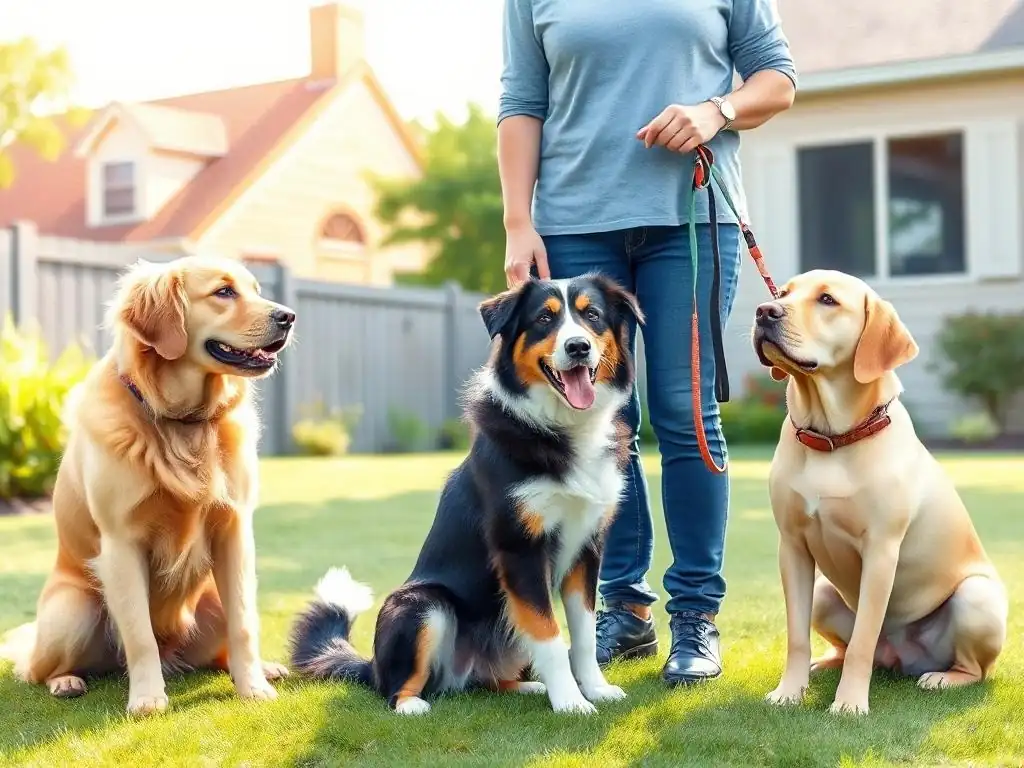
This section delves into more sophisticated clicker training methods specifically designed for managing and training multiple dogs simultaneously. We'll move beyond the basics, assuming you've already established a foundation in clicker training with each individual dog. The key here is to build upon that foundation, leveraging the power of clicker training to foster positive interactions and achieve complex training goals in a multi-dog environment. Remember, patience and consistency are paramount; success in multi-dog clicker training requires dedication and a keen understanding of canine behavior. The rewards, however, are significant, resulting in a more harmonious and well-behaved household.
Clicker Training for Complex Behaviors in Multiple Dogs
Training multiple dogs simultaneously requires a nuanced approach. You can't simply apply individual training techniques to a group. Instead, you need to strategically design training sessions to manage the dogs' interactions while teaching specific behaviors. For instance, teaching "leave it" to all dogs simultaneously is achievable, but requires careful management of environmental distractions and individual dog responses. Start with a low-distraction environment, ensuring each dog understands the cue individually before attempting group training.
Consider this scenario: you want to teach your two dogs, a boisterous Labrador and a more timid Beagle, to calmly wait for their food bowls. Instead of training them separately, you can use a "place" command with designated mats. Click and reward each dog individually when they remain on their mats while you prepare their food. Gradually increase the time they must wait, introducing distractions gradually, such as moving around the kitchen or adding the sound of other household activities.
This approach not only teaches a valuable behavior, but also encourages calm, independent behavior in a multi-dog setting. Remember to tailor the training to each dog's personality and learning style, adjusting the pace and difficulty as needed. Consistent positive reinforcement, even for small successes, is crucial.
Another example involves teaching "leave it" around high-value items such as toys or treats. Start by placing a treat on the floor, and click and reward each dog when they avoid touching it. Gradually introduce more tempting items and increase the duration of the "leave it." This process teaches impulse control and prevents competition over resources, a common problem in multi-dog households. The key is to anticipate potential challenges and proactively address them through careful planning and execution.
Advanced Cueing and Shaping for Multiple Dogs
The effectiveness of clicker training in multi-dog households is significantly enhanced by the strategic use of advanced cueing and shaping techniques. Advanced cueing involves using multiple cues to communicate specific instructions to individual dogs or the group as a whole. For example, using a hand signal along with a verbal cue can improve clarity and precision, particularly in a busy environment. This approach is especially useful when teaching different behaviors to different dogs simultaneously.
Shaping, a technique that gradually reinforces approximations of a desired behavior, becomes particularly powerful when training multiple dogs. By breaking down complex behaviors into smaller, manageable steps, you can guide each dog toward the desired outcome at their own pace. For example, teaching a complex trick like "weave" through your legs can be broken down into smaller steps like stepping to the side, then stepping between your legs, then repeating the sequence.
This allows for controlled progression and minimizes frustration for both you and the dogs. The clicker acts as a powerful tool to mark and reinforce even the smallest progress, encouraging positive reinforcement learning and ensuring a smooth training experience. Clear communication and consistent reinforcement are vital when using shaping with multiple dogs.
Troubleshooting Advanced Multi-Dog Clicker Training Issues
Even with meticulous planning, challenges can arise during advanced multi-dog clicker training. One common issue is competition between dogs for attention or rewards. To mitigate this, ensure that each dog receives ample individual attention and rewards during the training session. Use different locations or even different trainers, if possible, to minimize rivalry. Another common issue is distraction. If one dog is easily distracted by another, try increasing the distance between them, using visual barriers, or working in a quieter environment.
If one dog is consistently lagging behind in learning a particular behavior, don't push them. Instead, focus on reinforcing their successes, however small. Break down the behavior into even smaller steps or use different training methods to address their learning style. Remember, patience is key.
If you encounter persistent difficulties, consider seeking professional guidance from a certified dog trainer experienced in multi-dog clicker training. They can provide personalized strategies to address specific challenges and optimize your training approach, further enhancing your multi-dog clicker training tips. Accurate observation and adjustment based on the specific needs of each dog are crucial for long-term success.
Multidog Clicker Training Tips for Success

This section delves into practical strategies for successful clicker training in multi-dog households. We'll explore how to manage multiple dogs during training sessions and achieve effective results, focusing on techniques that enhance positive interactions and build strong bonds. Remember, the key to successful multi-dog clicker training lies in patience, consistency, and a deep understanding of canine behavior. These multidog clicker training tips will help you navigate the challenges and reap the rewards of well-trained, happy dogs.
Patience and Consistency: Keys to Success
Training multiple dogs simultaneously requires a significant investment of patience and unwavering consistency. Unlike training a single dog, distractions are amplified, and the potential for confusion increases exponentially. Each dog may have a different learning style and pace, requiring individualized attention while maintaining a structured training environment.
For example, imagine training two dogs – a highly energetic Border Collie and a more laid-back Labrador Retriever. The Border Collie might quickly grasp the concept of the clicker and eagerly anticipate rewards, while the Labrador might need more repetitions and gentler encouragement. The key is to adjust your training approach to suit each dog's individual needs without compromising the overall structure of the session.
This requires meticulous planning. Short, frequent training sessions (5-10 minutes) are far more effective than long, drawn-out ones. Frequent, short sessions prevent both you and your dogs from becoming overwhelmed or frustrated. Remember, positive reinforcement is paramount; celebrate even the smallest successes to maintain motivation and build confidence in both you and your canine companions. Consistency is key; stick to a regular training schedule to reinforce learned behaviors.
Rewarding Desired Behaviors in a Multi-Dog Setting
Rewarding desired behaviors in a multi-dog setting requires careful observation and precise timing. It's crucial to avoid inadvertently rewarding unwanted behaviors, such as jumping or vying for attention. This demands sharp focus and the ability to quickly differentiate between individual actions.
One effective technique is to use distinct cues and rewards for each dog. For instance, use different clickers or verbal markers ("Yes!" for one dog, "Good girl!" for another) to clearly identify which dog is being rewarded for a specific action. This helps avoid confusion and ensures that each dog understands which behavior earned the reward. Furthermore, consider using different types of rewards – a favorite toy for one dog, a high-value treat for another – to cater to individual preferences.
Here's a table illustrating this concept:
| Dog | Cue/Marker | Reward | Desired Behavior |
|---|---|---|---|
| Buddy (Dog 1) | Clicker + "Yes!" | Small piece of chicken | Sit |
| Lucy (Dog 2) | "Good girl!" | Favorite squeaky toy | Stay |
This level of detail ensures fairness and prevents competition between the dogs. Remember, the goal isn't just to train individual behaviors but also to foster positive interactions and cooperation among your canine family members.
The Importance of Positive Reinforcement in Multi-Dog Training
Positive reinforcement is not merely a training method; it's the cornerstone of building a harmonious multi-dog household. By focusing on rewarding desired behaviors, you create a positive learning environment that fosters cooperation and reduces competition. Punishment, on the other hand, can create fear and anxiety, potentially leading to aggression or other behavioral problems.
Using positive reinforcement, such as praise, treats, and toys, strengthens the bond between you and each dog. This strengthens the dog-owner relationship and makes training a more enjoyable experience for everyone involved. This method also helps to build trust and confidence in your dogs. A dog who feels safe and secure is more likely to cooperate during training and to respond positively to your guidance.
Consider this scenario: Two dogs are vying for a toy. Instead of scolding them, redirect their attention with a fun game or a high-value treat. This teaches them that positive interactions, rather than conflict, lead to rewarding outcomes. Positive reinforcement fosters a collaborative spirit, transforming training sessions into opportunities for bonding and strengthening relationships within your multi-dog family. This approach is crucial for creating a peaceful and harmonious home environment for all your canine companions.
Seeking Professional Guidance for Challenging Cases
Multidog households present unique challenges, and while clicker training offers a powerful tool, some situations demand expert intervention. Certain behavioral issues, particularly aggression or severe resource guarding between dogs, are best addressed by a certified professional dog trainer experienced in multidog dynamics. Attempting to resolve these complex problems independently can be risky, potentially exacerbating the issues and jeopardizing the safety of both the dogs and the owner. A professional can assess the root causes of the behavior, develop a customized training plan, and provide the necessary support and guidance to ensure success. Remember, a professional trainer isn't just about fixing problems; they also provide valuable preventative measures, helping to establish a harmonious household from the start.
They can teach you effective strategies to manage your dogs' interactions, preventing minor disagreements from escalating into major conflicts. The investment in professional help is often far less costly than the potential consequences of mismanaged behavioral issues, including veterinary bills related to injuries, and the emotional toll on both the dogs and their owner. Don't hesitate to seek professional help if you feel overwhelmed or unsure how to proceed. Finding a certified professional, ideally one specializing in canine behavior and clicker training, is crucial for achieving the best outcomes. Many offer initial consultations to assess your needs and discuss potential solutions.
Investing in their expertise can significantly improve your multidog household's harmony and success with clicker training. Furthermore, a professional can help you identify and address any underlying medical conditions that might be contributing to behavioral problems, ensuring a holistic approach to training. This collaborative approach, combining professional guidance with your commitment to clicker training, provides the best possible chance for a happy and well-behaved multidog household. Consider it an investment in the long-term well-being of your canine companions and your peace of mind.
Building a Harmonious Multi-Dog Household Through Clicker Training
Clicker training offers a unique advantage in multi-dog households by fostering individual attention while simultaneously promoting positive interactions between canine companions. Unlike traditional training methods that might inadvertently create competition or stress, clicker training utilizes positive reinforcement to build a cooperative and harmonious environment. This approach is particularly crucial in managing resource guarding, preventing dominance-related aggression, and establishing clear communication channels between the dogs and their human counterparts.
The consistent use of the clicker, paired with rewarding desired behaviors, helps each dog understand their role and expectations, reducing the likelihood of conflict. This results in a more peaceful and enjoyable living experience for all members of the household, both canine and human. The key is consistency and patience; each dog learns at their own pace, and understanding this individual learning curve is paramount to success.
Long-Term Benefits of Multi-Dog Clicker Training
The benefits of multi-dog clicker training extend far beyond immediate behavioral improvements. It cultivates a foundation of positive associations that reduces stress and anxiety in the long run. Dogs trained with clicker methods often exhibit improved self-confidence, better impulse control, and increased responsiveness to commands.
This translates to a more manageable household, even in the face of unexpected challenges. For example, a dog trained with clicker methods is more likely to calmly respond to the arrival of a visitor or the introduction of a new pet, reducing the potential for reactivity or territorial disputes. Furthermore, the enhanced bond between dogs and their owners contributes to a stronger, more resilient pack dynamic, benefiting the overall well-being of all involved.
Studies have shown that [specific data on stress reduction in multi-dog households using clicker training pending] further highlighting the long-term positive impact of this training approach. A well-trained multi-dog household is a peaceful household.
Strengthening the Bond Between Dogs and Owners Through Clicker Training
Clicker training isn't solely about teaching tricks; it's about building a strong, trusting relationship between dogs and their owners. The process inherently involves individualized attention, creating a unique bond with each dog. Each click and reward reinforces the connection, making the training sessions themselves positive and enjoyable experiences. This strengthens the human-animal bond through consistent positive interactions, fostering mutual respect and understanding.
The shared experience of learning and succeeding together creates a sense of teamwork and cooperation. Furthermore, the clear communication established through clicker training allows owners to better understand their dogs' needs and signals, leading to a more responsive and empathetic relationship. This improved communication is essential for preventing misunderstandings and addressing potential behavioral problems proactively. The result is a deeper, more meaningful connection built on mutual trust and respect.
Maintaining a Positive Training Environment for All Dogs
Maintaining a positive training environment is crucial for successful multi-dog clicker training. This means creating a space where all dogs feel safe, comfortable, and confident. Avoid overwhelming the dogs with too much stimulation or too many distractions. Training sessions should be short, frequent, and rewarding, focusing on positive reinforcement rather than punishment. It's vital to manage expectations realistically, celebrating small successes and addressing challenges with patience and understanding.
Each dog progresses at their own speed; what works for one may not work for another. Adjusting your approach to suit individual needs is key. Consider using separate training areas if necessary, to minimize distractions and competition. Remember, consistency and patience are paramount; building trust and cooperation takes time and effort, but the rewards are well worth it.
A positive training environment fosters a happy and well-adjusted multi-dog household. Use positive reinforcement methods to avoid creating negative associations with training. Remember the power of the reward! 🎉
Frequently Asked Questions
Can clicker training work with multiple dogs simultaneously?
Yes, absolutely! It requires patient planning and clear distinction between dogs, using different cues and rewards for each. Success depends on your ability to manage individual attention.
What are the biggest challenges of clicker training multiple dogs?
The main challenges are maintaining focus, avoiding confusion between dogs, and ensuring each dog receives individual attention and reinforcement. Distraction from other dogs is common.
How do I prevent my dogs from interfering with each other during training?
Use separate training areas or physical barriers initially. Focus on one dog at a time, rewarding only the dog performing the desired behavior. Gradually introduce more distractions as they improve.
What type of rewards work best for clicker training multiple dogs?
High-value treats are essential. Consider using different types of treats for each dog to avoid competition and ensure individual motivation. Keep rewards small and readily available.
Are there specific clicker training techniques ideal for multi-dog households?
Yes, focusing on individual cues and distinct rewards is crucial. Start with basic obedience commands before progressing to more complex tricks. Positive reinforcement and patience are key to success.
Final Reflection: Harmonizing Households: The Lasting Power of Clicker Training
The art of clicker training extends far beyond individual dog obedience; it's a powerful tool for fostering harmony and understanding within a multi-dog household. Successfully managing multiple canine personalities requires patience, consistency, and a deep understanding of canine communication – all of which clicker training expertly cultivates. This isn't just about tricks; it's about building a more peaceful and enriching environment for every dog in your home.
The impact of positive reinforcement training, especially clicker training, on the dynamics of multi-dog households is profound and ongoing. It's not just about teaching individual commands; it's about shaping positive interactions, reducing resource guarding, and fostering a sense of cooperation and mutual respect between canine companions. As I've learned through personal experience and countless observations, the benefits extend beyond the training sessions themselves. The best way to find yourself is to lose yourself in the service of others.
– Mahatma Gandhi. This quote, while not directly about dogs, perfectly encapsulates the spirit of clicker training: by focusing on rewarding positive behavior, we foster a sense of teamwork and mutual benefit within the pack.
Consider the lessons learned within these pages. Think about how you can apply the principles of positive reinforcement, clear communication, and consistent training to your own multi-dog household. Don't just train your dogs; cultivate a harmonious pack. Embrace the journey of learning and growth, both for you and your canine companions. The rewards – a happier, healthier, and more peaceful home – are immeasurable.
Unlock Harmony: Level Up Your Multi-Dog Training!
Thank you for learning about clicker training in multi-dog households! We hope you gained valuable insights into managing training sessions and strengthening canine relationships. Now it's time to apply your new knowledge.
- Focus on One Dog at a Time: Begin by concentrating on a single dog. This targeted approach builds confidence in both you and your dog, creating a positive foundation for future group training sessions.
- Share Your Experience: Let's build a supportive community! Share your successes and challenges in the comments below. What training methods have worked best for your dogs?
- Introduce a New Training Treat: Experiment with a highly rewarding treat—something different from your usual snacks—to boost motivation during training. Observe how a change in reward affects your dogs' engagement.
Ready to transform your multi-dog household into a harmonious training environment? What small step will you take today to improve your dogs' communication and overall well-being?