
When to Consult a Vet: Identifying Medical Causes of Chewing


Welcome to PetCareWorld, your ultimate guide to a happier, healthier life for your beloved pets! Are you concerned about your dog's excessive chewing? It might be more than just a bad habit. Dive into our expert article, "When to Consult a Vet: Identifying Medical Causes of Chewing," to uncover potential underlying health issues that could be driving this behavior and learn how to help your furry friend. Discover the surprising medical reasons behind destructive chewing and gain valuable insights into ensuring your canine companion's well-being.
- Understanding Excessive Chewing in Dogs: Beyond Behavioral Issues
-
Medical Reasons Your Dog Might Be Chewing Excessively: A Vet's Perspective
- Dental Problems: Toothache, Gum Disease, and Other Oral Issues as Causes of Excessive Chewing in Dogs
- Pain Management: How Underlying Pain Leads to Increased Chewing Behavior
- Gastrointestinal Issues: Digestive Upsets and Their Link to Excessive Chewing
- Nutritional Deficiencies: How Nutrient Imbalances Can Cause Chewing
- Infections and Illnesses: How Infections Contribute to Increased Chewing
- When to Seek Veterinary Attention for Your Chewing Dog
- Diagnosing the Root Cause of Your Dog's Chewing: Tests and Procedures
- Treatment Options for Medical Causes of Dog Chewing
- Preventing Future Chewing Problems Related to Medical Issues
-
Frequently Asked Questions
- What are some medical reasons why my dog is chewing excessively?
- How can I tell if my dog's chewing is due to medical reasons or behavioral issues?
- My dog is chewing at a specific body part; is this a cause for concern?
- Are there specific breeds predisposed to medical issues that cause excessive chewing?
- When should I schedule an appointment with the vet regarding my dog's chewing behavior?
- Final Reflection: Understanding the Silent Signals of Canine Distress
- Unlock Your Pet's Health Secrets: Take the Next Step
Understanding Excessive Chewing in Dogs: Beyond Behavioral Issues
Excessive chewing in dogs is a common problem, often attributed to behavioral issues like boredom or anxiety. However, many pet owners overlook the fact that persistent or sudden changes in chewing habits can be indicative of underlying medical conditions. This article will guide you through identifying the key differences between behavioral and medical causes of excessive chewing in your canine companion, helping you determine when a veterinary consultation is crucial.
Understanding the root cause is paramount to providing your dog with the appropriate care and ensuring their overall well-being. We'll explore various medical conditions that manifest as increased chewing, empowering you to make informed decisions about your dog's health. Remember, early detection and intervention are key to successful treatment, so don't hesitate to seek professional veterinary advice if you suspect a medical problem.
This guide focuses specifically on medical causes of chewing in dogs, helping you differentiate them from behavioral issues and providing valuable insights into when professional veterinary care is essential. Let's delve into the details to better understand your furry friend's needs.
Recognizing Normal vs. Excessive Chewing Behavior in Dogs
Puppyhood is naturally associated with chewing as they explore their environment and teethe. However, adult dogs engaging in excessive chewing, defined as chewing beyond normal teething or occasional playtime chewing, warrant attention. Normal chewing might involve occasional gnawing on appropriate chew toys or a specific item for a short duration. Excessive chewing, on the other hand, often presents as:
- Persistent chewing: Continuous chewing throughout the day, regardless of the presence of toys or other distractions.
- Destructive chewing: Damaging furniture, walls, or other household items excessively.
- Chewing on inappropriate items: Ingesting non-food items that pose a risk to their health.
- Sudden onset of excessive chewing: A significant and abrupt increase in chewing behavior, particularly in adult dogs.
- Chewing accompanied by other symptoms: Excessive chewing in conjunction with lethargy, vomiting, diarrhea, or changes in appetite.
This distinction is crucial. While puppy chewing is generally developmental, excessive chewing in adult dogs often signals a problem needing veterinary attention. Consider keeping a detailed log of your dog’s chewing habits—frequency, duration, and items chewed—to better inform your vet. This detailed record will be invaluable in assisting your veterinarian in diagnosing the underlying cause. Remember, even seemingly minor changes warrant observation and potential veterinary consultation.
Distinguishing Between Behavioral and Medical Causes of Dog Chewing
It's essential to differentiate between behavioral and medical causes of excessive chewing. While behavioral issues like boredom, anxiety, or separation anxiety often contribute to chewing, underlying medical conditions can also significantly increase chewing behavior. These medical causes can range from relatively minor issues to serious health problems requiring immediate veterinary intervention.
| Medical Condition | Symptoms | Impact on Chewing Behavior |
|---|---|---|
| Dental Disease (e.g., gingivitis, periodontitis) | Pain, bad breath, loose teeth, bleeding gums | Increased chewing due to oral discomfort |
| Allergies (e.g., food allergies, environmental allergies) | Itching, scratching, licking, skin lesions | Chewing to relieve itching and discomfort |
| Pain (e.g., arthritis, hip dysplasia) | Limping, stiffness, difficulty moving | Chewing as a distraction from pain or as a self-soothing behavior |
| Gastrointestinal Issues (e.g., parasites, inflammatory bowel disease) | Vomiting, diarrhea, changes in appetite, weight loss | Chewing due to discomfort or altered digestive processes |
| Neurological Disorders (e.g., seizures, cognitive dysfunction) | Changes in behavior, unusual movements, disorientation | Chewing as a manifestation of neurological symptoms |
| Hormonal Imbalances | Changes in appetite, weight, coat, behavior | Chewing due to hormonal changes affecting behavior and comfort |
Observing your dog carefully for additional symptoms beyond excessive chewing is critical. For instance, if your dog is also exhibiting lethargy, vomiting, or diarrhea, alongside increased chewing, a medical issue is far more likely. Don't hesitate to consult a veterinarian if you notice such a combination of symptoms. Early diagnosis is crucial for effective treatment and improved quality of life for your canine companion. Remember, a veterinarian can conduct a thorough examination and perform necessary tests to pinpoint the exact cause.
Medical Reasons Your Dog Might Be Chewing Excessively: A Vet's Perspective

Excessive chewing in dogs, while sometimes a behavioral issue, frequently stems from underlying medical conditions. Understanding these potential medical causes is crucial for responsible pet ownership and ensuring your canine companion receives appropriate care. Ignoring medical reasons for chewing can lead to worsening symptoms and potentially more serious health problems. This section explores several medical reasons why your dog might be chewing excessively, focusing on dental issues, pain management, and neurological disorders. Recognizing these signs early allows for prompt veterinary intervention and improved canine well-being.
Dental Problems: Toothache, Gum Disease, and Other Oral Issues as Causes of Excessive Chewing in Dogs
Dental disease is a prevalent and often overlooked cause of excessive chewing in dogs. Painful teeth, inflamed gums, and other oral issues can trigger a compulsive chewing response as your dog attempts to alleviate discomfort. Symptoms often extend beyond just chewing; you might observe excessive drooling, difficulty eating, pawing at the mouth, and bad breath (halitosis). Regular dental check-ups are essential for early detection and prevention.
Consider this example: a 5-year-old Labrador Retriever presented with persistent chewing on furniture and toys, accompanied by significant drooling and reluctance to eat hard kibble. A veterinary examination revealed severe periodontal disease, with multiple abscessed teeth. Following professional dental cleaning and extraction of affected teeth, the chewing behavior ceased almost immediately. This highlights the direct link between oral health and excessive chewing.
A thorough dental exam, including x-rays, is often necessary to fully assess the extent of dental problems. Treatment may range from simple cleaning and polishing to extractions and more advanced procedures. Early intervention is key to preventing more serious complications and alleviating your dog's discomfort. Ignoring dental problems can lead to more serious health issues, including infections that can spread to other parts of the body.
Pain Management: How Underlying Pain Leads to Increased Chewing Behavior
Pain, originating from various sources within the body, is another significant factor contributing to excessive chewing. Dogs, unable to verbally express their discomfort, often exhibit behavioral changes, including increased chewing, as a way to cope with pain. This compensatory behavior can manifest in various forms, from gentle gnawing to destructive chewing on furniture and other household items. The location of the pain often influences where the dog chews – for instance, a dog with hip pain might chew more on objects near their rear end.
Understanding the connection between pain and chewing is paramount for effective diagnosis and treatment. A detailed history from the owner, including the onset and progression of the chewing behavior, is crucial in guiding the veterinarian's assessment. Further investigation often involves physical examination, blood tests, and potentially imaging techniques (X-rays, ultrasound, MRI) to pinpoint the source of pain.
Arthritis and Joint Pain: A Common Cause of Dog Chewing
Arthritis, a degenerative joint disease, is a common cause of chronic pain in older dogs. The inflammation and stiffness associated with arthritis can lead to discomfort and increased chewing behavior as the dog tries to self-soothe. Larger breeds, such as German Shepherds and Golden Retrievers, are particularly prone to developing arthritis. Symptoms can include limping, stiffness, reluctance to exercise, and increased chewing, especially around the affected joints.
Treatment for arthritis typically involves a combination of pain management strategies, including medications (NSAIDs, gabapentinoids), physical therapy, and weight management. Supplements such as glucosamine and chondroitin can also play a supportive role in maintaining joint health. Addressing the underlying pain often significantly reduces the associated chewing behavior.
Neurological Disorders: Identifying Neurological Conditions that Trigger Chewing
Neurological disorders can also manifest as increased chewing in dogs. Conditions affecting the brain and nervous system can lead to altered behavior, including compulsive chewing. These disorders can range from relatively mild to severe, and accurate diagnosis requires a comprehensive neurological examination. Examples include seizures, brain tumors, and certain forms of canine cognitive dysfunction (CCD), sometimes referred to as canine dementia.
Identifying the specific neurological condition is crucial for appropriate management. Diagnostic tests might include neurological exams, electroencephalograms (EEGs), MRI scans, and cerebrospinal fluid analysis. Treatment depends on the underlying cause and may involve medication, surgery, or supportive care to improve the dog's quality of life and reduce the frequency of compulsive chewing. Early detection and intervention are vital for maximizing the effectiveness of treatment and improving the dog's prognosis.
Gastrointestinal Issues: Digestive Upsets and Their Link to Excessive Chewing
Dogs experiencing gastrointestinal (GI) distress often exhibit increased chewing behavior. This isn't simply a matter of boredom; discomfort stemming from indigestion, inflammation, or other GI problems can lead to a compulsive need to chew. The act of chewing may provide temporary relief from abdominal pain or discomfort, acting as a distraction or a self-soothing mechanism. Understanding the connection between GI issues and chewing is crucial for pet owners concerned about their dog's excessive chewing habits.
Many dogs experiencing pain will exhibit changes in their behavior, including increased chewing, licking, or vocalization. The underlying cause needs to be addressed for effective treatment. Ignoring GI discomfort can lead to more severe problems, so recognizing the signs is critical. For example, a dog with pancreatitis might chew excessively due to the intense abdominal pain associated with this condition.
Identifying Symptoms of Digestive Upsets in Dogs
Recognizing the symptoms of digestive upset is paramount in determining if GI issues are contributing to your dog's excessive chewing. Common signs include vomiting, diarrhea, changes in appetite (either increased or decreased), abdominal pain (indicated by vocalization, guarding of the abdomen, or a hunched posture), and lethargy. Some dogs may also show signs of weight loss or have noticeably foul-smelling breath.
The frequency and severity of these symptoms can vary, depending on the underlying cause. For instance, a mild case of indigestion might only result in a single episode of vomiting, while more serious conditions like inflammatory bowel disease (IBD) can cause chronic diarrhea and weight loss. It's important to note that these symptoms might not always be obvious; a subtle change in behavior, such as increased chewing, could be an early warning sign.
Observing your dog's behavior and bowel movements closely is crucial for early detection. Accurate record-keeping of your dog's eating habits, bowel movements, and overall behavior can be invaluable in assisting your veterinarian in making a diagnosis.
The Role of Diet in Excessive Chewing
Diet plays a significant role in both causing and alleviating digestive issues in dogs, directly impacting their chewing behavior. Feeding your dog low-quality food, introducing new foods too quickly, or giving them table scraps can all upset their digestive system, leading to increased chewing. Food allergies or intolerances can also trigger GI problems and subsequent excessive chewing.
For example, a dog with a wheat allergy might experience chronic diarrhea and abdominal pain, leading to increased chewing as a result of the discomfort. Conversely, switching to a high-quality, easily digestible diet can often improve GI health and reduce excessive chewing. Consulting with a veterinarian or veterinary nutritionist can help determine the best dietary approach for your dog, considering their breed, age, activity level, and any pre-existing health conditions.
Remember to introduce any dietary changes gradually to minimize the risk of further digestive upset. A gradual transition between food types allows the dog's digestive system to adjust more comfortably.
Nutritional Deficiencies: How Nutrient Imbalances Can Cause Chewing
Nutritional deficiencies can manifest in various ways, and excessive chewing is one potential symptom. A lack of essential vitamins and minerals can disrupt normal bodily functions, potentially leading to discomfort and changes in behavior, including increased chewing. For example, a deficiency in calcium or phosphorus can weaken bones and potentially cause pain, leading to increased chewing.
Similarly, deficiencies in certain B vitamins can affect neurological function, potentially resulting in compulsive behaviors like excessive chewing. Zinc deficiency can also lead to skin problems, which in turn can cause itching and discomfort, prompting the dog to chew excessively. Regular veterinary check-ups, including blood tests, can help identify any underlying nutritional deficiencies.
A balanced diet, tailored to your dog's specific needs, is crucial for preventing such deficiencies and maintaining optimal health. Supplements might be necessary in some cases, but should only be administered under veterinary guidance to avoid potential health risks. The key is to ensure your dog receives a complete and balanced diet to meet all its nutritional requirements.
Infections and Illnesses: How Infections Contribute to Increased Chewing
Infections and illnesses can significantly alter a dog's behavior, and excessive chewing is a common symptom often overlooked. Many infections cause discomfort and pain, leading dogs to instinctively try to alleviate these feelings through chewing. The act of chewing can sometimes provide a temporary distraction or even a slight numbing effect on the affected area.
This is especially true if the infection is localized, such as an ear infection, skin infection, or dental problem. The dog may chew on the affected area directly, or they may chew on other objects as a way of expressing their overall discomfort. It's crucial to remember that chewing is often a secondary symptom, masking the underlying medical issue.
Ignoring this behavior can lead to a delay in diagnosis and treatment, potentially worsening the infection and causing further harm to your pet. The severity of the chewing behavior often correlates with the severity of the underlying infection; more intense chewing may indicate a more serious infection requiring immediate veterinary attention.
Recognizing Signs of Infection in Dogs
Identifying the signs of infection in dogs is critical in determining whether excessive chewing is a symptom of an underlying medical problem. While excessive chewing itself is a red flag, other symptoms should also be considered. These can include:
- Lethargy and lack of energy: A significant drop in energy levels is a common indicator of illness. Your usually playful dog might become unusually tired or withdrawn.
- Fever: A high temperature can indicate the presence of an infection. You can check your dog's temperature rectally using a thermometer designed for pets. A temperature above 102°F (39°C) is generally considered a fever.
- Changes in appetite: A loss of appetite or increased thirst can be a sign of various health problems, including infections.
- Vomiting and diarrhea: These gastrointestinal issues often accompany infections.
- Swollen lymph nodes: Palpable swelling in the lymph nodes, often found under the jaw or behind the knees, can indicate an infection.
- Redness, swelling, or discharge: Look for these signs at the site of a potential infection, such as the ears, eyes, or skin. A foul odor may also be present.
- Limping or difficulty moving: Joint infections can cause pain and difficulty walking.
- Coughing or sneezing: Respiratory infections often present with these symptoms.
If you notice any of these signs in conjunction with excessive chewing, it's vital to schedule an immediate appointment with your veterinarian. Early diagnosis and treatment are crucial for a positive outcome and to prevent the infection from spreading or becoming more serious. Remember, a prompt veterinary visit is always better than delaying treatment and potentially causing further complications for your beloved canine companion. Don't hesitate to seek professional help; your dog's health is paramount. 🐶
When to Seek Veterinary Attention for Your Chewing Dog

Excessive chewing in dogs, while sometimes a behavioral issue, can often stem from underlying medical conditions. Understanding the difference is crucial for ensuring your canine companion receives the appropriate care. This section will help you identify when excessive chewing warrants a veterinary visit, focusing on medical causes of this common dog behavior problem. We'll explore the severity of chewing, emergency situations, and how to prepare for a consultation. Remember, a prompt diagnosis can significantly impact your dog's health and well-being. Ignoring potential medical reasons for excessive chewing could lead to worsening conditions and unnecessary suffering.
Assessing the Severity of Your Dog's Chewing: When to Worry
Determining whether your dog's chewing is a simple behavioral quirk or a symptom of a medical problem requires careful observation. Simple chewing on toys or occasional nibbling at furniture is generally normal. However, certain signs indicate a more serious issue demanding veterinary attention.
Consider these factors:
- Sudden onset: A dramatic increase in chewing behavior that appears suddenly, without any apparent change in environment or routine, is a red flag. This could indicate pain, discomfort, or a developing medical condition. For example, a dog who suddenly starts chewing excessively on their paws might be experiencing allergies or an injury.
- Excessive chewing: Chewing that is persistent, relentless, and destructive, going beyond normal puppy teething or occasional gnawing, should be investigated. This can be indicative of underlying anxiety, but also of pain or discomfort. Consider the intensity and frequency of the chewing.
- Targeting specific body parts: If your dog focuses their chewing on a particular body part – their paws, tail, or a specific area of their body – this suggests a localized problem. This could range from allergies and infections to more serious conditions requiring immediate attention. Keep a detailed log of when and where they chew.
- Changes in appetite or behavior: Alongside excessive chewing, observe for other symptoms such as changes in appetite (eating less or more than usual), lethargy, vomiting, diarrhea, or changes in their usual playful demeanor. These combined symptoms often point towards an underlying medical condition.
- Other symptoms: Pay close attention to any other symptoms your dog might be exhibiting. These could include excessive licking, scratching, limping, changes in urination or defecation habits, or unusual vocalizations. These are all crucial pieces of information for your vet.
It's important to remember that even seemingly minor changes in your dog's chewing habits could signal a more significant issue. When in doubt, it's always best to err on the side of caution and consult your veterinarian. Early intervention can often lead to better outcomes.
Emergency Situations Requiring Immediate Veterinary Care
Some instances of excessive chewing necessitate immediate veterinary intervention. These are emergencies that require prompt attention:
- Ingestion of toxic substances: If you suspect your dog has ingested something poisonous – medications, cleaning products, or poisonous plants – seek immediate veterinary care. This is a life-threatening situation. Chewing might be a symptom of the initial ingestion or a reaction to the toxin.
- Severe bleeding: If your dog is excessively chewing at a wound that's bleeding profusely, immediate veterinary attention is crucial. This requires immediate intervention to stop the bleeding and prevent infection.
- Obstruction: If your dog is exhibiting signs of an intestinal obstruction – such as vomiting, lethargy, abdominal pain, and straining to defecate – this is a veterinary emergency. This could be related to ingesting something they shouldn't have chewed on.
- Seizures: Excessive chewing can sometimes accompany seizures. If your dog experiences seizures, it is vital to seek immediate veterinary care.
- Severe swelling: Noticeable and sudden swelling in any part of the body, particularly if accompanied by chewing in that area, should be addressed immediately by a veterinarian. This could signify a severe allergic reaction or infection.
Remember, the faster you act in these emergency situations, the better the chances of a positive outcome for your beloved pet. Don't hesitate to contact your veterinarian or an emergency animal hospital immediately.
Planning Your Vet Visit: What Information to Bring
When you visit your veterinarian regarding your dog's excessive chewing, having the right information will greatly assist in a swift and accurate diagnosis. Prepare the following:
| Information Type | Details | Importance |
|---|---|---|
| Detailed History of Chewing | When did the excessive chewing begin? Frequency? Intensity? Locations? | Helps the vet establish a timeline and pinpoint potential triggers or underlying issues. |
| Other Symptoms | Vomiting, diarrhea, lethargy, changes in appetite, limping, etc. | Provides a comprehensive picture of your dog's overall health. |
| Dietary Information | Type of food, treats, any recent changes in diet. | Dietary factors can sometimes contribute to behavioral changes and medical conditions. |
| Medication History | Any medications your dog is currently taking. | Medications can sometimes have side effects that manifest as behavioral changes. |
| Recent Activities | Any recent travels, exposure to new environments, or interactions with other animals. | Helps rule out potential causes like exposure to allergens or infections. |
Remember to bring any relevant items, such as chewed objects, to your appointment. This can help your veterinarian better understand the situation and potentially identify the cause of your dog's chewing. Be prepared to answer your veterinarian's questions thoroughly and honestly. Your detailed account will be invaluable in determining the cause of your dog's excessive chewing and ensuring they receive the best possible care. Early detection and prompt veterinary attention are key to managing and resolving medical causes of dog chewing. 🐶
Diagnosing the Root Cause of Your Dog's Chewing: Tests and Procedures
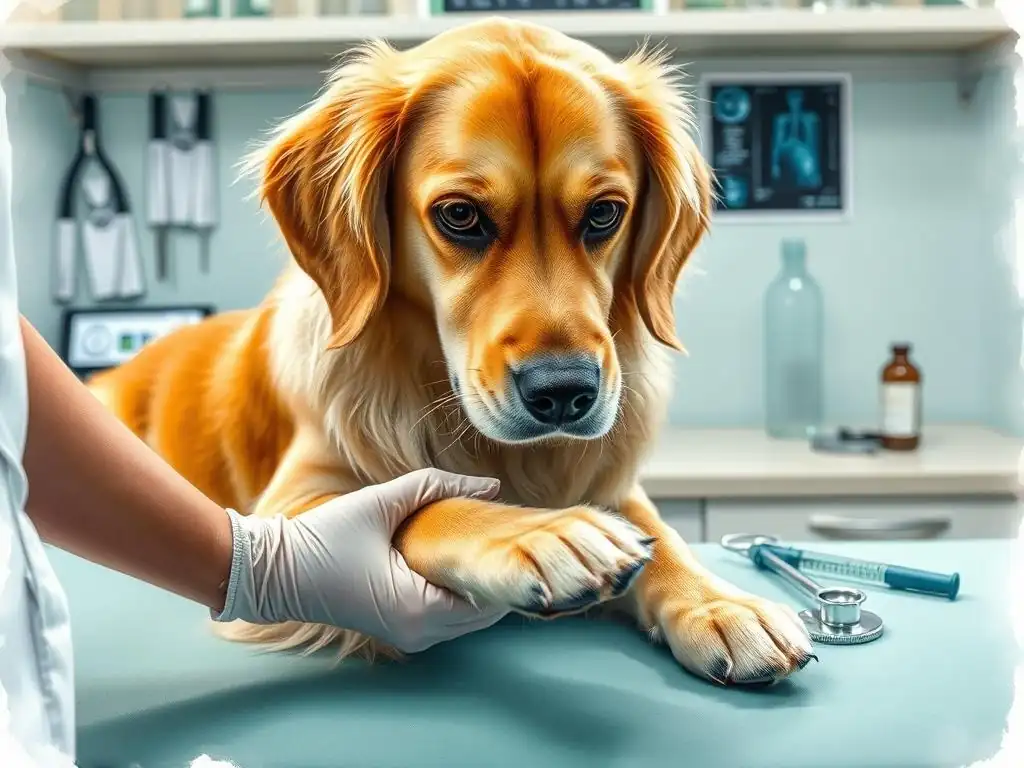
Excessive chewing in dogs, while sometimes stemming from behavioral issues, often points to underlying medical conditions. Understanding the potential medical causes of canine chewing is crucial for effective treatment. Ignoring persistent chewing could lead to further complications, impacting your dog's overall health and well-being. This section details the diagnostic steps a veterinarian might take to pinpoint the root cause of your dog's destructive chewing habits. Remember, only a professional veterinary assessment can determine the precise cause and recommend the appropriate treatment plan for your furry friend. This is especially important when dealing with "dog chewing medical causes."
Veterinary Examination: A Comprehensive Approach to Diagnosis
The initial step in diagnosing the medical causes of your dog's chewing involves a thorough veterinary examination. This isn't just a quick check-up; it's a comprehensive assessment designed to uncover any potential health problems. The vet will begin by taking a detailed history of your dog's chewing behavior, including:
- Onset: When did the chewing start? Was it sudden or gradual?
- Frequency: How often does your dog chew? Is it constant or intermittent?
- Targets: What does your dog chew on? Shoes, furniture, toys, or something else?
- Other Symptoms: Are there any other symptoms present, such as lethargy, weight loss, vomiting, diarrhea, changes in appetite, excessive thirst or urination, skin changes, or limping? This information is vital in identifying potential underlying issues.
Following the history, the vet will conduct a physical examination, paying close attention to:
- Oral Cavity: Examination of the teeth, gums, and tongue for signs of dental disease (periodontal disease, broken teeth, etc. ), which can cause significant discomfort and lead to chewing.
- Skin and Coat: Assessment for any skin irritations, allergies, or parasites that might cause itching and subsequent chewing.
- Musculoskeletal System: Checking for signs of pain or discomfort in joints and muscles, which might cause your dog to chew due to stress or discomfort.
- Neurological System: Evaluation of neurological function to rule out conditions like seizures or other neurological disorders that could contribute to unusual behavior, including compulsive chewing.
The vet will carefully palpate (feel) your dog's body to check for any abnormalities, such as lumps, bumps, or areas of pain or tenderness. Detailed observation of your dog's behavior during the exam, including its posture, gait, and response to touch, will also provide valuable clues. For example, a dog experiencing pain might exhibit reluctance to move or be overly sensitive to touch in specific areas. This holistic approach ensures that no potential medical cause is overlooked.
Diagnostic Tests: Blood Tests, X-rays, and Other Examinations
Based on the initial examination and your dog's history, the veterinarian may recommend further diagnostic tests to confirm or rule out specific medical conditions. These tests can range from simple to more complex procedures, depending on the suspected problem. Common diagnostic tests used to investigate the medical causes of dog chewing include:
- Complete Blood Count (CBC): A CBC helps assess your dog's overall health by analyzing the different components of its blood, identifying potential infections, anemia, or other blood disorders. These can manifest as behavioral changes, including increased chewing.
- Serum Biochemistry Profile: This blood test evaluates the function of your dog's various organs, such as the liver and kidneys. Organ dysfunction can lead to pain, discomfort, and behavioral changes like excessive chewing.
- Urinalysis: Analyzing your dog's urine can reveal problems with the urinary tract or kidney function, which could manifest as altered behavior.
- Radiographs (X-rays): X-rays can help visualize the bones, teeth, and internal organs, allowing the vet to detect any fractures, dental problems, or foreign bodies that may be contributing to the chewing behavior.
- Ultrasound: An ultrasound uses sound waves to create images of internal organs, providing more detailed information than X-rays in some cases. This is particularly useful for evaluating the abdominal organs or detecting masses.
- Other Specialized Tests: Depending on the suspected cause, additional tests such as allergy testing, biopsies (tissue samples), or advanced imaging techniques (CT scans, MRI) may be necessary.
The specific tests recommended will depend on the individual dog and the veterinarian's clinical judgment. The goal is to identify the underlying cause of the chewing, providing a path towards effective treatment and management. Accurate diagnosis is key to addressing "dog chewing medical causes" effectively and improving your dog's quality of life. Remember, early detection and intervention are crucial for the best possible outcome.
Treatment Options for Medical Causes of Dog Chewing

Excessive chewing in dogs, often attributed to behavioral issues, can stem from underlying medical conditions requiring veterinary intervention. Understanding the treatment options for these medical causes is crucial for effective management and improving your dog's overall well-being. Ignoring medical causes can lead to worsening symptoms and potentially more serious health problems. This section will explore various treatment approaches focusing on dental issues, pain management, and gastrointestinal problems – common culprits behind compulsive chewing. Remember, always consult your veterinarian before starting any treatment plan for your canine companion. Early detection and appropriate veterinary care are vital for successful outcomes.
Addressing Dental Issues: Cleaning, Extractions, and Other Treatments
Dental problems are a frequent cause of excessive chewing in dogs. Pain from infected teeth, gum disease (periodontal disease), or broken teeth can trigger discomfort, leading to increased chewing behaviors as the dog attempts to alleviate the pain. Treatment often involves a multifaceted approach:
- Professional Cleaning: Regular professional dental cleanings under anesthesia are essential for removing tartar and plaque buildup. This helps prevent gum disease and tooth decay. The frequency of these cleanings will depend on your dog's breed and overall dental health, but generally, annual cleanings are recommended.
- Tooth Extractions: If teeth are severely damaged, infected, or causing significant pain, extraction may be necessary. This is a common procedure and usually results in a significant improvement in the dog's comfort level and a reduction in chewing behavior. Veterinarians will assess the extent of the damage and determine if extraction is the best course of action.
- Other Treatments: In some cases, other treatments might be required. This could include the application of topical antibiotics to address gum infections or the use of dental sealants to protect teeth from further decay. The veterinarian will recommend the most appropriate treatment based on a thorough examination of your dog's teeth and gums. Regular at-home dental care, such as brushing with a pet-specific toothpaste, can also significantly contribute to maintaining good oral hygiene and prevent future dental problems.
Pain Management Strategies for Dogs
Pain, regardless of its origin, can lead to increased chewing in dogs. The dog may chew to distract itself from the discomfort or to unconsciously manipulate the painful area. Effective pain management is crucial for reducing chewing behavior associated with medical conditions. This is especially true for conditions like arthritis, which can cause significant discomfort and lead to compensatory behaviors like increased chewing.
Several pain management strategies are available, including:
- Non-Steroidal Anti-Inflammatory Drugs (NSAIDs): These medications are commonly prescribed to reduce inflammation and pain. However, it’s crucial to use NSAIDs only as prescribed by a veterinarian, as some can have side effects. Your veterinarian will carefully select the appropriate NSAID and dosage based on your dog’s weight, breed, and overall health.
- Opioids: In cases of severe pain, opioids may be necessary. These stronger pain relievers are usually reserved for post-surgical pain or severe conditions. Opioids are strictly controlled substances and should only be administered under veterinary supervision.
- Other Pain Management Techniques: Beyond medication, other techniques can aid in pain management. These include physical therapy, acupuncture, and laser therapy. These methods can help improve mobility, reduce inflammation, and alleviate pain, indirectly contributing to a decrease in chewing behavior. Your veterinarian can assess the suitability of these alternative therapies for your dog.
Treatment for Gastrointestinal Problems: Medication and Dietary Changes
Gastrointestinal (GI) issues can also manifest as excessive chewing in dogs. Conditions like Inflammatory Bowel Disease (IBD), pancreatitis, or food allergies can cause discomfort and lead to compulsive chewing. Treatment focuses on addressing the underlying GI problem.
- Medication: Depending on the specific diagnosis, your veterinarian may prescribe medication to manage GI symptoms. This could include medications to reduce inflammation, control vomiting or diarrhea, or address specific infections. The choice of medication will depend entirely on the underlying cause of the GI issue.
- Dietary Changes: Dietary modifications are often a crucial part of managing GI problems. This might involve switching to a hypoallergenic diet, eliminating potential food allergens, or introducing a prescription diet formulated to address specific GI issues. Your veterinarian can recommend a suitable diet based on your dog's specific needs and condition. Careful monitoring of your dog's response to dietary changes is important to assess their effectiveness. In some cases, a gradual transition to a new food is recommended to minimize any digestive upset. Remember, consistency is key when implementing dietary changes.
Remember, consistent monitoring of your dog's behavior and regular veterinary checkups are crucial for early detection and effective management of medical conditions contributing to excessive chewing. Early intervention often leads to better outcomes and improves your dog's quality of life. Don't hesitate to seek veterinary advice if you suspect a medical cause for your dog's chewing behavior. Prompt treatment can prevent complications and ensure your furry friend's happiness and health.
Managing Nutritional Deficiencies: Supplements and Dietary Adjustments
Nutritional deficiencies can significantly contribute to a dog's excessive chewing behavior. Dogs, like humans, require a balanced diet to maintain optimal health. When crucial nutrients are lacking, they may engage in pica, a condition where they compulsively eat non-food items, often manifesting as excessive chewing on furniture, clothes, or even walls. This behavior is their body's way of attempting to compensate for the missing nutrients. Identifying and addressing these deficiencies is crucial in managing the chewing problem.
One common deficiency linked to compulsive chewing is a lack of essential fatty acids. These acids are vital for maintaining healthy skin and coat. A dog with dry, itchy skin or a dull coat may chew excessively to alleviate the discomfort. In such cases, supplementing the dog's diet with omega-3 and omega-6 fatty acids, often found in fish oil or flaxseed oil, can be beneficial. Always consult your veterinarian before introducing supplements to your dog's diet to ensure appropriate dosage and to rule out any potential interactions with existing medications.
Another crucial aspect is ensuring the dog receives sufficient minerals and vitamins. A deficiency in minerals like calcium or phosphorus can lead to bone weakness and discomfort, potentially causing a dog to chew more to alleviate pain. Similarly, a lack of essential vitamins can impact overall health and contribute to behavioral problems.
A high-quality commercial dog food formulated to meet the Association of American Feed Control Officials (AAFCO) standards usually provides the necessary nutrients. However, some dogs might require additional supplementation based on their individual needs and breed predispositions. For example, larger breeds might require additional calcium supplements during periods of rapid growth.
Dietary adjustments are often as important as supplementation. Switching to a higher-quality dog food with improved nutrient profiles can address underlying deficiencies. This might involve transitioning to a food specifically designed for sensitive skin and digestion or one that contains higher levels of certain vitamins and minerals based on veterinary recommendations. Always introduce dietary changes gradually to avoid digestive upset.
Furthermore, carefully monitoring your dog's response to dietary changes and supplements is essential. Note any improvements or lack thereof in their chewing behavior and report these observations to your veterinarian. They can adjust the treatment plan accordingly, ensuring the most effective approach for your dog's specific needs. Remember, a holistic approach combining dietary adjustments and targeted supplementation, under veterinary guidance, offers the best chance of success in managing chewing behavior related to nutritional deficiencies.
Understanding the medical reasons behind excessive chewing in dogs is crucial, not only for addressing the current issue but also for preventing future problems. Addressing the underlying medical condition is paramount; simply managing the chewing behavior without treating the root cause is ineffective and could even worsen the situation. This section focuses on proactive steps you can take to minimize the likelihood of medical-related chewing in your canine companion. Remember, consistent care and attention to your dog's health are key to preventing many behavioral issues.
This includes proactive steps like regular vet visits and maintaining a healthy lifestyle for your furry friend. Early detection of potential problems is key to successful treatment and preventing more serious issues from developing. This proactive approach is crucial for managing "Dog chewing medical causes."
Regular Veterinary Check-ups: Proactive Healthcare for Your Dog
Regular veterinary check-ups are the cornerstone of preventative healthcare for your dog. These visits allow your veterinarian to monitor your dog's overall health, identifying potential issues before they become significant problems. During these check-ups, your vet will conduct a thorough physical examination, assessing your dog's weight, checking for any abnormalities in their skin, teeth, and gums, and evaluating their overall demeanor. Early detection of dental disease, allergies, or other health problems can prevent the development of excessive chewing behaviors.
Many underlying medical conditions manifest initially as subtle changes in behavior, and regular check-ups can help catch these early warning signs. For example, subtle changes in appetite, increased thirst, or changes in bowel movements could be early indicators of a problem. A proactive approach, with check-ups scheduled every six months for adult dogs and more frequently for puppies and senior dogs, significantly reduces the risk of medical issues contributing to excessive chewing.
Think of these check-ups as an investment in your dog's long-term health and well-being. It's far easier, and often less costly, to address a problem in its early stages than to deal with a full-blown illness.
Maintaining a Healthy Diet: Nutritional Needs for Different Life Stages
Nutrition plays a vital role in a dog's overall health and can directly impact their behavior, including chewing habits. A balanced diet provides the essential nutrients necessary for healthy teeth, gums, and overall well-being. Nutritional deficiencies can lead to various health issues, some of which manifest as excessive chewing. For example, a lack of essential vitamins and minerals can weaken teeth and gums, increasing susceptibility to dental problems and potentially leading to increased chewing.
It's crucial to choose a high-quality dog food formulated to meet your dog's specific nutritional needs based on their age, breed, size, and activity level. Puppies, adult dogs, and senior dogs have different nutritional requirements. Puppies require diets rich in protein and calcium for proper growth and development. Adult dogs need a balanced diet to maintain their health.
Senior dogs benefit from diets that support their aging bodies and often require adjusted levels of protein and fiber. Consult your veterinarian to determine the best dietary choices for your dog, considering their individual needs and any pre-existing health conditions. A well-balanced diet contributes significantly to reducing the likelihood of medical conditions that can trigger excessive chewing. Remember, a healthy diet is a proactive step in preventing many health problems, directly impacting your dog's behavior and well-being.
Providing Appropriate Dental Care: Brushing and Dental Chews
Dental health is intrinsically linked to overall health and behavior in dogs. Poor dental hygiene can lead to periodontal disease, gum inflammation, and tooth decay. These conditions can cause discomfort and pain, leading to excessive chewing as your dog tries to alleviate this discomfort. Regular dental care is essential to prevent these issues and reduce the likelihood of medical conditions contributing to excessive chewing.
Regular tooth brushing is crucial. Aim to brush your dog's teeth at least two to three times a week, using a dog-specific toothpaste (human toothpaste is toxic to dogs). Dental chews and toys can also help to clean your dog's teeth and reduce plaque and tartar buildup. However, it is important to remember that dental chews are supplements to brushing, not replacements. Choose durable chews appropriate for your dog's size and chewing strength to avoid choking hazards.
Regular veterinary dental check-ups are recommended, allowing the vet to professionally clean your dog's teeth and address any existing dental problems. By proactively caring for your dog's dental health, you significantly reduce the chance of pain-induced chewing and promote overall oral health. This contributes significantly to preventing medical conditions that may lead to excessive chewing behaviors. Regular dental care is a simple yet effective preventative measure.
Frequently Asked Questions
What are some medical reasons why my dog is chewing excessively?
Excessive chewing can stem from various medical issues, including dental disease, pain, or allergies. A vet can diagnose the underlying problem through examination and testing.
How can I tell if my dog's chewing is due to medical reasons or behavioral issues?
Differentiating between medical and behavioral causes requires professional assessment. Changes in chewing behavior, alongside other symptoms like lethargy or changes in appetite, strongly suggest a medical cause.
My dog is chewing at a specific body part; is this a cause for concern?
Yes, localized chewing can indicate underlying pain or discomfort in that area. It's crucial to consult a vet immediately to rule out skin conditions, infections, or other medical problems.
Are there specific breeds predisposed to medical issues that cause excessive chewing?
While not all breeds are equally susceptible, certain breeds may be more prone to specific conditions that lead to chewing. Consult your vet to discuss your dog's breed and potential genetic predispositions.
When should I schedule an appointment with the vet regarding my dog's chewing behavior?
Schedule a vet appointment if the chewing is sudden, excessive, focused on a specific area, or accompanied by other concerning symptoms. Early intervention is key.
Final Reflection: Understanding the Silent Signals of Canine Distress
The seemingly simple act of chewing can be a window into a dog's complex internal world, revealing underlying medical conditions often overlooked. Ignoring these subtle signs can have serious consequences for our beloved companions, highlighting the crucial role of proactive veterinary care in ensuring their well-being. Understanding the medical causes of excessive chewing is not just about addressing a behavioral issue; it's about recognizing and responding to a potential cry for help.
The impact of this understanding extends far beyond individual pet owners. It fosters a more compassionate and informed approach to animal care within our communities. By recognizing the connection between seemingly innocuous behaviors and serious medical conditions, we can collectively improve the lives of countless dogs. The greatness of a nation and its moral progress can be judged by the way its animals are treated.
- Mahatma Gandhi. This quote, while broad, speaks to the responsibility we bear in understanding and addressing the needs of our animal companions, even the subtle ones like excessive chewing.
So, the next time you observe your dog exhibiting unusual chewing behaviors, remember the information shared in this article. Don't hesitate to seek professional veterinary advice. Take the time to listen to your furry friend; their silent signals deserve our attention and compassionate response. Your vigilance could be the difference between a minor inconvenience and a timely intervention that safeguards their health and happiness for years to come.
Unlock Your Pet's Health Secrets: Take the Next Step
Thank you for learning more about how medical conditions can cause pets to chew. We hope this article provided valuable insights into potential health problems. Now, let's use that knowledge.
- Schedule a veterinary checkup: This is the most crucial step. A veterinarian can properly assess your pet's condition and rule out underlying medical issues. Don't wait for symptoms to worsen!
- Share this information with other pet owners: Help spread awareness of the subtle signs of pet health problems, especially those related to chewing.
- Learn more with PetCareWorld's resources: Our website offers detailed information on pet health and wellness. We have many resources to help you become a more informed pet parent!
What's the first step you'll take to ensure your pet receives the best possible care?