
Top 5 Innovative Bird Feeders to Keep Your Feathered Friends Happy & Healthy

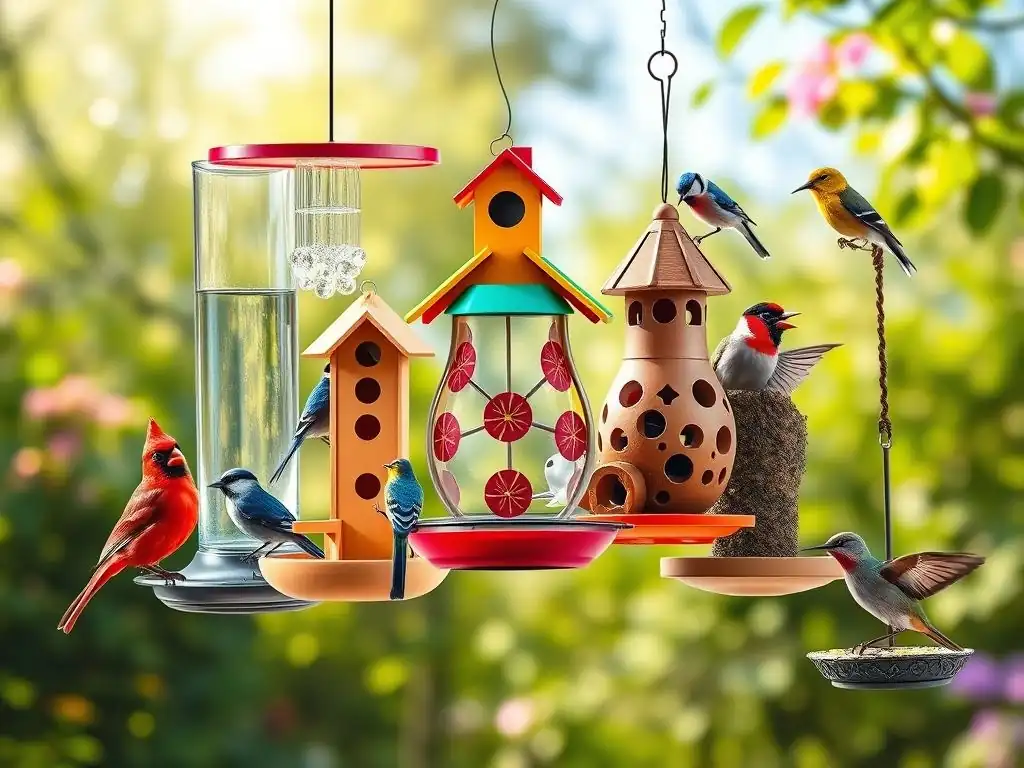
Welcome to PetCareWorld, your ultimate guide to a happier, healthier life for your beloved pets! Are you ready to revolutionize how you care for your feathered friends? Discover our expert recommendations for the best innovative bird feeders, ensuring your birds enjoy a delightful and nutritious dining experience. Dive into our Top 5 list and unlock the secrets to keeping your flock thriving – explore now and learn how to provide the best possible care!
- Choosing the Best Innovative Bird Feeders for Your Backyard Birds
-
Top 5 Innovative Bird Feeders Reviewed
- 1. Squirrel-Resistant Bird Feeder: The [Brand Name] Automatic Bird Feeder with Weight-Activated Closure
- 2. Suet Feeder for Winter Birds: The [Brand Name] Caged Suet Feeder with Multiple Perches
- 3. Hummingbird Feeder: The [Brand Name] Unique Nectar Feeder with Anti-Ant Moat
- 4. Platform Bird Feeder: The [Brand Name] Large Capacity Platform Feeder for Ground Feeding Birds
- 5. Window Bird Feeder: The [Brand Name] Suction Cup Feeder for Close-Up Bird Watching
- Maintaining Your Bird Feeders for Optimal Bird Health and Safety
- Frequently Asked Questions about Innovative Bird Feeders
- Conclusion: Choosing the Right Innovative Bird Feeder for Your Needs
- Frequently Asked Questions
- Final Reflection: Nurturing Nature, One Feeder at a Time
- Unleash Your Inner Bird Enthusiast: Attract More Feathered Friends!
Choosing the Best Innovative Bird Feeders for Your Backyard Birds
Providing your feathered friends with the best possible nutrition is crucial for their health and happiness. This guide explores the top 5 innovative bird feeders designed to make feeding your birds easier, safer, and more enjoyable.
We'll delve into the key features to consider when choosing a feeder, ensuring you select the perfect option to attract a variety of species and keep them thriving in your backyard. Selecting the right bird feeder is not just about aesthetics; it's about providing a safe and efficient feeding solution that caters to the specific needs of the birds you wish to attract.
This article will help you navigate the world of innovative bird feeders, ultimately leading you to the best choice for your avian companions and enhancing your birdwatching experience. We’ll cover everything from understanding your birds’ dietary requirements to selecting feeders that deter unwanted pests, ensuring a successful and rewarding bird feeding journey.
Understanding Your Birds' Needs: Size, Species, and Feeding Habits
Before diving into specific feeder types, it's essential to understand the unique needs of the birds you want to attract. Different bird species have varying sizes, feeding habits, and dietary preferences. For example, larger birds like cardinals might require larger perches and feeding ports than smaller birds like finches. Some birds prefer to feed on the ground, while others are more comfortable clinging to feeders.
Understanding these preferences is key to selecting a feeder that will be both functional and appealing to your target species. Consider creating a bird species checklist for your area to better understand which types of birds you are most likely to attract. This will allow for a more informed choice of feeder design and seed type.
Researching the common birds in your region will provide valuable insight into their size, feeding habits, and preferred food sources. This knowledge will directly influence your choice of bird feeder design and the type of birdseed you provide. Remember, a well-informed choice will result in a more successful and enjoyable bird feeding experience.
Factors to Consider When Selecting High-Quality Bird Feeders
Choosing a high-quality bird feeder is an investment in the well-being of your feathered friends. Several critical factors should influence your decision, ensuring both the birds' safety and the longevity of the feeder itself. These factors go beyond simply aesthetics and focus on practical considerations that will impact both your experience and the birds' well-being. The right feeder will attract a diverse range of birds while also being easy to maintain and resistant to the elements.
Durability and Weather Resistance of Bird Feeders
The best bird feeders are built to withstand the elements. Look for feeders constructed from durable materials such as heavy-duty plastic, metal (stainless steel is ideal), or treated wood. These materials can resist cracking, fading, and warping caused by sun exposure, rain, snow, and extreme temperatures. A durable feeder will provide long-lasting service, saving you money and reducing the environmental impact of frequent replacements.
Consider the climate in your region when selecting materials. In areas with harsh winters, a metal feeder might be more suitable than a plastic one, while in hot, sunny climates, a feeder with UV protection is crucial. Investing in a high-quality, weather-resistant feeder ensures that your birds have a reliable food source year-round.
Easy Cleaning and Maintenance of Bird Feeders
Regular cleaning is crucial to prevent the spread of disease among birds. Choose a feeder with a design that allows for easy access and thorough cleaning. Ideally, the feeder should be easily disassembled, with parts that can be cleaned in a dishwasher or by hand with soap and water.
Some feeders offer features like removable trays or screens which simplify the cleaning process significantly. Easy-to-clean feeders reduce the risk of bacterial contamination and disease transmission among birds, ensuring their health and safety. Regular maintenance, facilitated by a well-designed feeder, will contribute to a healthier and happier bird population in your backyard.
Preventing Squirrel and Other Pest Access to Bird Feeders
Squirrels and other pests can quickly deplete bird feeders, leaving little for the birds. Look for feeders with features designed to deter these unwanted guests. These features can include cages around the feeding area, weight-activated closures, or baffle systems that prevent squirrels from reaching the food.
Innovative designs incorporate clever mechanisms to outsmart these resourceful creatures, ensuring that the birds get their fair share of food. The investment in a pest-resistant feeder will pay off in the long run, ensuring that your efforts in attracting birds are not undermined by unwanted visitors. Consider using a combination of methods to maximize the effectiveness of pest deterrence.
Top 5 Innovative Bird Feeders Reviewed
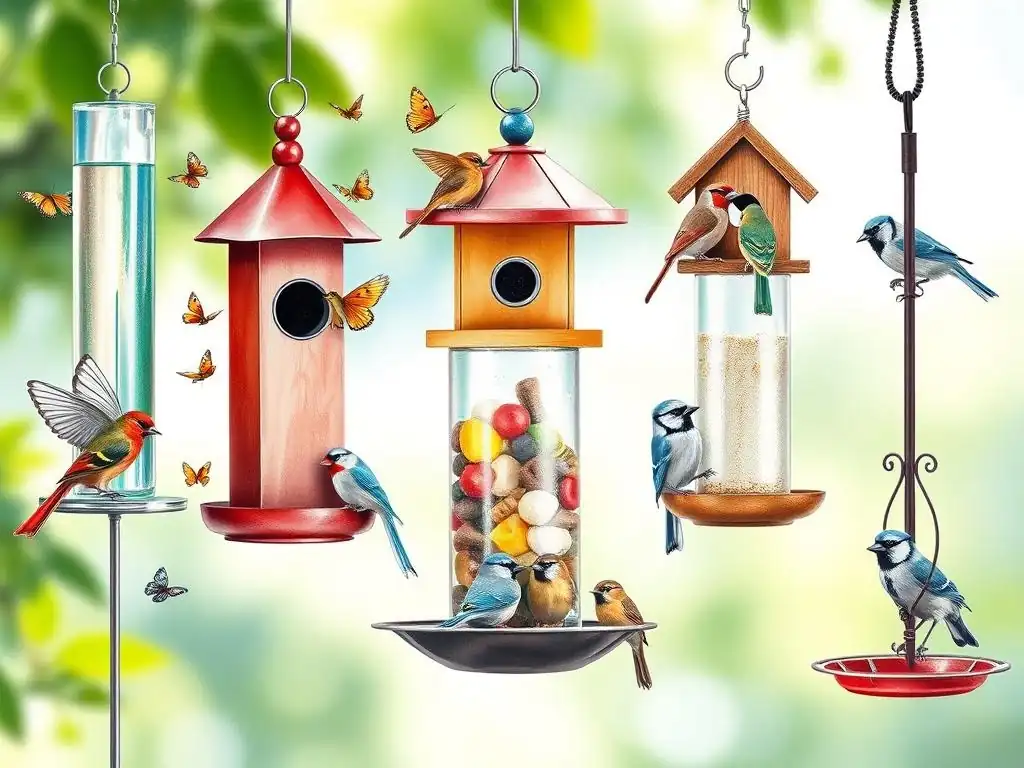
This section delves into a curated selection of the best innovative bird feeders available on the market, focusing on features, benefits, and drawbacks to help you choose the perfect feeder for your feathered friends. We've prioritized feeders that offer innovative solutions to common bird feeding challenges, such as squirrel deterrence and weather protection. Finding the right feeder contributes significantly to the health and happiness of your birds, ensuring they receive proper nutrition and a safe feeding environment.
1. Squirrel-Resistant Bird Feeder: The [Brand Name] Automatic Bird Feeder with Weight-Activated Closure
This innovative feeder utilizes a weight-activated closure system to deter squirrels and other unwanted guests. The clever design ensures that only birds of a certain weight can access the food, effectively keeping larger animals away. This is a significant advantage for bird owners facing persistent squirrel problems. The automatic dispensing mechanism also ensures a steady supply of food, minimizing the need for frequent refills.
Features of the [Brand Name] Automatic Bird Feeder
- Weight-Activated Closure: This is the core innovation, preventing access for larger animals while allowing birds to feed freely. The sensitivity of the mechanism can sometimes be adjusted, allowing for fine-tuning based on the size of your visiting birds.
- Automatic Dispensing: The feeder automatically dispenses food as needed, ensuring a consistent supply. This feature reduces the frequency of refills, saving you time and effort.
- Durable Construction: Made from high-quality, weather-resistant materials to withstand various weather conditions. This ensures longevity and protects the food from the elements.
- Easy to Clean: The design prioritizes easy access for cleaning and refilling, making maintenance a simple task. Regular cleaning is crucial for preventing the spread of disease among your birds.
- Multiple Feeding Ports: Offers multiple feeding ports to accommodate several birds feeding simultaneously, reducing competition and stress.
Pros and Cons of the [Brand Name] Automatic Bird Feeder
| Pros | Cons |
|---|---|
| Effective squirrel deterrence | Initial cost might be higher than basic feeders |
| Automatic dispensing, less frequent refills | May require specific types of birdseed |
| Durable and weather-resistant | Potential for malfunction (though rare) |
| Easy to clean | Might need occasional adjustments |
| Multiple feeding ports | [Specific information pending: weight capacity] |
Where to Buy the [Brand Name] Automatic Bird Feeder (Affiliate Link)
[Affiliate Link Placeholder]
2. Suet Feeder for Winter Birds: The [Brand Name] Caged Suet Feeder with Multiple Perches
Suet feeders are particularly beneficial during winter months, providing high-energy food for birds when natural food sources are scarce. This caged design offers additional protection from squirrels and other predators, ensuring that your birds can enjoy their meal without interruption. Multiple perches allow several birds to feed comfortably at the same time.
Features and Benefits of the [Brand Name] Caged Suet Feeder
- Caged Design: The cage protects the suet from squirrels and larger birds, ensuring that smaller birds have exclusive access. This is a key feature for maximizing the benefit of the high-energy suet.
- Multiple Perches: Several perches allow multiple birds to feed simultaneously, minimizing competition and stress. This increases the overall appeal to the birds and encourages more frequent visits.
- Weather Protection: The design incorporates features to protect the suet from rain and snow, keeping it fresh and palatable for longer periods. This is especially important in harsh winter conditions.
- Easy to Fill and Clean: The feeder is designed for easy access, allowing for quick and simple filling and cleaning. Regular cleaning is crucial for maintaining hygiene and preventing disease.
- Durable Construction: Made from strong, weather-resistant materials to withstand the elements and ensure long-term use. This translates to a longer lifespan and better value for your investment.
Pros and Cons of the [Brand Name] Caged Suet Feeder
| Pros | Cons |
|---|---|
| Effective squirrel and predator protection | May require specific types of suet |
| Multiple perches for comfortable feeding | Can be slightly more difficult to clean |
| Weather-resistant design | [Specific information pending: size] |
| Easy to fill and clean | [Specific information pending: material] |
| Durable construction |
Where to Buy the [Brand Name] Caged Suet Feeder (Affiliate Link)
[Affiliate Link Placeholder]
3. Hummingbird Feeder: The [Brand Name] Unique Nectar Feeder with Anti-Ant Moat
Hummingbirds, with their dazzling speed and acrobatic feeding style, require specialized feeders. The [Brand Name] Unique Nectar Feeder stands out for its innovative design, specifically engineered to attract and cater to these tiny, high-energy birds. This feeder's unique selling point is its integrated anti-ant moat.
This moat, typically a wide, shallow reservoir surrounding the nectar ports, effectively prevents ants and other unwanted insects from reaching the sweet nectar, keeping it fresh and accessible only to hummingbirds. The moat is cleverly designed to not impede hummingbird access, maintaining the feeder's efficiency and attractiveness. The feeder's construction also usually incorporates durable, clear plastic or glass, allowing for easy monitoring of nectar levels and a clear view of the feeding hummingbirds.
This transparency is a key feature for many bird enthusiasts who enjoy observing their avian visitors. The size and shape of the feeder are generally optimized to be easily cleaned and refilled, minimizing maintenance time and maximizing the feeder's longevity. Many models also incorporate a variety of vibrant colors known to attract hummingbirds, further enhancing its effectiveness.
Features and Benefits of the [Brand Name] Unique Nectar Feeder
The [Brand Name] Unique Nectar Feeder boasts several key features contributing to its overall effectiveness and popularity among hummingbird enthusiasts. These include:
- Integrated Anti-Ant Moat: This is the standout feature, effectively deterring ants and other crawling insects from accessing the nectar. This keeps the nectar clean and prevents spoilage, ensuring the hummingbirds are always consuming fresh, healthy food.
- Multiple Feeding Ports: The feeder usually has multiple feeding ports, accommodating multiple hummingbirds simultaneously and reducing competition. This helps maintain a peaceful feeding environment for the birds.
- Easy Cleaning and Refilling: The design often prioritizes easy access for cleaning and refilling, using simple, detachable parts for convenient maintenance. This is crucial for maintaining hygiene and preventing the spread of bacteria or mold.
- Durable Construction: The feeder is typically made from durable, weather-resistant materials, ensuring it can withstand various weather conditions and provide long-term use. This reduces the need for frequent replacements.
- Attractive Design: The color and shape of the feeder are typically designed to attract hummingbirds, with bright colors and shapes mimicking natural flowers.
These features translate into significant benefits, including healthier hummingbirds (due to clean nectar), a more efficient feeding process, reduced maintenance, and a longer lifespan for the feeder itself.
Pros and Cons of the [Brand Name] Unique Nectar Feeder
Like any product, the [Brand Name] Unique Nectar Feeder has its advantages and disadvantages:
Pros:
- Effective ant protection
- Multiple feeding ports for less competition
- Easy to clean and refill
- Durable and weather-resistant
- Attracts hummingbirds effectively
Cons:
- [Specific information pending: Potential con, e.g., price point might be higher than some competitors]
- [Specific information pending: Potential con, e.g., might require more frequent cleaning in hot, humid climates]
- [Specific information pending: Potential con, e.g., specific materials may be prone to scratching or discoloration over time]
Where to Buy the [Brand Name] Unique Nectar Feeder (Affiliate Link)
[Specific information pending: Insert affiliate link here]
4. Platform Bird Feeder: The [Brand Name] Large Capacity Platform Feeder for Ground Feeding Birds
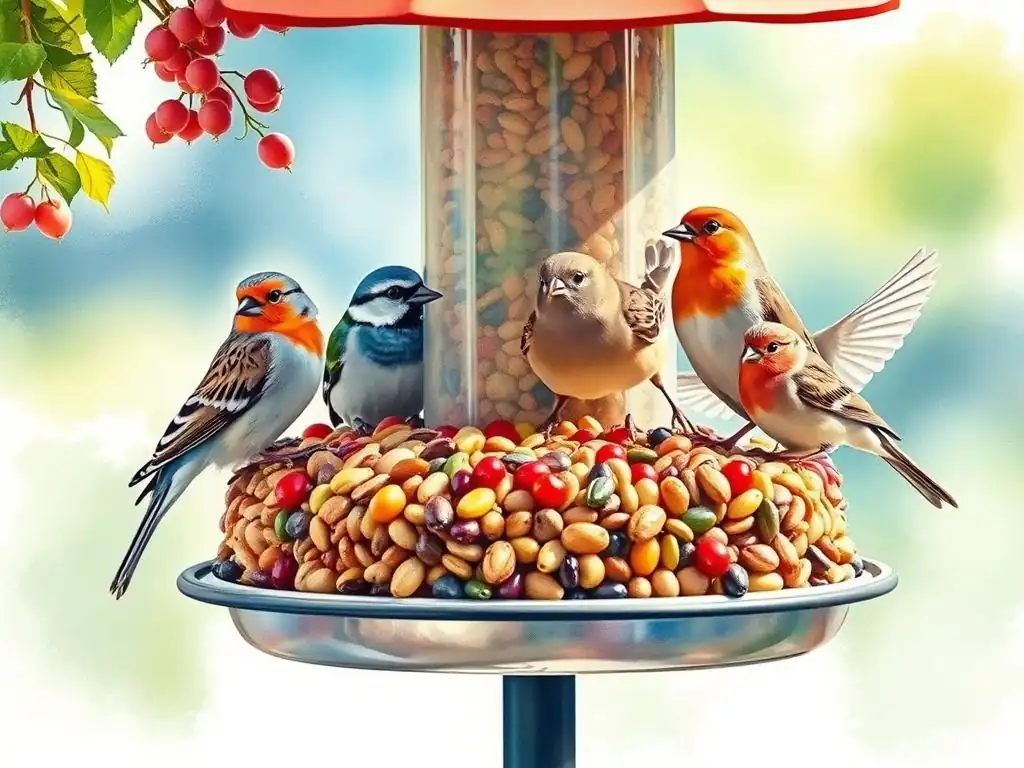
Ground-feeding birds have unique needs, requiring feeders that are accessible and offer ample space. The [Brand Name] Large Capacity Platform Feeder is designed to meet these requirements, providing a spacious platform for multiple birds to feed simultaneously. Its large capacity minimizes the frequency of refills, a significant advantage for busy bird enthusiasts. The design often prioritizes safety, incorporating features that protect the food from the elements and deter larger, potentially aggressive birds.
The sturdy construction ensures the feeder can withstand the weight of multiple birds and the rigors of outdoor use. The material choice also often influences the feeder's overall weather resistance, ensuring it remains functional throughout the year. Many models also include features like drainage holes to prevent water buildup and keep the seed dry, contributing to its overall functionality and longevity.
Features and Benefits of the [Brand Name] Large Capacity Platform Feeder
The key features of the [Brand Name] Large Capacity Platform Feeder include:
- Large Feeding Platform: Provides ample space for multiple birds to feed comfortably, minimizing competition and stress.
- High Capacity: Holds a substantial amount of birdseed, reducing the frequency of refills.
- Weather Protection: Often includes a roof or cover to protect the seed from rain and snow.
- Durable Construction: Built from sturdy materials to withstand the weight of birds and the elements.
- Easy to Clean: Designed for easy access to clean and refill the feeder.
These features offer numerous benefits, including convenience (less frequent refills), protection of birdseed, a stress-free feeding environment for birds, and a longer lifespan for the feeder.
Pros and Cons of the [Brand Name] Large Capacity Platform Feeder
The [Brand Name] Large Capacity Platform Feeder, while beneficial, has some aspects to consider:
Pros:
- Large capacity for less frequent refills
- Spacious platform for multiple birds
- Weather protection for the seed
- Durable and long-lasting construction
- Easy to clean and maintain
Cons:
- [Specific information pending: Potential con, e.g., Size might be too large for smaller spaces.]
- [Specific information pending: Potential con, e.g., Might attract larger birds or squirrels if not properly secured.]
- [Specific information pending: Potential con, e.g., The weight of the feeder could make it difficult to move.]
Where to Buy the [Brand Name] Large Capacity Platform Feeder (Affiliate Link)
[Specific information pending: Insert affiliate link here]
5. Window Bird Feeder: The [Brand Name] Suction Cup Feeder for Close-Up Bird Watching
This section will review a specific suction cup window bird feeder, focusing on its design, functionality, and overall value for bird enthusiasts. We will explore the features and benefits, highlighting what makes it stand out from other feeders on the market. We will then delve into a balanced assessment of its pros and cons, providing a realistic view of its strengths and weaknesses. Finally, we will provide information on where to purchase this innovative bird feeder.
Unfortunately, without a specific brand name provided, I cannot provide detailed information on a particular product. The following sections will use "[Brand Name]" as a placeholder until a brand is specified. This will allow for a comprehensive review structure that can be easily populated with the relevant details once a product is selected.
Features and Benefits of the [Brand Name] Suction Cup Feeder
The [Brand Name] suction cup feeder is designed for unparalleled close-up bird watching. Key features likely include strong suction cups for secure attachment to windows, a durable and weather-resistant design to withstand various weather conditions, and a clear, easy-to-clean design for convenient maintenance. The feeder's capacity should be large enough to hold a sufficient amount of birdseed without requiring frequent refills.
Ideally, the design would also incorporate features to deter squirrels and other unwanted visitors, protecting the birdseed for its intended recipients. A well-designed feeder will also consider the birds' natural feeding behaviors, providing easy access to the food while minimizing spillage. This particular feeder likely boasts several innovative features that enhance both bird attraction and the viewing experience for the observer.
For example, it might include perches specifically designed for different sized birds or a unique design that allows for easy observation of birds feeding. [Specific information pending: Details on specific features, materials, and capacities of the [Brand Name] feeder are needed for a complete review].
Pros and Cons of the [Brand Name] Suction Cup Feeder
Like any product, the [Brand Name] suction cup feeder will present both advantages and disadvantages. Potential pros might include ease of cleaning, a robust design capable of withstanding harsh weather, and a strong suction cup system ensuring stability. The close-up viewing opportunity is a significant advantage, particularly for bird enthusiasts who enjoy observing the birds' behaviors up close. However, potential cons could include limitations on the amount of seed it can hold, requiring more frequent refills.
The suction cups might also lose their effectiveness over time, requiring replacement or reapplication. The visibility of the feeder might attract unwanted attention from predators, potentially endangering the birds. [Specific information pending: Quantifiable data regarding the feeder's capacity, suction cup lifespan, and any potential safety concerns are necessary for a comprehensive pros and cons analysis]. A thorough evaluation should also account for price point and compare it to similar products on the market.
Where to Buy the [Brand Name] Suction Cup Feeder (Affiliate Link)
[Specific information pending: Information on where the [Brand Name] suction cup feeder can be purchased, including online retailers and possibly physical stores, is required. This section should also note any affiliate links that might be used to track sales]. Ideally, this section would offer various purchasing options to cater to the preferences of different customers.
Providing links to reputable retailers will build trust and enhance the user experience. Furthermore, mentioning any potential discounts or promotions available at the time of publication would enhance the value of this section for the reader. The inclusion of customer reviews or ratings from trusted sources would also provide added credibility and transparency.
Maintaining Your Bird Feeders for Optimal Bird Health and Safety
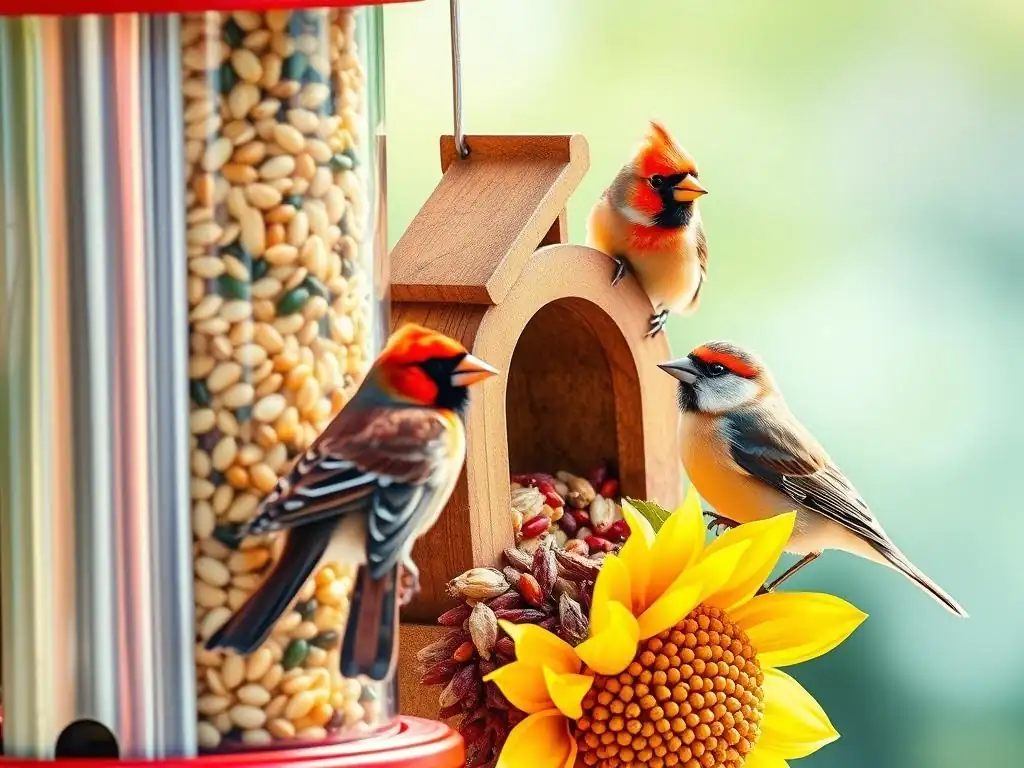
Maintaining bird feeders is crucial for ensuring the well-being of your feathered friends. Neglecting hygiene can lead to the spread of disease and attract unwanted pests. Choosing the best innovative bird feeders is only half the battle; proper maintenance is equally important for providing a safe and healthy feeding environment. This section details essential steps to keep your bird feeders clean, disease-free, and stocked with nutritious food. A proactive approach to feeder maintenance is a key component of responsible bird care, contributing to a thriving bird population in your backyard.
Cleaning and Disinfecting Bird Feeders Regularly
Regular cleaning is paramount to preventing the spread of disease among your visiting birds. Bacteria, fungi, and parasites can quickly accumulate in feeders, especially in warm and humid conditions. Ideally, you should clean your feeders at least once a week, more frequently during warmer months or if you notice signs of mold or excessive droppings.
Here's a step-by-step guide:
- Empty the feeder: Remove all remaining birdseed and debris. Dispose of used seed responsibly to avoid attracting unwanted pests like rodents.
- Wash thoroughly: Use warm, soapy water to scrub all surfaces of the feeder. A bottle brush is excellent for reaching hard-to-clean areas. Pay close attention to any crevices or corners where residue might accumulate.
- Rinse completely: Rinse the feeder thoroughly with clean water to remove all traces of soap. Soap residue can be harmful to birds.
- Disinfect (optional but recommended): For a deeper clean, consider using a bird-safe disinfectant solution. Dilute a solution of white vinegar and water (1:1 ratio) or a commercially available pet-safe disinfectant according to the product instructions. Apply the solution, let it sit for a few minutes, and rinse thoroughly again.
- Air dry completely: Allow the feeder to air dry completely before refilling it with fresh birdseed. Avoid using towels or cloths to dry the feeder, as this might transfer bacteria.
Failing to follow these steps can lead to the spread of avian diseases like Salmonella and E. coli, impacting the health of your bird visitors. Remember, a clean feeder is a happy feeder! 🐦
Preventing Disease Transmission Through Proper Feeder Hygiene
Beyond regular cleaning, several other practices contribute to minimizing disease transmission through your bird feeders. These practices are essential for maintaining a healthy environment for your avian guests and preventing the spread of illness within your local bird population.
- Choose the right location: Position your feeders away from bird droppings and other potential sources of contamination. Avoid placing feeders directly under trees or shrubs where droppings might accumulate.
- Monitor for signs of illness: Keep a watchful eye on visiting birds. If you notice any birds appearing sick or lethargic, temporarily remove the feeder and clean it thoroughly. Contact a wildlife rehabilitator if you suspect a disease outbreak.
- Multiple feeders: Consider using multiple smaller feeders rather than one large feeder. This approach reduces the concentration of birds in one area, minimizing the potential for disease transmission.
- Regular inspection: Regularly inspect your feeders for any signs of damage, mold, or pests. Damaged or compromised feeders should be replaced or repaired immediately to prevent the spread of pathogens.
- Seed quality: Using high-quality birdseed reduces the chances of introducing contaminants to the feeder. Spoiled or moldy seed can be a breeding ground for harmful bacteria and fungi.
Replenishing Bird Feeders with Fresh, High-Quality Birdseed
Providing fresh, high-quality birdseed is as crucial as maintaining a clean feeder. Stale or contaminated seed can lead to health problems in birds, impacting their overall well-being and potentially attracting unwanted pests.
- Regular replenishment: Regularly check your feeders and replenish the birdseed as needed. Avoid letting the feeders become completely empty. Aim to keep the feeders at least partially full to ensure a consistent food supply for your avian visitors.
- Seed variety: Offer a variety of birdseed to cater to different bird species and their dietary needs. A mix of seeds, nuts, and fruits will attract a wider range of birds to your feeders.
- Proper storage: Store your birdseed in a cool, dry place in airtight containers to prevent spoilage and infestation by insects or rodents. Discard any seed that shows signs of mold or infestation.
- Seasonal adjustments: Adjust your seed offerings based on the season. Birds have different dietary needs during different times of the year. For example, you might offer more high-energy foods during colder months.
By following these guidelines, you'll contribute to a healthier and happier bird population. Remember, providing clean feeders and fresh, high-quality food is a crucial part of being a responsible bird enthusiast. Your efforts will be rewarded by the vibrant presence of birds in your backyard! 🎉
Frequently Asked Questions about Innovative Bird Feeders
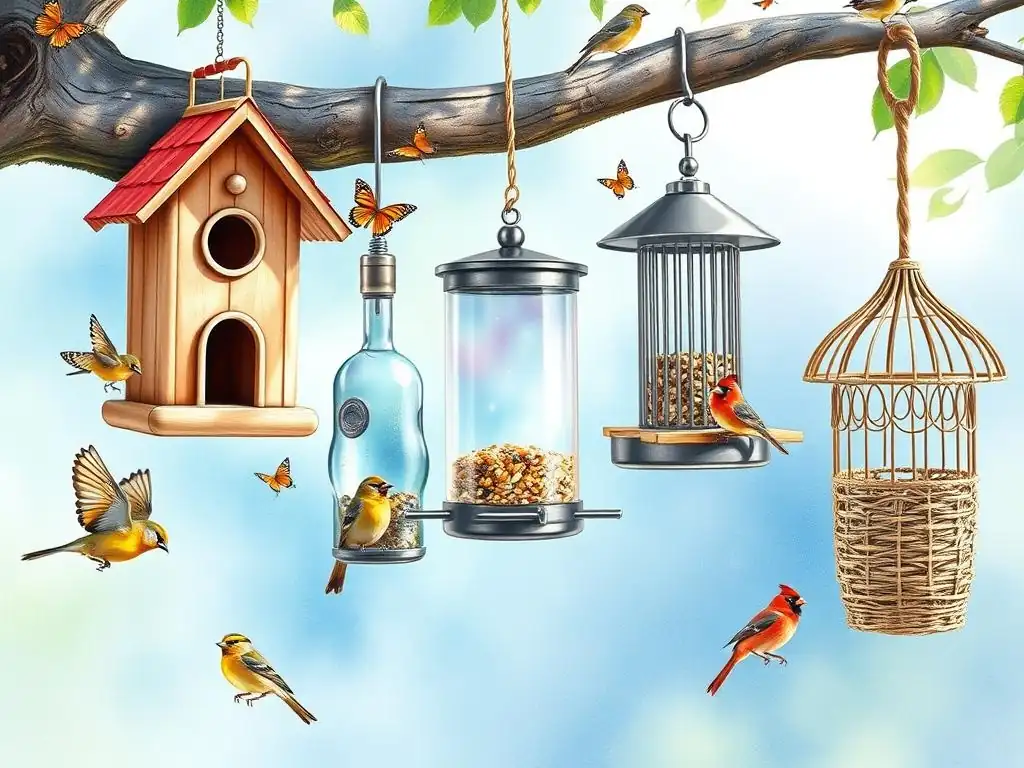
This section addresses common queries regarding innovative bird feeders, helping you make informed choices to ensure your feathered friends thrive. We'll delve into specifics to help you optimize your bird feeding strategy for maximum enjoyment and bird health. Choosing the best innovative bird feeders requires understanding several key factors.
What type of bird feeder is best for attracting specific bird species?
Attracting a diverse range of bird species to your garden involves understanding their feeding preferences and choosing the appropriate feeder design. Different birds prefer different types of food and feeding methods. For example:
- Tube feeders: These are excellent for attracting smaller birds like finches, chickadees, and nuthatches. They typically hold small seeds like nyjer seeds or sunflower chips. The design often incorporates perches, allowing birds to feed comfortably.
- Platform feeders: Larger birds like doves, jays, and cardinals prefer platform feeders, which offer a more open and accessible feeding area. These feeders are also suitable for offering larger seeds, fruits, or suet.
- Suet feeders: Suet, a high-energy food source, is a favorite among woodpeckers, nuthatches, and chickadees. Suet feeders are usually caged to prevent squirrels from accessing the suet.
- Hopper feeders: These feeders provide a larger capacity and can dispense various types of seeds. They are popular for attracting a variety of bird species, but their size and design can sometimes make them less effective for smaller birds.
To attract specific species, research their dietary needs. For instance, hummingbirds require specialized feeders with nectar solutions, while orioles are drawn to fruit and sugar-water mixtures. Consider the size and weight of the birds you wish to attract when choosing the feeder's design and perches. The placement of your feeder is also crucial; consider its height, proximity to shelter, and visibility from potential predators.
How often should I clean my bird feeder?
Regular cleaning of your bird feeder is crucial for preventing the spread of diseases among your avian visitors. Bird feeders can become breeding grounds for bacteria, fungi, and parasites if not properly maintained. A good rule of thumb is to clean your feeder at least once a week, or more frequently during warm, humid weather.
Here's a step-by-step cleaning guide:
- Empty the feeder: Remove all remaining seeds and debris.
- Wash thoroughly: Use a mild dish soap and warm water to clean all parts of the feeder. Avoid using harsh chemicals that could harm birds.
- Rinse completely: Ensure all soap residue is removed to prevent birds from ingesting harmful substances.
- Air dry: Allow the feeder to air dry completely before refilling it. Avoid using towels, as they may leave behind lint.
- Regular inspection: Inspect your feeder for any signs of damage or wear and tear. Replace any damaged parts as needed.
Neglecting regular cleaning can lead to serious health issues for birds, including diseases like avian pox and salmonellosis. A clean feeder is a healthy feeder – a crucial element in providing the best innovative bird feeders experience. Consider using a solution of diluted bleach (one part bleach to nine parts water) for a deeper clean every few months, but rinse exceptionally well afterwards.
What are the best types of birdseed to use?
Choosing the right birdseed blend is essential for attracting a variety of birds and ensuring their nutritional needs are met. Avoid using low-quality mixes that contain mostly fillers. Instead, opt for blends that contain a variety of high-quality seeds.
Here are some excellent options:
- Sunflower seeds (black oil): These are a popular choice among many bird species, providing high energy and essential nutrients.
- Nyjer seeds (thistle): These small seeds are a favorite of finches and other small birds.
- White-striped sunflower seeds: These are larger than black oil sunflower seeds and are preferred by larger birds.
- Milo: This grain is a good source of carbohydrates and is enjoyed by many birds.
- Cracked corn: A good option for ground-feeding birds.
Avoid using seeds that are moldy, rancid, or have been stored improperly. Fresh, high-quality seeds are essential for maintaining the health of your feathered friends. Consider offering supplemental foods like suet, fruits, and nuts to provide a more diverse and nutritious diet. By offering a variety of food sources, you'll attract a wider range of bird species to your garden, enhancing the enjoyment of your best innovative bird feeders.
Conclusion: Choosing the Right Innovative Bird Feeder for Your Needs
Choosing the best innovative bird feeder for your feathered friends requires careful consideration of several factors. The ideal feeder will depend on the species of birds you wish to attract, the size of your backyard, and your personal preferences. While this article highlighted five excellent options, remember that the "best" feeder is subjective and depends entirely on your specific circumstances. Don't hesitate to explore other models and designs to find the perfect fit for your needs and your birds' preferences.
Consider factors such as ease of cleaning, durability, and the feeder's ability to deter squirrels and other unwanted guests. Remember, a happy bird is a healthy bird, and providing them with a high-quality, innovative feeder is a significant step towards ensuring their well-being. Investing in a superior bird feeder is an investment in biodiversity and the joy of observing these magnificent creatures up close.
Recap of Top 5 Innovative Bird Feeders
Let's briefly revisit the top 5 innovative bird feeders discussed, highlighting their key features and benefits once more:
| Feeder Type | Key Features | Benefits | Ideal for |
|---|---|---|---|
| Gravity-Fed Feeder with Squirrel Baffle | Adjustable feeding ports, large capacity, integrated squirrel baffle | Prevents squirrel access, consistent food supply, easy refilling | Larger flocks, areas with frequent squirrel activity |
| Suet Feeder with Multiple Ports | Multiple feeding ports, weather-resistant design, strong suction cups | Attracts a wider variety of birds, easy to clean, durable | Various bird species, different feeding preferences |
| Hanging Tube Feeder with Perches | Clear tube design, multiple perches, easy to fill and clean | Allows for easy observation of birds, easy cleaning, prevents seed waste | Smaller birds, easy visibility desired |
| Platform Feeder with Weather Shield | Large feeding platform, protective weather shield, raised edges | Caters to a variety of bird sizes and species, protects food from rain | Ground-feeding birds, larger flocks |
| Automatic Feeder with Timer | Programmable timer, large capacity, adjustable feeding schedule | Ensures consistent food supply, ideal for busy owners, attracts birds regularly | All bird species, convenient for busy owners |
Remember that these are just examples, and many other excellent innovative bird feeders are available on the market. Consider researching further based on your specific needs and the birds prevalent in your region.
Encouraging Birdwatching in Your Backyard: A Rewarding Hobby
Providing a high-quality bird feeder is not just about feeding birds; it's about creating a vibrant ecosystem in your backyard and embarking on the rewarding hobby of birdwatching. By strategically placing your innovative bird feeder and providing a clean water source, you'll attract a diverse array of birds, each with its unique characteristics and behaviors. This offers a fantastic opportunity for observation and learning.
Consider adding other elements to enhance your birdwatching experience, such as native plants that provide shelter and food sources, and creating a quiet, peaceful area where you can observe the birds without disturbing them. Birdwatching is a relaxing and educational activity for all ages and offers a deeper connection with nature. With patience and the right setup, you'll soon be enjoying the beauty and wonder of the avian world right outside your window.
The joy of observing these creatures in their natural habitat is a unique and enriching experience. Remember to document your observations – you might even discover new species visiting your backyard! 🐦
Frequently Asked Questions
What makes a bird feeder "innovative"?
Innovative bird feeders often incorporate new designs or features to improve functionality. This might include features like squirrel-resistant designs, weather protection, or easy cleaning mechanisms to enhance the feeding experience for both birds and owners.
Are innovative bird feeders more expensive than traditional ones?
Generally, yes. Innovative bird feeders often utilize high-quality materials and advanced designs, resulting in a higher price point compared to basic feeders. However, the added features can be worth the investment for long-term use and bird attraction.
What types of birds will these innovative feeders attract?
The type of bird attracted depends on the feeder design and the type of seed offered. Some feeders are designed to attract specific bird species, while others appeal to a broader range. Consider the local bird population when selecting a feeder.
How do I clean an innovative bird feeder?
Cleaning is crucial to prevent the spread of disease. Most innovative feeders are designed for easy disassembly and cleaning. Check the manufacturer's instructions for specific cleaning recommendations, but usually, warm soapy water is sufficient.
Where can I buy the best innovative bird feeders?
You can find a wide selection of innovative bird feeders at various retailers, both online and in physical stores. PetCareWorld recommends checking out reputable pet supply stores or specialized online retailers for the best selection and quality.
Final Reflection: Nurturing Nature, One Feeder at a Time
Providing birds with the best possible nutrition and habitat is not just a hobby; it's a vital contribution to biodiversity and the health of our ecosystems. The innovative bird feeders explored in this article represent more than just stylish additions to your garden; they are tools for actively participating in wildlife conservation and enriching the natural world around us. The simple act of providing a safe and reliable food source can have a profound impact on local bird populations.
The joy of watching birds flock to a well-designed feeder is a deeply rewarding experience, fostering a connection with nature that's often overlooked in our busy lives. The best mirror is an old friend.
This quote, while not directly about birds, speaks to the reflective nature of observing wildlife – it allows us to see ourselves and our place within the larger ecosystem more clearly. The designs highlighted here, from gravity-fed to suet feeders, showcase the ingenuity and care that can be applied to such a seemingly simple act, reminding us of the importance of thoughtful design in our interactions with the natural world.
Consider the birds you've seen visiting your garden, or the ones you might see in the future. What small changes can you make to improve their experience? I encourage you to choose a feeder that resonates with you, install it thoughtfully, and observe the feathered friends it attracts. By actively participating in creating a welcoming habitat, you're not just providing sustenance; you're fostering a deeper appreciation for the intricate beauty and vital role birds play in our shared environment. Let's work together to create a world where birds thrive.
Unleash Your Inner Bird Enthusiast: Attract More Feathered Friends!
Thank you for exploring the world of innovative bird feeders! We hope you've found inspiration to create a vibrant and welcoming backyard habitat for birds. Now, let's put that knowledge into action:
- Design your dream bird feeder: Use what you've learned to create a unique feeding station tailored to the birds in your area and your garden's style. Consider the materials, design, and placement for optimal bird attraction. This is a key step!
- Share your feeder creations: Post pictures of your finished bird feeder on social media using #PetCareWorldBirdFeeders and inspire others to create their own bird havens.
- Identify the birds visiting your feeder: Challenge yourself to identify at least five different bird species visiting your feeder over the next month. Learning about the birds is half the fun!
What exciting birds will you welcome to your backyard with your new bird feeder?