
MBD: A Preventable Disease: Simple Steps to Keep Your Reptile Healthy

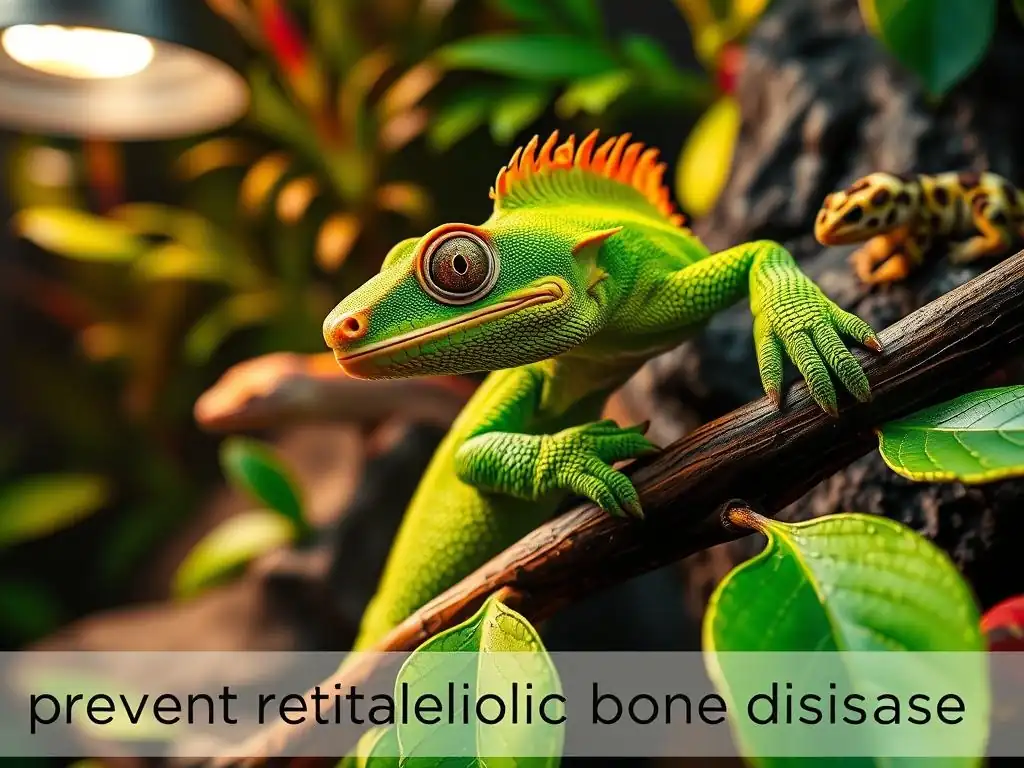
Welcome to PetCareWorld, your ultimate guide to responsible and informed pet ownership! Are you ready to unlock the secrets to a thriving reptile companion? We delve into the crucial topic of preventing reptile metabolic bone disease (MBD), offering simple yet effective strategies to ensure your scaly friend enjoys a long and healthy life. Discover how proactive care can make all the difference – explore our expert advice and learn how to safeguard your reptile's well-being today.
- Understanding Metabolic Bone Disease (MBD) in Reptiles
- Preventing Metabolic Bone Disease in Your Reptile: A Proactive Approach
- Diagnosing and Treating MBD: When to Seek Veterinary Care
- Case Studies: Successful Prevention and Treatment of MBD
- Frequently Asked Questions
- Final Reflection: Securing a Healthy Future for Our Reptilian Companions
- Unlock Your Reptile's Health Potential: Take Action Today!
Understanding Metabolic Bone Disease (MBD) in Reptiles
Metabolic bone disease (MBD), a prevalent and often devastating condition affecting reptiles, is a significant concern for reptile keepers worldwide. This comprehensive guide will delve into the intricacies of MBD, explaining its causes, symptoms, and most importantly, how to prevent this preventable disease. Understanding the nutritional needs of your reptile and providing proper care are crucial steps in ensuring a long and healthy life for your scaled companion.
We'll explore the essential role of calcium and Vitamin D3, providing practical advice and actionable steps to safeguard your reptile from the debilitating effects of MBD. Preventing reptile metabolic bone disease is not only achievable but also essential for responsible reptile ownership. This article aims to empower you with the knowledge and tools to maintain your reptile's skeletal health and overall well-being.
What is Metabolic Bone Disease (MBD)?
Metabolic bone disease (MBD) is a debilitating condition resulting from an imbalance in calcium and phosphorus metabolism in reptiles. This imbalance leads to weakened bones, skeletal deformities, and a range of other health problems. Unlike mammals, reptiles cannot synthesize Vitamin D3 efficiently without proper ultraviolet (UVB) light exposure. Vitamin D3 is crucial for calcium absorption, and a deficiency leads to a cascade of negative effects on the skeletal system.
The severity of MBD can range from mild, often unnoticed, to severe, resulting in significant deformities and paralysis. Early detection and intervention are key to successful treatment and prevention. Understanding the underlying mechanisms of MBD is the first step in effectively preventing it in your reptile. The condition is characterized by a progressive softening and weakening of the bones, making them prone to fractures and deformities.
Recognizing the Symptoms of MBD in Reptiles
Recognizing the early symptoms of MBD is crucial for timely intervention. Early signs can be subtle and easily overlooked, making regular observation of your reptile paramount. Some common symptoms include:
- Lethargy and weakness: Your reptile may appear less active than usual, exhibiting a reluctance to move or climb.
- Tremors and muscle spasms: These are often indicative of calcium deficiency and nerve dysfunction.
- Swollen joints: Joint inflammation and swelling can be a significant symptom of MBD.
- Skeletal deformities: This includes curved spines, bowed legs, and abnormal jaw alignment. These are often more pronounced in younger, growing reptiles.
- Fractures: Weakened bones are more susceptible to fractures, even from minor trauma.
- Loss of appetite: Reduced food intake can be an indicator of underlying health problems, including MBD.
- Egg-binding (in females): Calcium deficiency can affect egg production and lead to egg-binding, a life-threatening condition.
It's important to note that not all reptiles exhibiting these symptoms necessarily have MBD. However, if you observe any of these signs, it's crucial to consult a veterinarian specializing in reptiles for proper diagnosis and treatment. Early detection significantly improves the chances of successful treatment and prevents irreversible damage. Regular veterinary check-ups are also recommended for preventative care.
Causes of Metabolic Bone Disease: Calcium and Vitamin D3 Deficiency
The primary cause of MBD is an imbalance in calcium and phosphorus metabolism, primarily stemming from insufficient dietary calcium, lack of UVB light exposure, and insufficient Vitamin D3.
- Dietary Calcium Deficiency: Reptiles require a diet rich in calcium to support bone growth and maintenance. A diet lacking sufficient calcium, especially in growing reptiles, will lead to MBD.
- Inadequate UVB Lighting: UVB light is essential for reptiles to synthesize Vitamin D3, which facilitates calcium absorption. Insufficient UVB exposure leads to poor calcium absorption, even with a calcium-rich diet. The type and intensity of UVB bulb are critical; inexpensive or outdated bulbs may not provide sufficient UVB radiation.
- Vitamin D3 Deficiency: Vitamin D3 plays a critical role in calcium metabolism. Without adequate Vitamin D3, the body cannot effectively absorb calcium from the diet, leading to MBD. Supplementation may be necessary in some cases, but should always be done under veterinary guidance to avoid over-supplementation.
- Improper diet: A diet lacking appropriate calcium-to-phosphorus ratio is a significant factor. An excess of phosphorus can interfere with calcium absorption. Providing a balanced diet with appropriate calcium supplements is therefore essential.
Understanding these causal factors is crucial for developing a preventative strategy. Providing a balanced diet, appropriate UVB lighting, and regular veterinary check-ups are key to preventing MBD and ensuring the health of your reptile.
Risk Factors for Developing MBD: Species Susceptibility and Husbandry Practices
Metabolic bone disease (MBD) in reptiles isn't a random occurrence; several factors significantly increase a reptile's risk. Understanding these risk factors is crucial for effective prevention. We'll explore the interplay of species predisposition and husbandry practices that contribute to MBD development.
One primary factor is species susceptibility. Certain reptile species are inherently more prone to MBD than others. For instance, herbivorous reptiles, such as iguanas and some tortoises, often require a more carefully balanced diet to ensure adequate calcium absorption. Their dietary needs are more demanding, making them more vulnerable if these needs aren't met.
Conversely, carnivorous reptiles, while not immune to MBD, generally have a lower risk due to the naturally higher calcium content in their prey. However, even carnivores can suffer from MBD if their diet lacks proper supplementation or if they are not exposed to adequate UVB lighting. This highlights the importance of researching the specific dietary and environmental needs of your particular reptile species. Failing to do so increases the likelihood of an MBD diagnosis.
Beyond species-specific vulnerabilities, improper husbandry practices play a dominant role in MBD development. Inadequate ultraviolet B (UVB) lighting is a major culprit. UVB light is essential for reptiles to synthesize vitamin D3, a crucial vitamin for calcium absorption. Without sufficient UVB exposure, even a diet rich in calcium will not be effectively utilized by the reptile's body.
This leads to a deficiency in calcium, paving the way for MBD. Many reptile owners underestimate the importance of UVB lighting, using insufficient wattage bulbs, placing them too far from the reptile, or failing to replace them regularly as they lose their effectiveness over time. The intensity of UVB light diminishes significantly with distance and age of the bulb; therefore, proper placement and regular replacement are paramount. Think of UVB lighting as a vital supplement to a healthy diet, not a replacement for it.
Another critical husbandry issue is dietary deficiencies. Even with proper UVB lighting, an unbalanced diet lacking sufficient calcium and vitamin D3 will predispose a reptile to MBD. Many commercially available reptile foods are deficient in these crucial nutrients, necessitating careful supplementation. The calcium to phosphorus ratio in the diet is also critical.
An imbalance, with too much phosphorus relative to calcium, can inhibit calcium absorption, even if sufficient calcium is present. This emphasizes the importance of providing a varied and appropriately supplemented diet based on your reptile's species-specific needs. For example, feeding a bearded dragon only insects without adding calcium powder will likely result in MBD.
Finally, environmental temperature can also indirectly influence MBD risk. Reptiles are ectothermic, meaning they rely on external sources of heat to regulate their body temperature. Improper temperature gradients can affect their metabolism and calcium absorption. Consistent and appropriate basking temperatures are critical for optimal digestion and nutrient uptake, contributing to overall bone health.
A consistently cool environment can slow down metabolic processes, hindering calcium utilization and increasing the risk of MBD. Therefore, maintaining the correct temperature gradient within the reptile's enclosure is just as important as providing proper lighting and nutrition. Temperature and lighting are interconnected elements that significantly impact the prevention of MBD. Ignoring any of these factors increases the chances of your reptile developing this debilitating disease.
Preventing Metabolic Bone Disease in Your Reptile: A Proactive Approach
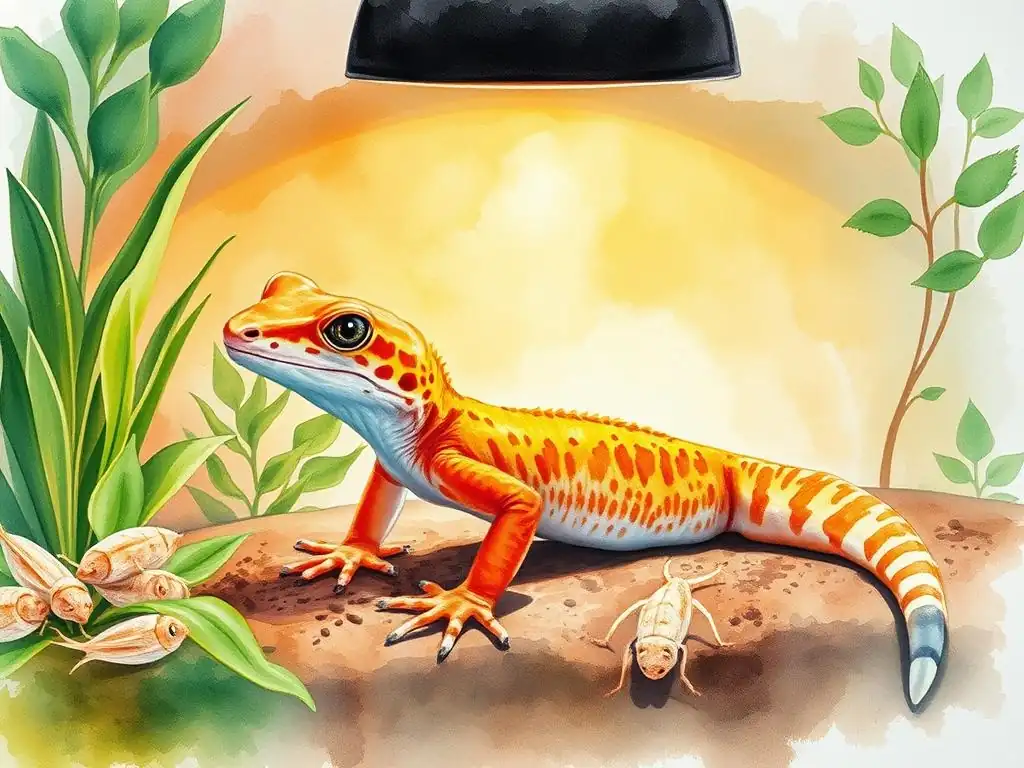
Metabolic bone disease (MBD) is a serious, but preventable, condition affecting many reptiles. Understanding the nutritional and environmental needs of your reptile is crucial in preventing this debilitating illness. This section will delve into the key strategies for proactively protecting your scaled companion from MBD. We'll explore dietary requirements, proper lighting, and husbandry practices that contribute to strong, healthy bones. Successfully preventing reptile metabolic bone disease requires a multifaceted approach, focusing on consistent and informed care.
Providing the Right Diet: Calcium and Vitamin D3 Supplementation
Reptiles, unlike mammals, cannot synthesize Vitamin D3 independently. This vital vitamin is crucial for calcium absorption, the cornerstone of preventing MBD. Therefore, providing a diet rich in calcium and supplementing with Vitamin D3 is paramount. The correct calcium-to-phosphorus ratio is also extremely important. An imbalance can lead to poor calcium absorption, even with adequate D3.
The ideal calcium-to-phosphorus ratio is generally considered to be 2:1 or higher. This means that for every 2 parts calcium, there should be no more than 1 part phosphorus in your reptile's diet. Many commercially available reptile foods are formulated to meet these requirements, but always check the label carefully.
Dusting your reptile's food with a high-quality calcium powder supplemented with Vitamin D3 is also essential. The frequency of dusting will depend on the species and age of your reptile; consult a veterinarian or reptile specialist for species-specific recommendations. Over-supplementation can be just as harmful as under-supplementation, so follow the recommended guidelines carefully.
Remember that the type of calcium supplement is important. Calcium carbonate is a readily available and inexpensive option, but calcium gluconate is more readily absorbed. Some reptile keepers prefer to use a combination of both.
Essential Dietary Components for Preventing MBD
Beyond calcium and Vitamin D3, a balanced diet is crucial for preventing MBD. Various factors influence the dietary needs of reptiles, including species, age, and activity level. A diverse diet, mimicking the natural diet of your reptile as closely as possible, is key. This often involves a mix of live insects (crickets, mealworms, roaches), vegetables, and fruits, depending on the specific species.
Consider these essential dietary components:
- Live insects: A primary food source for many reptiles, providing protein and essential nutrients. Ensure insects are appropriately gut-loaded (fed nutritious food) before feeding them to your reptile to maximize nutrient content.
- Leafy greens: Excellent sources of calcium, Vitamin A, and other essential vitamins and minerals. Examples include collard greens, kale, and dandelion greens.
- Fruits and vegetables: Provide additional vitamins, minerals, and fiber, contributing to overall health and well-being. The specific types of fruits and vegetables will vary depending on the species.
- Commercial reptile food: Many commercially available foods are formulated to meet the dietary needs of specific reptile species. These can be a useful supplement to a varied diet.
Remember to always research the specific dietary needs of your reptile species. A nutritionally deficient diet is a major risk factor for MBD. Consult with a reptile veterinarian or experienced reptile keeper to ensure you are providing a complete and balanced diet. Improper nutrition is a leading cause of MBD, so paying close attention to this aspect of care is critical.
Choosing the Right UVB and Heat Lamps for Optimal Calcium Absorption
UVB lighting is not merely a source of heat; it's essential for Vitamin D3 synthesis in reptiles. Without adequate UVB exposure, even with calcium supplementation, your reptile won't be able to absorb calcium effectively, leading to MBD. The type and intensity of UVB lighting will depend on the species and enclosure size.
Here's what you need to consider when choosing UVB and heat lamps:
- UVB bulb type: Choose a UVB bulb specifically designed for reptiles. Different bulbs have different strengths and spectra; select a bulb appropriate for your reptile's needs and the distance it will be from the bulb. Remember to replace UVB bulbs regularly, as their effectiveness diminishes over time. [Specific bulb replacement schedules pending].
- Heat lamp type: Provide a heat gradient within the enclosure, allowing your reptile to thermoregulate effectively. This is crucial for digestion and calcium absorption. Ceramic heat emitters are a good option as they don't emit light, which can disrupt the reptile's natural sleep cycle.
- Placement and distance: The distance between the lamp and your reptile is crucial. Too close, and you risk burning your reptile; too far, and the UVB and heat won't be effective. Follow the manufacturer's instructions for optimal placement.
- Regular monitoring: Regularly monitor the temperature and UVB levels within the enclosure using a thermometer and a UVB meter to ensure optimal conditions. Environmental conditions play a crucial role in preventing metabolic bone disease.
By paying close attention to these details, you can create an environment that supports your reptile's ability to absorb calcium and prevent MBD. Remember, preventing MBD requires a holistic approach encompassing proper diet, adequate lighting, and a suitable habitat.
Creating the Ideal Reptile Enclosure: Temperature and Humidity Control
Maintaining the correct temperature and humidity levels within your reptile's enclosure is paramount in preventing metabolic bone disease (MBD). Reptiles are ectothermic, meaning they rely on external sources of heat to regulate their body temperature. Inadequate heating can significantly impair calcium absorption, a crucial factor in preventing MBD.
The ideal temperature gradient should include a basking spot significantly warmer than the ambient temperature, allowing your reptile to thermoregulate effectively. This basking spot should reach temperatures specific to your reptile's species; for example, a bearded dragon might require a basking spot of 100-110°F (38-43°C), while a leopard gecko might need a slightly lower temperature. Always research the specific needs of your reptile species to ensure accurate temperature control.
Using a combination of heat lamps, heat rocks (used cautiously and with a thermostat to prevent burns), and under-tank heaters can help achieve the necessary temperature gradient. Regularly monitor temperatures using accurate thermometers placed both at the basking spot and in the cooler areas of the enclosure.
Humidity plays an equally crucial role. Many reptiles require specific humidity levels to aid in calcium absorption and overall health. Insufficient humidity can lead to dehydration, which further exacerbates the risk of MBD. You can monitor humidity levels with a hygrometer.
Different species have different humidity requirements. For example, some species of gecko require a higher humidity, often achieved through misting or the use of a humidity substrate. Conversely, other reptiles, such as desert tortoises, thrive in drier environments. The substrate you choose, the frequency of misting, and the use of a humidifier can all contribute to maintaining appropriate humidity levels.
Always ensure that the humidity level remains within the optimal range for your specific reptile species to support calcium metabolism and prevent MBD. Remember, consistent monitoring and adjustment are key to creating a healthy and stable environment. Neglecting temperature and humidity control is a major contributing factor to MBD development, so precision and attention to detail are critical. Investing in quality temperature and humidity control equipment is an essential part of responsible reptile ownership.
Diagnosing and Treating MBD: When to Seek Veterinary Care
Metabolic bone disease (MBD) in reptiles is a serious condition, but early diagnosis and intervention significantly improve the chances of a positive outcome. Recognizing the subtle signs early is crucial for preventing reptile metabolic bone disease. Don't hesitate to seek professional veterinary care if you suspect your reptile might be suffering from MBD. Early intervention can often prevent irreversible damage.
Veterinary Examination and Diagnostic Tests for MBD
A veterinarian specializing in reptiles (a herpetologist) is best equipped to diagnose and treat MBD. The veterinarian will conduct a thorough physical examination, paying close attention to the following:
- Skeletal deformities: This includes examining the limbs for bowing, swelling, or fractures. They will also check the jaw for misalignment and the spine for curvature.
- Muscle weakness: A reptile with MBD may exhibit weakness, lethargy, and difficulty moving.
- Fractures: These can occur spontaneously due to weakened bones.
- Behavioral changes: Changes in appetite, activity levels, and overall demeanor can be indicative of underlying health problems like MBD.
Beyond the physical exam, several diagnostic tests can confirm MBD:
- Radiographs (X-rays): These are essential for visualizing bone density and identifying fractures or deformities. Changes in bone density are a hallmark of MBD. The veterinarian will look for decreased bone density, thinning of the cortex, and pathological fractures.
- Blood tests: While not always conclusive for MBD alone, blood tests can assess calcium, phosphorus, and other electrolyte levels, providing valuable insights into the reptile's overall metabolic health. Significant imbalances in these electrolytes often indicate MBD.
- History and husbandry review: The veterinarian will ask detailed questions about the reptile's diet, housing, lighting (particularly UVB and heat), and overall care. Inadequate UVB lighting and a calcium-deficient diet are primary causes of MBD.
The combination of clinical signs, radiographic findings, and blood work will allow the veterinarian to arrive at a definitive diagnosis.
Treatment Options for Metabolic Bone Disease
Treatment for MBD aims to correct underlying metabolic imbalances and support bone healing. The approach is multifaceted and tailored to the individual reptile's condition and species. Treatment options typically include:
- Dietary adjustments: This is crucial. A balanced diet rich in calcium and supplemented with Vitamin D3 is essential. The veterinarian will recommend a species-appropriate diet and may prescribe specific calcium and vitamin supplements.
- UVB and heat supplementation: Adequate UVB lighting is critical for vitamin D3 synthesis, which is essential for calcium absorption. Insufficient UVB exposure is a major contributor to MBD. The veterinarian will recommend appropriate UVB lighting based on the reptile's species and enclosure size. Furthermore, maintaining the proper temperature gradient is essential for optimal digestion and calcium metabolism.
- Medication: In severe cases, medications may be necessary to correct electrolyte imbalances and reduce pain. This might involve calcium injections or other supportive therapies.
- Supportive care: This includes providing a comfortable and stress-free environment. Gentle handling is crucial, as rough handling can exacerbate existing fractures.
The success of treatment depends on consistent implementation of the veterinarian's recommendations. Regular monitoring is necessary to assess the effectiveness of the treatment plan.
Prognosis and Long-Term Management of MBD
The prognosis for MBD varies depending on the severity of the disease at the time of diagnosis and the reptile's response to treatment. Early diagnosis and prompt treatment generally lead to a better outcome. However, even with effective treatment, some skeletal deformities may be permanent. Severe cases, especially those involving significant bone damage, may have a guarded prognosis.
Long-term management involves ongoing monitoring of the reptile's health and adherence to the veterinarian's recommendations. This includes:
- Regular veterinary check-ups: These are crucial for monitoring progress, detecting any complications, and making necessary adjustments to the treatment plan.
- Continued dietary management: Maintaining a balanced diet rich in calcium and vitamin D3 is essential for preventing recurrence.
- Appropriate UVB and heat provision: Consistent provision of proper UVB lighting and a thermal gradient is critical for long-term health.
Preventing reptile metabolic bone disease is far easier than treating it. Consistent attention to diet, lighting, and overall husbandry practices is key to maintaining the health and well-being of your reptile companion. Remember, a proactive approach is the best way to avoid this preventable disease.
Case Studies: Successful Prevention and Treatment of MBD
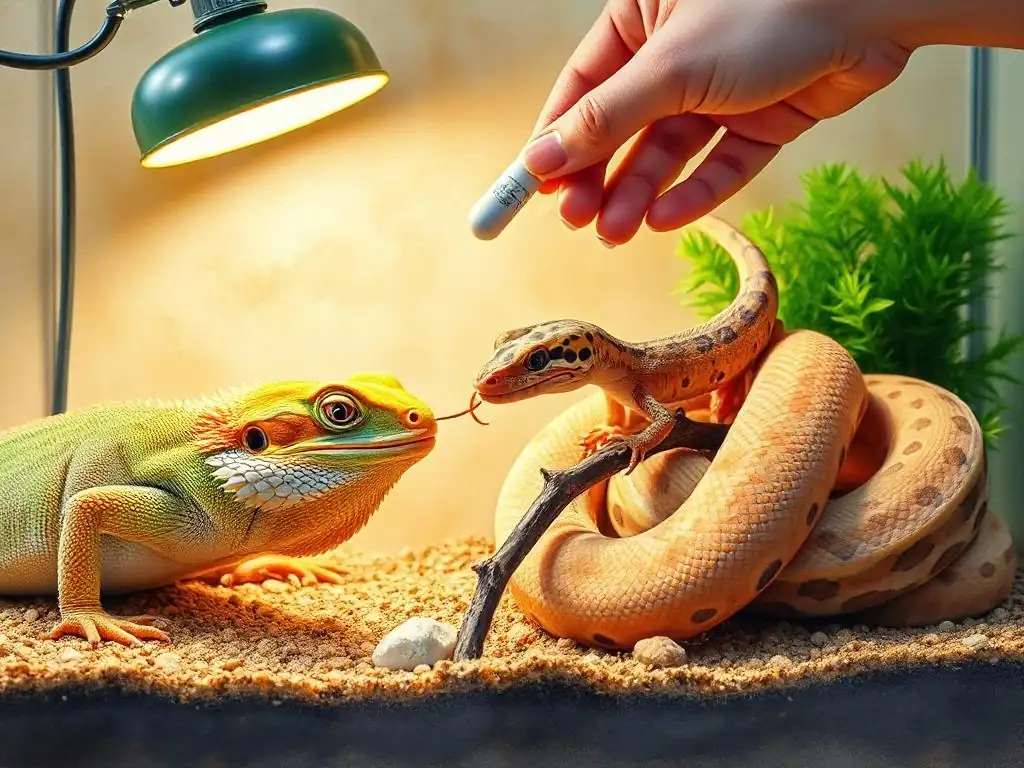
This section details real-world examples showcasing effective strategies for preventing and treating Metabolic Bone Disease (MBD) in reptiles. Understanding these case studies can provide valuable insights into practical application of preventative measures and successful treatment protocols. Preventing reptile metabolic bone disease requires diligent attention to detail and a proactive approach to husbandry.
Case Study 1: Preventing MBD in a Juvenile Leopard Gecko
This case study focuses on a juvenile leopard gecko, "Leo," acquired at eight weeks old. Leo's owner, a first-time reptile keeper, was diligent in researching proper care before bringing Leo home. Understanding the importance of proper UVB and calcium supplementation in preventing MBD was paramount.
Leo was housed in a 10-gallon terrarium with a temperature gradient maintained using a heat mat and a ceramic heat emitter. Crucially, a high-quality UVB bulb (specifically designed for reptiles and regularly replaced) was positioned above the basking area to ensure adequate UVB exposure. This UVB light is essential for the synthesis of Vitamin D3, which is vital for calcium absorption.
Furthermore, Leo's diet consisted of appropriately sized crickets dusted with a calcium and vitamin D3 supplement before each feeding. The owner meticulously monitored Leo's growth and activity levels, noting any changes in appetite or behavior. Regular weigh-ins helped track Leo's growth and ensure he was maintaining a healthy weight. This proactive approach, combining proper lighting, nutritional supplementation, and consistent monitoring, prevented the onset of MBD in Leo. After a year, Leo showed excellent bone density and robust health, a testament to the effectiveness of preventative measures.
Case Study 2: Recovering from MBD in an Adult Bearded Dragon
This case study illustrates the successful treatment of MBD in an adult bearded dragon, "Spike," who presented with classic symptoms: lethargy, wobbly gait, and skeletal deformities. Spike's previous owner had unknowingly provided inadequate UVB lighting and insufficient calcium supplementation.
Upon diagnosis, Spike's care was immediately adjusted. His diet was amended to include gut-loaded insects dusted with a high-quality calcium and D3 supplement, and his enclosure was upgraded with a full-spectrum UVB bulb and a proper basking spot with a significantly higher temperature gradient. Additionally, Spike was provided with a diet rich in calcium-rich greens such as collard greens and mustard greens, alongside appropriate insect prey.
Spike's progress was monitored closely through regular veterinary check-ups, including radiographs (X-rays) to assess bone density improvement. These regular check-ups are crucial to tailoring treatment and monitoring progress. While complete recovery from severe MBD can be lengthy, Spike showed significant improvement within three months, exhibiting increased activity levels and a more stable gait. His skeletal deformities remained, a lasting consequence of the untreated MBD, but his overall health and quality of life improved dramatically, highlighting the importance of early diagnosis and aggressive treatment.
| Feature | Case Study 1 (Leo) | Case Study 2 (Spike) |
|---|---|---|
| Species | Leopard Gecko | Bearded Dragon |
| Age at Diagnosis | Juvenile (8 weeks) | Adult |
| Initial Condition | Healthy, preventative | MBD symptoms present |
| UVB Lighting | Adequate, high quality | Inadequate |
| Calcium Supplementation | Adequate, consistent | Inadequate |
| Outcome | No MBD, healthy growth | Significant improvement |
This table summarizes the key differences and outcomes of both case studies, emphasizing the importance of both preventative care and timely intervention when dealing with MBD. Remember, early detection and appropriate treatment are key to improving the chances of a successful outcome when preventing reptile metabolic bone disease. Always consult a veterinarian specializing in reptiles for any concerns about your pet's health. 🦎
Frequently Asked Questions
What is Metabolic Bone Disease (MBD)?
Metabolic Bone Disease (MBD) is a severe skeletal disorder in reptiles caused by nutritional deficiencies, primarily a lack of calcium and/or vitamin D3. It leads to weakened bones, deformities, and potentially death.
How can I prevent MBD in my reptile?
Preventing MBD requires providing a balanced diet rich in calcium and vitamin D3, supplemented with UVB lighting. Ensure your reptile has access to appropriate basking spots to aid in vitamin D3 synthesis.
What are the signs of MBD in reptiles?
Signs of MBD include bone deformities, muscle weakness, lethargy, loss of appetite, and fractures. Early detection is crucial for successful treatment.
What kind of UVB lighting is best for preventing MBD?
You need a UVB bulb specifically designed for reptiles, with the correct strength and placement for your species. Regular replacement of the bulb is essential as UVB output diminishes over time.
My reptile has shown signs of MBD, what should I do?
Immediately consult a veterinarian specializing in reptiles. They can diagnose the severity, recommend treatment, and create a customized care plan to manage and hopefully reverse the condition.
Final Reflection: Securing a Healthy Future for Our Reptilian Companions
The prevention of Metabolic Bone Disease (MBD) in reptiles is not merely a veterinary concern; it's a responsibility shared by every reptile keeper. A seemingly simple oversight in diet or lighting can have devastating consequences for these fascinating creatures, leading to debilitating pain and a significantly reduced quality of life. Understanding and implementing preventative measures is crucial for ensuring the well-being of our scaly friends.
The impact of MBD extends beyond the individual reptile; it reflects a broader societal understanding (or lack thereof) regarding responsible pet ownership. The ease with which misinformation spreads online underscores the importance of reliable, evidence-based resources. We must actively combat the propagation of harmful myths and promote a culture of informed care. The best thing we can do for our pets is to educate ourselves and commit to providing them with the best possible care.
This commitment transcends simple compliance; it's a testament to our respect for these animals and their place in our lives.
Now, consider your own reptile, or even the reptiles you've encountered in zoos or nature documentaries. What steps can you take to ensure they receive the proper care to avoid MBD? Are you providing the correct UVB and UVA lighting? Is their diet appropriately balanced with calcium and other essential nutrients? Take a moment to reflect on your practices and make any necessary adjustments. By embracing responsible reptile keeping, we can collectively contribute to a healthier and happier future for these incredible animals.
Unlock Your Reptile's Health Potential: Take Action Today!
Thank you for exploring reptile health with us! You've gained valuable knowledge to prevent Metabolic Bone Disease (MBD). Let's put that knowledge into practice to ensure your reptile thrives.
- Prioritize proper lighting and UVB: Providing the correct spectrum and intensity of UVB and heat lamps is crucial for preventing MBD. This is the single most important step you can take.
- Optimize your reptile's diet: A balanced diet is essential. Consider supplementing your reptile's food with calcium and vitamin D3 to meet its nutritional needs.
- Join our community: Share your experiences and questions about MBD prevention with other reptile owners in our PetCareWorld community. Let's support each other in keeping our reptiles healthy and happy!
Ready to improve your reptile's well-being? What small adjustment can you make to its environment today?