
The Secret to a Fluffy Coat: Home Grooming Tips for LongHaired Dogs

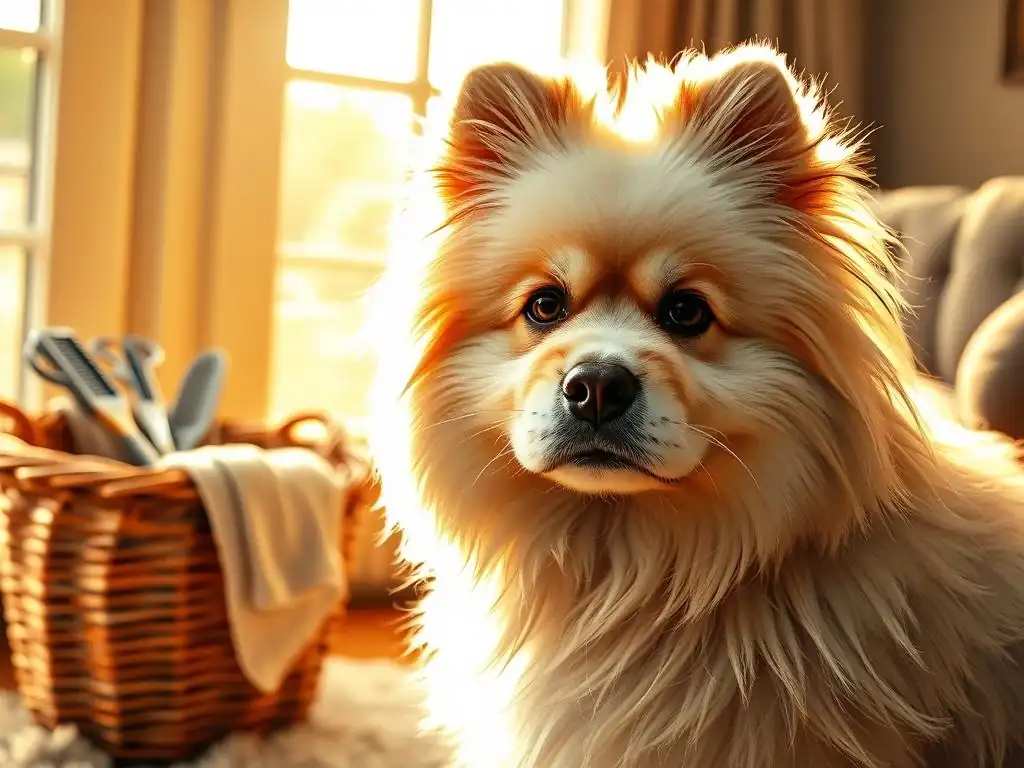
Welcome to PetCareWorld, your ultimate guide to a happier, healthier life for your beloved pet! Are you ready to unlock the secret to a stunning, manageable coat for your longhaired companion? Discover expert Longhaired dog grooming tips home that will transform your dog's appearance and strengthen your bond. Dive in and learn the techniques that will keep your furry friend looking and feeling their best!
- Understanding Your Longhaired Dog's Coat: Breed Specific Needs
- Brushing Your Longhaired Dog: Techniques and Frequency
- Bathing Your Longhaired Dog: A Step-by-Step Guide
- Trimming and Styling Your Longhaired Dog's Coat at Home
- Maintaining Your Longhaired Dog's Coat Health Between Grooming Sessions
- ### Nutrition for a Healthy Coat: Dietary Recommendations for Longhaired Dogs
- ### Supplements to Enhance Coat Health: Supplements for Shiny Fur
- ### Recognizing and Addressing Common Coat Problems: Common Coat Problems and Solutions
- Frequently Asked Questions
- Final Reflection: Unlocking the Beauty Within: A Love Letter to Longhaired Dogs
- Unlock Your Dog's Inner Fluffball: Grooming Glory Awaits!
Understanding Your Longhaired Dog's Coat: Breed Specific Needs
Maintaining a magnificent, fluffy coat for your longhaired dog isn't just about aesthetics; it's crucial for their overall health and well-being. A healthy coat acts as a natural insulator, protecting against both cold and heat, and a well-groomed coat minimizes matting and skin irritations. This comprehensive guide will equip you with the knowledge and techniques for successful home grooming of your longhaired canine companion, focusing on practical tips and breed-specific considerations to achieve that enviable, luxurious coat.
We'll explore everything from identifying your dog's coat type to recognizing signs of a healthy versus unhealthy coat, empowering you to become your dog's personal groomer. Remember, regular grooming is an investment in your dog's comfort and happiness, strengthening your bond through this essential act of care. Let's delve into the secrets to a truly magnificent mane!
Identifying Your Dog's Coat Type: Coat Types and Breed Examples
Understanding your dog's specific coat type is paramount for effective grooming. Longhaired dog breeds exhibit a wide variety of coat textures and densities. Some have a single coat, while others possess a double coat (an undercoat and a topcoat). Knowing this distinction significantly impacts your grooming approach.
| Coat Type | Description | Breed Examples | Grooming Considerations |
|---|---|---|---|
| Single Coat | One layer of hair, typically soft and silky. | Yorkshire Terrier, Afghan Hound, Shih Tzu | Requires regular brushing to prevent tangles and mats. |
| Double Coat | Two layers: a dense undercoat and a longer, coarser topcoat. | Golden Retriever, Old English Sheepdog, Collie | Requires more frequent brushing, especially during shedding seasons. May need de-shedding tools. |
| Wiry Coat | Coarse, textured hair that often requires specialized grooming techniques. | Wire Fox Terrier, Scottish Terrier, Airedale Terrier | May require stripping or hand-stripping to maintain coat texture and prevent matting. |
For instance, a Yorkshire Terrier's long, silky coat requires daily brushing to prevent matting, while a Golden Retriever's double coat needs regular brushing, especially during shedding seasons, to remove loose undercoat and prevent matting. Failing to address breed-specific needs can lead to discomfort for your dog and potentially costly professional grooming visits. Therefore, research your dog's breed specifics to tailor your grooming routine effectively.
Assessing Coat Health: Signs of a Healthy and Unhealthy Coat
Regularly assessing your dog's coat health is crucial for early detection of potential problems. A healthy coat is shiny, smooth, and free from excessive shedding, matting, or dryness. Conversely, an unhealthy coat can indicate underlying health issues.
Signs of a Healthy Coat:
- ✨ Lustrous Shine: A healthy coat has a natural sheen.
- 🐾 Soft Texture: The hair feels soft and supple, not brittle or coarse.
- 🧼 Minimal Shedding: Shedding is normal, but excessive shedding can signal a problem.
- 🧴 No Dryness or Flaking: The skin should be healthy and free from dryness or dandruff.
- 💪 No Irritations: Absence of redness, inflammation, or excessive scratching.
Signs of an Unhealthy Coat:
- 💔 Dull Appearance: A lack of shine often indicates poor nutrition or underlying health issues.
- 😫 Excessive Shedding: This might be due to stress, hormonal imbalances, or nutritional deficiencies.
- 💔 Matting and Tangles: These can be painful and lead to skin infections.
- 😫 Dry, Brittle Hair: Indicates dehydration or nutritional deficiencies.
- 💔 Skin Irritations: Redness, inflammation, or excessive scratching could signal allergies or parasites.
If you notice any signs of an unhealthy coat, consult your veterinarian immediately. Early intervention can prevent more serious health problems. Regular brushing, a balanced diet, and appropriate bathing are key to maintaining a healthy, radiant coat for your longhaired friend. 🐕
Brushing Your Longhaired Dog: Techniques and Frequency
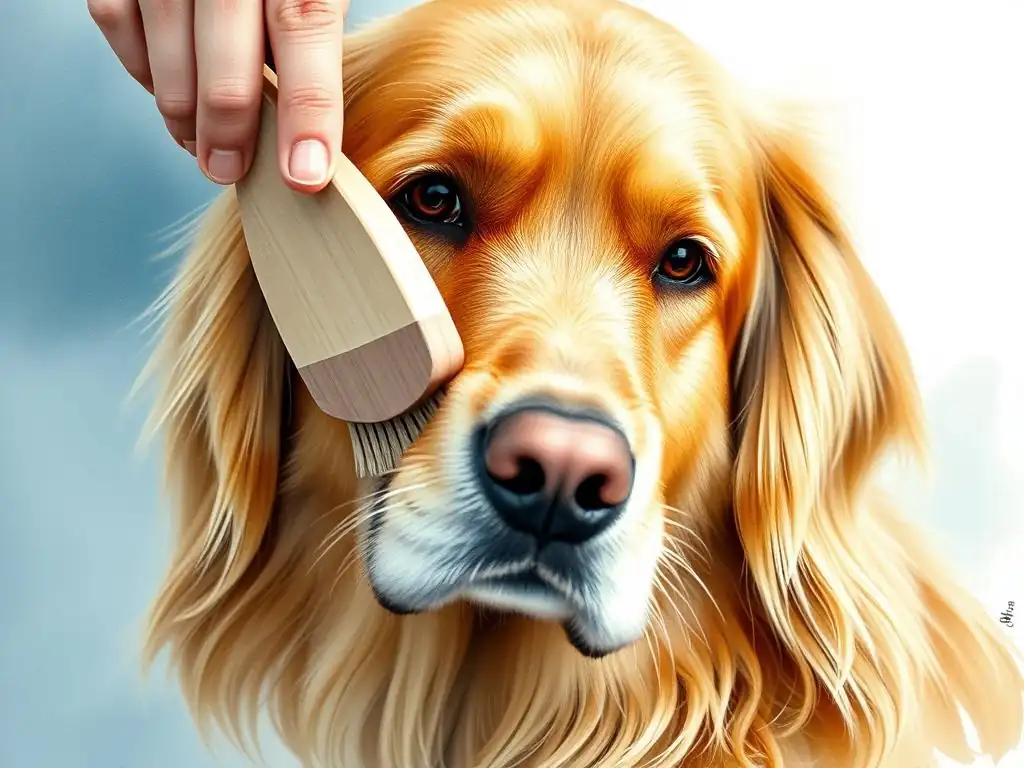
Maintaining a healthy and lustrous coat for your longhaired dog requires consistent and proper brushing. This isn't just about aesthetics; regular brushing prevents matting, reduces shedding, and helps detect skin problems early. Neglecting this crucial aspect of longhaired dog grooming can lead to discomfort for your pet and potentially expensive veterinary bills down the line. The frequency and techniques you employ will depend largely on your dog's breed and lifestyle.
The Best Brushes for Longhaired Dogs: Brush Types and Recommendations
Choosing the right brush is paramount for effective longhaired dog grooming at home. Different brushes cater to different coat types and lengths. Avoid using human hairbrushes, as they can damage your dog's delicate fur.
Here's a breakdown of recommended brush types:
| Brush Type | Description | Best for |
|---|---|---|
| Undercoat Rake | Removes loose undercoat, preventing matting. | Double-coated breeds (e.g., Huskies, Malamutes) |
| Slicker Brush | Removes tangles and loose hair from the topcoat. | Most longhaired breeds |
| Dematting Tool | Carefully removes stubborn mats and tangles, preventing painful pulling. | Severely matted areas (use with caution) |
| Wide-Tooth Comb | Detangles and smooths the coat, ideal for finishing and checking for mats. | All longhaired breeds |
| Pin Brush | Gently detangles and distributes natural oils, good for finishing. | Long, fine coats |
Remember to always choose brushes with comfortable, ergonomic handles to make the grooming process easier for you. Invest in high-quality brushes; they will last longer and be more effective. A well-chosen brush set tailored to your dog's specific needs is a worthwhile investment in their comfort and well-being.
Effective Brushing Techniques for Preventing Mats and Tangles
The way you brush is just as important as the what. Improper brushing can actually worsen matting and cause pain to your dog. Here's a step-by-step guide to effective brushing:
- Start with a thorough pre-brush: Use your fingers to gently check for existing mats and tangles.
- Work in sections: Don't try to brush your dog's entire coat at once. Divide the coat into manageable sections.
- Use gentle, short strokes: Avoid harsh pulling or yanking. Work slowly and patiently.
- Follow the direction of hair growth: Brushing against the grain can cause breakage.
- Pay extra attention to areas prone to matting: These often include behind the ears, under the legs, and around the tail.
- Use a dematting tool sparingly: Only use this on small, manageable mats. Large, severe mats may require professional grooming.
- Finish with a wide-tooth comb: This ensures that all tangles are removed and the coat is smooth.
Regular brushing, even for just 10-15 minutes a day, can significantly reduce the occurrence of matting and tangles. Remember to reward your dog with treats and praise throughout the process to create a positive association with grooming.
Brushing Schedule for Longhaired Dogs: Frequency Based on Breed and Lifestyle
The ideal brushing frequency varies considerably depending on your dog's breed and lifestyle. Generally, longhaired dogs need daily brushing to prevent matting. However, some breeds may require more frequent brushing, particularly during shedding season.
Here's a general guideline:
- Daily brushing: Most longhaired breeds, especially those with thick undercoats (e.g., Old English Sheepdogs, Afghan Hounds).
- Every other day: Breeds with less dense coats that don't shed excessively.
- Several times a week: Breeds with shorter, less prone to matting coats.
Consider these factors when determining your dog's brushing schedule:
- Shedding season: During shedding season, you may need to brush your dog more frequently to remove loose hair.
- Activity level: Highly active dogs tend to shed more and may require more frequent brushing.
- Coat condition: If your dog's coat is already matted, you'll need to brush more frequently to prevent further matting.
Regular brushing is essential for maintaining your longhaired dog's coat health. By following these tips and adapting the schedule to your dog's specific needs, you can ensure they remain comfortable and their coat stays beautiful and healthy. Remember, a happy dog is a healthy dog! 🐶
Bathing Your Longhaired Dog: A Step-by-Step Guide
Bathing your longhaired dog at home can seem daunting, but with the right approach and supplies, it can be a manageable and even enjoyable experience for both you and your furry friend. Regular bathing is crucial for maintaining a healthy, shiny coat and preventing matting, especially for breeds prone to tangles like Afghan Hounds, Yorkshire Terriers, or Old English Sheepdogs.
This section provides a comprehensive guide to bathing your longhaired dog, ensuring a positive and effective grooming session. Remember, consistency is key – aim for bathing your longhaired dog every 4-6 weeks, or more frequently if needed, depending on their lifestyle and coat condition.
Choosing the Right Shampoo and Conditioner for Longhaired Dogs: Shampoo and Conditioner Selection
Selecting the appropriate shampoo and conditioner is paramount for maintaining your longhaired dog's coat health. Avoid human shampoos and opt for products specifically formulated for dogs. Human shampoos can strip away essential oils, leading to dry, irritated skin. Look for shampoos that are gentle, moisturizing, and pH-balanced for canine skin. Consider shampoos designed for longhaired breeds, as these often contain ingredients that help detangle and prevent matting.
Here’s a helpful table to guide your selection:
| Shampoo Feature | Description | Benefits |
|---|---|---|
| Moisturizing | Contains ingredients like aloe vera, shea butter, or coconut oil. | Hydrates dry skin and coat, improves shine and reduces frizz. |
| Detangling | Formulated with ingredients that help to gently separate and loosen tangled hair. | Easier brushing and combing, reduces pulling and discomfort during grooming. |
| pH-Balanced | Maintains the natural pH of canine skin, preventing irritation and dryness. | Healthy skin, minimizes the risk of skin problems. |
| Hypoallergenic | Designed for dogs with sensitive skin, minimizing the risk of allergic reactions. | Suitable for dogs prone to skin allergies or irritations. |
| Oatmeal-Based | Contains colloidal oatmeal, which has soothing and anti-inflammatory properties. | Calming for itchy or irritated skin. |
Similarly, a conditioner is essential for longhaired dogs. It helps to soften the coat, making brushing easier and reducing the risk of breakage. Look for conditioners specifically designed for longhaired dogs, offering detangling properties and added moisture.
Preparing Your Dog for a Bath: Bath Preparation and Supplies
Before you begin, gather all necessary supplies. This will streamline the bathing process and ensure a smoother experience. You'll need:
- A non-slip bath mat (to prevent your dog from slipping)
- Warm water (not hot!)
- Dog shampoo and conditioner (chosen based on your dog's coat type and skin sensitivity)
- Several soft towels
- A bowl or cup for rinsing
- A handheld shower head (optional, but helpful)
- A wide-toothed comb or brush (to detangle the coat before and after the bath)
- Optional: Dog-safe ear cleaning solution (to clean ears before the bath)
Before the bath, thoroughly brush your dog's coat to remove any mats, tangles, and loose fur. This prevents them from becoming even more difficult to remove when wet. If your dog has long hair around their eyes, consider using cotton balls or a protective eye covering to keep shampoo out of their eyes. If your dog is particularly anxious about baths, consider introducing them to the bathing area gradually, and reward them with treats throughout the process.
Step-by-Step Bathing Process for Longhaired Dogs: Detailed Bathing Instructions
- Wetting the Coat: Gently wet your dog's coat with lukewarm water, avoiding getting water in their ears or eyes. Use a cup or shower head to thoroughly wet the coat, working from the head down.
- Applying Shampoo: Apply a small amount of dog shampoo to the coat, working it into a lather. Massage the shampoo gently into the coat, paying particular attention to areas prone to matting, such as behind the ears, under the legs, and around the tail.
- Rinsing: Thoroughly rinse the shampoo from the coat. Any remaining shampoo can irritate your dog's skin. Use lukewarm water and ensure all traces of shampoo are removed.
- Applying Conditioner: Apply a dog conditioner, working it through the coat. Leave the conditioner on for a few minutes to allow it to penetrate the hair shafts. This helps to detangle and moisturize the coat.
- Final Rinse: Rinse the conditioner thoroughly from the coat. Again, ensure all traces of conditioner are removed to prevent residue buildup.
- Drying: Gently towel dry your dog's coat. For longhaired breeds, you may need to use a hairdryer on a low, cool setting. Avoid using a hot hairdryer, as this can damage the coat and dry out the skin. Alternatively, let your dog air dry in a warm, safe place.
- Brushing: Once your dog is dry, brush their coat thoroughly to remove any remaining tangles and to distribute the natural oils. This step is crucial for maintaining a healthy and shiny coat. Remember to reward your dog with positive reinforcement and treats throughout the process to create a positive association with bath time. A happy dog is a clean dog!
Drying Your Longhaired Dog's Coat: Drying Techniques
Drying a longhaired dog thoroughly is crucial to prevent skin irritation, matting, and the unpleasant odor of a damp coat. Simply towel-drying isn't sufficient for these breeds; it often leaves the undercoat damp, creating a breeding ground for bacteria and potentially leading to skin problems. Therefore, choosing the right drying method is paramount.
Several techniques exist, each with its own advantages and disadvantages. Let's explore them:
Towel Drying: While not a complete drying solution on its own, towel drying is the first step and a crucial one. Using a large, absorbent towel, gently blot (don't rub!) your dog's coat to remove excess water. Rubbing can cause tangles and damage the hair. This initial step significantly reduces drying time with other methods. Consider having multiple towels on hand, especially for larger breeds.
Air Drying: Air drying is a gentle option, particularly suitable for dogs who are sensitive to the noise and heat of dryers. However, it's the slowest method and is not always practical, especially in colder climates or humid environments. This method is best suited for warmer weather and smaller dogs with shorter coats, even within the longhaired category. For example, a Yorkshire Terrier might air dry more efficiently than a Bernese Mountain Dog. Supervise your dog carefully during air drying to prevent them from getting chilled.
High-Velocity Force Dryers: These professional-grade dryers are powerful and efficient. They use a high-velocity airflow to quickly dry the coat without excessive heat, minimizing the risk of overheating your dog. The high-velocity airflow helps to separate the undercoat from the topcoat, promoting faster drying and reducing matting. However, these dryers can be expensive and may frighten some dogs due to the noise. Introducing your dog to the dryer gradually is essential, starting with short sessions and rewarding calm behavior.
Regular Hair Dryers (Human Dryers): While you can use a regular hairdryer, use it on a low heat setting and hold it at a safe distance from your dog's coat. Keep the airflow moving constantly to avoid overheating any one area. This method is less efficient than a high-velocity dryer and requires more time and patience. Many dogs find the noise of a regular hair dryer unsettling, so positive reinforcement is key. Always prioritize your dog's comfort and never use a high heat setting.
Important Considerations: Regardless of the drying method you choose, always check your dog's body temperature during the process. Overheating is a serious risk, especially with longhaired breeds. If your dog shows signs of discomfort, such as panting excessively or becoming lethargic, stop drying immediately and allow them to cool down. Regularly brushing your dog's coat after drying will help to prevent matting and keep the coat healthy and shiny.
Trimming and Styling Your Longhaired Dog's Coat at Home
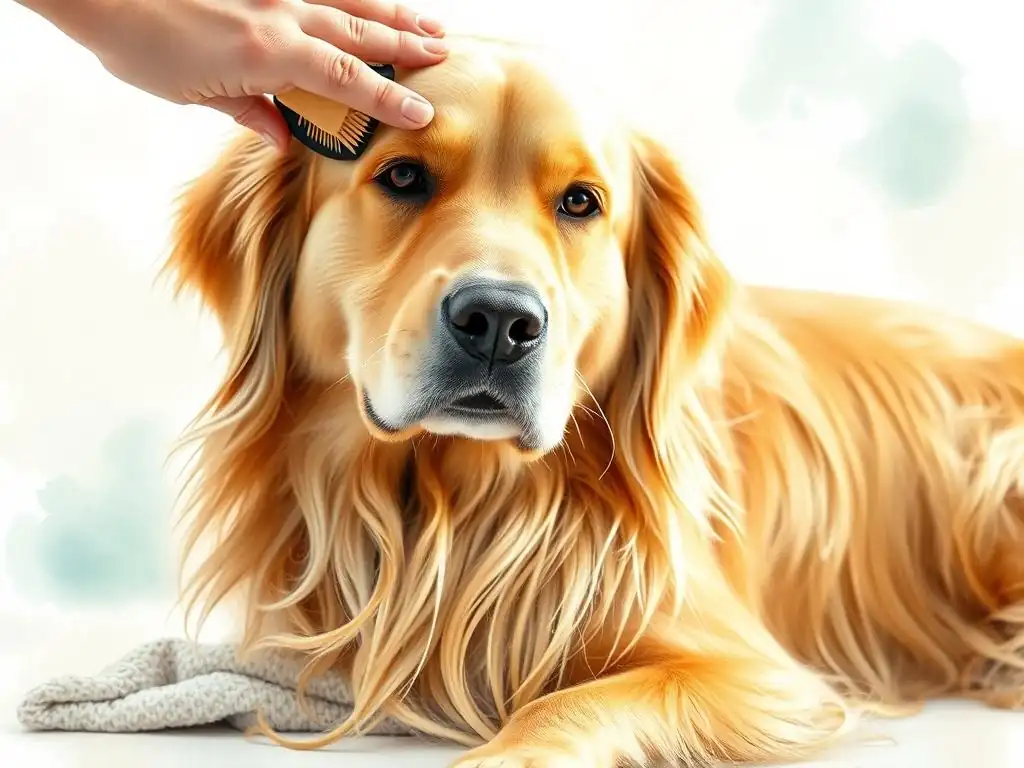
This section focuses on practical, safe, and effective trimming and styling techniques you can perform at home for your longhaired dog. Remember, patience and gentleness are key to a positive grooming experience for both you and your furry friend. Regular grooming not only keeps your dog looking their best but also contributes significantly to their overall health and well-being. This includes preventing matting, reducing shedding, and detecting potential skin issues early.
Basic Trimming Techniques for Longhaired Dogs: Safe Trimming Techniques
Before you begin, gather your supplies: a high-quality pair of dog grooming shears (straight and thinning shears are recommended), a detangling brush, a wide-tooth comb, and treats! Always work in a well-lit area and ensure your dog is comfortable and relaxed. Never rush the process.
Start by thoroughly brushing your dog's coat to remove any tangles or mats. This prevents pulling and discomfort during trimming. Use the wide-tooth comb to work through particularly stubborn knots. If a mat is too tight, it's best to carefully cut it out with the shears, working slowly and avoiding the skin.
When trimming, hold the shears at a slight angle, aiming to trim the hair just enough to remove excess length and keep the coat neat. Avoid cutting too close to the skin, as this can cause irritation or injury. For beginners, it's recommended to start with small, manageable sections. Focus on trimming the areas that tend to mat most easily, such as the paws, behind the ears, and under the belly. Regular, short trimming sessions are better than infrequent, long ones.
Remember, safety first! Always keep a firm grip on the shears and take your time. If you feel uncomfortable at any point, seek professional guidance. Positive reinforcement with treats and praise will keep your dog calm and cooperative throughout the process. The goal is to make grooming a positive experience for your canine companion.
Styling Tips for Longhaired Dogs: Styling Tips and Maintenance
Once you've mastered the basic trimming techniques, you can explore different styling options for your longhaired dog. Simple styles like trimming the hair around the paws to prevent matting and keeping the fur around the eyes neatly trimmed will significantly improve their comfort and appearance.
Consider the breed-specific characteristics of your dog when choosing a style. Some breeds, like the Yorkshire Terrier, benefit from a more elegant, flowing style, while others might look better with a more practical, shorter cut. Researching breed-specific grooming tips will offer valuable insights.
Regular brushing remains crucial, even after trimming. Aim for daily brushing to prevent matting and tangles, especially in breeds prone to heavy shedding. This daily maintenance helps keep the coat healthy and shiny. You might also consider using a dog-specific conditioner or detangler to help keep the coat smooth and manageable.
Remember to adjust your grooming routine according to the season. During warmer months, you might want to trim your dog's coat shorter to help them stay cool. In colder months, a longer coat offers better insulation. Monitoring your dog's comfort level is essential. If your dog seems uncomfortable or stressed during grooming, take a break and try again later.
When to Seek Professional Grooming for Longhaired Dogs: When Professional Help is Needed
While home grooming is feasible for many longhaired dogs, there are situations where professional help is necessary. If your dog has severe matting that you're unable to remove safely, a professional groomer possesses the skills and tools to handle this without harming your pet. They also have experience dealing with sensitive skin and potential underlying skin conditions.
Complex haircuts or styles that require specialized techniques are best left to professionals. They can achieve a precise and aesthetically pleasing result that might be difficult to replicate at home. If you're unsure about any aspect of your dog's grooming, it's always best to consult a professional groomer for advice and assistance.
Finally, if your dog exhibits signs of anxiety or fear during home grooming, consider seeking professional help. A professional groomer has experience handling anxious dogs and can create a calm and reassuring environment. Regular professional grooming sessions can also help socialize your dog and make them more comfortable with the grooming process. Prioritizing your dog's well-being is paramount. Don't hesitate to seek professional assistance when needed. Remember, a happy and well-groomed dog is a healthy dog!
Maintaining Your Longhaired Dog's Coat Health Between Grooming Sessions
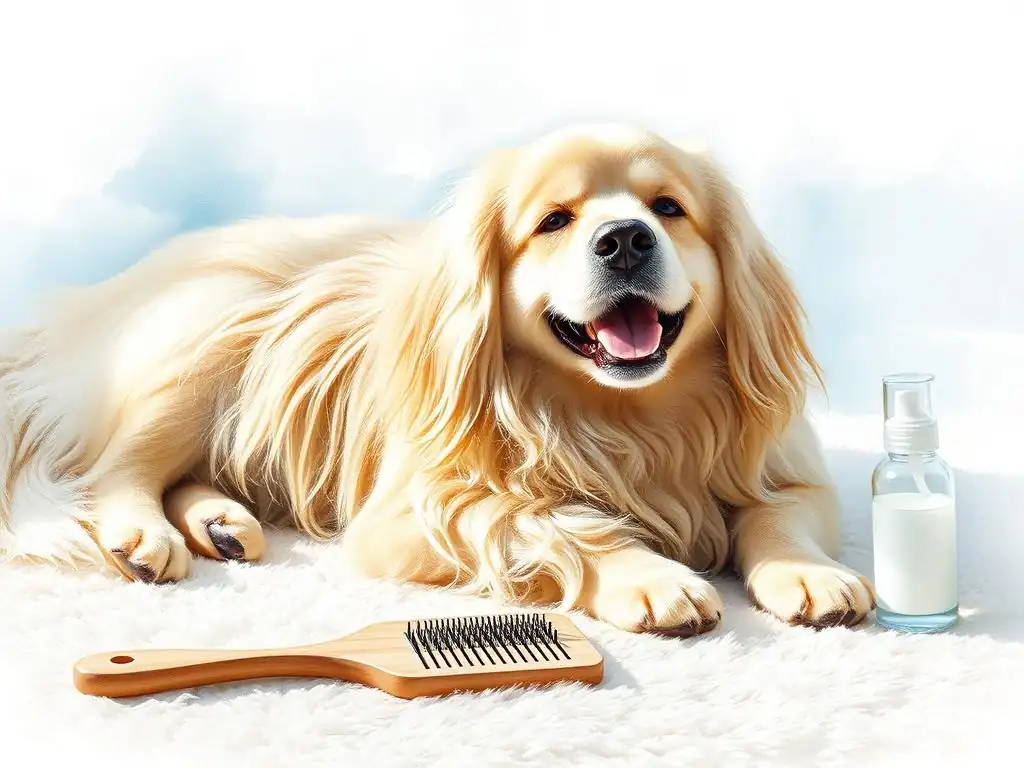
Maintaining a lustrous, healthy coat for your longhaired dog requires consistent effort beyond professional grooming appointments. Regular brushing is paramount; this prevents matting, removes dead hair, and distributes natural oils, contributing to a naturally shiny and healthy coat. The frequency depends on your dog's breed and coat type, but daily brushing is often recommended for longhaired breeds. For instance, a Yorkshire Terrier, with its silky, long coat, needs daily attention, whereas a slightly coarser-coated breed like an Old English Sheepdog might require less frequent, but still thorough, brushing.
Remember to use the appropriate brush for your dog's coat type. Slicker brushes are great for removing loose undercoat and tangles, while wide-toothed combs are ideal for detangling longer, more delicate hair. Always brush gently to avoid pulling or causing discomfort. Pay special attention to areas prone to matting, such as behind the ears, under the legs, and around the tail.
Regular brushing not only improves the coat's appearance but also strengthens the bond between you and your furry friend, making it a valuable part of your daily routine. Consider incorporating a detangling spray to ease the process, particularly for heavily matted areas. This proactive approach will significantly reduce the time and effort required during professional grooming sessions and help prevent more serious coat issues.
### Nutrition for a Healthy Coat: Dietary Recommendations for Longhaired Dogs
A dog's diet plays a crucial role in the health and appearance of its coat. Providing your longhaired companion with a balanced diet rich in essential fatty acids, proteins, and vitamins is vital for maintaining a healthy, shiny coat. High-quality dog food formulated for longhaired breeds often contains the necessary nutrients optimized for coat health. Look for ingredients like salmon oil, flaxseed oil, and other sources of omega-3 and omega-6 fatty acids. These fatty acids are essential for maintaining the skin's barrier function and preventing dryness and dullness.
Protein is another critical component. It provides the building blocks for healthy hair growth and repair. Choose dog foods with high-quality protein sources, such as chicken, lamb, or fish. Avoid fillers and artificial ingredients, as these can negatively impact your dog's overall health and coat condition.
Always consult your veterinarian to determine the best dietary plan for your dog based on its breed, age, activity level, and any specific health conditions. Observing your dog's coat for changes in texture, shine, or shedding can help you gauge the effectiveness of its diet and make adjustments as needed. A balanced diet is the cornerstone of a beautiful and healthy coat.
### Supplements to Enhance Coat Health: Supplements for Shiny Fur
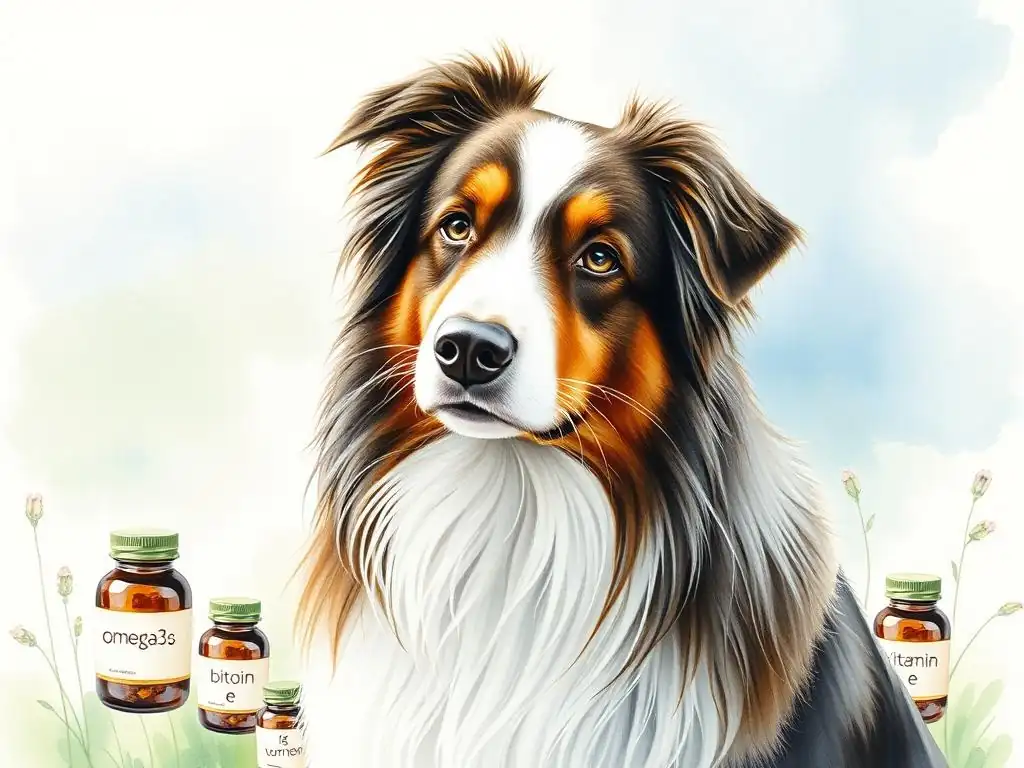
While a balanced diet forms the foundation of a healthy coat, certain supplements can provide an extra boost. Omega-3 fatty acid supplements, like fish oil or krill oil, can help improve skin and coat health by reducing inflammation and promoting hydration. These supplements are particularly beneficial for dogs with dry, flaky skin or a dull coat. Always consult your vet before adding supplements to your dog's diet, especially if they are already taking other medications.
Other supplements, such as biotin and zinc, may also contribute to coat health. Biotin is a B vitamin that plays a role in keratin production, a key component of hair and nails. Zinc is essential for cell growth and repair. However, it's important to remember that excessive supplementation can be harmful, so follow the recommended dosage carefully.
Always choose high-quality supplements from reputable brands and monitor your dog for any adverse reactions. Remember, supplements should be considered additions to a healthy diet, not replacements. A holistic approach, combining a balanced diet and appropriate supplementation, will yield the best results for your longhaired dog's coat.
### Recognizing and Addressing Common Coat Problems: Common Coat Problems and Solutions
Several common coat problems can affect longhaired dogs. Matting is a frequent issue, particularly in breeds with dense, long coats. Regular brushing, as discussed earlier, is the best preventative measure. However, if mats do form, carefully work them out with a detangling spray and a wide-toothed comb. Severe mats may require professional grooming. Excessive shedding is another common concern. While some shedding is normal, excessive shedding can indicate underlying health problems, such as allergies or hormonal imbalances. Consult your veterinarian to rule out any medical causes.
Dry, flaky skin is often associated with a dull, lifeless coat. This can be caused by dietary deficiencies, allergies, or environmental factors. Adjusting your dog's diet, using a moisturizing shampoo, and providing adequate hydration can help alleviate dry skin. Skin infections, such as hot spots, can also affect the coat.
These are characterized by inflamed, red, and often oozing areas of skin. If you suspect a skin infection, seek veterinary attention immediately. Addressing these common coat problems promptly is crucial for maintaining your longhaired dog's overall health and well-being. Regular monitoring of your dog's coat and prompt veterinary care when necessary are essential for keeping your longhaired companion looking and feeling their best.
Frequently Asked Questions
How often should I brush my longhaired dog?
You should aim to brush your longhaired dog daily, or at least every other day, to prevent matting and tangles. This helps to remove dead hair and distribute natural oils.
What tools do I need for grooming my longhaired dog at home?
Essential tools include a slicker brush, a wide-toothed comb, shedding blade, and dog-specific shampoo and conditioner. You might also want scissors for trimming.
How can I prevent matting in my longhaired dog's coat?
Regular brushing is key! Pay close attention to areas prone to matting, like behind the ears and under the legs. Consider using a detangling spray to help ease the process.
What's the best way to bathe my longhaired dog at home?
Use lukewarm water and a dog-specific shampoo designed for longhaired breeds. Thoroughly rinse all the shampoo to prevent skin irritation. Always dry the coat completely afterwards to prevent chill.
My longhaired dog has a lot of shedding. What can I do?
Regular brushing helps remove loose fur. Consider using a shedding tool to help get rid of undercoat. A healthy diet and omega-3 fatty acid supplements may also improve coat health and reduce shedding.
Final Reflection: Unlocking the Beauty Within: A Love Letter to Longhaired Dogs
The art of home grooming for longhaired dogs isn't merely about aesthetics; it's a testament to the deep bond we share with our furry companions. A well-groomed dog is a happy dog, and the journey to achieving that fluffy perfection is a rewarding one, filled with moments of connection and quiet joy. This isn't just about preventing mats and tangles; it's about nurturing their health and well-being from the inside out.
The impact of regular grooming extends far beyond a beautiful coat. It's a ritual that strengthens the human-animal bond, fostering trust and understanding. It's in those quiet moments of brushing, those gentle strokes, that we truly connect with our canine companions. As the renowned animal behaviorist, Dr. Ian Dunbar, once said, The bond between a human and an animal is one of the most profound relationships in the world.
This simple act of grooming becomes a powerful expression of that profound connection, a daily affirmation of love and care.
Now, consider the pawsitive impact you can have. Take a moment to reflect on the joy you experience when your longhaired friend looks and feels their best. Embrace the opportunity to nurture this bond further, to deepen your connection through the simple act of regular grooming. Remember the tips shared in this article, and make them a part of your routine. The reward? A healthier, happier dog, and a stronger, more loving relationship between you and your beloved furry friend.
Unlock Your Dog's Inner Fluffball: Grooming Glory Awaits!
Thank you for learning how to achieve a magnificent coat for your long-haired dog! We hope you found our advice helpful and are ready to put your new knowledge into practice.
- Schedule your dog's first grooming session: Gather your brushes, a detangling spray, and some tasty treats, then dedicate some quality time to gently grooming your furry friend. Remember to use the gentle techniques we discussed!
- Share your grooming journey: Post a picture of your beautifully groomed dog on social media using #PetCareWorldFluffy and tag us! Let's celebrate those gorgeous coats together.
- Learn more: Explore more dog care topics on PetCareWorld.org for expert tips and advice.
Ready to see the transformation? What's the biggest grooming challenge you and your dog are looking forward to overcoming?