
Herding Dog First Aid: Preparing for Common Injuries and Emergencies


Welcome to PetCareWorld, your ultimate guide to a happier, healthier life for your beloved pets! Are you ready to be prepared for anything? We delve into the crucial topic of herding dog first aid, equipping you with the knowledge and tools to handle common injuries and emergencies effectively. Discover the essential components of a comprehensive herding dog first aid kit and learn how to confidently navigate unexpected situations. Dive in and ensure your furry friend receives the best possible care – your journey to preparedness starts now!
- Building Your Essential Herding Dog First Aid Kit
- Common Herding Dog Injuries and How to Respond
- Advanced First Aid Techniques for Herding Dogs
- Preventing Injuries in Herding Dogs
- When to Seek Veterinary Care for Your Herding Dog
- Frequently Asked Questions
- Final Reflection: A Shepherd's Duty: Protecting Our Working Partners
- Ready to Protect Your Herding Dog?
Building Your Essential Herding Dog First Aid Kit
Owning a herding dog is a rewarding experience, filled with boundless energy and unwavering loyalty. These intelligent and active canines, however, are prone to certain injuries due to their working nature and enthusiastic personalities. A well-stocked first aid kit is crucial for swiftly addressing minor wounds and providing immediate care in emergencies, potentially saving your dog's life and minimizing the severity of injuries before professional veterinary help arrives.
This comprehensive guide will equip you with the knowledge to assemble a comprehensive herding dog first aid kit, covering essential supplies for minor injuries, necessary medications, and crucial emergency contact information. We'll focus on the specific needs of herding breeds, considering their predisposition to certain types of injuries and the importance of prompt action in ensuring their well-being. Preparing for potential emergencies will give you peace of mind and the confidence to act decisively when your herding companion needs you most.
Remember, this guide is for informational purposes only and does not replace professional veterinary advice. Always consult your veterinarian for any health concerns.
Essential Supplies for Minor Herding Dog Injuries
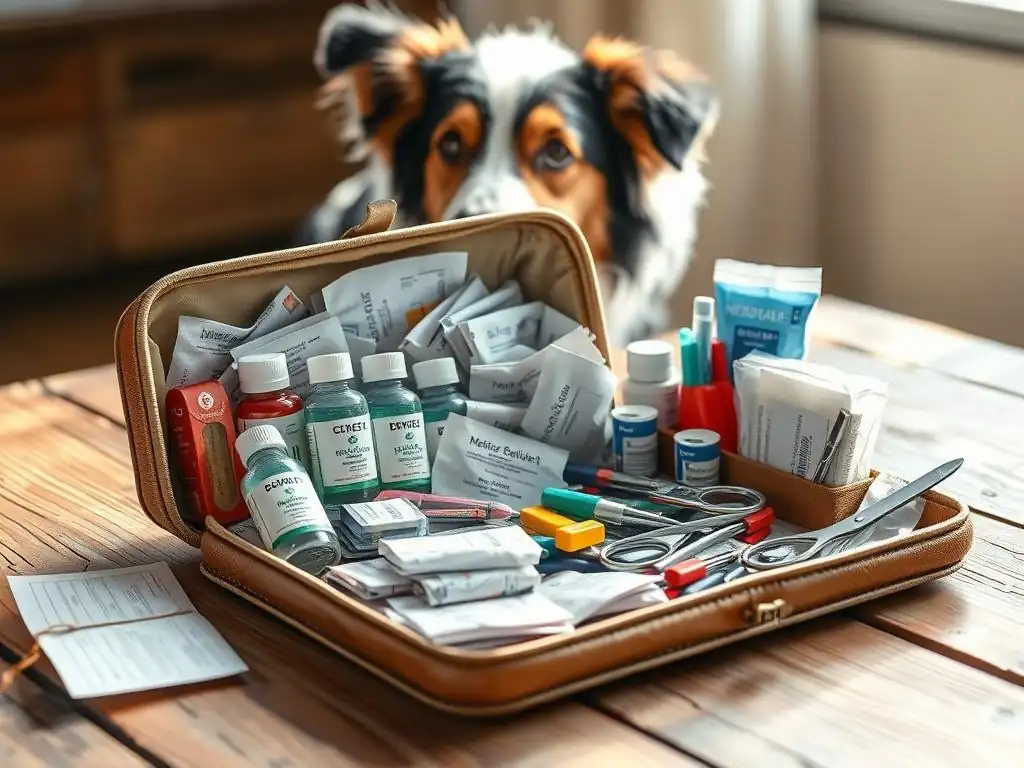
A well-equipped first-aid kit for your herding dog should include items for addressing common minor injuries. These injuries, while often not life-threatening, require prompt attention to prevent infection or further complications. The following list details the essential supplies you should include:
- Sterile Gauze Pads: Various sizes are crucial for covering wounds and applying pressure to stop bleeding. Aim for a range of small, medium, and large pads.
- Adhesive Tape: Non-irritating medical tape is essential for securing bandages and dressings.
- Bandages: A selection of self-adhesive bandages in different widths is necessary for wrapping paws, legs, and other injuries.
- Scissors: Sharp, blunt-ended scissors are needed for cutting bandages and removing debris from wounds. Keep them separate from other items to maintain cleanliness.
- Tweezers: For carefully removing splinters, thorns, or ticks.
- Antiseptic Wipes: Essential for cleaning minor wounds and preventing infection. Choose wipes specifically formulated for pet use.
- Thermometer: A rectal thermometer allows you to monitor your dog's temperature, a key indicator of illness.
- Clean Towels: Several absorbent towels are invaluable for cleaning wounds and providing comfort.
- Muzzle: Even the most docile dog may bite when in pain or scared. A muzzle ensures your safety and allows for effective treatment. Proper muzzle training is essential before an emergency arises.
- Emergency Blanket: For warmth and protection from the elements in case of an outdoor injury.
Medications and Topical Treatments for Herding Dogs
While a first-aid kit shouldn't contain prescription medications, having certain over-the-counter remedies on hand can be beneficial for managing minor issues. Always consult your veterinarian before administering any medication to your dog. The following are items to consider including, after consulting with your vet:
- Antiseptic Ointment: A veterinarian-approved antiseptic ointment can help prevent infection in minor wounds.
- Pain Relief Medication (Vet-Approved): Your vet may recommend a specific pain reliever for use in cases of minor injuries. Never administer human pain medication to your dog.
- Eye Wash Solution: For flushing out irritants from your dog's eyes.
- Hydrogen Peroxide (3%): While useful for cleaning certain wounds, use it cautiously and only as directed by your veterinarian, as it can irritate sensitive tissue.
Emergency Contact Information and Resources for Herding Dog Owners
Having readily accessible emergency contact information is paramount. This information should be clearly visible and easily accessible within your first-aid kit or a designated location. Include:
- Your Veterinarian's Phone Number: Keep this prominently displayed.
- Emergency Veterinary Clinic Phone Number: Identify the nearest 24-hour veterinary clinic in your area.
- Animal Poison Control Center Phone Number: This is critical in case of accidental ingestion of toxins.
- Local Emergency Services Number: Your local emergency number (e.g., 911).
- Your Dog's Microchip Information: Keep a record of your dog's microchip number and the associated registry information.
- Your Dog's Medical History: A brief summary of your dog's medical history, including allergies and current medications.
Remember, this information is for educational purposes only. Always consult with your veterinarian for any health concerns and before administering any medication to your dog. A proactive approach to herding dog first aid will empower you to respond effectively and confidently to various situations, ensuring your canine companion's safety and well-being. 🐶
Common Herding Dog Injuries and How to Respond
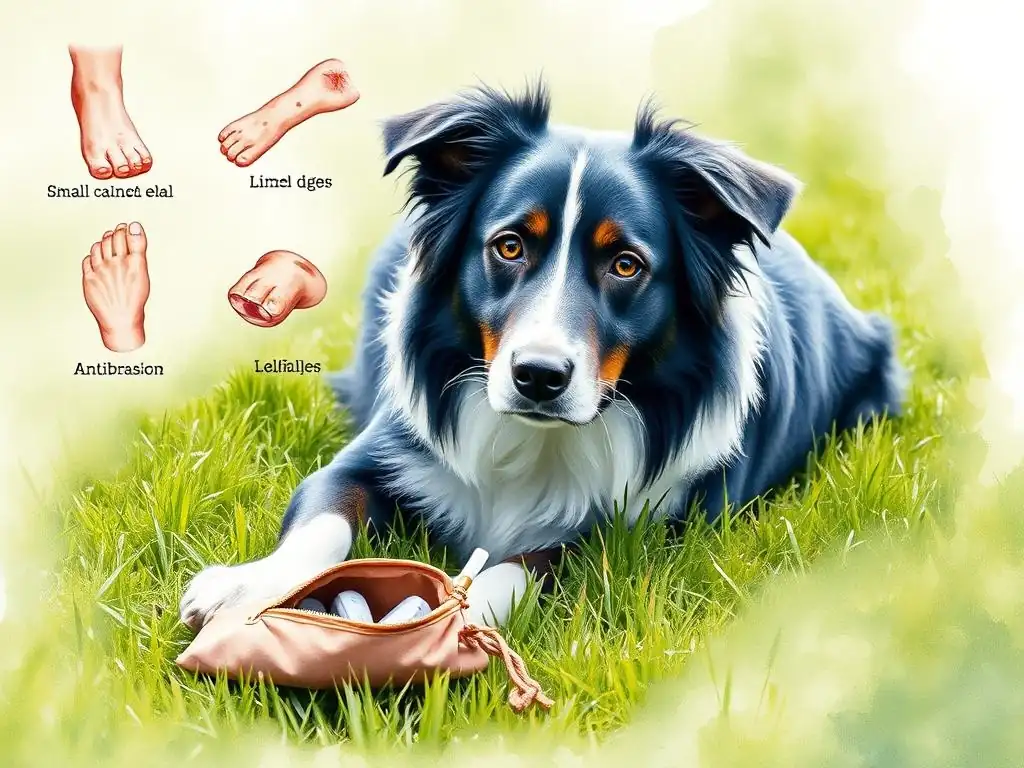
Herding dogs, with their energetic and often independent nature, are prone to specific injuries related to their demanding work. Understanding these common ailments and knowing how to respond swiftly and effectively is crucial for responsible pet ownership. A well-stocked herding dog first aid kit is your first line of defense, but knowing what to do before you reach for the supplies is equally important. This section focuses on three prevalent injury types: cuts and lacerations, bites and puncture wounds, and sprains and strains. Proper first aid can significantly impact the outcome and speed up recovery.
Cuts and Lacerations in Herding Dogs: Immediate Care and Prevention
Cuts and lacerations are common occurrences in herding dogs, often resulting from encounters with sharp objects during work or play. Thorns, barbed wire, and even accidental scrapes can lead to significant bleeding and potential infection. Immediate action is key.
First, assess the severity of the wound. Minor cuts can be cleaned and treated at home, while deeper wounds require immediate veterinary attention. For minor cuts:
- Control Bleeding: Apply gentle, direct pressure to the wound using a clean cloth. Elevation of the injured limb can also help reduce bleeding.
- Clean the Wound: Gently cleanse the area with a mild antiseptic solution (ensure it's pet-safe!). Avoid using hydrogen peroxide or rubbing alcohol, as these can damage tissue.
- Apply Antibiotic Ointment: A thin layer of pet-specific antibiotic ointment can help prevent infection.
- Bandage (if necessary): Use a clean bandage to cover the wound, ensuring it's not too tight. Monitor for signs of infection (swelling, redness, increased pain, discharge).
Prevention is always better than cure. Regularly inspect your herding dog for any cuts or abrasions, especially after working sessions. Keeping your dog's nails trimmed can also reduce the risk of accidental scratches. Providing a safe and secure environment minimizes exposure to potential hazards. Consider using protective booties during particularly risky activities.
Dealing with Herding Dog Bites and Puncture Wounds
Bites and puncture wounds from other animals or even accidental self-inflicted injuries pose a significant risk of infection. These wounds often appear smaller than the actual damage, making them particularly dangerous. Deep puncture wounds may not bleed heavily initially, concealing the seriousness of the injury.
Immediate veterinary care is highly recommended for any bite or puncture wound. The risk of infection is substantial, and prompt professional treatment is vital to prevent complications like abscess formation or sepsis. While waiting for veterinary assistance:
- Control Bleeding (if present): Follow the same steps as for cuts and lacerations.
- Do NOT attempt to clean the wound deeply: This can push contaminants further into the tissue.
- Keep the wound clean: Cover it loosely with a clean bandage to prevent further contamination.
- Monitor closely: Watch for signs of infection, swelling, redness, heat, and discharge. Any change in behavior should also be noted.
Treating Sprains and Strains in Active Herding Dogs
Herding dogs, given their athleticism and demanding work, are susceptible to sprains and strains. These injuries involve the stretching or tearing of ligaments (sprains) or muscles and tendons (strains). Symptoms can include lameness, swelling, pain, and limited range of motion.
Rest is crucial for healing. Avoid strenuous activity and consider using a supportive bandage or sling to immobilize the affected area. Over-the-counter pain relievers are not recommended for dogs without veterinary consultation. Applying cold compresses (ice packs wrapped in a cloth) for the first 24-48 hours can help reduce swelling and pain. After the initial 48 hours, gentle heat therapy might be beneficial, but always seek professional advice before implementing any treatment.
Severe sprains and strains may require veterinary intervention, including medication, physical therapy, or even surgery. Regular veterinary check-ups are essential for early detection and management of these injuries. Maintaining your herding dog's fitness through appropriate exercise and conditioning can also significantly reduce the risk of sprains and strains. Remember, a properly maintained herding dog first aid kit, coupled with knowledge of how to respond to these injuries, can make a significant difference in your dog’s well-being. 🐕🦺
Recognizing and Addressing Heatstroke in Herding Breeds
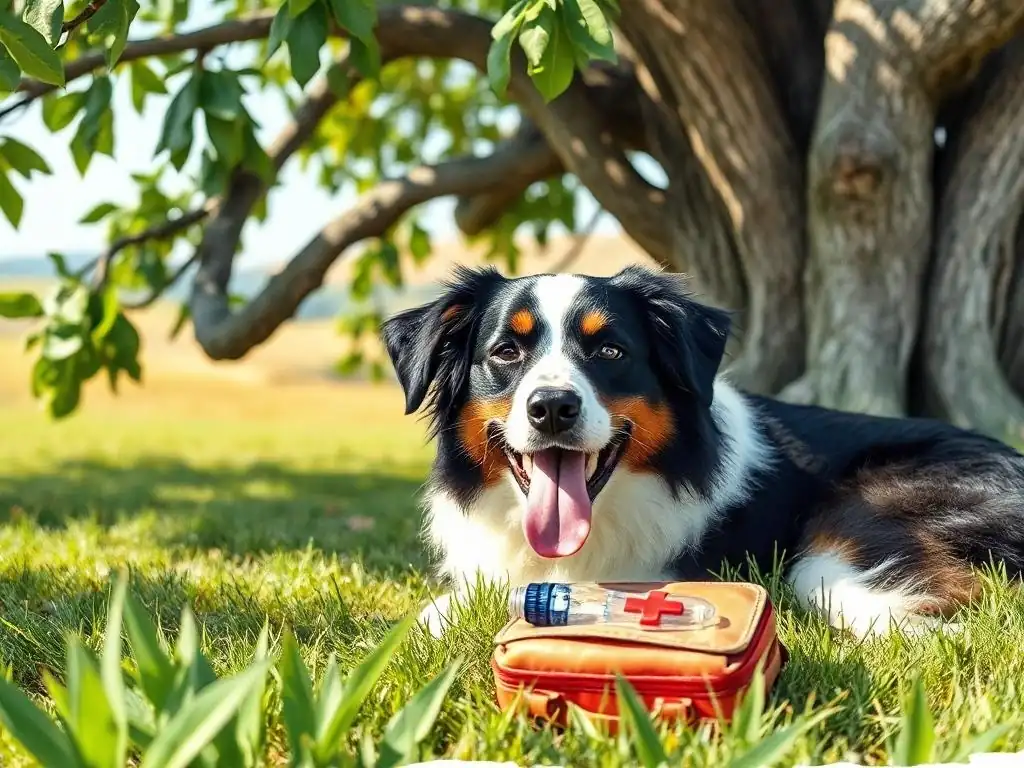
Herding dogs, with their energetic nature and often thick coats, are particularly susceptible to heatstroke. Recognizing the signs early is crucial for a positive outcome. Heatstroke isn't just about panting heavily; it's a life-threatening emergency requiring immediate action. Symptoms can include excessive panting, drooling, weakness, staggering gait, vomiting, diarrhea, and even collapse. The dog's gums may appear dark red or even bluish. Body temperature will be significantly elevated—a rectal temperature above 104°F (40°C) is a serious indicator.
If you suspect your herding dog is suffering from heatstroke, act quickly. Immediately move your dog to a cool, shaded area. Begin cooling them down gradually using cool (not ice-cold) water. Pour water over their body, focusing on their paws, belly, and groin area. You can also use cool, wet towels.
Avoid submerging them in cold water, as this can cause shock. Provide them with access to cool, fresh water to drink. Seek veterinary attention immediately. The faster your dog receives professional care, the better the chances of survival and full recovery.
Prevention is key; avoid strenuous activity during the hottest parts of the day, provide adequate shade and water, and consider a cooling vest for particularly vulnerable breeds. Remember that even seemingly mild symptoms warrant a call to your veterinarian. The consequences of delaying treatment can be severe. Regularly check your dog's temperature, especially during hot weather, to monitor their health and well-being.
Eye Injuries in Herding Dogs: First Aid and Veterinary Care
Herding dogs, due to their active lifestyles, are prone to eye injuries. These can range from minor irritations to severe trauma. Common eye injuries include scratches, abrasions, foreign bodies (such as grass seeds or twigs), and even more serious conditions like corneal ulcers or lacerations. Recognizing the signs is essential for providing appropriate first aid and seeking timely veterinary care. Symptoms can include squinting, excessive blinking, redness, swelling, discharge (clear, watery, or pus-like), and pawing at the eye. The dog may also exhibit signs of pain or discomfort.
First aid for minor eye injuries involves gently flushing the eye with a sterile saline solution to remove any foreign debris. Never attempt to remove an embedded object yourself; doing so could cause further damage. Apply a clean, damp cloth to the eye to soothe any irritation.
For more serious injuries, such as deep lacerations or significant bleeding, immediately cover the eye with a clean, damp cloth and transport your dog to a veterinary clinic. Do not apply any ointments or medications without consulting a veterinarian. For corneal ulcers or other suspected serious conditions, prompt veterinary attention is crucial to prevent vision loss or other complications.
Regular eye examinations by your veterinarian can help detect and address potential problems early. Consider using protective eyewear during activities that could pose a risk to your dog's eyes, like hiking through brush or playing in areas with potential hazards. A proactive approach to eye care can significantly reduce the risk of injuries and maintain your herding dog's vision.
Advanced First Aid Techniques for Herding Dogs
This section delves into more complex first aid procedures that may be necessary for herding dogs, particularly given their active lifestyles and potential for more serious injuries. While a basic herding dog first aid kit is crucial, knowing how to utilize its contents effectively is paramount. Remember, these techniques should be considered supplementary to professional veterinary care; they are intended to stabilize your dog until professional help arrives.
Emergency Transportation of an Injured Herding Dog
Getting an injured herding dog to the vet safely and quickly is critical. Their often-substantial size and potential for further injury during transport necessitates careful planning. Improper handling can exacerbate existing wounds or cause new ones. For example, a dog with a suspected spinal injury should never be lifted by its legs or body.
Consider these steps for safe transport:
- Assess the Situation: Before moving your dog, carefully assess the injury and its severity. Is it safe to approach the dog? Are there any immediate threats to your safety or the dog's?
- Improvise a Stretcher: If your dog is too large or injured to walk, consider using a sturdy board or blanket to create a makeshift stretcher. Secure the dog gently but firmly to prevent further injury. Two people are usually needed for this task.
- Vehicle Preparation: Ensure your vehicle is prepared. Have towels or blankets ready to absorb any blood or other fluids. Consider using a pet carrier for smaller dogs, but ensure it is appropriately sized and well-ventilated.
- Drive Carefully: Drive slowly and carefully to minimize jarring movements. If possible, have someone accompany you to monitor the dog's condition during transit. Avoid sudden braking or sharp turns.
- Alert the Veterinary Clinic: Contact your veterinarian before you leave to inform them of your dog's condition and ETA. This allows them to prepare for your arrival and ensure efficient treatment.
Failing to transport an injured herding dog properly can lead to worsened injuries, increased pain, and even death. Prior planning and careful execution are vital components of effective herding dog first aid.
Administering Basic Medications to a Herding Dog
Knowing how to safely administer basic medications can be a lifesaver in an emergency. This often involves oral medications or applying topical ointments. However, always consult your veterinarian beforehand to understand the proper dosage and administration method for your specific dog and situation. Never administer medication without professional guidance.
Here are some points to consider:
- Pill Administration: For oral medications, try hiding the pill in a small amount of high-value food. For dogs that are resistant, use a pill-popper. Never force a pill down a dog's throat, as this can cause choking or injury.
- Topical Medications: When applying topical ointments or creams, follow the veterinarian's instructions carefully. Apply a thin layer to the affected area, avoiding contact with the dog's eyes or mouth.
- Accurate Dosage: Always measure medications carefully using the appropriate measuring device. Incorrect dosage can be harmful to your dog.
- Observation: After administering medication, monitor your dog for any adverse reactions, such as vomiting, diarrhea, or lethargy. Contact your veterinarian immediately if you observe any unusual symptoms.
Recognizing Signs of Shock in Herding Dogs
Recognizing shock is crucial, as it's a life-threatening condition. Herding dogs, due to their energetic nature, might mask symptoms initially. Early recognition and prompt veterinary attention are paramount for improving survival chances.
Shock symptoms in herding dogs can manifest in various ways:
| Symptom | Description |
|---|---|
| Rapid, weak pulse | Feel a fast and weak heartbeat. |
| Pale gums | Gums appear pale, white, or bluish. |
| Cold extremities | Legs, ears, and nose feel cold to the touch. |
| Weakness and lethargy | Dog appears weak, unresponsive, and sluggish. |
| Rapid, shallow breathing | Breathing is fast and shallow, indicating respiratory distress. |
| Dilated pupils | Pupils appear larger than normal. |
| Collapse | Dog may collapse and be unable to stand. |
| Restlessness or agitation | The dog may exhibit unusual restlessness or agitation. |
If you suspect your herding dog is in shock, seek immediate veterinary attention. Time is of the essence in treating this life-threatening condition. Remember to keep your herding dog warm and comfortable while awaiting professional help. A herding dog first aid kit, properly used, can assist in stabilizing your pet until professional veterinary care is received.
Performing CPR on a Herding Dog (Basic Instructions)
Performing cardiopulmonary resuscitation (CPR) on your herding dog can be a life-saving measure in emergency situations like cardiac arrest or severe respiratory distress. However, it's crucial to remember that this is a complex procedure and should only be attempted if you've received proper training. Improper CPR can cause further harm. This section provides basic instructions, but professional veterinary training is strongly recommended. Always prioritize getting your dog to a veterinarian as quickly as possible.
The first step is to check for responsiveness. Gently shake your dog and call its name. If there's no response, check for breathing and a heartbeat. Look for chest movement, feel for a pulse (usually found on the inside of the thigh), and listen for breath sounds. If your dog isn't breathing or has no pulse, begin CPR immediately.
Positioning your dog: Place your dog on a firm, flat surface. For larger herding breeds, you might need assistance to properly position them. Ideally, the dog should be lying on its right side to avoid compressing major organs.
Chest compressions: Locate the point where your dog's last rib meets its breastbone. Place the heel of one hand on this point, and place your other hand on top, interlacing your fingers. Keep your arms straight and push firmly down on the chest, compressing it about one-third to one-half of its depth. For small dogs, use only one hand. The compression rate should be around 100-120 compressions per minute. This is roughly the same tempo as the beat of the song "Stayin' Alive" by the Bee Gees. This rhythm can help maintain the correct pace.
Rescue breaths: After every 30 chest compressions, give two rescue breaths. Tilt your dog's head back slightly and lift its snout. Make a tight seal over its nose and mouth with your mouth, and gently blow air into its lungs for about one second. Look for chest rise. If the chest doesn't rise, readjust your position and try again. Be careful not to overinflate the lungs.
Alternating compressions and breaths: Continue alternating 30 chest compressions with two rescue breaths until your dog shows signs of recovery, such as breathing on its own or a return of a pulse, or until professional help arrives. Even if your dog starts breathing again, continuous monitoring is necessary, and immediate veterinary care is crucial.
Important Considerations: The depth and rate of compressions will vary depending on the size of your herding dog. Smaller breeds require less force and a faster rate, while larger breeds need more force and a slightly slower rate. Always be gentle but firm. Remember, this is a summary of basic steps.
Improper technique can cause injury, so consider taking a certified pet first aid and CPR course to ensure you're prepared for such emergencies. Having a well-stocked herding dog first aid kit is also essential for addressing other injuries while waiting for professional veterinary help. It's a crucial part of responsible pet ownership. 🐶❤️
Preventing Injuries in Herding Dogs
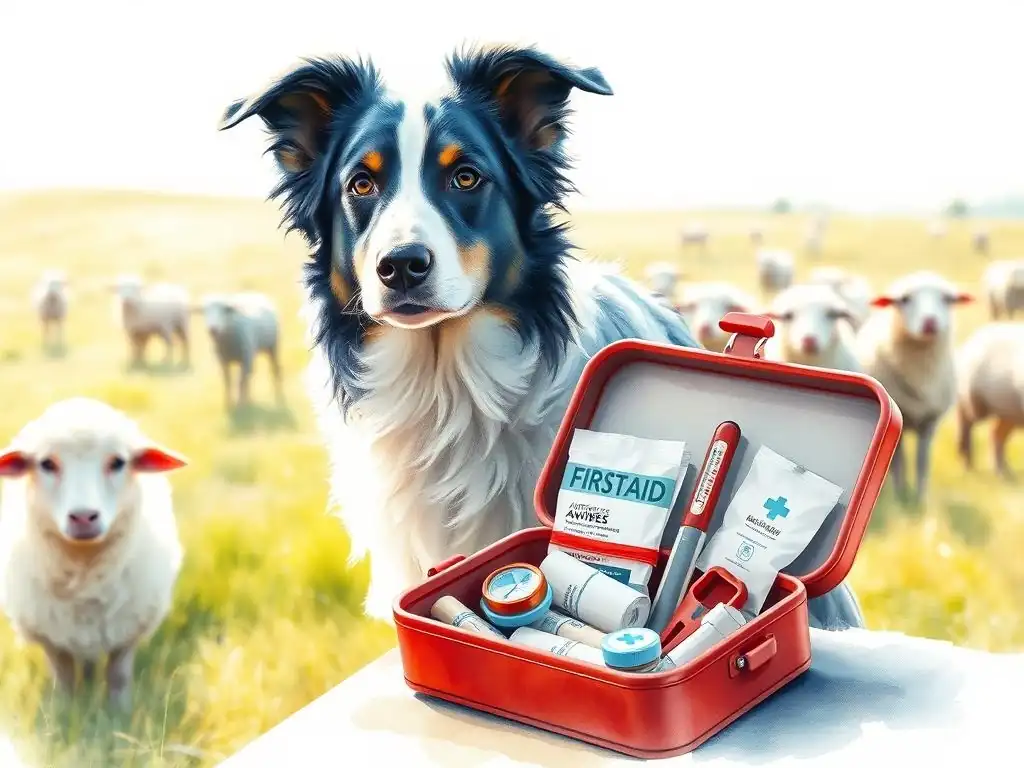
Minimizing the risk of injury is paramount in ensuring the well-being of your herding dog. Proactive measures significantly reduce the need for emergency first aid. A comprehensive approach encompassing environmental safety, appropriate training, and regular veterinary care forms the cornerstone of preventative herding dog care. This proactive strategy not only reduces the likelihood of needing a herding dog first aid kit but also contributes to your dog's overall health and longevity.
Safe Herding Environments for Your Dog
Creating a secure environment for your herding dog is crucial in injury prevention. This involves assessing and modifying your herding grounds to eliminate potential hazards. Thoroughly inspect the area for sharp objects, holes, or uneven terrain that could cause trips or falls. Remove any poisonous plants or debris that your dog might ingest. Consider fencing or other containment measures to prevent your dog from escaping into unsafe areas.
For dogs working with livestock, ensure the animals are handled responsibly and that the herding environment is free from obstacles that could injure either the dog or the livestock. Regular inspections are vital, as conditions can change unexpectedly. For example, after a storm, check for downed branches or debris that might create new hazards. Remember, a safe environment is an investment in your herding dog's health and well-being, directly impacting the need for a herding dog first aid kit.
Proper Training and Exercise for Herding Breeds
Herding dogs are naturally energetic and require substantial physical and mental stimulation. Improper training or insufficient exercise can lead to behavioral problems and increase the risk of injury. Enroll your dog in obedience training specifically designed for herding breeds. This will teach your dog essential commands and control, reducing the risk of accidents during herding activities. Furthermore, consistent and appropriate exercise is crucial.
This includes daily walks, runs, and opportunities for herding practice. Overexertion can lead to muscle strains and injuries, while under-exercise can lead to frustration and destructive behaviors. A well-trained and adequately exercised herding dog is less likely to be involved in accidents that require the use of a herding dog first aid kit. Remember to gradually increase the intensity and duration of exercise to avoid overstraining your dog's muscles and joints.
Regular Veterinary Check-ups for Herding Dogs
Regular veterinary check-ups are essential for early detection and prevention of health issues that could predispose your herding dog to injuries. These check-ups should include routine vaccinations, parasite control, and dental care. Your veterinarian can also assess your dog's overall health, identify any potential problems early on, and provide guidance on appropriate exercise and nutrition. Furthermore, regular check-ups allow for the early detection of conditions like hip dysplasia or other orthopedic issues common in some herding breeds.
Early intervention can often mitigate the severity of these conditions and reduce the risk of future injuries. This proactive approach significantly minimizes the potential need for emergency first aid and the use of a herding dog first aid kit. Don't underestimate the value of preventative care; it’s a cornerstone of responsible herding dog ownership. Scheduling regular check-ups is a vital component of a comprehensive herding dog care plan.
When to Seek Veterinary Care for Your Herding Dog
Knowing when to seek veterinary care for your herding dog is crucial for their well-being. While a well-stocked herding dog first aid kit can handle minor injuries, certain situations demand immediate professional attention. Delaying veterinary care, even for seemingly minor issues, can lead to serious complications and potentially life-threatening conditions. This section outlines key indicators that necessitate a visit to the vet, helping you make informed decisions in critical moments. Remember, it's always better to err on the side of caution when your dog's health is concerned.
Signs Your Herding Dog Needs Immediate Veterinary Attention
Several signs indicate your herding dog requires immediate veterinary attention. These are not minor inconveniences; they signal potentially life-threatening situations. Prompt action is paramount. These include:
- Severe Bleeding: Uncontrollable bleeding from any wound, particularly deep wounds or those involving arteries, requires immediate veterinary intervention. Applying direct pressure to the wound with a clean cloth while rushing your dog to the vet is crucial.
- Difficulty Breathing: Labored breathing, gasping for air, or blue-tinged gums are critical indicators of respiratory distress. This could stem from various causes, including heart problems, pneumonia, or airway obstruction. Seek immediate help.
- Seizures: Seizures in dogs can be terrifying. Time the duration of the seizure, note the symptoms (stiffening, paddling, loss of consciousness), and seek immediate veterinary care. Repeated or prolonged seizures are particularly alarming.
- Severe Trauma: Accidents involving cars, falls from significant heights, or severe bites can cause internal injuries not readily apparent. Immediate veterinary assessment is essential.
- Sudden Collapse: If your herding dog suddenly collapses and is unresponsive, this is a medical emergency. Begin CPR if you are trained, and transport your dog to the nearest emergency veterinary clinic immediately.
- Ingestion of Poison: If you suspect your dog has ingested poison (rat poison, antifreeze, human medication, etc. ), contact your vet or an animal poison control center immediately. Time is of the essence in these situations.
Finding Emergency Veterinary Services for Herding Dogs
Locating emergency veterinary services quickly is vital when dealing with a herding dog emergency. Preparation is key. Before an emergency arises, research and save the contact information for 24/7 emergency veterinary clinics in your area. Many veterinary hospitals have emergency services, but some specialize solely in emergency care. Having this information readily available can save precious time.
It's also helpful to:
- Know the location of the nearest veterinary hospital: Knowing the route and potential traffic delays can help you get there faster.
- Have your dog's veterinary records readily accessible: This includes vaccination history, medical conditions, and allergies. This information will be invaluable to the emergency veterinarian.
- Have a carrier or crate ready: Securely transporting your injured dog is essential. A carrier or crate will provide safety and stability during transport.
- Consider pet insurance: Pet insurance can significantly ease the financial burden of unexpected veterinary bills, particularly in emergencies.
Remember, acting swiftly and decisively is crucial when dealing with a herding dog emergency. A well-prepared pet owner is a better equipped pet owner—and a safer one for their beloved canine companion. 🐕
Frequently Asked Questions
What should be in a herding dog first aid kit?
A herding dog first aid kit should include essential supplies like antiseptic wipes, bandages, gauze pads, scissors, tweezers, a thermometer, and pain relief medication (after consulting your vet). Don't forget a leash and muzzle for safety.
What are common injuries for herding dogs?
Herding dogs are prone to injuries like cuts and abrasions from thorns or rough terrain, muscle strains and sprains from strenuous activity, and eye injuries from flying debris. Digestive issues from eating things they shouldn't also occur.
How do I treat a minor cut on my herding dog?
Clean the wound gently with antiseptic wipes, apply a clean bandage, and monitor for signs of infection like swelling, redness, or pus. Consult a vet if the wound is deep or shows signs of infection.
When should I take my herding dog to the vet after an injury?
Seek immediate veterinary attention if your dog has a severe injury, is exhibiting signs of shock, experiences heavy bleeding, or shows signs of pain or distress. Don't hesitate to seek professional help.
Are there any specific first aid considerations for herding breeds?
Yes, consider their high energy levels and propensity for muscular injuries. Focus on preventative measures like proper conditioning and safe working environments. Also, be aware of their inherent herding instincts which may lead to risky behaviors.
Final Reflection: A Shepherd's Duty: Protecting Our Working Partners
The unwavering bond between herding dog and handler demands preparedness. A swift response to injury or emergency can mean the difference between a quick recovery and a devastating loss. This article has highlighted the crucial role of a well-stocked first-aid kit and the knowledge to use it effectively, equipping you to face the unexpected challenges inherent in the active life of a herding dog.
The responsibility we bear for our canine companions extends far beyond providing food and shelter; it encompasses their well-being in every aspect of their lives. Their tireless dedication to their work deserves our unwavering commitment to their safety. The greatness of a nation and its moral progress can be judged by the way its animals are treated.
- Mahatma Gandhi. This quote resonates deeply when considering the vital role herding dogs play, and the ethical obligation we have to ensure their protection. Their health and happiness are intrinsically linked to our own success and fulfillment as handlers.
Now, consider your own herding dog. Take a moment to visualize the scenarios we've discussed – the cuts, the strains, the potential for heatstroke. Do you feel confident in your ability to respond effectively? If not, revisit the checklist provided and assemble your kit today. Remember, proactive preparation is the best defense against unforeseen circumstances. Empower yourself with knowledge, and ensure your loyal working partner receives the care they deserve. Your preparedness is a testament to the strength of your bond.
Ready to Protect Your Herding Dog?
Thank you for learning about essential first aid for your herding dog! We hope you feel more confident handling common injuries and emergencies. Ready to put your knowledge into practice?
- Assemble your first-aid kit today! Our website provides a recommended supplies list to help you gather everything you need. This is crucial for your dog's safety.
- Share this vital information with other herding dog owners. A quick email or social media post could save a life!
- Consider enrolling in a dog first-aid course—it's a surprisingly engaging way to further develop your skills.
What's the first item you'll add to your dog's first-aid kit? Let's discuss in the comments below!