
Cat Tree Placement Tips: Where to Put Your Cat's New Favorite Spot

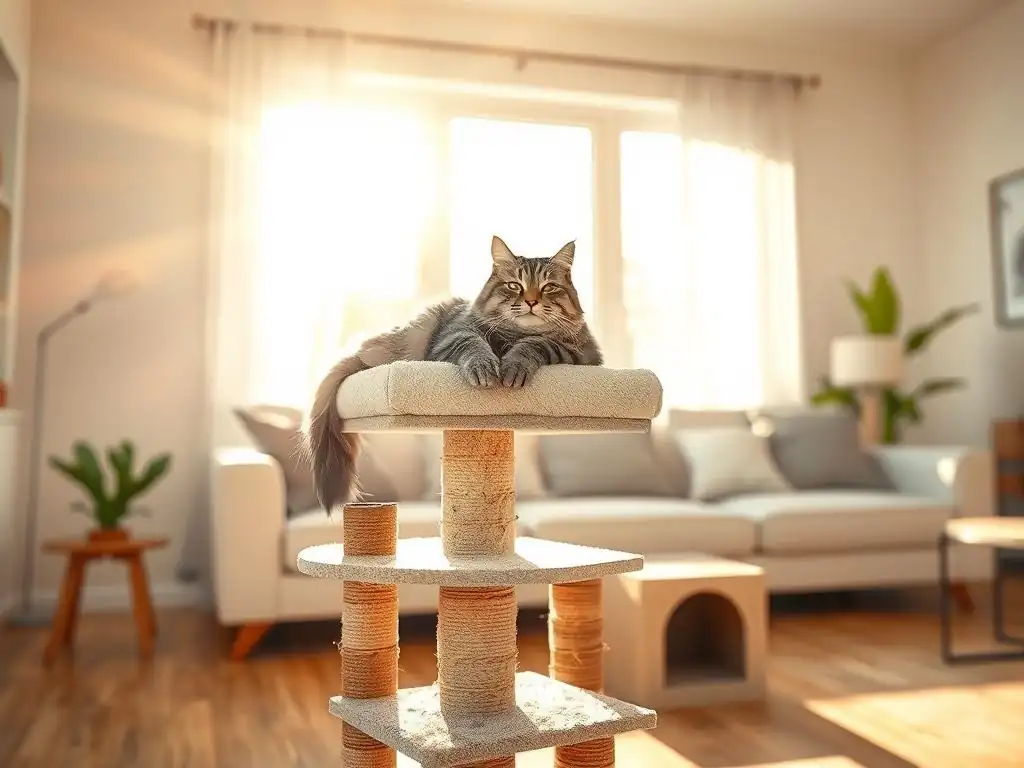
Welcome to PetCareWorld, your ultimate guide to a happier, healthier life for your beloved companion! Are you ready to transform your cat's world? Discover the secrets to choosing the perfect location for their new cat tree, unlocking feline contentment and creating a harmonious home environment. Learn the surprising impact of Best cat tree placement ideas on your cat's behavior and well-being – read on to uncover the purrfect spot!
- Understanding Your Cat's Needs for Optimal Cat Tree Placement
- Best Cat Tree Placement Ideas Based on Room Type
- Avoiding Problematic Cat Tree Placement Locations
- Choosing the Right Cat Tree for Your Space and Cat's Personality
- Maximizing Your Cat's Enjoyment: Post-Placement Tips for Success
- Top 5 Cat Tree Recommendations from PetCareWorld Experts (Affiliate Links)
- Frequently Asked Questions
- Final Reflection: Elevating Your Cat's Kingdom: Placement and Purpose
- Unleash Your Cat's Inner Explorer: Perfecting Their Treetop Paradise!
Understanding Your Cat's Needs for Optimal Cat Tree Placement
Choosing the perfect spot for your cat's new tree isn't just about aesthetics; it's about understanding feline behavior and providing a space that caters to your cat's natural instincts. A well-placed cat tree can significantly enhance your cat's well-being, offering a haven for rest, play, and observation. This guide will explore key considerations for optimal cat tree placement, helping you create the purrfect spot for your feline friend. We'll delve into observing your cat's preferences, maximizing vertical space, and strategically utilizing sunlight and vantage points to ensure your cat tree becomes their absolute favorite spot in the house.
Finding the best cat tree placement, ultimately, contributes to a happier, healthier, and more content cat. This is crucial for owners striving to provide the best possible care and environment for their beloved pets. Remember, a happy cat is a healthy cat! 😻
Identifying Your Cat's Favorite Spots: Observing Natural Behavior for Best Cat Tree Placement
Before even unpacking your new cat tree, take some time to observe your cat's current behavior. Where does your cat like to nap? Does it gravitate towards high perches? Does it prefer sunny spots or shadowy corners? Understanding these preferences will inform your placement decision. For example, a cat who loves basking in sunlight might appreciate a cat tree positioned near a sunny window. Conversely, a shy cat might prefer a more secluded spot, away from high-traffic areas.
Consider creating a simple log to track your cat's behavior over a few days. Note down the times of day, locations, and activities your cat engages in. This will give you valuable insights into their preferred sleeping, playing, and observing spots. You might be surprised at the patterns you uncover!
For instance, you might notice your cat frequently jumps onto a particular bookshelf or consistently perches on top of the refrigerator – these are excellent indicators of preferred heights and locations. This observational data will help you determine the ideal spot for your cat tree that aligns with their natural inclinations. This meticulous approach will significantly increase the likelihood of your cat accepting and enjoying their new tree.
Considering Height and Vertical Space: Maximizing Cat Tree Placement for Climbing and Play
Cats are naturally adept climbers, and providing vertical space is crucial for their physical and mental well-being. A cat tree should offer a variety of levels and platforms to allow your cat to climb, stretch, and explore. Consider the height of your ceilings and the available space when choosing a cat tree and its placement.
Avoid placing the cat tree in cramped or cluttered areas. It needs enough surrounding space to allow your cat to freely climb and jump without feeling confined. Ideally, the tree should be placed in a location where your cat can easily access it from different areas of the room. Think strategically about the surrounding furniture.
Does your cat already jump from the sofa to the bookshelf? Positioning the cat tree to complement this existing vertical route will likely encourage its immediate adoption. The more vertical space you provide, the happier and more stimulated your cat will be. Remember, a taller cat tree will generally provide more climbing opportunities and greater satisfaction for your feline companion.
Sunlight and Views: Strategic Cat Tree Placement for Sunshine and Observation
Cats love to observe their surroundings. A cat tree positioned near a window offers an excellent vantage point, allowing your cat to survey its territory and enjoy the sights and sounds outside. However, be mindful of direct sunlight; prolonged exposure can be uncomfortable for your cat. A spot with filtered sunlight or a balance of sun and shade might be ideal.
Additionally, consider the overall layout of your home. Placement near a busy area of the house can provide your cat with entertainment and stimulation, while a quieter spot could be preferable for rest and relaxation. Think about what your cat enjoys watching. Do they like to see birds outside?
Position the cat tree accordingly to maximize their viewing pleasure! The strategic placement of your cat tree, taking into account sunlight, views, and the overall layout of the room, will contribute to creating a truly enriching environment for your cat. This thoughtful approach ensures your cat tree becomes not just a piece of furniture, but a cherished sanctuary and a source of joy.
Best Cat Tree Placement Ideas Based on Room Type
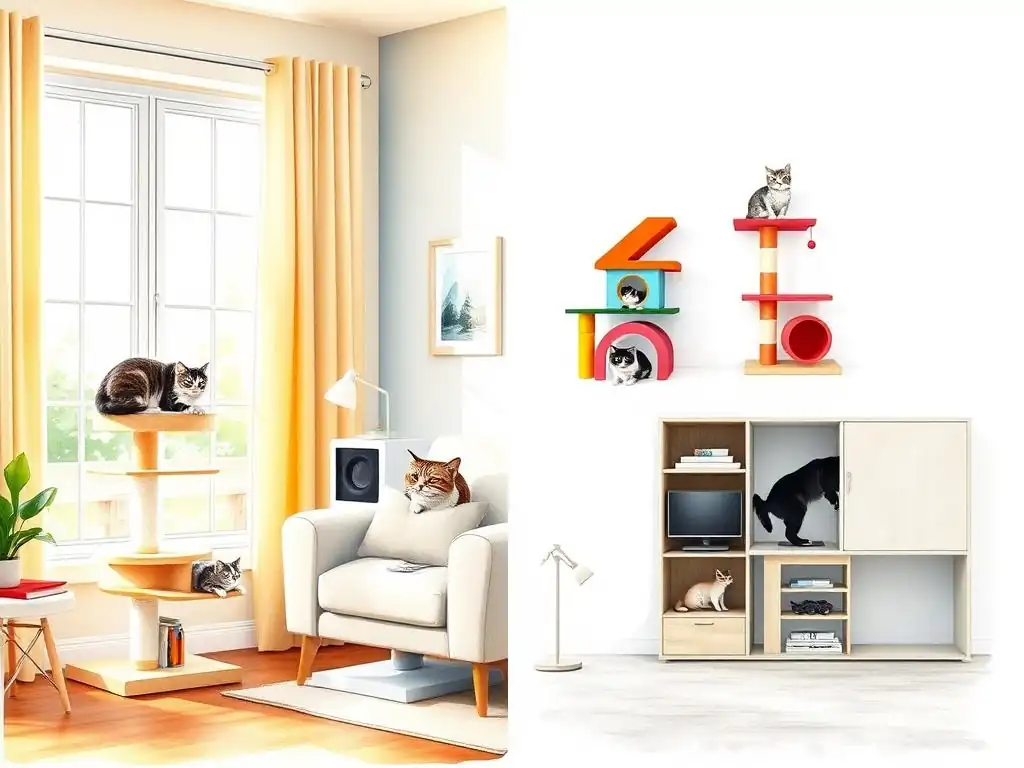
Finding the best spot for your cat's new tree is crucial for its acceptance and your home's aesthetic. Consider your cat's personality and your home's layout for optimal placement. This section explores ideal locations based on room type, offering specific examples and practical strategies for successful integration. Remember, the goal is to create a space your cat will love while maintaining a harmonious living environment. Strategic placement can minimize potential disruptions and maximize your feline friend's enjoyment. Choosing the right location significantly impacts your cat’s happiness and well-being, making it a key aspect of responsible pet ownership.
Living Room Cat Tree Placement: Integrating Your Cat's Tree into Your Decor
The living room, often the heart of the home, presents both opportunities and challenges for cat tree placement. Successful placement requires balancing your cat's needs with your décor. Consider factors like traffic flow, natural light, and proximity to other furniture. The best cat tree placement in a living room often involves careful consideration of size and style to ensure a seamless integration.
GoPet Cat Tree in Living Room Settings: Pros and Cons of Placement
Let's analyze a hypothetical scenario: placing a GoPet cat tree in a living room. GoPet trees are known for their variety of sizes and designs.
Pros:
- Many GoPet models offer sleek, modern designs that complement contemporary living rooms.
- Their modular nature allows for customization to fit specific spaces and needs.
- Strategic placement near a window can provide your cat with a sunny spot for napping and bird-watching.
Cons:
- Larger GoPet trees might overwhelm smaller living rooms, creating a cluttered feel.
- Placement near high-traffic areas can lead to accidental bumps and potential damage to the tree.
- Some materials might not be as durable as others, requiring careful consideration of your cat's scratching habits.
Careful consideration of these factors will ensure a positive experience for both you and your cat. Choosing a cat tree that complements your existing furniture and decor is essential for a harmonious living space.
Armarkat Cat Tree for Small Living Rooms: Space-Saving Cat Tree Placement Strategies
For smaller living rooms, space-saving strategies are paramount. An Armarkat cat tree, known for its vertical design, might be ideal.
- Corner Placement: Utilizing a corner maximizes vertical space and minimizes floor footprint. This is particularly useful in smaller living rooms where floor space is at a premium.
- Wall-Mounted Options: Some Armarkat models can be partially wall-mounted, further saving floor space. This reduces the overall footprint of the cat tree while still providing ample climbing and resting opportunities.
- Multi-functional Furniture: Consider integrating the Armarkat cat tree with other furniture pieces. For example, placing it next to a sofa or bookshelf can create a cohesive look.
Careful planning and selection can help you seamlessly integrate a cat tree into even the smallest of living spaces without compromising on your cat's enjoyment or your home's aesthetic.
Bedroom Cat Tree Placement: Creating a Cozy Cat Retreat
The bedroom offers a quieter, more private space for your cat's tree. This location is particularly beneficial for cats who prefer calmer environments.
Meowfia Cat Tree for Quiet Time: Benefits of a Bedroom Cat Tree
A Meowfia cat tree, known for its plush, comfortable design, is well-suited for a bedroom setting.
- Reduced Disturbances: The bedroom's typically quieter atmosphere allows your cat to relax and rest undisturbed. This is especially important for shy or anxious cats who might be overwhelmed by the activity in other areas of the house.
- Proximity to Owner: Placing the cat tree near your bed allows for bonding time and provides a sense of security for your cat.
- Enhanced Sleep Quality: A comfortable cat tree in the bedroom can encourage your cat to sleep independently, potentially improving your sleep quality as well.
The strategic placement of a cat tree in the bedroom can create a peaceful retreat for your feline companion, enhancing their well-being and contributing to a more harmonious household. Consider your cat's personality and preferences when making your decision. The goal is to create a calming and relaxing environment that your cat will truly appreciate.
Cat Tree Placement Near Windows: Maximizing Sunlight and Views
Cats are naturally drawn to sunlight and high vantage points. Placing a cat tree near a window offers the best of both worlds, providing a sunny spot for basking and a commanding view of the outside world. This strategic placement can significantly enrich your cat's environment, stimulating their natural hunting instincts and providing hours of entertainment.
Consider the direction the window faces; south-facing windows generally receive the most sunlight, ideal for cats who love to soak up the warmth. However, be mindful of direct sunlight during the hottest parts of the day, as it can overheat your cat. A window with a view of bird feeders or other wildlife activity can provide hours of fascinating entertainment for your feline friend.
This observation post can reduce stress and boredom, leading to a happier and healthier cat. Remember to ensure the window is securely sealed to prevent escape attempts! The ideal window placement should also consider the cat tree's size and design; a larger tree might be better suited to a larger window or an area with ample floor space.
PetFusion Cat Tree with Window Perch: Optimizing Natural Light and Entertainment
The PetFusion Cat Tree, with its dedicated window perch, is a prime example of a cat tree designed with optimal window placement in mind. The elevated perch allows your cat to comfortably observe their surroundings while enjoying the warmth of the sun. The design typically incorporates sturdy construction and a comfortable surface, ensuring your cat's safety and comfort while they enjoy their prime viewing spot.
Many PetFusion models also feature multiple levels, allowing for varied sun exposure and a broader field of vision. The inclusion of a window perch specifically caters to a cat's innate desire for height and a view, making it a particularly effective choice for maximizing natural light and entertainment. This specific design element is crucial for providing a stimulating and engaging environment for your cat, promoting both physical and mental well-being.
Remember to check the dimensions of the PetFusion cat tree to ensure it's a suitable fit for your window and the available space. Proper placement is key to ensuring your cat can fully enjoy all the features this cat tree offers.
Avoiding Problematic Cat Tree Placement Locations
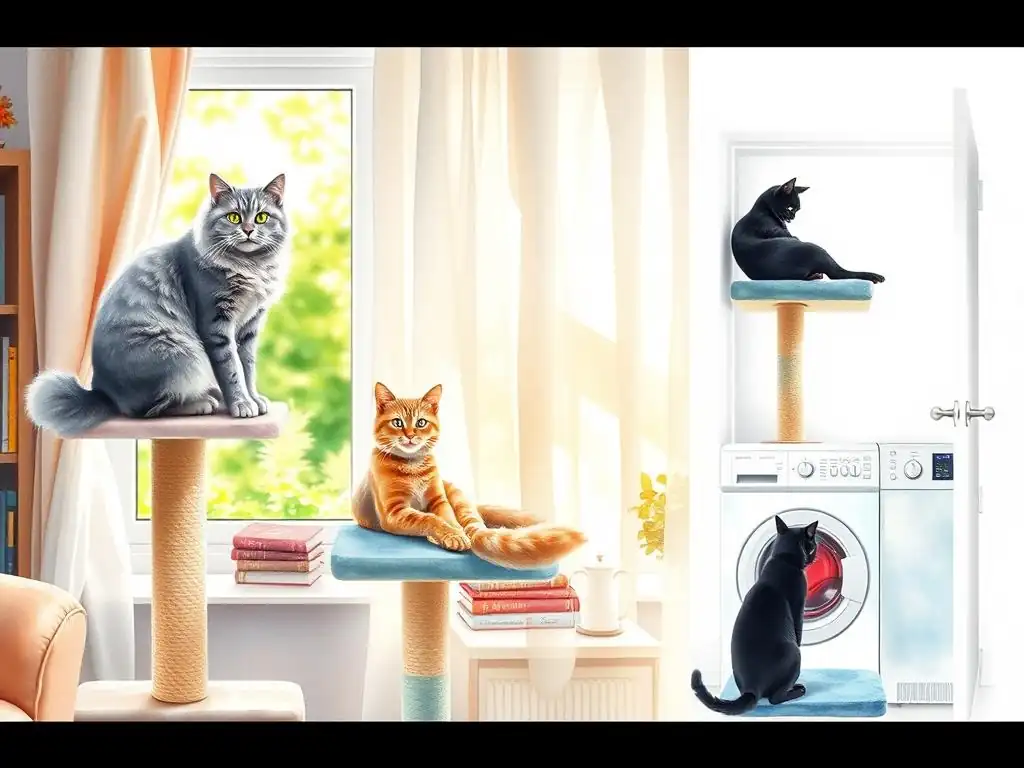
Choosing the right spot for your cat's new tree is crucial for its safety, comfort, and your peace of mind. Poor placement can lead to several issues, from safety hazards to constant disruptions. This section focuses on identifying and avoiding problematic locations to ensure your feline friend enjoys their new perch to the fullest. Finding the best cat tree placement ideas involves careful consideration of several factors, as detailed below.
Dangerous Cat Tree Placement: Avoiding Hazards and Risks
Safety should always be the top priority when deciding where to place a cat tree. Several areas pose significant risks, which must be avoided. For example, never place a cat tree near:
- Open windows or balconies: Cats are agile climbers and could easily fall from a high perch near an open window. This is especially dangerous for higher cat trees. Consider the height of the tree and the potential for a fall. Even if you have screens, a determined cat may still find a way through.
- Heating vents or radiators: The heat emanating from these appliances can cause burns or discomfort for your cat. Cats often enjoy warm spots, but direct exposure to intense heat is dangerous. Maintain a safe distance.
- Fragile objects: A playful cat may knock over delicate items if the tree is placed near them. Consider the stability of the cat tree itself as well. A poorly constructed tree might topple easily, causing damage and injury.
- Electrical outlets or cords: Chewing on electrical cords is a common cat behavior, and a cat tree near these hazards presents a serious risk of electrocution or fire. Keep cords safely out of reach, and consider using cord protectors.
- Toxic plants: If you have houseplants that are toxic to cats, ensure the cat tree is far away to prevent accidental ingestion. Research which houseplants are toxic to cats and take precautions.
Remember, preventing accidents is key to ensuring a safe and happy environment for your cat. Careful consideration of these hazards will contribute to the best cat tree placement ideas for your home.
Disturbing Cat Tree Placement: Minimizing Disruptions to Household Activities
While you want your cat to have ample space to enjoy their new tree, you also need to consider the flow of your household activities. Poor placement can lead to constant disruptions and frustration for both you and your pet. Avoid placing the cat tree in:
- High-traffic areas: Constantly bumping into the tree while walking through a room can be annoying. Choose a location that allows for easy movement without obstructing walkways. This is particularly important in smaller homes or apartments.
- The middle of a room: This can make cleaning and other household chores more difficult. Consider the practicality of the placement in relation to your daily routines.
- Near doorways: This can block access and create a trip hazard. This is especially true if you have a large cat tree. Consider the size of the tree and the space available.
- Near frequently used furniture: This can lead to constant disruptions and potential damage to both the cat tree and the furniture. Choose a location that doesn't interfere with the use of other furniture.
Careful placement minimizes disruptions, creating a harmonious coexistence between your cat and your daily activities. This is a vital aspect of finding the best cat tree placement ideas.
Uncomfortable Cat Tree Placement: Considering Traffic Flow and Noise Levels
Beyond safety and convenience, consider your cat's comfort. A poorly placed cat tree can be stressful and uncomfortable for your feline friend, leading to avoidance and unhappiness. Avoid placing the cat tree:
- In noisy areas: Constant loud noises can stress your cat and make them less likely to use their new tree. Consider the noise levels in different areas of your home. A quieter corner might be ideal.
- In drafty areas: Cats are sensitive to temperature changes, and a drafty spot can make their new tree unpleasant. Avoid placing the tree near windows or doors that let in cold air.
- In direct sunlight: While some cats enjoy sunbathing, prolonged exposure can overheat them. Consider the amount of sunlight in different areas of your home.
- Too close to other pets: If you have other pets, placing the cat tree too close to their areas can lead to territorial disputes and stress for your cat. Provide a safe and private space for your cat.
By considering these factors, you can ensure your cat's new tree is a comfortable and inviting space, maximizing its enjoyment and contributing to the best cat tree placement ideas. Remember, a happy cat is a healthy cat!
Choosing the Right Cat Tree for Your Space and Cat's Personality
This section focuses on selecting a cat tree that's not only perfectly positioned but also the right fit for your home and your feline friend. Finding the best cat tree placement ideas starts with choosing the right tree itself. Ignoring this crucial first step can lead to an otherwise perfectly placed cat tree being underutilized or even rejected by your cat.
Size and Dimensions: Selecting a Cat Tree that Fits Your Room and Cat's Size
The dimensions of your cat tree are paramount. A towering cat tree might look impressive, but if it overwhelms your living room or is too large for your cat to comfortably navigate, it'll become an expensive, unused piece of furniture. Conversely, a tiny cat tree won't offer enough vertical space or play opportunities for a larger, more active cat.
Consider these factors:
- Your Cat's Size and Breed: A small kitten will have different needs than a large Maine Coon. A larger cat will need more space to comfortably stretch out and play. Measure your cat's height and length to get a better sense of the minimum size requirements.
- Room Dimensions: Before purchasing, carefully measure the space where you plan to place the cat tree. Leave ample room around the tree for your cat to easily access all levels and features. Avoid cramming it into a tight corner.
- Ceiling Height: Tall cat trees require sufficient ceiling clearance. Ensure there's enough space between the top of the cat tree and the ceiling to prevent your cat from hitting its head.
- Floor Space: Consider the footprint of the cat tree at its base. A wide base is more stable but requires more floor space.
Here's a helpful table summarizing size recommendations based on cat breed:
| Cat Breed | Approximate Adult Weight | Recommended Cat Tree Height (Minimum) |
|---|---|---|
| Siamese | 6-10 lbs | 4-5 feet |
| Maine Coon | 13-18 lbs | 6-7 feet |
| Persian | 8-11 lbs | 5-6 feet |
| Abyssinian | 6-8 lbs | 4-5 feet |
| Domestic Shorthair | 8-11 lbs | 5-6 feet |
Remember, these are just guidelines. Observe your cat's behavior and adjust accordingly. A slightly larger cat tree is generally better than one that’s too small.
Material and Durability: Choosing a Safe and Long-Lasting Cat Tree
The materials used in constructing a cat tree directly impact its durability, safety, and your cat's overall experience. A sturdy, well-made cat tree will withstand the wear and tear of active play for years. Avoid cheap materials that can easily break or become hazardous.
- Post Material: Sisal is a popular choice for scratching posts due to its durability and texture. Carpet can also be used, but it tends to wear out faster. Avoid materials that could easily unravel and pose a choking hazard to your cat.
- Base Material: A stable base is critical for preventing the cat tree from tipping over. Look for cat trees with heavy, wide bases made of sturdy materials like particleboard or wood. Metal bases are also a good option.
- Construction Quality: Check for loose screws, wobbly parts, and sharp edges. The overall construction should be solid and well-made.
- Safety Testing: Look for cat trees that have been tested for safety and durability, especially if you're purchasing online. Reviews from other pet owners can also be invaluable.
Choosing a high-quality cat tree is an investment in your cat's well-being and your peace of mind. A durable cat tree will last for years, providing your cat with a safe and enjoyable place to play and relax.
Features and Functionality: Selecting a Cat Tree with Scratching Posts, Perches, and Hiding Spaces
Beyond size and materials, consider the features that will make your cat tree the ultimate feline paradise. A well-designed cat tree offers a variety of activities and spaces to cater to different feline preferences.
- Scratching Posts: Essential for satisfying your cat's natural scratching instincts. Multiple scratching posts with different textures (sisal, carpet) cater to varied preferences.
- Perches: Cats love to survey their surroundings from high vantage points. Multiple perches at varying heights provide optimal viewing opportunities.
- Hiding Spaces: Cats enjoy enclosed spaces for security and relaxation. A condo or enclosed platform provides a safe haven.
- Hammocks: A soft hammock offers a comfortable place to relax and nap.
- Toys: Some cat trees include built-in toys or hanging toys to provide added entertainment.
Consider your cat's personality and behavior when choosing features. An active cat might appreciate a tall tree with multiple climbing options, while a more laid-back cat might prefer a smaller tree with comfortable perches and a cozy hammock. Remember, the best cat tree placement ideas are only as good as the cat tree itself! Prioritize features that match your cat's individual needs and preferences for maximum enjoyment.
Maximizing Your Cat's Enjoyment: Post-Placement Tips for Success
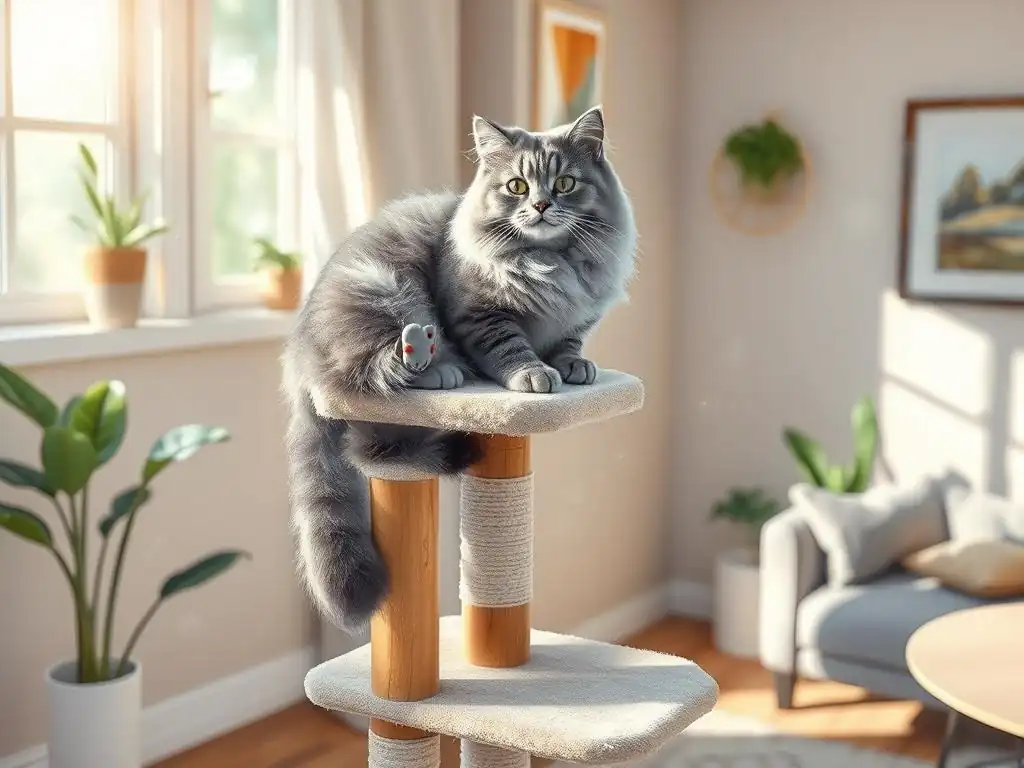
After carefully selecting the best cat tree placement and installing your new feline furniture, the real work begins: encouraging your cat to actually use it! Many cats are naturally curious and will investigate their new tree immediately, but some might need a little extra coaxing. This section offers practical advice to maximize your cat's enjoyment and ensure they fully utilize their new climbing paradise. Remember, patience is key! It might take a few days, or even a week, for your cat to completely accept their new cat tree.
Encouraging Cat Tree Use: Tips and Tricks for Getting Your Cat to Use their New Tree
Getting your cat accustomed to their new cat tree involves a multi-pronged approach, combining environmental enrichment with positive reinforcement. Here's how:
- Make it inviting: Sprinkle catnip on the platforms and scratching posts. Many cats find the scent irresistible and will be drawn to investigate. Consider adding a familiar, soft blanket or toy to one of the platforms to provide a sense of security and comfort. This is especially helpful for shy or anxious cats.
- Positive reinforcement: When your cat approaches or uses the cat tree, reward them with treats, praise, or a favorite toy. This positive association will encourage them to return again and again. Avoid punishing your cat if they don't immediately use the cat tree; this will only create negative associations.
- Strategic placement of toys: Place enticing toys near the cat tree, gradually moving them onto the platforms as your cat becomes more comfortable. This will encourage exploration and climbing. Laser pointers can be particularly effective in enticing cats to climb higher.
- Playtime: Engage your cat in interactive play sessions near the cat tree. This will associate the tree with positive experiences and increase the likelihood of them using it for play and relaxation. Remember to vary the types of toys to keep things interesting.
- Observe your cat's behavior: Pay close attention to your cat's preferences. Do they prefer high perches or lower platforms? Do they enjoy scratching or simply lounging? Adjust the placement of toys and blankets accordingly to cater to your cat's individual needs. Some cats might prefer a cat tree near a window for bird watching, others might prefer a quiet corner.
Cat Tree Maintenance: Keeping Your Cat's Tree Clean and Safe
A clean and well-maintained cat tree is essential for both your cat's health and the longevity of the furniture. Regular cleaning prevents the buildup of allergens, bacteria, and parasites, ensuring a hygienic and comfortable environment for your feline friend.
- Regular brushing: Use a stiff brush to remove loose fur and debris from the scratching posts and platforms at least once a week. This prevents matting and keeps the surfaces clean.
- Spot cleaning: Address any accidents or spills promptly using a pet-safe cleaning solution. Avoid harsh chemicals that could be harmful to your cat.
- Deep cleaning: Perform a more thorough cleaning of the entire cat tree every few months. This may involve using a mild detergent and water solution to remove stubborn stains and odors. Always allow the cat tree to dry completely before your cat uses it again.
- Inspection for damage: Regularly inspect the cat tree for any signs of wear and tear, such as loose screws, frayed ropes, or damaged fabric. Address any issues promptly to prevent accidents and ensure the safety of your cat. Damaged components should be repaired or replaced immediately. This will prevent injuries to your cat and also prolong the cat tree's lifespan.
Troubleshooting Cat Tree Placement Issues: Addressing Common Problems and Finding Solutions
Even with careful planning, some cat tree placement issues might arise. Understanding these common problems and their solutions is crucial for ensuring your cat happily uses their new tree.
| Problem | Possible Solution |
|---|---|
| Cat avoids the cat tree | Try adding catnip, toys, or a familiar blanket. Re-evaluate the placement. |
| Cat only uses one part | Adjust the placement of toys and encourage exploration of other areas. |
| Cat scratches furniture still | Ensure the scratching posts are sturdy and appealing. Consider adding more. |
| Cat seems afraid of the tree | Introduce the cat tree gradually, allowing them to approach at their own pace. |
| Tree is too wobbly | Secure the cat tree properly to prevent tipping. Consider a heavier base. |
Addressing these issues proactively will ensure your cat enjoys their new cat tree for years to come, making it a beloved part of their environment. Remember that each cat is unique, and finding the perfect placement and encouraging its use might require some trial and error. Don't be discouraged if it takes time; patience and observation are key to success.
Top 5 Cat Tree Recommendations from PetCareWorld Experts (Affiliate Links)
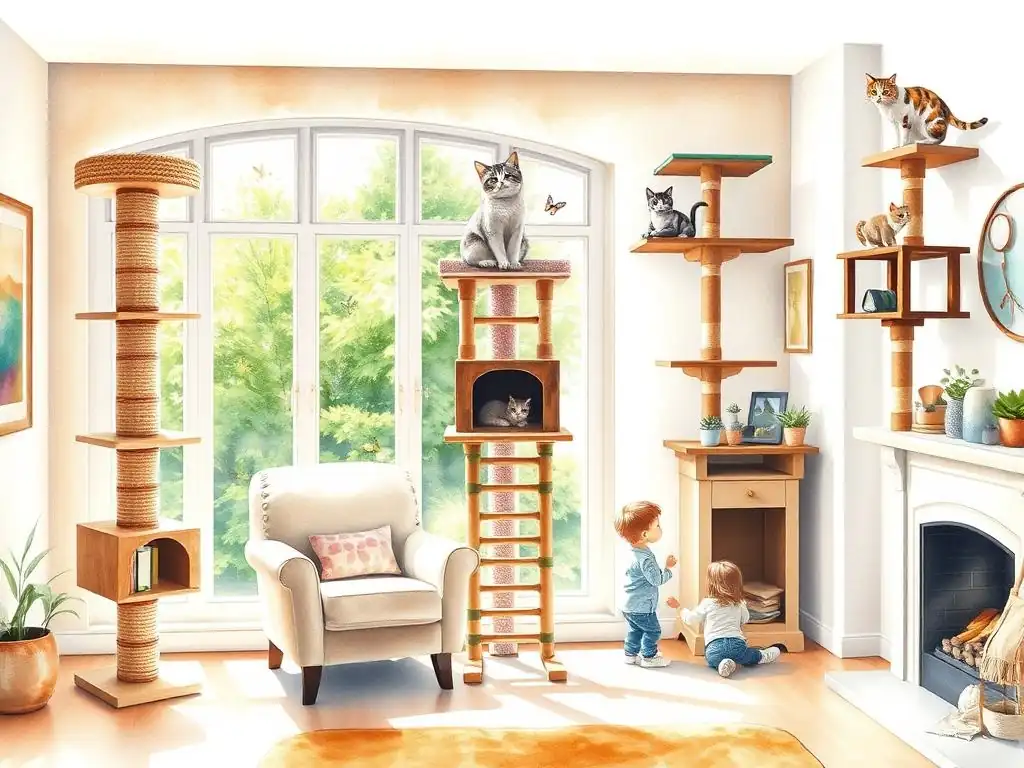
This section provides expert recommendations for cat trees, focusing on placement later in the article. Remember, the best cat tree is subjective and depends on your cat's personality and your home's layout. Consider these factors when choosing, and always prioritize safety and durability.
Best Overall Cat Tree
Our top pick for the best overall cat tree balances functionality, durability, and aesthetic appeal. It features multiple levels, scratching posts made of sisal (a natural, durable fiber preferred by many cats), and comfortable perches in various sizes to accommodate different feline preferences. The sturdy construction ensures stability, even with energetic climbers.
This model boasts a high weight capacity, making it suitable for larger breeds. Customer reviews consistently praise its longevity and the joy it brings to their cats. Key features include a plush-covered top perch for naps, a dangling toy for playtime, and a spacious condo for hiding and privacy.
This cat tree is designed for long-term use and offers excellent value for the money. It's a versatile choice that caters to a variety of cat breeds and activity levels. Many owners of multiple cats report that this tree provides ample space for all their feline companions to play and relax without feeling crowded.
Best for Small Spaces
Space is often a concern for cat owners, particularly those living in apartments or smaller homes. This cat tree is specifically designed for compact living. Its vertical design maximizes vertical space utilization, minimizing its footprint on the floor. Despite its compact size, it still provides several levels, including a top perch and a lower platform, offering a variety of climbing and resting options.
It's constructed from lightweight yet sturdy materials, and the scratching posts are made from durable cardboard, which is easily replaceable when worn. The minimalist design complements most home decors, and the neutral color palette ensures it blends seamlessly into various environments. This option is ideal for cat owners who prioritize functionality without sacrificing style or space. The ease of assembly is also frequently highlighted in customer feedback.
Best for Multi-Cat Households
Cat trees designed for multi-cat households need to offer ample space and diverse features to prevent conflict. This model excels in this area. It features multiple separate perches, scratching posts, and even enclosed condos, providing each cat with its own private space. The wide base offers exceptional stability, even with multiple cats climbing and playing simultaneously.
The use of different textures on the various perches and scratching posts caters to a range of preferences. Some perches are covered in soft plush fabric, while others are made from natural sisal rope. The addition of multiple dangling toys encourages interactive play, reducing the likelihood of territorial disputes.
This cat tree is a significant investment, but its robust construction and ability to accommodate multiple cats justify the cost for those with larger feline families. The spacious design promotes harmony and minimizes stress amongst multiple cats. Customer reviews frequently mention the reduction in fighting and increased playtime among their cats since acquiring this model.
Best for Active Cats
Active cats need a cat tree that can keep up with their energetic personalities! Look for a tall cat tree with multiple levels, climbing posts, and plenty of spaces for jumping and exploring. A sturdy base is crucial to prevent tipping, especially during enthusiastic play sessions. Consider models with sisal-wrapped posts for scratching, durable carpeting, and perhaps even dangling toys to encourage playful activity.
The more vertical space and interactive features, the better. For example, a cat tree with a hammock, a hanging tunnel, and different textured surfaces provides both a physical and mental workout. Remember, the best cat tree for an active cat isn't just a place to rest; it's a playground!
A taller model, perhaps exceeding 6 feet in height, allows for more dynamic movement and provides a sense of security from a higher vantage point. Consider the cat's weight and build when selecting a model to ensure it can comfortably support their activity levels. Avoid flimsy designs that could easily collapse under the weight of a playful feline.
Best for Senior Cats
Senior cats often experience joint pain and decreased mobility. Therefore, their cat tree needs to prioritize comfort and accessibility. Opt for a shorter, wider cat tree with easy-to-access platforms and ramps. Avoid tall, narrow structures that might require strenuous climbing.
Soft, plush carpeting is essential for comfort, and lower platforms eliminate the risk of falls and potential injuries. Consider a cat tree with a built-in bed or a comfortable, cushioned top platform where your senior cat can relax and observe their surroundings. Features such as gentle ramps instead of steep stairs are key considerations for arthritic cats or those with mobility issues.
The overall stability of the tree is paramount to ensure the cat feels secure and can easily navigate its features without fear of falls. A cat tree designed with senior felines in mind prioritizes ease of use and minimizes the risk of injury, allowing them to enjoy their favorite resting spot without compromising their comfort. Look for features like low-to-the-ground platforms and sturdy construction to guarantee stability and confidence.
Frequently Asked Questions
Where is the best place to put a cat tree?
The ideal location is a quiet area away from high-traffic zones, offering a good view of the room. Consider proximity to a window for sunbathing opportunities.
How tall should my cat tree be?
The height depends on your cat's size and activity level. A taller tree provides more vertical space for climbing and observing. Taller trees are better for multiple cats.
Should I place the cat tree near other furniture?
Consider placement near furniture your cat already enjoys, creating a natural extension of their territory. However, avoid placing it directly beside a frequently used doorway.
What surfaces are best for placing a cat tree?
Stable and level flooring is crucial. Avoid carpeted surfaces that might shift or become unstable with the cat tree's weight. Solid flooring or a large, sturdy rug is ideal.
My cat isn't using the cat tree. What should I do?
Try placing treats or toys on the tree to lure your cat. Consider moving it to a different location, or changing the cat tree's proximity to other furniture or activity areas. Patience is key.
Final Reflection: Elevating Your Cat's Kingdom: Placement and Purpose
Strategic cat tree placement isn't just about finding a spot; it's about enriching your feline friend's life and harmonizing their needs with your home's aesthetic. A well-placed cat tree becomes more than furniture; it's a vital component of a happy, healthy cat, offering crucial opportunities for exercise, observation, and relaxation.
The impact of a thoughtfully chosen cat tree location extends beyond the immediate comfort of your cat. It influences their behavior, their interaction with you, and even the overall atmosphere of your home. A cat feeling secure and content in their environment translates to a calmer, more harmonious household. A cat's happiness is a reflection of its environment.
This simple truth underscores the importance of considering not just where to place the tree, but why a particular location is best suited to your cat's individual needs and personality.
Consider the advice shared in this article as a starting point, not an end. Observe your cat's behavior after placing their new tree. Do they gravitate towards it? Do they seem more relaxed or playful? Use their responses as feedback to fine-tune the placement, ensuring their new favorite spot truly enhances their well-being. Remember, the perfect cat tree placement is a journey of observation and adaptation, leading to a richer bond between you and your beloved feline companion.
Unleash Your Cat's Inner Explorer: Perfecting Their Treetop Paradise!
Thank you for learning how to best position your cat's new tree! We hope you feel confident in creating the perfect climbing haven for your feline friend. Ready to transform your home into a cat-friendly jungle gym?
- Strategically place the cat tree near a sunny window: This provides a prime spot for basking in the sun and bird-watching, maximizing your cat's enjoyment.
- Share your cat tree placement successes (or challenges!) in the comments below. Let's build a community of cat-loving experts!
- Consider rotating your cat tree's location periodically: This keeps things interesting for your cat, preventing boredom and encouraging exploration.
Now, tell us: Where have you found the perfect spot for your cat's new tree that maximizes both comfort and fun?