
MBD and Breeding Reptiles: Risks and Considerations

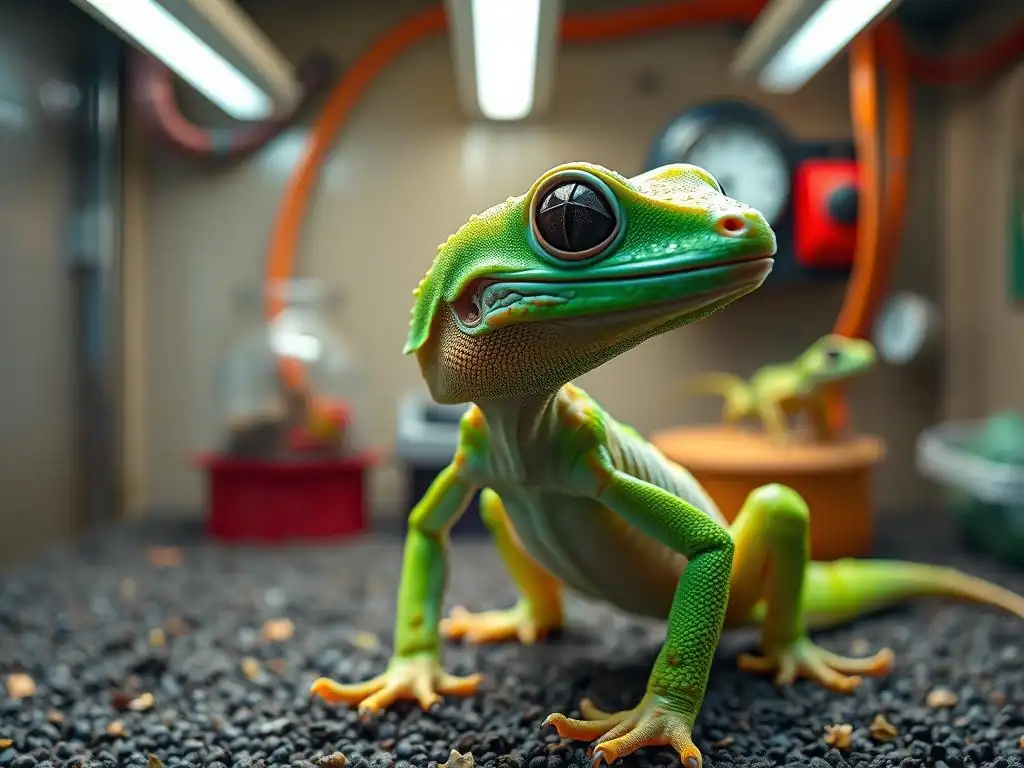
Welcome to PetCareWorld, your ultimate guide to the wonderful world of pet care! Are you passionate about reptile breeding but concerned about the risks of Metabolic Bone Disease (MBD)? Our in-depth article, "MBD and Breeding Reptiles: Risks and Considerations," delves into the crucial factors influencing reptile health and successful breeding. Discover essential insights and practical strategies to protect your beloved reptiles from this debilitating condition. Prepare to unlock the secrets to responsible and healthy reptile breeding—explore now!
- Understanding Metabolic Bone Disease (MBD) in Reptiles
- Reptile Breeding and the Increased Risk of MBD
- Mitigating MBD Risks in Reptile Breeding Programs
- Preventing MBD in Offspring: Post-Hatchling Care
- Case Studies: MBD in Breeding Reptiles
- Frequently Asked Questions
- Final Reflection: The Enduring Challenge of MBD in Reptile Breeding
- Unleash Your Reptile Breeding Expertise!
Understanding Metabolic Bone Disease (MBD) in Reptiles
Metabolic Bone Disease (MBD) is a severe and often debilitating condition affecting reptiles, particularly those kept in captivity. This condition, stemming from an imbalance of essential minerals like calcium and phosphorus, significantly impacts bone health and overall well-being. For reptile breeders, understanding MBD's intricacies is paramount, as it presents substantial risks to breeding stock and their offspring. This article delves into the critical aspects of MBD, focusing specifically on its implications within the context of reptile breeding.
We will explore the underlying causes, the telltale signs to watch for in breeding reptiles, and the crucial steps involved in diagnosis and management, ultimately aiming to equip breeders with the knowledge to prevent and mitigate this devastating disease. Ignoring MBD in breeding programs can lead to significant losses, compromised offspring health, and ethical concerns regarding animal welfare. Therefore, proactive preventative measures and early detection are essential for responsible reptile breeding.
Defining MBD: Calcium and Phosphorus Imbalance
Metabolic Bone Disease (MBD) arises from an improper balance of calcium and phosphorus in a reptile's diet and environment. Calcium is crucial for bone formation and strength, while phosphorus plays a vital role in various bodily functions. A deficiency in dietary calcium, often exacerbated by inadequate ultraviolet B (UVB) light exposure (necessary for calcium absorption), creates a severe imbalance. This imbalance prevents the proper mineralization of bones, leading to weakened, deformed, and fragile skeletal structures.
The severity of MBD can range from subtle skeletal changes to severe deformities, fractures, and paralysis. Furthermore, secondary complications, such as kidney problems and weakened immune function, are common occurrences. The lack of sufficient UVB light is a major contributor; it's essential for the synthesis of Vitamin D3, which is critical for calcium absorption.
Insufficient dietary calcium, especially in rapidly growing or gravid (pregnant) females, drastically increases the risk of MBD. Breeding females, in particular, require significantly higher calcium intake to support egg production and bone health. Therefore, providing a carefully formulated diet and appropriate environmental conditions is crucial for preventing MBD.
MBD Symptoms in Breeding Reptiles: Recognizing the Warning Signs
Recognizing the early signs of MBD in breeding reptiles is crucial for timely intervention and to prevent the condition from worsening. Early detection can significantly improve the prognosis and prevent irreversible damage. Symptoms can be subtle initially, and often manifest differently depending on the species and the severity of the disease. However, some common indicators include:
- Lethargy and weakness: Reptiles with MBD may exhibit decreased activity levels and appear weak or reluctant to move.
- Loss of appetite: A significant decline in food intake is a common symptom.
- Tremors and muscle spasms: Muscle weakness and tremors may be observed, particularly in the limbs.
- Skeletal deformities: This can manifest as bowed legs, crooked jaws, or a soft, pliable shell (in turtles).
- Fractures: Bones become fragile and prone to fractures, even from minor trauma.
- Egg-binding in females: Gravid females with MBD may experience difficulty laying eggs due to weakened pelvic bones.
- Difficulty shedding: The shedding process may be impaired due to weakened skin and bone structure.
It's important to note that not all reptiles displaying these symptoms necessarily have MBD, but these signs warrant immediate veterinary attention. A thorough examination is essential to rule out other potential causes and confirm a diagnosis.
Diagnosing MBD in Breeding Stock: Veterinary Examination and Testing
Diagnosing MBD requires a comprehensive veterinary examination. A veterinarian specializing in reptiles will conduct a thorough physical examination, assessing the reptile's overall health, observing for any skeletal deformities or abnormalities, and evaluating its behavior and posture. Further diagnostic tests might be necessary to confirm the diagnosis and assess the severity of the condition. These tests may include:
- Radiographic examination (X-rays): X-rays provide clear visualization of the skeletal structure, revealing bone density, deformities, and fractures.
- Blood tests: Blood tests can measure calcium and phosphorus levels, providing valuable insights into the mineral balance.
- Dietary and husbandry review: A detailed evaluation of the reptile's diet, UVB lighting, and overall husbandry practices is crucial in identifying contributing factors.
Accurate diagnosis is paramount for effective treatment. Early intervention, including dietary adjustments, UVB supplementation, and appropriate medication, can significantly improve the reptile's prognosis and chances of recovery. Furthermore, addressing underlying husbandry issues is crucial to prevent recurrence and ensure the long-term health of the breeding stock and their offspring. Remember, responsible breeding practices are essential for preventing MBD and maintaining the health and well-being of captive reptiles.
Reptile Breeding and the Increased Risk of MBD
Reptile breeding, while a rewarding endeavor for experienced keepers, significantly increases the risk of Metabolic Bone Disease (MBD) in offspring. This heightened risk stems from a complex interplay of factors related to the nutritional demands of breeding females, the stress associated with reproduction, and potential genetic predispositions within breeding lines. Understanding these factors is crucial for responsible reptile breeding and minimizing the incidence of MBD.
Successful breeding programs prioritize the health and well-being of both parents and offspring, recognizing that preventative measures are paramount in preventing this debilitating condition. The incidence of MBD in captive-bred reptiles is significantly higher than in wild populations, highlighting the importance of careful management practices.
Nutritional Deficiencies in Breeding Females: Calcium and Vitamin D3 Requirements
Breeding female reptiles have dramatically increased calcium and vitamin D3 requirements compared to non-breeding females. These nutrients are essential for egg production and shell formation. A deficiency in either nutrient can lead to compromised bone health in the mother, resulting in weakened bones, reduced egg production, and eggs with thin, fragile shells. Furthermore, these deficiencies are directly transferred to the developing embryos, increasing their susceptibility to MBD even before hatching.
The severity of the deficiency directly correlates with the impact. A mild deficiency might manifest as slightly weaker bones in the mother and slightly less robust eggshells. However, a severe deficiency can lead to egg binding (the inability to lay eggs), fractures in the mother's bones, and eggs that are so thin they break easily or fail to develop properly.
The resulting offspring will often be born with weakened bones, making them significantly more vulnerable to MBD throughout their lives. Careful monitoring of the female's diet and supplementation is absolutely crucial. Providing a diet rich in calcium-rich insects (like appropriately gut-loaded crickets or dubia roaches) and supplementing with high-quality calcium and vitamin D3 powders is essential.
The precise ratios and supplementation schedules will vary depending on the species, and consulting with a reptile veterinarian experienced in reptile nutrition is highly recommended. Accurate record-keeping of dietary intake and supplementation is critical for identifying and addressing potential deficiencies promptly.
Stress and Environmental Factors: Impact on Calcium Absorption and Bone Health
Stress, whether environmental or physiological, can significantly impair calcium absorption and utilization in reptiles, increasing MBD susceptibility. Environmental stressors include inappropriate temperatures, humidity levels, inadequate basking sites, and overcrowding. Physiological stress from breeding itself, including egg laying, can also deplete calcium reserves. These stresses can lead to hormonal imbalances that disrupt calcium metabolism and reduce the efficiency of vitamin D3 utilization.
For example, a female leopard gecko kept at consistently low temperatures might struggle to absorb calcium effectively, even with proper supplementation. Similarly, a gravid female green iguana housed in a small enclosure with limited basking opportunities might experience stress-induced calcium deficiency, leading to weakened bones and potentially affecting her eggs. Minimizing stress through optimal environmental conditions is therefore crucial.
Providing a spacious enclosure with appropriate thermal gradients, humidity levels, and hiding places is vital. Reducing handling during breeding and providing a calm, quiet environment can also help mitigate stress-induced calcium deficiencies. Careful observation of the breeding female’s behavior can help identify early signs of stress, allowing for timely intervention.
Genetic Predisposition to MBD: Breeding Practices and Selection
Genetic factors also play a significant role in a reptile's susceptibility to MBD. While not directly causing MBD, certain genetic predispositions can make some individuals more vulnerable to developing the disease, even with optimal care. Reptiles with inherent weaknesses in calcium metabolism or bone density are more prone to MBD, regardless of dietary intake or environmental conditions. Therefore, responsible breeding practices must consider these genetic factors.
Careful selection of breeding pairs is paramount to minimize the risk of passing on genetic predispositions to MBD. Avoid breeding animals with a history of MBD or those exhibiting signs of poor bone health. Genetic testing, while not always readily available for all reptile species, can be a valuable tool in identifying potential genetic risks.
Maintaining detailed breeding records, including health history and offspring outcomes, is essential for informed breeding decisions and improving the overall health of future generations. By prioritizing healthy, robust breeding stock and avoiding pairings with known genetic predispositions, breeders can significantly reduce the incidence of MBD in their captive populations. This proactive approach is crucial for the long-term health and well-being of captive-bred reptiles.
Mitigating MBD Risks in Reptile Breeding Programs
Metabolic Bone Disease (MBD) poses a significant threat to the health and viability of reptile breeding programs. Understanding and proactively addressing the risk factors is crucial for ensuring the well-being of parent animals and their offspring. This section delves into practical strategies for minimizing MBD incidence in captive breeding environments, focusing on nutritional management, supplementation, and environmental enrichment.
Successfully implementing these measures is vital for responsible and ethical reptile breeding. Effective prevention is far superior to treatment, as MBD can be debilitating and often fatal. The goal is to create a breeding environment that promotes strong, healthy bones in all reptiles.
Nutritional Management: Providing a Balanced Diet for Breeding Reptiles
A balanced and species-appropriate diet forms the cornerstone of MBD prevention. Nutritional deficiencies are the primary cause of MBD, and providing the correct mix of nutrients is paramount. Different reptile species have unique dietary requirements, and a "one-size-fits-all" approach is insufficient. For example, insectivores require insects dusted with calcium and vitamin D3 supplements, while herbivores need access to a variety of leafy greens and vegetables rich in calcium.
It's crucial to understand the specific dietary needs of your breeding reptiles. Researching the natural diet of the species is essential. For instance, a bearded dragon requires a diet primarily consisting of insects and leafy greens, with the insect portion comprising a higher percentage of their overall diet, especially for growing juveniles. Insufficient calcium in their diet can lead to rapid MBD development. Similarly, a green iguana's diet should consist mostly of leafy greens, fruits, and vegetables, with a carefully controlled amount of protein. Any deviation from the species-specific dietary requirements significantly increases the risk of MBD.
Furthermore, the quality of the food source is equally important. Wild-caught insects may not provide consistent levels of essential nutrients, so commercially raised and gut-loaded insects are often preferred. Gut-loading involves feeding the insects a nutritious diet before feeding them to the reptiles, thereby enhancing the nutritional value of the insect. Regular dietary analysis and adjustments, based on species-specific needs and individual reptile health, are essential for long-term success.
Supplementation Strategies: Ensuring Adequate Calcium and Vitamin D3 Intake
Even with a carefully planned diet, supplementation is often necessary to ensure adequate calcium and vitamin D3 intake. These are crucial for proper bone mineralization. Calcium is the building block of bones, while vitamin D3 facilitates calcium absorption. Insufficient levels of either nutrient will lead to weak bones and ultimately, MBD.
The type and frequency of supplementation depend on the species, age, and reproductive status of the reptiles. Breeding females, in particular, have increased calcium requirements due to egg production. Providing supplemental calcium powder, dusted on food items, is a common practice. However, it's important to avoid over-supplementation, as this can lead to other health problems. The correct calcium-to-phosphorus ratio is critical; a ratio too heavily skewed towards phosphorus can interfere with calcium absorption.
Vitamin D3 supplementation is also crucial, particularly for reptiles that lack sufficient exposure to UVB radiation. Many reptile species require UVB radiation to synthesize vitamin D3 in their bodies. While oral supplementation is an option, the goal should always be to provide adequate UVB lighting to allow for natural vitamin D3 synthesis, which is generally more effective and less prone to errors. Careful monitoring of the reptile's response to supplementation is essential. Signs of over-supplementation include lethargy, anorexia, and abnormal shedding.
Environmental Enrichment: Optimizing UV Lighting and Thermal Gradients
Environmental enrichment plays a crucial role in preventing MBD. Proper UVB lighting is essential for vitamin D3 synthesis, as mentioned previously. UVB bulbs must be of appropriate strength and regularly replaced, as their effectiveness diminishes over time. The distance between the bulb and the reptile is also critical; placing the bulb too far away reduces its effectiveness.
Maintaining a proper thermal gradient is equally important. Reptiles are ectothermic, meaning they rely on external sources of heat to regulate their body temperature. A thermal gradient provides a range of temperatures within the enclosure, allowing the reptile to thermoregulate effectively. This is crucial for optimal digestion and calcium absorption. Insufficient heat can slow down metabolism and hinder calcium absorption, increasing the risk of MBD. Regular monitoring of temperature and humidity levels is essential.
Beyond UVB lighting and thermal gradients, providing appropriate substrate and hiding places contributes to a healthy environment. The substrate should be suitable for the species and allow for proper burrowing behavior, if applicable. Hiding places reduce stress and promote a sense of security, both factors that can influence overall health and reduce the risk of MBD. A well-designed enclosure, mimicking the natural habitat of the species as closely as possible, is a vital preventative measure against MBD and contributes to the overall well-being of breeding reptiles.
Breeding Stock Selection: Choosing Healthy and Genetically Sound Individuals
Selecting healthy and genetically sound breeding stock is paramount in preventing Metabolic Bone Disease (MBD) and ensuring the overall well-being of your reptile breeding program. This crucial first step significantly impacts the health of offspring and minimizes the risk of inheriting predispositions to MBD. Careful consideration of several factors is essential.
Firstly, obtaining reptiles from reputable breeders who prioritize health and genetic diversity is vital. These breeders often maintain meticulous records of their animals' lineage, health history, and dietary regimens. This transparency allows you to assess the potential risks associated with inheriting MBD susceptibility. Avoid breeders who prioritize aesthetics over health, as this can lead to compromised bone health in offspring due to inbreeding or selective breeding for traits that negatively affect skeletal development.
Secondly, a thorough physical examination of potential breeding stock is non-negotiable. Look for signs of existing MBD, such as skeletal deformities, soft or pliable bones (easily detected by gently palpating the bones), tremors, muscle weakness, and lethargy. A veterinarian specializing in reptile health should conduct a comprehensive examination, including bloodwork to check calcium, phosphorus, and vitamin D levels. Radiographs can also reveal subtle bone abnormalities not readily apparent during a physical exam. Remember, early detection is key to preventing the spread of MBD within your breeding program.
Thirdly, maintaining detailed records is crucial for long-term success. Document the ancestry of each reptile, noting any history of MBD in the lineage. This information is invaluable in identifying potential genetic risks and making informed breeding decisions. Keep track of dietary supplements, lighting schedules, and environmental conditions for each animal, as these factors significantly impact calcium metabolism and bone health.
This meticulous record-keeping allows for the identification of trends and potential environmental contributors to MBD within your breeding program. Accurate record-keeping aids in the prevention of MBD and promotes the overall health and genetic soundness of your reptile colony. It's a long-term investment in the health of your breeding program.
Finally, genetic diversity is crucial in reducing the risk of MBD. Avoid closely related pairings, as inbreeding increases the likelihood of recessive genes causing bone disorders. By selecting unrelated or distantly related individuals, you enhance genetic diversity and reduce the chances of MBD-related genetic defects manifesting in offspring. This practice is essential for the long-term health and viability of your breeding program, minimizing the risk of inherited diseases and promoting the overall well-being of future generations of reptiles. The benefits of diverse genetics extend beyond MBD prevention, fostering overall robustness and resilience in your breeding stock.
Preventing MBD in Offspring: Post-Hatchling Care
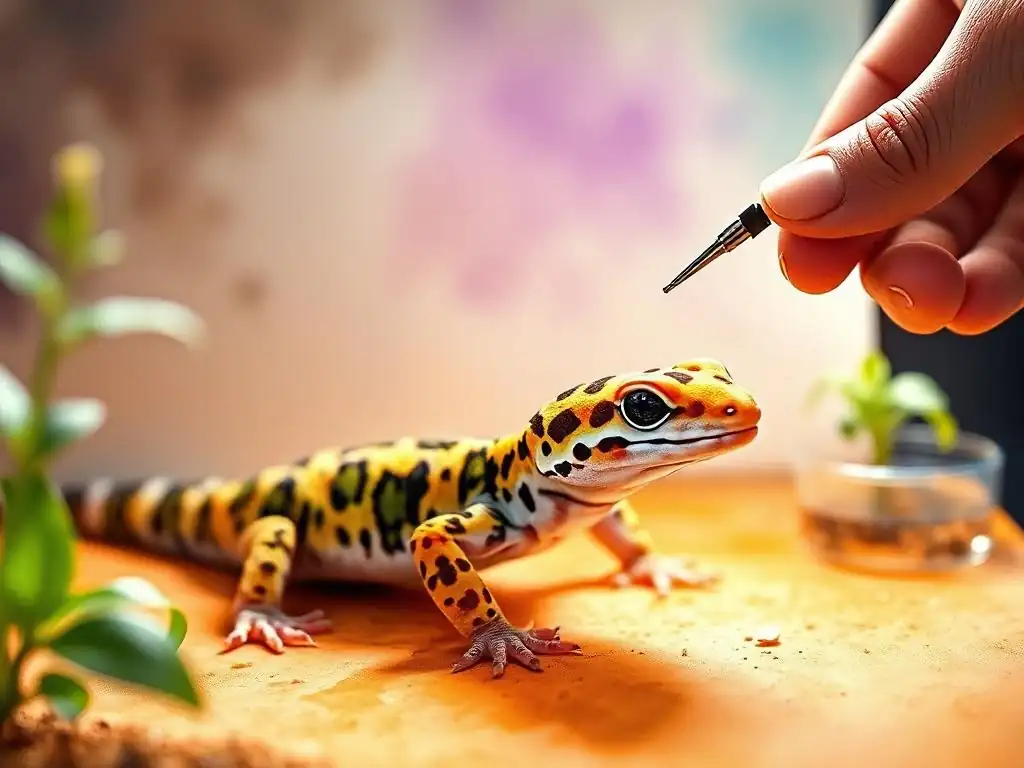
Preventing Metabolic Bone Disease (MBD) in reptile offspring requires diligent attention to several crucial factors from the moment they hatch. Successful breeding doesn't end with hatching; it necessitates a comprehensive understanding of the nutritional and environmental needs of juvenile reptiles to ensure their healthy development and avoid the debilitating effects of MBD. Ignoring these needs significantly increases the risk of reptile breeding MBD, impacting both the well-being of the young reptiles and the breeder's success.
Nutritional Needs of Juvenile Reptiles: Continued Calcium and Vitamin D3 Supplementation
Juvenile reptiles, like their adult counterparts, require a precisely balanced diet rich in calcium and Vitamin D3 to support proper bone development. However, their rapidly growing bodies demand even higher levels of these essential nutrients. Simply continuing the adult diet is insufficient; careful adjustments are necessary. A common mistake is assuming that if the parents received adequate supplementation, the offspring will automatically be healthy. This is false; each reptile's needs must be individually addressed.
The optimal calcium-to-phosphorus ratio (Ca:P) for juvenile reptiles varies depending on the species. For example, while many lizards thrive with a Ca:P ratio of 2:1, some species may require a higher ratio, particularly during periods of rapid growth. Providing a calcium-rich diet, such as appropriately sized insects dusted with a high-quality calcium supplement (containing Vitamin D3), is crucial. The frequency of dusting should be adjusted based on the species and the individual reptile's growth rate.
Some breeders may opt for gut-loading insects with calcium-rich foods prior to feeding them to their young reptiles, further enhancing nutritional intake. Monitoring fecal samples for evidence of proper calcium absorption can also help determine if dietary adjustments are needed. Insufficient calcium intake is a primary cause of reptile breeding MBD risks.
The quality of the calcium supplement is also paramount. Cheap supplements might lack sufficient Vitamin D3 or contain harmful additives. Choosing a reputable brand specifically formulated for reptiles is essential. In some cases, additional Vitamin D3 supplementation might be necessary, especially if the reptiles aren't exposed to sufficient UVB light. Always consult with a veterinarian specializing in reptiles to determine the appropriate supplementation regimen for your specific species.
Maintaining Proper Environmental Conditions: Temperature, Humidity, and UV Lighting
Beyond nutrition, the environment plays a crucial role in preventing MBD in young reptiles. Maintaining appropriate temperature gradients, humidity levels, and UVB lighting is essential for proper calcium absorption and bone metabolism. Inadequate environmental conditions can negate the benefits of even the most carefully planned diet, significantly increasing the chances of developing MBD. This is a common oversight in reptile breeding, contributing to high MBD incidence rates among offspring.
Temperature gradients are vital for thermoregulation, allowing reptiles to bask in warmer areas to optimize digestion and calcium absorption. Insufficient basking temperatures can hinder calcium metabolism, leading to bone deformities. Humidity levels also play a crucial role, impacting calcium absorption and overall health. Too little or too much humidity can be detrimental.
UVB lighting is essential for the synthesis of Vitamin D3 in the reptile's body. Without adequate UVB exposure, even with dietary supplementation, reptiles cannot properly metabolize calcium, resulting in MBD. The type and intensity of UVB lighting should be carefully selected based on the species and the size of the enclosure. Regularly checking UVB bulb strength is also crucial, as they lose effectiveness over time.
Monitoring for MBD Symptoms in Young Reptiles: Early Intervention is Crucial
Early detection of MBD is crucial for successful treatment and preventing long-term health problems. Regular monitoring of young reptiles for signs of MBD is essential. Early intervention significantly improves the chances of recovery. Ignoring early symptoms often leads to irreversible skeletal damage and a poorer prognosis. Reptile breeding MBD risks are significantly mitigated through consistent monitoring.
Signs of MBD in young reptiles can be subtle initially, but careful observation can reveal potential problems. Look for symptoms such as:
- Lethargy and weakness: Young reptiles with MBD often exhibit decreased activity levels.
- Swollen joints: Joint swelling is a common sign of bone abnormalities.
- Deformities: Skeletal deformities, such as curved spines or bowed legs, are readily apparent in more advanced cases.
- Fractures: Fragile bones are prone to fractures, even with minor trauma.
- Tremors: Muscle tremors can indicate nerve compression due to bone deformities.
If any of these symptoms are observed, immediate veterinary attention is necessary. A veterinarian specializing in reptiles can perform a thorough examination, including radiographs (X-rays), to confirm the diagnosis and recommend appropriate treatment. Treatment typically involves dietary adjustments, supplementation, and environmental modifications. Early intervention dramatically improves the chances of a successful outcome and minimizing the long-term effects of MBD. Ignoring these early warning signs is a significant contributor to reptile breeding MBD risks.
Case Studies: MBD in Breeding Reptiles
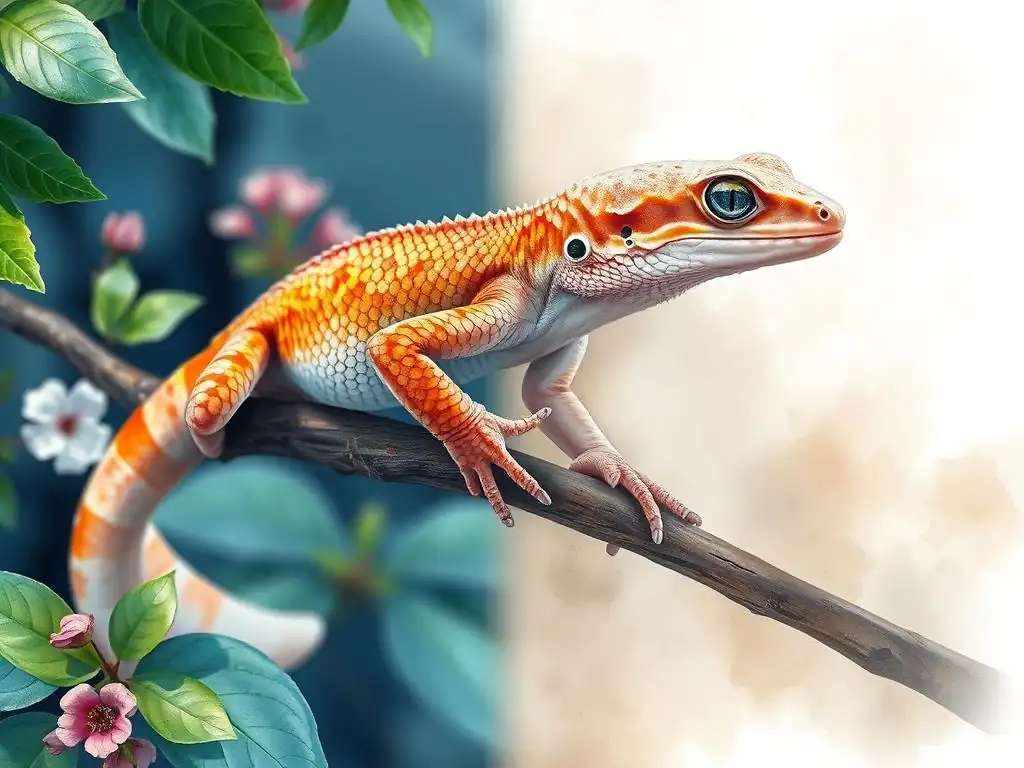
This section presents real-world examples illustrating the challenges of metabolic bone disease (MBD) in reptile breeding programs. Understanding these case studies highlights the crucial role of preventative measures and proper husbandry in mitigating MBD risks. Analyzing these instances allows for a deeper understanding of how seemingly minor husbandry oversights can lead to significant health problems in captive-bred reptiles, impacting reproductive success and overall population health. Effective reptile breeding requires a proactive approach to MBD prevention, emphasizing consistent monitoring and meticulous attention to detail.
Case Study 1: Leopard Gecko Breeding Program
A large-scale leopard gecko ( Eublepharis macularius) breeding program experienced a significant increase in MBD cases among juveniles. Initial investigations revealed inconsistent UVB and calcium supplementation protocols across different enclosures. Some enclosures received inadequate UVB exposure, while others lacked sufficient dietary calcium.
The inconsistent application of these crucial elements led to a wide variation in bone density among the offspring. Blood tests on affected geckos confirmed low calcium levels and elevated parathyroid hormone (PTH), indicative of secondary hyperparathyroidism, a common complication of MBD. The program implemented a standardized husbandry protocol, including consistent UVB lighting (specifically UVB 10.0), a carefully balanced diet with added calcium and vitamin D3, and regular monitoring of calcium levels through blood tests.
Subsequent breeding seasons showed a dramatic decrease in MBD incidence, demonstrating the effectiveness of consistent and standardized husbandry practices in preventing MBD in reptile breeding. This case underscores the importance of meticulous record-keeping and regular veterinary check-ups to proactively manage MBD risk in captive breeding.
Case Study 2: Bearded Dragon Breeding Facility
A commercial bearded dragon ( Pogona vitticeps) breeding facility experienced a cluster of MBD cases in adult females during the egg-laying period. While the facility provided UVB lighting and calcium supplementation, the intensity and duration of UVB exposure were insufficient to meet the increased calcium demands of gravid females. Further investigation revealed that the UVB bulbs were older than recommended and their output had significantly diminished over time.
The facility also relied on a single type of calcium supplement, neglecting the importance of vitamin D3 for calcium absorption. The high reproductive stress combined with inadequate calcium and vitamin D3 resulted in a significant weakening of the bones in the breeding females, leading to fractures and difficulty laying eggs. The facility upgraded to higher-output UVB bulbs, implemented a more robust calcium and vitamin D3 supplementation program, and increased the frequency of veterinary check-ups for breeding females.
They also adjusted the environmental temperature and humidity to optimize calcium absorption. This proactive approach significantly reduced MBD cases in subsequent breeding cycles, highlighting the importance of addressing the specific nutritional needs of gravid females.
Case Study 3: Crested Gecko Breeding Issues
A smaller-scale crested gecko ( Correlophus ciliatus) breeding operation reported sporadic cases of MBD among hatchlings. Initially, the breeder attributed the issues to genetic predisposition. However, a thorough review of husbandry practices revealed inconsistencies in the preparation of the insect diet fed to the geckos. While the insects themselves were dusted with calcium supplements, the frequency and thoroughness of dusting varied, resulting in inconsistent calcium intake by the geckos.
Furthermore, the breeder was not regularly monitoring the humidity levels within the enclosures, potentially impacting calcium absorption. The breeder implemented a more rigorous insect dusting protocol, ensuring consistent calcium and vitamin D3 supplementation. They also installed a humidity monitoring system and maintained optimal humidity levels.
The improved husbandry practices, coupled with a more consistent and controlled feeding regimen, significantly reduced the incidence of MBD in subsequent generations. This case demonstrates that even seemingly minor inconsistencies in husbandry can significantly impact the health of captive-bred reptiles, emphasizing the need for meticulous attention to detail in all aspects of reptile care. The successful mitigation of MBD in this instance underscores the importance of careful monitoring and consistent application of best practices in reptile breeding.
Frequently Asked Questions
What is Metabolic Bone Disease (MBD)?
MBD is a severe skeletal disorder in reptiles caused by nutritional deficiencies, primarily insufficient calcium and/or vitamin D3. It leads to weakened bones, deformities, and potentially death.
How does MBD affect reptile breeding?
MBD in breeding reptiles can result in egg-binding, reduced fertility, and weak or deformed offspring. Females with MBD may struggle to lay eggs successfully.
What are the key risk factors for MBD in breeding reptiles?
Improper diet, inadequate UVB lighting, and lack of environmental enrichment are major risk factors. Genetic predisposition can also play a role.
Can MBD in breeding reptiles be prevented?
Yes, proper diet, supplementation, and appropriate UVB and thermal gradients are crucial for prevention. Regular veterinary checkups are also recommended.
What should I do if I suspect my breeding reptile has MBD?
Immediately consult a veterinarian specializing in reptiles. Early diagnosis and treatment are vital to improve the chances of recovery and prevent further complications.
Final Reflection: The Enduring Challenge of MBD in Reptile Breeding
The fight against Metabolic Bone Disease (MBD) in captive reptiles remains a critical concern, demanding constant vigilance and a commitment to best practices. Ignoring the subtle signs or dismissing proper husbandry can lead to immense suffering for these animals, highlighting the ethical responsibility we bear as breeders and keepers. The consequences of MBD are far-reaching, impacting not only individual animal welfare but also the long-term health and viability of captive populations.
The pervasive impact of MBD underscores the ongoing need for education and responsible breeding within the reptile community. It's a constant learning process, requiring us to adapt and refine our understanding of reptile nutritional needs and environmental requirements. The greatest threat to our planet is the belief that someone else will save it.
– Robert Swan. This quote resonates deeply, reminding us that each breeder holds a crucial role in preventing MBD and ensuring the well-being of these fascinating creatures. We cannot afford complacency; the responsibility rests on each of us to contribute to a healthier future for captive reptiles.
Consider the implications of your breeding practices. Are you providing optimal lighting, a balanced diet, and appropriate environmental enrichment? Are you diligently monitoring your animals for early signs of MBD? You have the power to make a difference. By actively engaging in continuous learning, implementing preventative measures, and sharing your knowledge with others, you can contribute to a future where MBD is a rare occurrence, not a common challenge within the reptile breeding community. Let's work together to ensure the health and well-being of these incredible animals.
Unleash Your Reptile Breeding Expertise!
Thank you for exploring the world of reptile breeding with us! You've gained valuable insights into the risks and responsible practices involved, particularly concerning metabolic bone disease (MBD). Ready to apply this knowledge?
- Prioritize calcium supplementation: This is crucial for preventing MBD and ensuring healthy offspring. Remember to follow the recommended guidelines for your specific reptile species.
- Share your experiences and questions with other reptile enthusiasts in the comments below. Let's build a supportive community where we can all learn from each other.
- Continue your education: Explore reputable organizations and websites offering advanced information on reptile nutrition, genetics, and husbandry.
What concrete steps will you take today to improve the health and well-being of your reptiles?