
How to Take Your Pet's Temperature: A StepbyStep Guide

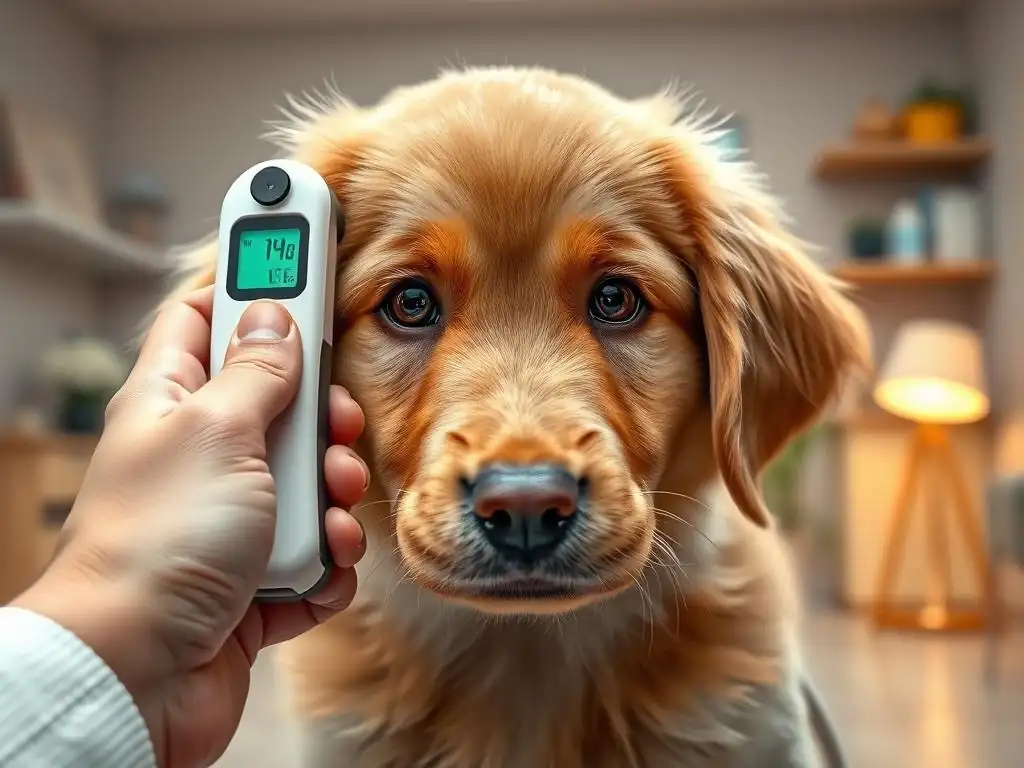
Welcome to PetCareWorld, your ultimate guide to a happier, healthier life for your beloved companion! Are you concerned about your pet's well-being? Learning how to accurately take your pet's temperature is a crucial skill for every responsible pet owner. Our comprehensive Pet temperature taking guide provides a step-by-step walkthrough, empowering you to monitor your pet's health effectively and confidently. Discover the secrets to understanding your pet's vital signs and learn what actions to take – dive in and explore!
- Understanding Your Pet's Normal Temperature Range
- Gathering the Necessary Supplies for Accurate Pet Temperature Measurement
- Step-by-Step Guide: Taking Your Pet's Temperature Rectally
- Step-by-Step Guide: Taking Your Pet's Temperature Using Other Methods (if applicable)
- Interpreting Your Pet's Temperature Reading
- Important Considerations and Safety Precautions
- Additional Tips for Accurate Temperature Taking
- Contacting Your Veterinarian
- Post-Temperature Taking Care for Your Pet
- Frequently Asked Questions
- Final Reflection: The Unsung Importance of Understanding Your Pet's Temperature
- Ready to Become Your Pet's Healthcare Hero?
Understanding Your Pet's Normal Temperature Range
Taking your pet's temperature can be a crucial step in recognizing illness and providing timely veterinary care. This comprehensive guide will walk you through the process of accurately measuring your pet's temperature, understanding what constitutes a normal reading, and knowing when to seek professional help. Accurately assessing your pet's temperature is a vital skill for any responsible pet owner, empowering you to monitor their health effectively and intervene when necessary. This guide focuses on providing the knowledge and practical steps needed to confidently handle this important aspect of pet care, contributing to your pet's overall well-being and longevity.
Early detection of illness through regular monitoring can significantly improve treatment outcomes and prevent more serious complications. Remember, this guide provides information for educational purposes and should not replace professional veterinary advice. Always consult your veterinarian for any concerns regarding your pet's health.
Determining Baseline Temperature for Different Pets
Knowing your pet's normal temperature range is the first step in recognizing when something is amiss. A pet's temperature can vary slightly depending on their breed, age, activity level, and even the time of day. Establishing a baseline temperature for your pet is therefore essential. This baseline will serve as a reference point when assessing future readings. Here's a general overview of normal temperature ranges for common pets:
| Pet Type | Normal Temperature Range (°F) | Normal Temperature Range (°C) | Notes |
|---|---|---|---|
| Dog | 101-102.5 | 38.3-39.2 | Variations exist based on breed and size. |
| Cat | 100.5-102.5 | 38.1-39.2 | Kittens may have slightly higher temps. |
| Rabbit | 101-103 | 38.3-39.4 | Highly sensitive to temperature changes. |
| Bird (varies widely) | 104-110 | 40-43 | Specific ranges vary greatly by species. |
| Reptiles (varies widely) | Dependent on species | Dependent on species | Requires species-specific knowledge. |
It's crucial to note that these are average ranges. To establish a true baseline for your pet, it's best to take their temperature several times when they are healthy and relaxed. Record these temperatures to get a clear picture of their typical range. This will provide a much more reliable reference point for future comparisons. Remember to consult your veterinarian for species-specific information, especially for exotic pets. 🐕🐈🐇🦜🦎
Recognizing Signs of Fever or Hypothermia in Pets
Beyond temperature readings, observe your pet for other signs of illness. Fever (hyperthermia) and hypothermia (low body temperature) can manifest in various ways. Recognizing these signs early can be critical in seeking timely veterinary care.
Signs of Fever:
- Lethargy and weakness
- Loss of appetite
- Increased thirst
- Rapid breathing or panting
- Elevated heart rate
- Red or inflamed gums
- Vomiting or diarrhea
- Shivering (despite warm environment)
- Hiding or seeking seclusion
Signs of Hypothermia:
- Shivering (initially)
- Lethargy and weakness
- Slow heart rate and breathing
- Pale gums
- Muscle stiffness
- Loss of coordination
- Unresponsiveness
If you notice any of these symptoms in conjunction with an abnormal temperature reading, seek veterinary attention immediately. Early intervention is key to a positive outcome. Don't hesitate to contact your vet if you are unsure about your pet's condition. Even subtle changes can indicate a problem.
When to Take Your Pet's Temperature
Regularly monitoring your pet's temperature isn't necessary unless you suspect illness. However, there are specific instances when taking their temperature is advisable:
- Suspected illness: If your pet exhibits any of the signs of fever or hypothermia mentioned above.
- Post-surgery or illness: If your pet has recently undergone surgery or is recovering from an illness.
- Before and after travel: Stressful situations can impact temperature.
- Regular monitoring (with vet's guidance): Some pets with chronic conditions may benefit from regular temperature checks.
Taking your pet's temperature should be part of a holistic approach to pet care, coupled with regular veterinary checkups and attentive observation of their overall behavior and well-being. Remember, prevention and early detection are key to maintaining your pet's health. Always consult your veterinarian for any concerns or questions.
Gathering the Necessary Supplies for Accurate Pet Temperature Measurement
Taking your pet's temperature accurately requires the right tools and a calm approach. This section details the essential supplies you'll need to ensure a safe and effective measurement, minimizing stress for both you and your furry, feathered, or scaled friend. This guide focuses on providing a comprehensive "pet temperature taking guide," ensuring you're well-equipped to monitor your pet's health.
Choosing the Right Thermometer for Your Pet
The type of thermometer you choose significantly impacts the accuracy and ease of temperature measurement. Digital thermometers are generally preferred for their ease of use and quick read times. Avoid using mercury thermometers due to safety concerns. Consider these options:
- Digital Rectal Thermometers: These are the most accurate for most pets, providing a core body temperature reading. They're especially useful for smaller animals where other methods might be less reliable. However, they require careful handling to avoid injury.
- Digital Temporal Artery Thermometers: These thermometers measure temperature on the forehead or temporal artery. While convenient, they are less accurate than rectal thermometers, particularly in pets with thick fur. They can be a good option for quick checks or if rectal measurement isn't feasible.
- Tympanic (Ear) Thermometers: These are quick and relatively easy to use, but accuracy can vary significantly depending on the pet and the proper placement of the thermometer. They are generally not recommended for routine temperature checks.
Remember to always check the thermometer's instructions before use, ensuring you understand how to properly operate the device and interpret the results. The accuracy of your readings directly impacts your ability to assess your pet's health and seek appropriate veterinary care when necessary. A reliable "pet temperature taking guide" emphasizes the importance of choosing the right tool for the job.
Preparing Your Pet for Temperature Taking
A calm and cooperative pet is crucial for an accurate and stress-free temperature reading. Before you begin, take steps to prepare both yourself and your pet. This crucial step in your "pet temperature taking guide" will greatly improve the process:
- Gather your supplies: Have your chosen thermometer, lubricant (petroleum jelly or a water-based lubricant), and a towel readily available. This prevents interruptions during the process.
- Calm your pet: Speak to your pet in a soothing voice. Offer gentle pets and reassurance. A stressed pet will likely struggle, making accurate measurement difficult and potentially dangerous. If your pet is particularly anxious, you might consider seeking assistance from another person to help restrain them gently.
- Choose the right time: Select a time when your pet is relaxed and not overly active or excited. This will make the process much smoother. Avoid taking temperatures immediately after your pet has been exercising or eating, as this can skew the results.
- Secure your pet: Depending on the size and temperament of your pet, you may need to gently restrain them. For larger animals, having a helper can be beneficial. Always prioritize the safety and well-being of your pet. Never force the process; if your pet is excessively resistant, consult your veterinarian for guidance. A well-prepared pet is a key part of any successful "pet temperature taking guide." Prioritizing comfort and safety ensures both an accurate reading and a positive experience for your pet.
Step-by-Step Guide: Taking Your Pet's Temperature Rectally
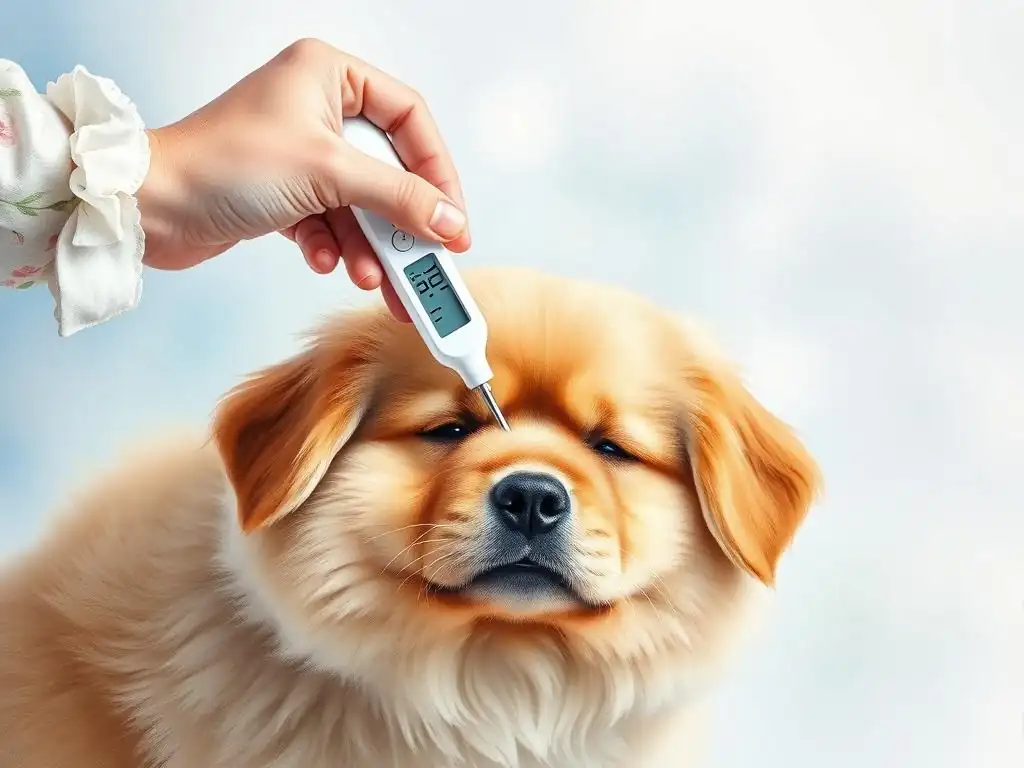
This section provides a detailed, step-by-step guide on how to accurately measure your pet's temperature rectally. Accurate temperature readings are crucial for early detection of illness and effective veterinary care. This guide focuses on safety and precision, ensuring a comfortable experience for both you and your pet. Remember, always consult your veterinarian if you have any concerns about your pet's health. This guide should be considered supplementary to professional veterinary advice. Improper temperature taking can harm your pet, so proceed with caution.
Step 1: Safe and Gentle Restraint Techniques for Different Pet Types
Accurately taking your pet's temperature requires gentle but firm restraint. The method varies depending on the pet's size, temperament, and species. Improper restraint can lead to injury for both you and your pet, so careful technique is paramount.
- Dogs: For smaller dogs, you can gently cradle them in your lap, supporting their back and hindquarters. Larger dogs may require assistance from another person. Ensure their tail is out of the way. A calm and reassuring tone will help them relax. Avoid sudden movements or forceful restraints, as this can increase their stress and make the process more difficult.
- Cats: Cats are notoriously more difficult to restrain. Using a towel to gently wrap them can help to reduce stress and prevent scratching. One person should firmly but gently hold the cat, while another inserts the thermometer. Avoid squeezing too tightly, as this can cause discomfort. Consider placing the cat in a secure carrier before beginning the process.
- Small Animals (Rabbits, Guinea Pigs, etc.): These animals require extra care. Wrap them securely in a towel, leaving only their rear end exposed. Work quickly and efficiently to minimize stress. Be extra gentle with these smaller, more fragile animals.
- Birds: Taking a bird's temperature requires specialized techniques and is generally best left to a veterinarian. Improper handling can easily injure a bird.
- Reptiles: Reptile temperature taking is also best performed by a veterinarian, as it requires specialized equipment and knowledge of species-specific handling techniques.
Step 2: Lubricating the Thermometer
Before inserting the thermometer, it's crucial to lubricate the tip. This minimizes discomfort for your pet and makes insertion smoother. Use a water-based lubricant, such as KY Jelly or a similar product specifically designed for medical use. Avoid petroleum-based lubricants, as these can be harmful if ingested.
Apply a small amount of lubricant to the tip of the thermometer. Ensure the lubricant completely covers the tip to reduce friction during insertion. This simple step significantly improves the comfort level for your pet, making the process less stressful. The amount of lubricant needed will depend on the size of the thermometer tip and the size of your pet's rectum.
Step 3: Inserting the Thermometer Carefully
Once the thermometer is lubricated, gently insert it into your pet's rectum. The depth of insertion varies depending on the size of your pet and the length of the thermometer. Generally, about half an inch to one inch is sufficient for most small to medium-sized pets. For larger animals, you may need to insert it slightly deeper. However, it is very important to avoid excessive insertion, as this could cause injury.
Insert the thermometer slowly and steadily. Avoid any sudden or jerky movements. Monitor your pet's response throughout the process. If your pet shows signs of significant distress, stop immediately and try again later or seek veterinary assistance. Once the thermometer is inserted, hold it firmly in place until the reading is complete.
Most digital thermometers will beep when the reading is ready. After taking the reading, carefully remove the thermometer and clean it thoroughly with soap and water. Record the temperature and consult your veterinarian if the reading is outside the normal range for your pet's species. Remember to always dispose of used thermometers properly according to your local guidelines.
Step 4: Reading the Temperature and Recording the Result
Once the thermometer has been in place for the recommended time (usually around 1 minute for digital thermometers and up to 3 minutes for mercury thermometers—though mercury thermometers are less common and generally discouraged for pet use due to safety concerns), carefully remove it. Immediately read the temperature displayed on the digital thermometer. If using a mercury thermometer, hold it level to your eye at arm's length to get an accurate reading. Record the temperature in degrees Fahrenheit (°F) or Celsius (°C), noting the time of the reading.
It's crucial to record both the temperature and the time for accurate monitoring and reporting to your veterinarian. This information is vital if your pet's temperature falls outside the normal range for their species and age. For example, a healthy dog's temperature typically ranges from 100.5°F to 102.5°F, while a cat's normal temperature is between 100.4°F and 102.5°F. However, these are just general guidelines, and a veterinarian can provide specific ranges for your pet.
Always keep a pet health record to track this information. This allows you to easily monitor changes over time and readily share the data with your vet, aiding in quicker diagnosis and treatment if needed. Remember to always handle the thermometer with care to avoid breakage, especially if you are using a glass thermometer.
Step 5: Cleaning and Storing the Thermometer
After each use, thoroughly clean the thermometer to prevent the spread of bacteria and maintain hygiene. For digital thermometers, gently wipe the tip with a soft cloth or cotton ball dampened with rubbing alcohol. Allow the thermometer to air dry completely before storing it. For glass thermometers, handle them with extreme care during cleaning.
Use a mild disinfectant solution appropriate for medical instruments and follow the manufacturer's instructions for cleaning. Always rinse thoroughly with clean water and allow the thermometer to air dry completely. Never immerse a glass thermometer in boiling water, as this can damage it. Once clean and dry, store the thermometer in a safe and secure place, away from children and pets, in its original protective case if available.
Proper storage protects the thermometer from damage and ensures its accuracy for future use. Regular cleaning and appropriate storage are vital for maintaining the accuracy and longevity of your pet's thermometer and, importantly, for your pet's health and safety. Neglecting this step can lead to inaccurate readings and potential risks to your pet's health. Remember, a clean thermometer is a key part of responsible pet care.
Step-by-Step Guide: Taking Your Pet's Temperature Using Other Methods (if applicable)
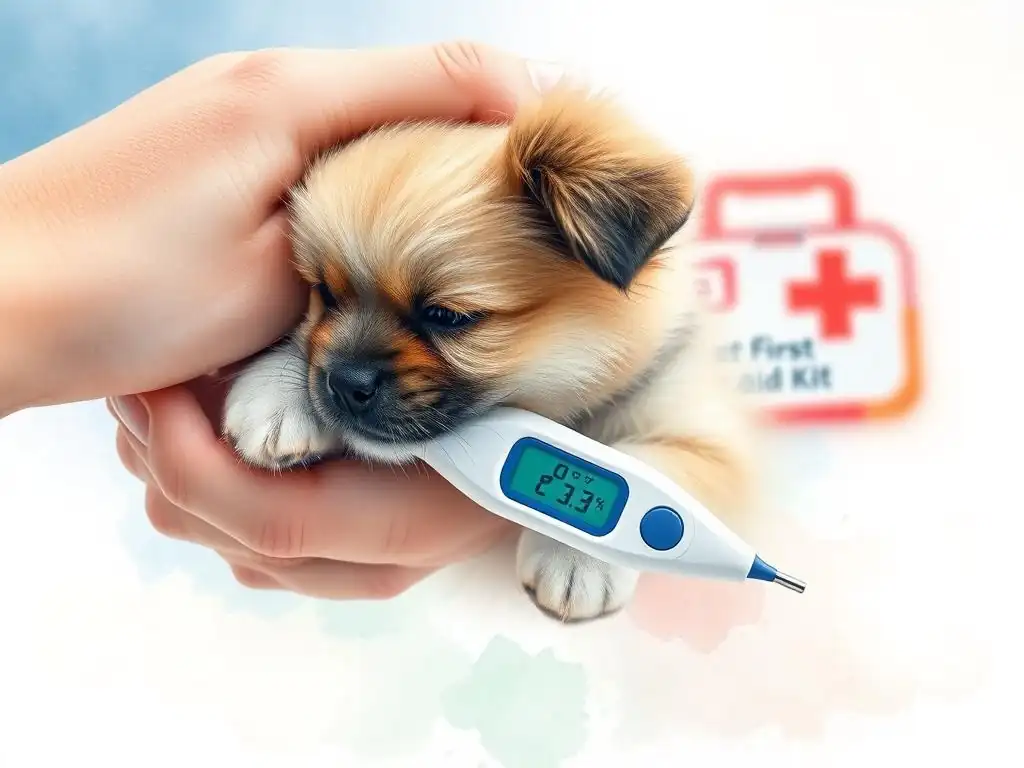
This section details alternative methods for taking your pet's temperature, acknowledging that rectal temperature measurement isn't always feasible or preferred. Remember, always consult your veterinarian for guidance specific to your pet's breed, age, and health condition. Improper temperature taking can lead to injury or inaccurate readings. This guide provides supplemental information and should not replace professional veterinary advice. Accurate pet temperature taking is a crucial skill for responsible pet ownership, aiding in early illness detection and prompt veterinary intervention.
Taking Temperature via the Ear (for certain pet types)
Ear temperature measurement, while convenient, is generally less accurate than rectal measurement and isn't suitable for all pets. It's most commonly used for larger animals like dogs and some cats, but even then, accuracy can vary significantly. The method involves using a specialized ear thermometer designed for animals. These thermometers often utilize infrared technology to measure the temperature of the eardrum.
Several factors influence the accuracy of ear temperature readings:
- Ear wax buildup: Excessive ear wax can interfere with the thermometer's sensor, leading to inaccurate readings. Regular ear cleaning is crucial for reliable measurements.
- Pet's cooperation: A restless or uncooperative pet can make obtaining an accurate reading challenging. Gentle restraint is often necessary, and it might be helpful to have a second person assist.
- Thermometer calibration: Ensure your thermometer is properly calibrated and functioning correctly. Follow the manufacturer's instructions carefully.
- Ambient temperature: Extreme temperatures in the environment can also affect the accuracy of the reading. Try to take the measurement in a room with a comfortable temperature.
Here's a step-by-step guide for taking an ear temperature:
- Clean the ear: Gently clean the pet's ear canal with a soft cloth to remove any debris or wax.
- Position the thermometer: Hold the thermometer close to the eardrum, following the manufacturer's instructions.
- Take the reading: Press the button to initiate the measurement. The thermometer will usually display the temperature within a few seconds.
- Interpret the reading: Compare the reading to the normal temperature range for your pet's species and size. Remember that ear temperatures are often slightly lower than rectal temperatures.
- Record the reading: Note the temperature and the time of the reading for future reference.
Remember, consistent readings are key. If you obtain a questionable reading, repeat the process multiple times and consider consulting your veterinarian. This method is best used as a supplement to other monitoring techniques, not as a primary diagnostic tool. Always prioritize professional veterinary care when your pet shows signs of illness.
Taking Temperature via the Mouth (for certain pet types)
Taking a pet's temperature orally is generally not recommended due to safety and accuracy concerns. Most pets will not tolerate this method, and the risk of injury to both the pet and the handler is significant. The accuracy of oral temperature readings is also questionable, as the temperature in the mouth can be influenced by several factors, including recent food or water intake. This method should only be considered under the direct supervision and instruction of a veterinarian. They may suggest it in specific circumstances, but it's rarely the preferred method.
Even if your veterinarian approves of this method, extreme caution is required. You'll need a digital thermometer designed for oral use in animals. The process involves gently inserting the thermometer under the pet's tongue and holding it in place until a reading is obtained. This requires significant restraint and patience, and the risk of a bite or scratch is substantial. Therefore, prioritizing other, safer methods is strongly advised.
The potential for inaccurate readings and the inherent risks make this a less desirable option compared to rectal or, in some cases, ear temperature taking. Always prioritize your pet's safety and well-being. If you are unsure about any aspect of pet temperature taking, consult your veterinarian immediately. Your veterinarian's expertise is invaluable in ensuring your pet's health and well-being.
Interpreting Your Pet's Temperature Reading
Taking your pet's temperature is a crucial skill for any responsible pet owner. While a thermometer provides a numerical value, understanding what that number means is equally important. This section will help you interpret your pet's temperature reading and determine if veterinary attention is necessary. Remember, normal temperature ranges vary depending on the species and even the individual pet. Always consult your veterinarian to establish a baseline for your pet. This pet temperature taking guide will provide you with the necessary information to understand your pet's readings.
Understanding What a High Temperature Indicates
A high temperature, or hyperthermia, in pets signifies that their body is struggling to regulate its internal heat. This can be caused by a variety of factors, including:
- Infection: Bacterial, viral, or fungal infections are common culprits. Signs often accompany a fever, such as lethargy, loss of appetite, and vomiting. For example, a dog with a high temperature might also exhibit coughing and nasal discharge, suggesting a respiratory infection.
- Heatstroke: Overexposure to heat can lead to a dangerously high temperature. Symptoms include excessive panting, drooling, weakness, and even collapse. This is a life-threatening condition requiring immediate veterinary attention.
- Inflammation: Conditions like pancreatitis (inflammation of the pancreas) or inflammatory bowel disease (IBD) can cause fever. These conditions often present with additional gastrointestinal symptoms.
- Cancer: In some cases, a persistent high temperature can be a sign of cancer. This is less common but warrants a veterinary examination.
- Autoimmune diseases: These diseases involve the body's immune system attacking its own tissues, causing inflammation and fever.
The severity of the symptoms and the degree of elevation above the normal temperature range will influence the urgency of veterinary care. A slightly elevated temperature might warrant monitoring, while a significantly high temperature accompanied by other concerning symptoms requires immediate veterinary attention. Remember, a pet temperature taking guide is only part of the process; professional veterinary assessment is crucial.
Understanding What a Low Temperature Indicates
A low temperature, or hypothermia, indicates that your pet's body temperature has fallen below the normal range. This is a serious condition that can lead to organ damage and even death if not addressed promptly. Causes of hypothermia include:
- Exposure to cold: Prolonged exposure to cold temperatures, especially in small breeds or pets with thin coats, is a major risk factor.
- Underlying medical conditions: Certain diseases can impair the body's ability to regulate temperature. For instance, hypothyroidism (an underactive thyroid gland) can contribute to hypothermia.
- Shock: Severe blood loss or other traumatic injuries can lead to shock, resulting in a drop in body temperature.
- Sepsis: This life-threatening condition involves a severe infection that overwhelms the body's defenses. Sepsis can cause a drop in body temperature, even while other symptoms indicate infection.
Recognizing hypothermia is vital. Symptoms can include shivering (initially), lethargy, weakness, slow heart rate, and shallow breathing. In severe cases, your pet may become unresponsive. Immediate veterinary care is necessary if you suspect hypothermia. Using a pet temperature taking guide in conjunction with observing your pet's behavior will help you identify this condition early.
When to Seek Veterinary Attention
Any significant deviation from your pet's normal temperature range warrants a call to your veterinarian. Specifically, you should seek immediate veterinary attention if:
| Symptom | Urgency | Notes |
|---|---|---|
| Temperature significantly elevated (>104°F/40°C in dogs, >103.5°F/39.7°C in cats) | Immediate | Especially if accompanied by lethargy, vomiting, or diarrhea. |
| Temperature significantly low (<99°F/37.2°C in dogs, <99°F/37.2°C in cats) | Immediate | Especially if accompanied by shivering, weakness, or unresponsiveness. |
| Persistent fever despite treatment | Urgent | If the fever doesn't respond to home care, veterinary intervention is needed. |
| Any fever with other concerning symptoms (lethargy, decreased appetite, vomiting, diarrhea, coughing, difficulty breathing) | Urgent | Don't delay seeking veterinary help if your pet is showing multiple symptoms. |
Don't hesitate to contact your veterinarian if you have any concerns about your pet's temperature, even if it's only slightly elevated or low. Early intervention can significantly improve the outcome. Remember, this pet temperature taking guide is designed to assist you, but professional veterinary advice is always paramount. 🐶🐱🐭🐹🐰🐍🐦🐠
Important Considerations and Safety Precautions
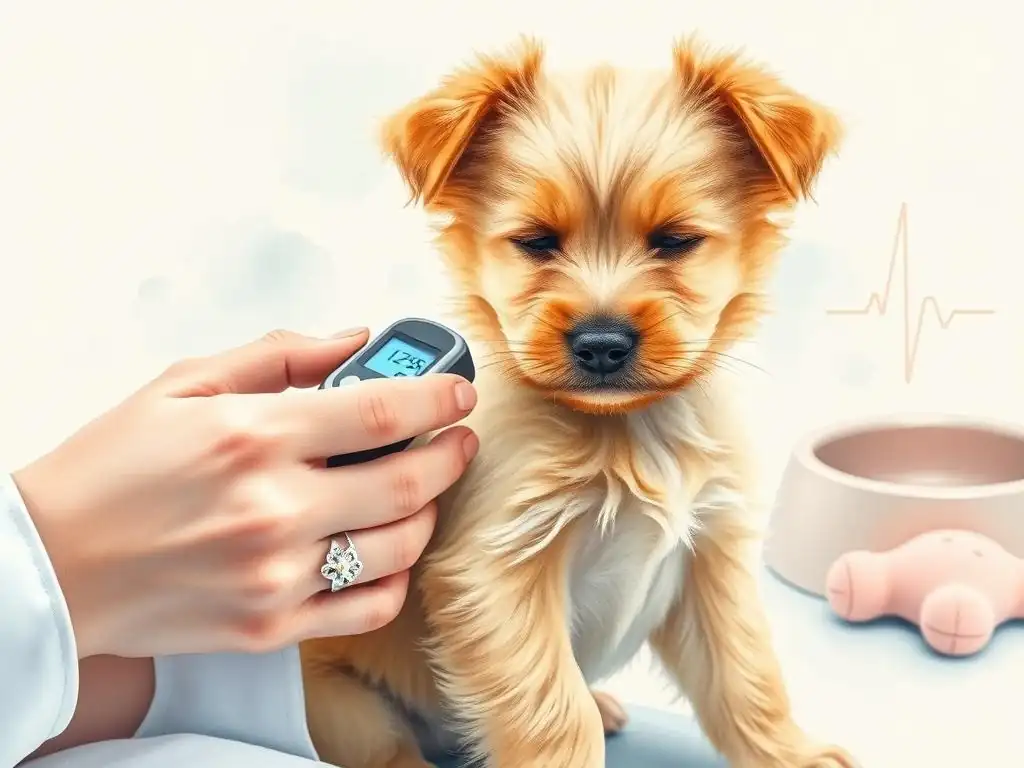
Taking your pet's temperature accurately and safely is crucial for monitoring their health. Improper techniques can lead to injury for both you and your pet, inaccurate readings, and even increased stress for your furry friend. This section focuses on vital safety precautions and considerations to ensure a smooth and safe process. Remember, always prioritize your pet's comfort and well-being.
This guide focuses on the practical application of pet temperature taking, building upon the foundational knowledge of why temperature monitoring is important for pet health. We'll delve into specific techniques and considerations for various species and temperaments in subsequent sections. Accurate pet temperature taking is a valuable skill for any pet owner, contributing significantly to proactive pet health management.
Avoiding Injury During Temperature Measurement
Accurately measuring your pet's temperature requires careful handling to prevent injury. A struggling animal can easily injure you, or you might unintentionally hurt your pet during the process. Here’s a breakdown of safety measures:
- Use the right tools: Employ a lubricated, appropriately sized rectal thermometer designed for pets. Never use a human thermometer, as the size and scale are inappropriate.
- Gentle restraint: If your pet is resistant, enlist the help of another person to gently restrain them. Avoid forceful methods that could cause injury or increase their anxiety. A calm and reassuring demeanor is key.
- Short and sweet: Keep the process brief. Prolonged attempts only increase stress and the chance of an accident. Practice beforehand with a calm pet to get comfortable with the procedure.
- Observe your pet: Monitor your pet closely for signs of discomfort or distress. If they become too agitated, stop and try again later. Always prioritize their safety and well-being.
- Post-procedure care: After taking the temperature, reward your pet with praise and treats to create a positive association. This helps reduce anxiety during future temperature checks.
Remember, patience is key. A calm and controlled approach is more effective than forceful restraint. Proper technique minimizes the risk of injury for both you and your pet, contributing to a positive experience overall. The goal is to obtain an accurate reading while ensuring your pet feels safe and secure.
Hygiene Practices to Prevent Infection
Maintaining proper hygiene during temperature measurement is critical to prevent infection. Bacteria can easily transfer from the thermometer to your pet's rectum, potentially leading to serious health complications. Strict adherence to these hygiene practices is essential:
- Clean the thermometer: Before and after each use, thoroughly clean the thermometer with warm soapy water and then disinfect it with rubbing alcohol. Allow it to air dry completely before storing.
- Lubricate appropriately: Use a water-based lubricant to facilitate insertion and minimize discomfort for your pet. Avoid oil-based lubricants, as they can damage the thermometer.
- Proper disposal: Dispose of used lubricant and any soiled materials appropriately. Always handle used materials with care to prevent the spread of bacteria.
- Hand hygiene: Wash your hands thoroughly with soap and water before and after handling the thermometer and your pet. This simple step significantly reduces the risk of infection.
- Regular maintenance: Regularly inspect your thermometer for any damage or signs of wear and tear. Replace it immediately if you notice any issues. A damaged thermometer can be inaccurate and potentially cause harm.
Maintaining impeccable hygiene minimizes the risk of infection and ensures the health and well-being of your beloved companion. This diligent approach to sanitation is integral to responsible pet care and the accurate monitoring of their health. By following these guidelines, you contribute significantly to their overall health and safety.
Handling Different Pet Temperaments
Different pets react differently to being handled. Understanding your pet's temperament is crucial for a successful and safe temperature-taking experience. Some pets are naturally calm and cooperative, while others may be more anxious or resistant.
- Calm and cooperative pets: For these pets, the process is relatively straightforward. Gentle restraint may still be necessary, but overall, the experience should be less stressful. Positive reinforcement with treats and praise is always recommended.
- Anxious or fearful pets: These pets require a more patient and gentle approach. Try to create a calm and reassuring environment. Speak to your pet in a soothing voice and offer gentle strokes. If necessary, involve another person to help with restraint. Consider using a towel to gently wrap your pet for added security.
- Aggressive pets: If your pet is aggressive, it's best to seek professional help. A veterinarian or experienced animal handler can assist in safely taking your pet's temperature. Never attempt this procedure alone if your pet poses a risk to your safety.
- Species-specific considerations: The approach may vary slightly depending on the species. For example, taking the temperature of a small bird requires a different technique than taking the temperature of a large dog. Always consult reliable resources or your veterinarian for species-specific instructions.
Understanding and adapting to your pet's unique temperament is vital for a safe and accurate temperature reading. Remember, patience and a calm approach are always beneficial, no matter your pet’s personality. Prioritizing your pet's comfort and safety is paramount in this process. The success of pet temperature taking often hinges on understanding and respecting your pet’s individual needs.
Additional Tips for Accurate Temperature Taking
Taking your pet's temperature accurately is crucial for monitoring their health and detecting potential illnesses early. While the steps outlined in the main guide provide a solid foundation, several additional tips can significantly improve the accuracy and ease of the process. Remember, consistent and accurate temperature readings are key to effective pet healthcare. This section delves into crucial factors that can influence your readings and strategies for handling pets who aren't keen on the procedure.
Factors that Can Affect Temperature Readings
Several factors can influence your pet's temperature reading, leading to inaccurate results. Understanding these factors is vital for interpreting the data correctly and making informed decisions about your pet's health.
Environmental temperature plays a significant role. A hot or cold environment can temporarily alter your pet's core temperature. For example, a dog left outside on a sweltering summer day might register a higher temperature than usual, even if perfectly healthy. Similarly, a cold winter's day could lead to a slightly lower reading. Always aim to take your pet's temperature in a comfortable, stable environment. Ideally, this should be indoors, away from direct sunlight or drafts.
The time of day can also subtly affect temperature. Just like humans, pets may experience slight temperature fluctuations throughout the day. For consistent monitoring, try to take your pet's temperature at the same time each day. This allows for better comparison and identification of any significant changes.
Recent activity levels can influence readings. Vigorous exercise can temporarily elevate a pet's body temperature, potentially leading to an inaccurate reading. Allow your pet to rest for at least 15-20 minutes before taking their temperature. This will help ensure the reading reflects their resting body temperature, providing a more accurate assessment of their overall health.
Finally, the type of thermometer used can matter. Digital thermometers are generally preferred for their accuracy and ease of use. However, even with digital thermometers, ensure the thermometer is properly calibrated and functioning correctly. A malfunctioning thermometer will yield inaccurate results, potentially leading to misdiagnosis and inappropriate treatment. Regularly check the thermometer’s accuracy following the manufacturer's instructions.
Dealing with Uncooperative Pets
Taking a pet's temperature can be challenging, especially with uncooperative animals. Cats, in particular, are often resistant to this procedure. Here are some strategies to increase your chances of success:
- Enlist help: Having a second person assist can make the process significantly easier. One person can restrain the pet gently while the other takes the temperature. This minimizes stress for both the pet and the owner.
- Create a calm environment: A stressed pet is more likely to resist. Use a calming voice and gentle touch. Consider offering treats or praise to reward cooperation. A quiet, familiar environment can also help reduce anxiety.
- Distraction techniques: Try distracting your pet with a favorite toy or treat while quickly taking their temperature. This can divert their attention and make the process less stressful.
- Gradual introduction: If your pet is extremely resistant, consider a gradual introduction to the thermometer. Let them sniff and investigate the thermometer before attempting to take their temperature. Positive reinforcement throughout this process is key.
- Professional assistance: If you consistently struggle to take your pet’s temperature, don't hesitate to seek assistance from a veterinarian or veterinary technician. They have the experience and tools to handle even the most uncooperative pets safely and efficiently. They can also provide guidance on proper techniques and address any concerns you may have.
Remember, patience and understanding are key. Never force a procedure on a distressed pet, as this can lead to injury or further stress. Prioritize your pet's safety and well-being throughout the entire process. A calm and patient approach will yield better results in the long run.
Contacting Your Veterinarian
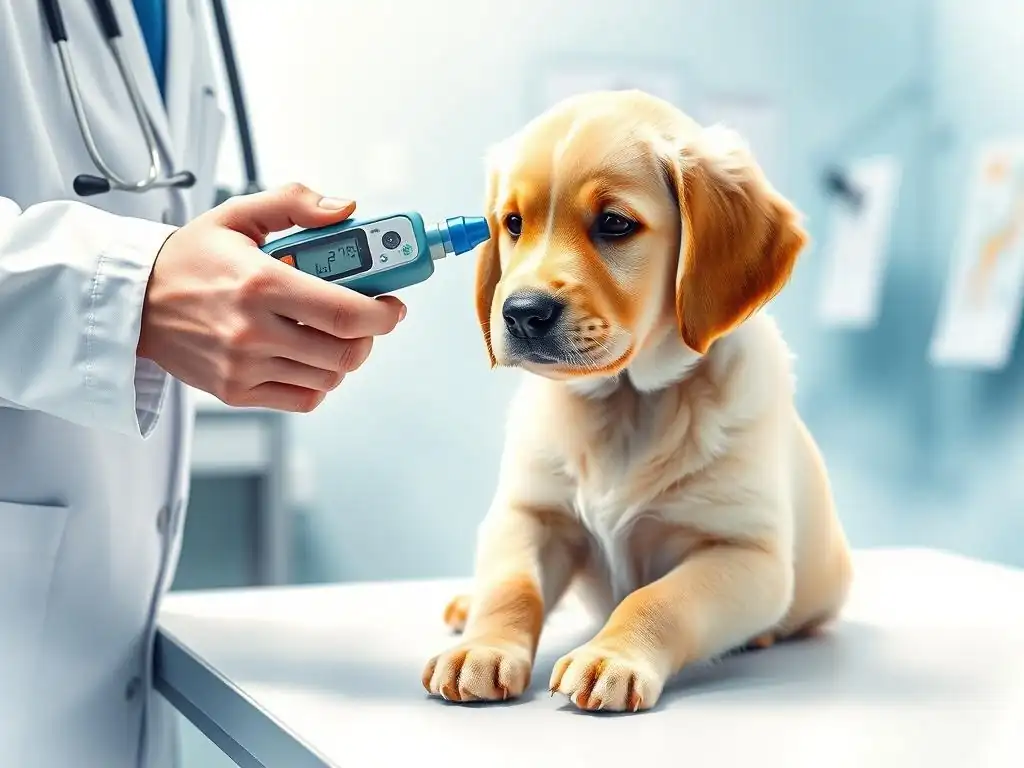
Taking your pet's temperature is a crucial first step in assessing their health, but it's not a standalone diagnostic tool. Understanding when to contact your veterinarian is just as important as knowing how to take the temperature itself. This section will guide you through recognizing situations that require immediate veterinary attention, even after obtaining a temperature reading. Accurate temperature readings, coupled with a keen observation of your pet's overall behavior and other symptoms, are vital for effective communication with your veterinarian. Remember, your vet is your best resource for diagnosing and treating your pet's illnesses.
When to Seek Immediate Veterinary Care
Several situations necessitate immediate veterinary care, regardless of the temperature reading. A high temperature is a symptom, not a diagnosis, and other factors significantly impact the urgency of the situation. Here's a breakdown of critical situations requiring immediate attention:
- Lethargy and Weakness: If your pet exhibits extreme lethargy, weakness, or collapse, seek immediate veterinary attention. This could indicate a serious underlying condition, even if the temperature is only slightly elevated. Don't wait to see if it improves; prompt veterinary care is crucial.
- Difficulty Breathing: Labored breathing, rapid panting, or blue-tinged gums are emergency situations. These symptoms suggest a critical respiratory issue that requires immediate intervention. Note the respiratory rate and any audible sounds during breathing when you call your vet.
- Seizures: Seizures are a serious medical event. Record the duration and frequency of the seizure, and seek immediate veterinary attention. This is a high-priority situation requiring immediate professional care.
- Severe Vomiting or Diarrhea: Persistent, severe vomiting or diarrhea leading to dehydration is an emergency. Dehydration can quickly become life-threatening, especially in smaller pets. Monitor your pet's hydration level – damp gums are a good sign, while dry, sticky gums indicate dehydration.
- Unexplained Pain or Distress: If your pet is exhibiting signs of extreme pain, such as vocalization, guarding a body part, or reluctance to move, contact your veterinarian immediately. This could signify a serious injury or internal problem.
- Bleeding: Any significant bleeding requires immediate veterinary care. Control the bleeding as best you can (applying pressure), but don't delay seeking professional help.
| Symptom | Urgency | Additional Notes |
|---|---|---|
| Lethargy & Weakness | Immediate | Note the level of responsiveness and activity. |
| Difficulty Breathing | Immediate | Observe respiratory rate and any abnormal sounds. |
| Seizures | Immediate | Record duration and frequency of seizures. |
| Severe Vomiting/Diarrhea | Immediate | Monitor hydration levels (gum moisture). |
| Unexplained Pain/Distress | Immediate | Note the location and intensity of the pain. |
| Significant Bleeding | Immediate | Control bleeding while seeking veterinary attention. |
Remember, this is not an exhaustive list. If you are ever unsure about your pet's condition, it's always best to err on the side of caution and contact your veterinarian. Early intervention can significantly improve the outcome. Your pet's health is paramount, so don't hesitate to reach out to your veterinary professional whenever you have concerns. A prompt response often makes a significant difference in the course of treatment.
Post-Temperature Taking Care for Your Pet
After taking your pet's temperature, it's important to provide appropriate post-care to ensure their comfort and well-being. This section focuses on the steps to take after completing the temperature-taking process, regardless of the reading obtained. Gentle handling and a calming environment are key aspects of post-care.
Post-Temperature Taking Care for Your Pet
Following the temperature-taking process, it's crucial to ensure your pet remains calm and comfortable. The experience can be stressful for some animals, so providing a reassuring environment is vital. Here's how to care for your pet after taking their temperature:
- Offer Comfort and Reassurance: Speak to your pet in a soothing voice and offer gentle petting or stroking. This helps to calm them down and reduce any anxiety they might have experienced. A comfortable, familiar environment is crucial for their recovery.
- Clean the Thermometer: Thoroughly clean and disinfect the thermometer according to the manufacturer's instructions. This is vital for maintaining hygiene and preventing the spread of germs. Proper sterilization prevents cross-contamination between pets and ensures accuracy in future readings.
- Monitor Your Pet: Continue to monitor your pet's behavior and overall condition. Note any changes in their demeanor, appetite, or activity levels. This ongoing observation helps in early detection of any potential problems.
- Provide Appropriate Care: If the temperature indicates illness, provide appropriate care as directed by your veterinarian. This may include medication, dietary adjustments, or other supportive measures. Follow the veterinarian's instructions meticulously.
- Document the Temperature: Record the temperature reading, along with the date and time, in your pet's health record. This information is invaluable for future reference and helps your veterinarian track your pet's progress. Maintain a detailed log of your pet's health for easy access.
Following these post-care steps ensures your pet's well-being and provides valuable data for your veterinarian. Accurate record-keeping and attentive monitoring contribute significantly to effective pet care. Remember, consistent monitoring and prompt veterinary consultation are essential for maintaining your pet's optimal health. 🐶🐱
Frequently Asked Questions
What is the most accurate way to take my pet's temperature?
The most accurate method is using a rectal thermometer. Ensure it's lubricated and gently insert it about an inch. Digital thermometers are preferable for ease of reading.
My pet is resisting; how can I safely take their temperature?
Try wrapping your pet in a towel to restrain them gently. If you're struggling, seek assistance from a veterinarian or experienced handler. Safety is paramount.
What is a normal temperature range for my pet?
Normal temperature varies by species and age. Generally, it's between 100-102.5°F (37.7-39.2°C) for dogs and cats. Consult your vet for species-specific ranges.
When should I take my pet's temperature?
Take your pet's temperature if you suspect illness, such as lethargy, loss of appetite, vomiting, or diarrhea. Also check if your pet shows signs of heatstroke or hypothermia.
My pet's temperature is outside the normal range. What should I do?
If your pet's temperature is abnormally high or low, contact your veterinarian immediately. This is crucial for prompt diagnosis and treatment. Don't delay.
Final Reflection: The Unsung Importance of Understanding Your Pet's Temperature
Knowing your pet's temperature isn't just a veterinary skill; it's a crucial element of responsible pet ownership. A simple temperature check can be the difference between early intervention and a potentially life-threatening situation. This seemingly small act empowers you to become a more proactive and informed caregiver.
The ability to monitor a pet's temperature has profoundly impacted my relationship with my own animals. It's given me a deeper understanding of their well-being, allowing me to detect subtle changes that might otherwise go unnoticed. This proactive approach has fostered a stronger bond built on trust and attentive care. The best way to find yourself is to lose yourself in the service of others.
– Mahatma Gandhi – while not directly about pet care, this quote reflects the deeper connection formed through attentive caregiving. This simple act of taking a temperature transcends the purely medical; it's an act of love and commitment.
Now, I challenge you to take this knowledge and apply it. Don't wait for a crisis; familiarize yourself with the techniques outlined in this guide. Practice taking your pet's temperature regularly, even when they seem perfectly healthy. This proactive approach will not only equip you to handle emergencies effectively but will also deepen your understanding of your furry friend's overall health and well-being. Empower yourself to be the best possible caregiver you can be.
Ready to Become Your Pet's Healthcare Hero?
Thank you for learning how to take your pet's temperature—a vital skill for any responsible pet owner! Early detection of potential health problems is crucial. Now, let's put your new knowledge into practice:
- Master the Technique: Practice taking your pet's temperature using the method described in this article. Consistent practice is key to mastering this skill, which will prove invaluable, even if your pet is currently healthy.
- Share Your Experience: Tell us in the comments how your temperature-taking went. Did you encounter any difficulties, or was it straightforward? Sharing your experiences can help other pet owners.
- Learn More: Explore our other PetCareWorld articles on pet first aid—we offer many resources to help you keep your furry friend healthy and happy.
What's your next step on your journey to becoming your pet's ultimate caregiver?