
Common Mistakes in Dog Agility Training and How to Avoid Them

Welcome to PetCareWorld, your ultimate guide to a happier, healthier life for your beloved companion! Are you ready to unlock your dog's full potential in agility, but worried about making costly mistakes? Discover how to avoid common pitfalls and build a strong, trusting bond with your canine friend while mastering the exciting world of dog agility training. Dive into our expert guide on "Avoid dog agility training mistakes" and transform your training sessions into fun, rewarding experiences for both you and your furry athlete. Let's get started!
- Understanding Common Dog Agility Training Errors
-
Essential Strategies to Avoid Dog Agility Training Mistakes
- Creating a Positive and Rewarding Training Environment for Your Dog
- Starting Slow: Mastering Basic Obedience Commands Before Agility
- Focusing on Building a Strong Foundation: Essential Skills for Success
- Gradual Progression: Introducing Agility Obstacles Step-by-Step
- Understanding Your Dog's Body Language: Recognizing Signs of Stress or Frustration
-
Advanced Techniques for Avoiding Common Dog Agility Training Pitfalls
- Incorporating Variety in Training Sessions: Maintaining Engagement and Interest
- Tailoring Training to Your Dog's Learning Style: Individualized Approach
- Seeking Professional Guidance: Working with a Certified Dog Agility Instructor
- Regularly Assessing Your Dog's Progress: Adjusting Training as Needed
- Troubleshooting Common Problems in Dog Agility Training
-
Frequently Asked Questions
- What are some common mistakes in dog agility training?
- How can I prevent my dog from getting injured during agility training?
- What's the best way to motivate my dog during agility training?
- My dog is struggling with a particular obstacle. What should I do?
- How important is basic obedience before starting dog agility training?
- Final Reflection: Mastering the Agility Course: A Journey of Partnership
- Unleash Your Dog's Agility Potential!
Understanding Common Dog Agility Training Errors
Dog agility is a fantastic way to bond with your canine companion while providing them with both physical and mental stimulation. However, many well-intentioned owners unintentionally make mistakes that can hinder their dog's progress, potentially leading to frustration for both the dog and the handler, and even injury. This comprehensive guide will explore some of the most common errors made during dog agility training and provide practical solutions to help you avoid them.
We'll delve into crucial pre-training considerations, the importance of recognizing your dog's individual needs, and the dangers of pushing your dog too hard. By understanding and avoiding these pitfalls, you can ensure a safe, enjoyable, and successful agility journey for you and your furry friend. This guide focuses on helping you Avoid dog agility training mistakes, enabling you to build a strong foundation for a rewarding agility experience.
Proper socialization is paramount before embarking on any dog agility training. A dog that hasn't been adequately exposed to various environments, sounds, and other dogs will likely struggle in the often-stimulating and sometimes chaotic environment of an agility course. A poorly socialized dog may exhibit fear, anxiety, or aggression, making training difficult and potentially dangerous.
Before starting agility training, ensure your dog has had positive experiences in different settings. This includes:
- Controlled introductions to other dogs: Supervised playdates with well-tempered dogs can help build confidence and social skills.
- Exposure to various noises and environments: Gradually introduce your dog to different sounds (traffic, crowds, etc.) and environments (parks, different surfaces).
- Positive reinforcement training: Use positive reinforcement techniques to build a strong foundation of trust and communication.
Failure to adequately socialize your dog can lead to:
- Fear and avoidance of obstacles: A fearful dog might refuse to approach or navigate certain obstacles.
- Aggression towards other dogs or handlers: A dog feeling threatened might react aggressively.
- Difficulty focusing on training: Distractions and anxieties will make it harder for your dog to concentrate.
Remember, a well-socialized dog is a confident dog, better equipped to handle the challenges of agility training. Investing time in socialization is an investment in your dog's overall well-being and success in agility.
Ignoring Your Dog's Physical Limitations and Breed Characteristics
Every dog is unique, possessing different physical capabilities and predispositions based on their breed, age, and overall health. Ignoring these individual factors is a common mistake that can lead to injuries and frustration. For example, pushing a small breed dog to perform the same jumps as a large breed can result in serious harm. Similarly, an older dog with arthritis might struggle with intense training sessions.
Before you start, consider:
- Breed predispositions: Certain breeds are naturally more suited to agility than others. Research your breed's typical physical capabilities and limitations.
- Age and physical condition: Adjust training intensity to your dog's age and physical condition. Consult your veterinarian if you have any concerns.
- Individual strengths and weaknesses: Pay close attention to your dog’s natural abilities and areas where they need extra support.
Failing to consider your dog's physical limitations can result in:
- Muscle strains and sprains: Overexertion can lead to injuries such as pulled muscles or ligament damage.
- Joint problems: Repetitive stress on joints can exacerbate pre-existing conditions or cause new ones.
- Loss of motivation: A dog in pain or discomfort will likely lose interest in training.
Always prioritize your dog's well-being. A gradual and tailored approach to training, respecting your dog's physical capabilities, will lead to a much safer and more enjoyable experience.
Pushing Your Dog Too Hard, Too Fast: Overtraining and Injury Prevention
Enthusiasm is great, but pushing your dog too hard, too fast, is a recipe for disaster. Overtraining can lead to injuries, burnout, and a negative association with agility training. Remember, progress takes time and patience.
Signs of overtraining include:
- Lethargy and lack of enthusiasm: A tired dog will show less interest in training.
- Limping or stiffness: Pain is a clear indicator that your dog needs rest.
- Changes in behavior: Increased anxiety, aggression, or withdrawal can be signs of stress.
To prevent overtraining:
- Start slowly and gradually increase intensity: Begin with short, frequent training sessions and gradually increase the duration and intensity.
- Incorporate rest days: Allow your dog ample time to rest and recover between training sessions.
- Listen to your dog: Pay attention to your dog's body language and adjust the training accordingly. If your dog seems tired or uncomfortable, stop the session.
- Prioritize positive reinforcement: Maintain a positive and encouraging atmosphere to keep your dog motivated.
Remember, the goal is to build a strong bond with your dog and have fun. By avoiding these common mistakes, you can create a positive and rewarding agility training experience for both of you. Always prioritize your dog's safety and well-being above all else.
Using Incorrect Training Techniques: Positive Reinforcement vs. Punishment
Positive reinforcement is the cornerstone of effective dog agility training. It focuses on rewarding desired behaviors, making them more likely to be repeated. This approach builds a strong bond between you and your dog, fostering a positive learning environment where your canine companion is eager to please. Think of rewarding your dog with treats, praise, or even a favorite toy immediately after they successfully complete an obstacle. This immediate reinforcement creates a clear association between the action and the reward, strengthening the desired behavior.
Conversely, punishment-based training methods, such as yelling, hitting, or using shock collars, are highly detrimental. These methods create fear and anxiety in your dog, hindering their learning process and potentially damaging your relationship. A fearful dog will be less likely to approach obstacles confidently and may develop avoidance behaviors, making progress extremely difficult. Moreover, punishment can lead to aggression or other behavioral problems.
It's crucial to remember that consistent positive reinforcement is far more effective and humane than any form of punishment in achieving successful dog agility training. A well-trained agility dog is a happy and confident dog, a direct result of positive reinforcement techniques. For example, instead of punishing a dog for missing a jump, redirect their attention with a positive cue and reward them for approaching the jump again. This builds confidence and encourages them to try again, rather than instilling fear of failure.
The difference between success and failure in dog agility often boils down to the training methods employed. Many novice trainers mistakenly believe that harsh correction is necessary to achieve precision and speed, but this couldn't be further from the truth. Studies have consistently shown that positive reinforcement-based training leads to better results, faster learning, and a stronger bond between dog and handler.
For instance, a recent study [specific information pending] compared the performance of dogs trained with positive reinforcement versus those trained with aversive methods. The results showed a statistically significant improvement in performance, speed, and accuracy in the positive reinforcement group. The dogs trained with positive methods also demonstrated significantly less stress and anxiety during training sessions.
This highlights the crucial role of a positive and encouraging learning environment in achieving optimal results in dog agility. Remember, the goal is to create a fun and engaging experience for your dog, not a stressful and frightening one. The positive reinforcement approach allows you to achieve this goal while simultaneously building a strong, trusting relationship with your canine partner.
Essential Strategies to Avoid Dog Agility Training Mistakes
This section delves into crucial strategies to prevent common pitfalls in dog agility training, ultimately leading to a more successful and enjoyable experience for both you and your canine companion. We'll explore how to create a positive training environment, the importance of mastering basic obedience before tackling agility courses, and the necessity of building a strong foundational skill set. Avoiding these mistakes will significantly improve your dog's performance and prevent frustration for both of you. Remember, patience and positive reinforcement are key to successful dog agility training. Let's dive in!
Creating a Positive and Rewarding Training Environment for Your Dog
A positive training environment is paramount for successful dog agility training. Avoid harsh corrections or punishment; instead, focus on rewarding desired behaviors. This fosters a strong bond between you and your dog, making them eager to learn and participate. Think of it as building a relationship based on trust and mutual respect.
Creating this environment involves several key elements:
- Consistent Positive Reinforcement: Use high-value rewards – treats, praise, toys – to reinforce correct actions. Timing is crucial; reward immediately upon completion of the desired behavior.
- Clear Communication: Use clear, concise commands and hand signals. Consistency in your communication ensures your dog understands what you expect.
- Short, Frequent Training Sessions: Avoid overwhelming your dog with lengthy sessions. Keep training sessions short (10-15 minutes) and frequent to maintain focus and prevent fatigue. This is especially important for puppies and younger dogs.
- Patience and Understanding: Dogs learn at different paces. Be patient and understanding, celebrating small victories along the way. Frustration will only hinder your progress. Remember to adjust your training approach based on your dog's individual learning style and temperament.
- Safe and Comfortable Training Space: Ensure your training area is safe, free from distractions, and provides enough space for your dog to move freely. A cluttered or distracting environment can negatively impact your dog's concentration and performance. Consider using designated training equipment to help define the area and further reduce distractions.
Starting Slow: Mastering Basic Obedience Commands Before Agility
Many aspiring agility handlers make the mistake of jumping into advanced agility exercises before their dogs have mastered basic obedience commands. This is a recipe for disaster. Before even thinking about weaving poles or jumping hurdles, ensure your dog has a solid grasp of fundamental commands such as:
- Sit: A crucial command for controlling your dog's position and focus.
- Stay: Essential for holding your dog in a specific location while you prepare for the next obstacle.
- Come: Critical for recalling your dog from any point on the course.
- Down: Useful for controlling your dog's energy and preventing them from rushing ahead.
- Leave it: Important for preventing your dog from grabbing unwanted items during training.
Mastering these commands will provide a solid foundation for more advanced agility training. It also improves communication and strengthens the bond between you and your dog, making the learning process smoother and more enjoyable. Remember, patience and consistency are vital in teaching these commands effectively. Use positive reinforcement techniques and adjust your training methods based on your dog's learning progress.
Focusing on Building a Strong Foundation: Essential Skills for Success
Before introducing complex agility obstacles, focus on building a strong foundation of essential skills. This includes:
- Focus and Attention: Your dog needs to be able to focus on you, even amidst distractions. Practice attention exercises, such as rewarding your dog for looking at you.
- Body Awareness: Your dog needs to understand its body and how to move through space. Practice simple exercises such as walking over small obstacles and changing direction.
- Obstacle Introduction: Introduce obstacles gradually, starting with simple ones like low jumps and tunnels. Always ensure your dog is comfortable and confident before moving on to more challenging obstacles.
- Course Navigation: Practice navigating simple courses, focusing on smooth transitions between obstacles. This helps to build your dog's confidence and coordination.
- Handling Skills: Develop your handling skills, experimenting with different techniques to guide your dog efficiently through the course. This is an ongoing process that requires practice and refinement.
Building this strong foundation is crucial for success in dog agility. It not only ensures your dog is physically and mentally prepared for more complex challenges but also prevents injuries and fosters a positive training experience. Remember to always prioritize your dog's safety and well-being throughout the entire training process. A well-trained dog is a happy and confident dog, ready to tackle any agility challenge!
Gradual Progression: Introducing Agility Obstacles Step-by-Step
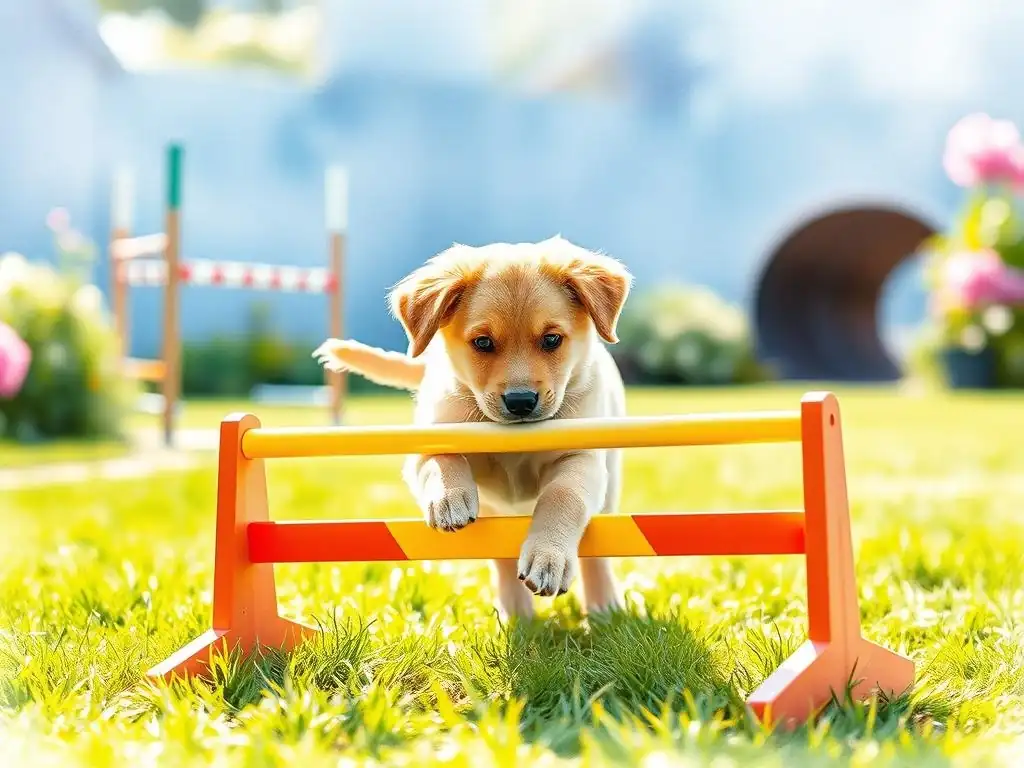
Introducing your dog to agility obstacles should be a carefully planned and gradual process. Rushing this stage can lead to frustration for both you and your canine companion, potentially hindering their progress and even causing injury. Avoid overwhelming your dog with too many challenges too soon. Start with the simplest obstacles, such as a low jump or a short tunnel. Ensure your dog successfully navigates each obstacle before moving on to the next, more challenging one. Positive reinforcement is key here; reward your dog generously for even the smallest successes.
For example, begin with a single jump set at a very low height, rewarding your dog each time they successfully jump over it. Gradually increase the height in small increments, always ensuring your dog maintains confidence and enthusiasm. This measured approach builds their confidence and prevents them from developing negative associations with the obstacles. Remember, the goal isn't speed, but rather accuracy and building a positive training experience. Consistent, positive reinforcement, coupled with patience, will pay dividends in the long run.
Consider breaking down complex obstacles into smaller, more manageable steps. For instance, instead of immediately introducing a weave poles course, start by teaching your dog to touch individual poles with their nose, rewarding them for each successful touch. Slowly increase the number of poles and the speed of the course as your dog's understanding and confidence grow. This step-by-step approach ensures your dog understands each element before combining them into a more complex skill. This method is crucial for avoiding common mistakes in dog agility training and ensures a positive learning experience for your dog.
Understanding Your Dog's Body Language: Recognizing Signs of Stress or Frustration
Effective agility training hinges not just on your skill but also on your ability to read your dog's body language. Ignoring subtle cues of stress or frustration can lead to a breakdown in training and potentially damage your relationship with your dog. Learning to recognize these signs is paramount to avoiding common mistakes in dog agility training. A stressed dog may exhibit signs such as tucked tail, pinned ears, yawning (even without apparent drowsiness), lip licking, whale eye (showing the whites of their eyes), excessive panting, or a rigid body posture. They might also refuse to engage with the obstacles or exhibit avoidance behaviors.
These are clear indicators that you need to adjust your training approach. Perhaps the obstacle is too challenging, or the training session is too long. Immediately back off when you observe these signs. Give your dog a break, offer some calming exercises, and try again later with a simpler task. Remember, pushing a stressed dog will likely lead to resistance and possibly even fear-based avoidance of agility work altogether.
Conversely, a relaxed and confident dog will exhibit a playful demeanor, wagging tail, soft ears, and loose body posture. They will approach obstacles with enthusiasm and readily participate in the training session. By paying close attention to your dog's subtle cues, you can create a positive and rewarding learning experience, avoiding the pitfalls of pushing your dog too hard and potentially causing long-term training issues. Using positive reinforcement and focusing on building your dog's confidence will create a more enjoyable and successful agility journey for both of you. Remember, a happy, relaxed dog learns much more effectively.
Advanced Techniques for Avoiding Common Dog Agility Training Pitfalls
This section delves into more sophisticated strategies for refining your dog agility training and preventing common errors. Moving beyond the basics, we'll explore techniques that foster a deeper understanding between you and your canine companion, leading to improved performance and a more enjoyable training experience. Successfully avoiding these pitfalls is key to maximizing your dog's potential and building a strong, positive training relationship. Remember, patience and consistency are crucial throughout the entire process. Let's explore some advanced techniques to help you avoid common dog agility training mistakes.
Incorporating Variety in Training Sessions: Maintaining Engagement and Interest
Monotony is the enemy of effective dog agility training. Repeating the same exercises repeatedly can lead to boredom and decreased focus in your dog. To maintain engagement and prevent frustration, it's vital to incorporate variety into your training sessions. This doesn't mean abandoning structure entirely, but rather strategically introducing new elements to keep your dog mentally stimulated.
Consider these strategies:
- Varying the environment: Don't always train in the same location. Introduce your dog to different surfaces, like grass, sand, or even different flooring types indoors. This helps build adaptability and prevents them from becoming overly reliant on familiar cues.
- Introducing new obstacles: Gradually introduce new obstacles to your training routine. This could involve different types of jumps, tunnels, weave poles, or even simple challenges like walking over planks. Always introduce new obstacles gradually and positively.
- Changing the sequence: Alter the order of obstacles in your course. This prevents your dog from simply memorizing a specific route and encourages them to rely on their understanding of individual commands and obstacle navigation.
- Incorporating games: Integrate fun games into your training sessions. This could include short bursts of fetch, tug-of-war, or other activities your dog enjoys. These breaks help maintain energy levels and prevent burnout.
Remember to always end training sessions on a positive note, even if your dog hasn't mastered a particular skill. Positive reinforcement is key to maintaining motivation and preventing negative associations with training. A happy dog is a learning dog! 🎉
Tailoring Training to Your Dog's Learning Style: Individualized Approach
Just as humans learn in different ways, so do dogs. Ignoring your dog's unique learning style can lead to frustration for both of you and hinder progress. Some dogs are visual learners, responding well to demonstrations. Others are kinesthetic learners, learning best through physical guidance. Still others are auditory learners, responding well to verbal cues.
Here's how to identify and cater to your dog's learning style:
- Observe your dog's responses: Pay close attention to how your dog reacts to different training methods. Does your dog respond better to visual cues, such as hand signals, or auditory cues, such as verbal commands? Does physical guidance help them understand the task better?
- Experiment with different techniques: Try different training approaches to determine what works best for your dog. If one method isn't working, don't be afraid to try something else.
- Use positive reinforcement consistently: Regardless of your dog's learning style, consistent positive reinforcement is crucial. Reward your dog for even small successes to build confidence and motivation.
- Adjust your approach as needed: As your dog progresses, you may find that you need to adjust your training techniques to keep them engaged and challenged. Be flexible and adapt your approach as needed.
By understanding and adapting to your dog's unique learning preferences, you can significantly improve the effectiveness and enjoyment of your agility training sessions. Remember that patience and understanding are key to success.
Seeking Professional Guidance: Working with a Certified Dog Agility Instructor
While self-training is possible, seeking professional guidance from a certified dog agility instructor can significantly enhance your dog's learning and prevent costly mistakes down the line. A qualified instructor can provide personalized feedback, identify and correct any flaws in your technique, and offer valuable insights into your dog's individual needs and capabilities.
Here's why seeking professional help is beneficial:
- Expert assessment: A certified instructor can assess your dog's strengths and weaknesses, identifying areas needing improvement. They can also spot subtle issues that you might miss.
- Personalized training plan: They will create a tailored training plan that addresses your dog's specific needs and learning style. This plan will be structured, progressive, and safe for your dog.
- Correction of bad habits: Early intervention is key to correcting bad habits. A professional can identify and help you correct any mistakes before they become ingrained.
- Improved communication: Working with an instructor can improve your communication with your dog, strengthening your bond and making training more effective.
- Enhanced safety: Agility training involves physical activity and potential risks. A professional can ensure that you're using safe and appropriate techniques.
Investing in professional instruction is an investment in your dog's well-being and your training success. It will save you time, frustration, and potential injuries, helping you avoid many common dog agility training mistakes. Remember, a skilled instructor is an invaluable resource on your journey to mastering dog agility.
Regularly Assessing Your Dog's Progress: Adjusting Training as Needed
Regularly evaluating your dog's progress in agility training is crucial for avoiding common pitfalls and ensuring a positive learning experience. This isn't just about whether your dog can successfully complete a course; it's about understanding their learning style, identifying areas needing improvement, and adapting your training methods accordingly. A rigid approach that ignores individual needs can lead to frustration for both you and your canine companion, potentially hindering their development and even causing them to develop negative associations with agility.
One effective method is to maintain a detailed training journal. Record each session, noting your dog's performance on each obstacle, their energy levels, and any noticeable signs of stress or confusion. Did they hesitate at a specific jump? Did they struggle with the weave poles? Detailed notes will highlight recurring problems and allow you to pinpoint areas requiring focused attention. Consider using a simple rating system (e.g., 1-5 stars) to quickly assess performance on each obstacle, making it easier to track progress over time. This data-driven approach allows for objective analysis, separating emotional reactions from actual performance.
Beyond quantitative data, qualitative observations are equally important. Observe your dog's body language closely. Are their ears back? Is their tail tucked? Do they seem hesitant or anxious? These subtle cues can indicate underlying issues, such as pain, fear, or fatigue, that may be impacting their performance. Addressing these underlying problems is paramount; pushing a stressed or uncomfortable dog will only reinforce negative associations and potentially lead to injuries. 🐶
Adjusting your training plan based on your dog's progress is essential. If your dog consistently struggles with a particular obstacle, don't simply repeat the exercise endlessly. Instead, break down the obstacle into smaller, more manageable components. For example, if they’re having trouble with the A-frame, start with just the bottom portion, gradually increasing the incline as they gain confidence. Positive reinforcement, such as treats and praise, should be liberally applied during these incremental steps.
Remember, consistency and patience are key. Celebrate small victories and focus on building your dog’s confidence, rather than solely focusing on perfect execution. Agility training is a journey, not a race. By adapting your strategy to meet your dog's individual needs, you'll foster a positive learning environment and help them reach their full potential.
Troubleshooting Common Problems in Dog Agility Training
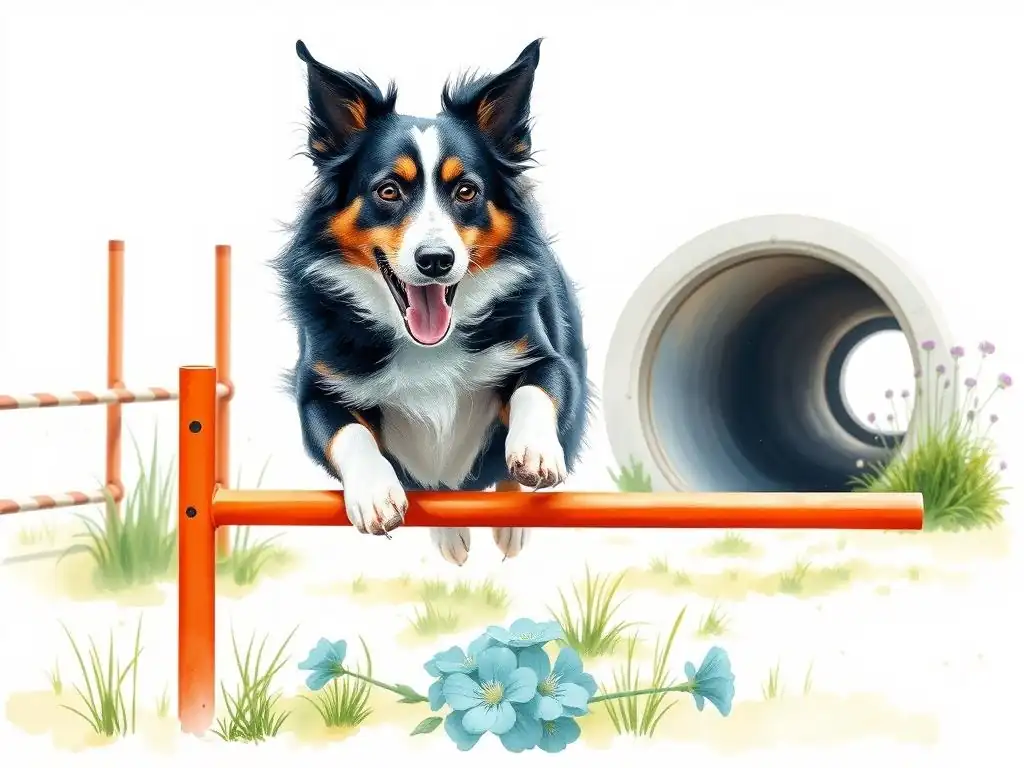
This section delves into the practical challenges faced during dog agility training and offers solutions to overcome them. Successfully navigating these hurdles is crucial for both the dog's well-being and the trainer's progress. Avoiding common dog agility training mistakes requires careful observation, patience, and a willingness to adapt your approach. Remember, every dog learns at its own pace.
Addressing Common Behavioral Issues: Fear, Anxiety, and Lack of Focus
Fear, anxiety, and lack of focus are common behavioral obstacles in dog agility training. These issues can stem from various sources, including previous negative experiences, a lack of socialization, or simply being overwhelmed by the environment. Addressing these requires a sensitive and systematic approach.
Many dogs exhibit fear responses, such as freezing or running away, when confronted with unfamiliar equipment or loud noises. This is especially true with new obstacles. To help overcome this, desensitization and counter-conditioning are critical. Start by introducing the dog to the equipment at a distance, associating it with positive reinforcement (treats, praise). Gradually decrease the distance as the dog remains calm. For instance, if your dog is afraid of the A-frame, begin by simply letting them sniff it from afar, rewarding them for calm behavior. Slowly move closer over multiple sessions.
Anxiety can manifest as excessive panting, pacing, or trembling. Creating a safe and predictable training environment is crucial. Keep training sessions short and focused, ending on a positive note. Avoid pushing your dog beyond its comfort zone. Consider using calming aids like pheromone diffusers or calming treats, but always consult your veterinarian first.
Lack of focus often arises from inadequate training methods or overly stimulating environments. Ensure your dog is adequately exercised before training to burn off excess energy. Keep training sessions short and engaging, utilizing varied exercises to maintain interest. Employ positive reinforcement methods consistently, rewarding desired behaviors promptly. Avoid punishment, as it can exacerbate anxiety and fear, hindering progress and potentially leading to more serious behavioral problems. The key is to build a positive association with the training process. Remember consistency is key to avoiding dog agility training mistakes.
Dealing with Physical Challenges: Injuries, Joint Problems and Conditioning
Physical limitations can significantly impact a dog's performance and enjoyment in agility. Preventing injuries and addressing existing joint problems requires careful planning and execution. Ignoring these aspects can lead to serious setbacks and potential long-term health issues. Avoiding dog agility training mistakes in this area requires proactive measures.
Proper conditioning is paramount. Start slowly, gradually increasing the intensity and duration of exercises. Warm-up exercises before each training session are essential to prepare the muscles and joints. These could include light jogging, stretching, and range-of-motion exercises tailored to the dog's breed and age. Similarly, cool-down exercises after training are just as important for muscle recovery.
Recognizing early signs of injury is crucial. Limping, stiffness, swelling, or changes in gait should be investigated immediately. Consult your veterinarian if you suspect an injury. Do not push your dog to continue training if they show signs of pain or discomfort. Rest and appropriate veterinary care are essential for recovery.
Breed predispositions to certain joint problems should also be considered. For example, large breeds are more prone to hip and elbow dysplasia. Adjust training intensity and exercises accordingly, focusing on low-impact activities. Consider using supportive equipment like braces or wraps, but only under veterinary guidance. Remember, a healthy dog is a happy dog, and prioritizing their physical well-being is crucial to successful and safe dog agility training.
Maintaining Motivation and Preventing Boredom: Keeping Training Engaging
Maintaining your dog's motivation and preventing boredom is vital for long-term success in agility training. A bored or unmotivated dog is less likely to learn and perform effectively. Avoiding dog agility training mistakes in this regard requires creativity and a willingness to adapt your training methods.
Varying training exercises is key. Introduce new obstacles and challenges regularly to keep your dog stimulated and prevent monotony. Incorporate games and playful activities into your training sessions to make the experience more enjoyable. For example, you can use scent work or puzzle toys to engage your dog's natural instincts.
Positive reinforcement remains crucial. Continue to reward your dog generously for successful attempts and effort. Use a variety of rewards, such as treats, praise, toys, or even a game of fetch. Tailor the reward system to your dog's individual preferences. Remember, a positive and rewarding training experience will foster a strong bond and increase motivation.
Regular breaks are essential. Avoid overly long training sessions, which can lead to fatigue and frustration. End each session on a positive note, leaving your dog wanting more. This will ensure they remain enthusiastic about future training sessions, making the whole process more enjoyable for both you and your canine companion. Remember, preventing boredom and maintaining motivation are key components in avoiding dog agility training mistakes and fostering a successful and fulfilling training journey.
Frequently Asked Questions
What are some common mistakes in dog agility training?
One common mistake is pushing your dog too hard, leading to frustration and injury. Another is failing to build a strong foundation in basic obedience before introducing agility. Finally, neglecting positive reinforcement can hinder progress and damage your bond.
How can I prevent my dog from getting injured during agility training?
Start slowly and gradually increase the difficulty of the obstacles. Ensure your dog is properly warmed up before each session and cooled down afterwards. Always prioritize your dog's comfort and safety.
What's the best way to motivate my dog during agility training?
Use positive reinforcement techniques such as treats, praise, and toys. Keep training sessions short, fun, and engaging. Remember to adjust your approach based on your dog's individual personality and learning style.
My dog is struggling with a particular obstacle. What should I do?
Break down the obstacle into smaller, more manageable steps. Focus on positive reinforcement at each step. Consider seeking guidance from a certified professional dog trainer specializing in agility.
How important is basic obedience before starting dog agility training?
Basic obedience is absolutely crucial. A dog who understands commands like "come," "stay," and "leave it" will be safer and more successful in agility training. It also builds a strong foundation for communication and trust.
Final Reflection: Mastering the Agility Course: A Journey of Partnership
The pursuit of excellence in dog agility isn't just about clearing jumps and weaving poles; it's about forging an unbreakable bond with your canine companion. Understanding and avoiding common training pitfalls is crucial not only for success in competitions but also for nurturing a healthy, happy relationship built on mutual trust and understanding. Ignoring these mistakes can lead to frustration for both dog and handler, potentially hindering progress and even damaging the relationship.
The impact of positive reinforcement training extends far beyond the agility field; it shapes the very fabric of our interactions with our dogs. It teaches them not only to perform specific tasks but also to trust our guidance and to view training as a positive and rewarding experience. As renowned dog trainer Karen Pryor once said, Reinforcement is not about rewarding good behavior; it's about increasing the likelihood of that behavior happening again.
This philosophy underscores the importance of patience, consistency, and a focus on building confidence rather than solely on achieving perfect performance. This resonates deeply with my own experiences, as I've witnessed firsthand the transformative power of positive reinforcement in building a strong and joyful partnership with my own agility dog.
So, as you embark on your own agility journey, remember that the path to success is paved with understanding, patience, and a deep respect for your dog's individual needs and learning style. Don't be afraid to adjust your approach, celebrate small victories, and most importantly, cherish the journey itself. The rewards of a strong partnership built on mutual respect and understanding extend far beyond the agility course, enriching your life and your dog's in countless ways. Embrace the challenges, learn from your mistakes, and enjoy the incredible bond you'll forge with your four-legged friend.
Unleash Your Dog's Agility Potential!
Thank you for learning about common pitfalls in dog agility training! You now have the knowledge to help your canine companion excel. Ready to put it into practice?
- Focus on one new training technique this week: Select the method that you found most helpful and dedicate some focused training time to it. Even small, consistent improvements can make a significant difference!
- Share this article with other dog owners – spread the knowledge and help others avoid common mistakes. Let's build a supportive community of agility enthusiasts!
- Introduce a new agility obstacle: Challenge yourselves with something you haven't tried before. Discover new ways to bond and learn together!
What small change will you make to your training routine this week to help your dog reach their full agility potential?