
Crate Training Unveiled: A Safe Haven or a Punishment?

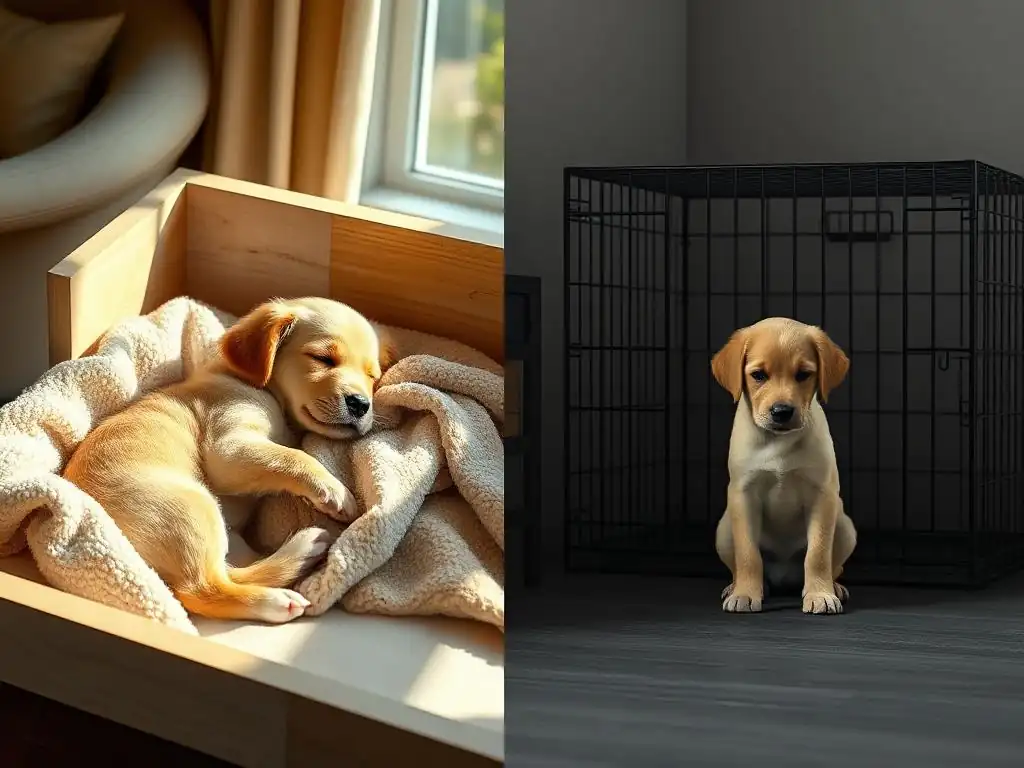
Welcome to PetCareWorld, your ultimate guide to the wonderful world of pet ownership! Are you considering crate training for your canine companion? Discover the surprising benefits and potential drawbacks of this popular method in our in-depth article, "Crate Training Unveiled: A Safe Haven or a Punishment?". We'll explore the realities of crate training, helping you make an informed decision for your furry friend's happiness and well-being. Let's embark on this journey together!
-
Understanding the Debate: Dog Crate Training Benefits and Drawbacks
- The Positive Aspects of Crate Training for Dogs: Safety and Security
- Crate Training for Puppies: House Training and Preventing Accidents
- Reducing Destructive Behaviors Through Effective Crate Training
- Crate Training and Anxiety Reduction in Dogs: A Safe Space
- The Drawbacks of Crate Training: Potential Pitfalls and Misconceptions
- Potential Negative Aspects of Crate Training: Misconceptions and Concerns
- Crate Training Techniques: A Step-by-Step Guide
- Alternatives to Crate Training: Exploring Other Options
- When to Seek Professional Help with Dog Crate Training
- Frequently Asked Questions
- Final Reflection: Reframing the Crate: Safe Space or Silent Sentence?
- Unlock Your Dog's Potential: Start Crate Training Today!
Understanding the Debate: Dog Crate Training Benefits and Drawbacks
Crate training is a frequently discussed topic among dog owners, often sparking passionate debate. Is a crate a safe haven, providing a secure space for your canine companion, or is it a form of confinement, potentially leading to negative behavioral issues? This comprehensive guide delves into the advantages and disadvantages of dog crate training, aiming to provide you with the information necessary to make an informed decision for your furry friend. We'll explore the various benefits, address common concerns, and offer practical tips for successful and humane crate training, ultimately helping you determine if it's the right approach for your dog's specific needs and personality. Understanding both the potential upsides and downsides of crate training is crucial for responsible pet ownership, ensuring your dog's well-being and a harmonious home environment. We'll examine the topic through the lens of "Dog crate training benefits drawbacks," exploring the nuances of this training method.
The Positive Aspects of Crate Training for Dogs: Safety and Security
One of the primary benefits of crate training is the provision of a safe and secure space for your dog. A crate offers a den-like environment, mimicking the natural instinct of dogs to seek shelter. This can be especially beneficial for anxious dogs or those prone to separation anxiety. The crate becomes a place of refuge, where they can retreat when feeling overwhelmed or stressed.
This sense of security can significantly reduce anxiety levels and promote relaxation. Furthermore, crates can protect your dog from potential hazards in the home, such as electrical cords, toxic substances, or breakable items. This is particularly important for puppies and energetic dogs who might otherwise get into trouble. The crate provides a physical barrier, ensuring their safety and preventing accidents.
The benefits extend beyond immediate safety; a well-trained dog comfortable in its crate can travel more easily, reducing stress during car journeys and stays at veterinary clinics. This positive association with the crate can be invaluable in various situations. Proper crate training fosters a sense of calm and control for both the dog and the owner.
Crate Training for Puppies: House Training and Preventing Accidents
For puppies, crate training can be an invaluable tool in house training. Puppies, naturally, have limited bladder control. Confining them to a crate for short periods, especially overnight, prevents accidents and encourages them to hold their bladder until they are let out. The crate is not meant to be a punishment; it's a management tool.
The association between the crate and positive reinforcement (treats, praise) helps to create a positive experience, making the crate a desirable space rather than a cage. This positive association is key to successful house training. The structured routine associated with crate training can also aid in establishing a consistent sleep schedule and reducing nighttime whining or restlessness. By gradually increasing the duration the puppy spends in the crate, you can build their bladder control and reduce the likelihood of accidents.
Remember, consistency and positive reinforcement are critical elements for successful puppy crate training. Regular potty breaks and praise for eliminating outside the crate are essential. The goal is to create a positive association with the crate and ensure the puppy feels safe and secure.
Reducing Destructive Behaviors Through Effective Crate Training
Many destructive behaviors in dogs stem from boredom, anxiety, or a lack of appropriate outlets for their energy. Effective crate training can help mitigate these issues. When dogs are left unsupervised for extended periods, they may resort to chewing furniture, digging, or other destructive behaviors. The crate provides a safe and contained environment, preventing these behaviors from occurring.
It's not about punishing the dog for their actions; it's about providing a safe space to prevent them from engaging in destructive behaviors in the first place. By gradually increasing the time the dog spends in the crate, you can help them learn to self-soothe and become more comfortable being alone. However, it is crucial to ensure the crate is appropriately sized and provides enough space for the dog to comfortably lie down, stand up, and turn around. Overly confining the dog can lead to stress and anxiety, negating the benefits of crate training.
Pair the crate with enrichment activities, such as puzzle toys, to keep the dog mentally stimulated and prevent boredom. A properly implemented crate training program can significantly reduce destructive behaviors and create a more peaceful home environment for both the dog and the owner. Remember, a tired dog is a well-behaved dog, so ensure your canine companion gets sufficient exercise and mental stimulation outside of crate time.
Crate Training and Anxiety Reduction in Dogs: A Safe Space
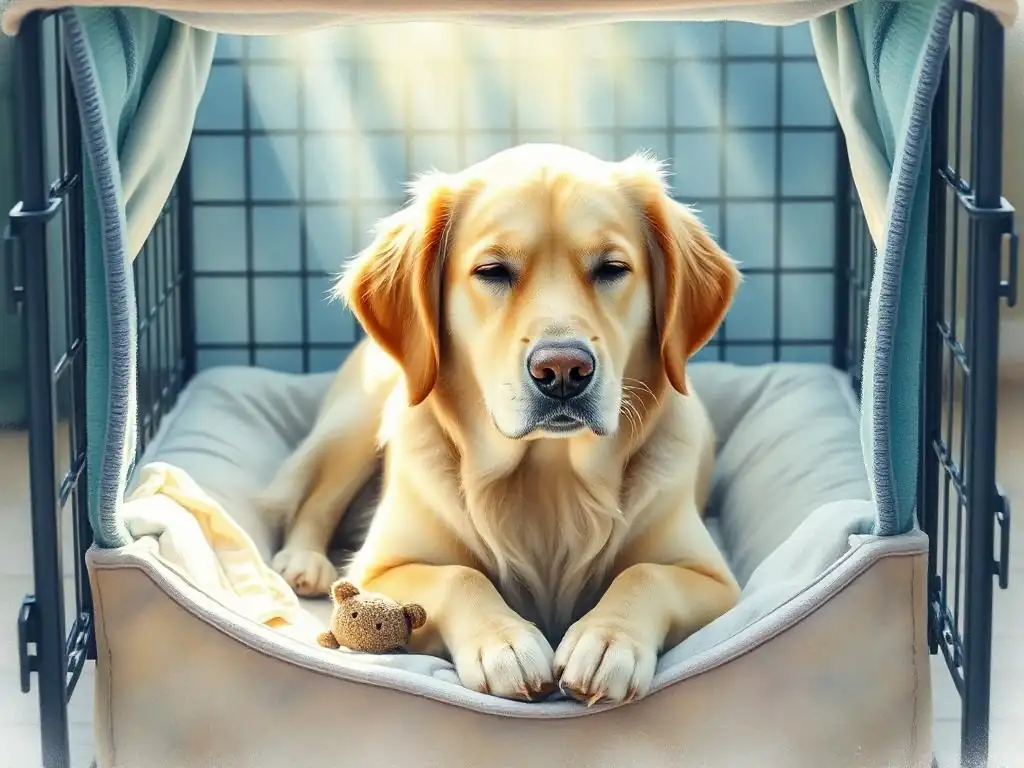
Crate training, when implemented correctly, can be a powerful tool in reducing anxiety in dogs. For many dogs, a crate provides a secure and predictable den-like environment, a sanctuary away from the overwhelming stimuli of the outside world. This is especially beneficial for dogs prone to separation anxiety, fear-based anxieties, or general nervousness. The crate becomes a "safe space," a place where the dog can retreat when feeling stressed or overwhelmed. This sense of security can significantly reduce anxiety levels over time.
The consistent use of the crate, associated with positive reinforcement (treats, praise, toys), helps the dog develop positive associations with the space. Instead of viewing the crate as a punishment, the dog learns to see it as a comforting refuge. This positive conditioning is crucial for anxiety reduction. Think of it like creating a "happy place" for your canine companion.
However, it's important to emphasize that simply placing an anxious dog in a crate without proper training and preparation can exacerbate their anxiety. A poorly implemented crate training program can lead to increased fear and stress, completely defeating the purpose. Therefore, a gradual and patient approach, coupled with positive reinforcement techniques, is essential for success. For dogs with severe anxiety, consulting a certified professional dog trainer or veterinary behaviorist is highly recommended to develop a tailored crate training plan. They can assess the dog's specific needs and develop strategies to address underlying anxieties effectively. Remember, patience and consistency are key to building a positive association with the crate and alleviating anxiety. The process may take time, but the benefits of a calm and confident dog are well worth the effort. The reduction in anxiety can manifest in various ways, such as decreased barking, pacing, or destructive behaviors when left alone.
The Drawbacks of Crate Training: Potential Pitfalls and Misconceptions
While crate training offers numerous benefits, it's crucial to acknowledge its potential drawbacks. One significant concern is the risk of inadvertently causing anxiety if not implemented correctly. Forcing a dog into a crate before it's comfortable can lead to fear and distress, creating negative associations with the space. This can manifest as increased anxiety, even outside of the crate. Furthermore, improper crate size or lack of adequate ventilation can contribute to discomfort and stress. A crate that's too small can feel confining and claustrophobic, while inadequate ventilation can lead to overheating or discomfort.
Another potential drawback is the risk of creating separation anxiety if the dog is confined for excessively long periods. While crates can provide a safe space, prolonged isolation can actually worsen separation anxiety in susceptible dogs. The dog might associate the crate with being alone and abandoned, leading to increased distress when left alone. Therefore, careful consideration must be given to the amount of time a dog spends in the crate. It should always be used in a way that fosters a sense of security, not isolation.
Finally, improper crate training can inadvertently lead to behavioral issues. If the crate is used as a punishment, rather than a safe space, it can damage the dog-owner relationship and create trust issues. This can lead to other behavioral problems down the line. The crate should never be used as a means of isolating a dog for misbehavior.
Instead, focus on positive reinforcement and consistent training methods to address unwanted behaviors. Understanding and addressing these potential drawbacks is essential to ensure that crate training is a positive and beneficial experience for your dog. Careful planning, positive reinforcement, and mindful implementation are crucial for avoiding the pitfalls of crate training.
Potential Negative Aspects of Crate Training: Misconceptions and Concerns
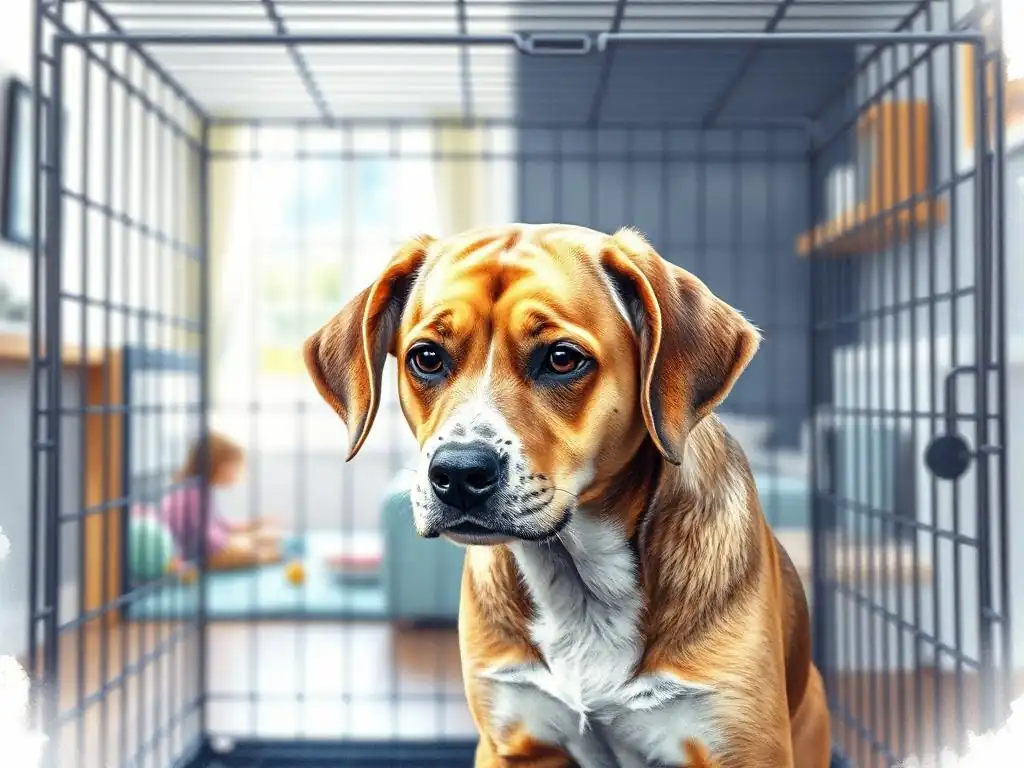
Crate training, while offering numerous benefits for dogs, isn't without potential drawbacks. Many concerns stem from misconceptions about the practice, leading to negative experiences for both dog and owner. Understanding these potential pitfalls is crucial for successful and humane crate training. The key is to avoid viewing the crate as a punishment tool, but rather as a safe, comfortable den.
Failure to establish this positive association can lead to anxiety, fear, and ultimately, resistance to crate training. This section will explore these potential negative aspects and offer solutions to mitigate them. Proper implementation of crate training hinges on understanding and addressing these concerns proactively.
Avoiding Crate Training Mistakes: Preventing Negative Associations
One of the most common mistakes in crate training is associating the crate with punishment. Never use the crate as a disciplinary tool. Confining a dog to the crate as punishment will create a negative association, making the dog fearful and resistant to entering the crate willingly. Instead, build positive associations by making the crate a fun and rewarding place.
This can be achieved through positive reinforcement techniques. For example, rewarding your dog with treats and praise when they enter the crate voluntarily is a great start. Consider incorporating their favorite toys inside the crate, making it an inviting space. Gradually increase the time your dog spends in the crate, always ensuring a positive and comfortable experience.
Avoid forcing your dog into the crate, which can create significant anxiety and fear. Patience and consistency are key to avoiding these mistakes. Remember, the goal is a happy, confident dog who sees their crate as a secure and comfortable retreat.
Some dogs may exhibit anxiety or stress during crate training. This is particularly true if the dog has had negative experiences in the past or has a predisposition to anxiety. Signs of crate anxiety can include excessive barking, whining, pacing, destructive chewing, or even soiling the crate. Addressing these issues requires a sensitive and patient approach.
Never punish your dog for exhibiting these behaviors; instead, try to identify the root cause and implement strategies to alleviate their anxiety. This might involve gradual introductions to the crate, using calming aids like pheromone diffusers or calming treats, or consulting with a certified professional dog trainer or veterinary behaviorist. Creating a calming environment around the crate can also be beneficial.
Avoid placing the crate in high-traffic areas or near loud noises. Providing your dog with a comfortable bed and familiar toys inside the crate can also help reduce their anxiety. Consistent, positive reinforcement and patience are paramount to successfully managing and overcoming crate anxiety.
Crate Size and Comfort: Ensuring a Positive Experience for Your Dog
The size and comfort of the crate are crucial factors in determining your dog's experience. A crate that's too small will be confining and uncomfortable, potentially leading to stress and anxiety. Conversely, a crate that's too large can allow your dog to eliminate in one corner and sleep in another, defeating the purpose of housetraining. The ideal crate should be large enough for your dog to stand, turn around comfortably, and lie down stretched out.
Ensure the crate provides adequate ventilation and is made of a safe, non-toxic material. A soft bed or blanket inside can further enhance comfort. Regularly check the crate for cleanliness and ensure your dog has access to fresh water, especially during longer periods of confinement.
Consider providing enrichment items like puzzle toys to keep your dog entertained and prevent boredom, which can also contribute to negative associations with the crate. Remember, a comfortable and appropriately sized crate is essential for a positive crate training experience. Investing in a high-quality crate tailored to your dog's size is a worthwhile investment in their well-being.
The Importance of Gradual Introduction to Crate Training
Introducing your dog to their crate should be a positive and gradual process, far from a sudden, jarring experience. Rushing this crucial step can easily negate all the potential benefits of crate training and instead create a negative association with the crate itself. Think of it like this: you wouldn't expect your dog to instantly understand complex commands; similarly, expecting immediate acceptance of the crate is unrealistic. Instead, focus on building positive associations.
Start by simply placing the crate in a central, accessible area of your home. Let your dog approach it at their own pace, investigating it without pressure. You can even leave the door open and toss treats or toys inside, encouraging exploration. This allows your dog to familiarize themselves with the crate on their own terms, transforming it from an unknown object into a safe and potentially rewarding space.
The next stage involves gradually increasing the time your dog spends inside the crate. Begin with short periods, perhaps just a few minutes at a time, rewarding calm behavior with treats and praise. Gradually extend these sessions, always ensuring your dog remains comfortable and relaxed. Never force your dog into the crate; instead, gently lure them in with rewards. Observe your dog's body language closely.
Signs of stress, such as panting, whining, or pacing, indicate you're moving too quickly. In these instances, shorten the duration and revisit the process later. Patience and consistency are key to a successful and stress-free introduction. Remember, the goal is to create a haven, not a prison.
A common mistake is associating the crate solely with bedtime. While eventually, the crate can become a comfortable sleeping space, initially, it's vital to use it throughout the day for short periods, creating positive associations in various contexts. This prevents your dog from only associating the crate with confinement and sleep, which can lead to anxiety and resistance.
By making crate time a positive experience, filled with rewards and comfort, you are laying the foundation for a successful and stress-free crate training journey. This careful, gradual approach significantly reduces the risk of potential negative experiences and ensures your dog views their crate as a safe and happy place.
Crate Training Techniques: A Step-by-Step Guide
This section delves into the practical application of crate training, offering a structured approach to help your dog adjust comfortably and confidently to their new space. Remember, the key to successful dog crate training benefits is patience and positive reinforcement. Avoid forceful methods; they can negate the benefits and create negative associations.
Choosing the Right Crate for Your Dog's Breed and Size
Selecting the appropriate crate is paramount for successful crate training. A crate that's too small will feel confining and stressful, hindering your dog's ability to relax and view it as a safe haven. Conversely, a crate that's too large provides excessive space, potentially allowing your dog to use one end for elimination and the other for sleeping, defeating the purpose of house training.
Consider these factors when choosing a crate:
- Breed and Size: Larger breeds like Great Danes will obviously need a significantly larger crate than a Chihuahua. Measure your dog's height and length when standing and lying down to ensure a comfortable fit. Allow for growth if your dog is still a puppy.
- Crate Type: Wire crates offer good ventilation and visibility, while soft-sided crates provide portability and are often preferred for travel. Solid-sided crates offer more privacy but less ventilation.
- Features: Look for features like a sturdy latch, easy-to-clean material, and optional dividers to adjust the space as your dog grows.
Here's a helpful table summarizing crate size considerations for different dog breeds:
| Dog Breed | Approximate Adult Weight (lbs) | Recommended Crate Size (approx. inches) |
|---|---|---|
| Chihuahua | 2-6 | 18-24 |
| Beagle | 18-20 | 24-30 |
| Labrador Retriever | 55-80 | 36-42 |
| German Shepherd | 50-90 | 42-48 |
| Great Dane | 110-175 | 48+ |
Remember, these are just estimates. Always measure your dog and allow for some extra space.
Positive Reinforcement Methods in Crate Training: Rewards and Praise
Positive reinforcement is the cornerstone of effective dog crate training. Instead of punishment, focus on rewarding your dog for desirable behaviors. This creates a positive association with the crate, making it a welcoming space rather than a place of confinement.
Key elements of positive reinforcement include:
- High-Value Treats: Use treats your dog absolutely loves – small pieces of cooked chicken, cheese, or commercially available training treats.
- Verbal Praise: Combine treats with enthusiastic praise like "Good dog!" or "Yes!" to reinforce positive behavior.
- Consistency: Consistency is crucial. Always reward your dog for entering and staying in the crate calmly.
- Patience: Don't expect immediate results. Some dogs adapt quicker than others. Be patient and persistent, and celebrate even small victories.
For example, start by tossing a treat into the crate. As your dog enters, immediately praise and reward them. Gradually increase the duration your dog spends in the crate before rewarding them.
Creating a Positive Association with the Crate: Comfort and Treats
Turning the crate into a haven requires more than just rewards. Creating a comfortable and inviting environment is crucial. Think of it as your dog's personal den.
- Comfortable Bedding: Provide soft, comfortable bedding like a blanket or dog bed. Your dog should feel safe and secure within the crate.
- Familiar Scents: Include a familiar toy or blanket that carries your dog's scent, promoting a sense of security and familiarity.
- Quiet Location: Place the crate in a quiet area of your home, away from excessive noise or activity. Avoid placing it in high-traffic areas or near loud appliances.
- Gradual Introduction: Don't force your dog into the crate. Let them explore it at their own pace. Start with short periods and gradually increase the duration as your dog becomes more comfortable.
By implementing these strategies, you can transform the crate from a potential source of anxiety into a safe, comfortable, and welcoming space for your canine companion, maximizing the dog crate training benefits and minimizing any drawbacks. Remember, patience and positive reinforcement are key to a successful and stress-free experience for both you and your furry friend.
Gradually Increasing Crate Time: A Gentle Approach
Introducing your dog to the crate should be a positive experience, not a stressful one. Rushing the process can lead to anxiety and resistance, undermining the entire crate training endeavor. The key is gradual introduction and positive reinforcement. Start with short periods, perhaps just 5-10 minutes at a time, with the crate door open.
Make the crate an inviting space by placing comfortable bedding inside, perhaps a favorite toy, and a few tasty treats. Let your dog explore the crate at their own pace; don't force them inside. Reward any positive interaction with the crate, like sniffing around or even just looking inside, with praise and treats. This helps associate the crate with positive experiences, rather than confinement.
Once your dog seems comfortable entering the crate on their own, you can start closing the door for very short periods. Again, begin with just a few minutes, gradually increasing the time as your dog demonstrates comfort and relaxation. If your dog shows signs of distress, such as whining, barking, or pacing excessively, immediately open the door. Don't push them beyond their comfort level.
It's crucial to recognize the signs of canine anxiety; excessive panting, drooling, or trembling are clear indicators that you need to shorten the crate time. Remember, patience is paramount. Some dogs may adapt quickly, others may take longer. The goal is to build a positive association with the crate, turning it into a safe and secure space.
Never use the crate as punishment. This will only create negative associations and make the crate training process significantly more challenging. Consistent, positive reinforcement is far more effective than punishment. If your dog has an accident in the crate, it's likely you've left them in there for too long. Reduce the crate time and work on bladder control separately.
Remember, consistency is key. Stick to a regular schedule for feeding, playtime, and crate time to help your dog understand the routine and feel secure. Celebrate small victories and maintain a calm and reassuring demeanor throughout the process. With patience and understanding, you can successfully crate train your dog and create a safe and happy space for them. The benefits of a successfully crate-trained dog are numerous, including improved housetraining, reduced anxiety, and a well-behaved canine companion.
Alternatives to Crate Training: Exploring Other Options
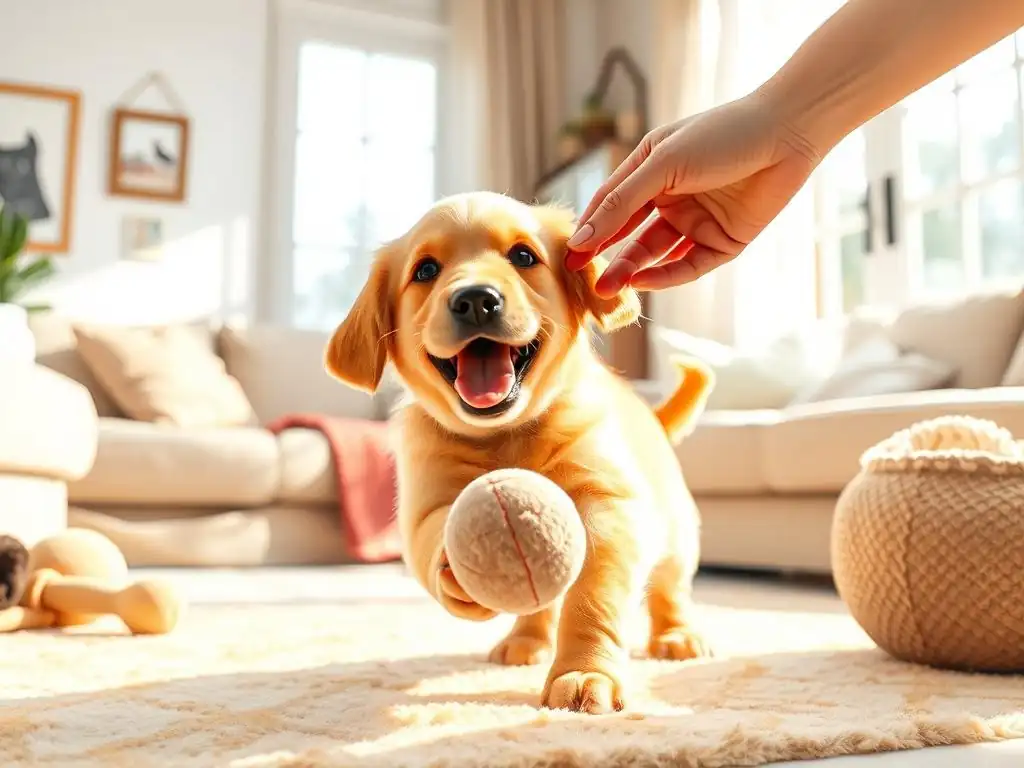
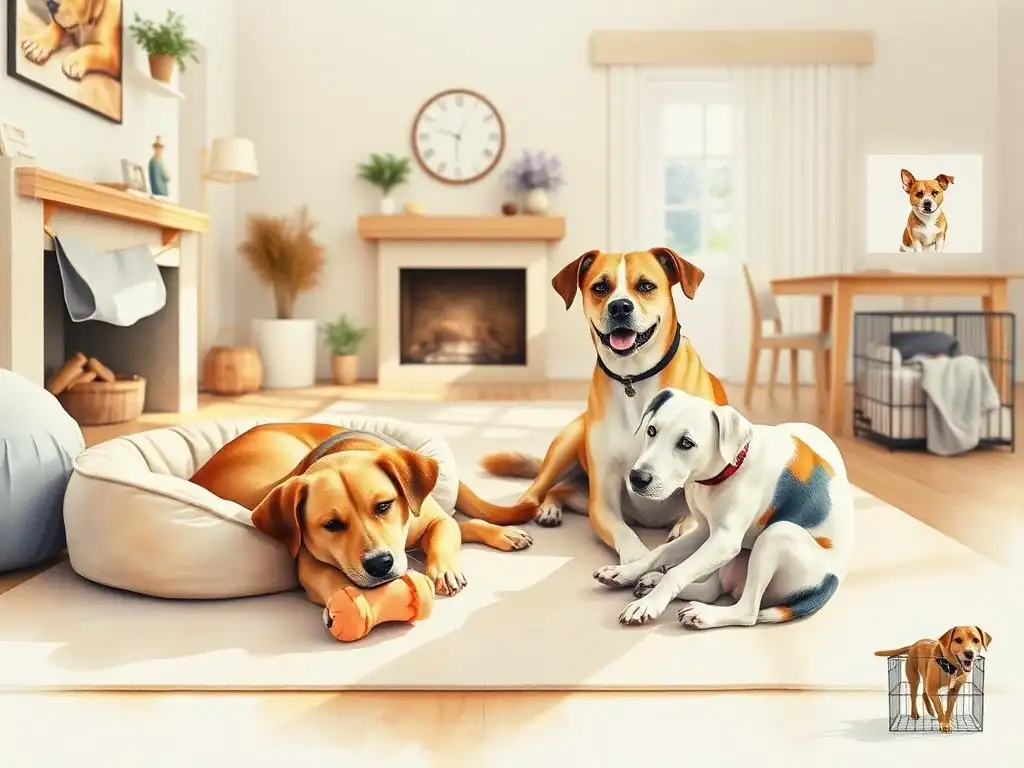
Crate training, while popular, isn't the only path to a well-behaved dog. Many pet owners find themselves questioning the ethics or practicality of crate confinement, leading them to seek alternative methods for house training and providing their canine companions with a safe space. This section explores viable alternatives, focusing on the benefits and drawbacks of each approach, ultimately empowering you to choose the best method for your dog's unique personality and needs.
Understanding the nuances of dog behavior and training is key to success, regardless of the chosen method. This section will delve into several effective alternatives to crate training, providing you with a comprehensive overview to help you make an informed decision.
Positive Reinforcement Training Methods: Building Good Habits
Positive reinforcement training, a cornerstone of modern dog training, focuses on rewarding desired behaviors instead of punishing unwanted ones. This method builds a strong bond between you and your dog, fostering trust and cooperation. Instead of relying on confinement, you actively shape your dog's behavior through consistent positive reinforcement. For house training, this involves rewarding your dog immediately after they eliminate outside.
Rewards can include treats, praise, or even a favorite toy. The key is to be consistent and timely with your reinforcement. This approach also extends to other aspects of training, such as teaching your dog to stay off furniture or to come when called. By rewarding good behavior, you create a positive learning environment, making the training process more enjoyable for both you and your dog.
This method requires patience and consistency, but the resulting strong bond and well-behaved dog make it a rewarding experience. Data shows that dogs trained with positive reinforcement exhibit lower levels of stress and anxiety compared to those trained with punishment-based methods. For example, studies on shelter dogs show a significant improvement in adoptability rates for dogs trained using positive reinforcement techniques.
Pen Training as an Alternative to Crate Confinement
Pen training offers a compromise between the confinement of a crate and the freedom of open space. A dog pen provides a designated safe area, larger than a crate, where your dog can relax and feel secure without being completely restricted. This method is particularly beneficial for dogs who feel anxious or claustrophobic in a crate. Pen training still allows for house training; you can place your dog in the pen when you cannot directly supervise them.
However, unlike a crate, a pen allows for more movement and exploration. This can be especially helpful for puppies who need more space to play and explore. The size of the pen should be carefully considered; it should be large enough to accommodate your dog's needs without being so large as to create a challenging house training environment.
The pen should also be equipped with comfortable bedding and toys to make it a positive and inviting space. While pen training provides more freedom than crate training, it still requires careful supervision and consistent training to achieve the desired results. The success of pen training, like any training method, relies heavily on consistency and positive reinforcement.
Open-Concept Dog Beds and Safe Spaces
Creating a designated safe space within your home, independent of a crate or pen, can be highly effective. This could involve a comfortable dog bed placed in a quiet corner, a specially designed dog den, or even a section of a room that is designated as their space. The goal is to make this area appealing and comforting for your dog. This method works best in conjunction with positive reinforcement techniques.
By encouraging your dog to spend time in their safe space, rewarding them for going there and remaining calm, you can create a positive association with the area. This strategy is especially beneficial for anxious dogs who find the confinement of a crate stressful. The key is to make the space inviting and comfortable, using soft bedding, familiar toys, and a quiet location.
Monitoring your dog's behavior in their safe space is essential; if they seem anxious or distressed, you may need to adjust the location or the design of the space to make it more appealing and secure. This alternative offers a less restrictive approach to providing a safe and secure environment for your dog, promoting relaxation and a sense of security. The effectiveness of this approach depends heavily on the individual dog's personality and preferences.
When to Seek Professional Help with Dog Crate Training
Crate training, while beneficial for many dogs, isn't always a smooth process. Understanding when to seek professional guidance is crucial for ensuring your dog's well-being and the success of the training. Ignoring warning signs can lead to behavioral issues and a negative association with the crate, ultimately undermining the intended benefits of crate training. This section will help you identify those critical moments when professional intervention is necessary. Remember, seeking help early often prevents larger problems down the line. The benefits of proactive intervention far outweigh the potential drawbacks of delaying professional assistance.
Recognizing Signs of Distress and Anxiety in Your Dog
Recognizing the subtle signs of distress and anxiety in your dog is paramount. These aren't always dramatic displays; they can be subtle behavioral shifts indicating your dog is struggling. Some key indicators include:
- Excessive panting or pacing: While some panting is normal, excessive panting, particularly when combined with pacing, can suggest anxiety or stress related to crate confinement.
- Destructive behaviors: Chewing on the crate, excessive barking, or howling are clear signs of discomfort and a potential need for intervention. These behaviors indicate the dog is actively trying to escape the perceived negative situation.
- Changes in appetite or elimination habits: A sudden loss of appetite, increased urination or defecation, or refusal to eat or drink while in the crate are important red flags. These physiological changes reflect a deeper level of stress.
- Withdrawal and avoidance: Does your dog actively avoid the crate, showing fear or reluctance to enter? This is a serious signal that crate training is causing negative associations.
- Physical manifestations: Look for signs like trembling, shaking, or tucked tail. These physical signs often accompany anxiety and fear.
Understanding these signs empowers you to respond appropriately. Ignoring these signals could lead to prolonged anxiety and potential development of further behavioral problems. Early intervention is key to preventing these issues from escalating.
Consulting a Certified Dog Trainer or Veterinarian
If you've observed any of the distress signals mentioned above, or if crate training seems consistently unsuccessful despite your best efforts, it's time to consult a professional. A certified dog trainer can assess your dog's behavior, identify the root cause of the problems, and provide personalized training strategies. They can help you modify your approach, addressing any underlying anxieties or fears.
Furthermore, consulting a veterinarian is crucial to rule out any underlying medical conditions that might be contributing to your dog's distress. Certain medical conditions can exacerbate anxiety or cause discomfort, making crate training incredibly difficult or even harmful. Your vet can perform a thorough examination and determine if any medical issues are influencing your dog’s behavior.
Remember, seeking professional help isn't a sign of failure; it's a proactive step towards ensuring your dog's well-being and achieving successful crate training. A successful outcome depends not only on the methods used, but also on recognizing and addressing any potential challenges or underlying issues. The benefits of a calm, well-adjusted dog are immeasurable.
Frequently Asked Questions
What are the main benefits of crate training a dog?
Crate training offers numerous advantages. It provides a safe and secure space for your dog, aids in house training, and can reduce anxiety and destructive behaviors. It also helps with travel and veterinary visits.
Are there any drawbacks to crate training?
Yes, some potential drawbacks exist. Improper use can lead to anxiety or fear in your dog. It requires consistent effort and patience, and some dogs may initially resist. Size and type of crate are also important considerations.
How do I choose the right size crate for my dog?
The crate should be large enough for your dog to stand, turn around, and lie down comfortably. Avoid a crate that's too big, as this negates the den-like security aspect. Measure your dog or consider their breed's adult size when selecting a crate.
How long should I leave my dog in the crate?
Start with short periods, gradually increasing the time as your dog becomes more comfortable. Never use the crate as punishment. Supervision is key, especially in the beginning. Always ensure access to fresh water.
My dog seems stressed in their crate; what should I do?
Try creating a positive association with the crate by placing treats and toys inside. Introduce the crate gradually, and consider using calming aids like pheromone diffusers. If stress persists, consult a veterinarian or professional dog trainer.
Final Reflection: Reframing the Crate: Safe Space or Silent Sentence?
The debate surrounding crate training remains fiercely relevant today, as responsible pet ownership continues to evolve. Understanding the nuances of crate training—separating effective, positive reinforcement techniques from outdated, punitive methods—is crucial for ensuring the well-being of our canine companions. The line between a safe haven and a prison is tragically thin, and responsible dog ownership demands we tread carefully.
The impact of crate training extends far beyond the confines of a single dog's life; it reflects our evolving understanding of animal welfare and the human-animal bond. Our approach to crate training speaks volumes about our empathy and commitment to responsible pet ownership. The dog is the most remarkable creature; he is the only one that loves you more than he loves himself.
This quote, while sentimental, underscores the responsibility we bear in ensuring our canine companions feel loved, safe, and respected. The methods we choose to employ in crate training directly impact their emotional well-being and shape their relationship with us.
Consider the implications of your chosen approach to crate training. Will you create a sanctuary where your dog feels secure and comfortable, or will you inadvertently contribute to anxiety and fear? You have the power to shape your dog's experience, to foster trust and understanding, or to inadvertently create lasting negative associations. Choose wisely, and remember that the true measure of successful crate training lies not in obedience alone, but in the strength of the bond you share with your furry friend.
Unlock Your Dog's Potential: Start Crate Training Today!
Thank you for exploring crate training with us! We hope you now understand how to create a safe and positive experience for your dog. Ready to put this knowledge into action?
- Start crate training today. Even a short, 15-minute session focusing on positive associations can make a big difference. Remember the importance of patience, positive reinforcement, and making the crate a welcoming space.
- Share your crate training experiences and tips with other PetCareWorld community members in the comments below! Let's learn from each other.
- Consider exploring our other articles on dog behavior and training for more helpful advice.
Ready to transform your dog's crate into a safe and comfortable haven? What small step will you take today to begin this rewarding journey?