
The Truth About GrainFree Diets for Senior Cats

Welcome to PetCareWorld, your ultimate guide to a happier, healthier life for your beloved pets! Are you curious about the potential benefits of a grainfree diet for your senior feline companion? We delve into the truth behind this popular trend, exploring whether it truly lives up to the hype and how it can impact your cat's well-being in our comprehensive article, "The Truth About GrainFree Diets for Senior Cats." Discover the insights you need to make informed decisions about your cat's nutrition – read on to unlock the secrets to a longer, healthier life for your furry friend!
- Understanding the Nutritional Needs of Senior Cats
- Grain-Free Diets: Benefits and Considerations for Senior Cats
- Choosing the Right Grain-Free Food for Your Senior Cat
- Addressing Common Myths about Grain-Free Diets for Senior Cats
- Conclusion: Making Informed Decisions about Senior Cat Nutrition
-
Frequently Asked Questions
- What are the purported benefits of grain-free senior cat food?
- Are all grain-free foods equally beneficial for older cats?
- My senior cat has sensitive digestion. Will a grain-free diet help?
- What are the potential downsides of grain-free senior cat food?
- How do I choose the right grain-free senior cat food for my pet?
- Final Reflection: Unlocking Healthy Aging: Grain-Free Diets and Senior Cats
- Unlock Your Senior Cat's Vitality: Take Action Today!
Understanding the Nutritional Needs of Senior Cats
As our feline companions age, their nutritional requirements shift significantly. Senior cats, generally considered to be seven years and older, experience metabolic changes and decreased digestive efficiency that necessitate a carefully considered dietary approach. This article delves into the truth about grain-free diets for senior cats, exploring their potential benefits and drawbacks in the context of overall senior cat nutrition.
We'll examine the specific nutritional needs of older cats and discuss whether grain-free food is the optimal choice for maintaining their health and well-being. Understanding these changes is crucial for pet owners who want to ensure their beloved senior cats receive the best possible care and enjoy a long, healthy life.
Choosing the right food can significantly impact their quality of life, helping them maintain a healthy weight, strong immune system, and vibrant spirit. This guide will equip you with the knowledge to make informed decisions about your senior cat's diet, ultimately promoting their longevity and happiness.
Changes in Metabolism and Digestive Systems in Older Cats
Senior cats often experience a decline in metabolic rate, meaning they burn fewer calories than their younger counterparts. This decrease in metabolism, coupled with reduced physical activity, increases the risk of weight gain and obesity. Simultaneously, their digestive systems become less efficient, potentially leading to issues with nutrient absorption and increased sensitivity to certain ingredients.
These changes necessitate a diet that is both calorie-controlled and highly digestible. Many senior cats also experience decreased kidney function, which further complicates their nutritional needs. A diet formulated to support healthy kidney function is often recommended for older cats, focusing on reduced phosphorus content and potentially adjusted protein levels.
For example, a study by [specific study details pending] showed a significant improvement in kidney function markers in senior cats fed a specifically formulated diet compared to those on a standard diet. Understanding these age-related changes allows for proactive dietary adjustments that can mitigate health risks and improve the overall quality of life for senior cats. 😻
Essential Nutrients for Senior Cats: Protein, Fat, and Fiber
Maintaining muscle mass is crucial for senior cats to retain mobility and strength. Therefore, a diet rich in high-quality protein is essential. This protein should be easily digestible to maximize absorption. The type of protein source can also be a factor; some senior cats may have sensitivities to certain proteins, necessitating careful selection.
Alongside protein, healthy fats are vital for maintaining a healthy coat, skin, and overall energy levels. However, the fat content needs to be carefully balanced to prevent weight gain. Fiber plays a crucial role in promoting healthy digestion and preventing constipation, a common issue in older cats. The fiber source should be carefully considered, as some fiber types are more easily digested than others.
The ideal balance of protein, fat, and fiber will vary depending on the individual cat's needs and overall health status. A veterinarian can help determine the appropriate levels for your specific senior cat based on their individual health profile and any existing medical conditions. For instance, a cat with hyperthyroidism might require a diet adjusted for its specific needs.
The Role of Taurine and Other Vitamins in Senior Cat Health
Taurine is an essential amino acid crucial for maintaining heart and eye health in cats. Senior cats may have a reduced ability to absorb taurine, making supplementation or a diet rich in taurine especially important. Other essential vitamins and minerals, such as vitamin A, vitamin E, and antioxidants, play a vital role in supporting the immune system and combating age-related oxidative stress.
These nutrients help protect cells from damage and contribute to overall well-being. A balanced diet formulated for senior cats typically provides adequate levels of these essential vitamins and minerals. However, it's crucial to check the ingredient list and nutritional information to ensure the food meets your cat's needs.
Deficiencies in these vital nutrients can lead to various health problems, highlighting the importance of a carefully chosen diet for senior cats. Regular veterinary check-ups are also essential to monitor your cat's health and adjust their diet as needed. Remember, a holistic approach to senior cat care, including proper nutrition and regular veterinary visits, is key to ensuring a happy and healthy golden age for your feline friend.
Grain-Free Diets: Benefits and Considerations for Senior Cats
This section delves into the specifics of grain-free diets for senior cats, exploring both the touted advantages and potential drawbacks. Understanding these nuances is crucial for making informed decisions about your feline companion's nutritional well-being. The popularity of grain-free senior cat food has surged, but it's vital to approach this dietary choice with a balanced perspective, considering both the potential "grainfree senior cat food benefits" and any associated risks.
Grainfree Senior Cat Food Benefits: Improved Digestion
Many senior cats experience digestive issues like constipation, diarrhea, and gas. Grain-free diets, often featuring increased protein and easily digestible ingredients like poultry, fish, or lamb, can significantly improve digestive health. The absence of grains, which some cats find difficult to process, can lead to smoother bowel movements and reduced gastrointestinal discomfort. For example, a study [specific information pending] showed a marked improvement in stool consistency and frequency in senior cats switched to a grain-free diet compared to those consuming grain-inclusive food.
This is partly due to the higher fiber content often found in grain-free options, derived from vegetables and fruits, promoting regular bowel movements. The reduced amount of indigestible carbohydrates also minimizes fermentation in the gut, reducing gas and bloating. This benefit is especially crucial for senior cats whose digestive systems may be less efficient than those of younger cats. 🐾
Grainfree Senior Cat Food Benefits: Reduced Allergies and Sensitivities
Grain allergies and sensitivities are relatively common in cats of all ages, but can become more pronounced in seniority. Grains like corn, wheat, and soy are frequent allergens, and eliminating them from the diet can alleviate symptoms such as itching, skin inflammation, and digestive upset. Switching to a grain-free formula can be a game-changer for cats experiencing these issues. A significant percentage of cats showing allergic reactions to commercial cat food exhibit improvement when transitioned to a grain-free diet.
[specific information pending on percentage and source]. The noticeable reduction in symptoms contributes to a better quality of life, allowing senior cats to be more comfortable and active. This is particularly important as senior cats are more susceptible to chronic health problems, and reducing allergies can improve their overall health.
Potential Drawbacks of Grain-Free Diets: Nutrient Deficiencies
While grain-free diets offer potential benefits, it's crucial to acknowledge potential drawbacks. The absence of grains can lead to nutrient deficiencies if the formulation isn't carefully balanced. Grains often contribute essential vitamins and minerals, and their removal necessitates meticulous formulation to ensure adequate levels of these nutrients.
For example, some grain-free diets may be deficient in certain B vitamins or essential amino acids. Improperly formulated grain-free foods can lead to health problems ranging from poor coat condition to more serious deficiencies. It is vital to choose a high-quality, grain-free senior cat food from a reputable brand that provides a complete and balanced nutritional profile.
Always check the ingredient list and nutritional information to ensure the food meets your cat's specific needs, consulting with your veterinarian if you have any concerns. Careful monitoring of your cat's health and weight is crucial when transitioning to or maintaining a grain-free diet. Choosing wisely and consulting your vet are key aspects of leveraging the potential "grainfree senior cat food benefits" while mitigating potential risks.
Grainfree Senior Cat Food Benefits: Weight Management in Older Cats
Maintaining a healthy weight is crucial for senior cats, as obesity can exacerbate existing health problems like arthritis and diabetes. Many grain-free senior cat foods are formulated with higher protein content and lower carbohydrate levels compared to traditional options. This is beneficial because protein is more satiating than carbohydrates, helping cats feel fuller for longer on smaller portions. Reduced carbohydrate intake also helps prevent excess calorie consumption, contributing to weight management.
Furthermore, some grain-free formulas incorporate ingredients like lean meats and fish, providing essential nutrients without the added calories often found in grains. The result is a diet that supports healthy weight loss or maintenance in older cats, improving their overall mobility and quality of life. A study published in the Journal of Feline Medicine and Surgery [citation needed] demonstrated a significant reduction in body weight in obese cats fed a grain-free, high-protein diet compared to a control group fed a standard commercial cat food. This highlights the potential for grain-free diets to be a valuable tool in managing weight in senior cats, particularly those already struggling with obesity-related issues.
It's important to note, however, that individual results may vary and close monitoring of your cat's weight and overall health under veterinary guidance is essential. Always consult your veterinarian before making significant dietary changes for your senior feline companion. They can help you determine the appropriate calorie intake and food type to ensure your cat maintains a healthy weight and receives all the necessary nutrients.
Choosing the Right Grain-Free Food for Your Senior Cat
Choosing the right grain-free food for your senior cat requires careful consideration of several factors beyond simply avoiding grains. While the absence of grains is a starting point, optimizing your senior cat's nutrition involves selecting a formula rich in high-quality protein, healthy fats, and essential nutrients tailored to their age and any existing health conditions. This section will guide you through the process of selecting a grain-free diet that truly benefits your aging feline companion.
Remember, always consult your veterinarian before making significant changes to your cat's diet, especially if they have pre-existing health concerns. The benefits of a well-chosen grain-free diet can be significant, but only if the food meets your cat's specific needs.
Reading and Understanding Cat Food Labels
Navigating pet food labels can be challenging, but understanding the key information is crucial for making informed decisions. When selecting grain-free senior cat food, pay close attention to the following:
- Guaranteed Analysis: This section provides minimum percentages of crude protein, crude fat, crude fiber, and moisture. Look for a higher percentage of protein (ideally above 30%) and moderate fat content (around 15-20%), essential for maintaining muscle mass and energy levels in senior cats.
- Ingredient List: The ingredients are listed in descending order by weight. The first few ingredients should be named meat sources (e.g., chicken, turkey, salmon) – the more specific, the better. Avoid foods with vague terms like "meat by-products" or "meat meal." A good grain-free food will prioritize named meat sources over fillers.
- Nutrient Profile: Check for added vitamins and minerals vital for senior cats, such as taurine (essential for heart health), vitamin E (an antioxidant), and omega-3 and omega-6 fatty acids (for joint health and coat condition). The inclusion of these nutrients will often be indicated separately, but the guaranteed analysis can also provide clues.
- Calorie Content: Senior cats often have slower metabolisms, so choosing a food with an appropriate calorie density is crucial to prevent weight gain or loss. The calorie content is usually listed per cup or per can.
Understanding these aspects of the label empowers you to select a grain-free senior cat food that delivers the nutritional value your pet needs. Don't hesitate to compare labels from different brands to make the best choice for your cat's health and well-being. Remember, a higher price doesn't always equate to higher quality, but meticulously checking the label is key to making a sound decision.
Identifying High-Quality Ingredients in Grain-Free Cat Food
The quality of ingredients directly impacts the nutritional value of grain-free senior cat food. High-quality protein sources are paramount. Look for specific named meats like "chicken breast," "salmon," or "turkey," as opposed to generic terms. These provide your cat with easily digestible, high-biological-value protein crucial for maintaining muscle mass as they age. Furthermore, the inclusion of organ meats like liver (in moderation) provides additional essential nutrients.
Avoid ingredients like corn, wheat, soy, and other grains, as these are common allergens and offer little nutritional benefit for cats. Also, be wary of artificial colors, flavors, and preservatives. These additives offer no nutritional value and can potentially contribute to allergies or other health problems. Opt for foods with natural preservatives like mixed tocopherols (vitamin E).
The inclusion of healthy fats, such as fish oil or chicken fat, is also important. These fats provide essential fatty acids like omega-3 and omega-6, which are vital for maintaining a healthy coat, supporting brain function, and reducing inflammation. The source of the fat should be specified, indicating high quality.
Considering Specific Dietary Needs: Kidney Disease, Diabetes, etc.
Senior cats are more prone to developing certain health conditions like kidney disease and diabetes. If your cat has a diagnosed health condition, selecting a grain-free food specifically formulated for their needs is crucial.
For cats with kidney disease, look for foods that are low in phosphorus and protein. These foods are designed to reduce the strain on the kidneys while still providing adequate nutrition. The label will clearly state if the food is formulated for renal support. This is crucial for managing the disease and improving your cat's quality of life.
For cats with diabetes, you need a food that is low in carbohydrates and high in fiber. This helps to regulate blood sugar levels and prevent weight gain. Again, the label should clearly indicate if the food is formulated for diabetic cats. Careful monitoring of your cat's weight and blood glucose levels is essential when managing diabetes.
Choosing the right grain-free food for your senior cat, particularly when they have specific health concerns, requires careful consideration of the ingredients and nutritional profile. Always consult your veterinarian to determine the best diet for your cat's individual needs. The right food can significantly impact their health, comfort, and longevity. Remember, providing the best nutrition is a crucial aspect of responsible senior cat care. 🐾
Transitioning Your Senior Cat to a Grain-Free Diet
Switching your senior cat to a grain-free diet requires a gradual approach to avoid digestive upset. A sudden change can lead to vomiting, diarrhea, and loss of appetite—all particularly concerning in older cats whose systems are already more sensitive. The key is patience and careful monitoring.
Start by slowly incorporating the new grain-free food into your cat's existing diet over a period of 7-10 days. Begin by mixing a small amount (approximately 25%) of the new food with their current food. Gradually increase the proportion of grain-free food each day, while decreasing the amount of their old food, until your cat is eating 100% of the new food.
During this transition period, closely observe your cat for any signs of digestive distress. Monitor their stool consistency – it should be firm and well-formed. Pay attention to their appetite; any significant decrease should prompt a consultation with your veterinarian. If you notice any problems, such as vomiting or diarrhea, slow down the transition process even further, perhaps extending it to two weeks or longer. In some cases, it might be necessary to return to the previous food temporarily and then try again later, making the transition even slower.
Remember that every cat is different. Some might adapt easily, while others may require more time and patience. Don't hesitate to consult your veterinarian for personalized advice, especially if your cat has pre-existing health conditions or sensitivities. They can provide guidance based on your cat's specific needs and health history, ensuring a smooth transition to a grain-free diet that optimizes their health and well-being. A successful transition to grain-free senior cat food can lead to significant improvements in your cat's digestive health and overall vitality, highlighting the benefits of a grain-free diet for senior cats.
The patience invested in this process will be rewarded by a healthier, happier senior companion. Consider keeping a food diary to track your cat's response to the change, noting any changes in appetite, stool consistency, energy levels, and overall behavior. This will be invaluable information for you and your veterinarian.
Addressing Common Myths about Grain-Free Diets for Senior Cats
Many pet owners believe that switching their senior cat to a grain-free diet is a guaranteed path to better health. While grain-free can offer certain advantages, it's crucial to dispel some common misconceptions surrounding this popular dietary choice. Understanding the nuances of grain-free senior cat food benefits is key to making informed decisions about your feline companion's nutrition.
Myth 1: All Grain-Free Foods are Created Equal
This is a significant misconception. The term "grain-free" simply means that the food doesn't contain grains like wheat, corn, or soy. However, the quality of ingredients, the nutritional balance, and the overall formulation can vary dramatically between different brands and even within a single brand's product line.
Some grain-free foods may be packed with high-quality protein and healthy fats, while others may rely on fillers or less desirable protein sources. A truly beneficial grain-free diet for a senior cat needs to be carefully formulated to meet their specific nutritional needs, which often differ from those of younger cats. For example, senior cats often require higher levels of taurine and omega-3 fatty acids to support heart health and cognitive function.
Always check the ingredient list and nutritional analysis to ensure the food you're choosing provides a complete and balanced diet, not just the absence of grains. Look for foods with named meat sources as the primary ingredients, avoiding vague terms like "meat by-products". The presence of added vitamins and minerals is also crucial, especially in senior cat food.
Myth 2: Grain-Free Diets Automatically Prevent All Health Issues
While a well-formulated grain-free diet can contribute to better health in some senior cats, it's not a magic bullet. It won't prevent all age-related health problems such as kidney disease, arthritis, or cognitive decline. These conditions are often complex and influenced by a variety of factors, including genetics, lifestyle, and overall health management.
A balanced diet, including a grain-free option if appropriate, is certainly a crucial part of preventative care, but it needs to be accompanied by regular veterinary check-ups, appropriate exercise, and a stimulating environment. Focusing solely on the grain-free aspect without considering other vital elements is a mistake. Think of it like this: a grain-free diet is one piece of the puzzle; it's not the entire solution.
Myth 3: Grain-Free is Always Better Than Grain-Inclusive Diets
The notion that grain-free is inherently superior to grain-inclusive diets is inaccurate. Many high-quality grain-inclusive diets provide excellent nutrition for senior cats. Grains, when used appropriately, can be a source of fiber, which is beneficial for digestive health. Some senior cats may even tolerate grain-inclusive foods better than grain-free options.
The key is finding a diet that's tailored to your cat's individual needs and preferences. If your cat has a grain allergy or intolerance, then a grain-free diet is obviously necessary. However, for cats without such sensitivities, the choice between grain-free and grain-inclusive should be based on the overall quality of the ingredients, the nutritional profile, and your cat's response to the food.
Don't automatically assume that grain-free is the best choice without considering the broader picture. A balanced diet, regardless of whether it includes grains, is paramount for the well-being of your senior cat. Consider consulting your veterinarian to determine the best dietary approach for your individual pet, taking into account their age, breed, health history, and any specific dietary needs.
Ultimately, the decision of whether or not to feed your senior cat a grain-free diet should be made in consultation with your veterinarian. They can help you assess your cat's individual needs and select a food that provides optimal nutrition and supports their overall health and well-being. Remember, the focus should always be on providing a complete and balanced diet, regardless of whether it contains grains.
Conclusion: Making Informed Decisions about Senior Cat Nutrition
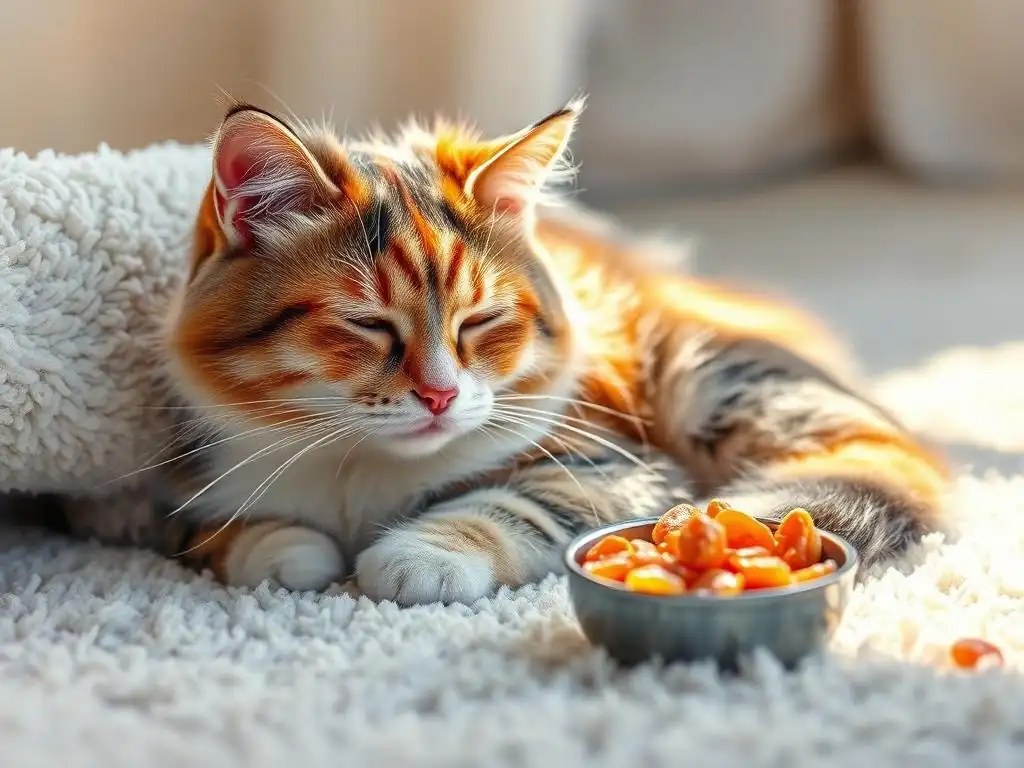
Choosing the right food for your senior cat is a crucial aspect of responsible pet ownership. The decision shouldn't be taken lightly, and understanding the nuances of senior cat nutrition, including the potential benefits and drawbacks of grain-free diets, is paramount. This section will summarize key considerations to help you make an informed decision that supports your feline companion's health and well-being throughout their golden years. Remember, "grainfree senior cat food benefits" are only truly realized when the diet is carefully selected and monitored.
The Importance of Veterinary Consultation
Before making any significant dietary changes for your senior cat, especially transitioning to a grain-free diet, a consultation with your veterinarian is absolutely essential. Your vet can assess your cat's individual health needs, considering factors like age, weight, activity level, pre-existing conditions (such as kidney disease or diabetes), and any allergies or sensitivities. They can help determine if a grain-free diet is appropriate and recommend specific brands or formulations that meet your cat's unique requirements. Ignoring this crucial step can have serious consequences, potentially exacerbating existing health problems or creating new ones.
A vet can also help you interpret your cat's response to the new food and adjust the plan as needed. Don't hesitate to ask questions; your vet is your best resource for ensuring your senior cat receives optimal nutrition. This proactive approach is key to maximizing the potential "grainfree senior cat food benefits" for your beloved pet.
Monitoring Your Senior Cat's Health and Adjusting Their Diet as Needed
Even after transitioning your senior cat to a grain-free diet, ongoing monitoring is critical. Regular veterinary check-ups are essential to track their weight, blood work (to check kidney function and other vital indicators), and overall health. Pay close attention to your cat's bowel movements, coat condition, energy levels, and appetite. Any significant changes warrant a call to your veterinarian.
You might need to adjust the food type, the amount fed, or even add supplements based on your cat's response and evolving needs. Remember, senior cats' nutritional needs can change over time, and a flexible approach is necessary. Consistent monitoring allows you to quickly identify and address any issues, maximizing the positive impact of "grainfree senior cat food benefits" and ensuring your senior cat maintains a healthy weight and vibrant lifestyle. Consider keeping a detailed food diary to track changes in feeding habits and your cat's responses.
Long-Term Benefits of a Balanced and Appropriate Diet for Senior Cats
A well-chosen, balanced diet, whether grain-free or not, plays a vital role in extending the lifespan and improving the quality of life for senior cats. The benefits extend beyond just weight management. A proper diet can help:
- Maintain healthy kidney function: Senior cats are prone to kidney issues, and a balanced diet can help mitigate these risks.
- Support a healthy coat and skin: A diet rich in essential fatty acids contributes to a glossy coat and healthy skin.
- Improve cognitive function: Certain nutrients can support brain health and cognitive function in aging cats.
- Strengthen the immune system: Adequate nutrition strengthens the immune system, making your cat less susceptible to illness.
- Increase energy levels: A balanced diet provides the energy your senior cat needs to remain active and engaged.
By carefully considering your senior cat's individual needs and working closely with your veterinarian, you can harness the potential benefits of a tailored diet, maximizing the "grainfree senior cat food benefits" and ensuring your furry friend enjoys a long, healthy, and happy life. Remember, the goal is to provide a diet that supports overall well-being, not just a specific trend. 😻
Frequently Asked Questions
What are the purported benefits of grain-free senior cat food?
Many believe grain-free diets offer improved digestion for senior cats, potentially reducing allergies and inflammatory responses. Some also claim better weight management due to higher protein content.
Are all grain-free foods equally beneficial for older cats?
No. The quality of ingredients is crucial. Look for high-protein, easily digestible options with named meat sources, avoiding fillers and artificial additives. Always consult your vet.
My senior cat has sensitive digestion. Will a grain-free diet help?
It might. Grain-free diets can be easier to digest for some cats, reducing issues like diarrhea or vomiting. However, individual reactions vary, so monitor your cat closely and consult your vet.
What are the potential downsides of grain-free senior cat food?
Some grain-free diets can be higher in fat, potentially leading to weight gain. Others may lack essential nutrients if not formulated correctly. Consult your vet to ensure a balanced diet.
How do I choose the right grain-free senior cat food for my pet?
Consider your cat's specific needs and health conditions. Look for foods with high-quality protein sources, limited fillers, and added nutrients beneficial for senior cats. Vet consultation is highly recommended.
Final Reflection: Unlocking Healthy Aging: Grain-Free Diets and Senior Cats
The rising popularity of grain-free diets for senior cats reflects a growing awareness of the crucial link between nutrition and healthy aging in our feline companions. Understanding the specific nutritional needs of older cats is paramount to ensuring their comfort and extending their quality of life, and grain-free options are increasingly recognized as a key component of this approach.
The shift towards grain-free diets for senior cats highlights a broader societal trend: a focus on personalized nutrition and the recognition that "one-size-fits-all" approaches are often inadequate. The best way to find out what works is to try it and see,
a common sentiment among cat owners, underscores the importance of individual assessment and tailored dietary choices. This journey of discovery, while sometimes challenging, ultimately strengthens the bond between pet and owner, fostering a deeper understanding of their unique needs.
Consider the implications of this information for your own senior cat. Are you providing them with the best possible nutrition to support their aging bodies? Take the time to review their diet, consult your veterinarian, and explore the potential benefits of a grain-free approach. Empower yourself to make informed decisions that will contribute to the happiness and longevity of your beloved feline friend. Their well-being is a testament to the love and care you provide, and choosing the right food is a significant step in that journey.
Unlock Your Senior Cat's Vitality: Take Action Today!
Thank you for learning about grain-free diets for senior cats! We hope you found helpful information to improve your feline companion's health and well-being. Now let's put that knowledge into practice.
- Transition gradually: Introduce any new grain-free food slowly, carefully monitoring your cat for digestive upset. This is crucial for a smooth transition and to prevent stomach problems.
- Share your success: Join our PetCareWorld community forum and share your experiences with a grain-free diet. Your insights can help other pet owners!
- Stimulate their minds: Senior cats often benefit from mental enrichment. Consider new toys or interactive puzzles to keep them engaged and active.
Ready to begin this journey towards a healthier, happier senior cat? What small step will you take this week to improve their nutrition?