
Pet Food Labels for Puppies and Kittens: What's Different?

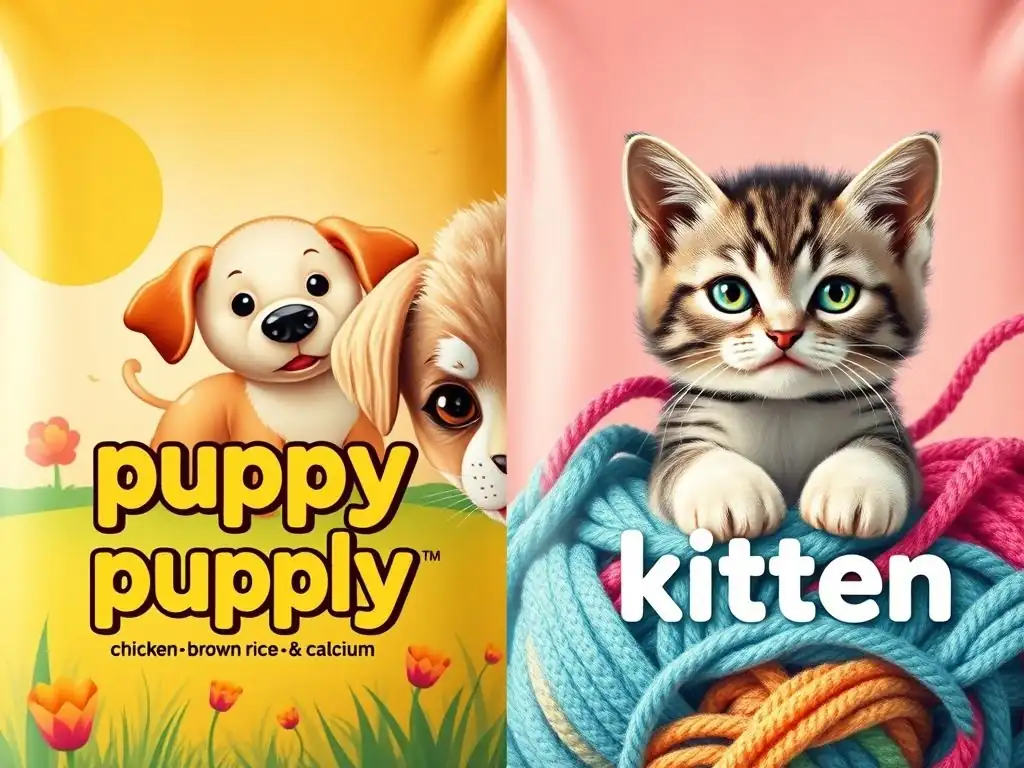
Welcome to PetCareWorld, your ultimate guide to a happier, healthier life for your beloved companion! Are you ready to unlock the secrets to providing optimal nutrition for your furry, feathered, or scaled friend? We delve into the crucial differences between puppy and kitten food labels in our latest article, "Pet Food Labels for Puppies and Kittens: What's Different?". Discover the essential ingredients, nutritional needs, and potential pitfalls to ensure your young pet thrives. Let's embark on this journey together – explore now and learn how to make informed choices for your pet's well-being!
- Understanding Puppy and Kitten Nutritional Needs: Key Differences
- Deciphering Puppy and Kitten Food Labels: A Comparative Guide
- Spotting the Differences: Puppy vs. Kitten Food Label Analysis
- Choosing the Right Food: Practical Tips for Puppy and Kitten Owners
-
Frequently Asked Questions
- What are the key differences between puppy and kitten food labels?
- Why is protein so important in puppy food?
- What is taurine, and why is it essential for kittens?
- How do I compare calorie density on puppy and kitten food labels?
- Are there any other crucial ingredients to look for on puppy and kitten food labels?
- Final Reflection: Decoding the Tiny Print: A Pawsitive Path to Puppy and Kitten Nutrition
- Unlock Your Pet's Potential: A Smarter Approach to Puppy & Kitten Food
Understanding Puppy and Kitten Nutritional Needs: Key Differences
Choosing the right food for your new puppy or kitten is crucial for their healthy growth and development. While both are young animals requiring high-quality nutrition, their specific needs differ significantly due to variations in their growth rates, metabolic processes, and overall life stages. This article will delve into the key differences between puppy and kitten food labels, empowering you to make informed decisions about your pet's diet and ensuring they thrive.
Understanding these nuances is vital for preventing nutritional deficiencies and supporting optimal health throughout their formative years. We'll examine the critical components to look for on pet food labels, highlighting what sets puppy food apart from kitten food, and ultimately helping you choose the best nourishment for your furry friend.
This guide will equip you with the knowledge to interpret pet food labels effectively, ensuring your puppy or kitten receives the precise balance of nutrients they require for a strong and healthy start to life. 🐾
Puppy Nutritional Requirements: Growth and Development
Puppies, especially during their rapid growth phases, require a higher caloric density than adult dogs. Their energy expenditure is significantly higher due to increased activity levels and the demands of rapid skeletal and muscular development. Therefore, puppy food labels will often highlight a higher calorie content per cup compared to adult dog food.
Essential nutrients such as protein, fat, and calcium are also present in higher concentrations. The protein content is particularly vital for muscle building and tissue repair, while fat provides the necessary energy for their active lifestyle. Calcium, along with phosphorus, is crucial for the development of strong bones and teeth.
Look for labels that specify the inclusion of these nutrients, and pay close attention to the guaranteed analysis section, which provides the minimum and maximum percentages of these crucial components. Furthermore, the inclusion of specific vitamins and minerals, like Vitamin A for vision and Vitamin D for bone health, is paramount during puppyhood. Ignoring these requirements can lead to stunted growth, weakened bones, and other health problems.
Kitten Nutritional Requirements: Rapid Growth and Development
Kittens, even more so than puppies, experience an exceptionally rapid growth spurt during their early months. Their metabolic rate is incredibly high, requiring a diet denser in calories than adult cats. Kitten food labels will reflect this higher caloric density, often exceeding that of puppy food. This high-energy demand is fueled by a higher fat content compared to adult cat food, providing the energy needed for their rapid development.
Moreover, kittens have unique nutritional needs, particularly concerning taurine, an amino acid essential for heart and eye health. A deficiency in taurine can lead to severe health problems. Therefore, check that the food label clearly states the taurine content. Similarly, arachidonic acid (ARA) and docosahexaenoic acid (DHA), essential fatty acids, are critical for brain development and overall cognitive function in kittens.
The guaranteed analysis section should clearly indicate the levels of these vital components. The presence of high-quality protein sources is also crucial for muscle growth and tissue repair in this stage of rapid development. Failing to meet these specific nutritional needs can lead to serious developmental issues and long-term health problems.
Comparing Caloric Density in Puppy vs. Kitten Food
A direct comparison of caloric density between puppy and kitten food reveals a significant difference. While precise figures vary across brands and formulations, kitten food generally boasts a higher caloric density than puppy food. This difference reflects the even more intense growth rate and higher metabolic activity of kittens compared to puppies. This higher caloric density is usually achieved through a higher fat content and a more concentrated nutrient profile. The following table offers a generalized comparison (please note that these are approximations and vary greatly depending on the specific brand and recipe):
| Food Type | Approximate Calories per Cup | Key Nutrient Focus |
|---|---|---|
| Puppy Food | 350-450 | High Protein, Calcium, Phosphorus, Vitamin A, Vitamin D |
| Kitten Food | 400-500 | High Fat, Taurine, ARA, DHA, High Protein |
It's crucial to remember that these are estimates. Always refer to the specific calorie information on the individual pet food label for accurate figures. Choosing the correct food based on these differences is vital for the healthy growth and development of your young companion. 😻🐕
Deciphering Puppy and Kitten Food Labels: A Comparative Guide
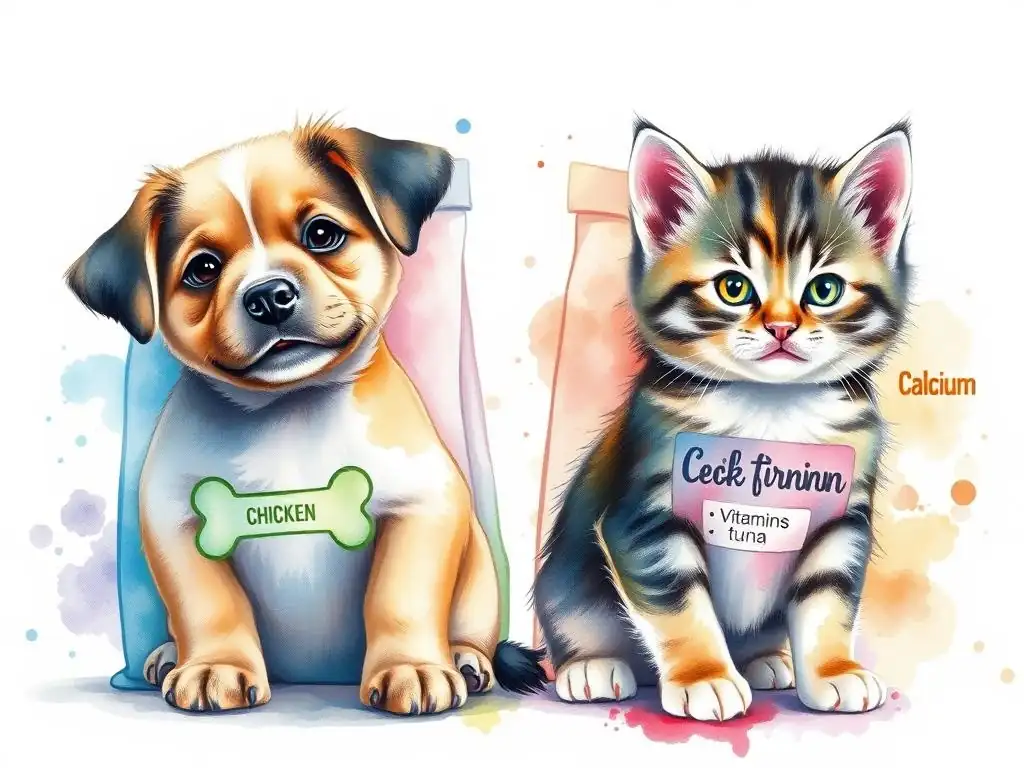
This section delves into the specific nuances of puppy and kitten food labels, highlighting key differences that cater to the unique nutritional needs of these rapidly growing animals. Understanding these differences is crucial for selecting the optimal food to support their healthy development and prevent future health problems. We'll explore the crucial aspects of ingredient lists, focusing on protein, fat, and essential micronutrients. Mastering the art of reading these labels empowers you to make informed decisions about your pet's diet, contributing to their overall well-being.
Identifying Key Ingredients: Meat Sources and Protein Content
The first and arguably most important part of any puppy or kitten food label is the ingredient list. This list is presented in descending order by weight, meaning the ingredient listed first is the most prevalent. For optimal growth, both puppies and kittens require high-quality protein sources. However, the type of protein and its percentage can differ significantly.
While both may list chicken, beef, or fish as primary ingredients, the specific source matters. For instance, "chicken meal" is a more concentrated protein source than "chicken," meaning a smaller quantity provides a similar amount of protein. Look for named meat sources (e.g., "chicken," "lamb," "salmon") rather than vague terms like "meat by-products," which may contain less desirable parts of the animal.
| Ingredient Category | Puppy Food Ideal | Kitten Food Ideal | Key Difference |
|---|---|---|---|
| Primary Protein Source | Named meat source (e.g., chicken, lamb) 1 | Named meat source (e.g., chicken, salmon) 2 | Kittens often benefit from higher fish-based protein for optimal taurine levels. |
| Protein Percentage | Minimum 22-28% (dry matter basis) | Minimum 30-36% (dry matter basis) | Kittens require significantly higher protein levels for rapid growth and development. |
| Other Protein Sources | Eggs, dairy (in moderation) | Eggs, potentially some fish-based ingredients | Variety in protein sources is beneficial for both but kittens might need more variety. |
1 The specific protein source will depend on the individual puppy's needs and potential allergies.
2 Similar to puppies, the optimal protein source for kittens varies based on individual needs and sensitivities.
The minimum protein percentage is crucial. Always check the dry matter basis (DMB) percentage, not the "as fed" percentage, as the latter includes moisture content, which can skew the actual protein concentration. A higher protein content generally indicates a more nutritionally dense food, crucial for the rapid growth of young animals. Always consult your veterinarian for specific recommendations regarding protein intake.
Understanding Fat Content and its Importance for Growth
Fat is another vital component in puppy and kitten food, providing essential fatty acids for brain development, healthy skin and coat, and energy. However, the optimal fat content differs slightly between the two. Puppies generally require a slightly lower fat percentage compared to kittens, who need more energy to fuel their rapid growth.
Fat Content Considerations
The fat content should be listed on the label as a percentage of the dry matter. Look for labels that specify the types of fats included, such as omega-3 and omega-6 fatty acids. These are essential for healthy development and can be found in sources like fish oil and flaxseed. Excessive fat can lead to obesity and related health issues, so moderation is key.
While both require healthy fats, kittens often benefit from a slightly higher fat percentage to support their exceptionally rapid growth. This doesn't mean you should choose a food with extremely high fat content, but a slightly higher percentage within the recommended range is generally acceptable for kittens. Always consider the overall calorie density and adjust portion sizes accordingly to prevent weight gain. Consult your veterinarian if you have any concerns about your pet's weight or fat intake.
Essential Vitamins and Minerals: What to Look For
Puppies and kittens need a balanced array of vitamins and minerals for optimal health. While many essential vitamins and minerals are similar, the amounts required differ due to varying growth rates and metabolic needs. Look for foods that explicitly list essential vitamins like A, D, E, and K, as well as minerals such as calcium, phosphorus, and iron.
The label should clearly indicate the levels of these nutrients, often expressed as minimum or maximum amounts. Don't be overwhelmed by a long list; focus on the key nutrients and ensure they are present in appropriate quantities for the age and breed of your pet. A well-formulated food will provide a comprehensive blend of vitamins and minerals to support healthy growth and development.
If you are unsure about the nutritional adequacy of a specific food, always consult your veterinarian for personalized advice. They can help you interpret the label and ensure your pet receives the necessary nutrients for optimal health.
Analyzing Carbohydrate Sources and Fiber Content
Understanding carbohydrate sources and fiber content is crucial when comparing puppy and kitten food labels. Puppies, being in a rapid growth phase, require a readily available energy source. However, the type of carbohydrate is just as important as the quantity. High-quality puppy foods often feature easily digestible carbohydrates like brown rice, oatmeal, and barley. These complex carbohydrates provide sustained energy release, preventing sudden blood sugar spikes and crashes, which can negatively impact their developing systems. Avoid labels listing corn, wheat, or soy as primary carbohydrate sources, as these can be less digestible and may trigger allergies in some puppies. 1
Conversely, kittens, while also needing energy, have different digestive systems and nutritional needs. Their digestive tracts are more sensitive, and they require a higher fat content for optimal development. While carbohydrates are still important for energy, the focus shifts towards highly digestible sources that minimize digestive upset. Sweet potatoes and peas are often preferred in kitten food formulations, offering a good balance of energy and digestibility. The fiber content is also a key consideration. Too much fiber can lead to digestive issues in kittens, whereas a moderate amount supports healthy bowel movements. Look for foods with easily digestible fiber sources, such as beet pulp or psyllium husk, rather than sources that might be harder for a kitten’s digestive system to process. 2
The percentage of carbohydrates listed on the label should be considered in conjunction with the protein and fat content. A balanced ratio is essential for healthy growth and development in both puppies and kittens. Excessive carbohydrates can lead to obesity and other health problems in both species.
Therefore, carefully evaluate not just the amount of carbohydrates, but also the specific sources listed, seeking out those known for their high digestibility and nutritional value. Remember to always consult your veterinarian for personalized dietary recommendations for your puppy or kitten, taking into account their breed, age, activity level, and any pre-existing health conditions. They can help you interpret the label information within the context of your pet's individual needs and ensure they receive the optimal nutrition for their growth and well-being.
1 Further research is needed to specify exact percentages and sources for optimal carbohydrate levels in puppy food.
2 Further research is needed to specify exact percentages and sources for optimal carbohydrate levels in kitten food.
Spotting the Differences: Puppy vs. Kitten Food Label Analysis
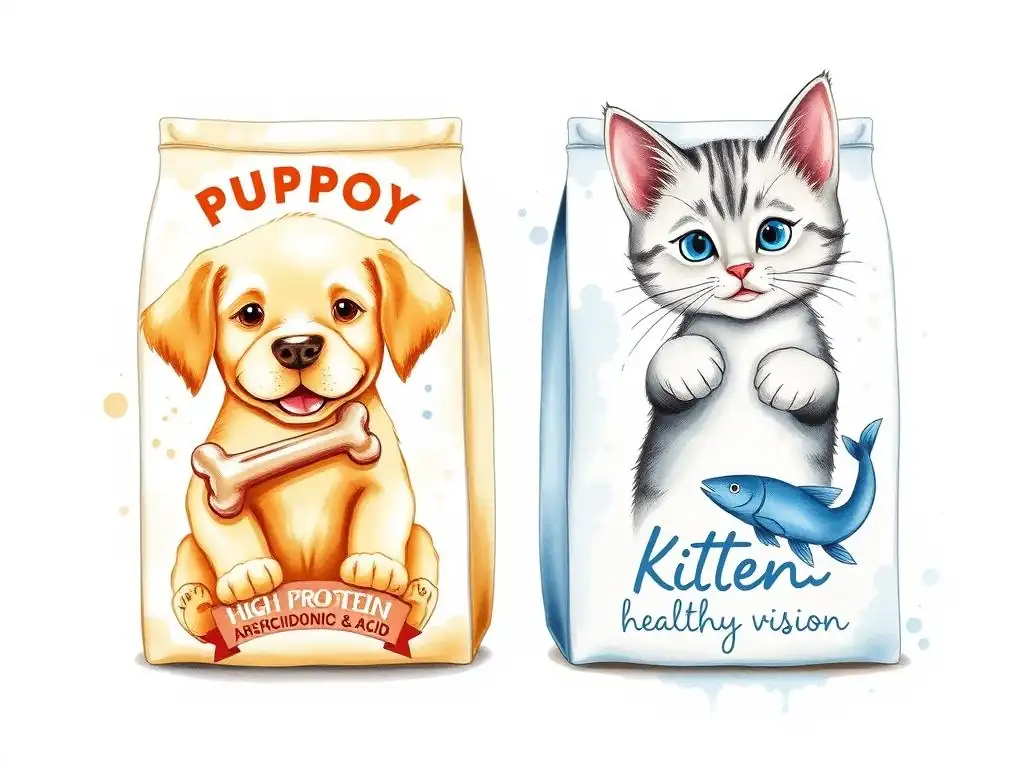
This section delves into the key distinctions between puppy and kitten food labels, focusing on the crucial nutritional components that support the unique growth and development of these young animals. Understanding these differences is vital for selecting the appropriate food to ensure your puppy or kitten thrives. Choosing the wrong food can lead to nutritional deficiencies or imbalances, impacting their long-term health and well-being.
We'll examine protein sources, fat content, and essential vitamins and minerals to highlight the critical variations you should look for when comparing puppy and kitten food labels. Remember, always consult your veterinarian for personalized dietary advice for your pet.
Comparing Protein Sources: Meat vs. Plant-Based Options
Protein is the cornerstone of growth in puppies and kittens. However, the type and amount of protein required differ slightly. Puppy food labels often emphasize high-quality animal proteins, such as chicken, beef, lamb, or fish, as the primary ingredient. These animal-based proteins provide a complete amino acid profile essential for muscle development, tissue repair, and overall growth. While plant-based proteins can contribute to a balanced diet, they may not offer the same complete amino acid profile as animal sources, potentially requiring supplementation.
Kittens, on the other hand, have even higher protein requirements than puppies. Their rapid growth and development demand a significant amount of high-quality protein, typically exceeding 30% of the dry matter. Similarly to puppies, animal-based proteins are preferred, though some high-quality kitten foods may incorporate carefully selected plant-based proteins as part of a balanced formulation. Always check the ingredient list to ensure that a named animal protein (e.g., "chicken," "salmon") is listed prominently, indicating a substantial contribution to the overall protein content.
| Food Type | Primary Protein Source | Ideal Protein Percentage (Dry Matter) | Considerations |
|---|---|---|---|
| Puppy Food | Chicken, Beef, Lamb, Fish | 22-30% | Look for easily digestible protein sources. |
| Kitten Food | Chicken, Salmon, Turkey | 30-40% | Higher protein needs to support rapid growth. |
Evaluating Fat Levels: Optimal Ranges for Puppies and Kittens
Fat is another critical nutrient for puppies and kittens, providing energy for growth and supporting brain development. However, the optimal fat levels differ slightly based on breed size and activity level. Both puppy and kitten foods require higher fat levels compared to adult dog and cat foods. The specific percentage will be indicated on the label, usually as a percentage of dry matter.
Generally, puppy foods will have fat levels ranging from 15-20%, while kitten foods might range from 18-22%. However, these are broad ranges, and the ideal level will depend on the specific formula and the pet's individual needs. Excessive fat can lead to obesity, while insufficient fat can hinder growth and development.
It's crucial to note that the quality of fat is as important as the quantity. Look for labels that specify sources of healthy fats, such as chicken fat, fish oil, or flaxseed oil. These sources provide essential fatty acids, like omega-3 and omega-6, which are vital for skin and coat health, immune function, and brain development. Avoid foods with excessive amounts of unspecified fats or low-quality fat sources.
Vitamin and Mineral Content: Specific Needs for Growth Stages
Puppies and kittens have significantly higher requirements for certain vitamins and minerals compared to adult dogs and cats. These nutrients are essential for bone development, immune function, and overall growth. Key vitamins and minerals to look for on food labels include:
- Calcium (Ca) and Phosphorus (P): Crucial for bone growth and development. The ratio of calcium to phosphorus is important; it should be appropriately balanced to prevent skeletal problems.
- Vitamin A: Essential for vision, immune function, and growth.
- Vitamin D: Supports calcium absorption and bone development.
- Vitamin E: Acts as an antioxidant and supports immune function.
- Iron (Fe): Essential for red blood cell production and oxygen transport.
- Taurine: An essential amino acid, particularly crucial for kittens' retinal development and overall health. Deficiency can lead to serious health problems.
The specific amounts of these vitamins and minerals will vary depending on the food's formulation and the target age group. Always compare the guaranteed analysis on the label to the Association of American Feed Control Officials (AAFCO) nutrient profiles for puppies and kittens to ensure the food meets the minimum requirements for growth. A well-balanced formula will provide these nutrients in the correct ratios to support optimal growth and development. Remember to always consult your veterinarian if you have any concerns about your pet's nutritional needs. 🐶🐱
Additives and Preservatives: A Critical Comparison
Understanding the additives and preservatives listed on puppy and kitten food labels is crucial for informed decision-making. While both types of food may contain preservatives to maintain freshness and quality, the specific types and their concentrations can differ significantly. For instance, certain antioxidants, like vitamin E or mixed tocopherols, are commonly used in both, but their levels might be adjusted based on the nutritional needs of the growing animal.
Puppies, being larger and having higher energy requirements, may necessitate formulations with slightly higher levels of certain preservatives to maintain product stability over a longer shelf life. Conversely, kitten food might prioritize gentler preservatives, given the sensitivity of their digestive systems. It's important to note that the presence of artificial preservatives isn't inherently negative; however, opting for foods with fewer additives and natural preservatives is generally considered preferable.
The inclusion of artificial colors, flavors, and other non-nutritive additives is another area where differences can emerge. While some manufacturers might add these to enhance palatability, many pet owners prefer foods with minimal or no artificial additives. The growing awareness of potential long-term health effects associated with certain artificial ingredients has spurred a trend towards natural alternatives in both puppy and kitten foods.
However, carefully reviewing the ingredient list and comparing the formulations of different brands is essential, as not all "natural" options are created equal. Some natural preservatives might be less effective, potentially impacting the shelf life and overall quality of the food. Therefore, a balance between natural ingredients and effective preservation is key.
Always check the label for any potential allergens or ingredients that your pet may be sensitive to, irrespective of whether the food is marketed as "natural" or not. Ultimately, the best approach involves careful comparison of ingredient lists and a thorough understanding of your pet's individual needs and sensitivities. Consulting with your veterinarian can also provide valuable guidance in selecting the most appropriate food for your puppy or kitten.
Choosing the Right Food: Practical Tips for Puppy and Kitten Owners
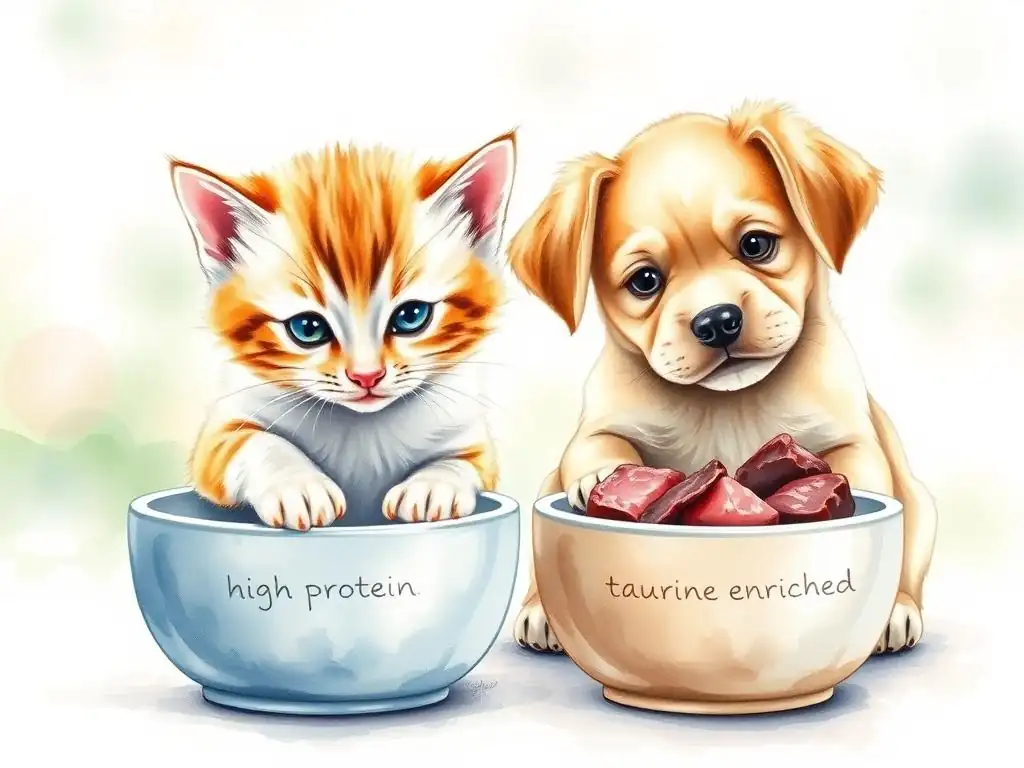

Selecting the appropriate food for your new puppy or kitten is crucial for their healthy growth and development. While both require nutritionally dense food, their specific needs differ significantly. Puppy and kitten food labels often highlight these differences, but understanding how to interpret them is key. This section will equip you with the knowledge to make informed decisions, ensuring your furry friend thrives.
Remember, always consult your veterinarian for personalized dietary advice tailored to your pet's breed, age, and health status. Ignoring individual needs can lead to nutritional deficiencies or imbalances, impacting their long-term health and well-being. Choosing the right food is an investment in their future.
Reading the Guaranteed Analysis: Interpreting the Numbers
The "Guaranteed Analysis" section on pet food labels provides minimum percentages of crucial nutrients. Understanding these numbers helps you compare different brands and ensure your pet receives adequate nutrition. For example, puppies require higher levels of protein and fat for rapid growth than adult dogs. Kittens, similarly, need a higher protein and fat content than adult cats to support their development. Look for significant differences in these values between puppy and kitten formulas.
| Nutrient | Puppy Food (Example) | Kitten Food (Example) | Key Difference & Rationale |
|---|---|---|---|
| Crude Protein (%) | 28% | 32% | Kittens need more protein for muscle development and energy. |
| Crude Fat (%) | 18% | 20% | Higher fat content provides energy for rapid growth in both, with kittens needing slightly more. |
| Crude Fiber (%) | 4% | 3% | Lower fiber is generally preferred for optimal digestion in growing animals. |
| Moisture (%) | 10% | 10% | Moisture content is similar, but the dry matter nutrient values are what truly differ. |
Don't solely rely on the guaranteed analysis. Consider the ingredient list, which reveals the source of the protein and fat. High-quality ingredients, like named meat sources (e.g., "chicken," not "meat by-products"), indicate better digestibility and nutrient absorption. Also, look for added vitamins and minerals crucial for growth, such as taurine (essential for cats) and calcium. Remember, the guaranteed analysis provides minimum values; some brands may exceed these levels.
Understanding Feeding Guidelines: Adjusting Portions for Age and Breed
Feeding guidelines on puppy and kitten food packages offer a starting point, but they're not a one-size-fits-all solution. A small breed puppy will require less food than a large breed puppy of the same age. Similarly, a petite kitten will need smaller portions than a larger breed kitten. Always monitor your pet's body condition. A healthy pet should have a clearly visible waistline and ribs that are easily felt but not prominent. Adjust portion sizes based on your pet's individual needs and activity level. Overfeeding can lead to obesity, while underfeeding can result in nutritional deficiencies.
It's advisable to weigh your pet regularly, especially during the rapid growth phase. This allows you to accurately monitor weight gain and make necessary adjustments to their daily food intake. Consider using a food scale to ensure consistent portioning, particularly when switching between food types or adjusting amounts. Regular veterinary check-ups are crucial to assess your pet's growth and overall health, enabling early detection of any nutritional concerns.
Transitioning Foods: A Smooth Change for Your Pet's Digestive System
Abruptly switching pet foods can upset your pet's digestive system, leading to diarrhea, vomiting, or other gastrointestinal issues. A gradual transition is vital. Begin by mixing a small amount of the new food with their current food. Over 7-10 days, gradually increase the proportion of the new food while decreasing the amount of the old food. This allows your pet's digestive system to adapt to the change in ingredients and nutrient composition.
Monitor your pet closely during this period for any signs of digestive upset. If problems arise, revert to the previous food and consult your veterinarian before attempting another transition. A slow and steady approach ensures a smooth transition and prevents potential health problems. Remember patience is key! 🐶🐱
Recognizing Signs of Nutritional Deficiency or Excess
Nutritional imbalances in puppies and kittens can manifest in various ways, often subtly at first. Recognizing these signs early is crucial for addressing the issue and preventing long-term health problems. A deficiency in essential nutrients can lead to stunted growth, weakened immune systems, and a higher susceptibility to illness. Conversely, an excess of certain nutrients can also be detrimental, potentially leading to obesity, liver problems, or other organ damage. Understanding these indicators is a key part of responsible pet ownership and responsible interpretation of puppy and kitten food labels.
One common sign of nutritional deficiency is a dull, dry coat. A healthy puppy or kitten should have a shiny, vibrant coat, and a change in its texture can be an early warning sign. Other indicators include lethargy, weight loss despite a good appetite, or unusually slow growth.
Behavioral changes, such as increased aggression or anxiety, can also be linked to nutritional imbalances, although these are often more difficult to pinpoint as the sole cause. For example, a kitten exhibiting unusual aggression may be suffering from a deficiency in certain B vitamins impacting its neurological function. Conversely, a puppy who is excessively lethargic might be suffering from an iron deficiency.
On the other hand, signs of nutritional excess are often more readily apparent. Obesity is a major concern, manifesting as noticeable weight gain, difficulty moving, and shortness of breath. This often stems from overfeeding or feeding a food that is too high in calories.
Other signs can include vomiting, diarrhea, or changes in urination frequency. For instance, a kitten consistently exhibiting excessive thirst and frequent urination could potentially indicate an excess of certain minerals in their diet. It's important to note that these symptoms can also indicate other underlying health conditions, so a veterinary checkup is always recommended if you suspect any nutritional imbalance.
A thorough physical examination and blood tests can help determine if a nutritional deficiency or excess is present, and guide appropriate dietary adjustments or veterinary interventions. Careful monitoring of your pet's weight, activity levels, and overall health is paramount in preventing and detecting nutritional problems. Regular veterinary check-ups are essential for ensuring your pet is receiving the right nutrients in the right amounts.
Frequently Asked Questions
What are the key differences between puppy and kitten food labels?
Puppy food labels will highlight high protein and fat content for growth, while kitten food emphasizes taurine for heart health and arachidonic acid for brain development. Calorie density is also higher in kitten food.
Why is protein so important in puppy food?
Protein is crucial for building and repairing tissues during a puppy's rapid growth phase. A lack of protein can lead to stunted growth and other health issues. Look for sources like chicken, beef, or lamb.
What is taurine, and why is it essential for kittens?
Taurine is an amino acid vital for kitten heart health and vision. Kittens cannot synthesize enough taurine themselves, making it a crucial ingredient in their diet. A deficiency can cause serious health problems.
How do I compare calorie density on puppy and kitten food labels?
Check the calories per cup or per kilogram listed on the packaging. Kitten food generally has a higher calorie density to support their rapid growth and high energy levels. Adjust feeding amounts accordingly.
Are there any other crucial ingredients to look for on puppy and kitten food labels?
Yes, look for added vitamins and minerals essential for growth, as well as healthy fats like omega-3 and omega-6 fatty acids. Avoid artificial colors, flavors, and preservatives.
Final Reflection: Decoding the Tiny Print: A Pawsitive Path to Puppy and Kitten Nutrition
Understanding the nuances of puppy and kitten food labels is not just about deciphering ingredients; it's about ensuring the healthy development of our beloved companions. The differences, often subtle yet significant, directly impact their growth, immunity, and overall well-being. Failing to recognize these crucial distinctions can have lasting consequences for their health.
The journey of understanding pet food labels has been a deeply personal one for me, highlighting the responsibility we bear as pet owners. It's a journey that underscores the importance of informed choices, moving beyond marketing hype to focus on the nutritional needs of these vulnerable creatures. The best mirror is an old friend.
This rings true for pet food labels; they reflect the truth about the product, if only we know how to read them. The impact of this knowledge extends beyond individual pets, influencing the entire pet food industry to prioritize transparency and responsible labeling practices.
Now, it's your turn. Take a moment to examine the next pet food label you encounter. Don't just glance at the pretty pictures; delve into the details. Empower yourself with the knowledge to make informed decisions, ensuring your furry friend receives the nutrition they deserve to thrive. Your understanding is their future, a future filled with boundless energy, playful antics, and a long, healthy life by your side.
Unlock Your Pet's Potential: A Smarter Approach to Puppy & Kitten Food
Thank you for learning more about choosing the right food for your pet! We hope you feel more confident understanding pet food labels. Ready to put your new knowledge into practice?
- Prioritize key ingredients: Carefully review the ingredient list of your pet's current food, paying close attention to the first few ingredients to ensure high quality and nutritional value. This is the most important step you can take.
- Share your insights: Discuss your findings with your veterinarian or other pet owners. A second opinion can be incredibly helpful!
- Keep a food diary: Monitor your pet's energy levels and overall health after switching their food. This will help you assess the long-term effects of your decision.
What will you look for in your pet's next food purchase?