
Understanding Cat Behavior: How Environment Shapes Feline Actions

Welcome to PetCareWorld, your ultimate guide to a happier, healthier life for your beloved pets! Are you puzzled by your cat's quirky actions? Discover how environmental factors significantly influence cat behavior in our insightful article, "Understanding Cat Behavior: How Environment Shapes Feline Actions." Uncover the secrets behind your feline friend's puzzling habits and learn practical strategies to create a harmonious home environment – explore now and unlock a deeper understanding of your cat's world!
- Cat Behavior Environmental Factors: The Foundation of Feline Wellbeing
- Creating a Cat-Friendly Home Environment: Minimizing Stress and Encouraging Positive Behaviors
- Environmental Factors Affecting Cat Behavior: Specific Examples
- Identifying and Addressing Problem Behaviors Linked to Environment
- Practical Steps to Improve Your Cat's Environment
- Conclusion: A Harmonious Coexistence Through Environmental Understanding
- Frequently Asked Questions
- Final Reflection: Unraveling the Mystery of Feline Behavior
- Unlock Your Cat's Purrfect Potential!
Cat Behavior Environmental Factors: The Foundation of Feline Wellbeing
Understanding your cat's behavior is crucial for building a strong and loving bond. While genetics play a role, the environment significantly shapes a cat's actions, influencing everything from their playfulness to their stress levels. This article delves into the key environmental factors that impact cat behavior, offering practical insights to help you create a truly cat-friendly home and foster a harmonious relationship with your feline companion.
We'll explore how understanding your cat's innate needs, their territorial instincts, and their reliance on scent marking can dramatically improve their well-being and, consequently, your shared experience. Successfully navigating these environmental influences is key to interpreting your cat's behavior and addressing any potential issues proactively. This guide will provide the knowledge to decode your cat's actions and create an enriching environment tailored to their specific needs, ultimately leading to a happier and healthier cat.
Understanding Your Cat's Natural Instincts and Needs
Cats, despite their domesticated status, retain many of their wild ancestors' instincts. Understanding these innate behaviors is fundamental to interpreting their actions and creating a suitable environment. For example, cats are crepuscular animals, meaning they are most active during dawn and dusk. This natural inclination should be considered when planning playtime and interaction.
Ignoring their natural sleep-wake cycle can lead to frustration and behavioral problems. Furthermore, cats are obligate carnivores, requiring a diet rich in animal protein. Nutritional deficiencies can manifest as behavioral issues, such as increased aggression or lethargy. Providing a balanced diet tailored to their age and health status is crucial for their overall well-being.
Beyond diet, providing opportunities for climbing, scratching, and hiding caters to their natural predatory instincts and need for security. A lack of these opportunities can lead to destructive behaviors like scratching furniture or excessive vocalization. Consider providing scratching posts, cat trees, and hiding places throughout your home to satisfy these essential needs. Remember, a happy, well-fed cat with ample opportunities to express their natural instincts is far less likely to exhibit problematic behaviors. Providing enrichment activities like puzzle feeders can also stimulate their minds and prevent boredom, which can often manifest as undesirable behaviors.
The Impact of Territory and Space on Cat Behavior
Cats are highly territorial creatures. Their perception of their space and the objects within it profoundly impacts their behavior. A lack of adequate space, especially for multi-cat households, can lead to increased stress and competition for resources, manifesting as aggression, urine marking, or hiding. Providing each cat with its own designated spaces, such as separate food and water bowls, litter boxes, and resting areas, is crucial. This reduces competition and allows each cat to feel secure within their own territory.
Vertical space is also essential; cats are natural climbers, and providing cat trees or shelves allows them to survey their territory and feel safe from perceived threats. This vertical space also helps reduce conflict between multiple cats. The amount of space required varies greatly depending on the number and personalities of your cats. In densely populated areas, providing additional resources and hiding places is crucial.
How Scent Marking Influences Your Cat's Actions
Scent marking is a fundamental aspect of feline communication and territoriality. Cats use scent glands located in their cheeks, paws, and tail to mark their territory, communicating their presence and ownership. Understanding this behavior is essential for interpreting your cat's actions and avoiding potential conflicts. For instance, frequent scratching on furniture might not simply be destructive behavior; it could be a form of scent marking. Similarly, urine spraying, often mistaken for simple urination, is a potent form of scent marking, typically indicative of stress or territorial insecurity.
Providing appropriate scratching posts and ensuring sufficient resources can mitigate this behavior. Cleaning up urine with enzymatic cleaners is crucial, as residual scent can trigger further marking. The subtle nuances of scent marking are often overlooked, but recognizing their significance is vital for creating a harmonious environment for your cat. Ignoring these signals can lead to escalating behavioral problems.
Creating a Cat-Friendly Home Environment: Minimizing Stress and Encouraging Positive Behaviors
This section delves into the crucial role of environmental factors in shaping cat behavior. Understanding how your cat interacts with its surroundings is key to creating a harmonious and enriching home life. A cat's environment significantly impacts its overall well-being, influencing everything from its activity levels and sleep patterns to its propensity for stress and anxiety.
By proactively designing a cat-friendly space, you can foster positive behaviors and minimize potential problems stemming from environmental stressors. Careful consideration of environmental factors is paramount for addressing many common behavioral issues in cats, including inappropriate elimination, scratching, and aggression. This proactive approach is far more effective than reactive measures once behavioral problems are established.
Designing Safe and Secure Spaces for Your Cat
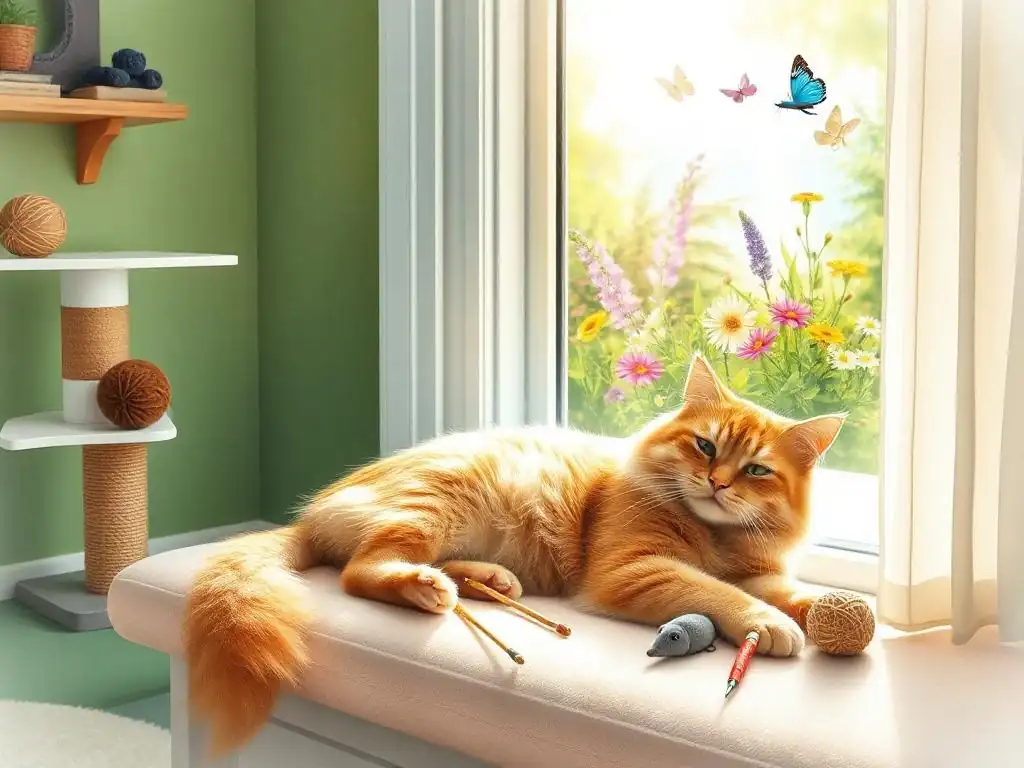
Cats are naturally predisposed to seek out safe, secure spaces where they can feel protected and in control. Providing these spaces is fundamental to reducing stress and promoting a sense of well-being. This includes creating vertical territory—cats love heights! —through cat trees, shelves, or window perches. These elevated locations offer vantage points, allowing your cat to survey its territory and feel secure. Consider providing multiple resting places throughout the house, varying in location, height, and type of surface (soft beds, hard surfaces).
The placement of these spaces is also vital. Avoid placing them in high-traffic areas or near noisy appliances. Cats are sensitive to loud noises and sudden movements. Quiet corners, away from the hustle and bustle of family life, are ideal. Remember, a safe space isn't just about physical security; it's also about sensory security. Consider providing quiet areas away from bright lights and excessive noise. A simple cardboard box can sometimes provide the perfect sanctuary!
Consider also providing hiding places. Cats instinctively seek refuge when feeling threatened or stressed. These can be as simple as a tunnel, a covered bed, or even a partially concealed space under furniture. Remember to respect your cat's need for privacy and avoid disturbing them when they are in their safe space. Providing multiple safe spaces allows your cat to choose the environment that best suits its mood and needs at any given time. This flexibility is crucial for minimizing stress and promoting a relaxed feline companion.
Providing Enrichment and Stimulation to Prevent Boredom
Boredom is a significant contributor to undesirable cat behaviors. Cats, despite their reputation for being independent, require mental and physical stimulation to thrive. A lack of enrichment can lead to destructive behaviors, such as excessive scratching, inappropriate urination, or aggression. Providing a variety of toys and interactive activities is crucial for preventing boredom and keeping your cat engaged.
This doesn't necessarily mean buying expensive, elaborate toys. Simple things like feather wands, cardboard boxes, or even crumpled paper can provide hours of entertainment. Rotating toys regularly keeps your cat interested and prevents them from becoming bored with the same old things. Puzzle feeders, which require your cat to work for its food, provide both mental and physical stimulation. This helps mimic their natural hunting instincts and can reduce anxiety.
Interactive play is also essential. Spending time each day playing with your cat helps strengthen your bond and provides much-needed physical exercise. Use toys that encourage stalking, chasing, and pouncing—activities that mimic a cat's natural hunting behaviors. This type of play helps to tire your cat out both physically and mentally, contributing to a calmer and more well-behaved feline companion. Remember, a stimulated cat is a happy cat, and a happy cat is less likely to exhibit problematic behaviors. Regular enrichment activities are crucial in preventing behavioral issues related to boredom and lack of stimulation.
Understanding and Managing Multi-Cat Households
Introducing a new cat into an existing multi-cat household requires careful planning and management. Cats are often territorial creatures, and introducing a new cat can disrupt the established social hierarchy, leading to conflict and stress. A gradual introduction process is key to minimizing conflict and helping cats adjust to each other's presence.
This process typically involves separating the cats initially, allowing them to slowly acclimate to each other's scent through scent swapping (rubbing a towel on one cat and then placing it near the other). Then, supervised, short interactions should be introduced, gradually increasing the duration and frequency as the cats become more comfortable. Providing ample resources—food bowls, water fountains, litter boxes, scratching posts, and resting areas—is crucial to reduce competition and stress.
The rule of thumb is to have one more resource than the number of cats in the household. This ensures that each cat has access to what it needs without feeling the need to compete.
Monitoring the cats' interactions closely is essential during this period. Signs of stress or aggression should be addressed immediately, and separation may be necessary if conflicts arise. The use of pheromone diffusers can also help to calm cats and reduce stress levels. Understanding your cats' individual personalities and communication styles is critical in successfully managing a multi-cat household. Patience and consistent management are key to creating a harmonious environment where all cats can thrive. Remember, a well-managed multi-cat household is achievable with careful planning and consistent effort.
Environmental Factors Affecting Cat Behavior: Specific Examples
This section delves into the specific ways environmental factors shape cat behavior, focusing on how seemingly minor details in a cat's surroundings can significantly impact their actions and well-being. Understanding these nuances is crucial for creating a truly cat-friendly home and fostering a harmonious relationship with your feline companion. We will examine the effects of noise and light, furniture arrangement, and the importance of outdoor access or stimulating alternatives. Optimizing your cat's environment based on these factors can lead to a happier, healthier, and better-adjusted cat. This is key to understanding the complex interplay of cat behavior environmental factors.
The Influence of Noise and Light Levels on Cat Behavior
Noise and light levels profoundly affect a cat's behavior, impacting everything from their sleep patterns to their stress levels. Cats are much more sensitive to sounds than humans, perceiving higher frequencies and subtle changes in volume that go unnoticed by us. Loud, sudden noises—like fireworks, thunderstorms, or even loud music—can trigger fear responses, resulting in hiding, hissing, or even aggression. Conversely, consistent, low-level background noise, such as a gentle hum from a fan or aquarium, can actually be soothing for some cats. This is an important consideration when designing a quiet space for your cat to retreat to.
Light levels also play a crucial role. Cats are crepuscular animals, meaning they are most active during dawn and dusk. Bright, artificial light can be overstimulating, particularly in the evening hours, leading to restlessness and difficulty sleeping. Conversely, insufficient light can lead to disorientation and depression.
Providing a variety of lighting options—dimmable lights, sunbeams, and shaded resting areas—allows your cat to regulate their light exposure based on their preferences. This contributes significantly to their overall well-being and helps manage their cat behavior environmental factors. For example, a cat experiencing anxiety from loud city noises might benefit from a quiet room with soft lighting and a comfortable bed.
Consider the following table summarizing potential noise and light impacts:
| Noise Level | Light Level | Potential Behavioral Impact |
|---|---|---|
| Loud, sudden noises | Bright, harsh light | Fear, anxiety, hiding, aggression |
| Low-level background noise | Dim, soft light | Relaxation, calmness, improved sleep |
| Complete silence | Very dim or dark | Disorientation, depression, potential for increased anxiety |
| Consistent moderate noise | Natural sunlight | Generally positive, promotes natural activity cycles |
How Furniture Arrangement Impacts Cat Activity and Rest
The way you arrange your furniture significantly impacts your cat's activity levels, resting patterns, and overall sense of security. Cats need vertical space; they instinctively like to climb and survey their territory from a vantage point. Cat trees, shelves, and window perches provide this crucial vertical space, enhancing their sense of security and allowing them to observe their surroundings. Strategically placing these items also allows them to easily navigate their environment, avoiding stressful situations like being cornered or feeling trapped.
Furthermore, providing a variety of resting spots is vital. Cats sleep for a significant portion of the day, and they prefer different types of resting places depending on their mood and activity level. A soft bed, a sunny window sill, a cozy cat cave—all these options cater to different preferences. The placement of these areas should consider your cat's preferences and the overall flow of your home.
For example, a cat that prefers quiet might appreciate a secluded bed away from high-traffic areas. Careful consideration of furniture placement and the provision of multiple comfortable resting spots directly affect your cat's stress levels and overall behavior. This is another key aspect of managing cat behavior environmental factors.
The Role of Outdoor Access and Stimulation
Outdoor access provides significant environmental enrichment for many cats, offering opportunities for hunting, exploration, and social interaction. However, not all cats are suited to outdoor life, and safety concerns must always be prioritized. If outdoor access is not feasible or safe, providing stimulating alternatives indoors is crucial to prevent boredom, frustration, and destructive behaviors. This can include interactive toys, puzzle feeders, climbing structures, and opportunities for scent exploration.
The lack of outdoor access can lead to a variety of behavioral issues, including excessive vocalization, inappropriate scratching, and aggression. Indoor cats need plenty of opportunities for mental and physical stimulation to prevent these problems. Regular playtime, interactive toys, and environmental enrichment can greatly mitigate these issues. Providing a diverse range of stimulating activities helps keep your indoor cat happy, active, and engaged. In essence, understanding and addressing these environmental factors directly contributes to managing and improving your cat's behavior and overall well-being, making it a key component of cat behavior environmental factors.
Identifying and Addressing Problem Behaviors Linked to Environment
Understanding your cat's behavior is crucial for ensuring their well-being and strengthening your bond. Many seemingly inexplicable feline actions are directly linked to their environment. By recognizing these environmental factors influencing cat behavior, we can proactively address problem behaviors and create a more harmonious home for both you and your furry friend.
This section focuses on common behavioral issues significantly impacted by environmental stimuli, offering practical solutions rooted in understanding feline psychology and needs. Optimizing your cat's environment is a key step in improving their overall happiness and reducing stress, leading to a more peaceful coexistence. Effective management of environmental factors can significantly improve your cat's quality of life and reduce the likelihood of behavioral problems.
Aggression and Territoriality: Environmental Solutions
Aggression in cats, often manifesting as hissing, swatting, biting, or urine marking, is frequently rooted in perceived territorial threats. Environmental factors play a significant role. Cats are highly sensitive to changes in their surroundings. A new pet, furniture rearrangement, or even a change in the family's routine can trigger territorial aggression.
Several environmental solutions can mitigate this:
- Providing sufficient vertical space: Cats are naturally arboreal. Cat trees, shelves, and window perches offer safe havens and reduce territorial tension by allowing cats to escape perceived threats. Multiple climbing structures are ideal, especially in multi-cat households.
- Creating separate spaces: If you have multiple cats, ensure each has its own safe space—a room, a designated bed, or a secluded corner. These spaces should include food, water, and litter boxes, minimizing competition for resources.
- Scent management: Cats heavily rely on scent for communication. Introducing new scents gradually can help reduce stress. If a new pet is introduced, use pheromone diffusers to help cats adjust.
- Slow introduction of new stimuli: Avoid sudden changes. Introduce new pets, furniture, or people gradually, allowing your cat time to adapt to new scents and sounds. Positive reinforcement, such as treats and praise, can aid this process.
- Enrichment: Provide plenty of engaging toys and activities. Bored cats are more likely to exhibit aggressive behaviors. Rotating toys and offering puzzle feeders keeps them mentally stimulated.
Excessive Vocalization: Understanding Environmental Triggers
Excessive meowing, yowling, or chattering can indicate underlying stress or dissatisfaction linked to the environment. While some vocalization is normal, persistent or excessive vocalization often points to unmet needs.
Consider these environmental triggers:
- Lack of stimulation: Cats need mental and physical stimulation. A lack of toys, playtime, or vertical space can lead to increased vocalization as a way to seek attention or express frustration.
- Changes in routine: Cats thrive on routine. Sudden changes in feeding times, sleeping arrangements, or household activity can cause anxiety and manifest as increased vocalization.
- Medical issues: Underlying medical conditions can also contribute to vocalization. Consult your veterinarian to rule out any health problems before addressing behavioral issues.
- Insufficient resources: Insufficient food, water bowls, or litter boxes can lead to vocal frustration, particularly in multi-cat households.
- Environmental stressors: Loud noises, unfamiliar people, or other stressors can trigger excessive vocalization. Identifying and minimizing these stressors is crucial.
Addressing these environmental factors often requires a multifaceted approach. Providing adequate enrichment, maintaining a consistent routine, and ensuring access to resources are essential steps. If vocalization persists, consulting a veterinary behaviorist is recommended.
Litter Box Problems: The Environmental Connection
Inappropriate urination or defecation is a common feline behavioral problem often linked to environmental issues. Cats are meticulous about cleanliness and may avoid using a litter box due to several environmental factors:
- Litter box type and placement: The type of litter box, the type of litter used, and the location of the litter box can significantly impact a cat's willingness to use it. Cats prefer larger, uncovered boxes, and some may dislike certain litter textures or scents. The litter box should be placed in a quiet, accessible location away from food and water bowls.
- Number of litter boxes: The general rule is one litter box per cat, plus one extra. In multi-cat households, insufficient litter boxes can lead to competition and inappropriate elimination.
- Cleanliness: Cats are fastidious and will avoid using a dirty litter box. Regularly scooping the litter box (at least once a day) is crucial.
- Stress and anxiety: Stress, whether from a new pet, changes in the household, or other stressors, can lead to litter box avoidance. Addressing the underlying stress is essential.
- Medical issues: Underlying medical conditions, such as urinary tract infections or arthritis, can also contribute to litter box problems. A veterinary examination is crucial to rule out any medical causes.
Addressing litter box issues requires a systematic approach. Start by assessing the environment, ensuring the litter box is clean, appropriately placed, and sufficient in number. Then, consider potential stressors and address them proactively. If the problem persists, a veterinary consultation is necessary to rule out underlying medical conditions. Remember, a clean, accessible, and stress-free environment is key to solving most litter box problems.
Practical Steps to Improve Your Cat's Environment
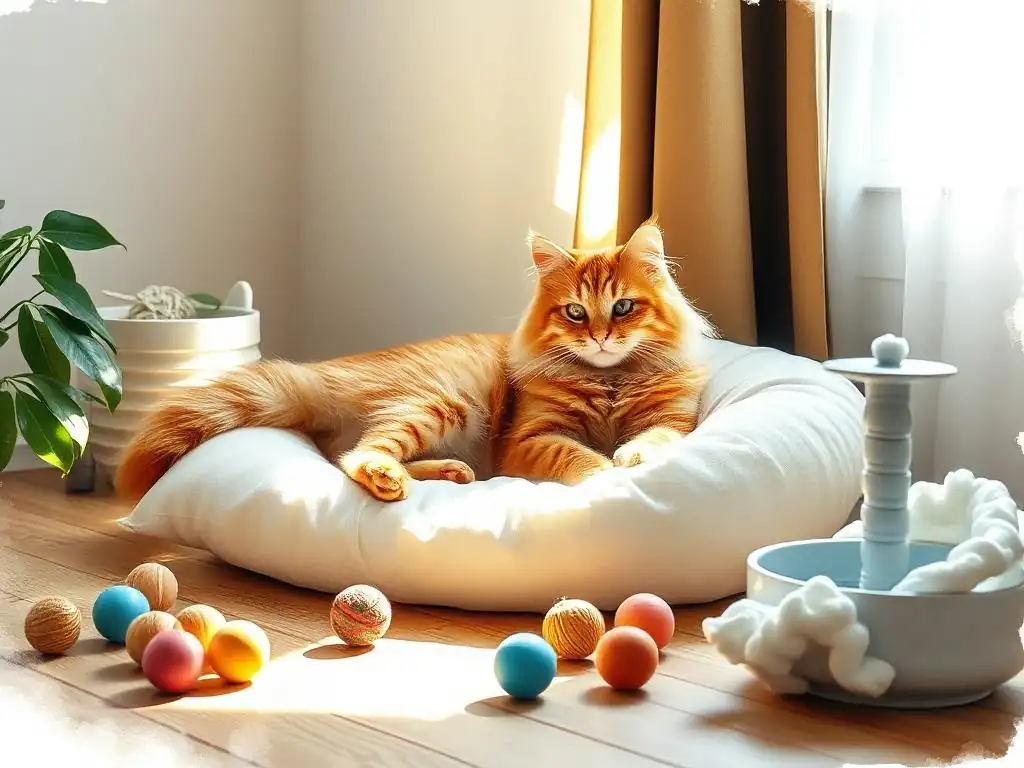
This section focuses on actionable steps you can take to create a more cat-friendly environment, directly impacting their behavior and overall well-being. Understanding how environmental factors influence cat behavior is crucial for responsible pet ownership. By making thoughtful changes to your home, you can significantly reduce stress and improve your cat's quality of life. Remember, a happy cat is a well-adjusted cat!
Simple Changes for a Happier, Healthier Cat
Even small adjustments to your home can dramatically affect your cat's behavior. Consider these simple yet effective changes:
- Provide multiple scratching posts: Cats need to scratch to maintain their claws and mark their territory. Offering a variety of scratching posts – vertical, horizontal, sisal, cardboard – in different locations throughout the house caters to individual preferences and prevents them from targeting your furniture. Observe your cat; they'll often indicate their preferred type and placement.
- Optimize vertical space: Cats are natural climbers. Providing vertical space, such as cat trees or shelves, allows them to survey their territory, feel secure, and engage in natural behaviors. This is especially important in multi-cat households, as it reduces competition for resources and prevents conflict.
- Offer plenty of hiding places: Cats instinctively seek safe havens. Providing hiding places such as cardboard boxes, cat beds, or tunnels gives them a sense of security and control, reducing anxiety. This is particularly important during stressful situations, such as thunderstorms or vet visits.
- Ensure access to fresh water: Dehydration can negatively impact a cat's health and behavior. Provide multiple water bowls in different locations, using ceramic or stainless steel bowls that are easy to clean. Some cats prefer running water; a cat water fountain might be a worthwhile investment.
- Regular cleaning: A clean environment is vital for a healthy cat. Regularly clean litter boxes, food and water bowls, and surfaces where your cat spends time. This minimizes the risk of infections and unpleasant odors that can stress your cat. A clean home contributes significantly to positive cat behavior. Consider using enzymatic cleaners to eliminate odor completely.
“A cat's environment significantly impacts their behavior, influencing everything from their activity levels to their overall temperament.”
Choosing the Right Cat Furniture and Accessories
Selecting appropriate furniture and accessories is key to creating a comfortable and stimulating environment for your cat. This goes beyond simply providing a bed; it’s about understanding your cat's needs and preferences:
- Cat trees: Cat trees provide vertical space, scratching posts, and resting platforms, addressing several key feline needs. Choose a tree that's sturdy and appropriately sized for your cat's breed and size. Consider the material; sisal scratching posts are generally more durable.
- Cat beds: Offer a variety of cat beds in different textures and locations. Some cats prefer soft, plush beds, while others prefer firmer surfaces. Experiment to find what your cat prefers.
- Scratching posts: As mentioned previously, provide multiple scratching posts of varying materials and styles. Experiment with different textures (sisal, carpet, cardboard) and placements to determine your cat's preferences.
- Interactive toys: Interactive toys provide mental stimulation and prevent boredom, which can lead to destructive behavior. Rotate toys regularly to keep your cat engaged.
- Food and water bowls: Choose bowls that are easy to clean and appropriate for your cat's size and eating habits. Some cats prefer elevated bowls to reduce strain on their necks.
| Furniture Type | Material Options | Considerations |
|---|---|---|
| Cat Tree | Wood, carpet, sisal | Stability, height, scratching post material |
| Cat Bed | Plush, fleece, cotton | Comfort, washability, size |
| Scratching Post | Sisal, carpet, cardboard | Durability, texture, preferred placement by cat |
| Food & Water Bowls | Ceramic, stainless steel | Ease of cleaning, size, material |
Creating a Routine to Reduce Anxiety and Stress
Establishing a consistent daily routine provides your cat with predictability and security, significantly reducing anxiety and stress. Cats thrive on routine:
- Feeding schedule: Feed your cat at the same times each day. This helps regulate their digestive system and reduces begging behavior.
- Playtime: Schedule regular playtime sessions, using interactive toys to stimulate your cat physically and mentally. This helps burn energy and prevents boredom.
- Grooming: Regular grooming sessions help maintain your cat's coat and strengthen your bond. This can also be a calming activity.
- Sleep schedule: Cats are crepuscular, meaning they are most active during dawn and dusk. Respect their natural sleep patterns and avoid disturbing them during their rest periods.
- Litter box maintenance: Clean the litter box regularly to prevent odor build-up and maintain hygiene. This is crucial for your cat’s comfort and well-being. A clean litter box contributes significantly to reducing stress.
Consistent routines provide a sense of security and predictability, which are crucial for a cat's emotional well-being and contribute significantly to positive cat behavior. This is particularly true for cats who exhibit signs of anxiety or stress. Observe your cat carefully and adjust your routine as needed. Remember, patience and understanding are key to creating a truly cat-friendly home. 😻
Conclusion: A Harmonious Coexistence Through Environmental Understanding
Understanding how environmental factors influence cat behavior is crucial for fostering a strong bond with your feline companion and ensuring their overall well-being. By carefully considering your cat's needs and creating a stimulating yet secure environment, you can significantly improve their quality of life and reduce the likelihood of behavioral problems. A cat that feels safe, comfortable, and mentally stimulated is a happy cat, and a happy cat is a well-behaved cat.
This holistic approach to cat care goes beyond simply providing food and water; it's about creating a space where your cat can thrive. Remember, a cat's behavior is often a direct reflection of its environment. Addressing environmental stressors proactively can prevent many behavioral issues before they arise.
This proactive approach not only benefits your cat but also strengthens the human-animal bond, leading to a more harmonious and fulfilling relationship for both of you. The key takeaway is that creating a cat-friendly environment isn't just about aesthetics; it's about understanding your cat's innate needs and providing a space that caters to those needs effectively.
Long-Term Benefits of a Cat-Friendly Home
Investing time and effort in creating a cat-friendly home offers numerous long-term benefits, extending beyond simply improved behavior. A well-designed environment contributes to your cat's physical and mental health, reducing stress and promoting overall well-being. This can manifest in several ways:
- Reduced Veterinary Bills: A cat living in a comfortable and stimulating environment is less likely to experience stress-related illnesses, potentially saving you money on veterinary care in the long run. Stress can manifest in various ways, from digestive issues to weakened immune systems.
- Stronger Human-Animal Bond: A happy, well-adjusted cat is more likely to engage in positive interactions with its owner, strengthening the bond and enhancing the overall enjoyment of pet ownership. This includes increased playtime, mutual affection, and a more relaxed home atmosphere.
- Improved Longevity: Studies suggest that cats living in enriched environments tend to live longer, healthier lives. This is attributed to reduced stress levels and improved overall well-being. A cat that feels safe and secure is better equipped to fight off illness and age gracefully.
- Less Destructive Behavior: By providing adequate scratching posts, play areas, and hiding spots, you can significantly reduce the likelihood of destructive behaviors such as scratching furniture or inappropriate urination. This translates to less damage to your property and less frustration for both you and your cat.
- Enhanced Quality of Life for Your Cat: Ultimately, the most significant benefit is the improved quality of life for your cat. A cat living in a cat-friendly home is a happier, healthier, and more fulfilled animal. This is the ultimate reward for any responsible pet owner.
The investment in creating a cat-friendly home is an investment in your cat's happiness and well-being, with lasting positive consequences for both your pet and your family.
Resources for Further Learning on Cat Behavior and Environmental Enrichment
For those seeking to delve deeper into the fascinating world of cat behavior and environmental enrichment, numerous resources are available:
- Veterinary Behaviorists: Consulting a veterinary behaviorist can provide tailored advice specific to your cat's individual needs and challenges. They can offer expert guidance on addressing complex behavioral issues and creating a truly optimal environment.
- Certified Cat Trainers: Certified cat trainers possess specialized knowledge in feline behavior and training techniques. They can assist in teaching your cat desirable behaviors and managing undesirable ones through positive reinforcement methods.
- Books and Articles on Feline Behavior: Numerous books and articles explore the intricacies of cat behavior, providing valuable insights into feline psychology and environmental influences. Look for resources focusing on positive reinforcement training and environmental enrichment.
- Online Forums and Communities: Online forums and communities dedicated to cat ownership offer opportunities to connect with other cat owners, share experiences, and learn from experts. They can be a valuable source of support and information.
Remember, continuous learning and adaptation are key to ensuring your cat's happiness and well-being. By staying informed and actively engaging in creating a cat-friendly environment, you can foster a strong, lasting bond with your beloved feline companion. The journey towards understanding your cat's needs is an ongoing process, and every step you take contributes to a harmonious coexistence.
Frequently Asked Questions
How does the environment impact a cat's behavior?
A cat's environment significantly influences its behavior. Negative experiences, such as loud noises or frightening interactions, can lead to anxiety and fear. Conversely, a safe, stimulating environment promotes positive behaviors and well-being.
What environmental factors cause stress in cats?
Stressors include sudden changes in the home (e.g., new furniture, moving), lack of resources (food, water, litter boxes), multi-pet households with insufficient space or resources, and external stimuli like loud noises or unfamiliar people.
How can I create a less stressful environment for my cat?
Provide multiple food and water bowls, strategically placed litter boxes (at least one more than the number of cats), vertical space (cat trees), safe hiding places, and consistent routines. Minimize exposure to loud noises and stressful situations.
What are some signs of environmental stress in cats?
Signs include changes in litter box habits, increased vocalization, excessive grooming, hiding, aggression, or changes in appetite. Consult a veterinarian if you notice significant behavioral changes.
Can environmental enrichment improve my cat's behavior?
Yes, environmental enrichment is crucial. Providing interactive toys, scratching posts, climbing structures, and opportunities for exploration can reduce boredom, stress, and destructive behaviors, leading to a happier, healthier cat.
Final Reflection: Unraveling the Mystery of Feline Behavior
Understanding the environmental factors that shape cat behavior is not merely an academic pursuit; it's crucial for fostering happy, healthy, and well-adjusted feline companions. The intricate relationship between a cat's surroundings and its actions profoundly impacts their overall well-being, influencing everything from their playful antics to their stress levels. Ignoring these environmental cues can lead to misunderstandings and potentially problematic behaviors.
The impact of environmental enrichment on cat behavior is undeniable, shaping not only individual cats but also our understanding of feline psychology as a whole. We've learned that a stimulating environment, rich in opportunities for exploration, play, and relaxation, is vital for preventing boredom and stress-related issues. This understanding has led to a shift in how we approach cat care, moving away from simplistic views towards a more holistic and empathetic approach. The cat is a creature of habit, but also a creature of curiosity. Understanding its needs requires understanding its environment.
- (Hypothetical quote from a feline behaviorist).
Now, consider your own feline friend. Take a moment to truly observe their environment. Is it stimulating enough? Are there opportunities for climbing, hiding, and exploring? Make a conscious effort to enrich your cat's life by providing a space that caters to their natural instincts and preferences. By understanding and addressing the environmental factors influencing your cat's behavior, you can build a stronger bond, improve their quality of life, and unlock a deeper appreciation for these fascinating creatures.
Unlock Your Cat's Purrfect Potential!
Thank you for exploring the fascinating world of feline behavior! We hope you gained valuable insights into how a cat's environment impacts their actions. Now, let's put that knowledge to practical use!
- Revamp your cat's space: Addressing environmental stressors that contribute to unwanted behaviors is crucial. Consider rearranging furniture, adding stimulating toys, or creating quiet, safe spaces. A more comfortable environment leads to a happier, healthier cat.
- Share your discoveries: Tell us (and other cat lovers!) about your cat's unique personality and how you're creating a perfect home for them in the comments below! Let's build a supportive community of cat owners.
- Explore further: Deepen your understanding of feline behavior by researching specific behaviors that puzzle you, or try some of the enrichment ideas mentioned in this article.
Ready to transform your home into a feline paradise? What small change will you make today to improve your cat's well-being?