
Planning Your Catio: Design Ideas for Small and Large Spaces

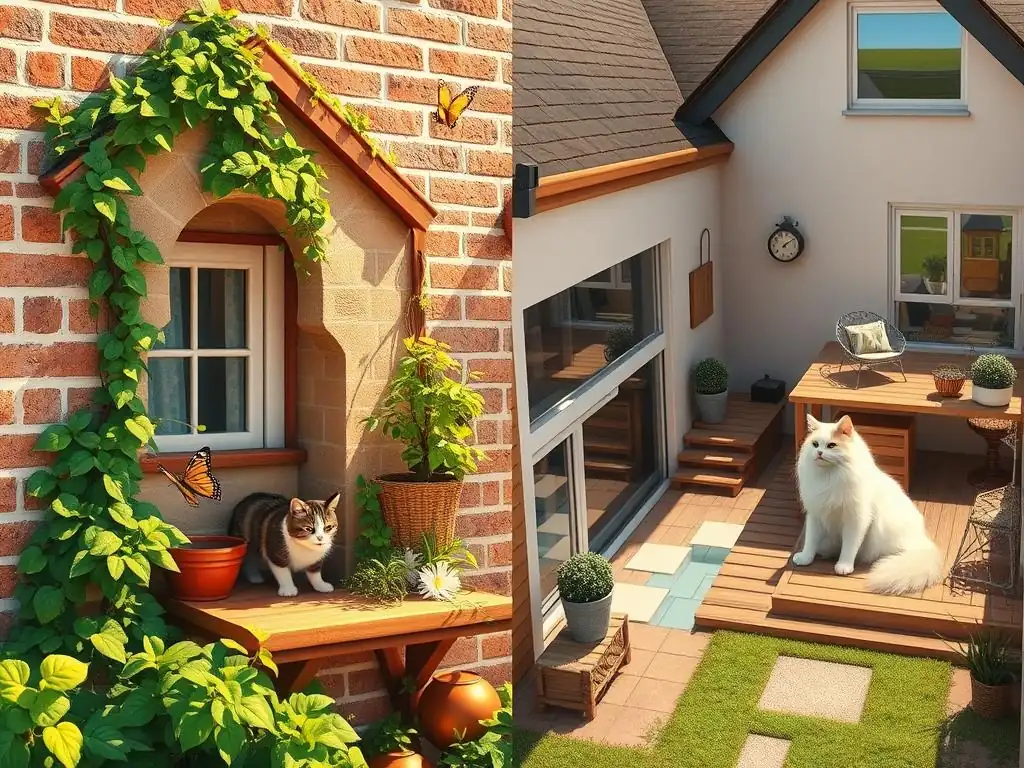
Welcome to PetCareWorld, your ultimate guide to a happier, healthier life for your beloved companion! Are you dreaming of a safe and stimulating outdoor haven for your feline friend? Then prepare to be inspired by our extensive collection of best catio design ideas, perfect for both small apartments and sprawling backyards. Discover innovative solutions and practical tips to create the purrfect catio – a project that will enrich your cat's life and strengthen your bond. Let's embark on this exciting journey together!
- Understanding Your Cat's Needs: Essential Considerations for Catio Design
- Best Catio Design Ideas for Small Spaces: Maximizing Space and Functionality
- Best Catio Design Ideas for Large Spaces: Unleashing Creative Potential
-
Essential Features for Every Catio: Enhancing Comfort and Safety
- Providing Shade and Shelter: Protecting Your Cat from the Elements
- Incorporating Climbing Structures: Cat Trees, Shelves, and Hammocks
- Adding Enrichment Features: Toys, Water Features, and Sensory Stimulation
- Ensuring Proper Drainage and Ventilation: Maintaining a Clean and Healthy Catio Environment
- Materials and Tools for Building Your Catio: A Buyer's Guide
- DIY Catio Projects: Step-by-Step Guides and Tutorials
- Maintaining Your Catio: Cleaning, Repairs, and Seasonal Adjustments
- Budget-Friendly Catio Ideas: Affordable Solutions for Every Budget
- Finding a Professional Catio Builder: When to Seek Expert Assistance
- Legal Considerations for Building a Catio: Permits and Regulations
- Inspiring Catio Designs: Photo Gallery and Case Studies
- Frequently Asked Questions
- Final Reflection: Building Bridges, Not Just Catios
- Unleash Your Cat's Inner Explorer: Create Their Dream Catio Today!
Understanding Your Cat's Needs: Essential Considerations for Catio Design
Planning the perfect catio—a cat patio—is more than just building a structure; it's about creating a safe, stimulating, and enriching environment tailored to your feline friend's individual needs. This comprehensive guide will walk you through designing a catio that caters to both small and large spaces, ensuring your cat enjoys a secure outdoor experience while maximizing their happiness and well-being. We'll explore various design ideas to help you create the "best catio design" for your furry companion, focusing on safety, comfort, and enrichment.
Choosing the right design will depend heavily on understanding your cat's unique personality and preferences, as well as the available space in your yard or on your balcony. Remember, the goal is to build a catio that's not just aesthetically pleasing but also functionally perfect for your cat's specific needs and lifestyle. Let's delve into the key considerations for designing a truly exceptional catio.
Assessing Your Cat's Personality and Preferences for Optimal Catio Design
Before you even begin sketching blueprints, understanding your cat's personality is paramount. Is your cat adventurous and playful, or more shy and cautious? Does it prefer to perch high up or explore at ground level? These personality traits will significantly influence the design of your catio.
For instance, a playful cat might benefit from a multi-level catio with climbing structures, scratching posts, and plenty of toys. A more reserved cat might prefer a smaller, enclosed space with comfortable resting areas and plenty of hiding spots. Consider your cat's preferences for different textures and materials. Some cats love soft, plush surfaces, while others prefer rougher textures like sisal or carpet.
Incorporate these preferences into your design to ensure your cat feels comfortable and at home in their new outdoor sanctuary. Remember to observe your cat's behavior carefully to identify its preferences and tailor the catio accordingly. This careful consideration will significantly enhance your cat's enjoyment and overall experience. Even seemingly small details, like the type of bedding provided or the placement of scratching posts, can make a big difference in your cat's happiness.
Choosing the Right Location: Sunlight, Shelter, and Views for a Feline Paradise
The location of your catio is crucial for maximizing its appeal to your cat. Consider factors like sunlight exposure, shelter from the elements, and the surrounding views. Cats enjoy basking in the sun, so positioning your catio to receive ample sunlight, especially in the morning or afternoon, is beneficial. However, it's equally important to provide shade during the hottest parts of the day to prevent overheating.
You'll want to incorporate features like awnings or strategically placed plants to offer protection from direct sunlight and rain. The views from your catio are also important, as cats love to observe their surroundings. A catio overlooking a bird feeder or a busy area can provide hours of entertainment for your cat.
However, ensure that the location you choose offers some level of privacy and protection from potential predators or unwanted interactions with other animals. Careful consideration of these factors ensures that your cat has a safe, comfortable, and stimulating environment to enjoy. Remember to measure the space carefully before making any decisions.
Safety First: Cat-Proofing Your Catio to Prevent Escapes and Injuries
Safety is the top priority when designing a catio. You need to ensure that your cat cannot escape and that the structure is free from potential hazards. This involves meticulously cat-proofing every aspect of the design. Use sturdy, escape-proof mesh or netting to enclose the catio, making sure there are no gaps or holes where your cat could squeeze through. Secure all connections and fasteners to prevent accidental openings.
Check regularly for any signs of wear and tear and repair them immediately. The materials used should be non-toxic and durable. Avoid using materials that could be easily chewed or clawed by your cat. Sharp edges and corners should be smoothed or covered to prevent injuries.
Consider the placement of plants; ensure they are non-toxic and not prone to shedding thorns or sharp leaves. Regularly inspect the catio for any potential hazards and make necessary adjustments to maintain a safe and secure environment. A safe catio allows your cat to enjoy the outdoors without compromising its safety and well-being. This proactive approach to safety is key to ensuring a happy and worry-free experience for both you and your cat.
Best Catio Design Ideas for Small Spaces: Maximizing Space and Functionality
Creating a stimulating and safe outdoor environment for your indoor cat doesn't require a sprawling backyard. Even the smallest spaces can be transformed into a fantastic catio with clever design and efficient use of resources. This section explores several "best catio design ideas" specifically tailored for small spaces, focusing on maximizing both space and functionality to provide your feline friend with a rewarding outdoor experience. We'll explore options that are both aesthetically pleasing and practical, catering to various budgets and DIY skill levels. The key is to think vertically and utilize every inch available.
Compact Catio Designs: Utilizing Vertical Space and Corner Areas
Limited square footage shouldn't limit your cat's outdoor enjoyment. Compact catio designs cleverly use vertical space and awkward corner areas to create a surprisingly spacious feel. Think multi-tiered structures with platforms at different heights, allowing your cat to climb, explore, and survey their kingdom from various vantage points. This not only maximizes the usable area but also provides enrichment through vertical exploration, a natural behavior for cats.
For example, a simple corner catio can be built using readily available materials like plywood and wire mesh. The structure can be designed to fit snugly into a corner, taking up minimal floor space while providing several levels for your cat to play and relax on. Consider adding climbing posts, shelves, and small hammocks for additional enrichment.
Remember to secure the structure firmly to prevent any accidents. The use of lightweight yet sturdy materials is crucial for smaller spaces, ensuring the catio doesn't feel overwhelming or intrusive. This approach to design prioritizes functionality and space optimization, resulting in a delightful and functional catio even in limited spaces.
DIY Catio Kits: Budget-Friendly Options
For those seeking a more affordable approach to catio construction, pre-fabricated DIY catio kits offer a practical solution. These kits often come with pre-cut wood, mesh, and hardware, simplifying the construction process and reducing the overall cost. Many kits cater specifically to small spaces, offering compact designs that are easy to assemble and install. While some assembly is still required, these kits significantly reduce the time and effort compared to building a catio from scratch.
This is a great option for those with limited carpentry skills or a tight budget. When choosing a kit, pay close attention to the dimensions and ensure it's compatible with your available space. Remember to check reviews before purchasing to gauge the quality and ease of assembly.
Additionally, consider the overall sturdiness and safety features of the kit to ensure it can withstand the playful antics of your cat. Selecting a kit that offers customization options can also be beneficial, allowing you to tailor the catio to your cat's specific preferences and your available space. This cost-effective approach to catio design makes the dream of an outdoor haven for your cat a realistic possibility.
Small Balcony Catios: Transforming Limited Outdoor Space into a Cat Haven
Balconies, while often small, offer a unique opportunity to create a charming and secure catio. Transforming a small balcony into a cat haven requires careful planning and the use of space-saving techniques. The design should prioritize safety and security, completely enclosing the balcony with sturdy mesh to prevent escapes.
Vertical space can be utilized effectively with hanging plants, shelves, and climbing structures. Consider using lightweight materials like PVC pipes or lightweight wood to avoid adding excessive weight to the balcony. The addition of comfortable seating areas, such as small cat beds or hammocks, will encourage your cat to spend time in their outdoor sanctuary.
Remember to consider the weather conditions in your area and choose materials that can withstand exposure to the elements. A small balcony catio, designed with careful consideration of space and safety, can provide your cat with a wonderful, secure, and enriching outdoor experience. This demonstrates that even the smallest outdoor spaces can be transformed into a stimulating and safe environment for your beloved feline companion, providing an excellent example of a "best catio design ideas" solution for apartment dwellers.
Adapting Window Boxes for Small Catios: Easy DIY Projects and Creative Solutions
Window boxes, often overlooked for their potential, offer a surprisingly versatile and affordable foundation for small catios. Their pre-fabricated structure significantly simplifies the construction process, making them ideal for DIY enthusiasts with limited carpentry experience. The key lies in adapting these boxes to meet your cat's needs and your available space. This involves careful consideration of size, material, and security.
For instance, a simple and effective approach involves securing two or three standard window boxes together to create a more spacious enclosure. This can be achieved using strong, weather-resistant screws and brackets, ensuring a robust and stable structure. Remember to choose boxes made from durable materials like cedar or redwood, which are naturally resistant to rot and weathering. Avoid using pressure-treated lumber, as the chemicals used in the treatment process can be harmful to your cat.
Beyond the basic structure, creativity plays a crucial role in maximizing the functionality of your window box catio. Consider adding features like shelves or platforms to provide different levels for your cat to explore. These can be constructed from sturdy plywood or even repurposed materials like sturdy wooden crates. Remember to secure these additions firmly to prevent accidents. A simple ramp can also facilitate easy access to the upper levels.
Adding netting is crucial for safety. Use a strong, fine-mesh netting to completely enclose the window box catio, preventing escapes and protecting your feline friend from predators or hazards. Secure the netting firmly to the structure using staples or zip ties, ensuring there are no gaps or openings your cat could exploit. Regularly inspect the netting for any signs of wear and tear and replace it as needed.
Finally, consider the aesthetic appeal of your catio. You can personalize your window box catio with cat-friendly plants, providing a visually stimulating and enriching environment. Choose non-toxic plants, and research which plants are safe for feline consumption before including them in your design. A small water fountain or a scratching post can further enhance the functionality and enjoyment of your cat's new outdoor space. With a little ingenuity and effort, a simple window box can be transformed into a delightful and safe haven for your indoor cat, showcasing one of the best catio design ideas for small spaces.
Best Catio Design Ideas for Large Spaces: Unleashing Creative Potential
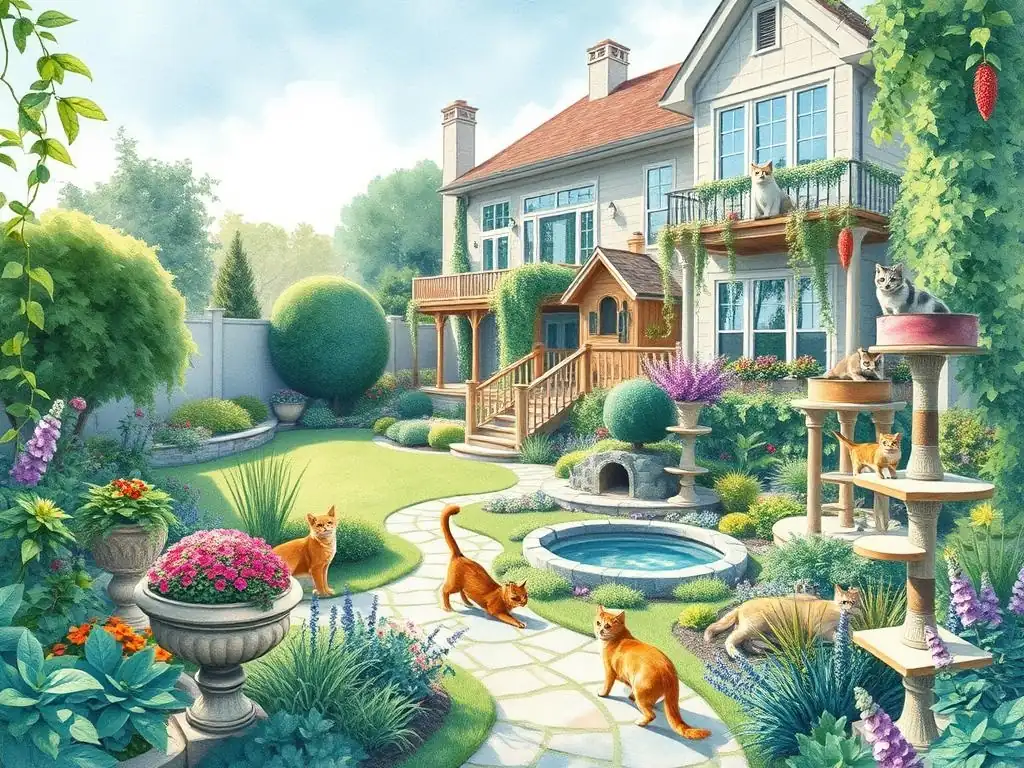
Large spaces offer unparalleled opportunities for designing a truly exceptional catio. Forget cramped quarters; here, you can let your creativity soar and build a feline paradise that caters to your cat's every whim. The key is to maximize the available area, providing diverse environments for play, relaxation, and exploration. Consider your cat's personality – are they energetic explorers or more laid-back loungers? Tailor the design to their preferences for optimal enjoyment. Remember, the goal is to create a stimulating and enriching environment that mimics a natural outdoor habitat, while ensuring safety and security. Let's explore some captivating options.
Multi-Level Catios: Creating Engaging Vertical Playgrounds
Multi-level catios are perfect for maximizing space in a large area. Think of it as a luxurious condo for your cat, complete with ramps, stairs, climbing structures, and multiple platforms at varying heights. This vertical design caters to cats' natural climbing instincts, offering exciting vantage points and opportunities for exploration.
Consider incorporating different textures and materials to stimulate your cat's senses. For example, you could combine smooth wooden platforms with rough-textured sisal rope climbing posts. Adding a variety of hiding places, such as small tunnels or enclosed boxes, provides added security and enrichment. A multi-level catio can be as simple or elaborate as you desire – from a basic two-level structure to a complex, multi-tiered masterpiece.
A well-designed multi-level catio can significantly enhance your cat's physical and mental well-being. The verticality encourages physical activity, combating lethargy and obesity, while the diverse environments stimulate their minds and prevent boredom. Remember to prioritize safety with secure railings and sturdy construction to prevent falls. The addition of strategically placed scratching posts further enhances the design's functionality and appeal. 😻
Run-Style Catios: Providing Ample Space for Exercise and Exploration
For the adventurous cat, a run-style catio provides ample space for exercise and exploration. This design often involves a larger, open-plan structure that allows your cat to roam freely and engage in natural behaviors such as stalking, pouncing, and chasing.
Think of it as a miniature outdoor playground, complete with features like tunnels, climbing structures, and even a small sandbox for digging. A run-style catio can be designed to incorporate various zones, such as a sunbathing area, a shaded resting spot, and a dedicated play area. This design is particularly suited to larger gardens or yards, allowing for a spacious and stimulating outdoor environment.
The key is to provide a stimulating environment that encourages physical activity and mental engagement. You can achieve this by incorporating a variety of features, such as different textures, heights, and hiding places. Remember to ensure the catio is securely enclosed to prevent escapes and protect your cat from potential hazards. A run-style catio is an excellent choice for active cats who enjoy exploring and playing. It also allows for easy monitoring of your cat's activities.
Enclosed Catios: Offering a Secure and Private Outdoor Retreat
Enclosed catios provide a secure and private outdoor retreat for cats who prefer a more sheltered environment. This design offers protection from the elements and potential predators, while still allowing your cat to enjoy the fresh air and sunshine.
Enclosed catios can be designed in a variety of styles, from simple, screened-in structures to more elaborate, custom-built enclosures. Consider the size and layout of your space when planning your enclosed catio. Features like a comfortable lounging area, a scratching post, and a small food and water station will make it even more inviting.
The materials used in constructing an enclosed catio should be durable and weather-resistant. Ensure the enclosure is secure and free from gaps or holes that your cat could escape through. Adding plants and other natural elements can create a calming and enriching environment. An enclosed catio is a perfect solution for cats who are shy, anxious, or prone to escaping. It offers the benefits of outdoor access without the risks associated with unsupervised roaming. The sense of security and privacy makes it an ideal space for relaxation and rejuvenation.
Custom-Built Catios: Tailoring the Design to Your Cat's Specific Needs and Your Yard's Layout
Creating a custom-built catio offers unparalleled flexibility in designing the perfect outdoor haven for your feline friend. This approach allows you to fully integrate the catio into your existing landscape, maximizing space and minimizing visual impact. The design possibilities are virtually limitless, allowing you to cater to your cat's unique personality and preferences, as well as the specific constraints of your yard.
Consider your cat's personality when planning the design. Is your cat a climber? If so, incorporate climbing structures like cat trees or shelves integrated into the catio's walls. Does your cat prefer to lounge in sunny spots? Designate a sunny area within the enclosure, perhaps with a comfortable cat bed. A shy cat might benefit from a more secluded area with hiding places, such as tunnels or enclosed spaces within the catio structure. Perhaps a small, covered shelter provides protection from the elements or a sense of security.
The layout of your yard significantly influences the catio's design. If you have a large, open yard, you might opt for a more expansive catio, potentially even incorporating multiple levels or sections. A smaller yard may necessitate a more compact design, perhaps integrated into a fence or built against an existing structure.
Think about the placement of the catio entrance – easy access from the house is crucial for your cat's convenience. Consider the prevailing winds and sun patterns in your yard when choosing the catio's location. You'll want to provide ample shade during the hottest parts of the day and shelter from strong winds.
Materials are another key consideration. Durability and safety are paramount. Choose materials that are weather-resistant and non-toxic, such as pressure-treated wood (ensure it's properly sealed and safe for pets), sturdy wire mesh, or composite materials.
Avoid using materials that could splinter or pose a risk to your cat. The design should also take into account the potential for escape; ensure all openings are securely fastened and the mesh is strong enough to prevent your cat from escaping. A well-built custom catio, designed with both your cat's needs and your yard's characteristics in mind, will provide years of safe and enjoyable outdoor playtime.
Remember to factor in local building codes and regulations before starting your project. Consulting with a professional builder experienced in pet-friendly structures can ensure a safe and well-executed design. This investment will pay off in the form of a happy, enriched cat and a beautiful addition to your outdoor space.
Essential Features for Every Catio: Enhancing Comfort and Safety
Creating the best catio design involves more than just providing outdoor access; it's about crafting a safe and enriching environment that caters to your feline friend's natural instincts. A well-designed catio prioritizes comfort, security, and stimulation, ensuring your cat enjoys its outdoor adventures to the fullest. This section will delve into the crucial features that transform a simple enclosure into a purrfect feline paradise. Remember, a happy cat is a healthy cat, and a well-planned catio contributes significantly to their overall well-being.
Providing Shade and Shelter: Protecting Your Cat from the Elements
Protecting your cat from harsh weather conditions is paramount. Direct sunlight can lead to overheating, while rain and wind can cause discomfort and stress. Therefore, incorporating adequate shade and shelter is a non-negotiable aspect of any best catio design.
Consider these options:
- Partial roof: A partially covered roof provides shade while still allowing sunlight to filter through, offering a balance between protection and sun exposure. The ideal coverage should depend on your local climate and the sun's trajectory throughout the day. For example, a south-facing catio in a hot climate will require more extensive shading than a north-facing one in a temperate zone.
- Pergola or awning: These structures offer elegant shade solutions, adding aesthetic appeal to your catio while providing effective sun protection. You can customize the design to match your home's style, creating a seamless extension of your outdoor space.
- Strategic planting: Consider planting climbing plants or shrubs that will provide natural shade over time. This adds a natural, visually appealing element, and some plants even offer pest-repelling qualities. Remember to choose non-toxic plants that are safe for your cat.
- Weather-resistant enclosure: The catio's walls and roof should be made of durable, weather-resistant materials that can withstand rain, wind, and extreme temperatures. This ensures your cat stays dry and comfortable regardless of the weather.
Incorporating Climbing Structures: Cat Trees, Shelves, and Hammocks
Cats are natural climbers, and providing vertical space within the catio is crucial for their physical and mental stimulation. This is a key element in achieving a best catio design. By incorporating various climbing structures, you'll satisfy their innate desire to explore and survey their surroundings from elevated positions.
Here are some ideas to consider:
- Cat trees: A sturdy cat tree provides multiple levels for climbing and lounging. Choose a tree that's appropriately sized for your catio and provides ample scratching posts to satisfy your cat's scratching instincts. Think about the overall aesthetic - a cat tree that blends in with the catio's design will look more harmonious.
- Shelves: Installing shelves at varying heights offers additional climbing opportunities and vantage points. Use securely mounted shelves made of durable materials that can withstand your cat's weight. Consider placing shelves near windows or openings to maximize views of the outside world.
- Hammocks: Hammocks provide comfortable resting spots and add another dimension to vertical space. Choose hammocks made from sturdy, weather-resistant fabric that can withstand the elements. A well-placed hammock can become your cat's favorite spot to relax and observe its surroundings.
- Vertical scratching posts: Integrating vertical scratching posts into the design is essential for scratching and claw maintenance. This prevents damage to other structures within the catio while providing a beneficial outlet for your cat's natural behaviors.
Adding Enrichment Features: Toys, Water Features, and Sensory Stimulation
A truly exceptional best catio design goes beyond basic shelter and climbing structures; it incorporates features that enrich your cat's environment, stimulating their senses and encouraging natural behaviors.
Consider these enrichment options:
- Interactive toys: Provide a variety of interactive toys, such as feather wands, balls, or puzzle feeders, to keep your cat entertained and engaged. Rotating toys regularly prevents boredom and keeps the catio stimulating. Consider toys that are designed for outdoor use and are durable enough to withstand the elements.
- Water features: A small bird bath or a shallow water dish can provide visual and auditory stimulation, mimicking natural water sources. This is especially appealing during warm weather. Ensure that the water source is shallow and easily accessible to prevent accidental drowning.
- Sensory stimulation: Incorporate elements that stimulate your cat's senses, such as different textures (rough bark, soft grass), sounds (wind chimes), and smells (catnip plants). This variety helps create a more engaging and stimulating environment. Remember to always use non-toxic and cat-safe materials.
- Observation points: Strategic placement of seating areas near windows or openings allows your cat to observe birds, squirrels, and other outdoor activity, engaging their natural hunting instincts. This provides crucial mental stimulation and keeps your cat entertained for hours.
Remember, a well-designed catio is an investment in your cat's happiness and well-being. By incorporating these essential features, you can create a safe, comfortable, and stimulating outdoor space that your feline friend will adore. The key is to carefully plan and consider your cat's individual preferences and needs to ensure a purrfectly designed catio! 😻
Ensuring Proper Drainage and Ventilation: Maintaining a Clean and Healthy Catio Environment
Proper drainage and ventilation are crucial for maintaining a clean, healthy, and comfortable environment within your catio. Neglecting these aspects can lead to the buildup of moisture, fostering the growth of mold and mildew, which can be detrimental to your cat's respiratory health and overall well-being. Furthermore, stagnant air can lead to unpleasant odors and attract unwanted insects.
To ensure adequate drainage, consider the location and the type of flooring you choose for your catio. If building directly on the ground, a layer of gravel followed by a permeable membrane can help divert water away from the structure. For raised catios, ensure that any trays or containers used for plants are appropriately drained to prevent waterlogging. Regularly inspect the drainage system to ensure it remains functional and clear of debris. A slight slope in the flooring can also assist with water runoff, preventing puddles from forming.
Ventilation is equally important. A well-ventilated catio prevents the buildup of humidity and ammonia from cat urine and feces. This is particularly important in enclosed catios. Consider installing vents or windows, strategically placed to allow for cross-ventilation.
The number and size of these openings will depend on the size and design of your catio. Smaller catios might require only a few small vents, while larger structures could benefit from multiple larger openings. Mesh screens are essential to prevent your cat from escaping and to keep out unwanted pests. Remember, proper ventilation is key to preventing the growth of mold and maintaining a pleasant environment for your feline friend.
Regular cleaning and air circulation are vital for a healthy catio. Consider using a small fan for additional air circulation, especially during warmer months. This simple addition can make a significant difference in maintaining a comfortable temperature and reducing unpleasant odors. The best catio design ideas always prioritize the health and well-being of the cat.
Materials and Tools for Building Your Catio: A Buyer's Guide
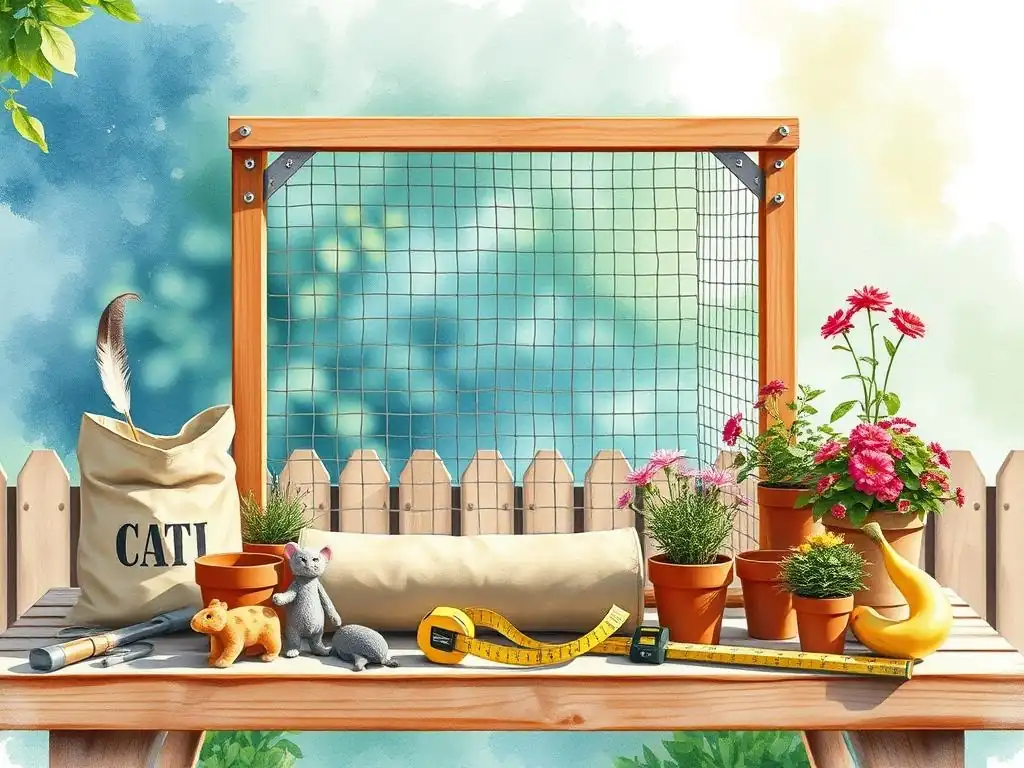
Building a catio, even a small one, requires careful planning and selection of appropriate materials. The right choices will ensure your cat's safety, the catio's longevity, and its aesthetic appeal. This section provides a detailed buyer's guide to help you navigate the process of selecting the best materials and tools for your project. Remember, the best catio design ideas often hinge on using high-quality, durable components.
Choosing the Right Fencing: Durability, Safety, and Aesthetics
The fencing is arguably the most crucial element of your catio design. It needs to be strong enough to contain your feline friend, safe to prevent escape and injury, and aesthetically pleasing to complement your home's exterior. Several options exist, each with its pros and cons:
- Chicken wire: This is a budget-friendly option, but it's less durable than other choices and can be easily damaged by determined cats. It also offers less visual appeal. Consider using it only as a secondary layer of protection within a more robust structure.
- Hardware cloth: A significantly stronger choice than chicken wire, hardware cloth is woven tighter and offers superior resistance to scratching and chewing. It’s a popular choice for catio construction, providing good protection while remaining relatively lightweight.
- Chain link fence: Durable and readily available, chain link offers excellent visibility and ventilation, but might require additional material to prevent your cat from squeezing through the gaps. Consider using a finer gauge chain link for better security.
- PVC or composite fencing: These materials offer a modern, clean look and are resistant to weather and rot. They are more expensive, but their durability makes them a worthwhile investment for a long-lasting catio. Ensure it's cat-safe, as some products may contain harmful chemicals.
When selecting your fencing, prioritize safety. Ensure the mesh size is small enough to prevent your cat from escaping or getting its head stuck. Also, consider the overall aesthetics – choose a fencing material that complements your home and garden. The best catio design ideas often involve integrating the catio seamlessly into the existing landscape.
Selecting Suitable Flooring: Comfort, Drainage, and Easy Cleaning
The flooring of your catio is equally important. It needs to be comfortable for your cat, provide adequate drainage to prevent puddles, and be easy to clean. Here are some top flooring options:
- Concrete: Durable and easy to clean, concrete is a practical choice, especially for larger catios. However, it can be cold and hard on your cat's paws. Consider adding a layer of comfortable padding on top.
- Gravel: Provides good drainage and is relatively inexpensive. However, it can be difficult to keep clean and may not be comfortable for your cat to walk on for extended periods.
- Artificial turf: Offers a soft, comfortable surface that mimics natural grass. It's relatively easy to clean and provides good drainage. Choose a high-quality, non-toxic artificial turf specifically designed for pet use.
- Decking: Provides a natural and visually appealing surface, but can be expensive and require more maintenance. Ensure the gaps between the planks are small enough to prevent your cat from getting its paws caught.
The ideal flooring choice will depend on your budget, the size of your catio, and your cat's preferences. Consider a combination of materials to create a comfortable and functional space. For example, you might use concrete in high-traffic areas and artificial turf in areas where your cat will spend more time relaxing.
Essential Tools for Catio Construction: Required Tools and Materials List
Having the right tools will make your catio building project much smoother and more efficient. Here’s a checklist of essential tools and materials:
| Tool/Material | Description | Quantity (Example) | Notes |
|---|---|---|---|
| Measuring Tape | For accurate measurements of your catio space. | 1 | Essential for planning and construction. |
| Level | To ensure your catio is level and stable. | 1 | Crucial for structural integrity. |
| Drill/Driver | For assembling the catio structure and attaching the fencing. | 1 | Choose a cordless drill for greater flexibility. |
| Screwdriver bits | Various sizes to match the screws you'll be using. | Assortment | Essential for efficient fastening. |
| Wire Cutters | For cutting wire fencing or other materials. | 1 | Safety glasses recommended. |
| Safety Glasses | Protect your eyes from flying debris during construction. | 1 | Essential for safety. |
| Post Hole Digger (optional) | For setting posts in the ground. | 1 | Useful for larger catios. |
| Wood screws | To secure the catio frame. | [Specific quantity pending] | Choose exterior-grade screws for durability. |
| Fencing Material | As chosen in the previous section. | [Specific quantity pending] | Ensure sufficient quantity to cover the entire catio perimeter. |
| Flooring Material | As chosen in the previous section. | [Specific quantity pending] | Consider the size of your catio and desired coverage. |
| Wood/Metal for Framing | Depending on your design, you'll need wood or metal for the catio frame. | [Specific quantity pending] | Pressure-treated lumber is recommended for outdoor use. |
Remember to always prioritize safety when working with tools and materials. Wear appropriate safety gear, such as safety glasses and work gloves, and follow manufacturer instructions for all tools and materials. The best catio design ideas are those that are both safe and enjoyable for your feline companion.
Sourcing Materials: Local Lumber Yards, Online Retailers, and Recycling Options
Finding the right materials for your catio is crucial for both its structural integrity and its aesthetic appeal. You have several excellent options to consider, each with its own advantages and disadvantages. Let's explore them:
Local Lumber Yards: Local lumber yards offer a tangible advantage: you can inspect the quality of wood firsthand. This is particularly important when choosing wood for the catio's structure. You can check for knots, warping, and any signs of damage before purchasing. Furthermore, many lumber yards offer cutting services, which can save you time and effort, especially if you're working with larger pieces of wood.
The downside? Prices might be slightly higher than online retailers, and selection may be more limited depending on the size and specialization of the yard. You'll also need to factor in transportation. For example, if you're building a large catio, you might need to make multiple trips or arrange for delivery, which can add to the overall cost.
Online Retailers: Online retailers offer a vast selection of materials, often at competitive prices. This is especially beneficial if you're searching for specific types of wood, hardware, or netting. The convenience of having materials delivered directly to your doorstep is a significant plus, especially if you're dealing with bulky items. However, you lose the ability to inspect the materials before purchase.
There's also the risk of damage during shipping, and returns can be cumbersome. Additionally, shipping costs can significantly impact the overall budget, especially for larger or heavier items. It's essential to carefully read customer reviews before ordering to gauge the quality and reliability of the supplier. For instance, checking reviews for specific types of catio netting will help you avoid purchasing inferior products that might tear easily.
Recycling Options: Embracing sustainability is not only environmentally responsible but can also save you money. Repurposing materials is a fantastic way to build a unique and cost-effective catio. Think creatively! Old pallets, repurposed fencing, and even salvaged window frames can all be incorporated into your design. However, it's crucial to thoroughly clean and sanitize any reclaimed materials before using them in your catio to ensure your feline friend's safety.
Check for splinters, sharp edges, and any potential hazards. Also, consider the structural integrity of the reclaimed materials. Pallets, for instance, may not be suitable for load-bearing parts of the catio unless they are exceptionally sturdy and reinforced. Using recycled materials requires more time and effort in preparation, but the reward is a unique and eco-friendly catio. This approach is particularly appealing to those seeking a "best catio design ideas" that minimizes environmental impact.
DIY Catio Projects: Step-by-Step Guides and Tutorials
This section provides detailed, step-by-step instructions and tutorials for building your own catio, catering to various skill levels and budgets. We'll explore different designs, materials, and installation methods to help you find the best catio design ideas for your space and feline companion. Remember, safety and your cat's well-being are paramount throughout the entire process.
Building a Simple Wooden Catio: A Beginner-Friendly Project
This project is ideal for beginners with basic DIY skills and limited tools. We'll focus on a straightforward design using readily available lumber. The estimated cost is between $100-$200, depending on the size and materials chosen.
Materials:
- Pressure-treated lumber (4x4 posts, 2x4 framing, 1x4 for walls)
- Chicken wire or other sturdy mesh netting
- Wood screws
- Exterior-grade paint or stain (optional)
- Post hole diggers or auger (if installing in ground)
- Level
- Drill
- Measuring tape
- Safety glasses
Step-by-Step Instructions:
- Planning & Design: Sketch a simple rectangular or square design. Consider your cat's size and activity level when determining dimensions. Aim for at least 4ft x 4ft for a comfortable space.
- Building the Frame: Construct a sturdy frame using the 4x4 posts and 2x4s. Ensure all corners are square and securely fastened.
- Adding the Walls: Attach the 1x4 lumber to create the walls. Leave space between boards for ventilation.
- Installing the Mesh: Secure the chicken wire or mesh netting to the frame using staples or wire ties. Ensure it's tightly stretched and free of gaps to prevent escape.
- Finishing Touches: Apply paint or stain for weather protection and aesthetic appeal. Consider adding a roof for shade and protection from the elements.
- Installation: If installing in the ground, dig post holes and set the posts securely using concrete. Alternatively, you can attach the catio to an existing structure like a fence or wall.
This simple design provides a functional and safe space for your cat to enjoy the outdoors. Remember to regularly inspect the structure for any damage or wear and tear. Adding climbing structures or shelves inside enhances the catio's appeal and provides enrichment. 😻
Creating a Catio from Repurposed Materials: Sustainable and Cost-Effective Options
Repurposing materials is a fantastic way to build a catio while minimizing environmental impact and saving money. This approach encourages creativity and allows for unique designs tailored to your existing resources. The cost can be significantly lower than using new lumber, often falling under $50, depending on what you can source.
Potential Materials:
- Old pallets (ensure they are treated wood and free of harmful chemicals)
- Reclaimed lumber from demolition projects
- Window screens or leftover mesh netting
- Wire shelving units
- PVC pipes (for climbing structures)
Design Considerations:
- Pallets can be disassembled and reassembled to create a unique wall structure.
- Wire shelving can be adapted to create interior shelves and climbing structures.
- PVC pipes can be easily cut and assembled to create fun climbing features.
Remember to thoroughly clean and sanitize any repurposed materials before use. Secure all components firmly to prevent accidental injury or escape. This sustainable approach allows for a truly personalized catio reflecting your creativity and resourcefulness.
Installing a Catio on a Deck or Patio: Integrating with Existing Structures
Integrating a catio with an existing deck or patio offers a seamless transition between indoor and outdoor spaces. This approach maximizes space utilization and minimizes the need for extensive ground work. The cost varies widely depending on the size and complexity of the integration, but typically falls within the $150-$300 range.
Design Considerations:
- Attachment Methods: Consider using sturdy brackets, screws, or other fasteners appropriate for your deck or patio material.
- Size and Placement: Carefully measure the available space on your deck or patio to determine the optimal size and placement of your catio.
- Access: Ensure easy access for your cat, perhaps using a cat door or ramp.
- Safety: Securely attach the catio to prevent tipping or accidental detachment.
This method provides a visually appealing and convenient solution, enhancing both your outdoor living space and your cat's enrichment. The integration adds value and functionality to your existing structure, creating a harmonious blend of human and feline comfort. Consider adding potted plants or bird feeders to further enhance the catio's appeal and provide stimulating views for your feline friend. Remember to regularly check the integrity of the attachment points and the overall structural soundness of the catio.
Maintaining Your Catio: Cleaning, Repairs, and Seasonal Adjustments
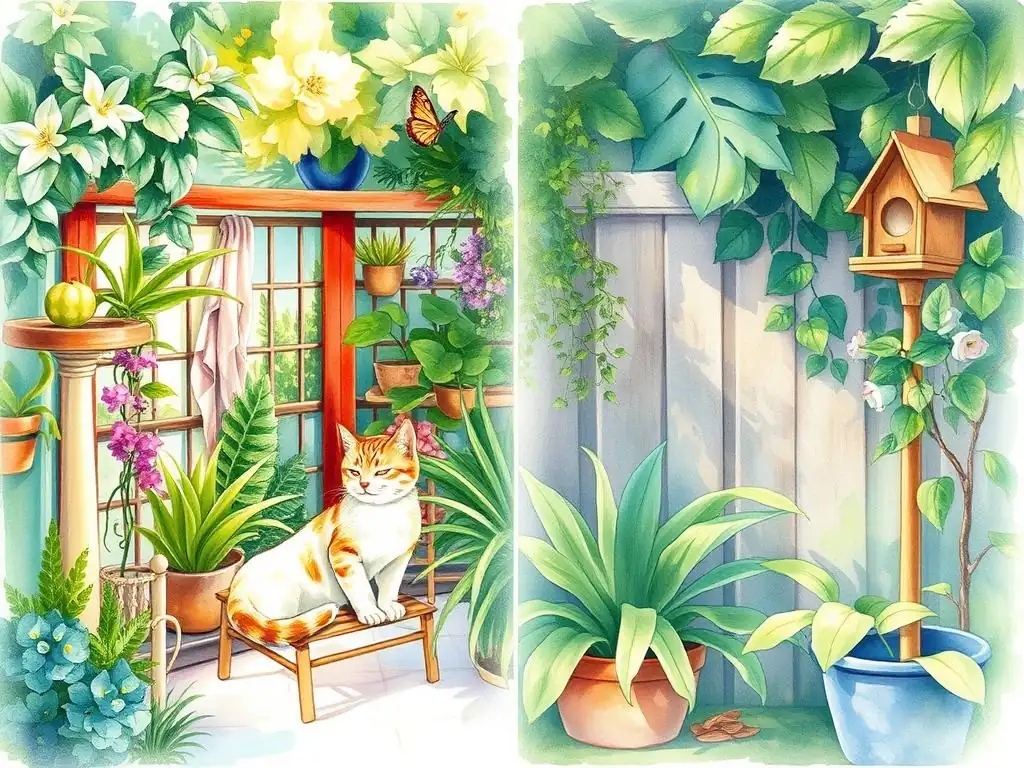
Building a fantastic catio is only half the battle! Maintaining your feline paradise is crucial for ensuring its longevity, your cat's safety, and its continued appeal. This section details essential maintenance tasks to keep your catio in top condition, maximizing its value as a beloved space for your furry friend. We'll cover everything from regular cleaning to addressing potential problems and making seasonal adjustments to keep your catio safe and enjoyable year-round. This is key to achieving the best catio design ideas and making them last.
Regular Cleaning and Maintenance: Keeping Your Catio Safe and Hygienic
Regular cleaning is paramount for a healthy and happy catio environment. Think of it as preventative medicine for your cat's outdoor sanctuary. Neglecting cleaning can lead to the buildup of waste, attracting unwanted pests and potentially exposing your cat to harmful bacteria or parasites.
Here's a cleaning schedule to consider:
- Daily: Remove any solid waste (litter box contents, uneaten food) and spot-clean any visible messes. This simple step prevents odors and keeps things tidy.
- Weekly: Thoroughly clean the litter box(es), refill with fresh litter, and give the entire catio a sweep or vacuum. Pay close attention to corners and crevices where debris tends to accumulate.
- Monthly: Wash all catio accessories like food and water bowls, scratching posts, and toys with pet-safe soap and water. Disinfect surfaces with a pet-friendly disinfectant. Consider using a pressure washer for easy cleaning of enclosed catios.
- Quarterly: Perform a deep clean, including scrubbing the floors and walls (if applicable) and inspecting for any signs of wear and tear. This is a great opportunity for a thorough inspection of your catio structure.
Remember to always use pet-safe cleaning products! Harsh chemicals can be harmful to your cat and damage the catio materials. Always rinse thoroughly after cleaning to remove any residue.
Addressing Common Catio Issues: Repairs, Upgrades, and Troubleshooting
Even with meticulous care, your catio might encounter some issues over time. Being proactive in addressing these problems ensures your cat's safety and prolongs the life of your investment.
Here's a breakdown of common problems and their solutions:
| Problem | Solution | Prevention |
|---|---|---|
| Loose screws/bolts | Tighten or replace as needed. | Regular inspection and tightening. |
| Damaged netting/fencing | Repair or replace damaged sections immediately to prevent escapes. | Regular inspection for tears or holes. Consider using reinforced materials. |
| Damaged flooring | Repair or replace damaged flooring to prevent injuries. | Choose durable, weather-resistant flooring materials. |
| Pests (mice, insects) | Identify entry points and seal them. Use humane pest control methods. | Maintain cleanliness and seal potential entry points during construction. |
| Rusting metal components | Apply a rust-resistant coating or replace rusted parts. | Choose rust-resistant materials and regularly inspect for signs of rust. |
| Catio Upgrades: Consider adding features to enhance your cat's enjoyment. This might include installing new climbing structures, adding additional shelter, or integrating new toys. |
Seasonal Adjustments: Protecting Your Catio from Extreme Weather Conditions
Seasonal changes require adjustments to ensure your catio remains a safe and comfortable haven year-round. Extreme temperatures, heavy rain, and snow can all pose challenges.
- Summer: Provide adequate shade to prevent overheating. Ensure sufficient ventilation to prevent heat buildup. Consider adding a cooling mat or fan (if applicable). Monitor water levels frequently to prevent dehydration.
- Winter: Protect your catio from the elements with a waterproof cover or enclosure. Provide bedding and insulation to keep your cat warm. Ensure that any heating elements are safe for pets and properly installed. Clear snow and ice regularly to prevent accidents. Consider adding a heated mat (always check safety and pet appropriateness before using).
By following these guidelines, you can ensure your catio remains a safe, clean, and enjoyable space for your feline companion for years to come. Remember, regular maintenance is key to realizing the full potential of your best catio design ideas. A well-maintained catio provides endless hours of entertainment and enrichment for your beloved cat, maximizing their happiness and well-being. 😻
Budget-Friendly Catio Ideas: Affordable Solutions for Every Budget
Creating a fantastic catio doesn't require breaking the bank. With a little creativity and resourcefulness, you can build a safe and stimulating outdoor space for your feline friend without exceeding your budget. This section explores several cost-effective strategies for designing and building a catio that's both practical and aesthetically pleasing. Remember, the best catio design ideas often prioritize functionality and feline enjoyment over extravagant spending.
Utilizing Reclaimed Materials: Cost-Effective and Eco-Friendly Catio Designs
Repurposing materials is a fantastic way to slash costs and reduce your environmental impact. Think outside the box! Old pallets, salvaged lumber, and even repurposed windows can become integral parts of your catio's structure. A quick search on online classifieds or visiting local salvage yards can unearth treasures perfect for your project.
For example, sturdy wooden pallets, once cleaned and treated with a pet-safe sealant, can form the base of your catio walls. These readily available materials offer excellent structural support and a rustic charm. Similarly, old window frames can be incorporated to create viewing portals, allowing your cat to enjoy the sights and sounds of the outdoors without direct exposure. This approach not only cuts down on material costs but also contributes to a more sustainable and environmentally conscious catio design. Consider using recycled netting or mesh for enclosure walls, further reducing costs and your carbon footprint.
Remember to thoroughly clean and inspect all reclaimed materials before use, ensuring they are free from splinters, sharp edges, and any harmful chemicals. A good sanding and a few coats of pet-safe paint or stain can transform these reclaimed materials into attractive and durable components of your catio.
DIY Catio Accessories: Making Your Own Toys, Shelves, and Enrichment Items
Beyond the catio's structure, accessories significantly contribute to its appeal and functionality. Fortunately, many of these can be crafted at home, further reducing expenses. Creating your own cat toys, shelves, and enrichment items is not only economical but also allows for customization to perfectly suit your cat's preferences and needs.
Consider making simple catnip toys from old fabric scraps, or crafting climbing shelves from sturdy wood and rope. You can even repurpose cardboard boxes into scratching posts and hiding places. The possibilities are endless! A little online research will reveal countless DIY cat toy and accessory tutorials, offering inspiration and step-by-step instructions. This approach ensures a personalized and affordable catio that's tailored to your cat's unique personality. Remember to always prioritize safety when creating DIY accessories, ensuring no sharp edges or small, swallowable parts are present.
Choosing Affordable Fencing and Materials: Balancing Cost and Quality
While aiming for affordability, it's crucial to select materials that guarantee the safety and security of your cat. While expensive materials might offer superior durability, exploring budget-friendly alternatives doesn't necessarily compromise safety. For example, sturdy chicken wire, properly secured, can be a cost-effective fencing option. However, ensure it's fine enough to prevent your cat from escaping or getting injured. Consider adding a second layer for enhanced security.
When choosing wood for the frame, opting for pressure-treated lumber offers greater longevity but comes at a higher price. Untreated lumber, while cheaper, requires more maintenance and may not withstand harsh weather conditions as effectively. Carefully weigh the long-term cost implications against initial savings when making your decision. Remember, a well-maintained, less expensive catio can still provide years of enjoyment for your feline companion. Prioritize safety and durability, even when working within a tight budget. The best catio design ideas balance cost-effectiveness with essential safety measures.
Finding a Professional Catio Builder: When to Seek Expert Assistance
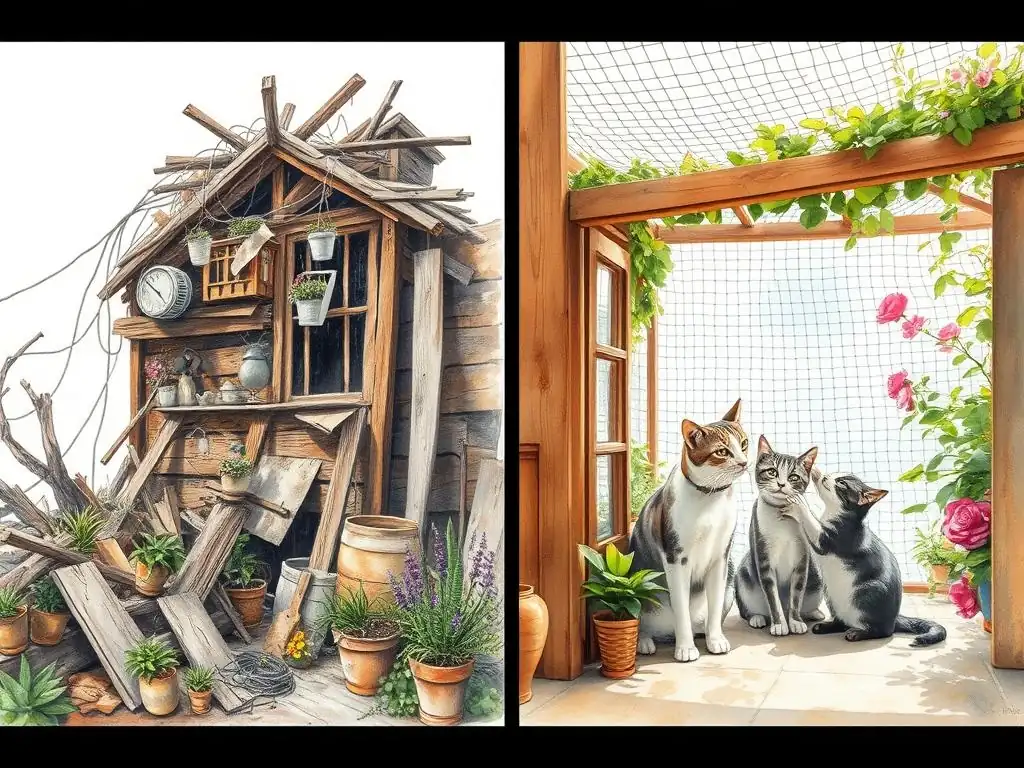
Building a catio can be a rewarding DIY project, but sometimes seeking professional help is the best approach. This section explores when engaging a professional catio builder makes sense, how to find reputable builders, and how to budget for their services. Choosing the right path ensures a safe, enjoyable, and aesthetically pleasing space for your feline friend. Remember, the goal is to create the best catio design ideas tailored to your needs and budget.
Determining When Professional Help is Necessary: Complex Designs and Large-Scale Projects
Professional catio builders bring expertise and experience to the table, particularly beneficial for complex or large-scale projects. If your vision extends beyond a simple, small enclosure, professional assistance might be crucial. Consider these factors:
- Complex Structures: Intricate designs incorporating multiple levels, ramps, tunnels, or unique architectural features often require the skills of a professional. These designs demand precise measurements, structural integrity assessments, and specialized construction techniques. A simple, rectangular catio is different from a multi-tiered, custom-designed structure with integrated climbing features.
- Large-Scale Projects: Larger catios, encompassing significant portions of your yard or requiring extensive integration with existing structures, are best handled by professionals. They possess the resources and expertise to manage larger-scale projects efficiently and safely. For example, a catio covering a significant portion of a balcony or integrated into a large garden will need expert planning and execution.
- Specialized Materials: Some catio designs incorporate specialized materials requiring specific handling and installation techniques. Professional builders are familiar with sourcing and working with various materials, ensuring the longevity and safety of your catio. This might include specialized netting, durable woods, or weather-resistant paints.
- Permitting and Regulations: Depending on your location, building permits might be required for larger or more complex catio structures. Professionals can navigate the permitting process, ensuring compliance with local regulations. This is a critical aspect often overlooked in DIY projects, potentially leading to delays or fines.
Finding Reputable Catio Builders in Your Area: Online Resources and Recommendations
Locating a skilled and reputable catio builder requires careful research. Start by exploring these resources:
- Online Directories: Many online platforms specialize in connecting homeowners with local contractors. Use keywords like "catio builders," "custom cat enclosures," or "outdoor cat shelters" to find potential candidates in your area. Thoroughly review profiles, checking for certifications, licenses, and client reviews.
- Word-of-Mouth Referrals: Reach out to your network – friends, family, veterinarians, or even local pet supply stores – for recommendations. Personal referrals often provide valuable insights into a builder's reliability, quality of work, and customer service.
- Social Media Groups: Join online pet owner communities or local neighborhood groups on platforms like Facebook or Nextdoor. These groups often feature discussions about home improvement projects, including catio construction, and can provide recommendations or insights.
Remember to always verify credentials and request references before hiring a catio builder. Checking their previous work, if possible, can give you a clearer idea of their capabilities and attention to detail.
Budgeting for Professional Catio Construction: Cost Estimates and Considerations
The cost of professional catio construction varies significantly based on several factors:
| Factor | Impact on Cost |
|---|---|
| Size and Complexity | Larger and more complex designs are more expensive |
| Materials Used | High-quality materials increase the overall cost |
| Labor Costs | Local labor rates influence the final price |
| Permits and Inspections | Additional fees may apply |
| Customization & Features | Unique features add to the overall expense |
Obtain multiple detailed estimates from different builders before making a decision. Be sure the estimate includes all aspects of the project, from materials to labor and permits. Don't hesitate to ask clarifying questions to ensure transparency and avoid unexpected costs. Remember that investing in a well-built catio is an investment in your cat's well-being and happiness, providing many years of enjoyment. Prioritizing quality workmanship and materials will ensure your cat has a safe and stimulating outdoor space—reflecting the best catio design ideas for years to come. 😻
Legal Considerations for Building a Catio: Permits and Regulations
Building your dream catio, a haven for your feline friend, requires careful planning. While the focus is often on design and materials, overlooking the legal aspects can lead to unexpected delays and even fines. This section details the crucial legal considerations to ensure a smooth and compliant construction process. Understanding local regulations is paramount for any successful "best catio design ideas" project. Let's explore the key legal elements you need to navigate.
Checking Local Building Codes and Regulations: Ensuring Compliance with Local Laws
Before you even begin sketching your catio design, it's essential to familiarize yourself with your local building codes and regulations. These vary significantly depending on your location – even neighboring towns can have different rules. Failing to comply can result in stop-work orders, costly modifications, and potential legal action. Key areas to investigate include:
- Height restrictions: Some areas have limitations on the height of structures, especially those close to property lines. A tall catio might require a variance or special permit.
- Setback requirements: This refers to the minimum distance a structure must be from property lines, roads, and other boundaries. Your catio's placement needs to adhere to these rules.
- Material specifications: Building codes often dictate acceptable materials for construction. Ensure your chosen materials (wood, mesh, etc.) meet these specifications.
- Structural integrity: Regulations typically address structural stability to prevent collapse or damage. Your catio design must meet these standards to ensure safety and compliance.
For example, a municipality might require specific types of anchoring for a free-standing catio to withstand wind loads, especially in areas prone to strong winds. Failing to meet these standards could result in a costly rebuild or a citation. Always check your local government website or contact your building department directly for the most accurate and up-to-date information. Don't rely on assumptions; proactive research saves time and potential headaches.
Obtaining Necessary Permits: Streamlining the Construction Process
Once you've reviewed your local building codes, you'll likely need to obtain the necessary permits before starting construction. The specific permits required depend on the size and complexity of your catio. A small, simple structure might not require a permit, while a larger, more elaborate design will almost certainly necessitate one.
The permit application process generally involves submitting detailed plans, including dimensions, materials, and location. Expect to pay a fee, which varies depending on your location and the project's scope. Failing to obtain the necessary permits can lead to significant penalties, including fines and forced demolition.
To streamline the process:
- Gather all necessary information: Prepare detailed plans, including measurements, materials list, and location details.
- Submit a complete application: Ensure all required forms and documentation are included to avoid delays.
- Follow up regularly: Check on the status of your application and address any questions or concerns promptly.
Understanding Zoning Regulations: Avoiding Potential Issues and Delays
Zoning regulations govern land use within a specific area. They dictate what types of structures are permitted in different zones, impacting the feasibility of your catio project. Before you even start designing, check your property's zoning classification. Residential zones usually allow for accessory structures like catios, but there might be limitations on size, location, and appearance.
Zoning regulations might also address issues like:
- Height restrictions: Similar to building codes, zoning regulations might restrict the height of structures.
- Aesthetic considerations: Some zones have design guidelines that dictate the appearance of structures, potentially impacting the materials and style of your catio.
- Proximity to property lines: Zoning regulations often specify minimum distances between structures and property boundaries.
Ignoring zoning regulations can lead to significant problems, including the inability to obtain building permits and potential legal challenges from neighbors or the local authorities. A thorough understanding of zoning regulations is crucial for a successful and compliant catio project. Remember, consulting with your local planning department is always recommended to avoid any unforeseen complications. This proactive approach ensures your cat enjoys its new outdoor space without any legal snags. 😻
Inspiring Catio Designs: Photo Gallery and Case Studies
This section showcases a curated collection of catio designs, offering inspiration for your own project. We'll explore diverse styles, sizes, and functionalities to demonstrate the versatility of catio construction. Remember, the best catio design is the one that best suits your cat's personality and your available space. Finding the perfect balance between aesthetics and functionality is key.
Showcase of Unique and Creative Catio Designs: Ideas and Inspiration
Let's dive into some truly inspiring catio designs. We'll explore various creative approaches, highlighting unique features and innovative solutions. Think outside the box! A catio doesn't have to be just a simple enclosure; it can be a stunning extension of your home, a miniature jungle gym, or a sophisticated outdoor sanctuary.
Consider these examples:
- The Vertical Catio: Perfect for small spaces, a vertical catio utilizes height to maximize play area. Think multi-level platforms, climbing structures, and strategically placed perches. This design increases the sense of space and provides varied vantage points for your feline friend. One successful example used repurposed shelving units and connected them with sturdy rope ladders, creating a challenging and engaging environment.
- The Theme Catio: Why not create a themed catio? A nautical catio with a ship's wheel and rope toys, a jungle catio with climbing vines and leafy foliage, or even a desert catio with cacti and sand-like textures. The possibilities are endless! The key is to select materials and features that reflect your cat’s personality and preferences. A cat that loves to hunt might appreciate a catio mimicking a natural habitat.
- The Modular Catio: A modular catio offers flexibility and scalability. It can be easily expanded or reconfigured to suit your needs and your cat's evolving preferences. This approach is ideal for those who anticipate changes in their living situation or who want the option to gradually enhance their catio over time. One successful implementation used interlocking panels that could be easily added or rearranged.
Featuring Successful Catio Builds: Real-World Examples and Testimonials
Here, we present real-world examples of successful catio builds, complete with owner testimonials. These case studies provide practical insights into the planning, construction, and ongoing maintenance of catios. Learning from the experiences of other cat owners can be invaluable.
| Catio Type | Size (sq ft) | Materials Used | Owner Testimonial |
|---|---|---|---|
| Deck-Attached Catio | 25 | Wood, wire mesh, polycarbonate panels | "My cat absolutely loves it! He spends hours exploring and basking in the sun." |
| Window Catio | 10 | Screen, wood frame, cat shelves | "It's transformed our apartment. My cat finally has access to fresh air and sunshine." |
| Free-Standing Catio | 50 | Metal frame, netting, custom-built platforms | "It was a big project, but seeing my cat so happy makes it all worthwhile. Highly recommend!" |
Note: Specific data on additional catio builds is pending. We are collecting more case studies to expand this section.
Before & After Catio Transformations: Inspiring Makeovers and Upgrades
This section highlights inspiring catio makeovers and upgrades. Sometimes, a simple refresh can revitalize an existing catio, making it more engaging and functional. We'll showcase transformations that demonstrate the power of creative repurposing and thoughtful enhancements.
Consider these examples of upgrades:
- Adding climbing structures: A simple addition of climbing posts, shelves, or ramps can drastically improve a catio’s playability. This is especially beneficial for cats who enjoy vertical exploration. One owner added repurposed PVC pipes and sisal rope to transform a basic enclosure into a multi-level climbing paradise.
- Improving shelter: Adding a shaded area or a small, weatherproof shelter can provide a refuge from harsh weather conditions. This is particularly important in areas with extreme temperatures or frequent rainfall. A simple addition of a waterproof tarp and a sturdy frame can create a comfortable retreat.
- Enhancing stimulation: Adding toys, scratching posts, or interactive feeders can make the catio more engaging and stimulating for your cat. Rotating toys regularly can keep your feline friend entertained and prevent boredom. Adding a bird feeder (out of reach) can provide hours of entertainment.
Remember, creating the best catio involves careful consideration of your cat's needs and your available resources. By combining creativity and practicality, you can build a safe, stimulating, and enriching outdoor space for your beloved companion. 😻
Frequently Asked Questions
What is a catio, and why should I build one?
A catio is a safe outdoor enclosure for your cat, allowing them to enjoy fresh air and sunshine without the dangers of the outside world. It's great for enriching their lives and providing mental and physical stimulation.
How much space do I need for a catio?
The size depends on your cat's personality and activity level. Even a small space can be effective, but larger catios offer more exploration opportunities. Consider at least 10 sq ft per cat.
What materials are best for building a catio?
Durable and weather-resistant materials are key. Popular choices include wood, metal mesh, and polycarbonate panels. Consider your budget and aesthetic preferences when choosing.
What are some essential features to include in my catio design?
Essential features include secure roofing and fencing, climbing structures, sheltering areas, and comfortable resting spots. Add toys and scratching posts for extra enrichment.
Can I build a catio myself, or do I need professional help?
Many catios can be built with DIY instructions and readily available materials. However, for complex designs or larger spaces, professional help might be beneficial. Assess your skills and comfort level before starting.
Final Reflection: Building Bridges, Not Just Catios
Creating the purrfect outdoor haven for your feline friend isn't just about providing a safe space; it's about enriching their lives and strengthening the human-animal bond. The designs explored in this article, from cozy alcoves to sprawling outdoor kingdoms, highlight the incredible versatility and potential of catios, regardless of space constraints. This isn't just a trend; it's a testament to our growing understanding of animal welfare and our desire to provide enriching environments for our beloved companions.
The impact of catios extends beyond the individual cat. They represent a shift in our relationship with our pets, acknowledging their innate need for stimulation and exploration. The best things in life are simple, but not always easy.
This holds true for catio construction, but the rewards – a happy, healthy cat and a deeper connection with your furry friend – far outweigh the effort. Witnessing the joy on a cat's face as they explore their new outdoor paradise is a powerful reminder of the simple pleasures life offers, and the importance of providing for those we love.
Now, consider your own space. Do you have a small balcony, a sprawling backyard, or something in between? The principles outlined in this article – creativity, practicality, and a focus on your cat's needs – can be applied to any situation. Don't let limitations define your possibilities. Start small, dream big, and begin planning your cat's very own slice of outdoor paradise. The journey of building a catio is as rewarding as the destination itself; it's a testament to the love and care you share with your feline companion.
Unleash Your Cat's Inner Explorer: Create Their Dream Catio Today!
Thank you for exploring the world of catios with us! We hope you're inspired to create a perfect outdoor haven for your feline friend. Now it's time to bring your ideas to life.
Here's how to get started:
- Design and build your catio: This is the most crucial step! Sketch your ideal catio, considering your available space and your cat's personality. Incorporate climbing structures, hiding places, and plenty of sunny spots for basking.
- Share your progress: We'd love to see your creative designs and offer support. Share your plans or photos with our community! Join the discussion in the comments below!
- Gather your materials: Once you have a solid design, source the necessary materials. Consider using repurposed materials to create a unique and budget-friendly catio.
Ready to transform your cat's world? What exciting feature will you include in your catio design first?