
The Litter Box and Furniture: Preventing Scratching and Peeing

Welcome to PetCareWorld, your ultimate guide to a happier, healthier life with your beloved pets! Are you battling the frustrating aftermath of a feline accident? Discover effective and easy-to-follow cat urine furniture removal tips in our comprehensive guide, "The Litter Box and Furniture: Preventing Scratching and Peeing," and learn how to reclaim your furniture and prevent future mishaps. Dive in and unlock the secrets to a cleaner, more harmonious home!
- Understanding Cat Urine Marking on Furniture: Causes and Prevention
- Addressing Cat Scratching on Furniture: Solutions and Strategies
- Effective Cat Urine Removal from Furniture: A Step-by-Step Guide
- Choosing the Right Litter Box and Litter for Your Cat
- Cat Urine Furniture Removal Tips: Advanced Strategies
- Training Your Cat to Use the Litter Box Consistently
-
Frequently Asked Questions
- How can I prevent my cat from urinating on my furniture?
- My cat peed on my furniture; how do I clean it thoroughly?
- What if the cat urine smell persists after cleaning?
- Are there any deterrents to stop my cat from scratching furniture?
- My cat is suddenly peeing outside the litter box; what should I do?
- Final Reflection: Beyond the Stain: A Deeper Look at Cat Behavior
- Unlock a Scratch-Free, Odor-Free Home!
Understanding Cat Urine Marking on Furniture: Causes and Prevention
Dealing with cat urine on your furniture is a frustrating experience for any pet owner. The pungent smell is persistent, and the damage to your belongings can be significant. This comprehensive guide will delve into the reasons behind this unwanted behavior, offering practical solutions and preventative measures to help you reclaim your furniture from feline marking. We'll explore the underlying causes, from stress and anxiety to underlying medical conditions, providing you with the knowledge to effectively address the issue and prevent future incidents.
This guide focuses on providing you with the tools to understand and solve your cat's inappropriate urination, ultimately leading to a happier and healthier home environment for both you and your furry friend. Learning to identify the root cause is the key to successful treatment and prevention of cat urine on furniture. This is crucial for effective cat urine furniture removal.
Identifying the Root Cause of Urine Marking on Furniture
Before you can effectively address the problem of cat urine on your furniture, you must pinpoint the underlying cause. Cats don't typically urinate outside the litter box out of spite; there's usually a reason. Is it a medical issue? A behavioral problem? Or something else entirely? Careful observation and potentially a veterinary visit are crucial first steps. Consider these key factors:
- Litter Box Access: Is the litter box clean, accessible, and large enough for your cat? Multiple cats require multiple litter boxes (a good rule of thumb is one box per cat, plus one extra). The type of litter can also play a role. Some cats are sensitive to certain types, leading to avoidance.
- Litter Box Location: Is the litter box placed in a quiet, private location, away from loud noises or high-traffic areas? Cats often prefer to relieve themselves in secluded spots.
- Cleanliness: A dirty litter box is a major deterrent. Cats are fastidious creatures and will avoid using a soiled box. Regular scooping (ideally multiple times a day) is essential.
- Underlying Medical Conditions: Urinary tract infections (UTIs), kidney disease, and diabetes can all lead to increased urination frequency and inappropriate urination. A veterinary checkup can rule out these possibilities.
Stress and Anxiety as Contributors to Furniture Marking
Stress and anxiety are common culprits behind inappropriate urination in cats. Changes in the household, such as new pets, family members, or even rearranging furniture, can trigger anxiety and lead to marking behavior. The cat may be feeling insecure or threatened, expressing this through urine spraying or urination outside the litter box. This is particularly true if the cat is feeling territorial.
Consider these stress indicators:
- Increased vocalization: Meowing excessively or changing vocal patterns.
- Changes in appetite: Eating less or more than usual.
- Changes in grooming habits: Over-grooming or neglecting grooming.
- Hiding: Spending more time hiding in unusual places.
- Aggression: Showing more aggression towards other pets or people.
Addressing underlying stress through environmental enrichment, pheromone diffusers, or even behavioral modification techniques can significantly improve the situation.
Medical Reasons Behind Inappropriate Urination
While behavioral issues are often the primary cause, it's crucial to rule out any underlying medical problems. A veterinary examination is essential if you suspect a medical reason for your cat's inappropriate urination. Several medical conditions can manifest as inappropriate urination:
| Medical Condition | Symptoms | Treatment |
|---|---|---|
| Urinary Tract Infection (UTI) | Frequent urination, straining, blood in urine | Antibiotics |
| Kidney Disease | Increased thirst and urination, weight loss | Dietary changes, medication |
| Diabetes | Increased thirst and urination, weight loss, lethargy | Insulin therapy, dietary changes |
| Feline Idiopathic Cystitis (FIC) | Frequent urination, straining, blood in urine (can be intermittent) | Stress reduction, dietary changes, medication |
Ignoring medical causes can worsen the problem and potentially harm your cat's health. A timely veterinary visit is crucial for effective diagnosis and treatment. Remember, effective cat urine furniture removal starts with identifying and addressing the root cause, whether behavioral or medical. 😼
Dietary Factors and Their Impact on Cat Urine
The composition of your cat's diet can significantly influence the odor and concentration of their urine. Certain foods, particularly those high in protein or minerals like magnesium and phosphorus, can lead to more strongly-scented urine.
This stronger smell might not directly cause urine marking on furniture, but it can certainly make the problem more noticeable and unpleasant, potentially leading to more frequent cleaning and increased stress for both the cat and the owner. A cat with consistently strong-smelling urine might be more likely to trigger a cleaning response from the owner, resulting in more frequent cleaning of affected areas, which, ironically, could reinforce the cat's behavior, as it might interpret the cleaning as a positive reinforcement of marking the area.
Moreover, some cats experience urinary tract infections (UTIs) or other health problems that manifest as changes in urine composition and frequency. Dietary changes, such as introducing a new food or switching to a lower-protein diet, can sometimes improve UTIs. A diet low in magnesium may help reduce the risk of struvite crystals forming in the urine, which are a common cause of feline lower urinary tract disease (FLUTD).
Consulting with a veterinarian is crucial to rule out underlying health issues before making significant dietary changes. They can run tests to determine if there are any underlying health problems affecting your cat's urinary system and recommend appropriate dietary adjustments. Remember, always transition gradually to a new food to avoid digestive upset.
Monitor your cat's urine output and odor after any dietary change. If the urine odor intensifies or if you notice any other changes in your cat's behavior, such as increased thirst or frequent urination, consult your veterinarian immediately.
The Role of Litter Box Preferences in Preventing Accidents
A cat's aversion to its litter box is a primary reason for urine marking on furniture. Several factors contribute to this aversion, and addressing them is crucial in preventing accidents. Cats are incredibly particular about their litter box hygiene. A dirty litter box is a major deterrent. Many cats prefer to use a clean litter box frequently; if the box is not cleaned regularly (ideally once or twice daily, depending on the number of cats and the litter type), the cat may seek alternative locations to urinate.
Furthermore, the type of litter itself can be a significant factor. Some cats are sensitive to certain litter materials; scented litters, for example, can be highly offensive to a cat's sensitive nose. Similarly, the texture and depth of the litter can affect their preference. Experimenting with different types of litter – clay, clumping, silica gel, etc. – can help determine what your cat prefers.
The size and location of the litter box are also crucial. A box that is too small or located in a high-traffic, noisy, or stressful area may discourage use. Cats need a quiet and private place to eliminate. Insufficient number of litter boxes is another common issue, especially in multi-cat households. The general rule of thumb is to have one litter box per cat, plus one extra.
Finally, the type of litter box itself matters. Some cats prefer covered boxes, while others prefer open ones. Offering different options can help determine your cat's preference and prevent accidents caused by litter box aversion. Regularly assessing and adjusting the litter box setup based on your cat's preferences is essential for maintaining good litter box hygiene and preventing urine marking on furniture.
Addressing Cat Scratching on Furniture: Solutions and Strategies
Cat urine furniture removal is a significant concern for many cat owners, but often, the underlying issue is scratching behavior. Understanding and addressing the root cause—the scratching—is crucial in preventing future accidents and preserving your furniture. This section focuses on strategies to deter cats from scratching furniture and provide them with appropriate alternatives. Effective solutions involve identifying the why behind the scratching, offering attractive alternatives, and employing deterrents strategically. Remember, patience and consistency are key to success in modifying your cat's behavior.
Identifying Scratching Behavior Patterns
Understanding your cat's scratching habits is the first step towards effective management. Keep a detailed log for at least a week, noting:
- Frequency: How often does your cat scratch the furniture? Is it a daily occurrence, or more sporadic?
- Time of Day: Does scratching happen at specific times? This could indicate boredom (during the day) or frustration (before bedtime).
- Location: Which pieces of furniture are targeted? Is there a pattern? Is it always the same arm of the sofa, or a specific chair? This can provide clues about what aspects of the furniture are appealing to your cat.
- Intensity: Is the scratching gentle or aggressive? Intense scratching might signal stress or underlying medical issues.
- Triggers: Are there any specific events or situations that precede the scratching? This could include the arrival of guests, changes in routine, or even the presence of other pets.
For example, if your cat primarily scratches the sofa after you leave for work, it may be exhibiting separation anxiety. Conversely, frequent scratching near windows might suggest a desire for more environmental stimulation. Analyzing these patterns will help you tailor your approach to address the underlying cause of the problem. Careful observation is crucial for effective cat urine furniture removal preventative measures.
The Importance of Providing Scratching Posts
Providing appropriate scratching posts is paramount in redirecting your cat's scratching behavior away from your furniture. Cats scratch for several reasons:
- Territorial Marking: Scratching deposits scent glands, marking their territory.
- Claw Maintenance: Scratching helps cats shed outer claw sheaths, keeping their claws sharp and healthy.
- Stretching and Exercise: Scratching provides a satisfying physical stretch.
- Stress Relief: Scratching can be a self-soothing behavior.
Simply put, if your cat doesn't have an acceptable alternative, your furniture will become the target. Offering a variety of scratching posts, strategically placed throughout your home, significantly increases the chances of your cat choosing them over your furniture. This is a fundamental step in preventing both scratching and subsequent urine marking on furniture. A lack of scratching posts significantly increases the chances of cat urine furniture removal becoming a necessary task.
Choosing the Right Scratching Post for Your Cat
Not all scratching posts are created equal. Cats have individual preferences, and the type of post you choose can significantly impact its effectiveness. Consider these factors:
| Feature | Description | Example |
|---|---|---|
| Material | Cardboard, sisal, carpet, wood – each offers different textures and appeal. | Sisal-wrapped post, cardboard scratching pad |
| Height | Taller posts allow for full-body stretching. | Tall, vertical post |
| Shape/Style | Vertical, horizontal, angled – variety caters to different scratching preferences. | Floor-to-ceiling post, horizontal scratching board |
| Stability | A wobbly post is frustrating and less likely to be used. | Heavy-base post |
Experiment with different types of scratching posts to determine what your cat prefers. Some cats prefer vertical scratching, while others prefer horizontal. The texture of the material also plays a crucial role; some cats are drawn to the rough texture of sisal, while others prefer the softer feel of carpet. Placement is also critical; strategically placing posts near areas where your cat currently scratches can further encourage their use. Remember, providing a suitable scratching post is a cornerstone of preventing cat urine furniture removal. A happy, well-stimulated cat is less likely to resort to destructive behaviors.
Cat Scratching Post Placement and Encouragement Techniques
Cats scratch for a variety of reasons: to shed their claws' outer sheaths, to mark their territory, and to stretch and exercise their muscles. Providing appropriate scratching posts is crucial in diverting this natural behavior away from your furniture. Strategic placement is key. Don't just stick a post in a corner and hope for the best! Consider these placement strategies:
- Near favorite sleeping spots: Cats often scratch before and after naps. Placing a scratching post near their bed encourages its use. A cat who likes to nap on the sofa, for example, might readily adopt a post placed right next to it.
- Along high-traffic areas: Position scratching posts along the routes your cat frequently travels. This increases the likelihood of them encountering and using the post. Think about where your cat walks from their food bowl to their water, or from their bed to a window.
- In multiple locations: Don't limit yourself to just one scratching post. Multiple posts strategically placed throughout the house will provide your cat with more options and reduce the likelihood of them resorting to your furniture. Consider different types of posts, too – vertical, horizontal, carpet-covered, sisal-wrapped – to cater to your cat's preferences.
Encouraging your cat to use the scratching post requires patience and positive reinforcement. Here are some effective techniques:
- Play near the post: Engage your cat in playful activities around the scratching post to associate it with positive experiences. Use toys that they love and encourage them to scratch the post while playing.
- Reward with treats: Reward your cat immediately after they use the scratching post with a tasty treat or praise. This positive reinforcement will solidify the association between the post and positive outcomes. Consistency is vital here; reward every instance of appropriate scratching.
- Catnip: Catnip can be a powerful attractant. Rub some catnip on the scratching post to entice your cat to investigate and use it. However, remember that not all cats react to catnip.
Addressing cat scratching requires a multi-pronged approach. Simple placement and positive reinforcement can significantly reduce the scratching on your furniture and guide your feline companion to their designated scratching posts.
Deterrents for Furniture Scratching: Safe and Effective Methods
While encouraging appropriate scratching is essential, deterrents can help prevent your cat from scratching your furniture. It's crucial to choose safe and humane methods. Avoid harsh punishments or deterrents that might harm your cat or create fear and anxiety.
Here are some effective deterrents to consider:
- Sticky Tape: Double-sided tape placed on furniture surfaces is often effective. Cats dislike the sticky sensation on their paws, making them less likely to scratch in those areas. Ensure the tape is pet-safe and easily removable. Regularly check and replace the tape as needed.
- Plastic Covers: Clear plastic covers or sheets draped over furniture can serve as a temporary deterrent. The texture and noise are usually off-putting to cats. However, this is not a long-term solution and may not be aesthetically pleasing.
- Citrus Scents: Cats generally dislike citrus scents. You can place orange or lemon peels near furniture to deter scratching. However, be mindful of the intensity of the scent and avoid overdoing it, as strong smells can be overwhelming for cats. This method requires frequent refreshing of the peels.
- Commercial Deterrents: Several commercially available sprays and solutions are designed to deter cats from scratching furniture. Carefully read the product labels to ensure they are safe for your cat and your family. Always test a small inconspicuous area first to check for any adverse reactions.
Remember, consistency is crucial. Combine deterrents with positive reinforcement of scratching post usage for the best results. Addressing the root cause of the scratching behavior – the need to scratch – through proper scratching post provision is the most effective long-term solution. Deterrents should be used as supplementary tools, not as primary solutions. Patience and understanding are key to successfully training your cat.
Effective Cat Urine Removal from Furniture: A Step-by-Step Guide
This section provides a detailed, step-by-step guide on how to effectively remove cat urine from furniture, focusing on techniques to eliminate odors and stains, crucial for preventing future accidents in the same location. Effective cat urine removal is essential for maintaining a clean and comfortable home environment and preventing the recurrence of unwanted marking behavior. Remember, speed is key; the longer the urine sits, the harder it becomes to remove.
Immediate Action After a Cat Urine Accident
The first few minutes after a cat urine accident are critical. Swift action significantly increases your chances of complete removal. Here's what to do:
- Blot, Don't Rub: Use clean paper towels or a clean cloth to blot up as much urine as possible. Rubbing will spread the urine deeper into the fabric, making removal more difficult. Think of it like a spill; blotting gently lifts the liquid, while rubbing pushes it further in.
- Absorbent Materials: Consider using absorbent materials like baking soda or cornstarch to absorb excess moisture. Gently sprinkle the area and allow it to sit for 15-20 minutes before vacuuming or brushing it away. This helps pull the urine out of the fibers.
- Identify the Source: Locate the source of the urine as accurately as possible. The more urine you remove initially, the less work you'll have later.
- Air Circulation: Increase air circulation in the area to help the fabric dry faster. Open windows or use fans to promote evaporation. This helps to prevent the odor from setting in.
- Avoid Covering: Resist the urge to cover the affected area with a blanket or towel. This can trap the odor and moisture, making the problem worse.
Remember, acting quickly minimizes the chances of the urine seeping deep into the furniture's padding and causing persistent odor issues. This immediate response is a crucial first step in your cat urine furniture removal strategy.
Deep Cleaning and Stain Removal Techniques
Once the immediate steps are completed, it’s time for a thorough deep clean. The effectiveness of this stage depends heavily on the type of fabric and the severity of the stain. Several techniques can be employed, depending on the material:
- Upholstery Cleaning: For upholstery, a specialized upholstery cleaner is recommended. Follow the manufacturer's instructions carefully. Always test a small, inconspicuous area first to ensure the cleaner doesn't damage the fabric.
- Carpet Cleaning: For carpets, a carpet cleaner might be necessary. Again, test a small area before applying it liberally. Consider renting a professional carpet cleaner for best results, especially for deeply embedded stains.
- Spot Cleaning: If the stain is localized, you can use a solution of mild detergent and water. Mix a small amount of detergent with cool water, blot the area gently, and then rinse with clean water. Blot thoroughly to remove any excess moisture.
- Baking Soda Paste: A paste of baking soda and water can help neutralize odors. Apply the paste to the affected area, let it dry completely, and then vacuum it up. This technique is particularly useful for absorbing lingering odors.
Consistent and thorough cleaning is vital in your fight against lingering cat urine odors. Remember to always follow the manufacturer's instructions for any cleaning product you use to avoid damaging your furniture.
Enzymatic Cleaners: The Best Choice for Cat Urine
Enzymatic cleaners are specifically designed to break down the organic compounds in cat urine, eliminating both the stain and the odor. Unlike traditional cleaners that only mask the odor, enzymatic cleaners target the source of the problem.
- How They Work: Enzymatic cleaners contain enzymes that digest the uric acid crystals and proteins in cat urine. This process neutralizes the odor at its source, preventing its recurrence.
- Application: Follow the manufacturer's instructions carefully. Generally, you'll apply the cleaner directly to the affected area, allowing it to sit for the recommended time before blotting or rinsing.
- Choosing an Enzymatic Cleaner: Look for a cleaner specifically formulated for pet urine. Many brands offer effective solutions for removing cat urine stains and odors from various surfaces. Read reviews and compare products to find the best option for your needs.
- Multiple Applications: In cases of stubborn stains or strong odors, multiple applications may be necessary. Be patient and persistent, as the enzymes need time to work their magic.
Enzymatic cleaners are a crucial tool in your arsenal for tackling cat urine on furniture. Their ability to eliminate the odor completely makes them superior to other cleaning methods. Choosing the right enzymatic cleaner and following the instructions carefully will significantly improve your chances of successful cat urine removal and odor elimination. This is a key component of a comprehensive strategy for managing cat urine accidents and preventing future incidents.
Neutralizing Odors to Prevent Recurrence
Successfully removing cat urine from furniture is only half the battle. Cats have an incredibly sensitive sense of smell, far exceeding our own. Even after thorough cleaning, residual odors may linger, imperceptible to us but highly noticeable to your feline companion. These lingering scents can act as powerful attractants, encouraging your cat to urinate in the same spot repeatedly. Therefore, neutralizing these odors is crucial in preventing future accidents.
Commercial enzymatic cleaners are specifically designed to break down the uric acid crystals present in cat urine, eliminating the odor at its source. These cleaners are far more effective than traditional cleaning products, which often only mask the smell temporarily. When using an enzymatic cleaner, follow the product instructions carefully. This usually involves applying the cleaner liberally to the affected area, allowing it to sit for the recommended time (often several minutes to an hour), and then blotting thoroughly with a clean cloth or paper towels. Avoid rubbing, as this can spread the urine and potentially damage the fabric.
Beyond commercial products, some natural remedies can also help neutralize odors. A solution of white vinegar and water (equal parts) is a popular choice. However, remember that vinegar has a strong smell of its own; ensure it's fully dried before allowing your cat back near the furniture. Baking soda can also absorb odors, but it's most effective when used in conjunction with an enzymatic cleaner. Apply the baking soda liberally after cleaning, let it sit for several hours, and then vacuum thoroughly.
Remember, patience and persistence are key. You may need to repeat the cleaning and odor-neutralizing process several times to ensure complete elimination of the scent. If the odor persists despite repeated efforts, it might be necessary to seek professional cleaning services specializing in pet odor removal. They have access to more powerful tools and techniques.
Preventing Future Cat Urine Accidents on Furniture
Once you've successfully cleaned and deodorized the affected area, preventing future accidents requires a multi-pronged approach focusing on understanding why your cat urinated on the furniture in the first place. This often involves addressing underlying medical or behavioral issues.
First, consider a veterinary checkup. Urinary tract infections (UTIs), kidney disease, and other health problems can cause cats to urinate outside the litter box. A vet can diagnose and treat any underlying medical conditions that might be contributing to the problem.
Secondly, assess your cat's litter box situation. Is the litter box clean enough? Do you have enough litter boxes for the number of cats in your household (a general rule of thumb is one box per cat, plus one extra)? Is the litter itself acceptable to your cat?
Cats are fastidious creatures, and a dirty, smelly litter box, or one that uses an unpleasant type of litter, will often lead them to seek alternative locations. Experiment with different types of litter to find one your cat prefers. Regularly scoop the litter box daily, and completely change the litter at least once a week. Also ensure the litter box is easily accessible and located in a quiet, stress-free area.
Finally, address potential behavioral issues. Stress, anxiety, or territorial marking can trigger inappropriate urination. Introducing a new pet, moving house, or even changes in household routine can all cause stress. Providing your cat with plenty of enrichment, such as scratching posts, toys, and vertical space, can help alleviate stress and boredom.
If stress is a significant factor, consider consulting a veterinary behaviorist or a certified cat trainer for guidance on behavior modification techniques. They can provide tailored advice and strategies to address your cat’s specific needs and help you build a positive and harmonious relationship. Remember, consistent and patient management is crucial for long-term success in preventing future accidents.
Choosing the Right Litter Box and Litter for Your Cat
Selecting the appropriate litter box and litter is crucial in preventing unwanted cat urine and scratching on your furniture. A cat's aversion to its litter box often stems from discomfort or dissatisfaction with its current setup. This section will guide you through the process of choosing the right tools for your feline friend, significantly reducing the chances of accidents. Understanding your cat's preferences and needs is paramount in successful litter box management. Consider this a foundational step in your journey towards a cleaner, happier home.
Litter Box Size and Placement for Optimal Use
The size of the litter box is often overlooked, yet it's a major factor in litter box success. A box that's too small can be uncomfortable and even stressful for your cat, leading to avoidance. Ideally, your cat should be able to turn around comfortably within the box without touching the sides. For larger breeds, a larger box is essential. Consider the following guidelines:
- Kitten: A small, shallow box is sufficient.
- Adult Cat: A standard-sized box (approximately 16" x 10") is usually ideal.
- Large Breed Cat: Opt for an extra-large box or even a multi-cat litter box.
Placement is equally important. Avoid placing the litter box in high-traffic areas, near loud appliances, or in locations that might feel exposed or unsafe for your cat. A quiet, secluded spot is usually best. Consider these factors:
- Privacy: Cats value privacy when using the litter box. A quiet corner or a room with a door is ideal.
- Accessibility: Ensure the box is easily accessible to your cat, without obstacles or difficult-to-navigate areas.
- Ventilation: Good air circulation helps to reduce unpleasant odors, encouraging your cat to use the box.
Types of Litter: Pros and Cons for Different Cats
The type of litter you choose can significantly impact your cat's willingness to use the box. Different cats have different preferences, so experimenting might be necessary.
| Litter Type | Pros | Cons | Suitable for… |
|---|---|---|---|
| Clumping Clay | Excellent odor control, easy to scoop. | Can be dusty, less environmentally friendly. | Most cats, especially those who prefer texture. |
| Non-Clumping Clay | More affordable than clumping clay. | Less effective odor control, messier to clean. | Cats with sensitive skin or allergies. |
| Silica Gel | Excellent odor control, low dust. | Can be expensive, some cats dislike the texture. | Cats sensitive to dust, those in smaller spaces. |
| Wood Pellets | Biodegradable, low dust, good odor control. | Can be messy, not as effective as clay for odor. | Environmentally conscious cat owners. |
| Paper Litter | Biodegradable, low dust, good for sensitive cats. | Less effective odor control than other options. | Cats with allergies or sensitivities. |
Remember that introducing a new litter should be done gradually. Mix the new litter with the old litter over several days to allow your cat to adjust to the change.
Litter Box Cleaning Frequency for Hygiene and Prevention
Regular cleaning is vital for preventing your cat from avoiding the litter box. A dirty litter box is a major deterrent. The frequency of cleaning depends on the number of cats and the type of litter used. However, daily scooping of solid waste and clumps is essential. A complete litter box change (replacing all the litter) should be done at least once a week, more frequently if needed.
- Daily: Scoop solid waste and clumps immediately. This removes unpleasant odors and keeps the box fresh.
- Weekly: Completely change the litter, washing the box with a pet-safe detergent and allowing it to dry completely.
- Monthly: Deep clean the litter box using a diluted bleach solution (1 part bleach to 32 parts water), rinse thoroughly, and allow to air dry completely. This helps eliminate any lingering bacteria.
Ignoring the cleanliness of the litter box can lead to several problems, including:
- Urinating outside the litter box: A dirty box is a major cause of inappropriate urination.
- Scratching furniture: A stressed cat, due to a dirty litter box, may resort to scratching furniture.
- Health problems: Bacteria build-up in a dirty litter box can lead to health problems for your cat.
By following these guidelines, you'll significantly improve the chances of your cat consistently using its litter box, reducing the likelihood of cat urine on your furniture and preventing related scratching behaviors. Remember that consistent attention to cleanliness is key to successfully managing your cat's litter box habits. Regular maintenance is a small investment that yields significant rewards in a cleaner home and a happier cat.
Addressing Litter Box Aversions: Troubleshooting Tips
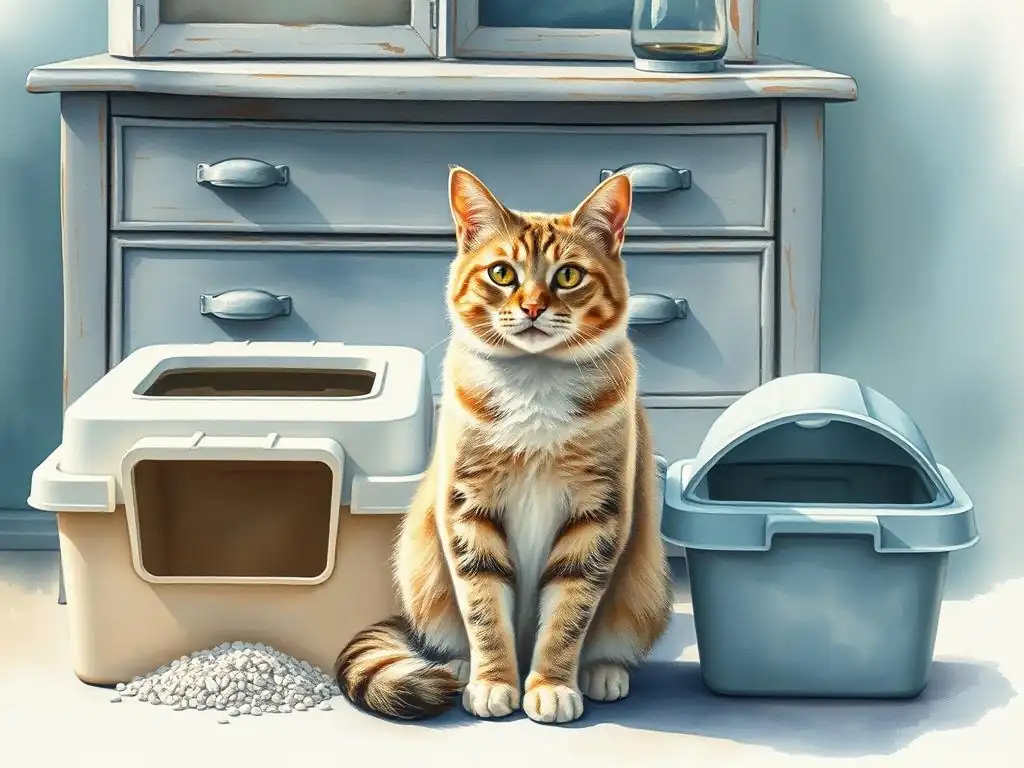
Cats can be surprisingly picky about their litter boxes. Aversion to the litter box often manifests as inappropriate urination or scratching on furniture, leading to the frustrating need for cat urine furniture removal. Understanding the underlying causes is crucial for successful remediation. Several factors can contribute to a cat's reluctance to use the litter box. These include changes in the litter type, box location, or even the cat's overall health.
For instance, a sudden shift from clumping clay litter to a silica-based litter can cause a cat to reject the new texture and scent. Similarly, placing the litter box in a high-traffic area, near loud appliances, or in a poorly ventilated space can make the cat feel insecure and stressed, prompting them to seek alternative locations for elimination. Underlying medical conditions such as urinary tract infections (UTIs), kidney disease, or diabetes can also significantly impact a cat's toileting habits. These conditions often cause pain or discomfort during urination, leading the cat to avoid the litter box.
Troubleshooting involves a systematic approach. Start by observing your cat's behavior closely. Note the frequency and timing of accidents, as well as any changes in their overall health or behavior. Gradually introduce changes to the litter box setup: try different types of litter, one at a time, to identify any preferences. Consider relocating the box to a quieter, more secluded area.
If you suspect a medical issue, a veterinary checkup is essential. Early diagnosis and treatment can prevent further complications and improve your cat's comfort and well-being. Remember, patience and consistent observation are key to resolving litter box aversions and avoiding the need for extensive cat urine furniture removal. Addressing the root cause, rather than just cleaning up accidents, is the most effective long-term solution. This proactive approach minimizes stress for both you and your feline companion.
Multiple Litter Boxes: A Solution for Multi-Cat Households
Multi-cat households often face unique litter box challenges. The general rule of thumb is to provide one litter box per cat, plus one extra. For example, a household with three cats should ideally have four litter boxes. This ensures that each cat has ample access to a clean and readily available facility, minimizing competition and territorial disputes. Insufficient litter boxes can lead to stress, marking behavior, and ultimately, inappropriate urination outside the designated areas—requiring extensive cat urine furniture removal.
The placement of multiple litter boxes is also crucial. Ideally, distribute them throughout the house, avoiding areas that are too confined, noisy, or otherwise unpleasant for cats. Consider placing one litter box on each floor, if applicable, and strategically positioning them away from food and water bowls. Maintaining cleanliness is paramount. Scoop litter boxes at least once a day, and completely change the litter regularly, according to the manufacturer's instructions. Failure to maintain hygiene can lead to a build-up of ammonia and bacteria, making the litter boxes less appealing to cats.
Different litter box types and styles can also cater to different cat preferences. Some cats prefer uncovered boxes, while others may feel more secure in enclosed ones. Experiment with different box styles to find what works best for your cats.
Regularly monitoring the usage of each box can reveal any issues with accessibility or preference. A cat consistently avoiding a particular box might indicate a problem with its location, cleanliness, or even the type of litter used. By following this strategy, you can significantly reduce the incidence of inappropriate urination and the need for extensive cat urine furniture removal, fostering a harmonious and clean environment for both you and your feline family members.
Cat Urine Furniture Removal Tips: Advanced Strategies
This section delves into advanced techniques for removing cat urine from furniture, focusing on situations where basic cleaning methods have proven insufficient. We'll explore professional cleaning services, the effective use of odor blockers and neutralizers, and long-term preventative strategies to minimize future accidents. Remember, persistent cat urine odors can be a significant behavioral trigger, leading to repeated accidents in the same location. Addressing the odor completely is paramount to resolving the issue.
Professional Cleaning Services for Stubborn Stains
Dealing with deeply embedded cat urine stains can be frustrating. Commercial cleaning products often lack the power to completely eliminate the odor-causing components of cat urine, which can penetrate deeply into upholstery and even wood. In these cases, professional upholstery cleaning services offer a significant advantage. These services typically employ specialized equipment and enzymatic cleaners designed to break down the uric acid crystals responsible for the persistent smell.
Professional cleaners often utilize:
- Hot water extraction: This method uses high-pressure hot water to flush out embedded urine from the fabric fibers.
- Enzymatic cleaners: These are specifically formulated to break down the organic compounds in cat urine, neutralizing odors at their source.
- Specialized equipment: Professional-grade machines offer superior cleaning power compared to at-home solutions.
The cost of professional cleaning varies greatly depending on the size and type of furniture, the extent of the damage, and the geographic location. However, the investment can be worthwhile, particularly for valuable or sentimental pieces of furniture. Be sure to thoroughly explain the situation to the cleaning service, emphasizing the presence of cat urine and the need for odor elimination. Requesting a treatment specifically targeting pet odors is crucial for optimal results. Before engaging a service, always request references and check reviews to ensure their expertise in dealing with pet stains and odors.
Using Odor Blockers and Neutralizers Effectively
Even after thorough cleaning, residual odors can linger. This is where odor blockers and neutralizers become indispensable. These products don't simply mask the smell; they actively break down the odor-causing molecules. However, not all odor neutralizers are created equal. Look for products specifically formulated for pet urine, containing enzymes designed to digest the uric acid crystals.
Several key factors influence the effectiveness of odor blockers and neutralizers:
- Enzyme concentration: Higher enzyme concentrations generally lead to more effective odor removal.
- Application method: Follow the product instructions precisely. Proper application is crucial for penetration and effectiveness. This often involves saturating the affected area and allowing sufficient dwell time.
- Ventilation: Ensure adequate ventilation during and after application to facilitate the evaporation of the cleaning solution and to prevent the build-up of potentially harmful fumes.
- Repeated applications: Stubborn stains may require repeated applications over several days or weeks to fully eliminate the odor.
Avoid products that merely mask the odor with fragrances, as these can be ineffective and even attract your cat back to the same spot. Always test any product on an inconspicuous area of the furniture first to check for discoloration or damage. Proper application and selection of a high-quality enzyme-based cleaner are paramount for success.
Long-Term Prevention Strategies for Cat Urine Accidents
Preventing future cat urine accidents requires a multi-faceted approach. Addressing underlying medical conditions, providing sufficient litter boxes, and managing stress are all crucial components of a successful prevention plan.
Long-term strategies include:
- Veterinary checkup: Rule out any underlying medical conditions, such as urinary tract infections (UTIs), kidney disease, or diabetes, which can contribute to inappropriate urination. A clean bill of health is a vital first step.
- Litter box management: Ensure you have enough litter boxes (generally one per cat plus one extra), located in easily accessible, quiet areas. Regularly clean the litter boxes to maintain hygiene. Experiment with different litter types to find one your cat prefers.
- Stress reduction: Identify and address potential stressors in your cat's environment, such as changes in routine, new pets, or loud noises. Provide ample scratching posts, hiding places, and vertical space for climbing. Consider using pheromone diffusers to promote a sense of calm and security.
- Positive reinforcement: Reward your cat for using the litter box consistently. Positive reinforcement strengthens desired behaviors.
- Professional behavior consultation: If despite these efforts, the problem persists, consult a veterinary behaviorist or certified cat trainer for personalized guidance. They can help identify underlying behavioral issues and develop a tailored plan to address them.
By implementing these strategies, you can significantly reduce the likelihood of future cat urine accidents and maintain a clean and pleasant home environment. Remember, patience and consistency are key to success. Addressing the underlying causes, not just the symptoms, is crucial for long-term solutions.
Combining Cleaning Methods for Optimal Results
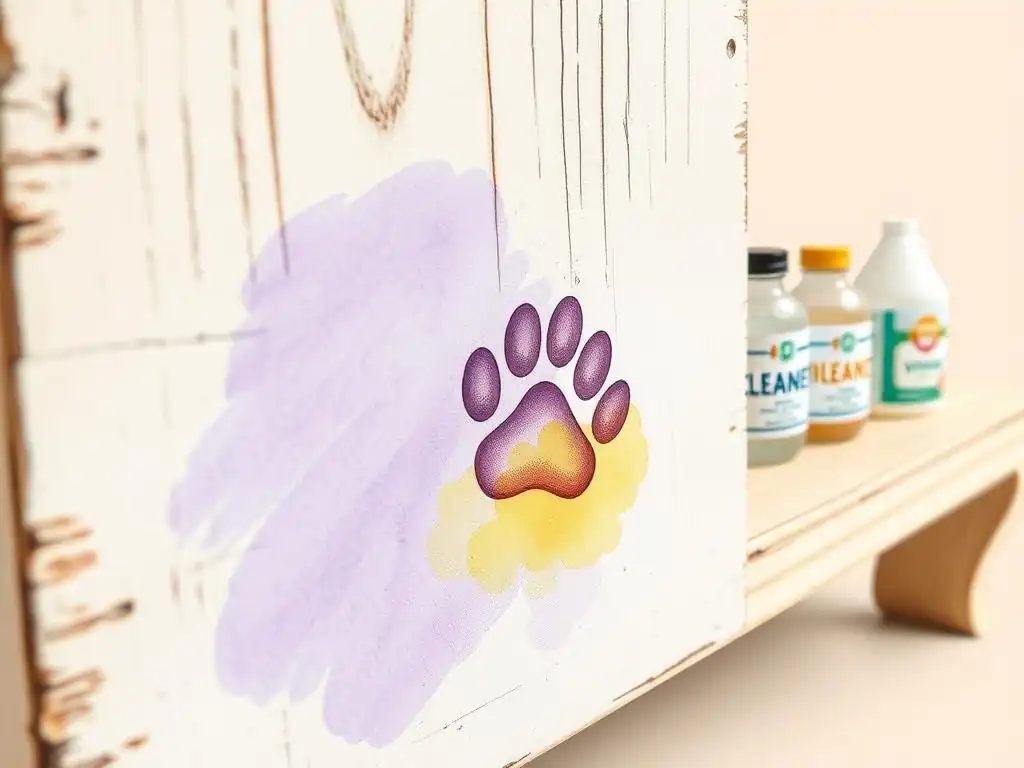
Effective cat urine furniture removal often requires a multi-pronged approach. Simply using one cleaning method might not eliminate the odor completely, leading to repeat offenses. Cats have an incredibly sensitive sense of smell, far surpassing our own. Residual scent, even if imperceptible to humans, can act as a beacon, attracting your cat back to the same spot. Therefore, a combination of enzymatic cleaners and odor neutralizers is often the most successful strategy.
Enzymatic cleaners, like those containing [specific enzyme name pending], break down the uric acid crystals in cat urine, effectively eliminating the odor at its source. These should always be the first line of attack. However, even after thorough enzymatic cleaning, a lingering odor might remain, particularly with older stains. This is where odor neutralizers come into play. These products, often containing baking soda or other odor-absorbing compounds, help mask any remaining scent and prevent your cat from detecting the residual urine.
The application process is crucial. First, thoroughly blot (don't rub!) the affected area with a clean cloth to remove as much urine as possible. Then, apply the enzymatic cleaner generously, following the product's instructions carefully. Allow it to dwell for the recommended time, usually several hours or even overnight. Finally, after the enzymatic cleaner has dried, apply the odor neutralizer.
Again, follow the product instructions for best results. In some cases, repeating this process over several days may be necessary, especially for stubborn stains. Remember, patience and persistence are key to successful cat urine removal. Thorough cleaning is essential to prevent your cat from marking the same spot again. The combination of enzyme cleaning and odor neutralization offers the best chance of complete removal.
When to Consult a Veterinarian for Inappropriate Urination
While accidental urination or occasional marking can often be addressed with cleaning and behavioral modifications, persistent inappropriate urination warrants a veterinary visit. Several underlying medical conditions can cause cats to urinate outside the litter box, and ignoring these issues can have serious health consequences for your feline friend.
Several indicators suggest a potential medical problem. These include sudden changes in urination habits, such as increased frequency, straining to urinate, crying out in pain during urination, or blood in the urine (hematuria). Changes in urine volume, such as excessive urination (polyuria) or infrequent urination (oliguria), should also raise concerns.
Furthermore, if your cat exhibits signs of discomfort or pain in the urinary tract, such as licking or biting the genital area excessively, a vet checkup is crucial. These symptoms can point to urinary tract infections (UTIs), bladder stones, kidney disease, diabetes, or other medical issues that require professional diagnosis and treatment.
Ignoring these signs can lead to more severe complications. Untreated UTIs can progress to kidney infections, while bladder stones can cause blockages leading to life-threatening situations. Therefore, it is crucial to consult a veterinarian if you suspect your cat's inappropriate urination stems from a medical condition.
Early detection and treatment are essential for improving your cat's health and well-being and preventing lasting damage. A veterinarian can perform a thorough examination, run diagnostic tests like urinalysis, and recommend appropriate treatment to address the underlying cause of the problem. Remember, a healthy cat is a happy cat, and addressing medical issues promptly is a vital aspect of responsible pet ownership.
Training Your Cat to Use the Litter Box Consistently
Cats, despite their independent nature, can be trained to use their litter box consistently. Success hinges on understanding feline behavior and employing consistent, positive reinforcement methods. Failure to address underlying issues or provide a suitable environment often leads to inappropriate elimination, such as spraying or urinating on furniture – a common complaint leading many to search for "cat urine furniture removal tips". Let's explore proven strategies to prevent such problems.
Positive Reinforcement Techniques for Litter Box Training
Positive reinforcement is key to successful litter box training. This involves rewarding desired behaviors (using the litter box) and ignoring or redirecting unwanted behaviors (urinating elsewhere). Avoid punishment, as this can create fear and anxiety, worsening the problem.
Here's a step-by-step approach:
- Consistent Litter Box Placement: Ensure the litter box is readily accessible, in a quiet, low-traffic area. Avoid placing it near food or water bowls. Multiple litter boxes, especially for multi-cat households, are often beneficial. A general rule of thumb is one box per cat, plus one extra.
- Appropriate Litter: Experiment with different types of litter to find your cat's preference. Some cats dislike scented litter, while others prefer clumping varieties. Observe your cat's reaction to different litters; changes in their behavior might indicate a preference.
- Cleanliness is Crucial: Regularly scoop the litter box at least once a day, and completely change the litter at least once a week. A dirty litter box is a major deterrent for cats. This is a vital preventative measure against accidents and the need for future "cat urine furniture removal tips".
- Rewarding Success: Immediately after your cat successfully uses the litter box, reward them with praise, a favorite treat, or a gentle petting session. This positive reinforcement strengthens the association between the litter box and positive experiences.
- Addressing Accidents: If an accident occurs, clean the affected area thoroughly with an enzymatic cleaner designed to eliminate odors. Cats are highly sensitive to scent, and residual odors can attract them back to the same spot. Avoid using harsh chemicals, which could harm your cat.
Addressing Underlying Behavioral Issues
Inappropriate urination or scratching can often stem from underlying medical or behavioral issues. Ignoring these can lead to persistent problems and the constant need for "cat urine furniture removal tips".
- Medical Conditions: Urinary tract infections (UTIs), kidney disease, diabetes, and other medical problems can cause changes in urination habits. A veterinary checkup is crucial to rule out any underlying medical condition.
- Stress and Anxiety: Changes in the household (new pet, move, family member), territorial disputes, or lack of environmental enrichment can lead to stress and anxiety, manifesting as inappropriate elimination. Providing a safe, secure, and stimulating environment is crucial.
- Litter Box Aversion: A cat might avoid the litter box due to its location, type of litter, or cleanliness. Try adjusting the litter box's position, litter type, or cleaning frequency.
- Multi-Cat Households: Competition for resources (food, water, litter boxes) can lead to stress and inappropriate urination. Providing sufficient resources for each cat, including separate litter boxes, food and water bowls, and scratching posts, can mitigate this.
Creating a Safe and Comfortable Environment for Your Cat
A safe and comfortable environment is paramount for preventing inappropriate elimination. Consider these factors:
- Safe Spaces: Provide your cat with quiet, secure spaces where they can retreat and feel safe. This could be a cat tree, a cozy bed, or a quiet corner.
- Environmental Enrichment: Offer your cat plenty of opportunities for play, exploration, and scratching. Interactive toys, scratching posts, and climbing structures can help reduce stress and boredom.
- Vertical Space: Cats appreciate vertical space; cat trees or shelves provide safe, elevated perches where they can observe their surroundings and feel secure.
- Consistent Routine: Cats thrive on routine. Maintaining a consistent feeding schedule, playtime, and litter box cleaning routine helps reduce stress and anxiety.
By addressing these areas – training, underlying issues, and environment – you can significantly reduce the likelihood of your cat urinating or scratching furniture, thus minimizing the need for "cat urine furniture removal tips" in the future. Remember patience and consistency are key to success.
Gradual Changes and Consistency in Training
Training a cat to use the litter box consistently requires patience and a methodical approach. Sudden changes to their environment or litter box setup can lead to accidents outside the designated area. Therefore, introducing new litter types, litter box locations, or even changes in the litter box itself should be done gradually. For example, if you're switching from clay litter to a clumping variety, mix the new litter with the old litter, slowly increasing the proportion of the new litter over several days.
This allows your cat to adjust to the change in texture and scent without feeling overwhelmed. Similarly, if you need to move the litter box, do so incrementally, moving it a few inches each day until it reaches its final destination. This minimizes disruption to your cat's routine and reduces the likelihood of accidents.
Consistency is key. Maintain a regular cleaning schedule for the litter box. Scoop the solid waste daily and completely change the litter at least once a week, or more frequently if necessary. A clean litter box is far more appealing to a cat than a dirty one, and a consistently clean environment significantly reduces the chances of your cat choosing alternative locations for elimination.
This simple act of regular maintenance is often overlooked but plays a crucial role in successful litter box training. Remember to use unscented litter; strong fragrances can deter your cat from using the box. Also, ensure the litter box is large enough for your cat to comfortably turn around and dig without feeling cramped. A cat that feels stressed or uncomfortable in its litter box is more likely to eliminate elsewhere.
Monitoring Your Cat's Behavior and Litter Box Usage
Careful observation of your cat's behavior is vital to identify any underlying issues contributing to inappropriate urination or scratching. Keep a detailed log of your cat's litter box usage, noting the frequency of urination and defecation, the times of day when accidents occur, and any changes in your cat's behavior or environment that might coincide with these incidents. This log can help you pinpoint potential triggers for the problem. For instance, if accidents consistently happen after you bring guests home, it may indicate stress related to the presence of strangers.
Pay close attention to your cat's body language. Signs of stress, such as flattened ears, hissing, or excessive grooming, could indicate underlying anxiety or discomfort that is manifesting as inappropriate elimination. Observe your cat's interactions with the litter box itself. Does it seem hesitant to approach it? Is it struggling to enter or exit the box?
These seemingly minor observations can provide valuable insights into the root cause of the problem. If you notice any changes in appetite, sleep patterns, or overall demeanor, it is crucial to consult a veterinarian to rule out any medical conditions that could be contributing to the issue. Remember, sometimes seemingly simple litter box issues can be indicative of underlying health problems requiring professional veterinary care. Early detection and intervention are key to successful treatment and preventing further complications. A thorough veterinary check-up can eliminate medical causes and help focus your training efforts effectively.
Frequently Asked Questions
How can I prevent my cat from urinating on my furniture?
The most effective way is to identify and address the underlying cause. This could be a medical issue, stress, or a dislike of the litter box. Consult your veterinarian to rule out medical problems and consider using pheromone diffusers to reduce stress.
My cat peed on my furniture; how do I clean it thoroughly?
First, absorb as much urine as possible with paper towels. Then, use an enzymatic cleaner specifically designed for pet urine; these break down the odor-causing compounds. Thorough cleaning is crucial to prevent re-offending.
What if the cat urine smell persists after cleaning?
If the odor remains, you may need a professional cleaning service specializing in pet odor removal. They have stronger cleaning solutions and equipment to reach deep into the furniture's fibers. Repeat enzymatic cleaning may also help.
Are there any deterrents to stop my cat from scratching furniture?
Yes, provide ample scratching posts of various textures and heights, strategically placed around the house. You can also use cat repellent sprays on furniture, but always test in an inconspicuous area first. Positive reinforcement with treats when your cat scratches the post is also beneficial.
My cat is suddenly peeing outside the litter box; what should I do?
A sudden change in litter box habits often signals a medical or behavioral problem. Consult your veterinarian immediately to rule out urinary tract infections or other health issues. Stressful changes in the home environment could also be a factor.
Final Reflection: Beyond the Stain: A Deeper Look at Cat Behavior
The persistent problem of cat urine on furniture isn't just a cleaning challenge; it's a window into the complex world of feline communication and well-being. Understanding the root causes of unwanted scratching and urination is crucial, not just for preserving our furniture, but for fostering a happier, healthier relationship with our feline companions. Ignoring the underlying behavioral issues only leads to a cycle of cleaning and recurring problems.
The impact of a cat's stress on household harmony is often underestimated. A seemingly simple act of spraying or scratching can stem from anxiety, territorial disputes, or even medical issues. We must move beyond simply addressing the symptom (the urine stain) and delve into the cause. The cat is not trying to be difficult; it's trying to communicate.
This simple truth underscores the importance of observing our cats' behavior, understanding their needs, and providing a supportive environment. This includes providing appropriate scratching posts, enriching their environment, and seeking veterinary advice when necessary.
Consider the lessons learned in this article. Think about your cat's behavior, their environment, and the potential stressors in their lives. Are you providing enough opportunities for play, exploration, and scratching? Are you addressing any underlying medical conditions? By taking a proactive and empathetic approach, you can transform your relationship with your cat, creating a harmonious home where both you and your feline friend can thrive. Let's move beyond the stain, and towards a deeper understanding of our furry companions.
Unlock a Scratch-Free, Odor-Free Home!
Thank you for learning more about preventing unwanted cat behavior! We hope you gained valuable insights into understanding your feline friend and creating a harmonious home environment. Now, let's put that knowledge into action.
- Start by implementing one of the preventative measures we discussed. Begin with the easiest strategy and tackle one problem at a time for the best results.
- Share your cat's scratching or urine marking habits (anonymously, if preferred) in the comments below! Help other pet parents by sharing your successful solutions. We love hearing from our community.
- Consider providing your cat with a new scratching post or toy; you might be surprised by their reaction!
Ready to reclaim your furniture and enjoy a more peaceful home with your cat? What's the first step you'll take today to prevent scratching or urine marking?