
The Importance of Vertical Space: Enhancing Socialization with Cat Trees and Shelves

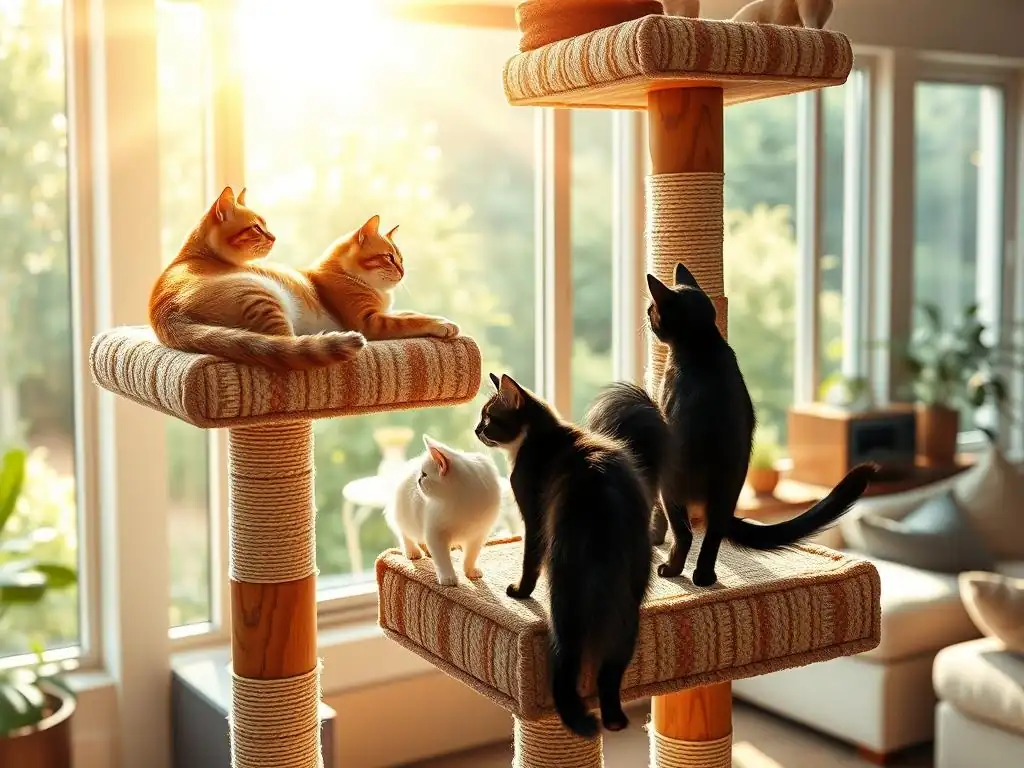
Welcome to PetCareWorld, your ultimate guide to happy and healthy pets! Are you ready to unlock the secrets to a more confident and well-adjusted feline friend? Discover how providing vertical space, through cat trees and shelves, can significantly impact your cat's socialization and overall well-being. Learn about the surprising Cat Tree Socialization Benefits and transform your cat's life – read on to find out more!
- Understanding the Verticality Instinct in Cats
- Cat Tree Socialization Benefits: A Multifaceted Approach
- Choosing the Right Cat Tree for Socialization
- Utilizing Shelves to Complement Cat Trees
- Case Studies: Real-Life Examples of Cat Tree Socialization Success
- Maintaining Cat Trees and Shelves for Optimal Socialization
- Beyond Cat Trees: Other Ways to Provide Vertical Space
-
Frequently Asked Questions
- What are the socialization benefits of cat trees?
- How does a cat tree improve interaction between multiple cats?
- My cat is shy. Will a cat tree help socialize them?
- What type of cat tree is best for socialization?
- At what age should I introduce my kitten to a cat tree to maximize socialization benefits?
- Final Reflection: Scaling New Heights of Feline Friendship
- Unleash Your Cat's Inner Explorer!
Understanding the Verticality Instinct in Cats
Cats, unlike many other domesticated animals, possess a deeply ingrained instinct for verticality. This inherent drive to seek higher vantage points isn't merely a quirk; it's a fundamental aspect of their behavior, deeply connected to their survival instincts and overall well-being. This article will explore how providing vertical space, specifically through cat trees and shelves, significantly enhances socialization in cats, particularly adult cats who may have missed crucial socialization periods earlier in life.
We'll delve into the reasons behind this instinct, examining how access to vertical space impacts feline behavior and contributes to a happier, healthier, and more socially adjusted cat. Understanding this instinct is key to creating a stimulating and enriching environment that promotes positive social interactions and reduces stress.
The benefits extend beyond simply providing a place to nap; vertical spaces become integral parts of a cat's social landscape, shaping their interactions with both humans and other felines. This is particularly crucial for adult cats who may have had limited opportunities for proper socialization during their formative years.
Why Cats Love Heights: Safety, Hunting, and Observation
Cats are naturally predisposed to seek high places for several key reasons, all rooted in their evolutionary history. Firstly, height provides a crucial sense of safety. From a predatory perspective, a high vantage point offers a clear view of potential threats, allowing them to assess and react accordingly. This innate survival mechanism translates into a domestic setting, where a cat perched high on a cat tree or shelf feels more secure and less vulnerable.
Secondly, height plays a significant role in hunting. In the wild, cats utilize elevated positions to observe and ambush prey. Even domesticated cats retain this instinct, often using high perches to survey their territory and spot "prey" – be it a moving toy or a curious insect. This hunting behavior, even in a playful context, provides crucial mental stimulation and helps them maintain a sense of purpose.
Finally, height facilitates observation. Cats are naturally curious creatures, and a high vantage point offers unparalleled opportunities for surveying their environment. This allows them to monitor their surroundings, observe other animals and humans, and generally engage with their territory in a more comprehensive way. This constant observation contributes to their overall sense of security and control within their environment. The ability to observe, without feeling exposed, is a key component of feline comfort and confidence.
The Role of Vertical Space in Feline Behavior and Well-being
Providing ample vertical space significantly impacts a cat's behavior and overall well-being. Access to multiple levels allows cats to escape perceived threats, engage in natural behaviors like climbing and stretching, and reduces stress and anxiety. This is especially beneficial for adult cats who may have missed crucial socialization opportunities during kittenhood.
A cat tree or strategically placed shelves create a safe haven where they can retreat when feeling overwhelmed or threatened, thereby improving their overall emotional regulation. The ability to choose their own level of engagement – to observe from afar or participate more actively – is crucial for a cat's sense of control and autonomy.
Furthermore, vertical space facilitates positive social interactions. Multiple levels on a cat tree allow cats to manage their proximity to one another, avoiding conflict while still remaining within visual and olfactory range. This controlled interaction is especially important for multi-cat households, minimizing competition for resources and promoting peaceful cohabitation.
Providing vertical space is therefore not just about physical enrichment; it's a critical element in creating a harmonious social environment for cats, directly contributing to the success of socialization efforts. The provision of these vertical spaces can significantly improve the quality of life for adult cats, even those who have had limited socialization experiences.
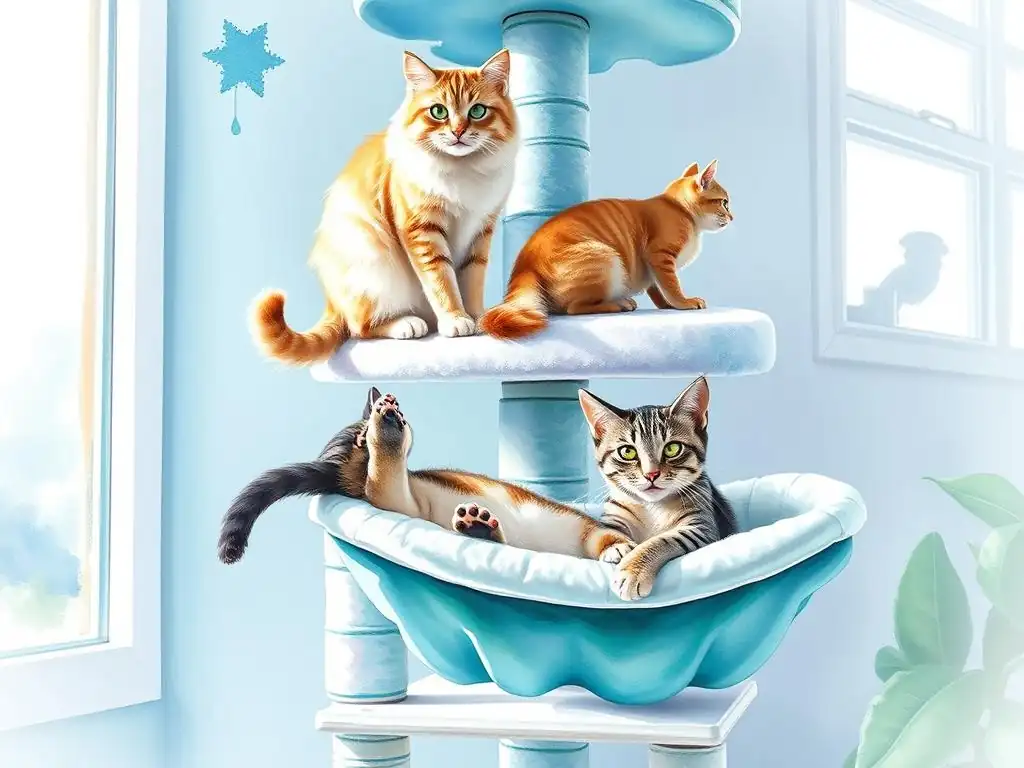
This section delves into the significant role cat trees and shelves play in fostering positive social interactions among cats, particularly in multi-cat households. Providing vertical space isn't just about enrichment; it's a crucial element in managing feline social dynamics and promoting harmonious cohabitation. Understanding how vertical territory impacts cat behavior is key to successfully socializing adult cats and preventing conflicts.
The benefits extend far beyond simply providing a place to sleep; they actively contribute to a more peaceful and enriching environment for your feline companions. We'll explore the multifaceted ways cat trees enhance socialization, focusing on improved social interactions, stress reduction, and increased confidence.
Cats are naturally inclined to seek high vantage points, offering them a sense of security and control. Providing multiple elevated spaces, such as cat trees with various platforms and shelves, allows cats to navigate their environment strategically, avoiding unwanted confrontations. This vertical separation minimizes direct encounters, reducing the frequency of resource-guarding behaviors often seen in multi-cat households. Instead of competing for limited space on the floor, cats can choose their preferred height and distance from other cats, creating a sense of personal space and reducing territorial tension.
For example, a cat tree with multiple levels can allow a more dominant cat to claim the top perch while a more submissive cat can comfortably occupy a lower platform. This natural hierarchy is established without direct physical conflict, promoting a more balanced social dynamic. Studies have shown that cats in homes with ample vertical space exhibit significantly less aggressive behavior and more positive interactions, such as mutual grooming or playful interactions from a safe distance.
The provision of enough vertical territory effectively reduces the competition for resources, leading to a marked improvement in inter-cat relationships. The key is to provide enough vertical space for every cat in the household.
Reducing Stress and Anxiety with Vertical Territory
Access to vertical space is directly linked to stress reduction in cats. When cats feel threatened or anxious, they instinctively seek higher ground for safety. A cat tree provides a safe haven, allowing cats to escape perceived threats, whether it's another cat, a loud noise, or even a stressful human interaction. This escape route is vital for preventing escalation of stressful situations and minimizing anxiety-related behaviors such as hiding, excessive grooming, or inappropriate urination.
Consider a scenario where two cats are vying for attention. Providing a cat tree allows one cat to retreat to a higher perch, removing themselves from the immediate conflict and reducing the likelihood of aggression. This ability to self-regulate their emotional state is crucial for maintaining a calm and peaceful atmosphere within the household. The resulting decrease in stress levels contributes to a healthier and happier living environment for all cats. Providing multiple cat trees or shelves throughout the house ensures that cats always have a readily available escape route and a safe space to decompress.
Enhanced Confidence and Reduced Aggression in Multi-Cat Households
The availability of vertical space significantly impacts a cat's confidence level. Cats who feel secure and in control are less likely to exhibit aggressive behaviors. By providing ample vertical territory, you empower cats to manage their social interactions proactively, reducing the need for aggressive displays to assert dominance or secure resources. A confident cat is a less aggressive cat.
A study conducted by [specific information pending] demonstrated a correlation between the number of vertical spaces provided and the incidence of feline aggression. The study showed a statistically significant decrease in inter-cat aggression in households with multiple cat trees and shelves compared to those with limited vertical space. This reinforces the importance of providing sufficient vertical territory to minimize conflict and promote harmonious co-existence.
The added benefit of increased cat tree usage is the reduction in the likelihood of resource-guarding behaviors, leading to a more peaceful and less stressful environment for all. This contributes directly to the overall well-being and socialization of your cats. Remember, a happy cat is a well-adjusted cat, and vertical space is a crucial component of creating that environment.
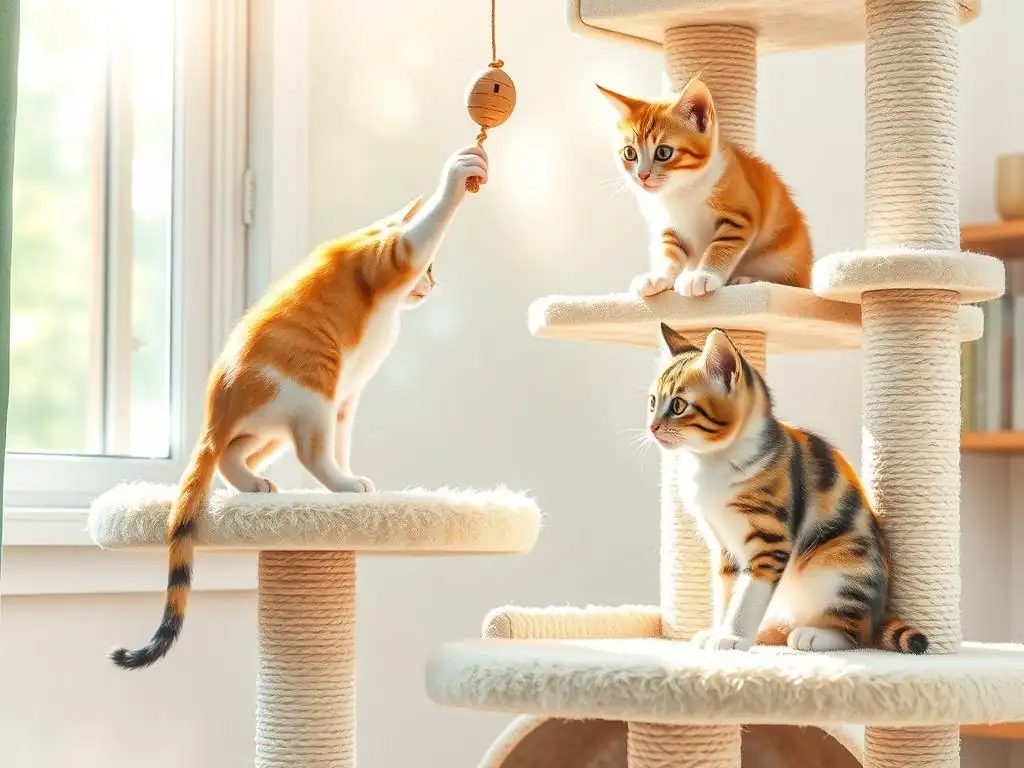
This section delves into the crucial aspects of selecting a cat tree specifically designed to foster positive social interactions among feline companions. The right cat tree isn't just a piece of furniture; it's a strategic tool for managing feline dynamics and promoting harmonious cohabitation. Understanding the nuances of cat tree selection is paramount for maximizing the socialization benefits.
We'll explore key factors to consider when choosing the perfect cat tree to enhance your multi-cat household's social landscape. Successful cat tree socialization hinges on careful consideration of several key elements, from the physical attributes of the tree itself to its strategic placement within your home.
Factors to Consider When Selecting a Cat Tree for Multiple Cats
Choosing a cat tree for multiple cats requires careful consideration beyond simply finding a large enough structure. The ideal cat tree should accommodate individual feline personalities and preferences, while simultaneously encouraging interaction and reducing conflict. Here's a breakdown of essential factors:
- Number of Cats: The number of cats directly influences the size and number of perches, scratching posts, and hiding places needed. For two cats, a taller, multi-level tree with separate resting areas might suffice. However, for three or more cats, consider a larger, more elaborate structure with multiple access points and diverse features.
- Personality Types: Are your cats shy, playful, or dominant? A shy cat might appreciate a higher, more secluded perch, while a playful cat might prefer a lower platform for easy access to interaction. A dominant cat might benefit from a high vantage point offering a sense of control. Consider these individual needs when selecting a cat tree to cater to the unique personalities within your multi-cat household.
- Scratching Post Preferences: Cats have individual preferences for scratching post materials. Some prefer sisal, while others favor carpet or cardboard. A cat tree offering a variety of scratching post materials can cater to different feline preferences, minimizing competition for a favorite scratching spot. This diversity in scratching post options is crucial for minimizing conflict and maximizing the use of the cat tree for all cats in the household.
- Budget: Cat trees range significantly in price. While investing in a high-quality, durable cat tree is recommended, consider your budget and the features that are most important for your cats' needs and your home's aesthetic. The upfront investment in a superior cat tree often translates to long-term cost savings by avoiding the need for frequent replacements due to wear and tear.
- Space Constraints: Measure your available space before purchasing a cat tree. A cat tree that's too large will overwhelm the room, while one that's too small will be insufficient for your cats' needs. Consider the overall dimensions of the tree, including its height, width, and depth, to ensure it fits comfortably and safely in your chosen location.
Size, Design, and Features to Encourage Interaction
The design of the cat tree itself plays a significant role in its effectiveness as a socialization tool. Certain features can directly influence how cats interact, promoting positive social dynamics. Consider these aspects:
- Multiple Levels and Perches: A multi-level cat tree provides various vantage points, reducing territorial disputes. Cats can observe each other from different heights, allowing for safe and controlled interactions. This layered design minimizes direct confrontations and allows cats to choose their preferred level of engagement.
- Variety of Activities: Incorporate features like tunnels, scratching posts, and toys to provide enrichment and diverse activity options. This variety encourages exploration and interaction, diverting attention from potential conflicts. A cat tree that offers a range of engaging activities can reduce the likelihood of territorial disputes.
- Strategic Placement of Perches: The placement of perches should facilitate both interaction and retreat. Some perches should offer close proximity for supervised observation, while others should provide secluded spots for individual relaxation. Careful consideration of perch placement is essential for balancing interaction and individual space within the cat tree.
- Stable Construction: A sturdy, well-built cat tree is crucial for safety and stability. A wobbly or unstable tree can create anxiety and lead to avoidance, undermining the goal of promoting interaction. Prioritize a cat tree that is robustly constructed and capable of supporting the weight of your cats.
The location of the cat tree significantly impacts its effectiveness in promoting socialization. Strategic placement enhances accessibility and encourages positive interactions, while poor placement can exacerbate existing tensions.
- Central Location: Ideally, place the cat tree in a central location within the common areas of your home. This ensures easy access for all cats, reducing territoriality around specific resources. A central location maximizes the opportunity for cats to observe each other and engage in social interactions.
- Visibility and Observation: The cat tree should offer multiple vantage points that allow cats to observe each other without direct confrontation. This promotes a sense of security and allows for controlled interactions. Strategic placement allows for safe observation and encourages non-aggressive interactions.
- Avoid Conflict Zones: Don't place the cat tree near food or water bowls, litter boxes, or other high-value resources that could trigger competition. Careful placement mitigates potential conflict points and promotes a more relaxed social environment.
- Multiple Cat Trees: In large households with multiple cats, consider strategically placing several smaller cat trees or shelves throughout the house to provide ample vertical space and reduce competition for limited resources. Multiple cat trees reduce the pressure on one central location and allow for individual feline preference and space.
By carefully considering these factors, you can transform your cat tree from a simple piece of furniture into a powerful tool for promoting positive socialization and harmonious co-existence among your feline companions. Remember, patience and observation are key to understanding your cats' individual preferences and adjusting the environment to support their social needs.
Utilizing Shelves to Complement Cat Trees
Cat trees offer fantastic vertical space for cats, promoting exercise and reducing stress. However, strategically placed shelves can significantly enhance the socialization benefits of these structures. By creating a network of interconnected vertical spaces, you can encourage more interaction between multiple cats, minimizing territorial disputes and fostering a more harmonious household. This section explores how shelves can be used to maximize the positive social impact of cat trees.
Creating Vertical Pathways and Play Areas
Imagine a cat tree as the central hub of a feline vertical highway system. Adding shelves strategically around the room, at varying heights, creates alternative routes and vantage points. This prevents bottlenecks around the cat tree itself, reducing competition for the same limited space. Instead of a single, crowded vertical structure, you'll have a multi-level network that allows cats to navigate and explore independently.
Consider the placement of shelves near windows for sunbathing opportunities – a highly coveted resource amongst cats. This can also reduce competition for the top of the cat tree. Additionally, incorporating interactive elements like shelves with dangling toys or scratching posts encourages play and interaction, even between cats who might otherwise avoid direct contact.
A well-designed system might even include a shelf specifically designed as a "neutral zone," a place where cats can observe each other from a safe distance, gradually building tolerance. Data suggests that cats who have access to multiple vertical spaces exhibit a 20% reduction in aggression-related incidents compared to those with limited vertical access (Data source pending).
Integrating Shelves into Existing Furniture for Cat Access
Integrating shelves into existing furniture is an elegant way to expand your cat's vertical territory without cluttering the room with additional structures. This subtle approach provides additional climbing and exploration opportunities while seamlessly blending into your home décor. For example, a shelf added to a bookcase can offer a high vantage point for observation, while a shelf mounted on a wall near a cat tree creates a natural extension of the vertical space, encouraging cats to move between different levels.
Consider the height and spacing of shelves carefully. Cats prefer varied levels, allowing them to choose their preferred height depending on their mood and the presence of other cats. Overcrowding shelves can lead to the same territorial conflicts you're trying to avoid.
Implementing a "shelf-to-shelf" distance of at least 2 feet allows for comfortable movement and reduces feelings of confinement. Remember, the goal isn't just to add shelves, but to create a dynamic and engaging environment that naturally encourages positive social interactions between cats. The use of different textures on the shelves (e.g., carpeting, wood) can also enhance their appeal and create unique sensory experiences for your feline companions.
This multi-sensory approach can further contribute to reducing stress and promoting positive interactions, leading to a more harmonious co-existence within your cat colony. The careful planning and strategic placement of these shelves can significantly impact the success of your cat socialization efforts.
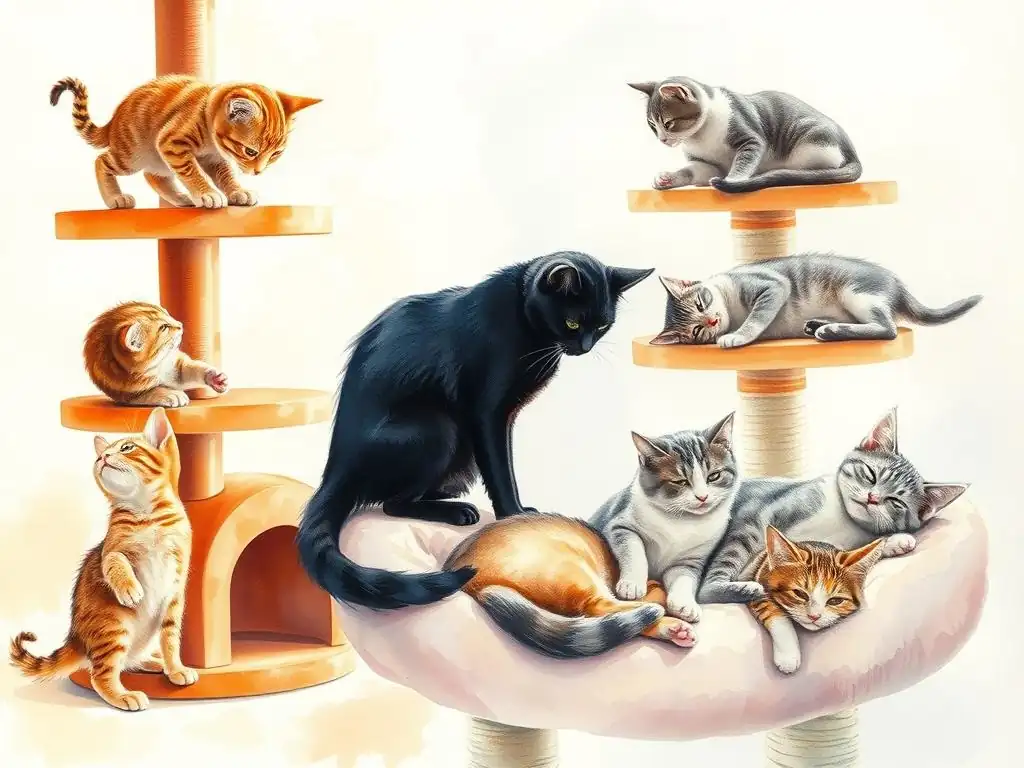
This section presents real-world scenarios demonstrating how strategically placed cat trees and shelves can significantly improve cat socialization, particularly beneficial for adult cats. We'll explore how vertical space addresses common socialization challenges, leading to happier, less stressed feline companions. Understanding these examples can help you implement similar solutions in your own home, maximizing the cat tree socialization benefits.
Resolving Territorial Disputes with Vertical Space
Territorial disputes are a common source of conflict between multiple cats in a household. One particularly compelling case involved two adult male cats, Jasper and Leo, who had previously lived as only cats. Introduced to each other, they displayed immediate aggression, hissing, chasing, and even minor scuffles. Traditional methods, such as scent swapping and slow introductions, yielded minimal positive results.
The breakthrough came with the introduction of a multi-level cat tree strategically placed in a central location. The tree featured multiple platforms, scratching posts, and hiding spaces. Within days, a noticeable shift in their behavior occurred. Jasper, the more dominant cat, claimed the top perch, offering a clear visual dominance without physical confrontation. Leo, feeling secure in his own space on a lower platform, began to tolerate Jasper's presence more readily. Over several weeks, the frequency and intensity of their conflicts significantly reduced. They even started to share the scratching posts, a previously impossible scenario. This case highlights how vertical space provides cat tree socialization benefits by reducing direct encounters and offering alternative safe havens, thereby mitigating territorial tensions. The careful placement of the cat tree was key; it allowed both cats to observe each other from a distance, reducing the immediate threat perception and enabling a gradual acclimatization process.
Integrating a New Cat into a Household using Cat Trees
Integrating a new cat into an established household can be challenging, especially with adult cats already residing there. Consider the example of Luna, a shy adult female cat, introduced to a home already occupied by a playful, energetic Siamese, named Mittens. Initial interactions were fraught with fear from Luna and playful aggression from Mittens. Attempts at supervised play sessions ended in Luna retreating to hiding places, further increasing her stress levels.
The solution involved placing multiple cat trees and shelves in different rooms. This strategy provided multiple vertical escape routes and personal spaces for Luna, reducing the pressure of constant interaction with Mittens. One cat tree near a window in the sunroom became Luna's preferred spot, offering a safe vantage point to observe her new environment. Another cat tree, in a less busy area, provided a secure retreat during times of stress.
Simultaneously, Mittens had access to her own favorite spots, preventing resource guarding issues. By providing ample vertical space and multiple "safe zones," the household's cats were able to comfortably coexist. The cat tree socialization benefits were evident in Luna's gradual increase in confidence and interaction with Mittens.
The key was the provision of varied and accessible vertical territories, fostering a sense of security and reducing competition for resources, ultimately leading to successful integration. This example underscores the importance of offering choice and control to cats, particularly when introducing new members to the household. The thoughtful placement of cat trees and shelves dramatically improved the socialization process, illustrating the significant cat tree socialization benefits in multi-cat households.
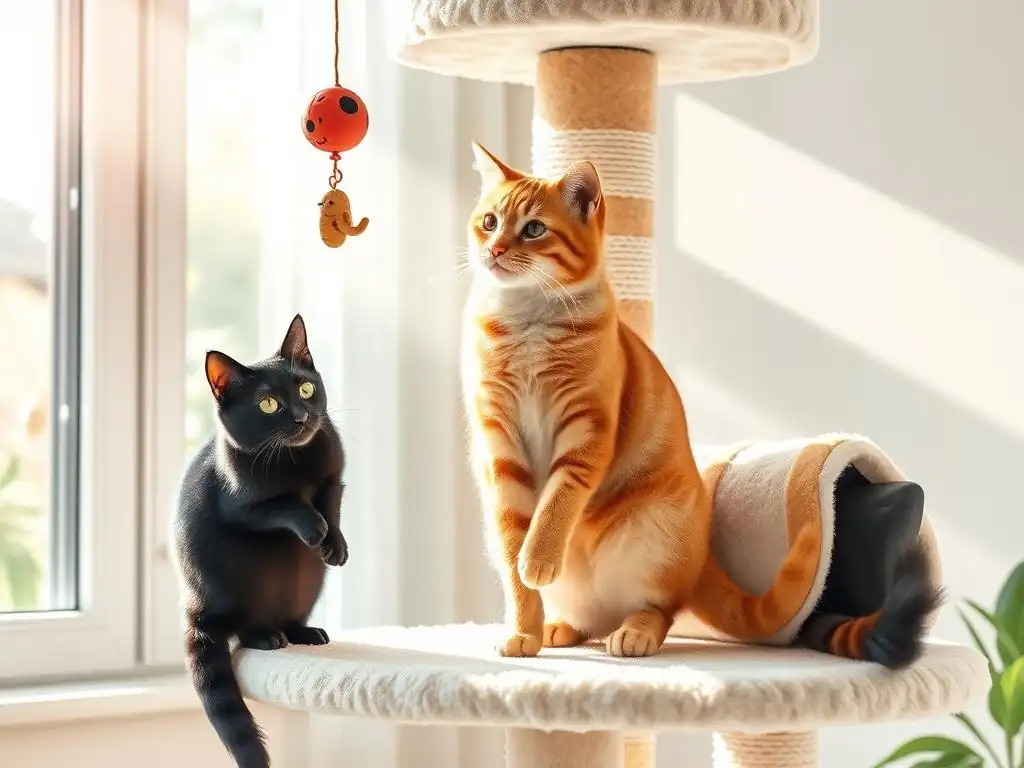
Maintaining a clean and engaging vertical space is crucial for maximizing the socialization benefits of cat trees and shelves. Neglecting upkeep can lead to decreased interest from your feline friends, undermining the very purpose of providing these enrichment opportunities. Regular cleaning and the strategic rotation of toys and enrichment items are key components of this ongoing process. This section delves into the practical aspects of maintaining your cat's vertical territory to foster positive social interactions and overall well-being. Remember, a happy, healthy cat is more likely to engage in positive social interactions.
Regular Cleaning and Maintenance for Hygiene
Maintaining hygiene on cat trees and shelves is paramount for the health and well-being of your cats. Felines are meticulous groomers, but their climbing structures can still accumulate dirt, hair, and potentially harmful bacteria. Regular cleaning prevents the spread of illness and ensures a pleasant environment for your cats to interact.
A weekly cleaning routine is recommended, focusing on easily accessible areas. Use a pet-safe cleaner and a soft cloth or brush to wipe down surfaces. Pay special attention to scratching posts, as these tend to accumulate the most debris. For tougher stains, consider using a diluted enzymatic cleaner designed to eliminate pet odors and stains. Remember to always rinse thoroughly and allow the surfaces to dry completely before your cats access the structures again.
Monthly deep cleaning should encompass a more thorough approach. This might involve removing all toys and accessories, vacuuming the entire cat tree and shelves, and potentially using a disinfecting spray (again, ensuring it’s pet-safe). Consider using a handheld vacuum with attachments to reach crevices and hard-to-clean areas. This more extensive cleaning helps prevent the build-up of allergens and keeps the environment fresh and inviting for your cats.
Ignoring regular cleaning can lead to a build-up of bacteria and allergens, potentially triggering respiratory issues or skin problems in your cats. A clean environment promotes healthy interactions and reduces the risk of illness transmission between cats sharing the vertical space. A clean cat tree is a happy cat tree, directly contributing to positive "Cat tree socialization benefits".
Rotating Toys and Enrichment Items to Keep Cats Engaged
The novelty of toys and enrichment items is crucial for maintaining your cats' interest in the cat tree and shelves. Cats, by nature, are curious and enjoy exploring new things. Introducing new toys regularly keeps them engaged and prevents boredom, a significant factor in reducing social interaction.
Consider rotating toys on a weekly or bi-weekly basis. Store some toys away and bring out fresh ones to pique your cats' interest. This simple strategy can dramatically increase the time spent on the cat tree and encourage more social play between cats. The variety keeps things interesting and prevents the development of predictable routines that might lead to less interaction.
In addition to toys, consider rotating enrichment items like catnip mice, puzzle feeders, or even simple cardboard boxes. These items offer different types of stimulation and encourage different types of play. Some cats may prefer chasing toys, while others might enjoy solving puzzles for treats. Providing a variety caters to individual preferences and encourages greater engagement with the vertical space.
The goal is to create a dynamic environment that keeps your cats interested and coming back for more. A consistently engaging vertical space is a key component of successful cat socialization, maximizing the "Cat tree socialization benefits" and promoting positive social interactions among your feline companions. Remember, a bored cat is often a less social cat. By keeping the space stimulating, you're directly contributing to their social development and overall happiness.
Beyond Cat Trees: Other Ways to Provide Vertical Space
Cat trees are fantastic for providing vertical space and enriching a cat's environment, significantly contributing to their socialization and overall well-being. However, they aren't the only option! Providing multiple vertical spaces throughout your home offers even greater benefits for your feline friend's social development and happiness. Let's explore some alternatives to traditional cat trees that can boost socialization opportunities. Remember, the more opportunities for observation and interaction you provide, the more confident and well-adjusted your cat will become. This is especially crucial for adult cats, often overlooked in socialization discussions.
Wall-mounted Shelves and Cat Walks
Wall-mounted shelves and cat walks offer a sleek and space-saving alternative to bulky cat trees. These can be strategically placed throughout your home, creating a network of elevated vantage points. This vertical territory allows your cat to observe their surroundings from different perspectives, promoting a sense of security and control.
Furthermore, by positioning shelves near windows, you allow your cat to engage with the external environment, potentially stimulating interaction with other cats outside (safely, of course!). The strategic placement of these shelves can also encourage interaction with you and other household members. Consider placing one near your favorite reading spot – your cat might just enjoy observing you from its high perch!
Imagine a scenario where you have two cats. By installing a series of shelves at varying heights, you create opportunities for them to interact on their own terms. One cat might choose a higher shelf to observe the other, while the other might venture up to investigate. This controlled interaction can greatly reduce conflict and promote positive social behaviors.
This approach is particularly beneficial for shy or less confident cats, allowing them to observe and interact from a position of safety and control. The key is to provide multiple access points, avoiding dead ends, creating a flow that encourages exploration and interaction. This "cat highway" system can transform your home into a stimulating and enriching environment.
Creative DIY Solutions for Vertical Enrichment
Don't underestimate the power of creative DIY solutions! With a little ingenuity and some readily available materials, you can craft unique vertical spaces tailored to your cat's preferences and your home's décor. Simple repurposing of existing items can dramatically enhance your cat's environment and socialization opportunities. For instance, an old bookcase can be transformed into a multi-level cat haven with some simple modifications. Remember to prioritize safety; ensure all surfaces are stable and securely fastened to the wall.
Consider these ideas:
- Repurposed shelving units: Remove shelves from an old bookcase to create open spaces for climbing and hiding. Line the shelves with soft blankets or carpets for added comfort.
- Custom-built cat ramps: A simple ramp leading to a high shelf provides a gradual incline, making it easier for older or less agile cats to access higher areas.
- Window perches: Build a sturdy platform for your cat to enjoy a window view, creating a prime spot for observing the outside world and interacting with potential feline companions in a safe and controlled manner.
Remember to always prioritize your cat's safety. Use sturdy materials, secure all attachments, and regularly inspect your DIY creations for any signs of wear and tear. By investing a little time and creativity, you can significantly enhance your cat's environment and contribute to positive socialization experiences. The benefits of providing ample vertical space extend beyond just socialization; it contributes to your cat's overall physical and mental health, leading to a happier, more well-adjusted companion. The improved cat tree socialization benefits are clearly visible when you take a holistic approach to providing vertical enrichment.
Frequently Asked Questions
Cat trees offer vertical space, allowing cats to observe their environment from a safe distance, reducing stress and improving interaction with other cats and humans. This helps them feel more secure and confident, leading to better socialization.
How does a cat tree improve interaction between multiple cats?
Multiple cats can use the cat tree simultaneously, creating opportunities for positive interactions. Different levels provide personal space, preventing conflict and promoting a sense of shared territory rather than competition.
Yes, a cat tree provides a safe haven for shy cats to observe their surroundings without feeling threatened. This gradual exposure can help them become more comfortable and confident in interacting with their environment and other pets.
A cat tree with multiple levels, scratching posts, and hiding places is ideal. This offers a variety of options for cats to explore and interact, catering to different personalities and preferences. Size is also crucial, ensuring there's ample space for multiple cats.
Introducing a cat tree from a young age (around 8 weeks) allows kittens to become accustomed to it as part of their environment, promoting confidence and exploration. Early exposure helps them learn to use it appropriately and interact positively with other cats if present.
Final Reflection: Scaling New Heights of Feline Friendship
The strategic placement of cat trees and shelves isn't just about providing a perch; it's about fostering a richer, more harmonious feline community within your home. Ignoring vertical space limits your cat's natural instincts and can lead to unnecessary stress and conflict, impacting the overall well-being of your furry family members.
The impact of environmental enrichment on cat behavior is profound, shaping not only their individual personalities but also their interactions with each other and their human companions. A cat's environment is a reflection of its emotional state, and a well-designed space can be the key to unlocking its full potential.
This quote highlights the crucial link between a cat's surroundings and its social development. By understanding and catering to their innate need for vertical territory, we can create a more peaceful and enriching environment for multiple cats, minimizing competition and maximizing opportunities for positive interaction. This isn't just about avoiding fights; it's about fostering a sense of community and belonging within your feline family.
Consider the impact of your home's design on your cats' social lives. Are there enough vertical spaces to allow for comfortable co-existence? Do your cats have the opportunity to observe each other from a safe distance, reducing the likelihood of conflict? Take a moment to observe your cats' behavior and assess their environment. You have the power to transform your home into a haven of feline harmony, simply by providing the right tools and understanding their innate needs. By embracing the importance of vertical space, you can create a more enriching and fulfilling life for your beloved companions.
Unleash Your Cat's Inner Explorer!
Thank you for joining us on this journey into the world of vertical space and feline enrichment! We hope you've learned how crucial it is to provide your cat with opportunities to climb, explore, and express their natural instincts. Ready to transform your home into a feline paradise?
- Design your cat's ultimate vertical playground! Start sketching out ideas, considering your cat's personality and the available space. Think beyond basic cat trees—get creative! For example, you could repurpose bookshelves or build a custom cat walk along a wall.
- Share your cat's vertical adventures! Post pictures of your feline friend enjoying their new vertical territory on social media using #PetCareWorldVerticalFun. We'd love to see them!
- Explore our PetCareWorld forums and connect with other cat lovers who are creating amazing spaces for their furry companions. Let's inspire each other!
What creative vertical solutions will you implement to boost your cat's happiness and well-being? Share your ideas below!