
The Most Chill Cat Breeds: LowMaintenance Options for LaidBack Homes

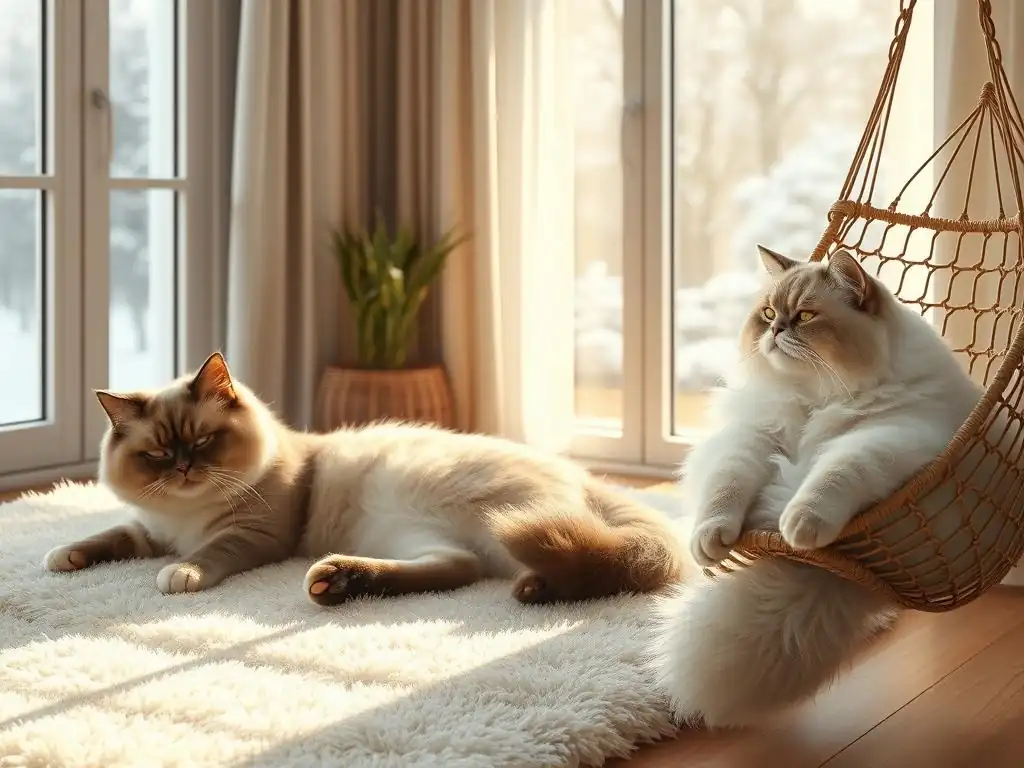
Welcome to PetCareWorld, your ultimate guide to happy and healthy pets! Are you dreaming of a feline companion who perfectly complements your relaxed lifestyle? Then discover the secrets to finding the purrfect match with our in-depth guide on calm cat breeds low maintenance. Learn which breeds are renowned for their laid-back personalities and minimal care requirements, and embark on your journey to a harmonious home life with your new furry friend. Explore now and find the chill cat of your dreams!
- Understanding the Need for Low-Maintenance Cat Breeds
- Top 5 Calm Cat Breeds for Relaxed Homes
- Beyond Breed: Factors Influencing a Cat's Temperament
- Choosing the Right Low-Maintenance Cat for You
- Maintaining a Calm and Happy Cat Environment
- Frequently Asked Questions
- Final Reflection: Finding Your Purrfectly Peaceful Companion
- Unleash Your Inner Cat Whisperer: Find Your Purrfect Match!
Understanding the Need for Low-Maintenance Cat Breeds
Choosing a feline companion is a significant decision, impacting your life for many years. While the unconditional love and companionship cats offer are undeniable, the level of care required can vary dramatically depending on the breed.
This article focuses on identifying calm cat breeds that are also low-maintenance, perfect for individuals and families seeking a purrfectly peaceful addition to their homes, without the demands of high-energy breeds. We'll explore why choosing a relaxed cat is beneficial, how low-maintenance cats fit into busy lifestyles, and finally, how to match your lifestyle to the ideal breed.
This guide will help you navigate the world of cat breeds and select a companion that aligns perfectly with your lifestyle and expectations, ensuring a harmonious and enjoyable relationship for both you and your new furry friend. We’ll be focusing on breeds known for their calm temperament and minimal grooming needs, effectively addressing the keyword "calm cat breeds low maintenance" and offering valuable insights for potential cat owners.
Why Choose a Calm and Relaxed Cat?
A calm and relaxed cat can significantly enhance your home environment. Their tranquil nature contributes to a peaceful atmosphere, reducing stress and promoting a sense of calm. Unlike high-energy breeds that may require constant playtime and attention, calmer cats are often content to relax independently, making them ideal companions for busy individuals or families. This doesn't mean they don't enjoy interaction; rather, their relaxed demeanor allows for a more balanced relationship, offering affection on their terms without demanding constant engagement.
The benefits extend beyond just a peaceful home; a relaxed cat is generally less prone to destructive behaviors stemming from boredom or pent-up energy. This contributes to a cleaner and less stressful living environment for everyone. Consider the overall tranquility a calm cat can bring – a purring companion who happily coexists with your busy schedule.
Low-Maintenance Cats: A Perfect Fit for Busy Lifestyles
For many modern individuals and families, finding a pet that fits into a busy lifestyle is crucial. Low-maintenance cats are perfectly suited to this need. These breeds typically require less grooming, meaning less time spent on brushing and bathing. Their independent nature also reduces the demand for constant playtime or attention. Many low-maintenance breeds are naturally clean and self-sufficient, requiring minimal intervention in their daily care.
This translates to less time spent on cleaning litter boxes or dealing with behavioral issues arising from boredom or lack of stimulation. Consider the time saved – time that can be spent on other aspects of life, knowing your feline companion is happy and content without demanding excessive attention. This is a significant advantage for those with busy schedules, long working hours, or other commitments. The convenience factor is a major draw for many seeking a low-maintenance pet.
Matching Your Lifestyle to the Right Cat Breed
Choosing the right cat breed requires careful consideration of your lifestyle and living situation. If you live in a small apartment, a larger, more active breed might not be the ideal choice. Similarly, if you work long hours, a cat requiring extensive playtime might become frustrated and prone to destructive behavior. Understanding your own lifestyle and daily routine is crucial in selecting a cat that will thrive in your home. Before adopting, research different low-maintenance breeds and their specific needs.
Consider factors such as grooming requirements, activity levels, and potential health concerns. Remember, responsible pet ownership involves providing a suitable environment that caters to the specific needs of your chosen companion. Choosing a cat breed that complements your lifestyle ensures a happy and fulfilling relationship for both you and your new feline friend. Matching your lifestyle with the right cat breed is key to a harmonious and stress-free experience.
Top 5 Calm Cat Breeds for Relaxed Homes
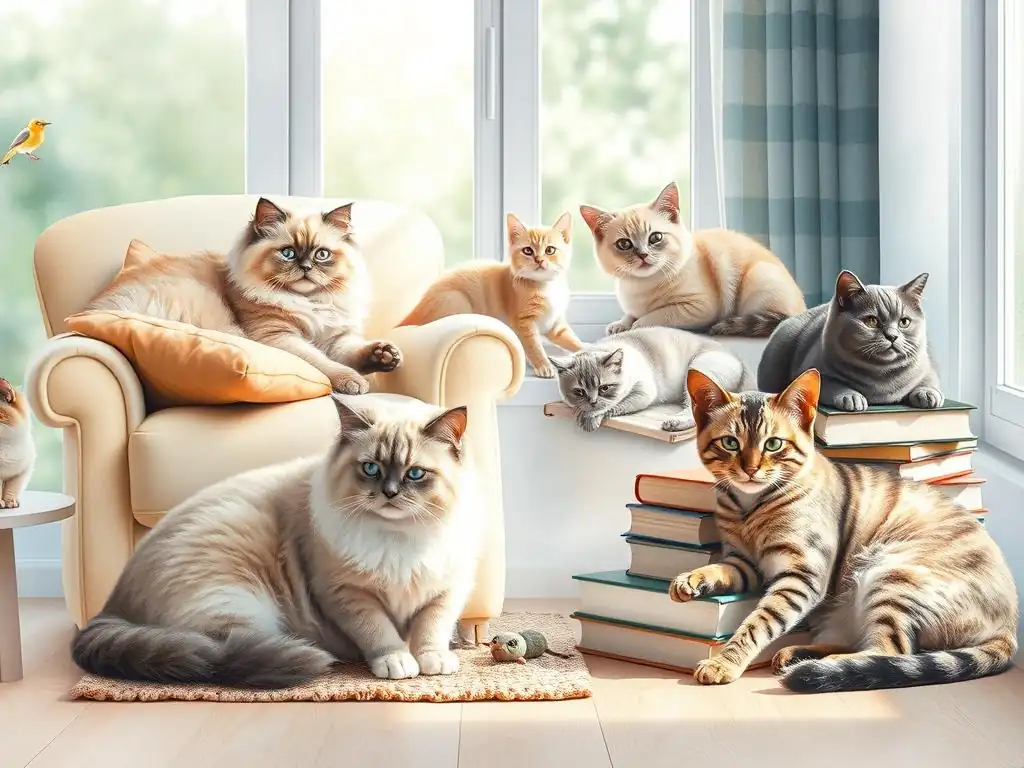
This section delves into the top five cat breeds renowned for their calm and low-maintenance nature, perfect for individuals seeking relaxed companionship without the demands of high-energy felines. We'll explore their temperaments, grooming needs, and potential health considerations, arming you with the knowledge to choose the purrfect feline friend for your lifestyle. These breeds are frequently searched for using terms like "calm cat breeds low maintenance," and this detailed analysis will help you understand which best suits your home environment.
Ragdoll Cats: Gentle Giants with a Laid-Back Attitude
Ragdolls are celebrated for their docile and affectionate personalities. Their name aptly describes their tendency to go limp when held, a unique characteristic that adds to their gentle nature. They are known for their calm demeanor and adaptability, making them suitable for various living situations.
Ragdoll Temperament and Personality Traits
Ragdolls are famously known for their placid and friendly personalities. They are often described as "dog-like" in their affection and loyalty to their owners. They enjoy human interaction and are generally tolerant of children and other pets, making them excellent family companions. However, individual personalities can vary, and some may be more independent than others. Their calm nature extends to their playfulness; while they enjoy interactive games, they are not typically overly boisterous or demanding of attention. They are content to relax and cuddle, making them the epitome of a low-maintenance, calm cat breed.
Ragdoll Grooming and Care Needs
Despite their long, luxurious coats, Ragdolls are relatively low-maintenance in terms of grooming. Regular brushing, perhaps 2-3 times a week, is sufficient to prevent matting and tangles. Their semi-longhair requires slightly more attention than shorthaired breeds but remains manageable for most owners. Occasional baths may be necessary, depending on the cat's lifestyle and coat condition. Regular nail trimming and ear cleaning are also essential parts of their routine care. With consistent grooming, the shedding is kept to a manageable level, minimizing the need for constant cleaning.
Ragdoll Health Considerations
Like all breeds, Ragdolls have certain predispositions to specific health issues. Hypertrophic cardiomyopathy (HCM), a heart condition, is a concern in this breed, as is hip dysplasia. Responsible breeders screen their cats for these conditions, minimizing the risk for future generations. Regular veterinary check-ups are crucial for early detection and management of any potential health problems. Understanding these potential health issues allows prospective owners to make informed decisions and plan for appropriate veterinary care.
Birman Cats: Serene and Affectionate Companions
Birmans are another breed often associated with a calm and gentle temperament. Their striking blue eyes and long, silky fur add to their elegant appearance, but their true charm lies in their sweet and affectionate personalities. They're known for their quiet and adaptable nature, making them suitable for a variety of living situations.
Birman Personality and Temperament
Birmans are known for their gentle and affectionate nature. They are generally quiet cats, content to spend time relaxing with their human companions. While they appreciate playtime, they are not excessively demanding of attention. They tend to be sociable and bond strongly with their families, but they can also be quite independent and enjoy periods of quiet solitude. Their calm and even-tempered nature makes them ideal companions for individuals or families seeking a relaxed and peaceful feline friend. This inherent calmness aligns perfectly with the search term "calm cat breeds low maintenance."
Birman Grooming Requirements
Birmans possess a semi-longhaired coat that requires regular grooming to prevent matting. Weekly brushing is recommended to keep their fur smooth and healthy. They are relatively clean cats and generally do not require frequent bathing. However, occasional baths may be necessary, especially during shedding seasons. Regular nail trimming and ear cleaning are also important aspects of their overall care. Their grooming needs are manageable for most pet owners, reinforcing their status as a low-maintenance breed.
Birman Health Concerns
While generally healthy, Birmans can be prone to certain health issues. Progressive retinal atrophy (PRA), a degenerative eye disease, is a concern, as is hypertrophic cardiomyopathy (HCM), similar to Ragdolls. Responsible breeders conduct health screenings to reduce the risk of these conditions. Regular veterinary checkups are essential for early detection and management of any potential health problems. Prospective owners should be aware of these potential health concerns and choose breeders who prioritize health testing.
Scottish Fold Cats: Sweet and Docile Nature
Scottish Fold cats are renowned for their sweet and docile nature, making them excellent companions for relaxed homes. Their unique folded ears, a result of a naturally occurring genetic mutation, are just one of their charming features. Beyond their adorable appearance, their calm temperament is a significant draw for many cat owners seeking a low-maintenance, affectionate pet.
They are generally quiet cats, not prone to excessive vocalization, a boon for those who appreciate a peaceful home environment. Their gentle disposition makes them suitable for households with older children or even other pets, provided proper introductions are made. However, it’s crucial to remember that individual personalities can vary, and early socialization plays a vital role in shaping a cat's behavior.
Scottish Fold Temperament and Personality
Scottish Folds are known for their laid-back and adaptable personalities. They are often described as being quite content to simply relax and observe their surroundings. While they enjoy human interaction and affection, they aren't overly demanding of attention. Many Scottish Folds are happy to spend hours lounging in sunbeams or curled up in a comfortable spot, making them ideal for owners with busy lifestyles.
They are generally friendly and approachable, though some may be more independent than others. Their playful side often manifests in gentle, quiet interactions, rather than boisterous games. This calm demeanor contributes significantly to their ranking as one of the most chill cat breeds. Remember that proper socialization from a young age is key to maintaining their gentle temperament.
Scottish Fold Grooming Needs
Scottish Folds have a short to medium-length coat that requires minimal grooming. Weekly brushing is usually sufficient to remove loose hair and prevent matting. Regular brushing also helps to distribute natural oils, keeping their coat healthy and shiny. While they don't shed excessively, regular grooming is still important, especially during shedding seasons.
Their folded ears require extra attention. Regularly check their ears for any signs of infection or buildup of wax and gently clean them as needed with a veterinarian-approved ear cleaner. Neglecting ear cleaning can lead to infections, so this is a crucial aspect of their low-maintenance care. Overall, their grooming needs are relatively straightforward, adding to their appeal as a low-maintenance breed.
Scottish Fold Health Considerations
Like all breeds, Scottish Fold cats are susceptible to certain health issues. One significant concern is Osteochondrodysplasia (OCD), a genetic condition affecting cartilage development, which is linked to their folded ears. OCD can cause pain, stiffness, and lameness, and responsible breeders screen for this condition. Other potential health problems include hypertrophic cardiomyopathy (HCM), a heart condition, and polycystic kidney disease (PKD).
Regular veterinary check-ups, including genetic testing if available, are essential to monitor their health and address any potential issues early on. Choosing a reputable breeder who prioritizes health testing can significantly reduce the risk of these inherited conditions. Early detection and management are key to ensuring a long and happy life for your Scottish Fold.
Exotic Shorthair Cats: Relaxed and Affectionate
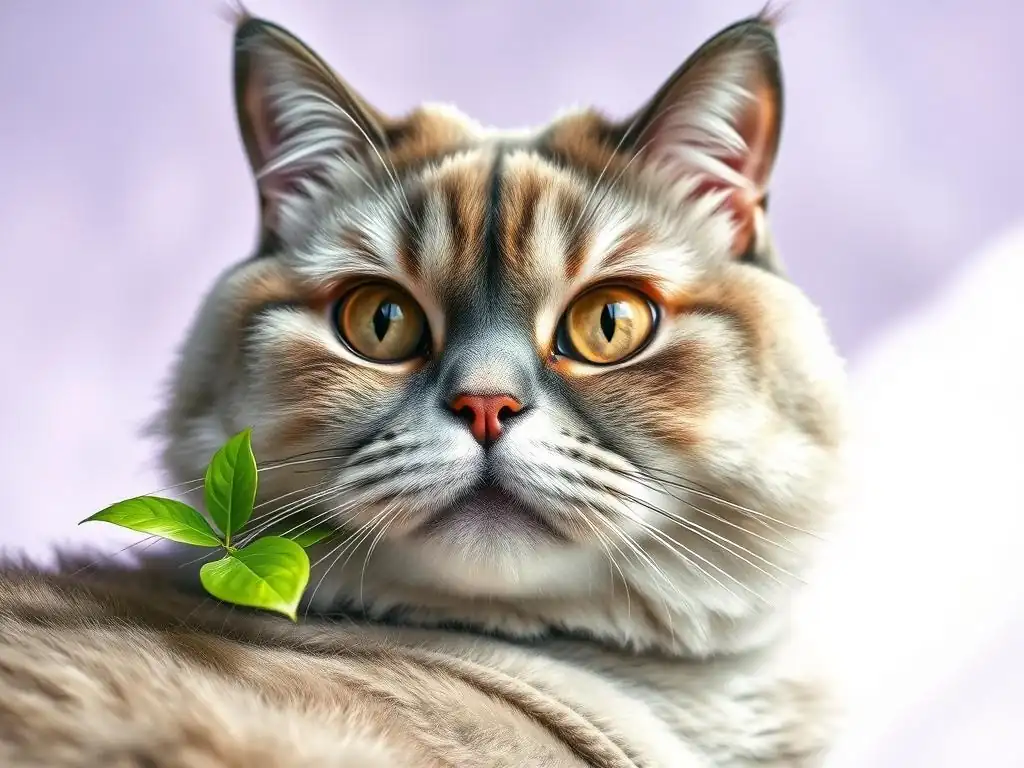
Exotic Shorthairs are known for their calm and affectionate personalities. Often described as “laid-back,” these cats are a delightful blend of the Persian’s sweet temperament and the American Shorthair’s hardy constitution. Their gentle nature makes them excellent companions for individuals and families alike, especially those seeking a low-maintenance pet that doesn't demand constant attention. They are generally quiet and well-behaved, making them suitable for apartment living or quieter households. Their affectionate side is often expressed through gentle purrs and cuddling sessions, adding to their overall charm.
Exotic Shorthair Personality and Temperament
Exotic Shorthairs inherit the calm and docile temperament of their Persian ancestors. They are typically quiet and content cats who enjoy a peaceful home environment. They are not known for being overly demanding or vocal, which contributes to their low-maintenance nature. While they appreciate affection and human interaction, they are equally happy to spend time independently, exploring their surroundings or simply relaxing.
Their playful side is often subtle, preferring gentle games and interactive toys over boisterous activities. This relaxed personality makes them ideal companions for individuals seeking a peaceful and affectionate feline friend. Early socialization is still important to ensure they develop into well-adjusted adults.
Exotic Shorthair Grooming Requirements
Exotic Shorthairs have a short, dense coat that requires minimal grooming. Regular brushing, once or twice a week, is usually sufficient to remove loose hair and prevent matting. Their dense undercoat can shed more during shedding seasons, so more frequent brushing might be necessary during these periods. Their short hair is relatively easy to manage, making them a convenient choice for those who don't want to spend excessive time on grooming.
Occasional baths, as needed, can help to keep their coat clean and healthy. Regular nail trims are also important to prevent overgrowth. Overall, their grooming needs are relatively straightforward, aligning with their low-maintenance nature.
Exotic Shorthair Health Concerns
Exotic Shorthairs, like other breeds, are prone to certain health issues. Polycystic kidney disease (PKD) is a common concern, and responsible breeders conduct genetic testing to minimize the risk. They can also be susceptible to other conditions such as hypertrophic cardiomyopathy (HCM), a heart condition, and progressive retinal atrophy (PRA), an eye disease. Regular veterinary check-ups are crucial for early detection and management of these potential health problems. Choosing a reputable breeder who prioritizes health testing is paramount in ensuring the well-being of your Exotic Shorthair. Responsible ownership includes being aware of potential health risks and proactively addressing them.
British Shorthair Cats: Calm and Independent
The British Shorthair, with its famously plush coat and sweet disposition, is a top contender for the title of "calmest cat breed." These felines are known for their laid-back nature and independent spirits, making them ideal companions for those seeking a low-maintenance, chill feline friend. Their even temperament and tolerance for a quieter lifestyle make them perfect for apartment living or homes where the owners might have busy schedules.
They're not overly demanding of attention, preferring quiet companionship over boisterous play sessions, although they certainly enjoy a good cuddle now and then. Many owners describe them as "dog-like" in their loyalty and affection, albeit expressed in a more subtle and refined way. This breed's calm demeanor makes them excellent pets for families with older children or even other pets, provided proper introductions are made.
Their placid nature translates to less likelihood of destructive behavior stemming from anxiety or boredom, contributing to their low-maintenance appeal. Overall, the British Shorthair embodies the ideal calm cat breed for relaxed homes, offering a gentle and affectionate companionship without demanding excessive attention or care.
British Shorthair Temperament and Personality
British Shorthairs are renowned for their placid and even temperament. They are generally tolerant and patient, even with children or other pets, making them suitable for a variety of households. However, their calm nature isn't synonymous with laziness; they are intelligent cats who enjoy interactive play sessions, albeit at their own pace.
They are not known for being overly vocal or demanding, preferring quiet observation to frantic meows. Their independent nature means they are quite content to entertain themselves, making them suitable for owners with busy schedules. While affectionate, they don't typically crave constant attention like some other breeds.
A gentle brush and a quiet evening spent in your company is usually more than enough to satisfy a British Shorthair. This makes them exceptionally low-maintenance companions for individuals seeking a relaxed and harmonious feline friend. Expect a cat that is generally content to nap in sunbeams, observe their surroundings, and occasionally grace you with a gentle head-butt or a slow blink – the feline equivalent of a smile.
British Shorthair Grooming Needs
The British Shorthair's dense, plush coat requires minimal grooming, contributing significantly to their low-maintenance status. Regular brushing, perhaps once or twice a week, is usually sufficient to remove loose fur and prevent matting. This keeps their coat healthy and shiny without requiring extensive grooming sessions. Their short, thick fur doesn't shed excessively compared to some longhaired breeds, minimizing the amount of cleaning required around the house.
Occasional baths might be necessary, but usually only if they get particularly dirty. This makes them a comparatively clean and easy-to-care-for breed, perfect for those who prefer a less demanding grooming routine. Their grooming needs are significantly less demanding than many other breeds, further solidifying their place as a low-maintenance, calm cat breed. Their coat's natural resilience reduces the need for frequent professional grooming, saving both time and money.
British Shorthair Health Considerations
While generally healthy, British Shorthairs, like all breeds, are prone to certain health issues. Hypertrophic cardiomyopathy (HCM), a heart condition, is relatively common in the breed, so regular veterinary checkups are crucial. Polycystic kidney disease (PKD) is another potential concern, making genetic testing of breeding cats essential for responsible breeders to minimize the risk.
Hip dysplasia can also occur, although less frequently. Responsible breeders screen their cats for these conditions, significantly reducing the likelihood of these problems in their kittens. By choosing a reputable breeder who emphasizes health testing, potential owners can significantly reduce the risk of these health issues and ensure a longer, healthier life for their British Shorthair companion.
Understanding these potential health concerns and choosing a responsible breeder is a key aspect of responsible ownership and contributes to the overall low-maintenance aspect of owning a healthy and happy British Shorthair. Early detection and preventative care can minimize the impact of these potential health problems.
Beyond Breed: Factors Influencing a Cat's Temperament
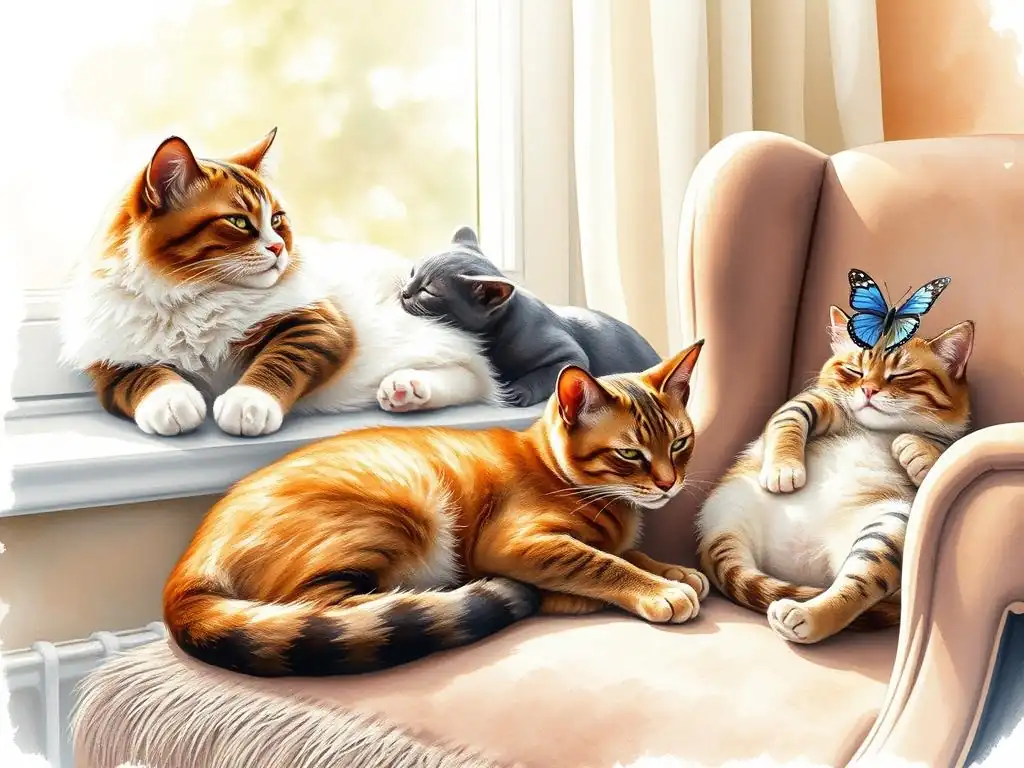
While choosing a breed known for its calm demeanor, like those listed in the main article focusing on calm cat breeds low maintenance, is a great starting point, it's crucial to understand that a cat's temperament isn't solely determined by genetics. Many other factors significantly influence how relaxed and easygoing your feline companion will be. Breed predispositions offer a general guideline, but individual personalities vary greatly, even within the same litter. Think of it like human personalities; while some familial traits might be common, each individual develops their unique character.
Early socialization is paramount in shaping a cat's personality and behavior. Kittens exposed to various sights, sounds, smells, and gentle handling during their critical socialization period (typically between 2 and 7 weeks of age) are more likely to develop into confident, well-adjusted adults. Cats lacking sufficient early socialization may exhibit increased anxiety, fearfulness, or aggression later in life. This impacts their overall calmness and ability to adapt to new environments and situations.
A well-socialized kitten will be more adaptable and less prone to stress, making them easier to manage and ultimately, more chill. Conversely, a poorly socialized cat, even from a breed known for its calm temperament, might be easily startled, more reactive, and less likely to display the laid-back personality one might expect. Studies have shown a strong correlation between early positive experiences and adult cat temperament, highlighting the importance of responsible breeding and kitten care.
Environmental Factors Affecting Cat Calmness
The environment plays a crucial role in a cat's calmness. A stressful home environment—constant noise, overcrowding, lack of resources (food, water, litter boxes), or frequent changes—can significantly impact a cat's behavior, regardless of breed. Cats thrive in predictable, secure environments. Providing a safe space, such as a cat tree or a quiet room, where they can retreat when feeling overwhelmed is essential.
A multi-cat household requires careful management to minimize competition and stress. Sufficient vertical space, multiple litter boxes, and food/water bowls strategically placed throughout the home can mitigate resource guarding and territorial disputes, leading to more relaxed cats. Even seemingly minor stressors, like loud noises or unfamiliar visitors, can trigger anxiety in sensitive cats.
Creating a stable, enriching environment is key to fostering a calm and content feline companion. Consider the impact of environmental enrichment. Toys, scratching posts, and interactive games can all contribute to a happier, more relaxed cat, reducing the likelihood of boredom-induced misbehavior.
Recognizing Signs of Stress in Cats
It's crucial to recognize signs of stress in your cat, regardless of its breed. While some cats might exhibit overt signs like hissing, growling, or swatting, others display more subtle indicators of stress. These can include changes in appetite (either increased or decreased), excessive grooming (leading to hair loss), hiding, changes in litter box habits (increased frequency or accidents), increased vocalization (meowing or yowling), or changes in sleep patterns.
A stressed cat might also exhibit flattened ears, dilated pupils, or a tucked tail. Observing these subtle cues is crucial for early intervention. If you notice any of these signs, consider consulting a veterinarian or a certified cat behaviorist.
They can help identify the underlying cause of stress and recommend appropriate strategies to help your cat feel safer and more comfortable, ultimately promoting a calmer and more relaxed disposition. Early intervention is vital for preventing chronic stress and behavioral issues. Understanding your cat's individual needs and adapting your environment accordingly is key to ensuring their well-being and promoting a harmonious relationship.
Choosing the Right Low-Maintenance Cat for You
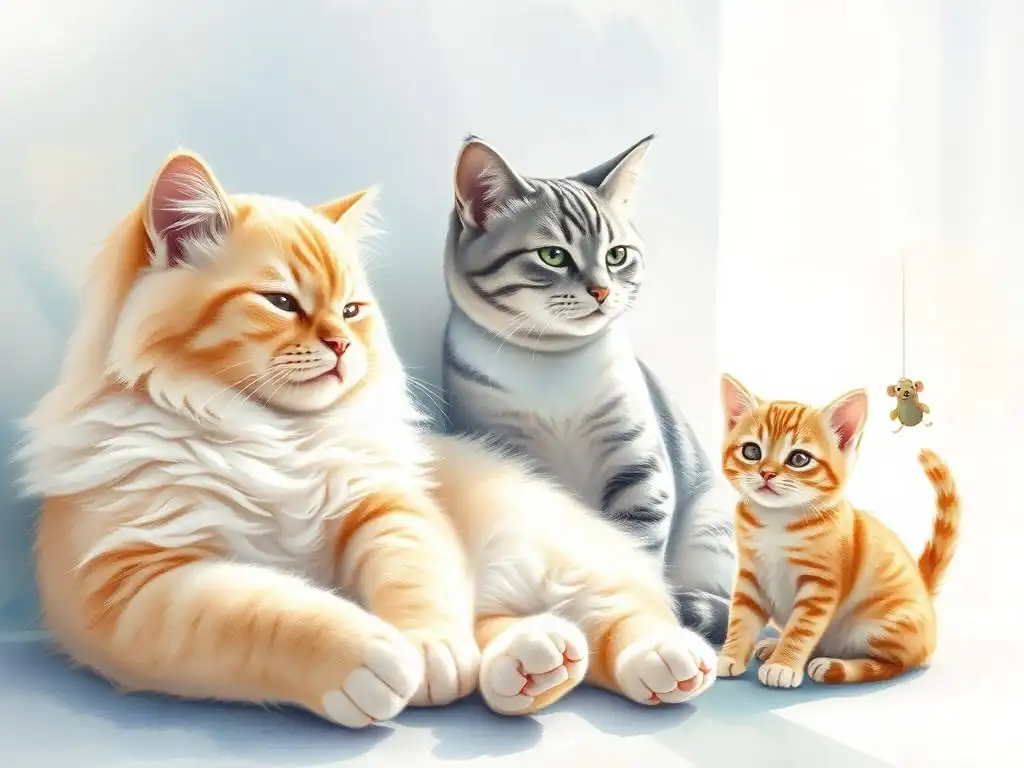
Finding the purrfect feline companion involves careful consideration of your lifestyle and preferences. While many breeds are marketed as "low-maintenance," the reality is that all cats require some level of care. The key is to select a breed whose temperament and needs align with your own. This section will help you assess your suitability for a low-maintenance cat breed and guide you in choosing the ideal feline friend. Understanding your lifestyle is crucial in identifying a breed that will thrive in your home environment and complement your daily routine.
Considering Your Lifestyle and Living Space
Your lifestyle significantly impacts the type of cat that will flourish in your home. Are you a busy professional with limited time for extensive playtime? Or do you have a more relaxed lifestyle with ample time for interaction? Consider these factors:
- Activity Level: Do you lead an active life, or is your lifestyle more sedentary? A highly energetic cat may not be a good fit for a quiet home. Calm cat breeds, known for their relaxed nature, are better suited for less active households. Breeds like the Ragdoll or British Shorthair are often described as "couch potatoes."
- Apartment Living: If you live in an apartment, a less demanding, smaller breed might be preferable to a larger, more active cat that requires more space to roam.
- Allergies: Some individuals are allergic to cats, and certain breeds produce less of the allergen Fel d 1 than others. Researching hypoallergenic cat breeds might be necessary if allergies are a concern. Remember, no cat is completely hypoallergenic, but some are better choices than others.
- Grooming Needs: While many calm cat breeds are touted as low-maintenance, grooming requirements vary. Long-haired breeds require more frequent brushing to prevent matting, while short-haired breeds need less attention. Consider the time commitment you're willing to dedicate to grooming.
Choosing the right cat is not just about finding a calm and quiet companion; it's about ensuring a harmonious and mutually beneficial relationship.
Preparing Your Home for a New Cat
Bringing a new cat into your home requires preparation to ensure a smooth transition and a safe, comfortable environment. This involves cat-proofing your home and setting up essential resources for your feline friend. Careful planning will significantly reduce stress for both you and your new pet. Here's what you should consider:
- Safe Spaces: Cats need safe spaces where they can retreat when feeling overwhelmed or stressed. Provide hiding spots, such as cat trees, beds, or even boxes, scattered throughout your home.
- Litter Box Placement: Proper litter box placement is crucial. Ensure adequate space and easy access, keeping the boxes away from food and water sources. The general recommendation is one litter box per cat, plus one extra.
- Food and Water Bowls: Provide fresh water and food in easily accessible locations. Avoid placing bowls near the litter box.
- Scratching Posts: Cats naturally scratch, so providing sturdy scratching posts prevents damage to your furniture. Experiment with different materials (sisal, cardboard, carpet) to find what your cat prefers.
- Toys and Enrichment: Providing toys and enrichment activities prevents boredom and promotes healthy behavior. Interactive toys and puzzle feeders can offer mental stimulation.
Adopting vs. Buying a Cat: Finding Your Perfect Match
The decision of adopting versus buying a cat is a personal one, with both options offering unique advantages. Adopting a cat from a shelter or rescue organization often means giving a deserving animal a loving home, while purchasing a cat from a breeder allows for more breed-specific selection and potentially health guarantees.
- Adoption: Adopting a cat provides the immense satisfaction of giving a homeless animal a second chance. Shelters and rescues often have a variety of breeds and ages, and many staff members can provide valuable insights into the cats' personalities and needs. You may even find a calm cat breed that perfectly suits your lifestyle.
- Buying: Buying a cat from a reputable breeder offers more control over breed selection and potentially access to health records and genetic testing. Breeder-sourced cats often come with a health guarantee, providing peace of mind. However, this option often comes with a higher price tag.
Regardless of your choice, thorough research and careful consideration of your lifestyle and living space are crucial in selecting a cat that will thrive in your home. Remember, the goal is to find a calm and happy companion that enhances your life. The rewards of responsible pet ownership are immeasurable.
Maintaining a Calm and Happy Cat Environment
Creating a peaceful and stimulating home environment is crucial for a calm cat, regardless of breed. A stressed cat, even a naturally placid breed, can exhibit undesirable behaviors. Understanding your cat's needs and providing a suitable space is paramount for maintaining their calm demeanor and overall well-being. This includes minimizing stressors and maximizing opportunities for relaxation and play. Think of it as creating a cat sanctuary within your home.
Creating a Safe and Enriching Space for Your Cat
A safe and enriching space is the cornerstone of a calm cat's life. This means providing plenty of vertical territory – cats love high places! Cat trees, shelves, and window perches allow them to survey their domain, feeling secure and in control. These elevated spaces also offer a retreat from potential stressors like loud noises or other pets. Consider providing multiple resting spots throughout your home, including soft beds, blankets, and sunny spots. Remember, variety is key!
The environment should also be stimulating, offering opportunities for play and exploration. This doesn't necessitate extravagant toys; simple things like cardboard boxes, crinkle balls, or even a feather wand can provide hours of entertainment. Interactive play sessions are also essential for burning energy and preventing boredom-related behavioral issues. A cat that's tired is a calm cat! Rotating toys regularly keeps your feline friend engaged and prevents them from becoming disinterested.
It's also important to minimize stressors within the home. Sudden loud noises, unfamiliar people, or other pets can significantly impact a cat's calmness. Creating a quiet sanctuary where your cat can retreat when overwhelmed is beneficial. This could be a dedicated room, a catio, or even a quiet corner with a comfortable bed. Consider using calming diffusers or pheromone sprays to further reduce stress levels.
Providing Proper Nutrition for a Relaxed Cat
Nutrition plays a surprisingly significant role in a cat's temperament and overall well-being. A balanced diet contributes directly to their physical and mental health, impacting their energy levels and behavior. A diet deficient in essential nutrients can lead to irritability, anxiety, and hyperactivity – the opposite of what we're aiming for with our calm cat.
Choosing high-quality cat food is crucial. Look for foods that list named meat sources (e.g., chicken, turkey, salmon) as the primary ingredients, avoiding fillers and artificial additives. Consult your veterinarian for recommendations based on your cat's age, breed, and any specific dietary needs. Consistent feeding times also contribute to a sense of routine and stability, which can be incredibly beneficial for a cat's overall calmness. Avoid overfeeding, as obesity can lead to numerous health problems and discomfort, potentially affecting their temperament.
Consider supplementing their diet with treats that promote relaxation and well-being. Some cat treats contain calming ingredients like chamomile or catnip (in moderation). Always check the ingredients list and ensure the treats are appropriate for your cat's age and health. Maintaining a consistent feeding schedule and providing fresh water throughout the day are equally important aspects of proper nutrition for a relaxed feline companion.
Regular Veterinary Care for Optimal Well-being
Regular veterinary check-ups are not just about preventing illness; they are essential for maintaining your cat's overall well-being and, consequently, their calmness. Underlying health issues can significantly impact a cat's behavior, leading to irritability, anxiety, or even aggression. Early detection and treatment of health problems are crucial for preventing these behavioral changes.
Annual check-ups allow your veterinarian to monitor your cat's weight, assess their overall health, and address any potential concerns. Regular blood work can reveal underlying conditions that might not be immediately apparent, such as kidney disease or hyperthyroidism, both of which can affect a cat's temperament. Vaccines and parasite prevention are also critical components of preventative care, keeping your cat healthy and free from discomfort. A healthy cat is a happy cat, and a happy cat is a calm cat.
Don't underestimate the importance of proactive veterinary care in maintaining your feline friend's serene disposition. Early intervention can prevent many behavioral issues stemming from underlying health problems. This proactive approach is essential for ensuring your calm cat breed remains as relaxed and content as possible.
Frequently Asked Questions
What makes a cat breed "low-maintenance"?
A low-maintenance cat breed generally requires less grooming, is less prone to health problems, and has a generally calm and adaptable temperament, needing less attention than high-energy breeds. This means less time spent on daily care.
Are there any truly "no-maintenance" cat breeds?
No, all cats require some level of care, including feeding, providing fresh water, and occasional vet visits. However, some breeds are significantly less demanding than others in terms of grooming and attention.
Which cat breeds are known for their calm temperaments?
Breeds like the Ragdoll, British Shorthair, and Scottish Fold are often cited for their calm and docile personalities. They are generally content to relax and are less prone to destructive behavior.
How much grooming do low-maintenance cat breeds need?
Low-maintenance breeds typically require minimal grooming, often just occasional brushing to prevent mats. However, regular nail trims and ear cleaning are still recommended for all cats.
Can a low-maintenance cat breed still be affectionate?
Absolutely! While they may be less demanding of attention, many calm breeds are still affectionate and enjoy cuddling with their owners, offering companionship without requiring constant playtime.
Final Reflection: Finding Your Purrfectly Peaceful Companion
The search for a low-maintenance, calm feline companion is more relevant than ever in our fast-paced world. The desire for a pet who complements a relaxed lifestyle, rather than demanding constant attention, is a growing trend reflecting a shift towards mindful living and a deeper appreciation for peaceful coexistence.
Choosing a cat breed based on temperament is not just about convenience; it's about fostering a harmonious relationship built on mutual respect and understanding. The bond between human and animal is profoundly enriching, and selecting a breed aligned with your lifestyle can significantly enhance this connection. The best mirror is an old friend.
This holds true for our feline companions; a calm cat can reflect our own desire for tranquility and offer a soothing presence in our often chaotic lives. The impact of a peaceful pet on mental well-being should not be underestimated.
So, as you consider adding a furry friend to your home, remember the importance of careful consideration. Don't just focus on aesthetics; delve into the breed's inherent temperament and energy levels. Take the time to research and find the purrfectly peaceful companion who will enrich your life with their calm presence and unwavering affection. Your future self – and your future feline friend – will thank you for it.
Unleash Your Inner Cat Whisperer: Find Your Purrfect Match!
Thank you for joining us on this journey to discover the most relaxed cat breeds! We hope you've found the perfect low-maintenance feline companion for your lifestyle. Now it's time to take the next step.
- Start your search: Begin by exploring local animal shelters and reputable breeders to find a cat that matches the breed you've researched. Remember to prepare your home for your new arrival!
- Share your knowledge: Tell your friends and family about the wonderful, relaxed cat breeds you've discovered! You might inspire them to adopt a calm and affectionate feline companion.
- Consider fostering: Offer a temporary, loving home to a cat in need; you might even find your perfect match!
So, which calm and collected cat breed has stolen your heart? Let us know in the comments below!