
DIY Dental Care Solutions for Pets: Safe & Effective Home Remedies

Welcome to PetCareWorld, your ultimate guide to happy and healthy pets! Are you looking for ways to keep your furry, feathered, or scaled friend's smile sparkling? Then you've come to the right place. Discover safe and effective DIY pet teeth cleaning remedies in our latest article, and learn how to provide your beloved companion with the best possible dental care from the comfort of your home. Dive in and unlock the secrets to a healthier, happier pet!
- Understanding the Importance of Pet Dental Hygiene
- DIY Pet Teeth Cleaning Remedies: Natural Approaches to Oral Care
- Exploring Advanced DIY Pet Dental Care Solutions
- Choosing the Right Tools for DIY Pet Dental Care
- When to Seek Professional Veterinary Care for Pet Dental Issues
- Maintaining Long-Term Oral Health for Your Beloved Pet
- The Role of Diet in Maintaining Good Pet Dental Hygiene
- Debunking Common Myths About DIY Pet Dental Care
- Frequently Asked Questions about DIY Pet Dental Care
- Frequently Asked Questions
- Final Reflection: Empowering Pet Owners Through DIY Dental Care
- Unleash Your Pet's Sparkling Smile!
Understanding the Importance of Pet Dental Hygiene
Maintaining optimal oral hygiene for your beloved pet is paramount to their overall health and well-being. Just like humans, pets suffer from dental issues that can significantly impact their quality of life if left untreated. Neglecting your pet's teeth can lead to a cascade of problems, ranging from painful infections to systemic diseases. This article will explore safe and effective DIY dental care solutions for your pets, empowering you to take proactive steps in maintaining their sparkling smiles and ensuring their long-term health.
We'll cover practical home remedies, focusing on preventative measures and early detection of potential problems, all while emphasizing the crucial link between oral health and overall wellness in your furry, feathered, or scaled companions. Understanding the importance of DIY pet teeth cleaning remedies is the first step towards a healthier and happier pet. Remember, proactive pet dental care is an investment in their longevity and comfort.
Preventing Gum Disease and Tooth Decay in Dogs and Cats
Gum disease, or periodontal disease, is incredibly common in dogs and cats. It begins with the buildup of plaque – a sticky film of bacteria that constantly forms on teeth. If not removed regularly, plaque hardens into tartar, irritating the gums and leading to gingivitis (inflammation of the gums). Untreated gingivitis progresses to periodontitis, a severe infection that damages the gums, supporting bone, and even loosens teeth. This can cause significant pain, difficulty eating, and even lead to the loss of teeth.
To prevent these issues, regular brushing is crucial. However, many pet owners find this challenging. Fortunately, several DIY solutions can supplement professional dental cleanings. These include carefully prepared homemade toothpaste alternatives using natural ingredients like coconut oil (with caution, as it can cause diarrhea in some pets if ingested in large quantities) and baking soda.
Remember to always consult your veterinarian before introducing any new substances into your pet's routine. A balanced diet also plays a vital role; hard kibble can help naturally scrape plaque from teeth, but it shouldn't replace regular brushing or other cleaning methods. Furthermore, dental chews designed to help remove plaque can be a helpful addition to your pet's dental care regimen. The frequency of these preventative measures will depend on your pet's breed, age, and overall health.
The Link Between Oral Health and Overall Pet Wellness
The connection between oral health and overall wellness in pets is often underestimated. Poor dental hygiene isn't just about bad breath; it can have far-reaching consequences. Bacteria from infected gums can enter the bloodstream, leading to serious systemic problems. Studies have shown a link between periodontal disease and conditions like kidney disease, heart disease, and liver disease in dogs and cats. This is because the bacteria can travel throughout the body, causing inflammation and damage to various organs.
Moreover, painful gums and teeth can make it difficult for your pet to eat properly, leading to malnutrition and weight loss. This further compromises their immune system, making them more susceptible to other illnesses. Therefore, investing in your pet's dental health is not just about maintaining a healthy mouth; it's about contributing to their overall health and extending their lifespan.
Regular veterinary check-ups, including dental examinations, are crucial for early detection and intervention. This proactive approach helps prevent minor issues from escalating into major health concerns, saving you both time, money, and emotional distress in the long run. Regular monitoring and prompt attention to any signs of dental problems are essential.
Identifying Signs of Dental Problems in Your Pet: Early Detection is Key
Early detection of dental problems is vital for effective treatment and preventing more serious complications. While regular vet check-ups are essential, you can also monitor your pet for warning signs at home. These include bad breath (halitosis), red or swollen gums, excessive drooling, difficulty eating or chewing, pawing at the mouth, and loose or missing teeth. Changes in your pet's behavior, such as decreased appetite or lethargy, can also indicate underlying dental issues.
If you notice any of these symptoms, it's crucial to schedule a veterinary appointment immediately. Your vet can conduct a thorough oral examination, diagnose the problem, and recommend appropriate treatment. This may involve professional cleaning, extraction of diseased teeth, or other necessary interventions. Early intervention is key to minimizing discomfort and preventing the spread of infection. Remember, neglecting dental problems can lead to significant pain and suffering for your pet, and ultimately, impact their overall health and longevity. Regular observation and prompt veterinary attention are crucial components of responsible pet ownership.
DIY Pet Teeth Cleaning Remedies: Natural Approaches to Oral Care

This section explores safe and effective DIY pet teeth cleaning remedies, focusing on natural ingredients and techniques to maintain your pet's oral hygiene. Remember, while these remedies can be helpful additions to a comprehensive dental care routine, they should not replace professional veterinary dental cleanings. Regular check-ups with your vet are crucial for identifying and addressing potential dental issues early on. We'll cover homemade toothpaste recipes and brushing techniques tailored to different pets. Consistent effort in DIY pet teeth cleaning can significantly improve your pet's oral health and overall well-being.
Homemade Pet Toothpaste Recipes Using Natural Ingredients
Creating your own pet toothpaste allows you to control the ingredients and avoid harsh chemicals often found in commercial products. However, always introduce new ingredients gradually to monitor for any allergic reactions. Remember to consult your veterinarian before starting any new dental care routine, especially if your pet has pre-existing health conditions.
Safe and Effective Recipe for Dogs Using Coconut Oil and Baking Soda
This recipe is simple, effective, and uses readily available ingredients.
- Ingredients:
- 1 tablespoon organic coconut oil (virgin, unrefined is best)
- ½ teaspoon baking soda
- A few drops of peppermint or cinnamon essential oil (optional, ensure it's pet-safe)
- Instructions:
- Combine the coconut oil and baking soda in a small bowl.
- Mix thoroughly until a smooth paste forms.
- Add a few drops of essential oil (if using) and mix again. Note: Use only pet-safe essential oils in very small quantities.
This paste can be stored in a sealed container in the refrigerator for up to a week. The coconut oil provides antibacterial and antifungal properties, while the baking soda helps to gently scrub away plaque.
Gentle Cat Toothpaste Recipe with Banana and Cinnamon
Cats can be more sensitive to strong flavors and textures, so this recipe uses gentler ingredients.
- Ingredients:
- ½ mashed ripe banana
- ¼ teaspoon ground cinnamon
- 1 teaspoon plain yogurt (unsweetened)
- Instructions:
- Mash the banana well.
- Mix in the cinnamon and yogurt until you achieve a smooth paste.
This paste should be used immediately as it doesn't store well. The banana provides a palatable flavor for cats, while the cinnamon offers mild antibacterial properties. The yogurt adds a creamy texture.
Brushing Techniques for Different Pet Breeds and Temperaments
Effective brushing techniques vary depending on your pet's breed, size, and temperament. Patience and positive reinforcement are key to success.
Tips for Introducing Toothbrushing to Your Pet
Introducing your pet to toothbrushing gradually is crucial. Start by letting your pet sniff and lick the toothbrush and toothpaste. Reward positive interactions with treats and praise. Short, frequent brushing sessions are better than long, infrequent ones, especially in the beginning. Consider using a finger brush initially for easier acceptance. Make the experience positive and enjoyable for your pet.
Dealing with Resistant Pets During Teeth Cleaning
Some pets may resist toothbrushing. If your pet is particularly resistant, try different approaches:
- Positive Reinforcement: Reward your pet with treats and praise throughout the brushing process.
- Different Toothbrushes: Experiment with different types of toothbrushes – finger brushes, soft-bristled brushes, etc.
- Distraction Techniques: Try distracting your pet with toys or treats while you brush their teeth.
- Professional Help: If all else fails, consult your veterinarian or a professional pet groomer for assistance. They may have techniques to help you manage your pet's resistance.
Remember, consistency is key. Even a few seconds of brushing each day is better than nothing. With patience and persistence, you can establish a successful DIY pet teeth cleaning routine. The benefits of regular oral hygiene for your pet are invaluable to their overall health and happiness.
Exploring Advanced DIY Pet Dental Care Solutions
This section delves into more advanced DIY methods for maintaining your pet's oral hygiene, moving beyond basic brushing techniques. We'll explore creating homemade dental chews and utilizing natural rinses to complement your pet's dental care routine. Remember, while these methods can be beneficial additions, they shouldn't replace regular professional veterinary dental cleanings. Consistent monitoring and professional care are crucial for optimal pet dental health.
DIY Dental Chews and Treats for Enhanced Oral Hygiene
Homemade dental chews offer a tasty and effective way to improve your pet's oral health. These chews can help scrape away plaque and tartar buildup, promoting cleaner teeth and healthier gums. The key is to use safe and palatable ingredients that are specifically beneficial for dental hygiene. The texture and ingredients are crucial; they need to be firm enough to provide a scrubbing action but not so hard as to damage teeth.
Recipes for Homemade Dental Chews Using Natural Ingredients
Creating homemade dental chews is surprisingly simple. Here are a couple of recipes using readily available ingredients:
Recipe 1: Carrot and Apple Chews (for Dogs)
- 1 large carrot, peeled and grated
- 1/2 apple, cored and grated
- 1/4 cup plain yogurt (unsweetened)
Combine all ingredients in a bowl and mix thoroughly. Spread the mixture thinly onto a baking sheet lined with parchment paper. Bake at 350°F (175°C) for approximately 20-25 minutes, or until firm and slightly chewy. Let cool completely before giving to your dog. These chews are a great source of fiber and vitamins.
Recipe 2: Sweet Potato and Parsley Bites (for Cats)
- 1 medium sweet potato, peeled and cooked
- 1/4 cup fresh parsley, finely chopped
Mash the cooked sweet potato until smooth. Gently mix in the chopped parsley. Roll the mixture into small bite-sized balls. These can be air-dried overnight or baked at a low temperature (200°F/95°C) for 30-40 minutes, ensuring they are completely dry to prevent spoilage. Parsley aids in freshening breath.
Remember to always supervise your pet while they are chewing on these treats and adjust the ingredients and consistency based on your pet's size and chewing habits. Introduce new treats gradually to avoid digestive upset.
Benefits of Using Natural Chews over Commercial Options
While many commercial dental chews are available, homemade options provide several advantages:
| Feature | Homemade Chews | Commercial Chews |
|---|---|---|
| Ingredient Control | Complete control over ingredients used | Ingredient lists can be complex and unclear |
| Cost | Generally less expensive | Can be significantly more expensive |
| Customization | Easily adaptable to your pet's preferences | Limited variety of flavors and textures |
| Additives | Free from artificial colors, flavors, and preservatives | May contain artificial additives |
Natural chews offer peace of mind knowing exactly what your pet is consuming, promoting a healthier and more holistic approach to dental care. However, always consult your vet before introducing new foods into your pet’s diet, especially if they have pre-existing health conditions.
Using Natural Rinses to Combat Bad Breath and Plaque Buildup
Natural rinses can be a valuable addition to your pet's dental hygiene routine. They can help freshen breath and reduce plaque buildup, but they are not a replacement for brushing. These rinses should be used sparingly and always diluted appropriately to avoid irritation.
Apple Cider Vinegar Rinse for Dogs: Benefits and Cautions
Diluted apple cider vinegar (ACV) possesses antibacterial and antifungal properties that can help combat bad breath and reduce plaque. For dogs, mix 1 teaspoon of raw, unfiltered ACV with 8 ounces of water. Use a clean cloth or cotton ball to gently wipe your dog's teeth and gums with this solution. Caution: Never use undiluted ACV, as it can damage your dog's mouth. Always monitor your dog for any signs of irritation or discomfort. Some dogs may not tolerate the taste, requiring patience and positive reinforcement.
Chamomile Tea Rinse for Cats: A Gentle Approach to Oral Care
Chamomile tea is known for its soothing and anti-inflammatory properties. For cats, brew a weak chamomile tea and allow it to cool completely. Use a clean cloth or cotton ball to gently wipe your cat's teeth and gums. Chamomile tea's gentle nature makes it suitable for sensitive cats. However, ensure the tea is completely cool and avoid getting it in your cat's eyes. As with any new dental treatment, monitor your cat for any adverse reactions. Always prioritize your cat's comfort and safety. 😻
Choosing the Right Tools for DIY Pet Dental Care
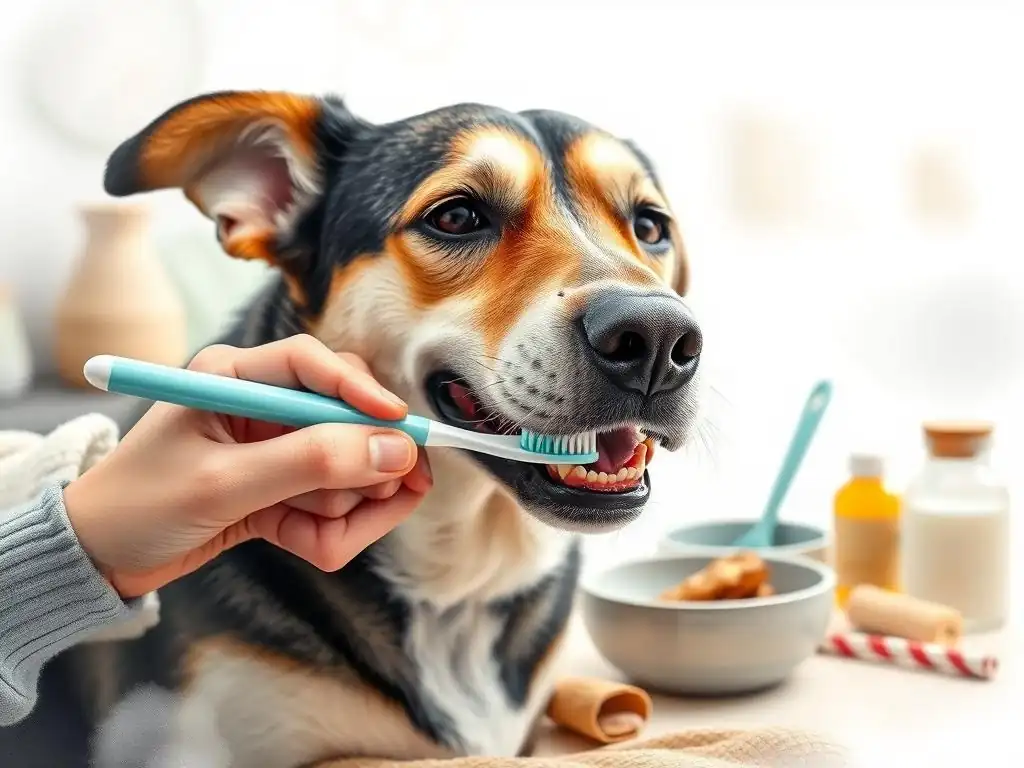
Effective DIY pet teeth cleaning relies heavily on selecting the right tools. Ignoring this crucial step can lead to ineffective cleaning, potentially causing more harm than good. The right tools ensure a comfortable and safe experience for your pet, minimizing stress and maximizing the benefits of your at-home dental care routine. This section focuses on choosing the appropriate toothbrush and toothpaste for your furry friend. Remember, consistent gentle cleaning is key to maintaining good oral hygiene for your pet.
Selecting Appropriate Toothbrushes for Your Pet's Size and Breed
Choosing a toothbrush specifically designed for pets is vital. Human toothbrushes are unsuitable due to their size and bristle stiffness, which can injure your pet's gums. Pet toothbrushes come in various sizes and shapes to accommodate different breeds and sizes. Small breeds like Chihuahuas require smaller, softer-bristled brushes than larger breeds like Great Danes. Consider the following factors when choosing a toothbrush:
- Size: Match the brush head to your pet's mouth size. A brush that's too large will be difficult to maneuver and could cause discomfort. A brush that's too small may not effectively clean all surfaces.
- Bristle Type: Opt for soft-bristled brushes to prevent gum irritation. Hard bristles can damage delicate gum tissue. Some toothbrushes have finger-fitting designs for better control.
- Brush Shape: Different brush shapes cater to various mouth shapes and sizes. Angle-headed brushes can reach back molars more effectively.
Comparison of Manual vs. Electric Toothbrushes for Pets
Both manual and electric toothbrushes have their pros and cons when it comes to DIY pet teeth cleaning.
| Feature | Manual Toothbrush | Electric Toothbrush |
|---|---|---|
| Cost | Generally less expensive upfront | More expensive upfront |
| Ease of Use | Requires more skill and patience from the owner | Easier to use, especially for uncooperative pets |
| Cleaning Power | May require more effort to achieve thorough cleaning | Often more effective at removing plaque and tartar |
| Pet Acceptance | Some pets may resist manual brushing more easily | Some pets may find the vibrations unsettling |
Ultimately, the best choice depends on your pet's temperament and your own preferences. Manual brushing requires more patience and technique but is more affordable. Electric toothbrushes are generally more effective but come with a higher price tag. Introducing the toothbrush gradually is essential, regardless of the type you choose.
The Best Natural Pet Toothpaste Options Available
While many commercially available pet toothpastes contain harsh chemicals, several natural alternatives offer safe and effective cleaning. These natural pet toothpastes often utilize enzymes to break down plaque and tartar, promoting better oral hygiene without the potential side effects of harsh chemicals. Always check the ingredients list to ensure it's safe for consumption should your pet ingest some toothpaste during brushing.
Petrox Natural Enzymatic Toothpaste: A Review of a Popular Natural Pet Toothpaste
Petrox Natural Enzymatic Toothpaste is a popular choice among pet owners seeking a natural alternative to traditional pet toothpastes. It's often praised for its palatable taste (many are poultry-flavored), which can make brushing easier. The enzymatic action helps to break down plaque and tartar, contributing to improved oral health. However, individual results may vary, and regular veterinary checkups remain crucial for maintaining optimal dental hygiene.
Virbac CET Enzymatic Toothpaste: Comparison with Other Leading Brands
Virbac CET Enzymatic Toothpaste is another well-regarded option in the natural pet toothpaste market. Compared to Petrox and other leading brands, Virbac CET often boasts a higher concentration of enzymatic agents, potentially leading to more effective plaque and tartar removal. However, the higher concentration might also mean a higher price point.
The taste is generally accepted by most pets, but as with any new product, introduce it gradually to assess your pet's reaction. A direct comparison of efficacy between brands requires further research and data, but both Petrox and Virbac CET are considered reputable choices within the natural pet toothpaste category. Remember to always consult your veterinarian for personalized recommendations on dental care products for your pet.
Essential Tools for Effective DIY Pet Dental Cleaning
Effective DIY pet dental cleaning requires the right tools. While a professional cleaning is always best for comprehensive care, these tools empower pet owners to maintain their pet's oral health between vet visits. Neglecting proper tools can lead to ineffective cleaning, potentially causing more harm than good. Remember, gentleness and patience are crucial throughout the entire process. Forcing your pet will only create negative associations and make future cleanings more difficult.
The cornerstone of DIY pet dental cleaning is a finger brush. These soft, silicone-tipped brushes fit over your finger, allowing for gentle yet thorough cleaning of your pet's teeth and gums. The flexibility of the finger brush allows you to reach all areas of the mouth, even those hard-to-reach molars. Look for brushes designed specifically for pets, as these are usually softer and more appropriately sized to avoid injury. Several brands offer a range of sizes to accommodate different breeds and ages. Proper use involves gently rubbing the brush along the gum line and tooth surface in circular motions.
Beyond the finger brush, consider incorporating a pet toothbrush. These brushes are designed with angled heads and soft bristles to better access your pet's teeth. The angled head helps reach the back molars more effectively than a standard human toothbrush. Choose a toothbrush with a small head and soft bristles to avoid damaging your pet's gums. Again, selecting a pet-specific toothbrush ensures the right size and bristle firmness for your furry friend. Many pet toothbrushes are available with different handle designs for improved grip and control.
Finally, pet toothpaste is essential. Never use human toothpaste on your pet; the ingredients are often toxic to animals. Pet toothpaste is specifically formulated to be palatable to animals and free from harmful chemicals. The flavors commonly available include chicken, beef, and fish, making the process more enjoyable for both you and your pet. There are also enzymatic toothpastes that break down plaque and tartar.
Choose a toothpaste appropriate for your pet's age and breed. Some toothpastes are designed for puppies and kittens, while others are formulated for adult animals. Remember to always check the ingredient list before purchasing to ensure it's safe for your pet. The right toothpaste, combined with the right technique, is key to effective DIY dental care.
When to Seek Professional Veterinary Care for Pet Dental Issues
Even with diligent DIY pet teeth cleaning remedies, professional veterinary care remains crucial for maintaining optimal oral health in your pet. Knowing when to seek professional help is essential for preventing serious dental problems and ensuring your pet's overall well-being. Ignoring early signs can lead to costly and potentially painful procedures down the line. This section details situations demanding immediate veterinary attention.
Recognizing When Home Remedies Aren't Enough
Home remedies, while helpful for maintaining basic oral hygiene, are not a substitute for professional veterinary care. There are several warning signs indicating that your pet needs professional intervention:
- Persistent bad breath (halitosis): While some mild breath odor is normal, a persistently foul smell, especially one described as "rotten," often signals infection or serious dental disease. This isn't simply a matter of brushing more frequently; it requires a veterinary examination.
- Bleeding gums: Gums that bleed easily during brushing or spontaneously are a clear indication of gingivitis or periodontitis. These conditions require professional treatment to prevent further damage.
- Loose or missing teeth: A loose tooth or a missing tooth that wasn't naturally shed should be investigated immediately. This could point to underlying periodontal disease or trauma.
- Difficulty eating or chewing: If your pet is struggling to eat or avoids hard food, pain from dental problems could be the cause. This warrants immediate veterinary attention.
- Visible swelling or inflammation in the mouth: Any noticeable swelling, redness, or inflammation in the mouth or gums requires immediate professional assessment.
- Excessive drooling or pawing at the mouth: These behaviors might indicate pain or discomfort in the mouth, prompting the need for a veterinary checkup.
Ignoring these symptoms can lead to more severe issues like tooth loss, abscesses, and even life-threatening infections spreading to other parts of the body. Early detection and professional intervention are key to preventing these complications. Remember, even if your DIY pet teeth cleaning efforts seem effective, regular veterinary checkups are essential for early detection of any potential problems.
Importance of Regular Veterinary Dental Checkups
Regular veterinary dental checkups are vital, regardless of your commitment to DIY pet teeth cleaning remedies. Think of it as preventative maintenance for your pet's mouth, just like regular checkups for humans. A thorough examination allows veterinarians to identify potential problems early on, often before they become noticeable to pet owners.
Veterinarians can perform a comprehensive oral exam, checking for:
- Plaque and tartar buildup: Even with diligent brushing, plaque and tartar can accumulate in hard-to-reach areas.
- Gingivitis and periodontitis: These inflammatory gum diseases are commonly detected during professional examinations.
- Dental abnormalities: Congenital defects or other abnormalities can be identified and addressed early.
- Oral tumors: Veterinarians can screen for and detect oral tumors, which often present without obvious symptoms.
The frequency of these checkups depends on your pet's breed, age, and overall oral health. However, most veterinarians recommend at least an annual dental checkup for adult pets, with more frequent visits for senior pets or those with pre-existing dental conditions. These checkups help to avoid more extensive and costly treatments later on. Early detection and preventative care are the most effective ways to maintain your pet's oral health and overall well-being.
Professional Dental Cleaning Procedures for Pets: What to Expect
Professional dental cleaning for pets often involves a more extensive procedure than what can be achieved at home. It typically involves anesthesia to ensure the pet's safety and comfort during the procedure. This allows the veterinarian to thoroughly clean the teeth and address any underlying issues.
The procedure generally consists of:
- Anesthesia: Your pet will be given a safe anesthetic to ensure they remain calm and comfortable during the procedure.
- Professional teeth cleaning: A veterinary technician uses specialized tools to remove plaque and tartar buildup above and below the gum line. This is a crucial step that cannot be achieved effectively with at-home methods.
- Polishing: After cleaning, the teeth are polished to create a smooth surface, making it more difficult for plaque to adhere.
- X-rays (if necessary): X-rays might be used to identify any underlying dental problems not visible during a visual examination.
- Extractions (if necessary): Severely damaged or diseased teeth may need to be extracted.
- Post-operative care: Your veterinarian will provide instructions for post-operative care, including pain management and dietary recommendations.
The cost of professional dental cleaning varies depending on your pet's size, breed, and the complexity of the procedure. However, the investment in professional dental care is well worth it, considering the long-term benefits for your pet's health and comfort. Regular professional cleanings, combined with diligent DIY pet teeth cleaning remedies at home, provide the best chance for maintaining optimal oral health for your beloved companion.
Maintaining Long-Term Oral Health for Your Beloved Pet

Maintaining your pet's oral health is a crucial aspect of their overall well-being. Neglecting dental hygiene can lead to serious health problems, including periodontal disease, which can affect vital organs. Implementing a proactive approach to DIY pet teeth cleaning remedies, combined with regular veterinary check-ups, is key to ensuring a long and healthy life for your furry, feathered, or scaled friend.
The good news is that with consistent effort and the right techniques, you can significantly reduce the risk of dental issues and keep your pet smiling brightly for years to come. Remember, consistent effort is more effective than sporadic, intense cleaning sessions. Think of it as a marathon, not a sprint!
Establishing a Consistent Dental Care Routine
A consistent dental care routine is paramount for preventing the buildup of plaque and tartar, the primary culprits behind periodontal disease. This routine should ideally begin in your pet's early life, but it's never too late to start. Here's a sample schedule you can adapt to your pet's specific needs:
- Daily brushing: Aim for at least once-daily brushing using a pet-specific toothpaste (human toothpaste is toxic to pets!). Many pets adapt to this routine with patience and positive reinforcement (treats are your best friend! ).
- Weekly checks: Once a week, thoroughly examine your pet's mouth. Look for any signs of redness, swelling, bleeding gums, loose teeth, or bad breath.
- Professional cleanings: Schedule regular professional dental cleanings with your veterinarian. These cleanings will help remove tartar buildup that you can't reach at home. The frequency depends on your pet's breed and dental health, but generally, it's recommended at least once a year.
Remember, consistency is key! Even a few minutes of brushing each day can make a significant difference in your pet's long-term oral health. Don't get discouraged if your pet resists initially; persistence and positive reinforcement will eventually lead to success. Consider using finger brushes or dental wipes for easier application, especially for smaller animals or those less receptive to traditional toothbrushes.
Monitoring Your Pet's Oral Health for Early Warning Signs
Early detection of dental problems is crucial for successful treatment and preventing further complications. Regularly monitoring your pet's oral health allows you to identify potential issues before they become serious. Here are some key warning signs to watch out for:
- Bad breath (halitosis): Persistent bad breath can be a significant indicator of dental problems.
- Red or swollen gums: Inflammation of the gums (gingivitis) is a common early sign of periodontal disease.
- Bleeding gums: Bleeding during brushing or spontaneously can indicate gum disease.
- Loose or missing teeth: Loose teeth or unexpected tooth loss requires immediate veterinary attention.
- Changes in eating habits: Difficulty chewing or a sudden decrease in appetite could be linked to oral pain.
- Excessive drooling: Increased salivation can be a sign of oral discomfort or infection.
- Pawing at the mouth: Your pet may try to alleviate discomfort by pawing at their mouth.
If you notice any of these signs, schedule an appointment with your veterinarian immediately. Early intervention can often prevent more extensive and costly treatments later. Remember, prevention is always better than cure when it comes to your pet’s dental health. Proactive DIY pet teeth cleaning remedies coupled with vigilance are your best defenses.
The Role of Diet in Maintaining Good Pet Dental Hygiene
Diet plays a significant role in maintaining your pet's oral hygiene. While DIY pet teeth cleaning remedies are essential, choosing the right food can also contribute to better dental health. Certain foods can help reduce plaque and tartar buildup, while others can exacerbate dental problems.
- Dental chews: Many commercially available dental chews are designed to help scrub teeth clean and reduce plaque formation. Look for chews that are specifically formulated for your pet's size and breed. However, always supervise your pet while they are chewing to prevent choking hazards.
- Hard kibble: Hard kibble can help scrape away plaque as your pet chews, acting as a natural abrasive. However, this is not a replacement for brushing.
- Raw bones (with caution): Raw bones can provide some dental benefits, but they must be given under strict supervision and should be appropriate for your pet's size and breed. Cooked bones are dangerous and should never be given to pets.
- Avoid sugary treats: Sugary treats contribute to plaque buildup and should be avoided as much as possible. These are a significant contributor to dental issues.
- Water: Access to fresh, clean water is essential for rinsing away food particles and preventing plaque buildup.
Choosing the right diet for your pet is an important step in a comprehensive approach to dental care. Remember, a balanced diet combined with regular brushing and professional cleanings is the best way to keep your pet's teeth healthy and strong. Remember to consult your veterinarian for personalized dietary recommendations based on your pet's age, breed, and overall health.
Debunking Common Myths About DIY Pet Dental Care
Pet owners often grapple with misinformation regarding at-home dental care for their furry friends. Understanding the realities of DIY pet teeth cleaning remedies is crucial for maintaining optimal oral health. This section aims to dispel common myths and clarify the role of DIY solutions in a comprehensive dental care plan. The effectiveness of DIY methods depends heavily on consistent application and the overall health of your pet's teeth and gums. It's not a replacement for professional veterinary care but a valuable supplementary tool.
Myth vs. Reality: The Effectiveness of DIY vs. Professional Cleaning
Many believe that DIY pet teeth cleaning remedies are completely sufficient and negate the need for professional cleanings. This is a misconception. While home remedies can help remove surface plaque and tartar buildup, they cannot address deeper issues like periodontal disease or significant tartar accumulation.
| Method | Effectiveness | Limitations |
|---|---|---|
| DIY Brushing | Effective for removing surface plaque and debris; helps prevent gingivitis. | Ineffective against significant tartar buildup; requires consistent effort. |
| DIY Chews/Toys | Can help scrape away some plaque; provides mental stimulation. | Vary widely in effectiveness; may not reach all tooth surfaces; potential choking hazard. |
| Professional Cleaning | Completely removes tartar and plaque; addresses periodontal disease; assesses oral health. | Requires anesthesia; can be costly; not suitable for all pets (e.g., those with severe heart conditions). |
The reality is that professional cleanings are essential for a comprehensive approach. Think of DIY methods as preventative maintenance, while professional cleanings are the major repairs. Regular professional cleanings, typically recommended annually or biannually depending on your pet's breed and oral health, are vital to maintaining long-term oral hygiene. The frequency of professional cleanings should be determined by your veterinarian. Combining regular DIY brushing with annual professional cleanings offers the most effective dental care strategy.
Addressing Concerns about Safety and Potential Risks of Home Remedies
While many DIY pet teeth cleaning remedies are safe when used correctly, potential risks exist. The key is to use products specifically formulated for pets and to avoid human toothpaste, which can be toxic. Some ingredients, even in pet-specific products, may cause stomach upset if ingested.
- Ingestion of harmful substances: Always supervise your pet during brushing and choose pet-safe products. Human toothpaste contains xylitol, a sweetener toxic to dogs. Never use human toothpaste on your pet.
- Allergic reactions: Some pets may have allergic reactions to certain ingredients in DIY dental products. Start with a small amount and monitor your pet for any signs of irritation or allergic reaction. Symptoms may include redness, swelling, itching, or digestive upset.
- Abrasiveness: Certain DIY methods, if too abrasive, can damage the enamel of your pet's teeth. Choose soft-bristled brushes and gentle cleaning techniques. Excessive force can also injure gums.
- Lack of efficacy: Some homemade remedies, like baking soda, are promoted as effective teeth cleaners but lack scientific evidence to support their claims. While baking soda might provide some minor benefits, it is not a replacement for proper brushing with pet-specific toothpaste.
Prioritizing safety requires careful product selection and mindful application. Always consult your veterinarian before starting any new dental care routine, especially if your pet has pre-existing health conditions. They can assess your pet's individual needs and recommend the most appropriate course of action. Remember, proactive dental care is crucial for preventing costly and painful dental problems in the future. The proactive approach, combining DIY methods with professional veterinary care, is the best way to ensure your pet enjoys a lifetime of healthy teeth and gums.
Frequently Asked Questions about DIY Pet Dental Care
This section addresses common queries regarding at-home pet dental care, focusing on safe and effective DIY methods. Remember, while these remedies can supplement professional cleanings, they shouldn't replace regular veterinary checkups. Regular veterinary dental care is crucial for maintaining your pet's long-term oral health.
How Often Should I Brush My Pet's Teeth?
Ideally, you should brush your pet's teeth daily. This is the most effective way to prevent plaque and tartar buildup, the primary culprits behind periodontal disease. However, we understand that daily brushing isn't always feasible. Aim for at least three to four times a week to significantly reduce the risk of dental problems. Even a few times a week is better than nothing when it comes to DIY pet teeth cleaning remedies.
Start slowly, introducing the toothbrush gradually to avoid stressing your pet. Positive reinforcement with treats and praise is key. If your pet resists, consult your veterinarian for tips on making the process more comfortable. Remember consistency is key! The frequency of brushing directly impacts the effectiveness of your DIY pet teeth cleaning remedies.
What are the Signs of Serious Dental Problems in Pets?
Recognizing the warning signs of serious dental issues is crucial for timely veterinary intervention. Early detection can significantly improve the prognosis and reduce the need for extensive (and costly) procedures. Here's a list of common indicators:
- Bad breath (halitosis): Persistent bad breath, especially a foul or sweet odor, is often a telltale sign of dental disease.
- Red, swollen, or bleeding gums: Inflamed gums indicate gingivitis, an early stage of periodontal disease.
- Loose or missing teeth: This indicates advanced periodontal disease and potential bone loss.
- Difficulty chewing or eating: Painful gums or infected teeth can make eating difficult for your pet.
- Excessive drooling: Excessive salivation can be a sign of oral pain or discomfort.
- Pawing at the mouth: Your pet might try to alleviate discomfort by pawing at their mouth.
- Changes in behavior: Lethargy, decreased appetite, and irritability can sometimes accompany dental problems.
If you observe any of these symptoms, schedule an appointment with your veterinarian immediately. Ignoring these signs can lead to more severe complications, necessitating more invasive and expensive treatments. Early intervention is key when dealing with DIY pet teeth cleaning remedies and their limitations.
Can I Use Human Toothpaste on My Pet? (And why not!)
Absolutely not. Human toothpaste contains ingredients like fluoride and xylitol that are highly toxic to pets. Even small amounts can cause serious health problems, including vomiting, diarrhea, seizures, and even death. Xylitol, in particular, is extremely dangerous for dogs.
Instead, opt for pet-specific toothpaste formulated for their delicate mouths. These toothpastes are designed with safe and palatable flavors that your pet will tolerate more easily. Many pet toothpastes are available in poultry, beef, or other appealing flavors to encourage your pet's cooperation during brushing. Choosing the right toothpaste is an essential component of successful DIY pet teeth cleaning remedies. Always read labels carefully and select a product specifically designed for pets. Your vet can also recommend suitable options.
Frequently Asked Questions
What are some safe DIY remedies for cleaning my pet's teeth?
You can try brushing your pet's teeth with a pet-specific toothpaste (never human toothpaste!) and a soft-bristled toothbrush. Dental chews designed for pets can also help scrape away plaque. Always supervise your pet during these activities.
Are there any household items I can use to clean my pet's teeth?
While some people suggest using baking soda or coconut oil, these are not recommended without veterinary guidance. Incorrect use can harm your pet's gums or teeth. Always consult your vet before trying anything new.
How often should I clean my pet's teeth?
Ideally, you should brush your pet's teeth daily. If daily brushing isn't feasible, aim for at least three times a week. Regular cleaning helps prevent plaque buildup and gum disease.
My pet resists having their teeth brushed. What can I do?
Start slowly, introducing the toothbrush and toothpaste gradually. Use positive reinforcement with treats and praise. If your pet continues to resist, consult your veterinarian for professional cleaning options.
When should I take my pet to the vet for a professional teeth cleaning?
If you notice any signs of gum disease, such as bleeding gums, bad breath, or loose teeth, schedule a veterinary appointment immediately. Regular professional cleanings are also recommended, especially for older pets.
Final Reflection: Empowering Pet Owners Through DIY Dental Care
The health of our beloved pets is paramount, and their dental hygiene is often overlooked. Maintaining healthy teeth and gums at home can significantly impact their overall well-being, potentially saving pet owners considerable veterinary expenses in the long run. This is more crucial than ever, given the rising costs of veterinary care and the increasing prevalence of dental issues in companion animals.
The journey of exploring DIY pet dental care has been enlightening, revealing a wealth of safe and effective home remedies that can supplement professional cleanings. It underscores the powerful bond between humans and animals, highlighting our responsibility to actively participate in their health. The best mirror is an old friend.
This quote, while not directly about pets, speaks to the reflective nature of caring for them – we see ourselves reflected in their well-being, and their health becomes a mirror to our own commitment and compassion.
Now, consider the power you hold. You've learned about natural solutions to improve your pet's oral health, empowering you to take proactive steps towards a healthier, happier companion. Don't just read this information; act on it. Start incorporating these simple, safe remedies into your pet's routine. Observe their response, and celebrate the small victories of healthier gums and brighter smiles. Your pet will thank you for it, one happy tail wag at a time.
Unleash Your Pet's Sparkling Smile!
Thank you for learning about natural dental care for your pet! We hope you found helpful tips to maintain their oral health. Now, let's put that knowledge into practice!
- Prioritize Brushing: Begin brushing your pet's teeth today! Even a short brushing session makes a difference. Remember to use toothpaste specifically formulated for pets.
- Explore Natural Chews: Introduce healthy chew toys to their routine. Observe which toys they prefer to help prevent plaque buildup.
- Share Your Success: Tell us about your pet's dental care journey! Share your tips and experiences in the comments below.
Ready to see your pet's pearly whites shine? What small step will you take today to improve their dental health?