
Miniature Poodle Pointers: Grooming, Training, and Health Insights for Your Curly Companion

Welcome to PetCareWorld, your ultimate guide to a happier, healthier life for your beloved pet! Are you ready to unlock the secrets to thriving pet ownership? We've got you covered, from playful puppies to wise old companions. Dive into our comprehensive Miniature Poodle health guide – a crucial resource for understanding the unique needs of this charming breed and ensuring your curly companion enjoys a long and fulfilling life. Discover expert advice on grooming, training, and everything in between – your journey to becoming a confident pet owner starts here!
-
Understanding Miniature Poodle Health: A Comprehensive Guide
- Miniature Poodle Lifespan and Common Health Concerns
- Preventing Health Issues in Miniature Poodles: Diet and Exercise
- Early Detection of Miniature Poodle Health Problems: Regular Vet Checkups
- Miniature Poodle Specific Health Issues: Genetic Predispositions and Allergies
- Addressing Common Miniature Poodle Health Problems: Treatment and Management
-
Miniature Poodle Grooming: Maintaining that Curly Coat
- Miniature Poodle Haircuts and Styles: Choosing the Right Look
- Essential Grooming Tools for Miniature Poodles: Brushes, Combs, and Clippers
- Miniature Poodle Bathing and Drying Techniques: Keeping Your Pooch Clean
- Dealing with Matted Fur in Miniature Poodles: Prevention and Solutions
- Maintaining Your Miniature Poodle's Coat Health: Nutrition and Supplements
-
Training Your Miniature Poodle: A Guide to Success
- Basic Obedience Training for Miniature Poodles: Sit, Stay, Come
- House Training Your Miniature Poodle: Potty Training Tips and Tricks
- Socialization and Behavioral Training for Miniature Poodles: Puppy Classes and Beyond
- Advanced Training Techniques for Miniature Poodles: Agility and Tricks
- Common Behavioral Issues in Miniature Poodles and How to Address Them
-
Miniature Poodle Nutrition: Fueling a Healthy Life
- Choosing the Right Food for Your Miniature Poodle: Breed-Specific Diets
- Miniature Poodle Dietary Needs: Protein, Carbohydrates, and Fats
- Avoiding Common Miniature Poodle Food Allergies: Identifying and Managing
- Supplementing Your Miniature Poodle's Diet: Vitamins and Minerals
- Feeding Your Miniature Poodle: Portion Control and Feeding Schedules
-
Miniature Poodles and Their Temperament: Understanding Your Curly Friend
- Miniature Poodle Personality Traits: Affectionate, Intelligent, and Playful
- Miniature Poodle Temperament: Adaptability and Socialization
- Miniature Poodles and Children: A Safe and Happy Coexistence
- Miniature Poodles and Other Pets: Introduction and Socialization Tips
- Understanding Your Miniature Poodle's Body Language: Communication and Behavior
-
Finding a Healthy Miniature Poodle: Choosing Your Companion
- Choosing a Responsible Miniature Poodle Breeder: Health Testing and Screening
- Assessing the Health of a Miniature Poodle Puppy: What to Look For
- Adopting a Miniature Poodle: Finding Your Perfect Match
- Preparing Your Home for a Miniature Poodle: Creating a Safe and Comfortable Environment
- Resources for Finding Reputable Breeders and Shelters
- Frequently Asked Questions
- Final Reflection: Embracing the Joyful, Curly Chaos of Miniature Poodle Ownership
- Unleash Your Poodle's Inner Champion!
Understanding Miniature Poodle Health: A Comprehensive Guide
Miniature Poodles, with their charming curly coats and playful personalities, are beloved companions to many. However, responsible pet ownership requires a thorough understanding of their specific health needs. This comprehensive guide delves into the essential aspects of Miniature Poodle health, covering lifespan, common ailments, preventative measures, and the importance of regular veterinary care. We'll equip you with the knowledge to ensure your fluffy friend lives a long, healthy, and happy life.
This guide aims to be your ultimate resource for maintaining the well-being of your Miniature Poodle, addressing key concerns often searched for under terms like "Miniature poodle health guide." Understanding your dog's predispositions is crucial for proactive care and early intervention, leading to a happier and healthier life together. Let's dive into the specifics!
Miniature Poodle Lifespan and Common Health Concerns
Miniature Poodles typically boast a lifespan of 12 to 15 years , although some may live even longer with proper care. However, like all breeds, they are prone to certain health issues. Some of the most common health concerns affecting Miniature Poodles include:
- Progressive Retinal Atrophy (PRA): A degenerative eye disease that can lead to blindness. Early detection is crucial.
- Epilepsy: Characterized by seizures, epilepsy can manifest at any age and requires careful management.
- Patellar Luxation: This is a common issue where the kneecap dislocates from its normal position. It can range in severity from mild to severe, often requiring surgical intervention in more serious cases.
- Addison's Disease: A hormonal disorder affecting the adrenal glands. Symptoms can be subtle and diagnosis can be challenging.
- Hypothyroidism: An underactive thyroid gland can lead to a variety of symptoms, including weight gain, lethargy, and skin problems.
- Von Willebrand's Disease: A bleeding disorder that affects the blood's ability to clot.
Understanding these potential health risks allows for proactive monitoring and early intervention, significantly improving your Miniature Poodle's quality of life. Regular veterinary checkups are paramount in catching these problems early. 🐾
Preventing Health Issues in Miniature Poodles: Diet and Exercise
A crucial aspect of maintaining your Miniature Poodle's health is providing a balanced diet and regular exercise. Nutritional needs vary with age and activity levels, so consulting with a veterinarian or a veterinary nutritionist is highly recommended to develop a tailored feeding plan.
- Diet: High-quality dog food formulated for small breeds is essential. Avoid feeding table scraps, as many human foods are toxic to dogs. Obesity is a significant concern in Miniature Poodles, leading to joint problems and other health complications. Careful portion control is key.
- Exercise: Daily exercise is vital for both physical and mental health. Miniature Poodles are energetic dogs and require sufficient mental stimulation to prevent boredom and behavioral issues. Regular walks, playtime, and interactive games are all important components of a well-rounded exercise routine. Remember to adjust the intensity and duration of exercise according to your dog's age and physical condition. A tired Poodle is a happy Poodle! 🐕🦺
Early Detection of Miniature Poodle Health Problems: Regular Vet Checkups
Regular veterinary checkups are the cornerstone of preventative healthcare for your Miniature Poodle. These checkups allow for early detection of potential health problems, often before symptoms even appear. During these visits, your veterinarian will perform a thorough physical examination, assess your dog's overall health, and address any concerns you may have.
- Frequency: The frequency of vet visits typically increases as your Miniature Poodle ages. Puppies require more frequent checkups for vaccinations and parasite prevention. Adult dogs generally need annual checkups, while senior dogs may benefit from more frequent visits.
- What to Expect: During a routine checkup, your veterinarian will check your dog's weight, listen to their heart and lungs, examine their teeth and gums, and palpate their abdomen. Blood work and other diagnostic tests may be recommended depending on your dog's age, breed predisposition, and overall health. Don't hesitate to ask questions and voice any concerns you have. Early detection can make all the difference in managing health issues effectively. 💖
Miniature Poodle Specific Health Issues: Genetic Predispositions and Allergies
Miniature Poodles, like all breeds, are predisposed to certain health issues due to their genetics. Understanding these predispositions is crucial for proactive pet ownership and early intervention. One significant concern is Progressive Retinal Atrophy (PRA), a degenerative eye disease leading to blindness. Early detection through regular veterinary eye exams is vital. Symptoms can include night blindness, difficulty navigating in low light, and eventually complete vision loss. Breeders actively screen for PRA to minimize its occurrence, so choosing a reputable breeder is a significant preventative measure.
Another common issue is epilepsy, characterized by seizures. The severity and frequency of seizures can vary greatly. While there's no cure, managing epilepsy involves medication prescribed by a veterinarian to control the seizures and improve the dog's quality of life. Regular veterinary check-ups are essential to monitor the effectiveness of the medication and adjust the treatment plan as needed. Understanding the triggers for seizures, such as stress or flashing lights, can also help in managing the condition.
Allergies are another prevalent problem in Miniature Poodles. These can manifest as skin issues, such as itching, redness, and hot spots, or respiratory problems like sneezing and coughing. Food allergies are common, often triggered by ingredients like beef, dairy, or wheat. Environmental allergies, such as pollen or dust mites, are also frequently encountered. Diagnosis involves careful observation, allergy testing, and elimination diets to identify the allergen. Treatment focuses on managing symptoms through medications, dietary changes, and environmental control.
Regular grooming can also help alleviate skin irritation caused by allergies. Remember, consistent veterinary care is paramount in managing allergies effectively. Furthermore, patellar luxation, a condition affecting the kneecap, is another genetic predisposition found in Miniature Poodles. This can manifest as lameness or a clicking sound in the knee joint. Surgical intervention might be necessary in severe cases.
Addressing Common Miniature Poodle Health Problems: Treatment and Management
Effective management of Miniature Poodle health problems requires a multi-faceted approach combining veterinary care, lifestyle adjustments, and proactive monitoring. For instance, managing PRA, while incurable, involves providing a safe and stimulating environment for a dog experiencing vision loss. This might include adjusting the home layout to minimize obstacles and using auditory cues for training.
Similarly, managing epilepsy requires a close partnership between the owner and the veterinarian. Regular medication administration is crucial, and owners need to be vigilant in monitoring their dog for seizure activity, noting the frequency, duration, and any apparent triggers. Prompt veterinary attention is needed if seizures become more frequent or severe. In cases of patellar luxation, veterinary guidance is essential to determine the best course of action, which might range from conservative management (physical therapy, weight management) to surgical correction. The choice depends on the severity of the luxation and the dog's overall health.
Allergy management often involves a combination of strategies. Elimination diets can pinpoint food allergens, allowing owners to switch to hypoallergenic food options. Environmental controls, such as regular cleaning and air purifiers, can minimize exposure to airborne allergens.
Medications, such as antihistamines or corticosteroids, can help manage symptoms, and regular grooming can prevent skin infections. The effective management of these common health issues hinges on consistent monitoring, prompt veterinary intervention, and a proactive approach to maintaining the dog's overall well-being. Remember, a healthy lifestyle, including regular exercise and a balanced diet, plays a significant role in preventing many health problems and improving the overall quality of life for your Miniature Poodle.
Miniature Poodle Grooming: Maintaining that Curly Coat
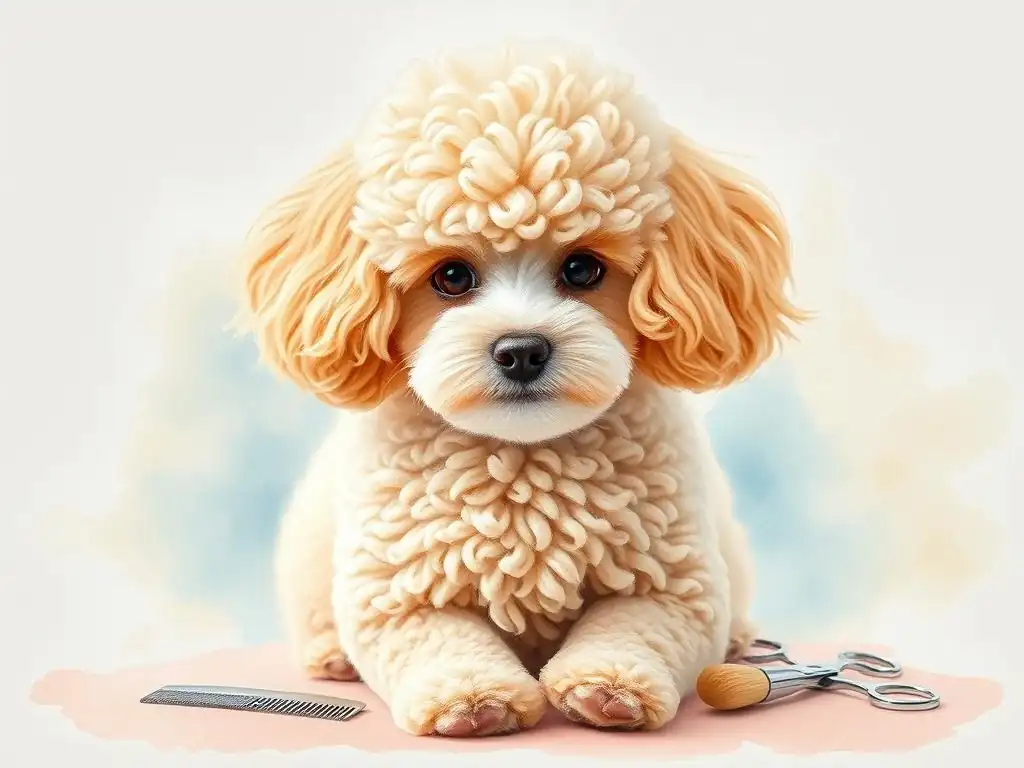
Miniature Poodles, with their iconic curly coats, require regular grooming to prevent matting, skin issues, and overall discomfort. Neglecting grooming can lead to serious health problems, impacting their comfort and well-being. This section delves into the specifics of maintaining a healthy and beautiful coat for your miniature poodle. Regular brushing is paramount; aiming for at least three times a week, more frequently for puppies and during shedding seasons.
This prevents mats from forming and distributes natural oils, keeping the coat shiny and healthy. The frequency and thoroughness of brushing will depend on the length of your poodle's coat and their individual grooming needs. Remember, consistent grooming is key to preventing larger issues down the line, saving you time and money on potential veterinary visits related to matted fur.
Miniature Poodle Haircuts and Styles: Choosing the Right Look
The beauty of the Miniature Poodle lies in the versatility of its coat. Numerous haircut styles are available, ranging from the classic "puppy cut" – a short, even trim – to more elaborate styles that showcase the poodle's natural curls. The "lion cut," for instance, leaves longer hair on the head, chest, and tail, while the body is clipped short. This style is popular for its practicality and ease of maintenance, particularly during warmer months. Conversely, longer styles require more frequent brushing and grooming to prevent matting. Choosing the right haircut depends on several factors, including your lifestyle, the climate, and your poodle's personality. Consider consulting a professional groomer for advice on a style that suits your pet's coat type and your personal preferences. Remember to consider potential allergies – certain hypoallergenic shampoos and grooming techniques may be necessary.
A well-maintained coat not only enhances your miniature poodle's appearance but also contributes to their overall health. Regular trims help prevent matting, which can cause skin irritations and infections. Furthermore, a clean, well-groomed coat is easier to monitor for any potential skin issues or parasites.
Essential Grooming Tools for Miniature Poodles: Brushes, Combs, and Clippers
Investing in high-quality grooming tools is crucial for effectively maintaining your miniature poodle's coat. A slicker brush is essential for removing loose undercoat and preventing matting. A wide-tooth comb is useful for detangling knots and mats, particularly in longer coats. For more intricate grooming or specific haircuts, consider purchasing professional-grade clippers. However, if you are not experienced with clippers, it is advisable to seek the services of a professional groomer, especially for the initial haircuts.
There are many different types of brushes, combs, and clippers available on the market, each designed for specific purposes. Researching and choosing the right tools for your poodle’s coat type will make the grooming process easier and more enjoyable for both you and your pet. Consider also including nail clippers, ear cleaning solution, and pet-safe shampoo in your grooming kit. Remember to regularly clean and maintain your grooming tools to ensure hygiene and longevity.
Miniature Poodle Bathing and Drying Techniques: Keeping Your Pooch Clean
Bathing your miniature poodle should be done regularly, but not excessively, as over-bathing can strip the coat of its natural oils. Aim for every 4-6 weeks, or more frequently if your dog gets particularly dirty. Use a high-quality, pH-balanced shampoo specifically formulated for dogs, avoiding human shampoos which can be harsh on their skin. Thoroughly rinse all shampoo to prevent residue buildup, which can lead to skin irritation.
After bathing, gently towel dry your poodle's coat as much as possible before using a hairdryer on a low, cool setting. Never use a hot hairdryer, as this can burn your pet's skin. Be mindful of your poodle’s comfort level throughout the bathing and drying process, making it a positive experience.
Regular bathing, coupled with diligent brushing, keeps their coat clean, healthy, and prevents skin issues. Pay close attention to their skin after bathing, looking for any signs of irritation or dryness. This proactive approach to hygiene is a vital component of your Miniature Poodle's overall health guide.
Dealing with Matted Fur in Miniature Poodles: Prevention and Solutions
Matted fur is a common problem for Miniature Poodles, thanks to their luxurious, curly coats. Untangled mats can lead to skin irritation, discomfort, and even infection. Prevention is key, and regular brushing is paramount. Aim for daily brushing, using a slicker brush and an undercoat rake to reach deep into the coat and remove loose fur and tangles before they become mats. Start brushing from the skin outwards, being gentle to avoid pulling or hurting your dog. Pay particular attention to areas prone to matting, such as behind the ears, under the legs, and around the tail.
If mats do develop, don't panic! However, attempting to cut them out yourself is generally not recommended unless you have experience. Pulling at a mat can cause significant pain and discomfort for your poodle. Instead, contact a professional groomer. They have the expertise and tools to safely and effectively remove mats without harming your dog's skin.
Regular grooming appointments, ideally every 4-6 weeks, are a vital part of preventing matting and maintaining your Miniature Poodle's coat health. In between professional grooms, consistent daily brushing at home will significantly reduce the risk of mat formation. Remember, prevention is always easier and more comfortable for your pet than dealing with established mats. Consider using a detangling spray to make the process easier and less stressful for both you and your dog.
Maintaining Your Miniature Poodle's Coat Health: Nutrition and Supplements
A healthy diet plays a crucial role in maintaining the condition of your Miniature Poodle's coat. Just like humans, dogs need a balanced diet rich in essential nutrients to support healthy skin and fur. High-quality dog food formulated for small breeds is a good starting point. Look for foods that list high-quality protein sources (like chicken, lamb, or fish) as the primary ingredient, and avoid those with excessive fillers. Omega-3 and Omega-6 fatty acids are particularly important for a shiny, healthy coat. These fatty acids can be found in certain fish oils and some commercial dog foods.
While a balanced diet is typically sufficient, some pet owners find that supplementing their Miniature Poodle's diet with additional nutrients can further improve coat health. However, it's crucial to consult your veterinarian before introducing any supplements. They can assess your dog's individual needs and recommend appropriate supplements, if necessary, and advise on the correct dosage. Improper supplementation can be harmful, so professional guidance is vital.
Remember, a healthy diet is the foundation, and supplements should be considered additions, not replacements, for a balanced nutritional plan. Observe your dog's coat closely. Changes in its texture, shine, or shedding patterns can indicate underlying health issues or nutritional deficiencies that require veterinary attention.
Training Your Miniature Poodle: A Guide to Success

Miniature Poodles, despite their small stature, possess intelligence and a willingness to please, making them highly trainable. However, consistent and positive reinforcement methods are crucial for success. Remember, patience is key – every dog learns at its own pace.
This section delves into essential training aspects for your Miniature Poodle, focusing on obedience, house training, and socialization. Understanding your dog's unique personality and adapting your training approach accordingly will significantly enhance your bond and ensure a well-behaved companion. This miniature poodle health guide also emphasizes the importance of positive reinforcement in building a strong relationship with your pet, minimizing stress, and maximizing training effectiveness.
Basic Obedience Training for Miniature Poodles: Sit, Stay, Come
Basic obedience forms the foundation of a well-behaved Miniature Poodle. Commands like "sit," "stay," and "come" are essential for safety and control, both at home and in public. Start training early, ideally from puppyhood. Use positive reinforcement techniques, rewarding desired behaviors with treats, praise, or toys.
- "Sit": Gently press down on your puppy's rear end while simultaneously saying "sit." Once they sit, immediately reward them. Repeat this process multiple times a day, gradually increasing the duration of the "sit" before rewarding.
- "Stay": Start with short durations, gradually increasing the time they remain in the "stay" position. Use hand signals along with the verbal command for better understanding. Distraction-free environments are ideal for initial training.
- "Come": Use a cheerful tone and enthusiastic praise when calling your puppy. Initially, keep training sessions short and rewarding to maintain their engagement and prevent frustration. Remember to always end on a positive note.
Consistency is paramount. Use the same commands and hand signals consistently to avoid confusing your dog. Short, frequent training sessions (5-10 minutes) are more effective than long, infrequent ones. Remember to celebrate successes, no matter how small! Positive reinforcement builds confidence and strengthens the bond between you and your furry friend. This positive approach is a crucial element of a comprehensive miniature poodle health guide, contributing to their overall well-being.
House Training Your Miniature Poodle: Potty Training Tips and Tricks
House training a Miniature Poodle requires patience, consistency, and a structured approach. Accidents will happen, but with the right techniques, you can expedite the process.
- Establish a routine: Take your puppy outside frequently, especially after waking up, after meals, and after playtime. Maintain a consistent schedule to help them understand when elimination is expected.
- Designated potty spot: Choose a specific spot in your yard for your puppy to relieve themselves. Consistency in location helps them associate that spot with elimination.
- Positive reinforcement: Immediately reward your puppy with praise and treats when they eliminate successfully outside.
- Crate training: A crate can be a valuable tool for house training. Puppies instinctively avoid soiling their den. However, ensure the crate is appropriately sized and not used as punishment.
- Clean up accidents thoroughly: Use an enzymatic cleaner to remove any scent of urine or feces, preventing your puppy from returning to the same spot.
Remember, punishing your puppy for accidents is counterproductive. It can create fear and anxiety, hindering the training process. Focus on positive reinforcement and rewarding good behavior. This patient and positive approach, as emphasized in any good miniature poodle health guide, fosters a trusting relationship and accelerates the house training process.
Proper socialization is crucial for a well-adjusted Miniature Poodle. Exposing your puppy to various sights, sounds, people, and other dogs from a young age helps them develop into a confident and well-behaved adult.
- Puppy classes: Enroll your puppy in a reputable puppy class to provide structured socialization opportunities and basic obedience training. This controlled environment allows your puppy to interact with other dogs in a safe and supervised setting.
- Controlled introductions: Gradually introduce your puppy to new people and dogs, always ensuring a positive and safe experience. Avoid overwhelming them with too much stimulation at once.
- Positive interactions: Encourage positive interactions between your puppy and other dogs and people. Supervise play sessions carefully to prevent any aggressive or fearful behaviors.
- Handling and grooming: Regularly handle your puppy to get them used to being touched and groomed. This helps prevent fear and anxiety associated with these necessary procedures.
Socialization is an ongoing process, not a one-time event. Continue to expose your Miniature Poodle to new experiences throughout their life, ensuring they remain comfortable and well-adjusted. A well-socialized dog is a happier and healthier dog, a cornerstone of any holistic miniature poodle health guide. Remember, a well-trained and socialized Miniature Poodle will be a joy to live with for many years to come.
Advanced Training Techniques for Miniature Poodles: Agility and Tricks
Miniature Poodles, with their intelligence and athleticism, excel in advanced training. Agility training, in particular, provides a fantastic outlet for their energy and sharp minds. This involves navigating a course of obstacles, requiring precision, speed, and obedience. Success in agility relies heavily on building a strong foundation of basic obedience commands like "sit," "stay," "come," and "leave it."
Once these are mastered, you can progress to more complex maneuvers. Start with simple obstacles like low jumps and tunnels, gradually increasing the difficulty as your poodle masters each challenge. Positive reinforcement, using treats and praise, is crucial throughout the process. Remember to keep training sessions short and fun to maintain your poodle's enthusiasm.
Consider enrolling in a professional agility class to receive expert guidance and learn proper techniques. This structured environment also allows your poodle to socialize with other dogs, further enhancing their training experience. The benefits extend beyond just agility; the improved focus and coordination translate to better overall behavior and a stronger bond between you and your pet. A well-trained agility poodle is a happy, confident poodle.
Beyond agility, miniature poodles are also adept at learning tricks. From basic commands like "shake" and "play dead" to more advanced feats like retrieving specific objects or performing intricate routines, the possibilities are vast. Again, positive reinforcement is key. Break down complex tricks into smaller, manageable steps, rewarding your poodle for each successful completion.
Consistency is crucial; regular, short training sessions are more effective than infrequent, longer ones. Using clicker training can be particularly effective with miniature poodles, as the clicker provides immediate feedback, marking the precise moment of correct behavior. This method helps your poodle quickly understand what actions earn a reward.
Remember to always tailor the training to your poodle's individual personality and learning style; some poodles may pick things up faster than others, and patience is paramount. The accomplishment of learning new tricks not only provides mental stimulation but strengthens the bond between you and your furry companion, creating a rewarding experience for both. 🎉
Common Behavioral Issues in Miniature Poodles and How to Address Them
Miniature Poodles, despite their charming personalities, can exhibit certain behavioral issues. One common problem is excessive barking. This can stem from various causes, including boredom, anxiety, or a desire for attention. Addressing this requires identifying the underlying cause. If boredom is the culprit, ensure your poodle receives sufficient exercise and mental stimulation through playtime, interactive toys, and training sessions.
For anxiety-related barking, creating a calm and predictable environment can be beneficial. Using calming aids, such as pheromone diffusers or calming treats, may also help. If attention-seeking is the root cause, ignoring the barking (when it's not a warning of danger) and rewarding quiet behavior can be effective. Consistency is key; inconsistent responses can inadvertently reinforce the barking behavior.
Another common issue is excessive shedding, despite their low-shedding nature. Regular grooming is essential to minimize shedding and keep their coat healthy. This includes brushing several times a week to remove loose hair and prevent mats. Professional grooming every few weeks can further help maintain their coat's health and minimize shedding. A healthy diet also plays a crucial role in coat health. Ensuring your poodle receives adequate nutrition with a balanced diet can contribute to a healthier, less-shedding coat. Addressing this issue requires a multi-pronged approach, encompassing proper grooming and a healthy diet.
Separation anxiety is another concern. This manifests as excessive barking, whining, or destructive behavior when left alone. Gradual desensitization can help. Start by leaving your poodle alone for short periods, gradually increasing the duration. Providing your poodle with engaging toys or puzzle feeders can keep them occupied while you're away. Creating a safe and comfortable space for them can also reduce anxiety. In severe cases, consult a veterinarian or a certified dog behaviorist for professional guidance and potential medication. Remember, patience and consistency are key to successfully addressing separation anxiety. 🐕🦺
Miniature Poodle Nutrition: Fueling a Healthy Life
Miniature Poodles, with their charming curls and playful personalities, require a diet specifically tailored to their size and energy levels. A well-balanced diet is crucial for maintaining their vibrant coat, strong bones, and overall well-being. This section delves into the essential aspects of Miniature Poodle nutrition, providing a comprehensive guide to ensure your furry friend thrives.
Understanding their nutritional needs is paramount for preventing health issues and promoting a long, happy life. This guide will help you navigate the complexities of Miniature Poodle feeding, empowering you to make informed choices that support their health and vitality. Remember, consulting with your veterinarian is always recommended for personalized dietary advice.
Choosing the Right Food for Your Miniature Poodle: Breed-Specific Diets
Selecting the right food is the cornerstone of a healthy Miniature Poodle. Commercial dog foods offer convenience, but careful consideration of ingredients and formulations is crucial. Look for diets specifically formulated for small breeds, as these typically contain smaller kibble sizes suitable for their jaw structure. These small-breed formulas often provide higher calorie density to meet their energy requirements without overfeeding.
Pay close attention to the ingredient list. High-quality protein sources, such as chicken, lamb, or fish, should be listed prominently. Avoid foods with excessive fillers like corn, wheat, or soy, which can contribute to allergies and digestive issues. Opt for foods with added nutrients like omega-3 and omega-6 fatty acids for a healthy coat and skin. Consider your poodle's age and activity level when selecting a formula; puppies need higher calorie diets than adult dogs, and highly active Miniature Poodles may require more calories than their less energetic counterparts.
| Food Type | Advantages | Disadvantages | Considerations |
|---|---|---|---|
| Dry Kibble | Convenient, cost-effective, helps with dental health | Can be less palatable, may not meet all needs | Choose high-quality brands with appropriate protein levels |
| Wet Food | Highly palatable, good for picky eaters | More expensive, can contribute to weight gain | Use as a supplement or occasional treat |
| Raw Food Diet | Nutrient-rich, natural ingredients | Requires careful preparation, potential health risks | Consult a veterinarian before starting a raw food diet |
Miniature Poodle Dietary Needs: Protein, Carbohydrates, and Fats
A balanced diet for your Miniature Poodle should provide the optimal ratio of macronutrients: protein, carbohydrates, and fats.
- Protein: Essential for muscle growth, repair, and overall health. High-quality protein sources are crucial, providing essential amino acids. Aim for a diet with 22-25% protein for adult dogs. Puppies require slightly higher protein levels for growth.
- Carbohydrates: Provide energy. Opt for complex carbohydrates like brown rice, barley, or oats over simple sugars which can lead to weight gain and health problems. A typical carbohydrate percentage in a balanced diet is 30-40%.
- Fats: Crucial for healthy skin and coat, as well as energy production. Choose healthy fats like omega-3 and omega-6 fatty acids found in fish oil and flaxseed. However, excessive fat can lead to obesity, so monitor your poodle's weight closely. A good range is 15-20% fat.
Avoiding Common Miniature Poodle Food Allergies: Identifying and Managing
Food allergies are common in Miniature Poodles. Common allergens include beef, dairy, chicken, wheat, soy, and corn. Symptoms can range from mild digestive upset (diarrhea, vomiting) to severe skin problems (itching, hot spots, hair loss).
If you suspect a food allergy, a gradual elimination diet, guided by your veterinarian, is the best approach. This involves slowly introducing single-ingredient foods while carefully monitoring your dog's reaction. Keep a detailed food diary to track any changes in symptoms. Your veterinarian may recommend allergy testing to pinpoint specific allergens. Once identified, these allergens should be avoided entirely.
Offering a limited-ingredient diet can also help manage food allergies, as it reduces exposure to potential triggers. Remember, patience and careful observation are key to successfully managing food allergies in your Miniature Poodle. Early identification and management are essential to prevent long-term health issues. 🐶
Supplementing Your Miniature Poodle's Diet: Vitamins and Minerals
Miniature Poodles, like all dogs, require a balanced diet to thrive. While a high-quality commercial dog food can provide most essential nutrients, supplementing your poodle's diet with certain vitamins and minerals can sometimes be beneficial, particularly during specific life stages or if your veterinarian identifies a deficiency. However, it's crucial to remember that over-supplementation can be harmful, so always consult your vet before adding any supplements to your dog's routine. They can perform blood tests to assess your poodle's nutritional status and recommend appropriate supplements, if needed.
For example, senior Miniature Poodles might benefit from joint supplements containing glucosamine and chondroitin to support joint health and mobility, a common concern in smaller breeds as they age. Similarly, pregnant or lactating females may require increased calcium and other nutrients to support their own health and the development of their puppies. These supplements should be specifically formulated for dogs and given in the recommended dosages. Never give human supplements to your dog without veterinary guidance, as these can contain ingredients toxic to canines.
It's also important to consider the quality of the supplements you choose. Look for reputable brands that provide third-party testing results to ensure the purity and potency of their products. Avoid supplements with fillers or artificial ingredients.
Remember, a healthy diet should form the foundation of your Miniature Poodle's nutritional intake, and supplements are intended to complement, not replace, a well-balanced diet. Regular veterinary checkups are key to monitoring your dog's overall health and identifying any potential nutritional deficiencies early on. A proactive approach to your poodle's health is the best approach to ensuring a long and happy life for your furry friend.
Feeding Your Miniature Poodle: Portion Control and Feeding Schedules
Proper portion control and a consistent feeding schedule are vital aspects of maintaining a healthy weight and preventing obesity in your Miniature Poodle. Obesity can lead to numerous health problems, including diabetes, joint issues, and heart disease, significantly impacting your dog's quality of life. The amount of food your poodle needs depends on several factors, including age, activity level, metabolism, and overall health. The information on the dog food packaging is a good starting point, but it's often a generalization.
To determine the appropriate portion size for your Miniature Poodle, consult your veterinarian or a veterinary nutritionist. They can help you create a personalized feeding plan based on your dog's individual needs. Weigh your poodle regularly and adjust their food intake accordingly. If you notice your dog gaining weight, reduce the portion size slightly. Conversely, if they appear too thin, increase the portion size gradually. Avoid free-feeding, which means leaving food out all day. This can lead to overeating and weight gain.
Instead, establish a consistent feeding schedule. Most dogs thrive on two meals a day, one in the morning and one in the evening. This helps regulate their blood sugar levels and prevents begging throughout the day. Observe your poodle's eating habits and adjust the feeding schedule as needed. Some dogs may prefer smaller, more frequent meals.
Use a measuring cup to ensure consistent portion sizes. Avoid giving table scraps or treats excessively, as these can contribute to weight gain and nutritional imbalances. A healthy weight is crucial for a happy and healthy Miniature Poodle, so maintaining a balanced diet and consistent feeding routine is an investment in their longevity and well-being. Remember, regular veterinary checkups are crucial in monitoring your poodle's weight and overall health.
Miniature Poodles and Their Temperament: Understanding Your Curly Friend
Miniature Poodles, despite their small stature, possess a big personality. Understanding their temperament is crucial for responsible ownership and ensuring a happy, well-adjusted life for your furry companion. This section delves into the key aspects of Miniature Poodle personality and behavior, providing valuable insights for prospective and current owners. This information will contribute to your comprehensive Miniature poodle health guide.
Miniature Poodle Personality Traits: Affectionate, Intelligent, and Playful
Miniature Poodles are renowned for their affectionate and playful nature. They form strong bonds with their families and thrive on human interaction. Their intelligence is readily apparent; they're quick learners, eager to please, and excel in various canine activities, from obedience training to agility. This inherent intelligence, however, requires consistent mental stimulation to prevent boredom and potential behavioral issues. A bored Miniature Poodle might exhibit destructive chewing or excessive barking.
Providing puzzle toys, interactive games, and regular training sessions are key to keeping your Miniature Poodle mentally engaged and happy. Their playful nature shines through in their interactions, often exhibiting a joyful exuberance during playtime. They are generally good-natured dogs, but early socialization is essential to ensure they develop into well-adjusted adults. This playful energy, coupled with their intelligence, makes them highly trainable. Positive reinforcement methods work best, rewarding desired behaviors with treats, praise, and affection.
Miniature Poodles are remarkably adaptable dogs, able to adjust to various living situations, from apartments to houses with yards. However, their adaptability doesn't negate the importance of socialization. Early and consistent socialization is crucial for a well-balanced Miniature Poodle. Exposing your puppy to different environments, people, and other animals from a young age helps them develop into confident and well-adjusted adults. A well-socialized Miniature Poodle will be less likely to exhibit fear-based aggression or anxiety.
Lack of socialization can lead to shyness, fearfulness, or even aggression towards strangers or other dogs. Remember, a Miniature poodle health guide should also include a strong emphasis on socialization for their overall well-being. Consider enrolling your puppy in puppy socialization classes to facilitate this process. These classes provide a controlled environment where puppies can interact safely and learn appropriate social skills.
Miniature Poodles and Children: A Safe and Happy Coexistence
Miniature Poodles are often considered excellent family dogs, and their gentle nature makes them suitable companions for children. However, like any breed, careful supervision is always necessary when children and dogs interact. Teaching children how to interact respectfully with dogs is essential; this includes gentle handling, avoiding sudden movements, and respecting the dog's personal space.
Never leave young children unsupervised with a dog, regardless of the breed. Early socialization with children is key to ensuring a harmonious relationship. Introduce your Miniature Poodle puppy to children gradually, allowing them to get used to each other's presence in a safe and controlled environment.
With proper introduction and supervision, Miniature Poodles and children can enjoy a happy and safe coexistence. Remember, a key component of any Miniature poodle health guide is ensuring a safe and enriching environment for your dog, which includes careful consideration of interactions with children. Always prioritize the safety and well-being of both the child and the dog.
Miniature Poodles, despite their often-perceived delicate nature, can generally coexist peacefully with other pets. However, successful integration requires careful planning and socialization from a young age. Early exposure to various animals – cats, other dogs, even small furry creatures – is crucial. This early socialization helps them develop appropriate social skills and reduces the likelihood of aggression or fear-based reactions later in life. The process shouldn't be rushed; it's a gradual introduction, allowing the animals to sniff each other under supervision from a safe distance before allowing closer interaction.
Supervised playdates are essential, especially in the early stages. These sessions should be short and positive, ending before any signs of stress or aggression appear. Observe your Miniature Poodle closely for signs of anxiety, such as tucked tail, flattened ears, or excessive panting. If these behaviors are observed, separate the animals immediately and try again later with a more controlled introduction. Positive reinforcement, such as treats and praise, will encourage appropriate behavior during these interactions. Remember, patience is key; building trust and positive associations takes time.
Consider the personalities of your existing pets. A shy or timid cat might not tolerate a boisterous puppy, regardless of breed. Matching temperaments is important for a harmonious household. Even with careful introduction, conflicts can arise.
Provide separate spaces for each pet, such as designated sleeping areas or play zones, to ensure each animal has a safe haven where they can retreat when needed. This minimizes competition for resources and reduces the risk of conflict. This also helps to prevent resource guarding behaviors common in dogs, especially if food or toys are a point of contention. A well-socialized Miniature Poodle is more likely to adapt to a multi-pet household seamlessly, contributing to a happy and balanced home environment for all.
Understanding Your Miniature Poodle's Body Language: Communication and Behavior
Miniature Poodles, like all dogs, communicate through a complex system of body language. Understanding these subtle cues is crucial for building a strong bond and preventing potential behavioral problems. A relaxed Miniature Poodle will typically have loose, slightly wagging tail, soft eyes, and a playful posture. They might also exhibit a relaxed open mouth, a sign of contentment. Conversely, a stressed or anxious Poodle might display a tucked tail, flattened ears, and tense muscles. They might also avoid eye contact or exhibit excessive panting or yawning. These signs are often subtle but important to recognize.
Aggression, while less common in Miniature Poodles, can manifest in various ways. A stiff posture, bared teeth, and growling are clear indicators of aggression. Subtle signs, such as a hard stare or lip licking, can also precede more overt aggression.
Early recognition of these warning signs is critical to prevent escalation. Understanding the nuances of your Poodle's body language allows you to respond appropriately, preventing misunderstandings and promoting a harmonious relationship. For example, if your Miniature Poodle displays signs of anxiety around strangers, you can proactively manage these situations by creating a safe space for them and gradually introducing them to new people at their own pace.
Furthermore, paying attention to your Miniature Poodle's behavior can help you identify potential health issues. Changes in appetite, sleeping patterns, or energy levels could indicate an underlying medical problem. Sudden changes in behavior, such as increased aggression or excessive vocalization, should also prompt a consultation with a veterinarian.
Regular veterinary check-ups are essential for maintaining your Poodle's health and identifying potential problems early. A healthy and well-adjusted Miniature Poodle will exhibit consistent and predictable behaviors, making it easier to interpret their communication signals and address any concerns promptly. Regular training and positive reinforcement will further strengthen your bond and ensure your Poodle remains a happy and well-behaved companion.
Finding a Healthy Miniature Poodle: Choosing Your Companion
Finding a healthy Miniature Poodle is paramount to ensuring a long and happy life for your furry friend. This involves careful consideration of where you acquire your puppy and a thorough assessment of its health upon meeting. The Miniature Poodle's playful nature and intelligence make them wonderful companions, but responsible ownership begins with making informed choices from the outset. This section focuses specifically on practical steps you can take to increase your chances of welcoming a healthy Miniature Poodle into your home. Remember, a healthy start paves the way for a lifetime of joy with your new companion.
Choosing a Responsible Miniature Poodle Breeder: Health Testing and Screening
Selecting a reputable breeder is the cornerstone of acquiring a healthy Miniature Poodle. Responsible breeders prioritize the health and well-being of their dogs, implementing rigorous health screening protocols to minimize the risk of genetic diseases. Avoid breeders who prioritize profit over the health of their dogs; these breeders often cut corners, resulting in puppies with inherited health problems.
Look for breeders who conduct various health tests on their breeding dogs. These tests often include:
- Hip and Elbow Dysplasia: These are common conditions in many breeds, including Miniature Poodles, leading to joint pain and mobility issues. Reputable breeders will screen for these conditions through OFA (Orthopedic Foundation for Animals) or PennHIP evaluations.
- Eye Examinations: Miniature Poodles are prone to certain eye conditions. A certified veterinary ophthalmologist should conduct thorough eye exams to detect potential problems.
- Progressive Retinal Atrophy (PRA): This is a degenerative eye disease that can lead to blindness. DNA testing is available to screen for PRA.
- Von Willebrand's Disease (vWD): This is a bleeding disorder that can be inherited. DNA testing is also used to screen for vWD.
- Other Genetic Tests: Depending on the lineage, further genetic tests may be recommended.
A responsible breeder will openly share the results of these health tests with potential buyers, demonstrating their commitment to breeding healthy Miniature Poodles. They should be knowledgeable about the breed's common health concerns and be willing to discuss them in detail. Don't hesitate to ask questions; a responsible breeder will appreciate your due diligence. Remember, a healthy Miniature Poodle is a happy Miniature Poodle, and a happy Miniature Poodle is a joy to own.
Assessing the Health of a Miniature Poodle Puppy: What to Look For
Once you've identified a responsible breeder, carefully assess the health of the puppy itself. A healthy Miniature Poodle puppy will be alert, playful, and have a bright, inquisitive demeanor. Look for the following indicators:
- Bright, clear eyes: Avoid puppies with cloudy or dull eyes, which could indicate underlying health issues.
- Clean, dry nose and ears: Discharge from the nose or ears may signify infection.
- Healthy coat: The coat should be shiny and free from excessive dryness or matting.
- Good body condition: The puppy should be neither too thin nor too fat. Its ribs should be easily palpable but not visible.
- Alertness and energy: A healthy puppy will be playful and responsive to its environment.
- Clean bottom: A puppy with diarrhea or soiled fur around its bottom may have digestive problems.
- Normal gait: The puppy should walk with a smooth, even gait, without limping or stiffness.
Observe the puppy's interaction with its littermates and its mother. A healthy puppy will engage in playful interactions, showing no signs of lethargy or discomfort. Don't hesitate to ask the breeder about the puppy's developmental milestones and any known health concerns within the litter. Thorough observation and open communication are vital steps in choosing a healthy Miniature Poodle puppy. This proactive approach will significantly contribute to your Miniature Poodle's overall well-being throughout its life.
Adopting a Miniature Poodle: Finding Your Perfect Match
Adopting a Miniature Poodle offers a rewarding alternative to purchasing from a breeder. Many Miniature Poodles find themselves in need of loving homes through rescue organizations or shelters. While adopting might not guarantee the same level of health history as purchasing from a breeder, thorough vet checks and careful observation are still crucial.
When adopting, consider:
- The rescue organization's reputation: Research the organization's history and practices to ensure they prioritize the well-being of the animals in their care.
- The poodle's history (if available): Ask about the dog's background, including any known health issues or behavioral concerns.
- A comprehensive veterinary examination: Before finalizing the adoption, take the Miniature Poodle to your veterinarian for a thorough check-up. This will allow you to identify any potential health problems early on and plan for appropriate care.
- Observe the dog's behavior: Spend time with the dog to assess its temperament and ensure it's a good fit for your lifestyle and family.
Adopting a Miniature Poodle can be incredibly fulfilling. Giving a deserving dog a second chance at a happy life is a rewarding experience. By carefully considering these factors and conducting thorough assessments, you can significantly increase your chances of finding a healthy and happy companion. Remember, responsible pet ownership begins with informed choices and a commitment to providing the best possible care for your beloved Miniature Poodle. 🐶
Preparing Your Home for a Miniature Poodle: Creating a Safe and Comfortable Environment
Bringing a Miniature Poodle puppy into your home is an exciting time! To ensure a smooth transition and a happy, healthy life for your new companion, preparing your home beforehand is crucial. This involves more than just buying a cute dog bed; it's about creating a safe and enriching environment tailored to your poodle's needs.
One of the most important aspects is puppy-proofing. Miniature Poodles, while relatively small, are naturally curious and can get into trouble if their environment isn't secured. This means securing electrical cords, removing toxic substances like cleaning products and medications from easy reach, and ensuring any small objects that could be swallowed are out of the way.
Consider using baby gates to restrict access to certain areas of your home, especially during the initial adjustment period. Think about potential hazards at floor level, like loose wires or small toys. Even seemingly harmless objects can pose a choking hazard to a curious puppy.
Another vital consideration is creating a dedicated safe space for your poodle. This could be a dog bed in a quiet corner, a crate (used for training and rest, never for punishment), or even a sectioned-off area of a room. This space should be comfortable, cozy, and provide a sense of security for your dog, especially when they are tired or feeling overwhelmed. Providing soft bedding and familiar-smelling blankets can help your poodle feel at home and relaxed.
Finally, think about environmental enrichment. Miniature Poodles are intelligent and active dogs. Providing stimulating toys, puzzles, and opportunities for exploration within a safe environment will help prevent boredom and destructive behaviors. Rotating toys regularly helps maintain their interest and prevents them from becoming overly attached to a single item. Remember that even chewing is a natural behavior, so provide appropriate chew toys to satisfy this instinct. Consider incorporating interactive games and training sessions to further enrich your poodle's life.
Resources for Finding Reputable Breeders and Shelters
Finding a healthy Miniature Poodle starts with finding a responsible breeder or shelter. Choosing the right source significantly impacts your dog's health and well-being, affecting everything from genetic predispositions to early socialization. Avoid impulse decisions; thorough research is key to finding a perfect match for your lifestyle and expectations.
When considering breeders, look for those who prioritize the health and temperament of their dogs. Reputable breeders will readily provide health clearances for their breeding stock, demonstrating a commitment to minimizing the risk of genetic diseases. They should also be knowledgeable about the breed standard and be happy to answer your questions thoroughly and honestly. Be wary of breeders who pressure you into a quick sale or who seem unwilling to discuss their breeding practices in detail. A good breeder will want to ensure their puppies go to loving and suitable homes.
Rescuing a Miniature Poodle from a shelter or rescue organization is another excellent option. Shelters often have a variety of dogs of all ages and temperaments, and adopting a rescue poodle can be a rewarding experience, giving a deserving dog a second chance. However, it's important to be aware that rescue dogs may have unknown medical histories or behavioral issues.
Be prepared to invest time and resources into their care and potential rehabilitation. Many shelters offer detailed information about their dogs, including their history and any known health concerns. A good shelter will be transparent about their adoption process and will want to ensure a good match between the dog and potential adopter.
Adopting a Miniature Poodle from a shelter is a fantastic way to provide a loving home and contribute to a worthy cause. Remember to discuss the dog's history and temperament with the shelter staff before making a decision.
Frequently Asked Questions
What are common health problems in Miniature Poodles?
Miniature Poodles are generally healthy, but can be prone to hip dysplasia, patellar luxation, and eye problems like progressive retinal atrophy. Regular veterinary checkups are crucial.
What is the average lifespan of a Miniature Poodle?
The average lifespan of a Miniature Poodle is 10-14 years, but proper care and nutrition can significantly impact longevity.
How often should I groom my Miniature Poodle?
Miniature Poodles require regular grooming, ideally every 4-6 weeks, to prevent matting and skin issues. Professional grooming is recommended.
What kind of training methods work best for Miniature Poodles?
Miniature Poodles are intelligent and eager to please, responding well to positive reinforcement training methods. Consistency and patience are key.
What is the best diet for a Miniature Poodle?
A high-quality, nutritionally balanced diet specifically formulated for small breeds is essential. Consult your vet for recommendations based on your dog's age and activity level.
Final Reflection: Embracing the Joyful, Curly Chaos of Miniature Poodle Ownership
The miniature poodle's enduring popularity isn't just a trend; it's a testament to their vibrant personalities and remarkable adaptability. Understanding their specific grooming, training, and health needs, however, is crucial to ensuring a long and happy life for these charming companions. This guide has aimed to equip you with the knowledge to navigate the unique challenges and rewards of miniature poodle ownership.
The journey of responsible pet ownership is a deeply enriching one, filled with unwavering loyalty and unconditional love. A dog is the only thing on earth that loves you more than he loves himself.
This quote perfectly encapsulates the bond we share with our canine companions, and understanding their health needs is a vital component of that bond. This article has hopefully shed light on the proactive steps you can take to prevent common health issues and ensure your miniature poodle thrives. The ongoing research and advancements in veterinary care continue to improve the lives of our pets, and staying informed is a crucial part of being a responsible owner.
Now, consider your own miniature poodle, or the one you dream of welcoming into your life. What steps will you take today to prioritize their well-being? Will you schedule that preventative health check-up? Will you dedicate time to mastering a new grooming technique? Remember, every small act of care contributes to a richer, healthier, and more joyful life for your curly-haired companion. Embrace the playful chaos, the unconditional love, and the unique bond you share with your miniature poodle – it's a journey worth cherishing.
Unleash Your Poodle's Inner Champion!
Thanks for exploring the world of miniature poodles with us! We hope you've gained valuable insights into grooming, training, and keeping your furry friend healthy and happy. Ready to put that knowledge into practice?
- Master the Art of Poodle Grooming: Try a new grooming technique you learned today – perhaps experiment with a different style or tool. A perfectly groomed poodle is a happy poodle!
- Share Your Poodle's Charm: Post a picture of your miniature poodle on social media using #MiniPoodleMagic and #PetCareWorld – let's build a vibrant community of poodle lovers!
- Explore Advanced Training Techniques: Research online resources for further training tips, focusing on a specific area where you'd like to see improvement, such as recall, agility, or trick training.
Ready to transform your miniature poodle into a well-groomed, well-trained superstar? What's the first step you'll take today?