
Dental Infections in Dogs: Protecting Your Dog's Oral Health


Welcome to PetCareWorld, your ultimate guide to a happier, healthier life for your beloved pets! Are you concerned about your canine companion? We delve into the crucial topic of Dog dental infection treatment, providing essential insights and practical steps to safeguard your dog's oral health. Discover how early detection and proper care can make a world of difference. Learn more about preventing and treating dental infections and ensure your furry friend enjoys a long and comfortable life. Let's explore the world of canine dental care together!
- Understanding Canine Dental Infections
- Diagnosing Dog Dental Infections
- Dog Dental Infection Treatment Options
- Preventing Dental Infections in Dogs
- Supporting Canine Oral Health with Veterinary Guidance
- Cost of Dog Dental Infection Treatment
- Long-Term Management of Canine Dental Health
- Frequently Asked Questions
- Final Reflection: A Pawsitive Outlook on Canine Oral Health
- Unlock Your Dog's Sparkling Smile: Take Action Today!
Understanding Canine Dental Infections
Dental infections in dogs, a prevalent issue often underestimated by pet owners, represent a significant threat to their overall health and well-being. This comprehensive guide delves into the various types of canine dental infections, the crucial signs indicating their presence, and the potential systemic consequences of leaving them untreated. Understanding these aspects is paramount for responsible pet ownership, enabling early intervention and potentially saving your canine companion from significant suffering and long-term health complications.
We will explore effective preventative measures and treatment options, empowering you to proactively protect your dog's oral health and ensure a long, happy life together. This article focuses specifically on effective treatment strategies for dog dental infections, offering practical advice to address this common ailment. Early detection and appropriate treatment are key to mitigating the risks associated with Dog dental infection treatment.
Common Types of Dog Tooth Infections
Canine dental infections manifest in several forms, each with its unique characteristics and treatment requirements. These infections often stem from periodontal disease, a progressive condition affecting the gums and supporting structures of the teeth. Let's explore some of the most common types:
- Gingivitis: This is the initial stage of periodontal disease, characterized by inflammation and redness of the gums. If left untreated, gingivitis can progress to more severe infections. Symptoms often include bad breath and bleeding gums.
- Periodontitis: A more advanced stage of periodontal disease, periodontitis involves the destruction of the tissues supporting the teeth. This can lead to tooth loss, abscess formation, and significant discomfort for your dog. Advanced periodontitis may present with visible pus, loose teeth, and pain when eating.
- Dental Abscesses: These are localized collections of pus caused by bacterial infection within the tooth or surrounding tissues. Abscesses can be incredibly painful and may require surgical drainage and antibiotic treatment. They often present as swollen areas around the affected tooth, sometimes accompanied by fever and lethargy.
- Root Canal Infections: These infections occur within the root of the tooth, often as a complication of a neglected cavity or fracture. Symptoms can be subtle initially but may progress to severe pain, swelling, and drainage.
Recognizing the Signs of a Dog Tooth Infection: Early Detection is Key
Early detection of a dog tooth infection is crucial for successful treatment and preventing more serious complications. While some signs are subtle, others are more readily apparent. Regularly checking your dog's mouth is essential, looking for these key indicators:
- Bad Breath (Halitosis): Persistent bad breath, often described as a foul or "rotten" odor, is a common early warning sign.
- Red, Swollen, or Bleeding Gums: Inflammation of the gums is a hallmark of gingivitis and a precursor to more advanced periodontal disease.
- Loose Teeth: If you notice any of your dog's teeth are loose or wobbly, this indicates significant damage to the supporting structures.
- Difficulty Chewing or Eating: Pain associated with a tooth infection can make it difficult for your dog to eat their normal food.
- Pawing at the Mouth: Your dog may show discomfort by repeatedly pawing or rubbing at their mouth.
- Excessive Drooling: Increased salivation can indicate pain or discomfort in the mouth.
- Facial Swelling: Swelling around the jaw or face may indicate an abscess.
- Lethargy or Fever: In more severe cases, systemic effects of the infection can lead to lethargy or fever.
The Dangers of Untreated Dog Dental Infections: Systemic Effects
Untreated dental infections in dogs don't remain localized; they can have significant systemic effects, impacting various organs and systems throughout the body. Bacteria from the infected mouth can spread via the bloodstream, leading to:
- Kidney Disease: Bacteria can travel to the kidneys, causing inflammation and impairing their function.
- Liver Disease: Similar to kidney disease, bacteria can reach the liver and contribute to liver damage.
- Heart Disease: Bacterial endocarditis, an infection of the heart valves, is a potentially life-threatening complication.
- Respiratory Infections: Bacteria can spread to the lungs, leading to pneumonia or other respiratory problems.
Ignoring dental infections in dogs can drastically reduce their quality of life and ultimately shorten their lifespan. Therefore, proactive care and prompt veterinary attention are essential to prevent these potentially devastating consequences. Remember, Dog dental infection treatment should be sought immediately upon suspicion of an infection.
Diagnosing Dog Dental Infections
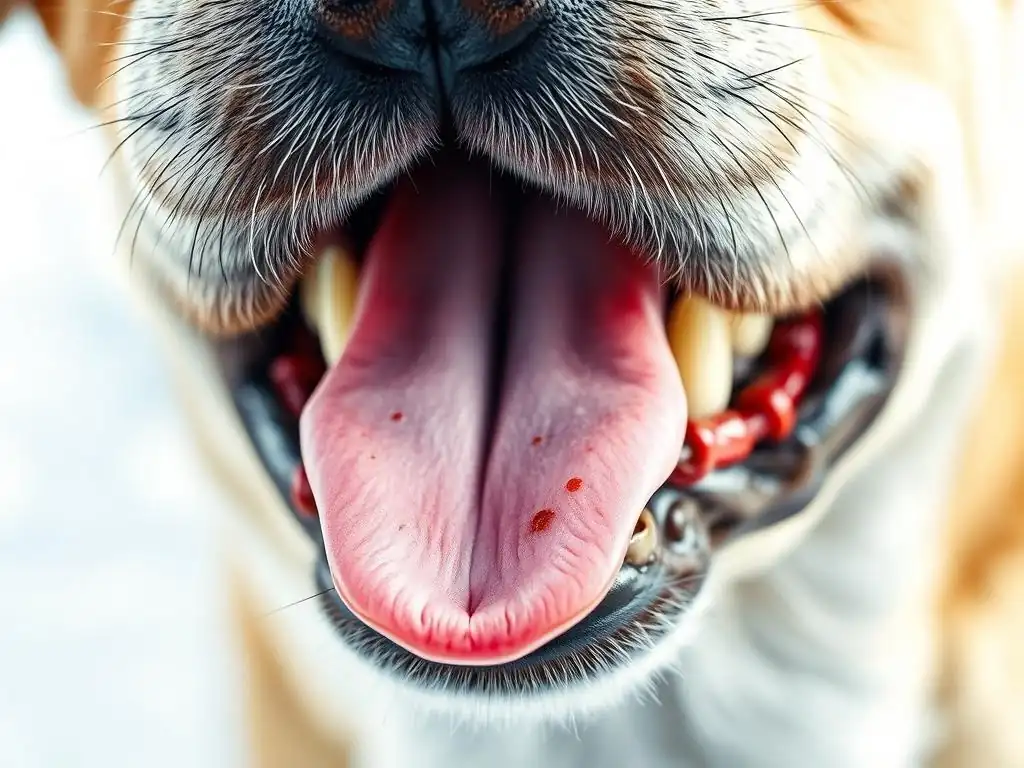
Early and accurate diagnosis is crucial for effective dog dental infection treatment. Ignoring signs can lead to severe complications, impacting your dog's overall health and potentially shortening their lifespan. Several diagnostic methods are employed to identify and assess the severity of canine dental infections. Understanding these methods empowers pet owners to advocate for their furry friends and ensure they receive the best possible care.
Veterinary Examination for Dog Tooth Infections
A thorough veterinary examination forms the cornerstone of diagnosing dog tooth infections. This involves a visual inspection of your dog's mouth, paying close attention to several key indicators. The veterinarian will carefully examine each tooth, looking for signs of:
- Gingivitis: Inflammation of the gums, often presenting as redness, swelling, and bleeding. Severe gingivitis is a strong indicator of underlying infection.
- Periodontal Disease: This involves the inflammation and infection of the tissues surrounding the teeth (gingiva, periodontal ligament, and alveolar bone). Look for signs of receding gums, loosening teeth, and the formation of periodontal pockets.
- Dental Calculus (Tartar): A hard, mineralized deposit that builds up on the teeth. While not an infection itself, tartar provides a breeding ground for bacteria, significantly increasing the risk of infection.
- Abscesses: Pus-filled pockets that can develop at the root of a tooth or on the gums, indicating a localized infection. These may appear as swollen, painful areas.
- Tooth Fractures: Cracked or broken teeth are susceptible to infection, offering an entry point for bacteria. The veterinarian will check for any visible fractures or damage.
The veterinarian will also assess your dog's overall demeanor, noting any signs of pain, discomfort, or difficulty eating. A complete oral examination allows for a preliminary assessment of the infection's severity and location. This initial assessment guides further diagnostic procedures.
Diagnostic Imaging for Canine Dental Problems
While a visual examination provides valuable information, diagnostic imaging techniques offer a more detailed view of the underlying structures. These techniques are particularly useful in identifying infections that may not be readily apparent during a physical exam. Common imaging methods include:
- Dental Radiography (X-rays): Dental X-rays are essential for detecting problems below the gum line, such as abscesses at the tooth root, bone loss, and hidden fractures. They provide a clear image of the tooth's structure and surrounding tissues, allowing for a precise diagnosis. This is crucial for planning appropriate dog dental infection treatment.
- Computed Tomography (CT) Scans: In complex cases, a CT scan may be recommended to provide a three-dimensional image of the affected area. This is particularly useful for identifying deep-seated infections or assessing the extent of bone damage. CT scans offer a higher level of detail than traditional X-rays.
Blood Tests to Assess Systemic Impact of Dog Dental Infections
Severe dental infections can have a systemic impact, affecting your dog's overall health. Blood tests help assess this systemic involvement and guide treatment decisions. These tests may include:
- Complete Blood Count (CBC): A CBC evaluates the number and types of blood cells, helping to identify signs of infection, such as an elevated white blood cell count (leukocytosis). This indicates the body's response to infection.
- Biochemical Profile: This assesses the function of various organs, identifying any abnormalities that may be related to the dental infection. For example, kidney or liver dysfunction might be observed in advanced cases.
- C-Reactive Protein (CRP): CRP is an inflammatory marker. Elevated levels indicate the presence of inflammation in the body, which can be caused by a severe dental infection.
The combination of a thorough veterinary examination, diagnostic imaging, and blood tests provides a comprehensive assessment of your dog's dental infection. This detailed approach ensures that the appropriate treatment plan is developed, leading to improved oral health and overall well-being for your canine companion. Remember, prompt diagnosis and intervention are key to effective dog dental infection treatment.
Dog Dental Infection Treatment Options
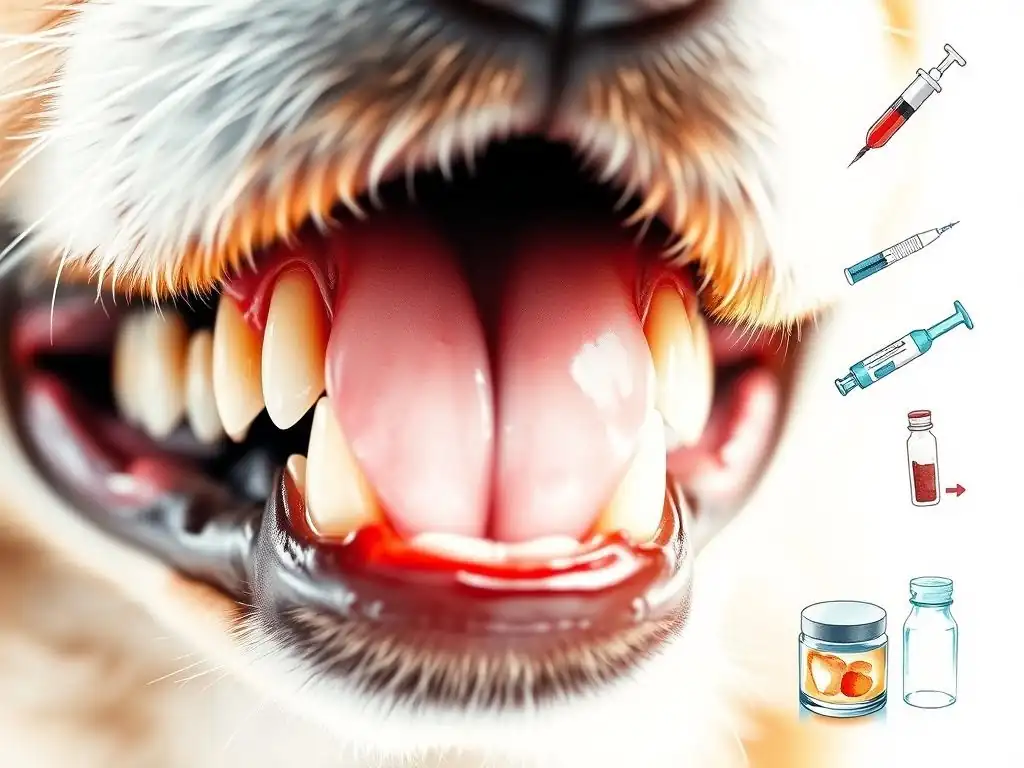
This section details the various treatment options available for canine dental infections, ranging from conservative approaches for minor infections to more invasive surgical interventions for severe cases. The best course of action will always depend on the severity of the infection, the overall health of your dog, and the recommendations of your veterinarian. Remember, early detection and intervention are crucial in preventing the progression of dental infections and potential complications. Effective treatment of a dog dental infection requires a multifaceted approach, focusing on both immediate relief and long-term preventative measures.
Non-Surgical Treatment for Minor Dog Tooth Infections
Minor dog tooth infections, often characterized by early-stage gingivitis or localized inflammation, can sometimes be managed with non-surgical treatments. These treatments aim to control the infection, reduce inflammation, and prevent further progression. They frequently involve a combination of professional cleaning and at-home care.
Your veterinarian will likely start with a thorough professional cleaning under anesthesia. This process, crucial for effective infection management, involves removing plaque and tartar buildup, which are primary contributors to dental infections. Following the professional cleaning, your vet might prescribe antibiotic medication to combat bacterial growth and reduce inflammation. This could be in the form of oral antibiotics or, in some cases, topical antibiotic gels applied directly to the affected area.
Alongside professional cleaning and antibiotics, at-home care plays a vital role in preventing recurrence. This includes regular brushing with a veterinarian-approved dog toothpaste, using dental chews designed to help scrape plaque away, and providing a diet that supports optimal oral health. Regular veterinary checkups are also essential to monitor the infection's progress and ensure the treatment is effective. Early intervention with non-surgical methods can often prevent the need for more extensive procedures. Ignoring early signs, however, can lead to a worsening infection requiring more aggressive treatment.
Surgical Treatment for Severe Dog Dental Infections: Extractions and Procedures
Severe dog dental infections, often involving advanced periodontal disease, abscesses, or significant tooth damage, may necessitate surgical intervention. This often involves tooth extractions to remove severely infected or damaged teeth. The procedure is typically performed under general anesthesia to ensure the dog's comfort and safety. The veterinarian will carefully assess the extent of the infection and determine which teeth require extraction.
Beyond extractions, other surgical procedures may be necessary depending on the specific circumstances. This might include cleaning and debridement of the periodontal pockets (the spaces between the teeth and gums), root canal therapy (in certain cases), or the removal of any associated abscesses. Post-surgical pain management is a critical aspect of the treatment plan.
Your veterinarian will prescribe appropriate pain medication to minimize discomfort and facilitate healing. The surgical approach to dog dental infection treatment aims to eliminate the source of the infection and restore oral health. The success of the surgery hinges on proper post-operative care, which plays a crucial role in preventing complications and ensuring complete healing.
The choice between extractions and other surgical procedures is carefully considered based on factors like the severity of the infection, the dog's overall health, and the prognosis for saving the affected teeth. While extraction might seem drastic, it’s often a necessary step to prevent further spread of infection and maintain the dog's overall well-being. The goal is to remove infected tissue and promote healing, enabling your dog to return to a comfortable and healthy state.
Post-Operative Care for Dogs After Dental Surgery
Post-operative care is crucial for a successful outcome following dental surgery for dog dental infection treatment. This phase involves carefully following your veterinarian's instructions to ensure proper healing and minimize the risk of complications. The recovery period varies depending on the extent of the surgery.
Pain management is a key component of post-operative care. Your veterinarian will prescribe pain medication to alleviate discomfort and ensure your dog's comfort. It's essential to administer medication as directed to maintain effective pain control. You will also likely need to monitor your dog for signs of infection, such as swelling, excessive bleeding, or lethargy. Contact your vet immediately if you notice any unusual symptoms.
Dietary adjustments are often necessary during the recovery period. Your veterinarian may recommend a soft or liquid diet to minimize stress on the healing tissues. Avoid giving your dog hard kibble or bones during this time. Regular monitoring of the surgical site is also important.
Gentle cleaning of the mouth with a vet-approved mouthwash might be recommended to help prevent secondary infections. Finally, scheduled follow-up appointments with your veterinarian are vital to monitor healing progress and address any concerns. Adherence to your veterinarian's post-operative instructions is paramount for a successful recovery and the long-term oral health of your canine companion. This proactive approach ensures the best possible outcome following dental surgery.
Preventing Dental Infections in Dogs
Dental infections in dogs are a serious concern, impacting their overall health and well-being. Proactive measures are crucial in preventing these infections and ensuring your canine companion enjoys a long, healthy life. Understanding the preventative strategies outlined below can significantly reduce the risk of your dog developing a painful and potentially costly dental infection, saving you both time and money in the long run.
This section focuses on practical steps you can take at home and through professional veterinary care to maintain optimal canine oral hygiene and minimize the likelihood of infection. Remember, early intervention is key in managing dog dental infection treatment.
Daily Oral Hygiene for Dogs: Brushing and Dental Chews
Maintaining good daily oral hygiene is paramount in preventing dental infections in dogs. This involves a two-pronged approach: regular brushing and the strategic use of dental chews.
Brushing your dog's teeth should ideally become a daily routine, starting from puppyhood. Many dogs initially resist this, so patience and positive reinforcement are essential. Use a dog-specific toothbrush with soft bristles and a toothpaste formulated for canine use – human toothpaste is toxic to dogs. Start with short brushing sessions and gradually increase the duration as your dog becomes more comfortable. Focus on gently brushing the gum line and all tooth surfaces.
Beyond brushing, incorporating dental chews into your dog's diet can significantly aid in plaque and tartar removal. Choose chews specifically designed for dental health, often labeled as "dental chews" or "dental sticks." These chews are usually harder and designed to scrape away plaque as your dog chews.
However, it's crucial to supervise your dog while they chew to prevent choking hazards and ensure the chew is appropriately sized for their breed and age. Remember to always consult your vet before introducing new chews or treats into your dog's diet, especially if they have pre-existing dental or health conditions. The right combination of brushing and chews can significantly reduce plaque buildup, a primary contributor to dental infections.
Professional Dental Cleanings for Dogs: Importance and Frequency
While daily home care is crucial, professional dental cleanings by a veterinarian are equally important for preventing and managing dog dental infection treatment. These cleanings go beyond what you can achieve at home, removing tartar and plaque buildup below the gum line, where it's inaccessible with a toothbrush.
Veterinary dental cleanings typically involve anesthesia to ensure a thorough and safe procedure. During the cleaning, the vet will scale and polish your dog's teeth, removing tartar and plaque. They may also take X-rays to detect any underlying dental issues, such as abscesses or tooth root problems. The frequency of professional cleanings varies depending on your dog's breed, age, and overall oral health.
However, most veterinarians recommend at least annual check-ups including a thorough dental examination, and professional cleanings may be needed more frequently depending on individual needs. Early detection and treatment of any dental issues during these cleanings are essential for preventing more serious infections and associated health problems. Ignoring these professional cleanings significantly increases the risk of developing severe dental infections requiring extensive and costly dog dental infection treatment.
Diet and Nutrition for Preventing Canine Dental Problems
Your dog's diet plays a significant role in maintaining healthy teeth and gums. A balanced diet that's appropriate for their age and breed can help reduce the risk of dental problems.
Foods specifically formulated to support dental health are readily available. These often contain ingredients that help to reduce plaque and tartar buildup. Look for kibble that is designed to be firm enough to help scrape plaque off teeth while chewing.
However, soft foods and treats tend to stick to teeth and contribute to plaque buildup, so these should be limited. Always check the ingredients list and ensure the food is nutritionally complete and balanced for your dog's specific needs. Providing fresh water at all times is also crucial for rinsing away food particles and preventing bacterial growth.
A healthy diet, combined with regular brushing and professional cleanings, forms a comprehensive approach to preventing dental infections and promoting optimal oral health in your canine companion. This holistic strategy significantly contributes to the overall well-being of your dog and can help avoid the need for extensive dog dental infection treatment in the future.
Regular Veterinary Check-ups for Early Detection of Dog Dental Issues
Regular veterinary check-ups are crucial for proactive dog dental infection treatment and overall oral health. During these visits, your veterinarian will perform a thorough oral examination, assessing your dog's teeth and gums for any signs of infection, such as redness, swelling, bleeding, or loose teeth. Early detection is key; many dental problems, if caught in their initial stages, are much easier and less expensive to treat.
A veterinarian can identify subtle changes that you might miss, like early-stage gingivitis or the presence of plaque buildup that could eventually lead to periodontal disease and infection. These examinations also allow for the early detection of other oral health issues, such as oral tumors, which can sometimes be linked to or exacerbated by dental infections. Don't underestimate the importance of these routine checkups; they represent a vital investment in your dog's long-term health and well-being.
The frequency of these visits will depend on your dog's breed, age, and overall health, but generally, at least once a year is recommended, and more frequently for senior dogs or those with pre-existing conditions. Remember, prevention is always better than cure, and regular vet visits are a cornerstone of effective dog dental infection treatment prevention. Think of it as a proactive approach to avoid more extensive and costly treatments later.
The benefits extend beyond just detecting infections. Your veterinarian can also provide guidance on proper at-home dental care, recommending appropriate toothbrushes, toothpaste (specifically formulated for dogs – never use human toothpaste! ), and dental chews. They can also educate you on the signs of dental problems to watch out for between visits, empowering you to be a more informed and involved pet owner.
Proactive care, including regular check-ups, is a significant factor in minimizing the risk of your dog developing serious dental infections requiring extensive veterinary intervention. Early detection can mean the difference between a simple cleaning and a more complex procedure, saving you both time and money in the long run. The peace of mind knowing your dog's oral health is being monitored is invaluable. 🐶
Supporting Canine Oral Health with Veterinary Guidance

Maintaining optimal oral hygiene is crucial for preventing and managing dog dental infections. While home care plays a significant role, regular veterinary check-ups are paramount in ensuring your canine companion's dental health. Veterinary professionals can perform thorough oral examinations, identify early signs of infection, and recommend appropriate treatment plans tailored to your dog's specific needs.
These examinations often include professional cleaning under anesthesia, which effectively removes plaque and tartar buildup that home care alone may not address. Early detection of periodontal disease, a common precursor to dental infections, is key to preventing more serious complications. Ignoring dental issues can lead to painful infections, impacting not only your dog's mouth but also their overall well-being, potentially leading to systemic issues.
Therefore, scheduling regular vet visits, ideally every six months or annually depending on your dog's breed and age, is a vital part of proactive dog dental infection treatment. Remember, prevention is always better than cure, and regular veterinary care is the cornerstone of a healthy mouth for your furry friend.
Natural Dental Chews and Toys for Dogs
Natural dental chews and toys can be valuable additions to your dog's oral hygiene routine, contributing to plaque removal and gum stimulation. However, it's crucial to choose appropriate options and understand their limitations. Not all chews are created equal; some may be too hard and potentially damage teeth, while others may be too soft to provide effective cleaning. Look for chews made from durable, natural materials like yak cheese, bully sticks, or dental chews specifically designed to promote oral health.
These products often have textures that help scrape away plaque and tartar. Remember to supervise your dog while they are chewing to prevent choking hazards and ensure they aren't ingesting excessive amounts. Additionally, while these chews can help, they are not a replacement for professional dental cleanings. They are best viewed as a supplementary tool in a comprehensive oral hygiene plan.
Consider factors like your dog's breed, size, and chewing habits when selecting appropriate chews. For example, smaller breeds might need smaller chews to avoid choking, while power chewers may need extra durable options. Always consult your veterinarian for recommendations on suitable dental chews and toys for your individual dog.
Veterinary-Approved Dental Supplements
Veterinary-approved dental supplements can provide additional support for your dog's oral health, but they should be considered alongside, not instead of, proper brushing and professional cleanings. These supplements often contain ingredients designed to help reduce plaque and tartar buildup, improve gum health, and freshen breath. However, it's vital to select supplements that have been formulated by veterinarians and are specifically designed for canine use. Many supplements contain enzymes or other active ingredients that can aid in oral health maintenance.
Always check the ingredients list and ensure that the supplement is free of harmful substances or additives. Before introducing any new supplement to your dog's diet, it's crucial to consult your veterinarian. They can assess your dog's individual needs and determine if a dental supplement is appropriate and safe, considering any existing health conditions or medications.
They can also advise on the correct dosage and usage instructions. Remember, supplements are not a magic bullet and should be part of a holistic approach to canine oral health. They work best in conjunction with regular brushing, professional cleanings, and a healthy diet.
Maintaining a Healthy Diet to Support Oral Health
Nutritional choices play a crucial role in maintaining your dog's oral health and reducing the risk of dental infections. A balanced diet, rich in essential nutrients, can support strong teeth and gums. Avoid excessive feeding of sugary treats or processed foods, as these contribute to plaque and tartar buildup. Kibble, due to its abrasive nature, can help in removing some plaque during chewing.
However, the texture of kibble alone isn't sufficient for complete oral hygiene. Consider the size and shape of the kibble; larger kibble may be more effective at cleaning teeth than smaller pieces. Always consult your veterinarian or a veterinary nutritionist to determine the best diet for your dog, considering their breed, age, activity level, and any existing health conditions. A well-balanced diet that includes appropriate amounts of vitamins, minerals, and antioxidants can promote overall health, including oral health.
Remember that a healthy diet is part of a comprehensive approach to dog dental infection treatment and prevention. It should be combined with regular brushing, professional dental cleanings, and the use of appropriate dental chews and toys, as recommended by your veterinarian. A holistic approach, incorporating all these elements, is the most effective way to safeguard your dog's oral health and prevent dental infections.
Cost of Dog Dental Infection Treatment

The cost of treating a dog dental infection can vary significantly depending on several factors. It's crucial for pet owners to understand these potential expenses to adequately prepare for veterinary care. Ignoring dental problems can lead to more severe, and ultimately more expensive, health issues down the line. Proactive dental care is significantly cheaper than reactive treatment of advanced infections. This section will delve into the specifics of budgeting for your canine companion's dental health.
Factors Affecting the Cost of Dog Dental Care
Several factors influence the overall cost of treating a dog dental infection. These include:
- Severity of the Infection: A mild infection requiring a simple cleaning and antibiotic treatment will be considerably less expensive than a severe infection needing extensive procedures like tooth extractions, root canals, or periodontal surgery. The more advanced the infection, the higher the cost.
- Diagnostic Testing: Before treatment can begin, your veterinarian may recommend diagnostic tests such as X-rays to assess the extent of the infection and identify any underlying issues. X-rays add to the overall expense.
- Type of Treatment: Treatment options range from simple professional cleanings to complex surgical interventions. The complexity of the necessary procedures directly impacts the final bill. For example, a simple cleaning and polishing might cost less than $100, while a major extraction and post-operative care could easily reach several hundred dollars.
- Veterinary Clinic: Costs can vary significantly between different veterinary clinics, depending on location, specialist availability, and the clinic's overall pricing structure. Rural clinics might have lower overhead, resulting in potentially lower costs compared to urban, specialized practices.
- Anesthesia: Anesthesia is often required for more involved dental procedures. The cost of anesthesia, including monitoring during and after the procedure, contributes substantially to the overall expense. The dog's size and health status can also affect anesthesia costs.
- Medications: Antibiotics, pain relievers, and other medications prescribed after the procedure will also add to the total cost. The type and duration of medication needed will influence this aspect of the cost.
| Factor | Cost Impact | Example |
|---|---|---|
| Severity of Infection | Directly proportional; more severe = higher cost | Mild gingivitis vs. severe periodontal disease |
| Diagnostic Testing | Adds to the initial cost | X-rays, bloodwork |
| Type of Treatment | Varies widely; complex procedures = higher cost | Cleaning vs. multiple extractions |
| Veterinary Clinic Location | Geographic location influences pricing | Urban vs. rural clinic |
| Anesthesia | Significant cost for more complex procedures | General anesthesia vs. local anesthesia |
| Medications | Adds to the post-operative expense | Antibiotics, pain relievers |
Budgeting for Veterinary Dental Procedures
Planning for potential veterinary expenses is crucial, especially when dealing with unexpected illnesses. For dog dental infection treatment, it's advisable to:
- Establish an Emergency Fund: A dedicated savings account for unforeseen veterinary costs can alleviate financial stress during emergencies. Aim to save a small amount regularly.
- Explore Payment Plans: Many veterinary clinics offer payment plans or financing options to help spread the cost of treatment over time. Inquire about available options during your initial consultation.
- Prioritize Preventative Care: Regular dental checkups and professional cleanings can significantly reduce the risk of developing severe infections, thereby lowering long-term costs. This preventative approach is a cost-effective strategy.
- Understand the Breakdown of Costs: Before proceeding with any treatment, request a detailed breakdown of costs from your veterinarian. This ensures transparency and allows for informed decision-making.
Insurance Coverage for Dog Dental Problems
Pet insurance can be a valuable asset in managing the costs associated with dog dental infections. However, the level of coverage can vary significantly between different insurance providers. Some policies may offer comprehensive dental coverage, including preventative care and treatment of infections. Others might only cover accidents or illnesses, excluding routine dental care.
It's essential to carefully review the policy details before selecting a pet insurance plan. Consider factors such as:
- Premium Costs: The monthly or annual premium cost should be weighed against the potential benefits of coverage.
- Deductibles and Reimbursements: Understand the deductible amount and the percentage of costs reimbursed by the insurance provider.
- Waiting Periods: Be aware of any waiting periods before dental coverage becomes effective.
- Exclusions: Pay close attention to any exclusions listed in the policy, as some plans may not cover pre-existing conditions or certain types of dental procedures.
Careful planning and understanding of the costs associated with dog dental infection treatment are crucial for responsible pet ownership. Proactive care and appropriate insurance coverage can help mitigate the financial burden of unexpected veterinary expenses. Remember, a healthy mouth contributes to a healthy, happy dog!
Long-Term Management of Canine Dental Health
Maintaining optimal canine dental health extends far beyond addressing a single infection. It's a commitment to proactive care that significantly reduces the risk of future problems and improves your dog's overall well-being. This involves a multi-faceted approach encompassing regular cleaning, dietary considerations, and consistent veterinary check-ups. Ignoring long-term dental care can lead to more severe infections, requiring extensive and potentially costly treatments down the line. Therefore, a proactive strategy is not just beneficial for your dog's health, but also for your budget.
Ongoing Oral Hygiene Practices for Dogs
Regular brushing is paramount. Aim for at least two to three times a week, using a dog-specific toothpaste (human toothpaste is toxic to dogs!). Start slowly, introducing the toothbrush gradually to avoid stressing your pet. Positive reinforcement with treats and praise is essential. Beyond brushing, dental chews and toys specifically designed to clean teeth can supplement your efforts. These help to scrape away plaque and tartar buildup, acting as a natural cleaning aid. However, they shouldn't replace brushing entirely; consider them a valuable addition to your routine.
The frequency and type of dental chews should be discussed with your veterinarian. Some chews are more effective than others, and excessive chewing can damage teeth in certain breeds. Regular professional dental cleanings by your veterinarian are also crucial. These cleanings go beyond what you can achieve at home, removing stubborn tartar and plaque that can lead to periodontal disease and subsequent infection. The recommended frequency of professional cleanings will vary depending on your dog's breed, age, and overall oral health; your vet will provide personalized guidance. Remember, prevention is always cheaper and less stressful than treatment.
Monitoring for Recurring Infections
Even with diligent oral hygiene, some dogs are prone to recurrent dental infections. Regular monitoring is key to catching any potential issues early. Pay close attention to your dog's breath; a persistent foul odor can indicate an infection. Examine your dog's gums regularly, looking for signs of redness, swelling, or bleeding.
Loose teeth or excessive drooling can also signal a problem. Any changes in appetite, chewing habits, or behavior should also be noted and reported to your veterinarian immediately. Early detection is critical in preventing minor issues from escalating into major health problems. A proactive approach minimizes discomfort for your dog and reduces the severity and expense of treatment.
Maintaining a Strong Bond with Your Veterinarian for Proactive Care
Your veterinarian is your most valuable ally in managing your dog's dental health. Regular check-ups, including oral examinations, are vital. These visits allow your vet to assess your dog's teeth and gums, identifying potential problems before they become serious infections. They can also provide personalized advice on oral hygiene practices best suited to your dog's breed and age. Don't hesitate to discuss any concerns you may have, no matter how minor they seem.
Open communication with your veterinarian ensures your dog receives the best possible care and significantly contributes to their long-term dental health. Building a strong relationship with your vet is an investment in your dog's overall well-being and can help prevent costly and stressful emergency situations related to dog dental infection treatment. Remember, a healthy mouth contributes to a healthy dog! 🐶
Frequently Asked Questions
What are the common signs of a dental infection in dogs?
Common signs include bad breath, excessive drooling, loss of appetite, pain when chewing, and swelling of the face. If you notice any of these, consult a vet immediately.
How is a dog dental infection diagnosed?
Your veterinarian will perform a thorough oral examination, potentially including dental X-rays, to identify the location and severity of the infection. Blood tests may also be conducted.
What are the treatment options for dog dental infections?
Treatment depends on the severity. Options range from professional teeth cleaning under anesthesia to antibiotic therapy, surgical extraction of infected teeth, or a combination of these.
How can I prevent dental infections in my dog?
Regular brushing is crucial. Provide dental chews and toys designed to clean teeth. Regular veterinary checkups are essential for early detection and prevention.
What is the prognosis for a dog with a dental infection?
With prompt veterinary care, the prognosis is generally good. Early detection and treatment greatly improve the chances of a full recovery. Ignoring it can lead to serious complications.
Final Reflection: A Pawsitive Outlook on Canine Oral Health
The alarming prevalence of dental infections in dogs underscores the urgent need for proactive preventative care. Ignoring oral health isn't just about bad breath; it's a gateway to systemic illnesses that can significantly impact your dog's quality of life and longevity. Early detection and intervention are crucial for successful treatment and a happier, healthier companion.
The impact of improved canine dental care is undeniable, shifting from a largely overlooked aspect of veterinary medicine to a cornerstone of responsible pet ownership. We've come a long way from simply accepting bad breath as a canine norm. A dog's mouth is a mirror to its overall health,
a sentiment echoed by countless veterinarians, highlights the interconnectedness of oral and systemic well-being. This understanding has fostered a greater emphasis on preventative measures, from regular brushing to professional cleanings, ultimately leading to improved canine health outcomes.
You, as a loving pet owner, now possess the knowledge to champion your dog's oral health. Take the time to examine your dog's teeth regularly, looking for signs of infection. Schedule routine dental check-ups with your veterinarian, and don't hesitate to ask questions. By actively participating in your dog's oral care, you're not just addressing a potential problem; you're investing in a longer, healthier, and happier life together. Let's work together to ensure every dog enjoys the joy of a healthy smile.
Unlock Your Dog's Sparkling Smile: Take Action Today!
Thank you for learning about canine dental infections! We hope you feel confident addressing your dog's oral health needs. Ready to put this knowledge into practice?
- Schedule a dental checkup for your dog immediately. Even if your dog seems perfectly healthy, a professional cleaning and examination are crucial for early detection and prevention of dental problems.
- Improve your dog's dental hygiene. Introduce dental chews or toys, and brush their teeth regularly—daily brushing is ideal.
- Share this article with other dog owners! Help spread awareness and empower them to protect their pets' oral health.
Ready to give your canine companion the gift of a healthy, happy smile? What will you do today to prioritize their oral health?