
Understanding Box Turtle Lifespan: How to Ensure a Long, Healthy Life


Welcome to PetCareWorld, your ultimate guide to a happier, healthier life for your beloved companions! Are you curious about the secrets to a long and fulfilling life for your box turtle? Discover the fascinating details behind Box Turtle Lifespan Expectancy and learn the essential steps you can take to ensure your shelled friend enjoys many years of vibrant health. Dive into our expert advice and practical solutions within our dedicated Reptiles & Exotic Pets section – your journey to better pet care starts here!
- Box Turtle Lifespan Expectancy: Factors Influencing Longevity
- Maintaining Optimal Health for Extended Box Turtle Lifespan
- Understanding Box Turtle Behavior and Well-being
- Common Myths and Realities Regarding Box Turtle Lifespan
- Maximizing Your Box Turtle's Years: A Comprehensive Guide
- Frequently Asked Questions
- Final Reflection: The Enduring Legacy of the Box Turtle
- Unlock Your Turtle's Full Potential: Extend Their Amazing Life!
Box Turtle Lifespan Expectancy: Factors Influencing Longevity
Box turtles, with their charming personalities and captivating shells, are beloved pets for many reptile enthusiasts. Understanding their lifespan is crucial for responsible ownership, ensuring you can provide the care needed for their long and healthy lives. This comprehensive guide delves into the factors that influence box turtle lifespan expectancy, helping you understand what contributes to a long life for your shelled companion and how you can maximize their years with you.
We'll explore average lifespans across different species, the impact of geographic location and environment, and the role of genetics in determining individual longevity. Ultimately, this guide will equip you with the knowledge to provide optimal care and contribute to a longer, healthier life for your box turtle. The information provided here will help you better understand the keyword "Box turtle lifespan expectancy" and address the various factors impacting it.
Average Lifespan of Common Box Turtle Species
The lifespan of a box turtle varies significantly depending on the species. While generalizations can be made, individual variation is considerable. Environmental factors and access to proper care play a significant role. Here's a look at the average lifespan of some common box turtle species:
| Species | Average Lifespan (Years) | Notes |
|---|---|---|
| Eastern Box Turtle ( Terrapene carolina carolina) | 50-100+ | Known for exceptional longevity under ideal conditions. |
| Three-toed Box Turtle ( Terrapene carolina triunguis) | 40-80+ | Lifespan can be shorter if habitat is degraded or care is suboptimal. |
| Ornate Box Turtle ( Terrapene ornata) | 30-50+ | Smaller size may correlate with slightly shorter lifespan, but still impressive longevity. |
| Florida Box Turtle ( Terrapene carolina bauri) | 40-70+ | Vulnerable to habitat loss and environmental factors affecting lifespan. |
It's crucial to remember that these are average lifespans. Many factors can influence a box turtle's longevity, extending or shortening their life significantly beyond these ranges. Providing excellent care, including a proper diet, suitable habitat, and regular veterinary checkups, is essential to ensure your box turtle reaches its full potential lifespan.
Geographic Location and Environmental Impact on Box Turtle Lifespan
Geographic location significantly impacts a box turtle's lifespan. Turtles living in areas with stable climates, abundant food sources, and minimal human interference tend to live longer. Conversely, box turtles in areas experiencing habitat loss, pollution, or climate change often have shorter lifespans. For example, box turtles in fragmented habitats may struggle to find mates or sufficient food, reducing their reproductive success and overall lifespan.
Similarly, exposure to pesticides or pollutants can weaken their immune systems, making them more susceptible to diseases and reducing their lifespan. Furthermore, extreme weather events, such as prolonged droughts or severe winters, can significantly impact box turtle populations and individual survival rates. A healthy and stable environment is paramount for a long and healthy life.
Genetic Predisposition and Individual Variation in Lifespan
Just like humans, box turtles have individual genetic predispositions that influence their lifespan. Some turtles may be inherently more resilient to diseases or more efficient at utilizing resources, leading to longer lives. Others may be genetically more susceptible to certain health problems, potentially shortening their lifespan. This inherent genetic variation is a significant factor that cannot be controlled by owners.
However, providing optimal care can mitigate the impact of genetic predisposition and help ensure your turtle lives as long as possible within its genetic limitations. Careful breeding practices, where possible, could theoretically lead to longer lifespans in captive-bred populations, though this requires significant research and further study. Even with the best care, some turtles might unfortunately reach the end of their natural lifespan sooner than others due to these inherent genetic factors.
Impact of Diet on Box Turtle Longevity
A box turtle's diet plays a crucial role in determining its lifespan and overall health. Providing a balanced and nutritious diet is paramount to ensuring a long and healthy life for your shelled companion. A diet lacking essential nutrients can lead to various health problems, significantly shortening their lifespan. Conversely, a well-planned diet rich in the right vitamins and minerals can contribute to a longer, healthier life.
The ideal box turtle diet consists primarily of a variety of high-quality foods. This includes leafy greens like dandelion greens, collard greens, and mustard greens, offering essential vitamins and minerals. Fruits should be offered sparingly, as they are high in sugar and can contribute to health issues if overfed. Good choices include berries and melons, but only in small quantities and as occasional treats.
Insects, such as crickets and mealworms, provide crucial protein for growth and overall health. Calcium supplements are also essential, especially for growing turtles and females laying eggs. A deficiency in calcium can lead to metabolic bone disease (MBD), a debilitating condition that severely impacts longevity and quality of life.
It's important to avoid feeding your box turtle processed foods, such as commercial turtle pellets that often lack the necessary nutrients and can be high in fillers. Similarly, foods like lettuce, iceberg lettuce, and spinach are low in nutritional value and should be avoided. These foods can lead to nutritional deficiencies, resulting in weakened shells, stunted growth, and a reduced lifespan.
Providing a varied and natural diet, closely mimicking their natural habitat's food sources, is key to maximizing their lifespan. Regular veterinary check-ups are also crucial to monitor your turtle's health and address any potential dietary deficiencies early on.
A healthy diet, coupled with proper veterinary care, is a vital component in ensuring your box turtle enjoys a long and fulfilling life. Remember, a balanced diet is not just about feeding your turtle; it's an investment in their long-term well-being and the potential to achieve a maximum box turtle lifespan expectancy.
Maintaining Optimal Health for Extended Box Turtle Lifespan
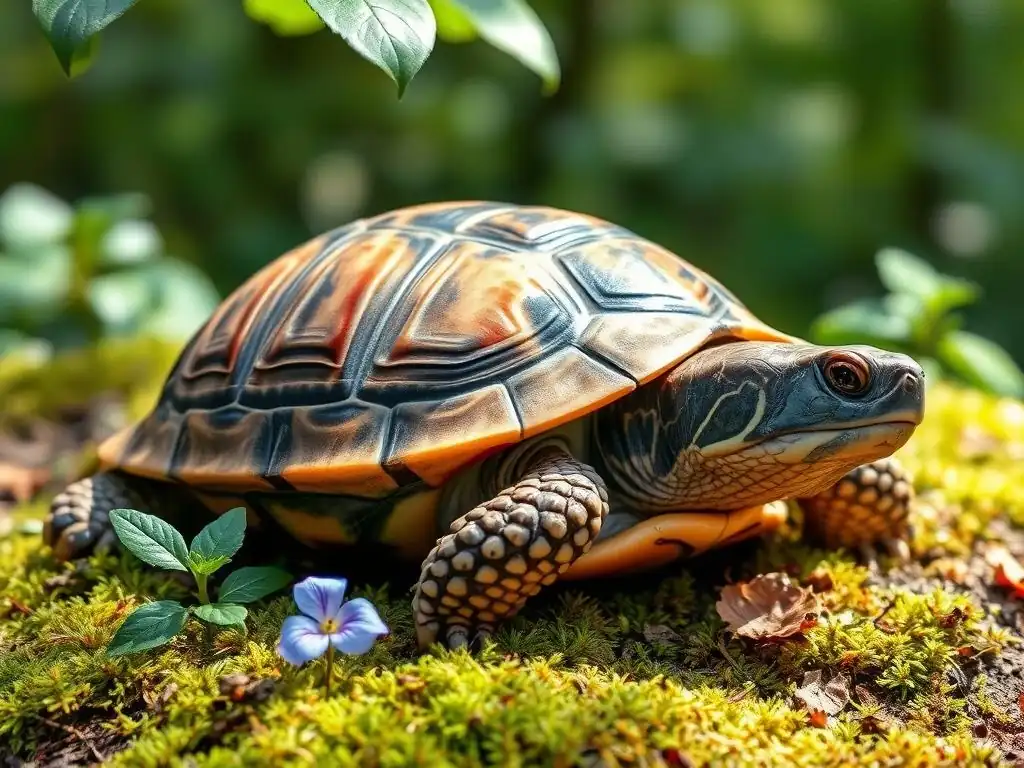
Understanding the factors influencing box turtle lifespan expectancy is crucial for responsible ownership. While a box turtle's lifespan can vary greatly depending on species and environmental factors, proper care significantly increases their chances of reaching their maximum potential. This section delves into the key elements that contribute to a long and healthy life for your box turtle. Optimizing these factors directly impacts their overall well-being and longevity, maximizing their years with you. We'll explore nutrition, habitat, and preventative veterinary care in detail.
Essential Nutritional Requirements for Box Turtle Longevity
A balanced diet is paramount for a box turtle's longevity. Nutritional deficiencies can lead to a variety of health problems, significantly shortening their lifespan. Wild box turtles enjoy a diverse diet, and mimicking this variety in captivity is essential. Avoid exclusively feeding commercial turtle pellets; these often lack the necessary nutrients for optimal health.
Instead, strive for a varied diet rich in:
- High-quality protein: This can include earthworms, mealworms, snails, and occasionally, small amounts of cooked lean meat (chicken or turkey). Avoid feeding raw meat to minimize the risk of bacterial infections.
- Calcium-rich foods: Cuttlebone, calcium powder supplements (sprinkled on food), and leafy greens like collard greens and dandelion greens are vital for strong shells and bone health. Calcium deficiency is a common problem in captive box turtles, directly impacting their shell growth and overall health.
- Fruits and vegetables: Offer a variety of fruits (in moderation) and vegetables such as berries, squash, carrots, and bell peppers. However, remember that these should be supplemental to the protein and calcium sources.
Remember to vary the diet frequently to prevent nutritional imbalances. A monotonous diet can lead to health issues and reduce the box turtle's lifespan expectancy. Always research the specific dietary needs of your box turtle species, as requirements can vary slightly. Consider consulting a reptile veterinarian for personalized dietary advice.
Providing a Safe and Stimulating Habitat for Box Turtles
A suitable habitat plays a crucial role in a box turtle's health and longevity. A cramped, unstimulating enclosure can lead to stress, which can negatively affect their immune system and shorten their lifespan.
Here are key aspects of creating an ideal habitat:
- Spacious enclosure: The enclosure should be large enough to allow for natural behaviors like roaming, foraging, and burrowing. The size will depend on the species and size of your box turtle. A larger enclosure is always preferable.
- Substrate: Choose a substrate appropriate for burrowing and humidity regulation. A mix of soil, peat moss, and cypress mulch works well for many box turtle species. Avoid substrates that can be ingested and cause impaction.
- Temperature and humidity: Maintaining the correct temperature and humidity levels is vital. A basking area with a heat lamp is essential to allow your box turtle to thermoregulate. A hygrometer is necessary for monitoring humidity levels. Inconsistent temperatures and humidity can significantly reduce lifespan.
- Hiding places: Provide several hiding places, such as rocks, logs, or commercially available hides, to give your box turtle a sense of security and reduce stress. This is essential for their overall well-being.
- UVB lighting: UVB lighting is crucial for proper calcium absorption and overall health. A quality UVB bulb should be used and replaced regularly according to the manufacturer's instructions. Insufficient UVB light contributes to metabolic bone disease, a common and often fatal condition in box turtles.
Regular Veterinary Checkups for Box Turtles: Preventative Care
Preventative veterinary care is crucial for maximizing box turtle lifespan expectancy. Regular checkups allow for early detection and treatment of potential health problems, preventing minor issues from becoming major life-threatening ones.
- Annual veterinary checkups: Schedule annual checkups with a veterinarian experienced in reptile care. These checkups should include a thorough physical examination, weighing, and fecal examination to detect parasites.
- Early detection of diseases: Early detection of diseases such as respiratory infections, shell rot, and metabolic bone disease is crucial for successful treatment and increased lifespan. Regular checkups are vital for early detection.
- Preventative measures: Your veterinarian can advise on preventative measures such as parasite control and appropriate dietary supplements. These measures can significantly reduce the risk of health problems and contribute to a longer lifespan. Don't hesitate to contact your vet if you notice any changes in your box turtle's behavior or appearance. Early intervention is key.
Remember, responsible ownership is key to ensuring a long and healthy life for your box turtle. By providing proper nutrition, a stimulating habitat, and regular veterinary care, you can significantly increase your box turtle's lifespan expectancy and enjoy many years of companionship with this fascinating creature. 🐢
Identifying and Treating Common Box Turtle Illnesses
Box turtles, despite their hardy nature, are susceptible to various illnesses that can significantly impact their lifespan. Early detection and prompt treatment are crucial for ensuring their longevity. Understanding common ailments and their symptoms is the first step in providing effective care. This section will explore some of the most prevalent health issues affecting box turtles and outline appropriate responses.
One of the most common problems is upper respiratory tract infections (URTIs). Symptoms can include sneezing, runny nose, and eye discharge. These infections are often caused by bacteria or viruses and can be exacerbated by poor hygiene or stressful environments. Treatment may involve antibiotics prescribed by a veterinarian specializing in reptiles, along with environmental improvements such as better ventilation and temperature regulation. Ignoring URTIs can lead to more severe complications, such as pneumonia.
Another frequently encountered issue is shell rot, a bacterial or fungal infection affecting the shell. Symptoms include discoloration, pitting, and softening of the shell. Shell rot can progress rapidly if left untreated, potentially causing severe damage and even death. Treatment typically involves cleaning the affected area with antiseptic solutions and applying topical medications prescribed by a veterinarian. Maintaining a clean and dry environment is critical in preventing shell rot.
Metabolic bone disease (MBD) is a serious condition resulting from a calcium deficiency. Symptoms include soft or deformed shells, weakness, and lethargy. MBD is often caused by improper diet, lacking sufficient calcium and vitamin D3. Treatment involves dietary adjustments, including providing a calcium-rich diet supplemented with vitamin D3, along with UV-B light exposure to aid in calcium absorption. Prevention is key, ensuring the turtle's diet includes appropriate calcium sources and adequate UVB lighting.
Parasites, both internal and external, are another significant concern. Internal parasites, such as worms, can cause weight loss, lethargy, and digestive problems. External parasites, such as mites and ticks, can cause irritation, skin lesions, and secondary infections. Veterinary diagnosis is essential to identify the specific parasite and determine the appropriate treatment, which might involve deworming medication or topical treatments. Regular fecal examinations are recommended to detect internal parasites early.
Finally, it's crucial to remember that trauma can significantly impact a box turtle's health. Falls, injuries from predators, or even mishandling can lead to shell fractures, limb injuries, and other complications. Immediate veterinary attention is necessary for any significant trauma to minimize long-term effects and ensure proper healing. Providing a safe and secure enclosure is crucial in preventing such incidents.
Careful handling techniques are also essential to avoid accidental injuries. The best approach is always preventative care, minimizing risks and proactively monitoring the turtle's health. Regular veterinary check-ups are recommended for early detection of any health issues, leading to better treatment outcomes and a longer, healthier life for your box turtle.
Understanding Box Turtle Behavior and Well-being
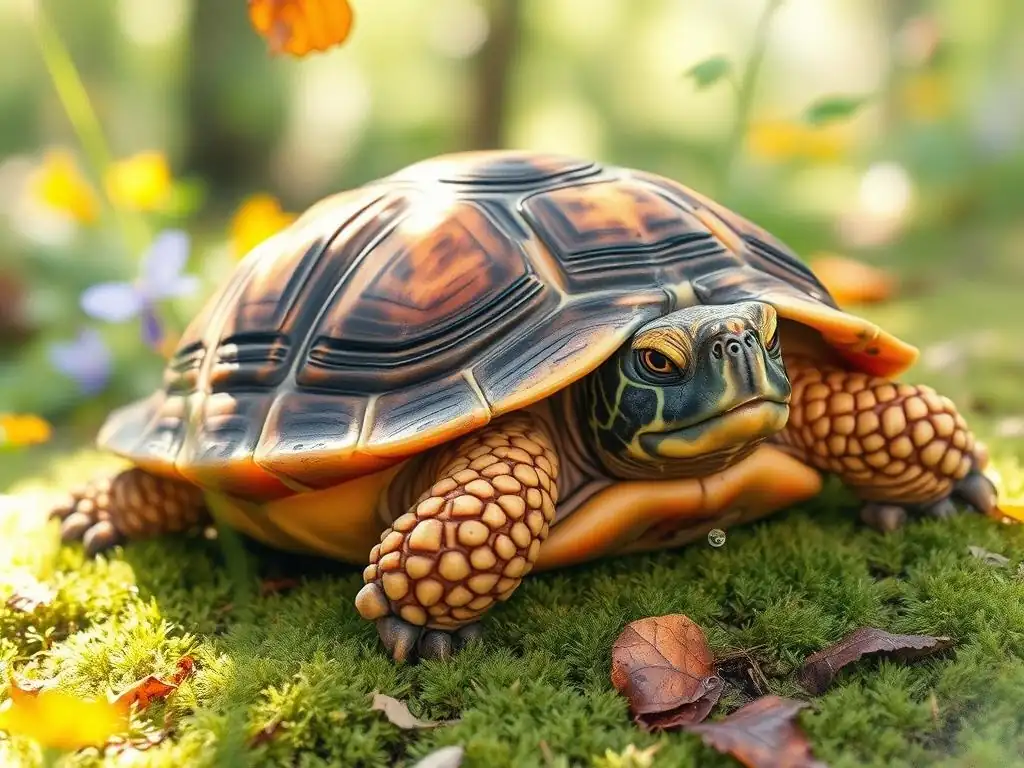
Understanding the nuances of box turtle behavior is crucial for assessing their overall health and well-being. A healthy box turtle exhibits characteristic activity levels, feeding habits, and responses to its environment. Deviations from these norms can often signal underlying issues, highlighting the importance of diligent observation. Regular monitoring allows for early detection of potential problems, facilitating timely intervention and improving the chances of a long and healthy life for your box turtle. This proactive approach is key to maximizing the box turtle lifespan expectancy.
Recognizing Signs of Stress and Illness in Box Turtles
Recognizing subtle changes in your box turtle's behavior is paramount to ensuring its health. Stress and illness often manifest in several ways, requiring attentive observation. For example, a lethargic turtle, exhibiting significantly reduced activity compared to its usual patterns, could be a cause for concern. This lethargy might be accompanied by a decreased appetite, refusal to eat even favorite foods, or a noticeable weight loss.
Respiratory issues can be identified by audible wheezing or gasping, while shell abnormalities, such as cracks or soft spots, may indicate underlying metabolic bone disease or other skeletal problems. Furthermore, observe the eyes; cloudy or swollen eyes can signal infection. Changes in urination or defecation patterns – frequency, consistency, or color – are also important indicators.
A healthy box turtle typically maintains a clean and dry plastron (bottom shell). Any unusual discharge or staining warrants immediate veterinary attention. Remember, early detection is key to successful treatment and maximizing box turtle lifespan expectancy.
| Symptom | Potential Cause(s) | Action to Take |
|---|---|---|
| Lethargy | Illness, stress, improper temperature, hibernation issues | Observe closely, consult a veterinarian |
| Decreased Appetite | Illness, stress, improper temperature, hibernation issues | Offer a variety of foods, consult a veterinarian |
| Weight Loss | Illness, parasites, inadequate diet | Consult a veterinarian |
| Respiratory Distress | Respiratory infection, pneumonia | Consult a veterinarian immediately |
| Shell Abnormalities | Metabolic bone disease, trauma, nutritional deficiencies | Consult a veterinarian |
| Eye Problems | Infection, trauma, vitamin A deficiency | Consult a veterinarian |
| Abnormal Urination/Defecation | Illness, parasites, dehydration, kidney problems | Consult a veterinarian |
Enrichment Activities to Promote Box Turtle Well-being
Enrichment is crucial for maintaining the physical and mental well-being of your box turtle, directly impacting its longevity. A stimulating environment reduces stress and promotes natural behaviors, contributing to a longer and healthier life. Providing a spacious enclosure with varied substrates—such as soil, leaf litter, and moss—allows for natural burrowing and exploration. Adding hiding places, such as rocks, logs, and artificial shelters, provides security and reduces stress.
Varying the enclosure's temperature and humidity levels (within safe parameters) helps mimic their natural habitat. Introduce safe, non-toxic plants for grazing and foraging. Remember, a varied diet and stimulating environment are vital for a happy and healthy box turtle, thereby increasing its box turtle lifespan expectancy.
Providing appropriate enrichment is essential for a box turtle's overall well-being. This includes:
- Substrate Variety: A mix of soil, leaf litter, and moss encourages natural burrowing behavior.
- Hiding Places: Rocks, logs, and artificial shelters provide security and reduce stress.
- Temperature Gradient: Allow for basking areas and cooler areas to regulate body temperature.
- Foraging Opportunities: Scatter food items throughout the enclosure to encourage natural foraging.
- Environmental Stimulation: Introduce safe, non-toxic plants and occasional interactive toys.
Importance of Proper Hydration for Box Turtle Health
Proper hydration is fundamental to a box turtle's overall health and longevity. Dehydration can lead to various health problems, significantly impacting box turtle lifespan expectancy. Box turtles obtain water through drinking and absorption from their food. Providing a shallow dish of fresh, clean water is crucial, particularly in drier environments.
The water should be changed daily to prevent bacterial growth. Observe your turtle's drinking habits; a decreased intake could be a sign of illness or other underlying issues. The frequency of urination and defecation is also an indicator of hydration status. A healthy, well-hydrated box turtle will have regular bowel movements and urinate frequently.
A dehydrated turtle might show lethargy, sunken eyes, and dry skin. Maintaining consistent hydration is a simple yet effective way to promote health and extend the lifespan of your beloved reptile. 💧 Regular monitoring of hydration levels is crucial for a long and healthy life for your box turtle.
Safe Handling and Interaction with Box Turtles
Box turtles, despite their relatively docile nature, require careful and respectful handling. Improper handling can lead to stress, injury, and even disease transmission. Always wash your hands thoroughly before and after interacting with your box turtle to prevent the spread of bacteria or parasites. Remember that these are wild animals, even if captive-bred, and should be treated with the utmost care.
Avoid sudden movements or loud noises that might startle your turtle. Gentle movements are key. When picking up a box turtle, support its entire body, including its plastron (bottom shell) and carapace (top shell). Never lift a box turtle solely by its shell, as this can cause injury to its delicate limbs and internal organs. A good technique is to cup your hands gently underneath the plastron, supporting its weight evenly.
The frequency of handling should be minimized, especially for younger or newly acquired box turtles. Excessive handling can cause unnecessary stress, impacting their overall health and well-being. Instead of frequent handling, focus on providing a stimulating and enriching environment where they can explore and express natural behaviors. Regular observation from a distance is often sufficient to monitor their health and activity levels. Observe their eating habits, their activity levels, and their overall alertness. Any changes from their normal behavior should prompt a veterinary check-up.
Remember that box turtles can bite, though this is usually a defensive mechanism rather than an aggressive act. While their bite is unlikely to cause serious injury to humans, it can be unpleasant. Handle them calmly and confidently to minimize the chances of being bitten. If a bite does occur, clean the area thoroughly with soap and water.
If you are concerned about infection, consult a doctor. Understanding your box turtle's body language and recognizing signs of stress or discomfort will greatly improve the safety and positive nature of any interaction. A stressed turtle is more likely to bite or withdraw completely.
Common Myths and Realities Regarding Box Turtle Lifespan
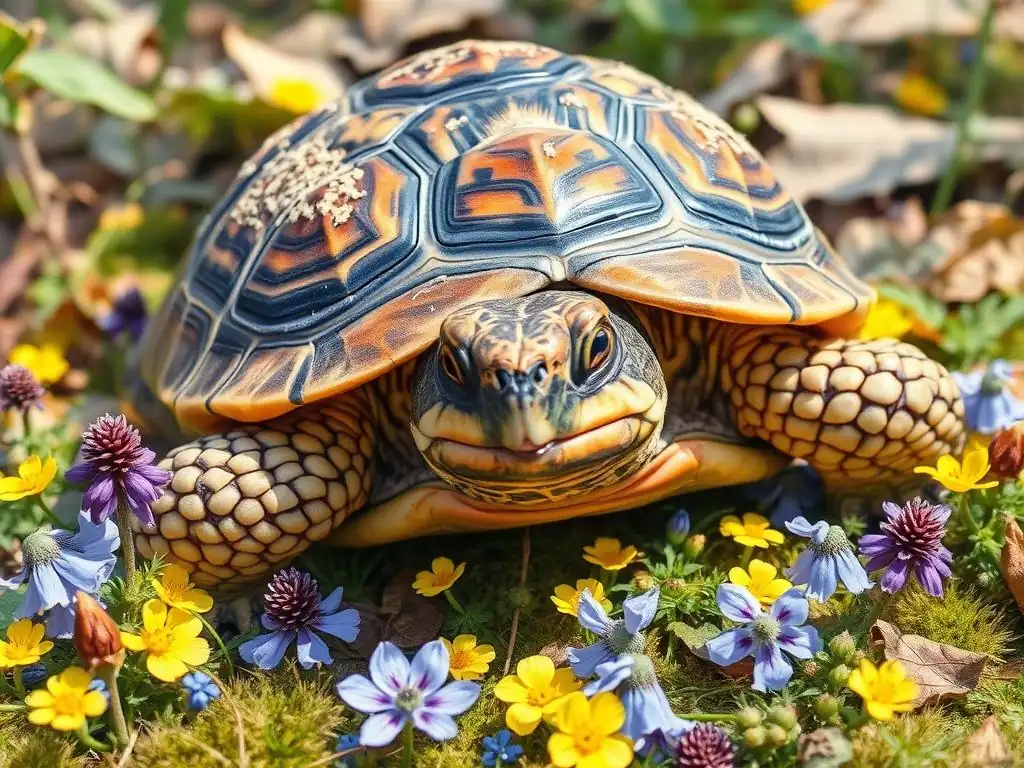
Many misconceptions surround the lifespan of box turtles, often leading to inadequate care and reduced longevity. This section clarifies some common myths and presents the realities of box turtle lifespan expectancy. Understanding these factors is crucial for responsible ownership and ensuring your box turtle thrives.
Debunking Misconceptions about Box Turtle Longevity
A pervasive myth is that box turtles live only 20-30 years. While this might be true for some individuals under less-than-ideal conditions, it significantly underestimates their potential lifespan. In reality, with proper care and a suitable environment, box turtles can live for 50-100 years, and some even surpass this impressive mark! This longevity highlights the significant commitment involved in owning a box turtle. Another misconception is that size directly correlates with lifespan.
While larger turtles may live longer, size alone isn't a definitive indicator. Genetic factors, diet, and environmental conditions play much larger roles. Finally, the belief that box turtles are inherently hardy and require minimal care is dangerously false. These reptiles are sensitive to environmental changes and dietary deficiencies, factors that can drastically shorten their lifespan. Providing optimal care is paramount for maximizing their lifespan and overall well-being.
The Role of Hibernation in Box Turtle Health and Lifespan
Hibernation is a natural process for many box turtle species, and its proper management significantly impacts their lifespan. Many believe that hibernation is optional, but for certain species, it is crucial for their reproductive health and overall longevity. Improper hibernation can lead to various health issues, including respiratory infections, metabolic bone disease, and even death. Therefore, understanding the specific needs of your box turtle species regarding hibernation is paramount. This includes providing a safe, cool, and consistently moist environment during the hibernation period.
Monitoring their weight and hydration levels before, during, and after hibernation is essential. Failure to do so can result in significant health problems, ultimately reducing their lifespan. Consider consulting a reptile veterinarian experienced in box turtle care to ensure you're providing the appropriate hibernation conditions. Successfully navigating hibernation is a key component of extending your box turtle's life.
Understanding the Impact of Captivity on Box Turtle Lifespan
The environment in which a box turtle lives profoundly affects its lifespan. While wild box turtles face natural predators and challenges, captivity offers the opportunity to control many factors contributing to longevity. However, improper captive care can negate this advantage.
Poor diet, inadequate housing, and lack of environmental enrichment can all significantly shorten a box turtle's lifespan. For example, a diet lacking in calcium and vitamin D3 can lead to metabolic bone disease, a debilitating and often fatal condition. Similarly, an enclosure that is too small, lacks appropriate substrate, or doesn't provide opportunities for basking and exploration can negatively impact their physical and mental well-being, thus reducing their lifespan.
Providing a spacious, enriching environment, with appropriate temperature and humidity gradients, is essential. A balanced diet, regular veterinary check-ups, and diligent monitoring of their health are all vital for ensuring a long and healthy life for your captive box turtle. Remember, responsible ownership is key to maximizing their box turtle lifespan expectancy.
Maximizing Your Box Turtle's Years: A Comprehensive Guide

Understanding box turtle lifespan expectancy is crucial for responsible ownership. While the average lifespan is often cited as 50-100 years, achieving this longevity requires diligent care and a deep understanding of their specific needs. Factors like genetics, environmental conditions, and diet significantly impact how long your box turtle thrives.
This section delves into the key elements of ensuring your shelled companion enjoys a long and healthy life, far exceeding the average box turtle lifespan. We'll explore habitat creation, dietary requirements, and preventative healthcare strategies to help you maximize your box turtle's years. Remember, responsible ownership means committing to providing the best possible care for the entirety of their lengthy lifespan.
Creating a Species-Specific Enclosure for Optimal Health
Providing a species-appropriate enclosure is paramount for a box turtle's well-being and longevity. Generic setups often fall short, leading to health problems that shorten their lifespan. The size, substrate, temperature gradient, and humidity levels must be tailored to the specific needs of your box turtle species. For example, Eastern box turtles ( Terrapene carolina carolina) require a significantly different enclosure than three-toed box turtles ( Terrapene carolina triunguis).
The enclosure should be spacious enough to allow for natural behaviors like foraging and burrowing. A minimum of 4ft x 2ft x 1ft is generally recommended for a single adult, but larger is always better. The substrate is equally important; avoid cedar or pine shavings, opting instead for a mix of topsoil, cypress mulch, and leaf litter. This provides appropriate drainage and opportunities for burrowing, crucial for thermoregulation and stress reduction.
Maintaining the correct temperature and humidity is vital. A basking spot with a temperature gradient of 85-90°F is necessary, while the ambient temperature should remain between 70-75°F. Humidity should be kept around 60-70%, which can be achieved through misting and a water dish. Regular monitoring using a thermometer and hygrometer is essential to ensure optimal conditions and prevent health issues that can significantly impact box turtle lifespan expectancy. Neglecting these environmental factors is a major contributor to premature mortality.
Developing a Balanced and Nutritious Diet Plan
Nutrition plays a pivotal role in a box turtle's health and longevity. A diet lacking essential nutrients can lead to various health problems, significantly reducing their lifespan. Wild box turtles have a varied diet, and mimicking this in captivity is key. Avoid relying solely on commercial turtle pellets; these should only supplement a diverse diet.
A balanced diet should consist primarily of:
- Fruits and Vegetables: Offer a variety of leafy greens like dandelion greens, collard greens, and kale. Include fruits like berries, melon, and apples in moderation.
- Insects: Mealworms, crickets, and earthworms provide essential protein. Offer these sparingly, as they should only constitute a small portion of their overall diet.
- Other Protein Sources: Occasionally, you can provide small amounts of cooked meat (chicken, turkey) – but this should be a rare treat.
Avoid feeding foods high in oxalates (like spinach and rhubarb) regularly, as they can interfere with calcium absorption. Always provide a source of calcium and vitamin D3 supplementation, particularly crucial for growing turtles and females laying eggs. A balanced diet, rich in essential nutrients, directly contributes to a longer and healthier life for your box turtle. Remember, nutritional deficiencies are a common cause of shortened lifespan in captive box turtles.
Long-Term Health Management Strategies for Your Box Turtle
Proactive healthcare is crucial for maximizing your box turtle’s lifespan. Regular veterinary check-ups are essential, even if your turtle appears healthy. Preventative care can identify potential problems early, allowing for timely intervention. Common health issues like respiratory infections, metabolic bone disease (MBD), and shell rot can significantly reduce lifespan if left untreated.
| Health Issue | Symptoms | Preventative Measures |
|---|---|---|
| Respiratory Infection | Lethargy, wheezing, nasal discharge | Maintain proper humidity and temperature, ensure good ventilation, avoid stress |
| Metabolic Bone Disease | Soft shell, deformities, lethargy | Provide adequate calcium and vitamin D3, ensure proper UVB lighting |
| Shell Rot | Soft, discolored shell, foul odor | Maintain clean enclosure, avoid overcrowding, treat any injuries promptly with appropriate care |
Regularly inspect your turtle's shell and skin for any signs of injury or disease. A clean and appropriately maintained enclosure is crucial in preventing many health problems. Early detection and prompt veterinary attention are vital for successful treatment and extending your box turtle's life. Remember, a proactive approach to healthcare significantly contributes to a longer and healthier life for your beloved reptile. Investing in their well-being through preventative measures is an investment in extending their box turtle lifespan expectancy.
Resources for Further Learning and Support
Understanding box turtle lifespan expectancy requires ongoing learning. The journey to ensuring a long and healthy life for your shelled companion doesn't end with this article. There's a wealth of resources available to further your knowledge and provide support when needed. This includes connecting with experienced keepers, accessing reputable online communities, and exploring relevant literature.
One excellent avenue for further learning is joining online forums and groups dedicated to box turtles. These communities offer a space to connect with other enthusiasts, share experiences, ask questions, and receive advice from seasoned keepers. The collective knowledge within these groups is invaluable, providing insights into various aspects of box turtle care, from diet and habitat management to disease prevention and treatment. Remember to always critically evaluate the information you find online and prioritize advice from reputable sources and experienced keepers. Look for forums with established moderation to help filter out misinformation.
Beyond online communities, consider exploring books and scientific journals dedicated to herpetology and reptile care. These resources often provide in-depth information on box turtle biology, behavior, and husbandry. Reputable authors and publishers in the field can offer valuable insights into specialized topics such as breeding, disease management, and nutritional requirements. While some of these resources may be more technical, the detailed information they provide can be incredibly helpful in ensuring your box turtle thrives. Look for books and articles that cite scientific studies and peer-reviewed research to ensure accuracy and reliability.
Finally, consulting with a veterinarian experienced in reptile care is crucial. Regular check-ups are essential for early detection and treatment of potential health issues, directly impacting your box turtle's lifespan expectancy. A veterinarian can provide personalized advice based on your turtle's specific needs and help you address any concerns you may have.
They can also offer guidance on preventative care, such as vaccinations and parasite control, which play a crucial role in maximizing your box turtle's longevity. Don't hesitate to seek professional veterinary help – it's an investment in your pet's health and well-being. Finding a vet specializing in reptiles might require some research, but the benefits are well worth the effort.
Frequently Asked Questions
What is the average lifespan of a box turtle?
Box turtles can live incredibly long lives, with some species reaching 50-100 years in captivity. However, their lifespan depends heavily on proper care and environment.
What factors affect a box turtle's lifespan?
Several factors influence a box turtle's lifespan, including diet, habitat, access to veterinary care, and genetic predisposition. Providing a species-appropriate environment is crucial.
How can I ensure my box turtle lives a long life?
Providing a species-specific diet, a clean and spacious enclosure, regular veterinary checkups, and a stress-free environment are essential for a long and healthy life.
What are some common health problems that shorten a box turtle's lifespan?
Common health issues include shell rot, respiratory infections, and metabolic bone disease. Early detection and treatment are crucial.
Are there different lifespans for different box turtle species?
Yes, lifespans vary between species. Some species may live shorter lives than others. Research your specific box turtle species for accurate lifespan expectations.
Final Reflection: The Enduring Legacy of the Box Turtle
Understanding box turtle lifespan isn't just about numbers; it's about recognizing our responsibility as stewards of these ancient creatures. Their slow, deliberate lives, spanning decades, offer a powerful counterpoint to our fast-paced world, highlighting the fragility and beauty of long-term commitment to conservation.
The impact of human activity on box turtle populations is undeniable, and the knowledge shared in this article—from habitat preservation to responsible pet ownership—is crucial for their continued survival. The Earth provides enough to satisfy every man's needs but not every man's greed.
- Mahatma Gandhi. This quote perfectly encapsulates the challenge we face: balancing our needs with the needs of these fascinating reptiles and ensuring their future isn't jeopardized by our actions. We must actively participate in protecting their habitats and educating others about the importance of responsible care.
Consider the profound implications of extending a box turtle's life, even by a few years. Think of the generations of natural processes it witnesses, the intricate web of life it participates in, and the silent stories it carries within its shell. You, the reader, hold the power to make a difference. Learn more, advocate for conservation, and make conscious choices that support the longevity of these remarkable creatures. Let the box turtle's lifespan be a reminder of the enduring power of responsible stewardship and the beauty of a life lived fully, however slowly.
Unlock Your Turtle's Full Potential: Extend Their Amazing Life!
Congratulations on taking the first steps toward providing expert care for your box turtle! You've gained valuable knowledge that will significantly improve your shelled friend's quality of life. Ready to put your new expertise into practice?
- Optimize their diet: Carefully examine your turtle's current diet and make any necessary adjustments based on your newfound understanding of their nutritional needs. Even small dietary changes can lead to significant improvements in their health and longevity.
- Enrich their environment: Consider adding engaging features such as climbing structures, secure hiding places, or a shallow basking area to encourage natural behaviors and prevent boredom. A stimulating environment is crucial for their well-being.
- Share your knowledge: Spread the word! Tell a friend, family member, or fellow reptile enthusiast about the essential aspects of box turtle care you've learned. Let's foster a supportive community dedicated to responsible turtle ownership.
What positive change will you implement today to ensure your box turtle enjoys a long and fulfilling life?