
My Cat is Still Anxious: Troubleshooting Common Management Challenges

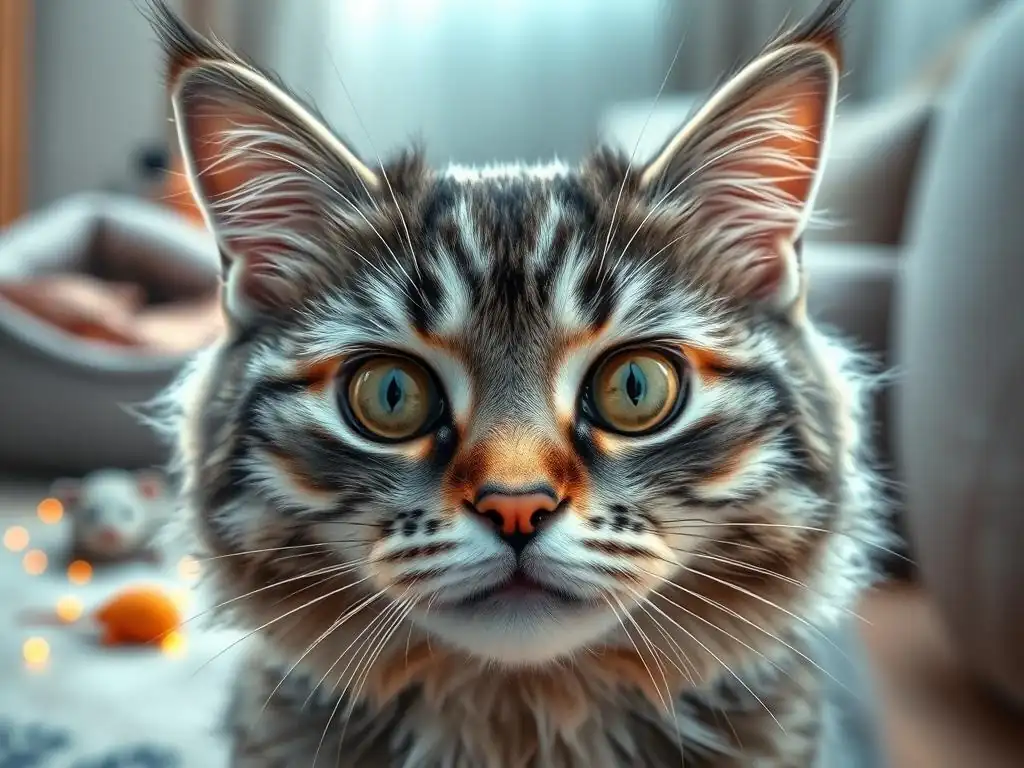
Welcome to PetCareWorld, your ultimate guide to a happier, healthier life for your beloved pets! Are you facing frustrating challenges with your feline friend? Discover practical and effective Cat anxiety troubleshooting solutions in our in-depth guide, "My Cat is Still Anxious: Troubleshooting Common Management Challenges," and unlock the secrets to a more relaxed and contented cat. Dive in and learn how to navigate common anxieties and provide the best possible care for your furry companion.
- Understanding Persistent Cat Anxiety: Identifying Underlying Causes
- Cat Anxiety Troubleshooting Solutions: Addressing Specific Challenges
- When Professional Help is Needed: Seeking Expert Guidance for Cat Anxiety
- Preventing Future Cat Anxiety Episodes: Proactive Strategies
- Frequently Asked Questions
- Final Reflection: Finding Peace for Anxious Kitties
- Unlock Your Cat's Calm: Practical Steps to a Happier Life
Understanding Persistent Cat Anxiety: Identifying Underlying Causes

Feline anxiety, a prevalent issue among cat owners, can manifest in various ways, ranging from mild restlessness to severe behavioral problems. This article serves as a comprehensive guide to troubleshooting persistent cat anxiety, helping you identify the underlying causes and implement effective management strategies. We'll explore common symptoms, environmental triggers, and the crucial role of veterinary and behavioral assessments in tackling this challenging but manageable condition.
Successfully navigating cat anxiety requires a multifaceted approach, combining understanding of your cat's unique needs with practical solutions to create a calmer, more enriching environment. This guide will equip you with the knowledge to address your cat's anxiety and foster a stronger, healthier bond. Remember, consistent effort and patience are key to helping your anxious feline thrive.
While overt signs like excessive vocalization, hiding, or aggression are readily apparent, subtle indicators of feline anxiety often go unnoticed. These hidden symptoms can be crucial in accurately diagnosing the severity and underlying cause of your cat's anxiety. For example, changes in litter box habits, such as increased urination outside the box or more frequent urination, can signal underlying stress.
Similarly, a sudden increase or decrease in appetite, changes in grooming habits (excessive licking or neglecting grooming), or even subtle shifts in posture and body language (hunched back, flattened ears) should raise concerns. Furthermore, observe your cat's sleeping patterns. Is your cat sleeping more or less than usual?
Disrupted sleep can be a significant indicator of underlying anxiety. Keeping a detailed behavioral diary, noting these seemingly minor changes, can provide invaluable insights for your veterinarian and/or a certified cat behaviorist. This detailed record will significantly aid in accurate diagnosis and the development of a tailored treatment plan.
Common Triggers for Lingering Cat Anxiety: Stressors in the Home Environment
Many environmental factors can contribute to or exacerbate feline anxiety. Identifying and mitigating these stressors is a critical step in managing your cat's anxiety. Common culprits include changes in household routine (new family member, moving house, renovations), introduction of new pets, loud noises (fireworks, thunderstorms), lack of environmental enrichment (lack of vertical space, insufficient toys), and even changes in the location of their food and water bowls. Cats are creatures of habit, and disruptions to their established routines can trigger anxiety.
Furthermore, insufficient hiding places can heighten anxiety, as cats instinctively seek secure spaces to feel safe and protected. A lack of safe havens increases their sense of vulnerability. Consider your cat's daily environment critically. Is there anything that could be perceived as threatening or unsettling?
Even seemingly minor changes can significantly impact a cat's emotional well-being. Careful observation and a systematic approach to eliminating potential stressors are paramount. Creating a secure and predictable environment is crucial for reducing cat anxiety.
Diagnosing the Root Cause: Vet Visit & Behavioral Assessment for Persistent Anxiety
Persistent anxiety requires professional intervention. A visit to your veterinarian is crucial to rule out any underlying medical conditions that might be contributing to your cat's anxiety. Medical issues, such as hyperthyroidism or kidney disease, can mimic anxiety symptoms. Therefore, a thorough veterinary examination is the first and most important step. Following a medical examination, a consultation with a certified cat behaviorist can provide invaluable insights into the underlying causes of your cat's anxiety and help develop a tailored behavioral modification plan.
This plan might involve environmental modifications (creating safe spaces, providing enrichment), training techniques (counter-conditioning, desensitization), or even medication in severe cases. Remember, a collaborative approach involving your veterinarian and a behaviorist offers the best chance for successfully managing your cat's anxiety and improving their quality of life. Don't hesitate to seek professional help; early intervention is key to achieving positive outcomes. 😻
Cat Anxiety Troubleshooting Solutions: Addressing Specific Challenges
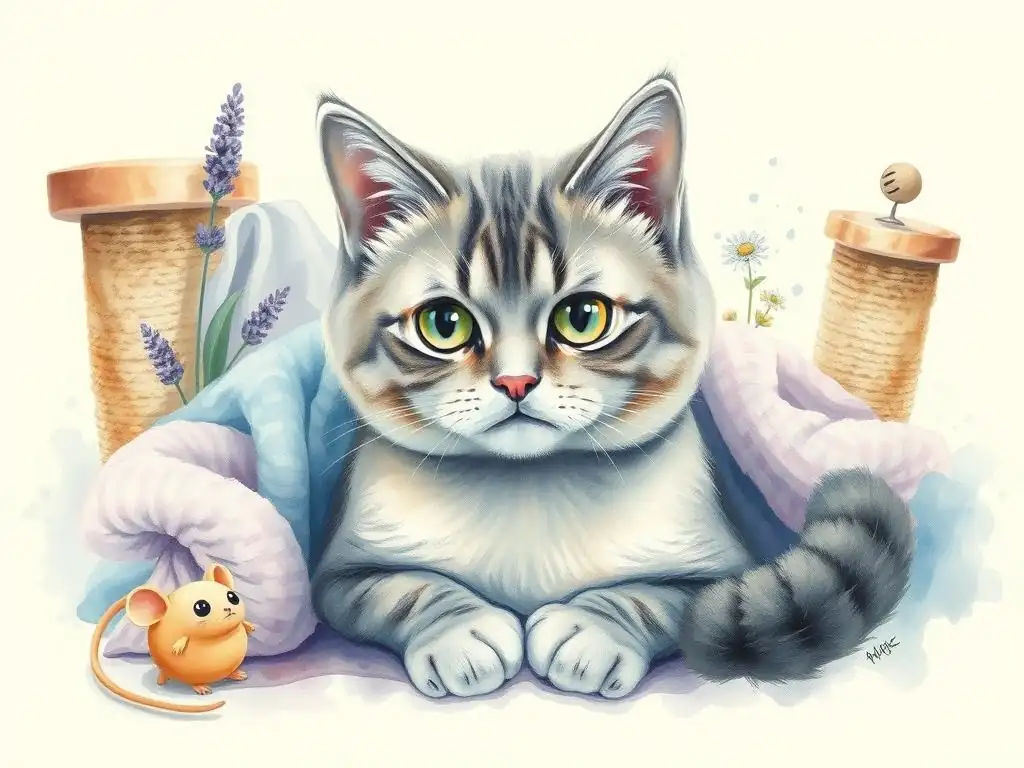
This section delves into practical, evidence-based solutions for managing cat anxiety, offering troubleshooting strategies for common challenges pet owners face. We'll explore environmental modifications, dietary adjustments, and the strategic use of pheromones to help your feline friend overcome their anxieties and live a happier, healthier life. Remember, consistent application of these techniques is key to success. Patience and understanding are crucial when dealing with a stressed cat.
Environmental Enrichment Strategies for Reducing Cat Anxiety
Environmental enrichment plays a pivotal role in reducing cat anxiety. A stimulating and secure environment can significantly impact a cat's emotional well-being. By providing ample opportunities for exploration, play, and relaxation, you can create a haven where your cat feels safe and comfortable.
Creating a Safe and Secure Space: Designing a Cat Sanctuary
Creating a dedicated "cat sanctuary" is paramount. This should be a quiet, comfortable space where your cat can retreat when feeling overwhelmed. Consider a cat tree strategically placed away from high-traffic areas, providing multiple levels for climbing and observation. Include soft bedding, scratching posts, and toys within easy reach.
A covered bed or a cardboard box can provide a sense of security and seclusion. The key is to provide vertical space and hiding places, mimicking a cat's natural environment. This safe space should be consistently available and free from disturbances. Observe your cat's behavior to determine the optimal location and design of their sanctuary.
Interactive Play and Enrichment Activities: Engaging Your Anxious Cat
Interactive play is crucial for reducing anxiety and promoting healthy behavior. Avoid solely relying on passive toys; instead, engage your cat in active play sessions using wand toys, feather wands, or laser pointers. These activities stimulate their predatory instincts and provide mental and physical exercise, reducing pent-up energy that can contribute to anxiety. Aim for multiple short play sessions throughout the day, rather than one long session.
Observe your cat's response and adjust the intensity and duration of playtime accordingly. Remember to always end the play session on a positive note, allowing your cat to "catch" the prey (toy) to enhance their sense of success and satisfaction. This positive reinforcement helps build confidence and reduces anxiety.
Scent Management and Pheromone Use: Calming Your Cat's Senses
Scent plays a significant role in a cat's emotional state. Strong, unfamiliar smells can trigger anxiety. Maintain a clean and tidy environment, minimizing the use of strong-smelling cleaning products or air fresheners. Consider using feline pheromone diffusers or sprays.
These synthetic pheromones mimic the natural calming pheromones cats produce, creating a sense of security and reducing stress. Place the diffuser in a central location, ensuring adequate ventilation for optimal dispersal of the pheromones. While pheromones are generally safe, consult your veterinarian if you have any concerns, particularly if your cat has pre-existing health conditions. Consistent use over several weeks is generally necessary to observe noticeable improvements.
Dietary and Nutritional Approaches to Managing Cat Anxiety
Nutrition plays a surprisingly significant role in managing feline anxiety. A balanced diet can support overall health and well-being, indirectly impacting anxiety levels. Specific nutritional strategies can further enhance stress management.
The Role of Nutrition in Feline Anxiety: Diet and Supplements
A high-quality, balanced diet forms the foundation of good health and can positively influence anxiety levels. Ensure your cat's food meets their age-specific nutritional needs. Consult your veterinarian or a veterinary nutritionist to determine the optimal diet for your cat, considering any pre-existing health conditions or sensitivities. Some studies suggest that certain nutrients, such as omega-3 fatty acids, may have anxiolytic properties.
However, always consult your veterinarian before introducing supplements to your cat's diet, as some supplements can interact with medications or cause adverse effects. Avoid making drastic changes to your cat's diet suddenly. Introduce new foods gradually to avoid digestive upset.
Hydration and Balanced Nutrition for Stress Reduction
Adequate hydration is crucial for overall health and can indirectly impact anxiety levels. Ensure your cat always has access to fresh, clean water. Consider providing multiple water sources, including water fountains, which can encourage increased water intake.
A balanced diet provides essential nutrients that support various bodily functions, including the nervous system, which plays a critical role in regulating mood and behavior. Monitoring your cat's food intake and bowel movements can help you identify any potential nutritional deficiencies that might be contributing to their anxiety. Remember that a holistic approach, combining dietary changes with other management strategies, will yield the best results.
Behavioral Modification Techniques for Persistent Cat Anxiety
Persistent cat anxiety requires a multifaceted approach, often involving behavioral modification techniques. These techniques aim to gradually reduce anxiety triggers and replace anxious responses with calmer behaviors. Success hinges on patience, consistency, and a deep understanding of your cat's individual needs and triggers. It's crucial to remember that every cat is unique, and what works for one may not work for another. Therefore, a personalized approach is essential, potentially involving professional guidance from a certified cat behaviorist. They can assess your cat's specific anxieties and recommend tailored strategies.
Positive Reinforcement Training for Anxiety Reduction
Positive reinforcement is a cornerstone of effective anxiety management in cats. This method focuses on rewarding desired behaviors, such as calmness and relaxation, rather than punishing anxious reactions. For example, if your cat exhibits signs of anxiety when left alone, you can start by rewarding calm behavior before leaving the house. This could involve giving your cat a treat or engaging in a short play session before you depart, associating your absence with positive experiences. Gradually increase the duration of your absence while continuing to reward calm behavior upon your return.
Consistency is key; even small rewards given frequently are more effective than infrequent large rewards. This helps build a positive association with potentially anxiety-provoking situations. Consider using puzzle feeders to provide mental stimulation and reduce boredom-related anxiety. The act of solving the puzzle and receiving a food reward can be incredibly calming for many cats.
Counter-Conditioning and Desensitization Strategies
Counter-conditioning and desensitization are powerful techniques used in conjunction with positive reinforcement. Counter-conditioning involves pairing anxiety-inducing stimuli with positive experiences, gradually changing your cat's emotional response to those stimuli. For instance, if your cat is afraid of loud noises, you can start by playing very quiet recordings of similar noises while rewarding calm behavior with treats and praise. Slowly increase the volume over time, always maintaining a positive association.
Desensitization involves gradually exposing your cat to the anxiety-provoking stimulus at a low intensity, increasing the intensity only when your cat remains calm. The goal is to help your cat habituate to the stimulus without experiencing overwhelming fear or anxiety. This process requires meticulous observation of your cat's body language; if they show signs of stress, immediately reduce the intensity of the stimulus and return to a level where they are comfortable.
Addressing Underlying Behavioral Issues Contributing to Anxiety
Addressing underlying behavioral issues is crucial for long-term anxiety management. Sometimes, anxiety is a symptom of a deeper problem, such as a medical condition, environmental stressors, or past trauma. A thorough veterinary checkup is essential to rule out any physical causes of anxiety.
Environmental factors, such as lack of enrichment, insufficient hiding places, or territorial disputes, can significantly contribute to anxiety. Providing a safe and secure environment with plenty of vertical space, scratching posts, and hiding places can alleviate stress. If your cat exhibits signs of aggression or other behavioral issues alongside anxiety, a certified cat behaviorist can help identify the root cause and develop a comprehensive behavior modification plan.
They can provide expert guidance on how to address these underlying issues and create a more harmonious living environment for both you and your feline companion. Remember, a holistic approach that addresses both the symptoms and the underlying causes offers the best chance of success in managing cat anxiety.
When Professional Help is Needed: Seeking Expert Guidance for Cat Anxiety
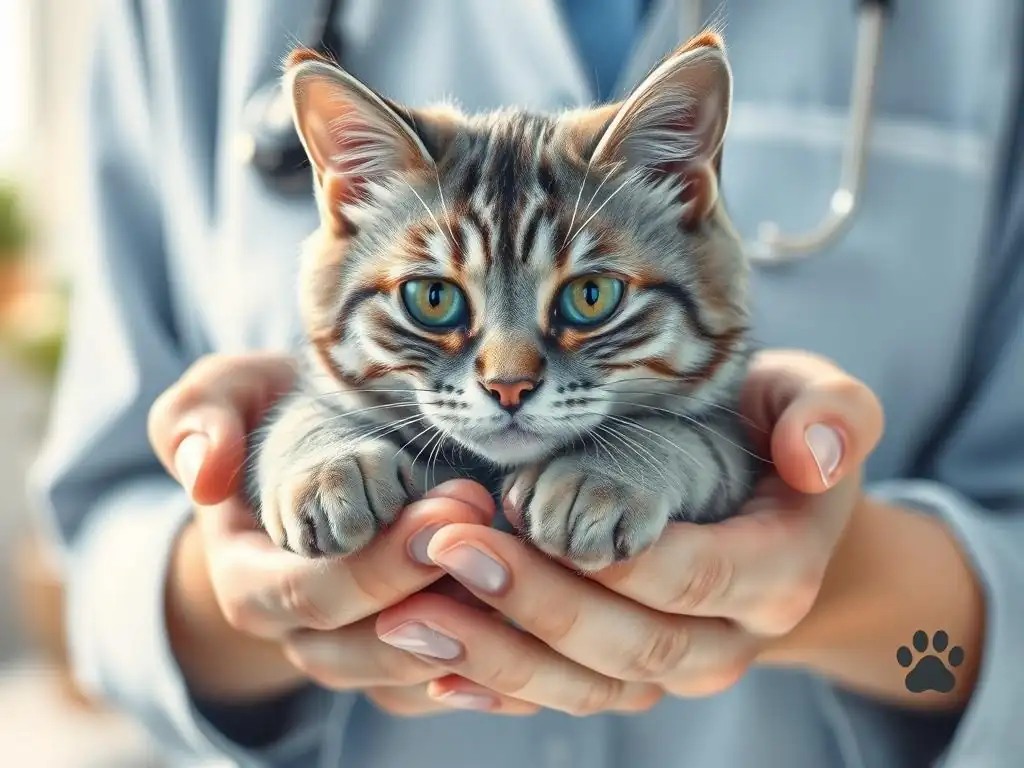
Addressing feline anxiety effectively sometimes requires more than at-home strategies. Persistent or severe anxiety can significantly impact your cat's quality of life, necessitating professional intervention. Recognizing when to seek expert help is crucial for ensuring your cat receives the appropriate care and support. This section explores various avenues for professional assistance, highlighting the benefits and considerations for each approach. Understanding these options empowers you to make informed decisions about your cat's well-being and proactively manage their anxiety. Remember, seeking help isn't a sign of failure; it's a testament to your commitment to your feline companion's happiness and health.
Consulting a Certified Cat Behaviorist: Specialized Expertise for Complex Cases
Certified cat behaviorists possess in-depth knowledge of feline psychology, behavior, and communication. They can accurately diagnose the root cause of your cat's anxiety, going beyond surface-level observations. Unlike general veterinarians or even pet trainers, behaviorists use specialized techniques to assess your cat's environment, interactions, and individual needs.
This detailed assessment allows for the creation of a customized behavioral modification plan, tailored specifically to your cat's unique circumstances and anxiety triggers. For instance, a behaviorist might identify subtle environmental stressors, such as loud noises from outside or specific household items, that contribute to your cat's anxiety. They might then suggest implementing strategies such as environmental enrichment, pheromone diffusers, or desensitization and counter-conditioning techniques.
The personalized approach offered by a certified cat behaviorist often yields superior results, especially in cases of severe or complex anxiety issues. The investment in a professional consultation is often worth the peace of mind and long-term benefits for both you and your anxious cat.
Veterinary Behaviorists and Medication Options: Exploring Medical Interventions
In some cases, behavioral modification alone may not suffice. A veterinary behaviorist, a veterinarian with specialized training in animal behavior, can assess whether underlying medical conditions are contributing to your cat's anxiety. Conditions such as hyperthyroidism or cognitive dysfunction can manifest as anxiety-related behaviors.
Furthermore, veterinary behaviorists can prescribe medication to alleviate anxiety symptoms, particularly in severe cases. These medications, such as selective serotonin reuptake inhibitors (SSRIs) or other anxiolytics, should always be used under strict veterinary supervision. It's crucial to remember that medication is not a standalone solution; it's often most effective when combined with behavioral modification techniques.
The veterinary behaviorist will work collaboratively with you to develop an integrated treatment plan that addresses both the medical and behavioral aspects of your cat's anxiety. This holistic approach maximizes the chances of successful anxiety management and improves your cat's overall well-being. Always discuss potential side effects and the long-term implications of medication with your veterinarian.
Combining Approaches for Holistic Anxiety Management: Integrated Solutions
The most effective approach to managing cat anxiety often involves integrating multiple strategies. A holistic approach combines behavioral modification techniques, environmental adjustments, and, when necessary, veterinary interventions, including medication. For example, you might implement environmental enrichment strategies like providing scratching posts, climbing structures, and interactive toys, while simultaneously working with a behaviorist on desensitization techniques to reduce your cat's fear of specific stimuli.
If medication is prescribed, it should be seen as a tool to support behavioral therapy, not replace it. Regular monitoring of your cat's behavior and adjustments to the treatment plan are essential. This collaborative and multifaceted approach ensures that your cat receives comprehensive care, addressing both the underlying causes and symptoms of their anxiety.
This integrated strategy offers the best chance for long-term success and improves the chances of achieving a calm and contented feline companion. Remember, patience and consistency are key to success in any anxiety management plan.
Preventing Future Cat Anxiety Episodes: Proactive Strategies
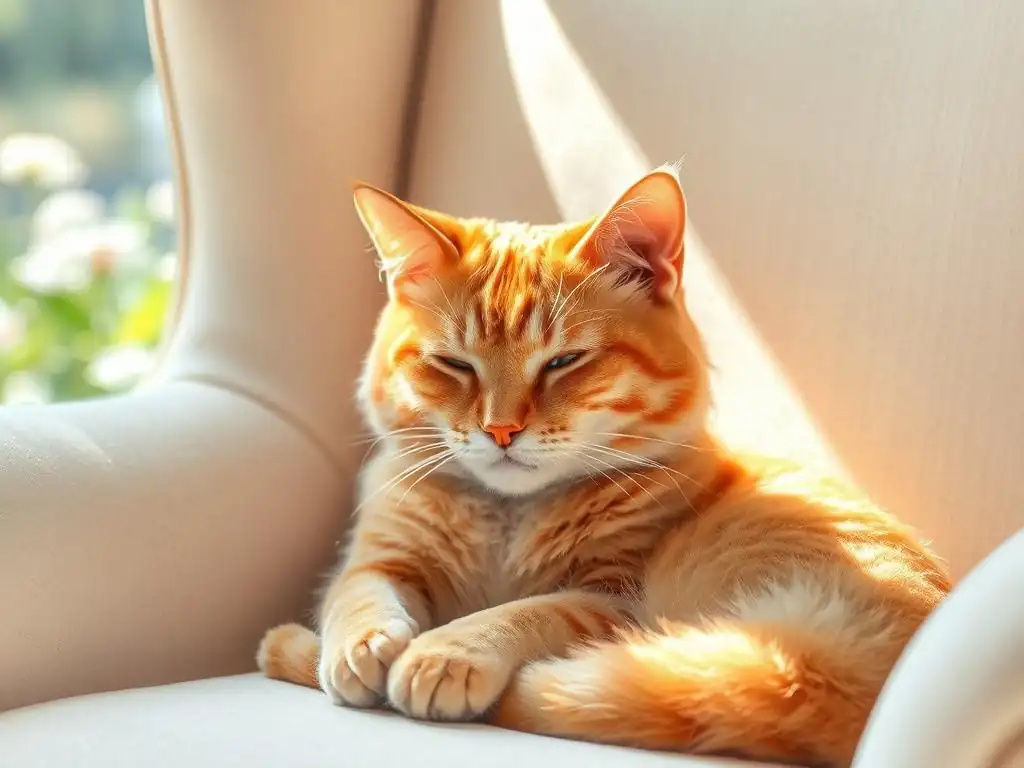
Cat anxiety, once established, can be challenging to manage. Therefore, proactive strategies are crucial in preventing future episodes and fostering a calm and confident feline companion. This involves creating a secure environment, implementing early socialization, and continuously monitoring your cat's well-being to adapt to life's changes. Effective cat anxiety troubleshooting solutions often hinge on preventing future occurrences rather than solely addressing existing issues. This section will delve into practical steps you can take to achieve this.
Maintaining a Stable and Predictable Environment: Consistency is Key
A stable and predictable environment is paramount for a cat's emotional well-being. Cats thrive on routine and familiarity. Sudden changes, even seemingly minor ones, can trigger anxiety. Consistency in feeding times, playtime, and resting areas significantly reduces stress.
Consider these points:
- Consistent Feeding Schedule: Feed your cat at the same times each day. This predictability provides a sense of security and reduces uncertainty. Avoid skipping meals or drastically altering feeding times without a clear reason.
- Designated Resting Areas: Provide multiple quiet, comfortable spaces where your cat can retreat when feeling overwhelmed. These could be cat beds, shelves, or even quiet corners. Ensure these spots remain undisturbed.
- Predictable Playtime: Engage in consistent, predictable playtime sessions. This helps burn energy and provides mental stimulation, reducing pent-up anxiety. Maintain a regular schedule for playtime, ensuring it's a positive and enjoyable experience.
- Minimize Household Changes: Major renovations, new furniture, or even rearranging existing furniture can disrupt your cat's sense of security. Introduce changes gradually, allowing your cat time to adjust.
Early socialization is a powerful tool in preventing anxiety from developing in the first place. Kittens exposed to various sights, sounds, people, and other animals during their critical socialization period (typically between 2 and 7 weeks old) are less likely to develop anxieties later in life. However, even adult cats can benefit from careful and gradual socialization.
This involves:
- Gentle Handling: Handle kittens and cats gently and regularly from a young age to build trust and reduce fear. Avoid sudden movements or loud noises.
- Controlled Exposures: Gradually introduce your cat to new environments, people, and animals. Start with short, controlled exposures and gradually increase the duration and intensity as your cat becomes more comfortable.
- Positive Reinforcement: Use positive reinforcement techniques such as treats and praise to reward calm and confident behavior during socialization. Never force interactions; allow your cat to approach at its own pace.
- Veterinary Guidance: Consult with your veterinarian if you have concerns about your cat's socialization or if you notice signs of anxiety. They can provide tailored advice and support.
Ongoing Monitoring and Adjustment: Adapting to Changing Circumstances
Even with proactive measures, unforeseen circumstances can trigger anxiety in cats. Ongoing monitoring and adjustments are vital to maintaining a calm and stress-free environment. Regularly assess your cat's behavior for any signs of anxiety, such as excessive grooming, hiding, vocalization, or changes in appetite or litter box habits.
Here's how to adapt:
- Regular Veterinary Check-ups: Schedule regular veterinary check-ups to identify and address any underlying medical conditions that may contribute to anxiety.
- Environmental Enrichment: Provide a stimulating and enriching environment with plenty of toys, scratching posts, and climbing opportunities. This keeps your cat mentally and physically engaged, reducing boredom and stress.
- Adapting to Changes: When changes are unavoidable (e.g., moving house, new pet), introduce them gradually and provide your cat with extra comfort and security during the transition. Consider using pheromone diffusers or calming treats to help ease the transition.
- Seeking Professional Help: If you're struggling to manage your cat's anxiety, don't hesitate to seek professional help from a certified veterinary behaviorist or a cat behavior consultant. They can provide personalized guidance and support. They offer valuable cat anxiety troubleshooting solutions.
Remember, a proactive approach to cat anxiety management is far more effective than reactive treatment. By implementing these strategies, you can significantly reduce your cat's risk of developing anxiety and help them live a happier, healthier life. 😻
Frequently Asked Questions
What are the common signs of cat anxiety?
Cats experiencing anxiety may exhibit various behaviors, including excessive vocalization, restlessness, hiding, changes in appetite, litter box issues, and aggression. Early identification is key to effective management.
How can I create a safe and secure space for my anxious cat?
Provide a quiet, comfortable retreat like a cat tree or bed in a safe, secluded area. Ensure access to food, water, and a litter box within this space. Minimize stressful stimuli such as loud noises or sudden movements.
What environmental modifications can help reduce my cat's anxiety?
Consider using pheromone diffusers or sprays to calm your cat. Regular playtime and interactive toys can help burn off excess energy and reduce stress. A consistent routine can also provide comfort and predictability.
Are there any natural remedies that can help with cat anxiety?
Some owners find that herbal supplements, such as chamomile or valerian root, can help ease anxiety. However, always consult your veterinarian before using any supplements with your cat to ensure safety and compatibility with any medications.
When should I seek professional help for my cat's anxiety?
If your cat's anxiety is severe, interfering with their daily life, or unresponsive to home management techniques, consult a veterinarian or certified cat behaviorist. They can help determine the underlying cause and recommend appropriate treatment options.
Final Reflection: Finding Peace for Anxious Kitties
The pervasive problem of feline anxiety is not merely a quirky cat behavior; it's a significant welfare issue impacting millions of cats and their human companions. Understanding the root causes and implementing effective management strategies is crucial for ensuring our furry friends live happy, healthy lives, free from unnecessary stress. This is not just about managing symptoms; it's about building a stronger, more trusting bond with our feline family members.
The journey of understanding and addressing cat anxiety has profoundly impacted my own relationship with my cat, teaching me patience, empathy, and the importance of observing subtle behavioral cues. The greatest gift you can give your cat is a loving home, a safe space, and the understanding that their anxieties are valid.
This quote, while not from a specific source, encapsulates the core message of this article: that addressing cat anxiety is not just about fixing a problem, but about fostering a deeper connection built on respect and understanding. The ongoing research and development of new techniques highlight the evolving nature of our understanding of feline behavior and the commitment to improving their well-being.
You, the reader, now hold the power to make a difference. Take the time to observe your cat's behavior, identify potential stressors, and implement the solutions discussed in this article. Remember, every small step towards creating a calmer, more enriching environment for your cat is a step towards strengthening your bond and fostering a happier, healthier life for your beloved companion. Don't hesitate to seek professional veterinary advice if needed; your cat deserves the best care possible. Let's work together to create a world where every cat can purr with contentment.
Unlock Your Cat's Calm: Practical Steps to a Happier Life
Thank you for exploring ways to ease your cat's anxiety! We hope this article offered helpful advice. Now, let's put that knowledge into action.
Here are a few steps to create a more peaceful environment for your feline companion:
- Address the most significant stressor: Identify your cat's primary source of anxiety—perhaps loud noises, unfamiliar objects, or changes in routine—and focus on minimizing that first. Even small improvements can make a significant difference!
- Experiment with calming techniques: Try using a pheromone diffuser, offering calming treats, or adjusting your playtime routine. Keep a journal to track what works best for your cat.
- Share your experiences: Let other PetCareWorld community members know what strategies are effective (or ineffective) for you. Your insights could help others!
Have you noticed any subtle behavioral changes in your cat after making even one small adjustment? Let's discuss!