
Siamese Surprises: Decoding BreedSpecific Health Challenges

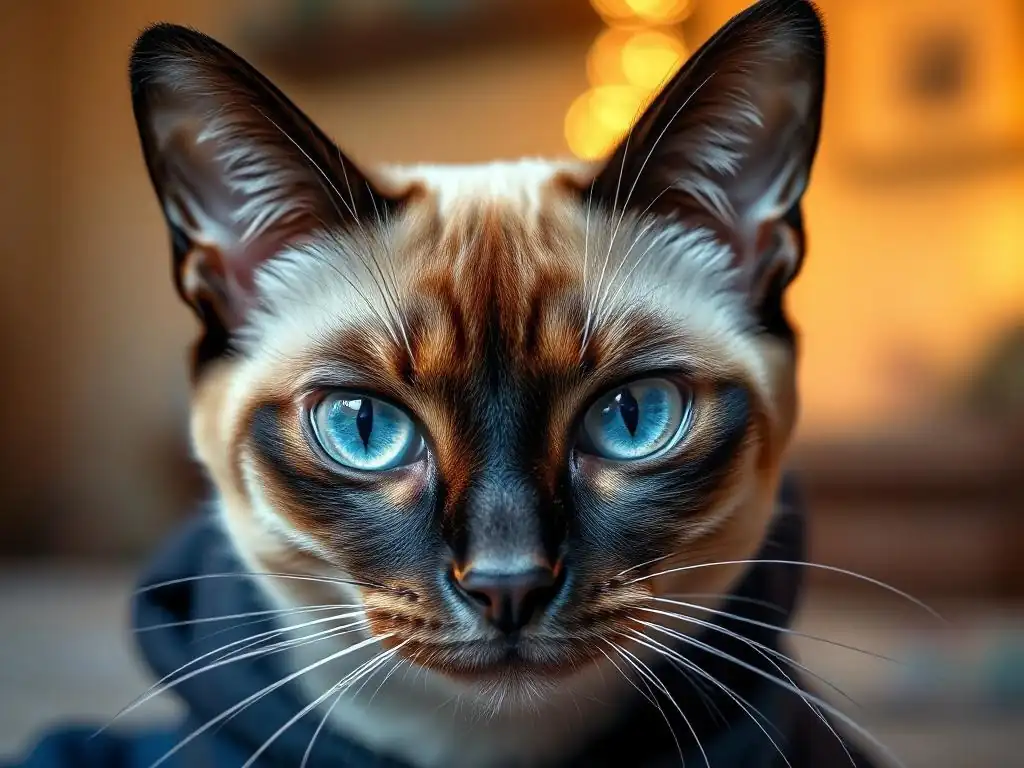
Welcome to PetCareWorld, your ultimate guide to a happier, healthier life for your beloved companion! Are you a proud owner of a majestic Siamese cat? Then you'll want to delve into our insightful article, "Siamese Surprises: Decoding Breed-Specific Health Challenges," where we unravel the unique health concerns affecting this captivating breed. Discover the secrets to ensuring your feline friend thrives – prepare to be surprised by what you learn!
- Understanding Siamese Cat Health Problems: A Comprehensive Guide
- Preventing Health Issues in Your Siamese Cat
- Living with a Siamese Cat: Addressing Specific Needs
- Resources and Further Information on Siamese Cat Health
- Frequently Asked Questions
- Final Reflection: The Enduring Legacy of the Siamese Cat's Health
- Unlock Your Siamese Cat's Healthiest Life!
Understanding Siamese Cat Health Problems: A Comprehensive Guide
Siamese cats, with their striking blue almond-shaped eyes and elegant, slender bodies, are beloved companions to many. However, like all breeds, Siamese cats have a predisposition to certain health issues. This comprehensive guide delves into the common and less common health challenges faced by Siamese cats, providing valuable insights into symptoms, diagnosis, management, and preventative care. Understanding these potential problems allows owners to provide the best possible care and ensure a long, happy life for their feline friends.
This information is crucial for responsible pet ownership and proactive health management, ultimately contributing to the overall well-being of your Siamese cat. We will explore a range of concerns, from the relatively common to the less frequently encountered, equipping you with the knowledge to navigate potential health hurdles. Remember, early detection and intervention are key to managing many of these conditions effectively. Let's delve into the specifics of Siamese cat health.
Common Health Issues in Siamese Cats
Siamese cats, while stunningly beautiful, are prone to several health conditions that occur with higher frequency than in other breeds. Understanding these common issues is crucial for early detection and intervention. Early diagnosis significantly improves the chances of successful treatment and a better quality of life for your cat.
Amyloidosis in Siamese Cats: Symptoms and Treatment
Amyloidosis, a disease characterized by the abnormal buildup of amyloid protein in organs, is a significant concern in Siamese cats. Symptoms can vary depending on the affected organ, but may include lethargy, weight loss, abdominal distension, and jaundice. Diagnosis typically involves blood tests, urinalysis, and potentially imaging techniques like ultrasound. Treatment focuses on managing symptoms and slowing the progression of the disease, often involving supportive care and medication to manage related complications. Early detection is vital for improving the prognosis.
Hypertrophic Cardiomyopathy (HCM) in Siamese: Diagnosis and Management
Hypertrophic cardiomyopathy (HCM), a thickening of the heart muscle, is another relatively common health problem in Siamese cats. This condition can lead to heart failure and sudden death. Symptoms may be subtle or absent in the early stages, but can include shortness of breath, lethargy, and a weakened heart sound. Diagnosis typically involves echocardiography (ultrasound of the heart). Management focuses on controlling symptoms and preventing complications through medication and lifestyle adjustments. Regular veterinary check-ups are crucial for early detection and management of HCM.
Siamese Cat Eye Conditions: Glaucoma and Other Issues
Siamese cats are also susceptible to various eye conditions, including glaucoma, a condition characterized by increased pressure within the eye, which can lead to blindness if left untreated. Other eye issues may include progressive retinal atrophy (PRA) and cataracts. Regular eye exams by a veterinarian are essential for early detection and intervention. Treatment options vary depending on the specific condition, but may include medication, surgery, or supportive care.
Dental Problems in Siamese Cats: Prevention and Care
Dental disease, including gingivitis and periodontal disease, is a common problem in cats, including Siamese cats. Regular dental care, including brushing and professional cleanings, is crucial for preventing these issues. Early detection and treatment of dental problems can prevent more serious health complications. A healthy diet and appropriate chew toys can also contribute to maintaining good dental health.
Less Common but Significant Health Concerns in Siamese
While the previously mentioned conditions are relatively common in Siamese cats, several less frequent but equally important health issues can also affect this breed. Understanding these conditions is crucial for responsible pet ownership.
Progressive Retinal Atrophy (PRA) in Siamese Breeds
Progressive retinal atrophy (PRA) is a degenerative eye disease that gradually leads to blindness. While not as common as some other conditions, it's still a significant concern for Siamese cat owners. Early signs may be subtle, such as night blindness, but eventually lead to complete vision loss. Currently, there is no cure for PRA, but early detection allows for supportive care to help manage the condition.
Renal Amyloidosis in Siamese: A Deeper Dive
Renal amyloidosis, a specific type of amyloidosis affecting the kidneys, can occur in Siamese cats. This condition can lead to kidney failure. Symptoms can include increased thirst and urination, weight loss, and lethargy. Diagnosis often involves blood and urine tests. Treatment focuses on managing symptoms and slowing disease progression, often involving dietary modifications and medication.
Patellar Luxation in Siamese Cats: Understanding and Treatment
Patellar luxation, a condition where the kneecap dislocates from its normal position, can affect Siamese cats. This can cause lameness and pain. Diagnosis is typically made through a physical examination. Treatment options may range from conservative management (physical therapy, medication) to surgery, depending on the severity of the condition. Early diagnosis and appropriate intervention can significantly improve the outcome.
Preventing Health Issues in Your Siamese Cat
Siamese cats, with their striking blue almond eyes and elegant, slender bodies, are beloved companions. However, understanding their breed-specific health predispositions is crucial for responsible ownership. This section focuses on proactive measures you can take to minimize the risk of common Siamese cat health problems, helping your feline friend live a long and happy life. Effective preventative care significantly reduces the likelihood of costly and stressful veterinary interventions later on.
This involves a multifaceted approach encompassing nutrition, regular veterinary care, and even genetic testing in some cases. Remember, early detection and intervention are key to managing health challenges effectively. Let's delve into the specifics.
Nutrition and Diet for a Healthy Siamese
A balanced and appropriate diet forms the cornerstone of preventative healthcare for any cat, and Siamese cats are no exception. Their predisposition to certain health issues highlights the critical role of nutrition in mitigating risk. Avoid cheap, mass-produced foods filled with fillers and artificial ingredients. These often lack the essential nutrients a Siamese needs, potentially exacerbating existing vulnerabilities or contributing to new ones.
Instead, opt for high-quality cat food formulated to meet the specific nutritional needs of adult cats. Look for foods with:
- High-quality protein sources: Chicken, turkey, fish, or lamb should be listed prominently on the ingredient list.
- Moderate fat content: Essential for energy, but excessive fat can contribute to obesity and related problems.
- Balanced levels of essential vitamins and minerals: Vitamins A, D, E, and K, along with taurine and other essential amino acids, are crucial for optimal health.
- Limited carbohydrates: Cats are obligate carnivores, and excessive carbohydrates can negatively impact their digestive system.
Consider consulting with your veterinarian or a veterinary nutritionist to determine the best diet for your Siamese cat, considering its age, activity level, and any pre-existing health conditions. Regularly monitoring your cat's weight and body condition score is also essential to ensure the diet is appropriate and adjustments are made as needed. Providing fresh water at all times is also paramount. Dehydration can worsen many health issues. A healthy diet, tailored to the specific needs of your Siamese, is your first line of defense against many potential health problems.
Regular Veterinary Checkups: Importance and Scheduling
Regular veterinary checkups are not merely a formality; they are a vital component of preventative care for your Siamese cat. These visits allow for early detection of potential health issues, often before they become serious or even symptomatic. Siamese cats, like many other breeds, are prone to specific health problems that can manifest subtly at first.
A typical preventative care schedule might include:
| Visit Frequency | Purpose |
|---|---|
| Annually | Comprehensive physical exam, vaccinations (as needed), fecal examination |
| Every 6 months | Bloodwork (especially for older cats), urine analysis, dental cleaning |
| As needed | Addressing specific concerns or symptoms |
During these visits, your veterinarian will assess your cat's overall health, weight, and any noticeable changes in behavior or appearance. Early detection of conditions like hyperthyroidism, progressive retinal atrophy, or amyloidosis can significantly improve the prognosis and quality of life. Don't hesitate to voice any concerns you may have, no matter how small they seem. Your veterinarian is your partner in ensuring your Siamese's well-being. Proactive veterinary care is an investment in your cat's health and longevity.
Genetic Testing for Siamese Cats: Proactive Health Management
While not always necessary, genetic testing can offer valuable insights into your Siamese cat's predisposition to certain inherited conditions. This proactive approach allows for early intervention and management strategies, potentially preventing or delaying the onset of disease. Several genetic tests are available for cats, some specifically focusing on breeds like the Siamese.
Some common genetic conditions that may be screened for in Siamese cats include:
- Progressive Retinal Atrophy (PRA): A degenerative eye disease leading to blindness.
- Hypertrophic Cardiomyopathy (HCM): A heart condition affecting the heart muscle.
- Amyloidosis: A condition involving the abnormal buildup of amyloid protein in tissues and organs.
The availability and cost of genetic testing can vary. Discuss the options with your veterinarian to determine if genetic screening is appropriate for your cat, considering its age, lineage, and your individual circumstances. While genetic testing cannot guarantee a disease-free life, it provides valuable information that allows for informed decision-making and potentially life-saving interventions. Early knowledge is power when it comes to managing inherited health issues. The peace of mind provided by genetic testing might be invaluable for some owners.
Living with a Siamese Cat: Addressing Specific Needs


Siamese cats, with their striking features and vocal personalities, make captivating companions. However, understanding their breed-specific needs is crucial for ensuring their health and happiness. This section focuses on creating a thriving environment for your Siamese, addressing their unique physical and mental requirements. Successfully navigating these aspects significantly contributes to mitigating potential health problems often associated with the breed, such as those related to the cardiovascular and respiratory systems. Remember, proactive care is key to preventing many common Siamese cat health problems.
Creating a Safe and Stimulating Environment
Siamese cats are intelligent and active, requiring an environment that caters to both their physical and mental stimulation. A safe space free from hazards is paramount. This means securing electrical cords, toxic substances (cleaning products, certain plants), and small objects they could ingest. Elevated spaces, such as cat trees or shelves, are highly recommended, providing opportunities for observation and escape, mirroring their natural arboreal instincts. These elevated areas also contribute to their sense of security. Consider providing multiple scratching posts strategically placed throughout the house to prevent furniture damage and encourage natural scratching behaviors.
Providing mental stimulation is just as crucial as physical safety. Puzzle feeders can engage their intelligence and prevent boredom-related behavioral issues. Rotating toys regularly keeps them interested and prevents them from becoming overly attached to a single item. Interactive play sessions, involving feather wands or laser pointers (used responsibly, avoiding direct eye contact), are vital for maintaining their physical fitness and preventing obesity, a significant contributor to various Siamese cat health problems.
Remember, a bored Siamese cat is more prone to developing behavioral issues and health problems. Think of it as preventative healthcare for your feline friend. A stimulating environment directly impacts their overall well-being.
Exercise and Play: Maintaining Physical and Mental Well-being
Regular exercise is not just about preventing obesity; it's essential for maintaining the overall health of your Siamese cat. Siamese cats are naturally active, and a lack of sufficient exercise can lead to a range of health issues, including muscle atrophy and even behavioral problems stemming from boredom. Aim for at least two interactive play sessions per day, each lasting around 15-20 minutes. These sessions should incorporate a variety of activities to keep your cat engaged and challenged.
This could include chasing toys, climbing, and jumping. Consider using different types of toys to stimulate different senses and prevent boredom. For instance, a feather wand targets their hunting instincts, while puzzle feeders challenge their problem-solving skills. Variety is key!
Regular exercise helps to prevent several health problems common in Siamese cats, reducing the likelihood of issues like hip dysplasia and joint problems. Remember, a healthy, active Siamese cat is a happy Siamese cat. This holistic approach to health care is crucial.
The benefits extend beyond physical health. Mental stimulation through play reduces stress and anxiety, further contributing to a longer and healthier life for your feline companion. Observe your cat's energy levels and adjust the intensity and duration of play sessions accordingly. Some Siamese cats are more energetic than others, and it's important to cater to their individual needs. Ignoring these needs might contribute to the development of several health issues later on. Tailoring your approach to your cat's specific personality is a key element of preventative Siamese cat health problems care.
Grooming Your Siamese Cat: Essential Care Tips
Siamese cats boast a short, sleek coat that is relatively easy to groom. However, regular grooming remains essential for maintaining their coat health and overall well-being. Weekly brushing with a soft-bristled brush helps to remove loose hair, preventing hairballs and keeping their coat shiny. Regular brushing also allows you to check for any skin abnormalities, such as fleas, ticks, or skin irritations, enabling early detection and treatment of potential health problems. Early detection is a key element in addressing many Siamese cat health problems effectively.
Pay close attention to their ears, as Siamese cats can be prone to ear infections. Regularly inspect their ears for any signs of redness, inflammation, or excessive wax buildup. Clean their ears gently with a veterinarian-recommended ear cleaning solution as needed. Never use cotton swabs, as these can damage the eardrum. Additionally, regular nail trimming is crucial to prevent overgrowth and potential discomfort.
Trim their nails every few weeks, being careful not to cut into the quick (the pink part of the nail). If you're unsure how to trim your cat's nails, consult with a veterinarian or a professional groomer. This proactive approach to grooming significantly contributes to the prevention of several common Siamese cat health problems. Regular grooming is a simple yet effective way to ensure your Siamese cat remains healthy and happy.
Resources and Further Information on Siamese Cat Health

This section provides valuable resources and avenues for continued learning about Siamese cat health. Understanding the predispositions of the breed is only the first step; proactive care and access to expert advice are crucial for ensuring your Siamese companion lives a long and healthy life. The information presented here empowers you to navigate potential health challenges effectively. Remember, early detection and intervention are key to managing many Siamese cat health problems.
Finding a Reputable Siamese Cat Breeder
Selecting a responsible breeder is paramount in mitigating the risk of inheritable health issues. Reputable breeders prioritize the health and well-being of their cats, conducting genetic testing to screen for common Siamese ailments. They are also transparent about the lineage of their cats, providing documentation of health checks and any known health concerns within the bloodline. Look for breeders who:
- Conduct thorough health screenings, including tests for hypertrophic cardiomyopathy (HCM), progressive retinal atrophy (PRA), and amyloidosis.
- Are knowledgeable about the breed standard and breed-specific health concerns.
- Maintain clean and sanitary catteries, providing appropriate care and socialization for their kittens.
- Offer a health guarantee and are willing to answer your questions openly and honestly.
- Are members of reputable cat breeding organizations, adhering to their codes of ethics.
Choosing a kitten from a responsible breeder significantly reduces the likelihood of encountering certain Siamese cat health problems later in life. This proactive approach is a vital investment in your cat's long-term health and happiness. Don't hesitate to ask detailed questions and thoroughly investigate any potential breeder before making a decision. A commitment to responsible breeding practices translates directly into healthier, happier Siamese cats.
Connecting with Siamese Cat Owners and Support Groups
Engaging with other Siamese cat owners provides invaluable support and shared experiences. Connecting with online forums, local cat clubs, or breed-specific groups allows you to learn from others' successes and challenges in managing common Siamese health issues. These communities can be a fantastic source of:
- Practical advice: Learn tips and tricks for managing specific health conditions, such as dietary recommendations for managing weight or strategies for dealing with specific behavioral challenges related to health issues.
- Emotional support: Sharing experiences with others who understand the unique challenges of owning a Siamese cat can alleviate stress and provide a sense of community.
- Early warning signs: Learning about subtle symptoms or early warning signs of potential health problems from experienced owners can be instrumental in seeking timely veterinary care.
- Veterinary recommendations: Owners often share recommendations for experienced veterinarians specializing in Siamese cat care.
Remember, building a strong support network is a crucial component of responsible Siamese cat ownership. The shared knowledge and emotional support available within these communities can significantly enhance your ability to navigate potential health challenges and ensure your Siamese cat thrives. The collective wisdom and empathy of fellow Siamese cat enthusiasts are invaluable resources in your journey as a responsible pet owner.
Frequently Asked Questions
What are some common health problems in Siamese cats?
Siamese cats are prone to certain breed-specific health issues, including amyloidosis, hypertrophic cardiomyopathy (HCM), and progressive retinal atrophy (PRA). Early detection through regular vet checkups is crucial.
How can I prevent my Siamese cat from developing HCM?
While you can't completely prevent HCM, regular veterinary checkups including heart exams and echocardiograms, especially as your cat ages, are vital for early detection and management. A healthy diet and lifestyle can also help.
What are the signs of amyloidosis in a Siamese cat?
Symptoms of amyloidosis can be subtle and vary, but may include weight loss, lethargy, and abdominal swelling. Immediate veterinary attention is necessary if you suspect amyloidosis.
Is progressive retinal atrophy (PRA) treatable in Siamese cats?
Unfortunately, there's currently no cure for PRA. However, managing the symptoms and providing a safe and comfortable environment is important to maintain your cat's quality of life.
Where can I find more information about Siamese cat health?
PetCareWorld offers a wealth of information on Siamese cat health. Explore our articles and guides for expert advice and practical solutions to common health concerns. You can also consult with your veterinarian for personalized guidance.
Final Reflection: The Enduring Legacy of the Siamese Cat's Health
Understanding the unique health challenges faced by Siamese cats is not merely an academic exercise; it's a crucial step towards ensuring the well-being of these beloved companions. The prevalence of certain conditions, from progressive retinal atrophy to hypertrophic cardiomyopathy, underscores the importance of responsible breeding practices and proactive veterinary care. Ignoring these realities would be a disservice to the breed's rich history and the countless individuals who share their lives with these elegant felines.
The Siamese cat's distinctive beauty has captivated humans for centuries, but this legacy comes with responsibilities. Their genetic predisposition to specific illnesses highlights the delicate balance between preserving breed characteristics and prioritizing the health of individual animals. The best way to honor a breed is to ensure its future, and that future depends on our commitment to responsible ownership and breeding.
This quote encapsulates the ethical imperative we face when considering the health challenges inherent in any purebred animal, especially one as iconic as the Siamese. The ongoing dialogue surrounding responsible breeding and genetic testing is vital to mitigating these risks and ensuring a healthier future for the breed.
Consider the information presented within this article. Are you now better equipped to understand the potential health concerns of a Siamese cat? Take this knowledge and use it to make informed decisions, whether you're considering adopting a Siamese, are already a proud owner, or are simply interested in learning more about feline health. By embracing responsible ownership and advocating for ethical breeding practices, we can collectively contribute to a brighter, healthier future for these captivating creatures.
Unlock Your Siamese Cat's Healthiest Life!
Thank you for exploring the world of Siamese cats and their unique health needs! We hope you've gained valuable insights into keeping your feline companion happy and healthy. Now, let's put that knowledge into practice.
- Prioritize regular veterinary check-ups: Early detection is crucial for preventing serious health problems. Schedule your Siamese's next appointment today; proactive veterinary care is the cornerstone of their well-being.
- Feed your Siamese a high-quality diet: Choose a cat food specifically formulated to meet the nutritional needs of Siamese cats. A balanced diet plays a vital role in maintaining their health.
- Connect with other Siamese owners: Join our PetCareWorld community forum to share experiences, tips, and ask questions. Learning from others can be incredibly beneficial.
Ready to give your Siamese the best possible care? What small step will you take today to enhance their health and happiness?