
Litter Box Logistics: Expert Tips for MultiCat Households

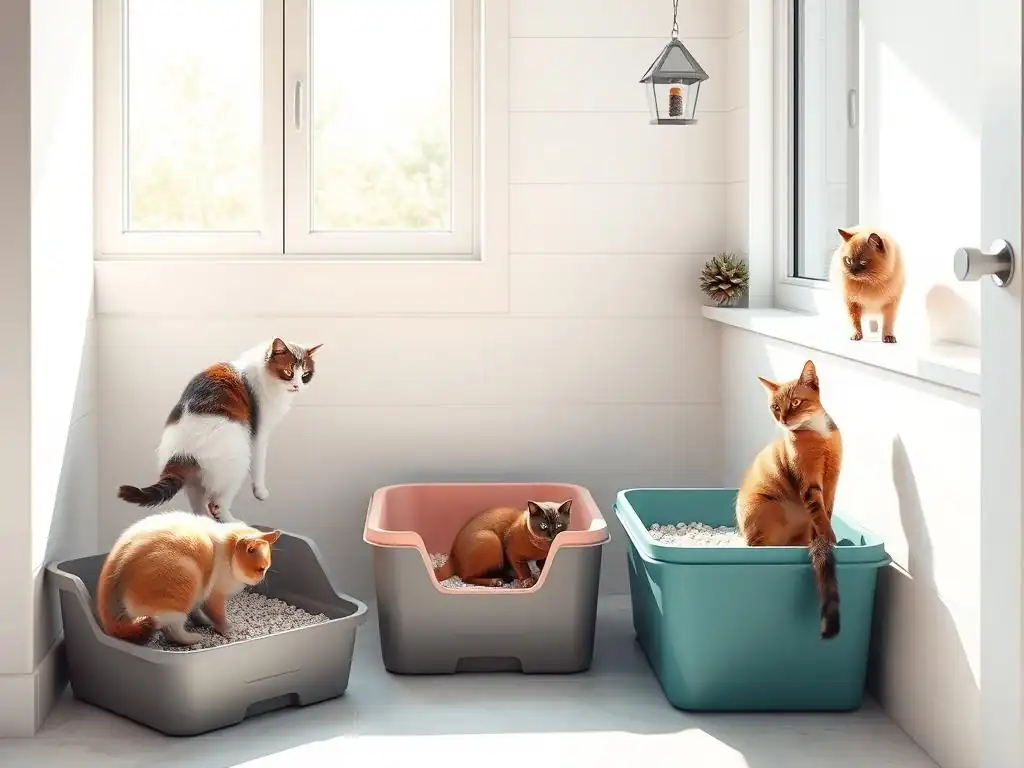
Welcome to PetCareWorld, your ultimate guide to a happier, healthier life for your beloved companions! Are you facing the frustrating reality of multicat litter box problems? We understand the challenges of managing multiple feline friends, and we're here to help. Discover expert solutions and practical strategies to conquer litter box woes and create a harmonious home environment for your entire furry family. Dive into our in-depth guide, "Litter Box Logistics: Expert Tips for MultiCat Households," and unlock the secrets to peaceful potty training!
- Understanding Multicat Litter Box Problems
- Calculating the Right Number of Litter Boxes
- Optimizing Litter Box Placement for Multi-Cat Households
- Selecting the Right Type of Litter Box for Multiple Cats
- Choosing the Best Litter for Multi-Cat Households
- Managing Litter Box Odors in Multi-Cat Homes
- Troubleshooting Specific Multicat Litter Box Problems
- Creating a Harmonious Litter Box Environment for Multiple Cats
- Frequently Asked Questions
- Final Reflection: Navigating the Multi-Cat Litter Box Labyrinth
- Unlock Harmony: Transform Your Multi-Cat Bathroom Bliss!
Understanding Multicat Litter Box Problems
Navigating the world of multiple feline companions can be a rewarding experience, filled with purrs, playful antics, and heartwarming companionship. However, the harmonious coexistence of several cats often hinges on successfully managing their litter box needs. This article delves into the common challenges faced by owners of multicat households regarding litter box usage, providing expert insights and practical solutions to address "multicat litter box problems." We'll explore the root causes of litter box issues, examine the behavioral consequences of inadequate resources, and help you recognize the subtle (and not-so-subtle) signs of stress in your feline family.
Understanding these factors is crucial for maintaining a clean, healthy, and happy environment for all your cats. Ignoring litter box issues can lead to escalating problems, impacting your cats' well-being and potentially damaging your home. Let's work towards a solution that benefits both you and your beloved felines.
Common Multicat Litter Box Issues: Identifying the Root Causes
Many multicat households struggle with litter box problems stemming from a variety of factors. These issues are rarely isolated incidents and often indicate underlying problems that need addressing. Let's examine some of the most frequent culprits:
- Insufficient Litter Boxes: A common mistake is not providing enough litter boxes. The general rule of thumb is one litter box per cat, plus one extra. For example, a household with three cats should have at least four litter boxes. Failing to meet this need can lead to competition for resources, resulting in cats urinating or defecating outside the designated areas.
- Inappropriate Litter Box Placement: Cats can be quite particular about their bathroom preferences. Litter boxes should be placed in quiet, accessible locations, away from food and water bowls, and ideally in areas where cats feel safe and secure. Avoid placing litter boxes in high-traffic areas or near loud noises.
- Litter Type and Cleanliness: Some cats are sensitive to certain types of litter. Experimenting with different litters (clay, clumping, crystal, etc.) might be necessary to find the perfect fit for your cats' preferences. Furthermore, regular and thorough cleaning is paramount. A dirty litter box is a major source of stress and can quickly lead to litter box avoidance. Aim for daily scooping and a complete box change at least once a week.
- Underlying Medical Conditions: Changes in litter box habits can sometimes signal an underlying health problem. Urinary tract infections, kidney disease, and other medical issues can cause increased frequency or difficulty urinating or defecating, leading to accidents outside the litter box. If you notice a sudden change in your cat's bathroom habits, consult your veterinarian immediately.
The Impact of Inadequate Litter Box Resources on Cat Behavior
The consequences of inadequate litter box resources extend far beyond simply finding urine or feces outside the box. Chronic stress caused by litter box issues can manifest in various behavioral problems:
- Increased Aggression: Competition for limited litter boxes can trigger aggression between cats, leading to hissing, swatting, and even more serious physical altercations.
- Spraying: Cats may resort to spraying urine as a territorial marking behavior, especially if they feel stressed or insecure due to inadequate litter box access. This behavior can be challenging to correct and often requires professional intervention.
- House Soiling: Persistent lack of appropriate litter box access can lead to cats eliminating outside the litter box, potentially damaging furniture and other household items. This can be extremely frustrating for owners and damaging to the cat-owner bond.
- Anxiety and Withdrawal: Cats experiencing chronic stress from litter box issues may become withdrawn, less playful, and exhibit signs of anxiety, such as excessive grooming or hiding.
Recognizing Signs of Litter Box Stress in Multi-Cat Households
Identifying litter box stress in your multicat household requires attentive observation. Look for these tell-tale signs:
- Changes in Urination or Defecation Habits: Increased frequency, straining during urination or defecation, or accidents outside the litter box are all significant indicators.
- Inappropriate Elimination: Urinating or defecating outside the litter box, particularly in areas where other cats frequent, suggests resource competition or territorial disputes.
- Behavioral Changes: Increased aggression, hiding, changes in appetite, excessive grooming, or vocalization may accompany litter box stress.
- Physical Signs: While less common, physical signs like matted fur near the anal area due to straining or weight loss might also indicate underlying health issues contributing to litter box problems.
Addressing these issues promptly is critical. A proactive approach to litter box management, combined with careful observation and, when necessary, veterinary intervention, will contribute significantly to maintaining a harmonious and healthy multi-cat household. Remember, a happy cat is a healthy cat—and a happy cat makes for a happy owner!
Calculating the Right Number of Litter Boxes
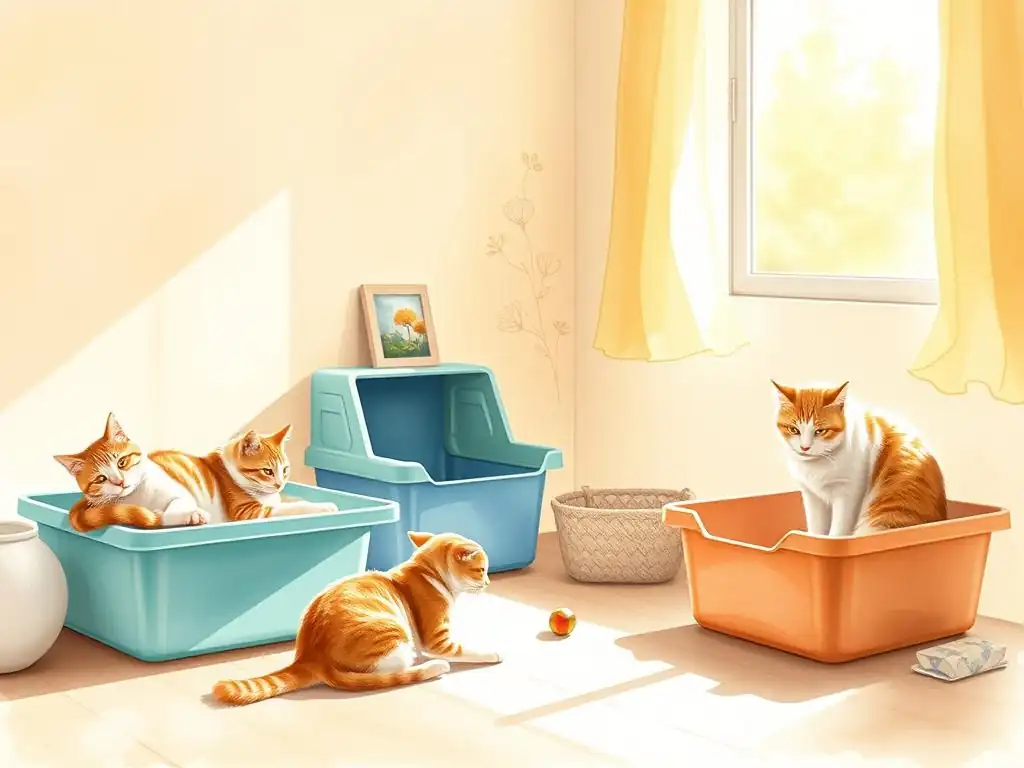
Successfully managing a multi-cat household hinges on providing adequate litter box resources. Insufficient litter boxes are a frequent cause of multicat litter box problems, leading to stress, territorial disputes, and even house soiling. Calculating the appropriate number is crucial for maintaining a harmonious and hygienic environment for your feline companions. Let's explore the key factors involved.
The Gold Standard Rule: Number of Cats + 1
The widely accepted guideline for determining the ideal number of litter boxes is the "n+1" rule: the number of cats (n) plus one extra box. This seemingly simple formula accounts for individual preferences, potential territoriality, and unavoidable situations where one box might be temporarily unavailable (e.g., cleaning). For instance, a household with three cats ideally needs four litter boxes. This rule provides a safety net, ensuring enough resources are available to prevent litter box avoidance and related issues. However, it's just a starting point; other factors significantly influence the actual requirement.
Factors Influencing Litter Box Quantity: Space, Cat Personalities, and Box Types
While the "n+1" rule offers a solid foundation, several factors can modify the optimal number of litter boxes. Consider the following:
- Space: Distribute litter boxes throughout your home, particularly in areas where cats spend the most time. Confining all boxes to a single location can trigger competition and stress, contributing to multicat litter box problems. Larger homes might require more boxes than smaller ones, even if the cat count remains the same.
- Cat Personalities: Each cat has unique preferences. Some are fastidious and might prefer a secluded, clean box, while others are less discerning. Observe your cats' behavior; if one cat consistently avoids a particular box, it might indicate a need for additional options or adjustments to the existing setup. Shy or anxious cats especially benefit from having multiple, accessible boxes in quieter locations.
- Box Types: The type of litter box also impacts the overall resource availability. Cats with mobility issues might require low-sided or ramped boxes, potentially necessitating more resources to ensure accessibility. Likewise, cats who prefer covered boxes might require a higher number of covered options than uncovered ones. This is because some cats may be hesitant to use a covered box if another cat is already inside.
Consider this scenario: You have two cats, one shy and one dominant. The "n+1" rule suggests three boxes. However, if your home is small, and the shy cat is intimidated by the dominant cat, you might need four boxes – to provide a secluded and safe option for the shy cat.
Assessing Your Current Setup: An Honest Evaluation
To effectively address potential multicat litter box problems, honestly evaluate your current setup. Ask yourself these questions:
- Are the boxes strategically placed throughout the house? Avoid clustering them in one area.
- Are there enough boxes considering the number of cats and their individual preferences? Observe their behavior to identify any avoidance patterns.
- Are the boxes clean and well-maintained? Regular cleaning is paramount.
- Are the boxes appropriate for the size and physical capabilities of all cats? Consider ramps or low-sided options for senior or arthritic cats.
- What type of litter are you using? Some cats have preferences that might influence box usage. Consider testing different types of litter.
By systematically assessing these aspects, you can identify potential shortcomings and make informed adjustments to prevent and resolve multicat litter box problems. Remember, proactive management is far more effective than reactive problem-solving. A well-planned litter box strategy contributes significantly to a happy and healthy multi-cat household.
Optimizing Litter Box Placement for Multi-Cat Households
This section delves into the strategic placement of litter boxes to mitigate common "multicat litter box problems." Proper placement is crucial for maintaining a harmonious and hygienic environment for your feline family. Ignoring this aspect can lead to stress, inappropriate elimination, and ultimately, veterinary visits. Let's explore key considerations for optimal litter box positioning.
Avoiding High-Traffic Areas and Confined Spaces
Cats, especially those in multi-cat households, require a sense of security and privacy when using the litter box. Placing litter boxes in high-traffic areas, such as hallways or near frequently used doors, can create anxiety and discourage their use. The constant flow of human or pet traffic can be perceived as threatening, leading to avoidance and, consequently, litter box avoidance issues. Similarly, confining a litter box in a small, cramped space, like a narrow closet, can create a sense of vulnerability and increase stress levels. This can manifest as spraying, scratching, or even complete avoidance of the box.
Consider these examples: a litter box placed directly behind a frequently used washing machine will likely be avoided due to the noise and vibrations. Conversely, a box tucked away in a dark, rarely-used corner might seem too secluded and unsafe. Aim for a balance: accessible yet secluded.
Ideally, you want to place litter boxes in quiet, less-congested areas where your cats can comfortably and discreetly relieve themselves. A quiet corner of a bedroom or a less-used area of the house can provide the necessary privacy and sense of security.
Creating Accessible Litter Box Locations for All Cats
Accessibility is paramount, particularly for cats with mobility issues or those who are elderly. Ensure that all cats in the household can easily reach the litter boxes without obstacles or difficulty. This includes considering the height of the litter box, the surface it's placed on (avoid slippery surfaces), and any potential physical barriers. Senior cats, for instance, may struggle with litter boxes that are too low to the ground or too difficult to step into. Consider ramps or steps if necessary.
Here’s a practical checklist for accessibility:
- ✅ Clear Pathways: Ensure clear, unobstructed pathways to each litter box.
- ✅ Appropriate Height: Choose litter box heights suitable for all cats. Low-sided boxes might be better for older or arthritic cats.
- ✅ Stable Surface: Place boxes on stable, non-slippery surfaces.
- ✅ Easy Entry/Exit: Boxes should have easy entry and exit points, avoiding steep sides or narrow openings.
Strategic Placement to Minimize Territorial Conflicts
Territorial disputes are a significant contributor to "multicat litter box problems." Cats can become possessive of their resources, including litter boxes. To mitigate conflict, a general rule of thumb is to provide at least one litter box per cat, plus one extra. This ensures sufficient access for all felines, reducing competition and potential stress. Additionally, distributing the litter boxes strategically throughout the house can lessen territorial tension. Avoid placing them too close together, as this can exacerbate competition.
Consider the following:
| Location | Advantages | Disadvantages |
|---|---|---|
| Separate Rooms | Maximizes privacy, minimizes conflict | Requires more space |
| Different Levels | Cat-friendly vertical space usage, reduces conflict | Might not be feasible in all homes |
| Different Types of Boxes | Cat preferences vary, offering choice reduces stress | Requires more investment |
By carefully considering these factors and implementing the suggested strategies, you can significantly reduce the likelihood of "multicat litter box problems" and create a more harmonious and hygienic environment for your multi-cat household. Remember, observation is key; monitor your cats' behavior and adjust litter box placement as needed to ensure their comfort and well-being. This proactive approach can prevent many behavioral issues before they escalate.
Selecting the Right Type of Litter Box for Multiple Cats
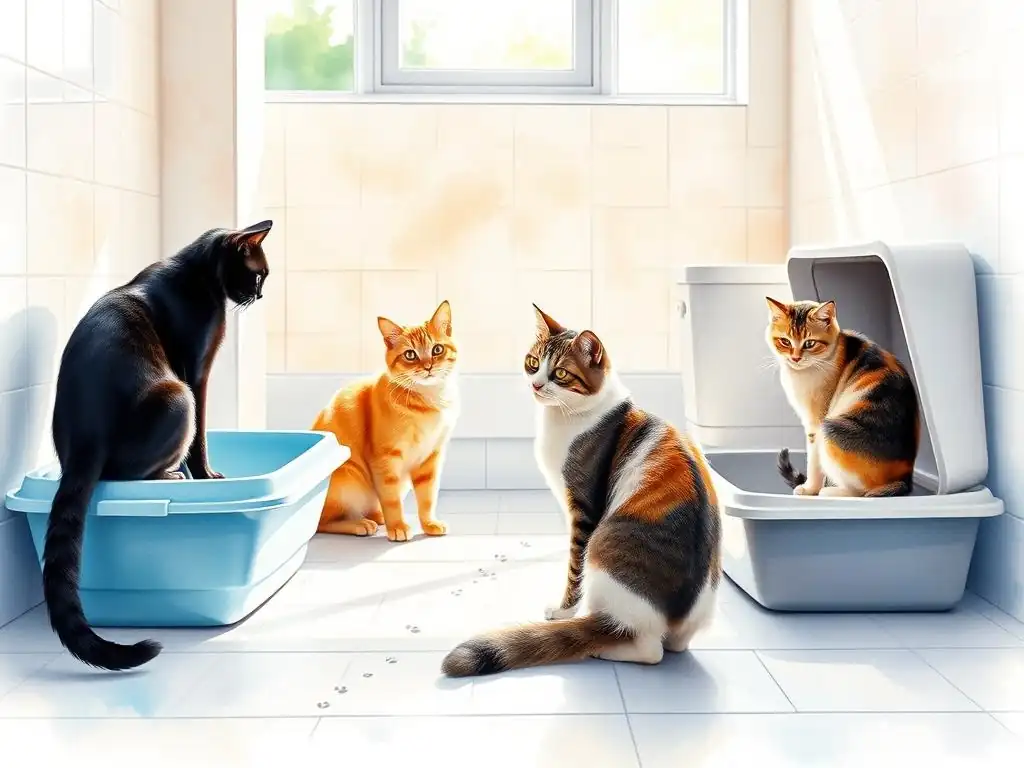
Choosing the right litter box is crucial for managing multicat households and avoiding common multicat litter box problems. The number of boxes, their placement, and their style significantly impact litter box usage and overall household harmony. Ignoring these factors can lead to stress, accidents outside the litter box, and even urinary tract infections. This section will guide you through selecting the optimal litter box types for your multi-cat household.
Box Styles: Open, Covered, and Self-Cleaning Options
The style of litter box you choose can dramatically affect your cats' willingness to use it. Let's explore the pros and cons of each:
- Open Litter Boxes: These are the most traditional and often the most preferred by cats. They offer easy access and visibility, reducing anxiety for cats who might feel trapped or insecure in enclosed spaces. However, they also allow for more litter scatter and odor to escape. They are generally easier to clean.
- Covered Litter Boxes: These provide more privacy and help contain litter and odor. However, some cats dislike the enclosed space, finding it claustrophobic or unsanitary. Proper ventilation is crucial to prevent ammonia buildup, which can be harmful to your cat's respiratory system. Regular cleaning is also essential to prevent the buildup of bacteria and unpleasant smells. Consider the size of your cat; a larger cat may find a smaller covered box uncomfortable.
- Self-Cleaning Litter Boxes: These automated boxes can be a game-changer for busy pet owners, but they come with a higher price tag and potential drawbacks. Some cats are wary of the automatic mechanisms and may refuse to use them. Furthermore, malfunctions can lead to messy situations and additional cleaning tasks. It's essential to research models carefully and read reviews before investing in a self-cleaning litter box. Consider the cost of the replacement litter and the potential for malfunctions. A malfunction can lead to a lot of extra cleaning!
Exploring Different Litter Box Materials: Pros and Cons
The material of the litter box impacts its durability, ease of cleaning, and overall hygiene. Popular options include:
| Material | Pros | Cons |
|---|---|---|
| Plastic | Lightweight, inexpensive, easy to clean | Can be easily scratched, less durable than others |
| Stainless Steel | Durable, easy to clean, hygienic | Expensive, heavier, can be cold to the touch |
| Ceramic | Durable, easy to clean, aesthetically pleasing | Expensive, can be heavy, may chip or crack |
Choosing the right material depends on your budget, cleaning preferences, and the overall aesthetic of your home. Consider the lifespan of each material when assessing the value. For example, while a plastic box may be cheaper initially, it may need replacing more often than a more expensive stainless steel option. Also, consider the ease of cleaning; some materials are much easier to wipe clean than others.
Litter Box Size and Dimensions: Ensuring Adequate Space
Adequate space is paramount, especially in multi-cat households. A cramped litter box can lead to avoidance, accidents outside the box, and even stress-related health issues. The general rule of thumb is to provide one litter box per cat, plus one extra. For example, a three-cat household should have at least four litter boxes.
Consider the size of your largest cat when choosing the dimensions. The box should be large enough for your cat to comfortably turn around and dig without feeling confined. A box that's too small can lead to litter clinging to fur, contributing to further messes. A good rule of thumb is to ensure there is enough space for your cat to comfortably sit, turn around, and cover their waste. This is especially important for larger breeds or cats with mobility issues. Insufficient space contributes significantly to multicat litter box problems.
Remember, providing ample, appropriately sized litter boxes is a crucial step in maintaining a clean, happy, and healthy multi-cat household. Careful consideration of these factors can prevent many common litter box issues and promote a harmonious environment for all your feline companions. Ignoring these details can lead to frustrating and costly consequences.
Choosing the Best Litter for Multi-Cat Households
Selecting the right litter is crucial when managing multiple cats. The wrong choice can lead to a cascade of "multicat litter box problems," from avoidance to accidents outside the designated areas. Factors like scent control, clumping ability, dust level, and cost-effectiveness all play significant roles in maintaining a harmonious and hygienic environment for your feline family. Understanding these factors is key to preventing common issues associated with multi-cat households. Let's delve into the specifics.
Litter Types and Their Suitability for Multiple Cats
The market offers a wide array of litter types, each with its own pros and cons. For multi-cat households, certain types excel over others.
- Clumping Clay Litter: This remains a popular choice due to its excellent clumping ability, making scooping easier and more efficient. The improved hygiene minimizes odor and reduces the risk of bacterial growth, especially vital in homes with several cats. However, some cats are sensitive to dust, and clay litters can be quite dusty. Consider low-dust options if this is a concern.
- Silica Gel Litter: Known for its superior odor control and absorbency, silica gel litter is an excellent choice for multi-cat households. It's lightweight, making it easier to manage, and requires less frequent scooping. However, it can be more expensive than clay litter and some cats dislike its texture.
- Natural Litters (Wood, Paper, etc.): These are often marketed as more environmentally friendly and less dusty than clay litters. However, their clumping ability might not be as effective, leading to more frequent cleaning. Odor control can also be a concern, particularly in homes with multiple cats. Careful monitoring and frequent cleaning are vital.
| Litter Type | Pros | Cons | Suitable for Multi-Cat Households? |
|---|---|---|---|
| Clumping Clay | Excellent clumping, cost-effective | Can be dusty | Yes, with low-dust options preferred |
| Silica Gel | Superior odor control, lightweight | Expensive, some cats dislike texture | Yes, excellent odor control is a plus |
| Natural (Wood, Paper) | Environmentally friendly, low dust | Less effective clumping, odor control can be weak | Conditionally; requires diligent cleaning |
Choosing the right litter often involves trial and error. Observe your cats' reactions to different types to find the best fit for your multi-cat household.
Addressing Specific Litter Preferences and Sensitivities
Not all cats are created equal. Individual preferences and sensitivities significantly impact litter box success. Some cats might prefer a certain texture, while others might have allergies or sensitivities to specific ingredients. Ignoring these individual needs can lead to litter box avoidance and subsequent house soiling.
For example, a cat with sensitive paws might avoid litters that are too coarse or dusty. Similarly, a cat with a history of urinary tract infections might benefit from a litter that is gentle on their urinary system. Careful observation of your cats’ behavior around the litter box is key to identifying potential issues. If a cat consistently avoids a particular litter box, consider switching to a different litter type or adjusting the litter box placement. Consult with your veterinarian if you suspect underlying health issues.
Maintaining Litter Box Cleanliness: Frequency and Techniques
Maintaining impeccable litter box hygiene is paramount, especially in multi-cat households. The frequency of cleaning directly impacts the likelihood of litter box avoidance and associated "multicat litter box problems." Neglecting cleanliness invites odors, bacteria, and parasites, creating an unpleasant environment and potentially compromising your cats' health.
A general rule of thumb is to scoop solid waste and clumps at least once a day, and to completely change the litter at least once a week, or more frequently if needed. The number of litter boxes should also be considered. The ideal scenario is to have one litter box per cat, plus one extra.
This ensures sufficient space and reduces competition for resources. Regularly cleaning the litter box itself, including washing it with a pet-safe disinfectant, prevents the buildup of bacteria and odors. Proper maintenance is crucial to fostering a clean and healthy environment for your multi-cat household, minimizing the risk of litter box-related issues.
Managing Litter Box Odors in Multi-Cat Homes
Multi-cat households often face the challenge of managing litter box odors more intensely than single-cat homes. The increased frequency of urination and defecation, coupled with the potential for territorial marking, can lead to unpleasant smells if not properly addressed. Successfully mitigating these odors requires a multi-pronged approach encompassing effective cleaning, preventative measures, and the strategic selection of litter and odor-controlling products.
Ignoring these issues can lead to stress for both the cats and their owners, potentially impacting the overall well-being of the household. This section will delve into specific strategies to keep your home smelling fresh and clean, even with multiple feline companions.
Effective Odor Control Strategies: Cleaning and Deodorizing
Effective odor control begins with diligent and thorough cleaning. Simply scooping the litter box once a day isn't enough in a multi-cat household. Aim for at least two daily scooping sessions, removing all solid waste and clumps immediately. This prevents the ammonia buildup that is a primary source of unpleasant smells associated with "multicat litter box problems". Beyond daily scooping, a complete box cleaning is crucial. The frequency depends on the number of cats and the type of litter used, but at least a weekly deep clean is recommended. This involves:
- Emptying the litter box completely: Remove all litter and dispose of it properly.
- Washing the box thoroughly: Use hot water and a pet-safe detergent. Avoid harsh chemicals, as these can be harmful to your cats.
- Rinsing and drying completely: Ensure the box is completely dry before refilling it with fresh litter. Residual moisture can contribute to odor buildup.
- Deodorizing the box: After washing and drying, consider using a pet-safe enzymatic cleaner. These cleaners break down odor-causing molecules, rather than just masking them.
Remember to always wear gloves when cleaning the litter box to protect yourself from bacteria and parasites. Regular cleaning is the cornerstone of effective odor management in a multi-cat environment. Neglecting this crucial step significantly increases the likelihood of encountering unpleasant and persistent odors.
Preventing Odor Buildup: Regular Maintenance and Prevention
Proactive measures are essential in preventing odor buildup and reducing the frequency of deep cleaning. Here are some key strategies:
- Increase the number of litter boxes: A general guideline is to have one litter box per cat, plus one extra. This reduces competition and minimizes the chance of one box becoming overly soiled. Proper spacing is also crucial; avoid placing litter boxes close together or near food and water sources.
- Regular litter box maintenance: Beyond daily scooping and weekly deep cleaning, regularly inspect the litter boxes for any signs of damage or wear. Replace worn-out boxes promptly.
- Proper ventilation: Ensure the area where the litter boxes are located has adequate ventilation. This helps to dissipate odors more effectively. Consider placing the litter boxes in a well-ventilated area, away from enclosed spaces or areas with poor airflow.
- Air fresheners: While air fresheners can temporarily mask odors, they are not a substitute for proper cleaning and maintenance. If you choose to use an air freshener, opt for pet-safe options that are free of harsh chemicals.
Choosing Odor-Controlling Litters and Products
The type of litter you use significantly impacts odor control. Several options offer enhanced odor-control capabilities:
- Clumping litters: These litters absorb urine and form solid clumps, making waste removal easier and more effective. This reduces the surface area of odor-producing substances.
- Silica gel litters: These crystal-based litters are highly absorbent and effective at controlling odors. However, they can be more expensive than traditional clay litters.
- Litter with added odor control: Some litters incorporate odor-absorbing agents or deodorizers directly into the litter itself. Look for products specifically designed for multi-cat households.
Beyond litter choice, consider using odor-absorbing mats or liners placed under the litter box. These can catch spills and help contain odors. Remember that even the best litter and odor control products will not be effective without proper cleaning and maintenance. A combination of high-quality litter and a diligent cleaning routine is the most effective way to manage litter box odors in a multi-cat home.
Troubleshooting Specific Multicat Litter Box Problems
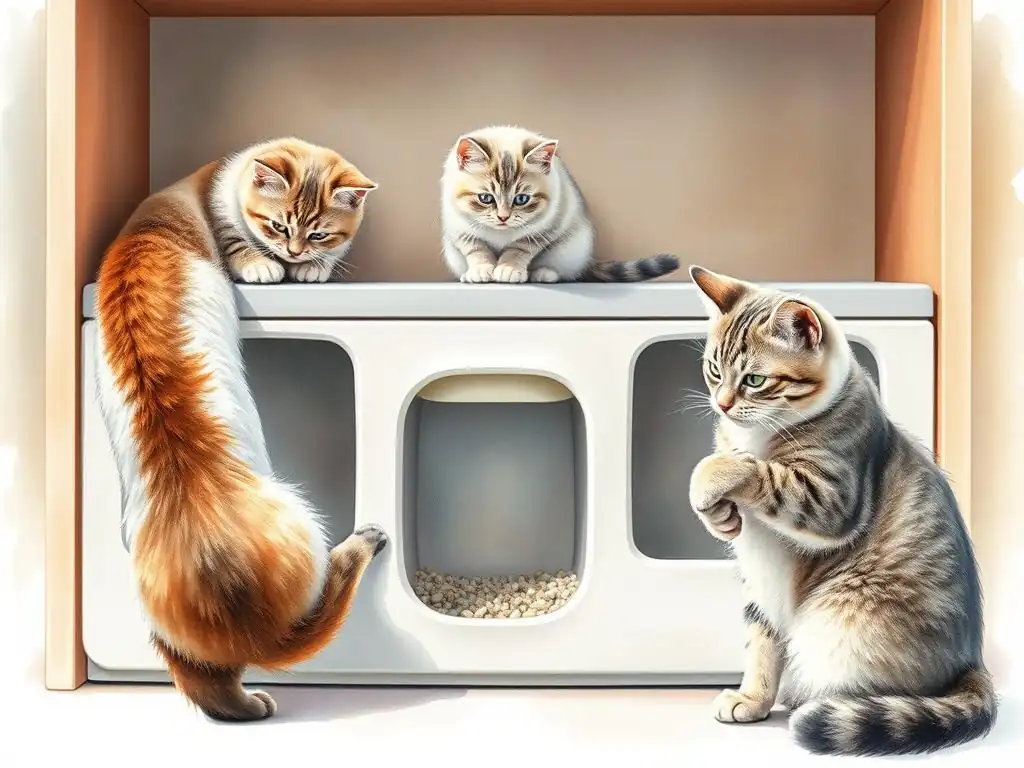
This section delves into common multicat litter box issues and offers practical solutions to restore harmony and hygiene in your multi-cat household. Addressing these problems proactively can prevent escalating conflicts and maintain a clean, healthy environment for all your feline companions. Remember, consistent observation and careful management are key to successfully navigating multicat litter box dynamics. We'll explore the most frequent issues pet owners face when managing multiple cats and their litter box needs. Understanding the root cause of the problem is crucial to finding effective solutions for your "multicat litter box problems".
Addressing Accidents Outside the Litter Box
Accidents outside the litter box are a significant indicator of underlying issues. It's rarely simply a matter of laziness or defiance. Before assuming your cat is misbehaving, consider these possibilities:
- Insufficient Litter Boxes: The general rule is one litter box per cat, plus one extra. If you have three cats, you need four litter boxes. A lack of readily available litter boxes forces competition and can lead to elimination outside the box.
- Litter Box Location: Cats prefer privacy and quiet. Avoid placing litter boxes in high-traffic areas, near food bowls, or in locations that make your cat feel vulnerable. Consider their preferences—some cats prefer enclosed litter boxes, while others prefer open ones. Experiment to find what works best.
- Litter Type: Cats are sensitive to litter texture and scent. Switching litter types can trigger accidents. If you've recently changed litter, revert to the previous type to see if that resolves the issue. Experiment with different types of litter to determine your cats' preferences—clay, clumping, silica gel, etc. Some cats are even sensitive to the scent of certain additives or fragrances.
- Cleanliness: Cats are fastidious. A dirty litter box is a major deterrent. Scoop the litter box at least once a day, and completely change the litter regularly (frequency depends on the litter type and number of cats). Consider using an automatic self-cleaning litter box to reduce the workload.
- Medical Conditions: Urinary tract infections (UTIs), kidney disease, diabetes, and other medical issues can cause increased urination frequency and accidents outside the litter box. If accidents persist despite addressing other factors, consult your veterinarian immediately.
Dealing with Bullying and Resource Guarding at the Litter Box
Dominant cats may bully subordinate cats away from the litter box, leading to accidents or stress-induced behaviors. This resource guarding manifests in various ways:
- Blocking Access: A dominant cat might physically block another cat from reaching the litter box.
- Aggressive Posturing: Hissing, growling, swiping, or chasing behaviors directed at cats approaching the litter box.
- Urinating on or Near the Litter Box: This is a form of territorial marking to assert dominance.
Solutions include:
- Multiple Litter Box Locations: Distributing litter boxes throughout the house provides multiple access points, minimizing competition. Consider placing some in less-accessible locations to give subordinate cats a safe haven.
- Different Litter Box Types: Offering a variety of litter boxes (open, covered, high-sided) can accommodate individual preferences and reduce conflict.
- Feliway Diffusers: These diffusers release pheromones that can help reduce stress and aggression.
- Positive Reinforcement: Reward cats for appropriate litter box use with treats or praise.
- Environmental Enrichment: Providing plenty of vertical space, scratching posts, and play opportunities can reduce overall stress and competition.
Inter-cat aggression stemming from litter box usage often manifests as spraying, fighting near the litter box, or even attacks during litter box use. This goes beyond simple resource guarding and indicates a more serious conflict.
- Identify the Aggressor and Victim: Observe your cats closely to pinpoint the aggressor and the victim.
- Separate Feeding and Litter Box Areas: This can minimize opportunities for conflict.
- Provide Separate Litter Boxes in Different Locations: Ensure sufficient distance between litter boxes to reduce the chance of encounters.
- Consult a Veterinarian: Underlying medical issues or behavioral problems might be contributing to the aggression. A vet can rule out medical causes and recommend behavioral modification techniques.
- Consider Professional Help: A certified cat behaviorist can provide personalized guidance and develop a behavior modification plan tailored to your cats' specific needs. They can help you understand the underlying dynamics and develop effective strategies for peaceful coexistence. Ignoring these issues can lead to more severe problems, so professional help is often crucial in these situations.
Remember, patience and consistency are essential when addressing multicat litter box problems. By carefully observing your cats' behavior and implementing appropriate solutions, you can create a harmonious and hygienic environment for your feline family. Early intervention is key to preventing escalation and ensuring the well-being of all your cats.
Creating a Harmonious Litter Box Environment for Multiple Cats
Multi-cat households present unique challenges, and litter box issues often top the list of concerns for owners. Successfully managing multiple cats' litter box needs requires careful planning and consistent effort. Ignoring these needs can lead to a cascade of problems, from urine marking and spraying to stress-related illnesses. Addressing "multicat litter box problems" effectively involves understanding feline behavior and implementing practical solutions. This section focuses on establishing a positive and functional litter box environment for your feline family.
Implementing a Consistent Cleaning Schedule
Maintaining a pristine litter box environment is paramount. Cats are fastidious creatures and are highly sensitive to cleanliness. A dirty litter box is a major contributor to "multicat litter box problems," frequently leading to elimination outside the designated area. A consistent cleaning schedule is therefore crucial. Aim for at least once-daily scooping, removing all solid waste and clumps. A completely fresh litter change should be performed weekly, or more often if necessary depending on the number of cats and the type of litter used.
Consider the size of your litter boxes. A general rule of thumb is to have one litter box per cat, plus one extra. For example, a household with three cats should ideally have four litter boxes. Smaller litter boxes will need more frequent cleaning than larger ones. The type of litter also plays a role; clumping litters make cleaning easier and more efficient.
Think of it this way: Would you want to use a bathroom that wasn't cleaned regularly? The same applies to your cats. Regular cleaning is not just about hygiene; it’s about respecting your cats’ natural instincts and preferences. This simple act significantly reduces the likelihood of encountering frustrating "multicat litter box problems."
Fostering Positive Associations with the Litter Box
Simply providing a clean litter box isn't always enough to prevent "multicat litter problems." You need to actively encourage your cats to view the litter box as a safe and positive space. This involves creating an environment that minimizes stress and promotes comfort.
- Location, location, location: Place litter boxes in quiet, easily accessible areas away from food and water bowls, and high-traffic zones. Avoid placing them in areas where your cats might feel trapped or vulnerable.
- Litter type: Experiment with different litter types to find one your cats prefer. Some cats prefer unscented, while others may like a particular texture or scent. Avoid heavily scented litters, as these can be irritating or even off-putting to some cats.
- Box type: Offer a variety of litter box styles. Some cats prefer open boxes, while others may feel more secure in enclosed boxes or those with higher sides. Consider offering both to cater to individual preferences.
- Accessibility: Ensure all cats have easy access to all litter boxes. Avoid placing them in locations that might be difficult for older or less mobile cats to reach.
Utilizing Positive Reinforcement Techniques for Litter Box Training
If you're experiencing "multicat litter box problems," positive reinforcement can be a powerful tool. Instead of punishment, focus on rewarding appropriate litter box use. Whenever a cat uses the litter box successfully, immediately reward them with praise, a favorite treat, or a gentle petting session.
This positive association strengthens the link between the litter box and positive experiences. It's a more humane and effective approach than punishment, which can often create fear and anxiety, potentially worsening the problem. Remember, consistency is key. Reward every successful litter box use to reinforce the desired behavior and to avoid any confusion in your feline companions.
Consider using a clicker for more precise timing of rewards. The clicker marks the exact moment of the desired behavior, making the reward more effective. This technique is particularly useful if you are dealing with multiple cats, as it allows you to immediately reward the specific cat that used the litter box correctly. With patience and consistency, positive reinforcement can significantly improve litter box habits and resolve many common "multicat litter box problems."
Frequently Asked Questions
How many litter boxes do I need for multiple cats?
As a general rule, you should have one litter box per cat, plus one extra. So, three cats require four litter boxes. This ensures ample space and reduces territorial disputes.
My cats are fighting near the litter boxes. What can I do?
Cat fights near litter boxes often stem from resource competition. Try adding more boxes, placing them in different locations, and using different types of litter to cater to individual preferences.
Why is my cat urinating outside the litter box?
Urinating outside the litter box can indicate various issues, including medical problems, unclean litter boxes, or stress. Consult a vet to rule out medical causes and assess your litter box setup.
What type of litter is best for multiple cats?
The best litter depends on your cats' preferences. Consider low-dust, clumping litters to minimize mess and odors, especially with several cats using the boxes. Experiment to find what works best for your felines.
How often should I clean multiple cat litter boxes?
Daily scooping is crucial to remove solid waste and maintain hygiene. Completely change the litter and thoroughly clean the boxes at least once a week, or more frequently if needed, depending on the number of cats and litter type.
The harmonious coexistence of multiple felines is a delicate dance, and the litter box often becomes the unexpected stage for this feline ballet. Ignoring the complexities of multi-cat litter box management can lead to significant behavioral issues, from urine marking to outright conflict, impacting both the cats' well-being and the owner's sanity. This isn't just about clean litter; it's about creating a peaceful and healthy environment for your beloved companions.
The ongoing challenge of managing multiple litter boxes highlights a deeper truth about pet ownership: it's a continuous learning process. We strive to understand our cats' needs, adapting our strategies as they grow and change. This requires patience, observation, and a willingness to adjust our approach. As the renowned animal behaviorist, Jackson Galaxy, wisely stated: Cats don't misbehave; they miscommunicate.
Understanding this miscommunication, particularly concerning litter box usage, is key to resolving conflicts and fostering a happy, healthy multi-cat household.
So, as you navigate the sometimes-challenging world of multi-cat litter box logistics, remember the importance of observation, adaptation, and a deep understanding of your feline family members. Take the time to analyze your cats' individual behaviors, experiment with different litter box setups, and don't hesitate to seek professional advice if needed. Your efforts will not only lead to a cleaner home, but more importantly, to a happier, healthier, and more harmonious life shared with your beloved cats. The journey may be complex, but the reward – a peaceful purring chorus – is well worth the effort.
Unlock Harmony: Transform Your Multi-Cat Bathroom Bliss!
Thank you for exploring the world of multi-cat litter box management! We hope you've gained valuable insights to create a happier, cleaner home for your feline companions. Now it's time to put that knowledge into practice.
- Prioritize Optimal Litter Box Placement: Re-evaluate your current litter box arrangement. Consider the factors discussed to ensure each cat has easy and comfortable access. Can you make any adjustments today to improve the situation?
- Share Your Experiences: Let's build a supportive community for multi-cat owners. Share your successes and challenges in the comments below. What strategies have worked best for you?
- Enhance Your Litter Box Setup: Explore additional features, such as covered litter boxes or self-cleaning options, to further refine your system based on your cats' individual preferences and needs. What innovative solutions will you try?
Are you ready to enjoy a more peaceful and harmonious home, one litter box at a time?