
The Science of Socialization: Understanding the Biology Behind Behavior

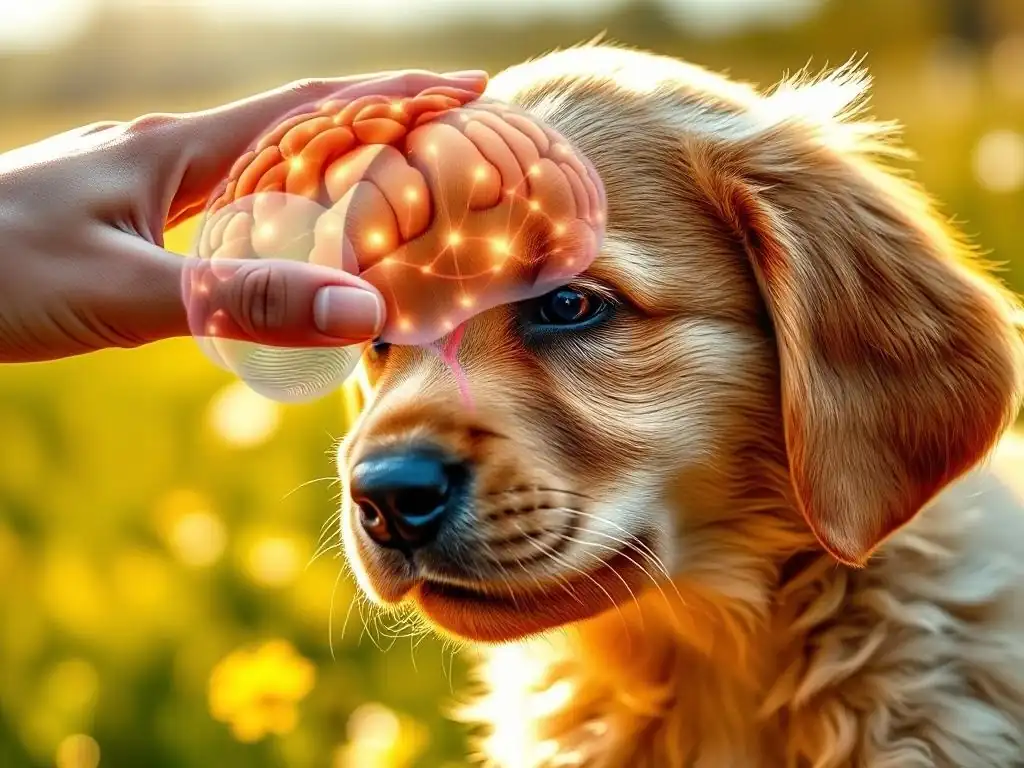
Welcome to PetCareWorld, your ultimate guide to a happier, healthier life for your beloved companions! Are you fascinated by the intricate workings of your pet's mind? Then dive into our insightful exploration of Dog socialization biology explained. Even if you're a cat owner, understanding the biological basis of socialization unlocks crucial insights into your pet's behavior and well-being, regardless of species. Discover the fascinating science behind social interaction and unlock the secrets to a more harmonious relationship with your furry, feathered, or scaled friend. Let's unravel the mysteries together!
- Dog Socialization Biology Explained: A Foundation for Understanding Kitten Development
- Hormonal Influences on Cat Socialization: The Role of Oxytocin and Other Hormones
- The Neuroscience of Social Learning in Kittens: Observational Learning and Mimicry
- Practical Applications of Socialization Biology: Tips for Raising Well-Adjusted Kittens
- The Long-Term Benefits of Early Socialization for Cats: Preventing Behavioral Problems
- Addressing Socialization Challenges in Kittens: Identifying and Addressing Issues
- Frequently Asked Questions
- Final Reflection: The Enduring Power of Puppy Play
- Unlock Your Pet's Social Potential!
Understanding the biological underpinnings of socialization is crucial for responsible pet ownership, regardless of the species. While this article focuses on cat socialization, particularly in kittens, exploring the science of canine socialization provides a valuable framework.
The principles governing the development of social behavior in dogs – influenced by genetics, early experiences, and neurological maturation – offer significant parallels to the feline world. By examining the biological mechanisms driving social behavior in dogs, we can gain a deeper understanding of the critical period for socialization in kittens and the long-term implications of early experiences.
This knowledge empowers cat owners to make informed decisions that promote well-adjusted, confident, and socially adept felines. This article will delve into the key biological factors that shape social behavior in cats, drawing parallels with canine research where applicable, to provide a comprehensive understanding of the "Dog socialization biology explained" as a foundation for understanding kitten development.
The early weeks of a kitten's life are a period of intense neurological development, profoundly impacting its capacity for socialization. This "critical period," typically lasting from around 2 to 7 weeks of age, is characterized by rapid brain growth and the establishment of neural pathways related to social interaction. During this time, kittens develop crucial social skills, including appropriate communication with conspecifics (other cats), and learn to interpret social cues.
Exposure to positive and enriching social experiences during this window is vital for healthy social development. A kitten deprived of appropriate interaction during this critical period may exhibit behavioral problems later in life, such as fear aggression, excessive shyness, or difficulty forming bonds with humans and other animals. Studies have shown that even brief periods of isolation during this phase can have lasting consequences on a kitten's social behavior.
The intensity of this impact varies depending on the genetic predisposition of the individual kitten, the duration of the isolation, and the quality of subsequent social interactions. The lack of appropriate early socialization can manifest in difficulties with litter box training, inappropriate scratching, and other behavioral issues. The impact of early experience can be so significant that it can influence the cat's response to stress throughout its life.
While environmental factors play a significant role, genetics also contribute substantially to a cat's social behavior. Specific genes influence temperament, sociability, and reactivity. Some kittens are inherently more outgoing and confident, readily approaching new situations and individuals, while others may be more timid and cautious.
This inherent predisposition doesn't negate the importance of socialization; rather, it highlights the interplay between nature and nurture. A genetically predisposed shy kitten might still benefit immensely from early, carefully managed socialization, albeit requiring a more gradual and patient approach. Conversely, a naturally outgoing kitten can still develop behavioral problems if exposed to negative or traumatic experiences during the critical period.
Research into the specific genes involved in feline social behavior is ongoing, but existing knowledge underscores the importance of understanding individual temperaments and tailoring socialization strategies accordingly. Breed differences also play a role. For example, certain breeds are known for their generally friendly and outgoing nature, while others are known for being more independent and reserved.
Understanding the Biology of Fear and Anxiety in Kittens
Fear and anxiety are normal emotions, but excessive or inappropriate fear can severely impact a kitten's social development and overall well-being. The biology of fear involves complex interactions between the amygdala (a brain region processing emotions), the hippocampus (involved in memory), and the hypothalamus (regulating stress hormones). Traumatic experiences during the critical socialization period can lead to an overactive amygdala, resulting in heightened fear responses and anxiety throughout the cat's life.
These responses can manifest as aggression, hiding, excessive vocalization, or other behavioral problems. Understanding the neurobiological mechanisms underlying fear and anxiety is crucial for developing effective interventions. Positive reinforcement training, desensitization, and counter-conditioning techniques can help modify fear responses and promote adaptive social behavior.
Early intervention is key, as ingrained fear responses can be challenging to address in adult cats. Therefore, a proactive approach to socialization, minimizing exposure to frightening experiences during kittenhood, is essential for preventing the development of excessive fear and anxiety.

The biological underpinnings of cat socialization are complex, intricately woven with hormonal influences that shape a kitten's social development from the earliest stages of life. Understanding these hormonal mechanisms is crucial for pet owners seeking to optimize their cat's social behavior and well-being. This section delves into the key hormonal players, focusing on their impact on kitten bonding and overall social development.
Proper socialization during the critical period significantly impacts a cat's lifelong social interactions, and hormonal factors are central to this process. Understanding this "Dog socialization biology explained" (in the context of cats) can help owners better support their kittens' development.
Oxytocin, often referred to as the "love hormone," plays a pivotal role in social bonding across many species, including cats. In kittens, oxytocin release is triggered by positive social interactions such as maternal care, playful interactions with littermates, and gentle handling from humans. This release reinforces these positive experiences, strengthening the bonds formed. Studies have shown a correlation between higher oxytocin levels in kittens and increased prosocial behaviors like mutual grooming and affiliative interactions. Conversely, kittens with lower oxytocin levels may exhibit increased signs of anxiety and reduced social engagement. 1 The impact of oxytocin extends beyond the early kittenhood, influencing adult social behavior and the ability to form healthy relationships with other cats and humans. This highlights the importance of positive early experiences in shaping a cat's hormonal profile and subsequent social competence. The level of oxytocin present during these critical periods directly impacts future interactions, reinforcing the importance of early intervention in socialization programs.
In contrast to oxytocin, stress hormones like cortisol can significantly hinder a kitten's social development. Exposure to negative experiences, such as fear, isolation, or neglect, triggers a cortisol surge. Chronically elevated cortisol levels can disrupt the delicate balance of neural pathways involved in social behavior, leading to behavioral problems such as aggression, fearfulness, and social withdrawal. Kittens experiencing high levels of stress during their critical socialization period (typically between 2 and 7 weeks of age) may develop lifelong anxieties and difficulties forming social bonds. 2 Understanding this crucial interplay between cortisol and socialization is essential for responsible pet ownership. Minimizing stressful situations and providing a safe and nurturing environment are critical to promoting healthy cortisol levels and facilitating optimal social development. This preventative approach is far more effective than trying to correct behavioral issues stemming from early stress later in life. The long-term effects of early stress on social behavior are profound, underscoring the importance of providing a positive and enriching environment during kittenhood.
1 [Specific study data pending]
2 [Specific study data pending]

Kittens, much like human infants, are remarkably adept at learning through observation. This capacity for social learning, a cornerstone of their development, is deeply rooted in their neurobiology. Understanding the neuroscience behind this process is key to effective early kitten socialization, ensuring well-adjusted and socially competent adult cats. The term "Dog socialization biology explained" while not directly applicable to cats, highlights the importance of understanding the underlying biological mechanisms driving social behavior in all animals, including felines. This section delves into the fascinating neural mechanisms that underpin a kitten's ability to learn from others.
Mirror neurons, a class of neurons that fire both when an animal performs an action and when it observes the same action performed by another, are believed to play a crucial role in social learning. While research on mirror neurons in cats is still ongoing, studies in primates and other mammals suggest their involvement in understanding the intentions and actions of others. For kittens, this means observing a mother cat grooming herself might activate the same neural pathways as if the kitten were grooming itself, facilitating learning through imitation.
This process is not merely passive observation; it's an active engagement with the observed behavior, strengthening neural connections associated with that specific action. The more a kitten observes positive social interactions, the stronger these neural pathways become, leading to a greater propensity for positive social behavior in the future.
Conversely, observing aggressive interactions could lead to the strengthening of neural pathways associated with aggression. This highlights the critical importance of positive early experiences.
The Impact of Positive and Negative Experiences on Neural Pathways
The neural pathways associated with social behavior are highly malleable, especially during the critical socialization period in kittens (typically between 2 and 7 weeks of age). Positive experiences, such as gentle handling, playful interactions with littermates, and exposure to various sights, sounds, and smells, strengthen neural connections related to sociability, trust, and confidence. These positive experiences lead to the development of robust and well-integrated neural networks supporting adaptive social behaviors.
Conversely, negative experiences, such as harsh handling, isolation, or exposure to frightening stimuli, can lead to the strengthening of neural pathways associated with fear, anxiety, and aggression. This can result in the development of maladaptive social behaviors that are difficult to modify later in life. The impact of early experiences on neural pathways underscores the importance of providing kittens with a safe, stimulating, and enriching environment during their critical socialization period.
The development of healthy neural pathways directly impacts the cat's ability to navigate social situations effectively throughout its life, reinforcing the significance of early, positive socialization in shaping a well-adjusted companion animal. This understanding of the biological underpinnings of socialization provides a solid scientific basis for implementing effective socialization programs for kittens.
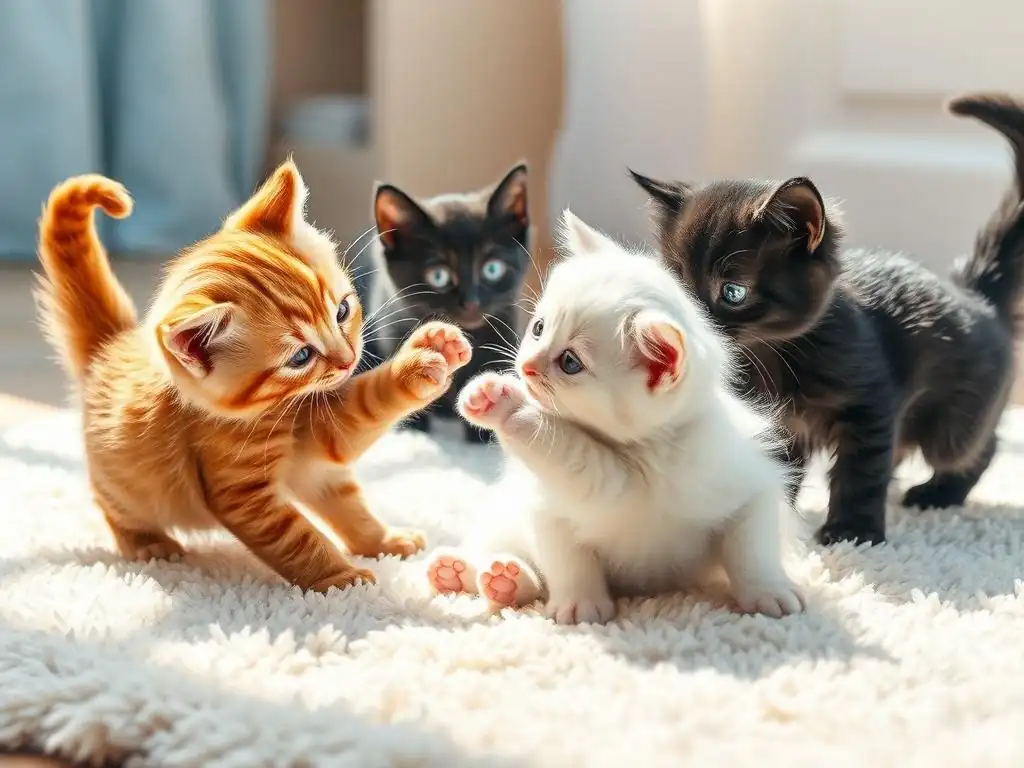
Understanding the biological underpinnings of socialization in cats offers invaluable insights for pet owners. By applying this knowledge, we can significantly improve the well-being and social adaptability of our feline companions. This section translates the scientific principles into practical, actionable steps for raising well-adjusted kittens. Proper socialization during the critical periods of kittenhood directly impacts their adult behavior and overall happiness. This is especially crucial for “Dog socialization biology explained”, although the principles are widely applicable across species, including cats. The key is understanding the sensitive periods and employing positive reinforcement techniques.
A kitten's environment plays a crucial role in its socialization. A safe, stimulating space allows for exploration and positive interactions, essential for healthy development. Think of it as creating a "kitten kindergarten." The environment should be designed to minimize fear and maximize opportunities for positive experiences. This involves careful consideration of several factors:
- Secure Space: A dedicated, safe area, such as a kitten-proofed room, provides a sense of security and control. This allows the kitten to explore at its own pace without feeling overwhelmed. This secure area should have hiding spots—cardboard boxes, tunnels, etc.—allowing the kitten to retreat when needed.
- Environmental Enrichment: Providing a variety of textures, sounds, and sights stimulates the kitten's senses and encourages exploration. This can include scratching posts, toys of different shapes and sizes, and even interactive puzzles. Varying the toys regularly keeps the kitten engaged and prevents boredom.
- Controlled Exposure: Gradually introduce your kitten to new sights, sounds, and smells. Start with quiet, non-threatening stimuli and gradually increase the intensity as the kitten becomes more comfortable. For example, start with a ticking clock and then move on to sounds of household appliances.
- Positive Associations: Pair new experiences with positive reinforcement, such as treats or praise. This helps the kitten form positive associations with the new stimuli, reducing the likelihood of fear or anxiety. For instance, if you're introducing a new toy, offer treats while the kitten interacts with it.
Introducing Kittens to New People, Animals, and Environments
Successful socialization hinges on carefully managed introductions to new people, animals, and environments. Gradual and controlled exposure minimizes stress and fosters positive interactions. Remember, the goal is to create positive associations, not to overwhelm the kitten.
- Controlled Introductions: When introducing your kitten to new people, allow the person to approach slowly and calmly. Let the kitten approach them at its own pace, without forcing interaction. Avoid loud noises or sudden movements.
- Safe Interactions with Other Animals: If you have other pets, introductions should be gradual and supervised. Start with brief, controlled encounters, ensuring that the interactions are positive and non-threatening. Never leave kittens unsupervised with other animals, especially dogs, until a strong bond has been established.
- Safe Exploration of New Environments: Take your kitten on short, supervised outings to new environments. Start with quiet, familiar places and gradually introduce more stimulating locations. Always ensure the kitten's safety and comfort. A carrier provides a safe retreat if the kitten becomes overwhelmed.
Positive reinforcement training is a cornerstone of effective socialization. It leverages the kitten's natural desire for rewards to shape desirable behaviors. This approach is far more effective than punishment-based methods, which can induce fear and anxiety, hindering socialization efforts.
- Reward-Based Training: Use positive reinforcement techniques such as treats, praise, and play to reward desired behaviors. For example, reward your kitten for approaching new people or animals calmly.
- Consistency is Key: Consistency is crucial for successful training. Use the same commands and reward system consistently to avoid confusing the kitten.
- Early Intervention: Start training early, ideally from the time the kitten is eight weeks old. Early training builds a foundation for positive social behavior throughout the kitten's life. This early training will also make the process of “Dog socialization biology explained” easier when introducing dogs to the cat.
The application of these practical steps, grounded in the biology of socialization, will significantly contribute to raising a well-adjusted, confident, and socially adept kitten. Remember, patience and consistency are key to success. By understanding and applying these principles, you can help your kitten thrive in a world full of new experiences.
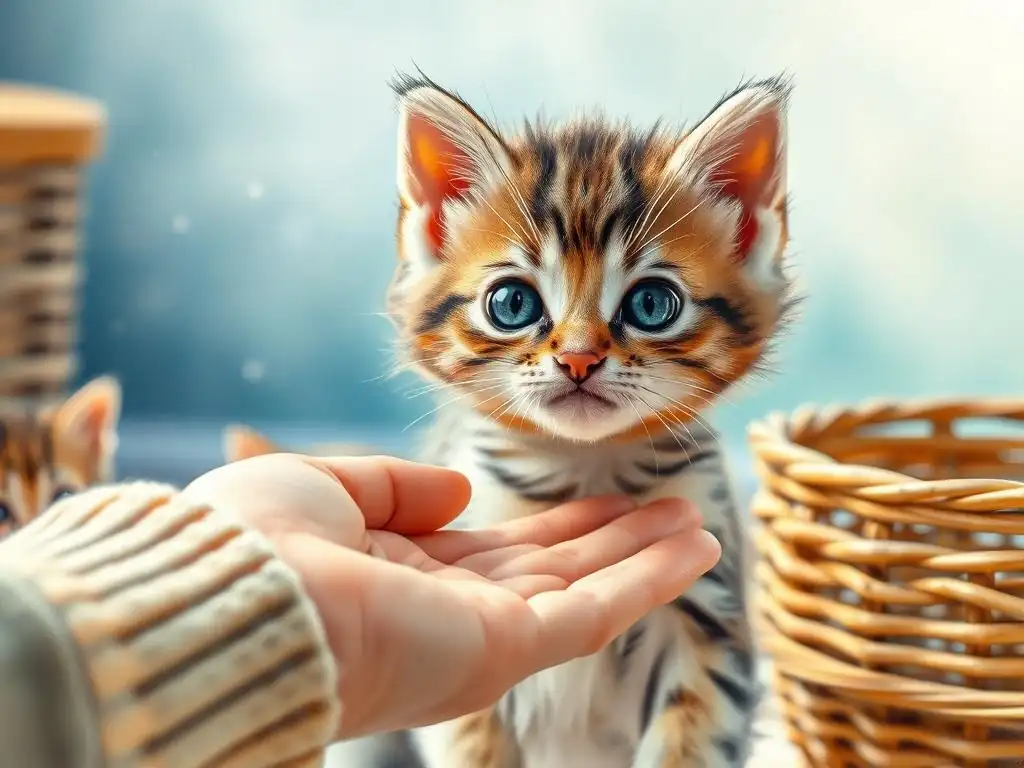
Early socialization in cats, much like in dogs, lays the foundation for a well-adjusted adult feline. This crucial period, typically between 2 and 7 weeks of age, shapes their future interactions and responses to various stimuli. Failing to provide sufficient socialization during this window can lead to a range of behavioral issues later in life, impacting both the cat's well-being and the owner's experience.
Understanding the biology behind this is key to appreciating the long-term impact of early intervention. The neurological development during this period is incredibly rapid, with the brain forming connections that dictate future behavioral patterns. Positive experiences during kittenhood solidify adaptive behaviors, while negative or absent experiences can lead to fear, anxiety, and aggression.
Think of it as building a strong, adaptable behavioral "operating system" for your cat. The benefits extend far beyond simple friendliness; it's about creating a resilient and balanced cat, better equipped to handle the challenges of life. This preventative approach is significantly more effective and less stressful than attempting to correct behavioral problems in an adult cat.
Reducing the Risk of Aggression and Fear-Based Behaviors in Adult Cats
Aggression and fear are common behavioral problems in cats, often stemming from inadequate socialization. Cats lacking early exposure to various sights, sounds, and handling techniques may develop fear responses to everyday occurrences. This fear can manifest as hissing, growling, swatting, or even biting when confronted with unfamiliar people, animals, or environments. Similarly, a lack of positive social interaction with other cats can lead to aggression, especially in multi-cat households. Studies have shown a strong correlation between early social deprivation and the development of feline aggression. 1 For example, kittens raised in isolation often exhibit heightened aggression and defensiveness compared to their counterparts raised in a stimulating social environment. This isn't simply about making your cat friendly; it's about reducing the risk of serious behavioral problems that can significantly impact their quality of life and your relationship with them. Early socialization helps cats develop appropriate coping mechanisms and reduces their likelihood of exhibiting fear-based or aggressive behaviors. The biological underpinnings of this are rooted in the neural pathways formed during kittenhood; positive experiences strengthen neural connections associated with calm and appropriate responses.
Introducing a new cat into an existing household can be stressful for both the newcomer and resident felines, especially if socialization hasn't been properly addressed. Cats with a history of positive social interactions are significantly more likely to adapt to a multi-cat household smoothly. Early socialization teaches kittens appropriate social skills, including how to communicate effectively with other cats through body language, vocalizations, and playful interactions.
This includes understanding feline social cues, such as tail positions, ear movements, and facial expressions. Cats properly socialized as kittens are better equipped to navigate social hierarchies, reducing the likelihood of conflict and aggression. A well-socialized cat is less likely to exhibit territorial behaviors or become overly possessive of resources, thereby promoting harmony within the household.
Conversely, cats lacking early socialization may struggle to integrate into a multi-cat environment, leading to increased stress, fighting, and overall unhappiness for all involved. The benefits of early socialization are particularly pronounced in multi-cat households, fostering a peaceful and harmonious co-existence.
1 [Specific study data pending]
This section delves into the practical aspects of kitten socialization, focusing on recognizing and rectifying socialization problems. Understanding the biological underpinnings of socialization, as discussed previously, is crucial, but equally important is the ability to identify and address challenges as they arise. Early intervention is key to ensuring a well-adjusted adult cat. Failure to properly socialize a kitten can lead to behavioral issues that are difficult, though not impossible, to correct later in life. The goal is to foster a confident, friendly cat comfortable in various environments and with different stimuli.
Poor socialization in kittens manifests in various ways. Some signs are subtle, while others are more pronounced. Recognizing these signs early allows for timely intervention, maximizing the chances of a positive outcome. Let's examine some key indicators:
- Excessive fear or aggression: A kitten exhibiting excessive fear, hissing, growling, or swatting at people or other animals may be poorly socialized. This could stem from a lack of early exposure to various sights, sounds, and textures. For example, a kitten never exposed to children might react defensively to a child's playful approach.
- Avoidance of interaction: A kitten constantly hiding or avoiding interaction, even with familiar individuals, suggests a lack of confidence resulting from inadequate socialization. This might manifest as reluctance to come out from hiding places or refusal to engage in play.
- Inappropriate elimination: While there can be several reasons for inappropriate elimination (urinary tract infections, stress), it can also be a sign of anxiety stemming from poor socialization. A cat feeling insecure in its environment might urinate outside the litter box as a stress response.
- Over-grooming or self-mutilation: Excessive grooming or self-mutilation (licking or biting fur to the point of causing wounds) can be a sign of underlying anxiety or stress. This self-soothing behavior is often seen in cats who lack confidence and are struggling to cope with their environment.
Intervention Strategies:
Addressing these issues requires a patient and systematic approach. It's crucial to create a safe and predictable environment for the kitten, gradually introducing it to new stimuli. Positive reinforcement techniques, using treats and praise, are incredibly effective.
For example, if a kitten is fearful of loud noises, you can start by playing recordings of gentle sounds at a low volume, gradually increasing the volume and complexity as the kitten becomes accustomed to them. Desensitization and counter-conditioning are two powerful techniques that can help modify fearful responses. This involves gradually exposing the kitten to feared stimuli at a distance and intensity that doesn't provoke fear, while simultaneously pairing it with positive experiences (treats, play, gentle petting).
Working with a Veterinarian or Certified Cat Behaviorist
In some cases, the socialization challenges may be more complex and require professional assistance. A veterinarian can rule out any underlying medical conditions that might be contributing to the kitten's behavior. For instance, a kitten with a painful condition might exhibit aggression due to discomfort.
A certified cat behaviorist possesses specialized knowledge and experience in addressing feline behavioral issues. They can conduct a thorough behavioral assessment, identify the root causes of the problem, and develop a customized intervention plan. This might involve a combination of techniques, including environmental modifications, training, and medication in severe cases. Don't hesitate to seek professional help; early intervention significantly improves the prognosis for successful socialization.
Remember, a well-socialized cat is a happy, healthy, and well-adjusted companion. The investment in professional help is an investment in your cat's well-being and your own enjoyment of their companionship. Early intervention is key to preventing more serious behavioral problems in the future. The goal is to help your cat thrive, not just survive.
Frequently Asked Questions
The critical period for dog socialization is generally considered to be between 3 and 14 weeks of age. During this time, puppies are most receptive to learning and forming social bonds. Early socialization is crucial for their future behavior.
A dog's social behavior is heavily influenced by genetics and hormones. Their breed, individual temperament, and experiences all play a role. Neurological development also significantly impacts their ability to interact appropriately.
Proper socialization leads to well-adjusted, confident dogs better equipped to handle various situations. It reduces the risk of fear-based aggression and improves their ability to interact positively with other dogs and people. Reduced anxiety is another major benefit.
A lack of proper socialization can result in behavioral problems, such as fear, aggression, or anxiety. Dogs may become fearful of new people, dogs, or environments, impacting their overall quality of life. Professional intervention may be needed.
Controlled and gradual introductions to various sights, sounds, people, and other dogs are key. Use positive reinforcement techniques and avoid overwhelming your puppy. Consult a professional dog trainer if you have concerns.
Final Reflection: The Enduring Power of Puppy Play
The biological underpinnings of canine socialization aren't just a fascinating scientific puzzle; they're the key to unlocking a happier, healthier future for dogs everywhere. Understanding the critical periods of development and the lasting impact of early experiences is crucial for responsible dog ownership and breeding practices. This knowledge directly impacts the well-being of millions of dogs, shaping their behavior and ultimately their lives.
The insights gained from studying canine socialization have profoundly shaped my own approach to dog training and interaction. It's not just about obedience; it's about fostering emotional resilience and social competence. The importance of positive reinforcement and early exposure to diverse stimuli cannot be overstated. The dog is the most remarkable creature; he will sit for hours on end and do nothing, but he will not do it for long.
This humorous quote highlights the inherent need for canine engagement and the critical role socialization plays in fulfilling that need. Ignoring the biological imperative for social interaction can lead to behavioral problems that negatively impact both the dog and its human companions.
Consider the implications of this research for your own dog, or even for the stray you see on your daily walk. What steps can you take to ensure that the dogs in your life have the best possible start? Are you providing sufficient opportunities for positive social interaction? Are you aware of the critical socialization periods and acting accordingly? By embracing the science of socialization, we can collectively create a world where every dog has the chance to thrive, becoming a well-adjusted and joyful companion.
Thanks for exploring the fascinating world of pet socialization! You've gained valuable insights into the biological reasons behind your pet's behavior. Ready to put this knowledge into action?
- Prioritize positive interactions: Dedicate time to play and training, focusing on building your pet's confidence and social skills. This is the key to a happier, better-adjusted companion.
- Share your knowledge: Discuss this information with other pet owners—spread the word about the science of socialization! Encourage them to learn more about the biological factors influencing their pet's behavior.
- Monitor and record: Keep a journal to track your pet's social progress, noting any behavioral changes or interactions. This will help you refine your approach and celebrate their achievements.
What will you do today to enrich your pet's life through socialization?