
Exotic Pet Parasite Prevention: A Comprehensive Guide for Reptiles and Amphibians

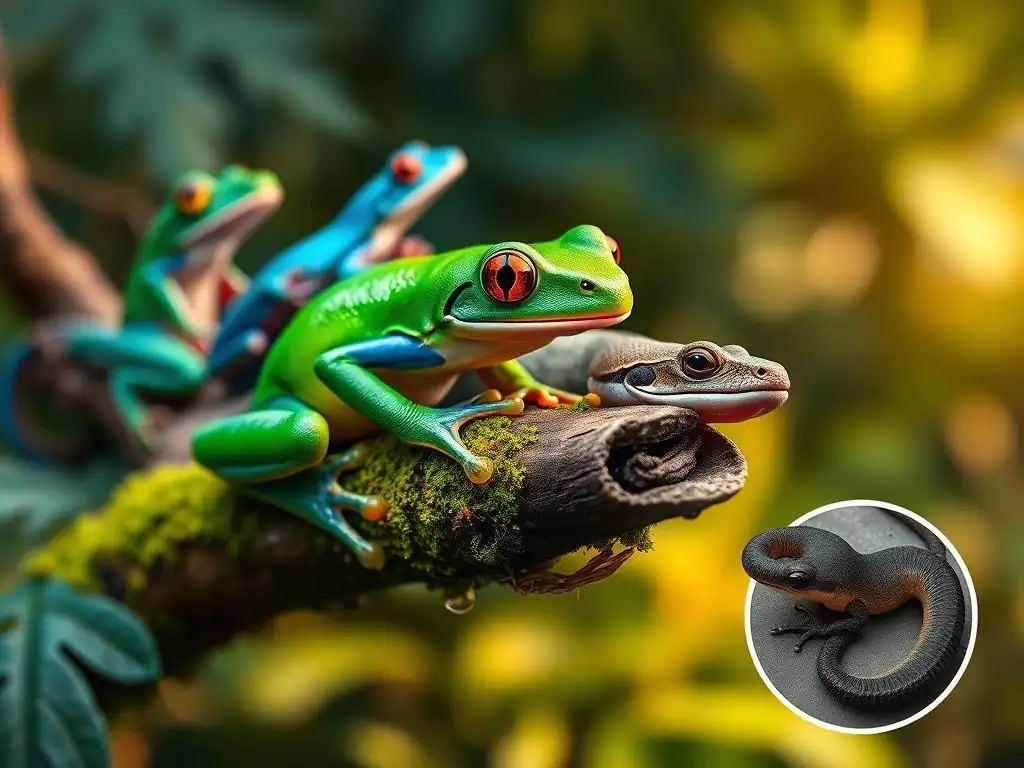
Welcome to PetCareWorld, your ultimate guide to a happier, healthier life for your beloved companions! Are you ready to unlock the secrets to thriving reptile and amphibian care? Our comprehensive guide on preventing reptile and amphibian parasites provides the expert advice you need to safeguard your scaly and slimy friends from these often-overlooked threats. Discover practical solutions and preventative measures to ensure your exotic pets enjoy long, vibrant lives – explore the world of parasite prevention now!
- Understanding Reptile and Amphibian Parasites
- Preventing Parasites in Reptiles and Amphibians: A Proactive Approach
- Dietary Considerations for Parasite Prevention
- Quarantine and Isolation Protocols for New Arrivals
- Regular Veterinary Checkups for Parasite Prevention
- Specific Parasite Prevention Strategies for Different Species
- Natural and Holistic Approaches to Parasite Prevention
- When to Seek Professional Veterinary Help for Reptile and Amphibian Parasites
- Resources and Further Reading on Reptile and Amphibian Parasite Prevention
-
Frequently Asked Questions
- How can I prevent parasites in my reptile or amphibian?
- What are the common parasites affecting reptiles and amphibians?
- What are the signs of a parasitic infection in my reptile or amphibian?
- My reptile seems unwell, but I'm not sure if it's parasites. What should I do?
- Are there preventative measures I can take beyond hygiene?
- Final Reflection: The Silent Threat, the Silent Solution
- Unleash Your Inner Reptile Expert: Master Parasite Prevention!
Understanding Reptile and Amphibian Parasites
Parasites pose a significant threat to the health and well-being of reptiles and amphibians, often leading to debilitating illnesses and even death if left untreated. This comprehensive guide will delve into the world of reptile and amphibian parasites, focusing on prevention strategies to keep your exotic pets healthy and thriving. We'll explore common internal and external parasites, discuss how to identify infestations, and provide practical advice on preventative measures. Understanding the intricacies of parasite prevention is crucial for responsible exotic pet ownership, ensuring your scaly and slimy companions live long, happy, and parasite-free lives. This guide aims to equip you with the knowledge to proactively prevent parasitic infections and address any potential issues promptly and effectively, contributing to the overall health and longevity of your beloved exotic pets. Remember, prevention is always better than cure, especially when dealing with the often-complex world of reptile and amphibian parasites. Let's dive in!
Common Internal Parasites in Reptiles and Amphibians
Internal parasites, unseen but often devastating, are a common concern for reptile and amphibian owners. These parasites reside within the digestive tract, respiratory system, or other internal organs, slowly weakening your pet's health. Some of the most prevalent internal parasites include:
- Nematodes (roundworms): These are among the most common internal parasites affecting reptiles and amphibians. Symptoms can vary depending on the species and severity of infestation, but often include weight loss, lethargy, and digestive issues.
- Cestodes (tapeworms): Tapeworms are segmented flatworms that attach to the intestinal wall. They can cause significant digestive problems, including diarrhea and weight loss. Infestations are often linked to consuming infected prey.
- Coccidia: These single-celled organisms infect the intestinal tract, leading to diarrhea, dehydration, and weight loss. Young animals are particularly susceptible.
- Flukes (trematodes): These flatworms can infect various organs, depending on the species. Symptoms can be subtle and often go unnoticed until the infestation is severe.
The severity of internal parasite infections varies greatly. Early detection is crucial for effective treatment, emphasizing the importance of regular veterinary check-ups. Preventative measures, such as providing clean and appropriately sourced food, play a vital role in minimizing the risk of infestation.
Identifying External Parasites in Reptiles and Amphibians
External parasites are often easier to spot than their internal counterparts, but prompt identification and treatment are still crucial. Common external parasites include:
- Mites: These tiny arachnids can cause significant skin irritation, leading to scaling, crusting, and intense itching. Different mite species target different reptiles and amphibians.
- Ticks: Ticks are blood-sucking parasites that can transmit diseases. They are typically found on the skin, often in areas with folds or creases.
- Lice: These wingless insects feed on skin and scales, causing irritation and discomfort. Heavy infestations can lead to significant skin damage.
- Flies: Certain fly larvae can infest wounds or moist areas on the skin, causing myiasis (flystrike).
Regular visual inspection of your reptile or amphibian is essential for early detection of external parasites. Look for any unusual bumps, discoloration, or signs of irritation. Prompt identification and treatment are key to preventing severe infestations. Maintaining a clean and hygienic environment also plays a significant role in preventing external parasite infestations.
Recognizing Signs of Parasite Infestation in Your Pet
Recognizing the signs of parasite infestation is crucial for timely intervention. While symptoms vary depending on the type and severity of the infestation, some common signs include:
- Weight loss: Unexplained weight loss is a significant indicator of both internal and external parasites.
- Lethargy and weakness: Parasites drain your pet's energy, leading to lethargy, weakness, and reduced activity levels.
- Diarrhea or changes in bowel movements: Changes in stool consistency, frequency, or color are often indicative of internal parasites.
- Skin lesions or irritation: Skin scaling, crusting, sores, or excessive itching suggest external parasites.
- Respiratory problems: Difficulty breathing or wheezing could signal a respiratory parasite infestation.
- Loss of appetite: A reduced appetite is a common symptom associated with many parasitic infections.
- Dehydration: Severe parasitic infestations can lead to dehydration, manifested by sunken eyes and lethargy.
If you notice any of these signs in your reptile or amphibian, seek immediate veterinary attention. Early diagnosis and treatment are essential for a positive outcome. Remember, prevention is key, and regular veterinary check-ups are an essential part of responsible exotic pet ownership.
Preventing Parasites in Reptiles and Amphibians: A Proactive Approach
This section focuses on proactive strategies to prevent parasite infestations in your reptile and amphibian companions. Remember, prevention is far easier and less stressful than treatment. A proactive approach to parasite prevention for reptiles and amphibians is crucial for their health and longevity. Ignoring potential risks can lead to significant health issues and even death for your beloved pets. By implementing these preventative measures, you significantly reduce the chances of encountering costly and time-consuming parasite treatments.
Maintaining a Clean and Hygienic Enclosure
Maintaining a clean and hygienic enclosure is paramount in preventing parasite infestations in reptiles and amphibians. Parasites thrive in dirty environments, so regular cleaning is not just recommended – it's essential. This encompasses several key aspects:
- Frequency: The frequency of cleaning depends on the species and the type of enclosure. For example, a bioactive terrarium might require less frequent overall cleaning, but spot cleaning will be more regular. However, even bioactive setups need periodic complete cleanings to prevent buildup. A good rule of thumb is to spot clean daily and perform a more thorough cleaning at least once a week. For species that produce a lot of waste, more frequent cleaning may be necessary.
- Waste Removal: Promptly remove fecal matter and uneaten food. These are breeding grounds for many parasites. Use appropriate tools to avoid direct contact with waste.
- Substrate Management: The type of substrate used significantly impacts hygiene. Some substrates are easier to clean and less likely to harbor parasites than others. [Specific substrate recommendations pending – further research needed on best practices for various species].
- Water Changes: Regularly change the water in water dishes and ensure that any water features are cleaned thoroughly. Stagnant water is a perfect environment for parasite development.
Proper Substrate Selection and Management for Parasite Control
The substrate you choose for your reptile or amphibian's enclosure plays a critical role in parasite prevention. Different substrates have different properties concerning hygiene and parasite control. Choosing the right substrate and managing it properly is a key component of a proactive parasite prevention strategy for reptiles and amphibians.
- Avoid Organic Substrates: Avoid using organic substrates like soil or peat moss unless you are maintaining a bioactive terrarium with a well-established cleanup crew. These substrates can retain moisture and harbor parasites.
- Inert Substrates: Opt for inert substrates such as paper towels, reptile carpet, or specific reptile-safe tiles. These are easier to clean and disinfect, minimizing the risk of parasite buildup.
- Regular Cleaning: Regardless of the substrate type, regular cleaning is crucial. Remove any waste immediately and thoroughly clean the substrate according to the manufacturer's instructions or best practices for your species.
- Complete Substrate Changes: Periodically, completely replace the substrate to ensure a fresh and clean environment. The frequency will depend on the type of substrate and the species of reptile or amphibian.
Importance of Regular Enclosure Cleaning and Disinfection
Regular enclosure cleaning and disinfection are vital preventative measures against parasites in reptiles and amphibians. This goes beyond simply removing waste; it involves a thorough cleaning and disinfection process to eliminate any lingering parasites or their eggs.
- Cleaning Process: Begin by removing all items from the enclosure. Scrub all surfaces thoroughly with a reptile-safe disinfectant, paying close attention to crevices and corners. Rinse thoroughly with clean water and allow to air dry completely before replacing items.
- Disinfectants: Use only reptile-safe disinfectants. Household cleaners can be toxic to reptiles and amphibians. [Specific recommendations for reptile-safe disinfectants pending – further research needed on product efficacy and safety].
- Enclosure Materials: The enclosure itself should be made of materials that are easy to clean and disinfect. Glass and smooth plastic are generally preferred over porous materials.
- Frequency: The frequency of complete cleaning and disinfection will vary depending on the species and the type of enclosure. However, a monthly thorough cleaning is a good starting point for most species. Always refer to species-specific care guides for the most accurate recommendations. Remember, a clean environment is the first and best line of defense against parasites in reptiles and amphibians. 🧼 Regular cleaning is key to preventing reptile amphibian parasites.
Dietary Considerations for Parasite Prevention
Proper nutrition plays a crucial role in preventing parasite infestations in reptiles and amphibians. A well-nourished pet is better equipped to fight off infections and maintain a strong immune system, making it less susceptible to parasites. Ignoring dietary needs can significantly increase the risk of parasitic infections, leading to health complications and potentially even death.
Therefore, understanding the specific nutritional requirements of your reptile or amphibian species is paramount for effective parasite prevention. This section will delve into the specifics of how diet impacts parasite resistance and offers practical advice on optimizing your pet's nutrition. Remember, "Prevent reptile amphibian parasites" is key to their long-term health and well-being.
Nutritional Needs and Parasite Resistance
The link between nutrition and parasite resistance is undeniable. Reptiles and amphibians, like all animals, require a balanced diet to maintain optimal health. Deficiencies in essential vitamins and minerals weaken the immune system, leaving them vulnerable to parasitic infections. For example, a deficiency in Vitamin A can severely impair a reptile's ability to fight off infections, making them more prone to internal and external parasites. Similarly, calcium and phosphorus deficiencies can lead to weakened bones and compromised immune function.
Specific nutritional needs vary greatly depending on the species. For instance, insectivorous reptiles like geckos require a diet rich in insects that are themselves appropriately gut-loaded with nutritious foods. Herbivorous reptiles, like some iguanas, need a diet high in fiber and specific vitamins to support proper digestion and immune function. Amphibians, such as frogs and toads, often require a diet of insects, worms, and other invertebrates, ensuring a balanced intake of essential nutrients.
Example: Nutritional Deficiencies and Parasite Susceptibility in Leopard Geckos
Leopard geckos with calcium deficiencies are more susceptible to bone-related issues, impacting their overall health and making them more vulnerable to parasites. A deficiency in Vitamin D3 can also hinder calcium absorption, further weakening their immune system.
Avoiding Contaminated Food Sources
Contaminated food is a major route of parasite transmission in reptiles and amphibians. Insects, especially those caught in the wild, can harbor various parasites. Feeding your pet with untreated or improperly sourced insects drastically increases the risk of introducing parasites into their system. This is why it's crucial to source food items from reputable suppliers who guarantee parasite-free insects and other food sources.
The following table summarizes the key considerations for avoiding contaminated food:
| Food Source | Potential Parasites | Prevention Measures |
|---|---|---|
| Wild-caught Insects | Various internal and external parasites | Avoid completely; use commercially-raised, parasite-free insects. |
| Commercially-raised Insects | Potentially lower risk, but still possible | Ensure the supplier has a robust parasite control program; consider gut-loading. |
| Live Food (e.g., Fish) | Internal parasites (e.g., nematodes, flukes) | Quarantine and observe live food before feeding; source from reputable suppliers. |
| Plant Matter | Less likely, but can harbor bacteria or fungi | Choose pesticide-free plants; thoroughly wash before feeding. |
Supplementing Diets to Boost Immunity
While a balanced diet forms the foundation of parasite prevention, supplementing your pet's diet with specific vitamins and minerals can further bolster their immune system. This is particularly important during periods of stress, growth, or illness. However, it's crucial to consult a veterinarian specializing in exotic animals before starting any supplementation program. Over-supplementation can be just as harmful as under-supplementation.
Supplements should be chosen carefully based on your pet's species-specific needs and any identified deficiencies. For instance, some reptiles may benefit from calcium and vitamin D3 supplements, while others might require additional vitamin A or other essential vitamins and minerals. Always follow the recommended dosage instructions carefully. Remember, the goal is to support their natural defenses and "Prevent reptile amphibian parasites," not to overload their systems with unnecessary substances. Regular veterinary check-ups will help monitor their overall health and nutritional status, guiding you in making informed decisions about supplementation.
Quarantine and Isolation Protocols for New Arrivals
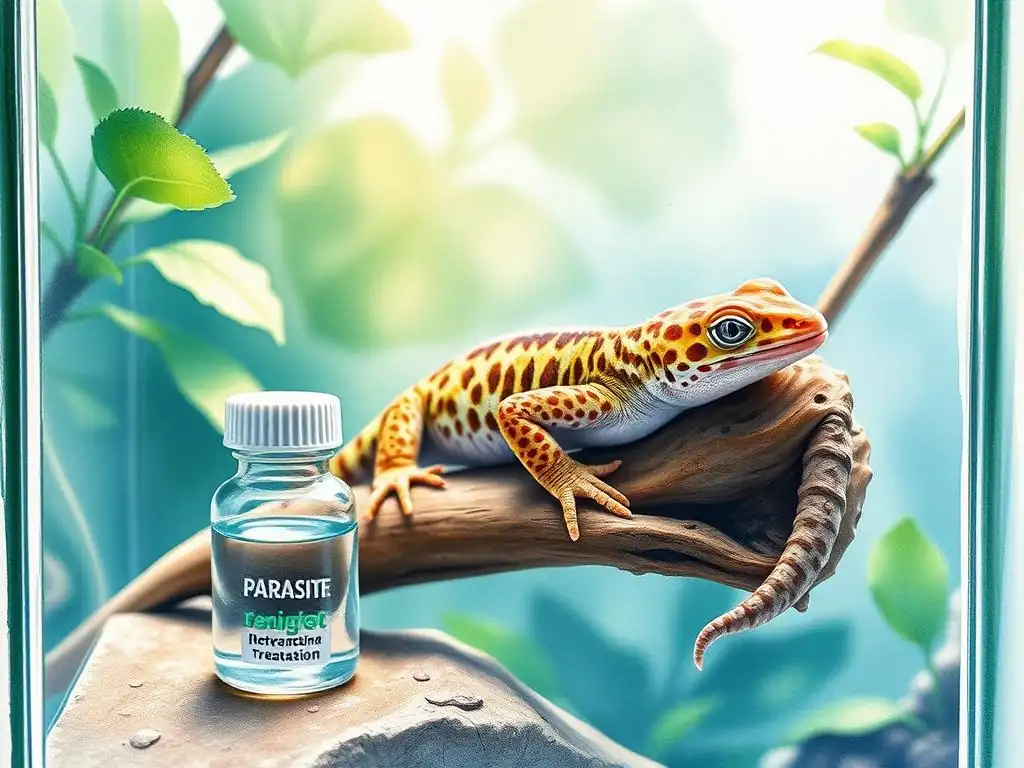
Quarantine is crucial for preventing the introduction and spread of parasites in your reptile and amphibian collection. Failing to implement a robust quarantine protocol can lead to devastating consequences, potentially infecting your entire collection with parasites like nematodes, coccidians, and various external parasites. This section details effective quarantine strategies to minimize parasite risks. Effective "prevent reptile amphibian parasites" strategies begin long before your new pet even enters your home.
Preventing Parasite Introduction from New Pets
Before bringing a new reptile or amphibian home, thorough research on the breeder or seller is paramount. Reputable sources prioritize parasite prevention through regular fecal exams and preventative treatments. Inquire about their parasite control protocols. Request documentation of recent parasite testing results.
Don't hesitate to walk away if the seller is unwilling or unable to provide this information. This proactive approach significantly reduces the risk of introducing parasites into your established collection. The health of your existing pets is paramount, and preventative measures are far more effective and less costly than dealing with a full-blown parasite infestation. Remember, seemingly healthy animals can still harbor parasites.
Consider the source of your new pet. Wild-caught animals pose a significantly higher risk of carrying parasites compared to captive-bred specimens. Wild animals may have ingested contaminated food or water sources, increasing the probability of internal and external parasite infestations. Captive-bred animals, while not entirely risk-free, generally present a lower risk, provided the breeder maintains hygienic practices and engages in preventative parasite control.
Observation Period for New Reptiles and Amphibians
The quarantine period should last at least 30-60 days, but ideally longer, depending on the species and the risk assessment. During this time, meticulous observation is key. Daily visual inspections should be conducted, noting any changes in behavior, appetite, defecation patterns, or physical appearance. Look for signs of lethargy, weight loss, skin lesions, respiratory distress, or unusual fecal matter.
Even subtle changes can signal a parasitic infection. Document these observations carefully, as this information will be invaluable if treatment becomes necessary. Regular weighing of your new pet can also help in early detection of parasite infestations that can lead to weight loss.
Maintain a detailed log, including dates, observations, and any treatments administered. This comprehensive record facilitates effective monitoring and aids in identifying potential problems early, improving the chances of successful treatment and preventing the spread of parasites to other animals. Remember, early detection is vital for successful parasite management. Don't underestimate the importance of consistent monitoring.
Treatment Protocols During Quarantine
If any signs of parasitic infection are observed during the quarantine period, immediate action is required. A fecal examination is crucial to identify the specific parasite. This allows for targeted treatment, maximizing effectiveness and minimizing the risk of adverse effects on the animal. Remember, self-treating can be dangerous and ineffective; always consult a veterinarian specializing in exotic animals. They can perform a thorough examination, diagnose the problem accurately, and recommend an appropriate treatment plan.
Treatment protocols vary depending on the identified parasite. Treatments might include deworming medications, topical treatments for external parasites, or a combination of both. Strictly adhere to the veterinarian’s instructions regarding dosage, frequency, and duration of treatment. Never exceed the recommended dosage, as this could lead to serious health complications for your pet. Monitoring the animal closely during and after treatment is essential to ensure its effectiveness and to detect any adverse reactions promptly. A follow-up fecal examination is often recommended to confirm successful parasite eradication. Following a veterinarian's guidance is key to successfully "prevent reptile amphibian parasites".
Regular Veterinary Checkups for Parasite Prevention
Regular veterinary checkups are crucial for preventing parasite infestations in reptiles and amphibians. These seemingly low-maintenance pets are susceptible to a variety of internal and external parasites, many of which can go unnoticed until the animal shows significant symptoms. Proactive care is far more effective and less costly than treating advanced infections. Think of it as preventative medicine – catching potential problems early minimizes the risk of serious illness and potentially saves your pet’s life. This is especially important given that many exotic pet owners lack the experience to identify subtle signs of parasitic infection.
Importance of Preventative Veterinary Care for Reptiles and Amphibians
Preventative veterinary care isn't just about treating existing illnesses; it's about proactively safeguarding your reptile or amphibian's health. Regular visits allow your veterinarian to perform thorough physical examinations, assessing your pet's overall condition and identifying potential problems before they escalate. This includes checking for signs of parasites, such as weight loss, lethargy, changes in appetite, unusual fecal matter, or skin abnormalities. Early detection is key to successful treatment.
Consider scheduling checkups every six months to a year, or more frequently if your pet exhibits any concerning symptoms. For example, a bearded dragon showing signs of lethargy might be suffering from internal parasites, while a frog with unusually pale skin could have a bacterial infection exacerbated by a parasitic load. Your veterinarian will be able to assess the situation and recommend appropriate action. Remember, the goal is to prevent reptile amphibian parasites before they become a significant threat.
Early Detection and Treatment of Parasites
Early detection of parasites significantly improves the chances of successful treatment and minimizes the risk of long-term health complications. Many parasitic infections in reptiles and amphibians can be treated effectively with medication if caught early. However, delayed diagnosis can lead to severe illness, organ damage, and even death. For instance, untreated intestinal parasites can cause severe malnutrition and dehydration, while lungworm infestations can lead to respiratory distress.
The sooner the problem is identified, the sooner treatment can begin, improving the prognosis and reducing the overall stress on your pet. Early intervention is also crucial in preventing transmission to other animals in your collection. A proactive approach to parasite control is essential for maintaining a healthy environment for all your exotic pets.
Diagnostic Testing for Parasite Identification
Accurate diagnosis is essential for effective parasite treatment. Your veterinarian may employ several diagnostic methods to identify the specific type of parasite affecting your pet. These tests can include:
- Fecal examination: A microscopic examination of your pet's feces can reveal the presence of various intestinal parasites, such as coccidians, nematodes, and flagellates. This is a routine and relatively inexpensive test.
- Blood tests: Blood tests can help detect certain parasites that affect the blood, such as blood parasites (hemoparasites). These tests can also assess the overall health of your pet and identify any secondary issues caused by the parasitic infection.
- Skin scrapings: If external parasites are suspected, your veterinarian may perform skin scrapings to examine for mites or other ectoparasites under a microscope.
- Other advanced techniques: In some cases, more advanced diagnostic tools like PCR (Polymerase Chain Reaction) may be necessary for precise identification of specific parasites. This is particularly useful for more elusive or difficult-to-detect parasites.
The results of these tests will guide your veterinarian in selecting the most appropriate treatment plan for your reptile or amphibian, ensuring the most effective outcome and minimizing the risk of recurrence. Remember, prevent reptile amphibian parasites is a continuous process, requiring vigilance and proactive veterinary care.
Specific Parasite Prevention Strategies for Different Species

This section delves into specific parasite prevention strategies tailored to different reptile and amphibian species. Understanding species-specific needs is crucial for effective parasite prevention and maintaining the health of your exotic pet. Remember, regular veterinary check-ups are paramount in detecting and treating parasites early. Ignoring parasite prevention can lead to significant health problems, impacting your pet's quality of life and longevity. The goal is to proactively prevent reptile amphibian parasites.
Preventing Parasites in Lizards
Lizards, with their diverse dietary habits and habitats, are susceptible to a range of parasites. Prevention strategies need to be multifaceted and adapted to the specific lizard species. For example, bearded dragons are prone to intestinal parasites like coccidia and nematodes. Maintaining a clean and appropriately sized enclosure is key. Regular substrate changes, spot cleaning of fecal matter, and proper disinfection of enclosures using reptile-safe disinfectants are crucial steps in preventing parasite transmission.
Furthermore, feeding a high-quality, nutritionally balanced diet significantly reduces susceptibility to parasites. Avoid feeding wild-caught insects, as these can carry various parasites. Instead, opt for commercially available, gut-loaded insects raised in a clean environment. This proactive approach significantly minimizes the risk of introducing parasites into your lizard’s system.
Finally, regular fecal examinations are recommended, especially for young lizards or those displaying signs of illness. Early detection allows for prompt intervention, preventing more severe health complications. This preventative care is far more effective and less stressful than dealing with a full-blown parasitic infection. Remember, a healthy lizard is a happy lizard!
Preventing Parasites in Snakes
Snakes, unlike lizards, present unique challenges in parasite prevention. Their diet, primarily consisting of whole prey animals, increases their risk of ingesting parasites. Therefore, feeding only high-quality, ethically sourced prey is paramount. Avoid feeding wild-caught rodents or other prey, as these are common carriers of various parasites, including internal and external parasites like mites and ticks.
The enclosure hygiene remains crucial. Regular cleaning and disinfection of the snake’s enclosure are essential steps in preventing the buildup of parasites and their vectors. This includes removing uneaten prey and fecal matter promptly. The choice of substrate also plays a role; some substrates are more conducive to parasite growth than others. Consider using substrates that are easy to clean and disinfect.
Regular veterinary check-ups are strongly advised, particularly for snakes showing signs of lethargy, poor appetite, or unusual shedding patterns. These could be indicators of a parasitic infestation. Proactive veterinary care is essential for early detection and treatment, preventing severe health complications. Early intervention drastically improves the chances of a successful outcome and minimizes the impact on the snake's health.
Preventing Parasites in Turtles and Tortoises
Turtles and tortoises, both aquatic and terrestrial, face distinct parasitic challenges. Aquatic species are particularly vulnerable to parasites in their water sources, while terrestrial species are more susceptible to parasites from their environment and diet. Maintaining impeccable water quality for aquatic turtles is crucial. Regular water changes, filtration, and UV sterilization help minimize the risk of parasitic infections.
For both aquatic and terrestrial species, providing a well-balanced diet is essential. A varied diet, incorporating appropriate vegetables, fruits, and commercial turtle food, contributes to a robust immune system, making them less susceptible to parasitic infections. Avoid feeding wild-caught food, as these are often carriers of parasites. Providing appropriate basking areas and maintaining proper temperature and humidity levels also plays a key role in boosting their immune system and overall health.
Regular veterinary check-ups, especially for young turtles and tortoises, are highly recommended. Fecal examinations are a crucial part of these check-ups, allowing for early detection of intestinal parasites. Early detection and treatment can significantly improve the outcome and prevent severe complications. Remember, a healthy turtle or tortoise is a happy turtle or tortoise! 🐢
Preventing Parasites in Frogs and Salamanders
Frogs and salamanders, while captivating creatures, are susceptible to a range of parasites. Preventing parasitic infestations requires a multifaceted approach focusing on hygiene, quarantine, and responsible husbandry. The specific parasites affecting these amphibians vary depending on their species and geographic origin, but common culprits include various nematodes, trematodes, and protozoa.
One crucial step is maintaining impeccable hygiene within the enclosure. Regular cleaning and disinfection are paramount. This involves removing fecal matter, uneaten food, and shed skin frequently. Appropriate disinfectants, safe for amphibians, should be used, ensuring thorough rinsing to eliminate any residual chemicals that could harm your amphibian companions.
Failing to maintain a clean environment significantly increases the risk of parasite proliferation. For example, a build-up of decaying organic matter in a frog's enclosure can create a breeding ground for parasites, leading to potential outbreaks. This is especially critical in species that are prone to skin infections, as parasites can easily penetrate compromised skin.
Quarantine is another vital aspect of parasite prevention. Any new amphibian introduced to your collection should undergo a mandatory quarantine period, typically ranging from 4 to 8 weeks, before being introduced to established inhabitants. This isolation period allows for observation and early detection of any potential parasitic infections.
During quarantine, close monitoring for signs of illness, such as lethargy, weight loss, skin lesions, or changes in appetite, is crucial. Early detection increases the chances of successful treatment and minimizes the risk of spreading parasites throughout your collection. A single infected frog can quickly contaminate the entire environment if preventative measures are not taken.
Responsible husbandry practices are the cornerstone of parasite prevention. This encompasses providing a suitable habitat, appropriate temperature and humidity levels, and a balanced diet. A stressed or malnourished amphibian is more susceptible to parasitic infections. For instance, providing a varied diet, rich in insects and other appropriate food sources, ensures that your frogs and salamanders have the necessary nutrients to maintain a robust immune system.
Similarly, ensuring appropriate environmental conditions, such as maintaining the correct temperature and humidity gradients within the enclosure, reduces stress and promotes overall health. These factors significantly influence their susceptibility to parasites. A well-maintained, stress-free environment is the first line of defense against infection.
Finally, regular fecal examinations by a veterinarian specializing in herpetology are highly recommended. These examinations can detect parasitic infections early, even before clinical signs appear. Early detection enables prompt treatment, minimizing the severity of the infection and preventing its spread. It's important to remember that many parasitic infections are asymptomatic in their early stages; therefore, regular veterinary check-ups are essential for proactive parasite management. Don't wait for obvious signs of illness before seeking professional help; preventative care is key to maintaining the health and well-being of your frogs and salamanders.
Natural and Holistic Approaches to Parasite Prevention
Preventing reptile and amphibian parasites requires a multifaceted approach. While veterinary intervention is crucial for diagnosis and treatment of established infestations, proactive measures focusing on preventative care are equally important. Natural and holistic methods, when used responsibly and in conjunction with conventional preventative strategies, can significantly contribute to a healthier and parasite-free environment for your exotic pets. These methods aim to bolster the pet's natural defenses, making them less susceptible to parasitic infections. It's vital to remember that these methods are supplementary and should not replace regular veterinary check-ups and professional parasite control recommendations.
Using Probiotics for Gut Health
A healthy gut microbiome is the cornerstone of a strong immune system in reptiles and amphibians. Probiotics, live microorganisms that confer health benefits when administered, can significantly improve gut health, thereby reducing the likelihood of parasitic infections. Beneficial bacteria compete with harmful pathogens for resources, limiting their ability to colonize the gut. This competitive exclusion is a key mechanism by which probiotics provide protection against parasites.
Several studies have demonstrated the positive impact of specific probiotic strains on the gut microbiota of various reptile and amphibian species. For instance, research suggests that certain Lactobacillus and Bacillus species can enhance digestive efficiency and improve the overall immune response. However, the specific probiotic strains and their effectiveness vary greatly depending on the species of reptile or amphibian.
It is crucial to consult with a veterinarian specializing in exotic animals to determine the appropriate probiotic strain and dosage for your pet. Improper use could have unintended consequences. Remember to always source probiotics from reputable suppliers to ensure quality and efficacy.
Herbal Remedies and Supplements for Immune Support
Certain herbal remedies and supplements can support the immune system of reptiles and amphibians, making them more resistant to parasitic infections. These natural compounds often possess anti-inflammatory and immunomodulatory properties. However, it's crucial to understand that the scientific evidence supporting the efficacy of many of these remedies in preventing parasitic infections in reptiles and amphibians is limited.
For example, some anecdotal evidence suggests that certain herbal extracts, such as those from Echinacea and Astragalus, might enhance immune function. However, further research is needed to confirm their effectiveness and determine safe dosages for different reptile and amphibian species. Moreover, the potential for herb-drug interactions needs to be considered, especially if your pet is already on any medication. Always consult your veterinarian before introducing any herbal remedies or supplements to your pet's diet. Incorrect dosage or the use of inappropriate herbs can be harmful.
Efficacy and Safety of Natural Methods
The efficacy and safety of natural methods for preventing reptile and amphibian parasites depend heavily on several factors, including:
- Species-specific needs: What works for a bearded dragon may not be suitable for a frog.
- Dosage and administration: Incorrect dosage can be ineffective or even harmful.
- Quality of supplements: Reputable sources are essential to ensure product quality and purity.
- Underlying health conditions: Pre-existing health issues can influence the effectiveness of natural methods.
- Environmental factors: Maintaining a clean and hygienic environment remains paramount.
It's important to remember that natural methods are complementary to, not a replacement for, conventional parasite prevention strategies. Regular fecal examinations and appropriate veterinary care are essential for early detection and treatment of parasitic infections. Using natural methods alongside these conventional approaches can create a more comprehensive and effective parasite prevention plan for your exotic pets. Always prioritize a collaborative approach with your veterinarian to ensure the health and well-being of your beloved reptile or amphibian.
When to Seek Professional Veterinary Help for Reptile and Amphibian Parasites
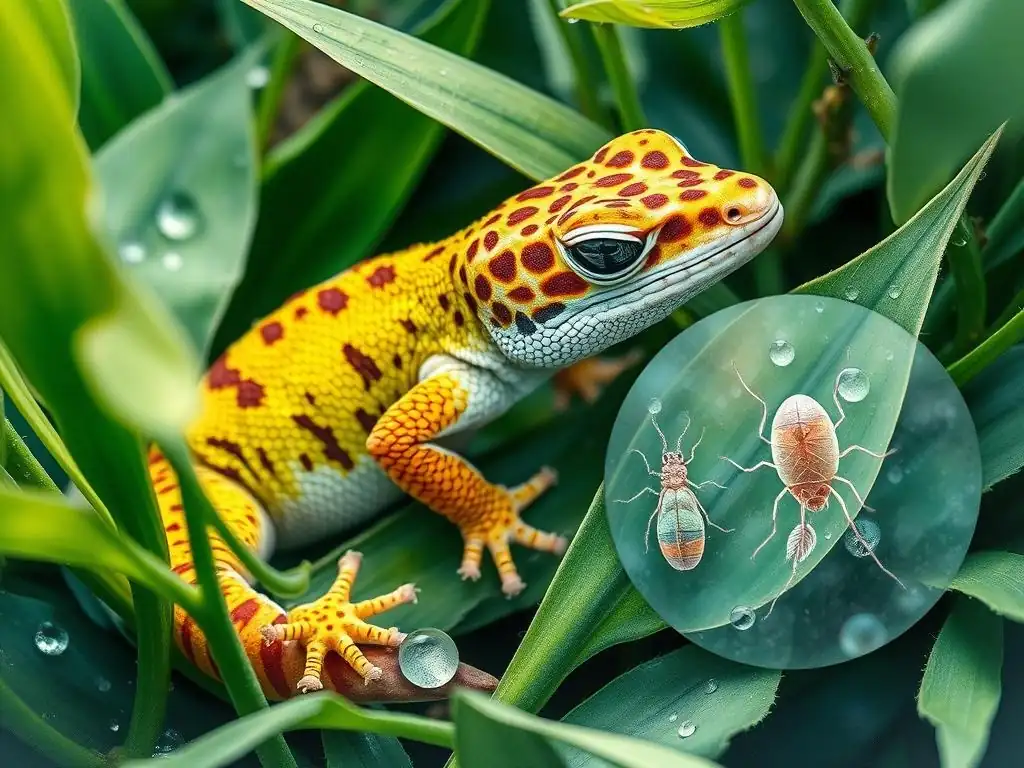
Preventing reptile and amphibian parasites is crucial for maintaining the health and well-being of your exotic pets. However, even with diligent preventative measures, infestations can occur. Knowing when to seek professional veterinary help is paramount to ensuring a positive outcome. Delaying treatment can lead to serious complications and even death. This section details crucial indicators that necessitate immediate veterinary attention for your reptile or amphibian companion.
Recognizing Serious Symptoms Requiring Veterinary Intervention
Several symptoms indicate a severe parasite infestation requiring immediate veterinary intervention. These aren't simply minor inconveniences; they represent a significant threat to your pet's health. Early detection and prompt treatment are vital. Look out for the following:
- Lethargy and Anorexia: A significant decrease in appetite and noticeable lethargy, lasting more than a few days, are strong indicators of a serious underlying issue, often parasitic. This isn't just a temporary mood; it's a potential life-threatening sign.
- Weight Loss: Unexplained and significant weight loss, despite adequate feeding, warrants immediate concern. Parasites often rob your pet of essential nutrients, leading to dramatic weight reduction. Regular weighing is key to early detection.
- Diarrhea and Dehydration: Persistent diarrhea, especially if accompanied by dehydration (sunken eyes, loss of skin elasticity), points towards a severe parasitic infection. Dehydration can quickly become critical, so prompt veterinary care is essential.
- Respiratory Distress: Difficulty breathing, wheezing, or open-mouth breathing should never be ignored. Some parasites can affect the respiratory system, causing life-threatening complications.
- Visible Parasites: While less common, seeing parasites externally (e.g., mites, ticks) is a clear indication of infestation. Don't attempt self-treatment; consult a veterinarian immediately.
- Neurological Signs: Unusual behavior such as tremors, paralysis, or disorientation can indicate a severe parasitic infection affecting the nervous system. These symptoms require immediate and specialized veterinary care.
Treatment Options for Severe Parasite Infestations
Treatment for severe reptile and amphibian parasite infestations varies significantly depending on the type of parasite and the severity of the infestation. Your veterinarian will conduct a thorough examination, potentially including fecal analysis, skin scrapings, and blood tests, to accurately diagnose the problem and determine the most effective course of action. Treatment options may include:
-
Antiparasitic Medications: These medications target specific parasites. Your veterinarian will prescribe the appropriate medication based on the diagnosis and your pet's species and overall health. It’s crucial to follow the prescribed dosage and administration instructions meticulously.
-
Environmental Sanitation: In many cases, treating the environment is as important as treating the animal itself. Thorough cleaning and disinfection of the enclosure are necessary to prevent re-infestation. Your veterinarian can provide guidance on appropriate cleaning protocols.
-
Supportive Care: Depending on the severity of the infestation, supportive care may be needed to help your pet recover. This might include fluid therapy to combat dehydration, nutritional support to address weight loss, and pain management if necessary.
Remember, self-treating can be dangerous and ineffective. Always consult a veterinarian for a proper diagnosis and treatment plan.
Post-Treatment Care and Monitoring
Following treatment for a severe parasite infestation, careful monitoring and post-treatment care are crucial to ensure complete recovery and prevent recurrence. Your veterinarian will provide specific instructions, but generally, this includes:
- Continued Monitoring: Regular veterinary check-ups are essential to monitor your pet's progress and ensure the parasites are completely eradicated. This may involve repeat fecal examinations or other diagnostic tests.
- Environmental Management: Maintaining a clean and properly sanitized enclosure is crucial to prevent re-infestation. This includes regular cleaning, disinfection, and substrate changes as recommended by your veterinarian.
- Nutritional Support: Providing a balanced and nutritious diet is vital to support your pet's recovery and strengthen their immune system. Your veterinarian can advise on appropriate feeding regimens.
- Stress Reduction: Stress can weaken the immune system, making your pet more susceptible to re-infection. Providing a calm and stable environment is important for their recovery.
Successful treatment and prevention of reptile and amphibian parasites depend on a combination of proactive preventative measures and prompt veterinary intervention when necessary. By carefully monitoring your pet and seeking professional help when needed, you can significantly improve their chances of a long, healthy life. Remember, early intervention is key to preventing serious health complications.
Resources and Further Reading on Reptile and Amphibian Parasite Prevention
This section provides valuable resources to deepen your understanding of parasite prevention in reptiles and amphibians. We encourage you to utilize these resources to supplement the information provided in this guide and to stay updated on the latest research and best practices. Remember, proactive parasite prevention is crucial for the health and well-being of your exotic pets. Preventing reptile and amphibian parasites requires consistent diligence and a comprehensive approach.
Reputable Veterinary and Herpetological Organizations
Several organizations offer reliable information and resources regarding reptile and amphibian health, including parasite prevention strategies. These organizations often feature expert advice, research summaries, and guidelines for responsible pet ownership. Consulting these resources can significantly enhance your understanding and ability to prevent parasite infestations in your pets. It's crucial to rely on verified information from reputable sources to ensure the health and safety of your animals.
- Association of Reptilian and Amphibian Veterinarians (ARAV): ARAV is a professional organization dedicated to advancing the veterinary care of reptiles and amphibians. They provide valuable resources for finding qualified herpetological veterinarians in your area, crucial for accurate diagnosis and treatment of any parasitic infections. Their website often contains informative articles and updates on best practices in reptile and amphibian healthcare.
- International Herpetological Society (IHS): The IHS promotes the study and conservation of reptiles and amphibians. While not solely focused on veterinary care, their resources often touch on responsible husbandry practices, which are fundamental to parasite prevention. Their network of experts and researchers can provide valuable insights into the latest research and advancements in the field.
- Local Zoological Societies and Wildlife Centers: Many local organizations focus on reptile and amphibian conservation and education. These often host experts who can provide practical advice on parasite prevention tailored to your region's specific climate and prevalent parasite species. They may offer workshops or educational materials relevant to your specific needs.
Relevant Research and Studies on Parasite Prevention
Staying informed about the latest research is essential for effective parasite prevention in reptiles and amphibians. Scientific studies continually refine our understanding of parasite life cycles, transmission methods, and effective treatment strategies. Accessing and understanding this research empowers you to make informed decisions about your pet's care. Remember that the prevention of reptile and amphibian parasites is an ongoing process that requires consistent vigilance.
Here are some areas of research to explore:
- Effectiveness of different prophylactic treatments: Studies comparing the efficacy of various preventative medications, such as broad-spectrum antiparasitics, are crucial for making informed choices about your pet's treatment regimen. Analyzing these studies helps you determine the most suitable and effective approach for your specific situation.
- Environmental factors influencing parasite prevalence: Research on the impact of environmental conditions (temperature, humidity, substrate type) on parasite prevalence can help you optimize your pet's habitat to minimize the risk of infection. Understanding these factors allows for proactive adjustments to reduce the likelihood of parasitic infestations.
- Novel diagnostic techniques for early parasite detection: Early detection is critical for effective treatment. Research into advanced diagnostic techniques can help identify parasites before they cause significant harm to your reptile or amphibian. This proactive approach to parasite management can significantly improve the overall health and well-being of your pets.
- Impact of diet on parasite resistance: Studies investigating the relationship between diet and parasite resistance can help you formulate a nutritionally balanced diet that supports your pet's immune system and reduces susceptibility to parasites. A well-nourished pet is better equipped to fight off infections.
This information should be considered alongside advice from a qualified veterinarian specializing in reptiles and amphibians. Always consult your vet before implementing any preventative measures or treatment for parasitic infections. The health and well-being of your exotic pets are paramount.
Frequently Asked Questions
How can I prevent parasites in my reptile or amphibian?
Maintaining a clean and sanitary enclosure is crucial. Regularly disinfect the habitat, and provide fresh, clean water and food. Quarantine new animals before introducing them to existing pets.
What are the common parasites affecting reptiles and amphibians?
Common parasites include internal parasites like nematodes and coccidians, and external parasites like mites, ticks, and fleas. Specific parasites vary depending on the species of reptile or amphibian.
What are the signs of a parasitic infection in my reptile or amphibian?
Symptoms can include weight loss, lethargy, changes in appetite, skin lesions, or unusual fecal matter. If you suspect a parasitic infection, consult a veterinarian specializing in exotic animals immediately.
My reptile seems unwell, but I'm not sure if it's parasites. What should I do?
Schedule an appointment with an exotic animal veterinarian. They can perform diagnostic tests like fecal exams to identify the presence and type of parasite, and recommend appropriate treatment.
Are there preventative measures I can take beyond hygiene?
Yes, regular veterinary check-ups are essential, especially for new pets. Using high-quality, parasite-free food and avoiding contact with wild animals can also help minimize risk.
Final Reflection: The Silent Threat, the Silent Solution
The health of our exotic companions hinges on proactive parasite prevention; neglecting this crucial aspect can have devastating consequences for both the animal and its owner. The silent spread of parasites in reptile and amphibian populations is a significant concern, impacting not only individual animal welfare but also the broader conservation efforts for these often-endangered species. Ignoring this threat is simply not an option.
The journey through this guide has highlighted the complex interplay between husbandry, hygiene, and preventative measures in maintaining healthy reptiles and amphibians. The responsibility we bear as keepers is immense; we are entrusted with the well-being of creatures often vulnerable to unseen enemies. The greatest danger to our planet is the belief that someone else will save it.
– Robert Swan. This quote underscores the individual responsibility each of us holds in protecting these fascinating animals. We must be vigilant, informed, and proactive in our approach to parasite prevention.
Now, consider your own practices. Are you implementing the strategies outlined in this guide? Do you regularly inspect your animals for signs of infestation? Are you committed to maintaining a clean and sanitary environment? Take this opportunity to reassess your approach to parasite prevention. By embracing a proactive and informed strategy, you are not only safeguarding the health of your beloved reptile or amphibian, but also contributing to the larger effort of preserving these incredible creatures for generations to come. Let's work together to ensure a healthier future for our exotic pets.
Unleash Your Inner Reptile Expert: Master Parasite Prevention!
Congratulations on taking the first step towards ensuring the health of your exotic pets! You've gained valuable knowledge about parasite prevention, and now it's time to put it into practice.
- Prioritize preventative care: Regular veterinary checkups are crucial. Schedule an appointment with a veterinarian specializing in exotic animals to develop a customized parasite prevention plan tailored to your pet's species and lifestyle. This proactive approach is the best way to safeguard your pet's well-being.
- Share your experiences: Connect with other exotic pet owners by sharing your experiences and questions in the comments below. The collective knowledge and support within the community can be incredibly valuable.
- Learn more: Discover a wealth of information on reptile and amphibian care at PetCareWorld.org. Their articles cover a wide range of topics, from nutrition to habitat enrichment, providing comprehensive support for your pet's needs.
Ready to become a champion of exotic pet health? What's the most important change you'll make today to improve your pet's parasite prevention strategy?