
Hypoallergenic Kittens: What to Expect and How to Prepare

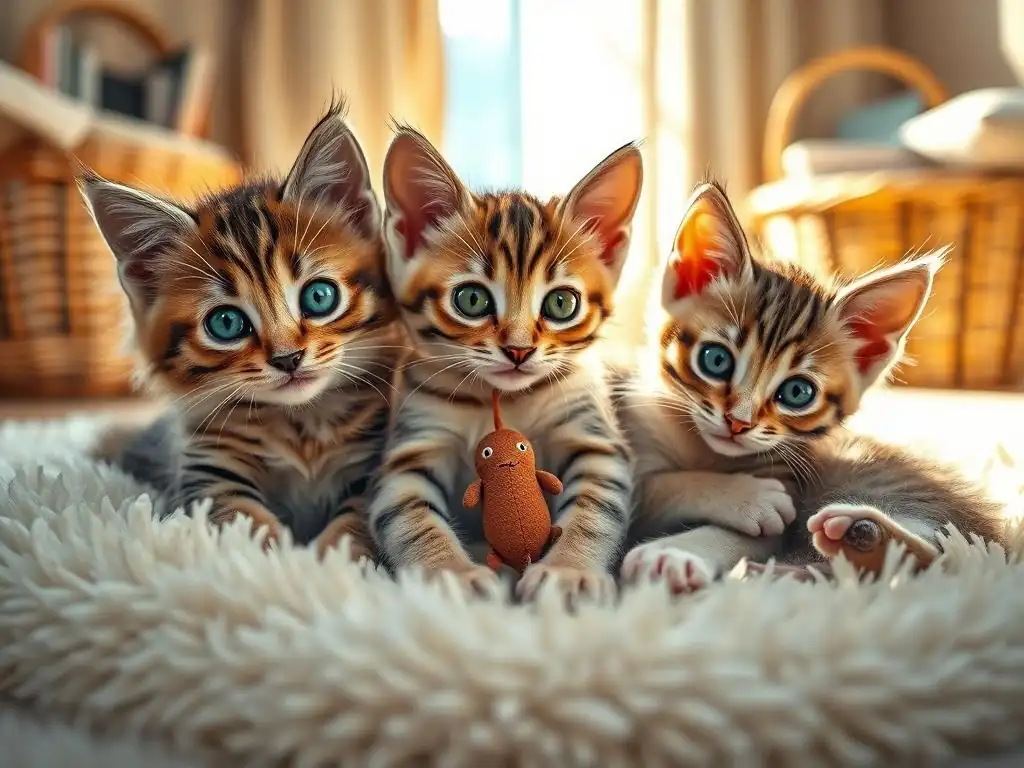
Welcome to PetCareWorld, your ultimate guide to a happier, healthier life for your beloved pet! Are you dreaming of a furry friend but have allergies? Discover the secrets to finding the perfect companion without the sneezes. Dive into our comprehensive guide on best hypoallergenic kitten breeds, and learn everything you need to know before bringing home your new feline family member. Let's explore the world of hypoallergenic cats together!
- Understanding Hypoallergenic Cats: Debunking the Myths
-
Best Hypoallergenic Kitten Breeds for Allergy Sufferers
- Top 5 Hypoallergenic Cat Breeds: A Detailed Comparison
- Siberian Cats: Temperament, Grooming, and Allergy Potential
- Bengal Cats: Coat Characteristics and Allergy Considerations
- Russian Blue Cats: A Low-Allergen Choice for Cat Lovers
- Devon Rex Cats: Unique Coat and Allergy Implications
- Oriental Shorthair Cats: Assessing Allergy Risks
- Preparing Your Home for Your New Hypoallergenic Kitten
- Caring for Your Hypoallergenic Kitten: Daily Routine and Health
-
Living with a Hypoallergenic Kitten: Long-Term Considerations
- Managing Allergies in Your Household
- Addressing Potential Behavioral Issues
- The Lifespan and Overall Health of Hypoallergenic Cat Breeds
- Finding a Responsible Hypoallergenic Kitten Breeder
- Grooming Your Hypoallergenic Kitten: Essential Tips and Techniques
- Managing Potential Allergic Reactions in Your Household
-
Frequently Asked Questions
- What exactly does "hypoallergenic" mean when it comes to cats?
- Which kitten breeds are considered the best hypoallergenic options?
- Are there any guarantees that a hypoallergenic kitten won't trigger allergies?
- What other factors can influence allergic reactions to kittens besides breed?
- Where can I find a hypoallergenic kitten?
- Final Reflection: Embracing Allergy-Friendly Companionship
- Unlock the Purrfect Allergy-Friendly Home!
Understanding Hypoallergenic Cats: Debunking the Myths
Choosing a feline companion is a deeply personal decision, filled with excitement and anticipation. For many prospective cat owners, however, allergies present a significant hurdle. This comprehensive guide delves into the world of hypoallergenic kittens, exploring what the term truly means, dispelling common myths, and helping you prepare for welcoming a furry friend into your home, even if you have allergies.
We'll examine the reality of hypoallergenic cats, exploring which breeds are often cited as less allergenic and what you can realistically expect in terms of managing potential allergic reactions. This guide aims to empower you with the knowledge needed to make an informed decision and find the purrfect hypoallergenic kitten for your family. We'll cover the best hypoallergenic kitten breeds, helping you navigate the search for your new companion.
What Does "Hypoallergenic" Really Mean for Cats?
The term "hypoallergenic" when applied to cats is often misunderstood. It doesn't mean a cat produces no allergens. All cats produce Fel d 1, the primary protein responsible for cat allergies. However, some breeds produce significantly less Fel d 1 than others. This reduced production can lead to milder allergic reactions in sensitive individuals.
The intensity of an allergic reaction depends on several factors including: the individual's sensitivity, the amount of Fel d 1 exposure, and environmental factors. Even with a hypoallergenic breed, some individuals may still experience symptoms, albeit potentially less severe. This is why careful consideration and preparation are crucial before bringing a kitten home. It's also important to remember that other factors, such as cat saliva and dander, can also trigger allergies.
Common Misconceptions about Hypoallergenic Cat Breeds
Several misconceptions surround hypoallergenic cat breeds. One common myth is that there's a single "perfect" hypoallergenic breed that guarantees no allergic reactions. This is untrue. Even breeds often considered hypoallergenic can trigger reactions in some people. Another misconception is that regular grooming completely eliminates allergens.
While regular grooming can help reduce the amount of allergens in the environment, it doesn't eliminate them entirely. Finally, the belief that declawing a cat reduces allergens is also incorrect. Declawing doesn't affect Fel d 1 production. Understanding these myths is crucial for managing expectations and making informed decisions about pet ownership. It's always recommended to spend time with a potential hypoallergenic cat before committing to adoption to assess your personal reaction.
Are There Truly 100% Allergy-Proof Cats?
No, there are no 100% allergy-proof cats. While certain breeds produce less Fel d 1, the protein responsible for most cat allergies, it's impossible to guarantee a complete absence of allergic reactions. The level of allergen production varies even within the same breed. Factors like the cat's diet, grooming habits, and overall health can influence the amount of Fel d 1 produced.
Therefore, while choosing a breed known for lower allergen production is a helpful step, it's crucial to manage expectations and prepare for potential allergic reactions, however mild. Prospective owners should always have a plan in place to manage potential allergies, including allergy medication, regular cleaning, and air purifiers. This proactive approach can significantly improve the chances of a happy and healthy co-existence between cat and owner.
Best Hypoallergenic Kitten Breeds for Allergy Sufferers
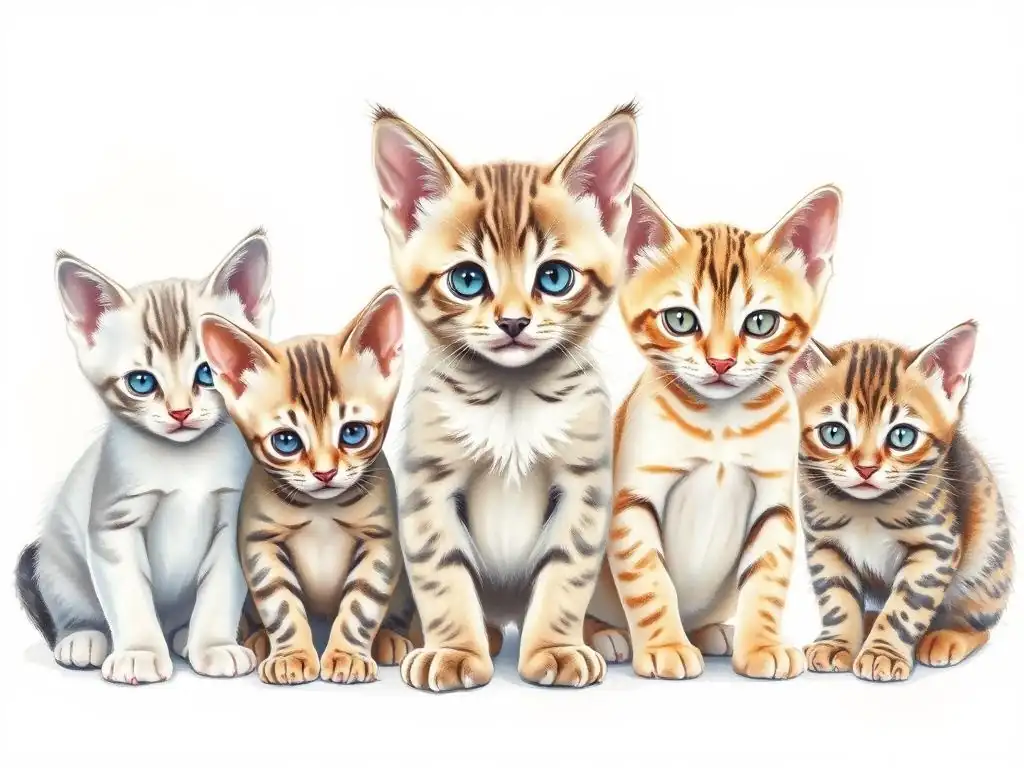
Finding the best hypoallergenic kitten breeds can be a game-changer for allergy sufferers who dream of sharing their lives with a feline companion. It's crucial to understand that no cat is truly 100% hypoallergenic. However, certain breeds produce less Fel d 1, the primary allergen in cat saliva and dander, making them a more suitable choice for many allergy sufferers.
The level of your allergy sensitivity will ultimately determine which breed is best for you. Some individuals with mild allergies might tolerate even non-hypoallergenic breeds, while others with severe allergies might need to stick to the breeds known for significantly lower allergen production. This section will explore some top contenders in the quest for the purrfect hypoallergenic companion.
Top 5 Hypoallergenic Cat Breeds: A Detailed Comparison
Choosing the right hypoallergenic kitten involves careful consideration of various factors beyond just allergen levels. Temperament, grooming needs, and overall health are all important aspects to weigh. Here's a comparison of five breeds often cited as being among the best hypoallergenic options:
| Breed | Fel d 1 Levels | Temperament | Grooming Needs | Health Concerns |
|---|---|---|---|---|
| Siberian | Low | Friendly, playful | Moderate | Relatively few significant issues |
| Bengal | Low to Moderate | Energetic, intelligent | Moderate | Some prone to hypertrophic cardiomyopathy |
| Balinese | Low | Affectionate, vocal | Moderate | Prone to certain dental issues |
| Cornish Rex | Low | Playful, intelligent | Low | Some prone to skin issues |
| Javanese | Low | Active, sociable | Moderate | Generally healthy |
It's important to note that even within a breed, individual cats can vary in their allergen production. Meeting potential kittens before committing is highly recommended. Spending time with them will help you gauge your allergic reaction and ensure a harmonious co-existence. Remember to consult with your allergist before bringing any cat home to discuss your specific sensitivities and potential risks.
Siberian Cats: Temperament, Grooming, and Allergy Potential
Siberian cats are frequently lauded as one of the best hypoallergenic kitten breeds. Their thick, double coat might seem counterintuitive, but their unique protein structure in their saliva and dander contributes to lower Fel d 1 levels than many other breeds. Siberians are known for their sweet and docile personalities. They are generally playful and affectionate, making them excellent companions for families and individuals alike.
Their moderate grooming needs involve regular brushing to prevent matting, especially during shedding seasons. This helps to minimize the amount of loose dander in the environment. Generally, Siberians are a hardy breed with few significant health concerns, adding to their appeal as a low-maintenance, hypoallergenic option. Early socialization is key to ensuring a well-adjusted and friendly adult cat.
Bengal Cats: Coat Characteristics and Allergy Considerations
Bengal cats, with their striking spotted coats reminiscent of wild cats, are another breed often considered among the best hypoallergenic kitten breeds. Their short, dense coat is relatively easy to groom, requiring only occasional brushing. However, it's important to understand that while many Bengal cats produce lower levels of Fel d 1, it's not consistently low across all individuals. Their allergy potential falls into the "low to moderate" category, meaning that some allergy sufferers might still experience reactions.
Beyond their unique coat, Bengals are known for their energetic and intelligent nature. They require plenty of playtime and mental stimulation to stay happy and healthy. Potential owners should be prepared for a cat that is active, playful, and inquisitive. While generally healthy, Bengals are sometimes prone to hypertrophic cardiomyopathy (HCM), a heart condition, so regular veterinary check-ups are recommended.
Russian Blue Cats: A Low-Allergen Choice for Cat Lovers
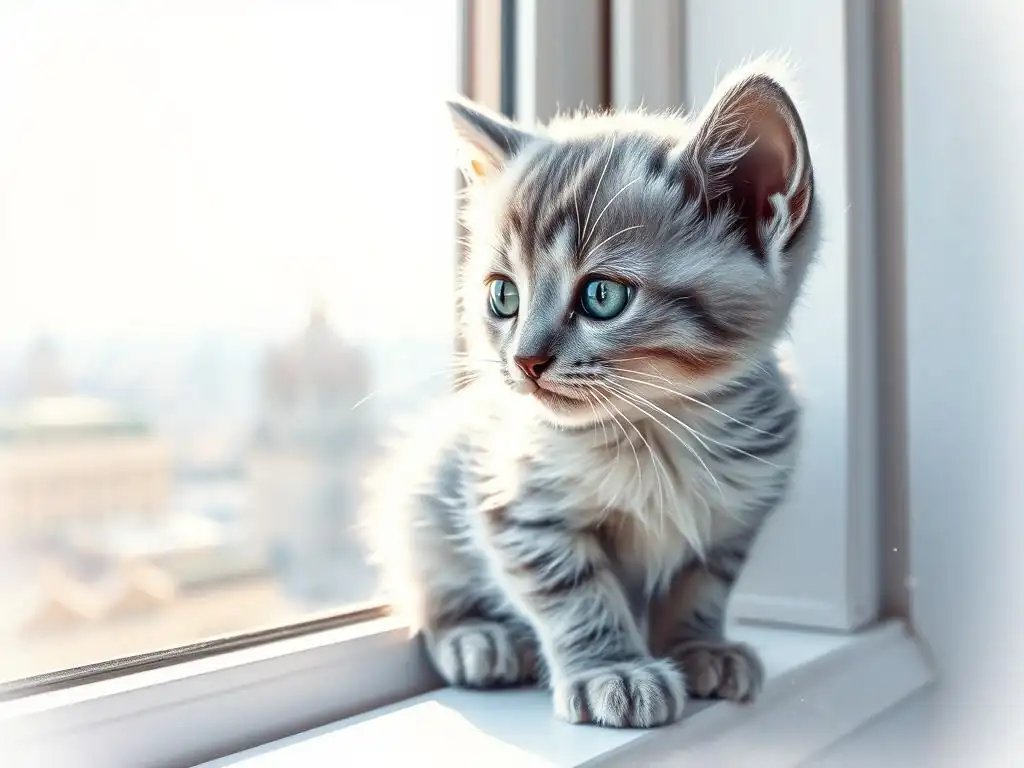
Russian Blue cats are often cited as a good option for those with allergies. Their short, dense coats produce less Fel d 1, the primary allergen in cat saliva and dander. However, it's crucial to understand that "hypoallergenic" doesn't mean "allergy-free."
Even with Russian Blues, some individuals may still experience allergic reactions, albeit potentially milder than with other breeds. The amount of Fel d 1 produced can vary even within the breed, influenced by factors like diet and genetics. Regular grooming, a crucial aspect of Russian Blue care, can help minimize allergen exposure by removing loose fur.
This breed's calm and independent nature also contributes to a lower-stress environment, potentially reducing the shedding of allergens through stress-induced grooming. While not a guarantee of allergy freedom, responsible ownership and regular grooming of a Russian Blue can significantly improve the chances of comfortable cohabitation for allergy sufferers. Remember to spend time with a Russian Blue before committing to adoption to gauge your personal reaction.
Devon Rex Cats: Unique Coat and Allergy Implications
Devon Rex cats possess a uniquely curly, soft coat, quite different from the typical feline texture. This unusual coat is often touted as a reason for their lower allergen production. The sparse, wavy hair doesn't trap as much dander as longer, denser coats. This means less allergen is released into the environment.
However, this is not a definitive guarantee of allergy-free living. Individual responses to allergens vary widely, and some people with cat allergies may still react to Devon Rex cats. The level of Fel d 1 production is still present, albeit potentially in lower quantities. Regular grooming remains essential for managing any potential allergens.
The playful and affectionate nature of Devon Rex cats adds another dimension – their interactive personality can lead to increased contact, potentially increasing allergen exposure. Therefore, while their unique coat might offer a slight advantage, a trial period before fully committing to ownership is highly recommended. It's crucial to weigh the potential benefits against individual allergy sensitivities.
Oriental Shorthair Cats: Assessing Allergy Risks
Oriental Shorthairs, known for their sleek, short coats and vibrant personalities, are often considered a moderate risk for allergy sufferers. Their short coat does lessen the amount of dander compared to long-haired breeds, but they still produce Fel d 1. The amount produced can vary significantly from cat to cat. Therefore, it's not possible to definitively label them as hypoallergenic.
While some individuals might tolerate them better than other breeds, others may experience significant allergic reactions. Regular grooming remains a critical factor in managing potential allergen exposure. Their active and playful nature could lead to more frequent physical contact, which might increase allergen transfer.
It's essential to consider the individual's allergy severity and conduct a trial period with an Oriental Shorthair before making a final adoption decision. This will help determine the extent of any allergic response and inform responsible pet ownership choices. Remember that even with short-haired cats, regular cleaning and good hygiene practices are crucial for managing allergens in the home environment.
Preparing Your Home for Your New Hypoallergenic Kitten
Bringing a new kitten into your home, even a hypoallergenic one, requires preparation. While hypoallergenic cats produce less Fel d 1, the main allergen in cat dander, it's crucial to minimize allergens to create a comfortable environment for both you and your new furry friend. This section focuses on practical steps to prepare your home for a hypoallergenic kitten, focusing on minimizing exposure to allergens and maximizing their comfort. Remember, even with a hypoallergenic breed, some allergen exposure is inevitable, so proactive measures are key.
Creating a Clean and Allergy-Friendly Environment
Minimizing dust and other allergens is paramount when preparing for a hypoallergenic kitten. Regular cleaning is essential, but certain strategies are particularly effective. Consider these steps:
- Frequent vacuuming: Use a vacuum cleaner with a HEPA filter to effectively trap allergens. Vacuum frequently, ideally several times a week, paying special attention to areas where your kitten will spend the most time, such as sleeping areas and play zones. Consider using a specialized pet hair attachment for better allergen removal.
- Air purifiers: Investing in a high-quality air purifier with a HEPA filter can significantly reduce airborne allergens in your home. Place the air purifier in the main living areas and bedrooms. Look for models with a suitable coverage area for the size of your home.
- Regular dusting: Dust often using a damp microfiber cloth to trap dust mites and other allergens. Avoid feather dusters, as they can simply redistribute allergens into the air.
- Hard surface flooring: Hardwood floors, tile, or laminate are easier to clean and less likely to harbor allergens compared to carpets. If you have carpets, consider professional cleaning or replacing them with allergy-friendly options.
The effectiveness of these methods varies depending on the severity of your allergies. Some individuals with severe allergies may still experience symptoms even with these precautions. Always consult with your doctor or allergist for personalized advice and to determine the best course of action for your specific situation. 🤧
Choosing Allergy-Friendly Bedding and Furnishings
The materials used in your kitten's bedding and your home furnishings significantly impact allergen levels. Opt for materials that are easy to clean and less likely to trap allergens.
- Bedding: Choose washable bedding made from synthetic materials like microfiber or polyester. Avoid natural fibers like wool or down, which can trap allergens. Wash your kitten's bedding weekly in hot water.
- Upholstery: Leather or microfiber upholstery is preferable to fabric upholstery, which tends to trap allergens. Regular cleaning of upholstery is essential. If you have fabric furniture, consider using allergen-proof covers.
- Curtains and drapes: Choose washable curtains and drapes made from synthetic materials. Regular washing is key to minimizing allergens. Consider blinds as an alternative to curtains.
Remember to wash all new bedding and furnishings before your kitten uses them to remove any manufacturing residues. Regular cleaning of all surfaces is crucial to maintain a low-allergen environment.
Regular Cleaning and Maintenance Strategies for Allergy Control
Maintaining a clean and allergy-friendly home is an ongoing process. Regular cleaning and maintenance are crucial to keep allergen levels low and ensure a healthy environment for you and your hypoallergenic kitten. Here are some key strategies to consider:
| Task | Frequency | Notes |
|---|---|---|
| Vacuuming | 2-3 times per week | Use a HEPA filter vacuum; focus on high-traffic areas. |
| Dusting | Daily or as needed | Use a damp microfiber cloth. |
| Washing bedding | Weekly | Use hot water and allergen-free detergent. |
| Cleaning upholstery | As needed (monthly) | Use a vacuum cleaner with upholstery attachment and appropriate cleaner. |
| Air purifier filter change | According to manual | Regular filter changes are crucial for optimal air purification. |
Regular professional cleaning services can also be beneficial, particularly for carpets and upholstery. They can use specialized equipment and cleaning solutions designed to remove allergens effectively. Remember, consistency is key to maintaining a low-allergen environment for your new kitten and yourself. The goal is to create a space where both you and your feline companion can thrive. 🐾
Caring for Your Hypoallergenic Kitten: Daily Routine and Health
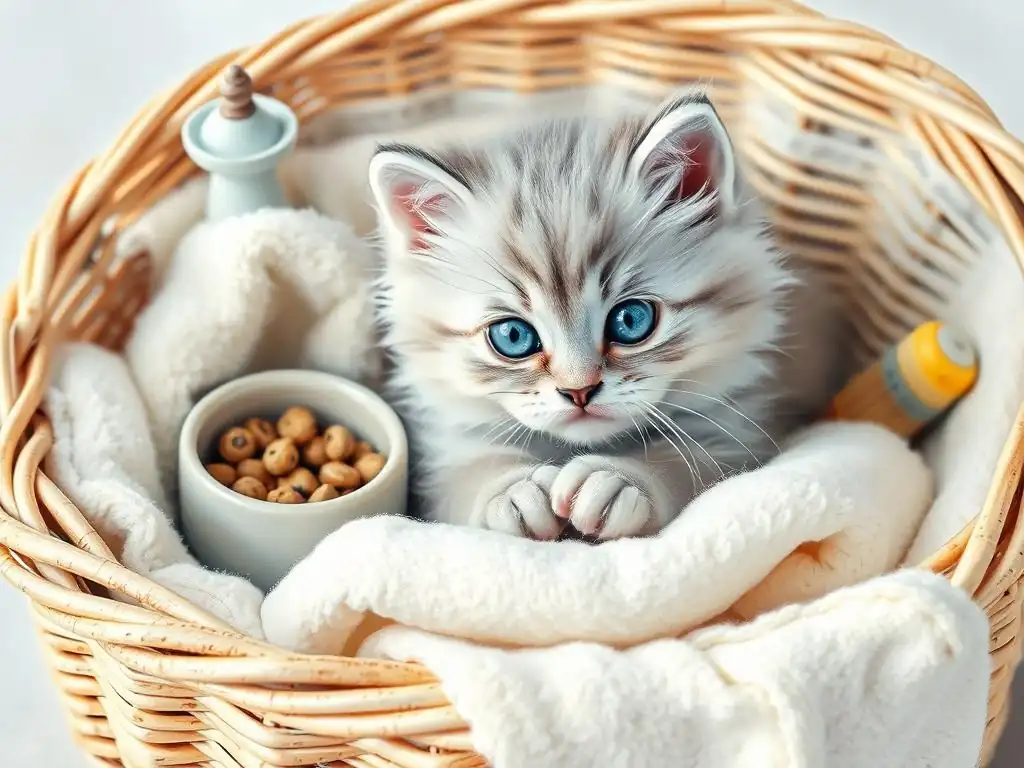
While hypoallergenic kittens produce less Fel d 1, the protein responsible for most cat allergies, they still require diligent care to thrive. A consistent daily routine is crucial for their physical and mental well-being, contributing to a happy and healthy feline companion. This routine should encompass several key elements, impacting their overall health and reducing the risk of potential issues.
Grooming Your Hypoallergenic Kitten: Essential Tips and Techniques
Regular grooming is paramount, even for hypoallergenic breeds. Although they shed less, dead hair still accumulates, potentially triggering allergic reactions in sensitive individuals. Gentle brushing, ideally daily or at least several times a week, helps remove loose fur and prevents matting. Use a soft-bristled brush or a specialized de-shedding tool designed for cats.
Pay attention to areas prone to matting, such as behind the ears and under the belly. Regular nail trimming is also essential, preventing scratching and overgrowth. Consider using cat-friendly nail clippers and rewarding your kitten with treats throughout the process to make it a positive experience. Finally, bathing your kitten occasionally can further assist in removing allergens, but use a cat-specific shampoo to avoid skin irritation.
Remember, frequent, gentle grooming is key to mitigating allergens and maintaining a healthy coat. The frequency may need adjustment based on your specific breed and kitten's individual needs. For example, a Siberian kitten might require more frequent brushing than a Bengal, despite both being considered hypoallergenic.
Diet and Nutrition for a Healthy Hypoallergenic Kitten
Nutrition plays a vital role in maintaining your hypoallergenic kitten's health and coat condition. Opt for high-quality kitten food formulated with easily digestible proteins and essential fatty acids. These nutrients contribute to a healthy immune system and a glossy, less allergenic coat. Avoid foods containing artificial colors, flavors, and preservatives, as these can potentially trigger digestive issues or allergies.
Always provide fresh, clean water. Observe your kitten's eating habits and adjust portion sizes accordingly to maintain a healthy weight. Consider consulting a veterinarian or a certified veterinary nutritionist to determine the optimal diet based on your kitten's breed, age, and any specific health needs.
A balanced diet is crucial for a strong immune system and a healthy coat, minimizing potential allergic reactions in humans. It's important to remember that even hypoallergenic cats can have food sensitivities, so monitoring their bowel movements and overall health is crucial. Keep a detailed record of their food intake and any observed reactions.
Recognizing Potential Health Issues in Hypoallergenic Kittens
While generally healthy, hypoallergenic kittens can still develop health problems. Early detection is key to effective treatment. Monitor your kitten for any changes in behavior, appetite, or elimination habits. Pay close attention to their coat condition; excessive shedding, dullness, or skin irritations could signal underlying issues.
Regular veterinary checkups are essential for preventative care and early diagnosis of potential problems. Common health concerns in cats, regardless of breed, include upper respiratory infections, ear infections, and dental problems. Hypoallergenic breeds are not immune to these issues. Familiarize yourself with the common health problems associated with your specific breed to better understand potential risks and recognize early warning signs.
Maintaining a detailed health record, including vaccination and deworming schedules, is crucial for long-term health management. Don't hesitate to consult your veterinarian if you notice any unusual symptoms or changes in your kitten's health. Early intervention can significantly improve the outcome and quality of life for your feline friend. Remember, proactive care is the best way to ensure a long and healthy life for your hypoallergenic kitten.
Veterinary Care for Hypoallergenic Cats: What to Expect
While hypoallergenic cats are less likely to trigger allergic reactions, they still require regular veterinary checkups just like any other feline companion. These visits are crucial for maintaining their overall health and well-being, and early detection of potential problems. The frequency of these visits will depend on your kitten's age and health status; however, a yearly checkup is generally recommended, with more frequent visits during kittenhood.
During these appointments, your veterinarian will conduct a thorough physical examination, assessing your kitten's weight, body condition, and overall health. They will check for any signs of illness, such as unusual lethargy, changes in appetite, or respiratory issues. Furthermore, they will examine your kitten's eyes, ears, teeth, and skin, looking for any abnormalities. Early detection of problems like dental disease or skin conditions can significantly impact the long-term health of your pet. Remember, even hypoallergenic cats can develop feline leukemia virus (FeLV) or feline immunodeficiency virus (FIV), so regular testing, especially during kittenhood, is essential.
Beyond the physical exam, your veterinarian will also discuss preventative care options, such as vaccinations and parasite control. Hypoallergenic kittens, like all kittens, require a series of core vaccines to protect them against common feline diseases. Regular deworming and flea/tick prevention are also vital components of preventative care. Your vet will advise you on the most appropriate schedule and products for your kitten's age and lifestyle.
They can also provide guidance on appropriate nutrition, helping you choose a food that supports your kitten's growth and development. Don't hesitate to ask questions about any concerns you have regarding your kitten's diet or health. Proactive veterinary care is an investment in your cat's long, happy life. The best hypoallergenic kitten breeds are still susceptible to illness, and preventative care is paramount.
Living with a Hypoallergenic Kitten: Long-Term Considerations
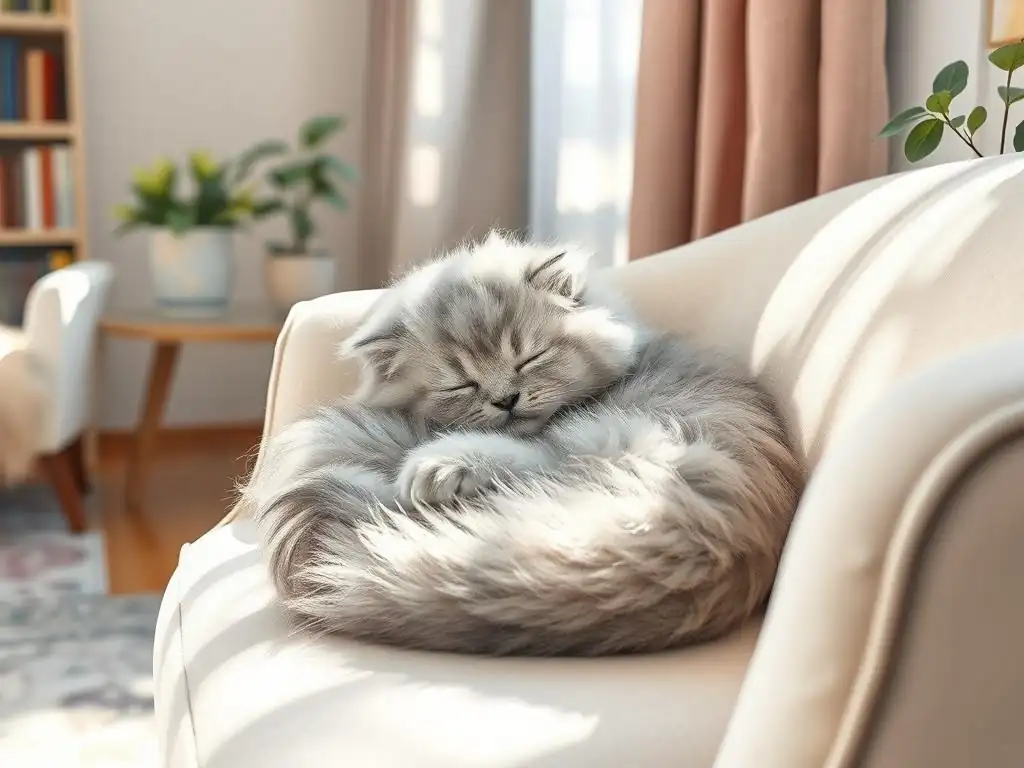
Choosing a hypoallergenic kitten is a significant decision, impacting your life for many years. While these breeds produce less Fel d 1, the primary allergen in cat dander, it's crucial to understand that "hypoallergenic" doesn't mean "allergy-free." Even with these breeds, some individuals may still experience allergic reactions, albeit often milder than with other breeds. This section explores the long-term aspects of living with a hypoallergenic kitten, focusing on allergy management, potential behavioral differences, and their overall health and lifespan.
Managing Allergies in Your Household
Successfully managing allergies in your home requires a proactive approach. Regular cleaning is paramount. Frequent vacuuming, especially with a HEPA filter vacuum, is crucial to remove dander from carpets, upholstery, and other surfaces. Regular washing of bedding, blankets, and pet toys is also essential. Air purifiers with HEPA filters can significantly reduce airborne allergens. Consider using allergen-blocking covers for mattresses and pillows. Remember, even with a hypoallergenic breed, consistent cleaning minimizes allergen exposure for everyone in the household.
Some individuals find that bathing their cat regularly helps reduce the amount of Fel d 1 shed. However, frequent bathing can stress the cat and dry out its skin, so it's essential to use a gentle, cat-specific shampoo and to not bathe too frequently. Always consult your veterinarian before introducing new grooming routines.
Finally, monitor your allergy symptoms. Keep a diary noting any changes in your symptoms and how they correlate with your interactions with your cat. This can help you identify triggers and manage your allergies more effectively.
Addressing Potential Behavioral Issues
While breed temperament can influence behavior, individual personalities still vary greatly. It's important to remember that even hypoallergenic breeds can exhibit challenging behaviors if not properly socialized and trained. Common issues may include scratching furniture, excessive vocalization, or inappropriate elimination.
Early socialization is key. Expose your kitten to various sights, sounds, and experiences from a young age to help them develop into well-adjusted adults. Positive reinforcement training is the most effective method for teaching desired behaviors and correcting undesirable ones. Consistency is crucial. Use rewards such as treats or praise to encourage good behavior, and avoid punishment, which can create fear and anxiety.
Seeking professional help is always an option. If you're struggling to manage behavioral issues, consider consulting a certified cat behaviorist or a veterinary behaviorist. They can assess your cat's behavior, identify underlying causes, and develop a tailored behavior modification plan.
The Lifespan and Overall Health of Hypoallergenic Cat Breeds
The lifespan and overall health of hypoallergenic cat breeds are generally comparable to other cat breeds, although specific health concerns can vary depending on the breed. For instance, some breeds may be predisposed to certain genetic conditions. Understanding these potential health issues is crucial for responsible pet ownership.
Regular veterinary check-ups are essential for early detection and treatment of any health problems. A healthy diet, appropriate exercise, and a stimulating environment contribute to a long and happy life for your feline companion. Remember to provide your cat with high-quality food, fresh water, and opportunities for play and exploration.
By providing preventative care and responding promptly to any health concerns, you can significantly increase the chances of a long and healthy life for your hypoallergenic kitten. Staying informed about breed-specific health concerns is also recommended. Many resources are available online and from your veterinarian to help you learn more about the potential health challenges specific to your chosen breed and how best to address them.
Finding a Responsible Hypoallergenic Kitten Breeder
Finding a responsible breeder is paramount when seeking a hypoallergenic kitten. Reputable breeders prioritize the health and well-being of their animals, conducting thorough health screenings and genetic testing to minimize the risk of hereditary diseases. This is especially crucial for hypoallergenic breeds, as some genetic predispositions might influence allergen production.
A responsible breeder will be transparent about their breeding practices, readily sharing information about the parents' health history, pedigree, and any known allergies within the lineage. They will also be happy to answer any questions you have, demonstrating a genuine interest in finding the right kitten for the right home.
Don't be afraid to ask detailed questions. Inquire about the living conditions of the kittens and their parents. Are the cats housed in a clean, spacious environment? Do they receive regular veterinary care? A responsible breeder will welcome your inquiries and provide detailed answers, showcasing their commitment to animal welfare. They should also be able to provide documentation proving health screenings and genetic testing. Beware of breeders who are evasive or unwilling to share information – this could be a red flag.
Furthermore, a responsible breeder will carefully screen potential adopters. They will ask questions about your lifestyle, living situation, and experience with cats to ensure a good match. They want to find homes where their kittens will thrive and receive proper care, and this screening process is a crucial component of responsible breeding. They might even conduct home visits before allowing you to take a kitten home, demonstrating their commitment to the long-term well-being of their animals.
Choosing a responsible breeder isn't just about getting a hypoallergenic kitten; it's about supporting ethical breeding practices and ensuring the health and happiness of your new feline companion. Remember, the initial investment in a kitten from a responsible breeder is often higher, but this reflects the breeder's commitment to health, quality, and ethical practices. This cost is often outweighed by reduced veterinary bills in the long run due to the kitten's superior health.
Grooming Your Hypoallergenic Kitten: Essential Tips and Techniques
Regular grooming is crucial for all cats, but it holds even greater significance for hypoallergenic kittens. While these breeds produce less Fel d 1, the primary cat allergen, regular grooming helps to minimize the amount of allergen shed. This simple act significantly reduces the potential for allergic reactions in sensitive individuals. The specific grooming needs will vary depending on the breed. For instance, long-haired hypoallergenic breeds like the Siberian require more frequent brushing than short-haired breeds like the Cornish Rex. Failing to groom properly can lead to matted fur, skin irritation, and increased allergen release.
Investing in the right grooming tools is key. A high-quality slicker brush is essential for removing loose fur and preventing matting. A wide-toothed comb can help to detangle any knots or mats, while a shedding rake can be particularly effective for removing undercoat. Regular brushing, ideally several times a week, is recommended.
The frequency will depend on the cat's coat length and thickness. In addition to brushing, occasional bathing might be necessary, especially if your kitten gets particularly dirty. Use a cat-specific shampoo that is gentle and hypoallergenic to avoid skin irritation. Remember to always rinse thoroughly to prevent residue buildup.
Managing Potential Allergic Reactions in Your Household
Even with a hypoallergenic kitten, some allergic reactions might still occur. The amount of Fel d 1 produced varies between individual cats, and even within a hypoallergenic breed, some kittens might produce more allergens than others. Therefore, it's crucial to be prepared for the possibility of allergic reactions and to have a plan in place to manage them.
This might involve using air purifiers with HEPA filters to remove allergens from the air. Regular cleaning, particularly vacuuming and dusting, is essential to minimize allergen buildup in your home. Using hypoallergenic bedding and furniture covers can further reduce exposure to allergens.
Monitoring the reactions of those with allergies is crucial. Keep track of any symptoms they experience, such as sneezing, watery eyes, or skin rashes. If symptoms worsen, consult an allergist or doctor immediately. They can recommend further steps, which might include allergy medication or immunotherapy.
Remember, open communication within the household is vital. Those with allergies should be involved in the decision-making process and kept informed about the kitten's care, grooming, and any potential risk factors. Proactive measures, combined with careful monitoring and swift response to any reactions, can significantly minimize the impact of allergies and allow everyone to enjoy the companionship of a hypoallergenic kitten.
Frequently Asked Questions
What exactly does "hypoallergenic" mean when it comes to cats?
No cat is truly 100% hypoallergenic. However, some breeds produce less Fel d 1, the main allergen in cat saliva and dander, making them a better choice for allergy sufferers. This results in fewer allergy symptoms for many people.
Which kitten breeds are considered the best hypoallergenic options?
Breeds often cited as more hypoallergenic include the Siberian, Bengal, Balinese, and Javanese. However, individual reactions vary, so it's crucial to spend time with a potential pet before committing.
Are there any guarantees that a hypoallergenic kitten won't trigger allergies?
No, there are no guarantees. Even with hypoallergenic breeds, some individuals may still experience allergic reactions. It's essential to have a trial period to assess your reaction before fully integrating the kitten into your home.
What other factors can influence allergic reactions to kittens besides breed?
The amount of dander a cat sheds, their grooming habits, and the overall cleanliness of your home all play a role. Regular grooming and thorough cleaning can significantly reduce allergens.
Where can I find a hypoallergenic kitten?
Reputable breeders and shelters can offer guidance. It's vital to research breeders carefully and ask about the parents' allergy profiles. Adopting from a shelter might also reveal hidden hypoallergenic gems.
Final Reflection: Embracing Allergy-Friendly Companionship
The search for the perfect pet often intersects with the realities of allergies, but finding a hypoallergenic kitten doesn't mean compromising on the joy of feline companionship. The information presented in this article highlights that while no cat is truly 100% allergy-proof, certain breeds produce significantly less Fel d 1, the primary allergen, making them a more suitable choice for allergy sufferers. This knowledge empowers potential pet owners to make informed decisions, leading to happier homes and healthier relationships with their furry friends.
The quest for hypoallergenic kittens speaks to a broader societal shift – a growing awareness of the importance of responsible pet ownership and the need to accommodate diverse needs within our families. This understanding extends beyond simply managing allergies; it’s about finding the right fit for both the pet and the owner, fostering a bond built on mutual respect and understanding. The bond with an animal is as pure as it gets. It's unconditional love.
This sentiment resonates deeply, emphasizing the transformative power of pet ownership, even when navigating the complexities of allergies.
Consider the implications of this research. You now possess the knowledge to navigate the world of hypoallergenic kittens with confidence. Don't let allergies dictate your ability to experience the unconditional love and playful companionship a cat can offer. Research the breeds mentioned, visit shelters and breeders, and prepare your home for your new furry family member. The journey to finding the perfect hypoallergenic kitten might require some effort, but the reward – a lifetime of purrs, cuddles, and unwavering affection – is immeasurable.
Unlock the Purrfect Allergy-Friendly Home!
Thank you for joining us on this journey into the world of hypoallergenic cats! We hope you feel better equipped to welcome a new furry friend into your life. Ready to take the next step?
- Find the perfect cat: Begin your search by contacting reputable breeders or shelters specializing in hypoallergenic breeds. Consider attending local adoption events—you might find your new best friend!
- Share your knowledge: Spread the word about allergy-friendly pets and help other potential cat owners avoid common problems. Share your thoughts and experiences on our PetCareWorld community forums!
- Learn about cat care: Download our free guide on essential kitten care for tips and tricks to ensure a happy and healthy life for your new companion.
Ready to start this exciting adventure? Which breed are you most interested in learning about?