
Beyond the Basics: Advanced Strategies for MultiSpecies Success


Welcome to PetCareWorld, your ultimate guide to a happier, healthier life for your beloved companions! Are you ready to unlock the secrets to harmonious multispecies pet care? We delve into advanced strategies for managing multiple pets, addressing the unique challenges and rewards of a diverse household. Discover expert tips and practical solutions – your journey to multispecies success starts here!
- Understanding the Dynamics of Multispecies Households
- Advanced Techniques for Multispecies Integration
- Addressing Common Challenges in Multispecies Pet Care
- Advanced Multispecies Pet Care Tips for Specific Combinations
- Long-Term Success in Multispecies Pet Care: Ongoing Strategies
-
Frequently Asked Questions
- What are the biggest challenges in multi-species pet care?
- How can I prevent aggression between different pet species?
- What are some essential dietary considerations for multi-species homes?
- Are there specific health considerations when keeping multiple species together?
- Where can I find more resources for multi-species pet care?
- Final Reflection: Cultivating Harmony in the Multispecies Home
- Unleash Your Pet's Potential: Master Multi-Species Harmony!
Understanding the Dynamics of Multispecies Households
Successfully integrating multiple species into a single household requires careful planning, patience, and a deep understanding of animal behavior. This isn't just about throwing different pets together and hoping for the best; it's about creating a harmonious environment where each animal feels safe, secure, and respected. This guide delves into advanced strategies for multispecies pet care, moving beyond basic cohabitation to achieve true, thriving interspecies relationships.
We'll explore how to assess compatibility, identify potential conflicts, and build a safe and secure environment where different species can coexist peacefully, enriching each other's lives. Mastering these techniques will transform your home into a vibrant, multispecies haven, promoting the well-being of all your beloved companions.
This comprehensive approach to multispecies pet care tips will equip you with the knowledge and confidence to navigate the challenges and reap the rewards of a diverse pet family. Remember, the key is proactive planning and ongoing observation to ensure the safety and happiness of all your animals.
Assessing Compatibility: Species-Specific Needs and Temperaments
Before introducing new pets to your existing animal family, thorough assessment is crucial. This involves more than just considering size differences; it requires a deep dive into each species' inherent needs and temperaments. For example, a playful Labrador Retriever might unintentionally overwhelm a shy, small rabbit, leading to stress and potential injury for the rabbit. Similarly, a territorial cat might view a new ferret as a threat, resulting in conflict.
To properly assess compatibility, consider the following:
- Species-Specific Needs: Do their dietary requirements clash? Do they have differing activity levels? Are their sleep cycles compatible? Understanding these fundamental differences is the first step towards successful integration. For instance, a reptile's need for specific temperature gradients might conflict with a dog's preference for a consistently comfortable room temperature.
- Temperament and Personality: Observe your current pets' behaviors. Are they generally tolerant, aggressive, or timid? Are they used to interacting with other animals? Matching temperaments can significantly reduce the risk of conflict. A dominant dog might struggle to share space with a submissive cat, while two equally dominant animals might constantly compete for resources.
- Individual Animal Histories: Past trauma or negative experiences can influence an animal's behavior and reactivity. Knowing your pets' histories allows you to anticipate potential issues and implement strategies to mitigate them. A cat with a history of abuse might be more fearful and less likely to tolerate the presence of other animals.
- Introducing Gradually: Never abruptly introduce new animals. A gradual introduction, with supervised interactions and plenty of safe spaces, is essential for a smooth transition. This might involve scent-swapping or visual introductions before direct contact.
This careful assessment minimizes potential problems and sets the stage for a positive multispecies living experience.
Identifying Potential Conflicts: Early Warning Signs in Multispecies Living
Even with careful planning, conflicts can arise in multispecies households. Recognizing early warning signs is crucial for preventing escalation and ensuring the safety of all your animals. These signs can be subtle at first, but ignoring them can lead to serious problems.
Here are some key indicators of potential conflict:
| Sign | Description | Potential Solutions |
|---|---|---|
| Increased Stress Levels | Excessive panting, hiding, changes in appetite, or vocalization (e.g., meowing, barking, hissing). | Provide safe spaces, enrichment activities, and monitor interactions closely. |
| Aggression | Growling, snapping, chasing, biting, or swatting. | Separate animals immediately, provide training and desensitization if appropriate. |
| Resource Guarding | Aggressive behavior around food, water, toys, or sleeping areas. | Provide multiple resources, manage feeding times, and use positive reinforcement training. |
| Body Language Cues | Tail-tucking, flattened ears, dilated pupils, stiff posture, or piloerection (hair standing on end). | Observe carefully and separate animals before escalation occurs. |
| Displacement Behaviors | Excessive grooming, pacing, or yawning, often indicating underlying stress or anxiety. | Address the underlying cause of stress and provide calming aids. |
Early intervention is key. Addressing these signs promptly can prevent minor disagreements from escalating into serious conflicts.
Building a Safe and Secure Environment for Multiple Pets
Creating a safe and secure environment is paramount for successful multispecies living. This involves providing each animal with its own space, resources, and escape routes. Think of it as designing a multi-level apartment complex, rather than a single studio apartment, for your pet family.
Consider these essential elements:
- Individual Safe Spaces: Each animal needs a retreat where it feels safe and secure, away from other animals. This could be a cat tree, a dog bed in a quiet corner, a reptile enclosure, or a bird cage in a separate room. These spaces should be inaccessible to other pets.
- Separate Feeding Stations: Avoid competition for food by providing separate feeding stations in different locations. This reduces the risk of resource guarding and aggression.
- Multiple Water Sources: Similar to feeding, multiple water sources minimize competition and ensure all animals have access to fresh water.
- Vertical Space Utilization: Using vertical space (e.g., cat trees, shelves) helps create a sense of security and reduces territorial conflicts.
- Enrichment Activities: Providing plenty of engaging toys and activities can redirect energy, reduce boredom, and prevent unwanted behaviors. This includes species-appropriate toys and puzzles.
- Supervised Interactions: Always supervise interactions between different species, especially during initial introductions. Be ready to intervene if necessary.
By carefully designing your home environment and following these strategies, you can create a thriving multispecies household where all your pets live happily and safely together. 😻🐕🦜🐍
Advanced Techniques for Multispecies Integration

This section delves into sophisticated strategies for successfully managing multispecies households, going beyond the rudimentary advice often found elsewhere. We'll explore techniques to minimize stress, foster positive interactions, and create a harmonious environment for all your pets. Remember, successful multispecies living requires patience, observation, and a commitment to the well-being of each animal. This isn't just about keeping them in the same house; it's about ensuring they thrive together. Effective multispecies pet care tips are crucial for a happy and healthy household.
Gradual Introduction Methods: Minimizing Stress and Promoting Acceptance
Introducing new pets to an existing multispecies household requires a carefully planned and gradual approach. Rushing the process can lead to fear, aggression, and ultimately, failure. The key is to allow each animal to acclimate to the presence of the other at their own pace, minimizing stress and maximizing the chances of peaceful coexistence.
Several methods can facilitate this gradual integration. One effective technique is the "sight and smell" introduction. Initially, keep the new pet completely separate from the existing pets, perhaps in a different room. Allow them to exchange scents by swapping bedding or toys. This helps them become familiar with each other's presence without the pressure of direct interaction. Over several days, gradually increase the proximity, perhaps by placing their enclosures near each other, allowing for brief, supervised visual contact.
Another crucial aspect is controlled interaction. Never force interaction. Instead, use supervised, short sessions where the animals can see and smell each other through a barrier, such as a baby gate. If signs of stress or aggression appear (hissing, growling, flattened ears, excessive panting), immediately separate them and return to a less intense level of interaction. Positive reinforcement (discussed below) plays a vital role in this phase.
The duration of the gradual introduction period varies depending on the species and individual personalities of the animals involved. Some pairs might bond quickly, while others may require weeks or even months of careful management. Patience and consistent observation are essential throughout this process. Remember, the goal is not to force a friendship, but to achieve a state of peaceful coexistence where each animal feels safe and secure. This approach forms the foundation of effective multispecies pet care tips.
Positive Reinforcement Training: Fostering Harmony Through Rewards
Positive reinforcement training is an invaluable tool for fostering harmony in a multispecies household. This method focuses on rewarding desired behaviors, such as calm interactions or ignoring each other, rather than punishing unwanted behaviors. By associating positive experiences with the presence of other animals, you can significantly improve the chances of peaceful coexistence.
For example, if you're introducing a cat to a dog, reward the cat with treats and praise whenever it remains calm in the dog's presence (even behind a barrier initially). Similarly, reward the dog for ignoring the cat or exhibiting calm behavior. This creates a positive association between the other animal's presence and rewarding experiences.
The type of reward will vary depending on the species and individual preferences. Food treats are highly effective for most animals, but praise, petting, or even favorite toys can also be used as positive reinforcement. Consistency is key; reward desired behaviors immediately and frequently to reinforce the learning process.
It's crucial to tailor the training approach to each animal's personality and learning style. Some animals respond better to high-value rewards, while others are more easily motivated by praise and attention. Observe your pets closely and adjust your training strategies accordingly. This individualized approach is a cornerstone of effective multispecies pet care tips, leading to a more harmonious home environment.
Utilizing Environmental Enrichment: Creating Separate but Engaging Spaces
Providing ample environmental enrichment is essential for managing multispecies households successfully. This doesn't just mean providing enough space; it involves creating an environment that caters to the individual needs and preferences of each animal, ensuring each feels secure and has access to resources without feeling threatened or stressed by the presence of others.
This can involve creating separate but equally engaging spaces for each pet. For example, cats often appreciate high perches and climbing structures, allowing them to observe their environment from a safe distance. Dogs may benefit from designated areas for relaxation and play. Reptiles might need specific basking areas and hiding spots. By providing these individual spaces, you reduce competition for resources and offer each pet a sense of security and control over their environment.
Remember, enrichment isn't just about physical space; it's about providing mental stimulation as well. This can involve puzzle feeders, interactive toys, and opportunities for exploration and play. Providing diverse enrichment options caters to the unique needs of different species and personalities, contributing to a more peaceful and harmonious multispecies household. This thoughtful approach to environmental design is a crucial aspect of implementing effective multispecies pet care tips.
Addressing Common Challenges in Multispecies Pet Care
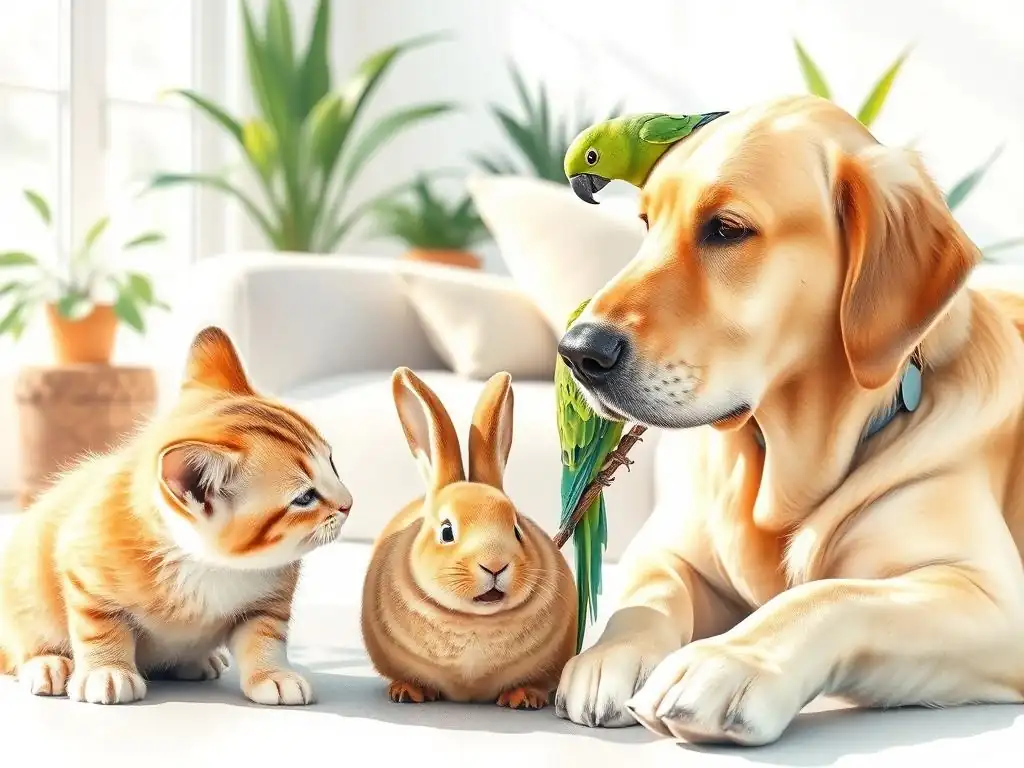
This section delves into the practical challenges of multispecies pet ownership and offers advanced strategies for successful cohabitation. Successfully managing a multispecies household requires careful planning, proactive intervention, and a deep understanding of animal behavior. Ignoring potential issues can lead to stress, injury, and ultimately, an unhappy home for both pets and owners. This guide provides actionable steps to mitigate common problems and foster a harmonious environment for your diverse animal family. Remember, patience and consistency are key to achieving long-term success in multispecies pet care. Understanding the nuances of each species' behavior is crucial for implementing effective solutions.
Resource Management Strategies: Preventing Competition for Food and Toys
Competition for resources is a primary source of conflict in multispecies households. Food, water, and favorite toys can quickly become flashpoints. Implementing effective resource management strategies is paramount to preventing aggression and maintaining peace. This involves carefully considering feeding times and locations, providing ample resources to avoid scarcity, and establishing clear ownership of specific items.
Several strategies can help. Firstly, separate feeding areas are essential. This could involve using different rooms, elevated feeders, or even strategically placed bowls to maximize distance between animals. For example, a cat might be fed on a high shelf inaccessible to a dog, while a smaller dog could be fed in a crate to avoid competition with a larger breed.
Secondly, puzzle feeders can significantly reduce feeding-related stress. These interactive toys encourage animals to work for their food, slowing down the eating process and reducing the sense of urgency that can fuel competition. This approach is particularly helpful for animals who tend to gulp their food down quickly.
Thirdly, rotating toys ensures that no single item becomes a source of intense competition. Regularly switching out toys keeps animals engaged and prevents possessiveness over specific items. Introducing new toys also provides enrichment, which is beneficial for all pets.
Finally, consider the quantity of resources. Providing enough food, water bowls, and sleeping areas eliminates scarcity as a source of conflict. More isn't always better, but ensuring sufficient resources for each animal minimizes competition. Observe your pets carefully to determine what constitutes "enough" in your specific household.
Managing Territorial Behavior: Defining Space and Reducing Conflict
Territoriality is a natural instinct for many animals. In a multispecies home, defining clear spaces for each pet helps reduce conflict and promotes a sense of security. This doesn't mean completely segregating animals, but rather establishing areas where each pet feels safe and comfortable.
Creating safe zones is crucial. This could involve providing individual sleeping areas, such as beds or crates, in separate but accessible locations. Cats, for example, often appreciate high perches where they can observe their surroundings without feeling vulnerable. Dogs might prefer a designated corner or bed where they can relax undisturbed.
Vertical space is often underutilized in multispecies homes. Cat trees, shelves, and window perches provide cats with elevated escape routes and observation points, reducing the likelihood of conflict with other animals.
Scent marking can also play a role in establishing territory. While not directly controllable, understanding scent marking behavior can help you manage potential conflicts. For example, regular cleaning can help mitigate scent-related territorial disputes.
It's important to gradually introduce new animals to existing pets and their spaces. This allows for a slow acclimation period, reducing the likelihood of territorial aggression. Careful observation during this period is crucial for identifying and addressing potential problems early on.
Dealing with Aggression: Identifying Triggers and Implementing Solutions
Aggression, whether playful or serious, requires immediate attention. Accurately identifying the triggers is the first step towards resolving aggressive behavior. This involves careful observation of the animals' interactions, noting the circumstances that precede aggressive incidents. Is it food-related? Territory-related? Play-related? Or something else entirely?
Once the triggers are identified, implementing appropriate solutions becomes possible. This might involve redirecting behavior using toys or treats, managing the environment to prevent contact during high-stress periods, or professional intervention from a veterinarian or certified animal behaviorist.
For example, if aggression stems from resource guarding, implementing the resource management strategies discussed earlier is crucial. If the aggression is play-related but escalates to the point of injury, teaching appropriate play behavior and providing sufficient opportunities for individual and group play are necessary. If the aggression is severe or unexplained, professional help is essential.
Remember, consistent training and positive reinforcement are vital in managing aggression. Punishment is generally ineffective and can worsen the problem. Focus on rewarding desired behaviors and redirecting unwanted actions. Patience, consistency, and a willingness to seek professional help when needed are key to successfully managing aggression in a multispecies household. Early intervention is always preferable to dealing with deeply ingrained aggressive behaviors.
Advanced Multispecies Pet Care Tips for Specific Combinations
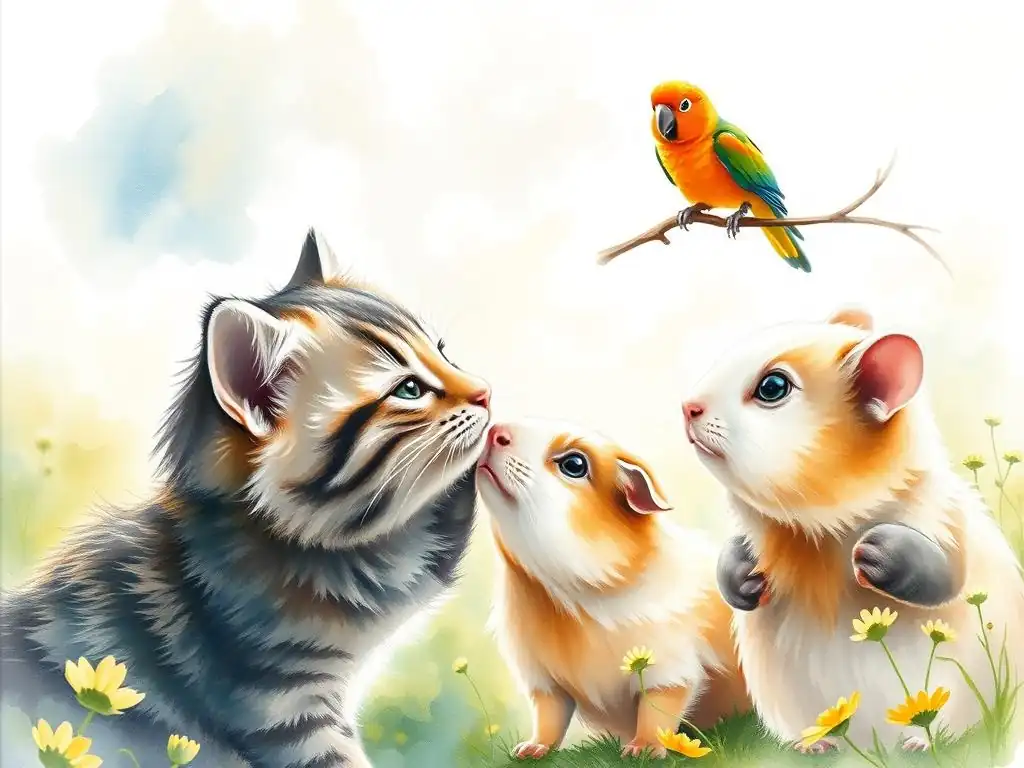
This section delves into advanced strategies for successful multispecies pet care, focusing on specific animal combinations and the unique challenges they present. Successfully managing a multispecies household requires careful planning, proactive measures, and a deep understanding of each animal's individual needs and potential interactions. Remember, responsible multispecies pet ownership prioritizes the safety and well-being of all animals involved. These tips go beyond the basics, offering nuanced advice for achieving harmonious cohabitation.
Cat and Dog Cohabitation: Advanced Strategies for Success
Successfully integrating cats and dogs requires more than just introducing them. It's a process that demands patience, understanding, and careful management of their individual spaces and interactions. Many factors influence the success of cat-dog cohabitation, including the animals' personalities, ages, and past experiences.
Consider these advanced strategies:
- Scent Swapping: Before direct introduction, swap bedding or toys between the cat and dog to allow them to gradually acclimate to each other's scent. This helps reduce initial anxiety and territorial disputes.
- Supervised Interactions: Never leave cats and dogs unsupervised, especially during the initial stages of introduction. Even seemingly friendly animals can suddenly engage in aggressive behavior. Always monitor their interactions closely.
- Creating Separate Safe Spaces: Each animal needs its own secure retreat, a space where they can escape if they feel overwhelmed or stressed. This could be a cat tree for the feline, a dog bed in a quiet corner, or a separate room entirely.
- Positive Reinforcement Training: Reward calm behavior around each other. Use treats and praise to reinforce positive interactions, associating the other animal's presence with positive experiences.
- Body Language Awareness: Learn to recognize signs of stress or aggression in both cats and dogs. Tail position, ear posture, and vocalizations can indicate discomfort or impending conflict. Intervene immediately if you notice warning signs.
A recent study [specific information pending] on multispecies household dynamics highlighted the importance of early socialization and gradual introduction for minimizing conflict between cats and dogs. Early intervention and consistent management are key to long-term success.
Small Animal and Reptile Integration: Considerations for Safe Coexistence
Integrating small animals like rabbits, hamsters, or guinea pigs with reptiles presents unique challenges. Reptiles, even smaller species, are predators, and small mammals are prey. Safety must be the paramount concern.
- Complete Separation: In most cases, complete physical separation is necessary. Even seemingly docile reptiles can instinctually hunt small mammals. Never house them in the same enclosure or allow unsupervised contact.
- Habitat Design: Ensure that the enclosures are securely separated to prevent escapes or accidental encounters. Reptile enclosures should be escape-proof, and small animal habitats should be inaccessible to the reptile.
- Environmental Control: Reptiles require specific temperature and humidity levels. These conditions may not be suitable for small mammals. Maintaining appropriate environmental parameters for each species is crucial.
- Hygiene: Maintaining impeccable hygiene is essential to prevent the spread of disease between species. Regular cleaning and disinfection of enclosures are necessary.
- Veterinary Oversight: Consult with a veterinarian experienced in both small animal and reptile care to assess the feasibility of cohabitation and address any potential health concerns. They can provide species-specific advice tailored to your situation.
The potential risks of housing small mammals and reptiles together significantly outweigh any perceived benefits. Prioritizing the safety and well-being of your pets necessitates strict separation and careful management.
Bird and Mammal Households: Addressing Unique Challenges and Needs
Integrating birds and mammals—dogs, cats, or other small mammals—into a single household requires careful consideration of their unique needs and potential conflicts. Birds are particularly vulnerable to stress and disease, and many mammals view birds as potential prey.
- Visual Barriers: Use visual barriers, such as mesh or solid dividers, to prevent direct contact while still allowing some visual interaction. This reduces stress and prevents predatory behavior.
- Auditory Considerations: Birds are sensitive to loud noises. Monitor the interaction levels of mammals near the bird's cage. Excessive noise or sudden movements can stress your bird.
- Air Quality: Birds are sensitive to air quality. Ensure proper ventilation in the area where the bird's cage is located. Avoid using air fresheners or other scented products that could irritate your bird's respiratory system.
- Toxic Substances: Many household products, including cleaning supplies and certain plants, are toxic to birds. Keep these items out of reach of both your bird and any other pets.
- Specialized Veterinary Care: Seek veterinary advice from an avian specialist familiar with multispecies households. They can advise on disease prevention and address potential health risks.
Successfully managing a bird and mammal household demands a high level of vigilance and understanding of each species' specific needs and sensitivities. Prioritize the bird's safety and well-being above all else. Remember, proactive planning and careful management are crucial to ensuring a harmonious multispecies home.
Long-Term Success in Multispecies Pet Care: Ongoing Strategies
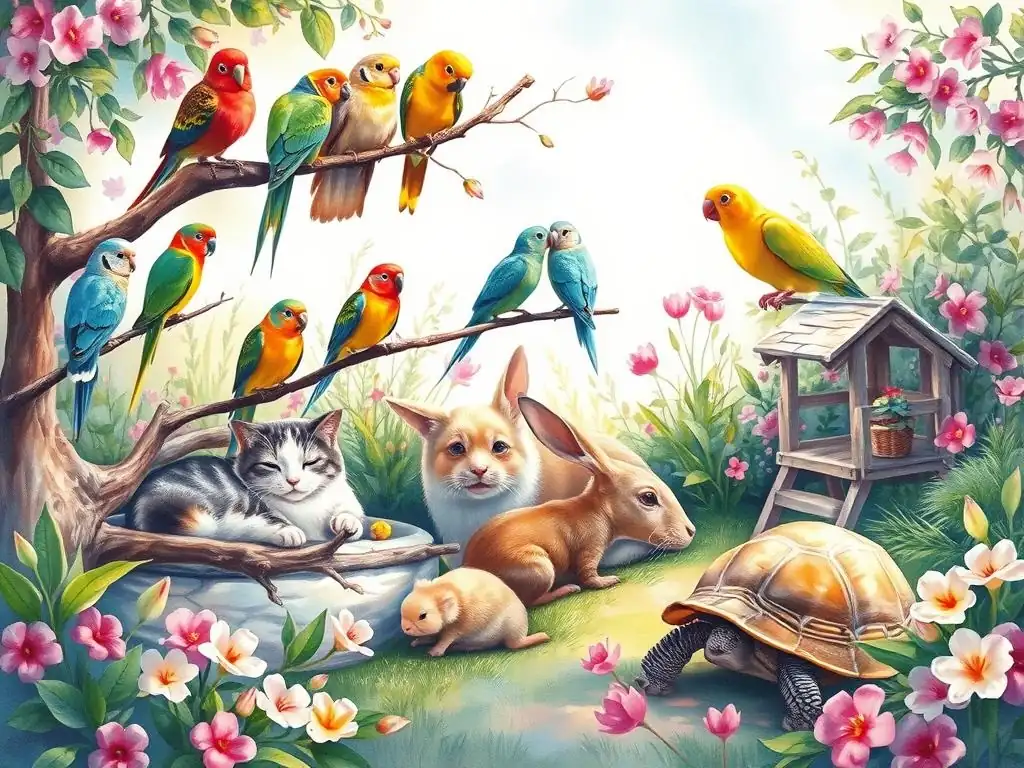
Successfully integrating multiple species into a harmonious household requires ongoing effort and vigilance. Simply introducing animals and hoping for the best is a recipe for disaster. Long-term multispecies pet care success hinges on proactive strategies that address potential conflicts and reinforce positive interactions. This isn't just about initial introductions; it's about cultivating a stable, enriching environment where all pets thrive. Consistent monitoring and proactive adjustments are key components of effective multispecies pet care tips. Think of it as a long-term project, not a one-time event.
Maintaining Harmony: Consistent Routine and Observation
A predictable routine is crucial for reducing stress and establishing clear boundaries in a multispecies household. Feeding times, playtime, and resting periods should be scheduled consistently to minimize competition for resources. This predictability helps animals anticipate events and reduces anxiety, which is particularly important for sensitive animals like rabbits or birds. For example, feeding each species in separate areas can prevent aggressive behaviors over food.
Furthermore, diligent observation is paramount. Pay close attention to body language. Subtle signs like flattened ears, tucked tails, or excessive grooming can indicate stress or brewing conflict. Regularly monitoring interactions, even when seemingly peaceful, allows for early intervention before minor squabbles escalate into serious problems. Keep a detailed journal documenting daily observations, noting any changes in behavior or interaction patterns. This record can be invaluable if problems arise, helping pinpoint potential triggers and inform solutions. Remember, proactive monitoring is one of the most vital multispecies pet care tips for a peaceful home.
Addressing Changes: Adapting to Life Stages and New Pets
Life stages and new additions significantly impact the dynamics of a multispecies household. A kitten's playful energy might overwhelm a senior cat, while a new puppy's boisterous enthusiasm could stress a previously peaceful dog-bird relationship. Adapting to these changes requires careful planning and management. Introducing new pets gradually, through scent-swapping and supervised interactions, is essential to minimize stress.
As pets age, their needs and behaviors change. Senior animals may become less tolerant of playful interactions, requiring adjustments to their routine and environment. For example, providing senior pets with quiet, safe spaces away from the hustle and bustle of younger animals can significantly reduce stress and improve their quality of life. This adaptable approach, focusing on the specific needs of each animal, is a cornerstone of advanced multispecies pet care. The introduction of new pets should always be a gradual process, allowing animals to adjust at their own pace.
Seeking Professional Guidance: When to Consult a Veterinarian or Behaviorist
Even with meticulous planning and observation, challenges can arise in multispecies households. Persistent aggression, unexplained behavioral changes, or signs of significant stress warrant professional intervention. Don't hesitate to consult a veterinarian or a certified animal behaviorist. A veterinarian can rule out underlying medical conditions that might be contributing to behavioral problems. For example, pain or illness can manifest as aggression or withdrawal.
A behaviorist, on the other hand, can provide tailored strategies to address specific behavioral issues. They can assess the dynamics of the household, identify triggers for conflict, and develop customized training plans to improve interspecies relationships. Remember, seeking professional help is not a sign of failure; it's a proactive step towards ensuring the well-being of all your pets. Early intervention, guided by experts, is often the most effective approach to resolving complex multispecies pet care challenges. This proactive approach is a crucial aspect of responsible multispecies pet ownership.
Frequently Asked Questions
What are the biggest challenges in multi-species pet care?
Successfully managing a multi-species household requires meticulous planning and preparation. Key challenges include ensuring each pet's individual needs are met, while also preventing conflicts and maintaining a safe environment for all. Careful introduction and ongoing monitoring are crucial.
How can I prevent aggression between different pet species?
Gradual introductions are vital. Start with supervised, short interactions in neutral territory. Provide ample space and resources (food, water, toys, resting places) for each animal to minimize competition. Observe body language closely and separate animals immediately if signs of aggression appear.
What are some essential dietary considerations for multi-species homes?
Different species have unique dietary requirements. Avoid feeding pets from the same bowl to prevent resource guarding. Research the specific nutritional needs of each pet and provide appropriate food and supplements. Separate feeding areas can also help prevent conflict.
Are there specific health considerations when keeping multiple species together?
Yes, cross-species disease transmission is a possibility. Maintain excellent hygiene and consult your veterinarian regularly for preventative care and to address any health concerns. Parasite control is also crucial for all pets.
Where can I find more resources for multi-species pet care?
PetCareWorld offers in-depth guides and expert advice on various aspects of multi-species pet care. You can also consult with experienced veterinarians and animal behaviorists who specialize in multi-species households. Online forums and communities can provide additional support and information.
Final Reflection: Cultivating Harmony in the Multispecies Home
The harmonious coexistence of multiple species under one roof is not merely a trend; it's a testament to our evolving understanding of animal companionship and a reflection of our growing capacity for empathy. Successfully navigating the complexities of multispecies pet care requires dedication, knowledge, and a deep respect for the unique needs of each animal. This article has explored advanced strategies to achieve this, moving beyond the basics to create truly thriving, interconnected animal families.
The journey of integrating different species into a single household is profoundly rewarding, yet it demands constant learning and adaptation. It's a journey of discovery, revealing the surprising nuances of interspecies communication and the unexpected bonds that can form. The greatness of a nation and its moral progress can be judged by the way its animals are treated.
- Mahatma Gandhi. This quote, while broad in scope, speaks to the ethical responsibility we bear when sharing our lives with animals, a responsibility magnified when caring for multiple species with diverse needs. The impact of responsible multispecies pet ownership extends beyond the individual animals, influencing our understanding of animal welfare and shaping a more compassionate society.
Now, consider your own interactions with the animals in your life. Do you see opportunities to enhance their well-being through a deeper understanding of their individual needs and the dynamics of their shared environment? Embrace the challenge of creating a truly harmonious multispecies home; the rewards—in terms of enriched animal lives and a deeper connection with the natural world—are immeasurable. Let the principles outlined in this article serve as a guide, inspiring you to cultivate a more compassionate and enriching environment for all your animal companions.
Unleash Your Pet's Potential: Master Multi-Species Harmony!
Thank you for exploring the world of multi-species harmony! We hope you've gained valuable insights into creating a thriving, peaceful home for your pets. Now it's time to put that knowledge into practice.
- Craft a personalized enrichment plan: Consider your pets' unique personalities and needs. Develop a plan tailored to their individual requirements and species-specific behaviors. This is crucial for building a happy, multi-species household. For example, a playful cat might benefit from interactive toys, while a more timid dog might appreciate a quiet, safe space.
- Share your success (or challenges!): We'd love to hear about your experiences! Share your stories and tips in the comments below – let's build a supportive community for multi-species pet owners. Consider creating a photo album showcasing your animals' positive interactions!
- Explore advanced training techniques: Research species-appropriate communication methods to foster understanding and cooperation between your pets. This could involve understanding body language cues and employing positive reinforcement techniques.
Ready to transform your home into a haven of multi-species bliss? What's the first step you'll take today to improve your pets' interactions?