
Rotating Bird Toys: Keeping Your Pet Engaged and Curious

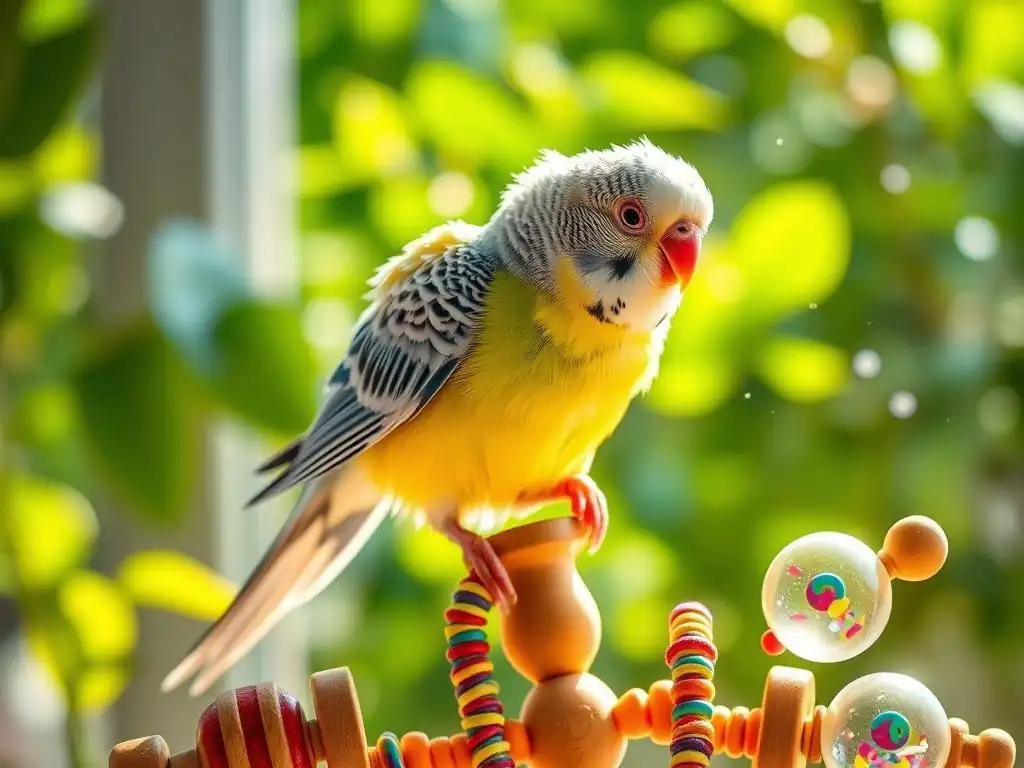
Welcome to PetCareWorld, your ultimate guide to a happier, healthier life for your beloved companion! Are you ready to unlock the secret to keeping your feathered friend entertained for hours? Discover our expert recommendations for the best rotating bird toys, designed to stimulate your bird's mind and body, preventing boredom and promoting a fulfilling life. Dive into our Top Picks for Pet Owners category and learn how to choose the perfect toy to keep your pet engaged and curious. Let's explore the world of avian enrichment together!
- Understanding Your Bird's Need for Enrichment: Why Rotating Bird Toys Matter
- Choosing the Best Rotating Bird Toys for Your Feathered Friend
-
How to Introduce New Rotating Bird Toys and Maximize Engagement
- Gradual Introduction to Prevent Fear or Anxiety
- Observing Your Bird's Interaction with the Toy: Signs of Interest and Engagement
- Rotating Toys Regularly to Maintain Novelty and Prevent Boredom
- Encouraging Play: Interactive Games with Rotating Bird Toys
- Maintaining Interest: Rotating Toy Variety and Rotation Schedule
- Beyond Rotating Toys: Completing Your Bird's Enrichment Program
- Maintaining Your Rotating Bird Toys: Cleaning and Safety
- Frequently Asked Questions about Rotating Bird Toys
- Frequently Asked Questions
- Final Reflection: The Enduring Joy of Engaging Bird Toys
- Unlock Your Bird's Playful Potential!
Understanding Your Bird's Need for Enrichment: Why Rotating Bird Toys Matter
Birds are intelligent, curious creatures who require significant mental and physical stimulation to thrive. A bored bird is an unhappy bird, and often a bird exhibiting problematic behaviors. Providing a diverse and engaging environment is crucial for your feathered friend's overall well-being, impacting everything from their physical health to their emotional stability. This article explores the vital role of rotating bird toys, specifically highlighting the benefits of "best rotating bird toys" for preventing boredom and encouraging natural behaviors. We'll delve into why regular toy rotation is key to maintaining your bird's happiness and preventing behavioral issues, offering practical advice and insights to help you create a stimulating and enriching environment for your avian companion. We'll cover everything from recognizing signs of boredom to selecting the right rotating toys for your specific bird species and personality. Let's dive in and discover how to keep your bird happily engaged and mentally sharp!
The Importance of Mental Stimulation for Bird Happiness and Health
Mental stimulation is just as vital to a bird's health as proper nutrition and veterinary care. Think of it like this: a bird's brain needs exercise, just like your muscles do. Without sufficient mental stimulation, birds can become lethargic, depressed, and prone to self-destructive behaviors such as feather plucking or excessive screaming. Providing engaging toys, particularly those that encourage problem-solving and exploration, helps prevent these issues.
Rotating bird toys plays a crucial role here, as it keeps your bird challenged and prevents them from becoming habituated to a single toy, which can lead to boredom and disinterest. Studies have shown that birds provided with a variety of stimulating activities exhibit improved mood, increased alertness, and a greater overall sense of well-being. A mentally stimulated bird is a healthier, happier bird, enriching both their life and yours.
Preventing Boredom and Behavioral Issues in Birds with Interactive Toys
Boredom in birds can manifest in a variety of undesirable behaviors. These can range from mild annoyances, such as excessive vocalization or chewing on inappropriate objects, to more serious problems like feather plucking, aggression, or repetitive stereotypical behaviors. Providing a range of interactive toys, especially rotating bird toys, is a proactive way to combat boredom and prevent these issues. Rotating toys introduces novelty and keeps your bird engaged, preventing them from becoming fixated on one item.
Interactive toys, such as puzzles, foraging toys, and toys with moving parts, stimulate their natural instincts to forage, explore, and problem-solve. This mental engagement not only keeps them entertained but also helps satisfy their innate curiosity, reducing the likelihood of destructive behaviors. Consider the variety of textures, colors, and mechanisms to offer a truly stimulating experience.
Signs Your Bird is Bored and Needs New Stimulation
Recognizing the signs of boredom in your bird is crucial for providing appropriate enrichment. While each bird is unique, several common indicators suggest your feathered friend needs more mental stimulation. These include:
- Lethargy and inactivity: Is your bird spending most of its time sitting passively on its perch? This could be a sign of boredom.
- Excessive preening or feather plucking: While some preening is normal, excessive preening or feather plucking can signal stress or boredom.
- Increased vocalization or screaming: Constant chirping, squawking, or screaming beyond normal levels can indicate frustration and boredom.
- Destructive behaviors: Chewing on furniture, cage bars, or other inappropriate items is a common sign of boredom and a need for more engaging activities.
- Repetitive behaviors: Repeating the same actions repeatedly, such as rocking or swaying, can be a sign of boredom and stress.
- Loss of appetite: A sudden decrease in food intake can also indicate that your bird is not feeling well, either physically or emotionally.
If you observe any of these behaviors in your bird, it's time to reassess their environment and introduce new, stimulating toys, including a rotation of your "best rotating bird toys". Remember, a happy bird is an active, engaged bird!
Choosing the Best Rotating Bird Toys for Your Feathered Friend
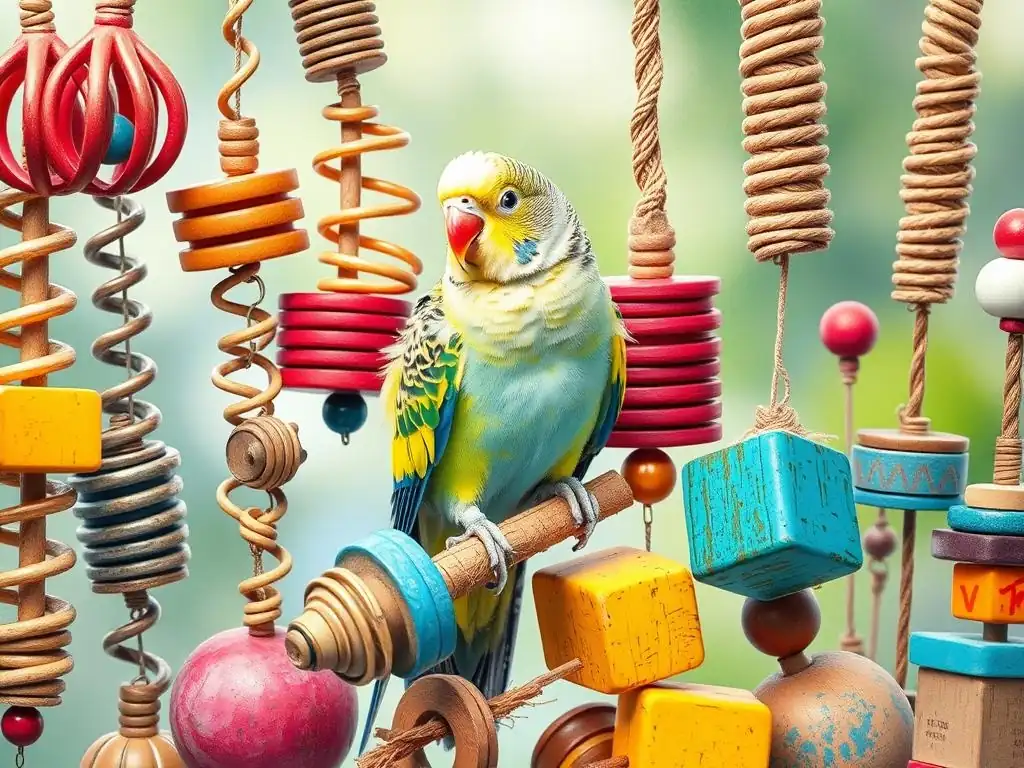
Rotating bird toys offer a dynamic and engaging way to stimulate your feathered friend's mind and body. The best rotating bird toys provide hours of entertainment, preventing boredom and encouraging natural foraging behaviors. Choosing the right toy depends on several factors, including your bird's species, size, and personality. Consider the material, durability, and safety features before making a purchase. A well-chosen rotating toy can significantly contribute to your bird's overall well-being, reducing stress and promoting a happy, healthy life. Remember, variety is key – rotating toys are just one piece of a stimulating environment.
Top 5 Rotating Bird Toys for Parakeets and Cockatiels in 2024
Finding the best rotating bird toy can feel overwhelming, but we've compiled a list of top contenders for parakeets and cockatiels in 2024, considering factors like durability, safety, and engagement. These toys offer a range of features and price points, ensuring there's an option for every budget and bird.
Product Name 1: Rainbow Spin & Swing
This toy features brightly colored, durable plastic components. Its spinning action and swinging elements provide both visual and physical stimulation. The Rainbow Spin & Swing is designed for small to medium-sized birds, making it ideal for parakeets and cockatiels. Its secure mounting system ensures safety and prevents accidental damage. The price point is mid-range, offering good value for its features and longevity.
Product Name 2: The "Foraging Fun" Rotating Puzzle
The Foraging Fun Rotating Puzzle presents a more challenging experience for your bird. It incorporates multiple compartments filled with treats, requiring your bird to manipulate the rotating elements to access its rewards. User feedback consistently highlights its effectiveness in keeping birds mentally engaged for extended periods. While slightly more expensive than other options, its durability and stimulating design justify the cost.
Product Name 3: Tiny Twister - Best for Small Birds - Durability and Safety
Specifically designed for smaller birds like parakeets, the Tiny Twister emphasizes safety and durability. Constructed from non-toxic, chew-resistant materials, it's built to withstand even the most enthusiastic chewers. Its compact size and gentle rotating action make it ideal for delicate birds, minimizing the risk of injury. The price is budget-friendly, making it an excellent choice for owners on a tighter budget.
Product Name 4: Whirlwind Wonder - A Budget-Friendly Option with Excellent Reviews
The Whirlwind Wonder provides a surprisingly engaging experience despite its affordable price point. Many reviewers praise its durability and the amount of playtime it offers their birds. While not as complex as some higher-priced options, it effectively encourages exploration and physical activity. It's a great entry-level rotating toy that delivers excellent value.
Product Name 5: Crystal Carousel - Unique Design and Engaging Features for Advanced Play
For birds who have mastered simpler rotating toys, the Crystal Carousel offers a more advanced challenge. Its intricate design and multiple rotating elements keep birds engaged for longer periods. The unique crystal-like components add visual appeal, stimulating curiosity and exploration. This option falls into a higher price bracket, reflecting its complexity and superior features.
Selecting the Right Size and Type of Rotating Toy for Your Bird Species
Choosing the right size and type of rotating toy is crucial for safety and engagement. Too small a toy might be swallowed, while one that's too large might be impractical or even dangerous. Consider your bird's species and size when selecting a toy. For example, a large macaw will need a significantly sturdier and larger toy than a small parakeet.
The material of the toy is equally important; ensure it's non-toxic and safe for your bird to chew on. Always supervise your bird's playtime, especially when introducing a new toy. Regularly inspect toys for damage and replace them as needed to prevent injury.
Remember, the goal is to provide enriching, safe, and stimulating play that contributes to your bird’s overall happiness and health. Providing a variety of toys, including rotating options, ensures a stimulating and engaging environment for your feathered companion. This variety is key to preventing boredom and promoting a happy, healthy bird.
Considering Material Safety: Non-Toxic and Durable Options for Bird Toys
Choosing safe materials is paramount when selecting rotating bird toys. Birds, especially those known for chewing, can ingest small pieces of their toys. Therefore, selecting toys made from non-toxic materials is crucial for their health and well-being. Look for toys explicitly labeled as "bird-safe" and made from materials like natural wood (ensure it's untreated and free from harmful chemicals), stainless steel, or food-grade plastics. Avoid toys containing lead, zinc, or other heavy metals, which can be incredibly toxic if ingested.
Always inspect toys regularly for any signs of wear and tear; a damaged toy presents a choking hazard and should be discarded immediately. The durability of the toy is just as important as the material. A toy that breaks easily not only wastes money but also presents a significant safety risk. Opt for toys made with robust construction, designed to withstand vigorous chewing and play. Consider the size and strength of your bird when choosing a toy; a smaller bird will need a more delicate toy than a larger, more powerful bird.
Remember, preventing accidents is key to ensuring your feathered friend's safety and happiness. Regularly inspect all toys, rotating them frequently to maintain interest and safety. This proactive approach minimizes potential hazards and allows you to enjoy your bird's playful antics without worry. The peace of mind knowing you've provided a safe and stimulating environment is invaluable.
The Importance of Variety: Rotating Toys as Part of a Broader Enrichment Program
While rotating bird toys are excellent for mental stimulation, they're most effective as part of a comprehensive enrichment program. Think of rotating toys as one piece of a larger puzzle designed to keep your bird engaged and prevent boredom. A monotonous environment can lead to behavioral problems such as feather plucking, excessive screaming, or destructive behaviors. Therefore, providing a diverse range of toys is essential. This includes toys with different textures, shapes, and functions.
Alongside rotating toys, consider incorporating foraging toys (which encourage natural foraging behaviors), puzzle toys (which challenge problem-solving skills), and chew toys (which satisfy the bird's natural need to chew). The key is to rotate these toys regularly, preventing your bird from becoming bored with any single item. A good rule of thumb is to rotate toys every few days or a week, depending on your bird's interest level and engagement. Observe your bird's behavior closely; if they seem disinterested in a particular toy, it's time to replace it with something new.
This dynamic approach to enrichment keeps your bird mentally and physically stimulated, promoting a happier, healthier, and more well-adjusted companion. Remember, a stimulating environment is not just about providing toys; it’s also about interaction, training, and providing opportunities for exploration. By creating a varied and engaging environment, you can help your bird thrive. This holistic approach ensures your bird leads a fulfilling life, enriched by a diverse array of stimulating activities and toys.
How to Introduce New Rotating Bird Toys and Maximize Engagement
Introducing new rotating bird toys requires a delicate approach. Birds, especially those new to enrichment toys, can be wary of unfamiliar objects. A sudden introduction might lead to fear, anxiety, or even aggression. Successfully integrating new toys into your bird's environment hinges on a slow, deliberate process that prioritizes your feathered friend's comfort and security. This ensures they associate the new toy with positive experiences, leading to increased interaction and engagement. Remember, the goal is to make the new toy a welcome addition to their daily routine, not a source of stress.
Gradual Introduction to Prevent Fear or Anxiety
The key to successful introduction is gradual exposure. Don't just plunk the new rotating toy into the cage. Instead, start by placing it near the cage, allowing your bird to observe it from a safe distance. This allows them to become accustomed to its appearance and movement without feeling threatened.
Over the next few days, gradually move the toy closer to the cage, perhaps placing it on a perch or just outside the cage bars. Monitor your bird's reactions closely. If they seem interested, they might approach the toy cautiously. If they show signs of fear (ruffled feathers, hissing, retreating), move the toy further away and try again later.
Patience is crucial here. It may take several days, or even a week, before your bird feels comfortable enough to interact with the new toy. Consider adding a familiar toy nearby to provide a sense of security and comfort during this period. Positive reinforcement, such as offering treats near the toy, can also help create a positive association.
Observing Your Bird's Interaction with the Toy: Signs of Interest and Engagement
Once your bird shows some interest in the new rotating toy, carefully observe its behavior. There are several key signs that indicate your bird is engaged and enjoying the toy. These include:
- Active manipulation: Does your bird actively interact with the toy, turning it, pecking at it, or chewing on it? This is a strong indicator of positive engagement.
- Vocalizations: Certain chirps, whistles, or songs might accompany playful interaction with the toy, signifying enjoyment and excitement.
- Increased activity: Does your bird spend more time in the area of the cage where the toy is located? Increased activity around the toy suggests it is stimulating and engaging.
- Foraging behavior: Rotating toys often incorporate elements that require foraging to access treats or rewards. If your bird is actively searching for these hidden rewards, it signifies successful engagement.
- Lack of fear or aggression: The absence of fear-based responses (such as hiding, hissing, or fleeing) confirms that the introduction process was successful and the bird feels safe and comfortable with the new toy.
Conversely, if your bird consistently avoids the toy, shows signs of fear, or displays aggressive behavior, you might need to reassess your introduction strategy. It may be beneficial to start the introduction process again, moving even more slowly and providing additional reassurance.
Rotating Toys Regularly to Maintain Novelty and Prevent Boredom
The secret to keeping your bird mentally stimulated and engaged lies in the regular rotation of toys. Birds, like humans, can become bored with the same things over time. Rotating toys introduces novelty, preventing boredom and promoting continued exploration and play.
Aim to rotate at least one toy every few days or a week, depending on your bird's interest level. This keeps them challenged and prevents them from becoming overly familiar with their environment. You can establish a system to track which toys are used and how frequently, ensuring a fair rotation and preventing any one toy from becoming neglected.
Store unused toys in a clean, dry place to prevent damage or contamination. By consistently rotating toys, you'll ensure your bird remains engaged, curious, and mentally stimulated, promoting a happy and healthy life. This regular change is crucial for providing the best rotating bird toys experience and maximizing the benefits of enrichment.
Encouraging Play: Interactive Games with Rotating Bird Toys
Introducing a new rotating bird toy shouldn't be a passive affair. Active engagement from you, the owner, is key to maximizing its appeal and ensuring your feathered friend understands how to interact with it. Start by placing the toy in a visible, easily accessible location within the cage.
Don't just drop it in and walk away; instead, gently interact with the toy yourself, showing your bird how it moves and what it does. This demonstration can be as simple as manually rotating the toy a few times, making playful sounds, or even offering a small treat nearby to associate the toy with positive experiences.
Many rotating bird toys offer opportunities for interactive games. For example, if the toy has bells or other auditory elements, you can play a game of "find the sound". Rotate the toy slightly, making a noise, then encourage your bird to find the source of the sound.
Reward them with praise and a small treat when they successfully interact with the toy. Another engaging game involves hiding small, bird-safe treats within the toy's moving parts, encouraging your bird to explore and manipulate the toy to access their reward. This not only enhances engagement but also provides mental stimulation and problem-solving opportunities.
Remember to tailor your approach to your bird's personality. Some birds are naturally more curious and playful than others. For less adventurous birds, start with shorter, more frequent interaction sessions, gradually increasing the duration as they become more comfortable. Always maintain a positive and encouraging tone; never force your bird to interact with the toy. The goal is to create a positive association with the toy, turning playtime into a fun and rewarding experience.
Patience and consistency are key to success. Observe your bird's behavior closely; if they show signs of disinterest or frustration, try a different approach or simply put the toy away for a while and try again later. The best rotating bird toys are those that your bird genuinely enjoys using. Remember to always supervise your bird during playtime to ensure their safety.
Maintaining Interest: Rotating Toy Variety and Rotation Schedule
Once your bird has become accustomed to a rotating toy, it's crucial to maintain their interest by introducing variety. Birds, like humans, can get bored with the same toys over extended periods. A rotating toy rotation schedule is essential for keeping your bird mentally stimulated and preventing them from losing interest in their toys. This doesn't mean you need to buy a new toy every week, but rather, strategically changing out toys to offer novelty and prevent boredom.
A good strategy is to have a selection of 3-5 rotating bird toys at any given time. Rotate these toys on a regular schedule, for example, every 2-3 weeks. This allows your bird to rediscover old favorites while also experiencing something new. When you rotate toys, clean the ones you put away thoroughly before storing them. This helps maintain hygiene and prevents the spread of germs. Before reintroducing a toy, consider adding a new element to it, such as attaching a small, safe chew toy to it, to further enhance its appeal.
Consider using a toy rotation calendar to help you keep track of which toys are currently in the cage and when it's time to rotate them. This simple tool can make the process much more manageable, especially if you have multiple birds or a large collection of toys. The frequency of rotation might need adjustment based on your bird's individual preferences and level of engagement. If you notice your bird consistently ignoring a particular toy, it might be time to retire it or try to repurpose it in a different way.
The key is to observe your bird's behavior and adjust your rotation schedule accordingly. By implementing a well-thought-out rotation strategy, you can ensure that your bird remains engaged, curious, and mentally stimulated for years to come. The goal is to provide enriching experiences, not just a collection of unused toys.
Beyond Rotating Toys: Completing Your Bird's Enrichment Program
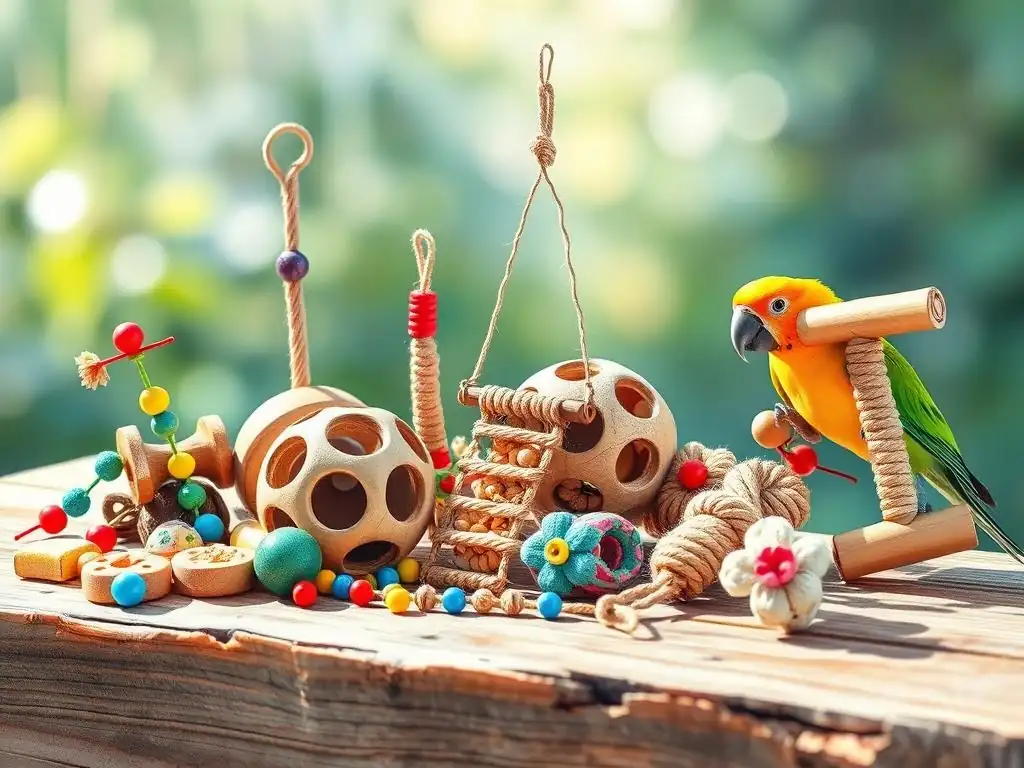
Rotating toys are a fantastic start to a stimulating environment for your feathered friend, but they're just one piece of the puzzle when it comes to providing optimal enrichment. A truly enriching experience for your bird involves a multifaceted approach, combining different types of toys, interactive activities, and a stimulating habitat. Think of rotating toys as the foundation – a core element that keeps your bird mentally engaged – but not the entire structure.
To build a truly thriving and happy bird, you need to add diverse elements to prevent boredom and promote natural behaviors. This section will explore how to expand your bird's enrichment program beyond just rotating toys.
Other Engaging Bird Toys to Complement Rotating Options
Rotating toys, while excellent for stimulating curiosity and problem-solving skills, shouldn't be the only type of toy in your bird's environment. Variety is key! Consider incorporating these complementary toy types to create a more dynamic and interesting play area:
- Foraging Toys: These toys require your bird to work for its food, mimicking natural foraging behaviors. Examples include puzzle feeders, treat balls, and toys that hide food within various compartments. This is crucial for mental stimulation and prevents boredom. Foraging toys help curb destructive behaviors often stemming from under-stimulation.
- Destructive Toys: Believe it or not, toys designed for destruction can be incredibly beneficial! Birds naturally enjoy shredding and tearing materials. Providing safe, appropriate materials like paper, cardboard, and natural wood allows them to satisfy this instinct without damaging your furniture. This can significantly reduce stress and promote a sense of control.
- Chew Toys: Similar to destructive toys, chew toys satisfy a bird's natural need to gnaw. These toys should be made of durable, non-toxic materials to prevent ingestion of harmful substances. Different textures and materials will provide a more varied experience. Consider offering a variety of wood types, safe rope, and other appropriate chewable items.
- Swing Toys and Perches: These provide physical activity and different vantage points within the cage. Different perches with varying diameters and textures can also contribute to foot health and prevent boredom.
Enrichment Activities Beyond Toys: Providing Mental Stimulation Through Interaction
Toys are important, but direct interaction with you is equally crucial for your bird's well-being. Daily interaction strengthens the bond between you and your pet and provides crucial mental stimulation. Consider these enriching activities:
- Training Sessions: Even short, fun training sessions can be incredibly enriching. Teaching your bird tricks not only strengthens your bond but also challenges their minds and provides a sense of accomplishment. Simple commands like "step up," "come here," or even mimicking sounds can be highly rewarding.
- Playtime Outside the Cage: Supervised playtime outside the cage allows your bird to explore new environments and interact with you in a different context. This provides valuable sensory stimulation and strengthens your bond. Remember to bird-proof the area thoroughly before letting your bird explore.
- Vocalization and Mimicry: Engage your bird in vocal interactions. Talk to your bird, sing to it, and encourage it to mimic sounds. This fosters communication and provides mental stimulation. This can be particularly engaging for species known for their vocal abilities.
- Social Interaction (if applicable): If appropriate for your bird's species and temperament, consider introducing it to other birds under careful supervision. Social interaction can provide significant mental and emotional enrichment. However, this needs careful planning and should only be done with suitable compatible birds.
The Importance of a Stimulating Environment for Your Bird
A stimulating environment is not a luxury; it's a necessity for a happy and healthy bird. A bored bird is more likely to exhibit undesirable behaviors such as feather plucking, excessive screaming, and self-mutilation. Providing a diverse range of toys, interactive activities, and a stimulating habitat significantly reduces the likelihood of these issues. Remember, a bird's intelligence and social needs are considerable, and neglecting these aspects can lead to serious health problems.
By actively engaging your bird through a comprehensive enrichment program, you’re investing in its physical and mental well-being, leading to a stronger bond and a happier, healthier pet. Providing the best rotating bird toys is just the beginning of creating a truly enriching environment for your avian companion. Remember to regularly rotate toys and introduce new ones to maintain interest and prevent boredom. This proactive approach ensures your bird remains engaged, curious, and thriving.
Maintaining Your Rotating Bird Toys: Cleaning and Safety
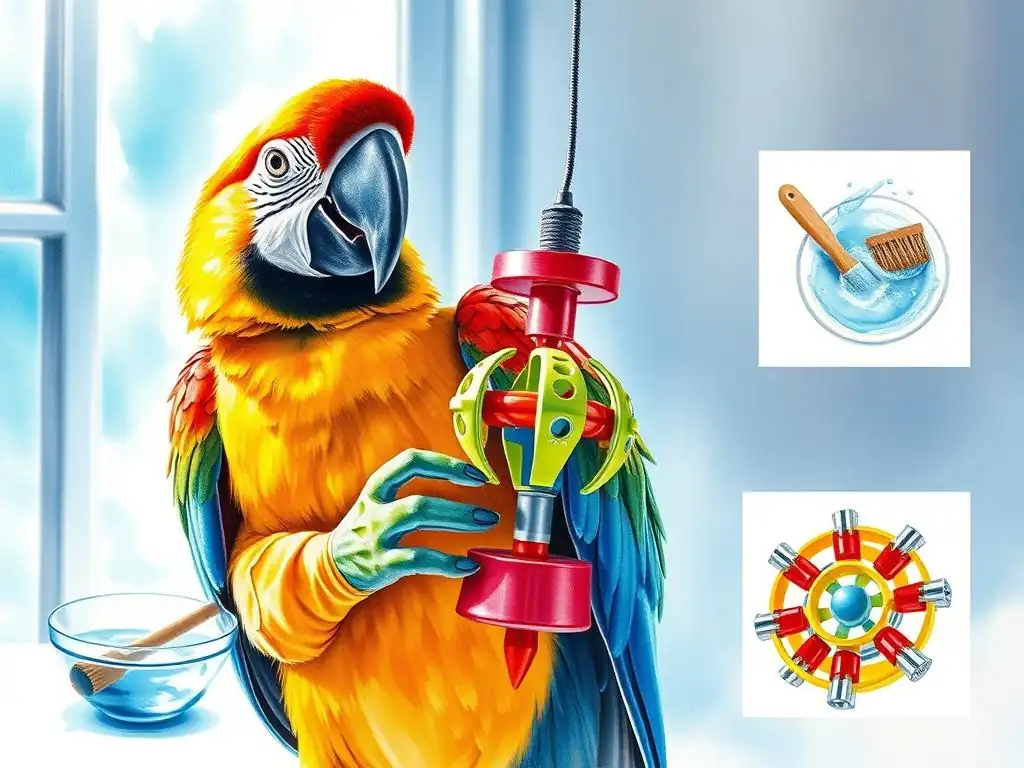
Maintaining the hygiene and structural integrity of your bird's rotating toys is crucial for their well-being and enjoyment. Neglecting this aspect can lead to health problems and even injury. Remember, a clean and safe toy is a happy and engaging toy – a key factor in selecting the best rotating bird toys for your feathered friend.
Regular Cleaning to Prevent Bacterial Growth and Maintain Hygiene
Regular cleaning is paramount to prevent the buildup of bacteria and maintain a hygienic environment for your bird. Birds, especially those with a penchant for chewing, can easily transfer bacteria from their beaks and droppings to their toys. This can lead to various illnesses. The frequency of cleaning depends on the material and how frequently the toy is used. However, a weekly thorough cleaning is recommended as a minimum for most rotating bird toys.
Here's a step-by-step guide:
- Remove the toy from the cage: This prevents accidental contamination of the cage's interior.
- Disassemble the toy (if possible): Many rotating toys have detachable parts, making cleaning easier and more thorough.
- Wash the parts: Use warm, soapy water and a soft-bristled brush. Avoid harsh chemicals and detergents, opting for pet-safe, bird-friendly cleaning solutions. A mild solution of white vinegar and water is a safe and effective alternative.
- Rinse thoroughly: Ensure all soap residue is removed to prevent any potential irritation to your bird.
- Air dry completely: Avoid using a dryer or placing the toy in direct sunlight, as this can damage the materials. Allow it to air dry completely before reassembling and returning it to the cage.
Remember to always supervise your bird while it interacts with its toys and monitor for any signs of illness. Regular cleaning is a simple yet effective step in providing the best possible care for your beloved companion. A clean toy contributes significantly to choosing the best rotating bird toys, guaranteeing a healthy and fun experience.
Inspecting Toys for Damage and Replacing Worn-Out Parts
Regular inspection is just as crucial as regular cleaning. Rotating toys, by their nature, experience wear and tear. Closely examine the toy for any signs of damage, such as:
- Broken or loose parts: These can pose a choking hazard or cause injury to your bird.
- Frayed ropes or strings: These can become tangled or ingested, leading to internal blockages.
- Cracked or chipped materials: These can harbor bacteria and create sharp edges that could injure your bird.
- Missing components: A missing part might compromise the toy's functionality and safety.
If you find any damage, immediately remove the toy from the cage. Do not attempt to repair the toy yourself unless you are certain you can do so safely. It's always best to replace a damaged toy rather than risk your bird's safety. Choosing the best rotating bird toys often involves understanding the need for timely replacements.
Remember, a damaged toy is not just ineffective; it's a potential danger. Prioritize your bird's safety by regularly inspecting and replacing worn-out toys.
Ensuring Safe Toy Materials and Avoiding Potential Hazards
The materials used in your bird's rotating toys are critical to their safety. Always choose toys made from non-toxic, bird-safe materials. Avoid toys containing:
- Lead-based paints: These are highly toxic and can cause severe illness or death.
- Small, detachable parts: These present a significant choking hazard.
- Sharp edges or points: These can cause cuts or injuries.
- Toxic woods or treated woods: Some woods contain chemicals that are harmful to birds.
When selecting the best rotating bird toys, prioritize toys made from natural materials like wood, cotton rope, and stainless steel. Always check the manufacturer's information to ensure the toy is bird-safe and appropriate for your bird's size and species. A safe toy is a fundamental aspect of responsible bird ownership, contributing to your bird's overall health and happiness. Prioritize safety when choosing and maintaining your bird's toys; it's an essential part of providing optimal care and selecting the best rotating bird toys.
Frequently Asked Questions about Rotating Bird Toys
This section addresses common queries regarding the use of rotating bird toys to enhance your feathered friend's well-being and prevent boredom. Choosing the best rotating bird toys involves understanding your bird's specific needs and preferences. Let's delve into some frequently asked questions.
How often should I rotate my bird's toys?
The frequency of toy rotation depends largely on your bird's species, age, and personality. However, a general guideline is to rotate toys at least once a week. This prevents your bird from becoming overly familiar with its playthings and losing interest. Some birds may become fixated on a single toy, requiring more frequent changes—perhaps even daily—to maintain engagement.
Consider implementing a system: Perhaps have three sets of toys and rotate them weekly, keeping one set in storage while another is in use. This allows for a fresh set of toys to be introduced regularly, stimulating continued interest and preventing the development of repetitive behaviors associated with boredom. For particularly playful birds, or those exhibiting signs of boredom (discussed below), consider rotating toys more frequently. Remember, the goal is to maintain a stimulating and enriching environment for your bird. Observe your bird’s interaction with its toys closely to determine the optimal rotation schedule.
A good strategy is to introduce a new toy alongside a favorite toy. This gradual change allows a smoother transition and reduces the likelihood of your bird rejecting the new toy completely. Think of it as a slow introduction of new, exciting elements into your bird's play routine.
What are the signs of a bored bird?
A bored bird will exhibit a range of behavioral changes, often signaling a need for environmental enrichment, including new toys and increased interaction. Recognizing these signs is crucial to addressing the problem effectively. The best rotating bird toys are only part of the solution; a proactive approach to enrichment is key.
Here are some tell-tale signs of boredom in birds:
- Excessive preening: While preening is a natural behavior, excessive preening can indicate stress or boredom.
- Feather plucking: This is a serious sign of distress and often indicates underlying issues, including boredom.
- Restlessness: Constant pacing, flapping, or repetitive movements can signal a lack of stimulation.
- Aggression: Increased aggression towards cage mates or humans can be a manifestation of boredom and frustration.
- Lethargy: A lack of energy or interest in activities can also suggest boredom.
- Decreased vocalizations: If your normally vocal bird becomes unusually quiet, it could be a sign of boredom or depression.
- Loss of appetite: A change in eating habits can be an indicator of various health issues, including stress related to boredom.
Observing these behavioral changes is vital. If you notice several of these symptoms, re-evaluate your bird's environment and introduce new toys, including rotating options, to re-engage them and improve their overall well-being. Remember, a happy bird is an active bird!
Are rotating toys suitable for all bird species?
While rotating toys offer excellent mental stimulation for many bird species, suitability depends on the bird's size, strength, and beak structure. Smaller birds might struggle with toys designed for larger species. Conversely, larger birds might quickly destroy toys intended for smaller ones. Always choose toys appropriate for your bird's size and capabilities.
The material of the toy is also crucial. Ensure the toy is made from non-toxic materials, as birds often chew on their toys. Avoid toys with small, detachable parts that could pose a choking hazard. The best rotating bird toys are those that are both engaging and safe.
Research the specific needs of your bird species before purchasing any toy. For example, a large macaw will need a considerably more robust and durable toy than a small finch. Consider the bird's natural foraging behaviors when selecting toys; mimicking these behaviors can significantly increase engagement and reduce boredom. Always supervise your bird's playtime, especially with new toys, to ensure safety and identify any potential problems early on.
Where can I find high-quality, safe rotating bird toys?
Finding high-quality, safe rotating bird toys for your feathered friend requires careful consideration. Avoid toys made from materials that could be easily shredded and ingested, leading to potential health hazards. Look for toys constructed from durable, non-toxic materials such as stainless steel, natural wood (ensure it's untreated and safe for birds), or sturdy, bird-safe plastics. The hinges and moving parts should be securely fastened to prevent accidental detachment and ingestion. Always supervise your bird during playtime, especially with new toys, to ensure safe interaction.
Reputable pet stores, both online and brick-and-mortar, often carry a selection of bird toys designed with safety in mind. Many specialize in avian supplies and will have knowledgeable staff who can advise you on appropriate toys for your specific bird species and age. Reading online reviews from other bird owners can also be beneficial in identifying brands and specific models known for their quality and safety.
Remember to always check the toy's packaging for safety certifications and warnings, paying close attention to any age or species recommendations. Prioritizing reputable sources significantly reduces the risk of purchasing substandard or dangerous products. Investing in high-quality, safe toys is crucial for your bird's well-being and contributes to a longer, healthier, and happier life.
Frequently Asked Questions
What makes a rotating bird toy the "best"?
The "best" rotating bird toy depends on your bird's size, species, and preferences. Look for durable, safe materials, engaging features, and a design that promotes mental stimulation and physical activity. Consider toys with varied textures and colors.
How often should I replace my bird's rotating toy?
Replace your bird's rotating toy when it becomes damaged, excessively worn, or loses its appeal. This ensures its safety and continued engagement. Aim for replacement every few months, or sooner if needed.
Are all rotating bird toys safe for all birds?
No, not all rotating bird toys are safe for all birds. Always check for small, detachable parts that could be a choking hazard. Choose toys appropriate for your bird's size and beak strength, and supervise playtime initially.
What are the benefits of rotating bird toys for my bird?
Rotating bird toys offer several benefits. They provide mental stimulation, preventing boredom and promoting cognitive development. They also encourage physical activity, contributing to your bird's overall health and well-being.
Where can I find the best rotating bird toys?
You can find a wide selection of rotating bird toys at PetCareWorld and other reputable pet supply stores, both online and in physical locations. Read reviews and compare features to find the perfect toy for your feathered friend.
Final Reflection: The Enduring Joy of Engaging Bird Toys
The simple act of providing a rotating bird toy is far more than just entertainment; it's a crucial step in ensuring the physical and mental well-being of our feathered companions. A stimulated bird is a happy bird, and the right toy can prevent boredom, destructive behaviors, and even depression. This isn't just about finding the "best" rotating bird toy, but about understanding the profound impact of enriching our birds' lives.
The journey of researching and writing this article has underscored the deep connection we share with our pets, and how easily we can overlook their complex needs. The sheer variety of rotating bird toys available highlights the creativity and innovation dedicated to avian enrichment, but it also emphasizes the responsibility we have to choose wisely. A bird's happiness is a reflection of our care,
a sentiment I've come to deeply appreciate during this process. The ongoing evolution of bird toy design reflects a growing awareness of avian intelligence and their need for constant mental stimulation.
Consider the impact of a single, well-chosen rotating toy. It's not just a distraction; it's a tool for problem-solving, a source of physical exercise, and a testament to the bond you share with your bird. Take a moment to observe your feathered friend interacting with their toys; notice their curiosity, their playful exploration, and the sheer joy they experience. Choose wisely, choose thoughtfully, and continue to learn and grow alongside your avian companion, ensuring their lives are filled with enriching experiences.
Unlock Your Bird's Playful Potential!
Thank you for learning how to enrich your feathered friend's life with a variety of toys! We hope you found helpful information on keeping your bird happy and stimulated. Now, let's put that knowledge into practice:
- Create a rotating toy schedule: Develop a weekly plan to introduce new toys and rotate favorites, preventing boredom and keeping your bird mentally and physically engaged. This is crucial for their well-being.
- Share your bird's favorite toy discoveries: Join our PetCareWorld community forum and share photos of your bird enjoying their new favorite toy! Let's inspire each other with creative ideas.
- Make your own rotating toy system: Crafting your own system using readily available materials is a rewarding way to strengthen your bond with your pet.
What creative toy rotation system will you create for your bird today?