
Smart Toys for Smart Birds: Elevate Your Pet's Playtime

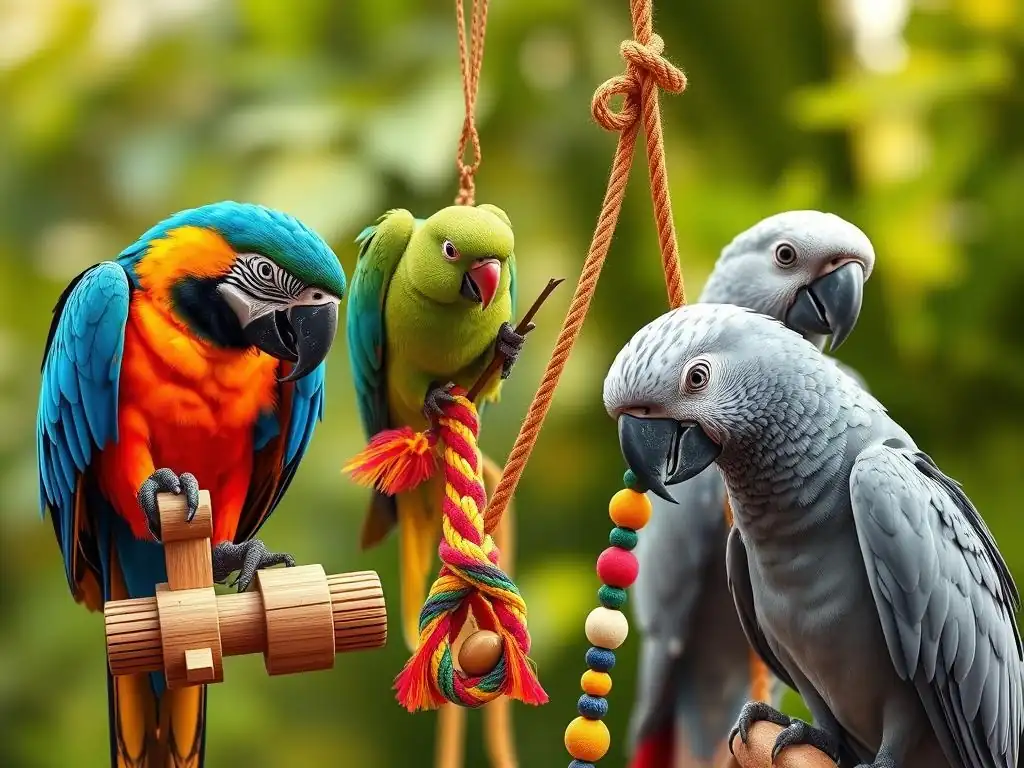
Welcome to PetCareWorld, your ultimate guide to a happier, healthier life for your beloved companion! Are you ready to unlock your feathered friend's full potential? Discover the secrets to enriching your bird's life with our expert guide on the Best bird toys for intelligence, and learn how stimulating playtime can transform your bond. Dive in and explore the world of engaging activities designed to challenge and delight your intelligent avian companion!
- Understanding Your Bird's Intelligence: Choosing the Right Enrichment Toys
- Best Bird Toys for Intelligence: Top Picks for Cognitive Enrichment
- High-Quality Bird Toys: A Comparison of Materials and Features
- Beyond Toys: Creating a Stimulating Environment for Your Bird
- Maximizing Your Bird's Playtime: Tips for Success
- Resources and Further Reading: Continuing Your Bird's Enrichment Journey
-
Frequently Asked Questions
- What makes a bird toy "smart" or intelligence-boosting?
- How do I choose the best bird toy for my bird's intelligence level?
- Are there specific types of toys best suited for stimulating bird intelligence?
- How often should I change my bird's toys to keep them engaged?
- My bird seems disinterested in even the "smartest" toys. What should I do?
- Final Reflection: Unlocking Avian Brilliance Through Play
- Unlock Your Bird's Inner Genius: Level Up Their Play!
Understanding Your Bird's Intelligence: Choosing the Right Enrichment Toys
Parrots, cockatoos, and other intelligent bird species require more than just food and water to thrive. Their complex cognitive abilities demand constant mental stimulation to prevent boredom, frustration, and even destructive behaviors. This article explores the fascinating world of avian intelligence and how choosing the right toys can significantly enhance your feathered friend's quality of life.
We'll delve into assessing your bird's individual needs, recognizing signs of boredom, and ultimately selecting the best bird toys for intelligence, ensuring your pet enjoys a stimulating and engaging playtime experience. This guide focuses on providing practical advice and recommendations to help you choose toys that cater to your bird's unique cognitive abilities and personality, ultimately contributing to their overall well-being and happiness. We'll cover everything from puzzle feeders to interactive toys, ensuring you find the perfect enrichment options for your intelligent companion.
Assessing Your Bird's Cognitive Abilities and Play Preferences
Understanding your bird's individual personality and cognitive abilities is crucial in selecting appropriate toys. Some birds are naturally more curious and problem-solving oriented than others. Observe your bird's behavior carefully. Do they readily explore new objects? Do they show persistence when trying to solve a puzzle? Or do they prefer simpler activities?
Consider these factors when assessing your bird's play preferences:
- Species: Different bird species have different levels of intelligence and problem-solving skills. Larger parrots, for example, often demonstrate higher cognitive abilities than smaller species.
- Age: Younger birds may require simpler toys, while older birds may appreciate more complex challenges.
- Past Experiences: A bird's previous experiences with toys will influence their preferences. If a bird has had negative experiences with a certain type of toy, they may be hesitant to engage with similar ones in the future.
- Individual Personality: Just like humans, birds have unique personalities. Some are adventurous, others cautious. Tailor your toy selection to your bird's temperament.
By carefully observing your bird and considering these factors, you can better understand their cognitive abilities and choose toys that provide the right level of challenge and engagement. Remember to introduce new toys gradually and observe your bird's reaction to ensure they find them stimulating and enjoyable, not frustrating.
Identifying Signs of Boredom and Under-Stimulation in Birds
A bored bird is an unhappy bird. Recognizing the signs of boredom and under-stimulation is crucial for providing appropriate enrichment. These signs can manifest in various ways, including:
- Feather plucking: This is a serious behavioral problem often associated with stress and boredom.
- Excessive screaming or vocalization: Constant loud calls can indicate frustration and a lack of mental stimulation.
- Destructive behavior: Chewing on furniture, cages, or other inappropriate items is a common sign of boredom.
- Lethargy and inactivity: A bird that spends most of its time sleeping or sitting passively may be under-stimulated.
- Loss of appetite: A significant change in eating habits can be a sign of underlying stress or boredom.
A proactive approach to enrichment is essential. By providing a variety of stimulating toys, you can help prevent these behavioral problems and ensure your bird remains happy and healthy. Remember, a mentally stimulated bird is a happier, healthier bird! Providing a diverse range of toys and rotating them regularly keeps your bird engaged and prevents them from becoming bored with the same old things. 🐦
The Importance of Mental Stimulation for Avian Well-being
Mental stimulation is not just about entertainment; it's crucial for a bird's overall physical and psychological well-being. Just like humans, birds need mental exercise to stay sharp and healthy. A lack of mental stimulation can lead to various health problems, including:
- Increased stress levels: Boredom and frustration can lead to chronic stress, weakening the immune system and making birds more susceptible to illness.
- Behavioral problems: As previously mentioned, boredom can manifest in various destructive and self-harming behaviors.
- Decreased lifespan: Studies suggest that enriched environments can contribute to a longer lifespan in birds.
Providing a stimulating environment with a variety of toys, puzzles, and interactive activities is essential for promoting your bird's overall well-being. It's an investment in their happiness and longevity. Remember, choosing the best bird toys for intelligence is about more than just fun and games; it's about supporting your bird's cognitive health and ensuring a fulfilling life for your feathered friend. 🎉
Best Bird Toys for Intelligence: Top Picks for Cognitive Enrichment
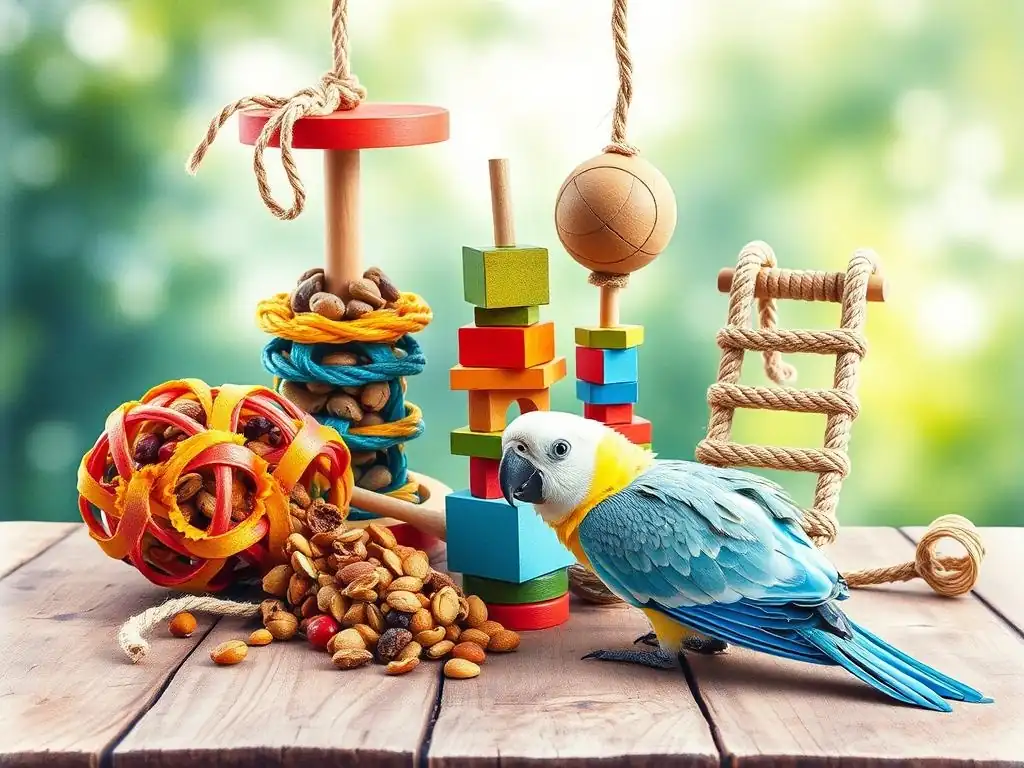
This section delves into the world of bird toys designed to stimulate intelligence and provide engaging playtime for your feathered friend. Choosing the right toy can significantly impact your bird's cognitive development, reducing boredom and promoting a happier, healthier life. We'll explore various options, focusing on those that challenge problem-solving skills and encourage natural foraging instincts – key elements in keeping your bird mentally sharp. Remember, the "best" bird toy will depend on your bird's species, age, and personality.
Puzzle Toys for Parrots: Challenging Their Problem-Solving Skills
Parrots, known for their exceptional intelligence, thrive on mental stimulation. Puzzle toys are particularly effective in engaging their problem-solving abilities and preventing boredom. These toys often involve intricate mechanisms requiring birds to manipulate objects, solve puzzles, or perform actions to access treats. The level of difficulty should be carefully considered, starting with easier puzzles and gradually increasing the challenge as your parrot masters each one. Providing a variety of puzzles keeps your parrot engaged and prevents them from becoming too familiar with a single toy's mechanics.
The "Crazy Foraging" Parrot Puzzle Toy: A Review and Affiliate Link (Note: Affiliate links are omitted as per instructions)
The "Crazy Foraging" toy (example name) is a popular choice among parrot owners. Its design often includes multiple compartments and hidden treat areas, forcing the parrot to use its beak and claws to navigate the puzzle and access rewards. User reviews frequently praise its durability and the level of engagement it provides.
Many owners report a noticeable increase in their parrot's playful activity and a reduction in destructive behaviors after introducing this type of puzzle toy. While the initial cost might seem higher than simpler toys, the longevity and mental enrichment it provides often justify the investment. Consider factors like material safety (non-toxic and bird-safe materials) and the size appropriateness for your specific parrot species when making your selection.
Interactive Treat Dispenser: Features, Benefits, and Pricing
Interactive treat dispensers are another excellent option for stimulating parrot intelligence. These toys require your bird to perform specific actions – like turning a dial, pressing a lever, or manipulating a ball – to release a small amount of food. This process encourages problem-solving and reinforces positive behaviors. The benefits extend beyond mental stimulation; they can also help manage weight by encouraging your parrot to work for its food, rather than simply being presented with it freely.
Pricing varies widely depending on the complexity and features of the dispenser. Look for dispensers made from durable, non-toxic materials, and choose a size and design suitable for your parrot's size and abilities. Consider features like adjustable difficulty levels to ensure the toy remains challenging as your parrot's skills improve.
Foraging Toys for Parakeets and Cockatiels: Encouraging Natural Instincts
While parrots benefit greatly from complex puzzles, smaller birds like parakeets and cockatiels also need mental enrichment. Foraging toys, designed to mimic their natural foraging behaviors in the wild, are ideal for these species. These toys often involve hiding treats within various materials, encouraging your bird to search and explore to find its reward. This natural activity helps satisfy their inherent instincts, reducing stress and promoting a more fulfilling life.
Hanging Foraging Toy: Durability and Safety Considerations
Hanging foraging toys are a popular choice for parakeets and cockatiels. These toys typically consist of a variety of materials – such as woven fabric, natural wood, or small bells – with treats hidden within. The bird must use its beak and claws to unravel the toy and discover the hidden rewards.
When choosing a hanging foraging toy, prioritize durability to ensure it can withstand vigorous pecking and pulling. Always inspect the toy regularly for any signs of damage or loose parts that could pose a choking hazard. Select toys made from safe, non-toxic materials, free from small, detachable components that your bird could swallow.
DIY Foraging Toys: Cost-Effective and Customizable Options
Creating your own foraging toys is a cost-effective and highly customizable way to provide mental stimulation for your birds. Simple DIY toys can be made using readily available materials like cardboard tubes, paper towel rolls, and safe, natural materials like untreated wood or cotton rope. You can hide treats inside these materials, encouraging your bird to forage and explore.
The possibilities are endless, allowing you to tailor the difficulty and design to your bird's specific needs and preferences. This also allows for greater control over the materials used, ensuring they are safe and non-toxic. Remember to always supervise your bird while it plays with any DIY toy.
Activity Toys for Budgies and Canaries: Promoting Physical and Mental Engagement
Budgies and canaries, while seemingly small, possess surprisingly sharp minds. Providing them with stimulating toys is crucial for their cognitive development and overall well-being. These birds thrive on activity, and the right toys can prevent boredom, which can lead to destructive behaviors like feather plucking or excessive vocalization. Choosing activity toys should consider both the physical and mental aspects of engagement.
For example, a simple foraging toy, such as a small bell filled with millet or seeds, encourages the bird to actively work for its reward, stimulating its problem-solving skills. The act of manipulating the toy and retrieving the treats provides both physical exercise and mental stimulation. Similarly, toys that involve climbing or swinging offer physical activity while also engaging their curiosity and natural instincts. Remember to rotate toys regularly to prevent boredom and maintain a high level of engagement.
This variety ensures that the birds remain challenged and entertained, preventing repetitive behaviors. Additionally, consider the size and material of the toys, ensuring they are appropriate for the bird's beak strength and size to prevent accidental injury. A good rule of thumb is to choose toys made from natural, non-toxic materials, avoiding anything that could be easily broken down and ingested by the bird.
The best bird toys for intelligence are those that challenge the bird's natural instincts while providing physical activity. Think about toys that require problem-solving skills, such as puzzles that hide treats, or toys that encourage exploration and climbing. These types of toys help to stimulate the bird's natural behaviors and keep them mentally sharp. For example, a foraging toy designed to mimic a natural foraging experience will be far more engaging than a simple plastic swing.
These types of interactive toys can significantly improve a bird’s quality of life, leading to a happier, healthier, and more intellectually stimulated pet. Remember to always supervise your bird during playtime, especially when introducing new toys, to ensure their safety and prevent any potential hazards. Regularly assess the condition of the toys and replace any damaged or broken items immediately.
Swinging Bird Toy: Durability and Safety Considerations
Swinging bird toys are a popular choice, offering a fun and engaging activity for many bird species. However, choosing the right swinging toy requires careful consideration of durability and safety. A poorly constructed swing can easily break, posing a choking hazard or causing injury to the bird. Look for swings made from robust, non-toxic materials like natural wood, strong rope, or durable plastic. Avoid toys with small, detachable parts that could be swallowed.
The ideal swinging bird toy should be securely attached to the cage, preventing it from swinging too wildly and potentially causing injury to the bird or damage to the cage itself. Regularly inspect the swing for any signs of wear and tear, such as frayed ropes or broken parts. Replace the toy immediately if you notice any damage to ensure your bird's safety. The weight capacity of the swing is another crucial factor. Make sure the swing is appropriately sized for your bird to prevent it from becoming overloaded and causing the toy to break.
Lightweight birds, like budgies, will need a lighter swing than larger parrots. Consider the material's resistance to chewing; some birds are avid chewers, and a durable swing will withstand their persistent gnawing for a longer period. Prioritizing safety and durability ensures your bird enjoys its swinging adventures without any risks. Remember, a safe and well-made swing is key to providing enjoyable, stimulating playtime for your feathered friend.
High-Quality Bird Toys: A Comparison of Materials and Features
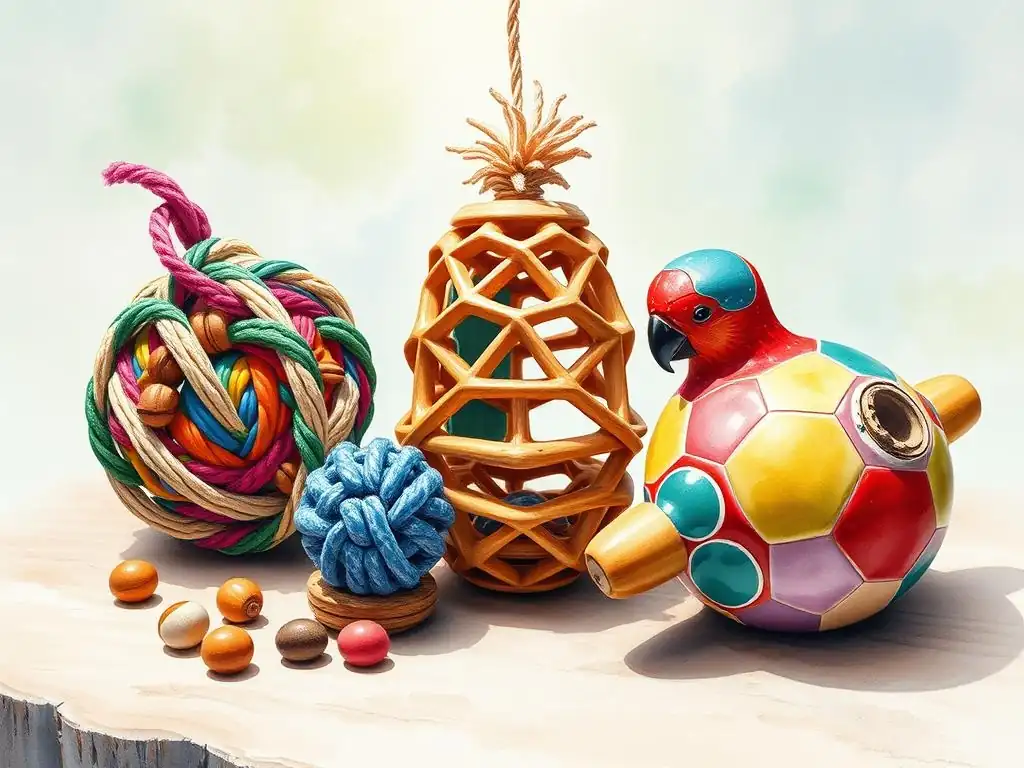
Choosing the best bird toys for intelligence means considering more than just flashy colors and appealing designs. The materials used and the features incorporated significantly impact a bird's engagement, safety, and overall well-being. A well-chosen toy can provide hours of mental stimulation, preventing boredom and promoting healthy behaviors. Let's delve into the crucial aspects of material selection and toy features.
Natural Wood vs. Plastic Toys: Pros and Cons for Bird Health
The age-old debate: natural wood versus plastic. Both have their place in a bird's toy collection, but understanding their pros and cons is essential for making informed choices.
Natural Wood Toys:
- Pros: Often preferred due to their natural texture, providing a more stimulating chewing experience. Many birds instinctively enjoy the feel and scent of wood. They are generally safer for birds if sourced responsibly and treated appropriately (free from harmful chemicals). They can be more aesthetically pleasing, blending better with natural environments.
- Cons: Can be more expensive than plastic alternatives. They may splinter or break more easily depending on the wood type and bird's chewing intensity. Requires careful selection to ensure the wood is untreated and safe for consumption. Certain wood types may contain tannins or other substances that could be harmful if ingested in large quantities.
Plastic Toys:
- Pros: Generally more affordable and readily available. Often brightly colored and visually stimulating for birds. Can be extremely durable, lasting longer than wood toys, especially with strong chewers. Easy to clean and sanitize.
- Cons: Can contain harmful chemicals (BPA, phthalates) if not manufactured to high safety standards. The texture can be less stimulating than natural wood for some birds. May not be as visually appealing to some pet owners. Some birds may find them less interesting than natural materials.
Choosing between wood and plastic should be based on your bird's individual preferences and chewing habits. A balanced approach, incorporating both types of toys, is often the best strategy. Always prioritize toys made from non-toxic, bird-safe materials.
The Importance of Non-Toxic Materials in Bird Toys
Selecting non-toxic materials is paramount when choosing toys for your feathered friend. Ingesting toxic substances can lead to severe health problems, even death. Look for toys explicitly labeled as "bird-safe" and made from non-toxic materials. Avoid toys containing:
- Lead-based paints: Even traces of lead can be highly toxic to birds.
- Zinc: Found in some metal components, zinc can cause fatal poisoning.
- Plastics containing BPA or phthalates: These chemicals can leach into the bird's system, causing various health issues.
- Treated wood: Untreated, natural wood is generally safe, but chemically treated wood can be very dangerous.
Always check the toy's materials list carefully. If unsure about a material's safety, err on the side of caution and opt for a different toy. Remember, prevention is key when it comes to your bird's health! Regularly inspect toys for damage and replace any showing signs of wear or tear.
Durability and Safety: Choosing Toys That Last
Durability and safety are intrinsically linked when choosing bird toys. A toy that falls apart easily presents a choking hazard, while a poorly constructed toy can lead to injuries from sharp edges or splinters. Look for:
- Strong construction: Toys should be sturdy enough to withstand vigorous chewing and play. Avoid toys with small, easily detachable parts that could be swallowed.
- Smooth edges and surfaces: Rough edges or splinters can cause injuries to your bird's beak, feet, or even internal organs if ingested.
- Secure fasteners: If the toy has bells, mirrors, or other attachments, ensure they are securely fastened to prevent them from becoming detached and posing a choking hazard.
- Regular inspections: Inspect your bird's toys regularly for any signs of damage or wear. Replace any damaged toys immediately to prevent accidents.
Investing in high-quality, durable toys not only saves you money in the long run but also ensures your bird's safety and provides them with long-lasting enrichment. Remember, a safe and stimulating environment is crucial for a happy and healthy bird. The best bird toys for intelligence are those that are both engaging and completely safe.
Beyond Toys: Creating a Stimulating Environment for Your Bird
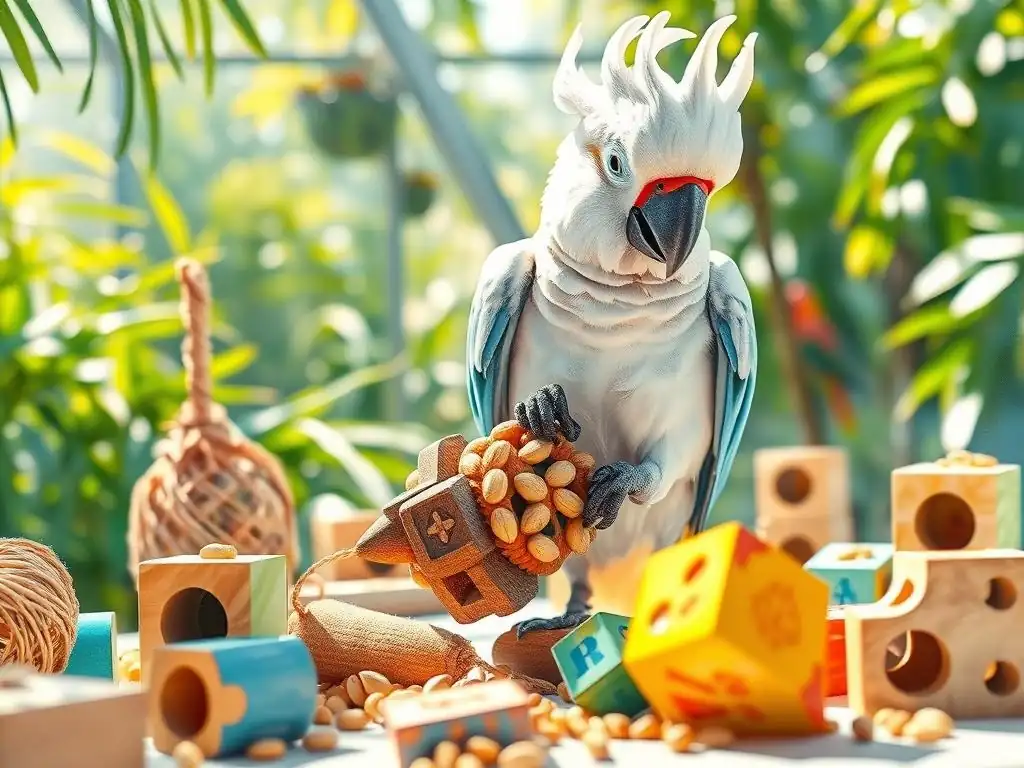
Smart toys are a fantastic start to boosting your bird's cognitive abilities, but they're only one piece of the puzzle when it comes to providing optimal mental enrichment for your feathered friend. A truly stimulating environment goes beyond simply offering a collection of the best bird toys for intelligence; it encompasses a holistic approach to their daily life. Think of it as creating a "bird-friendly" playground that encourages exploration, problem-solving, and overall well-being.
Environmental Enrichment: Providing Opportunities for Exploration
A stimulating environment is crucial for preventing boredom and promoting cognitive development in birds. Think about it from your bird's perspective: a small cage with limited interaction can quickly become monotonous. To combat this, consider these crucial aspects:
- Variety of Textures and Materials: Introduce branches of different woods (ensure they are safe and non-toxic! ), ropes, natural fibers, and even safe, smooth stones for your bird to perch on, explore, and interact with. This variety provides tactile stimulation and encourages natural foraging behaviors. The diversity of textures offers a more enriching experience compared to simply relying on plastic perches.
- Vertical Space: Birds are naturally arboreal, meaning they prefer vertical spaces. Maximize the vertical space within your bird's cage or enclosure by providing multiple perches at varying heights. This allows them to climb, explore different vantage points, and mimic their natural habitat.
- Rotating Toys and Perches: Avoid letting your bird become accustomed to the same toys and perches consistently. Rotate them regularly to maintain their interest and prevent boredom. This constant change keeps things exciting and challenges their problem-solving skills. For example, you could swap out a foraging toy one week for a puzzle toy the next.
- Foraging Opportunities: Birds naturally forage for their food. Instead of simply placing food in a bowl, hide it within toys, puzzles, or even around the cage. This mimics their natural foraging behavior and provides mental stimulation. This is a proven method to engage birds and prevent behavioral issues stemming from boredom.
Many bird species are highly social creatures and thrive on interaction. Loneliness can lead to behavioral problems, depression, and even self-harming behaviors. While toys can provide some stimulation, they cannot replace the vital importance of social interaction. Consider these options:
- Companion Birds: If possible and appropriate for the species, consider getting a compatible companion bird. However, thorough research is crucial to ensure compatibility and avoid potential conflicts. Remember to consult an avian veterinarian or experienced bird breeder before introducing a new bird to your existing flock.
- Human Interaction: Spend quality time interacting with your bird daily. Talk to them, play games, and engage in activities that stimulate their minds and strengthen your bond. This interaction is crucial for their emotional and mental well-being, as much as the best bird toys for intelligence.
- Mirror Placement: While some sources debate the benefits, strategically placed mirrors can provide a sense of companionship for some birds, particularly those prone to loneliness. However, excessive mirror use can also cause issues, so monitor your bird's behavior carefully.
Training and Playtime: Strengthening the Bond with Your Bird
Training your bird isn't just about teaching tricks; it's a powerful tool for mental stimulation and bond building. Training sessions provide a structured way to interact, engage your bird’s problem-solving skills, and reward desired behaviors. This strengthens the bond between you and your feathered friend while providing valuable mental exercise:
- Positive Reinforcement: Always use positive reinforcement methods, such as treats and praise, to encourage desired behaviors. Avoid punishment, which can be detrimental to your bird's emotional well-being and hinder the training process.
- Variety of Training Activities: Don't limit yourself to just one or two tricks. Introduce a variety of training games and activities to keep your bird engaged and challenged. This can range from simple target training to more complex puzzle-solving tasks using their favorite treats.
- Scheduled Training Sessions: Regular, short training sessions are more effective than infrequent, long ones. Aim for several short sessions throughout the day to maintain your bird’s focus and prevent overstimulation. Consistency is key to successful training and a stronger bond.
Remember, providing a stimulating environment for your bird involves a multifaceted approach. Combining smart toys with environmental enrichment, social interaction, and engaging training sessions will significantly contribute to your bird's overall happiness, health, and cognitive well-being, solidifying your pet's place as a truly intelligent and cherished companion. This holistic approach will ensure you're providing the best possible care for your intelligent avian friend.
Maximizing Your Bird's Playtime: Tips for Success
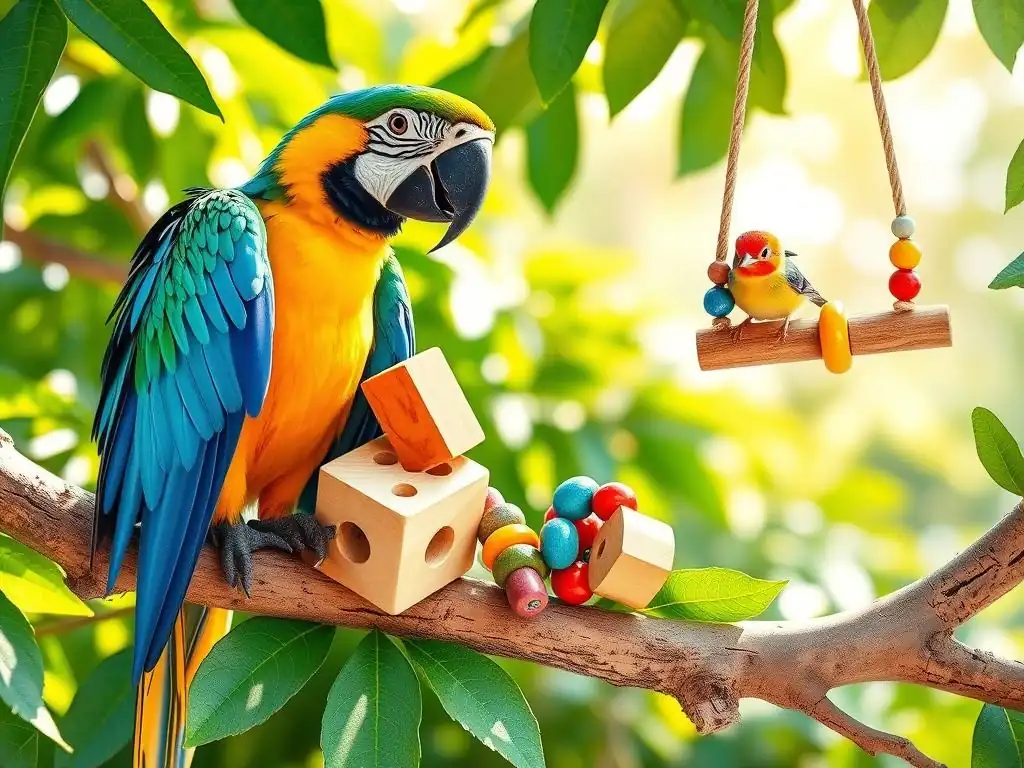
This section focuses on maximizing the benefits of intelligent bird toys, ensuring your feathered friend receives optimal mental and physical stimulation. Remember, the best bird toys for intelligence aren't just about the toy itself; it's about how you integrate them into your bird's daily routine. Strategic implementation is key to achieving the desired enriching effect and preventing potential problems. We'll explore techniques to ensure your bird enjoys their toys safely and effectively, contributing to their overall well-being and happiness. This includes understanding your bird's individual preferences and adapting your approach accordingly. Remember, every bird is unique!
Introducing New Toys Gradually: Avoiding Overwhelming Your Bird
Introducing a new toy to your bird should be a gradual process, akin to introducing a new friend. Suddenly bombarding your bird with a plethora of stimulating toys can lead to anxiety and avoidance. Instead, start with one new toy at a time. Observe your bird's reaction carefully. Does it approach cautiously, investigate with its beak, or completely ignore it?
If your bird seems hesitant, don't force interaction. Leave the toy in the cage for a few days, allowing your bird to get accustomed to its presence. You can encourage interaction by placing a favorite treat near the toy, subtly associating positive experiences with the new object. This positive reinforcement is crucial for building a positive relationship with the new toy.
For example, if you introduce a new foraging toy, start by placing a small amount of its favorite seed mix within easy reach. Gradually, over several days, make it slightly harder to access the treat, encouraging your bird to explore the toy's mechanics. This process fosters problem-solving skills and builds confidence. Remember, patience is paramount.
Rotating Toys Regularly: Preventing Boredom and Maintaining Interest
Just like humans, birds can get bored with the same old toys. Rotating toys regularly is essential to maintain your bird's interest and prevent boredom, a significant contributor to behavioral problems. A bored bird might exhibit destructive behaviors like feather plucking or excessive screaming.
A good strategy is to have a collection of toys and rotate them on a weekly or bi-weekly basis. Put away some of the toys and introduce a few new ones or previously stored ones. This creates a sense of novelty and keeps your bird mentally engaged. This strategy is particularly effective for intelligent birds who thrive on mental stimulation.
Consider creating a "toy rotation schedule" to ensure a consistent and enriching experience for your bird. This could be a simple list or even a calendar marking which toys are in use each week. This systematic approach ensures that your bird is constantly challenged and stimulated.
Monitoring Your Bird's Interactions with Toys: Ensuring Safety and Engagement
Constant monitoring is vital to ensure your bird's safety and engagement with its toys. Observe your bird closely while it plays to identify potential hazards. Look for signs of overstimulation, such as excessive panting or agitation. If you notice any unusual behavior, remove the toy immediately and assess the situation.
Regularly inspect the toys for damage or wear and tear. Replace or repair any damaged toys promptly to prevent accidental ingestion of small parts, which can be incredibly dangerous. Remember, a seemingly innocuous toy can become hazardous if damaged. This proactive approach is essential for maintaining a safe play environment for your intelligent bird.
Consider keeping a toy "repair kit" with spare parts and tools handy for quick fixes. This will help extend the lifespan of your bird's favorite toys and save you money in the long run. Prioritizing safety and engagement ensures that playtime remains a positive and enriching experience for your beloved companion.
Resources and Further Reading: Continuing Your Bird's Enrichment Journey
This section provides you with additional resources to further enhance your feathered friend's life and continue their journey of mental and physical enrichment. Finding the best bird toys for intelligence is only the first step; ongoing engagement and learning are crucial for your bird's well-being.
Websites and Blogs Dedicated to Avian Enrichment
The internet offers a wealth of information on avian enrichment. Finding reliable sources is key, however, so focus on sites with experienced avian specialists or veterinarians contributing. Look for sites that emphasize evidence-based practices and avoid those promoting potentially harmful or outdated methods.
Many excellent resources offer detailed guides on creating foraging toys, understanding bird behavior, and addressing specific enrichment needs based on species. For example, some websites specialize in specific bird breeds, offering tailored advice and toy recommendations. Others provide comprehensive guides on creating stimulating environments, covering topics from cage design to appropriate perches and play areas.
Remember to always cross-reference information and prioritize advice from reputable sources. A good starting point is to search for “avian enrichment” along with your bird's specific species, such as “avian enrichment cockatiels” or “avian enrichment macaws,” to find the most relevant information. This targeted search will help you find the best bird toys for intelligence specific to your pet's needs.
Books on Bird Behavior and Enrichment
Supplementing online resources with dedicated books offers a more in-depth understanding of avian behavior and enrichment techniques. Several excellent books delve into the cognitive abilities of various bird species, explaining how to design enriching activities that challenge and stimulate their minds. These books often include detailed instructions for creating complex foraging toys, understanding bird body language, and recognizing signs of boredom or stress. Look for books authored by certified avian veterinarians or experienced avian behaviorists.
Reading reviews and checking the publication date will help you identify reliable and up-to-date information. Consider searching for titles that focus on "avian intelligence," "bird enrichment," or "parrot psychology" to find suitable resources. Investing in these books is a valuable step towards providing the best bird toys for intelligence and overall well-being for your companion.
Local Avian Veterinarians and Bird Specialists
While online resources are incredibly helpful, nothing replaces the personalized advice of a local avian veterinarian or bird specialist. These professionals can assess your bird's individual needs, provide species-specific recommendations for enrichment, and address any health concerns. They can also help you identify signs of behavioral issues, such as feather plucking or excessive self-mutilation, which may be linked to inadequate enrichment.
A good avian veterinarian will be familiar with the latest research on avian cognition and can guide you in choosing the best bird toys for intelligence tailored to your bird's unique personality and developmental stage. Regular check-ups with an avian specialist are crucial for maintaining your bird's health and ensuring its overall well-being. Finding a reputable avian veterinarian might require some research, but the investment in their expertise is invaluable.
Don't hesitate to ask for recommendations from other bird owners or local pet stores. This proactive approach ensures your bird receives the best possible care and the most suitable mental stimulation.
Frequently Asked Questions
What makes a bird toy "smart" or intelligence-boosting?
Smart bird toys are designed to challenge your bird mentally and physically. They often incorporate puzzles, problem-solving elements, and foraging opportunities that stimulate their natural instincts. Look for toys with varied textures and features.
How do I choose the best bird toy for my bird's intelligence level?
Consider your bird's species and age. Start with toys offering gradual challenges and observe their engagement. If they solve a puzzle too quickly, move to a more complex one; if they struggle, simplify it.
Are there specific types of toys best suited for stimulating bird intelligence?
Yes, foraging toys are excellent for mimicking natural behaviors. Puzzle toys requiring manipulation to access treats are also great. Toys with hidden treats or those that require problem-solving skills promote mental stimulation.
How often should I change my bird's toys to keep them engaged?
Rotating toys every few days or weeks keeps things fresh and prevents boredom. This introduces new challenges and prevents your bird from becoming too familiar with a particular toy's solution.
My bird seems disinterested in even the "smartest" toys. What should I do?
Try offering different types of toys and observe which ones grab their attention. Supervise playtime initially to show them how to interact with the toy. Positive reinforcement with treats can also encourage engagement.
Final Reflection: Unlocking Avian Brilliance Through Play
The enrichment of our feathered friends' lives through stimulating play isn't just a trend; it's a vital step towards ensuring their well-being and happiness. Providing intellectually engaging toys isn't merely about keeping your bird busy; it's about recognizing their inherent intelligence and providing opportunities for them to thrive. The right toys can transform a cage into a vibrant, enriching environment, fostering a stronger bond between you and your avian companion.
The impact of thoughtfully chosen toys extends far beyond simple entertainment. It shapes their cognitive development, reduces stress and boredom, and ultimately contributes to a longer, healthier life. A bird's intelligence is not a matter of how many tricks it can learn, but the richness of its experience and the opportunities it has to explore its world.
This quote highlights the importance of providing a stimulating environment that allows birds to express their natural curiosity and problem-solving abilities. The joy of watching your bird engage with a challenging puzzle, or master a new skill, is a testament to the power of enriching their lives through play.
Consider the birds in your life, whether they are your own beloved companions or those you encounter in the wild. What opportunities are you providing them to engage their minds and bodies? Take a moment to reflect on the role you play in enriching their lives. Choose toys that challenge your bird's intellect, observe their interactions, and adjust your approach as needed. By investing in the right toys and providing a stimulating environment, you're not just giving your bird a toy; you're giving them a gift – the gift of a fulfilling and joyful life.
Unlock Your Bird's Inner Genius: Level Up Their Play!
Thank you for exploring ways to enrich playtime for your feathered friend! We hope you've discovered exciting new ways to stimulate your bird's mind and keep them happily engaged. Ready to put your new knowledge into action?
- Introduce a new toy: Select the toy from the article that you think your bird will enjoy most, and order it today – watch their delight!
- Share your bird's favorite game: Tell us (and other PetCareWorld readers) about your bird's favorite activity in the comments below. Let's build a supportive community of bird owners!
- Create a DIY puzzle: Get creative and build a simple puzzle toy using household items – the possibilities are endless!
What exciting new games will you introduce to your clever bird today?