
Teaching Your Dog to Wait: Building Impulse Control

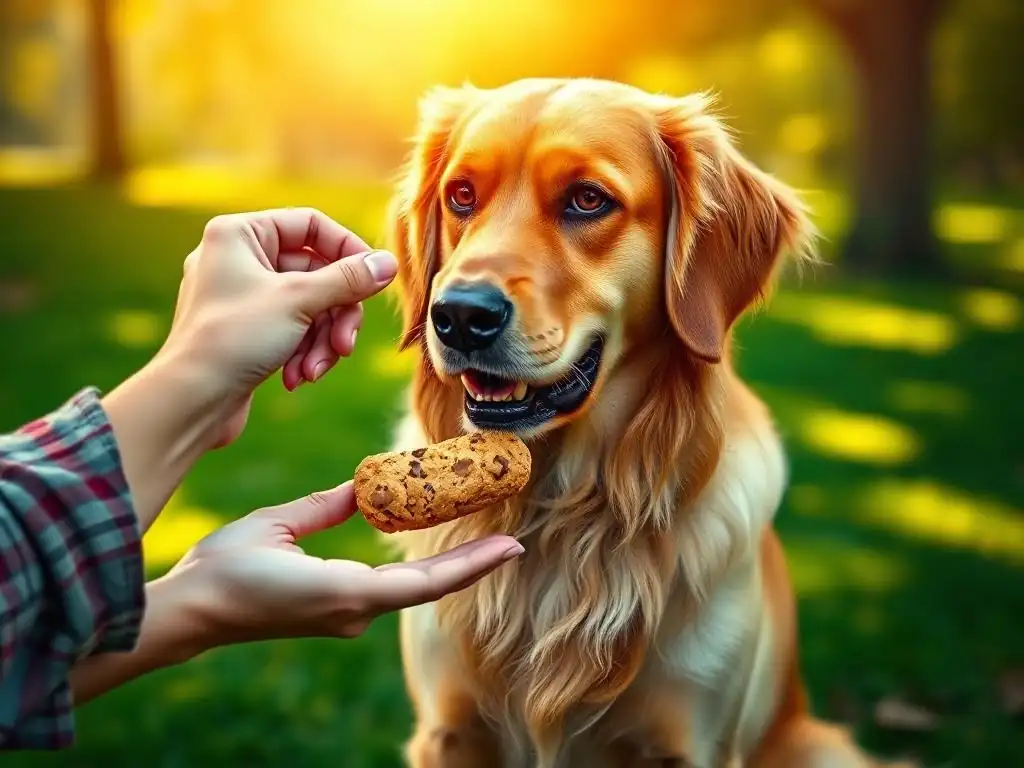
Welcome to PetCareWorld, your ultimate guide to a happier, healthier life with your beloved pets! Are you ready to unlock the secret to a well-behaved canine companion? Learn how to master the crucial dog wait command training technique, a cornerstone of impulse control and a vital skill for every dog owner. Discover the simple yet effective methods that will transform your dog's behavior and strengthen your bond – explore our Dog Care & Training section to begin your journey today!
- Understanding the Importance of the "Wait" Command for Dogs
- Step-by-Step Guide: Teaching Your Dog the Wait Command
- Troubleshooting Common Challenges in "Dog Wait Command Training"
- Advanced "Wait" Command Training Techniques
- Positive Reinforcement: Key to Successful "Dog Wait Training"
- Maintaining and Refining the "Wait" Command
-
Frequently Asked Questions
- How long does it typically take to teach a dog the "wait" command?
- What are the best rewards to use when training a dog to wait?
- My dog breaks the "wait" command frequently. What should I do?
- Can I teach my dog the "wait" command using only verbal cues?
- Is it cruel to teach a dog the "wait" command?
- Final Reflection: The Enduring Power of Patience in Dog Training
- Unlock Your Dog's Patience: Start Training Today!
Understanding the Importance of the "Wait" Command for Dogs
Teaching your dog the "wait" command is far more than just a cute trick; it's a cornerstone of effective dog training and a crucial element in building a well-behaved, safe companion. This command fosters impulse control, a vital skill impacting every aspect of your dog's life, from preventing accidents and ensuring safety to laying the groundwork for more advanced training techniques.
Mastering the "wait" command empowers you to manage your dog's behavior in various situations, leading to a more harmonious and enjoyable relationship with your furry friend. This guide will delve into the significance of impulse control, demonstrate how the "wait" command contributes to safety, and explain how it serves as a foundation for more complex training exercises, all while equipping you with practical strategies for successful "dog wait command training".
We'll explore the benefits and provide step-by-step instructions to help you teach your canine companion this essential skill. Get ready to unlock a new level of communication and cooperation with your dog!
Why Impulse Control is Crucial for Dog Obedience
Impulse control is the ability of your dog to resist immediate gratification and think before acting. It's the difference between a dog calmly waiting for their food bowl and excitedly jumping up, grabbing the bowl, and potentially spilling food everywhere. This fundamental skill is essential for successful dog obedience training. A dog lacking impulse control is more likely to exhibit unwanted behaviors such as jumping on guests, pulling on the leash, stealing food from counters, and reacting aggressively to other dogs or stimuli.
Building strong impulse control not only prevents these disruptive behaviors but also creates a safer environment for your dog and those around them. A dog with good impulse control is less prone to accidents, both indoors and outdoors, and is easier to manage in various settings, from busy streets to crowded dog parks. Think of it as teaching your dog patience and self-regulation – invaluable life skills for a happy and well-adjusted canine companion. The benefits extend beyond basic obedience, positively impacting your dog's overall well-being and your relationship.
Preventing Accidents and Ensuring Safety with the Wait Command
The "wait" command is directly linked to accident prevention and safety. Imagine your dog eagerly anticipating a walk, pulling so hard on the leash that they could injure themselves or you. Or perhaps they're enthusiastically approaching a busy street before you've given the all-clear.
Teaching your dog to "wait" before crossing streets, entering doorways, or approaching other animals significantly reduces the risk of accidents. This command provides you with crucial control, allowing you to assess the situation and ensure your dog's safety before they act on impulse. Moreover, the "wait" command can be adapted to numerous situations: waiting for their food bowl, waiting before jumping in the car, or waiting patiently while you prepare their toys.
This consistent application reinforces the command and makes it a valuable tool in managing your dog's behavior in everyday life. The proactive approach to safety that the "wait" command enables is invaluable for both responsible pet ownership and building a trusting bond with your dog.
The "Wait" Command: A Foundation for Advanced Training
The "wait" command isn't just a standalone skill; it's a fundamental building block for more advanced training. Many complex commands, such as "stay," "leave it," and even retrieving objects, rely on a strong foundation of impulse control. Once your dog reliably waits, you can gradually increase the duration and difficulty of the command, introducing distractions and longer waits.
This process builds their patience and reinforces their understanding of the command. Furthermore, the ability to wait patiently is crucial for activities like attending dog training classes, participating in agility courses, or simply enjoying calm and controlled interactions with other dogs and people.
By mastering the "wait" command, you're not only teaching a single behavior but also equipping your dog with a crucial skill set that will benefit them throughout their life, paving the way for a more fulfilling and enjoyable relationship for both of you. It's a testament to the power of patience and consistent training in building a strong bond and a well-behaved companion.
Step-by-Step Guide: Teaching Your Dog the Wait Command
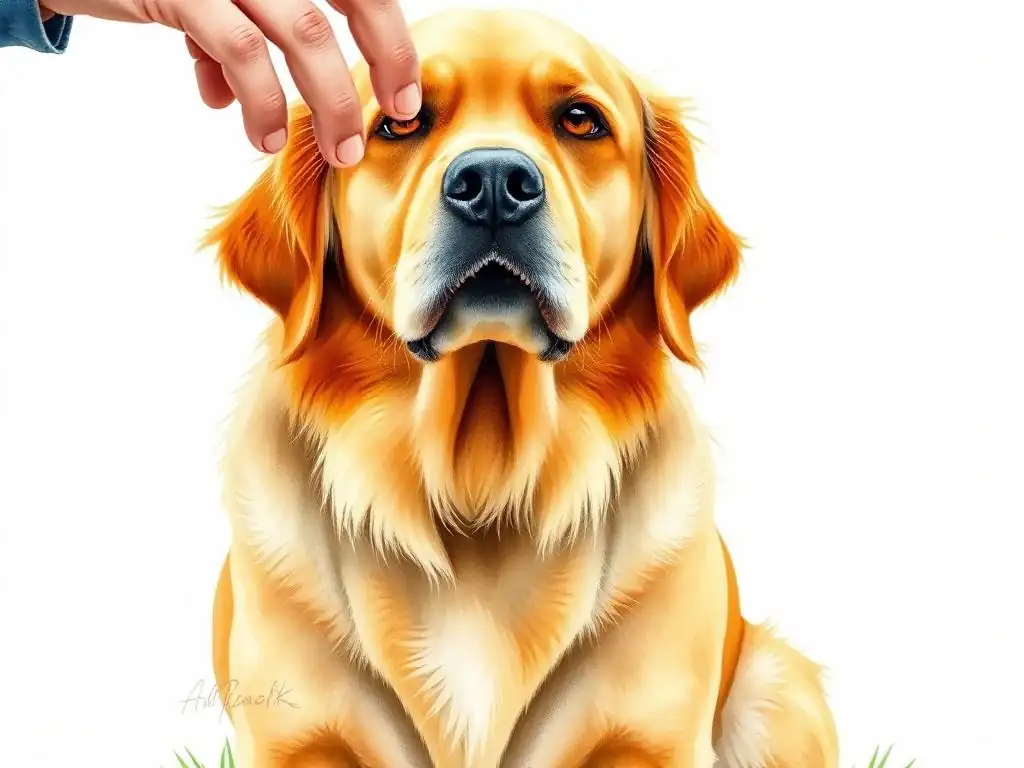
This section details a practical, step-by-step approach to teaching your canine companion the valuable "wait" command. Mastering this command significantly improves your dog's impulse control, laying a strong foundation for more advanced obedience training. Effective "dog wait command training" hinges on patience, positive reinforcement, and a structured approach. Let's delve into the specifics.
Step 1: Choosing the Right Environment for "Dog Wait Command Training"
The initial stages of dog wait command training are crucial. A calm, distraction-free environment is paramount for success. Avoid areas with excessive noise, other animals, or strong smells that might divert your dog's attention. Your home, a quiet backyard, or a sparsely populated park are ideal locations. The key is to minimize external stimuli that could compete with your training efforts.
Consider the following factors when selecting your training space:
- Minimal distractions: A quiet room or area with limited visual and auditory stimulation is best for initial training sessions.
- Positive associations: Choose a location where your dog feels comfortable and safe. This will help to create a positive learning experience.
- Controlled space: Ensure the area is securely enclosed to prevent your dog from wandering off during training.
Step 2: Introducing the "Wait" Cue with High-Value Treats
Begin by having a selection of high-value treats readily available. These should be small, enticing pieces of food your dog finds irresistible – think small pieces of cooked chicken, cheese, or their favorite commercial treats. The word "high-value" is key here; these are treats reserved only for training.
- Hold a treat close to your dog's nose. Say "wait" in a clear, calm voice.
- Slowly move the treat upwards, towards your dog's eyes. Most dogs will instinctively try to reach for it. If they do, gently say "no" or "uh-uh" and immediately stop moving the treat.
- The moment your dog stops trying to reach for the treat and maintains eye contact (even for a split second), immediately reward them with the treat and praise them enthusiastically. "Good wait!" Repeat this process several times, keeping the sessions short (5-10 minutes) to maintain your dog's focus and prevent frustration.
Remember consistency is key! Use the same cue word ("wait") every time to avoid confusing your dog. Inconsistency leads to uncertainty and hinders learning.
Step 3: Gradually Increasing the Wait Duration
Once your dog consistently holds the "wait" position for a short period (even a second or two) with the treat held above their head, you can start gradually increasing the duration. This is a crucial step in building impulse control.
Here's how to progressively lengthen the wait:
| Duration (seconds) | Description | Reward |
|---|---|---|
| 1-2 | Initial success – maintain eye contact. | Immediate treat and praise. |
| 3-5 | Gradually increase the wait time, maintaining a calm and positive approach. | Treat and enthusiastic praise. |
| 5-10 | Introduce a slight delay in rewarding, maintaining eye contact and “wait”. | Treat and verbal praise ("Good boy/girl!") |
| 10+ | Extend the wait, potentially adding a hand signal (e.g., a flat hand). | Treat, praise, and potentially a toy. |
Remember to always praise and reward your dog immediately upon successful completion of the "wait". Never punish your dog for failing to wait; instead, simply return to a shorter duration and try again. Patience and positive reinforcement are the cornerstones of effective "dog wait command training". The ultimate goal is to build a reliable "wait" that translates across various situations and environments. 🐶
Step 4: Introducing Distractions During "Dog Wait Training"
Once your dog reliably waits for a few seconds in a quiet environment, it's time to introduce distractions. This is crucial for building a robust "wait" command that translates to real-world scenarios. Start slowly. Initially, add a minimal distraction, such as someone walking past at a distance, or a quiet noise like a television playing softly in the background. Keep your training sessions short and positive, rewarding your dog generously for maintaining the "wait" even with the added distraction.
Gradually increase the intensity and type of distractions. This could include the sounds of other pets, children playing, or even the clanging of pots and pans in the kitchen. Remember to always keep the training sessions short and positive and increase the duration of the wait only when your dog consistently performs well. Avoid overwhelming your dog with too many distractions too quickly; this can lead to frustration and hinder progress. The key is to gradually increase the challenge, always rewarding calm behavior and patience.
For instance, if your dog breaks the "wait" due to a distraction, calmly guide them back to the starting position and try again. Never punish your dog for making mistakes; instead, focus on positive reinforcement and building their confidence. This phased approach ensures your dog learns to wait reliably regardless of the surrounding environment. Remember, consistency is key – short, frequent sessions with incremental challenges are far more effective than long, infrequent sessions with overwhelming distractions. Consider using high-value rewards during these sessions to maintain your dog's focus and engagement.
Step 5: Practicing the "Wait" Command in Different Locations
After your dog masters the "wait" command in a familiar environment with various distractions, it's time to test their understanding in new locations. This helps generalize the command, making it reliable regardless of where you are. Start with slightly different areas within your home, such as different rooms or hallways. Maintain the same training methodology: short sessions, positive reinforcement, and a gradual increase in difficulty. Once your dog demonstrates consistent success at home, take the training outdoors.
Begin in a quiet, relatively distraction-free area, such as your backyard or a park with minimal foot traffic. Gradually introduce more stimulating environments, like busier parks or streets with controlled traffic. Throughout this process, ensure you maintain consistency in your cues, rewards, and overall training approach. Remember to always prioritize your dog's safety and comfort. If your dog seems overwhelmed or stressed in a particular location, move to a calmer environment and gradually reintroduce the location later.
The goal is to build a reliable "wait" command that your dog can execute consistently, regardless of the location or surrounding distractions. This process requires patience and understanding; celebrate your dog's successes, and address any setbacks with calm, positive reinforcement. Remember to always end each session on a positive note, leaving your dog feeling confident and rewarded. This will encourage them to eagerly participate in future training sessions, solidifying their understanding of the "wait" command. Consider using a variety of rewards to keep your dog engaged and motivated throughout this stage of their "dog wait command training".
Troubleshooting Common Challenges in "Dog Wait Command Training"
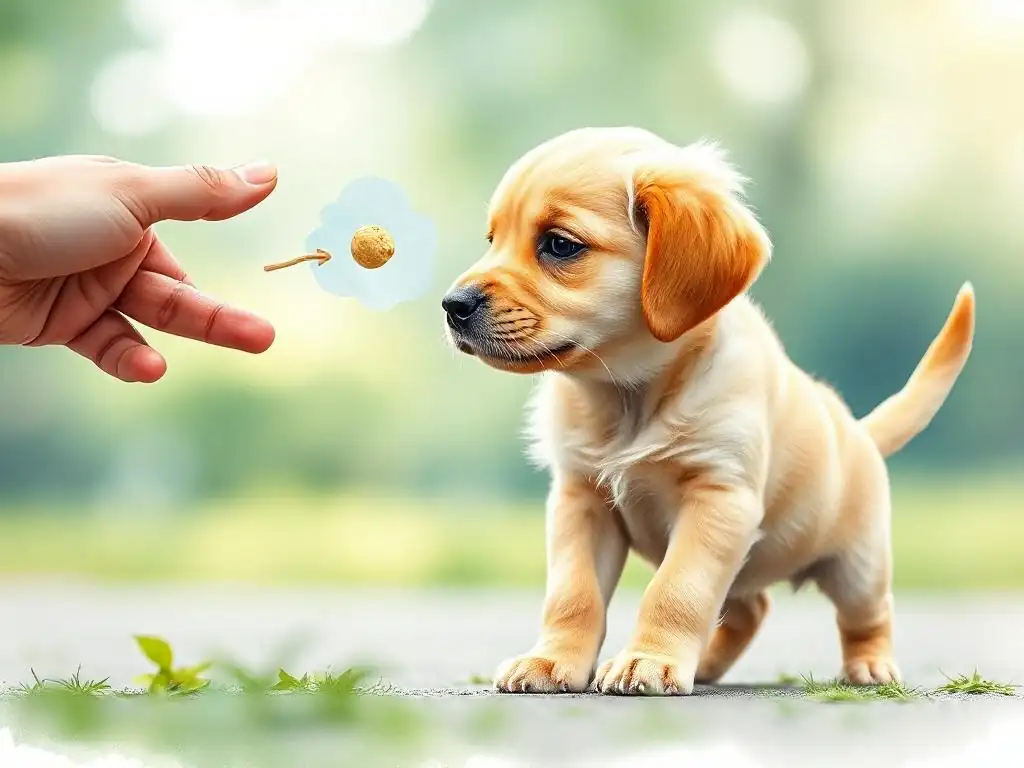
Training your dog the "wait" command is a crucial step in building impulse control, but it's not always a smooth journey. Many pet owners encounter hurdles along the way. This section addresses common challenges and offers practical solutions to help you successfully teach your dog to wait patiently. Mastering this command significantly improves your dog's overall behavior and strengthens your bond. Remember, consistent and positive reinforcement are key to successful dog wait command training.
Dealing with Excitement and Impulsivity During Training
Excitement is a common obstacle in dog wait command training. Dogs, especially puppies, are naturally impulsive and easily distracted by enticing stimuli. Their eagerness to get to the reward can override their newly learned command. This often manifests as breaking the "wait" before the release cue is given.
To combat this, start training sessions in a quiet, low-distraction environment. Short, frequent training sessions (5-10 minutes) are more effective than long, tiring ones. If your dog breaks the "wait," calmly and patiently return to the beginning of the exercise. Do not scold or punish – this will only increase their anxiety and make them less receptive to training.
Gradually increase the duration of the "wait" and introduce distractions slowly. For example, you might start with a simple hand gesture, then add a verbal cue, and finally incorporate other stimuli like toys or treats outside their immediate reach. Rewarding even small increments of patience is crucial. Use high-value rewards like small pieces of their favorite food or a favorite toy to motivate your dog. The key is to build their patience incrementally, avoiding overwhelming them.
Addressing Jumping and Other Undesirable Behaviors
Jumping up is a common behavior that often interferes with "wait" command training. The dog associates the anticipation of a reward with jumping, undermining the training. Similarly, other behaviors like whining, barking, or pawing can also hinder progress.
To address jumping, ensure your dog is not rewarded for jumping up. If your dog jumps, immediately turn your back, ignore them, and avoid eye contact. When they have all four paws on the ground, then praise and reward. This teaches them that calm behavior results in positive reinforcement.
For other undesirable behaviors, use a consistent method of redirection. If your dog whines, calmly and firmly redirect their attention back to the "wait" command. You can use a gentle verbal cue like "quiet" or "easy" before rewarding them for remaining still. Ignoring unwanted behaviors while rewarding desired ones is more effective than punishment. Remember to maintain a positive training environment.
Maintaining Consistency and Patience During the Learning Process
Consistency is paramount in dog wait command training. Using the same verbal cue ("wait"), hand signal, and reward system consistently throughout the training process prevents confusion. Inconsistent training will only prolong the learning process and potentially lead to frustration for both you and your dog.
Patience is equally important. Some dogs learn faster than others. Do not get discouraged if your dog doesn't master the "wait" command overnight. Celebrate small victories and maintain a positive, encouraging attitude. Remember that setbacks are normal, and consistent, positive reinforcement will eventually lead to success.
Remember to adjust the training intensity to your dog's learning pace. A stressed or overwhelmed dog will not learn effectively. Consider incorporating short breaks during training sessions to prevent burnout and maintain engagement. The goal is to create a positive learning experience for your canine companion. This positive approach will ultimately lead to a more successful and enjoyable training experience.
Advanced "Wait" Command Training Techniques
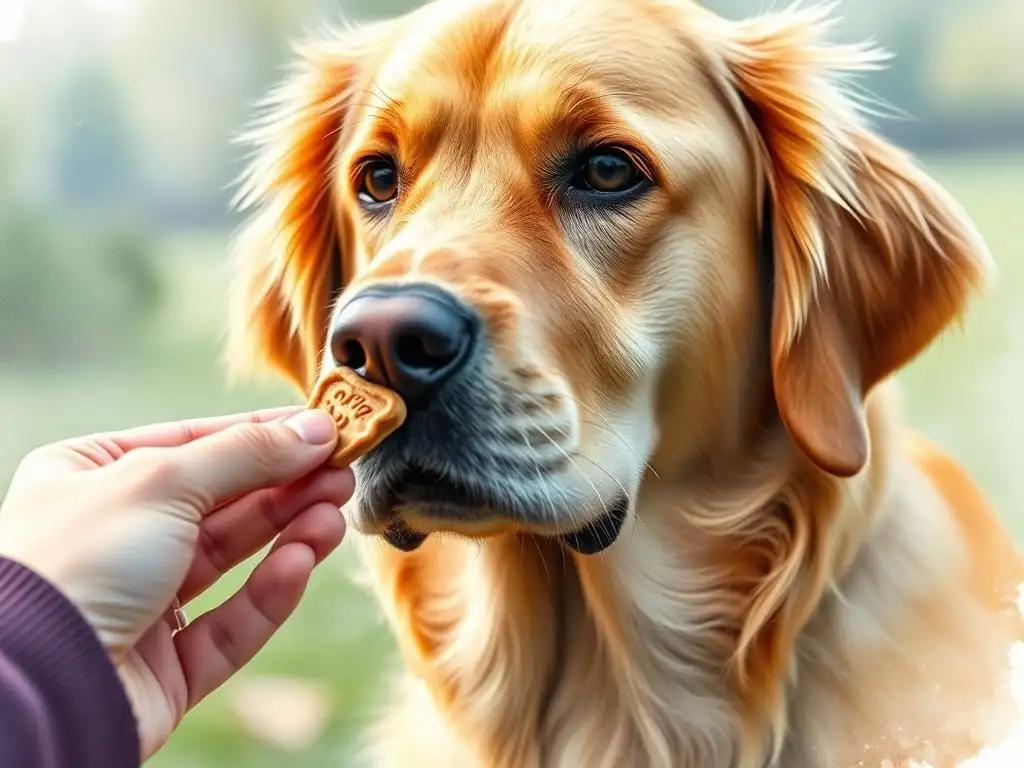
This section delves into more sophisticated methods for teaching your canine companion the invaluable "wait" command, building upon the foundational training already established. Mastering these techniques will significantly enhance your dog's impulse control and obedience in various situations. We'll explore strategies to extend the duration of the "wait," introduce distractions, and ultimately solidify this crucial command.
Teaching a "Wait" Command from a Distance
Once your dog reliably waits in close proximity, it's time to increase the challenge by gradually increasing the distance. Start by taking a single step back while issuing the "wait" command. Reward immediately if they remain stationary. Gradually increase the distance, rewarding each successful attempt.
This process strengthens their understanding that the "wait" command applies regardless of your physical location. For instance, you might start with a one-meter distance, then two, then five, and eventually ten. Remember to maintain consistent verbal cues and rewarding behavior. Inconsistency can lead to confusion and hinder progress.
Consider using a high-value reward, such as small pieces of cooked chicken or their favorite treats, to maintain motivation, particularly during more challenging stages of training. It’s crucial to avoid pushing your dog too far too quickly; gradual progression is key to success. Observe your dog closely for signs of frustration or disengagement; if they struggle, reduce the distance and reinforce the command at a closer range before gradually increasing the distance again.
Incorporating the "Wait" Command into Daily Routines
Integrating the "wait" command into everyday activities solidifies its relevance and improves your dog's understanding. This isn't just about formal training sessions; it's about seamlessly weaving the command into your daily life. For example, before opening the door to go for a walk, practice the "wait" command.
Before placing their food bowl down, ask them to "wait." Before allowing them to greet another dog, use the "wait" command to encourage calm and controlled behavior. This consistent application reinforces the command, making it a natural part of their behavior, rather than a task performed solely during formal training sessions.
The more you integrate the "wait" command into daily life, the more ingrained it will become, leading to improved impulse control in various contexts. Document your progress; noting successes and areas needing further work can be invaluable in refining your training approach. Consider a simple training journal to track the duration they can successfully wait, the distance at which they remain stationary, and any situations where they struggle.
Combining "Wait" with Other Obedience Commands
The "wait" command is a powerful tool that can be effectively combined with other obedience commands to create more complex and versatile training sequences. For example, you can combine "wait" with "stay," "come," and "leave it." First, ensure your dog has mastered each individual command. Then, gradually introduce combined commands. A sample exercise might be: "Wait," (pause for a few seconds), "Come," (reward upon arrival).
Or, "Wait," (place a treat on the floor), "Leave it," (reward for resisting temptation). Combining commands builds advanced obedience skills and strengthens impulse control in more demanding scenarios. This approach requires patience and careful observation of your dog's response. If your dog struggles with a combined command, break it down into its individual components and reinforce each separately before attempting the combination again.
Remember that consistent positive reinforcement is crucial throughout this process. Positive reinforcement, not punishment, is the key to successful dog training. Celebrate even small successes to keep your dog motivated and engaged. Use a variety of rewards to maintain enthusiasm and prevent boredom.
Positive Reinforcement: Key to Successful "Dog Wait Training"
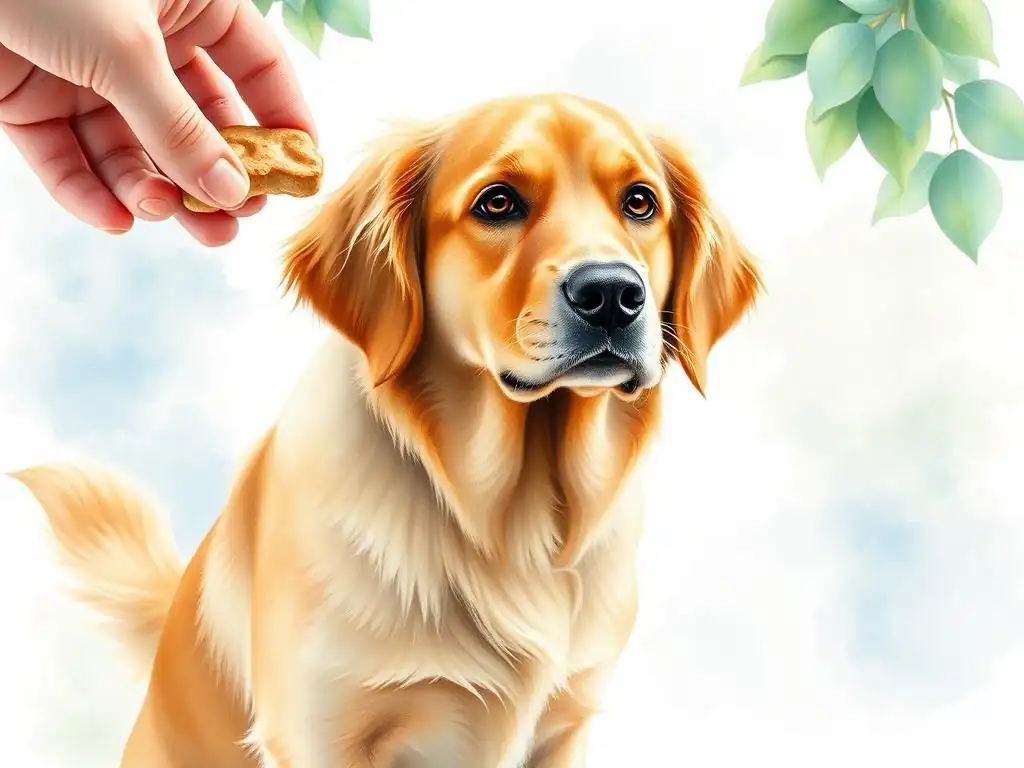
Positive reinforcement is the cornerstone of effective dog wait command training, and indeed, all successful dog training. It leverages a dog's natural desire for rewards to shape desired behaviors. Unlike punishment-based methods, which can create fear and anxiety, positive reinforcement fosters a positive learning environment where your dog actively wants to cooperate.
This approach builds a strong bond between you and your canine companion, making the training process more enjoyable for both of you. The key is to consistently reward desired behaviors, strengthening the connection between the command ("wait") and the action (remaining still). This consistent positive association is crucial for reliable "dog wait command training".
The Role of Rewards in Dog Training
Rewards are the driving force behind positive reinforcement training. They act as motivators, encouraging your dog to repeat behaviors that lead to a positive outcome. The effectiveness of a reward depends heavily on its appeal to your individual dog.
A high-value reward is something your dog finds incredibly desirable, such as a particularly tasty treat, a favorite toy, or even enthusiastic praise and petting. The more valuable the reward, the faster your dog will learn to associate the "wait" command with the positive consequence. The timing of the reward is also critical; it must be given immediately after the desired behavior to create a clear association.
Delaying the reward even slightly can weaken the learning process. Consider this: a dog that waits patiently for 5 seconds before receiving a treat will learn to associate the wait with the treat far more effectively than a dog that waits 5 seconds and then receives the treat a minute later.
Choosing Appropriate Rewards for Your Dog
Selecting the right rewards is crucial for successful dog wait command training. What motivates one dog may not motivate another. Experiment with different rewards to determine what your dog finds most appealing. Some dogs are highly motivated by food, others by toys, and some even respond best to praise and affection. Consider these options:
| Reward Type | Examples | Advantages | Disadvantages |
|---|---|---|---|
| High-Value Treats | Small pieces of cooked chicken, cheese, etc. | Highly motivating, easily controlled in size | Can be messy, may lead to weight gain |
| Toys | Favorite squeaky toys, plush toys, balls | Engaging, provides mental stimulation | May not be suitable for all dogs or situations |
| Praise and Affection | Verbal praise, petting, scratching | Builds bond, cost-effective | Effectiveness varies between dogs |
It's important to use small, easily consumed treats during training sessions to avoid interrupting the flow. Rotate rewards to maintain your dog's interest and prevent boredom. A variety of rewards keeps the training sessions engaging and prevents your dog from becoming overly focused on a single reward type.
Avoiding Punishment and Maintaining a Positive Training Environment
Punishment has no place in effective "dog wait command training." Punishing your dog for not waiting will only create fear and anxiety, hindering the learning process and damaging your relationship. Instead, focus on rewarding even the slightest attempts at waiting. If your dog breaks the "wait," simply redirect their attention back to the command and try again. Consistency is key. A positive, patient, and encouraging approach is far more effective than harsh methods.
Remember, the goal is to build a positive association between the command and the reward, not to instill fear or apprehension. A relaxed and happy dog learns much more quickly and effectively than a stressed or frightened one. Maintaining a positive training environment is essential for building trust and ensuring your dog enjoys the training process. This positive experience will translate into better cooperation and a stronger bond between you and your dog. 🐶
Maintaining and Refining the "Wait" Command
This section focuses on the long-term success of your dog wait command training. Initial success is just the first step; consistent reinforcement and adaptation are crucial for building a reliable and robust "wait" command. Remember, the goal isn't just to get your dog to stay put for a few seconds, but to instill a genuine understanding and respect for the command, regardless of distractions or tempting situations. This involves proactive training and strategic adjustments to ensure the command remains effective throughout your dog's life.
Regular Practice and Reinforcement of the "Wait" Command
Consistent practice is the cornerstone of effective dog training. Don't just practice the "wait" command once a week; incorporate short, fun training sessions into your daily routine. Even five to ten minutes of focused practice can significantly strengthen your dog's understanding and obedience. Vary the duration of the "wait," gradually increasing the time your dog must remain still. Start with short waits (one to two seconds), gradually increasing the time as your dog masters each level. For example:
| Day | Wait Duration (seconds) | Reward | Notes |
|---|---|---|---|
| 1-3 | 1-2 | High-value treat | Focus on immediate obedience |
| 4-7 | 3-5 | Treat + praise | Introduce slight distractions (e.g., moving slightly) |
| 8-14 | 7-15 | Toy + praise | Increase distractions (e.g., walking around) |
| 15+ | 20+ | Lots of praise & playtime | Test in different environments |
Remember to always reward your dog immediately upon successful completion of the "wait." Use high-value treats or toys to keep your dog engaged and motivated. The more consistent your reinforcement, the faster your dog will learn and retain the command. Positive reinforcement, through rewarding desired behaviors, is key to successful dog wait command training. Avoid punishment; it can damage your bond with your dog and hinder their learning process.
Addressing Setbacks and Maintaining Consistency
Even with consistent practice, setbacks can occur. Your dog might become distracted, ignore the command, or revert to old habits. This is perfectly normal, especially with younger or more excitable dogs. The key is to remain calm and consistent. Don't punish your dog; instead, gently redirect their attention back to the command. If your dog breaks the "wait," simply start again with a shorter wait time and gradually increase the duration as they demonstrate improvement.
Consistency in your approach and the application of positive reinforcement is vital in overcoming these challenges. Think of it like building muscle memory – consistency is key. Remember, your dog is learning, and setbacks are part of the process. Patience and persistence are crucial for long-term success. The goal isn't perfection, but progress.
Troubleshooting and Problem-Solving in Advanced "Dog Wait Training"
As your dog masters the basic "wait" command, you can introduce more complex scenarios to further refine their impulse control. This might involve waiting in different environments (e.g., busy streets, parks), waiting for longer periods, or waiting while you perform specific actions (e.g., opening a door, preparing food). If you encounter problems, analyze the situation. Is the environment too stimulating? Is the wait duration too long?
Are you using appropriately high-value rewards? Adjust your training accordingly, breaking down the task into smaller, more manageable steps. For instance, if your dog struggles to wait while you open a door, start by practicing the "wait" command near the door without actually opening it. Gradually introduce the door-opening action while maintaining the "wait" command.
Remember to celebrate successes, no matter how small. Positive reinforcement is always the most effective approach in overcoming challenges in your dog wait command training. Remember, patience and understanding are key to success. 🎉
Frequently Asked Questions
How long does it typically take to teach a dog the "wait" command?
The time it takes varies greatly depending on your dog's breed, age, and prior training. Some dogs learn quickly, while others may require more patience and repetition. Consistency is key.
What are the best rewards to use when training a dog to wait?
High-value treats are essential for positive reinforcement. Small, easily digestible pieces are ideal to avoid disrupting the training session. Praise and affection also play a significant role.
My dog breaks the "wait" command frequently. What should I do?
Shorten the duration of the "wait" initially, gradually increasing the time as your dog improves. Go back to easier steps if necessary and ensure you're using sufficiently rewarding treats.
Can I teach my dog the "wait" command using only verbal cues?
While verbal cues are important, hand signals can be very helpful, especially in distracting environments. Combining both verbal and visual cues strengthens the command.
Is it cruel to teach a dog the "wait" command?
No, teaching your dog to "wait" is not cruel; it's a crucial aspect of impulse control training. It helps prevent accidents, improves safety, and enhances your dog's overall well-being by reducing anxiety in certain situations.
Final Reflection: The Enduring Power of Patience in Dog Training
The ability to teach a dog the "wait" command is far more than just a cute trick; it's a cornerstone of responsible dog ownership, directly impacting safety, reducing stress, and fostering a deeper bond. Mastering this seemingly simple command unlocks a world of possibilities, from preventing dangerous escapes to ensuring calm during mealtimes and vet visits. It's a testament to the power of consistent training and the rewarding journey of understanding canine behavior.
The impact of teaching impulse control extends far beyond the individual dog and owner. It's a reflection of our own capacity for patience and understanding, qualities crucial not only in training but in all aspects of life. The process of teaching "wait" mirrors the delicate dance between guidance and freedom, a balance that resonates deeply within our relationships with animals and each other. The dog is a gentleman; I hope he will not bite.
- This quote, often attributed to various sources, highlights the potential for harmony and understanding when we approach training with respect and patience.
Consider the profound implications of this seemingly small command. You've learned not only how to train your dog, but also how to cultivate patience, consistency, and positive reinforcement. Now, take this knowledge and apply it beyond the training session. Embrace the opportunity to build a stronger, more trusting relationship with your canine companion, and remember the lessons learned – the power of positive reinforcement, the importance of clear communication, and the enduring rewards of patience – as you navigate life's challenges together.
Unlock Your Dog's Patience: Start Training Today!
Thank you for learning about building impulse control in your dog! You've gained valuable tools to help your dog become more focused and well-behaved. Ready to put this knowledge into practice?
- Start practicing the "Wait" command: Choose a quiet time today and begin practicing the techniques from the article, even for just 5 minutes. Consistency is key to success!
- Share your progress (and funny moments!): Let the PetCareWorld community know how your training is going. We love to see your success stories!
- Join our online forum: Connect with other dog owners, share tips, and learn together. Training is more fun and effective with community support!
What small step will you take today to strengthen your bond with your dog and improve their patience?