
Bearded Dragon Brumation: Understanding and Managing Winter Slumber

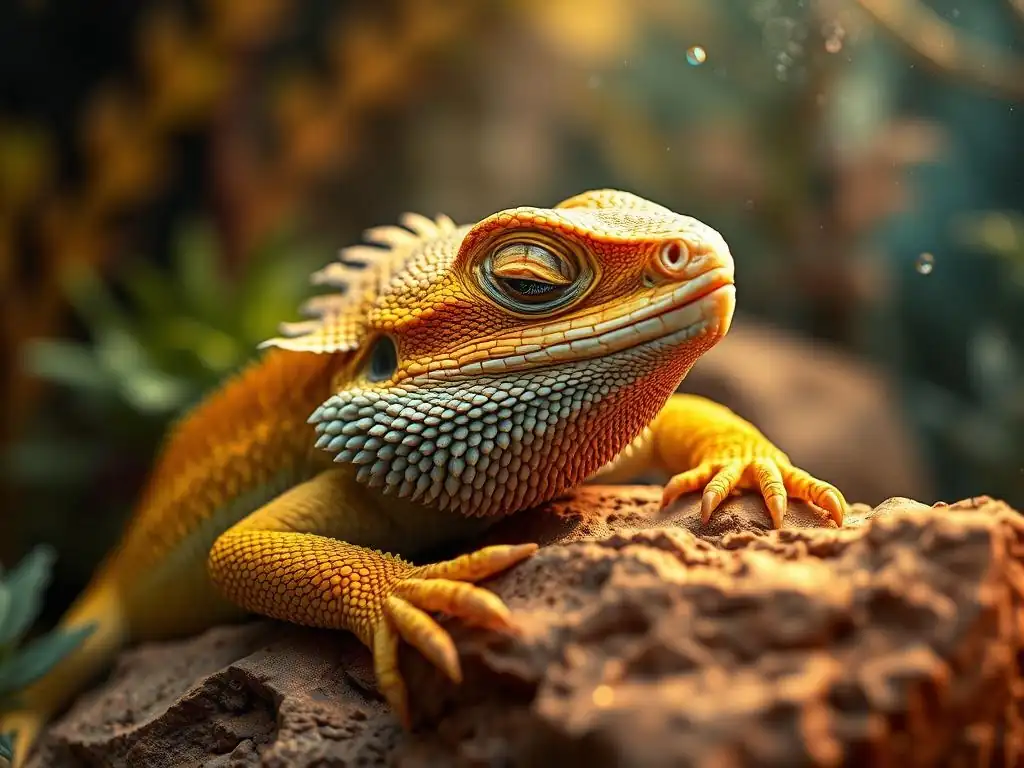
Welcome to PetCareWorld, your ultimate guide to a happier, healthier life for your beloved companion! Are you ready to unlock the secrets of successful bearded dragon brumation? Our comprehensive bearded dragon brumation guide will equip you with the knowledge and confidence to navigate this crucial period of your reptile's life cycle. Discover the intricacies of winter slumber and ensure your scaly friend enjoys a safe and successful brumation season. Dive in and learn more!
- Understanding Bearded Dragon Brumation: A Comprehensive Guide
- Preparing for Your Bearded Dragon's Brumation
-
Managing Bearded Dragon Brumation: A Step-by-Step Guide
- Step 1: Gradual Reduction of Light and Temperature
- Step 2: Monitoring Weight and Behavior
- Step 3: Maintaining Proper Humidity Levels
- Step 4: Providing Minimal Food and Water
- Step 5: The Brumation Period: Duration and Monitoring
- Step 6: Gradual Reintroduction to Normal Conditions
- Step 7: Post-Brumation Care and Health Check
- Common Brumation Problems and Solutions
-
Bearded Dragon Brumation: Myths and Realities
- Myth 1: All bearded dragons need to brumate.
- Reality 1: Brumation is not essential for all bearded dragons, and many thrive without it.
- Myth 2: Brumation is a simple process requiring minimal supervision.
- Reality 2: Brumation requires careful monitoring and preparation to ensure the dragon's health and safety.
-
Frequently Asked Questions about Bearded Dragon Brumation
- Question 1: How long does brumation last for a bearded dragon?
- Question 2: What temperature should I keep my bearded dragon's enclosure during brumation?
- Question 3: What are the signs that my bearded dragon is entering brumation?
- Question 4: What should I feed my bearded dragon during brumation?
- Answer 2: A slightly cooler temperature, around 65-70°F (18-21°C), is generally recommended.
- Question 3: My bearded dragon isn't eating before brumation; should I be concerned?
- Answer 3: A decrease in appetite is normal before brumation, but a complete loss of appetite warrants veterinary attention.
- Frequently Asked Questions
- Final Reflection: Embracing the Natural Rhythm of Brumation
- Unlock Your Bearded Dragon's Winter Wellness
Understanding Bearded Dragon Brumation: A Comprehensive Guide
Bearded dragons, those captivating reptiles with their endearing personalities and striking appearance, exhibit a fascinating natural behavior known as brumation. This process, often mistaken for hibernation, is a period of dormancy crucial for their health and well-being. This comprehensive guide will delve into the intricacies of bearded dragon brumation, equipping you with the knowledge and understanding to properly manage this vital stage in your pet's life cycle. We'll explore what brumation entails, differentiate it from true hibernation, and equip you with the skills to recognize the signs your bearded dragon is preparing for this winter slumber.
Understanding brumation is essential for responsible bearded dragon ownership, ensuring your scaly companion remains healthy and thriving throughout the year. This guide is your definitive resource for navigating the complexities of brumation and providing optimal care for your bearded dragon during this unique period. Let's begin by exploring the fundamental aspects of brumation.
What is Brumation in Bearded Dragons?
Brumation in bearded dragons is a natural, period of dormancy, similar to hibernation in mammals, but with key distinctions. It's a state of reduced activity, metabolism, and appetite triggered by decreasing temperatures and shorter daylight hours, mimicking the natural seasonal changes in their native Australian habitat. During brumation, your bearded dragon will become less active, eat less, and may even stop eating altogether.
Their body temperature will drop, and they will spend much of their time hiding and sleeping. This isn't a sign of illness, but rather a crucial biological process that allows the reptile to conserve energy and survive periods of scarce food resources. The length of the brumation period varies depending on factors such as the age and health of the dragon, as well as the environmental conditions.
Generally, brumation lasts anywhere from a few weeks to several months. Understanding the normal parameters of brumation is key to recognizing potential problems and ensuring your dragon's health. Proper preparation and monitoring are crucial for a successful and safe brumation period.
Brumation vs. Hibernation: Key Differences
While both brumation and hibernation involve periods of inactivity and reduced metabolism, there are significant differences. Hibernation, typically seen in mammals, is a state of deep sleep characterized by a significant drop in body temperature and metabolic rate. Animals in hibernation often experience a near-complete shutdown of bodily functions. Brumation, on the other hand, is a less profound state of dormancy. Bearded dragons in brumation maintain a higher body temperature and metabolic rate compared to hibernating mammals. They are still responsive to stimuli and can be roused more easily. The table below summarizes the key distinctions:
| Feature | Brumation (Bearded Dragon) | Hibernation (Mammals) |
|---|---|---|
| Body Temperature | Moderate decrease | Significant decrease |
| Metabolic Rate | Reduced, but not stopped | Severely reduced |
| Responsiveness | Somewhat responsive | Largely unresponsive |
| Duration | Weeks to months | Months |
This distinction is crucial because improper management of brumation, mistaking it for a true hibernation, can lead to serious health complications for your bearded dragon.
Recognizing Signs Your Bearded Dragon is Entering Brumation
As brumation approaches, your bearded dragon will exhibit several behavioral and physiological changes. These are natural indicators that your pet is preparing for its winter rest. It's crucial to be observant and recognize these signs to ensure you provide appropriate care. These changes may include:
- Decreased Appetite: A significant reduction or complete cessation of eating is a primary sign.
- Lethargy and Inactivity: Your dragon will become less active, spending more time basking and then hiding.
- Changes in Behavior: They may become less responsive to interaction and exhibit a general lack of interest in their surroundings.
- Hiding Behavior: Increased time spent in their hide is a clear indication of their desire for a quiet and dark environment.
- Color Changes: Some bearded dragons may experience a slight darkening of their skin color.
Observing these signs is crucial. If you notice these changes, it's time to prepare for your bearded dragon's brumation period. The next section will detail how to properly manage brumation to ensure the health and well-being of your pet.
Factors Influencing Brumation in Bearded Dragons
Several factors influence whether or not a bearded dragon will brumate, and the intensity of their brumation period. Understanding these factors is crucial for responsible pet ownership and ensuring your dragon's health and well-being throughout the process. These factors aren't always independent; they often interact to determine the overall outcome.
One of the most significant factors is age. Younger bearded dragons, typically under a year old, rarely brumate. Their bodies are still developing, and the energy expenditure of brumation can be detrimental at this stage. Older, mature dragons, however, are more likely to exhibit brumation behaviors as their bodies naturally adjust to seasonal changes. This is a key consideration for new owners, who might mistakenly believe their young dragon's lack of brumation indicates a problem.
Temperature plays a vital role. A gradual decrease in ambient temperature, mimicking the natural drop in temperature during autumn and winter, is a key trigger for brumation. A sudden or drastic temperature change, however, can be stressful and harmful, potentially disrupting the natural process. Bearded dragons in consistently warm environments are less likely to brumate. Providing a slightly cooler environment during the late autumn months can encourage the natural onset of brumation.
Photoperiod, or the daily light cycle, is another crucial factor. The shortening days of autumn signal to the dragon that winter is approaching, triggering hormonal changes that prepare them for brumation. Replicating this natural photoperiod with a gradual reduction in the hours of UVB and heat lamp exposure can help initiate brumation. Sudden changes in light cycles can also be stressful and should be avoided. A slow, natural decrease in daylight hours is ideal.
Finally, the health and nutritional status of the bearded dragon significantly impacts its ability to successfully brumate. A dragon that is underweight, malnourished, or suffering from an underlying illness may not be able to withstand the physiological stresses of brumation. Ensuring your bearded dragon is healthy and has adequate body reserves before the onset of brumation is paramount.
This includes a diet rich in calcium and other essential nutrients in the months leading up to the expected brumation period. A vet check prior to brumation is highly recommended to ensure the dragon is fit enough for this period of dormancy. A healthy dragon will be better equipped to handle the metabolic slowdown associated with brumation.
Preparing for Your Bearded Dragon's Brumation
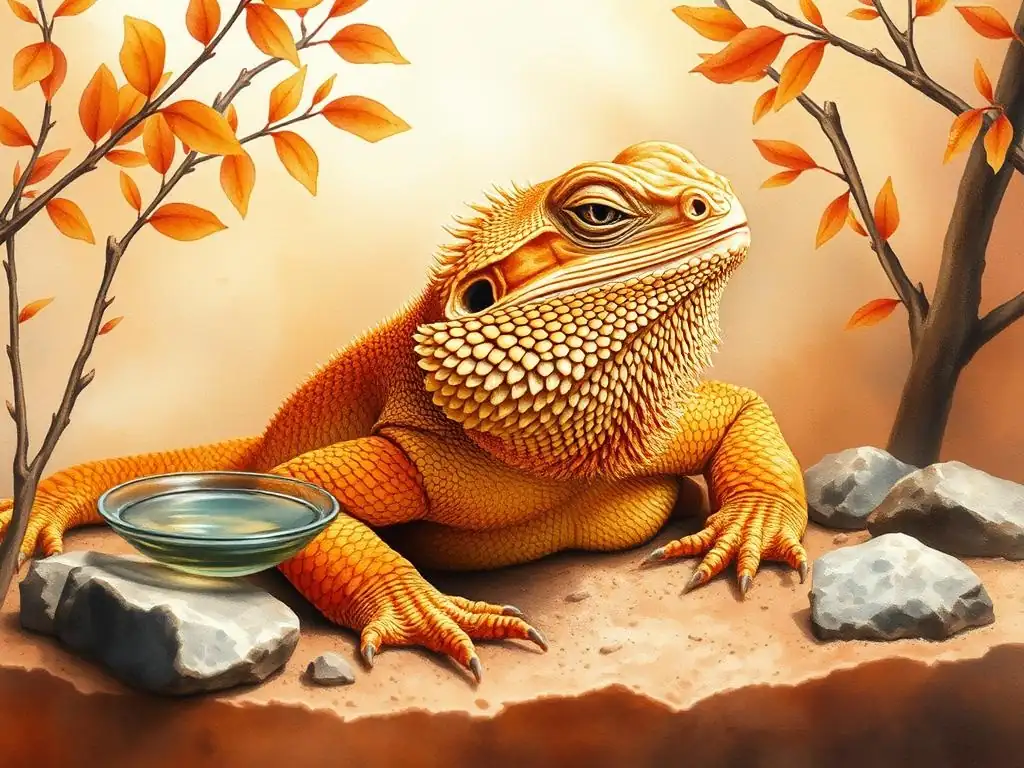
This section focuses on the crucial preparatory steps before your bearded dragon enters brumation, ensuring a smooth and healthy process. Proper preparation is key to a successful brumation period for your reptile companion. This guide will help you understand the necessary steps to take, minimizing risks and maximizing the chances of a healthy emergence from brumation. Remember, a healthy bearded dragon is much more likely to successfully brumate.
Assessing Your Bearded Dragon's Health Before Brumation
Before initiating brumation, a thorough health check by a veterinarian specializing in reptiles is strongly recommended. This is paramount to ensure your bearded dragon is fit enough to undergo brumation. A veterinarian can identify any underlying health issues that might be exacerbated by brumation, potentially leading to complications or even death. Signs of illness to watch for include lethargy, loss of appetite, unusual shedding patterns, respiratory issues (wheezing, gaping mouth), or any visible wounds or parasites.
Several key aspects of your bearded dragon's health should be carefully evaluated:
- Weight: A healthy weight is crucial. Underweight dragons are at significantly higher risk during brumation. Your vet can determine if your dragon is at a healthy weight for its age and size. A weight chart, provided by your veterinarian, should be used for ongoing monitoring.
- Fecal Examination: A fecal examination will detect any intestinal parasites. Parasites can weaken your bearded dragon, making it more vulnerable during brumation. Treatment should be completed before brumation begins.
- Overall Physical Examination: A complete physical exam allows the vet to assess your dragon's overall condition, checking for any signs of illness or injury.
Creating the Ideal Brumation Environment: Temperature and Humidity
The environment you create plays a vital role in a successful brumation. Bearded dragons require a specific temperature and humidity range during this period. Sudden temperature fluctuations should be avoided at all costs. Gradual decreases in temperature are ideal to mimic natural conditions.
| Parameter | Ideal Brumation Range | Critical Considerations |
|---|---|---|
| Temperature (°F) | 65-70°F (18-21°C) | Avoid temperatures below 60°F (15°C) or above 75°F (24°C). Use a reliable thermometer. |
| Humidity (%) | 40-50% | Maintain consistent humidity levels. A hygrometer is essential for accurate monitoring. |
| Lighting | No supplemental UVB or heat lamps required | Darkness is essential for natural brumation. |
| Substrate | Paper towels or reptile carpet (avoid loose substrates) | Loose substrates can cause impaction if accidentally ingested during brumation. |
The enclosure should be located in a quiet, dark, and stable area of your home, away from any potential disturbances. A consistent environment is key to minimizing stress on your bearded dragon.
Diet and Hydration Before, During, and After Brumation
Proper nutrition before, during (minimal), and after brumation is a cornerstone of successful brumation. A healthy, well-nourished bearded dragon will better withstand the metabolic slowdown of brumation.
Before Brumation: Gradually reduce feeding frequency over several weeks leading up to brumation. Focus on providing high-quality, nutritious food to ensure your bearded dragon stores sufficient fat reserves. Offer gut-loaded insects and leafy greens. Adequate hydration is also critical. Ensure fresh water is always available.
During Brumation: While your bearded dragon will not eat significantly during brumation, providing a shallow dish of water is essential to prevent dehydration. Occasional misting might be needed to maintain humidity levels. However, avoid disturbing your dragon frequently.
After Brumation: Once brumation is complete, reintroduce food gradually. Start with small amounts of easily digestible foods. Monitor your bearded dragon closely for any signs of illness or digestive problems. A return to a normal feeding schedule should be done over several weeks, not suddenly. Increase the frequency and quantity of food offered gradually, monitoring your dragon's appetite and weight. A slow and steady approach is essential to avoid digestive upset. Providing a variety of insects and vegetables will help to ensure your bearded dragon receives the necessary nutrients to regain its strength and vitality after brumation. 🦎
Monitoring Your Bearded Dragon During Brumation
Monitoring your bearded dragon throughout brumation is crucial for ensuring its safety and well-being. This isn't a passive process; regular, albeit less frequent, checks are essential. The frequency of these checks will depend on your dragon's age and overall health, but a good guideline is to check on your dragon every 2-3 weeks. During these checks, focus on several key indicators:
Weight: A slight weight loss is expected during brumation, but a significant drop could indicate a problem. Weigh your dragon before brumation begins to establish a baseline, and then compare subsequent weights to this initial measurement. A loss exceeding 10-15% of its pre-brumation weight should prompt immediate veterinary attention. Remember to use the same scale each time for accurate comparisons. Accurate record-keeping is vital in this process; a simple notebook or spreadsheet can be invaluable.
Dehydration: Dehydration is a major concern during brumation. Gently check your dragon's skin for elasticity. Pinch a small fold of skin; if it snaps back quickly, it's adequately hydrated. If it remains tented or slow to return to its normal position, your bearded dragon might be dehydrated. This necessitates a carefully controlled misting and possibly a trip to the vet. Signs of dehydration can also include sunken eyes and lethargy beyond what's expected during brumation.
Temperature and Humidity: While the brumation environment should be cool and dry, maintaining consistent conditions is paramount. Regularly monitor the temperature and humidity using accurate gauges. Significant fluctuations can stress your dragon and disrupt its natural process. Record these readings in your log to identify any trends or sudden changes. Consider using a thermostat to maintain a stable environment, especially if you live in an area with fluctuating temperatures.
Waste Elimination: Your bearded dragon will likely eliminate waste less frequently during brumation. However, a complete absence of waste over an extended period could indicate a problem. Observe the consistency and quantity of the waste to check for abnormalities. Constipation is a common issue during brumation, often linked to dehydration. Regular observation, coupled with a watchful eye on hydration levels, can help you identify and address this early on.
Overall Appearance and Behavior: Beyond the specific indicators, pay close attention to your dragon's overall appearance and behavior. Any unusual changes, such as lethargy beyond the expected level, changes in skin color or texture, or any visible injuries, warrant immediate veterinary attention. Remember, early intervention is key to resolving any potential issues. A picture taken before brumation can also serve as a useful point of comparison. Trust your instincts; if something seems off, don't hesitate to seek professional help.
Remember, a healthy bearded dragon entering brumation should be monitored less frequently than a dragon with pre-existing health conditions. Always consult with your veterinarian before initiating brumation, especially for younger or otherwise unwell dragons. They can provide personalized advice and guidance based on your individual dragon's needs and health history. A proactive approach to monitoring will greatly increase your chances of a successful and safe brumation period for your beloved reptile.
Managing Bearded Dragon Brumation: A Step-by-Step Guide
This section provides a practical, step-by-step guide to successfully managing your bearded dragon's brumation process. Remember, proper preparation and monitoring are crucial for a healthy and safe brumation period. This guide focuses on ensuring your bearded dragon's well-being throughout this natural process, offering a comprehensive approach to bearded dragon brumation care. This information is vital for any responsible bearded dragon owner looking to provide optimal care during this significant period in their pet's life.
Step 1: Gradual Reduction of Light and Temperature
Successfully guiding your bearded dragon through brumation begins weeks before the anticipated start date. A sudden drop in temperature and light can be detrimental, potentially stressing your reptile and disrupting the natural process. The key is gradual reduction. Instead of abruptly changing environmental conditions, implement a slow, steady decrease over several weeks.
This gradual decrease mimics the natural change in seasons. Begin by reducing the basking spot temperature by a few degrees Fahrenheit each week. Simultaneously, decrease the photoperiod (the daily light cycle). You might start by reducing the UVB and heat lamp usage by 30 minutes to an hour each week. Observe your dragon's behavior closely. If it shows signs of stress (lethargy beyond normal, loss of appetite, or unusual skin discoloration), slow down the reduction rate or even pause until the dragon appears more comfortable.
A typical schedule might involve reducing the basking spot temperature from 100-105°F (38-41°C) to 80-85°F (27-29°C) over a 4-6 week period. The photoperiod should be similarly reduced, possibly from 12-14 hours of light to 8-10 hours. Remember to consult a veterinarian specializing in reptiles for specific recommendations based on your dragon's age, health, and individual needs. This detailed approach ensures a smoother transition into brumation, promoting a healthier experience for your pet.
Step 2: Monitoring Weight and Behavior
Throughout the brumation process, regular monitoring is essential. Weigh your bearded dragon weekly before brumation begins, to establish a baseline. Continue weighing it weekly (or even more frequently if you notice significant changes) during brumation, although handling should be kept to a minimum to avoid disturbing the process. A significant weight loss can indicate problems.
Monitor your dragon's behavior for any signs of distress. While some lethargy is expected, extreme lethargy, refusal to eat or drink, or unusual respiratory patterns should prompt immediate veterinary attention. Keep detailed notes on your dragon's weight, eating habits, bowel movements, and overall activity levels. This meticulous record-keeping is invaluable in identifying potential issues early on. It helps you understand your individual dragon's response to brumation, allowing for prompt intervention if needed. Remember, prevention is key to a successful brumation for your bearded dragon.
Step 3: Maintaining Proper Humidity Levels
While brumation involves a reduction in temperature and light, maintaining appropriate humidity is crucial. Too dry an environment can lead to dehydration and respiratory problems, while excessively humid conditions can encourage fungal or bacterial growth. Aim for a humidity level between 30-40%. You can monitor humidity using a reliable hygrometer.
To manage humidity, consider using a humidifier or placing a shallow dish of water inside the enclosure. However, avoid over-humidifying. Regularly misting the enclosure might also be beneficial, but ensure the substrate doesn't become excessively damp. The substrate should be dry enough to prevent mold and mildew but moist enough to maintain adequate humidity.
Regularly check the substrate and replace it if it becomes overly soiled or damp. This attention to humidity levels is a vital part of ensuring the health and well-being of your bearded dragon during brumation. Proper humidity management is an often overlooked, yet critical, aspect of successful bearded dragon brumation.
Step 4: Providing Minimal Food and Water
As your bearded dragon enters brumation, its metabolic rate significantly slows down. This means its food intake drastically reduces, and it requires less water. During this period, offering food becomes more about observation than provision. Instead of offering a daily meal, reduce feeding frequency to once every 7-10 days, or even less depending on your dragon's individual needs and appetite. Offer only small portions of their usual diet – insects or greens – and remove any uneaten food after a few hours to prevent bacterial growth and maintain hygiene within the enclosure.
Similarly, reduce the amount of water offered. A shallow dish with a minimal amount of water should suffice. Monitor your dragon's hydration level by observing its skin turgor. Dehydration can be a serious concern during brumation, so gentle observation is key. Signs of dehydration include sunken eyes and loose skin.
If you observe these signs, slightly increase water availability. Remember, the goal is to provide enough to prevent dehydration without stimulating excessive activity. This delicate balance requires careful monitoring and a nuanced understanding of your pet’s individual needs. Always consult a veterinarian if you have any concerns about your dragon's hydration or feeding during brumation.
Step 5: The Brumation Period: Duration and Monitoring
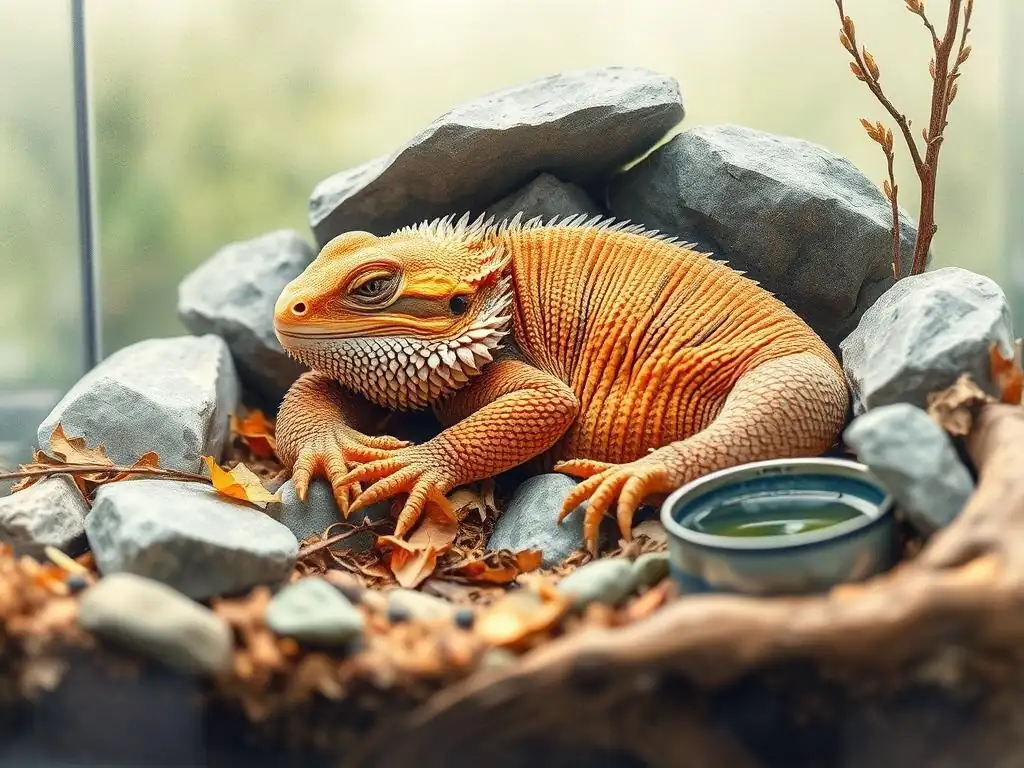
The duration of brumation varies depending on factors such as the bearded dragon's age, health, and environmental conditions. Generally, brumation can last anywhere from 2 to 4 months. 1 However, it's crucial to monitor your dragon closely throughout this period. While they'll be less active, they are still alive and require attention. Regularly check the temperature and humidity levels within the enclosure to ensure they remain within the appropriate range for brumation. Avoid making any drastic changes to the environment as this can stress your dragon and disrupt its natural process. Observe your dragon for any signs of distress, such as unusual lethargy, labored breathing, or weight loss. While some weight loss is expected, significant weight loss can indicate a problem. It's also essential to gently handle your dragon once or twice a week to check its overall condition. Weighing your dragon regularly will help track any significant weight changes. Keep a detailed log of your observations, including temperature, humidity, food intake, and any behavioral changes, to provide valuable information to your veterinarian should any issues arise. This meticulous record-keeping will allow for proactive intervention if necessary. Remember, a healthy bearded dragon going into brumation will show minimal signs of distress.
Step 6: Gradual Reintroduction to Normal Conditions
Once the brumation period is over, the reintroduction to normal conditions should be gradual and carefully managed to prevent shock. Do not abruptly return your bearded dragon to its usual warm temperatures and feeding schedule. Instead, gradually increase the temperature and light exposure over several days or even weeks. Start by slightly increasing the temperature in the enclosure by a few degrees each day. Simultaneously, begin offering small amounts of food, again, starting with small portions and gradually increasing the amount as your dragon's appetite returns. Observe your dragon closely for any signs of stress or illness. If you notice any unusual behavior, slow down the reintroduction process. The goal is to allow your dragon to adjust slowly to the changing conditions and avoid any sudden changes that could be harmful. Monitor your dragon's hydration levels and ensure it has access to fresh water at all times. A slow and steady approach ensures a smooth transition back to its active state, minimizing stress and maximizing the chances of a healthy recovery. Remember to continue monitoring your dragon’s weight and overall health for several weeks after brumation to ensure a complete and successful recovery. 2
1 This timeframe is a general guideline and may vary depending on individual circumstances. Consult a veterinarian for specific advice.
2 Regular veterinary checkups are recommended before, during, and after brumation to ensure your bearded dragon's health and well-being.
Step 7: Post-Brumation Care and Health Check
Emerging from brumation is a critical period for your bearded dragon. A gradual reintroduction to their normal environment and a thorough health check are essential to ensure a smooth transition and prevent potential health complications. The process shouldn't be rushed; patience and careful observation are key. Sudden changes in temperature or diet can be stressful and potentially harmful after a period of inactivity.
The first few days should involve a slow and gentle rewarming process. Avoid placing your dragon directly under a heat lamp; instead, gradually increase the ambient temperature of its enclosure over several days. Monitor its behavior closely. Initially, it might be lethargic and have reduced appetite. This is normal, but prolonged lethargy or refusal to eat should prompt a veterinary visit.
Hydration is crucial. Offer shallow dishes of fresh water, ensuring they are easily accessible. You might need to gently encourage your dragon to drink by dripping water onto its snout. Dehydration can occur after brumation, and addressing this promptly is important for their overall health. A misting of the enclosure can also help increase humidity and encourage drinking.
Once your bearded dragon shows signs of increased activity and interest in food, you can begin to reintroduce its normal diet. Start with small portions of easily digestible foods, gradually increasing the amount and variety over several days. Observe their bowel movements; constipation is a common post-brumation issue, and dietary adjustments might be necessary. Fresh greens and insects should be offered in appropriate proportions, maintaining a balanced diet.
A veterinary health check is highly recommended after brumation. A veterinarian specializing in reptiles can assess your dragon's overall health, check for any signs of illness or parasites, and provide necessary treatment if needed. This preventative measure can help identify and address any potential problems early on, ensuring your bearded dragon enjoys a healthy and active life after its winter slumber.
This proactive approach is a vital part of responsible bearded dragon ownership and contributes significantly to their longevity and well-being. Don't hesitate to seek professional advice if you have any concerns. Early intervention is always better than dealing with more significant health problems later.
Common Brumation Problems and Solutions
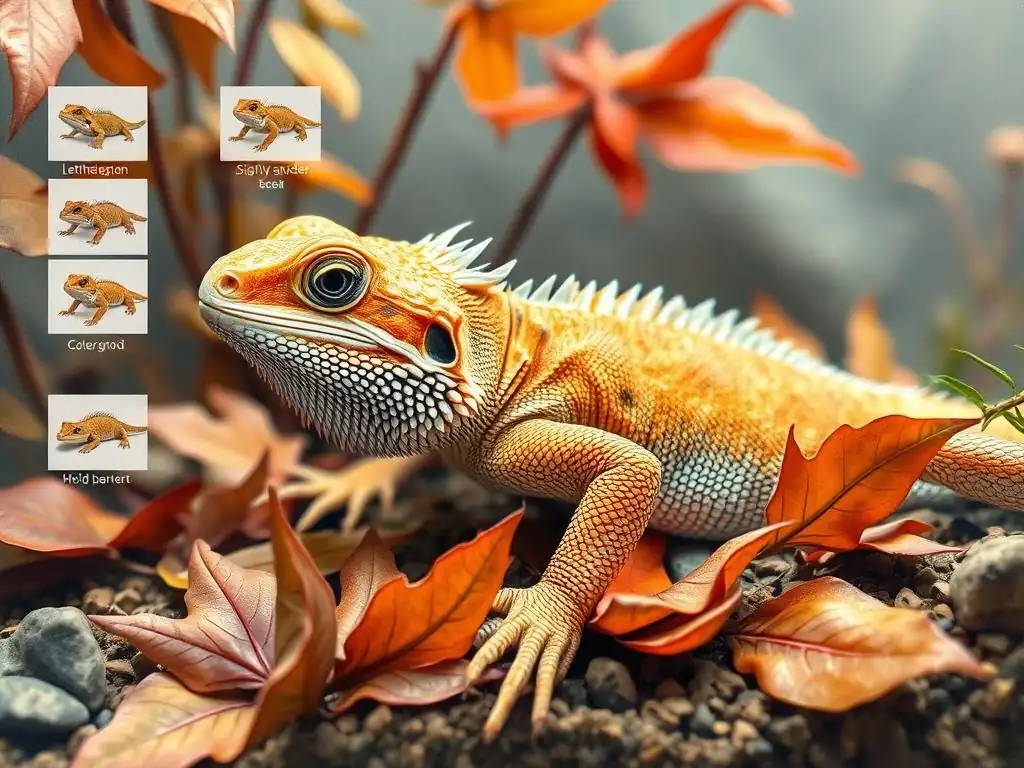
Brumation, while a natural process for bearded dragons, can present challenges. Understanding potential problems and implementing preventative measures is crucial for ensuring your reptile's safe passage through this period. This section focuses on common issues and practical solutions to help you navigate bearded dragon brumation effectively. A well-planned brumation process significantly reduces the risk of complications.
Dealing with Incomplete Brumation
Incomplete brumation is a common concern among bearded dragon owners. This occurs when the dragon doesn't fully enter the brumation state, resulting in periods of inactivity interspersed with attempts to be active. This can lead to a weakened immune system and increased susceptibility to infections. Several factors can contribute to incomplete brumation, including:
- Inconsistent temperature drops: Gradual and consistent temperature reduction is vital. Sudden or erratic temperature fluctuations can disrupt the natural brumation cycle. Aim for a slow decrease over several weeks, mimicking natural environmental changes.
- Insufficient lighting: While reducing lighting is part of the brumation process, complete darkness isn't necessary or recommended. A low-intensity UVB light for a short duration each day can help maintain calcium absorption and overall health.
- Inadequate hydration: Dehydration can hinder the brumation process. Ensure your bearded dragon has access to fresh water throughout, even if it drinks less frequently during brumation. Misting the enclosure can also help maintain humidity levels.
- Underlying health issues: Pre-existing health conditions can interfere with brumation. A thorough veterinary check-up before brumation is highly recommended to rule out any problems.
Addressing incomplete brumation requires careful observation and adjustments. If your bearded dragon shows signs of incomplete brumation, gradually increase the temperature and lighting levels. Monitor hydration closely and provide supplemental hydration if necessary. In cases of persistent inactivity or other concerning symptoms, veterinary consultation is crucial.
Addressing Health Issues During or After Brumation
Several health issues can arise during or after brumation. These can range from minor ailments to serious conditions that require immediate veterinary attention. Early detection and intervention are critical to minimize risks. Common health concerns include:
- Respiratory infections: Brumation can weaken the immune system, making bearded dragons more susceptible to respiratory infections. Symptoms include wheezing, nasal discharge, and lethargy.
- Dehydration: Insufficient water intake during brumation can lead to severe dehydration, potentially causing organ damage. Monitor your dragon's hydration levels closely and mist the enclosure regularly.
- Metabolic bone disease (MBD): Inadequate calcium and vitamin D3 intake during brumation can exacerbate MBD. Ensure proper supplementation before, during, and after brumation.
- Parasite infestations: Parasites can weaken a bearded dragon, making them more vulnerable during brumation. Regular parasite checks are essential.
A well-structured brumation plan minimizes these risks. This includes a thorough health check before brumation, maintaining optimal environmental conditions, and providing appropriate nutrition. Remember, a healthy bearded dragon is better equipped to handle the challenges of brumation.
When to Seek Veterinary Assistance for Your Bearded Dragon
While many brumation-related issues can be managed at home, certain situations warrant immediate veterinary attention. Don't hesitate to contact a veterinarian specializing in reptiles if your bearded dragon exhibits any of the following symptoms:
| Symptom | Severity | Action |
|---|---|---|
| Lethargy and lack of appetite | Persistent, beyond expected brumation behavior | Contact a veterinarian immediately. |
| Respiratory distress | Any wheezing, gasping, or labored breathing | Seek immediate veterinary care. |
| Dehydration | Sunken eyes, loss of skin elasticity | Contact a veterinarian urgently; administer fluids under veterinary guidance. |
| Diarrhea | Persistent or bloody diarrhea | Seek veterinary attention promptly. |
| Unusual swelling or lesions | Any unusual bumps, sores, or swelling | Schedule a veterinary appointment as soon as possible. |
| Muscle tremors or paralysis | Any involuntary muscle movements | Requires immediate veterinary intervention. |
Early intervention is key to a successful outcome. Regular monitoring during and after brumation and prompt veterinary care when needed significantly increase your bearded dragon's chances of a healthy recovery. This proactive approach ensures your beloved pet enjoys a safe and successful brumation period. Remember, a well-informed and prepared owner is the best defense against brumation complications.
Bearded Dragon Brumation: Myths and Realities
This section will dispel common misconceptions surrounding bearded dragon brumation, providing a clearer understanding of this natural process and its implications for your pet's health. We'll explore the realities behind frequently held beliefs, offering a comprehensive bearded dragon brumation guide to help you make informed decisions.
Myth 1: All bearded dragons need to brumate.
Many pet owners believe that brumation is an absolute necessity for all bearded dragons, equating it to a crucial aspect of their well-being. This isn't entirely accurate. While brumation mimics the natural hibernation cycle of wild bearded dragons, it's not an essential requirement for captive animals, especially those living in consistently warm and controlled environments. In fact, forcing a healthy, thriving bearded dragon into brumation can be more harmful than beneficial.
The stress of the process, coupled with the potential for complications, can outweigh any perceived advantages. The decision to induce brumation should be made on a case-by-case basis, considering the individual dragon's health, age, and overall condition. A healthy, well-cared-for bearded dragon living in optimal conditions may not require brumation at all and can thrive without it. Always consult with a veterinarian specializing in reptiles before attempting to induce brumation in your pet.
Reality 1: Brumation is not essential for all bearded dragons, and many thrive without it.
Captive bearded dragons, particularly those kept indoors with consistent temperatures and access to proper nutrition, often don't need to brumate. Their environment already mitigates the need for this period of dormancy. Many experienced reptile keepers choose to skip brumation altogether, focusing instead on maintaining a consistent and healthy environment year-round. This approach can avoid the risks associated with brumation, such as dehydration, weight loss, and potential health complications.
Regular veterinary check-ups, a balanced diet, and a well-maintained habitat are far more critical for the long-term health of a captive bearded dragon than artificially inducing brumation. Remember, a healthy, active bearded dragon is a happy bearded dragon. Prioritizing consistent, optimal care is a far more effective way to ensure your pet's well-being than forcing a potentially stressful and unnecessary brumation period.
Myth 2: Brumation is a simple process requiring minimal supervision.
The common perception of brumation is that it's a straightforward process demanding minimal attention. This is a dangerous misconception. While seemingly passive, brumation requires careful planning, meticulous monitoring, and a thorough understanding of your bearded dragon's individual needs. It's not simply a matter of lowering the temperature and leaving your pet to its own devices.
Regular monitoring of weight, hydration levels, and overall health is crucial throughout the entire process. Any signs of distress or illness necessitate immediate intervention and veterinary care. Furthermore, the gradual reduction and increase in temperature, along with adjustments to lighting and feeding schedules, demand a significant time commitment and careful attention to detail.
Improperly managed brumation can lead to serious health problems, including metabolic bone disease, respiratory infections, and even death. Therefore, brumation should never be undertaken lightly and requires significant preparation and commitment from the pet owner. It’s a complex process demanding constant vigilance and professional guidance.
This section provides a nuanced perspective on bearded dragon brumation, highlighting the importance of responsible pet ownership and the need to prioritize the individual needs of your pet above all else. Remember, a well-informed decision, guided by professional advice, is crucial for the health and happiness of your bearded dragon.
Reality 2: Brumation requires careful monitoring and preparation to ensure the dragon's health and safety.
Brumation, while a natural process for bearded dragons, isn't simply a case of lowering the temperature and leaving your pet to its own devices. Successful brumation hinges on meticulous planning and vigilant observation throughout the process. Neglecting these crucial aspects can lead to serious health complications or even death for your dragon. Think of it like human hibernation – while it's natural for some animals, it requires careful management to ensure survival and well-being.
One critical preparatory step is a thorough veterinary checkup before initiating brumation. This pre-brumation examination allows your veterinarian to assess your dragon's overall health, weight, and hydration levels. Any underlying health issues should be addressed and treated before entering the brumation period, as the dragon's immune system will be suppressed during this time, making it more vulnerable to illness. This preventative measure is paramount to a successful and safe brumation. Consider it an investment in your dragon's long-term health.
Furthermore, gradual reduction of temperature and lighting is vital. A sudden drop can shock the dragon's system, leading to stress and potential health problems. The transition should be slow and steady, mimicking the natural changes in the dragon's environment. This gradual process allows the dragon to adapt physiologically to the decreasing temperatures and shorter daylight hours, minimizing the risk of complications. A typical approach might involve decreasing the temperature by a few degrees Fahrenheit each week, giving the dragon ample time to adjust.
Monitoring your dragon's weight and hydration throughout brumation is equally crucial. Regular weigh-ins will help detect any significant weight loss, indicating potential problems with food intake or dehydration. While dragons will eat less during brumation, complete anorexia is a cause for concern. Similarly, careful observation of your dragon's hydration levels is essential.
Signs of dehydration, such as sunken eyes or lethargy, require immediate intervention. Remember, even seemingly small changes can signify a serious problem during this vulnerable period. Regular monitoring allows for early detection and timely intervention, maximizing your dragon's chances of a successful brumation. A simple scale and a keen eye can make all the difference.
Finally, maintaining a clean and appropriate brumation environment is non-negotiable. A consistently clean enclosure minimizes the risk of bacterial or parasitic infections, which are more likely to occur when the dragon's immune system is suppressed. Regular cleaning, while minimizing disturbance to the dragon, is a crucial aspect of ensuring a safe and healthy brumation experience.
This proactive approach to hygiene significantly reduces the risk of potential health issues. The seemingly small act of cleaning can be the difference between a healthy brumation and a potentially disastrous one. A healthy environment contributes significantly to a successful brumation process for your bearded dragon.
Frequently Asked Questions about Bearded Dragon Brumation
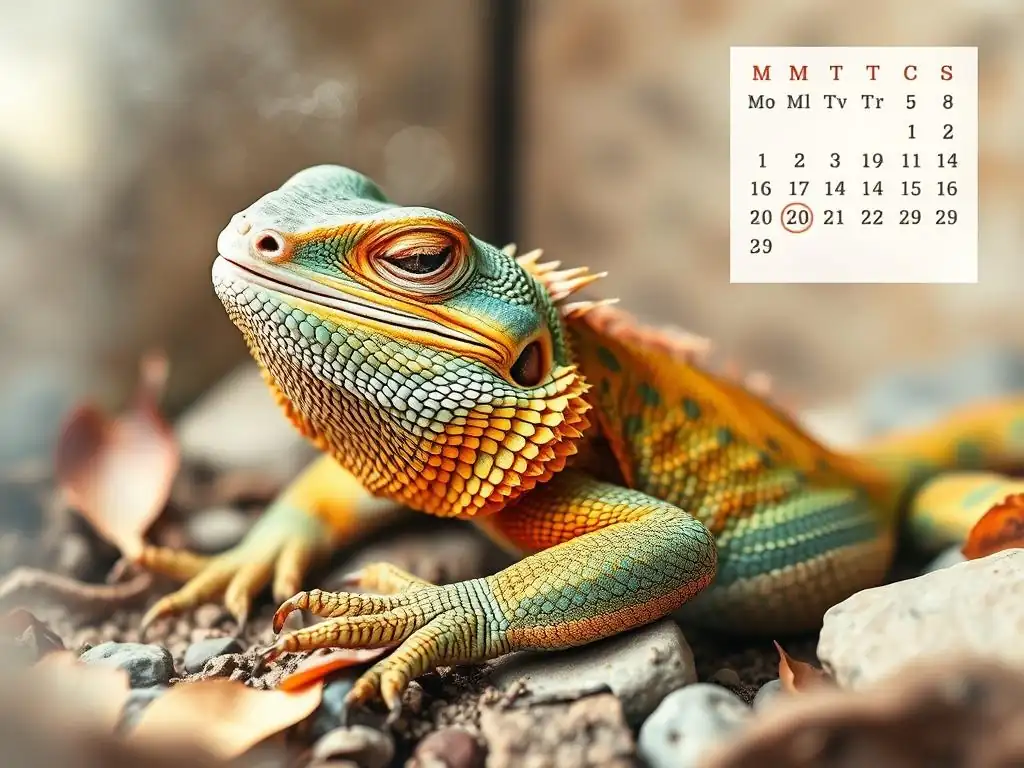
This section addresses common queries regarding bearded dragon brumation, offering a comprehensive bearded dragon brumation guide for pet owners. Understanding this natural process is crucial for ensuring the health and well-being of your reptile companion. Remember, responsible pet ownership involves proactive preparation and careful observation.
Question 1: How long does brumation last for a bearded dragon?
The duration of brumation in bearded dragons is variable, influenced by factors such as the individual dragon's age, health, and environmental conditions. While a general timeframe of 2-6 months is often cited, it's essential to monitor your pet closely. Younger dragons might brumate for a shorter period, while older, healthier dragons may brumate for longer. Don't be alarmed by variations within this range; a healthy dragon will naturally regulate its brumation period.
Always consult a veterinarian specializing in reptiles if you have any concerns about the length or intensity of your bearded dragon's brumation. Unexpectedly short or long brumation periods could indicate underlying health issues requiring professional attention. Careful observation and record-keeping are key to establishing a baseline for your individual dragon's brumation cycle.
Question 2: What temperature should I keep my bearded dragon's enclosure during brumation?
Maintaining the appropriate temperature during brumation is critical for your bearded dragon's safety and survival. Unlike hibernation in mammals, brumation isn't a state of deep sleep; your dragon will still need a regulated environment. A drastic drop in temperature can be detrimental. The ideal temperature range during brumation is generally considered to be between 65-75°F (18-24°C).
However, it's crucial to remember that this is a guideline, and individual dragons may have slightly different preferences. Avoid extreme temperature fluctuations. Consistent temperatures are more important than hitting a precise number. Consider using a thermostat-controlled heating pad or under-tank heater to maintain a consistent temperature gradient within the enclosure, allowing your dragon to choose its preferred basking spot.
Monitoring the temperature with an accurate thermometer is paramount. Remember, consistent monitoring and a gradual adjustment of the temperature is more beneficial than sudden changes. Irregular temperature fluctuations can disrupt the brumation process and potentially harm your pet. Always prioritize gradual changes and consistent monitoring.
Question 3: What are the signs that my bearded dragon is entering brumation?
Recognizing the signs your bearded dragon is preparing for brumation is crucial for providing appropriate care. These signs can vary, but common indicators include decreased appetite, lethargy, and a reduced interest in basking under their heat lamp. You might observe them becoming less active and spending more time hiding. Their colors might dull slightly, and they may become less responsive to external stimuli.
It's important to differentiate these natural behaviors from signs of illness. If you notice a significant weight loss, unusual lethargy, or other concerning symptoms, consult a veterinarian immediately. A healthy dragon entering brumation will exhibit a gradual decline in activity, not a sudden collapse. Regular weight checks before, during, and after brumation can help you monitor their condition effectively.
Keep detailed notes about their behavior and any changes you observe to help you track their brumation cycle and identify any potential issues early. This proactive approach ensures the well-being of your pet. A detailed record will also be invaluable should you need to consult a veterinarian.
Question 4: What should I feed my bearded dragon during brumation?
During brumation, your bearded dragon's metabolic rate slows significantly, and their need for food decreases dramatically. Many bearded dragons will completely cease eating during this period, which is perfectly normal. However, some might still consume small amounts of food occasionally. If your dragon shows any interest in food, offer small portions of their usual diet, consisting of insects and leafy greens. Do not force-feed your dragon. If they refuse food, don't worry; this is expected behavior during brumation.
Focus on maintaining proper hydration and temperature. Forcing food can stress the animal and lead to health problems. Observe your dragon's behavior and adjust your approach accordingly. Always prioritize their comfort and natural instincts during this period. Remember, the goal is to support their natural brumation process, not to interfere with it. Overfeeding during brumation can be harmful.
Answer 2: A slightly cooler temperature, around 65-70°F (18-21°C), is generally recommended.
A slightly cooler temperature is crucial for initiating and supporting successful brumation in your bearded dragon. The ideal range of 65-70°F (18-21°C) mimics the natural temperature drops experienced by bearded dragons in their native Australian habitats during the winter months. Maintaining this temperature range is essential because it signals to your reptile’s internal biological clock that it's time to slow down metabolic processes. Temperatures significantly lower than 65°F can lead to hypothermia, while temperatures significantly higher can prevent brumation from occurring naturally, potentially leading to health problems.
It's important to monitor the temperature consistently using accurate thermometers placed both inside and outside the brumation enclosure to ensure your bearded dragon remains within this safe temperature range throughout the brumation period. Remember, gradual temperature reduction is key; avoid sudden drops that could shock your pet. Consistent monitoring and a slow, steady decrease are critical for a successful brumation process.
Furthermore, consider using a thermostat to maintain a consistent temperature, minimizing fluctuations. This will contribute to a healthier and safer brumation experience for your bearded dragon. Remember to consult with a reptile veterinarian for personalized guidance based on your dragon's specific needs and health history.
Question 3: My bearded dragon isn't eating before brumation; should I be concerned?
It's perfectly normal for bearded dragons to exhibit a decreased appetite as brumation approaches. Their bodies are naturally preparing for a period of reduced activity and metabolic slowdown. This decrease in food intake is a natural physiological response, often starting several weeks before the onset of brumation. However, a complete cessation of eating is a cause for concern.
While some reduction in food consumption is expected, a total lack of interest in food could signal an underlying health issue unrelated to brumation. This could range from parasites to infections or other health problems. Therefore, if your bearded dragon completely stops eating before brumation, it is crucial to seek veterinary attention immediately.
A reptile veterinarian can perform a thorough examination to rule out any health problems and determine if the lack of appetite is a genuine precursor to brumation or a symptom of illness. Early diagnosis and treatment are key to ensuring the health and well-being of your bearded dragon throughout the brumation period and beyond. Don't hesitate to contact a veterinarian if you have any concerns about your pet's appetite.
Answer 3: A decrease in appetite is normal before brumation, but a complete loss of appetite warrants veterinary attention.
As mentioned previously, a reduction in appetite is a natural part of the brumation process for bearded dragons. Their bodies are conserving energy in preparation for the period of inactivity. This reduced food intake is usually gradual, and your bearded dragon might show a preference for smaller portions or less frequent meals. However, a complete loss of appetite – meaning your bearded dragon refuses all food for an extended period – is a significant red flag.
This could indicate an underlying medical condition, such as a parasite infestation, infection, or other health issues that need immediate veterinary attention. It's crucial to differentiate between a natural decrease in appetite and a complete loss of interest in food. If you notice your bearded dragon completely rejecting food, even its favorite treats, it's essential to consult a reptile veterinarian promptly.
Delaying veterinary care could potentially worsen any underlying health problems and jeopardize your dragon's health during the crucial brumation period. Remember, proactive veterinary care is essential for ensuring a safe and successful brumation process for your bearded dragon. Early intervention can often make a significant difference in the outcome.
Frequently Asked Questions
What is brumation in bearded dragons?
Brumation is similar to hibernation in mammals. It's a period of dormancy or slowed metabolism that bearded dragons naturally undergo during the cooler months, mimicking their natural environment. It's crucial for their health.
How long does brumation last in bearded dragons?
The duration of brumation varies, typically lasting 2-4 months, depending on the individual dragon's age, health, and environmental factors. Close monitoring is essential.
What are the signs my bearded dragon is preparing for brumation?
Signs include decreased appetite, lethargy, and a drop in activity levels. They may also seek cooler, darker areas within their enclosure. Consult a vet if concerned.
What special care do bearded dragons need during brumation?
While they need less food and interaction, maintaining a consistent temperature and humidity is crucial. Avoid handling them excessively and monitor their weight and hydration.
Is brumation necessary for all bearded dragons?
While natural, brumation isn't always essential, especially for young or unhealthy dragons. Consult a veterinarian to determine if brumation is appropriate for your specific bearded dragon.
Final Reflection: Embracing the Natural Rhythm of Brumation
Understanding bearded dragon brumation is not merely a guide to managing a reptile's winter sleep; it's a key to responsible reptile ownership and a deeper appreciation for the natural world. The health and longevity of your bearded dragon depend heavily on your ability to provide the appropriate conditions for this crucial process, ensuring they emerge healthy and vibrant in the spring. Ignoring this natural instinct can have severe consequences, highlighting the importance of informed care.
Brumation, in its essence, is a powerful reminder of the cyclical nature of life, mirroring the dormancy and renewal seen throughout the natural world. It’s a fascinating biological process that underscores the interconnectedness of all living things. The earth laughs in flowers.
– Ralph Waldo Emerson. This quote, while seemingly unrelated at first glance, speaks to the beauty and resilience of nature's cycles, a cycle perfectly embodied by the bearded dragon's brumation. Witnessing this process firsthand fosters a deeper respect for the delicate balance of ecosystems and the importance of understanding the needs of the creatures we share our lives with.
Consider the lessons learned within this guide. You now possess the knowledge to provide your bearded dragon with the best possible care during brumation, ensuring their well-being and contributing to their long and healthy lives. Take this knowledge and apply it not only to your own reptile but also to your broader understanding of animal welfare and the importance of respecting the natural rhythms of the living world. Become an advocate for responsible pet ownership, sharing this knowledge with others and ensuring that more bearded dragons experience healthy and successful brumation.
Unlock Your Bearded Dragon's Winter Wellness
Thanks for exploring the world of bearded dragon brumation with us! We hope you now feel more confident understanding this natural process and how to best support your reptile companion. Ready to put your knowledge into practice?
- Prioritize a smooth brumation: Carefully monitor your dragon's behavior and adjust its environment accordingly. This involves close attention to temperature, lighting, and feeding habits.
- Continuously expand your knowledge: Explore additional resources on bearded dragon care and brumation. Consider joining online communities of bearded dragon owners to share experiences and ask questions.
- Share your expertise: Tell us about your brumation experiences in the comments below! What techniques have proven most effective for you?
What unique challenges or successes have you encountered during your bearded dragon's brumation period?