
Pet Dental Care on a Budget: Affordable Products & Strategies

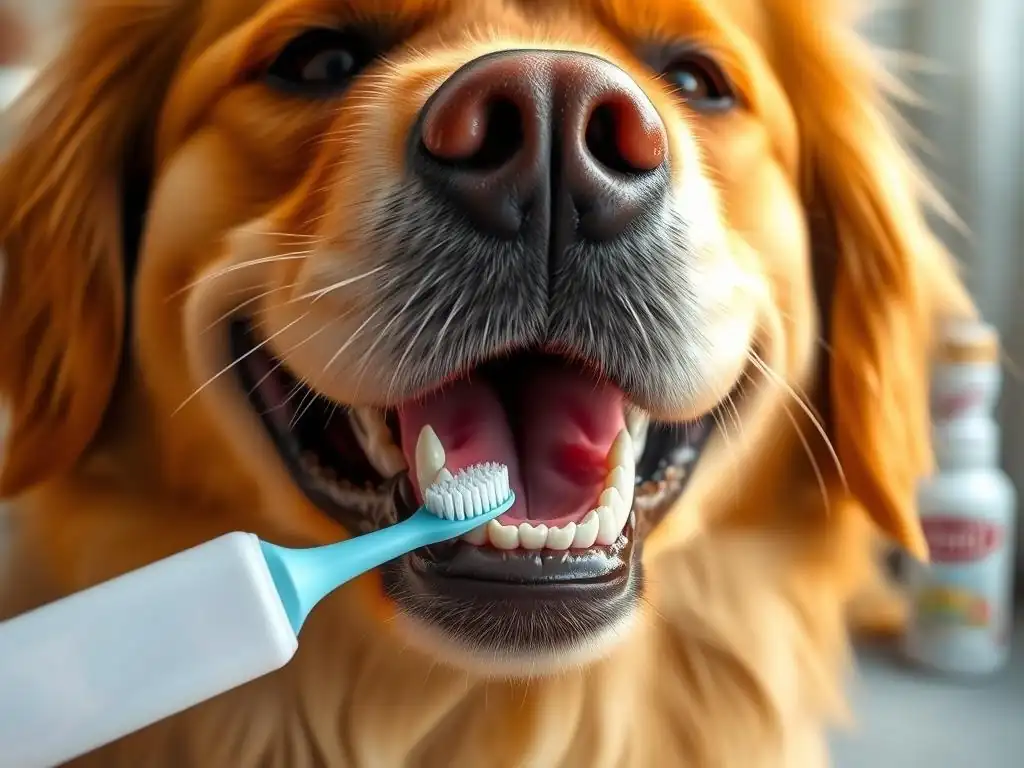
Welcome to PetCareWorld, your ultimate guide to a happier, healthier life for your beloved companion! Are you looking for ways to keep your pet's pearly whites sparkling without breaking the bank? Discover amazing cheap pet dental cleaning tips and learn how to provide professional-level care at home in our latest article on Pet Dental Care on a Budget. Dive in and unlock the secrets to affordable, effective pet dental hygiene!
- Understanding the Importance of Preventative Pet Dental Care
- Affordable DIY Pet Dental Cleaning Techniques
- Budget-Friendly Pet Dental Products: A Comparative Review
- Choosing the Right Dental Products for Your Pet
- Long-Term Strategies for Maintaining Affordable Pet Dental Hygiene
- Frequently Asked Questions about Affordable Pet Dental Care
-
Frequently Asked Questions
- How can I clean my pet's teeth at home affordably?
- What are some inexpensive alternatives to professional dental cleanings?
- Are there any homemade pet toothpaste recipes I can try?
- How often should I brush my pet's teeth to keep costs down?
- When should I consider professional pet dental cleaning despite my efforts?
- Final Reflection: The Pawsitive Impact of Affordable Pet Dental Care
- Unlock Your Pet's Sparkling Smile: Take Action Today!
Understanding the Importance of Preventative Pet Dental Care
Maintaining your pet's oral health is paramount to their overall well-being. Just like humans, pets are susceptible to a range of dental issues that can significantly impact their quality of life. Neglecting dental care can lead to serious, and often costly, health problems down the line.
This article focuses on providing practical and affordable strategies for effective pet dental care, addressing the common concern of "cheap pet dental cleaning tips" while emphasizing the long-term benefits of preventative measures. We'll explore budget-friendly products and techniques to help you keep your furry, feathered, or scaled friend's smile bright and healthy without breaking the bank.
This guide is designed to empower pet owners to proactively manage their pet's dental health, minimizing the risk of expensive veterinary interventions and maximizing their pet's happiness and longevity. We'll delve into the specifics of common dental problems, their associated costs, and how proactive care can save you money in the long run.
Why Regular Dental Care is Crucial for Your Pet's Health
Regular dental care for your pet is not merely about fresh breath; it's a cornerstone of overall health. Periodontal disease, the most common dental problem in pets, is a progressive infection of the gums and surrounding tissues. This infection isn't just uncomfortable; it can lead to a cascade of serious health issues. Bacteria from infected gums can enter the bloodstream, potentially affecting the heart, liver, and kidneys.
Untreated periodontal disease can cause tooth loss, pain, and reduced appetite, leading to weight loss and a decreased quality of life for your beloved companion. Early intervention through preventative care is key to avoiding these complications. Regular brushing, dental chews, and professional cleanings (when budget allows) are vital steps in maintaining optimal oral health and preventing costly veterinary treatments later. The benefits extend beyond simply preventing disease; a healthy mouth contributes to a happier, healthier pet.
The Cost of Neglecting Pet Dental Hygiene: Veterinary Bills vs. Preventative Care
The financial burden of neglecting pet dental hygiene can be substantial. While preventative care requires an upfront investment in products and potentially professional cleanings, the costs associated with treating advanced periodontal disease or other dental emergencies far outweigh the preventative measures.
A simple professional cleaning can cost [specific information pending], while extracting infected teeth can run into the hundreds or even thousands of dollars, depending on the severity and the number of teeth requiring extraction. Furthermore, treating secondary health problems stemming from periodontal disease, such as heart or kidney issues, can incur significantly higher veterinary bills.
Investing in affordable preventative dental care, such as regular brushing with pet-specific toothpaste and the use of dental chews, is a cost-effective strategy that can save you significant expenses in the long run. Consider the cost-benefit analysis: a few dollars spent on preventative care each month can prevent thousands of dollars in veterinary bills down the line.
Common Dental Problems in Pets and Their Associated Costs
Several common dental problems plague our pets, each carrying its own associated costs. These include:
- Gingivitis: Inflammation of the gums, often the earliest sign of periodontal disease. Early treatment is relatively inexpensive, typically involving professional cleaning or at-home brushing.
- Periodontal Disease: As mentioned earlier, this progressive infection can lead to tooth loss, gum recession, and potentially serious systemic health problems. Treatment costs vary widely depending on the severity, ranging from professional cleanings to extractions.
- Broken or Fractured Teeth: Accidents can lead to broken teeth, requiring extraction or costly repair procedures.
- Abscesses: Infected pockets of pus around the teeth or gums, often requiring antibiotics and possibly surgical drainage.
- Dental Tumors: While less common, dental tumors can be expensive to diagnose and treat, potentially requiring surgery and chemotherapy.
The table below summarizes the approximate costs associated with these common dental problems (please note that these are estimates and can vary significantly based on location, veterinary clinic, and the severity of the condition):
| Dental Problem | Approximate Cost Range |
|---|---|
| Gingivitis | $[Low-end estimate] - $[High-end estimate] |
| Periodontal Disease | $[Low-end estimate] - $[High-end estimate] |
| Broken/Fractured Teeth | $[Low-end estimate] - $[High-end estimate] |
| Abscesses | $[Low-end estimate] - $[High-end estimate] |
| Dental Tumors | $[Low-end estimate] - $[High-end estimate] |
Remember, preventative care is the most cost-effective approach to maintaining your pet's dental health and avoiding these potentially expensive problems.
Affordable DIY Pet Dental Cleaning Techniques

Maintaining your pet's oral hygiene doesn't require breaking the bank. Many effective techniques can be implemented at home with minimal cost, significantly reducing the need for frequent, expensive professional cleanings. Consistent effort, even with simple methods, can drastically improve your pet's dental health and overall well-being. Remember, early intervention is key in preventing costly dental issues down the line. This section focuses on providing you with practical, budget-friendly solutions to keep your pet's teeth sparkling.
Brushing Your Pet's Teeth: Techniques and Tools
Brushing your pet's teeth is the cornerstone of affordable dental care. While it might seem daunting initially, consistent effort yields significant results. The key is to start early and make it a positive experience for your pet.
First, choose the right tools. You don't need expensive pet toothbrushes. A soft-bristled human toothbrush, or even a finger brush designed for pets, will work perfectly. For toothpaste, opt for pet-specific formulations designed for safe ingestion. Human toothpaste contains ingredients toxic to pets. Many affordable, effective brands are readily available.
The process itself should be gentle and gradual. Start with short sessions (15-30 seconds) and gradually increase the duration as your pet becomes more comfortable. Use positive reinforcement with treats and praise. Focus on the visible surfaces of the teeth initially, and slowly introduce brushing the gum line. Remember, consistency is key. Aim for daily brushing, but even every other day makes a noticeable difference.
Effective Home Remedies for Pet Dental Care
Beyond brushing, several home remedies can assist in maintaining your pet's oral health. These methods complement brushing and shouldn't replace it entirely.
- Dental Chews: While commercially-produced dental chews can be pricey, consider rotating them with budget-friendly alternatives like carrots, green beans, or apple slices (remove seeds and cores). These provide a natural abrasive action that helps remove plaque. Supervise your pet carefully to prevent choking hazards.
- Water Additives: Some pet stores offer affordable water additives containing enzymes that help break down plaque and tartar. These are a convenient addition to your pet's routine. Always follow the manufacturer's instructions carefully.
- Plain Yogurt (for dogs): Plain, unsweetened yogurt (check for xylitol-free varieties, as xylitol is toxic to dogs) contains probiotics that can contribute to a healthier gut, potentially impacting oral health indirectly. This should only be offered as an occasional treat.
Remember to monitor your pet for any adverse reactions to these home remedies. If you notice any unusual symptoms, discontinue use and consult your veterinarian.
Making Your Own Dental Chews for Dogs and Cats: Recipes and Ingredients
Creating homemade dental chews offers significant cost savings and allows for customization based on your pet's dietary needs and preferences. However, always ensure the ingredients are safe and suitable for your pet.
Here are a few basic recipes:
Recipe 1: Simple Chicken & Sweet Potato Chews (for dogs):
- 1 cup cooked chicken, finely shredded
- 1 cup cooked sweet potato, mashed
- 1 egg, lightly beaten
- 1/4 cup rolled oats
Combine ingredients, mix thoroughly, and form into small bite-sized chews. Bake at 350°F (175°C) for 20-25 minutes, or until firm. Let cool completely before giving to your pet.
Recipe 2: Tuna & Catnip Bites (for cats):
- 1 can tuna in water, drained
- 1/4 cup catnip
- 1 egg, lightly beaten
- 1/4 cup plain whole wheat flour
Combine ingredients, mix well, and form into small, cat-sized treats. Bake at 350°F (175°C) for 15-20 minutes, or until firm. Allow to cool completely.
Important Note: Always supervise your pet when they are chewing on these treats to prevent choking. Introduce new treats gradually to monitor for any digestive upset. These recipes are merely suggestions; adjust ingredients based on your pet's specific dietary needs and preferences. Consult with your veterinarian before introducing significant dietary changes. These homemade treats should be considered supplemental to, not a replacement for, regular brushing. Remember to store homemade treats properly to maintain freshness and prevent spoilage.
Budget-Friendly Pet Dental Products: A Comparative Review

This section dives deep into affordable yet effective pet dental care products. Maintaining your pet's oral hygiene doesn't require breaking the bank. Many cost-effective options provide excellent results when used consistently. We'll compare several products, highlighting their pros and cons to help you make an informed decision based on your pet's needs and your budget. Remember, consistent dental care is key, regardless of the specific products you choose. Prioritizing regular brushing, even with a simple toothbrush, is more impactful than sporadic use of expensive products.
Best Affordable Toothbrushes for Pets: A Comparison of Options
Choosing the right toothbrush is crucial for effective pet dental cleaning. While specialized pet toothbrushes are available, many budget-friendly alternatives work just as well. Here's a comparison of options, focusing on effectiveness and value:
- Soft-bristled Human Toothbrushes: These are readily available and surprisingly effective. Opt for a toothbrush with a small head for easier access to smaller mouths. The soft bristles prevent gum irritation, a key factor in maintaining your pet's comfort during brushing. The cost is significantly lower than specialized pet toothbrushes.
- Finger Brushes: These silicone finger brushes slip onto your finger, allowing for gentle and precise cleaning. Their compact size makes them ideal for cats and small dogs. They are generally inexpensive and easy to clean. However, they may not be as effective as a traditional toothbrush for removing stubborn plaque.
- Specialty Pet Toothbrushes (Budget Options): Some brands offer more affordable pet toothbrushes, albeit sometimes with fewer features than the premium options. Look for brushes with angled heads for better access to the back molars. Check reviews to ensure the quality meets your expectations before purchasing.
| Toothbrush Type | Cost | Effectiveness | Pros | Cons |
|---|---|---|---|---|
| Soft-bristled Human | Very Low | High | Readily available, soft on gums, inexpensive | May require some getting used to for pets |
| Finger Brush | Low | Moderate | Compact, easy to use, gentle | May not remove all plaque |
| Budget Specialty Pet | Low-Medium | High | Designed for pets, angled heads | Might not be as durable as premium brands |
Remember to always choose a toothbrush appropriate for your pet's size and breed, prioritizing gentle cleaning to avoid injury. Regular brushing, even with a simple toothbrush, is significantly more effective than infrequent use of specialized tools.
Evaluating Pet Dental Wipes: Effectiveness and Value
Pet dental wipes offer a convenient alternative to brushing, especially for pets who resist traditional brushing. However, their effectiveness varies greatly depending on the ingredients and the wipe's texture. Choose wipes specifically formulated for pet dental care, avoiding those containing harsh chemicals or alcohol.
While convenient, dental wipes are generally not as effective as brushing at removing plaque and tartar. They are best suited as a supplementary cleaning method or for quick cleanups between brushings. Consider the following when evaluating pet dental wipes:
- Ingredients: Look for wipes containing enzymatic cleaners or natural ingredients known for their antibacterial properties. Avoid wipes with artificial sweeteners or harsh chemicals.
- Texture: The wipe's texture should be soft enough to avoid irritating your pet's gums but firm enough to effectively remove food debris.
- Size: Ensure the wipes are appropriately sized for your pet's mouth.
Cost-effectiveness depends on the size and brand. Larger packages often offer better value, but only if you use them regularly and consistently.
Affordable Dental Chews and Treats: A Guide to Choosing the Right Ones
Dental chews and treats can help to remove plaque and tartar, but not all are created equal. Look for treats specifically designed for dental health. Avoid those high in sugar, as they can contribute to dental problems. Key factors to consider when choosing affordable dental chews:
- Texture: The chew should be firm enough to help scrape plaque from teeth but not so hard that it damages your pet's teeth or gums. A variety of textures can provide a more complete clean.
- Ingredients: Choose treats with natural ingredients and avoid those containing artificial colors, flavors, or preservatives. Look for chews that list specific enzymes or ingredients known for their plaque-fighting properties.
- Size: Select chews appropriately sized for your pet's breed and size. Too-large chews can be a choking hazard, while too-small chews may not provide sufficient cleaning.
While some premium dental chews are expensive, many affordable options are available. Reading reviews and comparing prices can help you find a cost-effective choice that provides effective dental support for your pet. Remember, consistent use is key to achieving optimal results. Regular brushing remains the most effective method of preventing dental disease, but chews can be a helpful supplement.
Comparing the Cost-Effectiveness of Veterinary Dental Cleaning vs. Home Care
Veterinary dental cleaning is undeniably the gold standard for thorough pet dental care. Professional cleanings involve anesthesia, a comprehensive scaling and polishing of the teeth, and often, the extraction of severely damaged teeth. However, this level of care comes with a significant price tag.
The cost can vary widely depending on your pet's size, the extent of the dental work needed, and your geographical location. Expect to pay anywhere from [specific cost range pending] for a basic cleaning to significantly more for more extensive procedures. This can be a considerable financial burden for many pet owners, especially those with multiple pets or those facing unexpected veterinary expenses.
On the other hand, home dental care, while requiring consistent effort, is significantly more affordable. The initial investment in tools like toothbrushes, finger brushes, and pet-specific toothpaste is relatively low. A good quality pet toothpaste can cost anywhere from [specific price range pending], and a toothbrush or finger brush can last for several months.
The ongoing cost is primarily the time commitment required for daily or at least weekly brushing. This approach, while less effective at removing tartar and plaque buildup than professional cleaning, can significantly reduce the frequency and severity of dental problems, delaying the need for expensive veterinary interventions. This preventative approach can prove to be the most cost-effective solution in the long run for many pet owners.
The key to successfully comparing these two approaches lies in understanding your pet's individual needs and risk factors. Pets with a history of periodontal disease or those prone to plaque and tartar buildup might require more frequent professional cleanings, making the overall cost higher. However, consistent home care can significantly mitigate the need for such frequent professional interventions, thus balancing the budget. A proactive approach combining regular home care with occasional veterinary checkups and professional cleanings when necessary offers a balanced and budget-friendly solution for maintaining your pet's oral health.
It's always advisable to consult with your veterinarian to determine the best approach for your pet's specific circumstances. They can help you create a dental care plan that optimizes your pet's oral health while keeping your budget in mind. Remember, prevention is always cheaper than cure when it comes to pet dental care.
Choosing the Right Dental Products for Your Pet

Finding affordable yet effective dental care products for your pet doesn't mean compromising on quality. Many budget-friendly options are available, provided you make informed choices. This section focuses on selecting the right tools and products to ensure your pet's oral hygiene without breaking the bank. Remember, consistent preventative care is key to avoiding costly veterinary procedures down the line. This is especially pertinent when considering cheap pet dental cleaning tips.
Selecting the Right Toothpaste for Your Pet's Breed and Age
Choosing the right toothpaste is crucial. Avoid human toothpaste at all costs – the ingredients are toxic to pets. Instead, opt for pet-specific toothpaste formulated for their needs. For example, puppies and kittens may need a gentler formula than adult animals. Similarly, larger breeds might benefit from a toothpaste designed for their specific needs.
Consider these factors when selecting toothpaste:
- Ingredients: Look for toothpastes that contain enzymes to help break down plaque and tartar. Avoid artificial sweeteners like xylitol, which is highly toxic to dogs. Natural ingredients are often a good choice, although always check the ingredients list carefully.
- Flavor: Many pet toothpastes come in flavors like poultry, beef, or fish to encourage your pet to participate in the brushing process. Experiment to find the flavor your pet prefers.
- Texture: Some toothpastes are gels, while others are more paste-like. Experiment to see what works best for you and your pet.
Remember, even the best toothpaste is ineffective without proper brushing technique.
Considering Your Pet's Size and Breed When Choosing Dental Tools
The size and breed of your pet will influence the type of toothbrush or finger brush you should choose. Smaller breeds might require a smaller toothbrush head, while larger breeds might need a larger one. Consider these points:
| Pet Size | Recommended Toothbrush Type | Additional Considerations |
|---|---|---|
| Small Breeds | Small-headed toothbrush, finger brush | Gentle brushing is crucial to avoid injury. |
| Medium Breeds | Medium-headed toothbrush, finger brush | Ensure a comfortable grip for both you and your pet. |
| Large Breeds | Larger toothbrush, potentially specialized | May require more robust tools for thorough cleaning. |
Some pet owners find finger brushes easier to use, especially for smaller pets or those who are initially hesitant about toothbrushing. However, a toothbrush allows for a more thorough cleaning. The key is to find a tool that both you and your pet are comfortable using. Regular use is far more important than the specific type of brush.
Before introducing any new dental product, it’s crucial to be aware of potential allergies and sensitivities. Some pets may react negatively to certain ingredients, resulting in skin irritation, digestive upset, or even more serious reactions. Always introduce new products gradually and monitor your pet carefully for any adverse reactions.
- Signs of an allergic reaction: Look for symptoms such as excessive scratching, redness, swelling, vomiting, diarrhea, or changes in behavior. If you notice any of these symptoms, discontinue use immediately and consult your veterinarian.
- Patch testing: If you suspect an allergy, you may consider patch testing small amounts of the product on a less sensitive area of your pet's skin before applying it to their mouth.
- Natural alternatives: If your pet has sensitivities, consider exploring natural alternatives like dental chews made from safe, natural ingredients. Always check the ingredients list carefully and consult your vet if you have concerns. Remember that even natural products can cause allergic reactions in sensitive pets.
Finding affordable cheap pet dental cleaning tips requires careful planning and research. The key is to prioritize regular cleaning using products suited to your pet's specific needs and to monitor for any adverse reactions. A little preventative care goes a long way in maintaining your pet's oral health and overall well-being.
Long-Term Strategies for Maintaining Affordable Pet Dental Hygiene

Maintaining your pet's dental health on a budget requires a long-term commitment to preventative care. Simply reacting to problems as they arise is far more expensive than proactive measures. This section outlines strategies that, when implemented consistently, can significantly reduce your long-term veterinary bills associated with dental issues. The key is to shift your focus from reactive treatment to proactive prevention – a much cheaper and more effective approach to "cheap pet dental cleaning tips."
Creating a Consistent Dental Care Routine for Your Pet
A consistent dental care routine is the cornerstone of affordable pet dental hygiene. This doesn't require expensive, specialized tools. Start with the basics:
- Daily brushing: Aim for daily brushing with a pet-specific toothpaste (avoid human toothpaste!). Even a quick brushing is better than none. Many pets will tolerate it better if you start young.
- Dental chews: Incorporate dental chews into their diet. Look for chews specifically designed to help clean teeth. Read reviews carefully and choose options appropriate to your pet's size and breed. Avoid extremely hard chews that could damage teeth.
- Dental wipes: For pets resistant to brushing, dental wipes offer a good alternative. These are easy to use and can help remove plaque and food particles. However, they are not a replacement for brushing.
- Regular inspections: Get into the habit of visually inspecting your pet's teeth and gums regularly. Look for signs of redness, swelling, or unusual buildup. Early detection is crucial for affordable management.
A sample weekly schedule could look like this:
| Day | Activity | Notes |
|---|---|---|
| Monday | Brushing | Focus on the outer surfaces of the teeth. |
| Tuesday | Dental chew | Choose a chew appropriate for your pet's size and breed. |
| Wednesday | Brushing | Focus on the inner surfaces of the teeth. |
| Thursday | Dental wipe | Especially useful for hard-to-brush areas. |
| Friday | Tooth inspection | Check for any signs of redness, swelling, or unusual buildup. |
| Weekend | Dental chew or playtime | A relaxing activity that supports overall oral health. |
Remember consistency is key! Even small, regular efforts contribute significantly to long-term dental health and save money on costly veterinary interventions. This is a crucial aspect of effective "cheap pet dental cleaning tips."
Recognizing Early Signs of Dental Problems in Your Pet
Early detection is paramount in managing dental issues affordably. Catching problems early often means less invasive and less expensive treatments. Learn to recognize these early warning signs:
- Bad breath (halitosis): Persistent bad breath is a common indicator of dental disease. While occasional bad breath can be normal, persistent foul odor warrants attention.
- Red or swollen gums: Inflammation of the gums (gingivitis) is a clear sign of dental problems. Look for redness, swelling, or bleeding gums.
- Loose teeth: If you notice any loose teeth, it's crucial to seek veterinary attention immediately.
- Changes in eating habits: Difficulty chewing or a decrease in appetite could indicate dental pain.
- Excessive drooling: Increased salivation can be a sign of discomfort or pain in the mouth.
- Pawing at the mouth: Your pet might paw at their mouth if they're experiencing discomfort or pain.
Don't ignore these signs! Early intervention can prevent more serious (and expensive) problems down the line. This is a critical component of effective "cheap pet dental cleaning tips."
Planning for Preventative Veterinary Checkups and Dental Cleanings
While home care is essential, professional veterinary checkups and cleanings are still necessary, even on a budget. Planning ahead can help manage the costs:
- Regular checkups: Schedule annual veterinary checkups that include a dental examination. This allows for early detection of potential problems before they become major issues.
- Dental insurance: Consider pet dental insurance. While it involves monthly premiums, it can significantly reduce the cost of unexpected veterinary bills related to dental problems.
- Saving for dental care: Budget for potential veterinary dental costs. Set aside a small amount each month to create a dedicated savings fund.
- Exploring payment plans: If unexpected dental issues arise, discuss payment plans or financing options with your veterinarian.
Regular preventative care, even if it involves some expense, is significantly cheaper in the long run than emergency dental surgery. This is a key element of smart "cheap pet dental cleaning tips." Remember, a little proactive planning goes a long way in keeping your pet healthy and your wallet happy.
Utilizing Pet Insurance to Offset Veterinary Dental Costs
Pet insurance can be a game-changer when it comes to managing the costs associated with pet dental care. While preventative care like brushing your pet's teeth is crucial and inexpensive, unforeseen dental issues like broken teeth, periodontal disease, or abscesses can quickly rack up substantial veterinary bills. A comprehensive pet insurance policy can significantly alleviate this financial burden. Many policies cover a percentage of the costs associated with dental procedures, including extractions, cleanings under anesthesia, and even oral surgery. However, it's crucial to understand the specifics of your policy.
Some plans only cover dental issues resulting from accidents, while others offer broader coverage for illnesses as well. Before purchasing a policy, carefully review the fine print to understand what's covered and what's excluded. Look for policies that explicitly mention dental care coverage and specify the percentage of reimbursement. Don't hesitate to contact the insurance provider directly to clarify any ambiguities. Remember, the cost of the insurance premiums should be weighed against the potential savings from covered dental procedures.
A thorough cost-benefit analysis will help you determine if pet insurance is a worthwhile investment for your pet's long-term dental health and your budget. Consider the breed and age of your pet when assessing the risk of dental problems; certain breeds are predisposed to specific dental issues, making insurance a more prudent choice. By proactively planning and understanding your insurance coverage, you can better manage the financial aspect of maintaining your pet's oral hygiene. The peace of mind offered by knowing you have financial protection for unexpected dental emergencies is invaluable.
Frequently Asked Questions about Affordable Pet Dental Care
This section addresses common queries regarding cost-effective pet dental hygiene. Maintaining your pet's oral health doesn't require breaking the bank; with smart choices and consistent effort, you can keep those pearly whites sparkling. We'll explore practical, budget-friendly strategies to ensure your furry friend enjoys optimal dental well-being.
How Often Should I Brush My Pet's Teeth?
Ideally, you should brush your pet's teeth daily. However, we understand that life gets busy! Aim for at least three to four times a week as a minimum. Even this reduced frequency offers significant benefits in preventing plaque and tartar buildup. Remember, consistency is key.
Starting slowly with once or twice a week and gradually increasing the frequency is a good approach, especially if your pet is not used to teeth brushing. Think of it like establishing a new, healthy routine – patience and positive reinforcement are crucial for success. If you notice any resistance from your pet, consider using positive reinforcement techniques, such as rewarding them with treats after each brushing session. This will help create a positive association with the process.
What are the Signs of Gum Disease in Pets?
Recognizing the early signs of gum disease (periodontal disease) in your pet is vital for timely intervention and preventing costly veterinary procedures down the line. Early detection is crucial for effective and affordable treatment. Here are some key indicators to watch out for:
- Bad breath (halitosis): Persistent foul odor from your pet's mouth is often an early warning sign. While occasional bad breath can be due to dietary factors, persistent bad breath usually indicates an underlying issue.
- Red, swollen, or bleeding gums: Inflamed gums are a clear sign of gingivitis, the initial stage of gum disease. Look for redness, swelling, and any bleeding during or after brushing.
- Loose teeth: As gum disease progresses, the supporting structures of the teeth weaken, leading to loose teeth. This is a serious sign requiring immediate veterinary attention.
- Changes in appetite or chewing habits: Painful gums can make eating difficult, resulting in changes in your pet's eating habits or a decreased appetite. Observe any changes in their food consumption.
- Excessive drooling: Increased salivation may indicate discomfort or pain in the mouth.
If you observe any of these symptoms, schedule a visit with your veterinarian immediately. Early diagnosis and treatment can significantly reduce the long-term costs associated with advanced periodontal disease. Remember, prevention is always cheaper than cure when it comes to pet healthcare.
Are There Any Natural Alternatives to Commercial Pet Dental Products?
Yes, there are several natural alternatives to expensive commercial pet dental products. However, it's crucial to remember that these should be considered supplements, not replacements, for proper brushing and veterinary care. Here are a few options:
| Natural Alternative | Benefits | Cautions |
|---|---|---|
| Plain yogurt (unsweetened) | Probiotics can improve gut health, indirectly impacting oral health. | Too much can cause digestive upset; use sparingly. |
| Green tea (diluted) | Contains antioxidants that may help fight bacteria. | Ensure it's cooled completely before use; avoid ingestion. |
| Chewing on raw vegetables (carrots, celery) | Natural abrasive action helps clean teeth. | Supervise closely to prevent choking; choose appropriate sizes. |
| Dental chews (natural ingredients) | Some commercially available chews use natural ingredients and are more affordable than others. | Check the ingredient list carefully; avoid those with excessive artificial additives. |
Remember, while these natural remedies can complement your pet's dental care routine, they are not a substitute for regular brushing and professional dental cleanings. Always consult your veterinarian before introducing new dietary supplements or altering your pet's diet, especially if they have any pre-existing health conditions. A balanced approach combining affordable strategies with occasional professional cleanings offers the best long-term solution for maintaining your pet's oral health and saving money in the long run. 🐾
How Can I Make My Pet More Comfortable with Dental Care?
Introducing dental care gradually is key to a positive experience for your pet. Start with simple, positive associations. For example, gently touch your pet's mouth and gums several times a day, rewarding them with treats and praise. This helps them become accustomed to the sensation of having their mouth handled.
You can also incorporate dental chews or toys into their routine, which can help clean their teeth naturally while they enjoy a tasty treat. Make these sessions short and sweet, focusing on positive reinforcement rather than forcing the issue. If your pet shows signs of stress or discomfort, stop immediately and try again later, perhaps with shorter sessions.
Remember that patience is crucial. Some pets may take longer than others to adjust to having their teeth brushed or examined. Never punish or scold your pet during these sessions, as this will only create negative associations and make future attempts more challenging.
Positive reinforcement, using treats, praise, and a calm demeanor, is the most effective approach. If your pet consistently resists even gentle handling, it may be beneficial to consult your veterinarian or a professional pet groomer who can provide guidance and possibly desensitization techniques. They can offer advice on how to proceed and may be able to perform the necessary dental care more efficiently and safely.
The goal is to create a positive and relaxed atmosphere so dental care becomes a normal part of your pet's routine, rather than a stressful event. Consider using calming pheromone sprays or diffusers to create a more relaxing environment during dental care sessions. These can significantly reduce anxiety in some pets.
Frequently Asked Questions
How can I clean my pet's teeth at home affordably?
You can effectively clean your pet's teeth at home using a pet-specific toothbrush and toothpaste designed for their particular needs. Regular brushing, even just a few times a week, makes a significant difference. Avoid human toothpaste, as it can be toxic to pets.
What are some inexpensive alternatives to professional dental cleanings?
While professional cleanings are best, you can supplement them with dental chews and toys designed to clean teeth. These help remove plaque and tartar buildup between professional cleanings. Regular brushing remains crucial.
Are there any homemade pet toothpaste recipes I can try?
While some homemade recipes exist, it's crucial to consult your vet before using them. Improper ingredients can be harmful. Commercially available pet toothpaste offers a safer and more effective option.
How often should I brush my pet's teeth to keep costs down?
Daily brushing is ideal, but even brushing 2-3 times a week significantly reduces the need for expensive professional cleanings in the long run. Consistency is key to preventing dental problems.
When should I consider professional pet dental cleaning despite my efforts?
If you notice bad breath, bleeding gums, loose teeth, or difficulty eating, it's time to see a vet. Ignoring these issues can lead to costly and extensive treatments later on, so early intervention is vital.
Final Reflection: The Pawsitive Impact of Affordable Pet Dental Care
The health of our beloved pets is inextricably linked to their overall well-being, and dental hygiene plays a crucial, often overlooked, role. Ignoring pet dental care, especially due to perceived cost, can lead to serious and expensive health problems down the line, impacting both the pet's quality of life and the owner's financial stability. This is a reality that affects countless pet owners, highlighting the urgent need for accessible and affordable solutions.
This article's exploration of budget-friendly pet dental care strategies has underscored the importance of proactive pet ownership, challenging the misconception that comprehensive dental care is a luxury. The best things in life are free. The second best are very, very cheap.
– This sentiment, while not directly about pet care, perfectly encapsulates the spirit of this article: providing high-quality care doesn't necessitate breaking the bank. The impact of accessible dental care extends beyond the individual pet; it strengthens the human-animal bond and promotes responsible pet ownership within communities.
Now, consider your own furry friend. What small, consistent steps can you implement today to improve their dental health? Perhaps it's incorporating a daily brushing routine, exploring affordable dental chews, or scheduling a preventative checkup with your veterinarian. Remember, even small actions can make a significant difference in your pet's long-term health and happiness. Let's work together to ensure that every pet receives the dental care they deserve, regardless of budget.
Unlock Your Pet's Sparkling Smile: Take Action Today!
Thank you for learning about affordable pet dental care! We hope you found helpful advice to keep your pet's teeth healthy. Now, let's put that knowledge into practice.
- Start with one new dental habit: Begin with the easiest change, such as brushing more often or adding a dental chew to their routine. This small step makes a big difference!
- Share what you've learned: Tell your friends and family about these budget-friendly dental care strategies—you could help another pet.
- Find more resources: Research local veterinary clinics offering discounted dental services. This proactive approach can save you money in the long run.
Ready to see your pet's healthier, happier smile? What's the first dental care change you'll make this week?